|
Dr. Ing. h.c. F. Porsche AG
|
Image
|
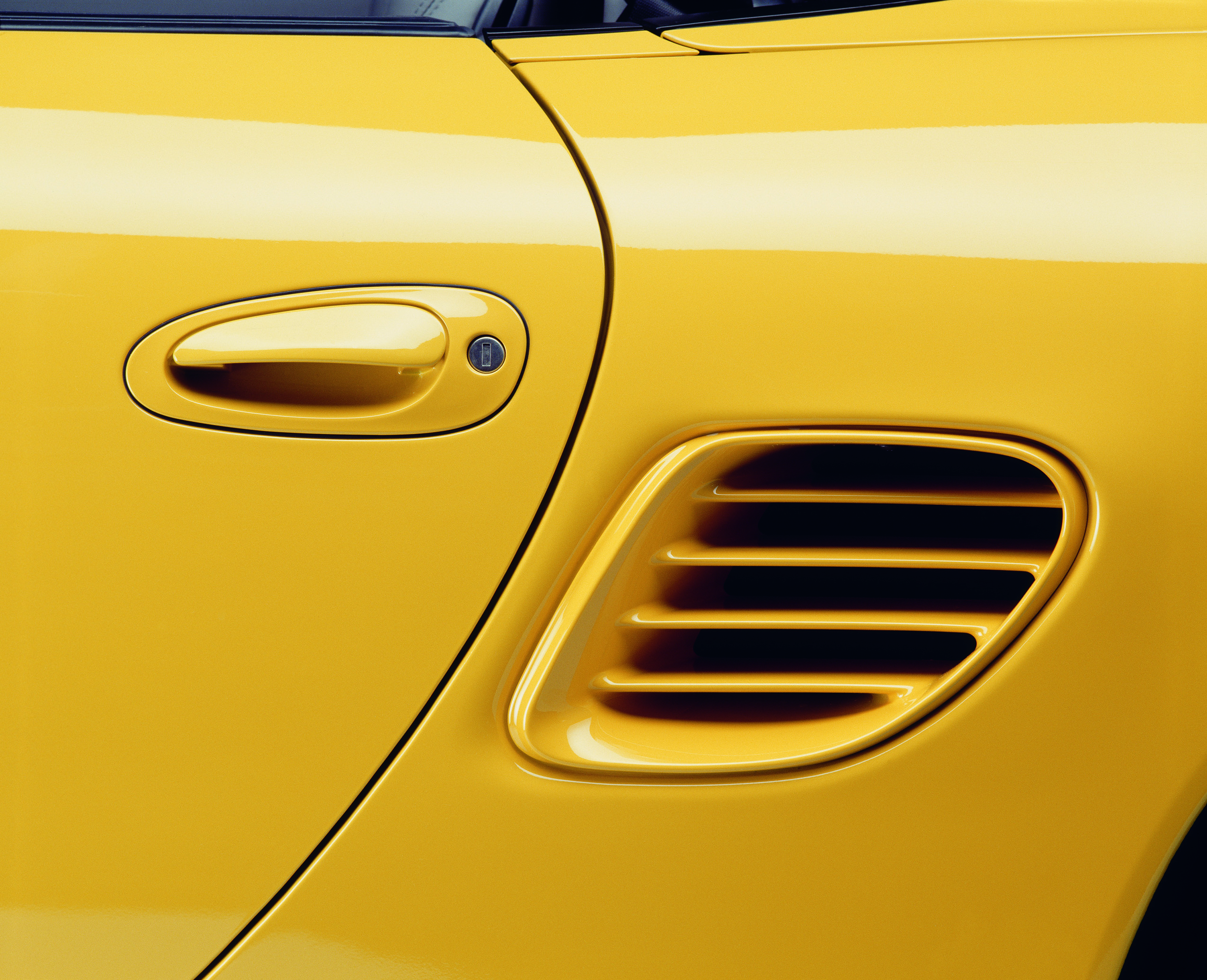
The lateral air intakes are now flush with the body and are painted in the vehicle colour.
|
Porsche
|
718
|
Boxster
|
986 I
|
|
|
Dr. Ing. h.c. F. Porsche AG
|
Image
|
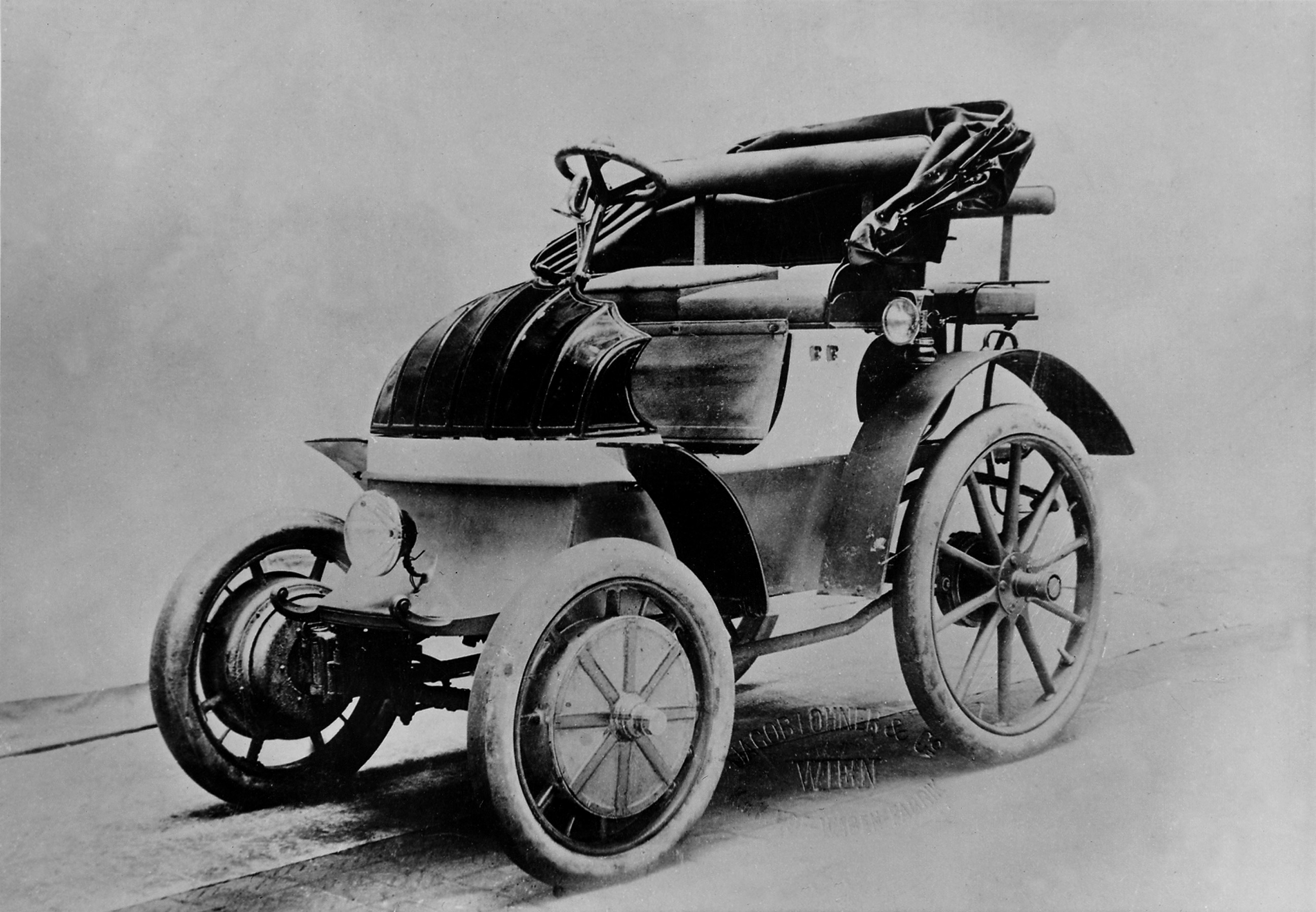
The Lohner-Porsche electric car, powered by wheel-hub motors, caused a sensation at the Paris world trade fair in 1900.
|
Lohner-Porsche
|
|
|
|
|
|
Dr. Ing. h.c. F. Porsche AG
|
Image
|
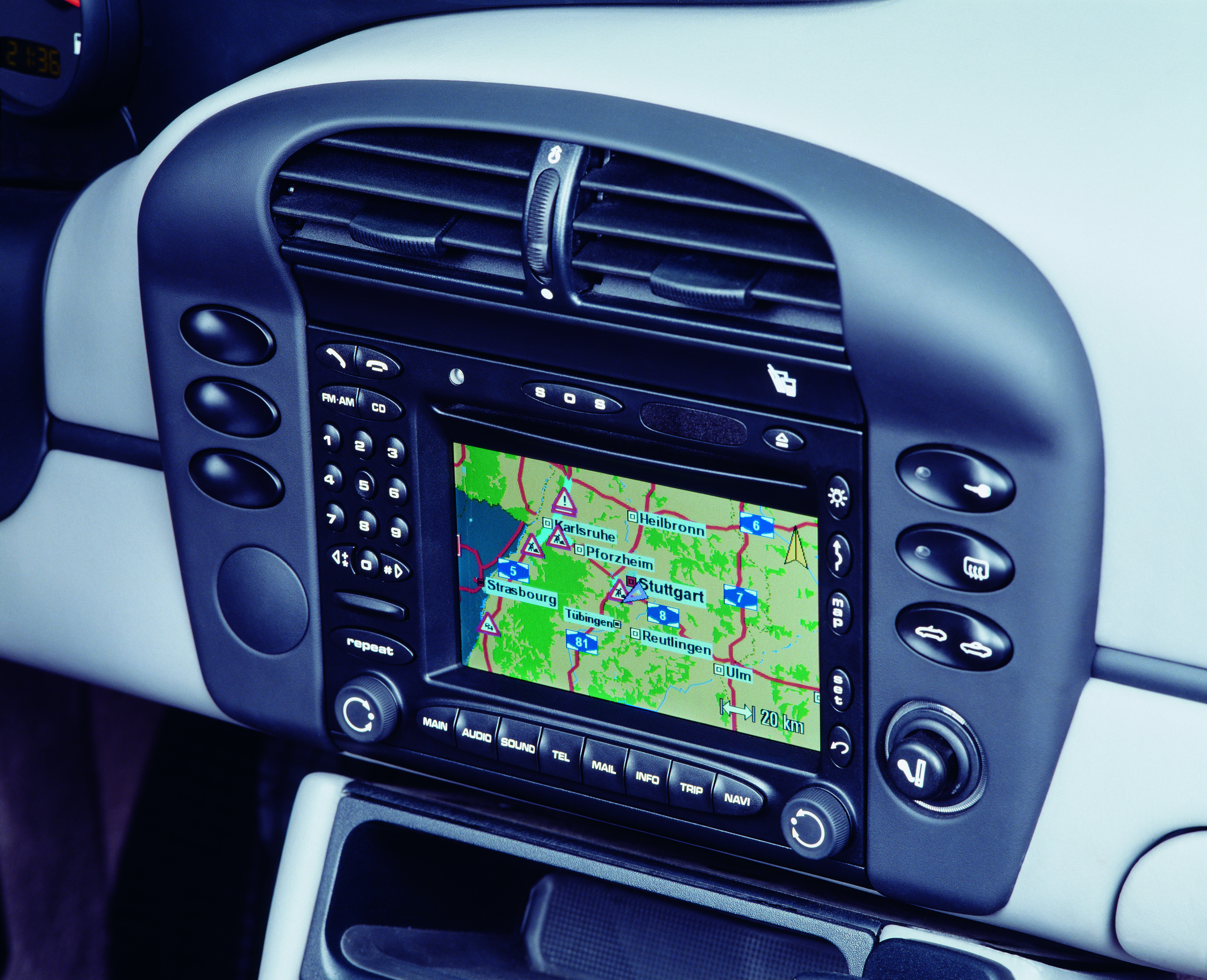
The main features of the new Porsche Communication Management (PCM) system include the 5.8" colour display panel with an aspect ratio of 16:9 and the user-friendly 12-button keypad.
|
Porsche
|
718
|
Boxster
|
986 I
|
|
|
Dr. Ing. h.c. F. Porsche AG
|
Image
|
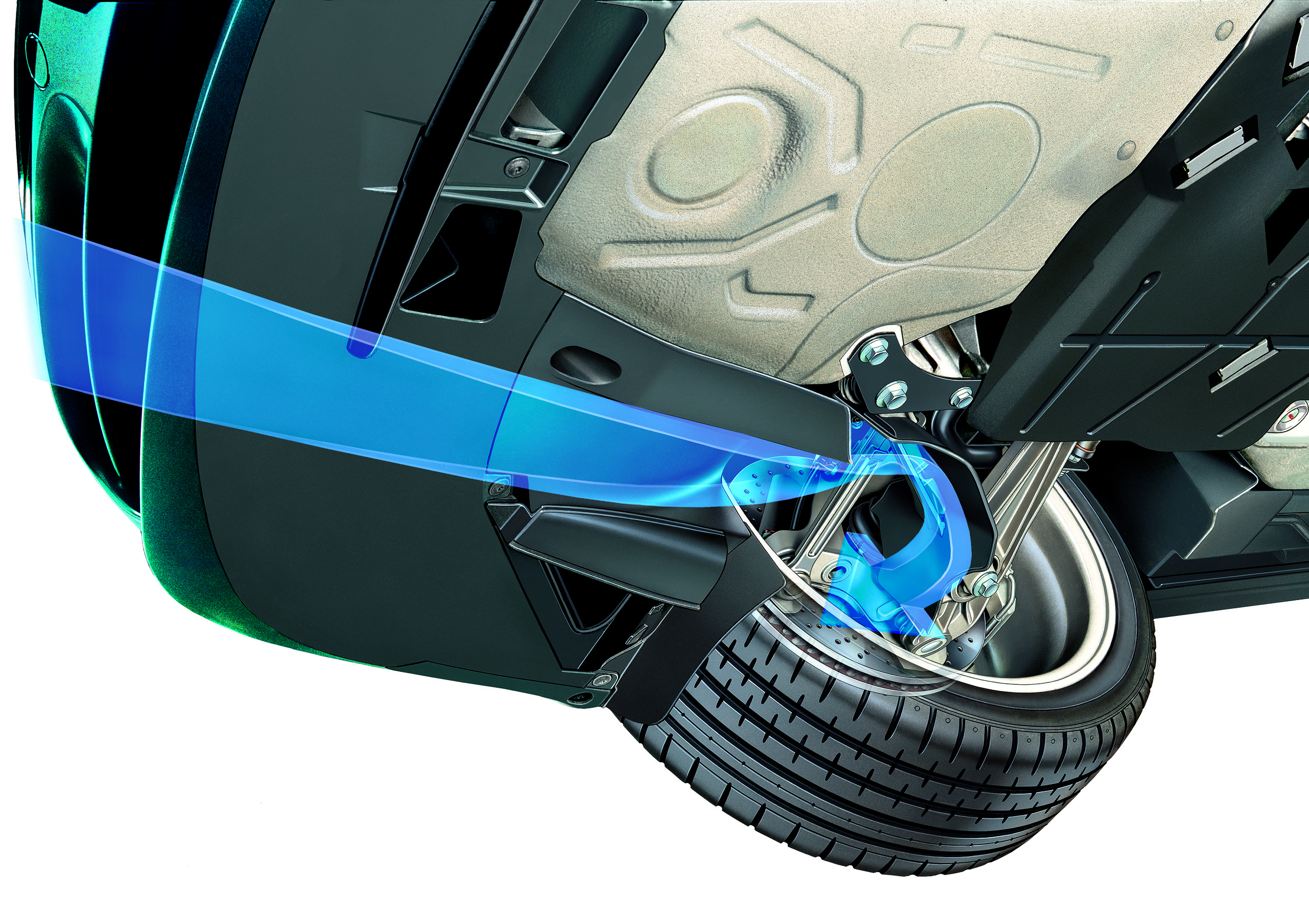
The modified front end provides an even better flow of air and troughput of cooling air in the wheel houses by 15 per cent
|
Porsche
|
911
|
Carrera Cabriolet
|
996 II
|
|
|
Dr. Ing. h.c. F. Porsche AG
|
Image
|
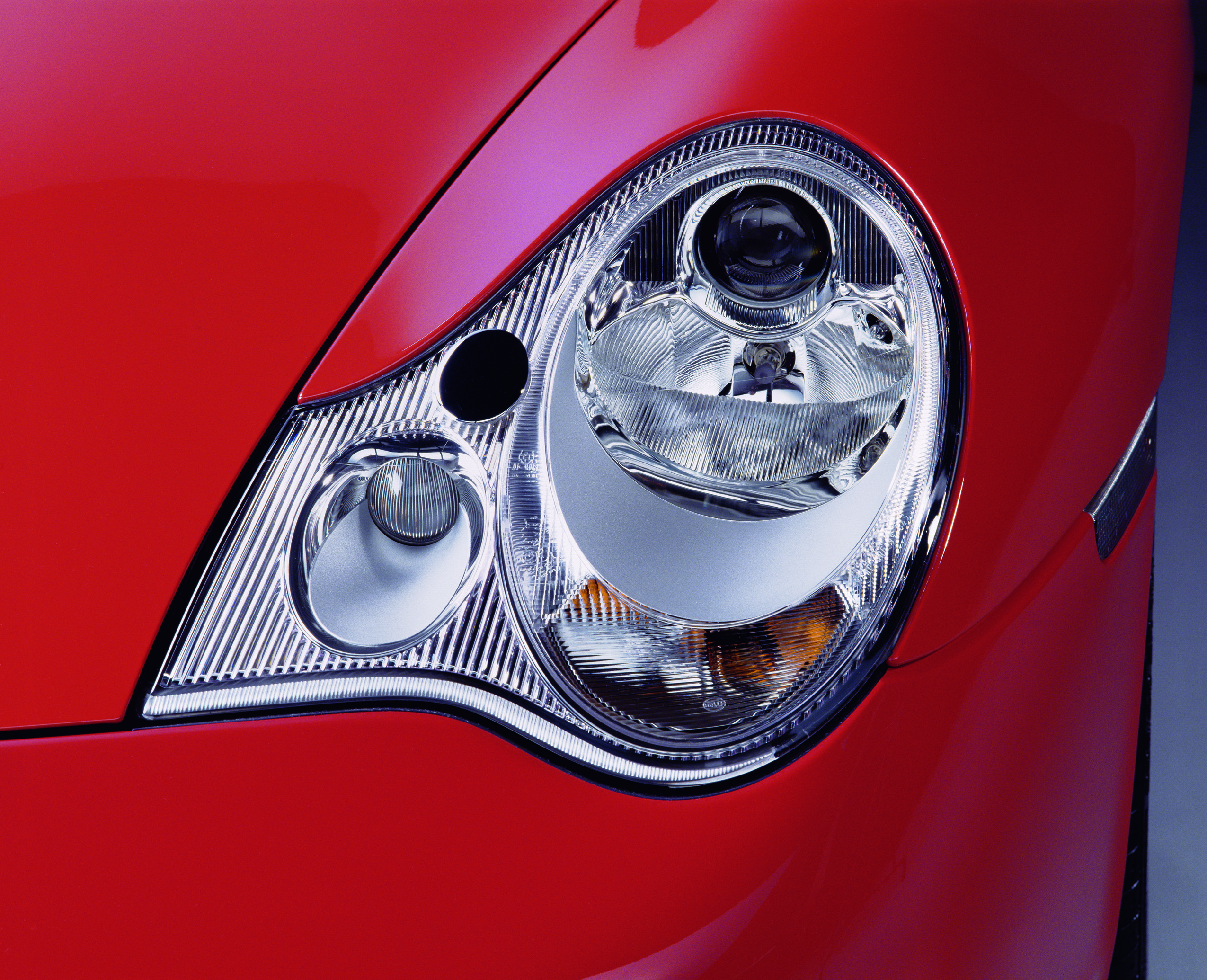
The new Carrera models have adopted the same headlight design as the 911 Turbo
|
Porsche
|
911
|
Carrera
|
996 II
|
|
|
Dr. Ing. h.c. F. Porsche AG
|
Image
|
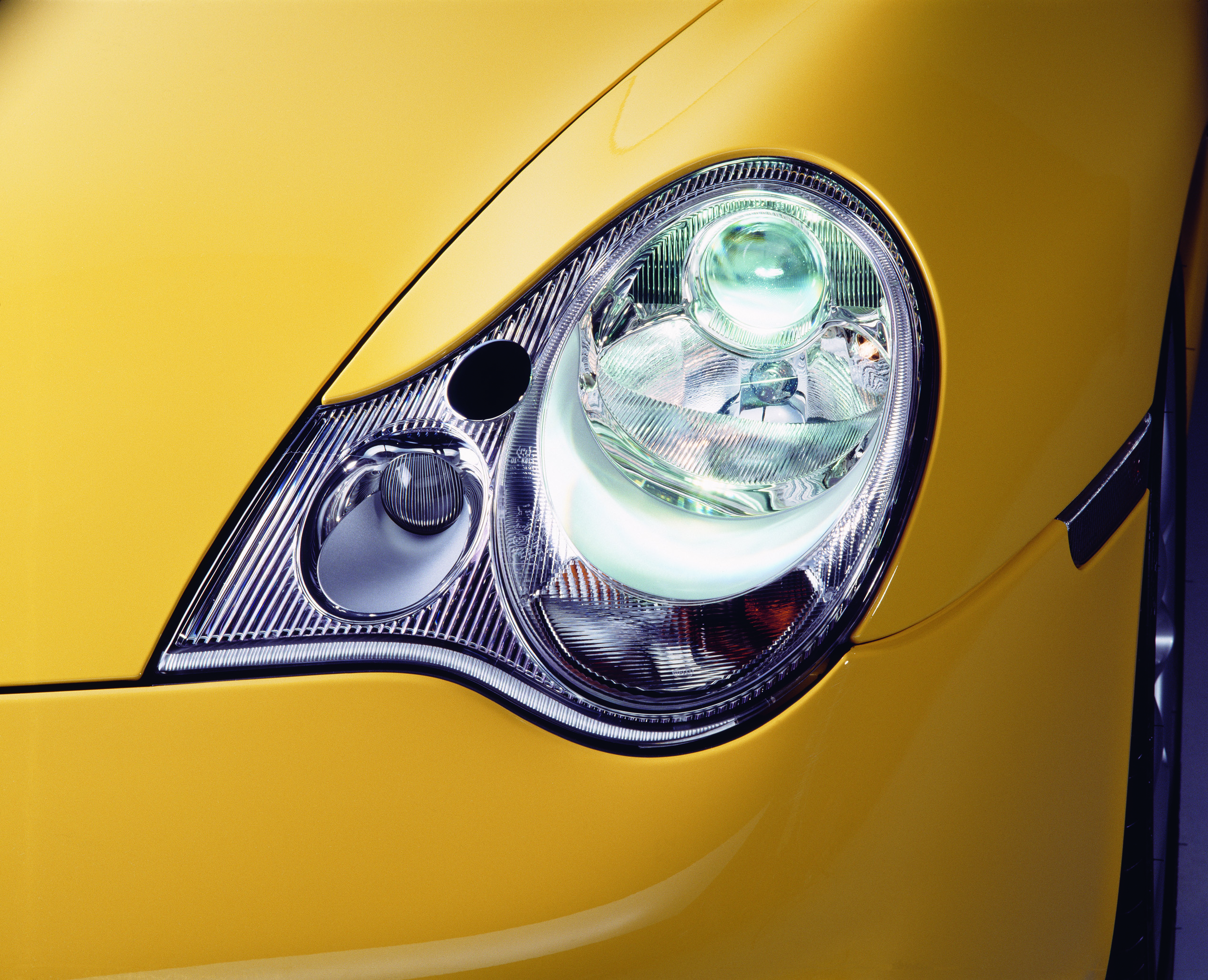
The new Carrera models have adopted the same headlight design as the 911 Turbo
|
Porsche
|
911
|
Carrera Cabriolet
|
996 II
|
|
|
Dr. Ing. h.c. F. Porsche AG
|
Image
|
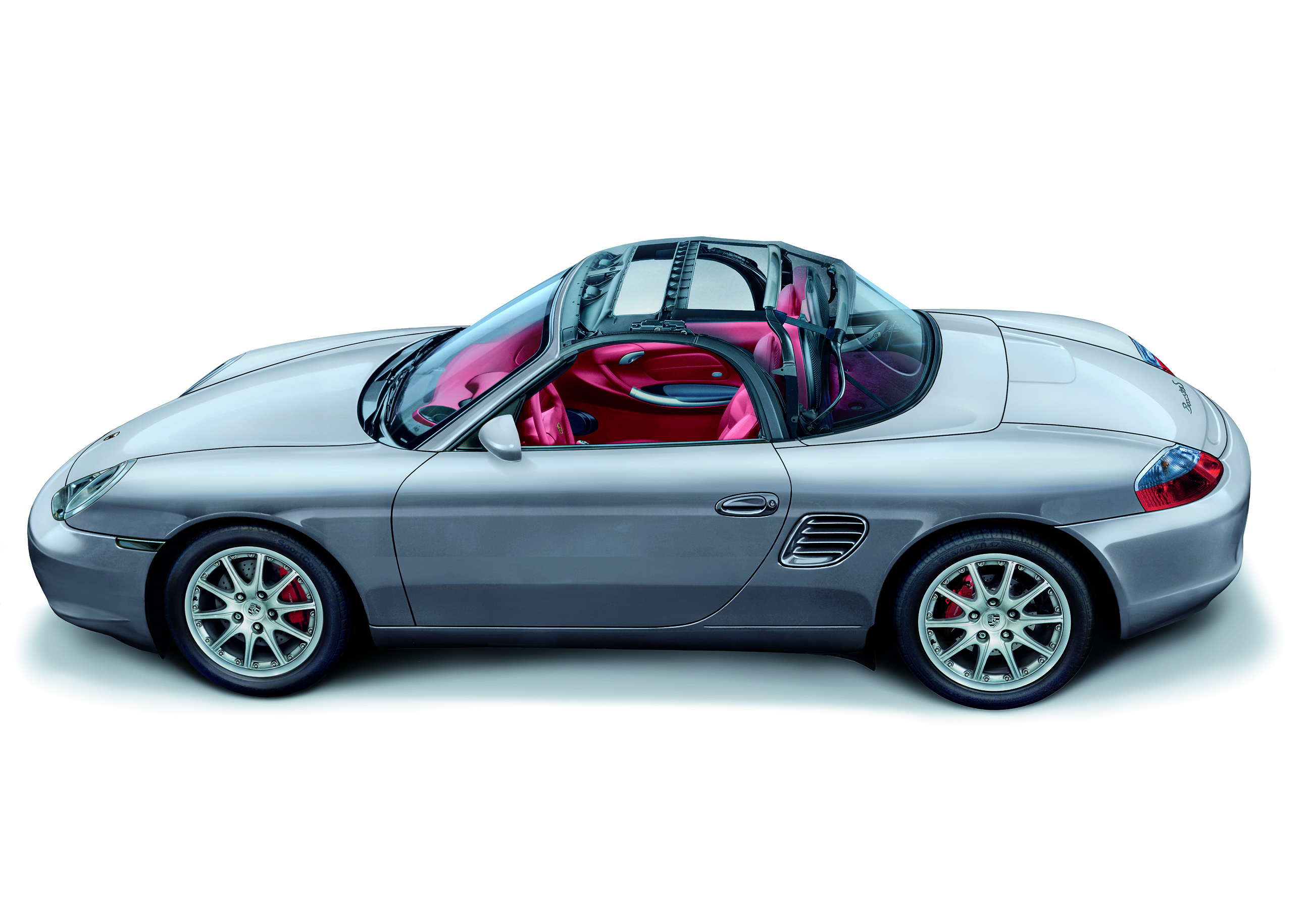
The new fourth softtop bow supports the fabric over the new glass rear window and allows the softtop to slope down to the rear lid more steeply.
|
Porsche
|
718
|
Boxster S
|
986 I
|
|
|
Dr. Ing. h.c. F. Porsche AG
|
Image
|
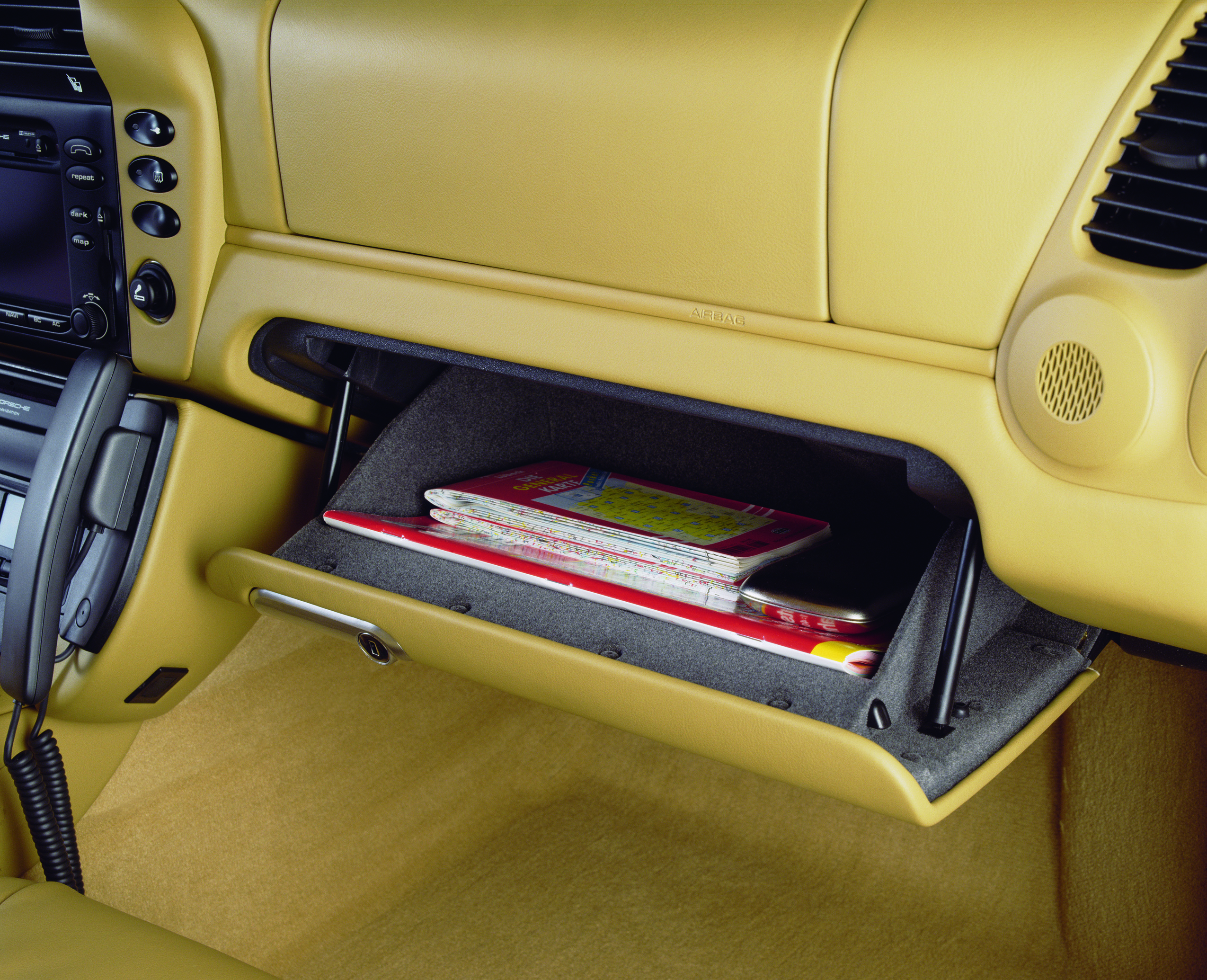
The new glove compartment with a capacity of five litres
|
Porsche
|
911
|
Carrera
|
996 II
|
|
|
Dr. Ing. h.c. F. Porsche AG
|
Image
|
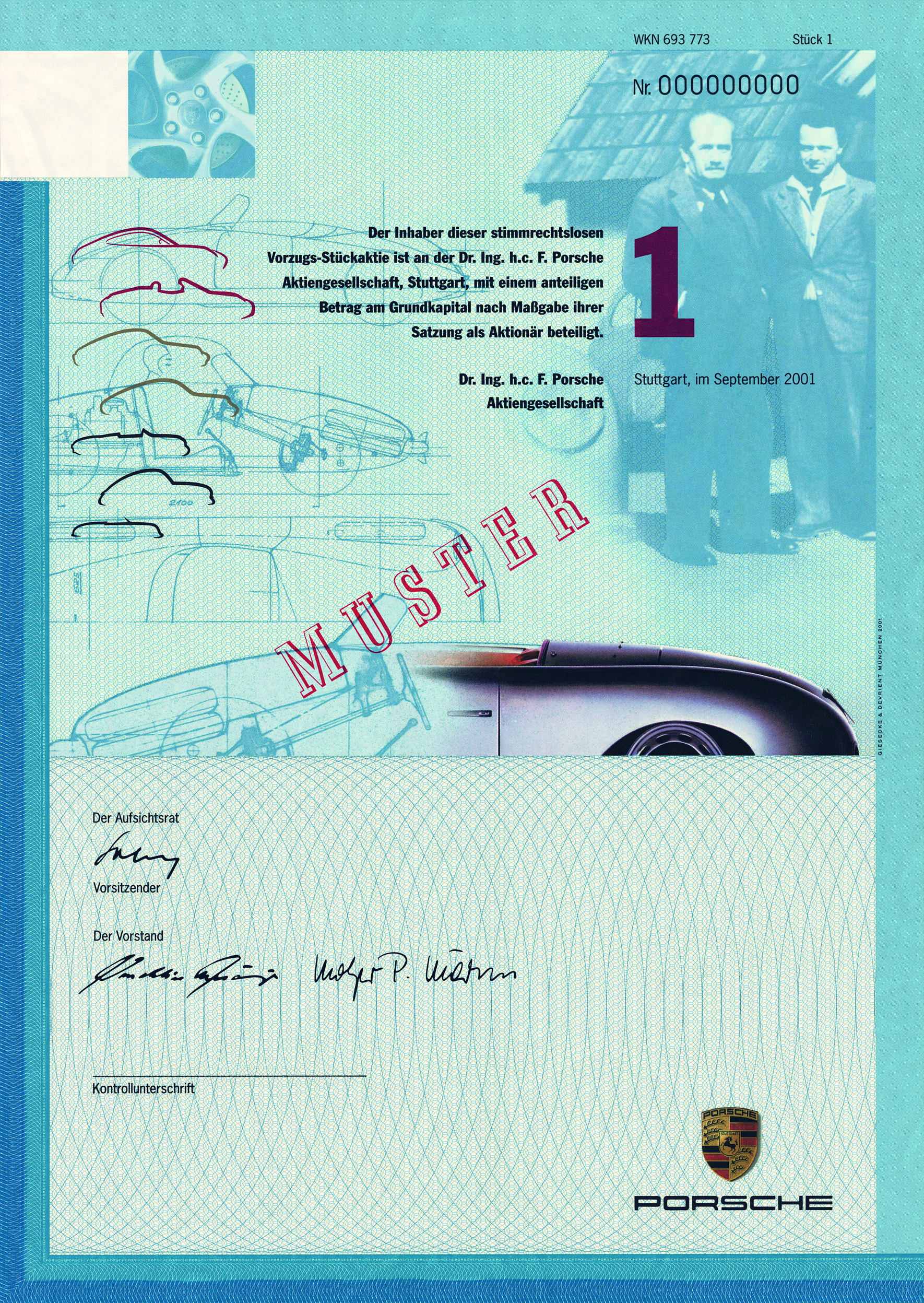
The new share certificate of Dr. Ing. h.c. F. Porsche AG, Stuttgart/Germany
|
|
|
|
|
|
|
Dr. Ing. h.c. F. Porsche AG
|
Image
|
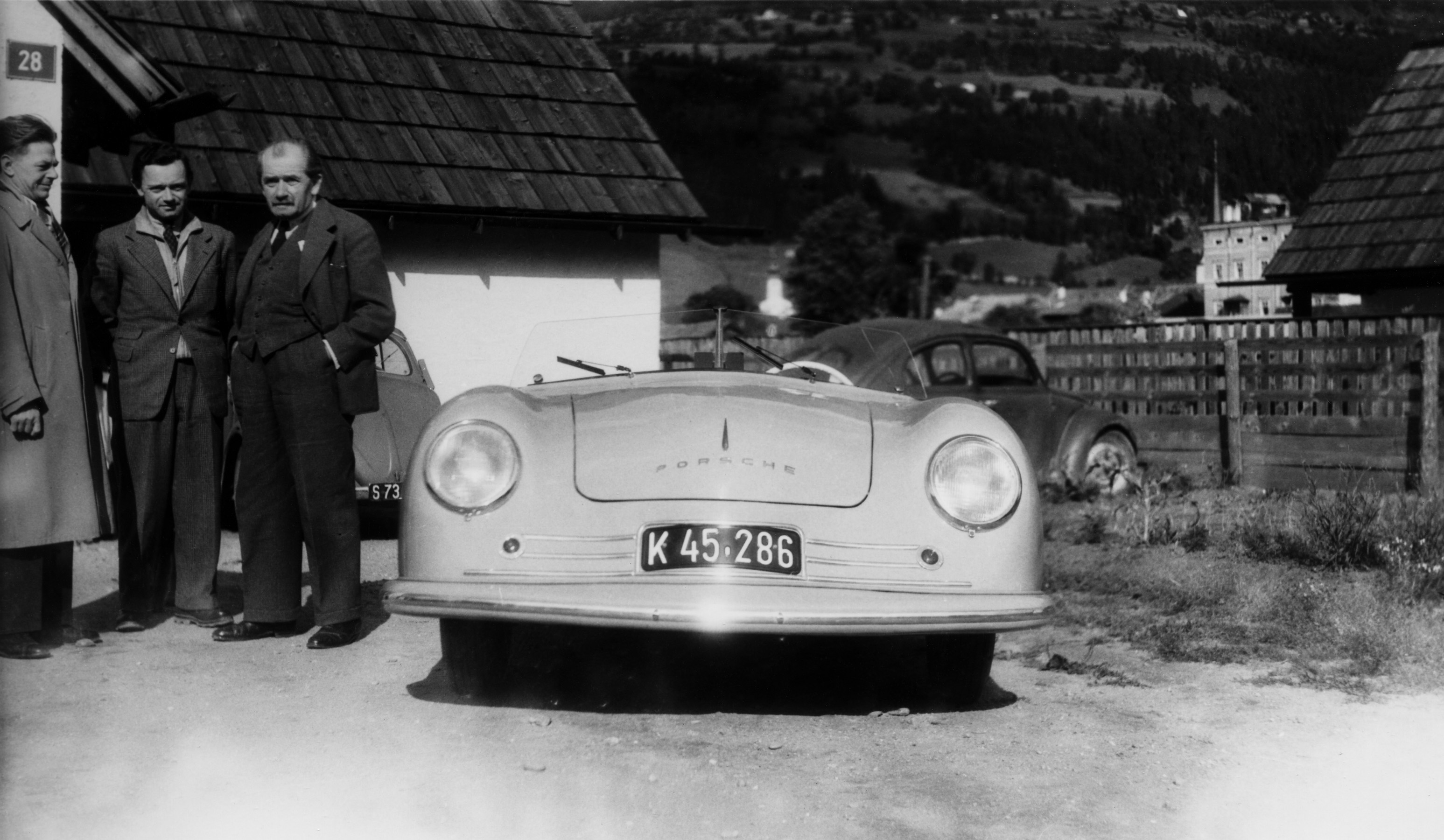
The No. 1, the first car to have the Porsche name: An aluminium roadster with a centrally-placed engine and a weight of 585 kg. 35 HP enabled speeds of up to 135 kilometres per hour.
|
Porsche
|
356
|
|
356
|
|
|
Dr. Ing. h.c. F. Porsche AG
|
Image
|
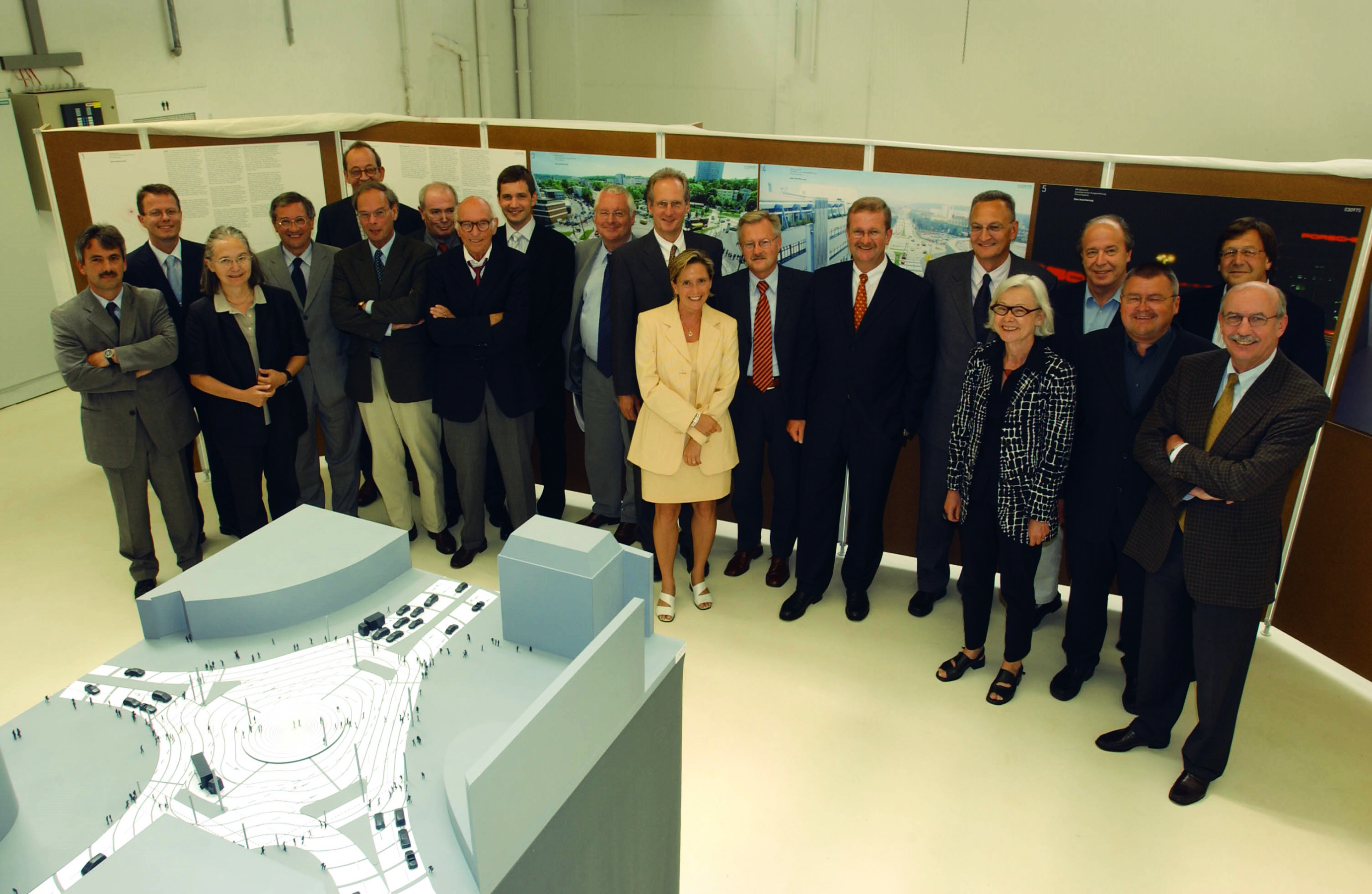
The panel of experts with the winning design from Karin Sander
|
|
|
|
|
|
|
Dr. Ing. h.c. F. Porsche AG
|
Image
|
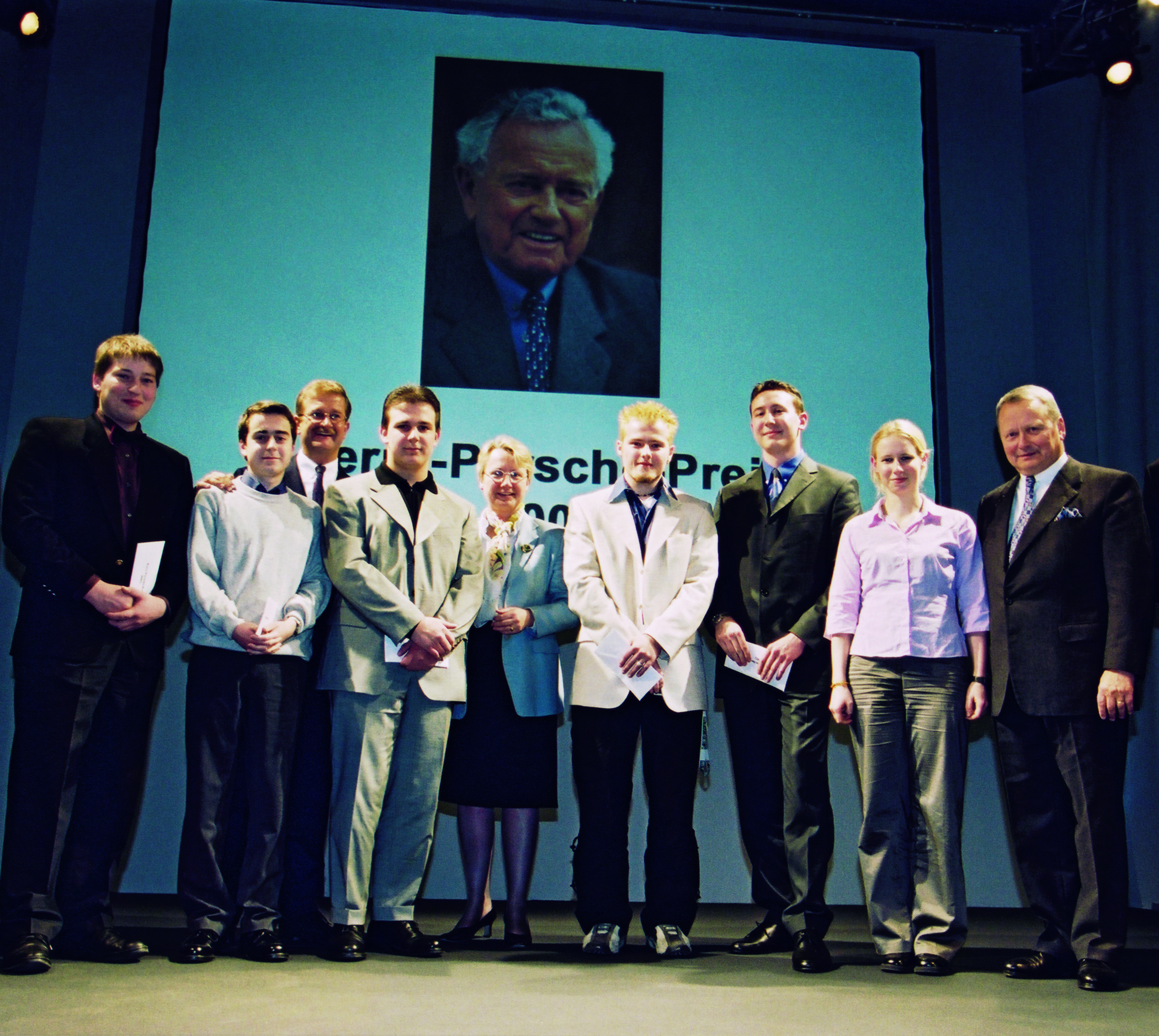
The photograph shows, from left to right: Hans-Peter Reck, Thomas Müller, Dr. Wendelin Wiedeking, Nikolaus Moll, Dr. Annette Schavan, Axel Neumayer, Fabian Schmidt, Kerstin Hornung (Ferdinand Porsche Grammar School, Stuttgart-Zuffenhausen, speaker for the prizewinners), Dr. Wolfgang Porsche.
|
|
|
|
|
|
|
Dr. Ing. h.c. F. Porsche AG
|
Image
|
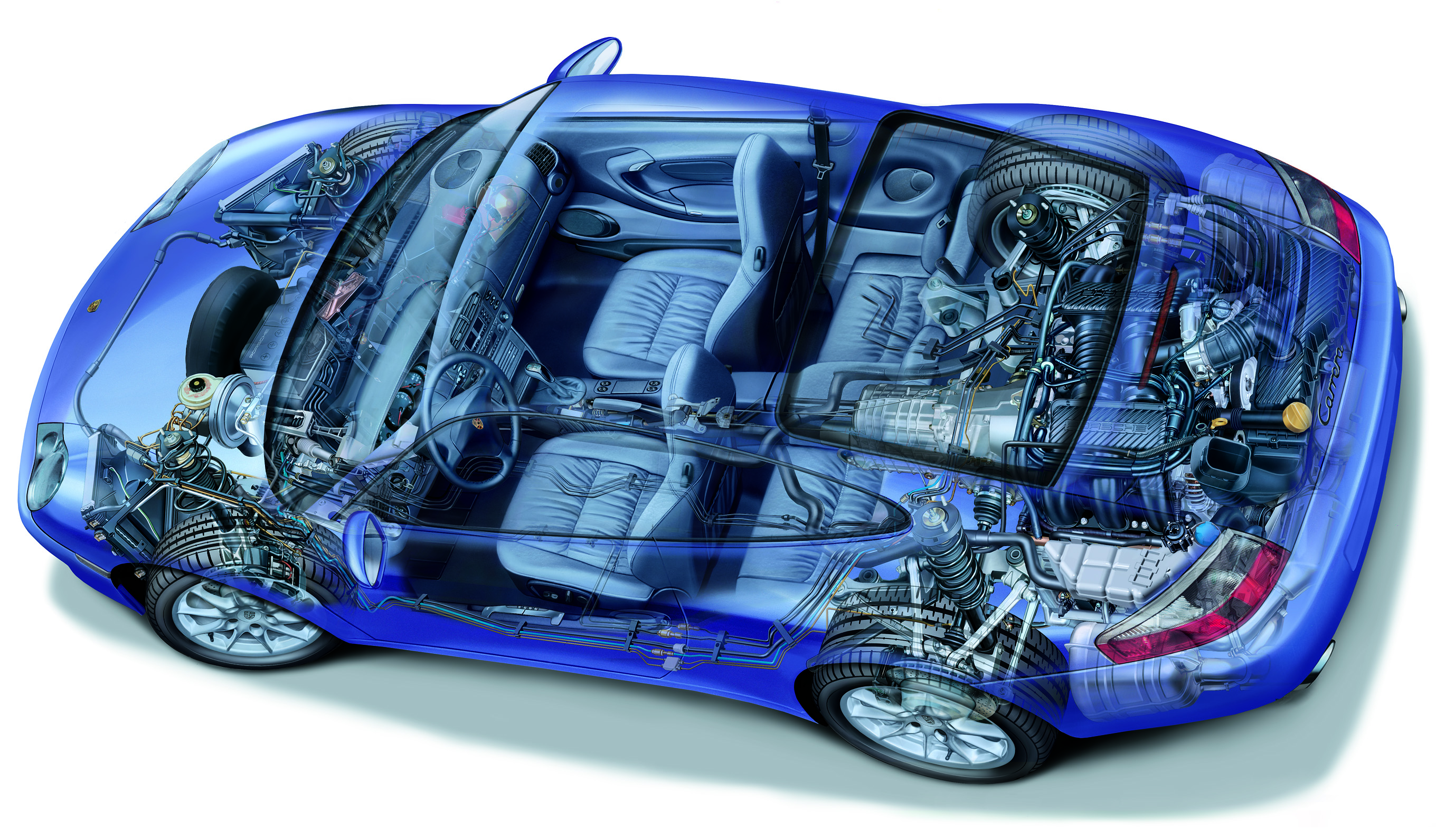
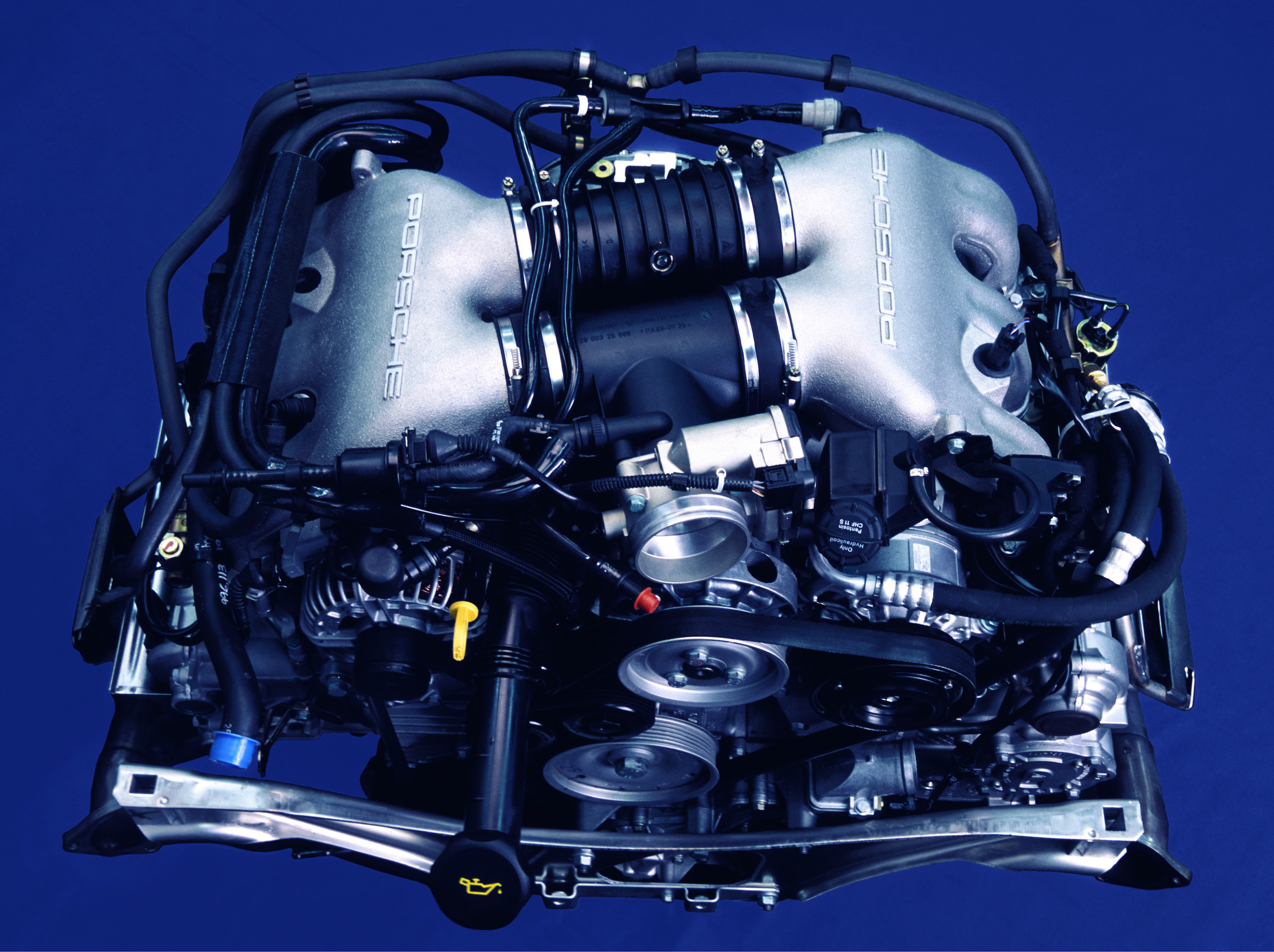
The placing of the engine in the rear end puts weight on the drive wheels and as a result improves the traction in all driving situations
|
Porsche
|
911
|
Carrera
|
996 II
|
|
|
Dr. Ing. h.c. F. Porsche AG
|
Image
|
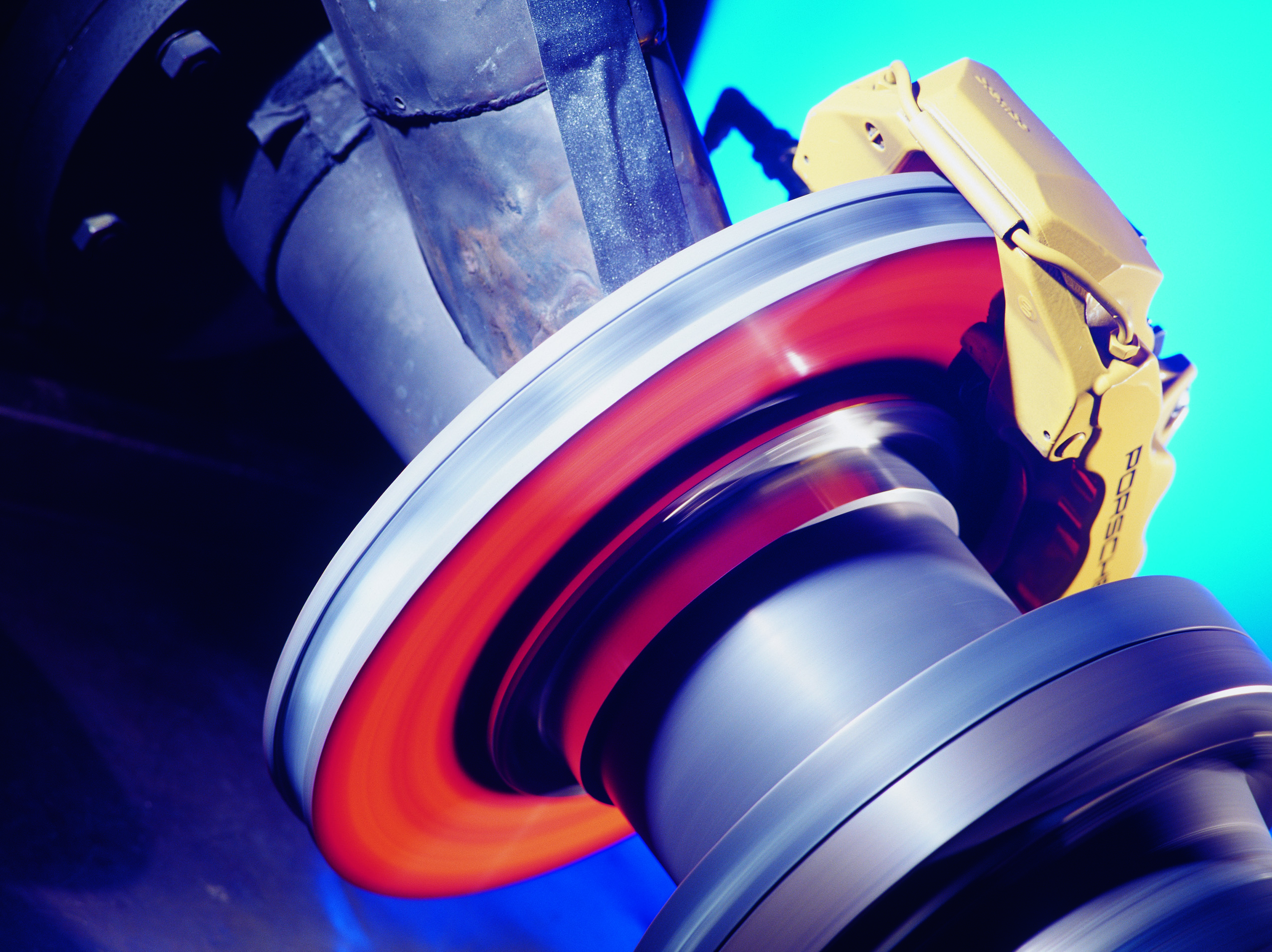
The Porsche Ceramic Composite Brake is nearly wear free.
|
Porsche
|
|
|
|
|
|
Dr. Ing. h.c. F. Porsche AG
|
Image
|
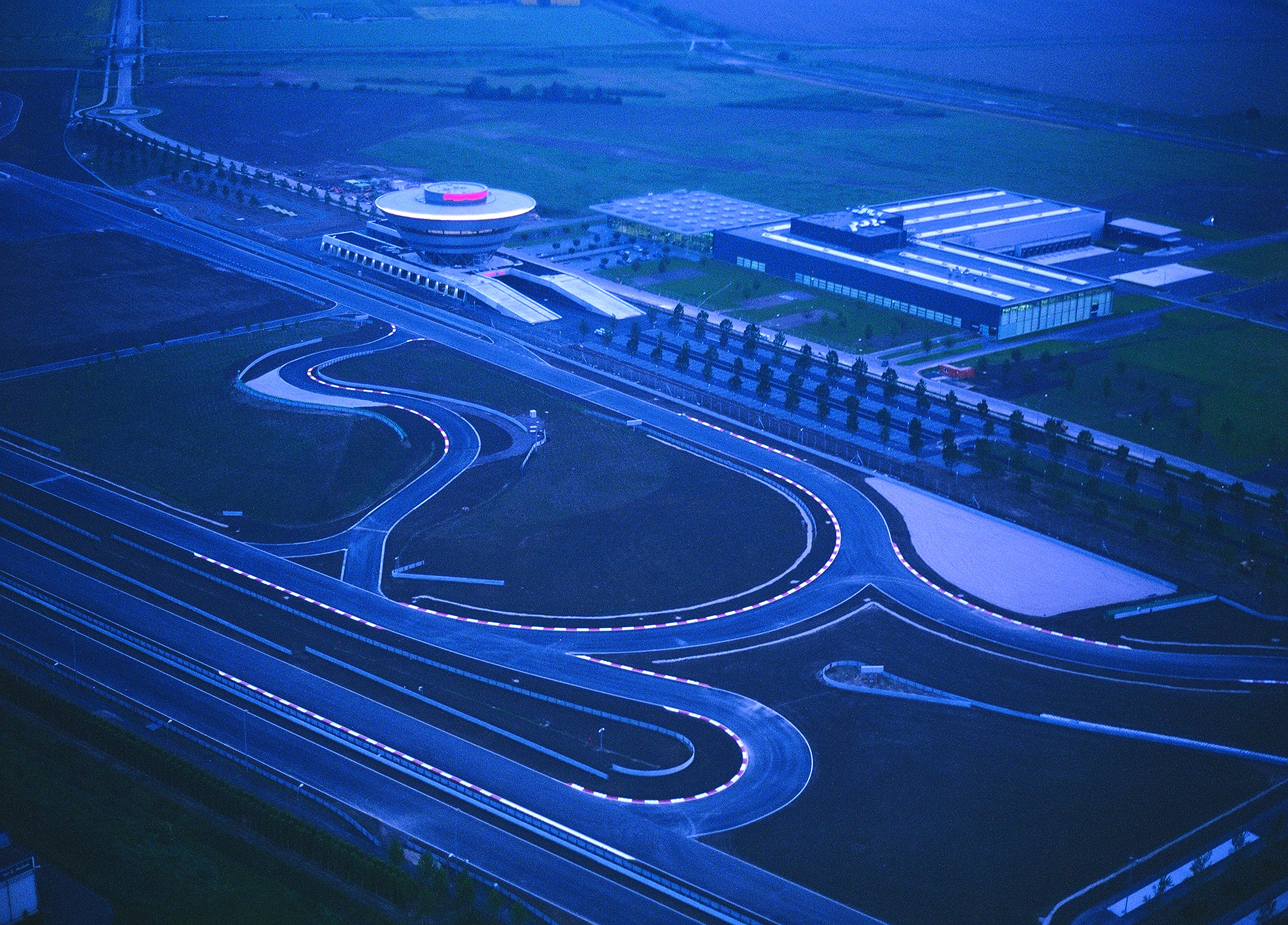
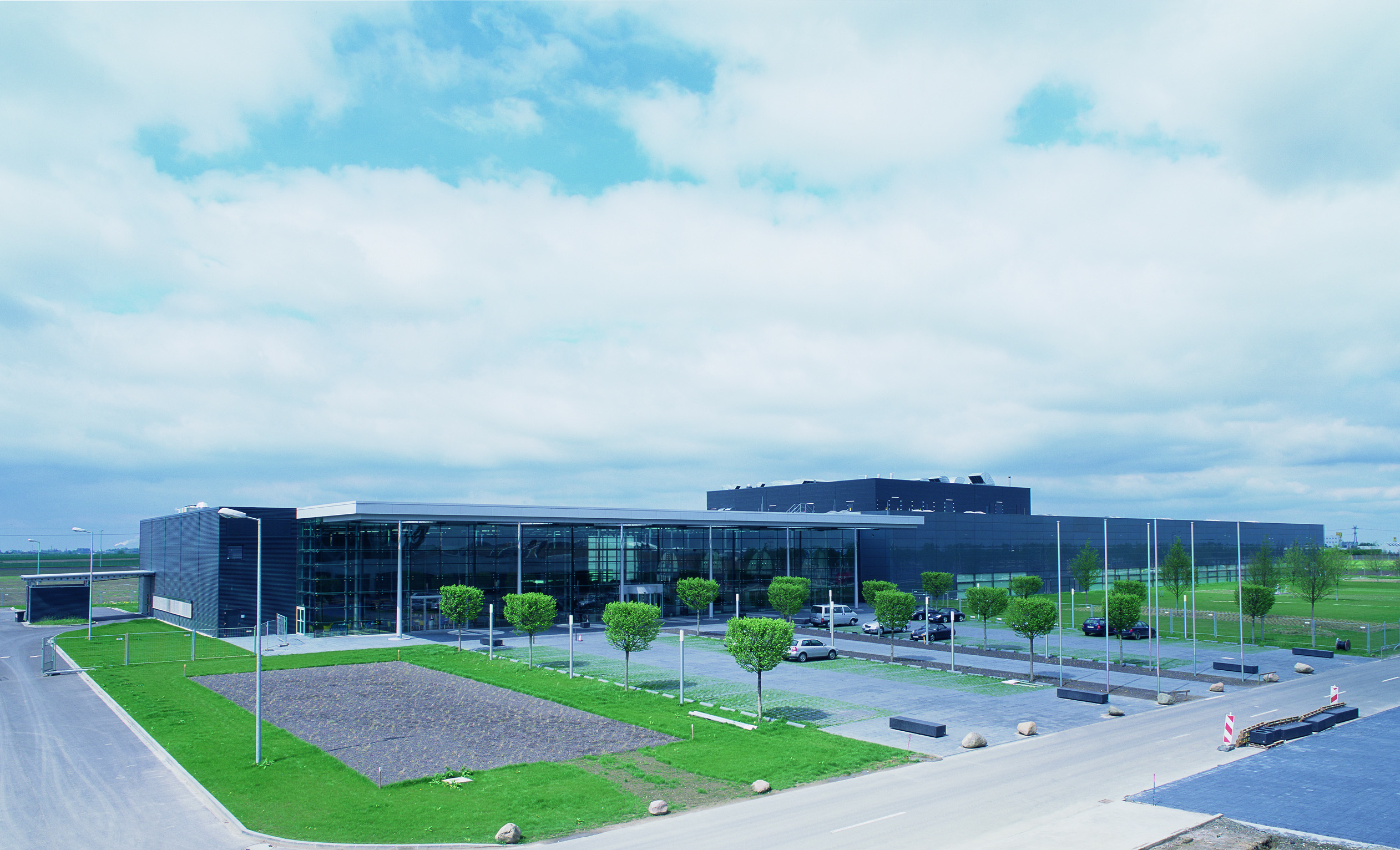
The Porsche plant in Leipzig with Customer Service Centre, administration section, production hall and run-in and test track
|
|
|
|
|
|
|
Dr. Ing. h.c. F. Porsche AG
|
Image
|
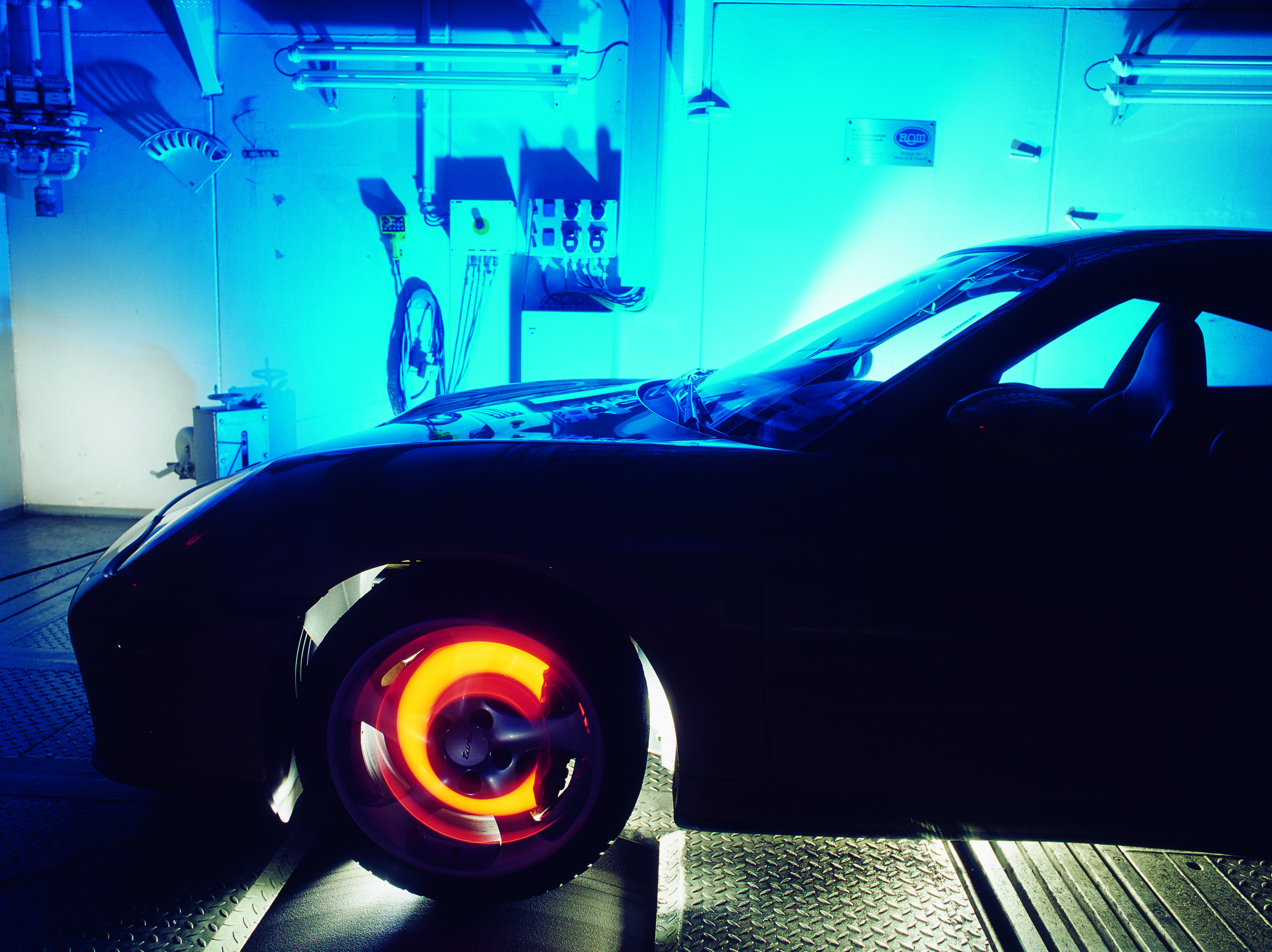
The Porsche roller brake tester allows deceleration tests from speeds of up to 200 km/h.
|
Porsche
|
|
|
|
|
|
Dr. Ing. h.c. F. Porsche AG
|
Image
|
The Powerkit in the 911: An engine with 345 hp (254 kW) for the 911 Carrera
|
Porsche
|
911
|
|
996 II
|
|
|
Dr. Ing. h.c. F. Porsche AG
|
Image
|
The production hall is joined on to the right of the administration section
|
|
|
|
|
|
|
Dr. Ing. h.c. F. Porsche AG
|
Image
|
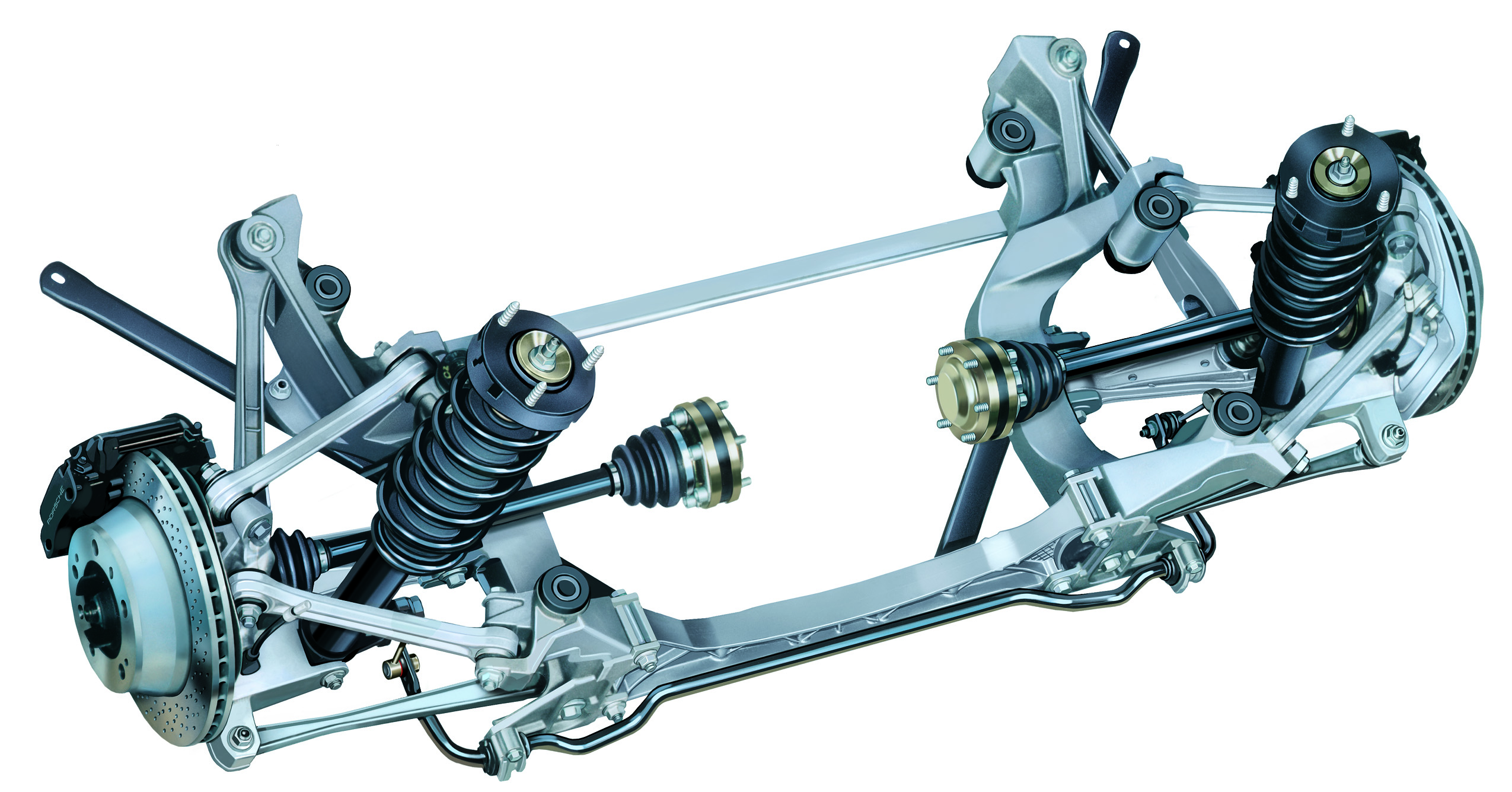
The rear axle has directly acting stabilizers in the pipe construction
|
Porsche
|
911
|
Carrera
|
996 II
|
|
|
Dr. Ing. h.c. F. Porsche AG
|
Image
|
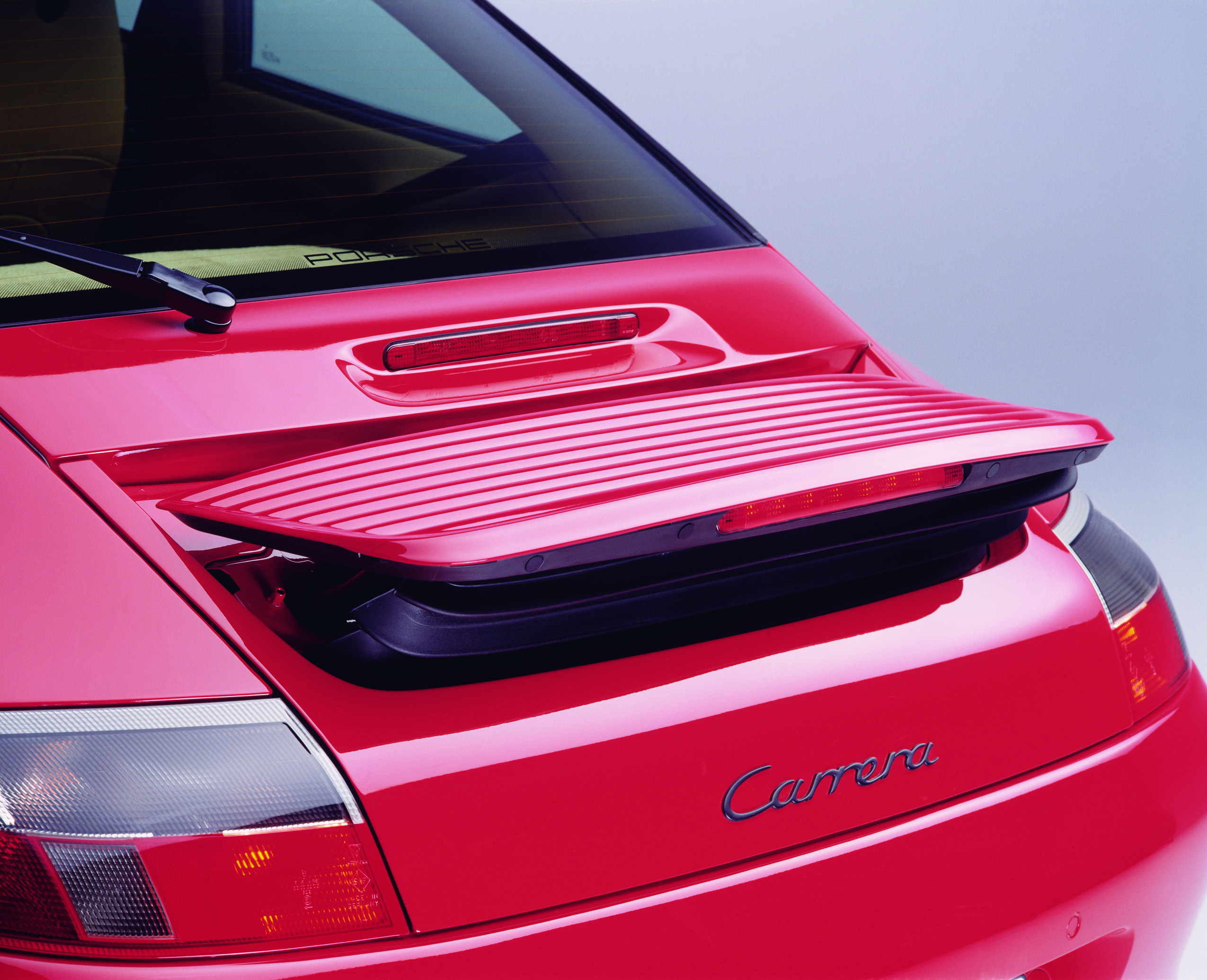
The rear spoiler extends automatically at a speed of 120 km/h (75 mph)
|
Porsche
|
911
|
Carrera
|
996 II
|