|
Dr. Ing. h.c. F. Porsche AG
|
Image
|
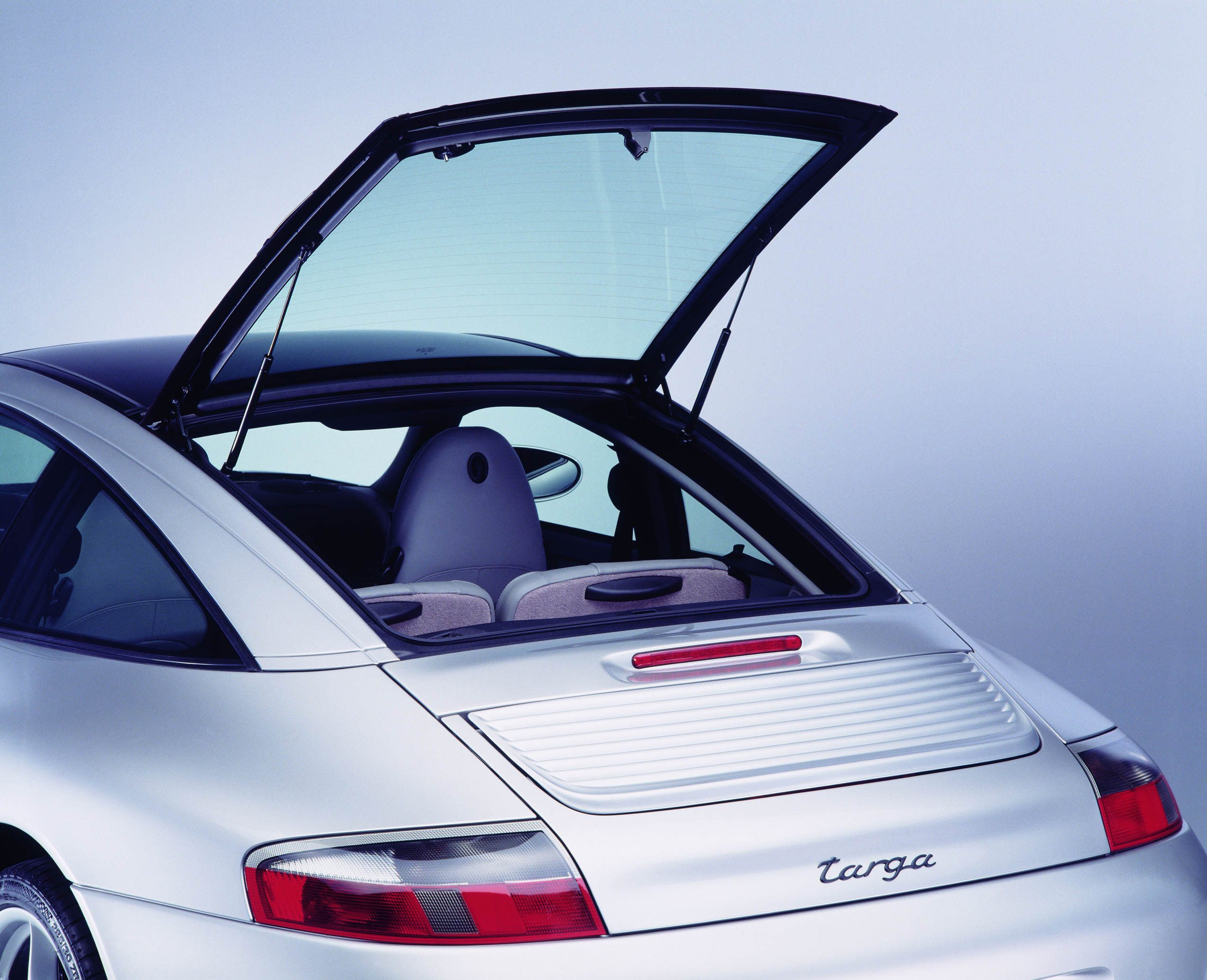
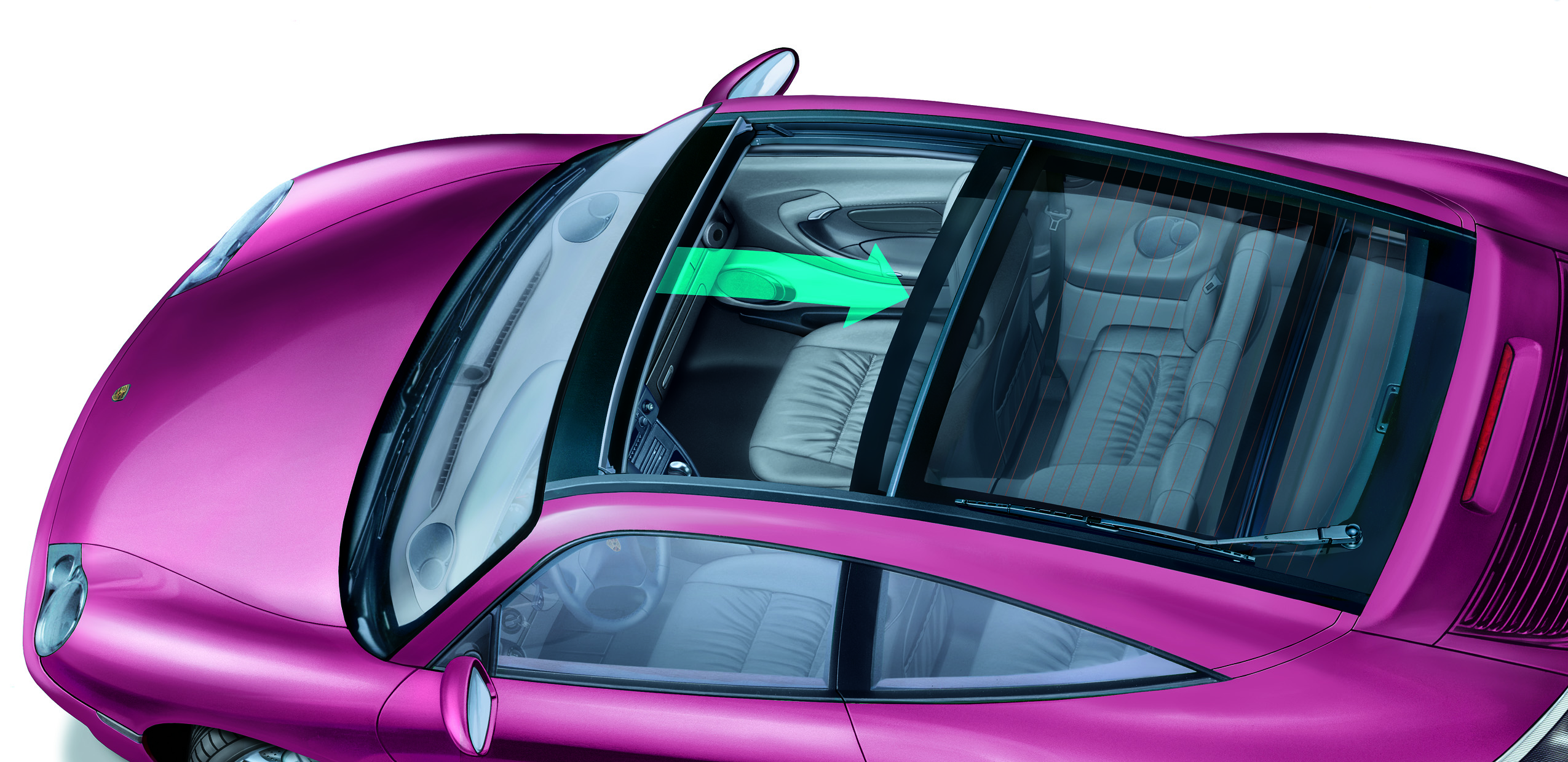
The rear window of the 911 Targa folds upwards with the help of two pneumatic springs.
|
Porsche
|
911
|
Targa
|
996 II
|
|
|
Dr. Ing. h.c. F. Porsche AG
|
Image
|
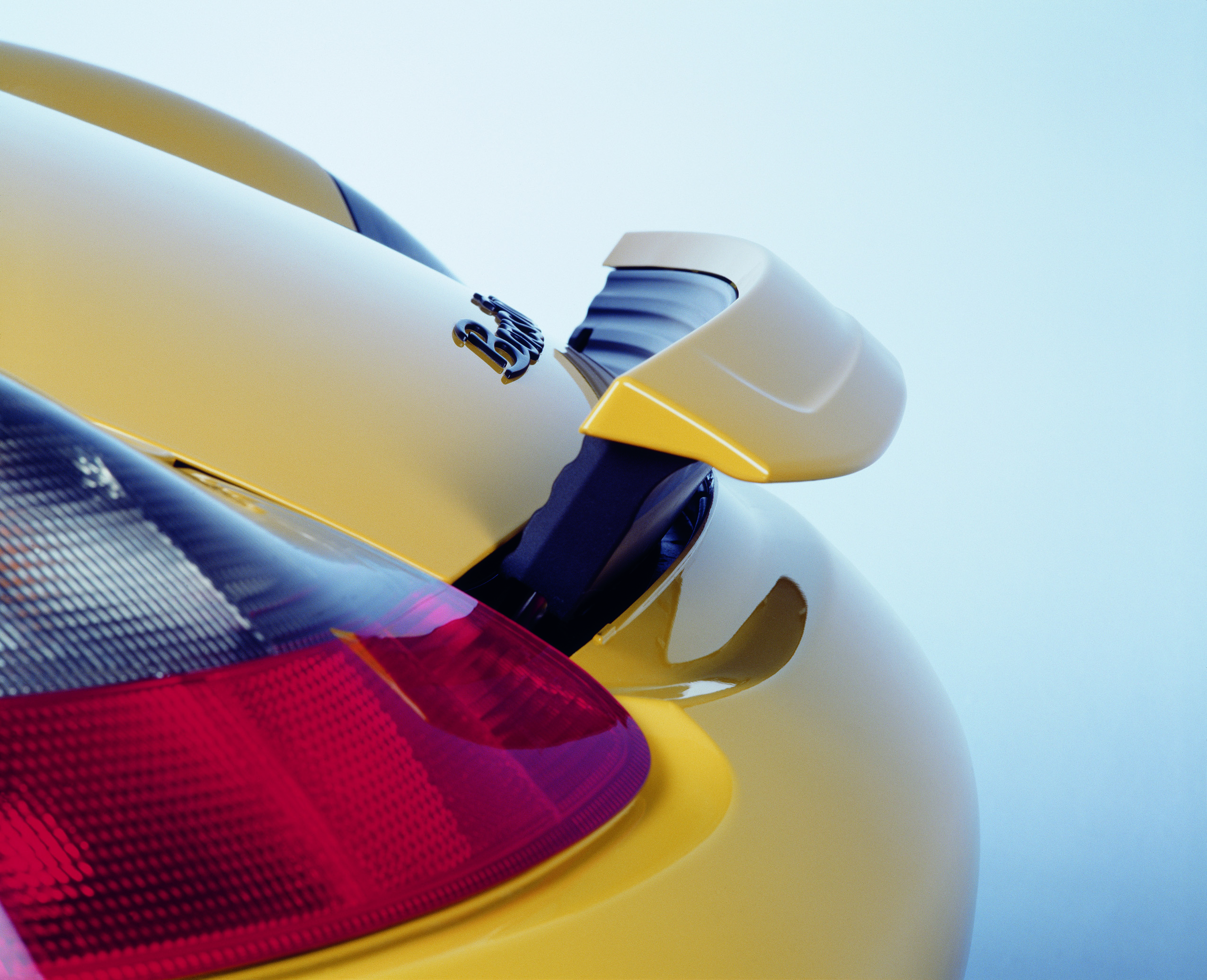
The redesigned rear spoiler automatically extends at a speed of 120 km/h (75 mph).
|
Porsche
|
718
|
Boxster
|
986 I
|
|
|
Dr. Ing. h.c. F. Porsche AG
|
Image
|
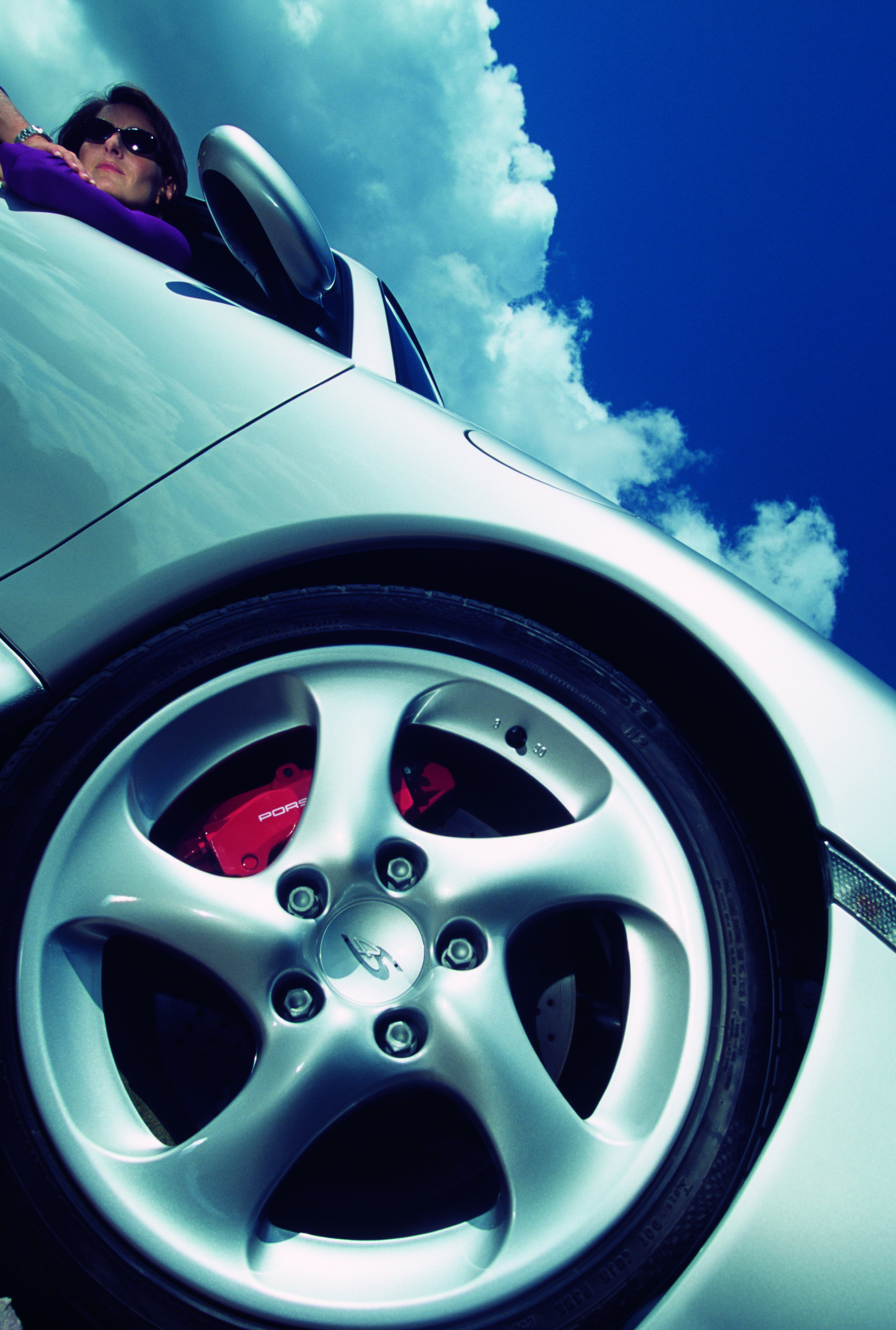
The regular equipment of the 911 Carrera 4S comprises 18-inch alloy wheels in Turbo styling
|
Porsche
|
911
|
Carrera 4S
|
996 II
|
|
|
Dr. Ing. h.c. F. Porsche AG
|
Image
|
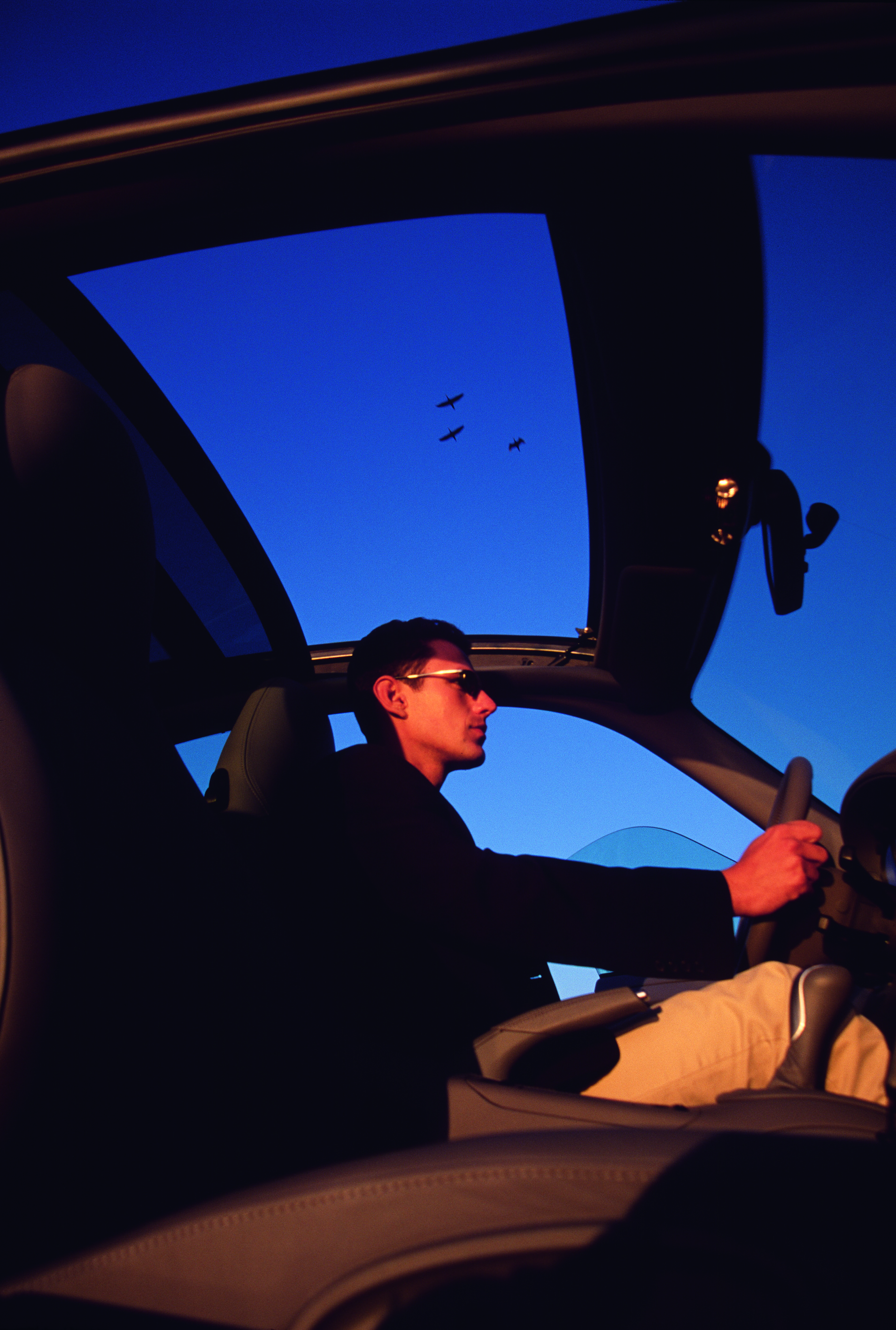
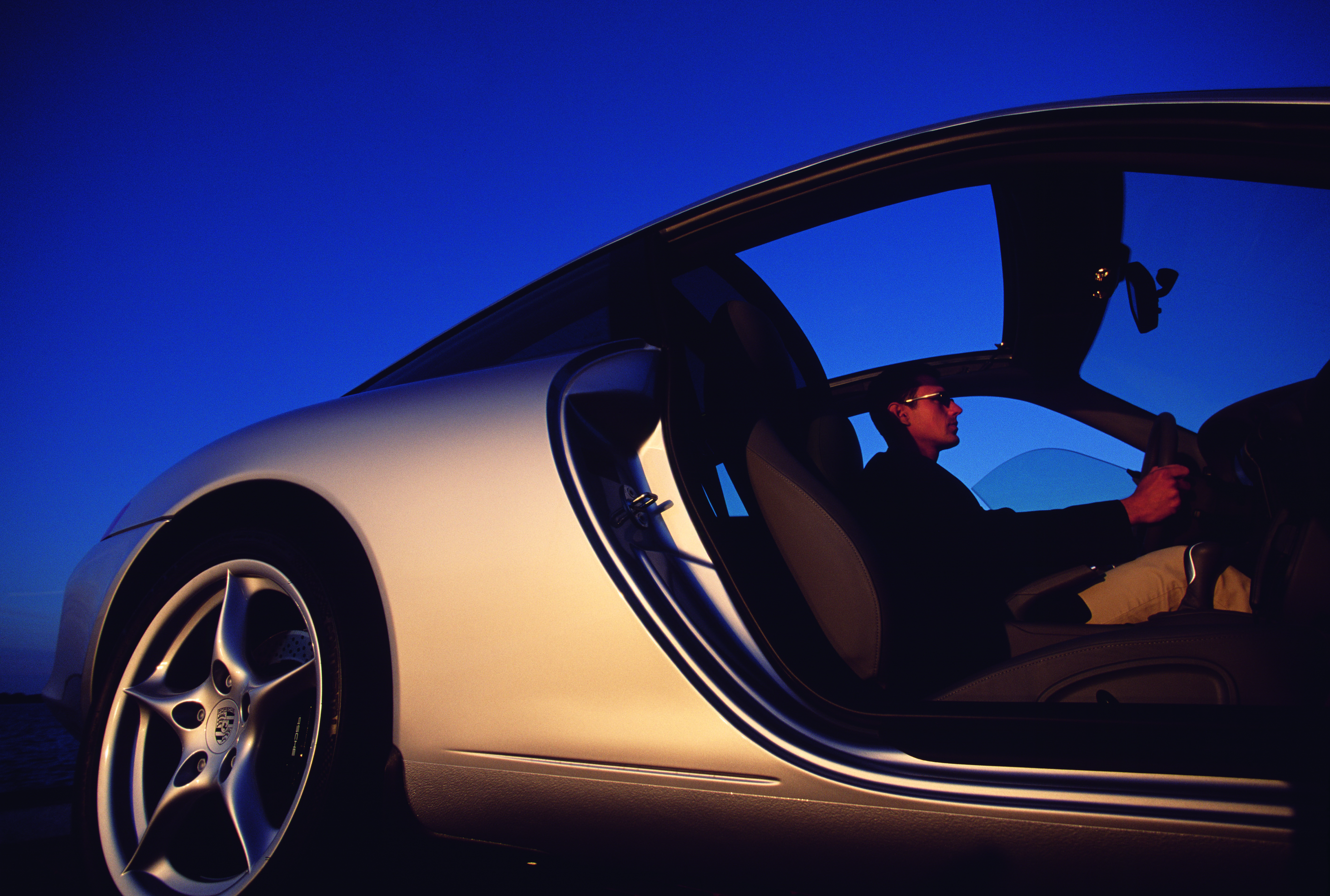
The roof opening surface area on the 911 Targa is 0.45 mò
|
Porsche
|
911
|
Targa
|
996 II
|
|
|
Dr. Ing. h.c. F. Porsche AG
|
Image
|
The roof opening surface area on the 911 Targa is 0.45 mò
|
Porsche
|
911
|
Targa
|
996 II
|
|
|
Dr. Ing. h.c. F. Porsche AG
|
Image
|
The roof opening surface area on the 911 Targa is 0.45 mò.
|
Porsche
|
911
|
Targa
|
996 II
|
|
|
Dr. Ing. h.c. F. Porsche AG
|
Image
|
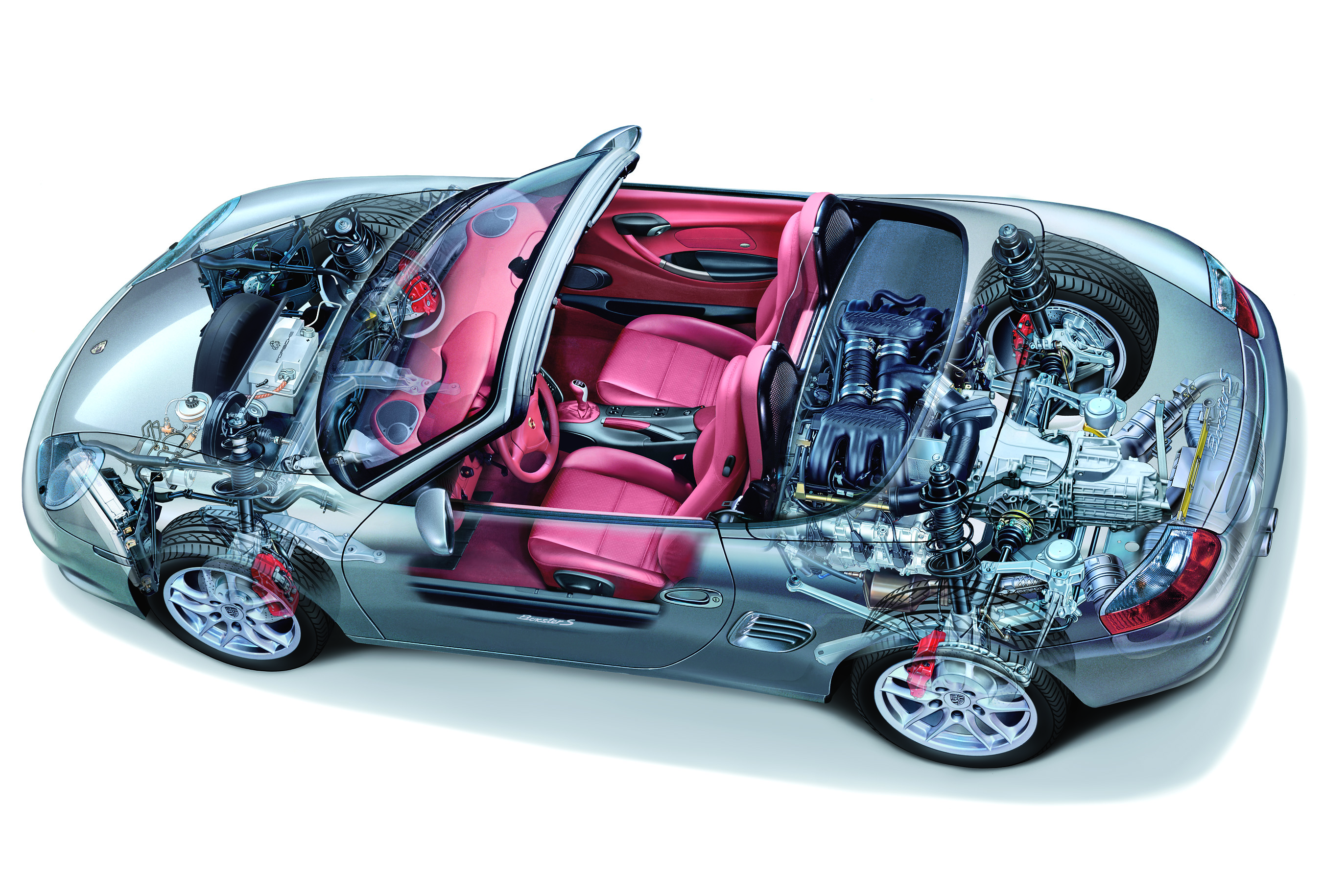
The running gear of the Boxster model line has been adapted to suit the changed driving performance.
|
Porsche
|
718
|
Boxster S
|
986 I
|
|
|
Dr. Ing. h.c. F. Porsche AG
|
Image
|
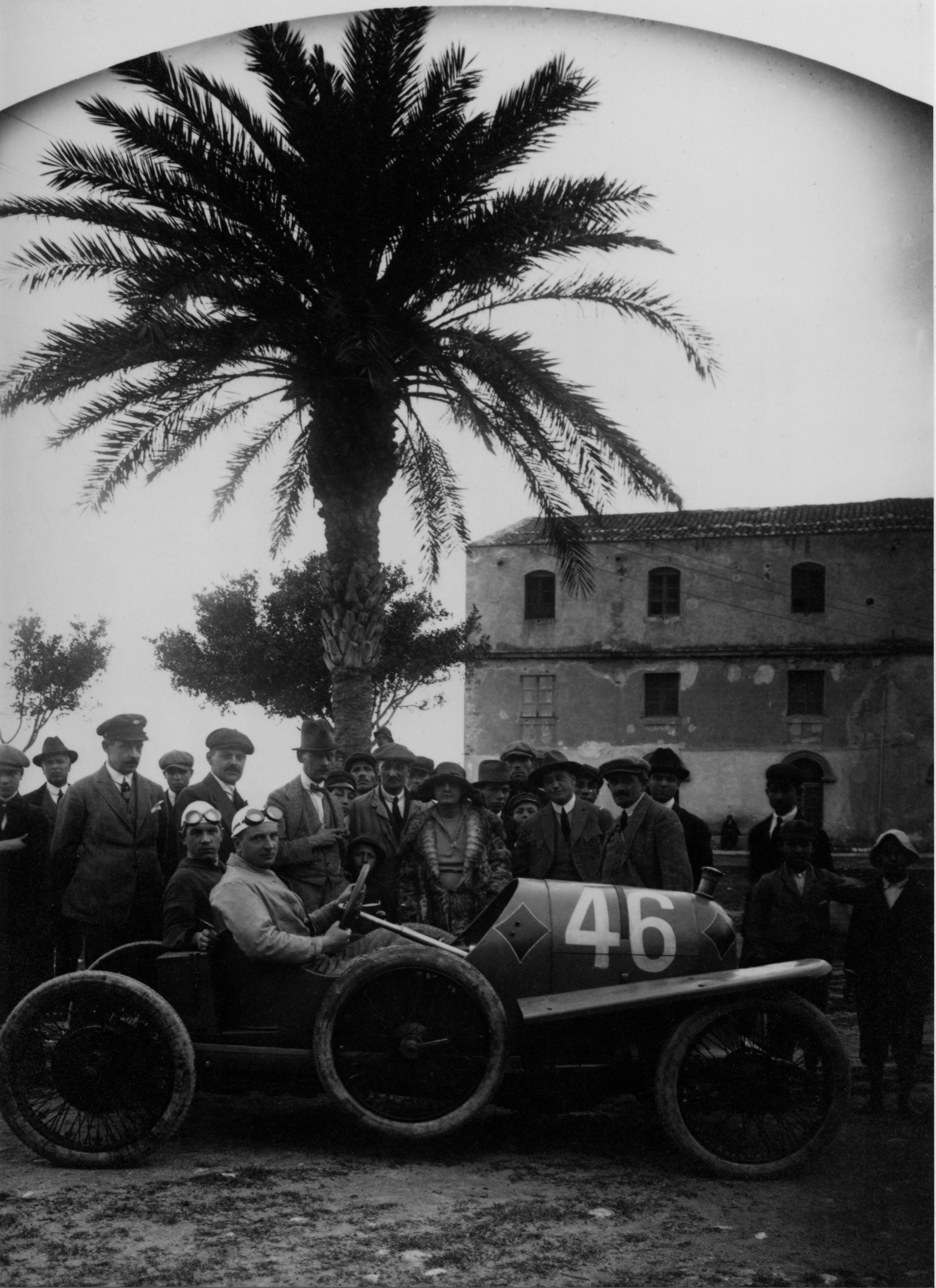
The "Sascha" at the Targa Florio on Sicily in 1922. At the wheel we see Alfred Neubauer.
|
|
|
|
|
|
|
Dr. Ing. h.c. F. Porsche AG
|
Image
|
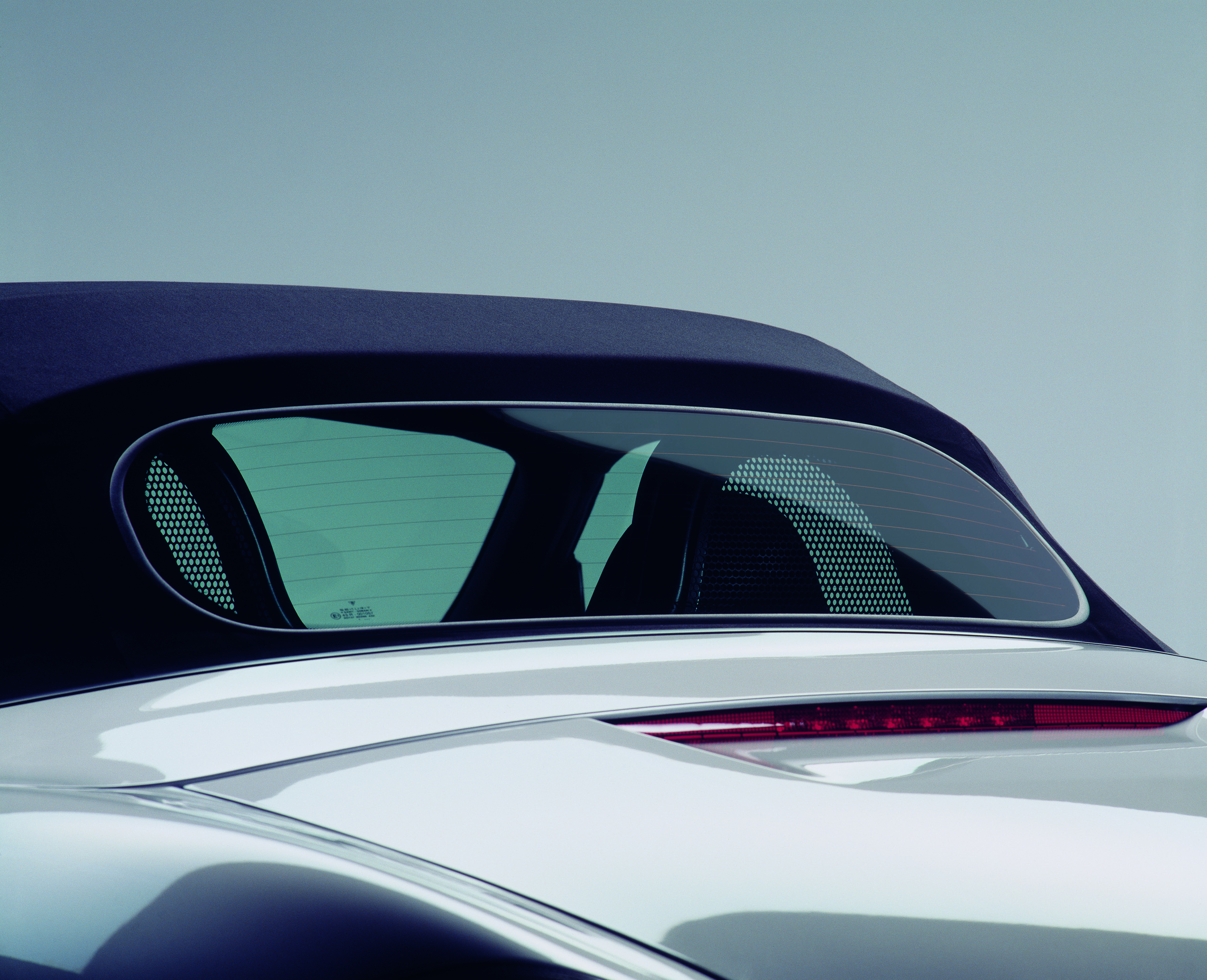
The softtop of Boxster models is equipped with a heated rear window made of glass
|
Porsche
|
718
|
Boxster S
|
986 I
|
|
|
Dr. Ing. h.c. F. Porsche AG
|
Image
|
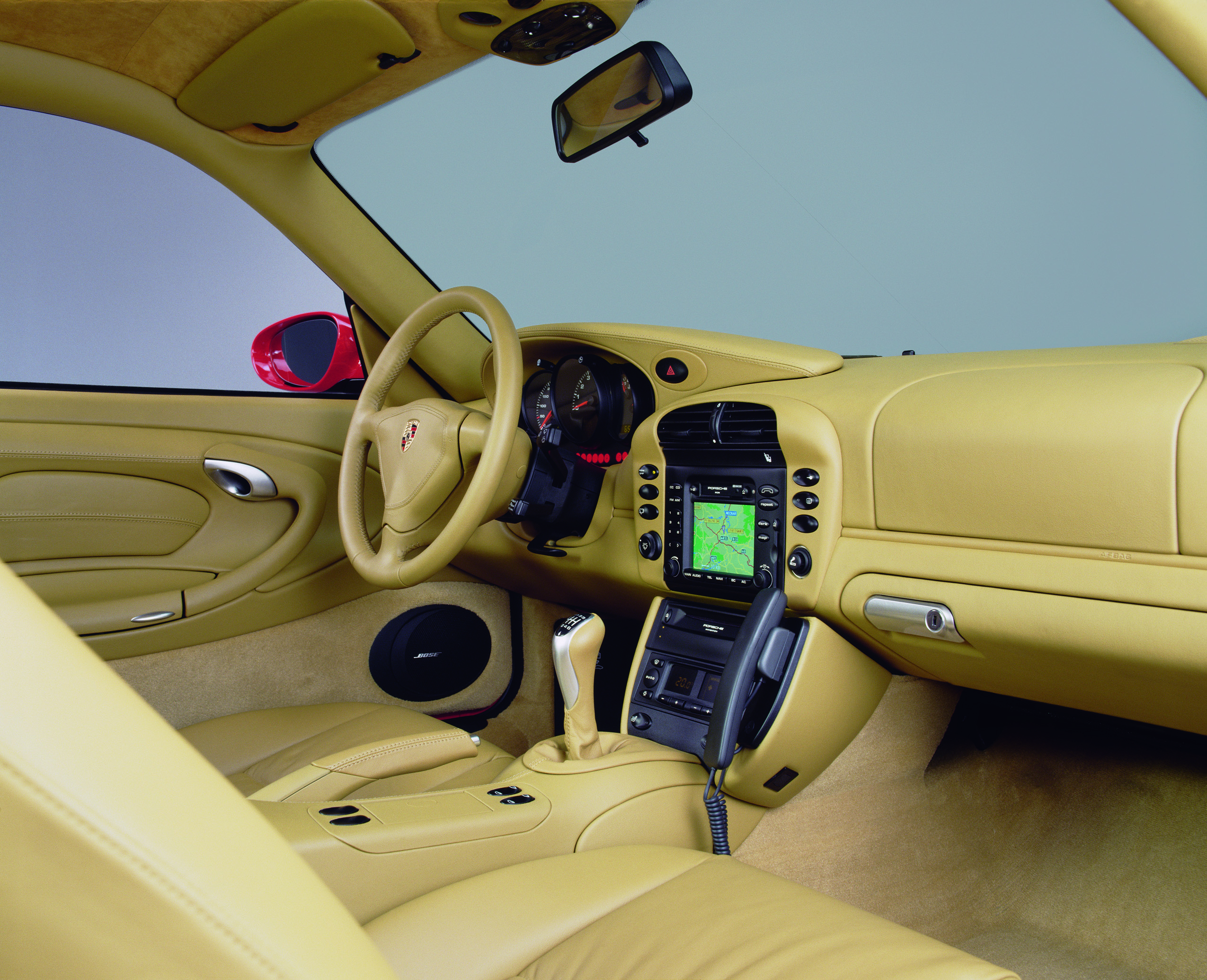
The standard equipment now includes the three-spoke steering wheel, a cupholder and a glove compartment
|
Porsche
|
911
|
Carrera
|
996 II
|
|
|
Dr. Ing. h.c. F. Porsche AG
|
Image
|
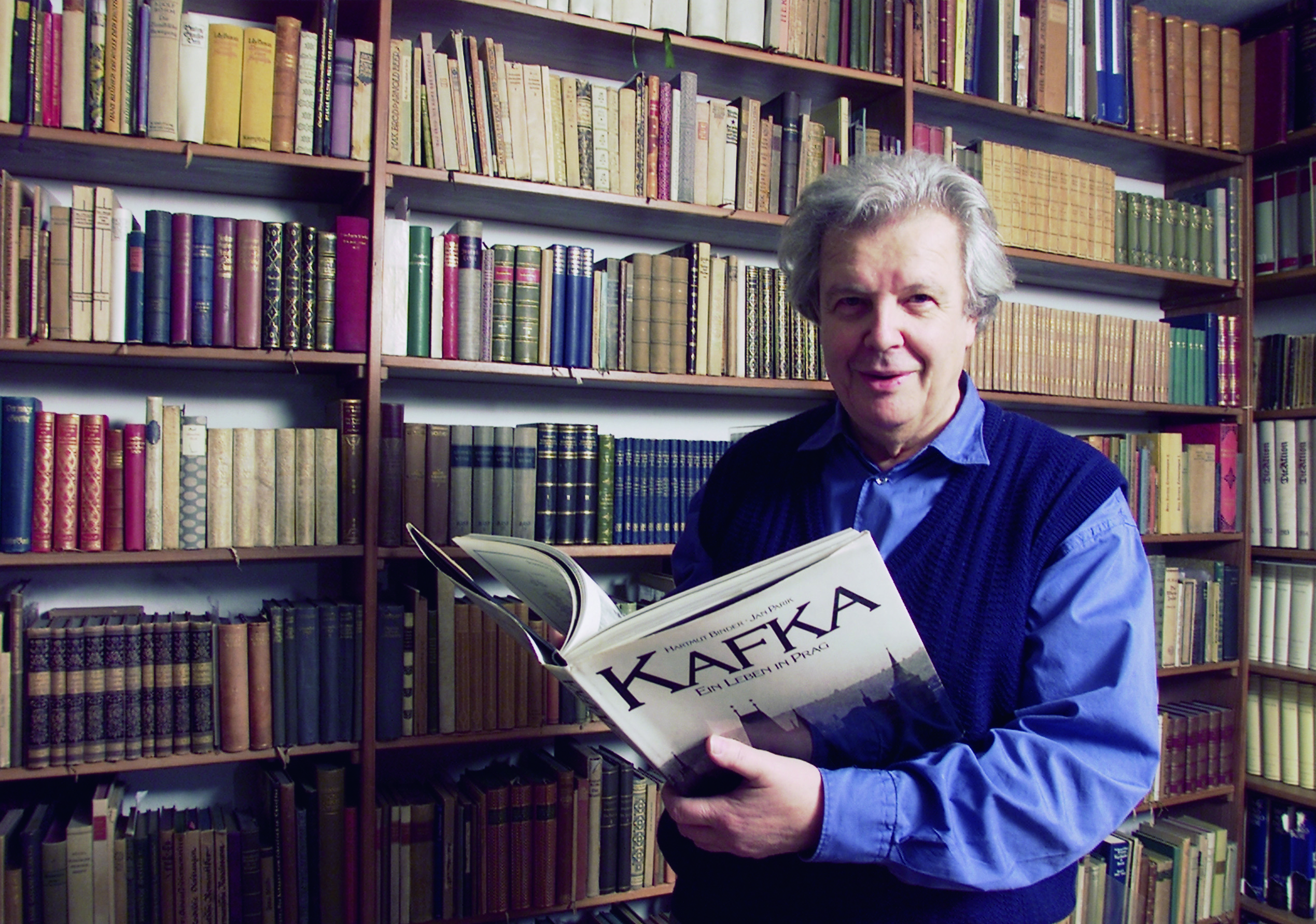
The Stuttgart antiquarian Herbert Blank in front of the "Kafka library"
|
|
|
|
|
|
|
Dr. Ing. h.c. F. Porsche AG
|
Image
|
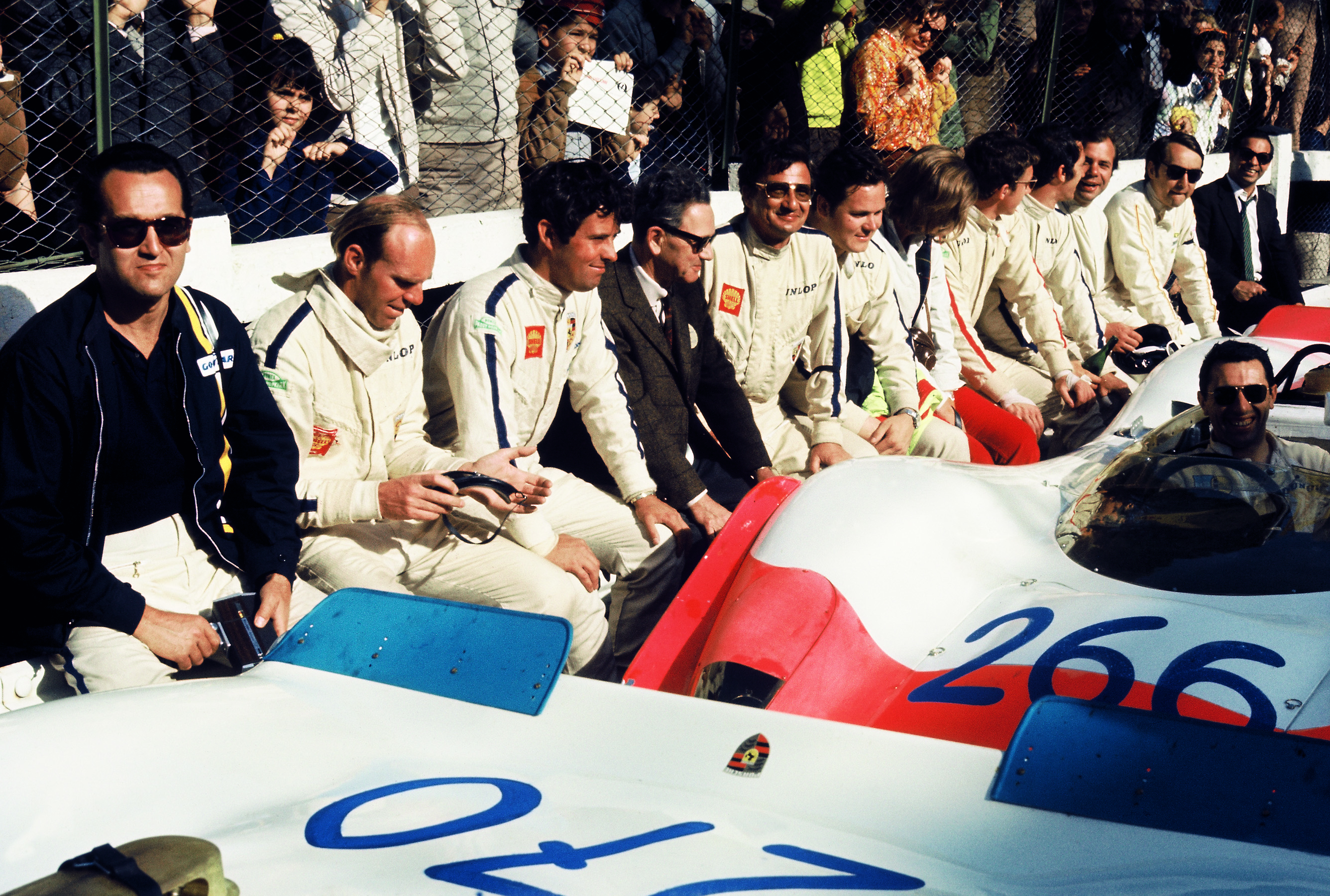
The Targa Florio, 1969: (l-to-r) Umberto Maglioli, Dick Attwood, Brian Redman, Ferry Porsche, Hans Herrmann, Udo Schütz, Rolf Stommelen (with glasses), Vic Elford, Rudi Lins, Gérard Larrousse. Gerhard Mitter is at the wheel of the Porsche 908/02, with race number 266.
|
|
|
|
|
|
|
Dr. Ing. h.c. F. Porsche AG
|
Image
|
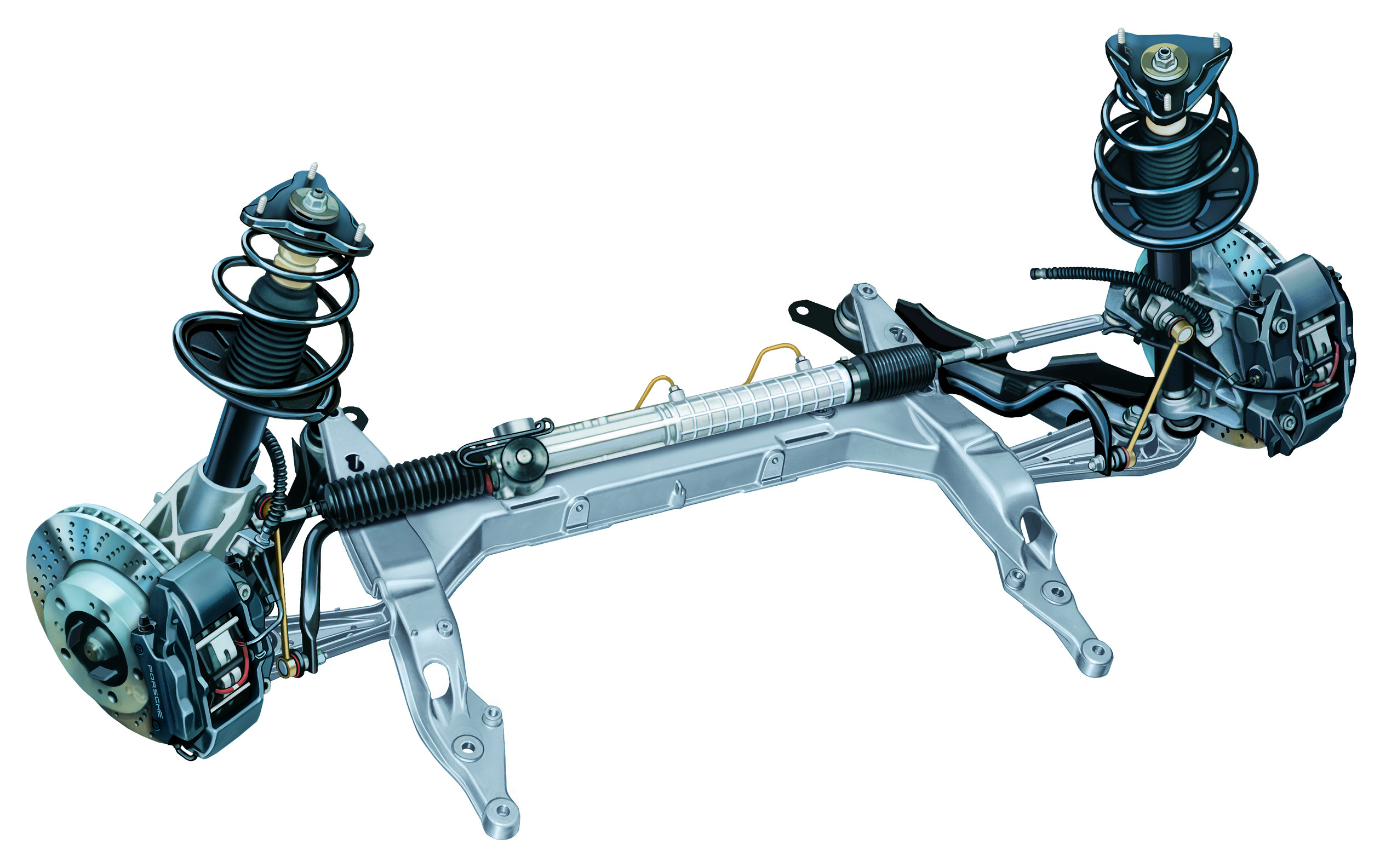
The twin-tube gas-filled shock absorbers on the front axle provide an optimal compromise between sportyness, safety and comfort
|
Porsche
|
911
|
Carrera
|
996 II
|
|
|
Dr. Ing. h.c. F. Porsche AG
|
Image
|
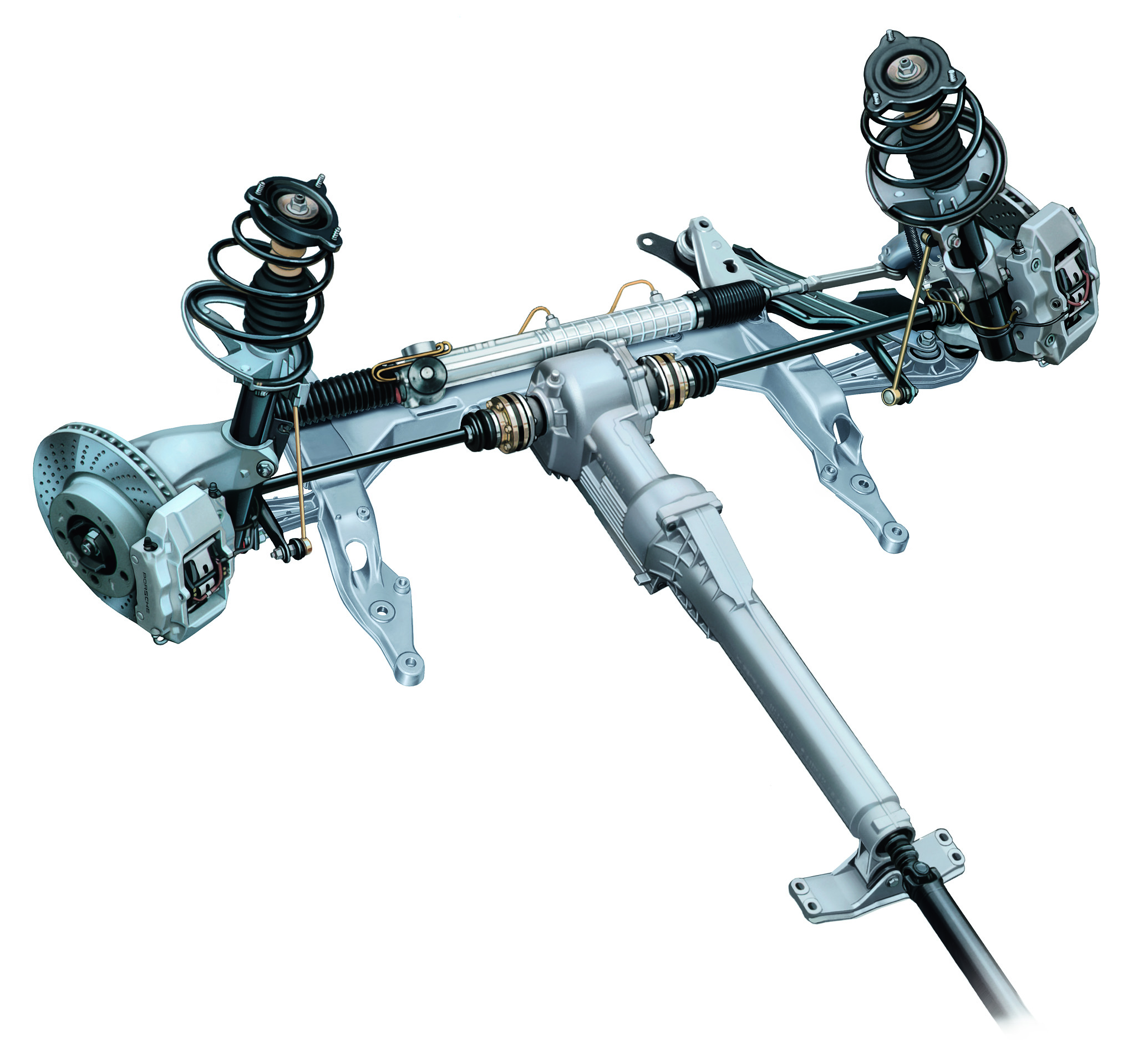
The viscous coupling for driving the front wheels is housed in the differential and so improves the weight distribution
|
Porsche
|
911
|
Carrera 4
|
996 II
|
|
|
Dr. Ing. h.c. F. Porsche AG
|
Image
|
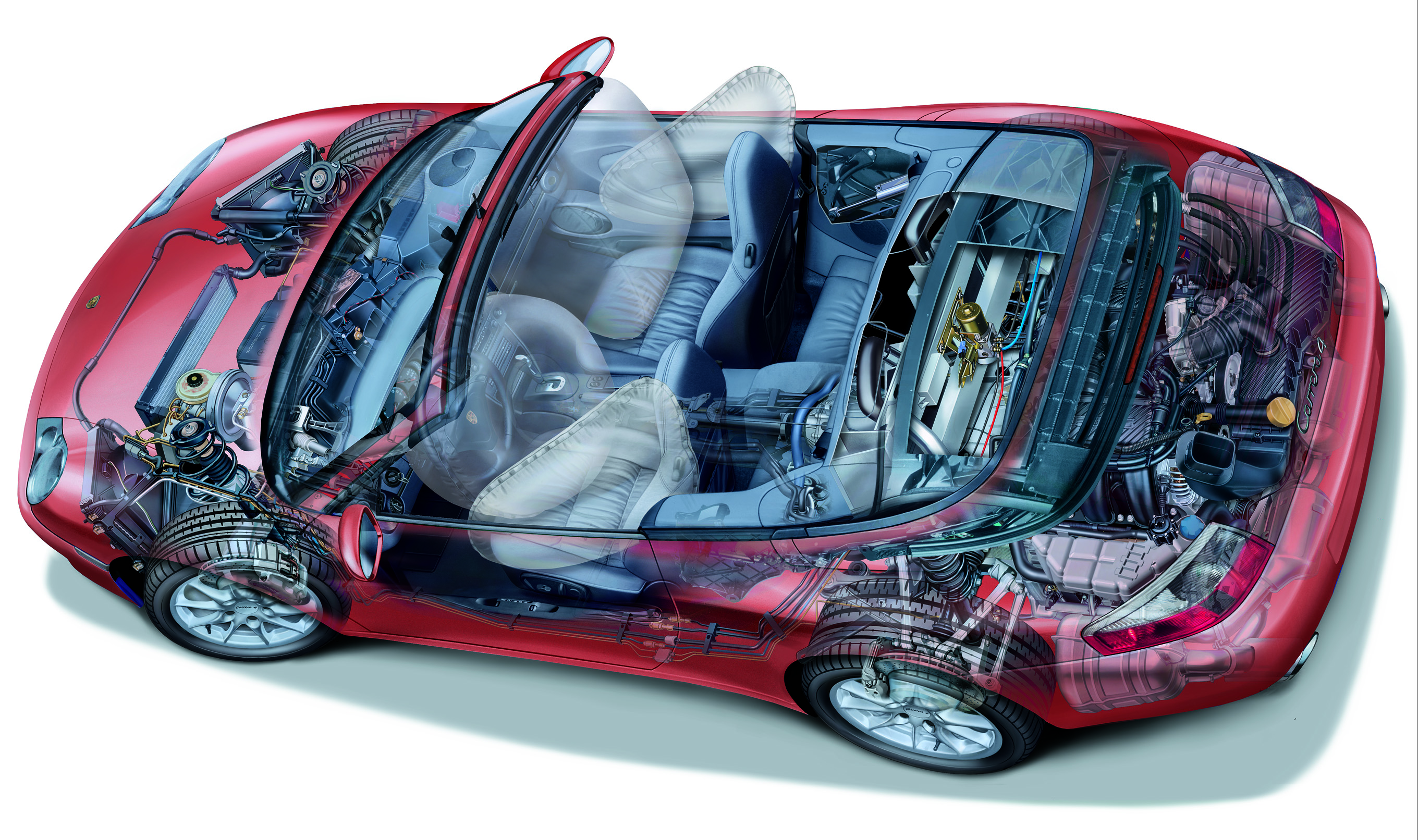
The wide range of safety features built into the bodyshell is supplemented by driver and front passenger airbags as well as two side airbags
|
Porsche
|
911
|
Carrera 4 Cabriolet
|
996 II
|
|
|
Dr. Ing. h.c. F. Porsche AG
|
Image
|
The 6-cylinder horizontally opposed engine in the Boxster S has a displacement of 3.2 litres and an output of 260 hp
|
Porsche
|
718
|
Boxster S
|
986 I
|
|
|
Dr. Ing. h.c. F. Porsche AG
|
Image
|
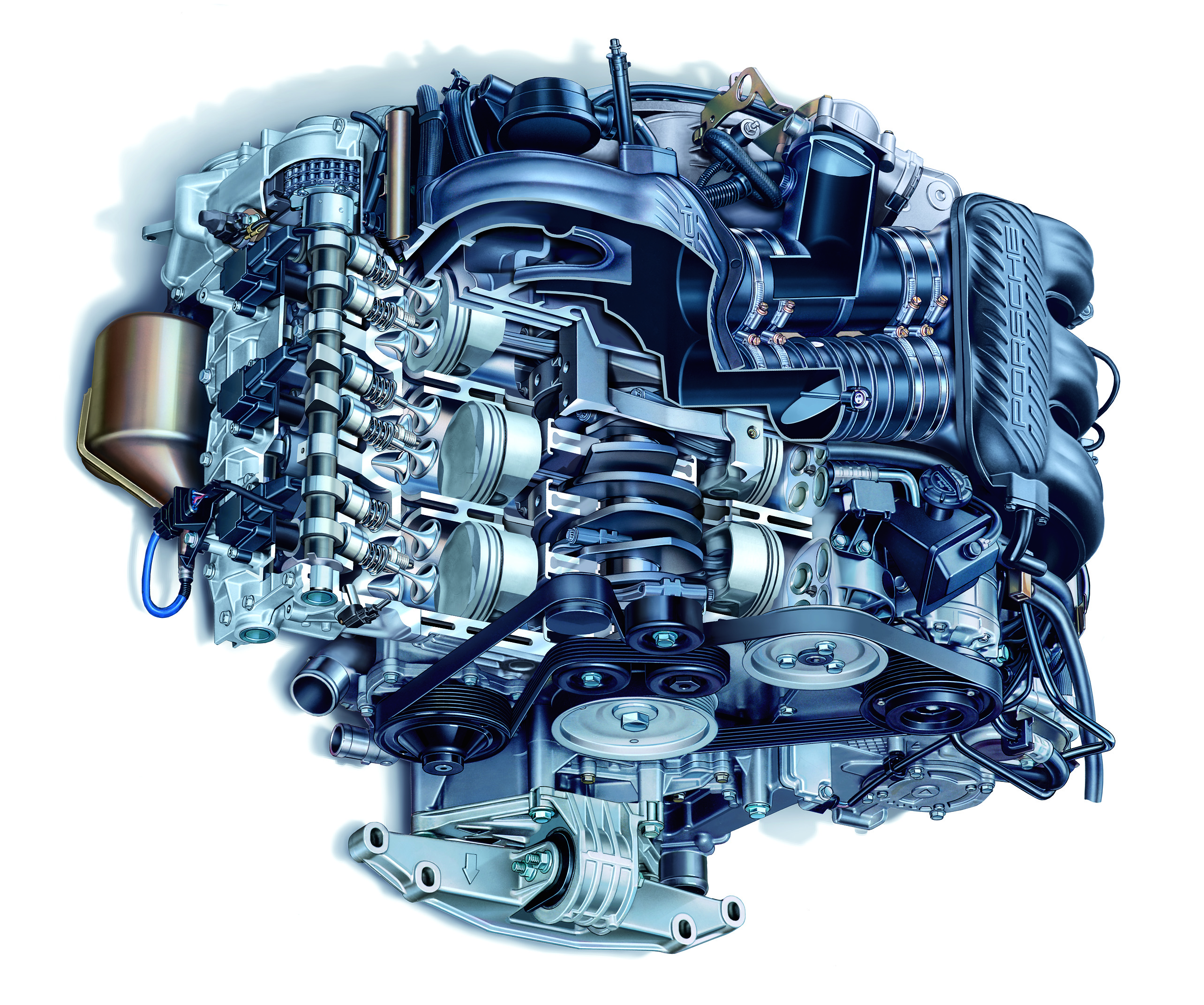
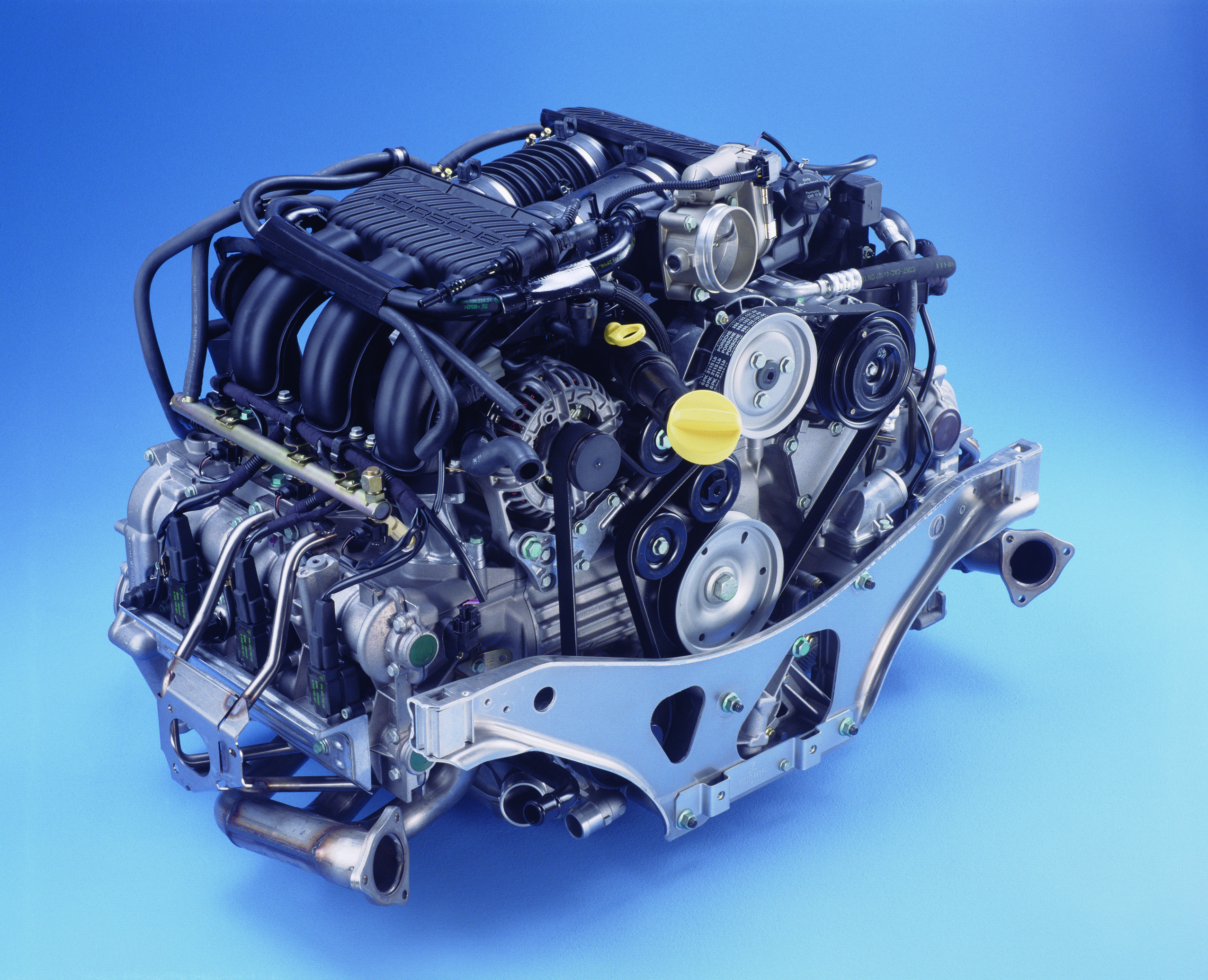
The 6-cylinder opposed-cylinder engine has a cubic capacity of 3.6 litres and an output of 235 kW (320 HP)
|
Porsche
|
911
|
|
996 II
|
|
|
Dr. Ing. h.c. F. Porsche AG
|
Image
|
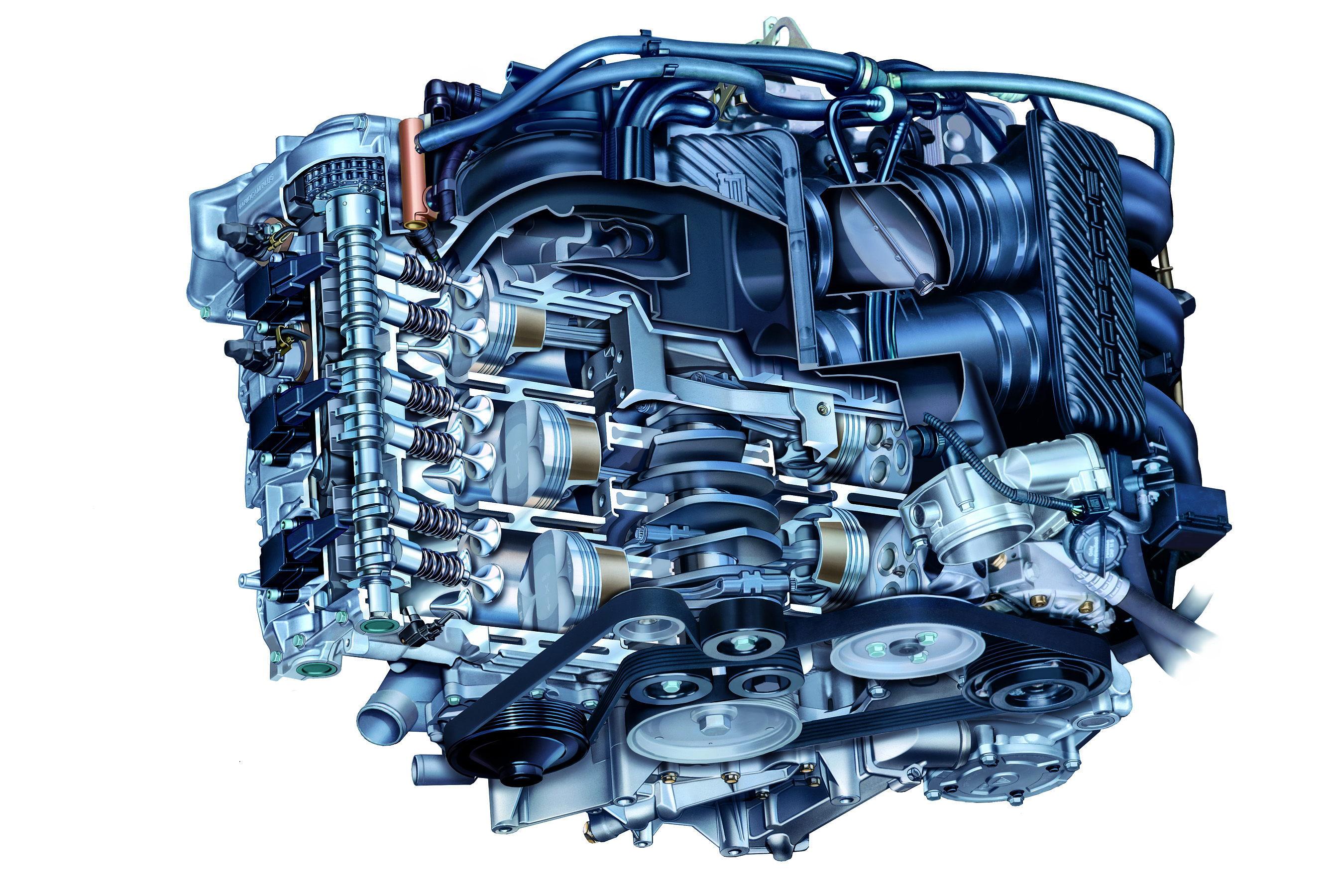
The 6-cylinder opposed-cylinder engine of the 911 Carrera is equipped with the "VarioCam Plus" valve-travel adjustment system
|
Porsche
|
911
|
|
996 II
|
|
|
Dr. Ing. h.c. F. Porsche AG
|
Image
|
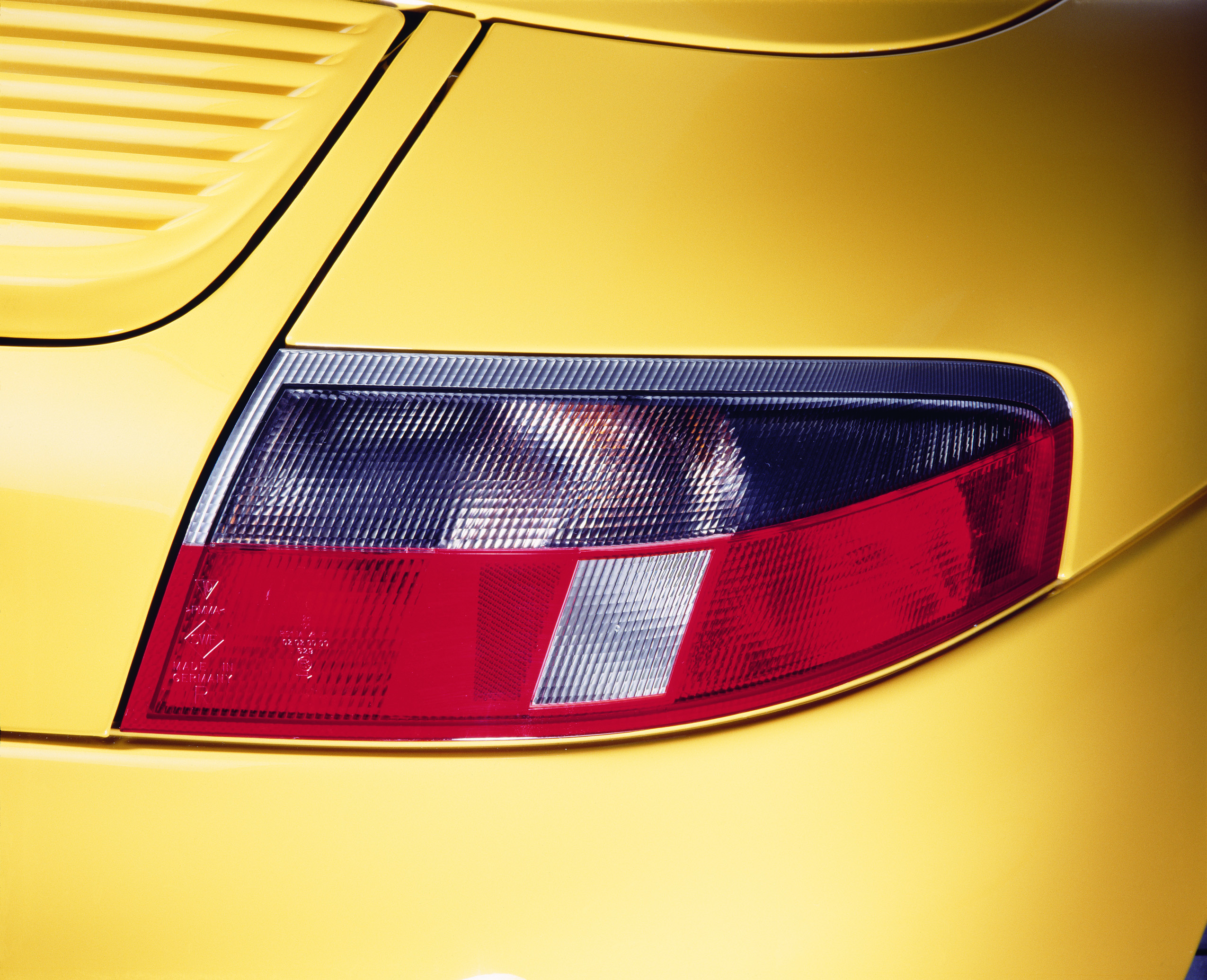
The 911 Carrera has had white direction indicator lenses installed in its tail lights since model year 1999/2000
|
Porsche
|
911
|
Carrera Cabriolet
|
996 II
|
|
|
Dr. Ing. h.c. F. Porsche AG
|
Image
|
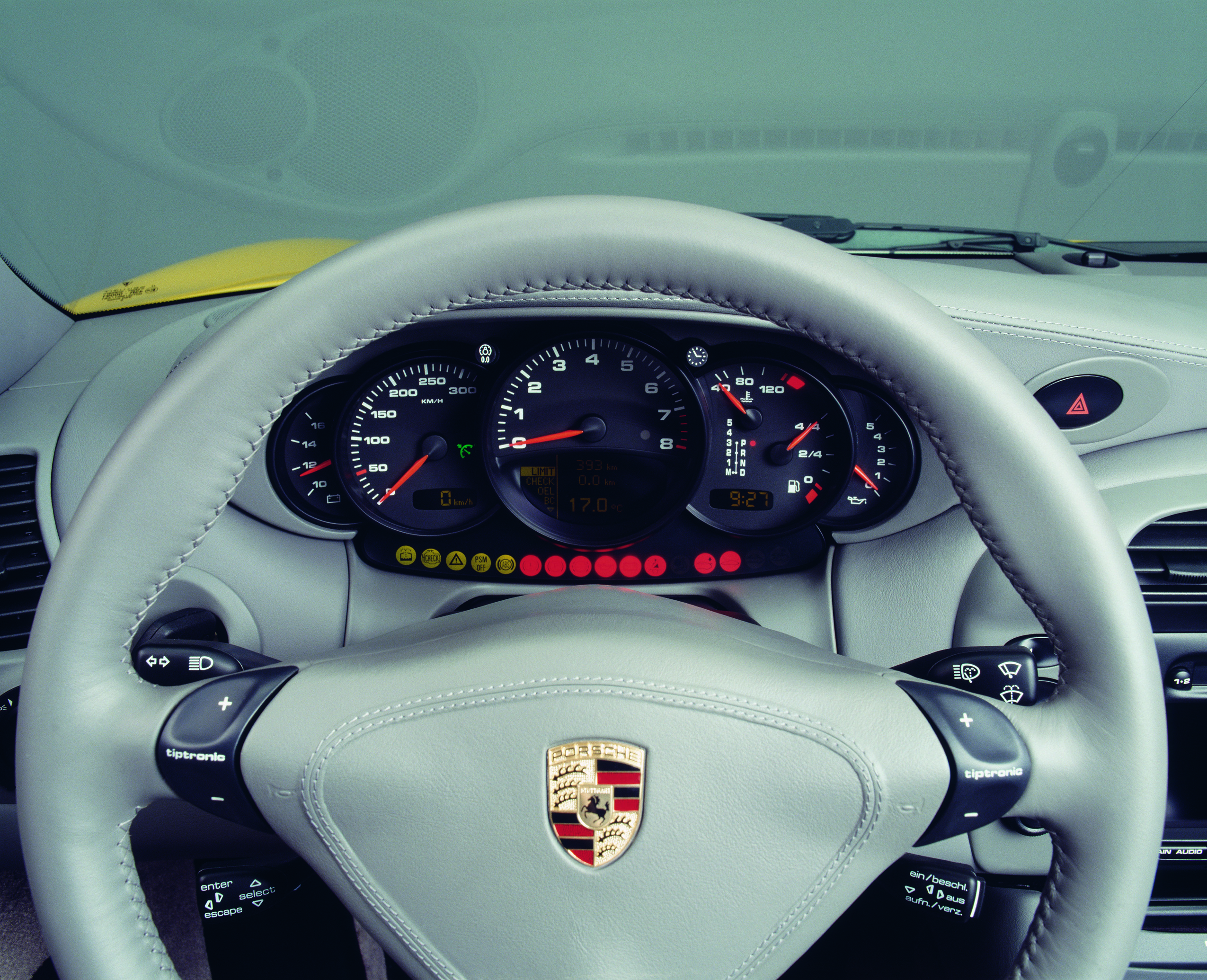
Three-spoke steering wheel in the 911 Carrera 4 Cabriolet with Tiptronic S rocker switches and Tiptronic S display in the right-hand round instrument
|
Porsche
|
911
|
Carrera 4 Cabriolet
|
996 II
|