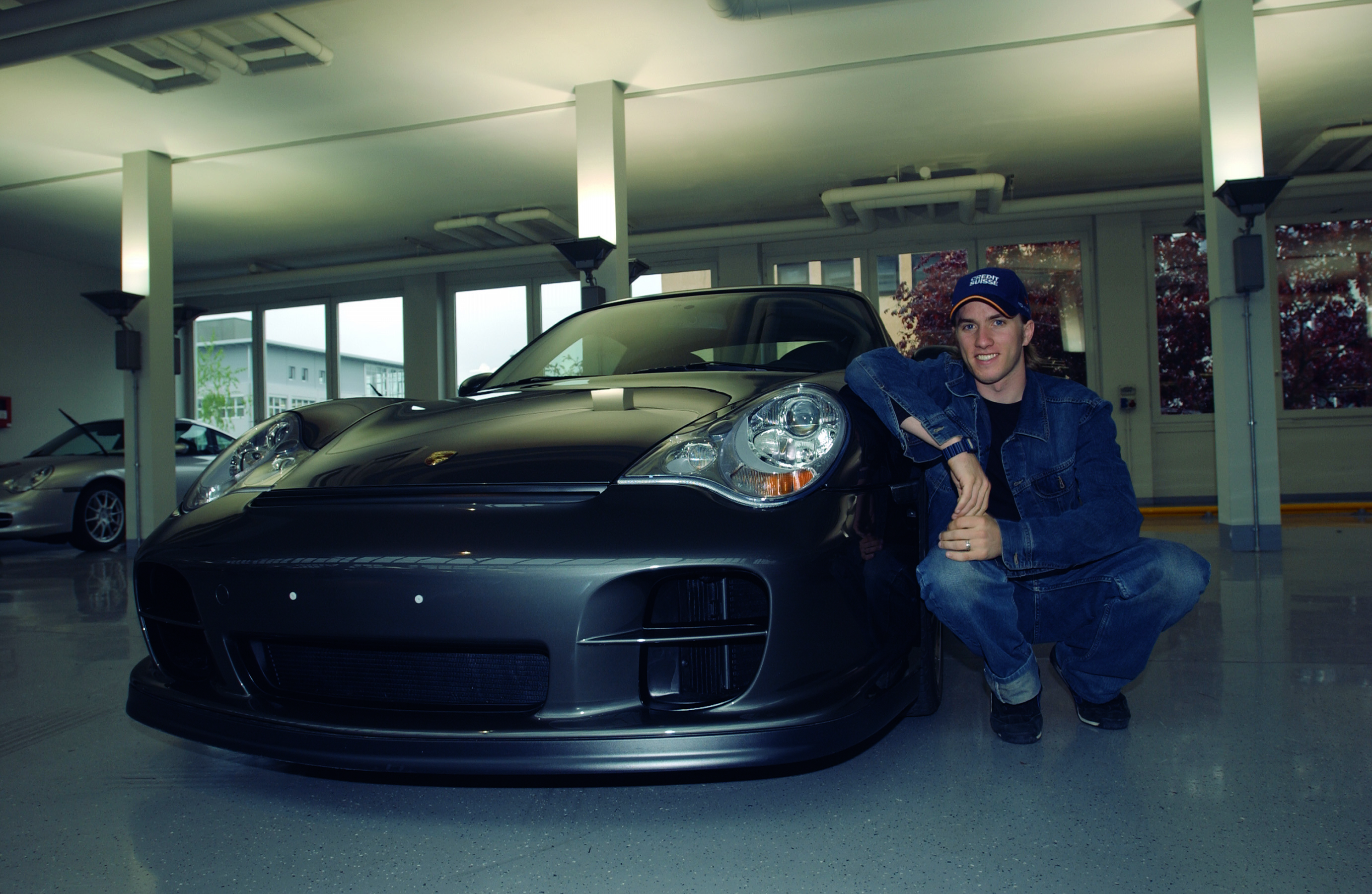
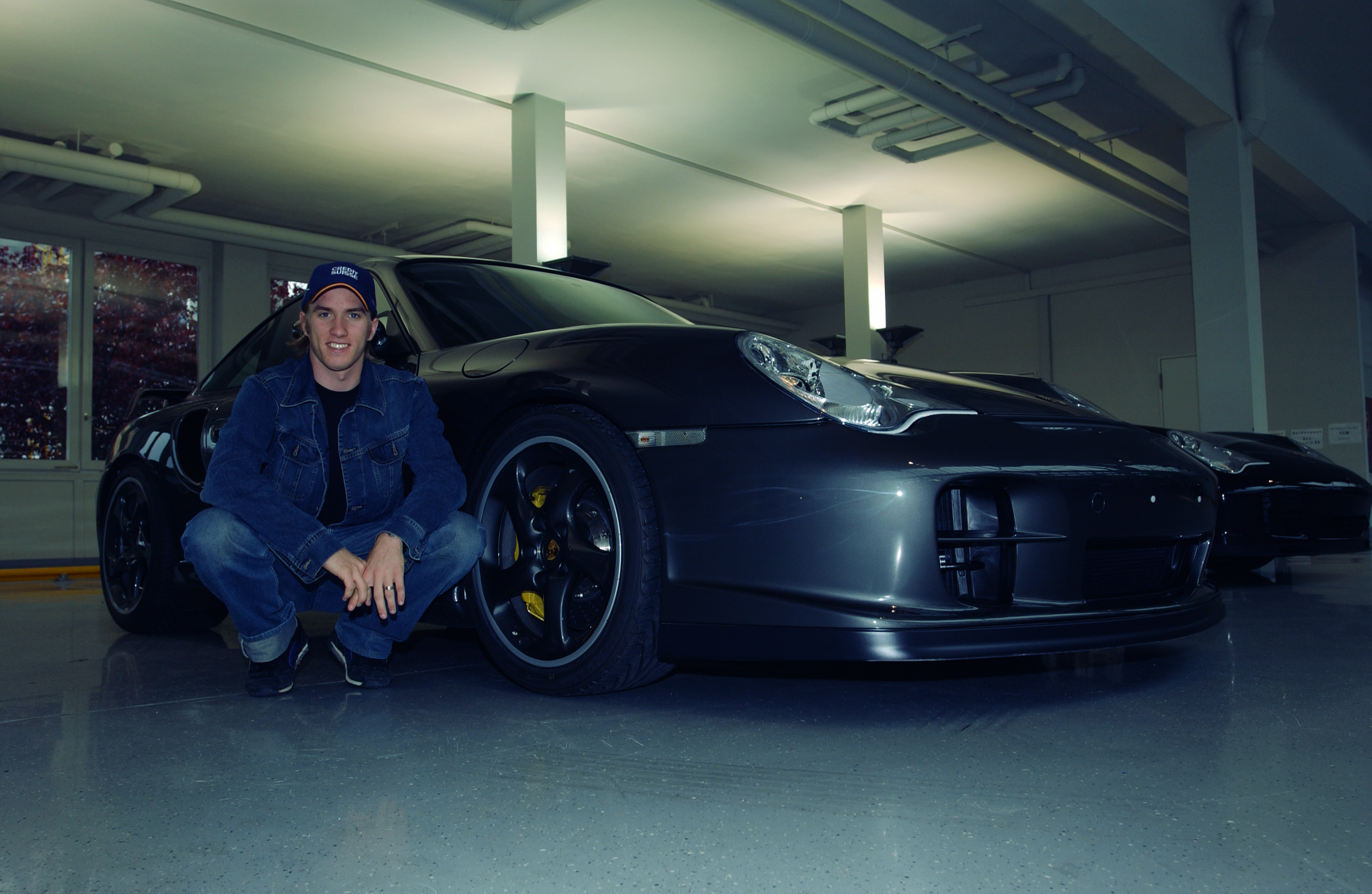
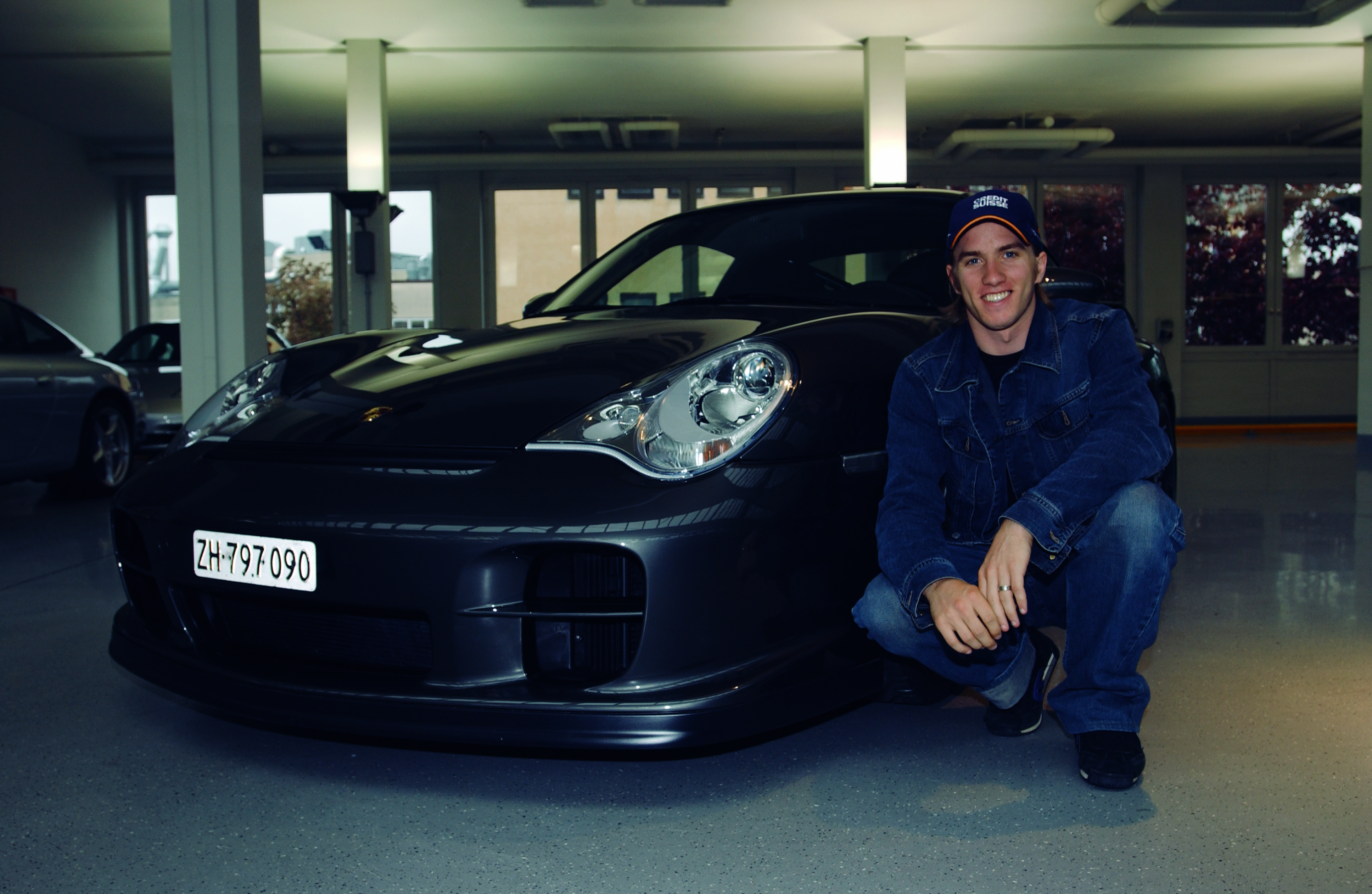
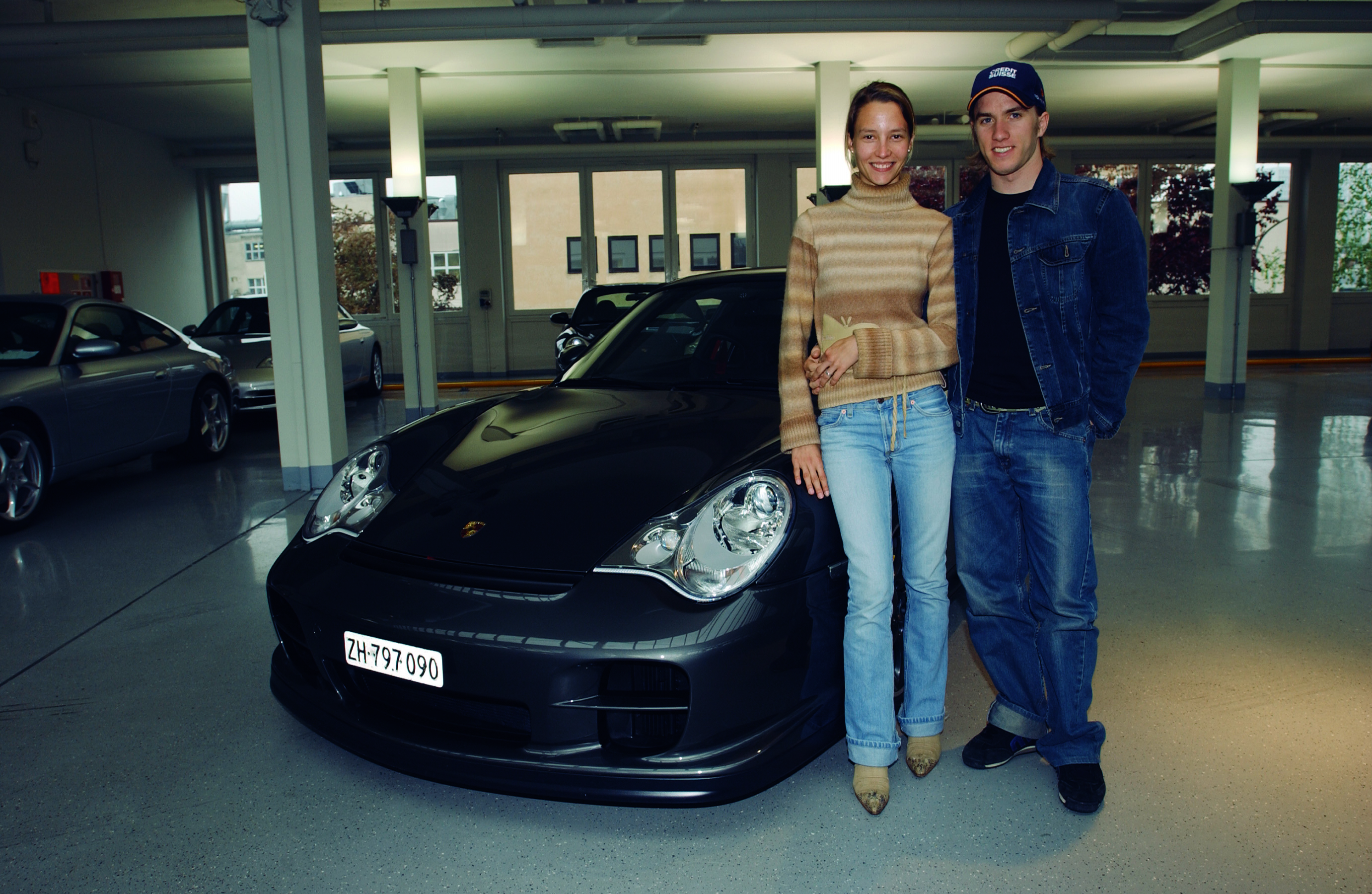
Nick Heidfeld and his longtime companion Patricia Papen
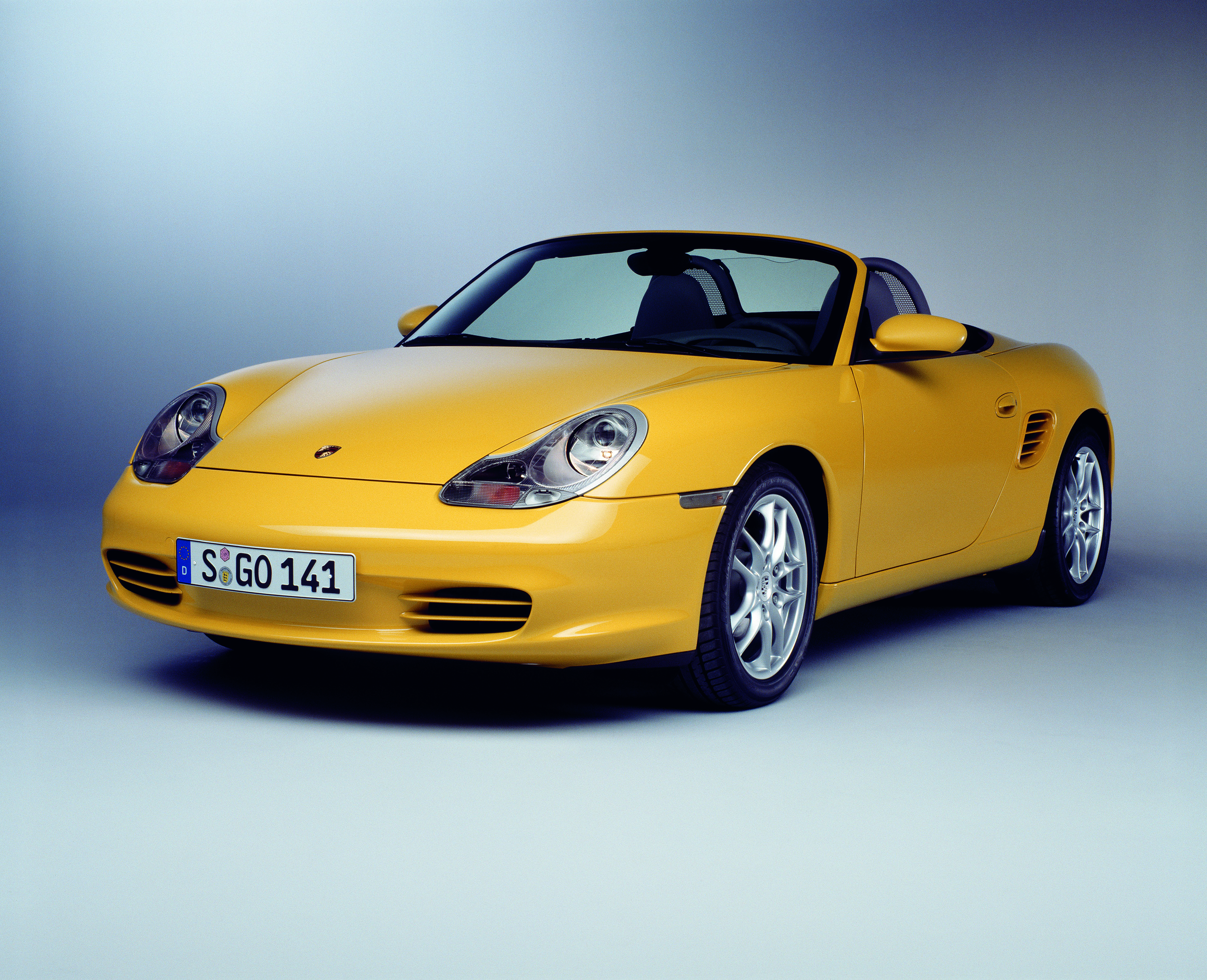
Porsche Boxster
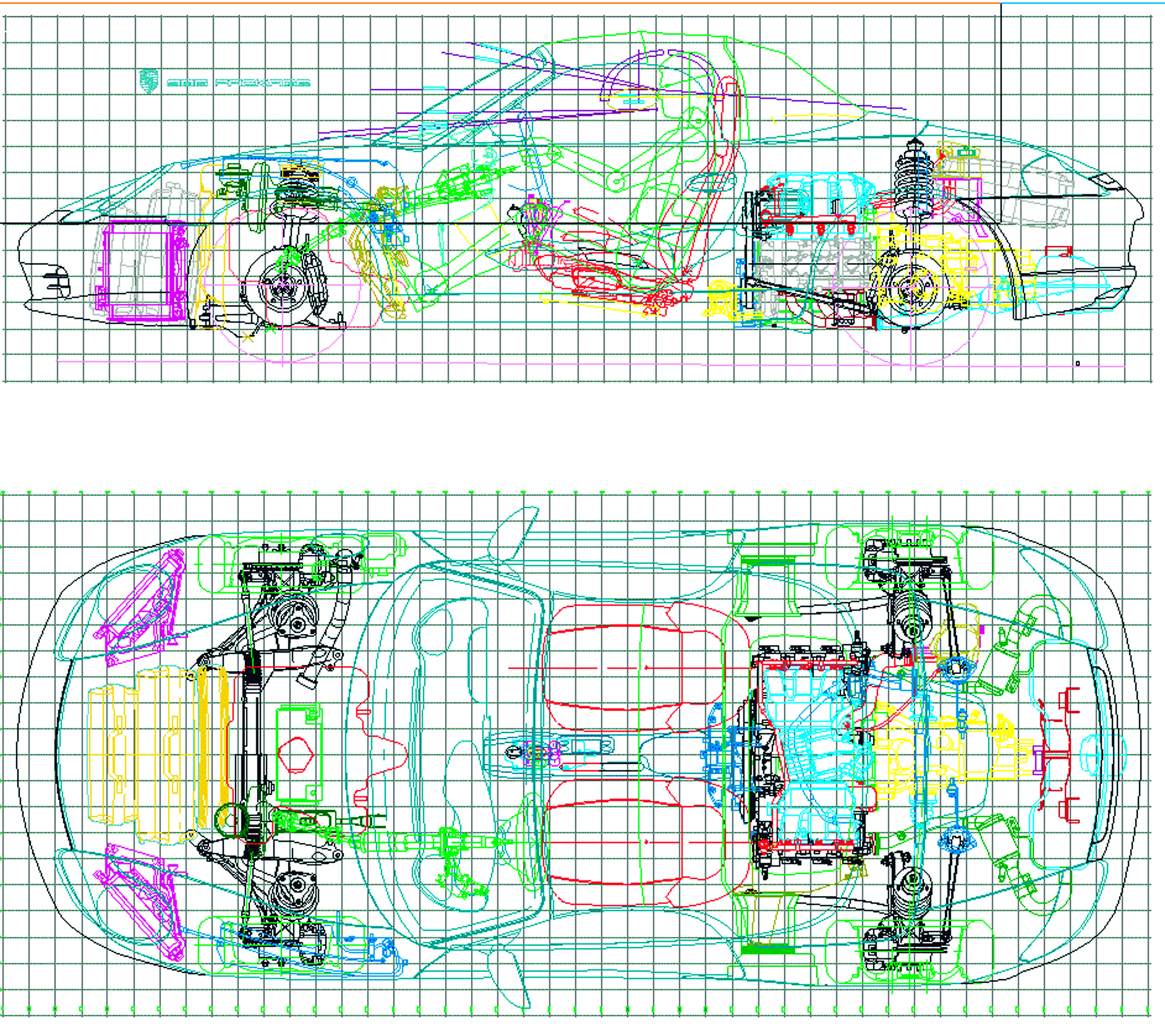
With the help of a package drawing, the optimal arrangement of all essential components in the vehicle can be inspected
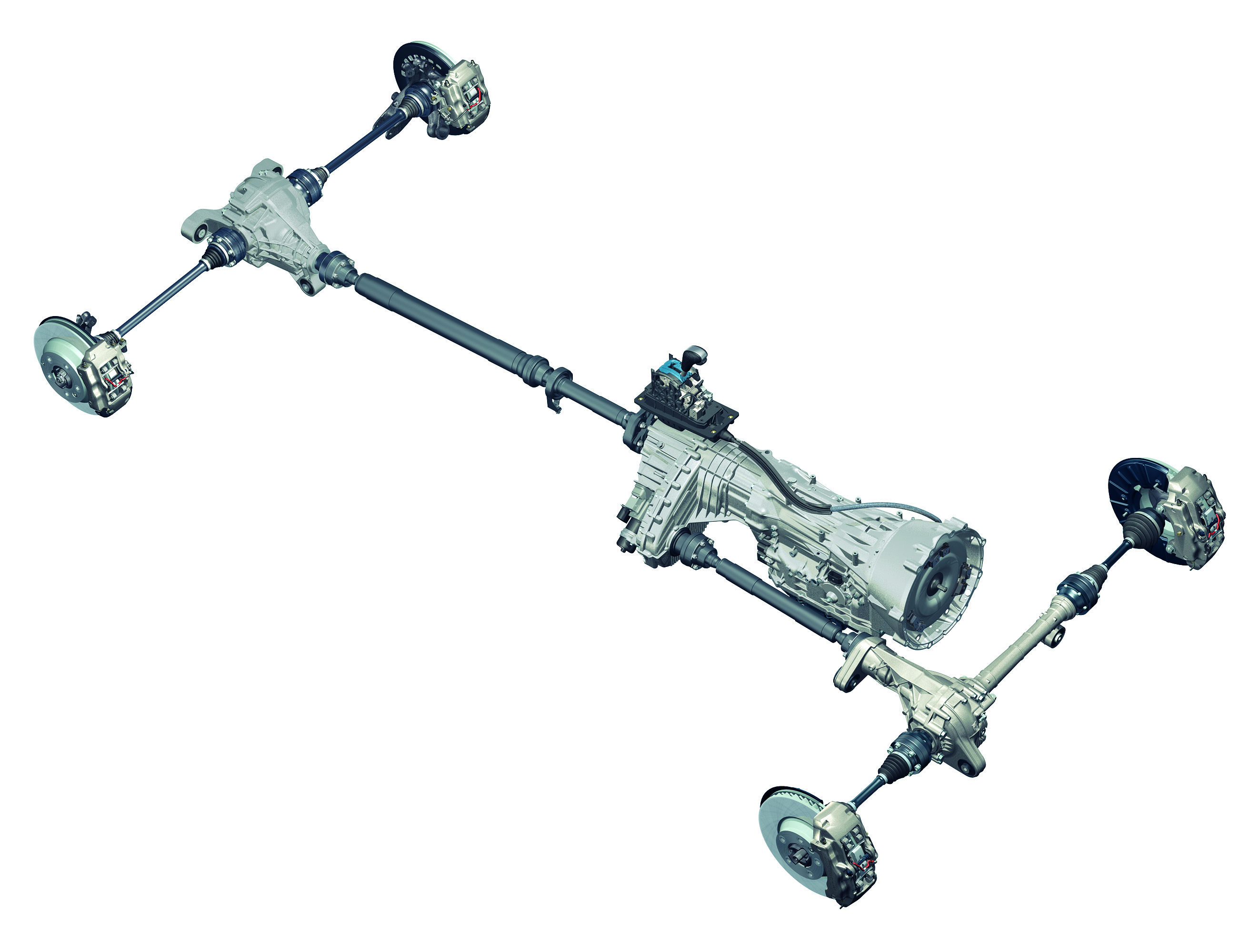
Permanent four-wheel drive: The Porsche Traction Management (PTM) feeds 62 per cent of the engine power to the rear and 38 per cent to the front wheels in the basic mode.
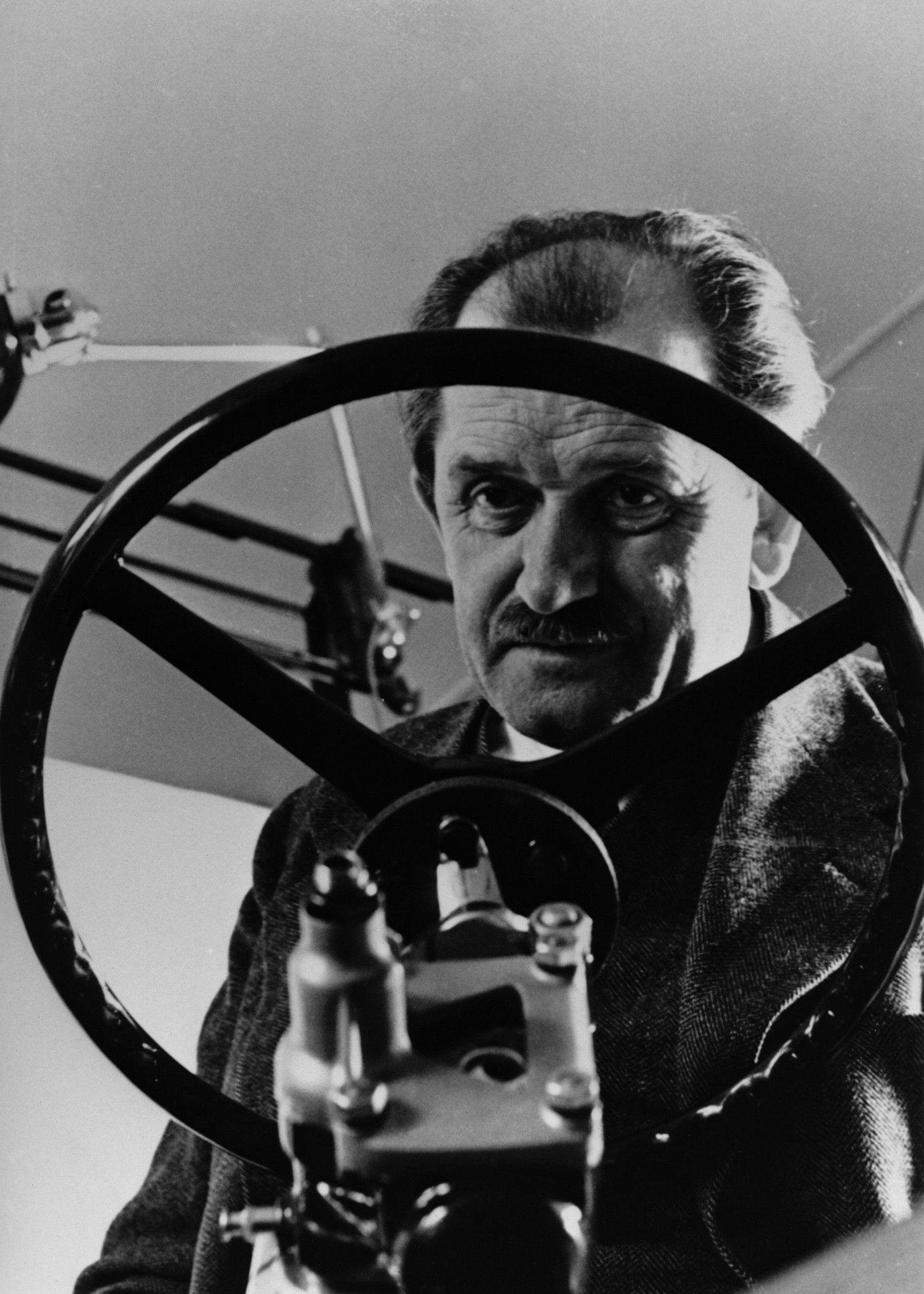
Design engineer and company founder Prof. Dr. Ing. h.c. Ferdinand Porsche, born 3rd September 1875 in Maffersdorff, deceased 30th January 1951 in Stuttgart.
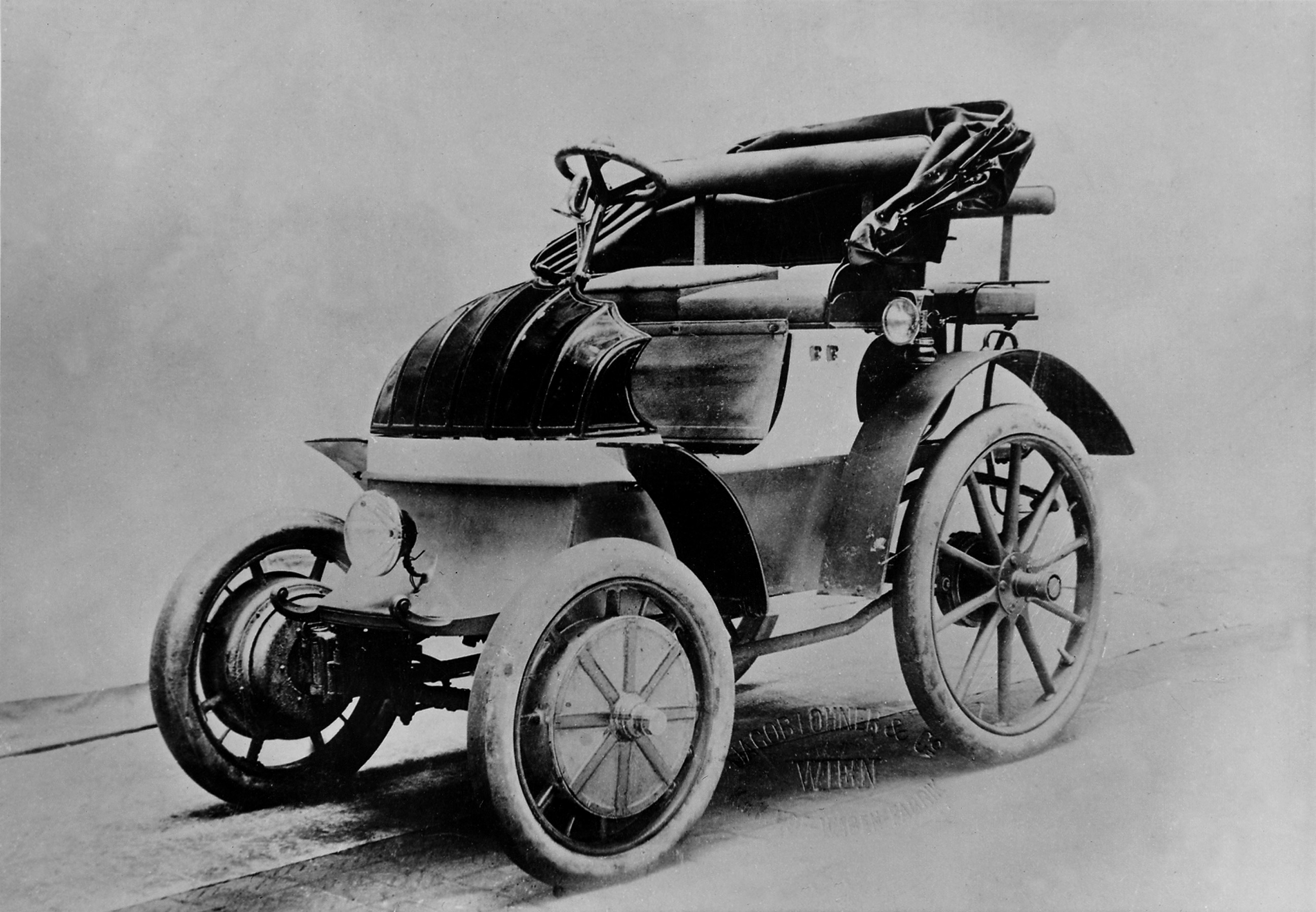
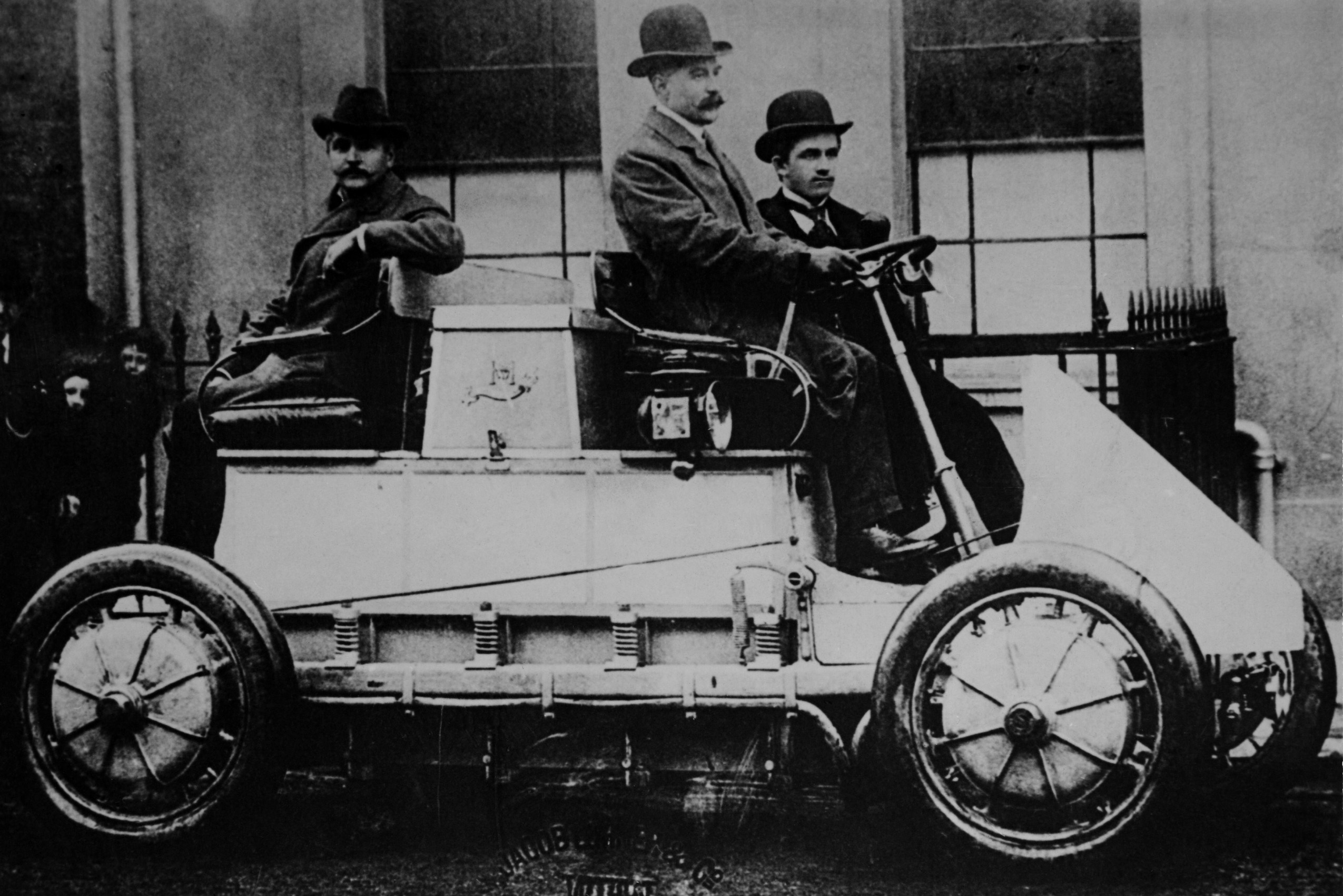
The Lohner-Porsche electric car, powered by wheel-hub motors, caused a sensation at the Paris world trade fair in 1900.
With four wheel-hub motors, the Lohner-Porsche racing car was the first ever all-wheel drive vehicle.
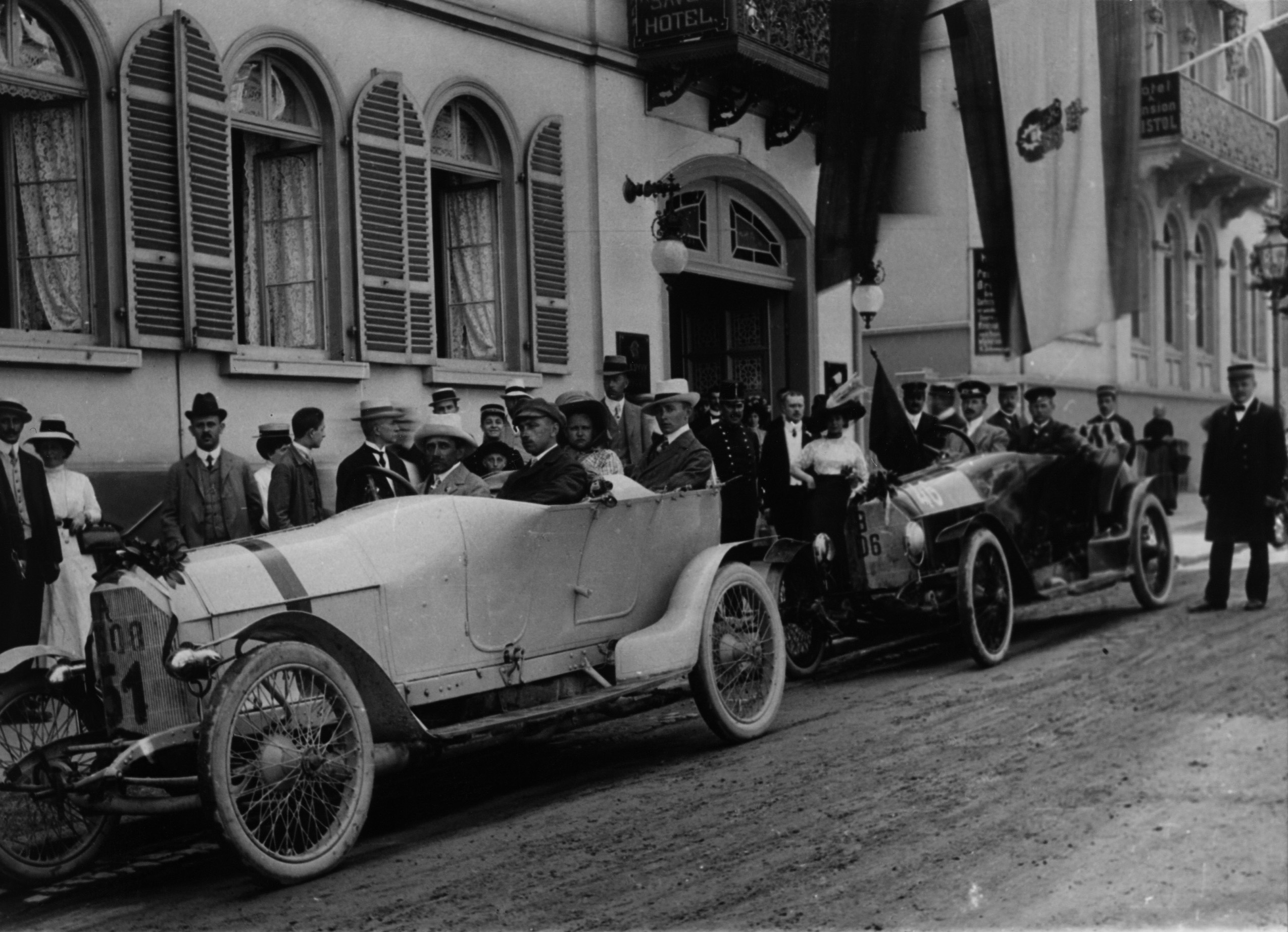
Ferdinand Porsche at the wheel of the Austro-Daimler, which sped him to victory in the Prinz-Heinrich race in 1910.
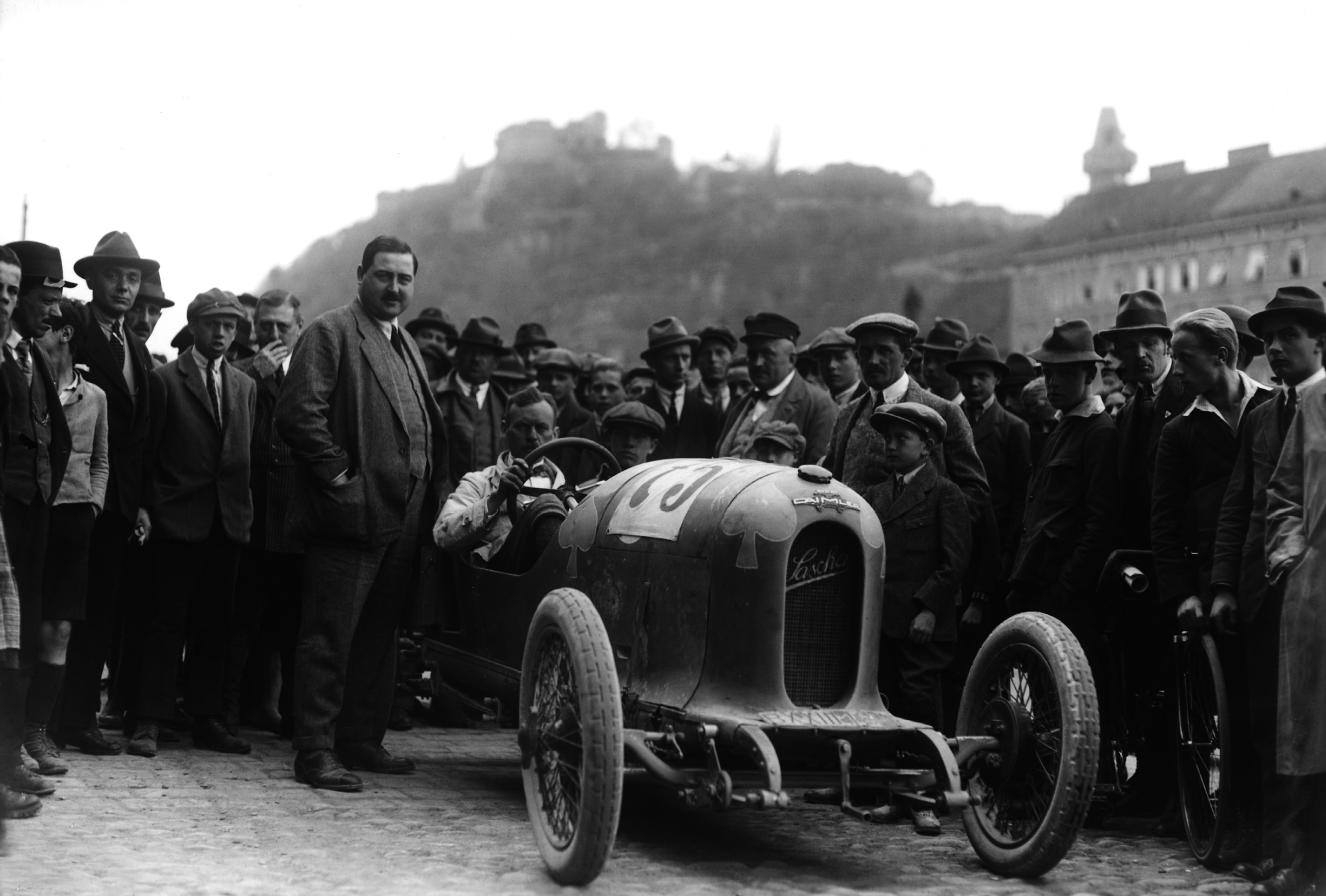
At the Ries race in Graz, Steiermark, 1992. Ferry Porsche, in the cap with the visor, is on the right, next to the Sascha type Austro-Daimler. Behind him is his father.
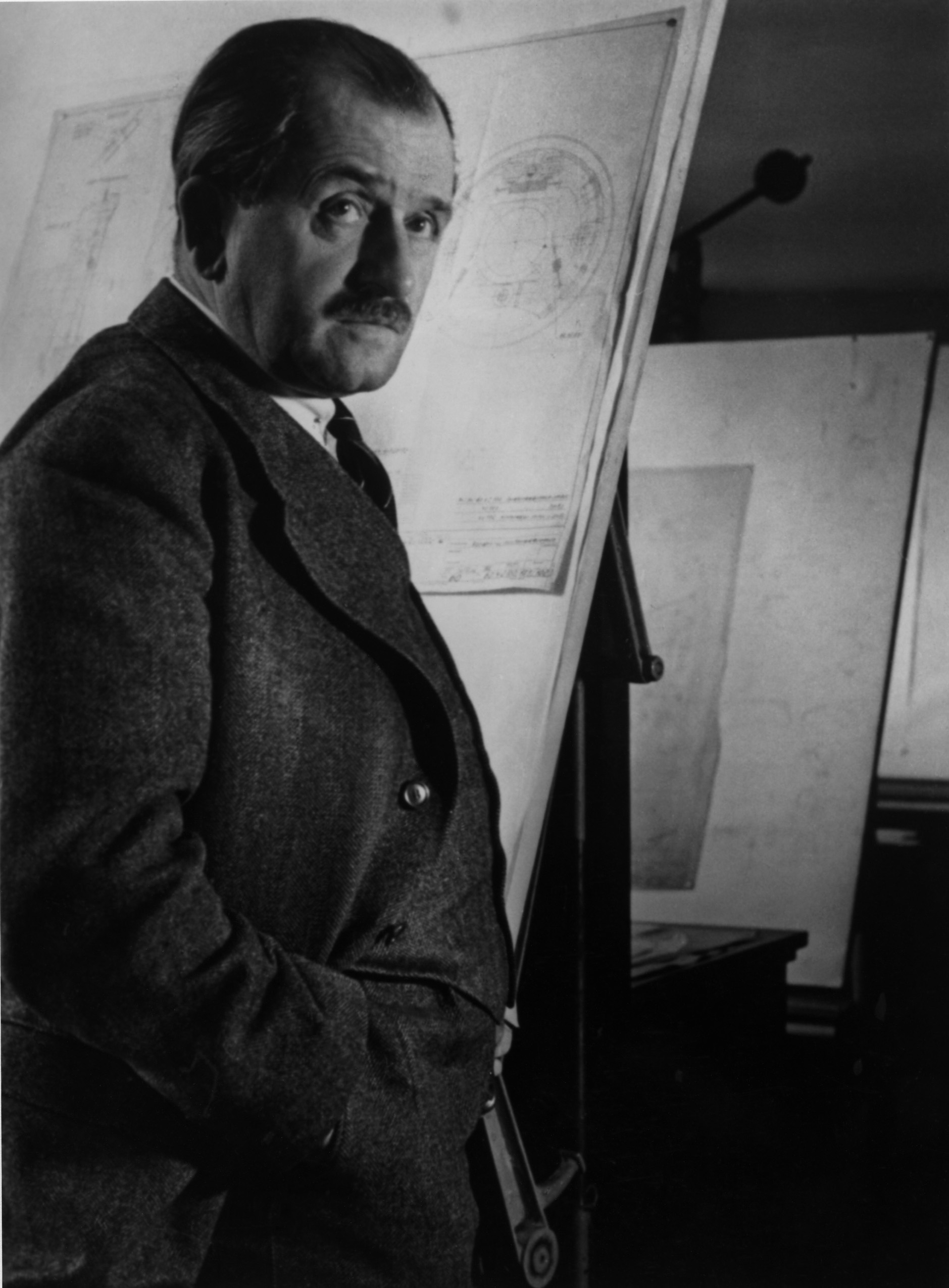
Dr. Ing. h.c. Ferdinand Porsche (at the age of 62) in his design office located at KronenstraÃe 24 in Stuttgart.
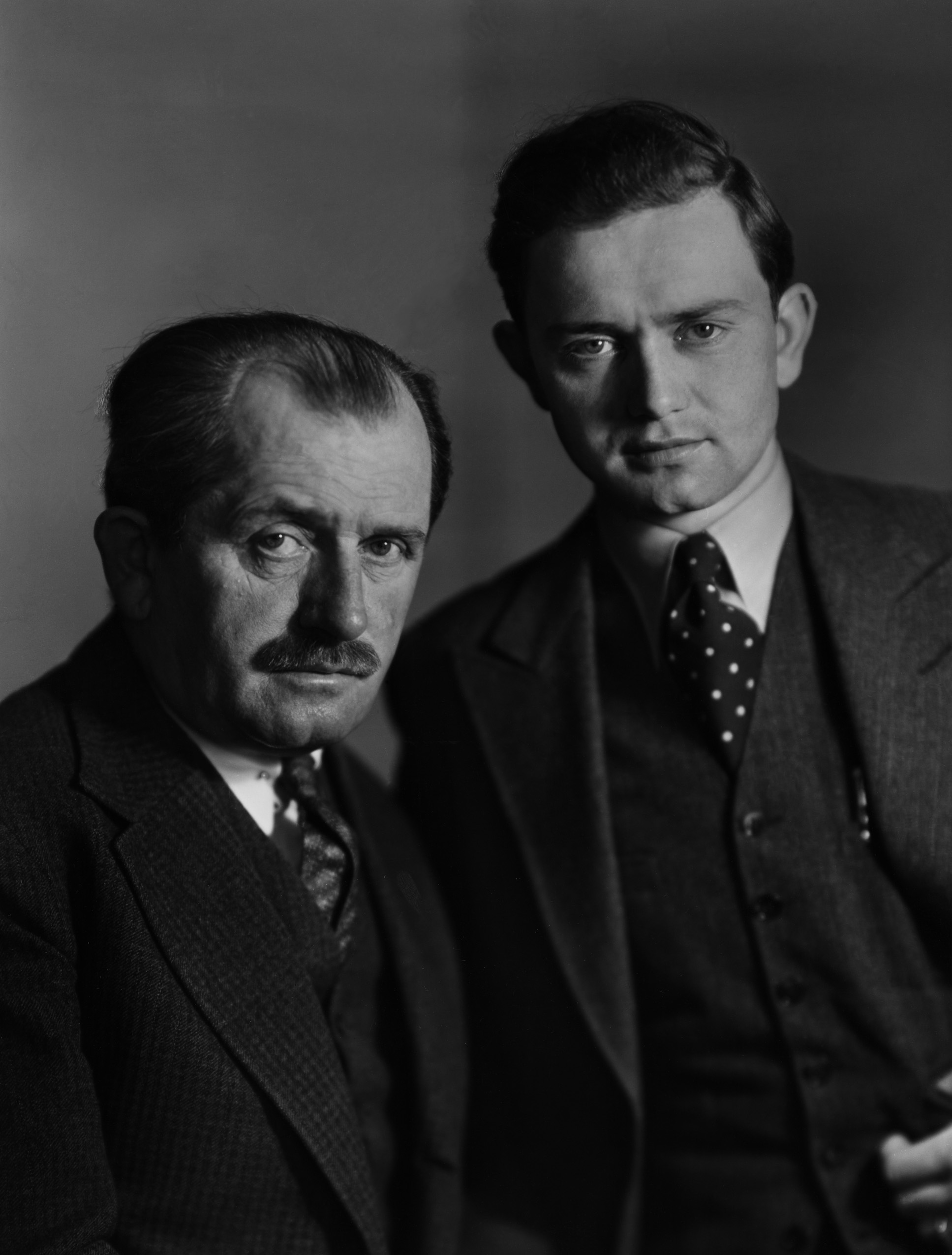
Dr. Ing. h.c. Ferdinand Porsche with his son Ferdinand Anton Ernst ("Ferry") Porsche, who began working in his father's office at a young age.
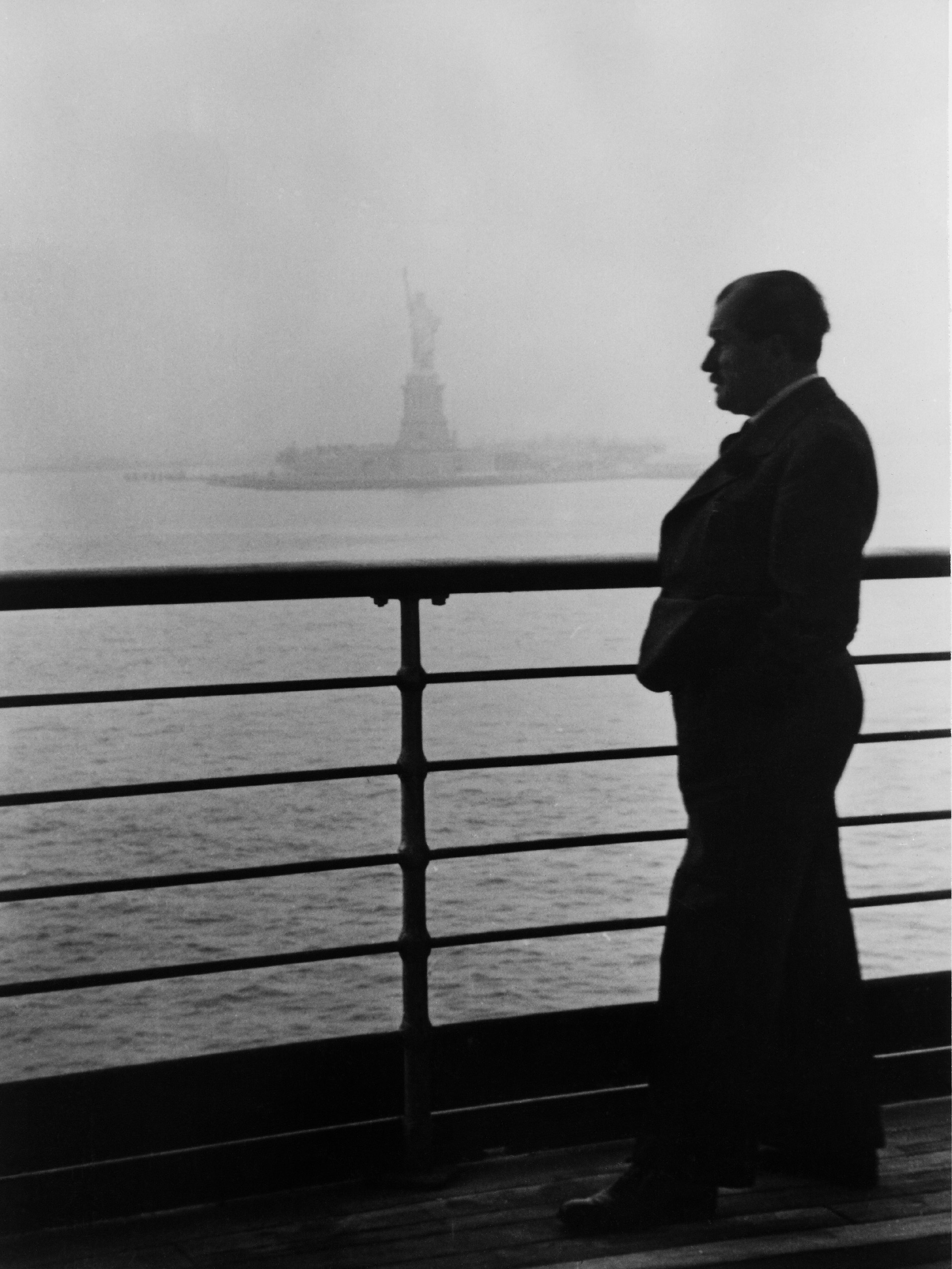
Ferdinand Porsche travelled to America in 1937 to keep up to speed with the latest production techniques in the automotive industry, thereby acquiring new knowledge to help him plan the Volkswagen plant.
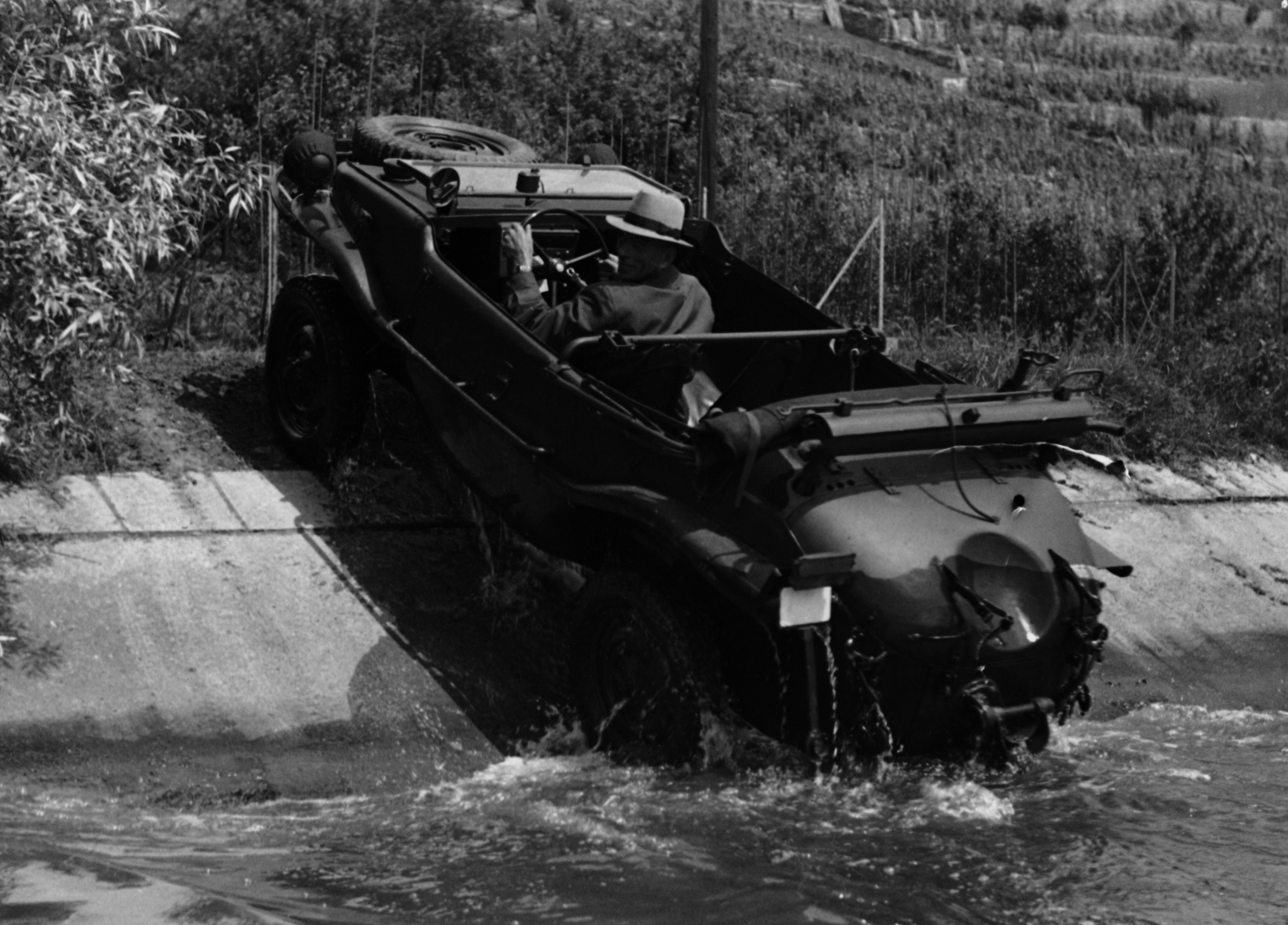
Construction of the amphibian car was based on the Beetle. Its all-wheel design made it one of the best all-terrain vehicle of its day.
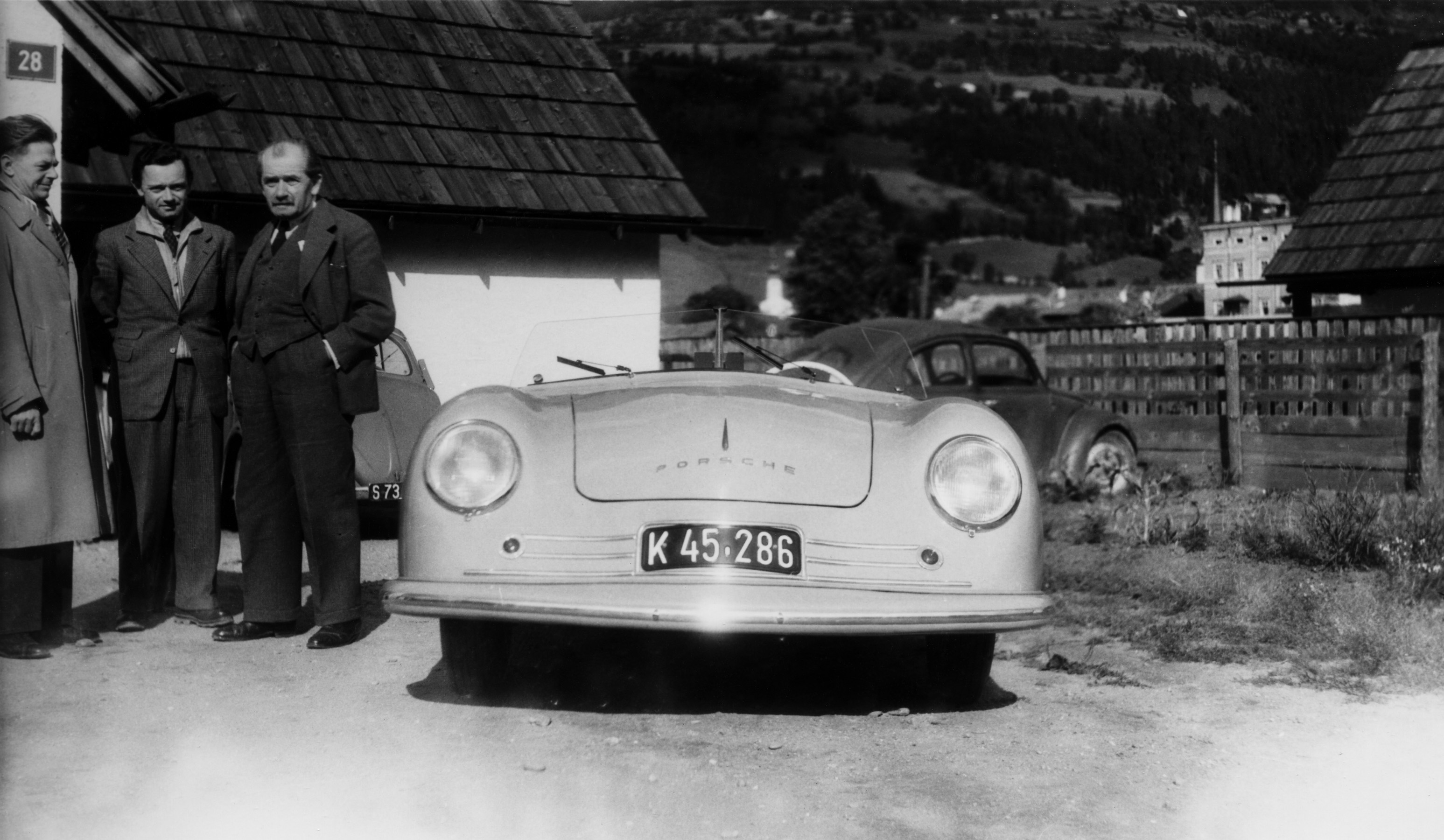
The No. 1, the first car to have the Porsche name: An aluminium roadster with a centrally-placed engine and a weight of 585 kg. 35 HP enabled speeds of up to 135 kilometres per hour.
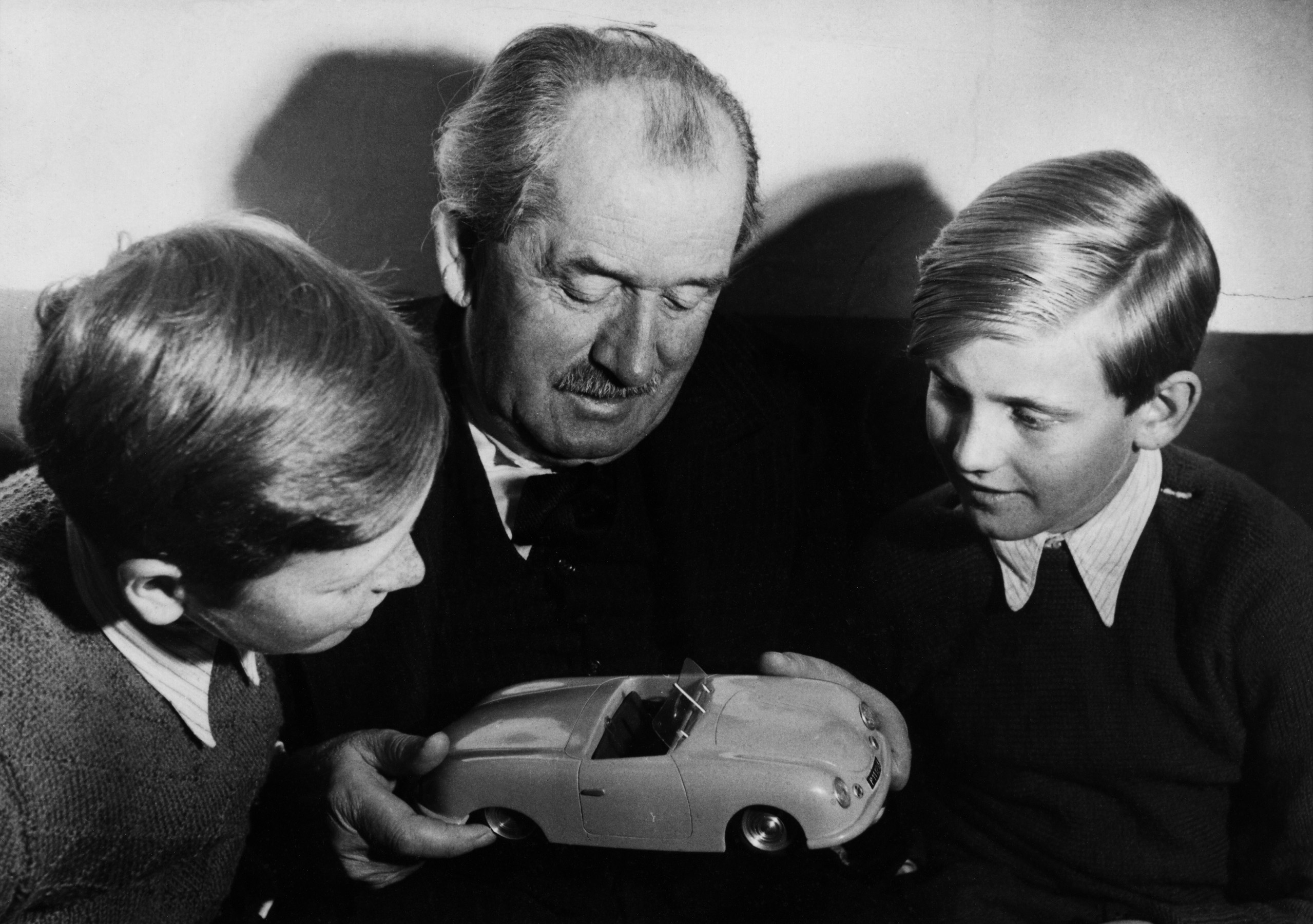
Grandfather Ferdinand Porsche, with his grandchildren: Ferdinand Alexander ("Butzi") Porsche (left) and Ferdinand Piëch. In their hands is a model of the No. 1.