|
Dr. Ing. h.c. F. Porsche AG
|
Image
|
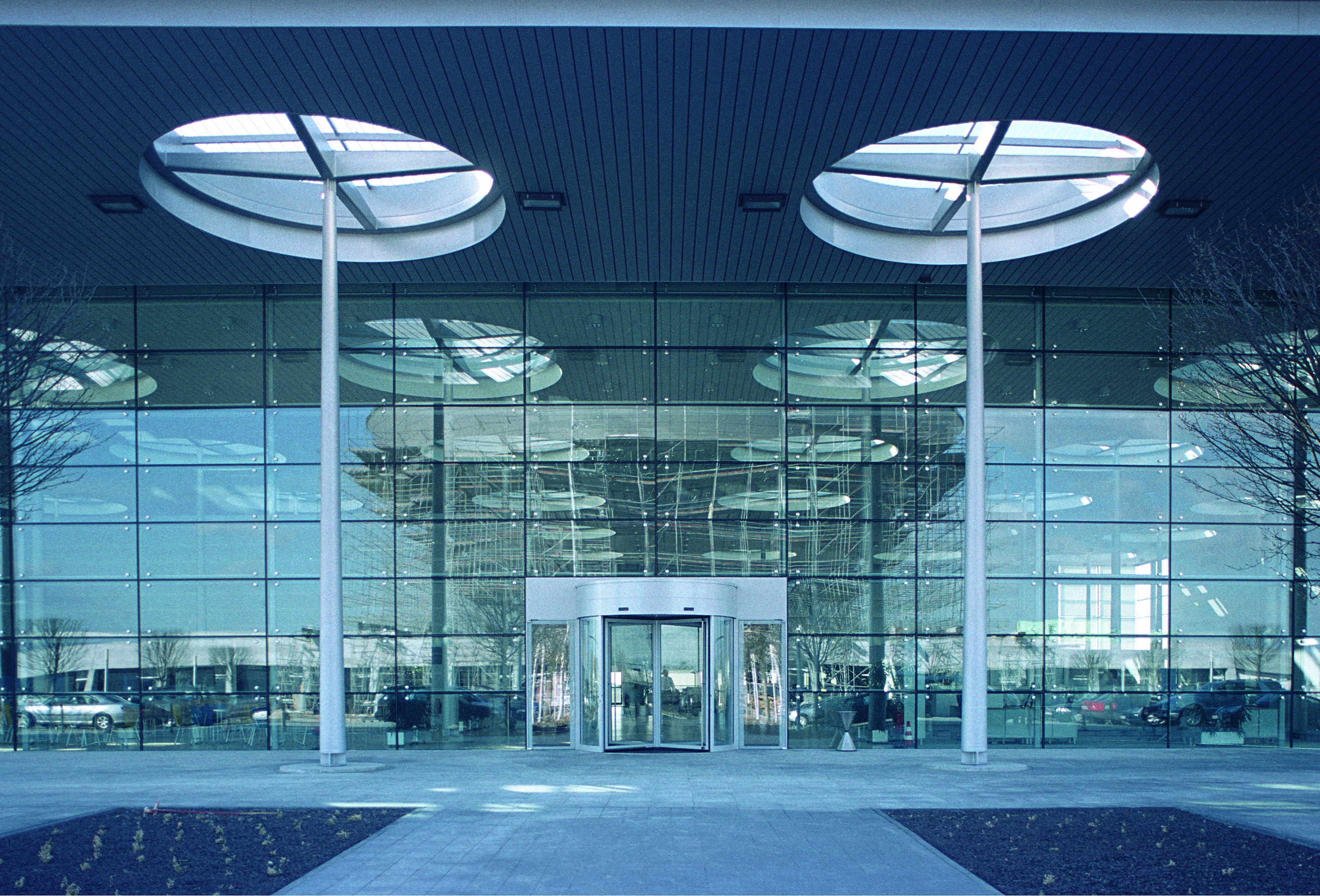
Entrance administration area (March 2002)
|
|
|
|
|
|
|
Dr. Ing. h.c. F. Porsche AG
|
Image
|
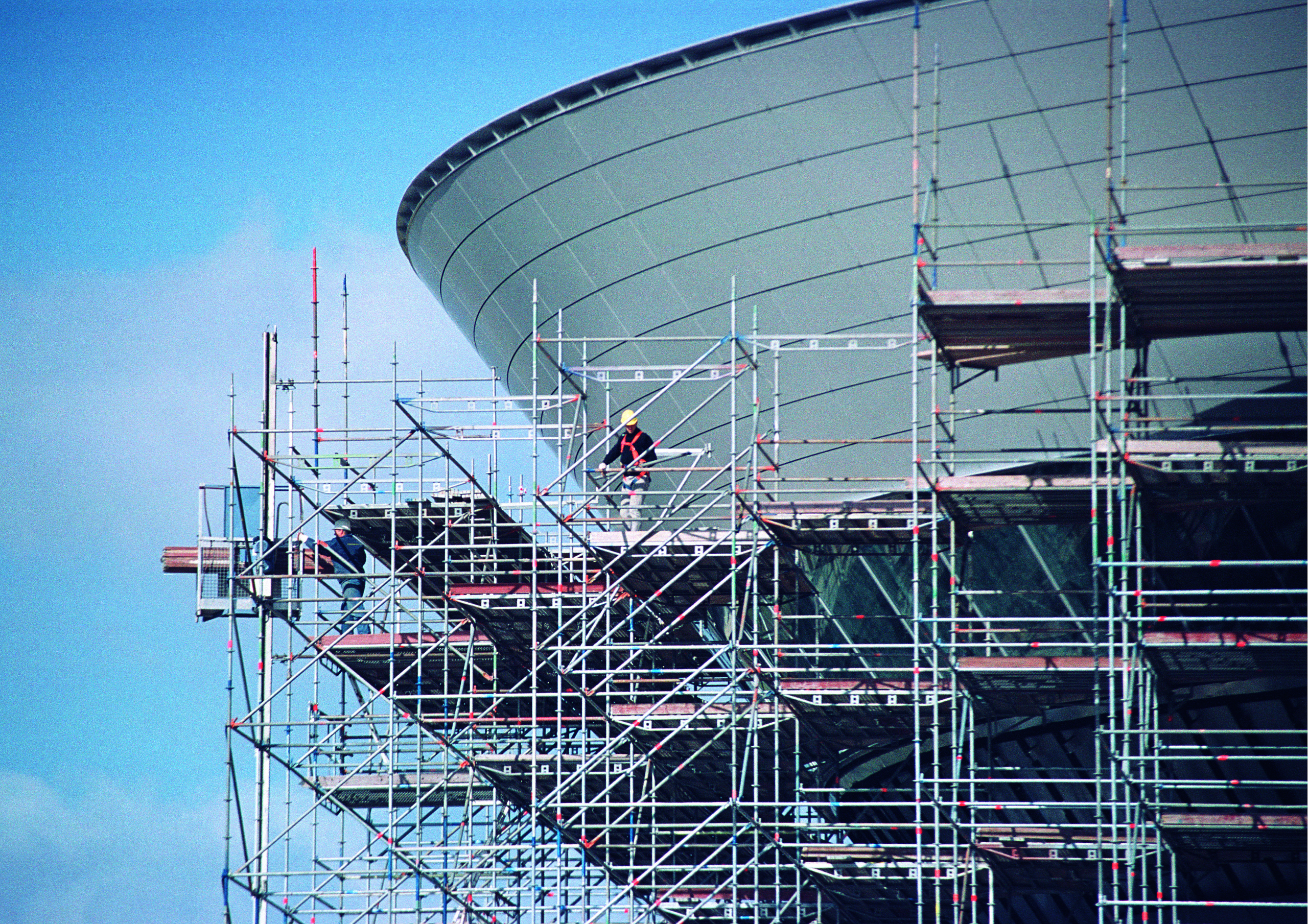
The facade of the Customer Centre is finished - the scaffolding is being removed (March 2002)
|
|
|
|
|
|
|
Dr. Ing. h.c. F. Porsche AG
|
Image
|
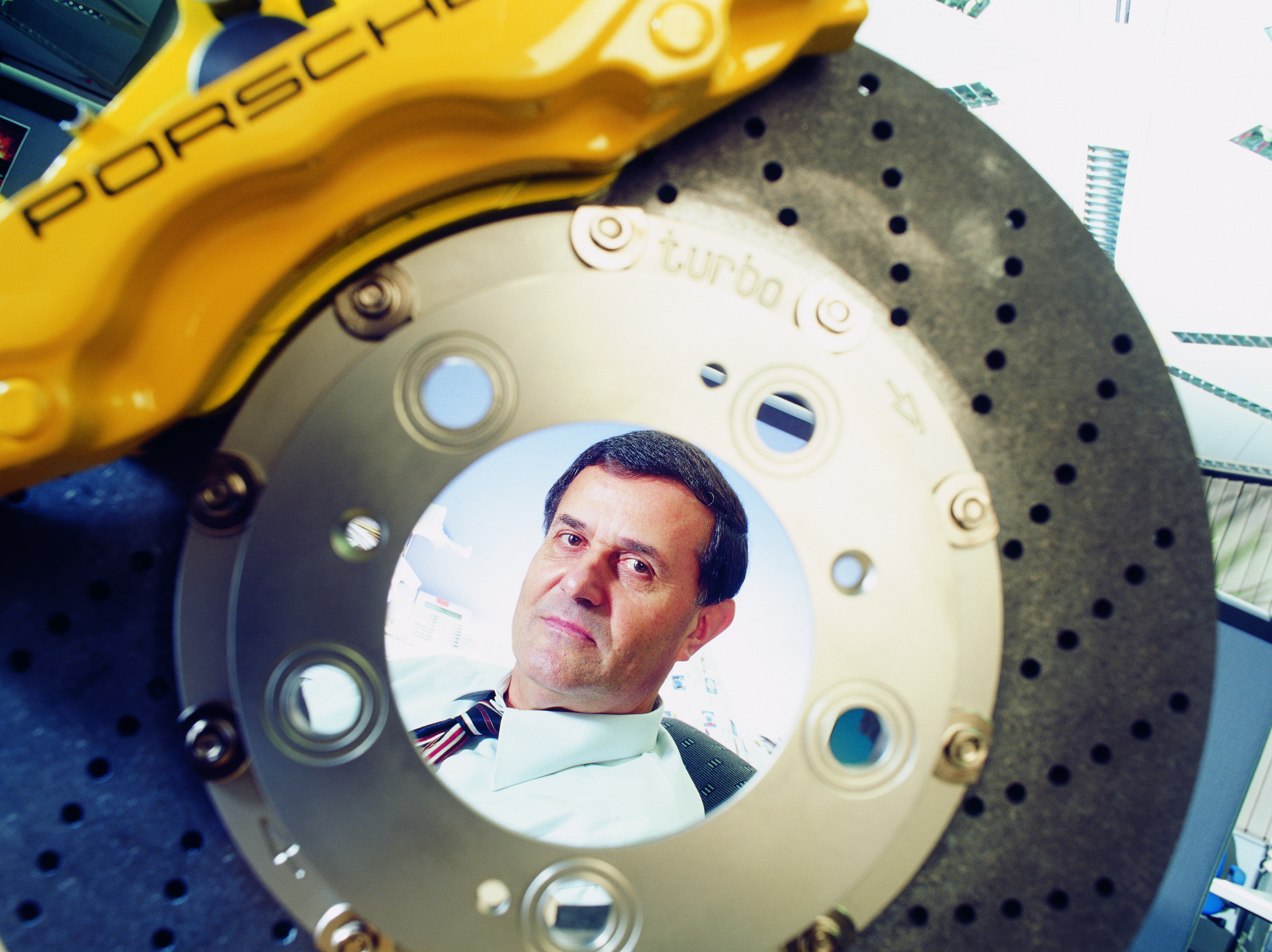
Roland Martin, developer of the Porsche Ceramic Composite Brake.
|
Porsche
|
|
|
|
|
|
Dr. Ing. h.c. F. Porsche AG
|
Image
|
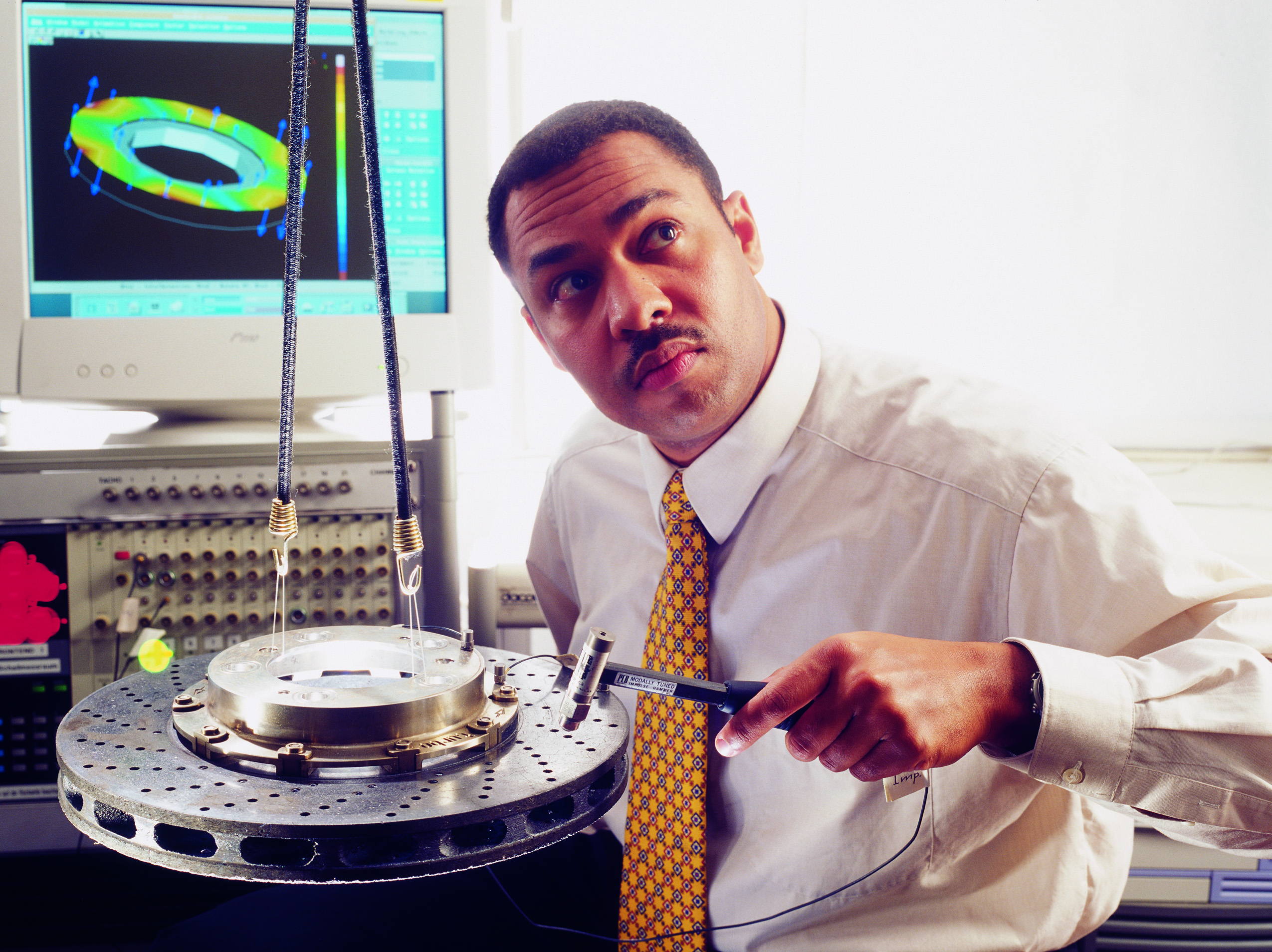
Vibration test: The optimum condition of the PCCB material is tested using the pulse hammer.
|
Porsche
|
|
|
|
|
|
Dr. Ing. h.c. F. Porsche AG
|
Image
|
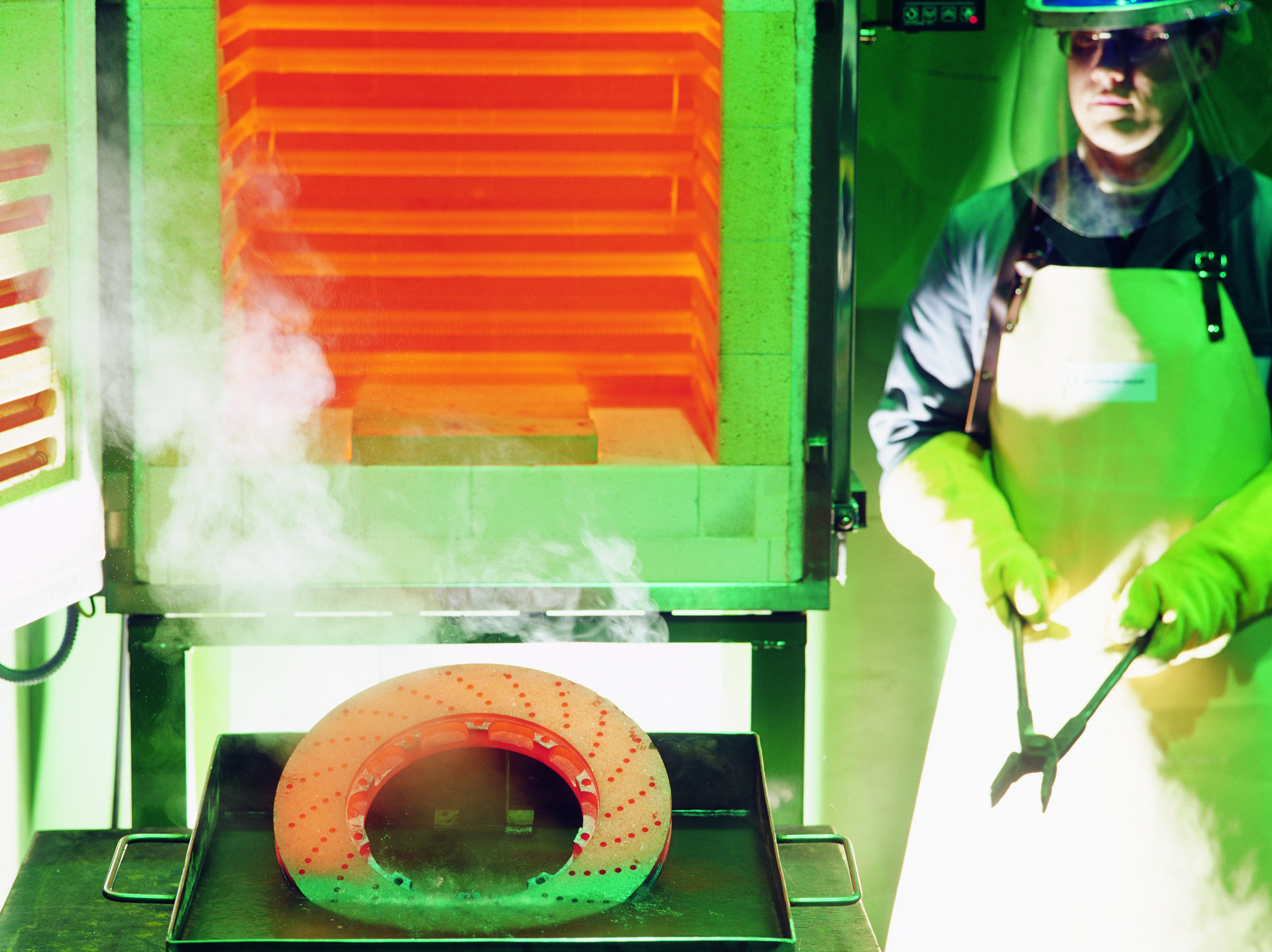
A ceramic brake disc that has been heated to 900 ðC passes the thermal shock test in cold water.
|
Porsche
|
|
|
|
|
|
Dr. Ing. h.c. F. Porsche AG
|
Image
|
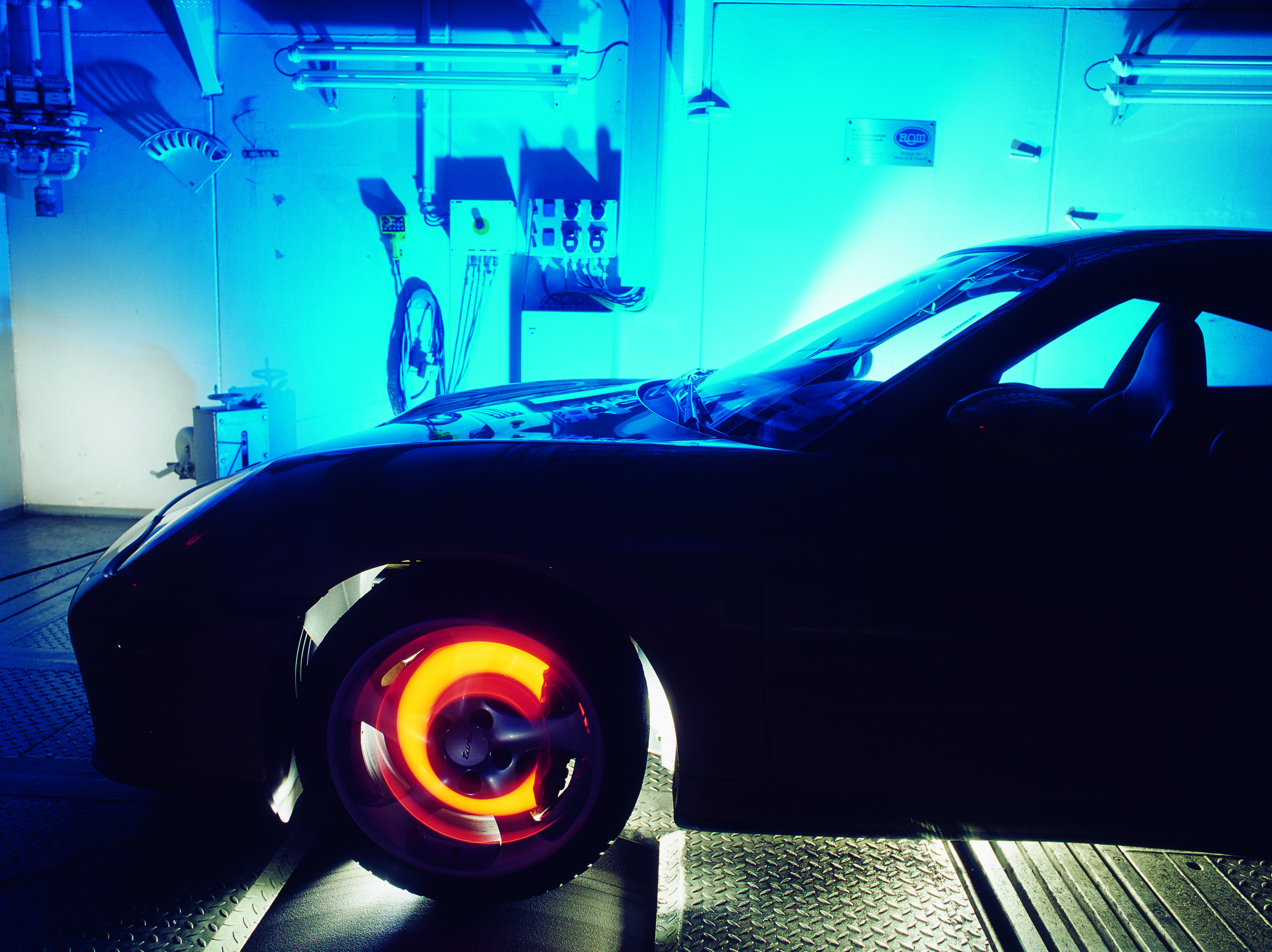
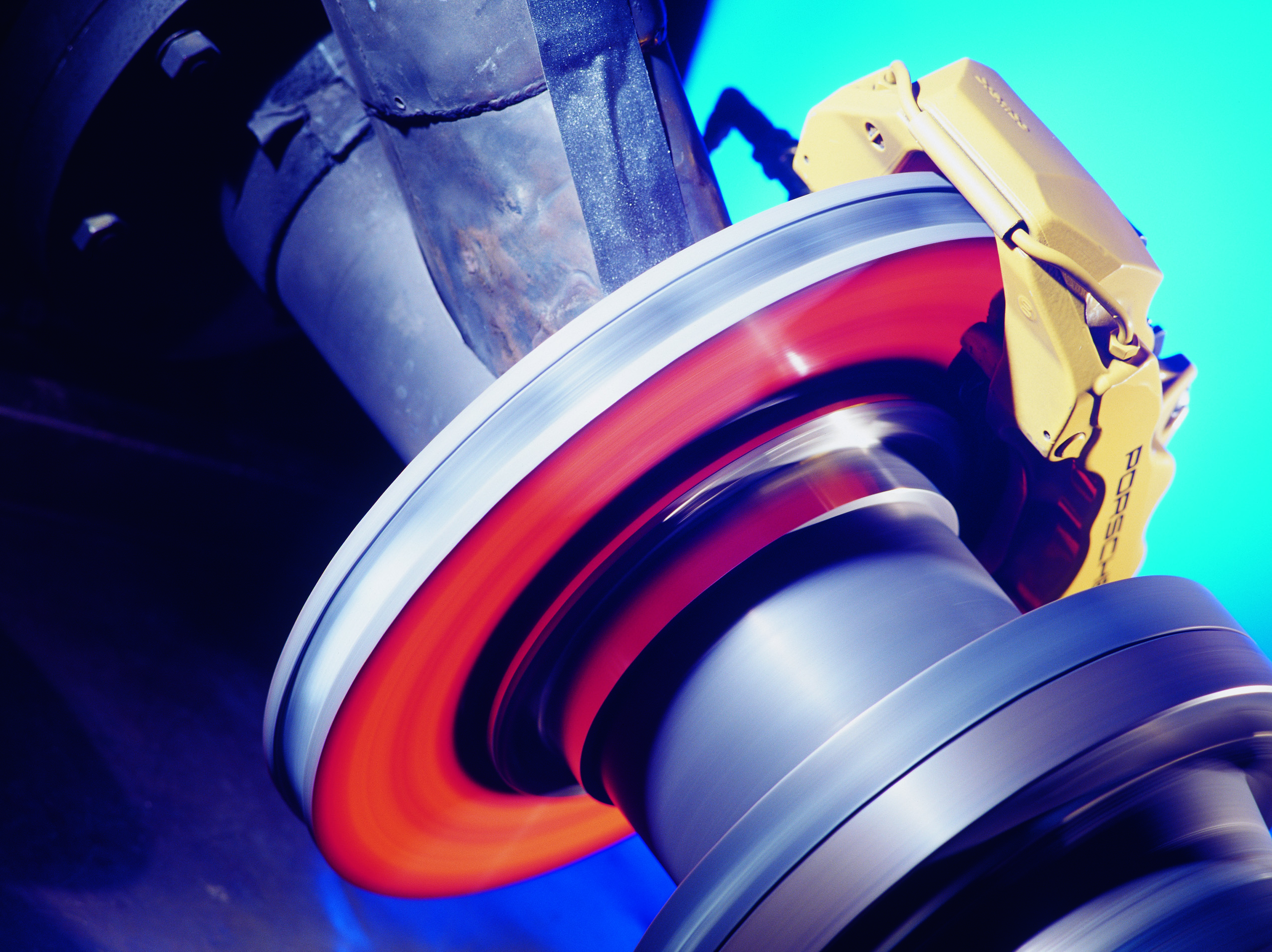
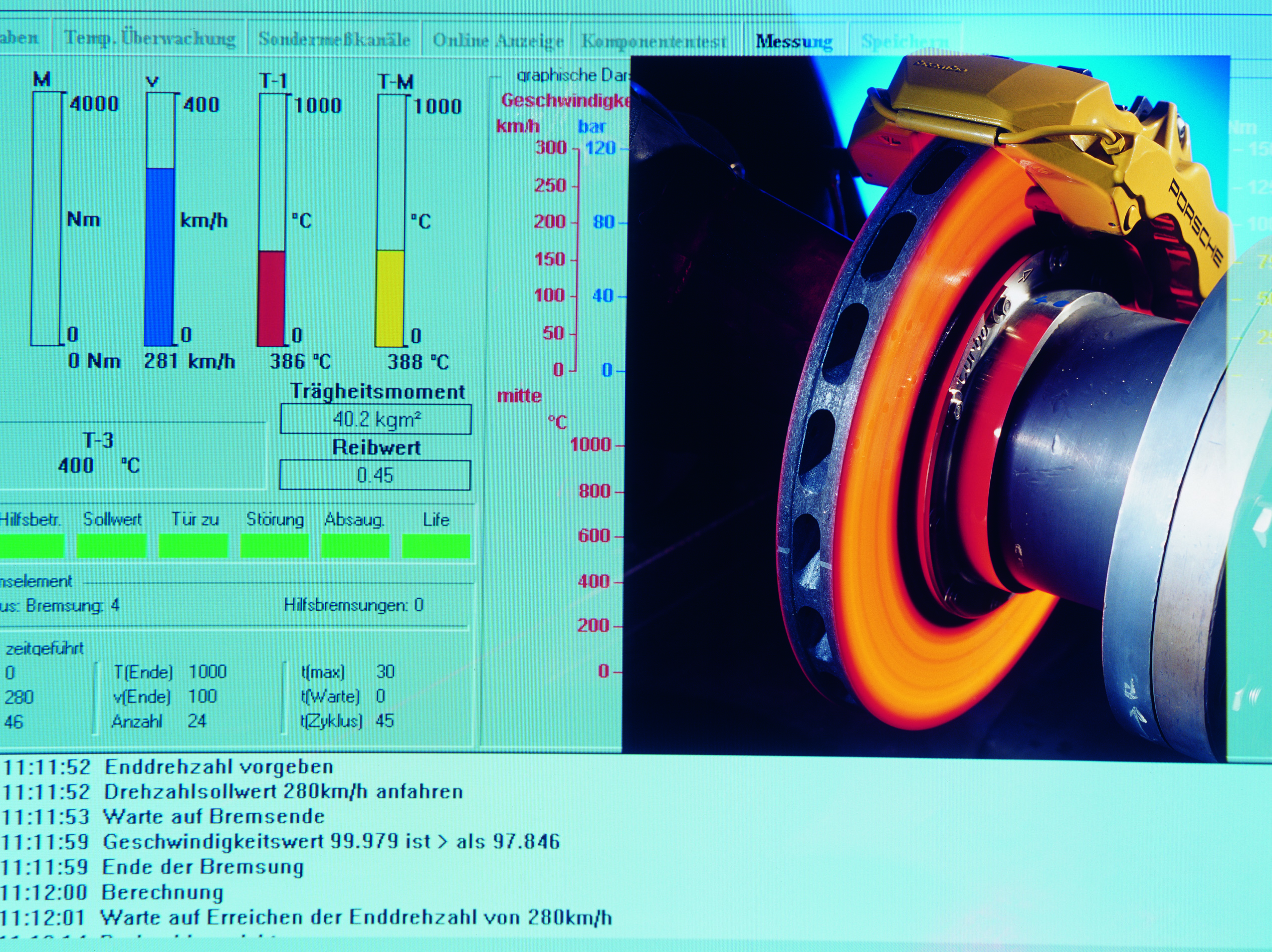
The Porsche roller brake tester allows deceleration tests from speeds of up to 200 km/h.
|
Porsche
|
|
|
|
|
|
Dr. Ing. h.c. F. Porsche AG
|
Image
|
The Porsche Ceramic Composite Brake is nearly wear free.
|
Porsche
|
|
|
|
|
|
Dr. Ing. h.c. F. Porsche AG
|
Image
|
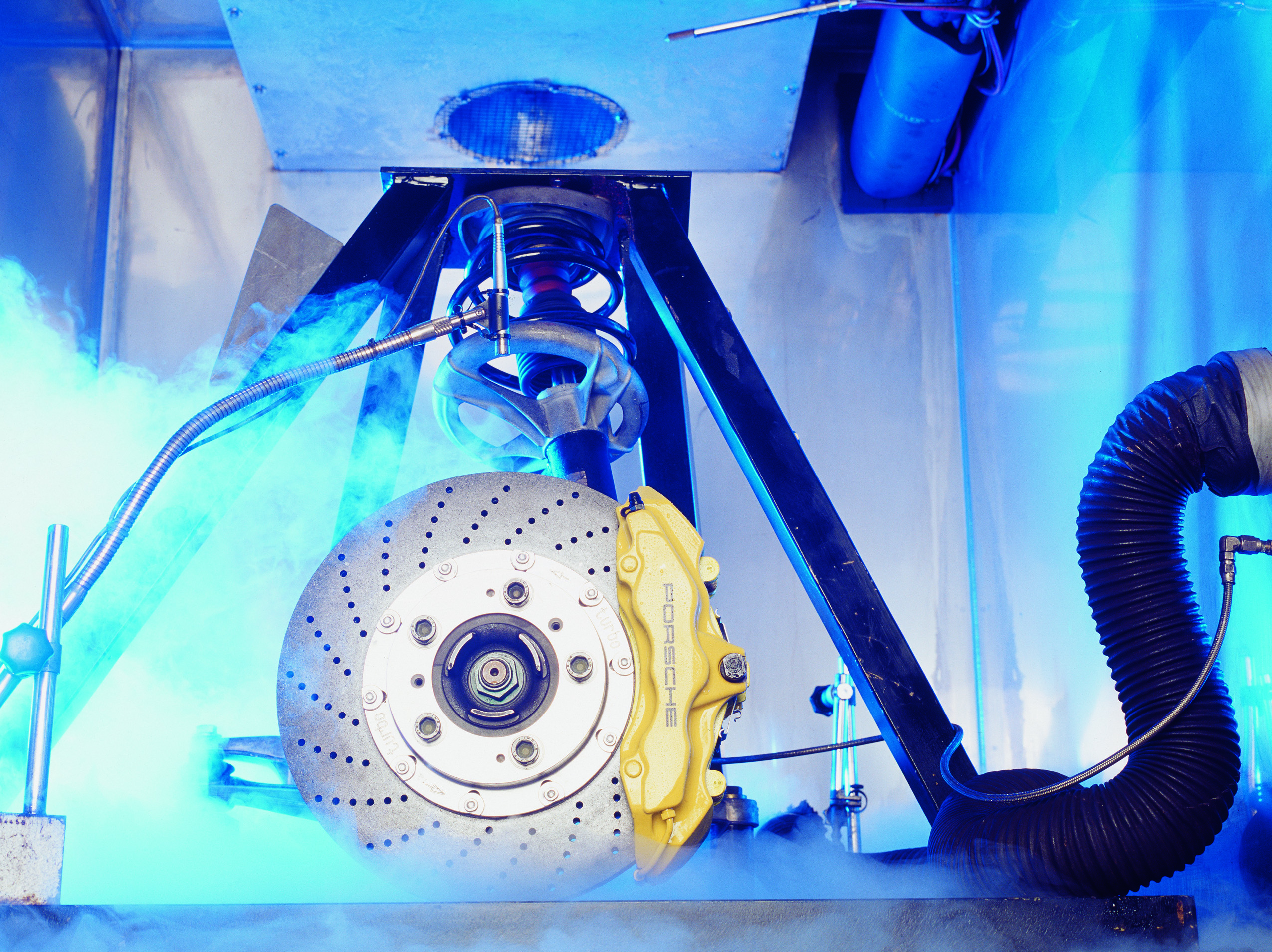
The ceramic brake passes the noise test in the climatic chamber: Even under the influence of cold liquid nitrogen, the brake must not squeal.
|
Porsche
|
|
|
|
|
|
Dr. Ing. h.c. F. Porsche AG
|
Image
|
In order to ensure high quality in series production, computers calculate the heat balance, stresses and deformations of the carbon fibre-ceramic material under different operating conditions.
|
Porsche
|
|
|
|
|
|
Dr. Ing. h.c. F. Porsche AG
|
Image
|
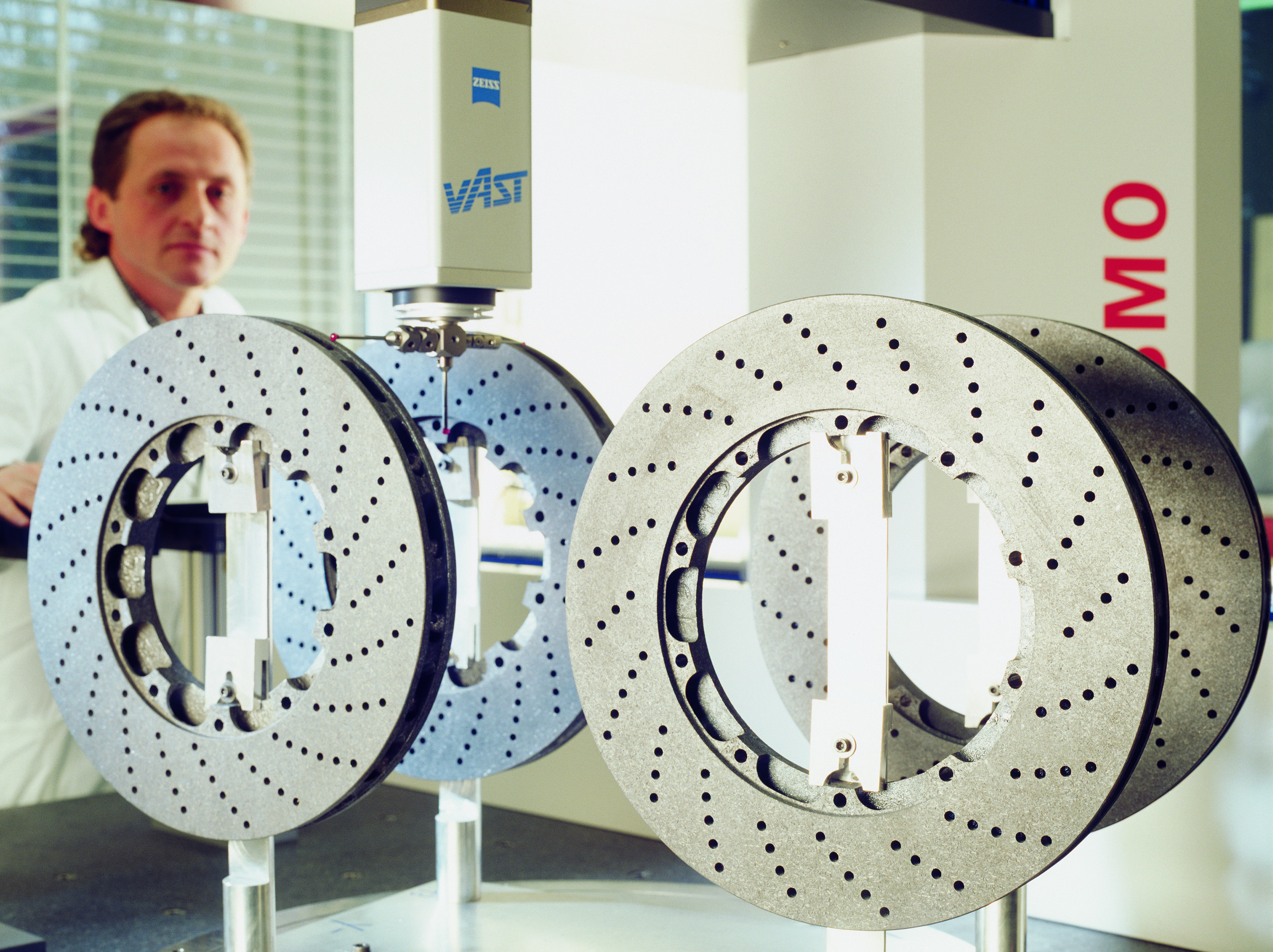
In the precision measuring room, the brake disc dimensions are checked to the exact millimetre.
|
Porsche
|
|
|
|
|
|
Dr. Ing. h.c. F. Porsche AG
|
Image
|
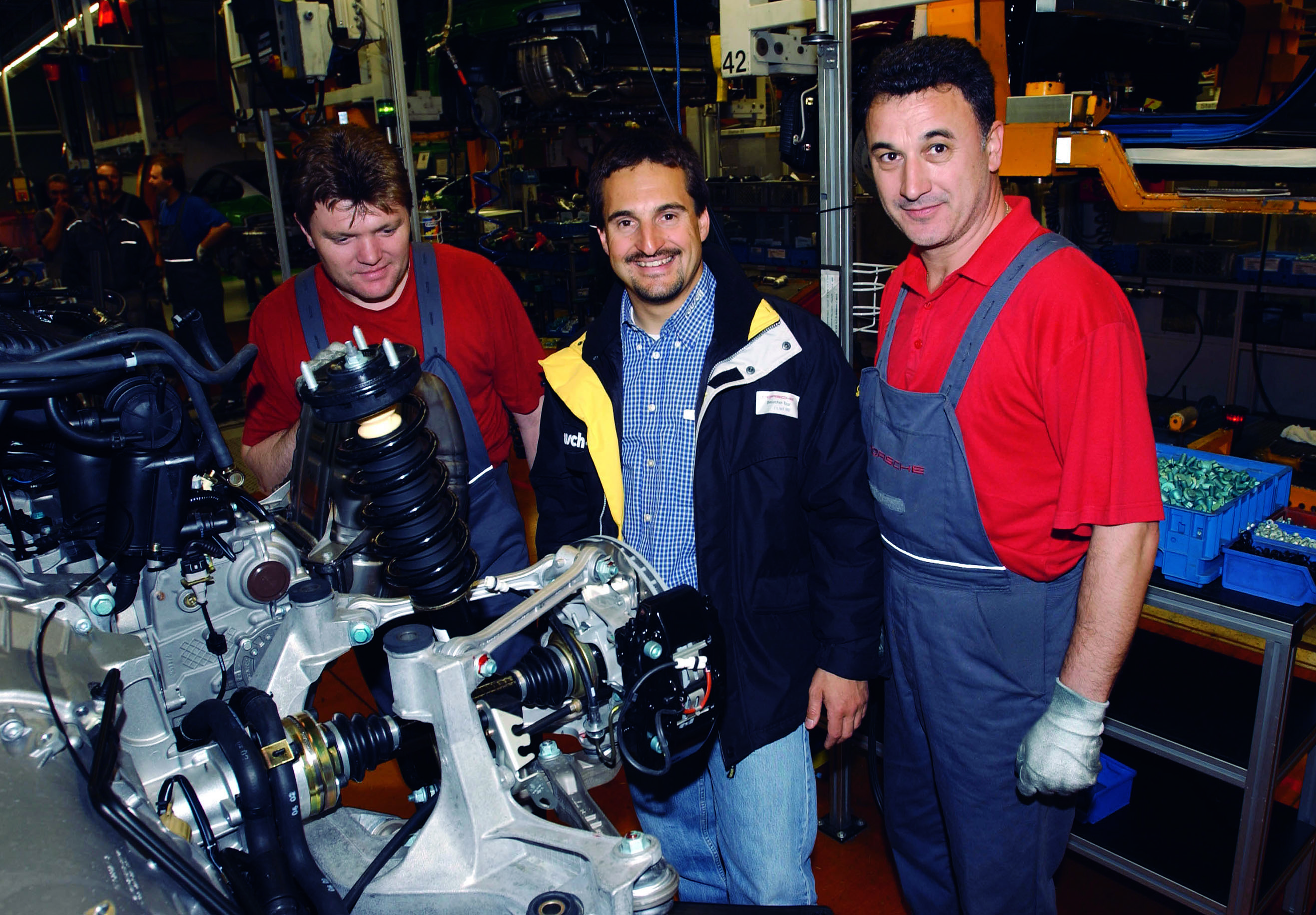
Georg Hackl (centre) during his tour through the Porsche production facilities
|
Porsche
|
|
|
|
|
|
Dr. Ing. h.c. F. Porsche AG
|
Image
|
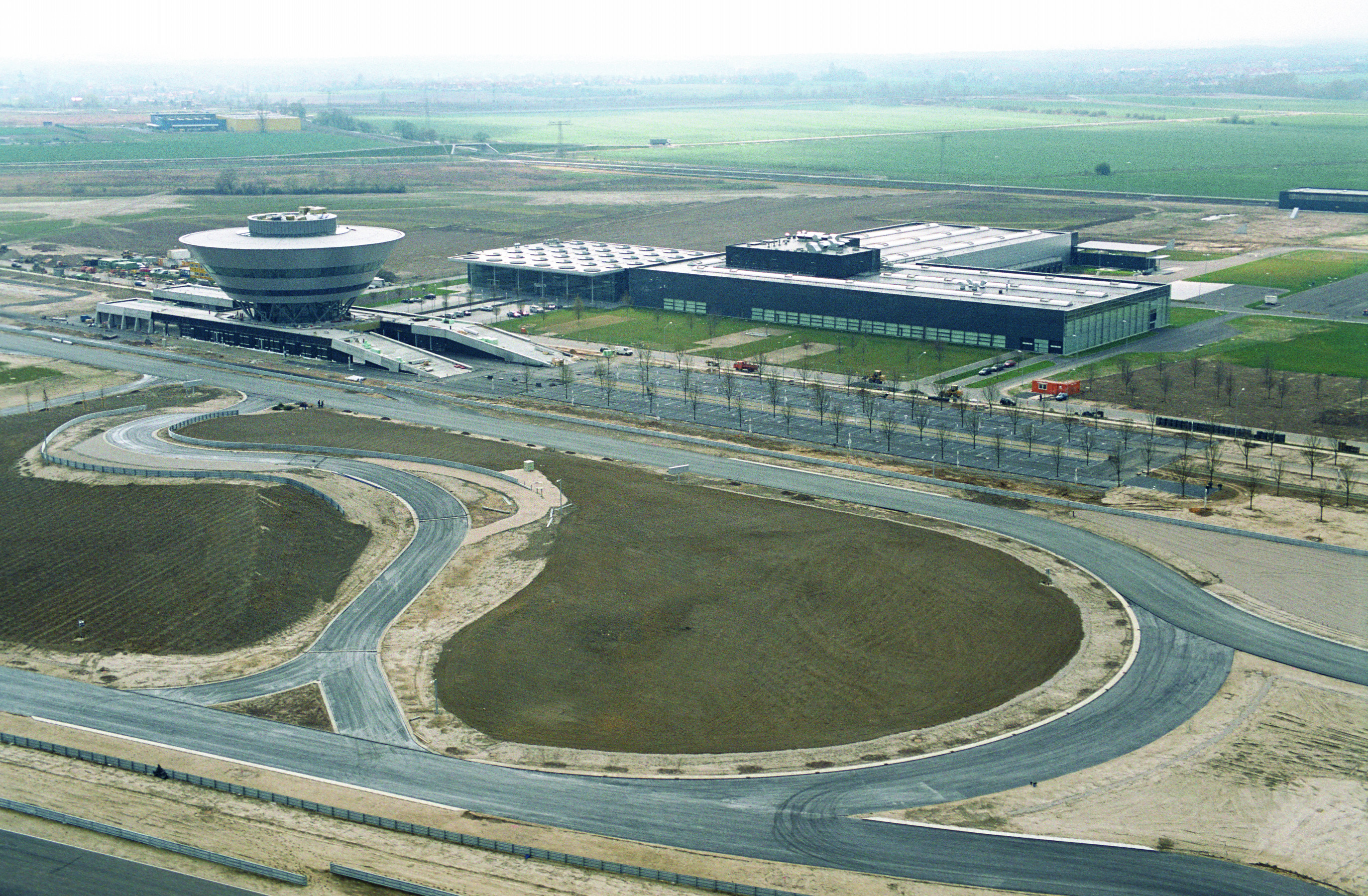
Porsche Plant Leipzig and the Customer Center (Stand April 2002)
|
|
|
|
|
|
|
Dr. Ing. h.c. F. Porsche AG
|
Image
|
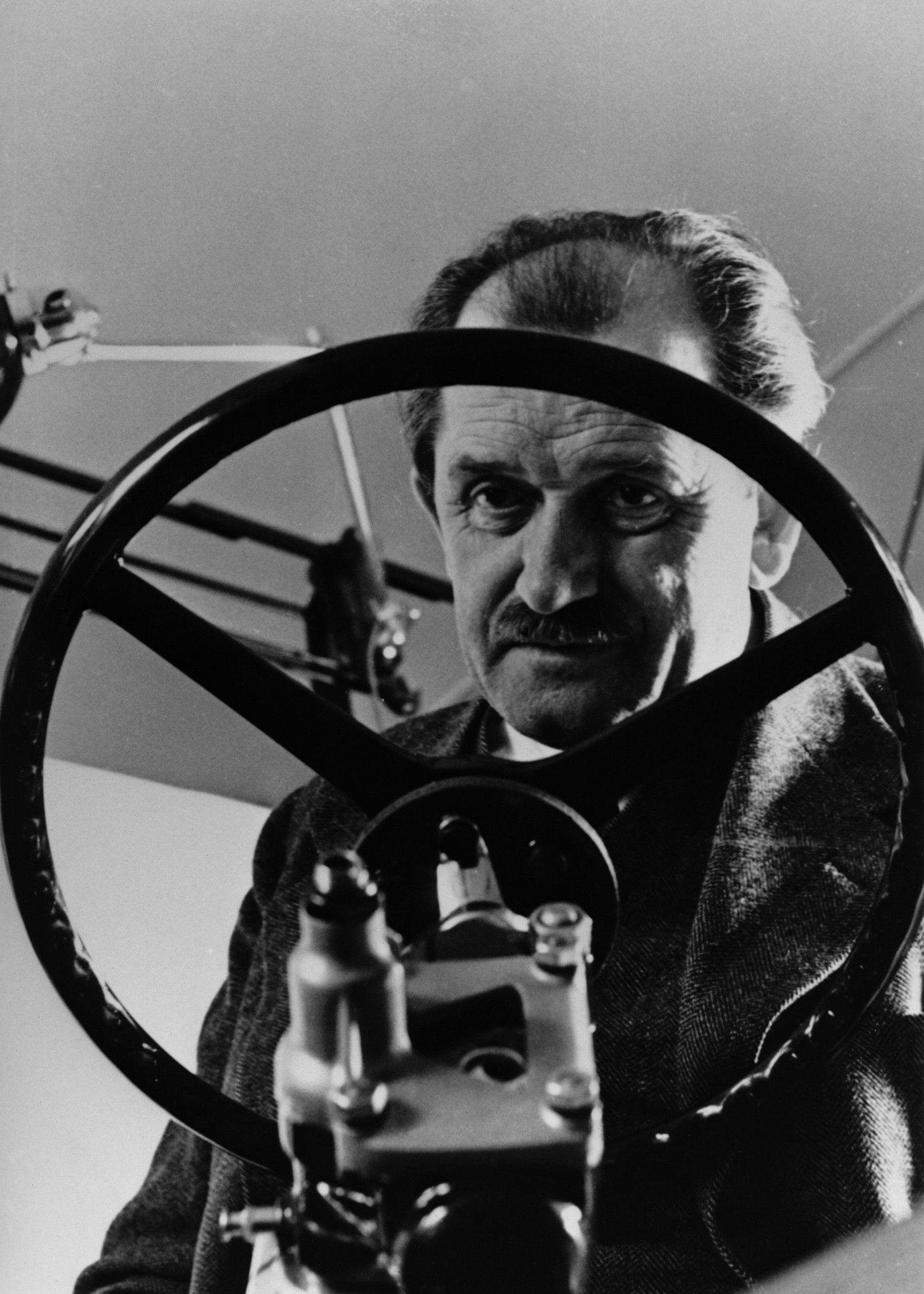
Design engineer and company founder Prof. Dr. Ing. h.c. Ferdinand Porsche, born 3rd September 1875 in Maffersdorff, deceased 30th January 1951 in Stuttgart.
|
|
|
|
|
|
|
Dr. Ing. h.c. F. Porsche AG
|
Image
|
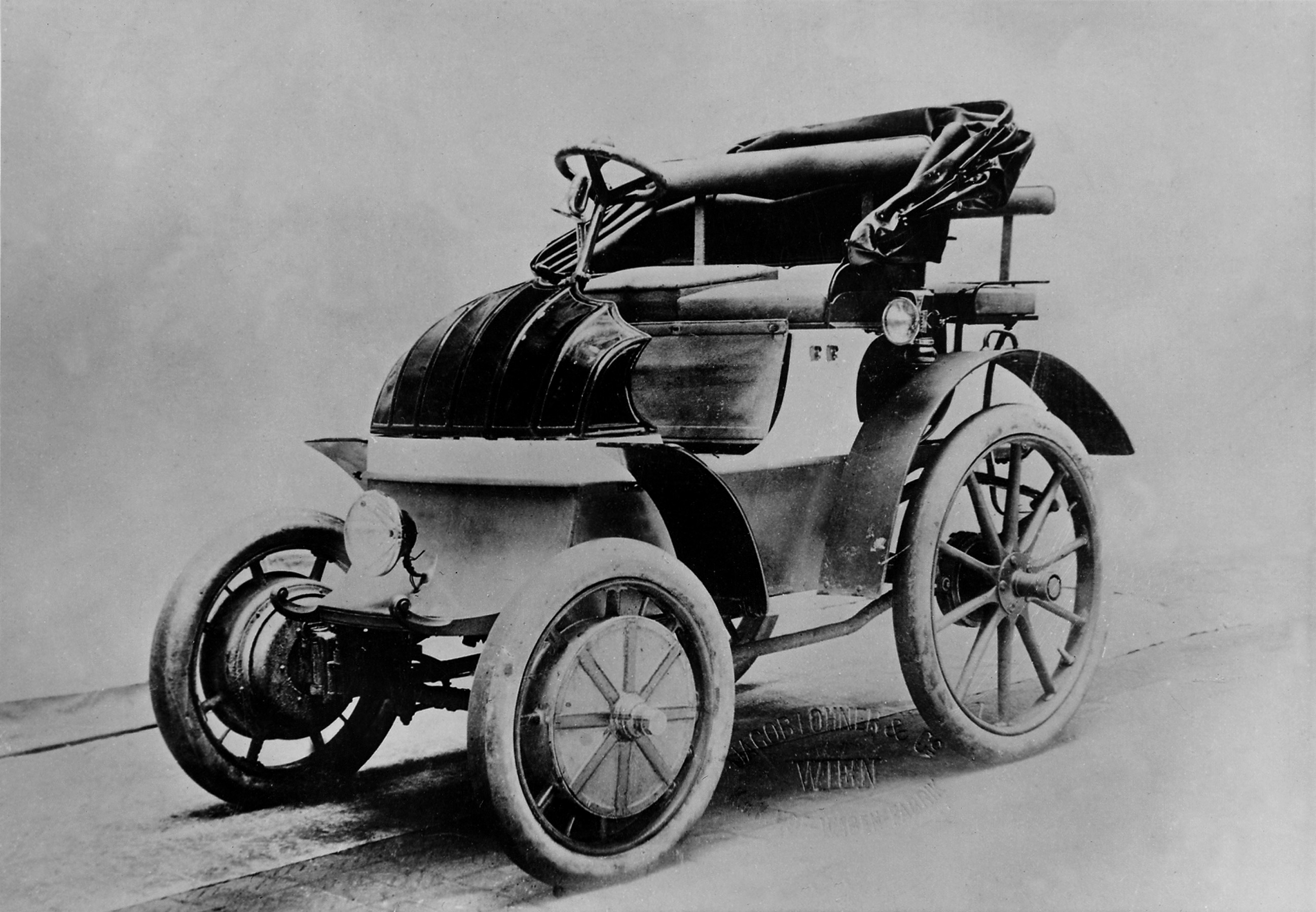
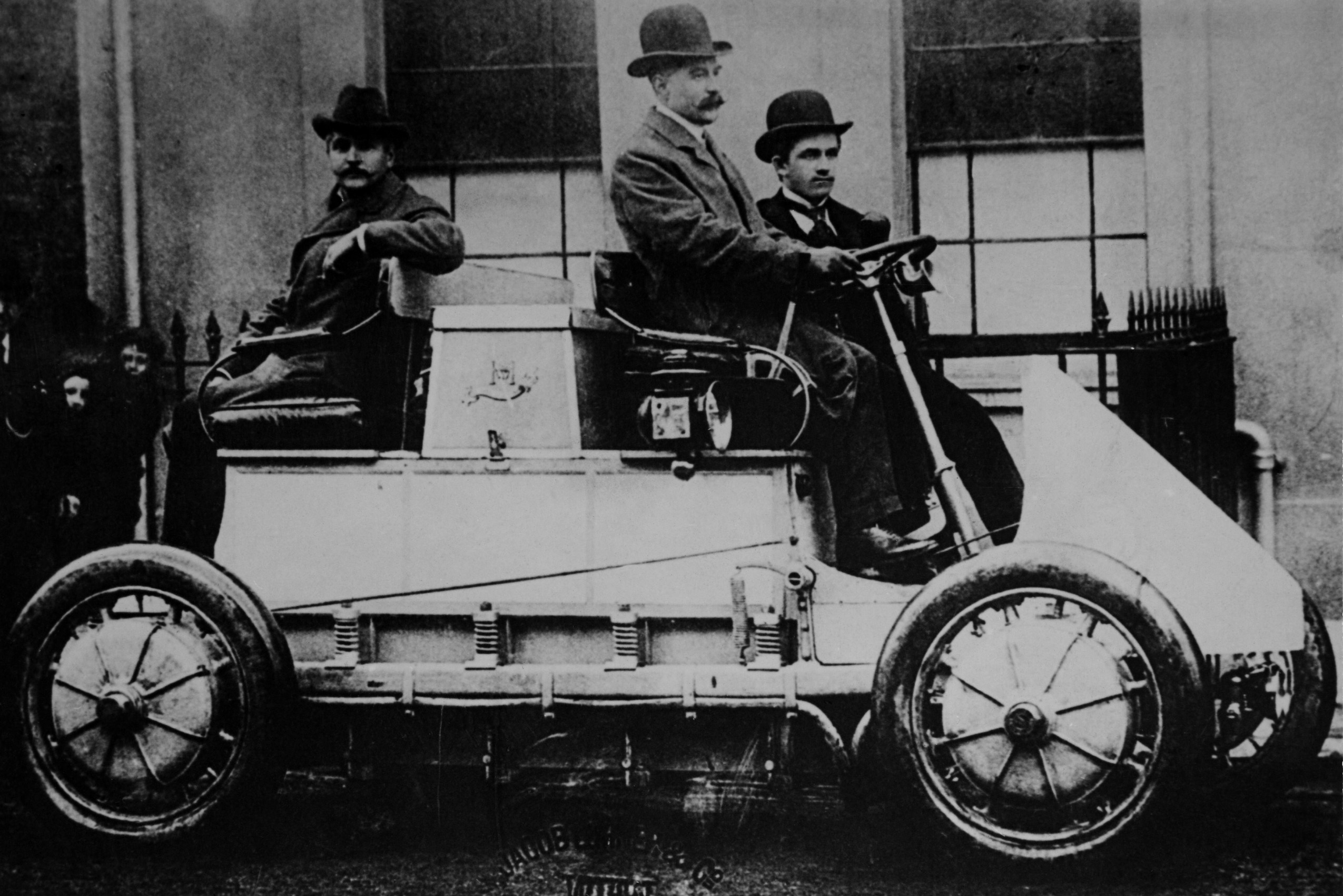
The Lohner-Porsche electric car, powered by wheel-hub motors, caused a sensation at the Paris world trade fair in 1900.
|
Lohner-Porsche
|
|
|
|
|
|
Dr. Ing. h.c. F. Porsche AG
|
Image
|
With four wheel-hub motors, the Lohner-Porsche racing car was the first ever all-wheel drive vehicle.
|
Porsche
|
|
|
|
|
|
Dr. Ing. h.c. F. Porsche AG
|
Image
|
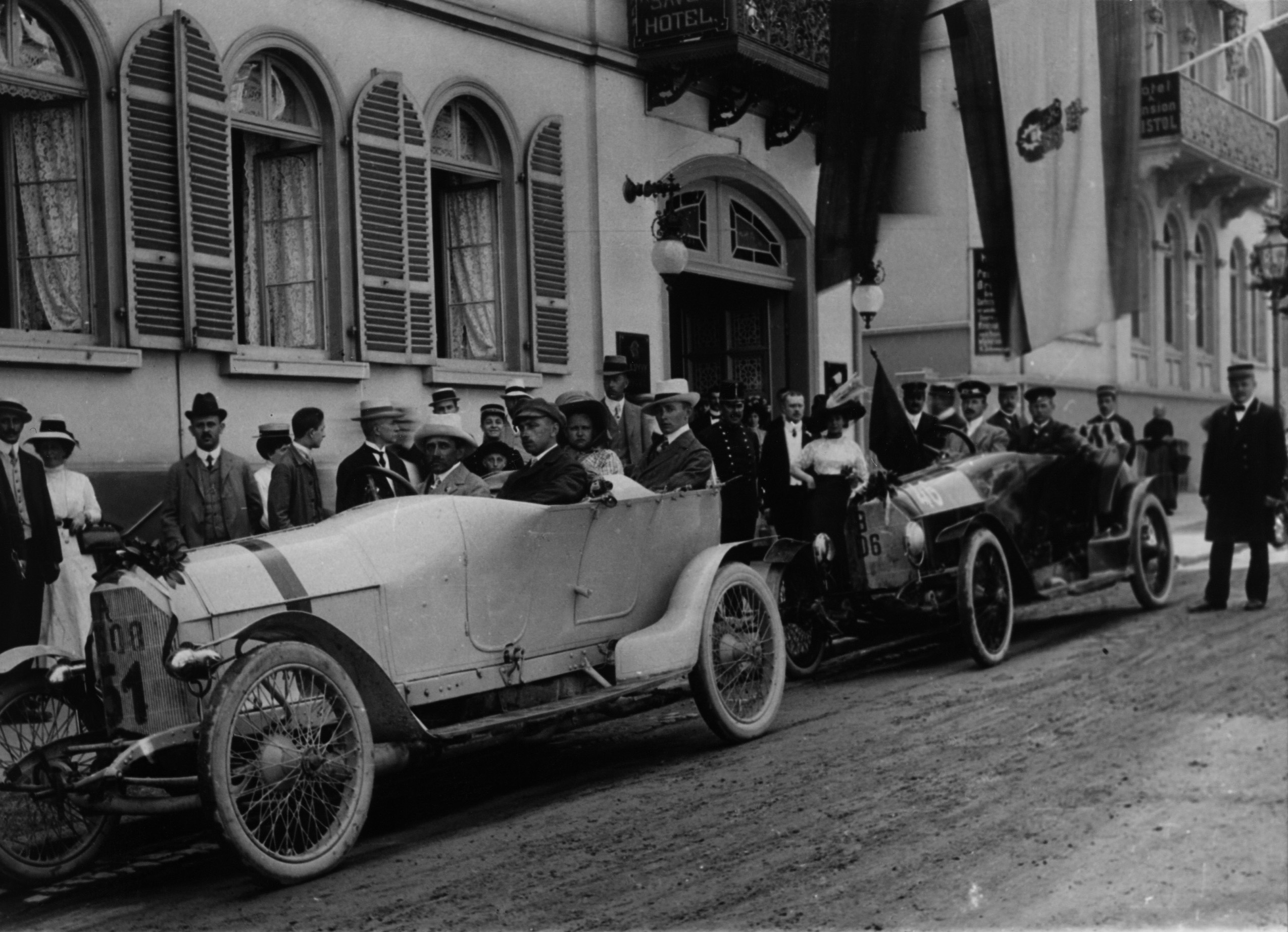
Ferdinand Porsche at the wheel of the Austro-Daimler, which sped him to victory in the Prinz-Heinrich race in 1910.
|
Porsche
|
|
|
|
|
|
Dr. Ing. h.c. F. Porsche AG
|
Image
|
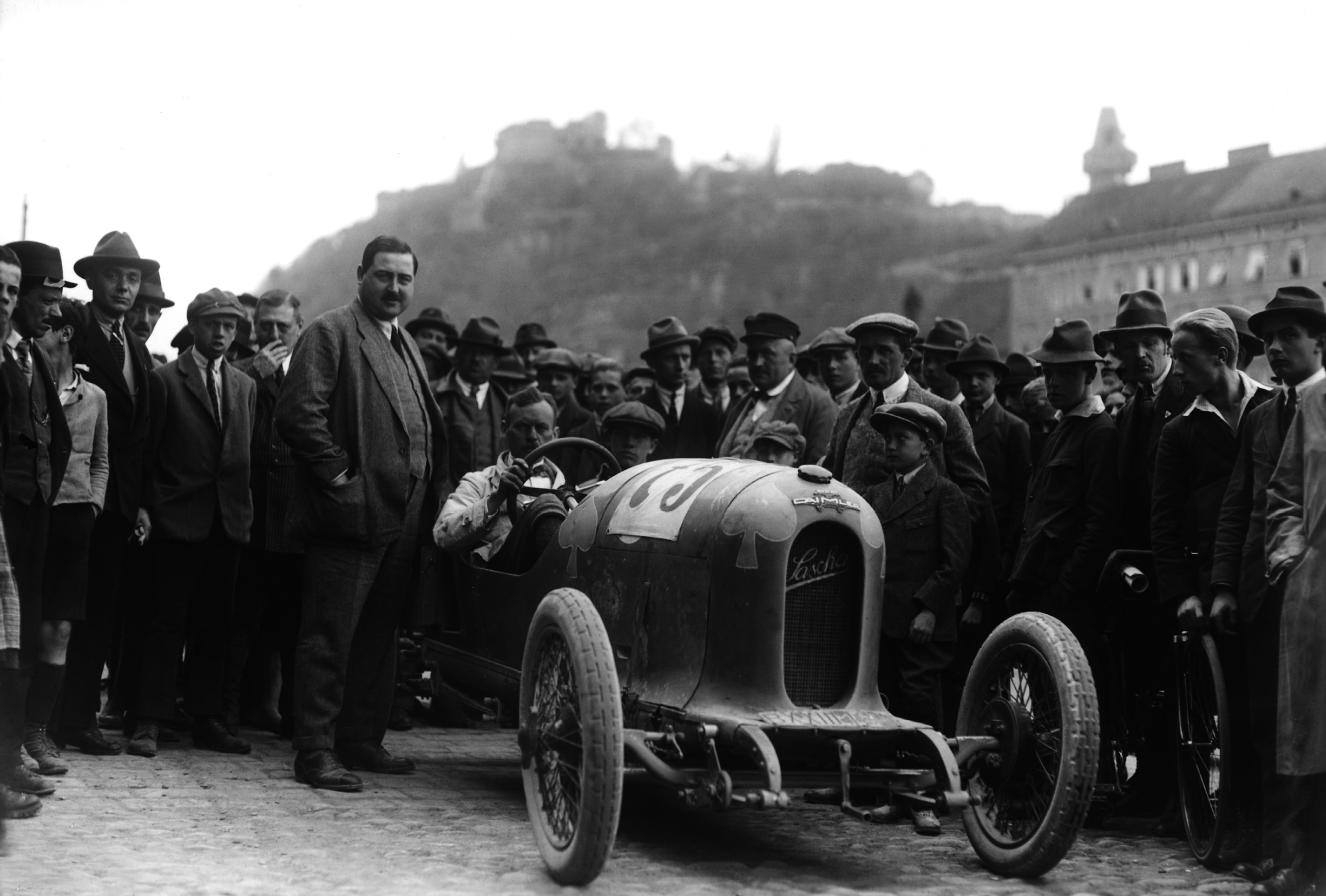
At the Ries race in Graz, Steiermark, 1992. Ferry Porsche, in the cap with the visor, is on the right, next to the Sascha type Austro-Daimler. Behind him is his father.
|
Porsche
|
|
|
|
|
|
Dr. Ing. h.c. F. Porsche AG
|
Image
|
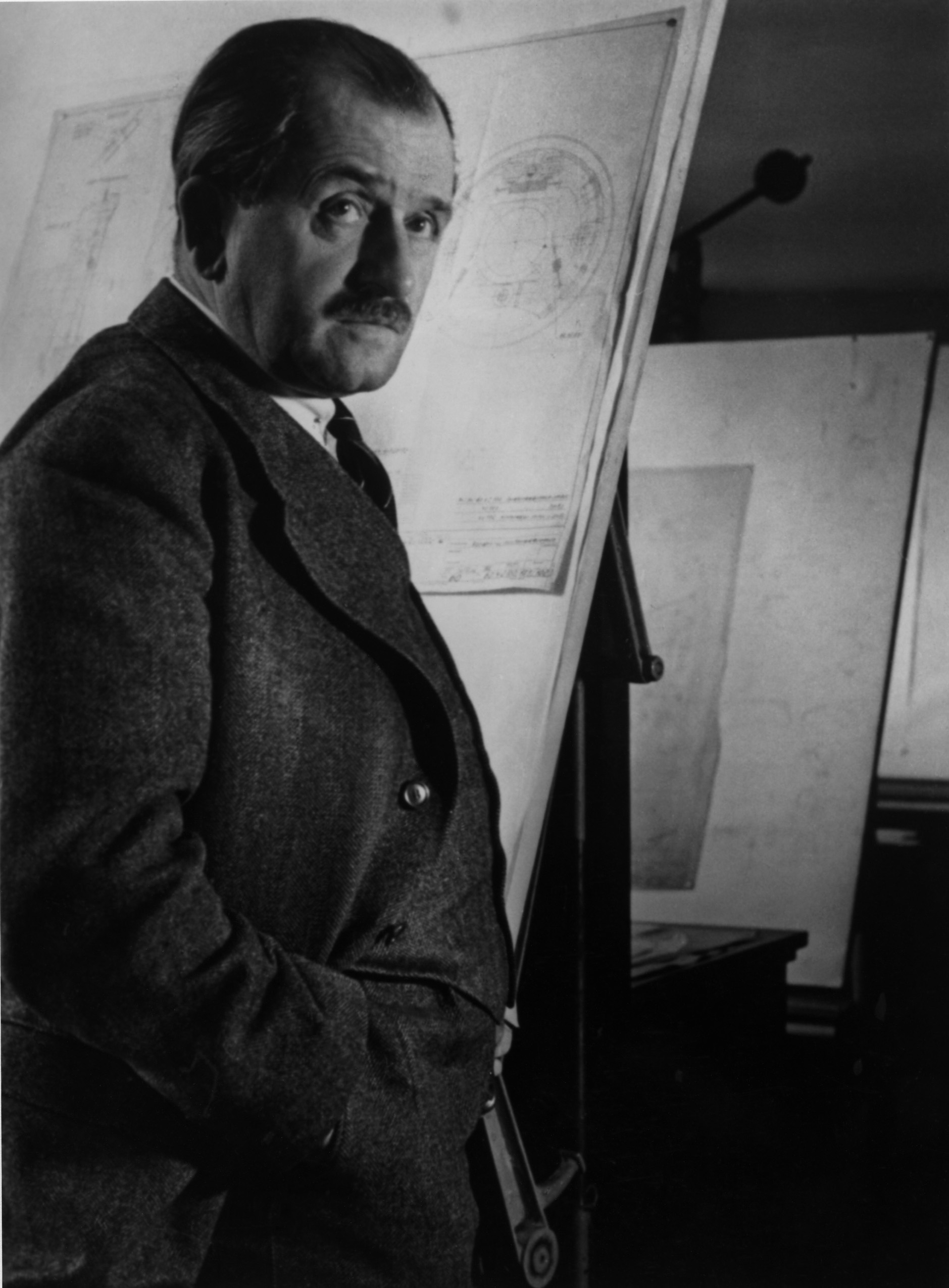
Dr. Ing. h.c. Ferdinand Porsche (at the age of 62) in his design office located at KronenstraÃe 24 in Stuttgart.
|
|
|
|
|
|
|
Dr. Ing. h.c. F. Porsche AG
|
Image
|
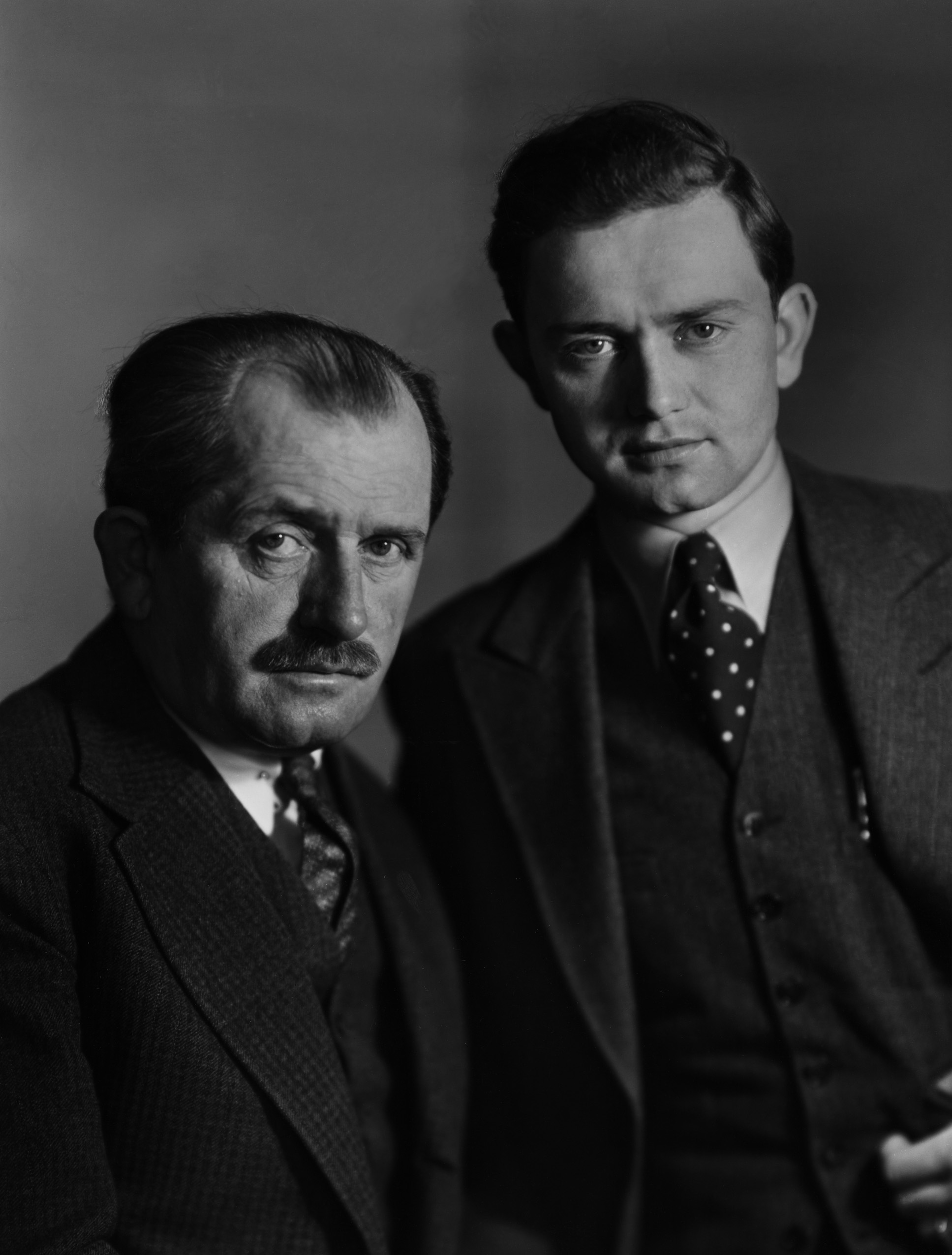
Dr. Ing. h.c. Ferdinand Porsche with his son Ferdinand Anton Ernst ("Ferry") Porsche, who began working in his father's office at a young age.
|
|
|
|
|
|
|
Dr. Ing. h.c. F. Porsche AG
|
Image
|
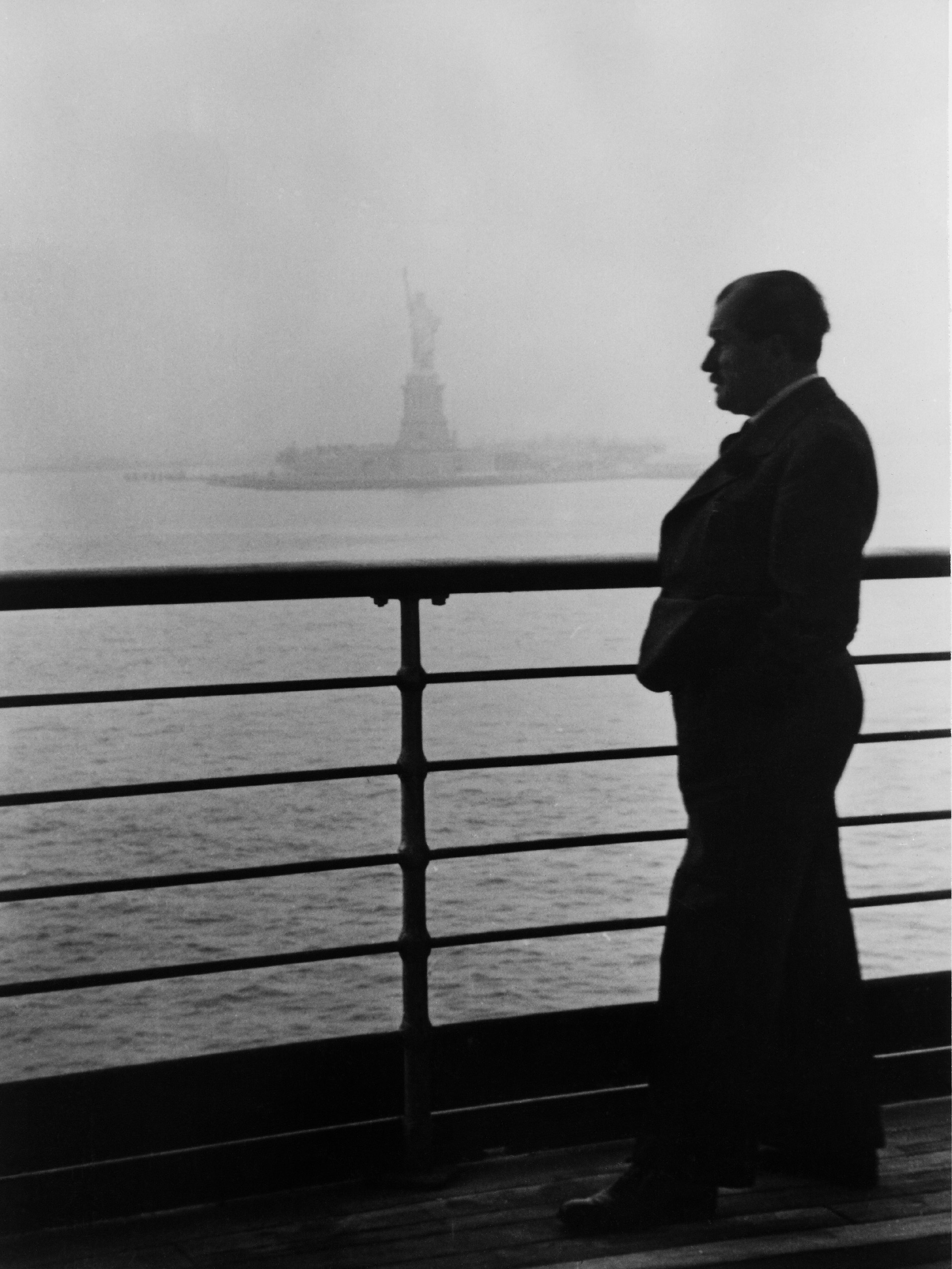
Ferdinand Porsche travelled to America in 1937 to keep up to speed with the latest production techniques in the automotive industry, thereby acquiring new knowledge to help him plan the Volkswagen plant.
|
|
|
|
|