|
Dr. Ing. h.c. F. Porsche AG
|
Image
|
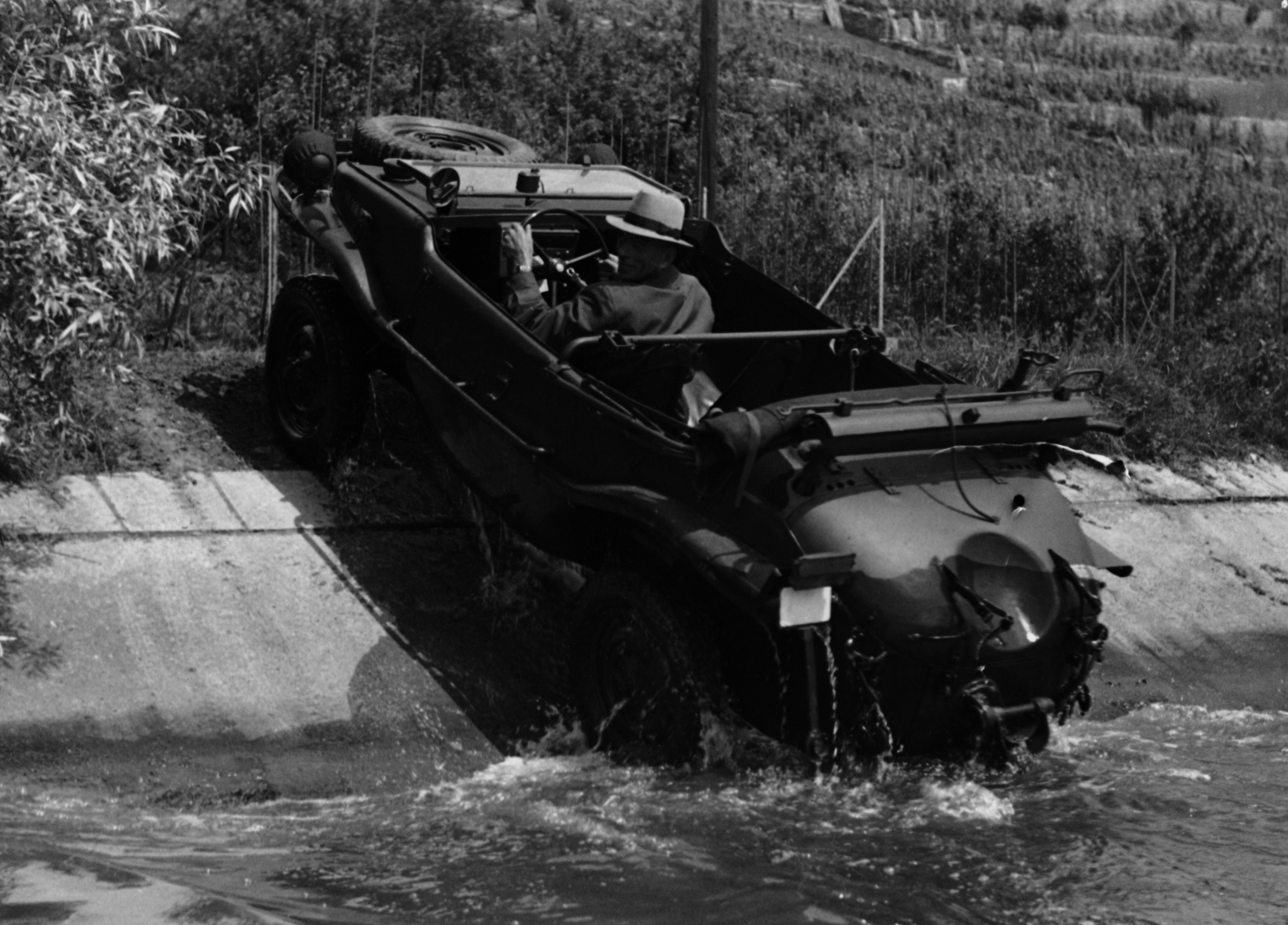
Construction of the amphibian car was based on the Beetle. Its all-wheel design made it one of the best all-terrain vehicle of its day.
|
|
|
|
|
|
|
Dr. Ing. h.c. F. Porsche AG
|
Image
|
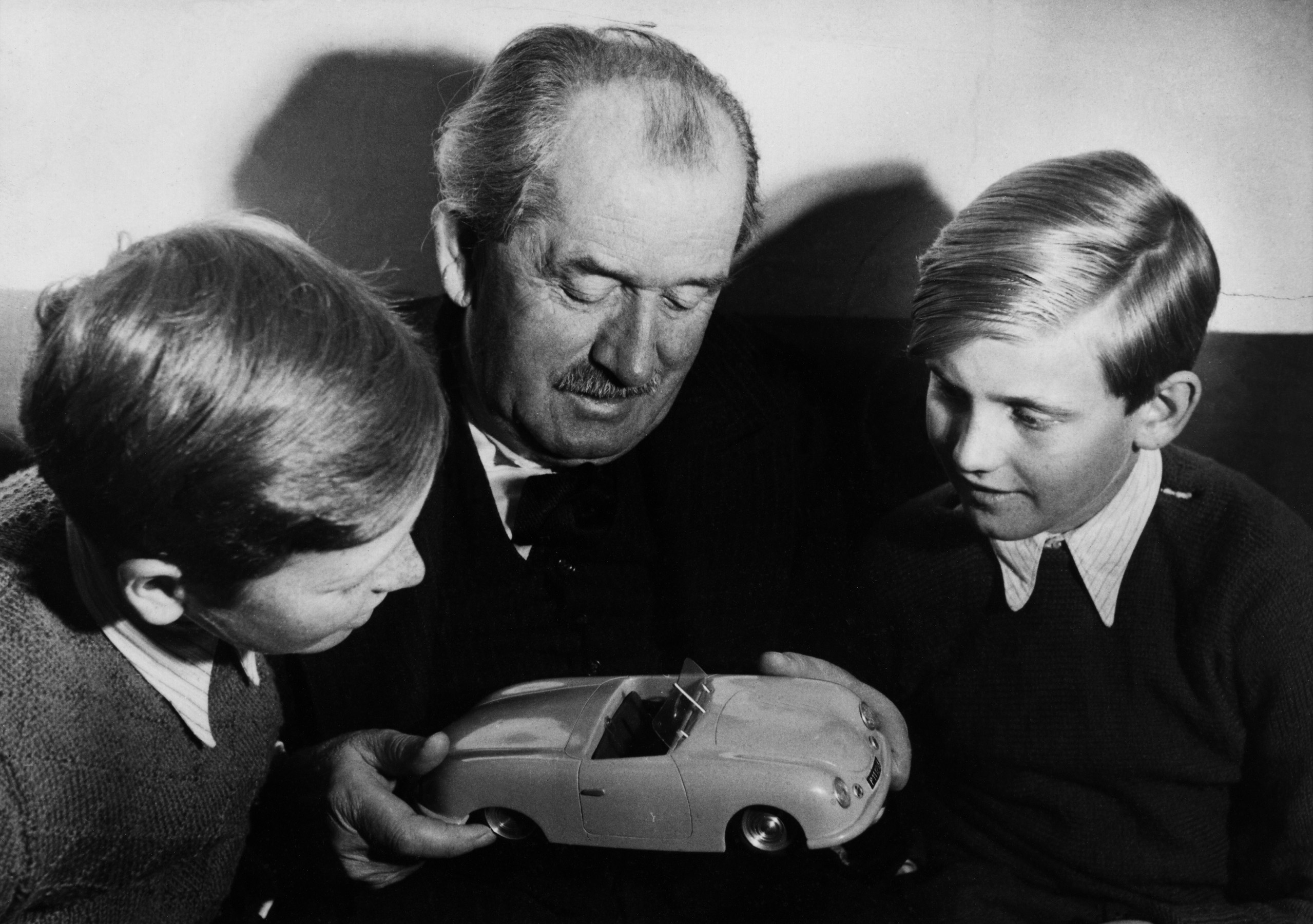
Grandfather Ferdinand Porsche, with his grandchildren: Ferdinand Alexander ("Butzi") Porsche (left) and Ferdinand Piëch. In their hands is a model of the No. 1.
|
|
|
|
|
|
|
Dr. Ing. h.c. F. Porsche AG
|
Image
|
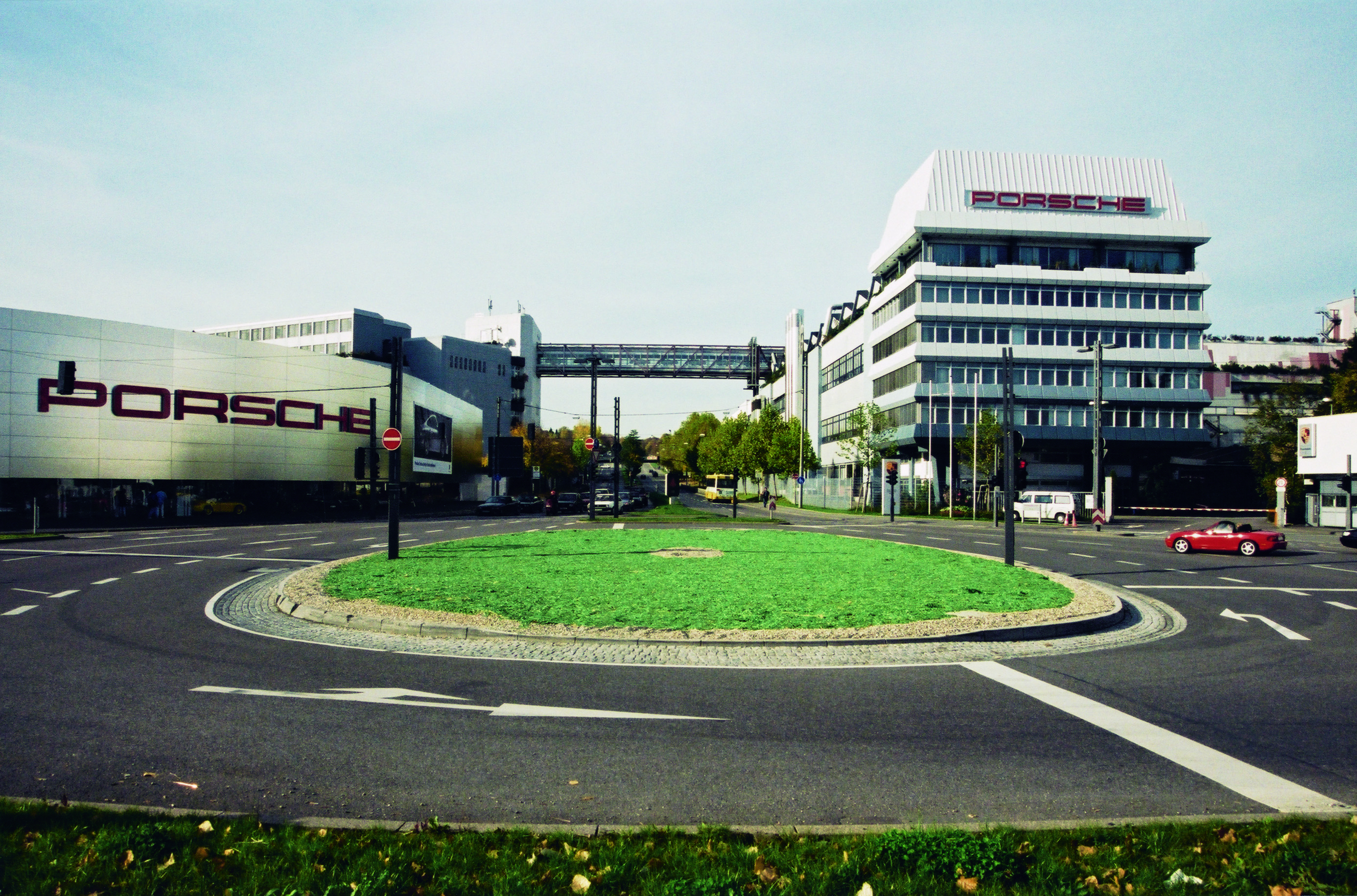
Porscheplatz at the Zuffenhausen location
|
|
|
|
|
|
|
Dr. Ing. h.c. F. Porsche AG
|
Image
|
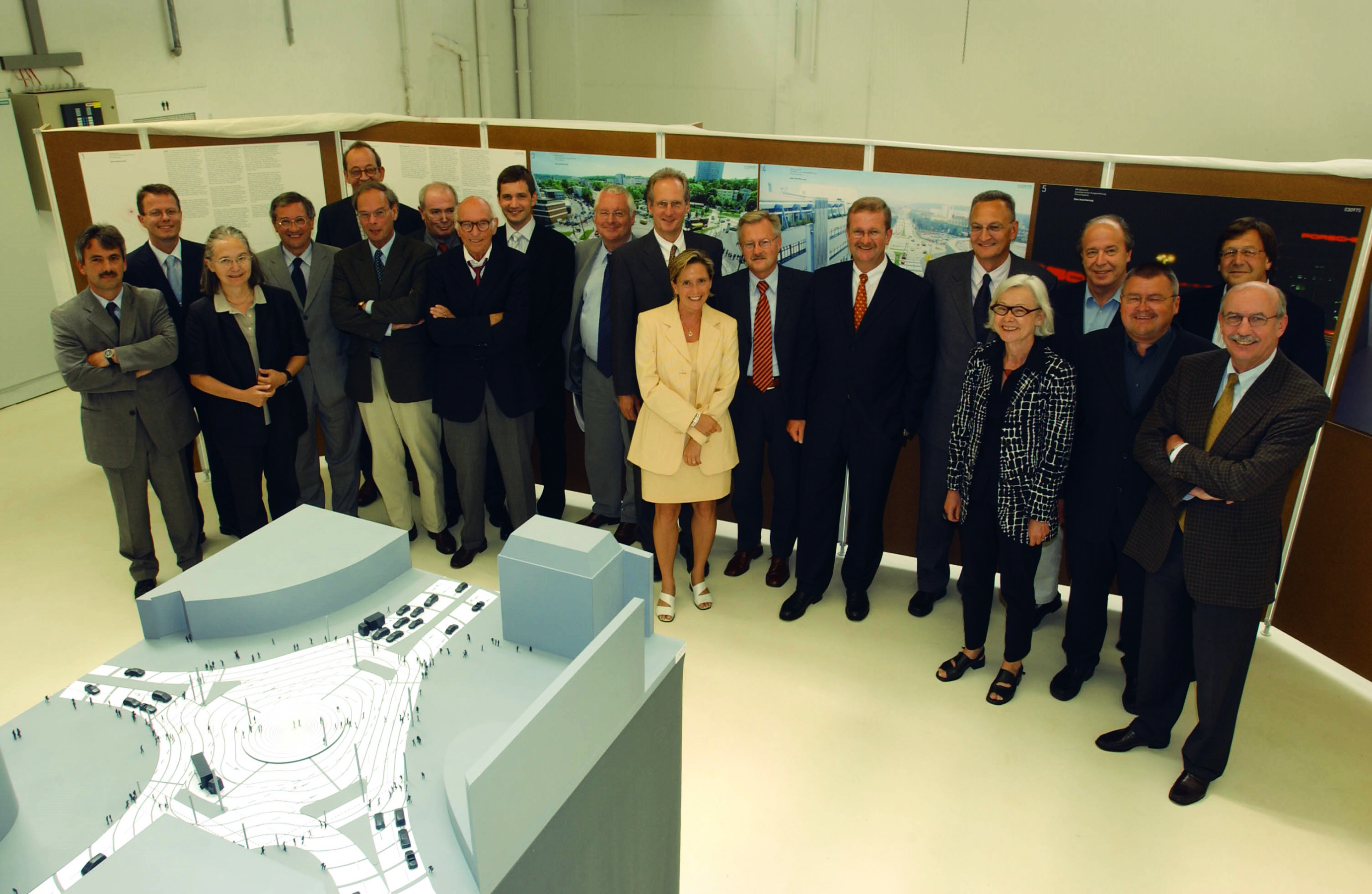
The panel of experts with the winning design from Karin Sander
|
|
|
|
|
|
|
Dr. Ing. h.c. F. Porsche AG
|
Image
|
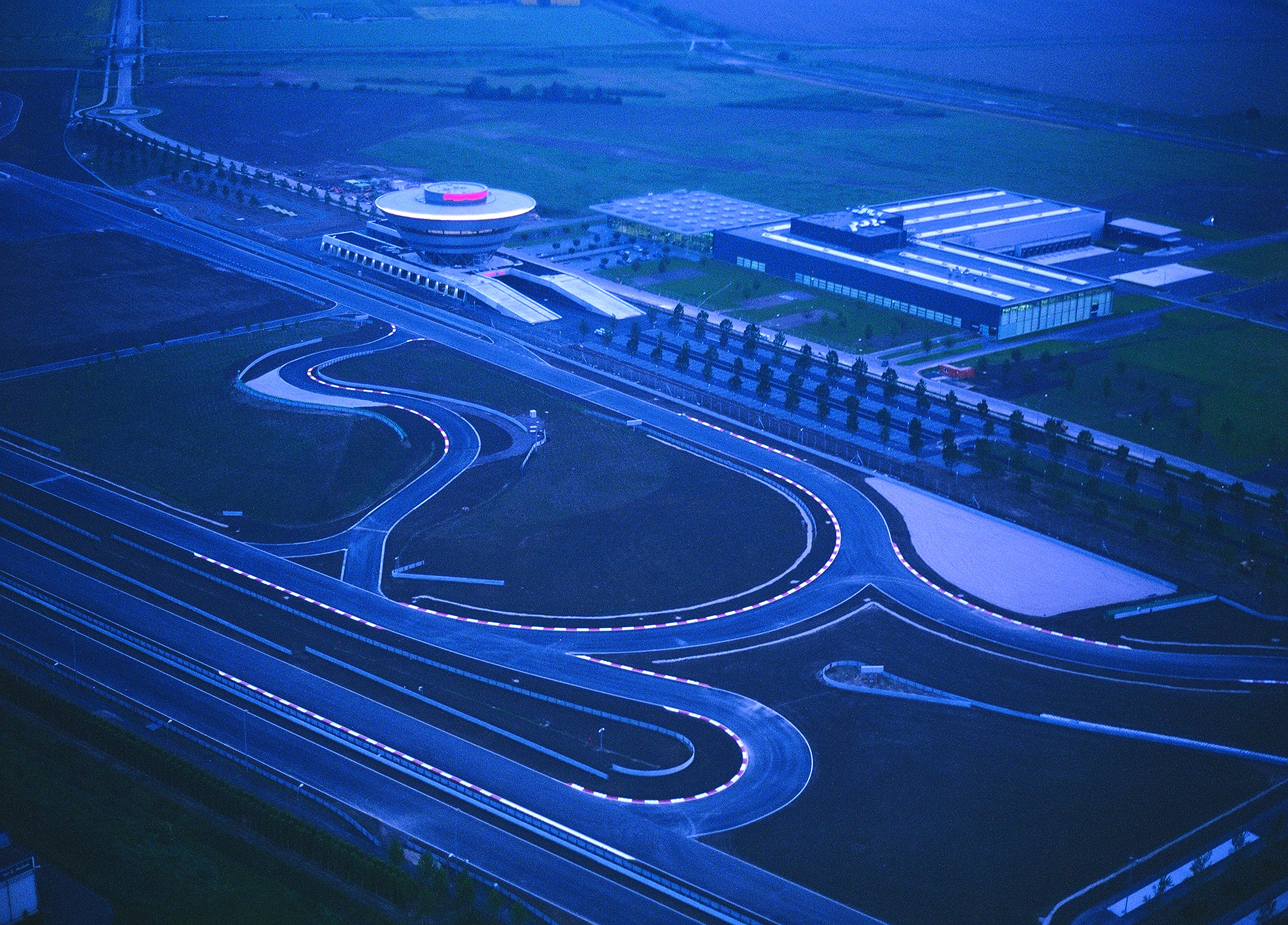
The Porsche plant in Leipzig with Customer Service Centre, administration section, production hall and run-in and test track
|
|
|
|
|
|
|
Dr. Ing. h.c. F. Porsche AG
|
Image
|
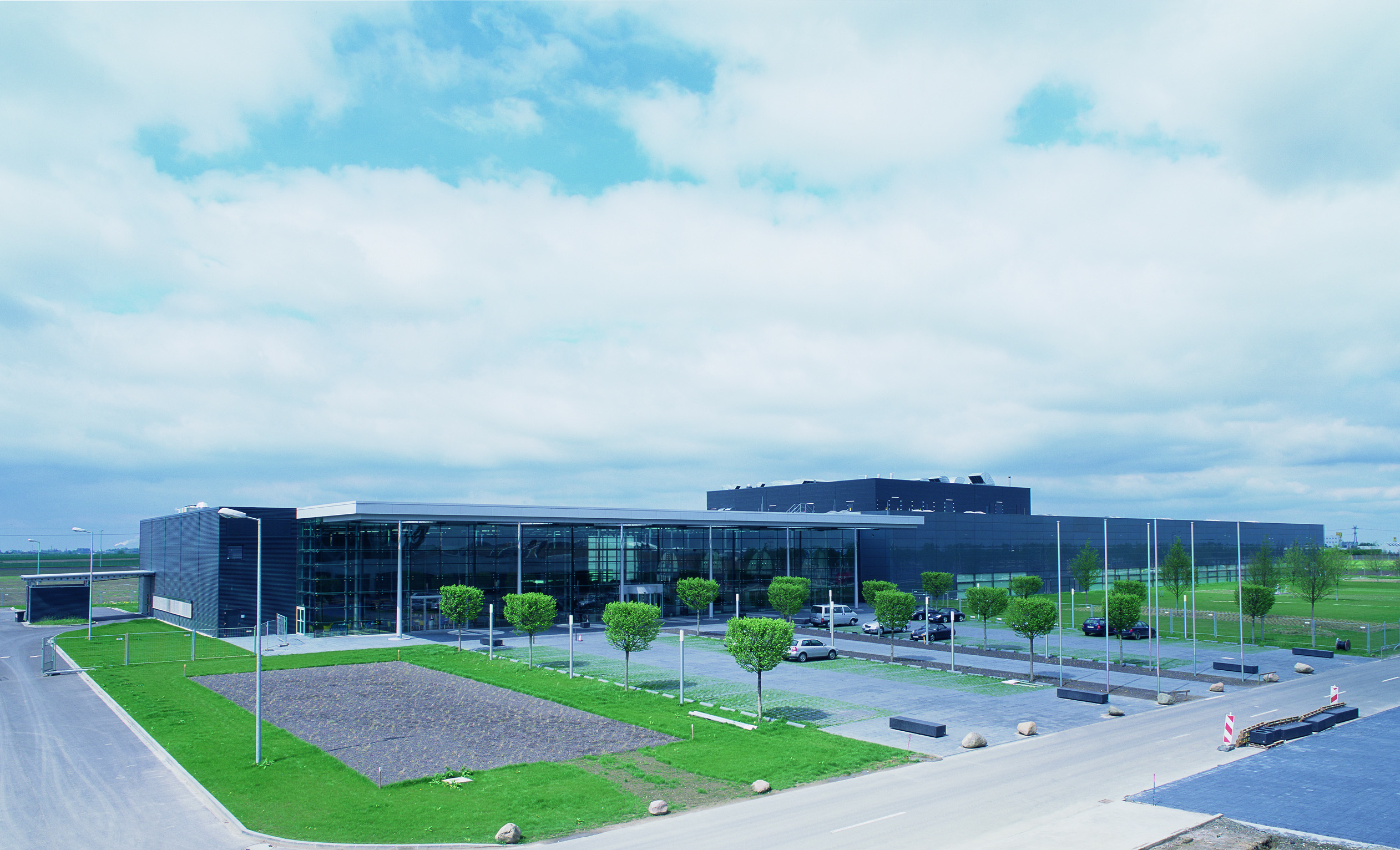
The production hall is joined on to the right of the administration section
|
|
|
|
|
|
|
Dr. Ing. h.c. F. Porsche AG
|
Image
|
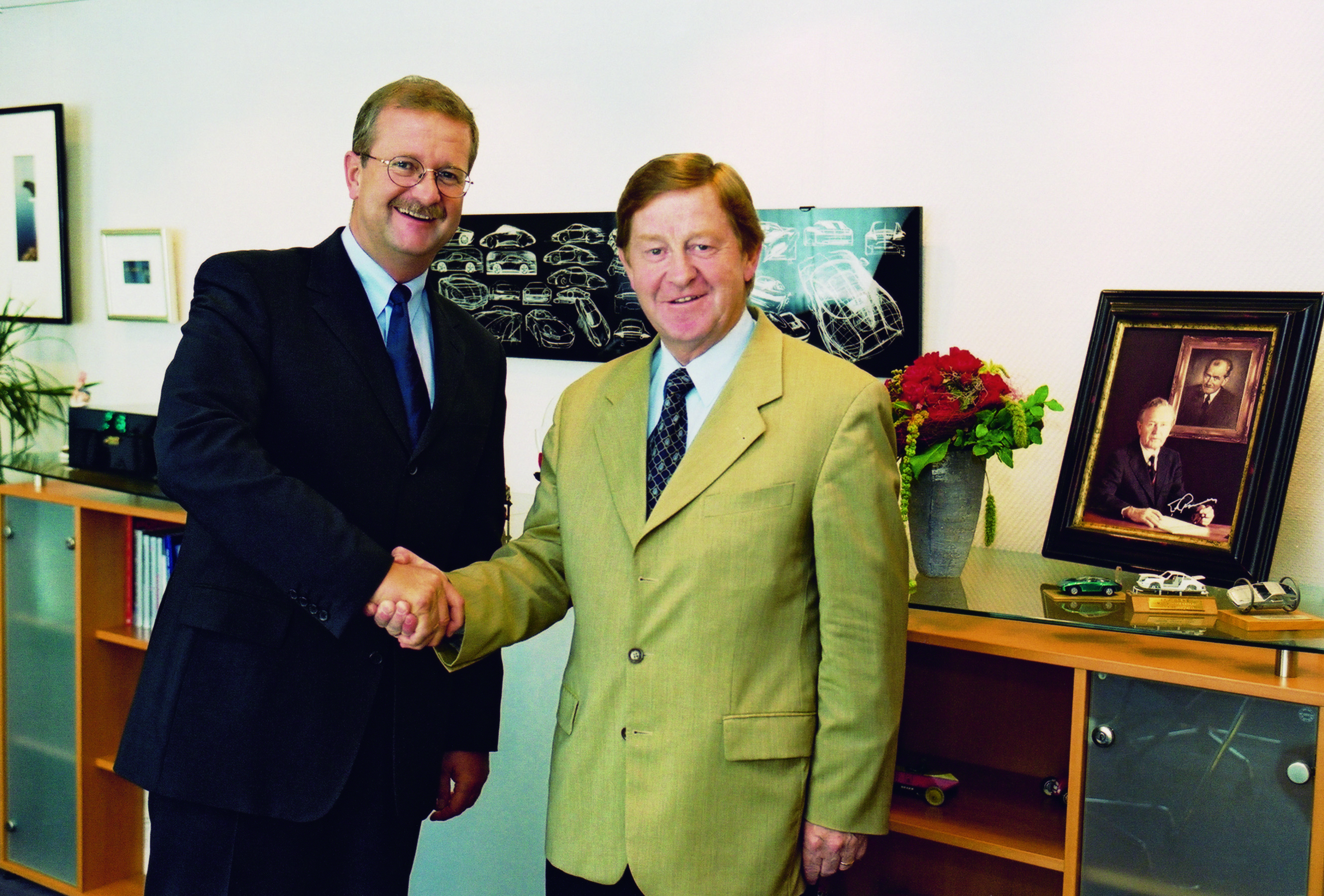
Bavaria's Minister for Economic Affairs, Dr. Otto Wiesheu (right) with the Chairman of the Managing Board at Porsche, Dr. Wendelin Wiedeking
|
|
|
|
|
|
|
Dr. Ing. h.c. F. Porsche AG
|
Image
|
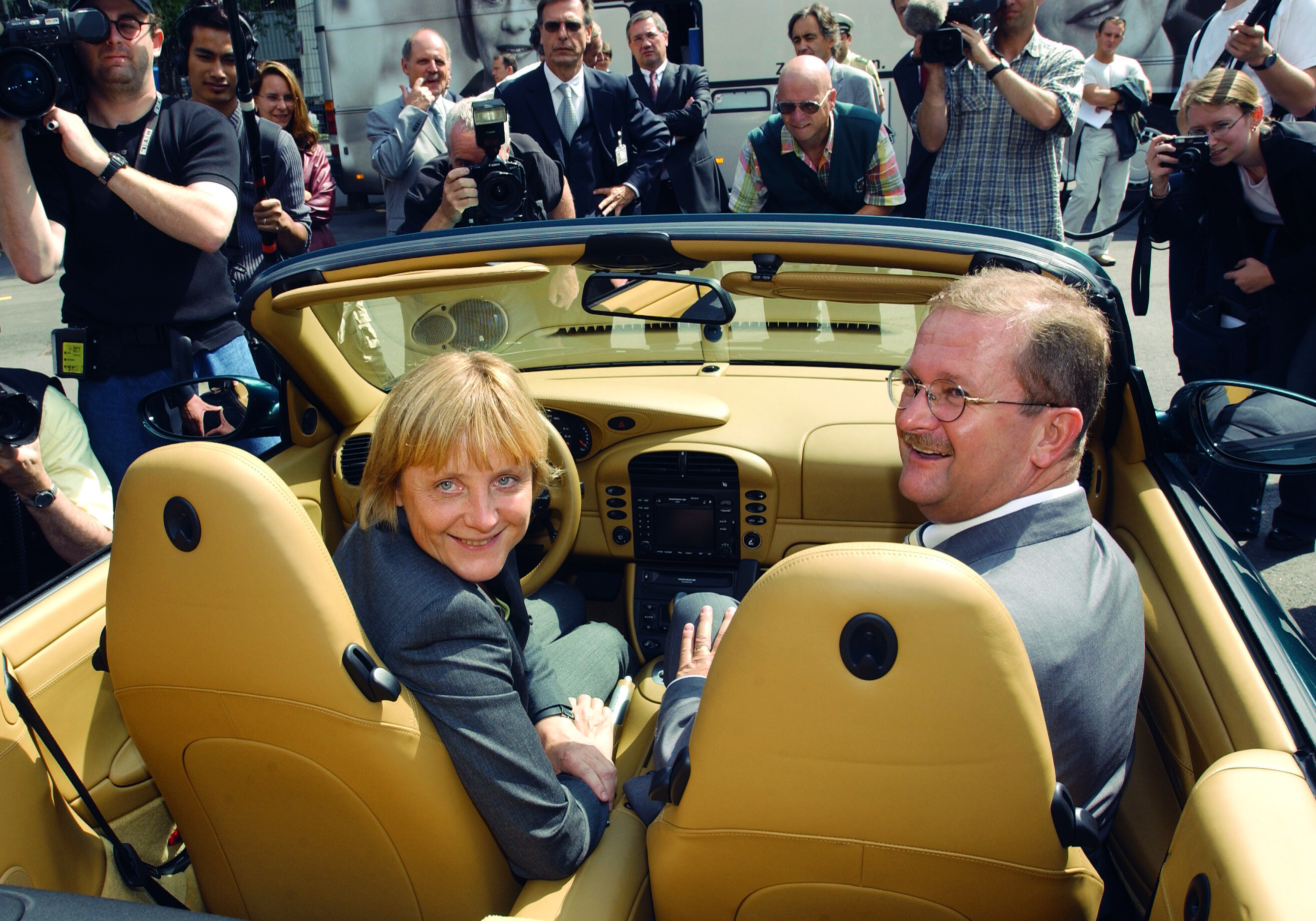
CDU Party Chairwoman Angela Merkel and Chairman of the Board of Management at Porsche, Dr. Wendelin Wiedeking
|
Porsche
|
|
|
|
|
|
Dr. Ing. h.c. F. Porsche AG
|
Image
|
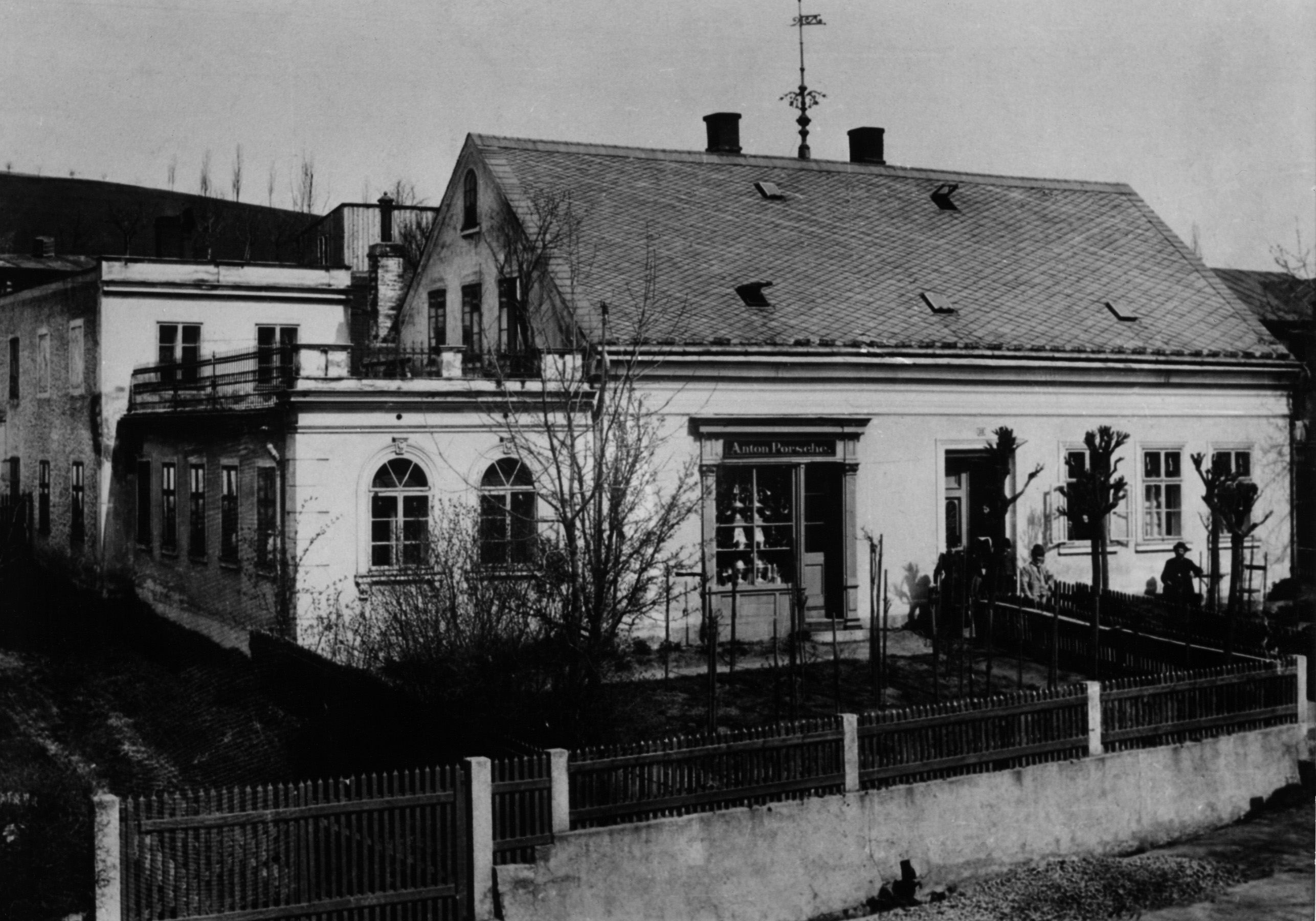
The house in Maffersdorf (now Vratislavice) in which Ferdinand Porsche was born in 1875. It was on the right bank of the Neisse and bore the number 201
|
|
|
|
|
|
|
Dr. Ing. h.c. F. Porsche AG
|
Image
|
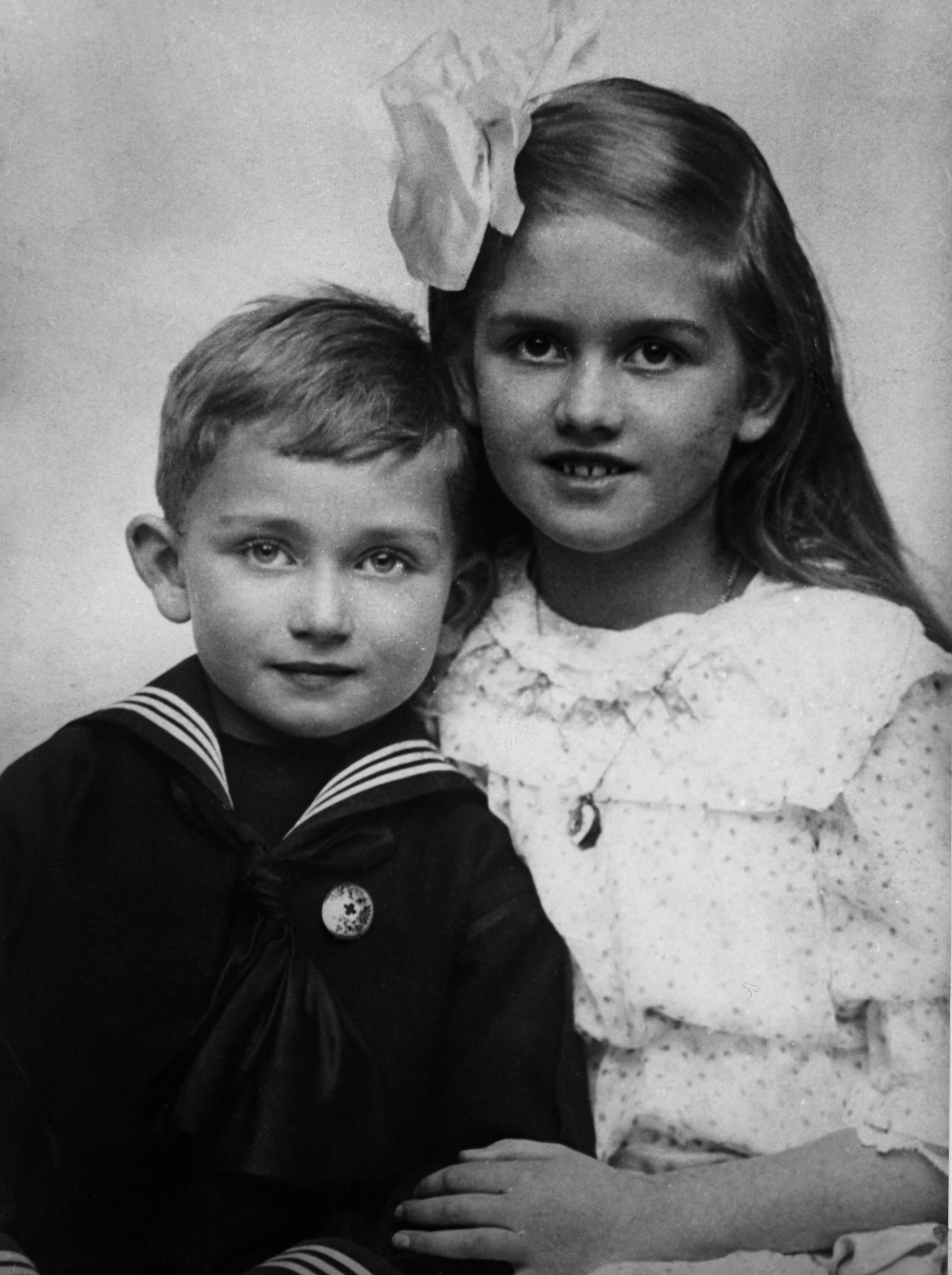
1915. Ferdinand Porsche's children, Ferry and Louise, aged 6 and 11
|
|
|
|
|
|
|
Dr. Ing. h.c. F. Porsche AG
|
Image
|
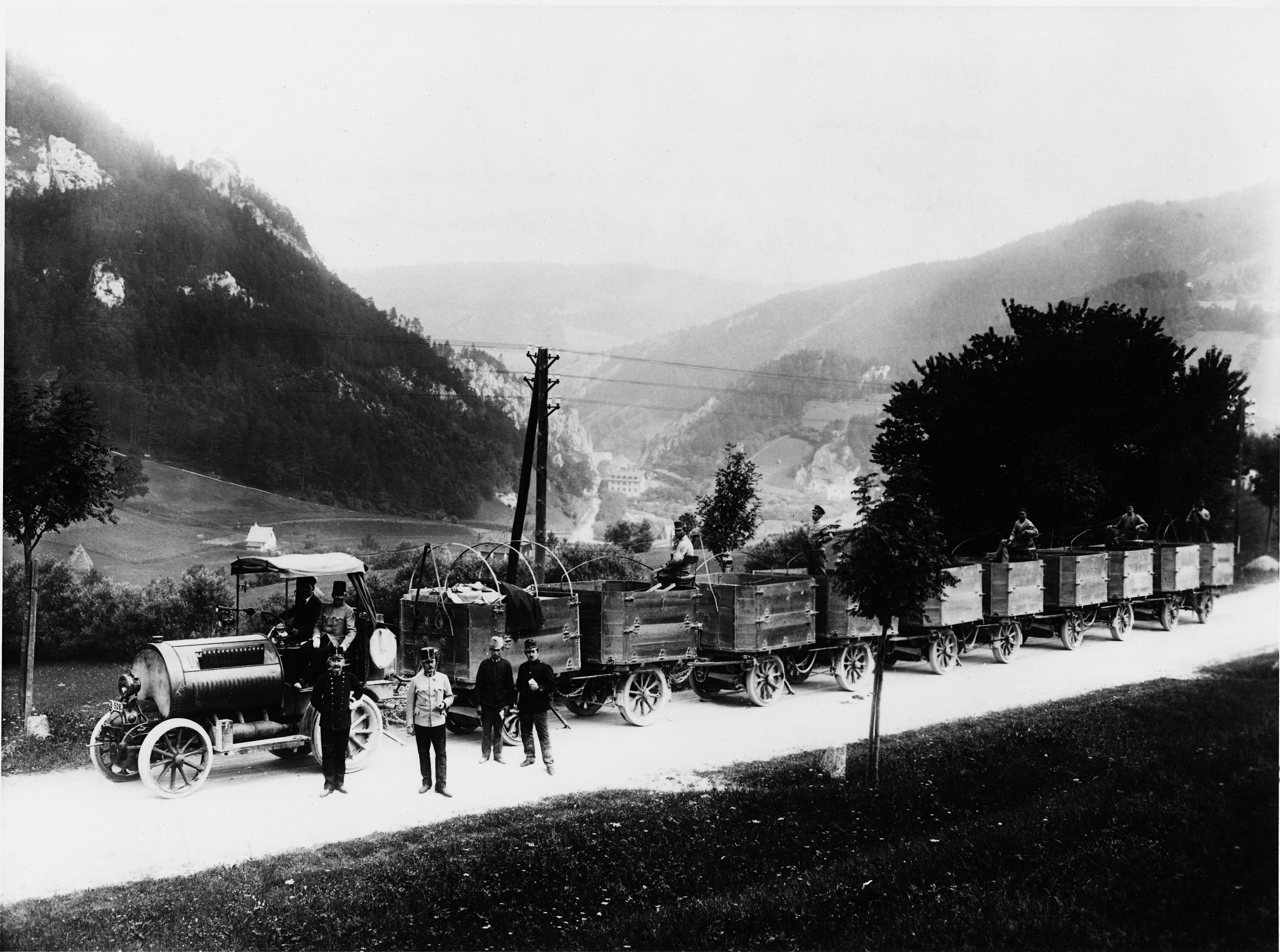
Austro-Daimler Landwehr-Train on a trial run on the Semmering, located south of Wiener Neustadt, in 1913.
|
Austro-Daimler
|
|
Landwehr
|
|
|
|
Dr. Ing. h.c. F. Porsche AG
|
Image
|
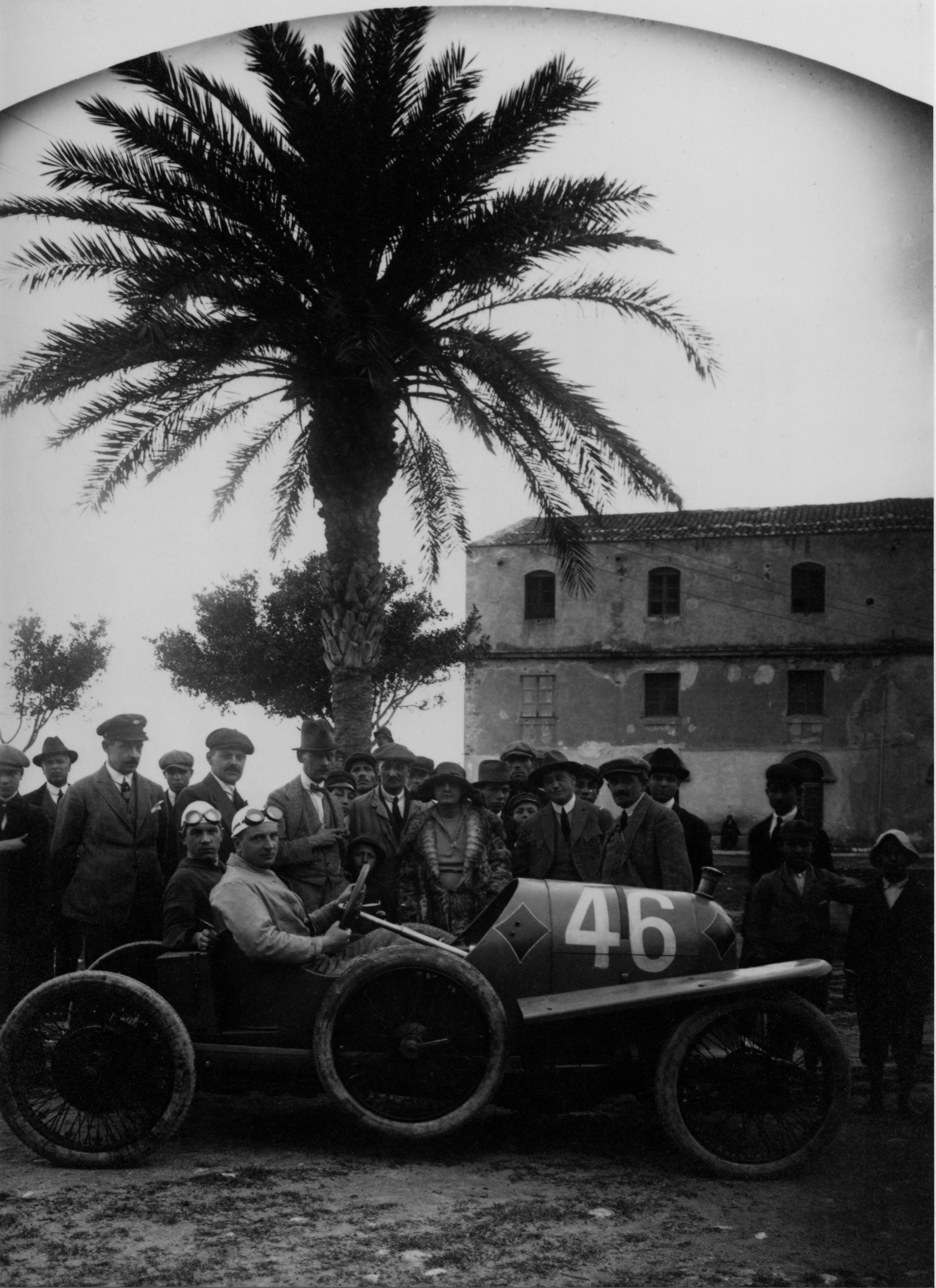
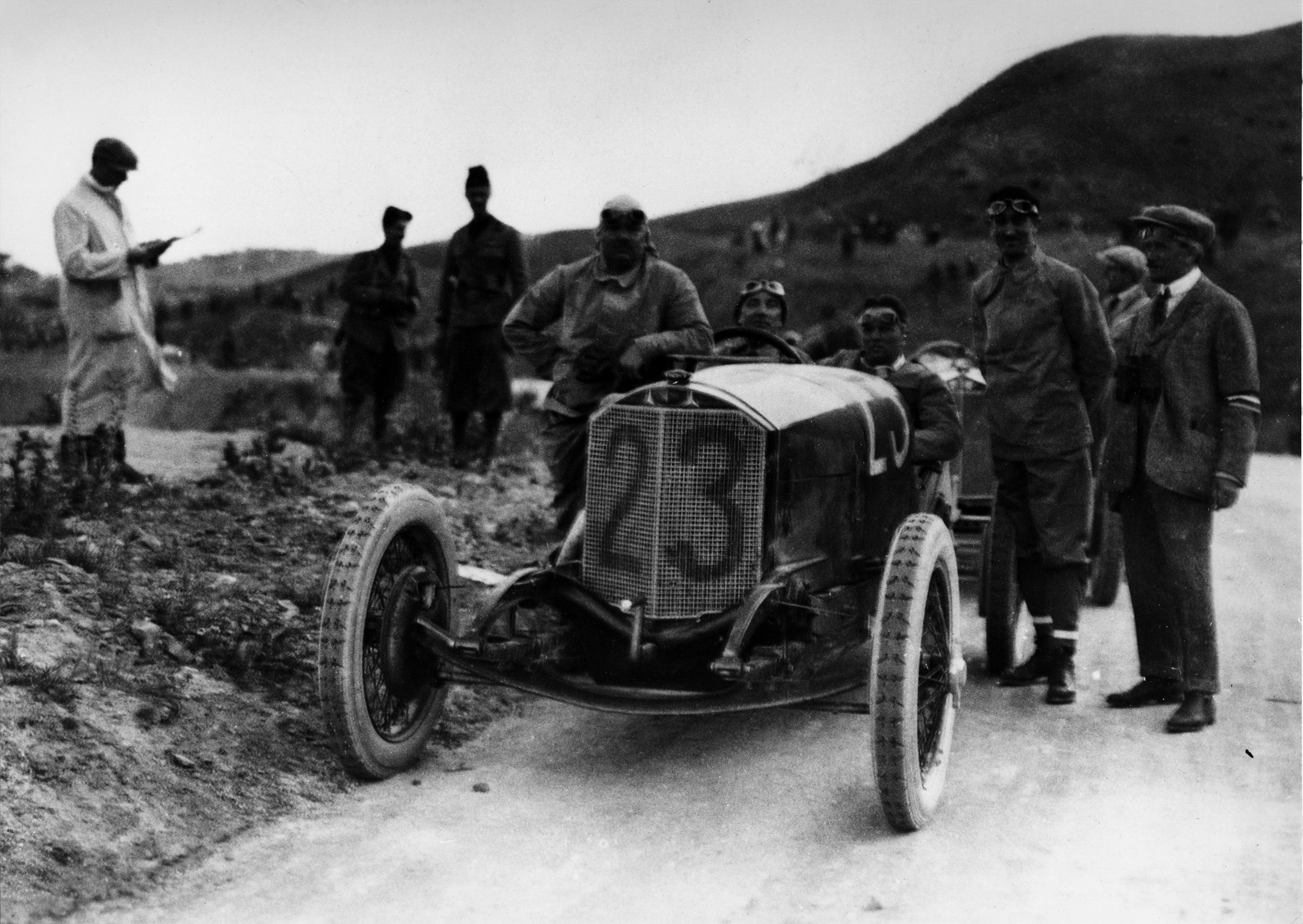
The "Sascha" at the Targa Florio on Sicily in 1922. At the wheel we see Alfred Neubauer.
|
|
|
|
|
|
|
Dr. Ing. h.c. F. Porsche AG
|
Image
|
Ferdinand Porsche (right) at the Targa Florio on Sicily in 1924. The 2-liter-supercharged Mercedes-Benz racing car took first place against larger-engined cars entered by Alfa Romeo, Hispano-Suiza and Peugeot.
|
|
|
|
|
|
|
Dr. Ing. h.c. F. Porsche AG
|
Image
|
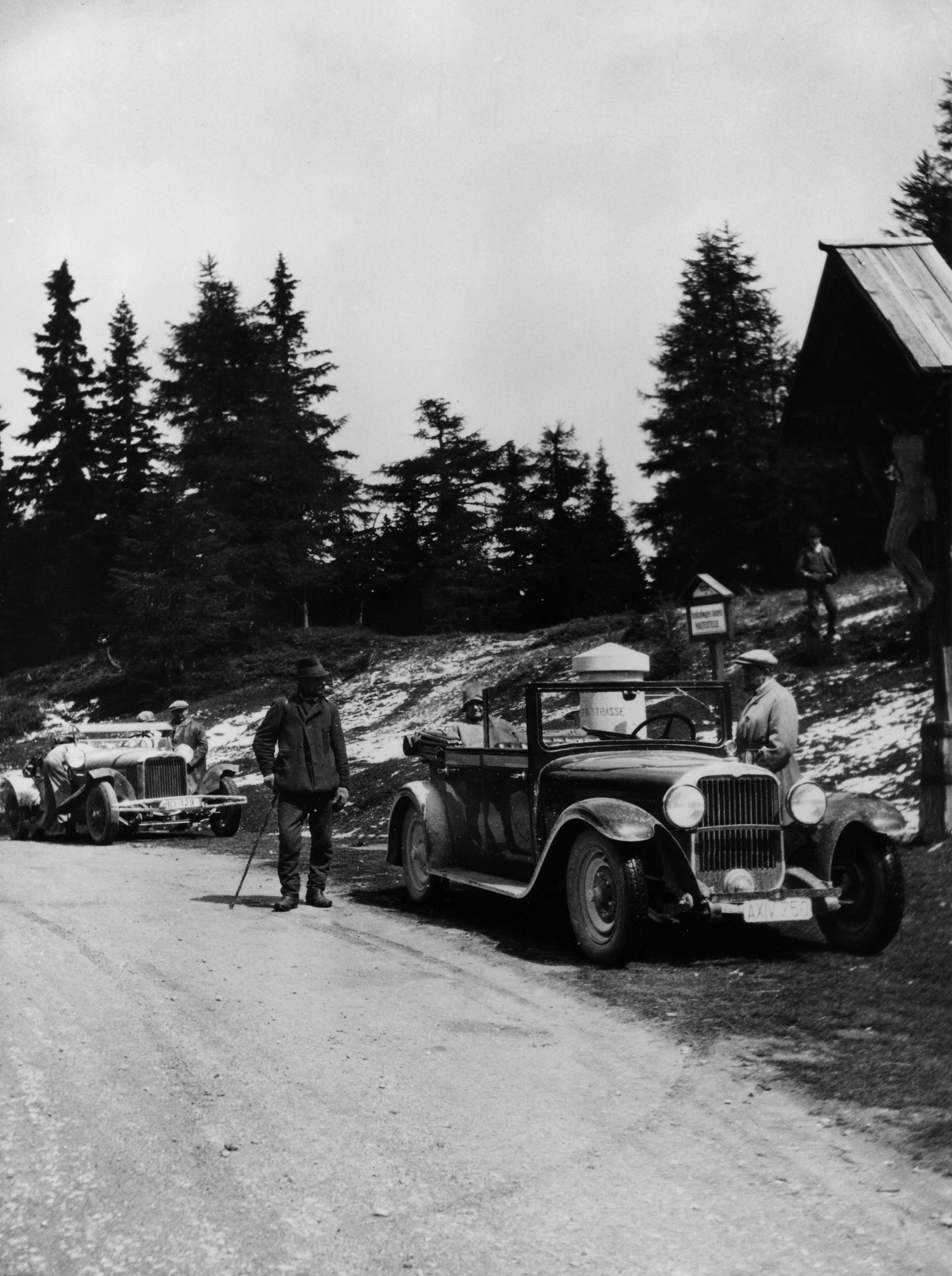
Ferdinand Porsche (right) and his wife Aloisia (in the rear) during an experimental run up the Katschberg Pass, Carinthia, in 1929, in a Steyr Type 30 of his own design.
|
|
|
|
|
|
|
Dr. Ing. h.c. F. Porsche AG
|
Image
|
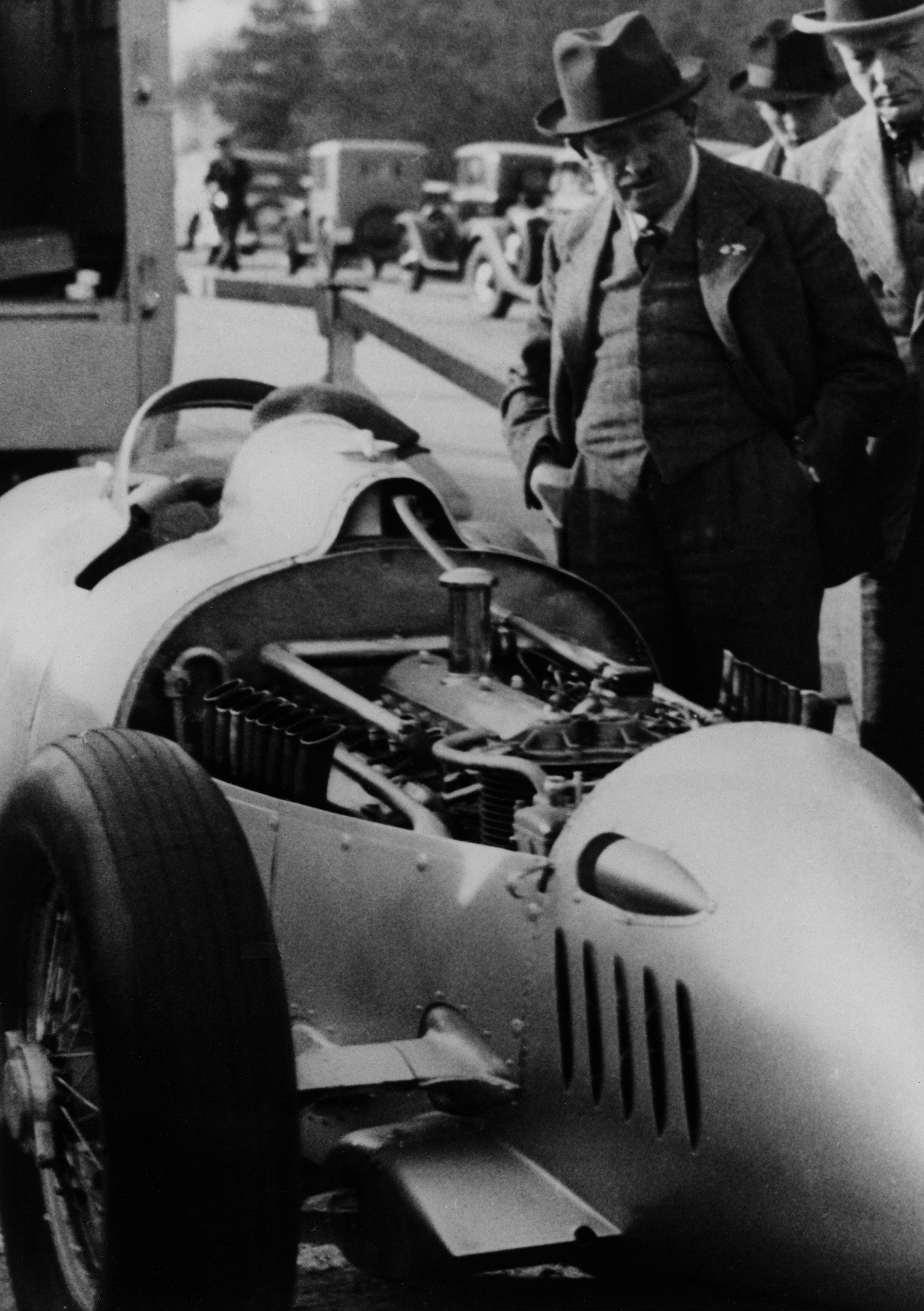
Ferdinand Porsche standing next to the supercharged 16-cylinder engine of the Auto-Union racing car in 1936
|
|
|
|
|
|
|
Dr. Ing. h.c. F. Porsche AG
|
Image
|
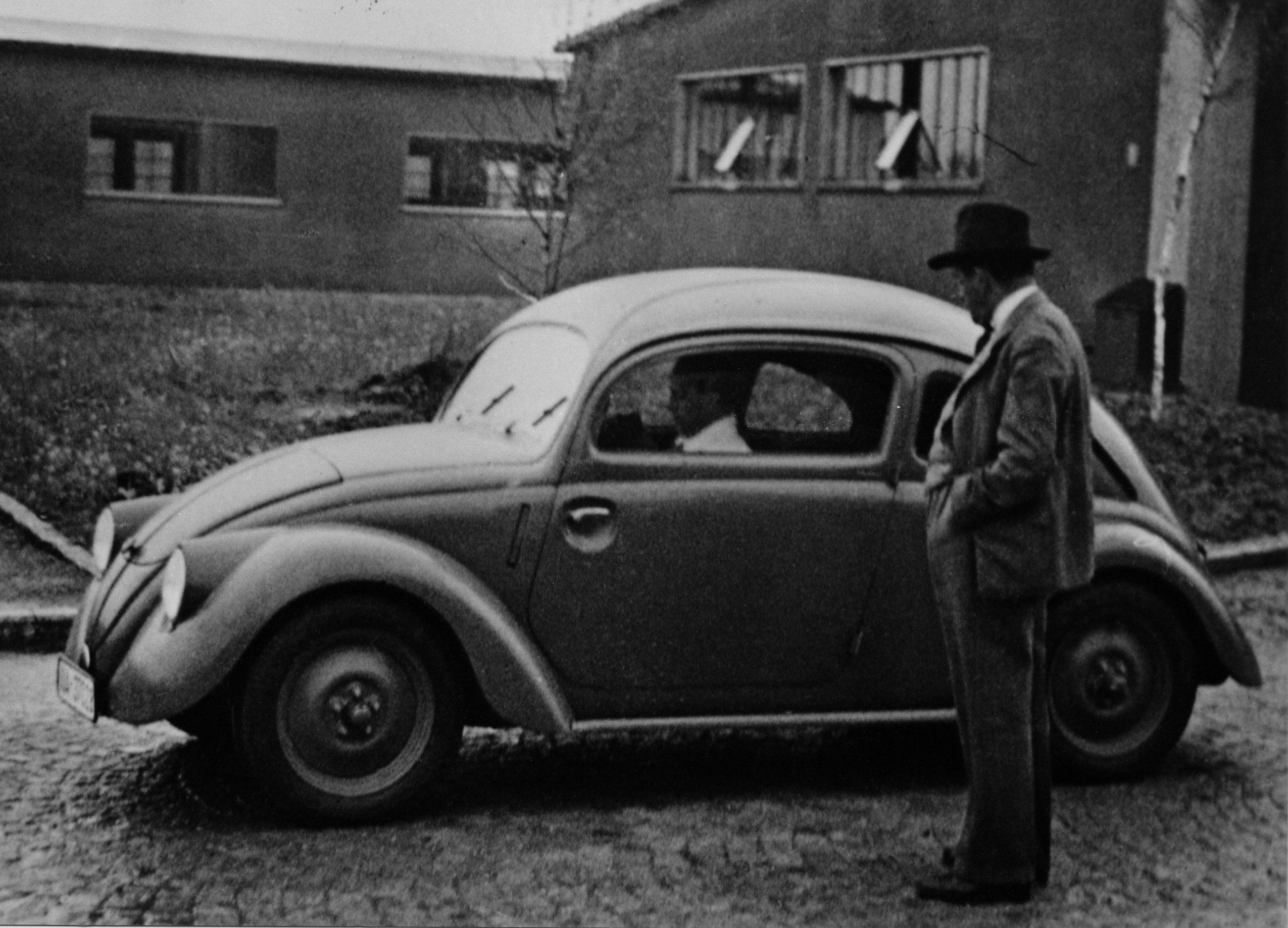
Volkswagen-Prototyp W30: This car already had an all-steel body, steel running-gear components and the familiar flat-four four-stroke engine.
|
Volkswagen
|
|
|
|
|
|
Dr. Ing. h.c. F. Porsche AG
|
Image
|
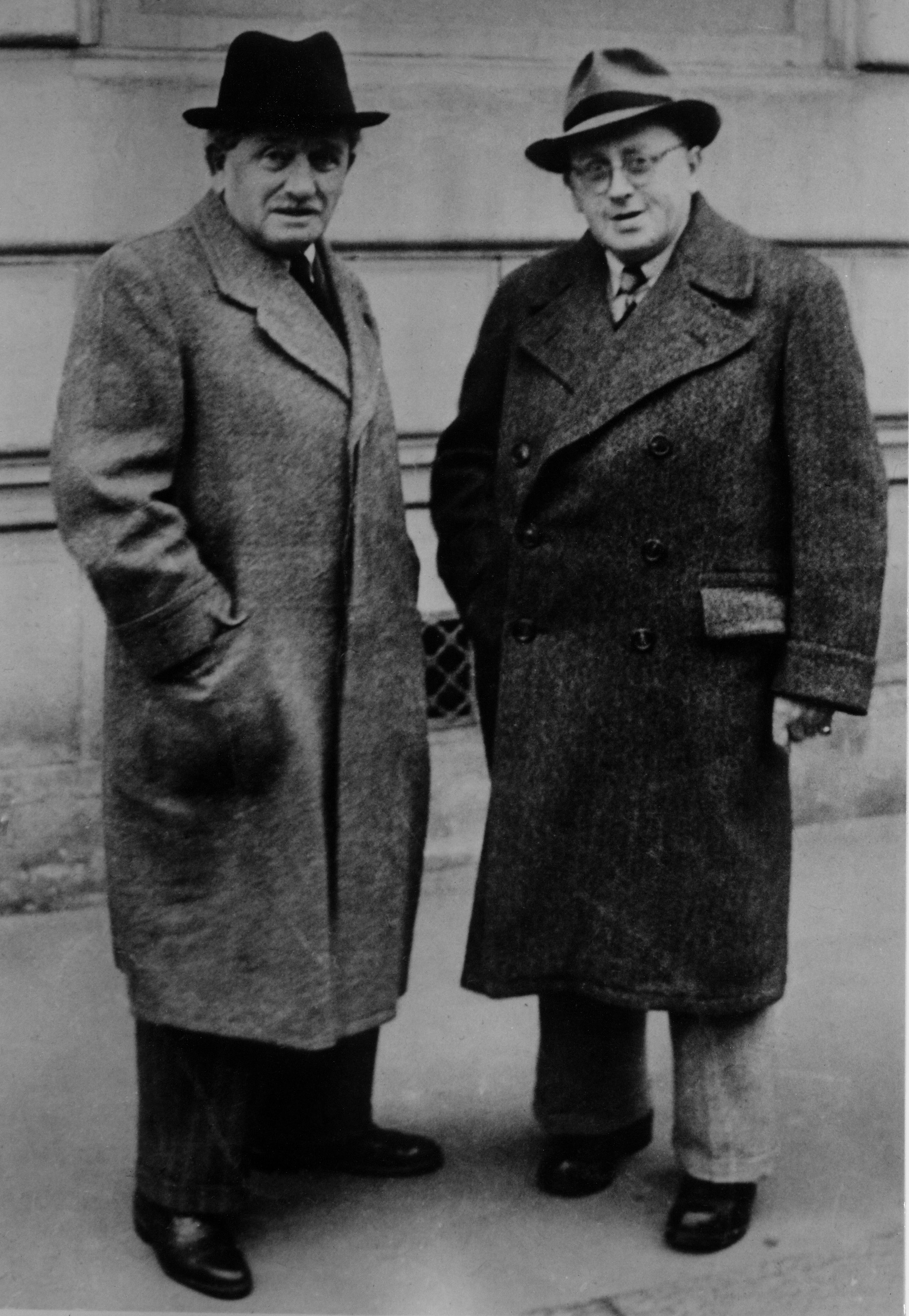
Ferdinand Porsche (left) with Karl Rabe (1895-1968), Porsche company's chief designer from the establishment of the Dr. Porsche GmbH company in 1931 until his retirement at the end of 1965.
|
|
|
|
|
|
|
Dr. Ing. h.c. F. Porsche AG
|
Image
|
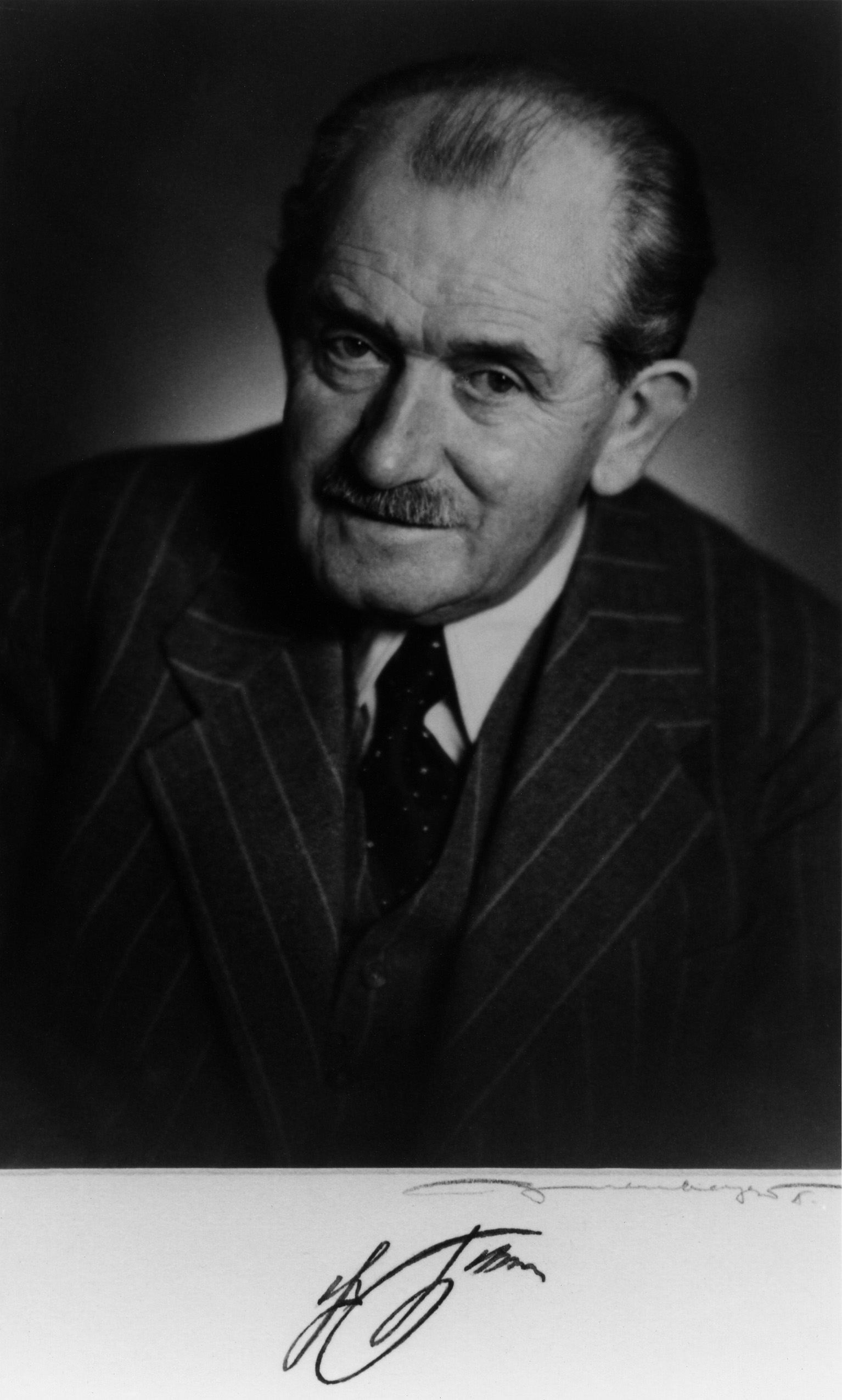
Portrait of Ferdinand Porsche (1950) with his signature below
|
|
|
|
|
|
|
Dr. Ing. h.c. F. Porsche AG
|
Image
|
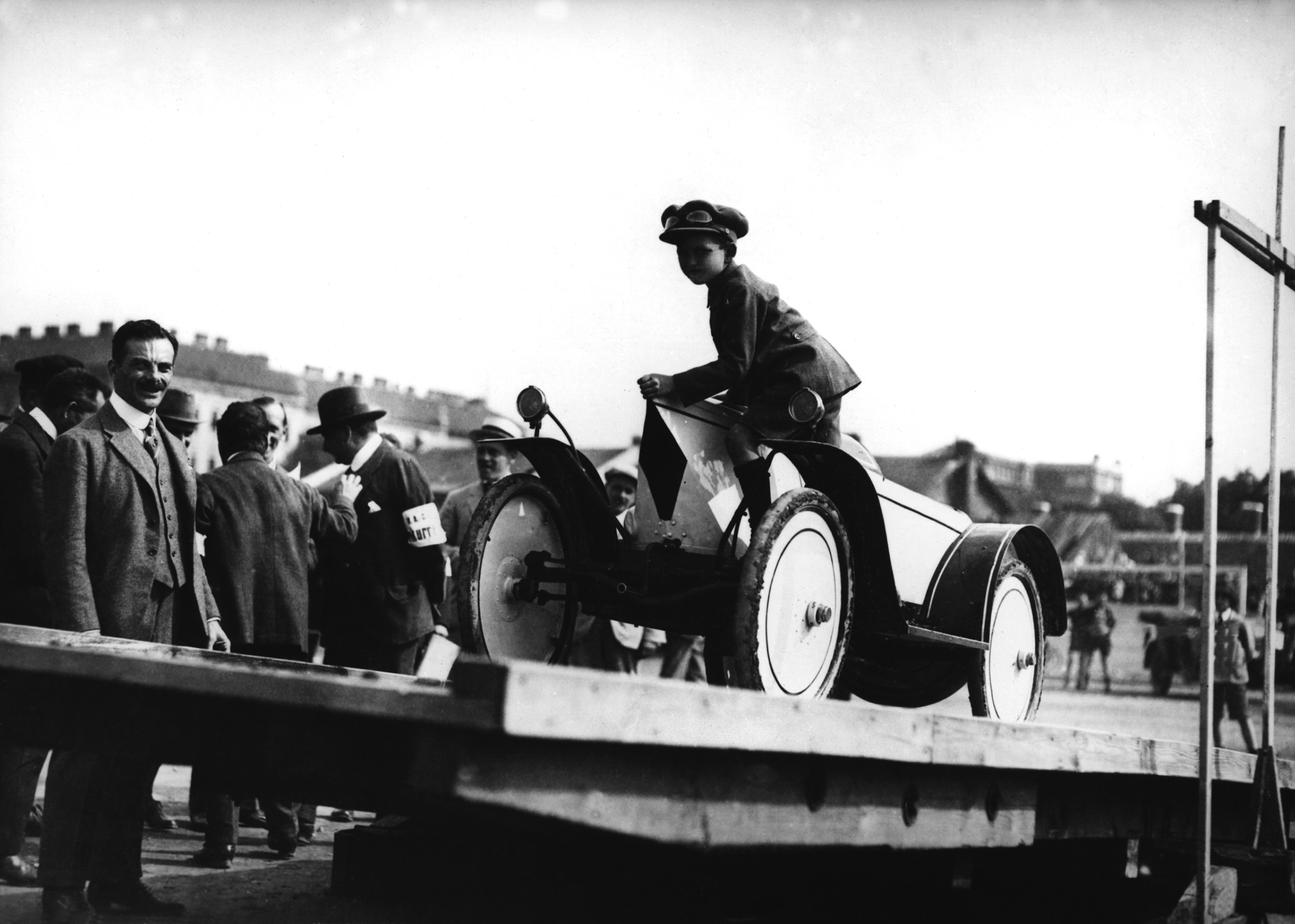
Ferry Porsche at a gymkhana in 1921, pictured in his "toy car" that had a two-cylinder four-stroke engine and twin gears.
|
|
|
|
|
|
|
Dr. Ing. h.c. F. Porsche AG
|
Image
|
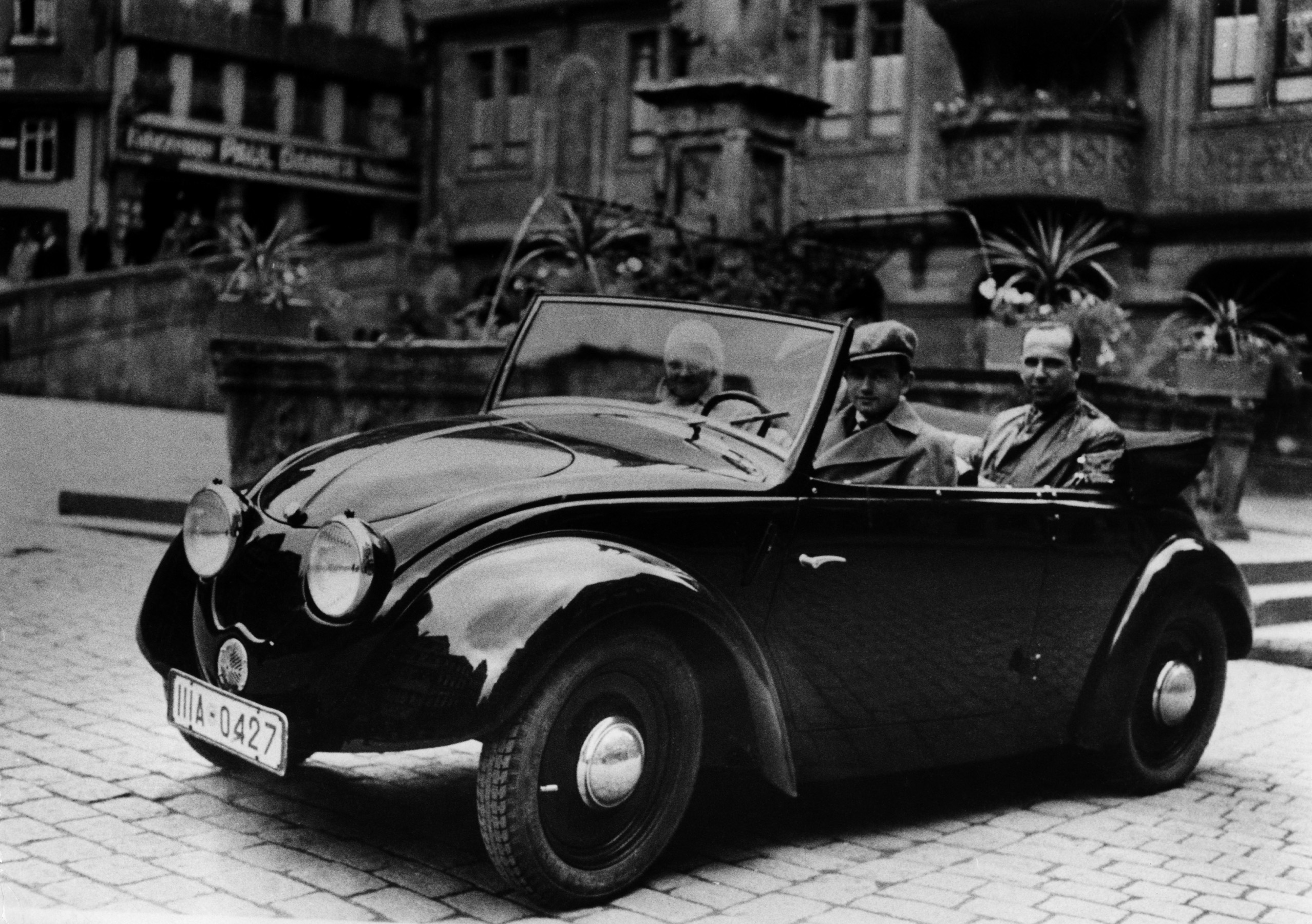
Ferry Porsche and his wife Dorothea in the second Volkswagen prototype (V2), 1935
|
Volkswagen
|
|
|
|