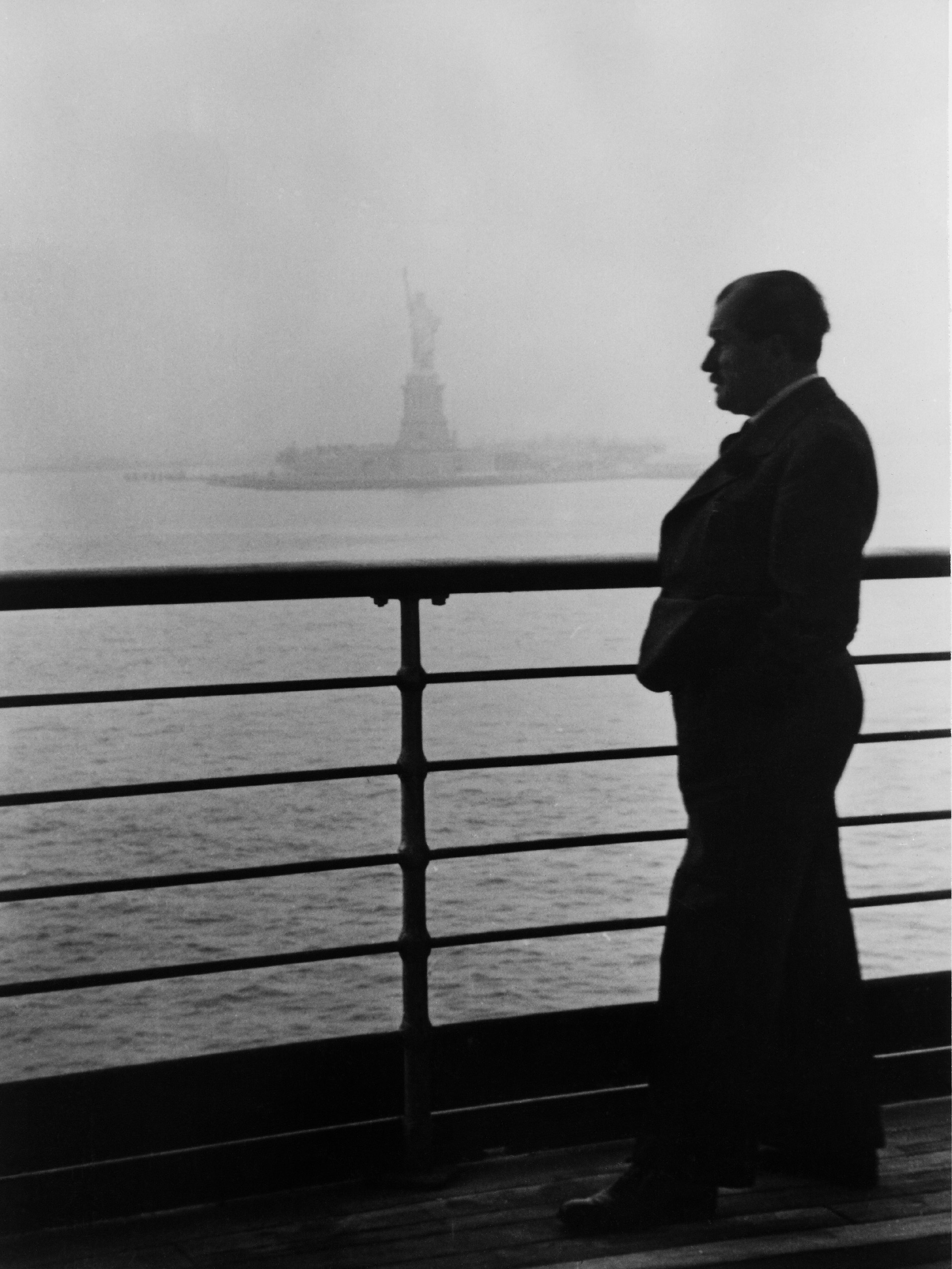
Ferdinand Porsche travelled to America in 1937 to keep up to speed with the latest production techniques in the automotive industry, thereby acquiring new knowledge to help him plan the Volkswagen plant.
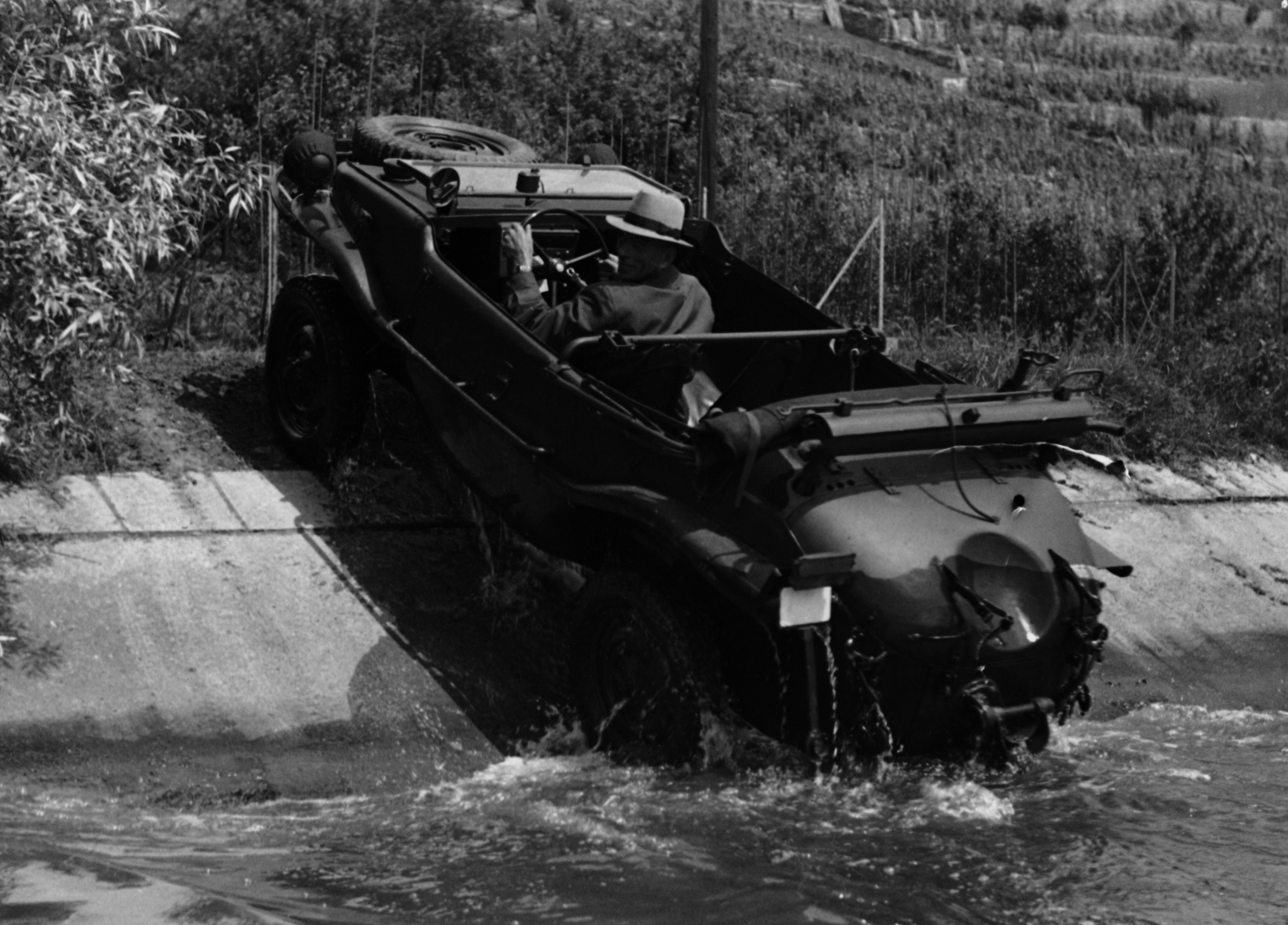
Construction of the amphibian car was based on the Beetle. Its all-wheel design made it one of the best all-terrain vehicle of its day.
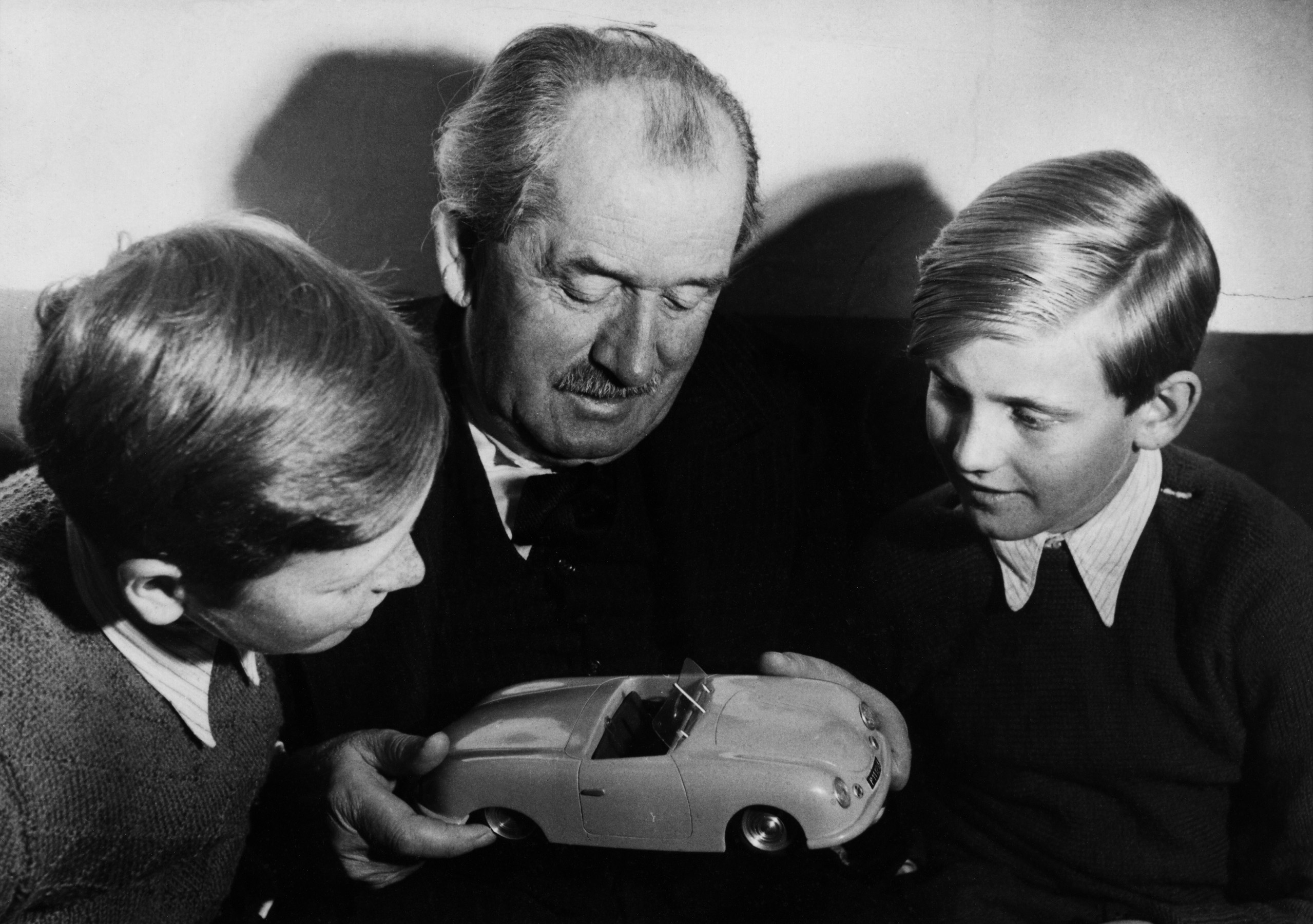
Grandfather Ferdinand Porsche, with his grandchildren: Ferdinand Alexander ("Butzi") Porsche (left) and Ferdinand Piëch. In their hands is a model of the No. 1.
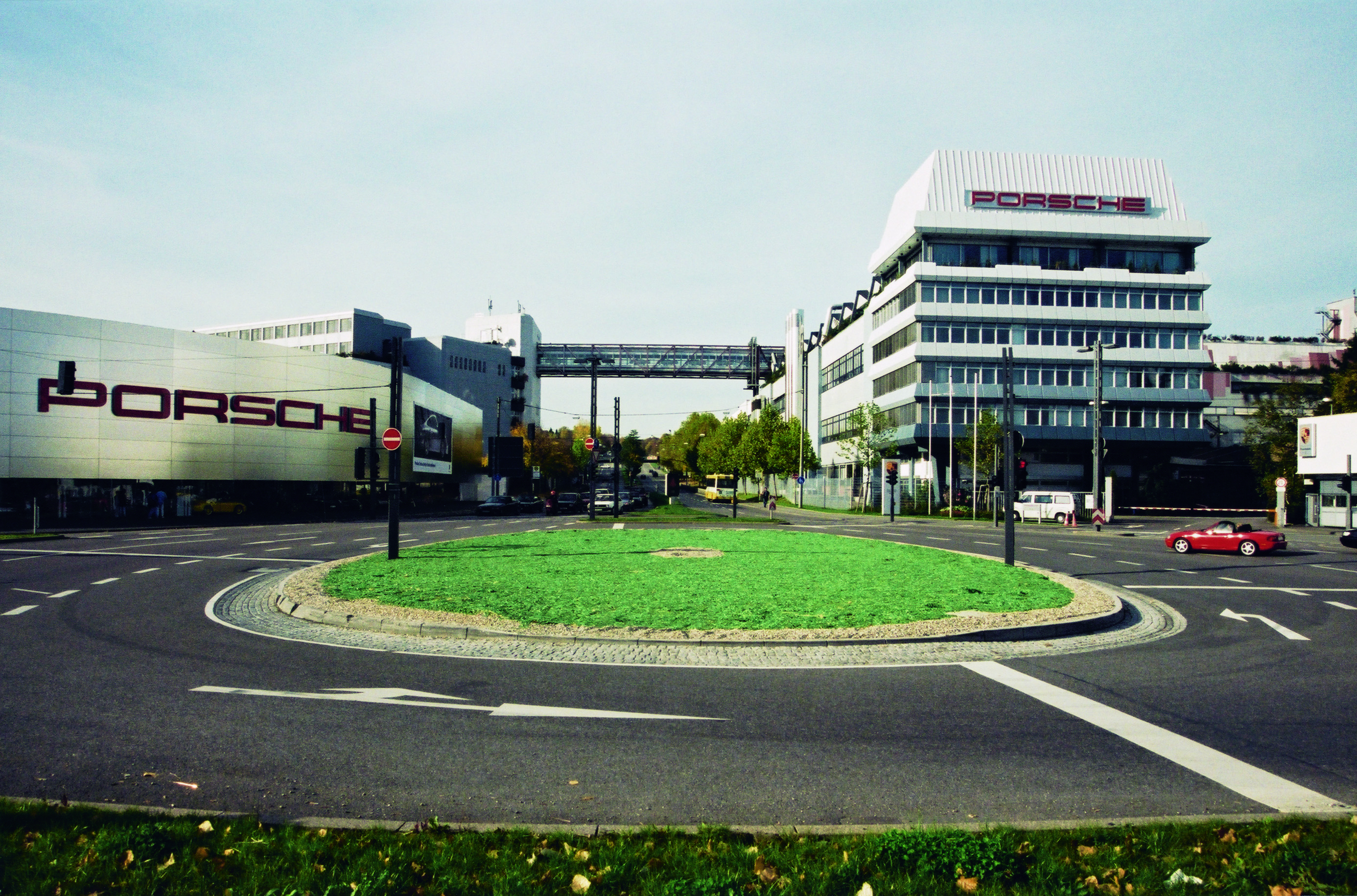
Porscheplatz at the Zuffenhausen location
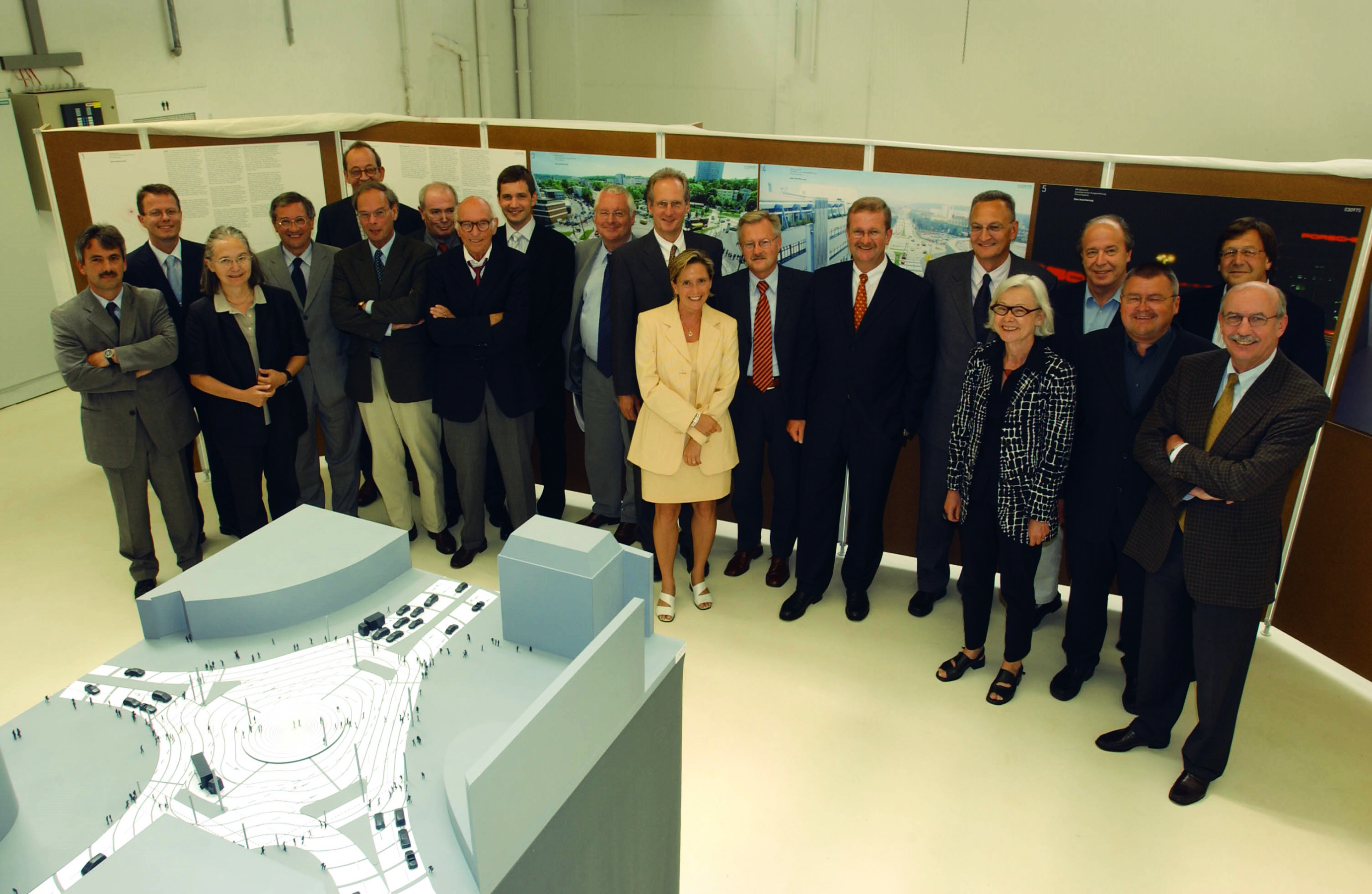
The panel of experts with the winning design from Karin Sander
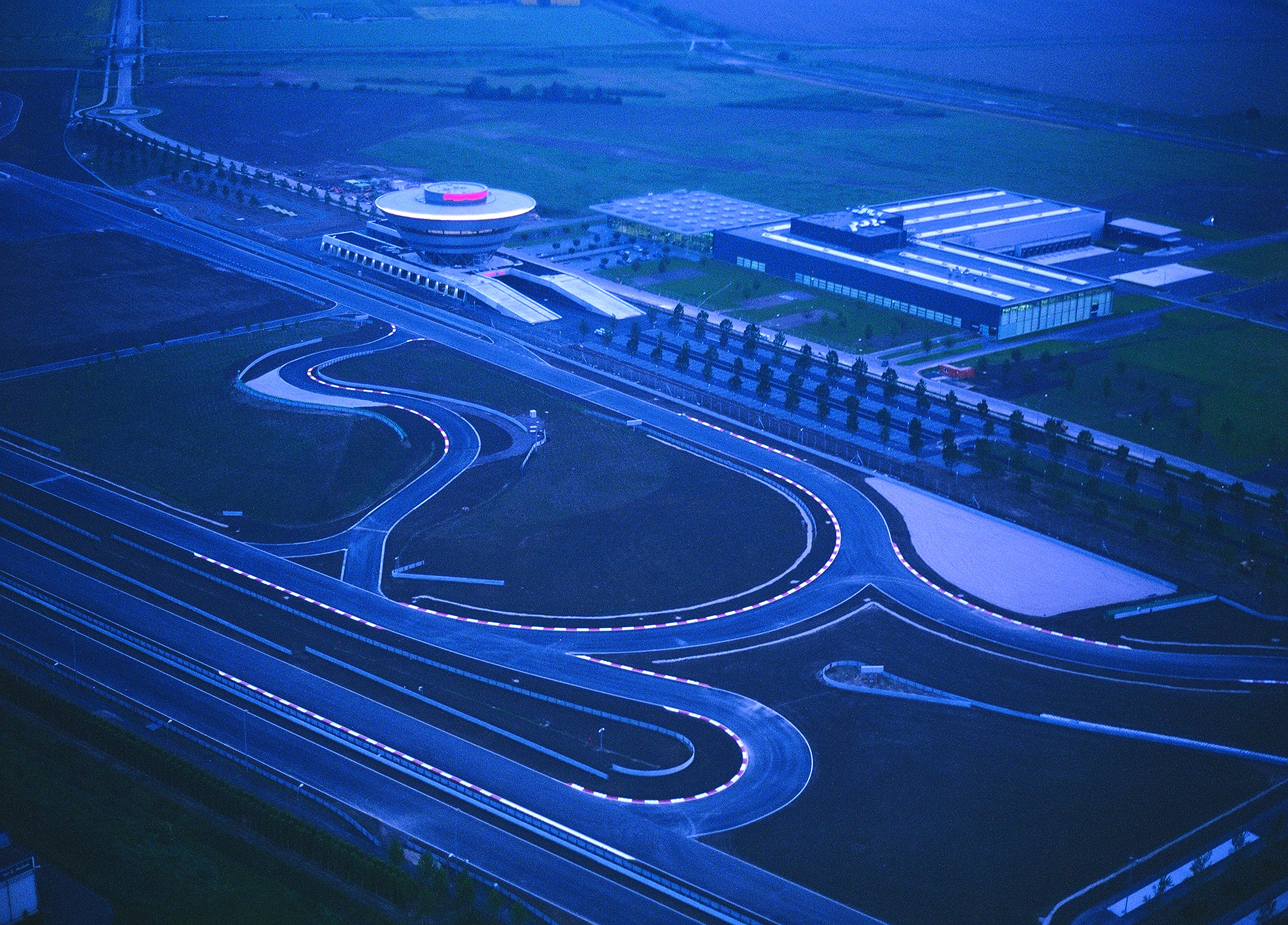
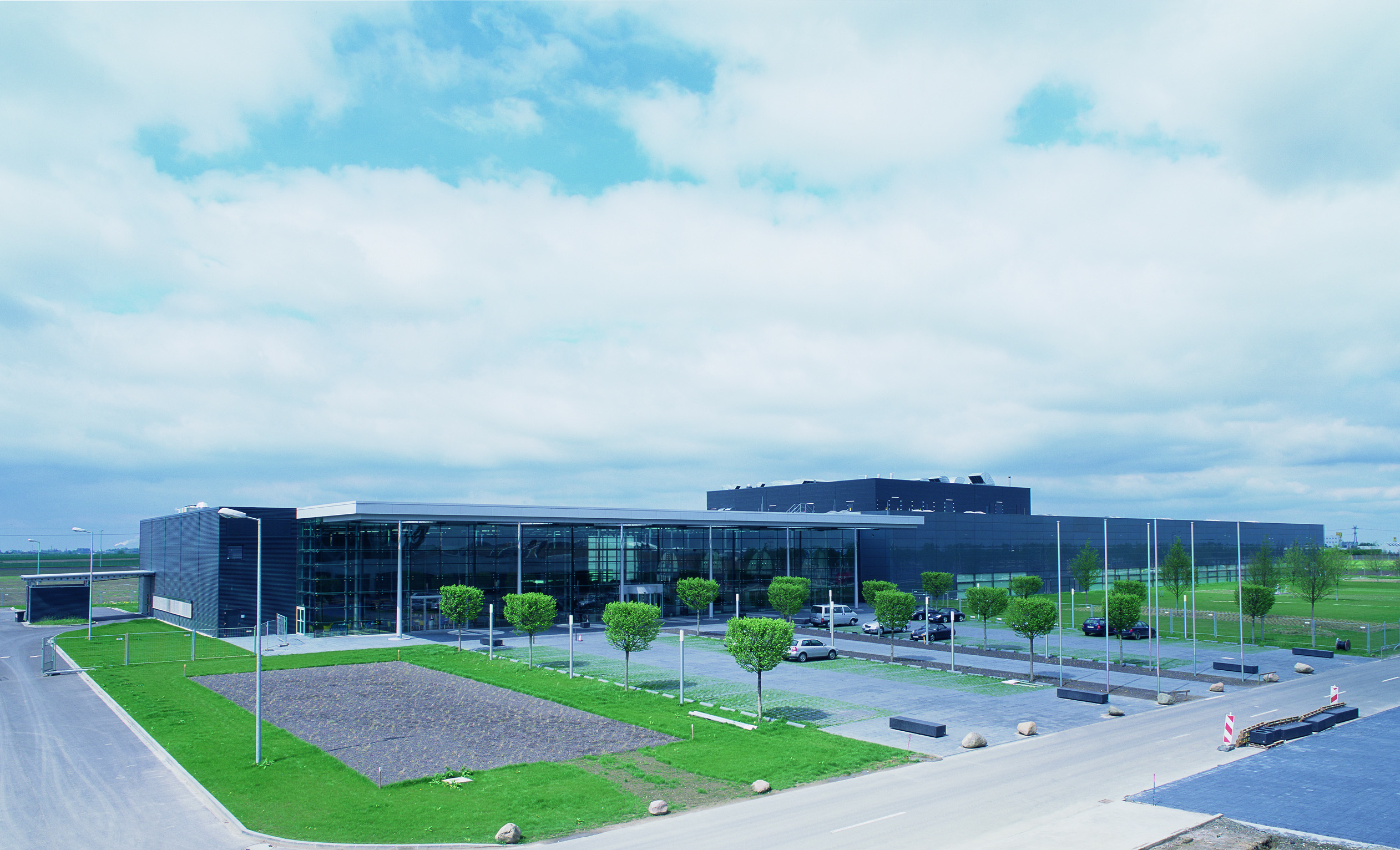
The Porsche plant in Leipzig with Customer Service Centre, administration section, production hall and run-in and test track
The production hall is joined on to the right of the administration section
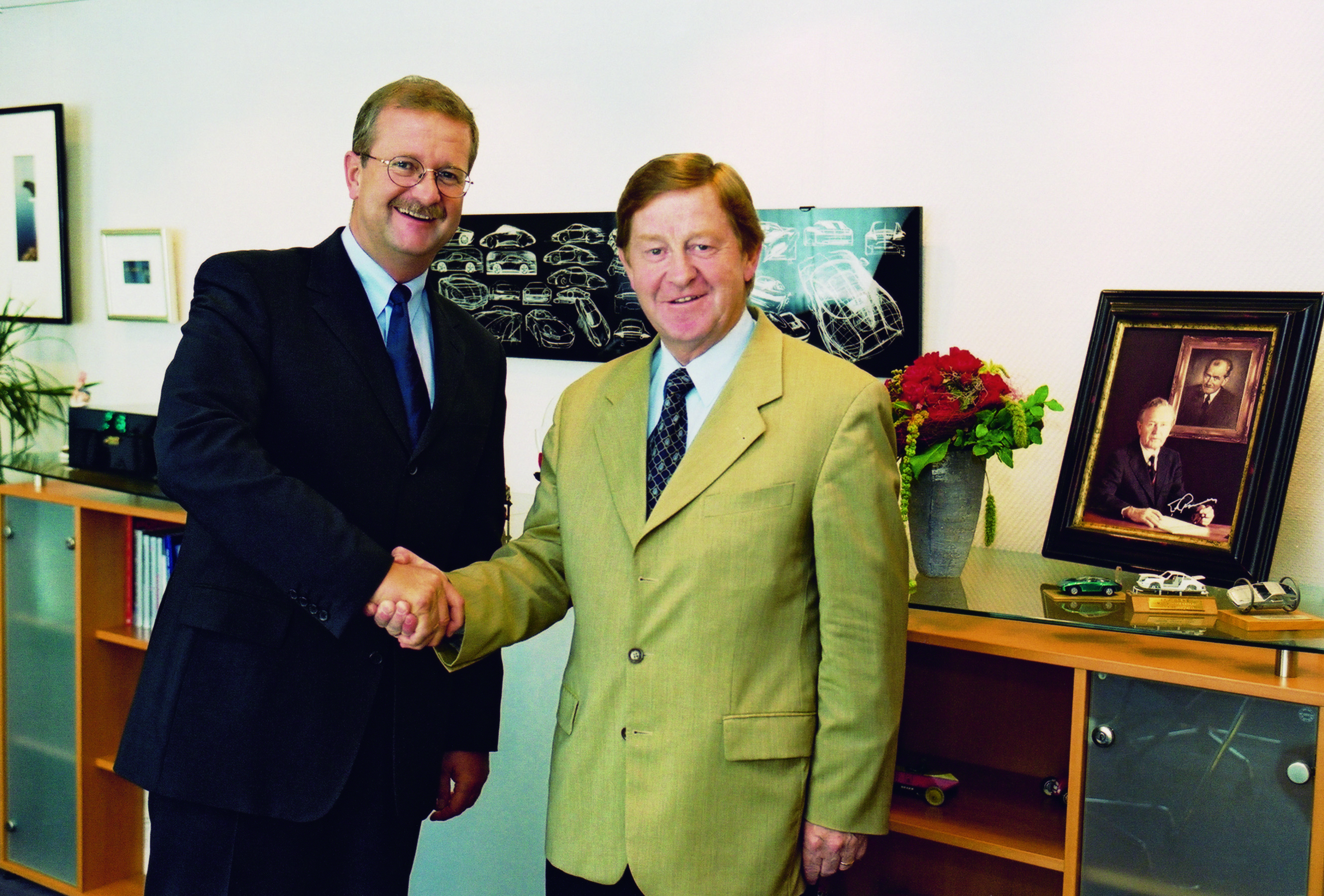
Bavaria's Minister for Economic Affairs, Dr. Otto Wiesheu (right) with the Chairman of the Managing Board at Porsche, Dr. Wendelin Wiedeking
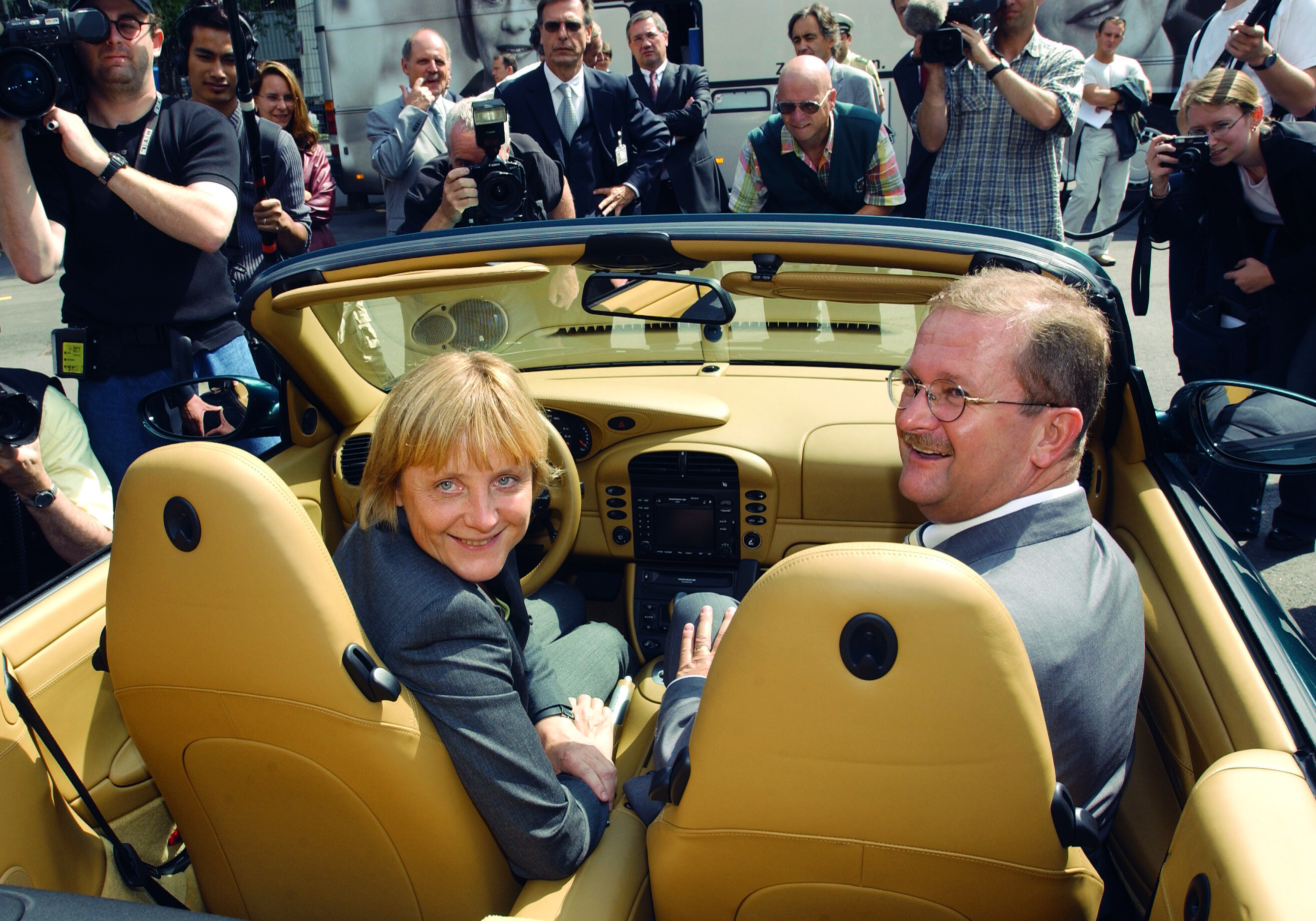
CDU Party Chairwoman Angela Merkel and Chairman of the Board of Management at Porsche, Dr. Wendelin Wiedeking
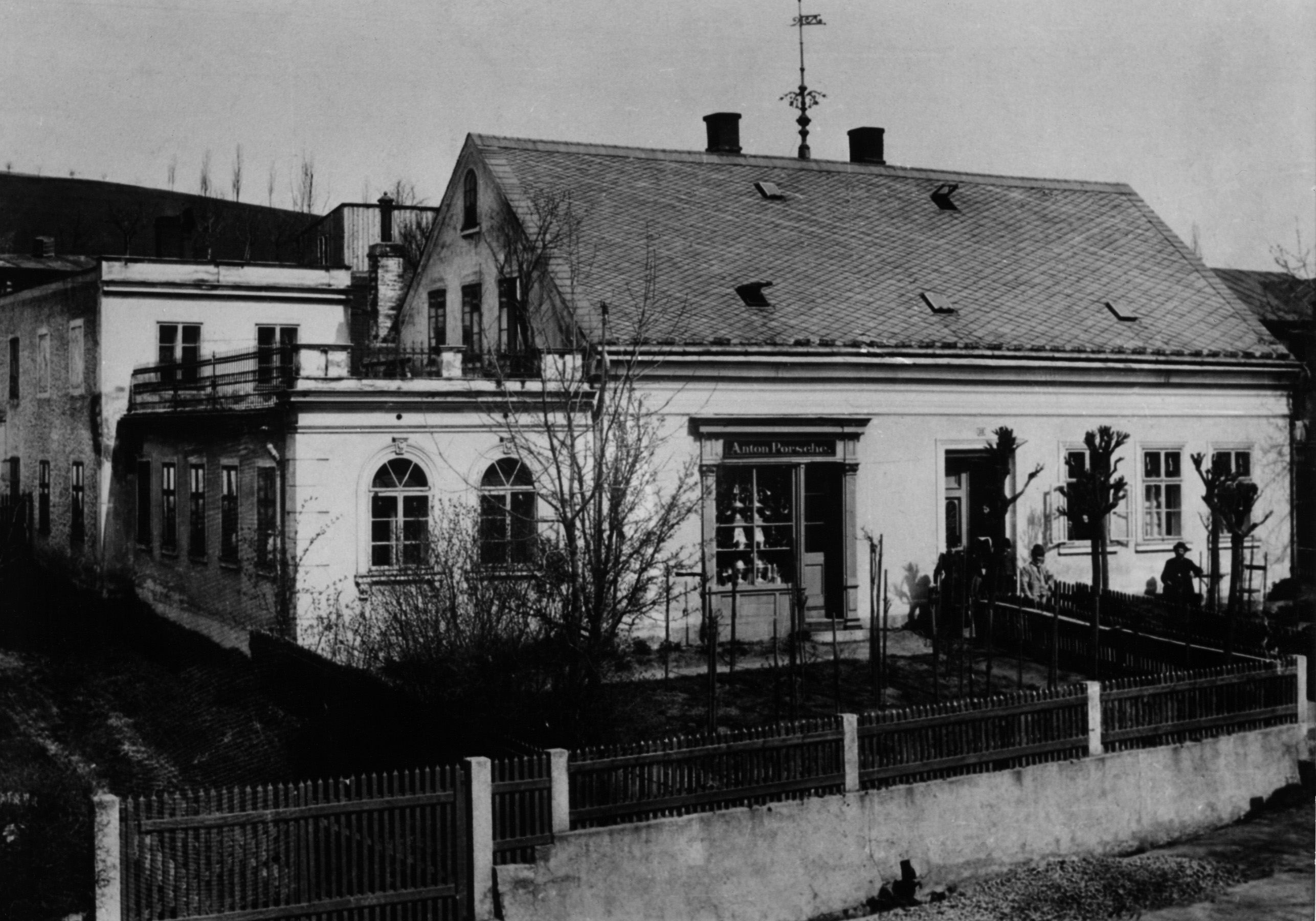
The house in Maffersdorf (now Vratislavice) in which Ferdinand Porsche was born in 1875. It was on the right bank of the Neisse and bore the number 201
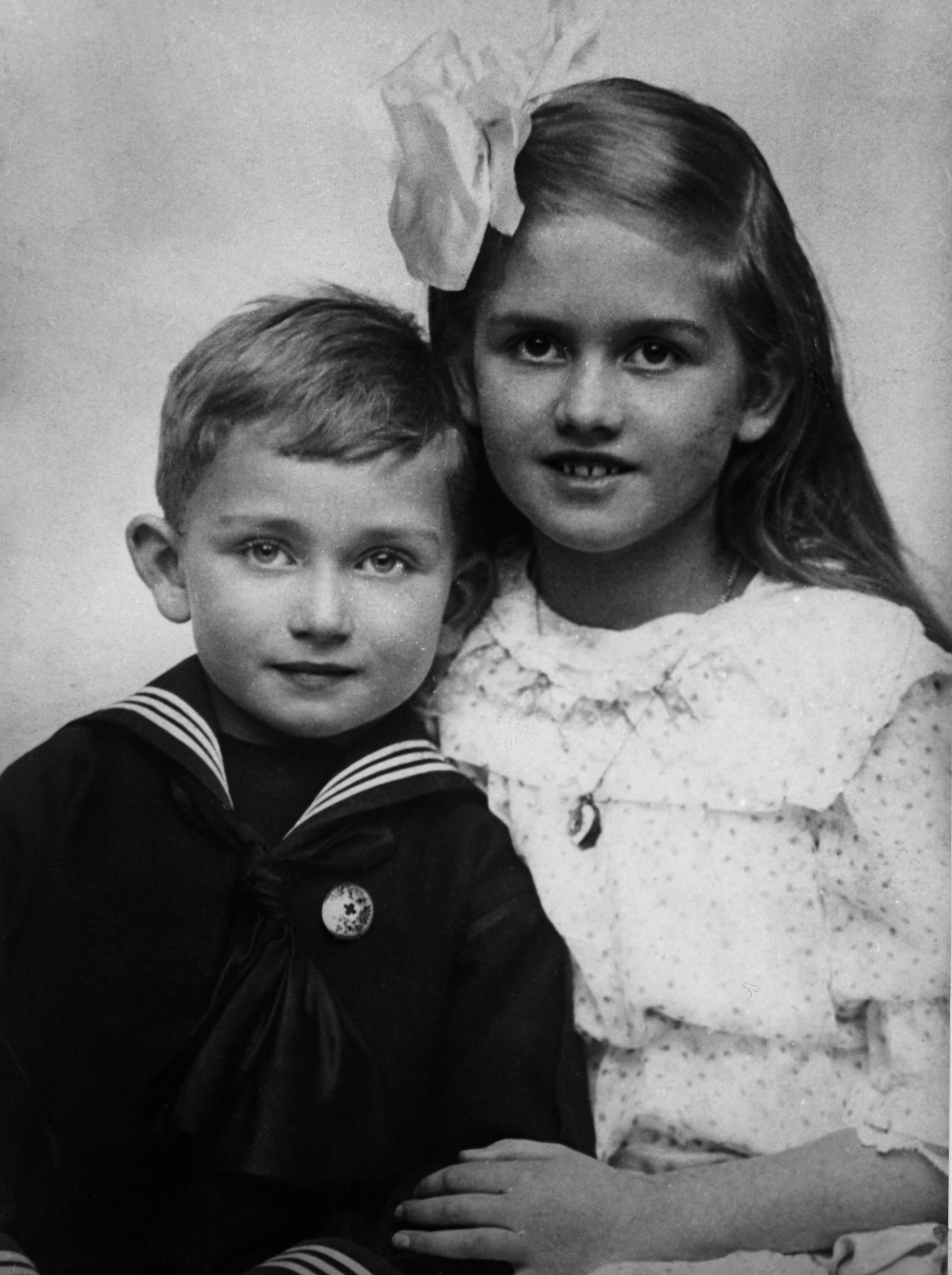
1915. Ferdinand Porsche's children, Ferry and Louise, aged 6 and 11
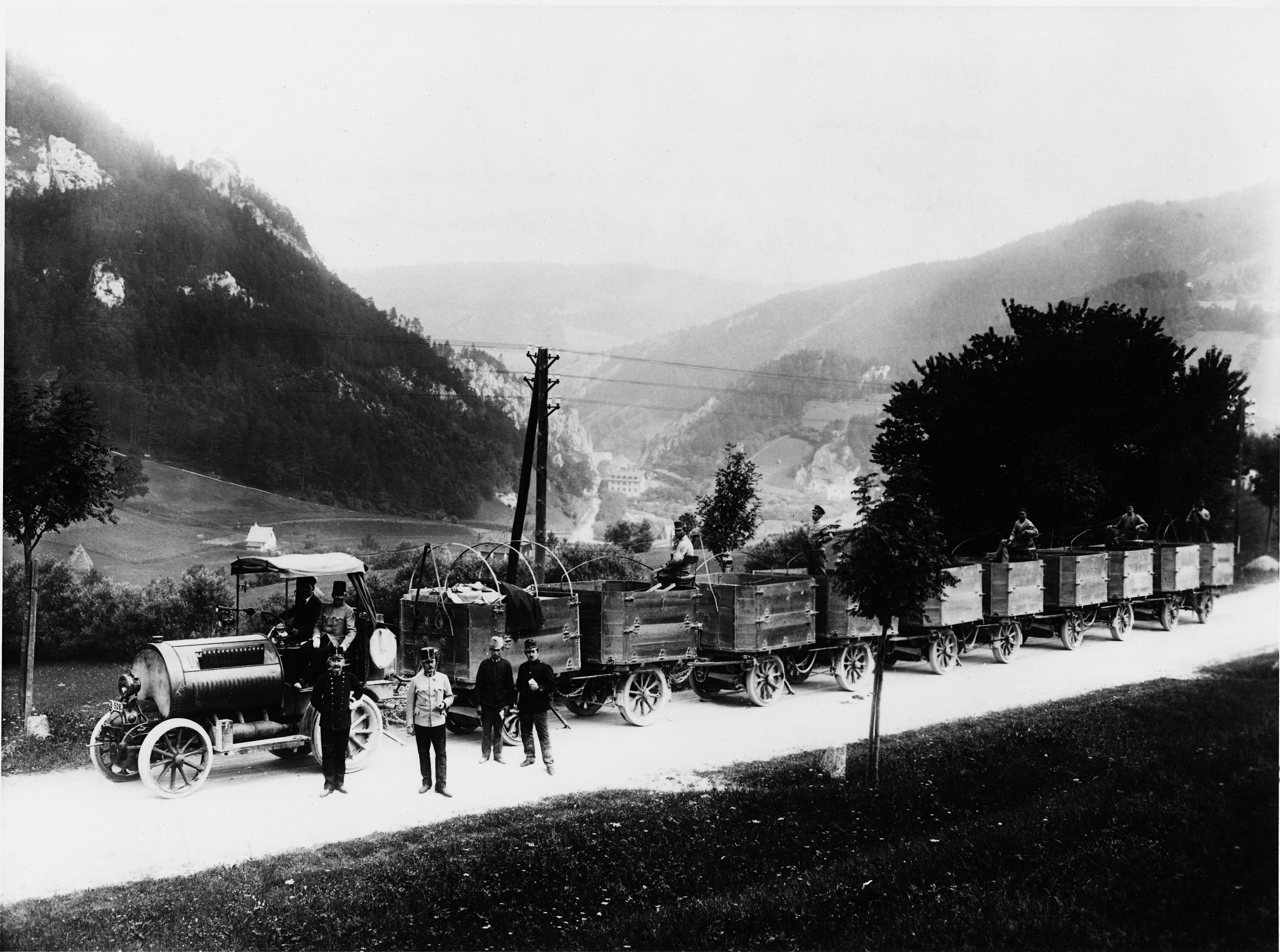
Austro-Daimler Landwehr-Train on a trial run on the Semmering, located south of Wiener Neustadt, in 1913.
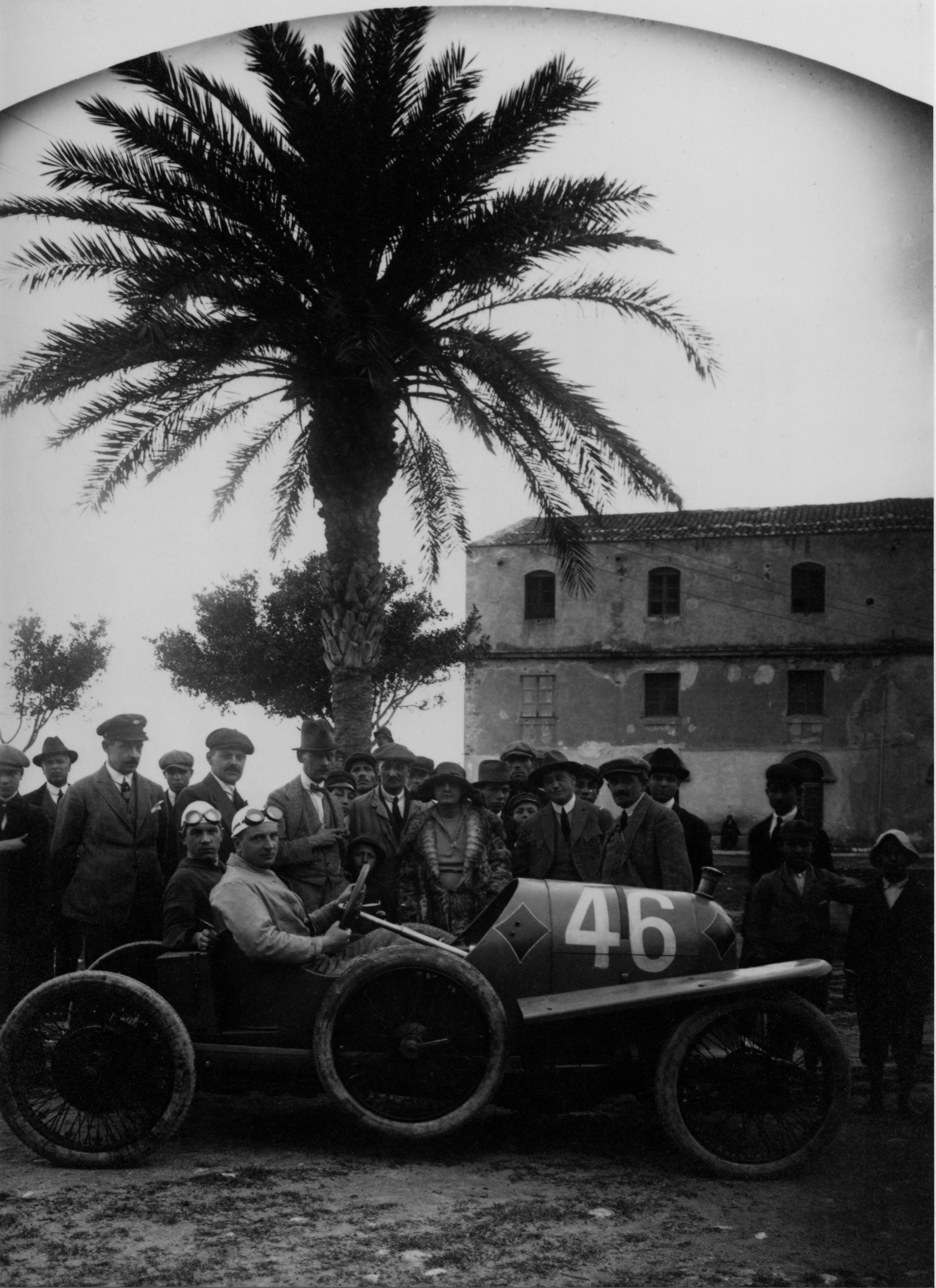
The "Sascha" at the Targa Florio on Sicily in 1922. At the wheel we see Alfred Neubauer.
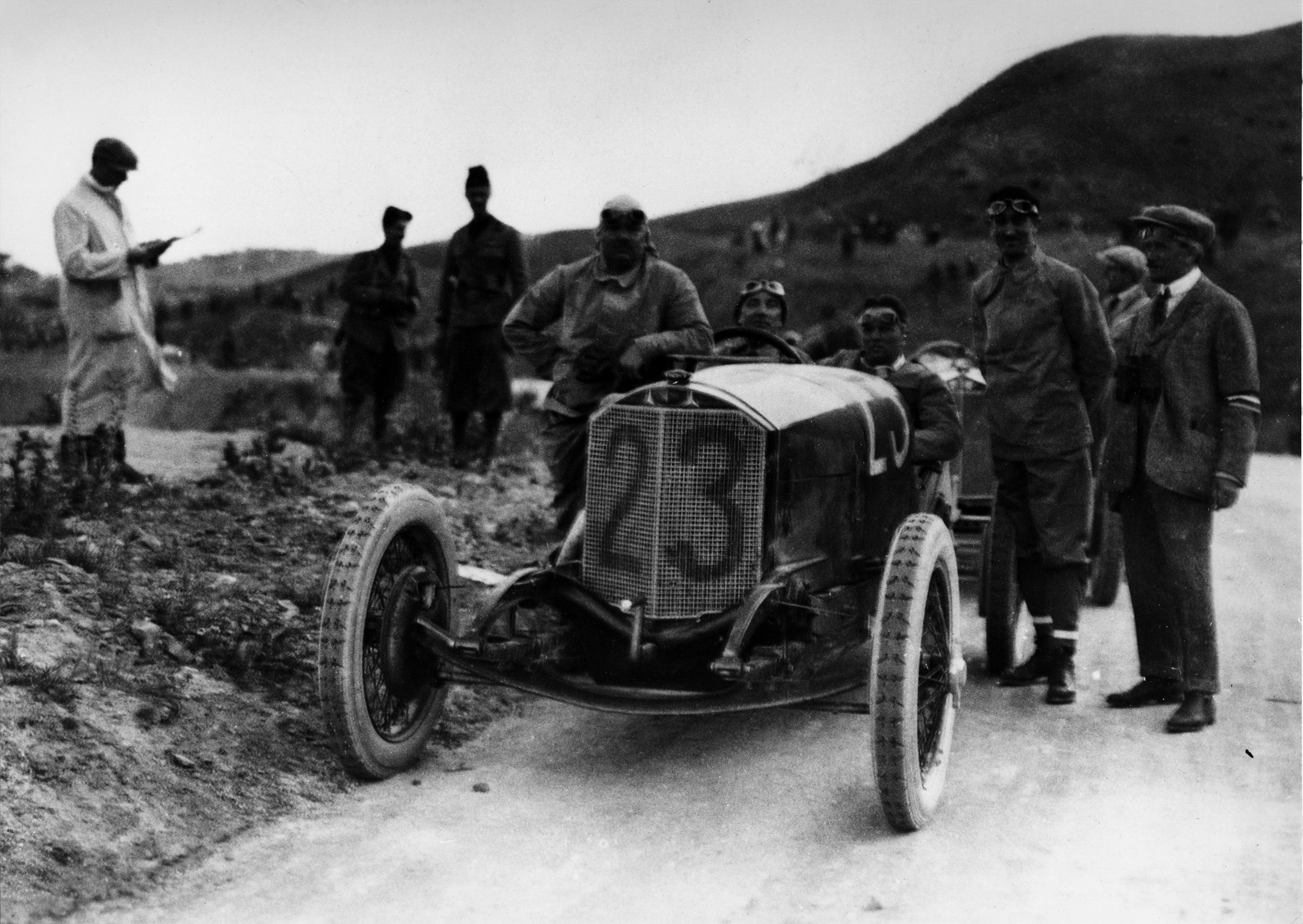
Ferdinand Porsche (right) at the Targa Florio on Sicily in 1924. The 2-liter-supercharged Mercedes-Benz racing car took first place against larger-engined cars entered by Alfa Romeo, Hispano-Suiza and Peugeot.
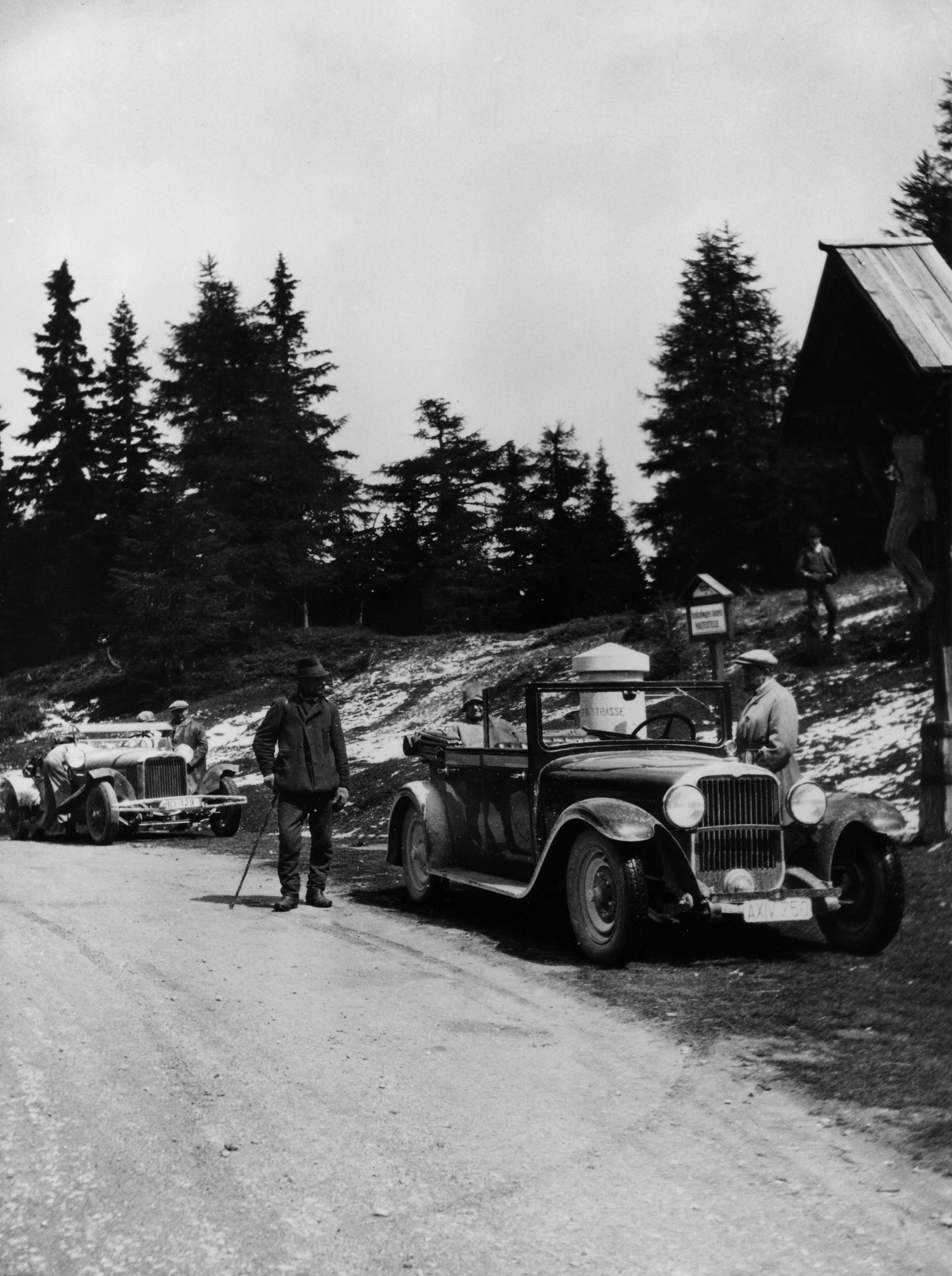
Ferdinand Porsche (right) and his wife Aloisia (in the rear) during an experimental run up the Katschberg Pass, Carinthia, in 1929, in a Steyr Type 30 of his own design.
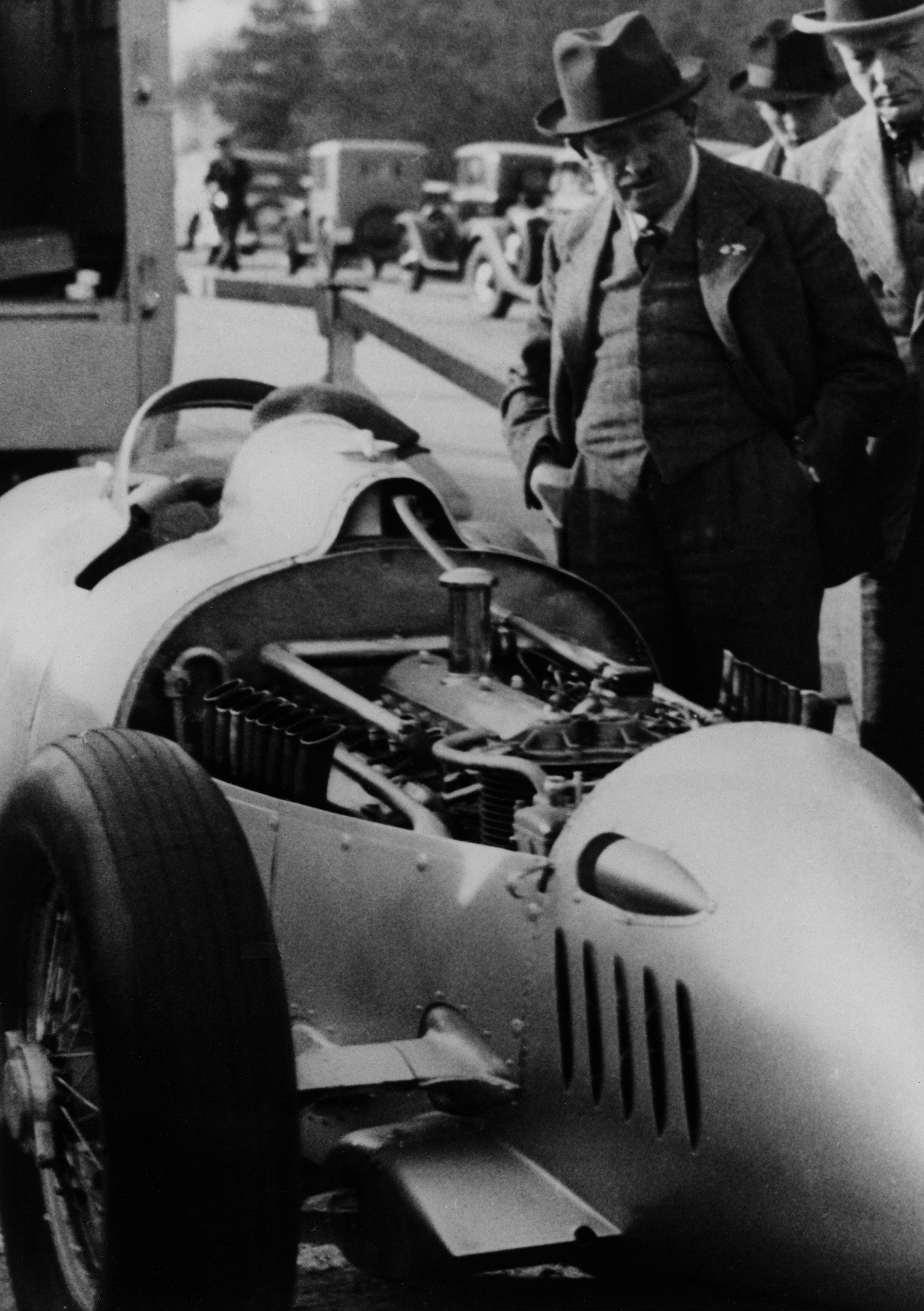
Ferdinand Porsche standing next to the supercharged 16-cylinder engine of the Auto-Union racing car in 1936
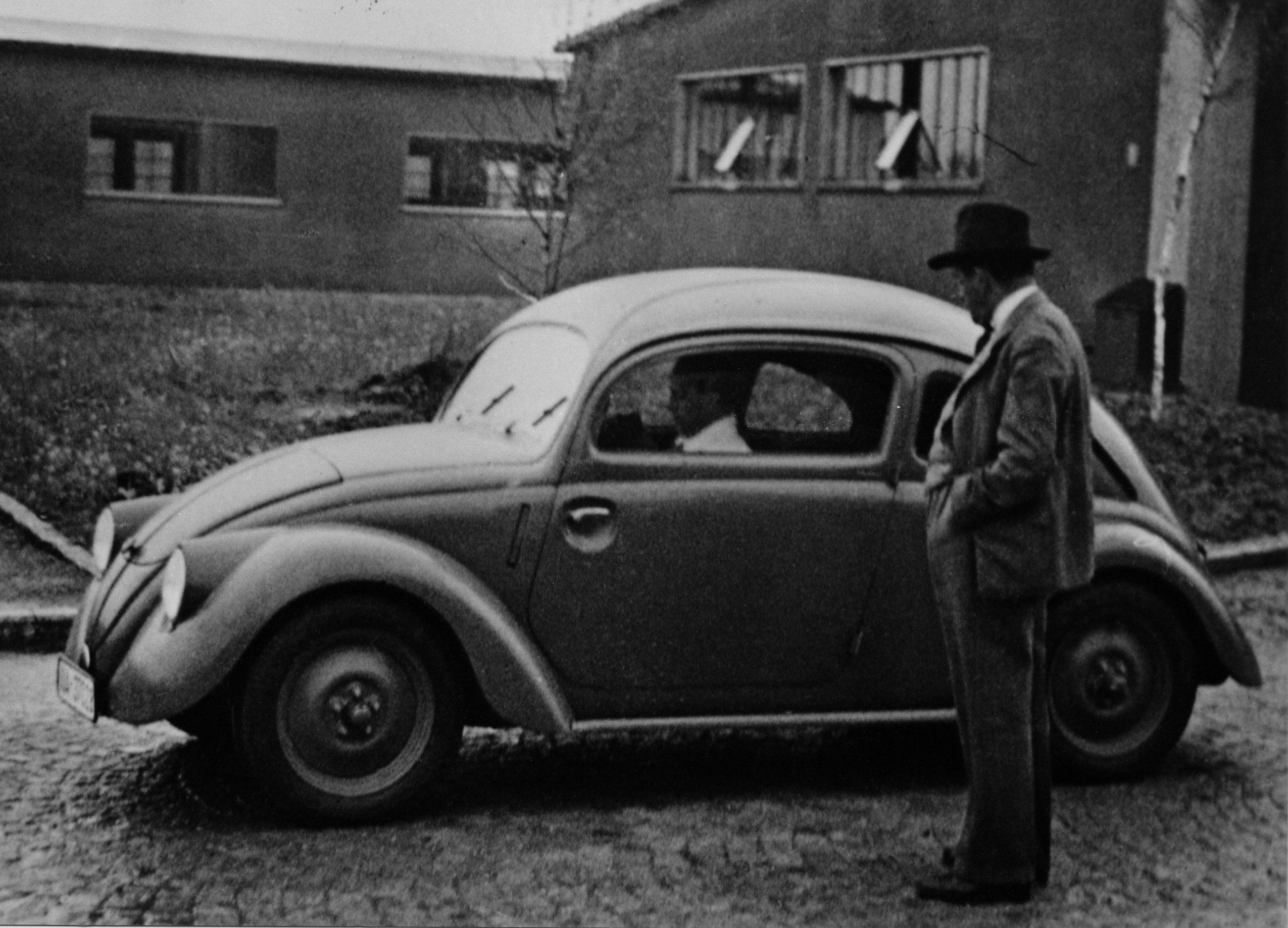
Volkswagen-Prototyp W30: This car already had an all-steel body, steel running-gear components and the familiar flat-four four-stroke engine.
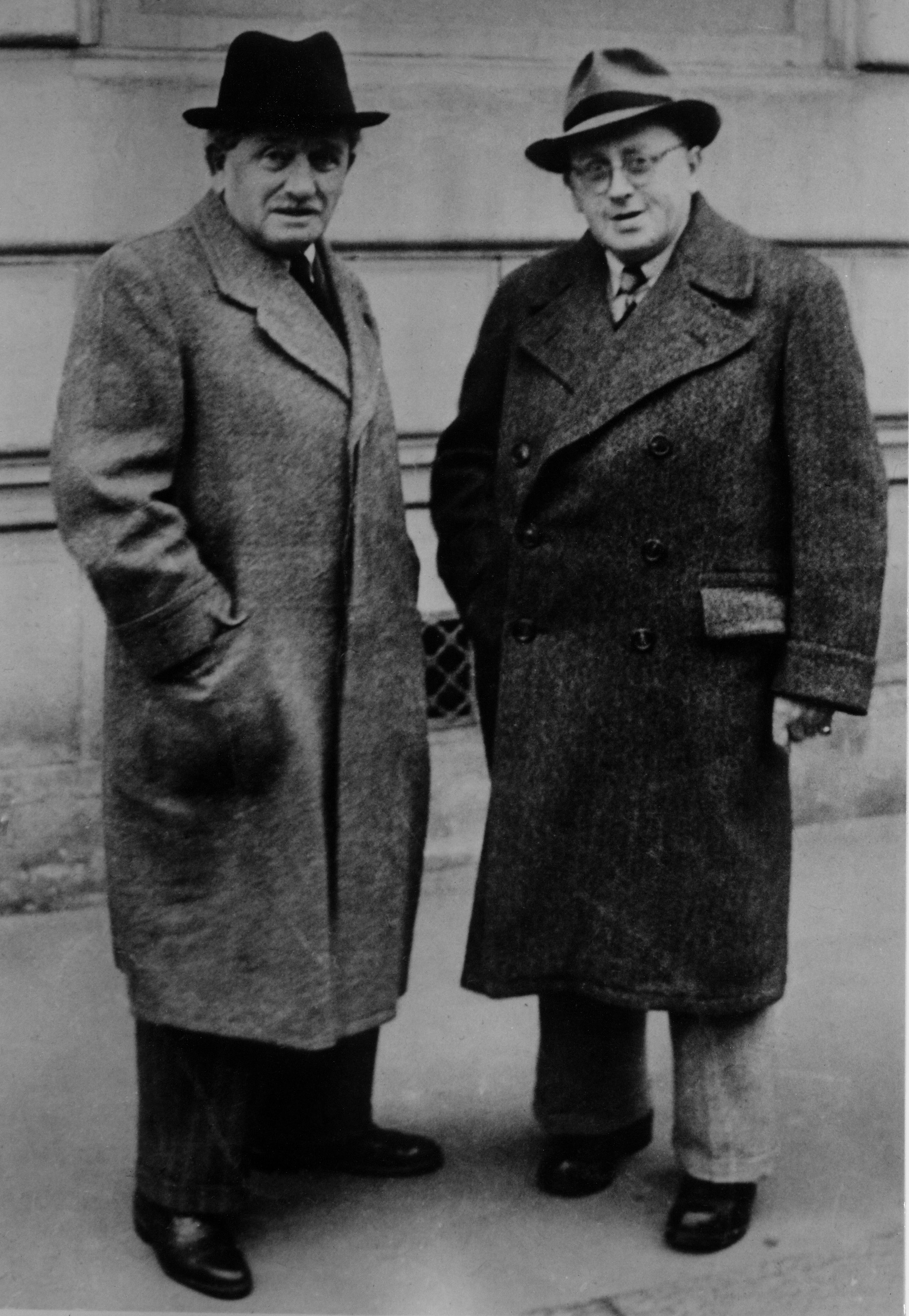
Ferdinand Porsche (left) with Karl Rabe (1895-1968), Porsche company's chief designer from the establishment of the Dr. Porsche GmbH company in 1931 until his retirement at the end of 1965.
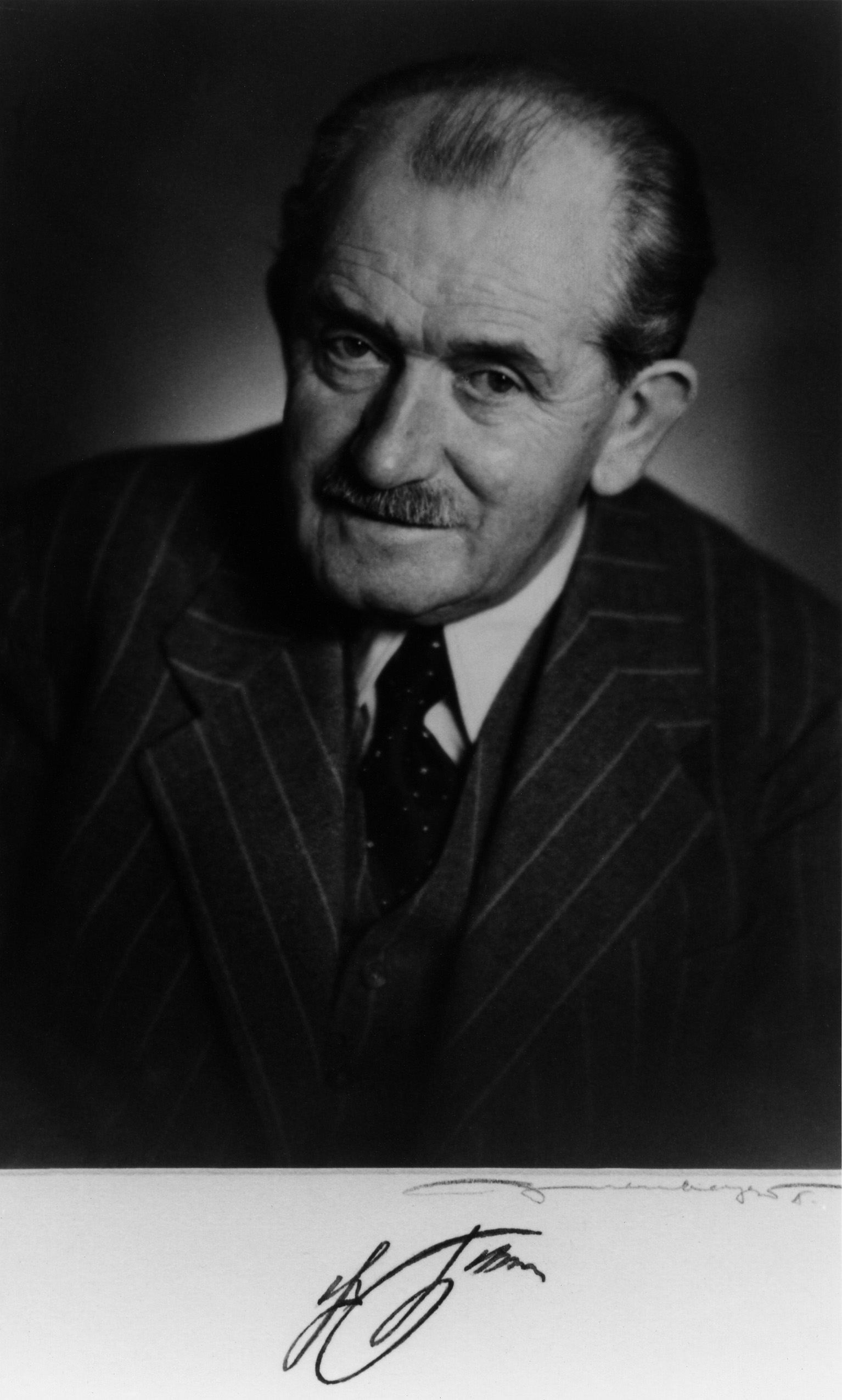
Portrait of Ferdinand Porsche (1950) with his signature below
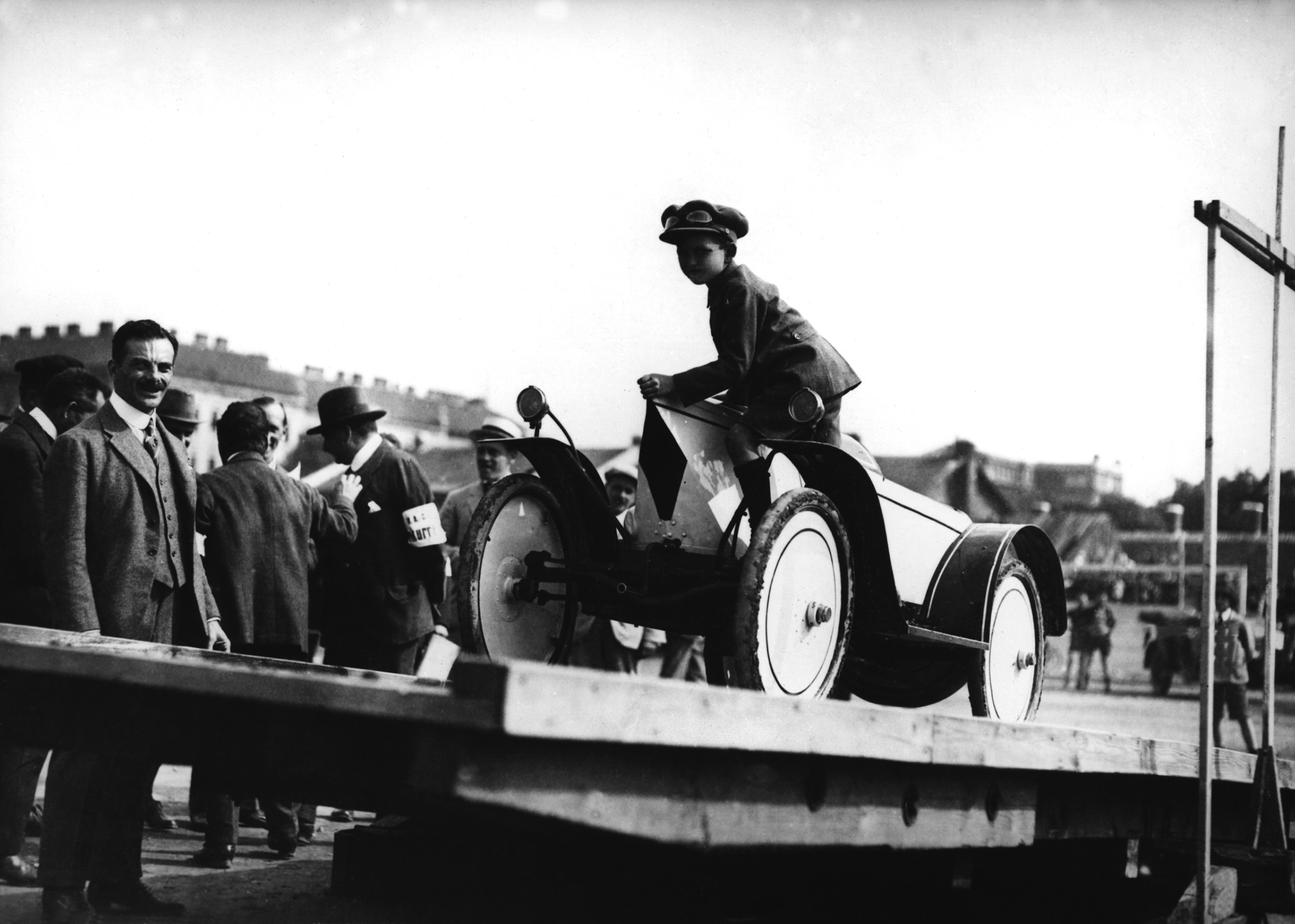
Ferry Porsche at a gymkhana in 1921, pictured in his "toy car" that had a two-cylinder four-stroke engine and twin gears.