|
Dr. Ing. h.c. F. Porsche AG
|
Image
|
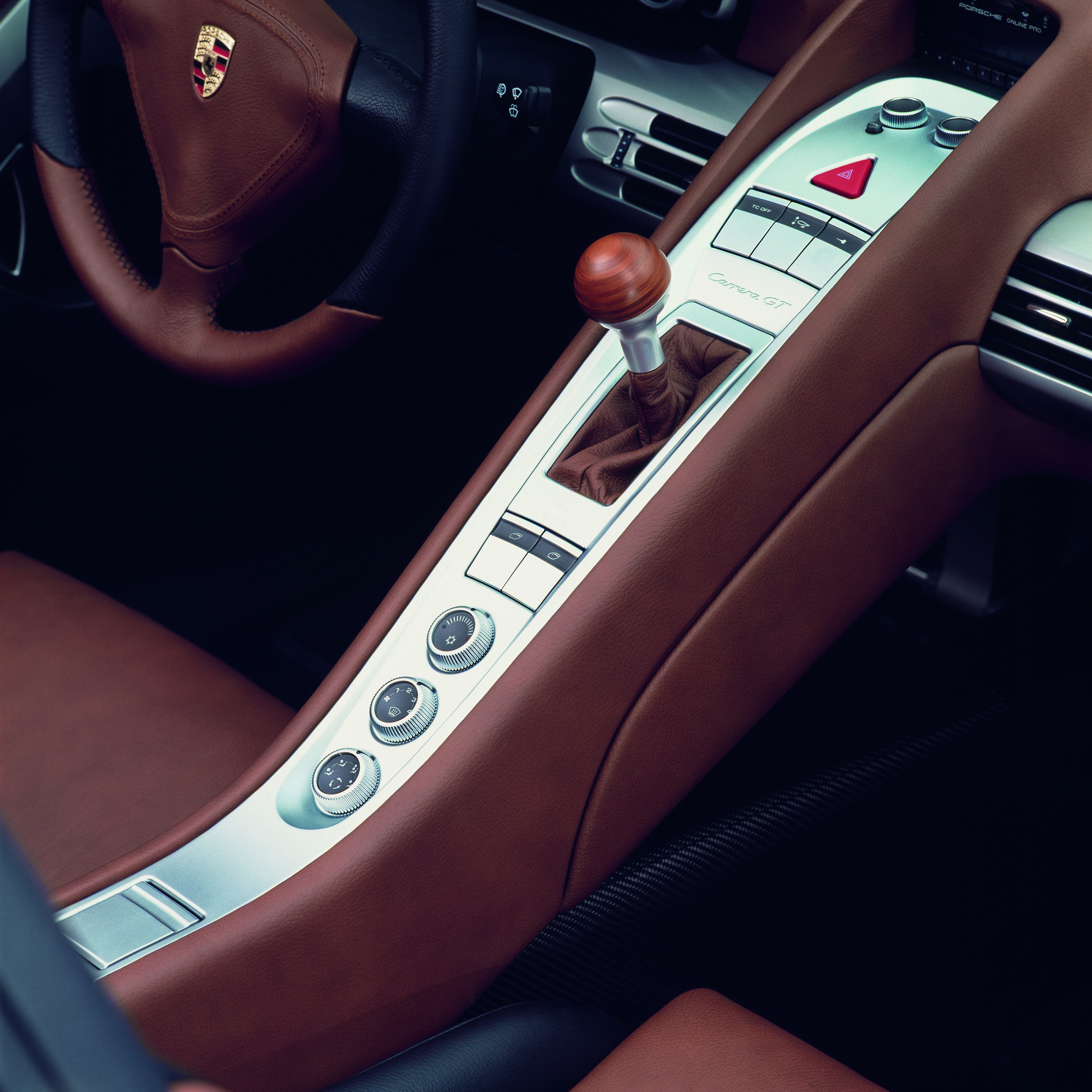
The centre console made of composite materials has a sweeping upward shape and is trimmed with a galvanized magnesium surface
|
Porsche
|
Carrera GT
|
Carrera GT
|
980
|
|
|
Dr. Ing. h.c. F. Porsche AG
|
Image
|
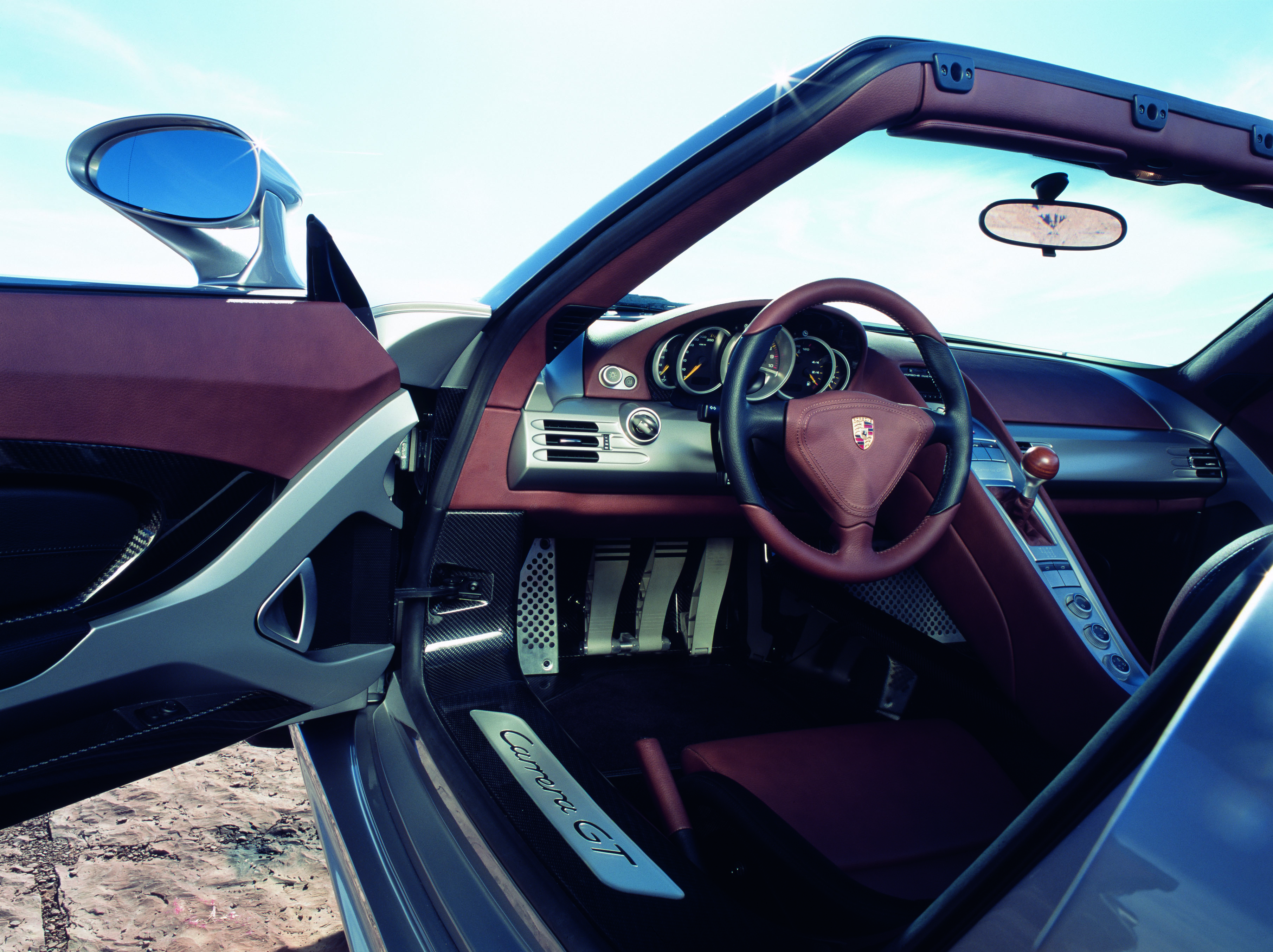
The cockpit of the Carrera GT offers all the functional ambience of a genuine racing car.
|
Porsche
|
Carrera GT
|
Carrera GT
|
980
|
|
|
Dr. Ing. h.c. F. Porsche AG
|
Image
|
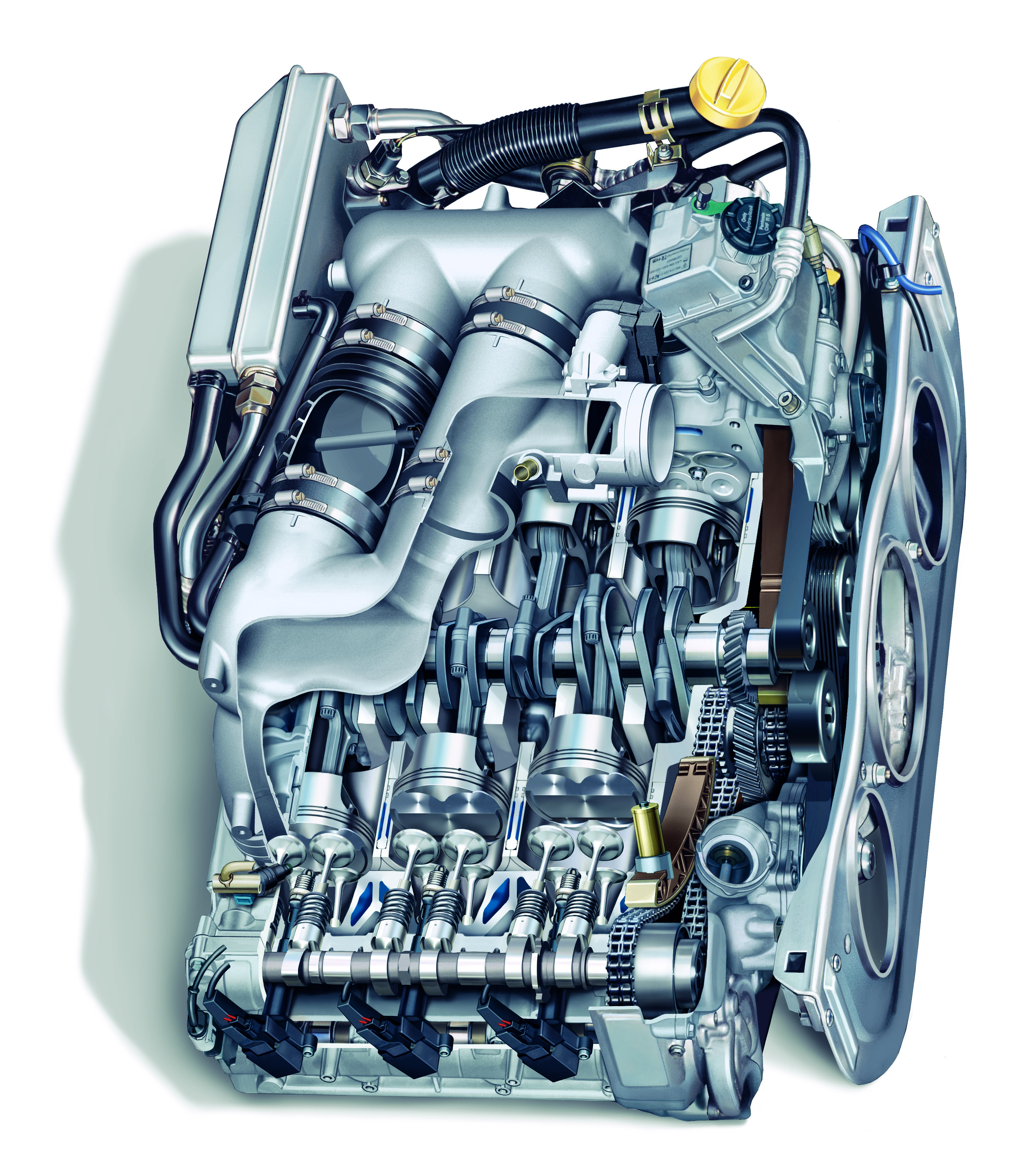
The consistent reduction of moving mass in the engine has reduced power dissipation, which in turn has facilitated an increase in power by 21 hp to 381 hp (280 kW)
|
Porsche
|
911
|
GT3
|
996 II
|
|
|
Dr. Ing. h.c. F. Porsche AG
|
Image
|
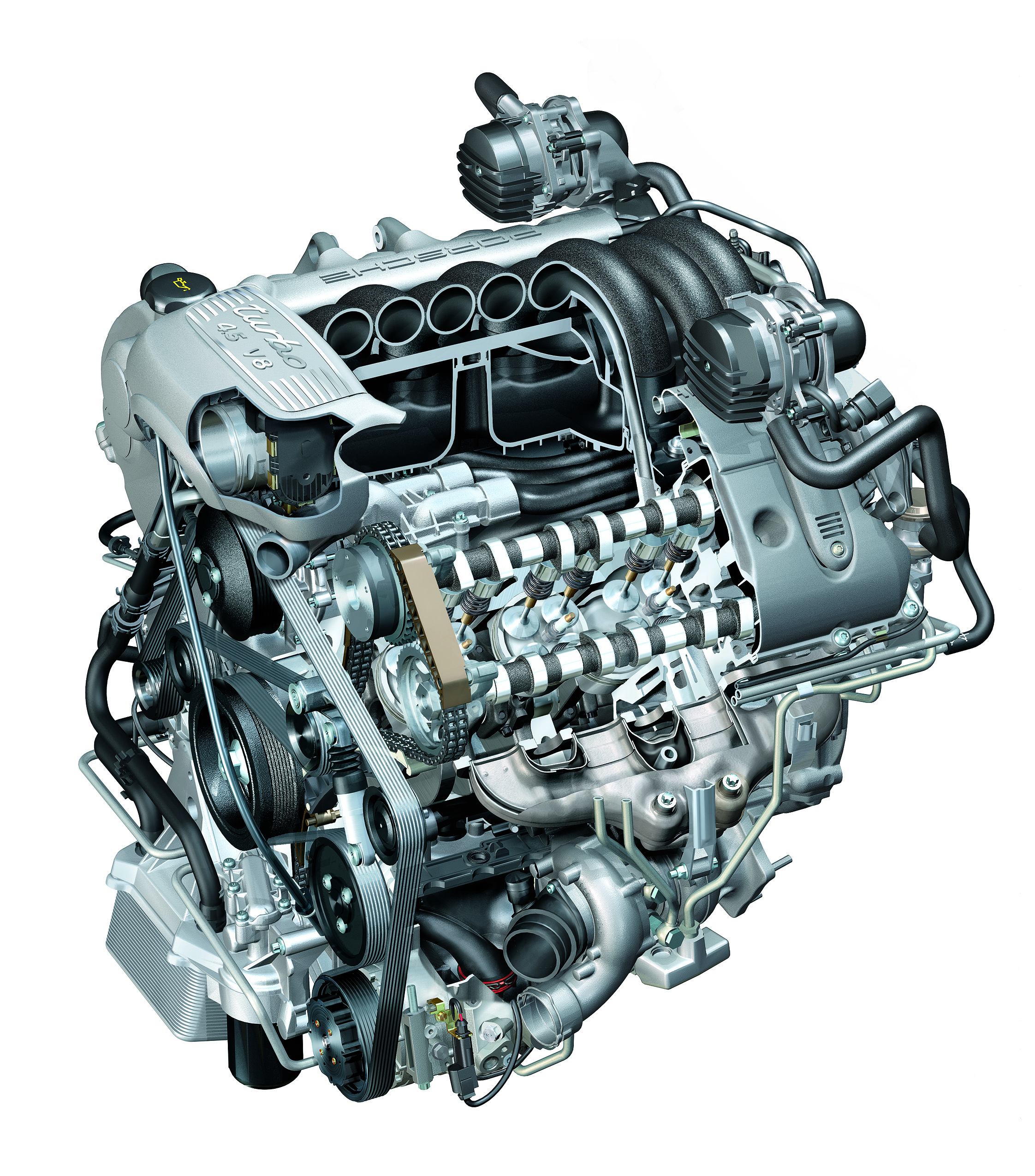
The engine of the Cayenne Turbo has an output of 450 HP (331 kW) at 6,000 rpm.
|
Porsche
|
Cayenne
|
Turbo
|
E1
|
|
|
Dr. Ing. h.c. F. Porsche AG
|
Image
|
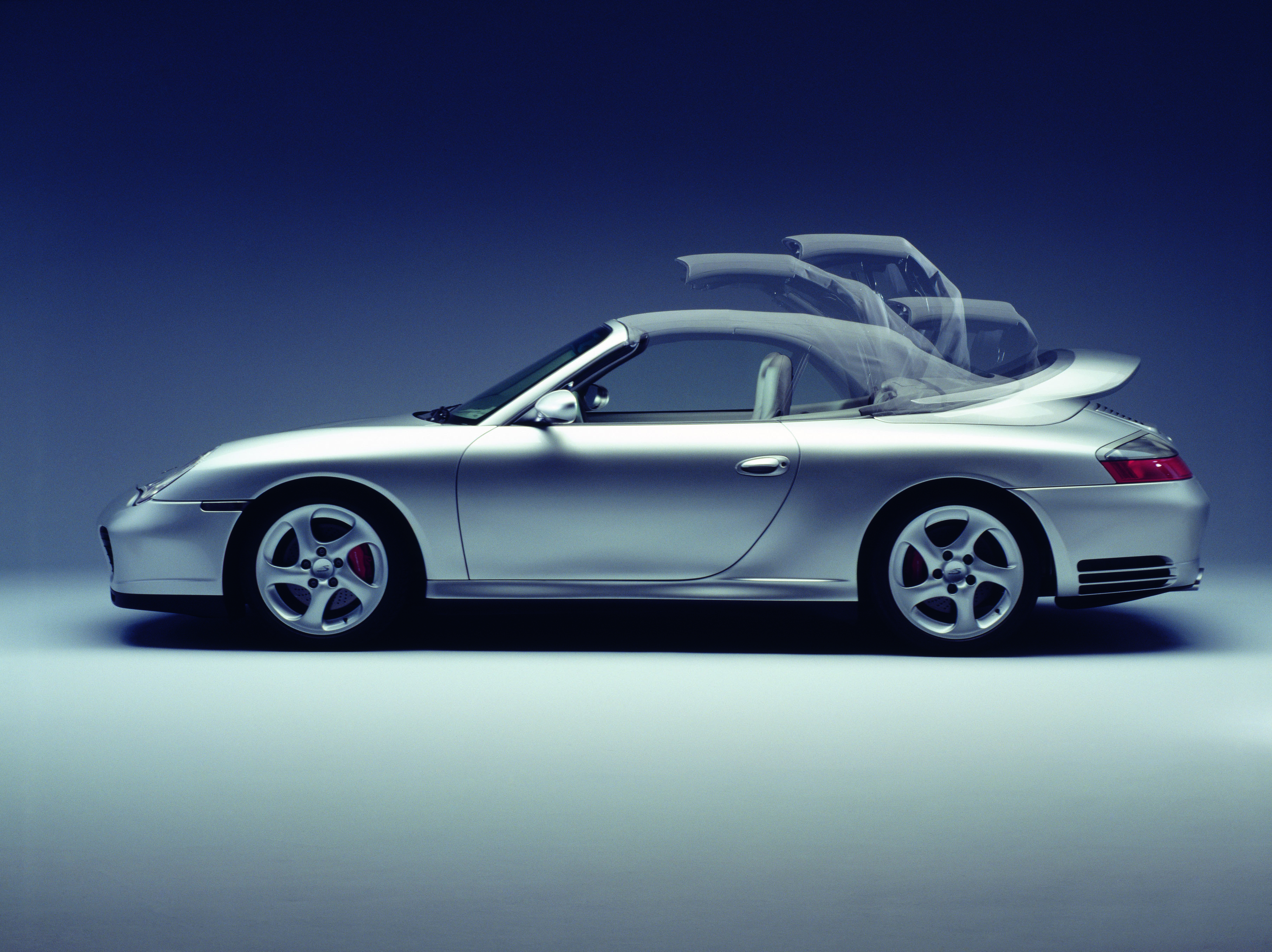
The folded convertible top of the 911 Carrera 4S Cabriolet opens automatically in just 20 seconds.
|
Porsche
|
911
|
Carrera 4S Cabriolet
|
996 II
|
|
|
Dr. Ing. h.c. F. Porsche AG
|
Image
|
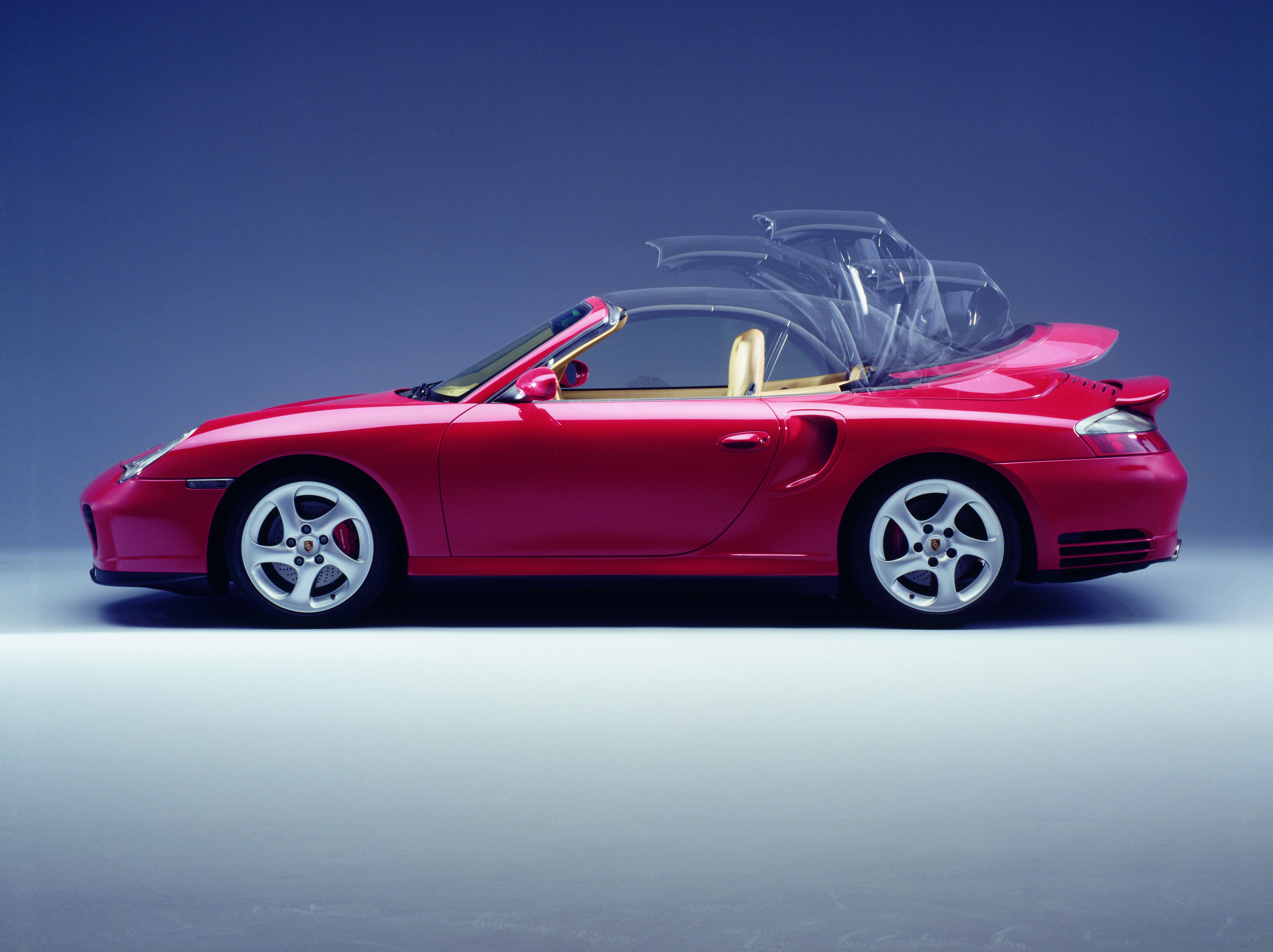
The folded convertible top of the 911 Turbo Cabriolet opens automatically in just 20 seconds
|
Porsche
|
911
|
Turbo Cabriolet
|
996 II
|
|
|
Dr. Ing. h.c. F. Porsche AG
|
Image
|
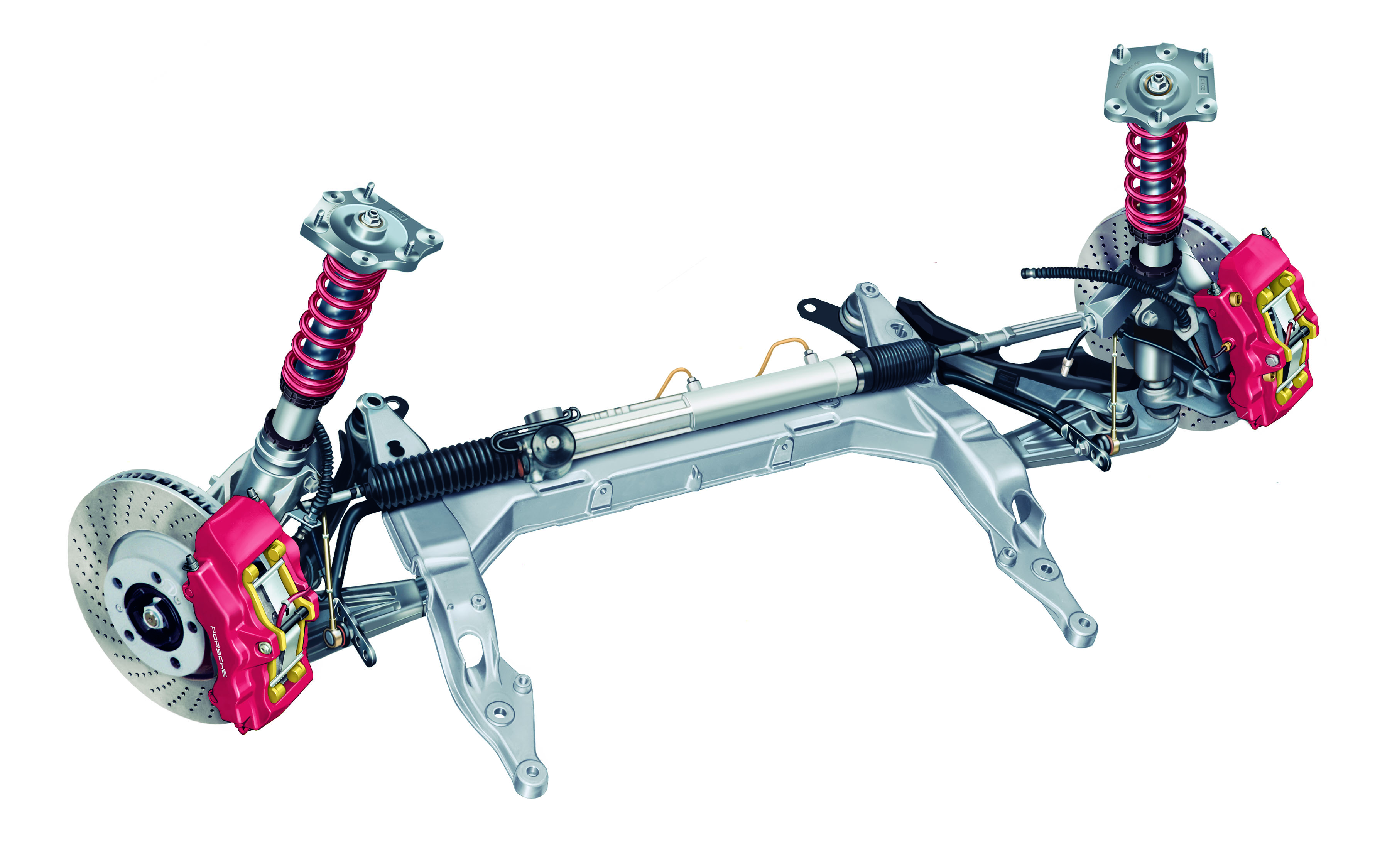
The front axle has a damper strut with male screw thread and height-adjustable spring retainer which, in addition to reducing vehicle height, also allow for fine adjustment
|
Porsche
|
911
|
GT3
|
996 II
|
|
|
Dr. Ing. h.c. F. Porsche AG
|
Image
|
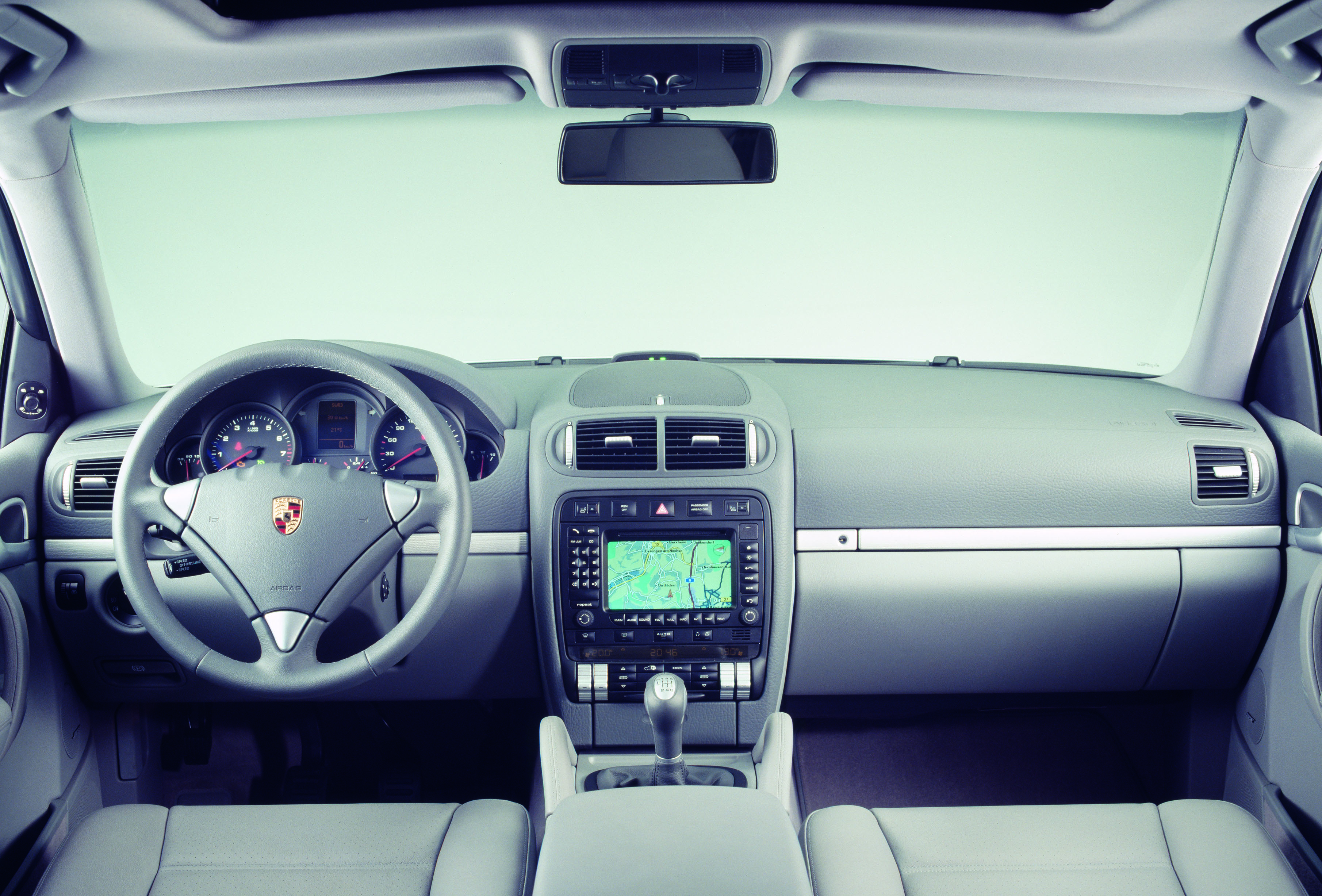
The interior (here with optional equipment) of the Cayenne differs from the 'big brother' in only a few details
|
Porsche
|
Cayenne
|
|
E1
|
|
|
Dr. Ing. h.c. F. Porsche AG
|
Image
|
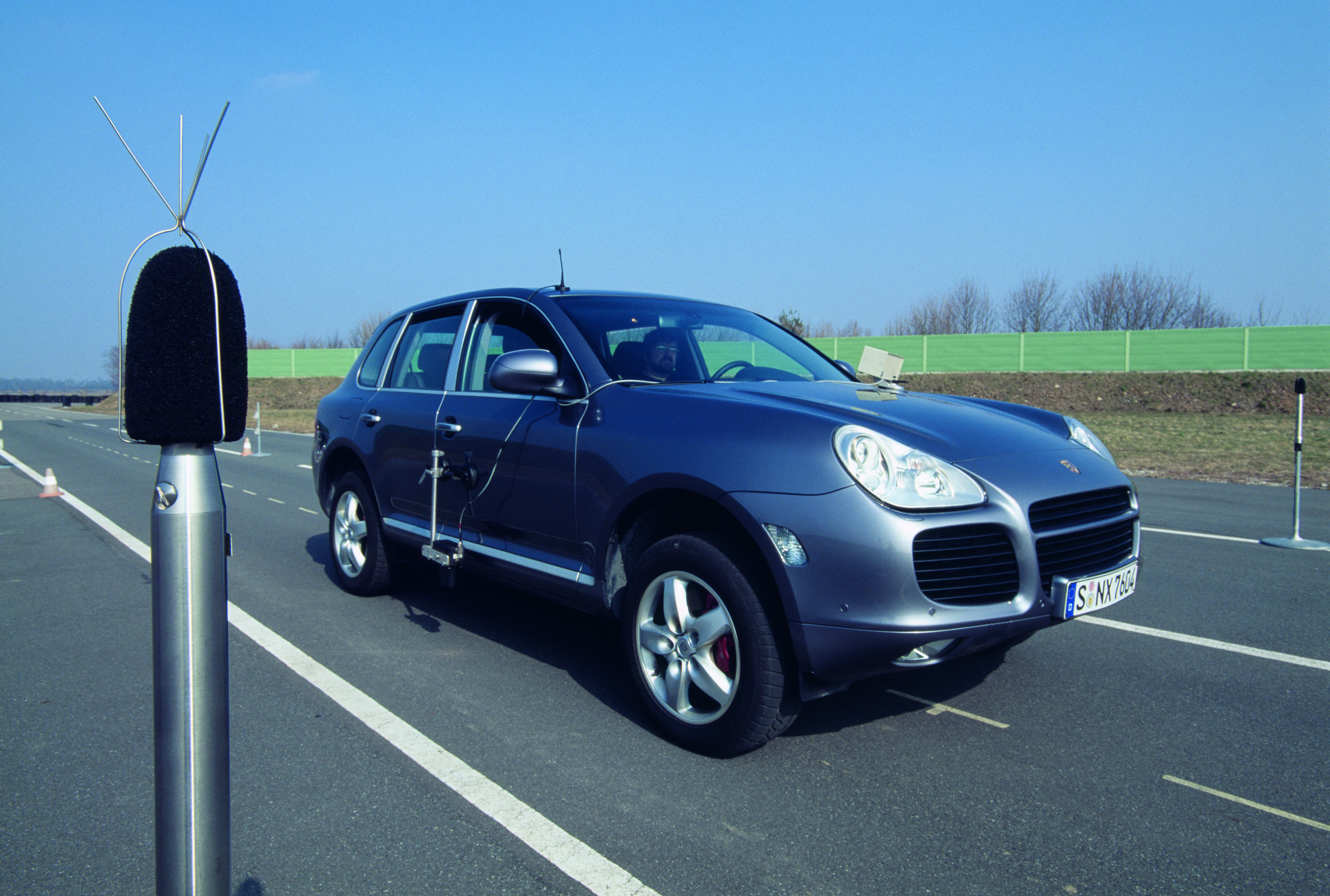
The legally prescribed exterior noises are measured on the acoustic measuring track.
|
Porsche
|
Cayenne
|
|
E1
|
|
|
Dr. Ing. h.c. F. Porsche AG
|
Image
|
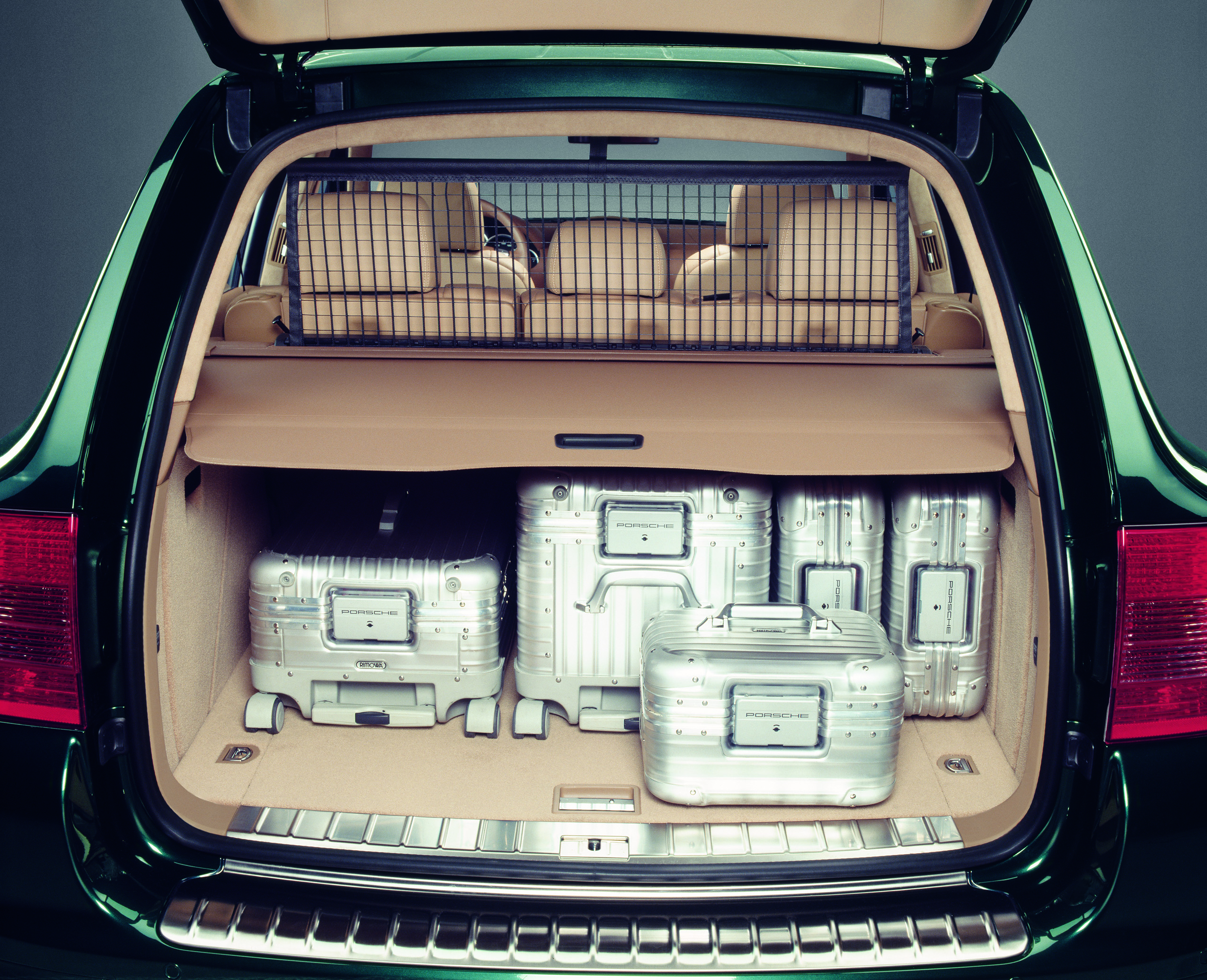
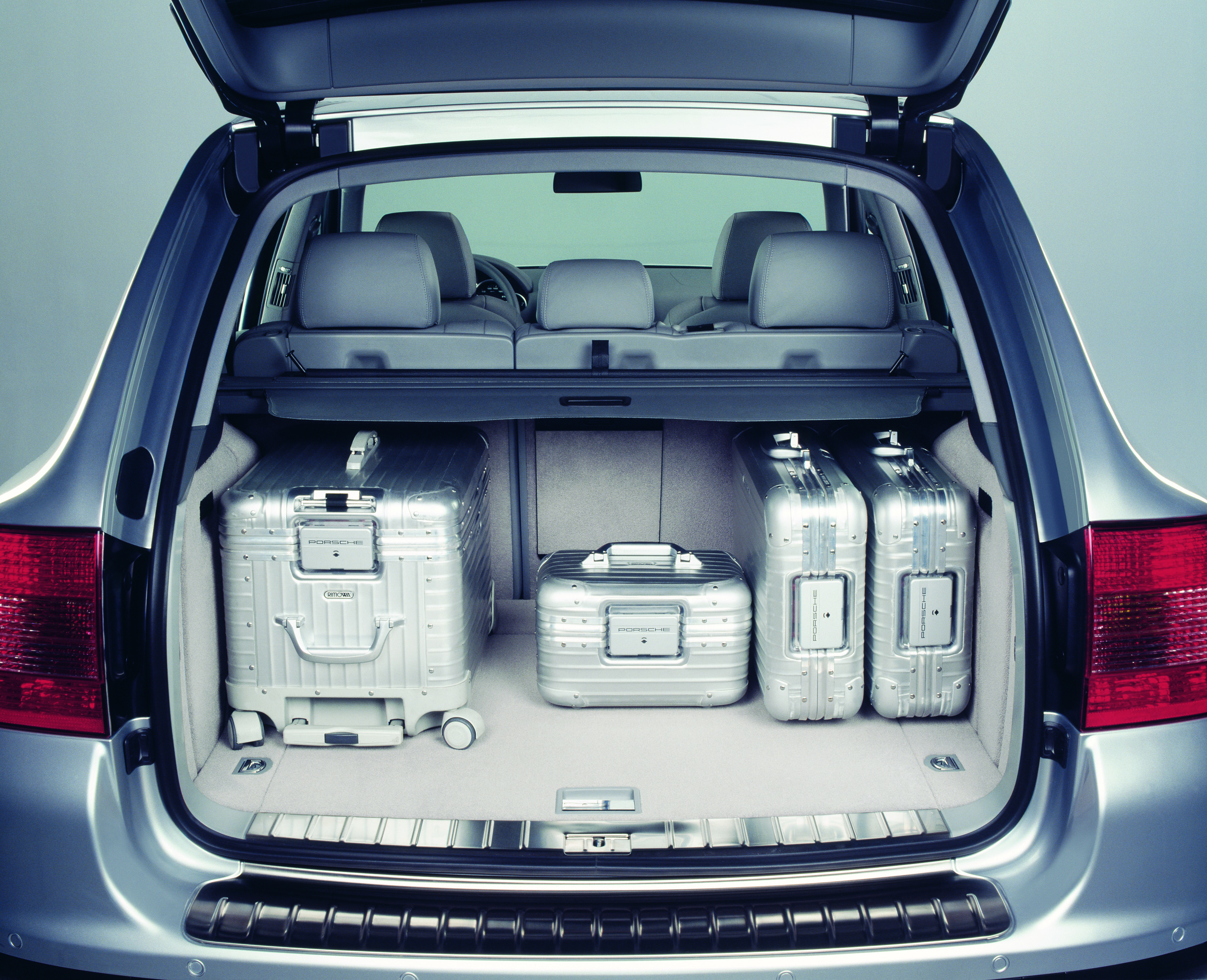
The loading volume of the Cayenne is up to 1,770 litres
|
Porsche
|
Cayenne
|
|
E1
|
|
|
Dr. Ing. h.c. F. Porsche AG
|
Image
|
The luggage compartment of the Cayenne models, with a luggage partition net and a loadspace cover,provides a capacity of 540 to 1,770 litres.
|
Porsche
|
Cayenne
|
|
E1
|
|
|
Dr. Ing. h.c. F. Porsche AG
|
Image
|
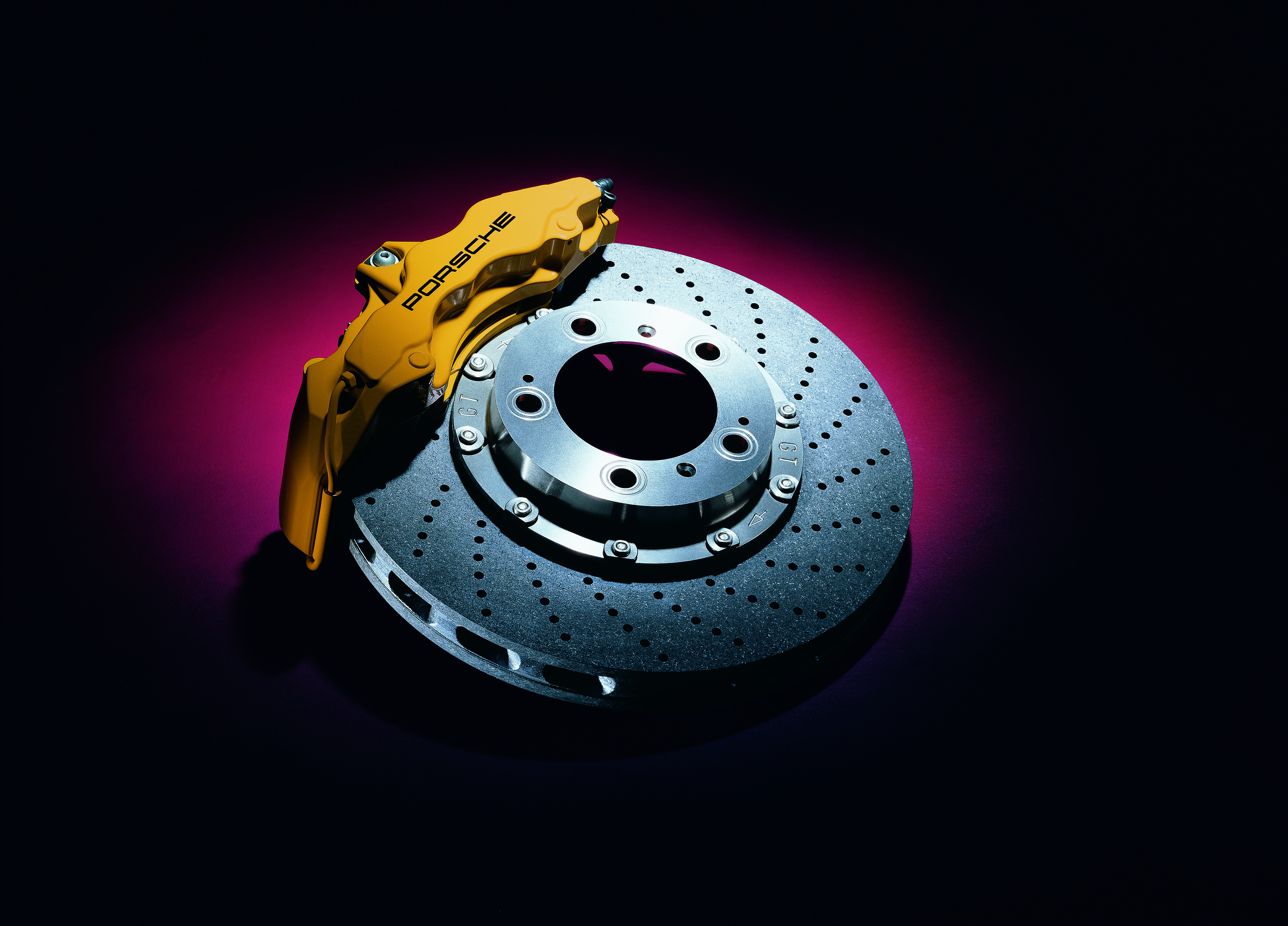
The new 911 GT3 can be fitted with the Porsche Ceramic Composite Brake (PCCB) on request
|
Porsche
|
911
|
GT3
|
996 II
|
|
|
Dr. Ing. h.c. F. Porsche AG
|
Image
|
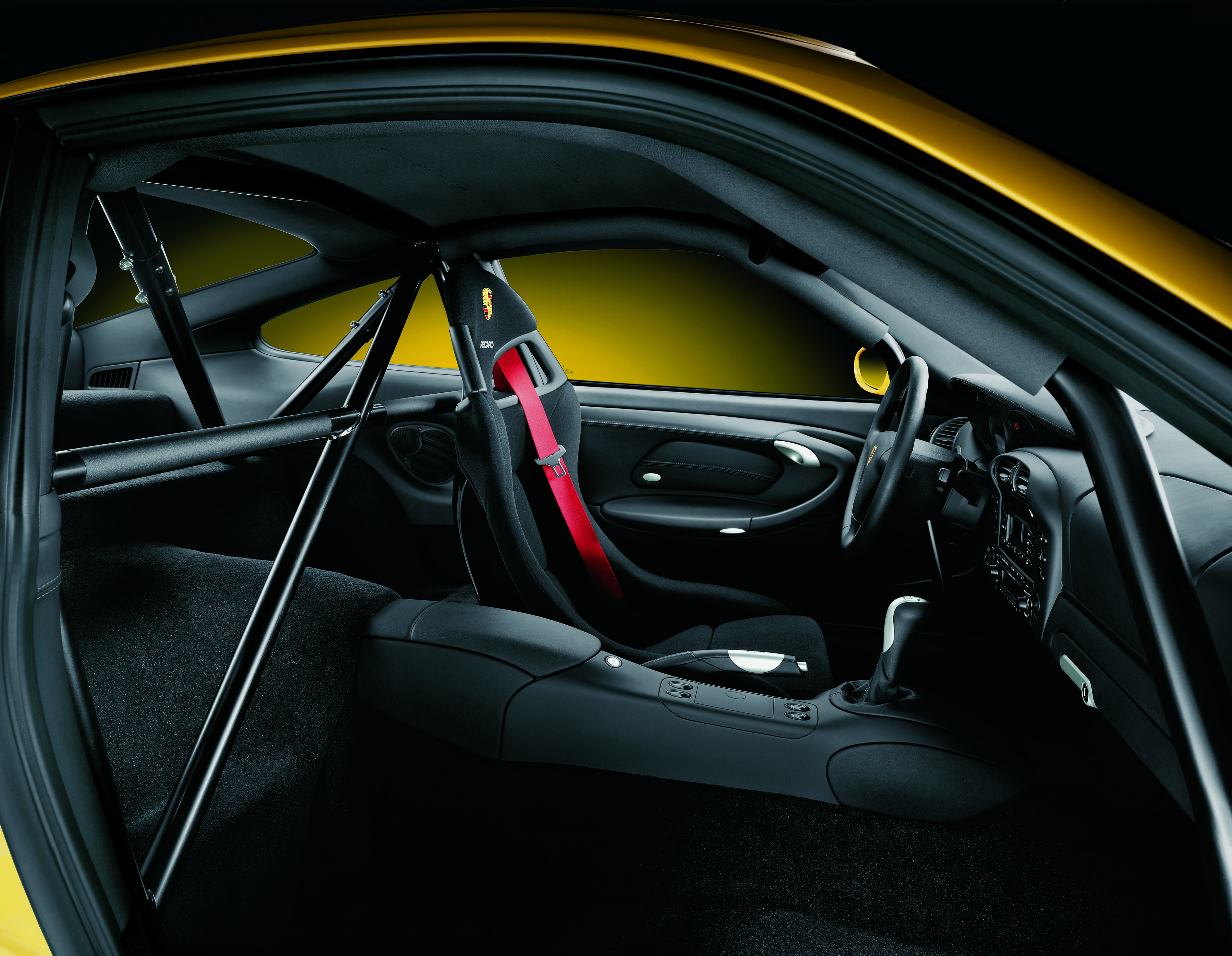
The new 911 GT3 Clubsport version with roll cage
|
Porsche
|
911
|
GT3
|
996 II
|
|
|
Dr. Ing. h.c. F. Porsche AG
|
Image
|
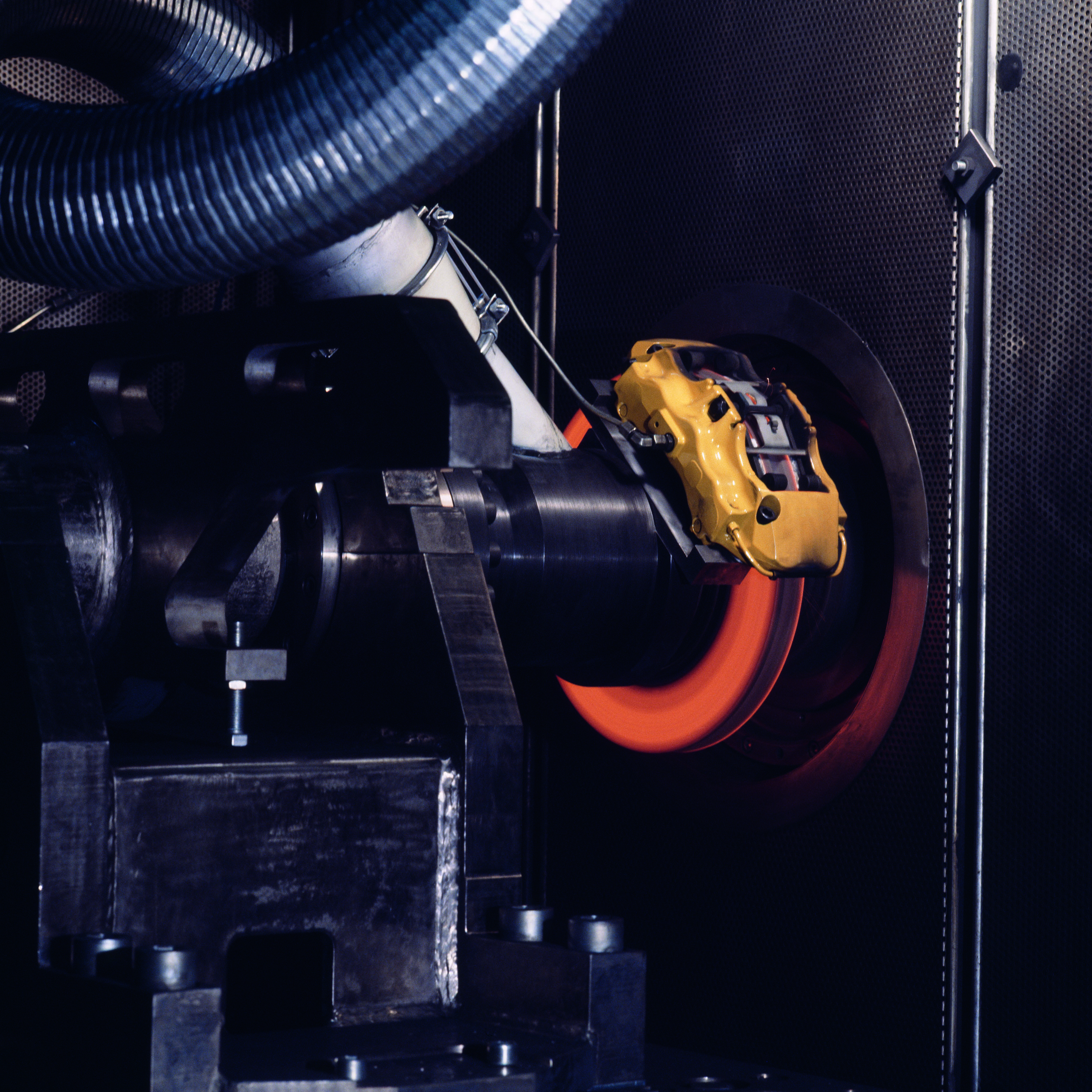
The Porsche Ceramic Composite Brake (PCCB) during the overload test
|
Porsche
|
|
|
|
|
|
Dr. Ing. h.c. F. Porsche AG
|
Image
|
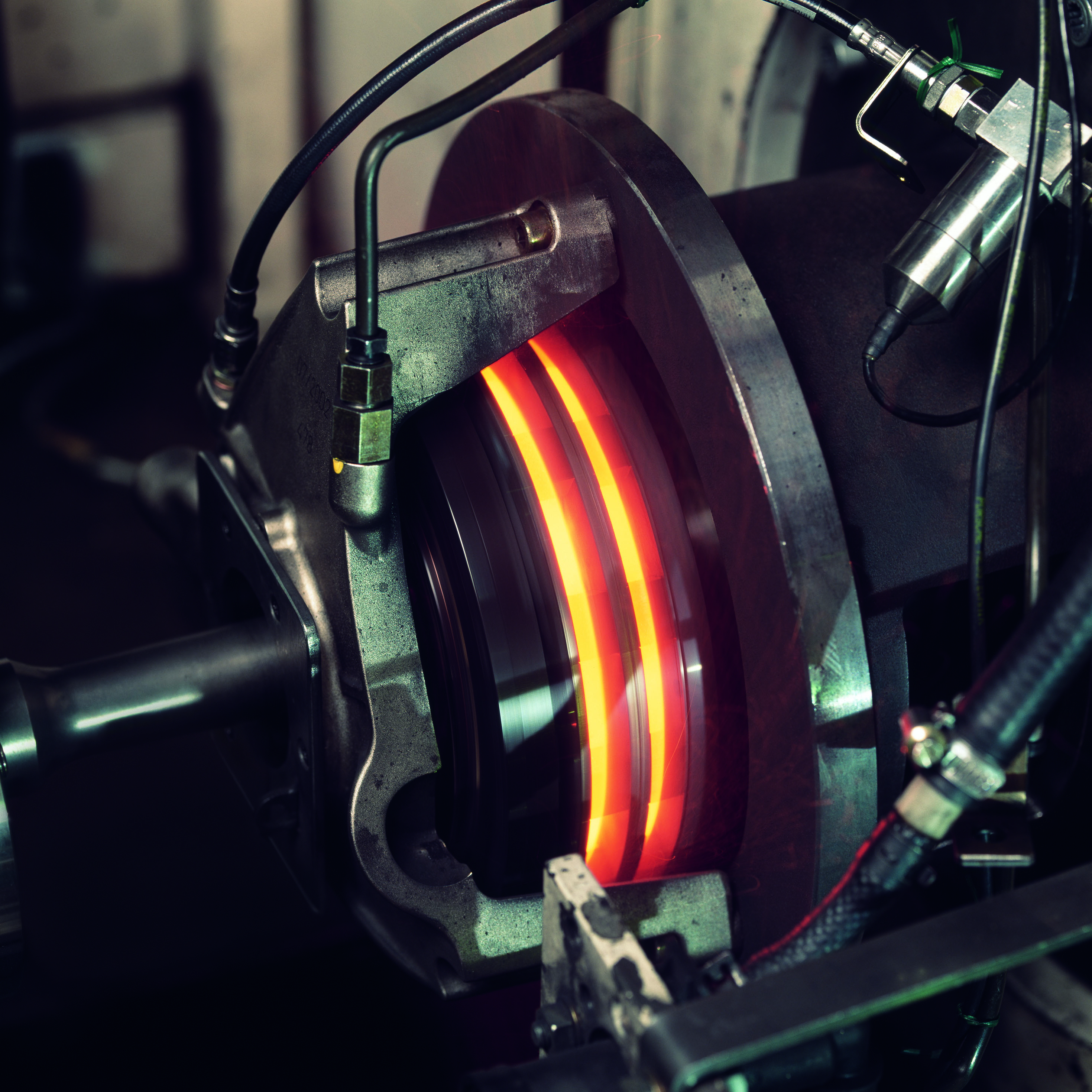
The Porsche Ceramic Composite Clutch (PCCC) during the overload test
|
Porsche
|
Carrera GT
|
Carrera GT
|
980
|
|
|
Dr. Ing. h.c. F. Porsche AG
|
Image
|
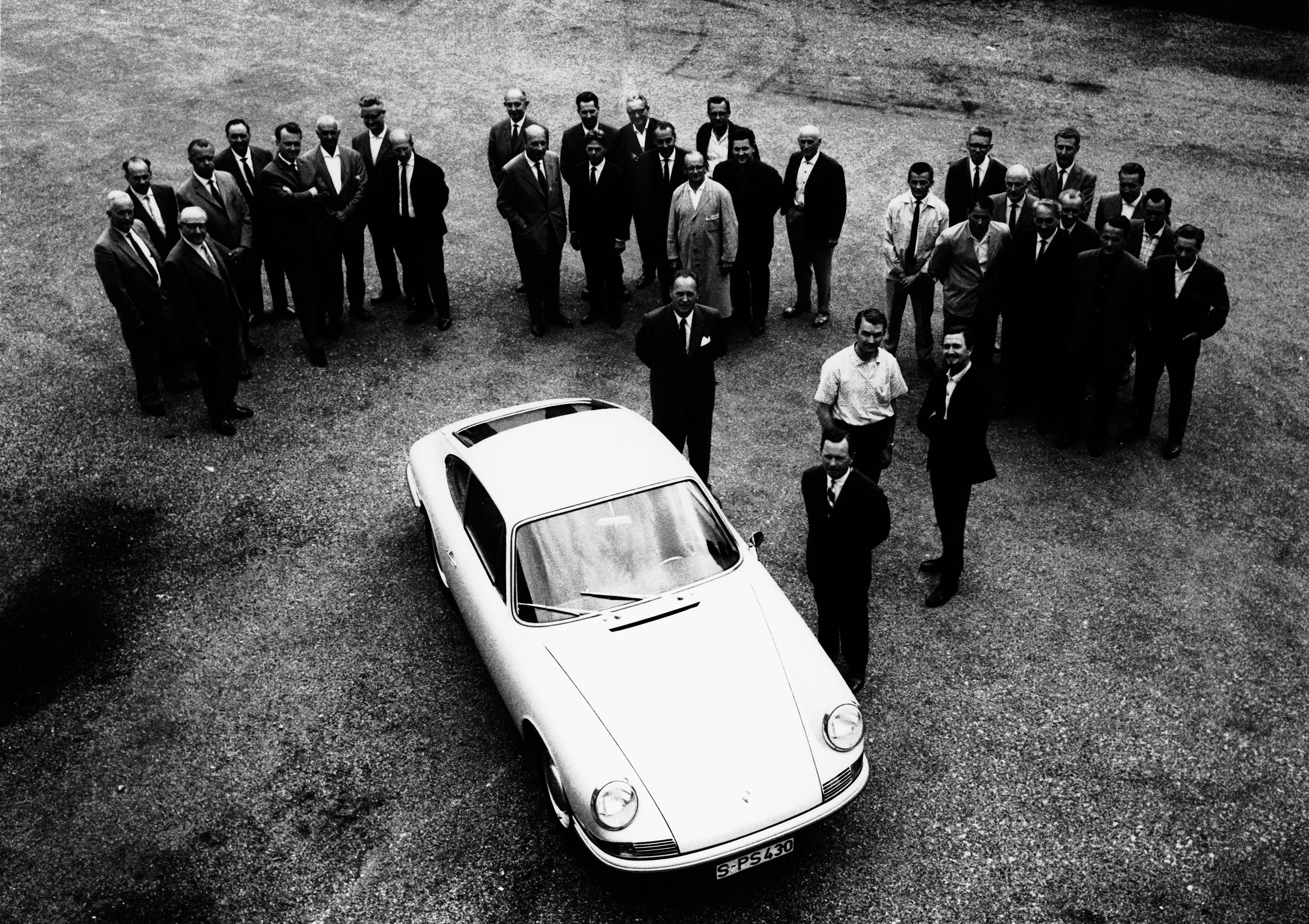
The Porsche 911 and the development team.
|
Porsche
|
911
|
|
|
|
|
Dr. Ing. h.c. F. Porsche AG
|
Image
|
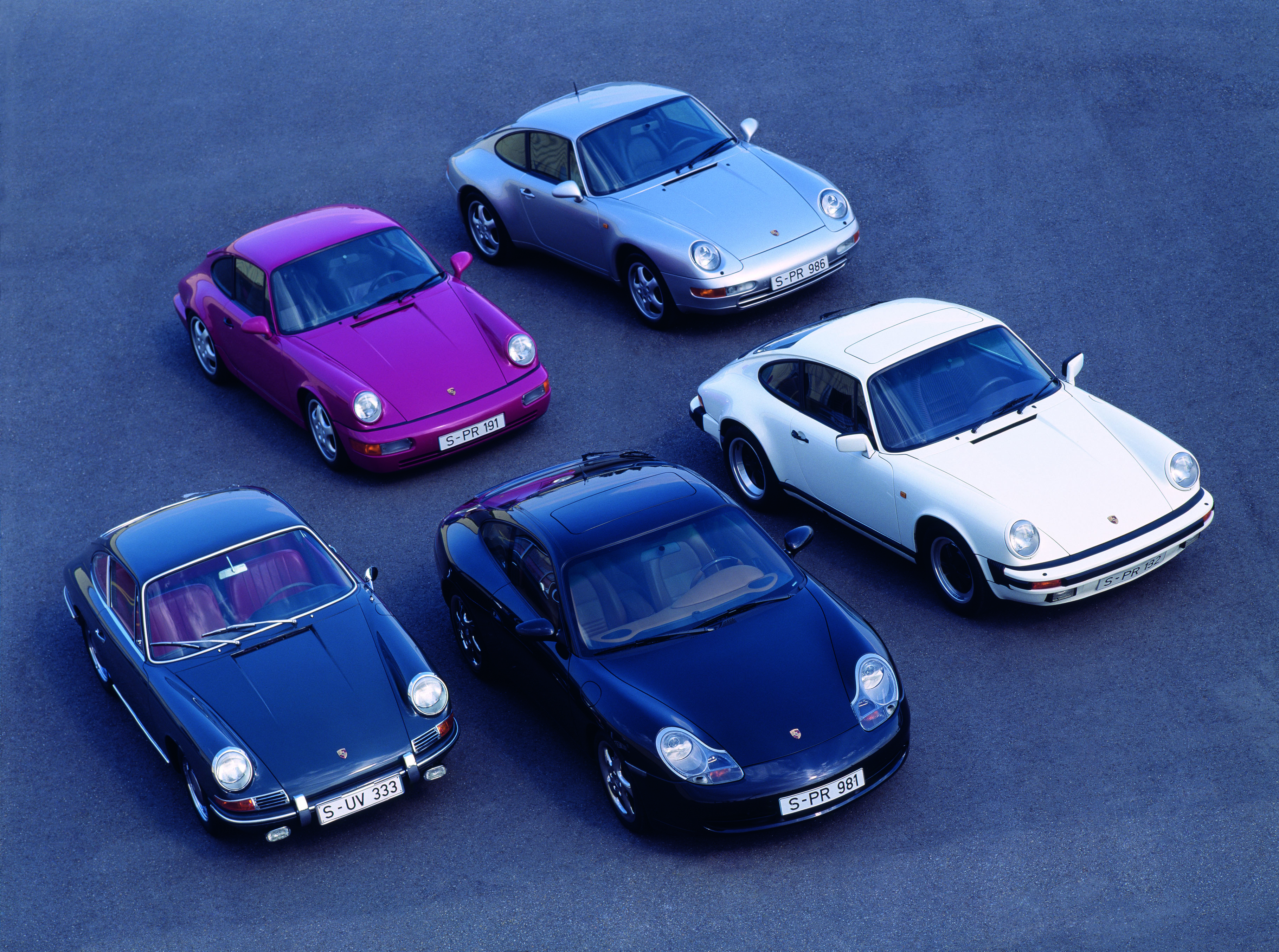
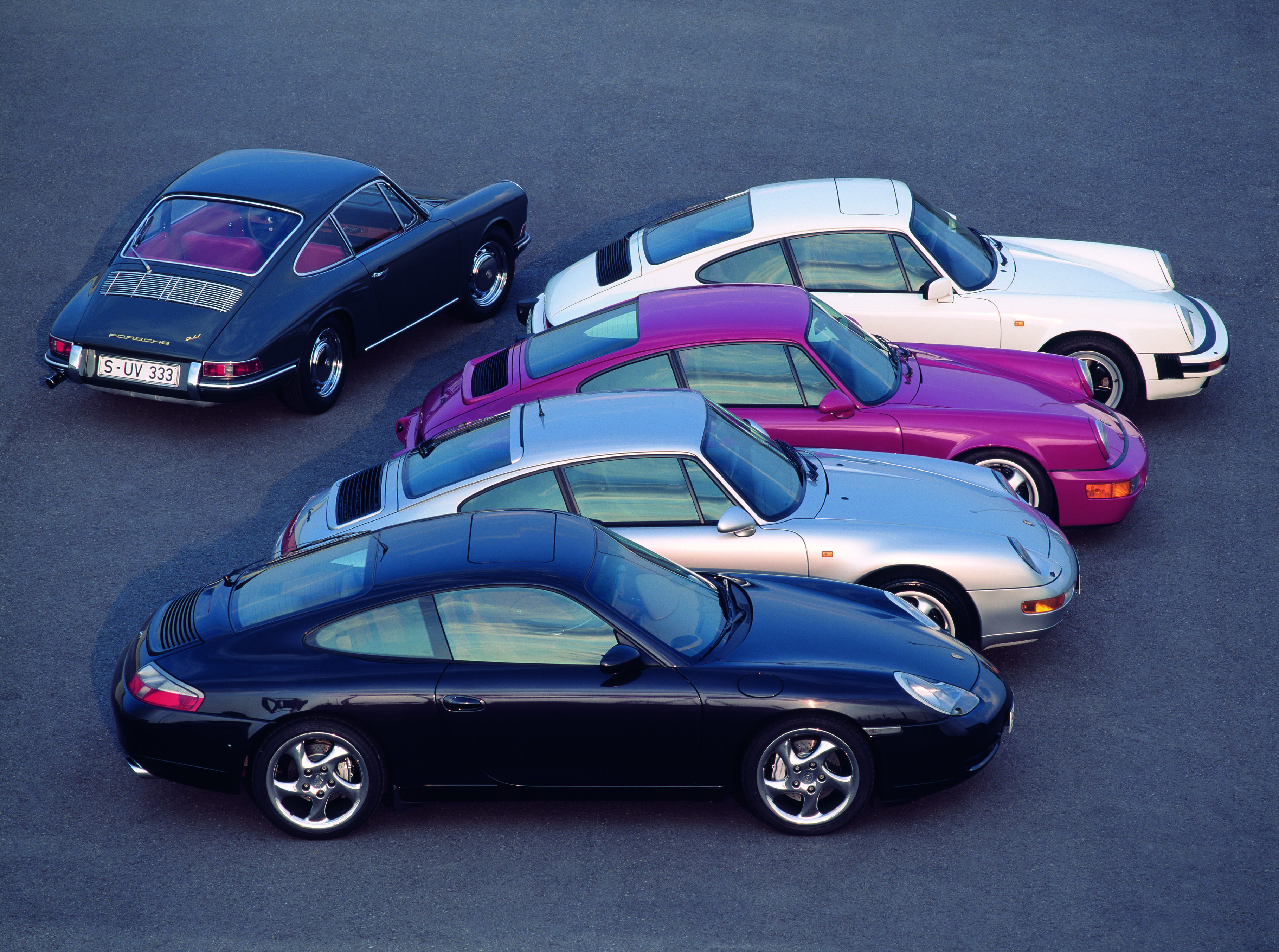
The Porsche 911 from 1963 (standing at an angle) and its âÂÂoffspringâ (from above): âÂÂGâ model, âÂÂ964âÂÂ, âÂÂ993â and the âÂÂ996â (internal designation).
|
Porsche
|
911
|
|
|
|
|
Dr. Ing. h.c. F. Porsche AG
|
Image
|
The Porsche 911 from 1963 (standing at an angle) and its âÂÂoffspringâ (from above): âÂÂGâ model, âÂÂ964âÂÂ, âÂÂ993â and the âÂÂ996â (internal designation).
|
Porsche
|
911
|
|
|
|
|
Dr. Ing. h.c. F. Porsche AG
|
Image
|
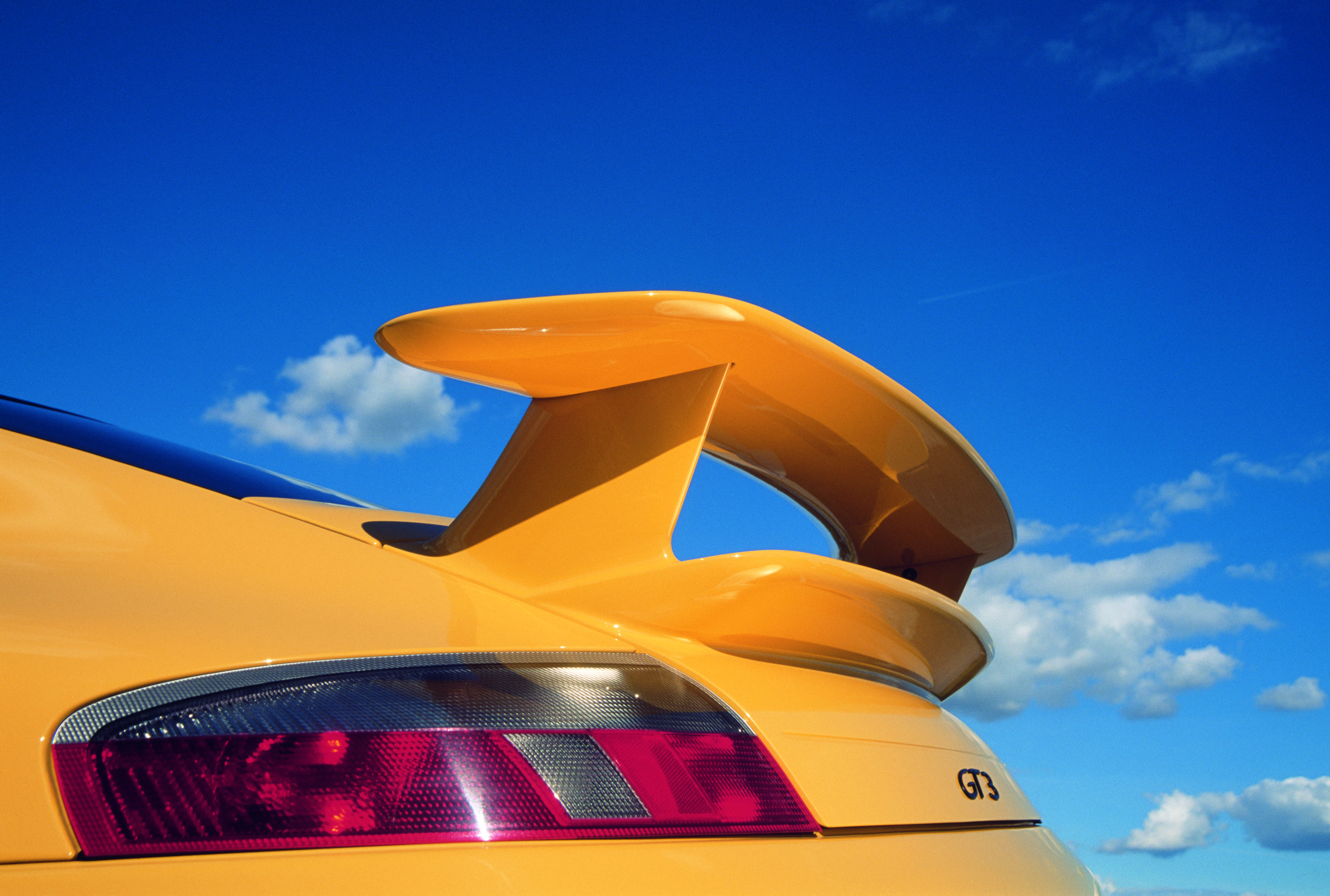
The rear wing has greater aerodynamic efficiency compared with the previous model and generates less lift while at the same time providing reduced drag
|
Porsche
|
911
|
GT3
|
996 II
|
|
|
Dr. Ing. h.c. F. Porsche AG
|
Image
|
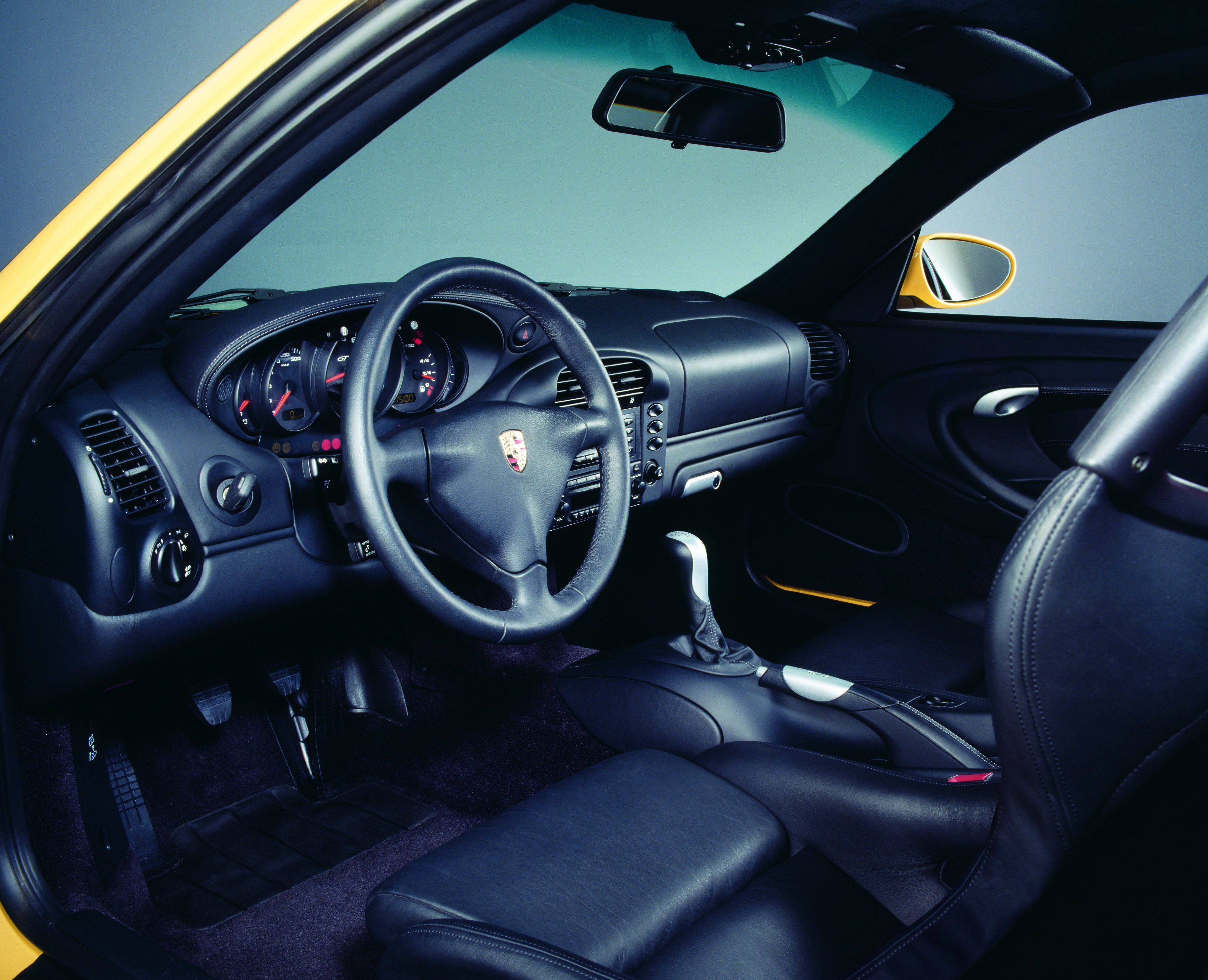
The standard interior colour of the new 911 GT3 is black
|
Porsche
|
911
|
GT3
|
996 II
|