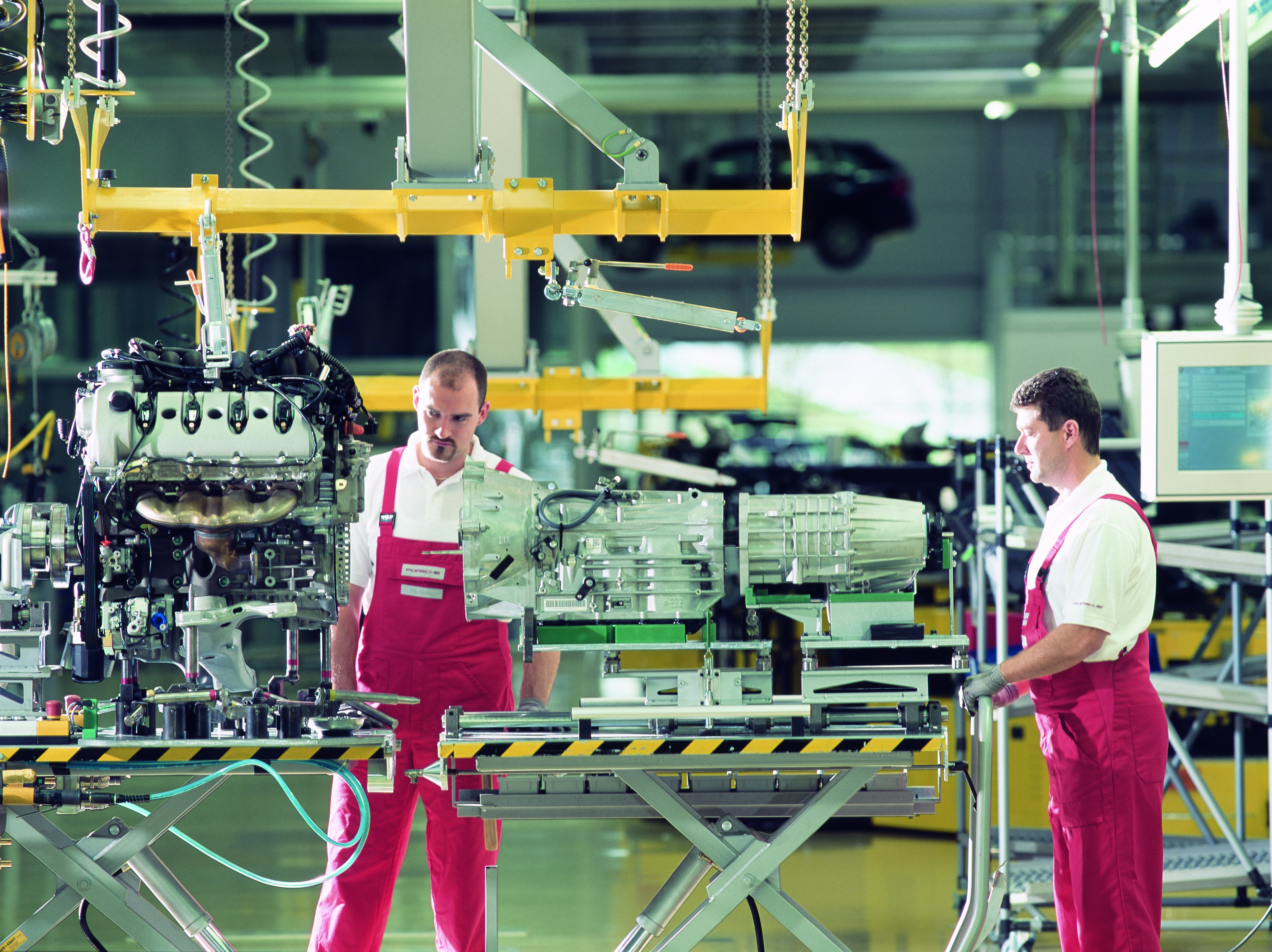
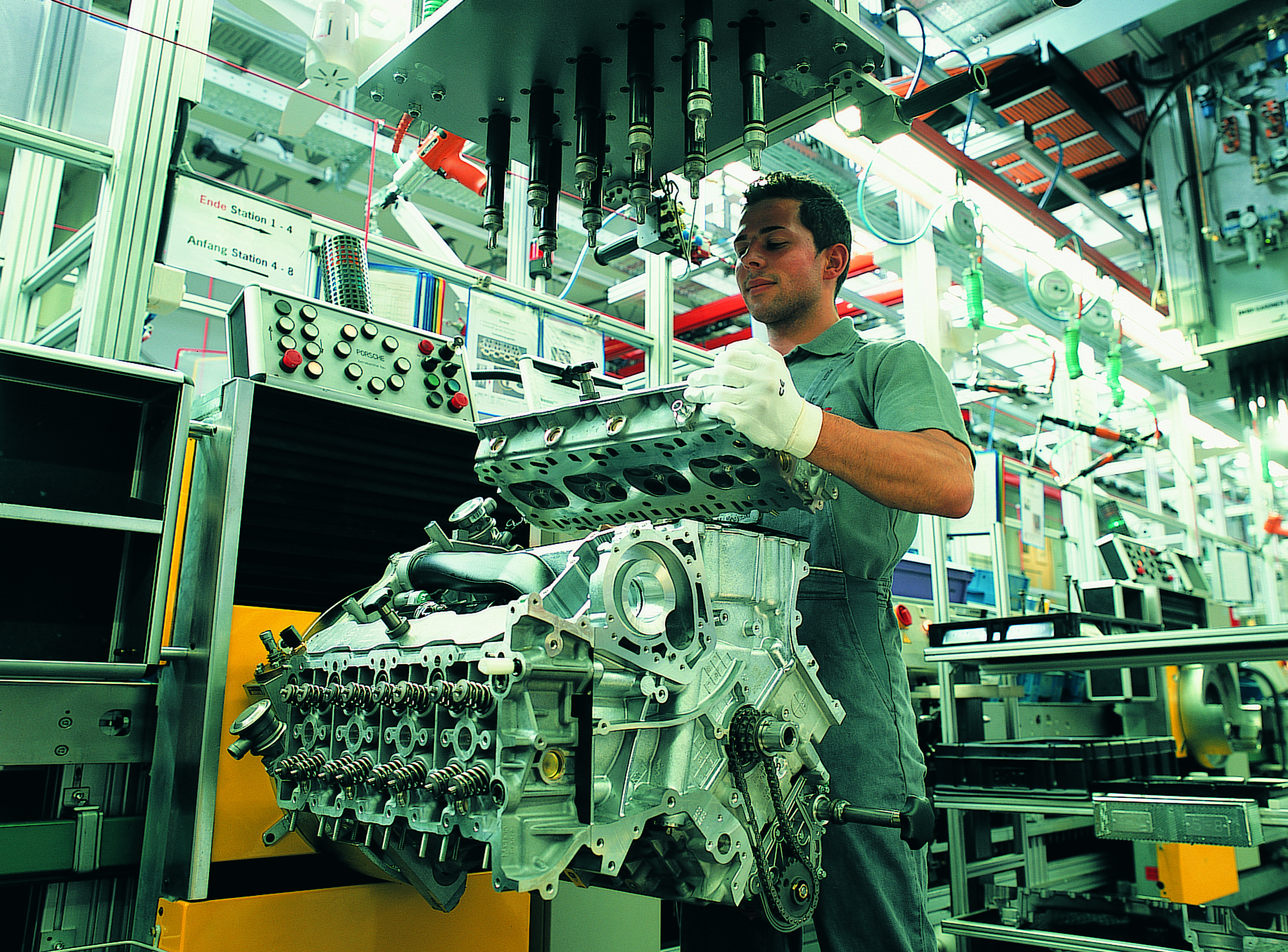
Engine pre-assembly: the Cayenne engine is bolted to the transmission.
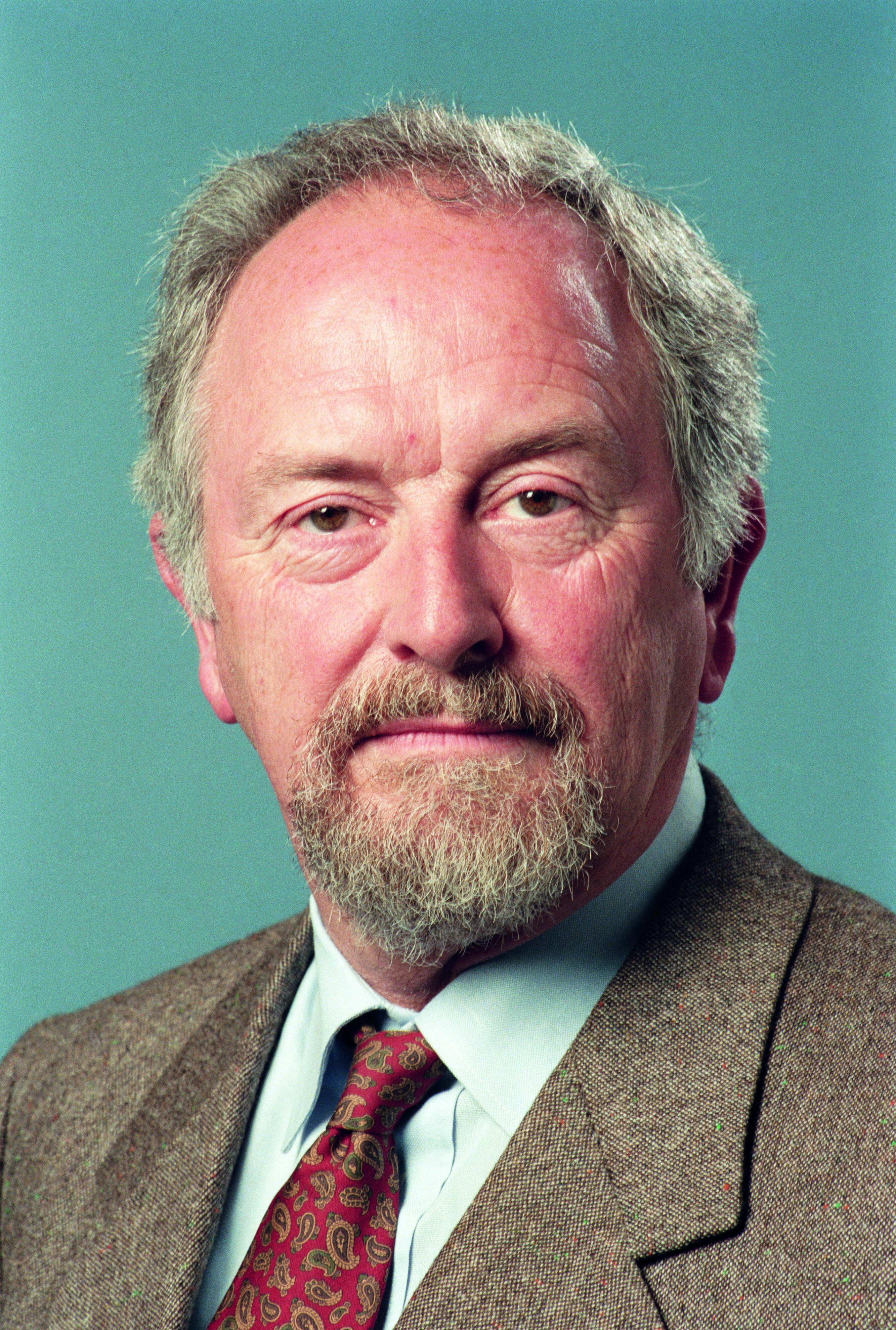
Ferdinand Alexander Porsche
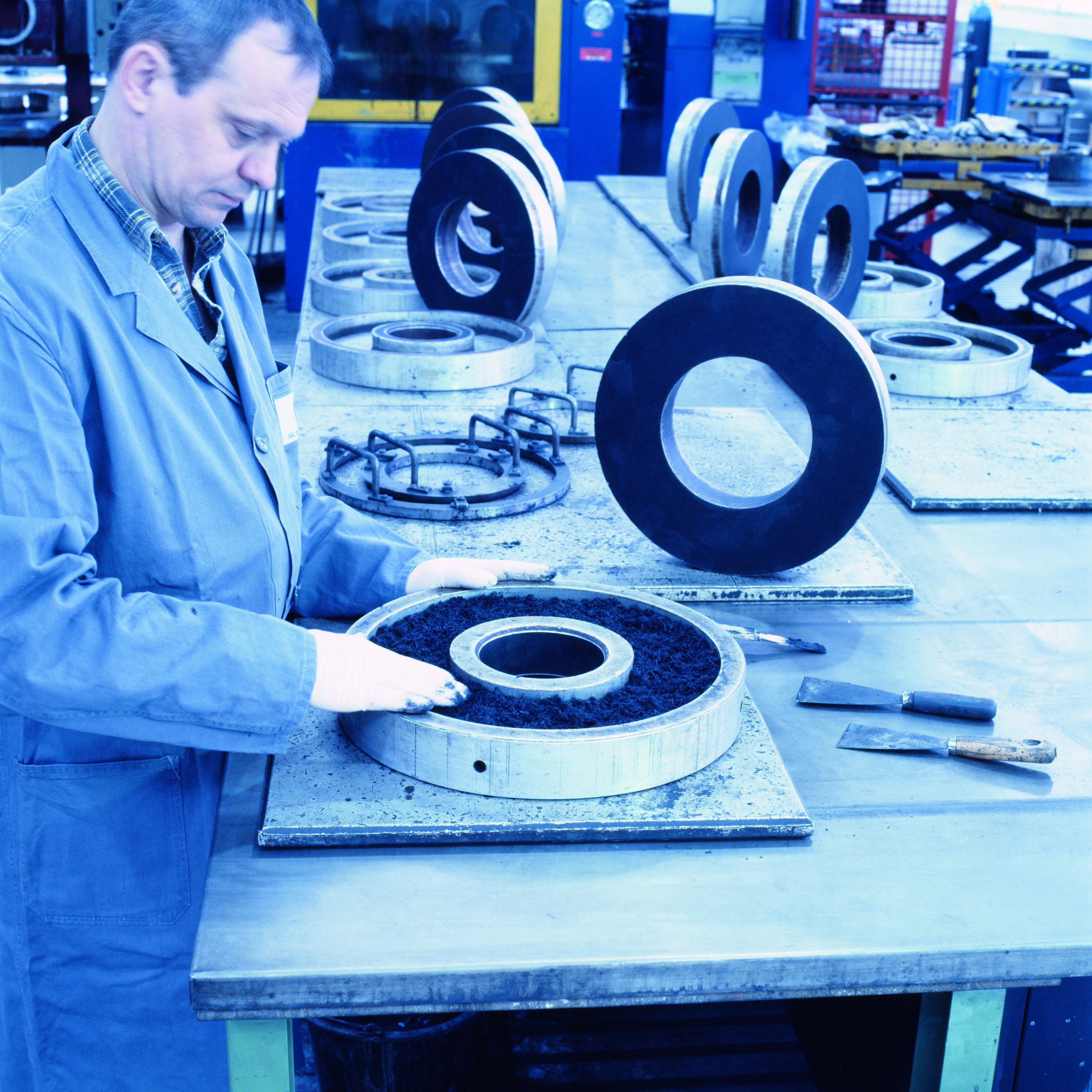
Filling the brake disk mold with the short fiber-resin mix
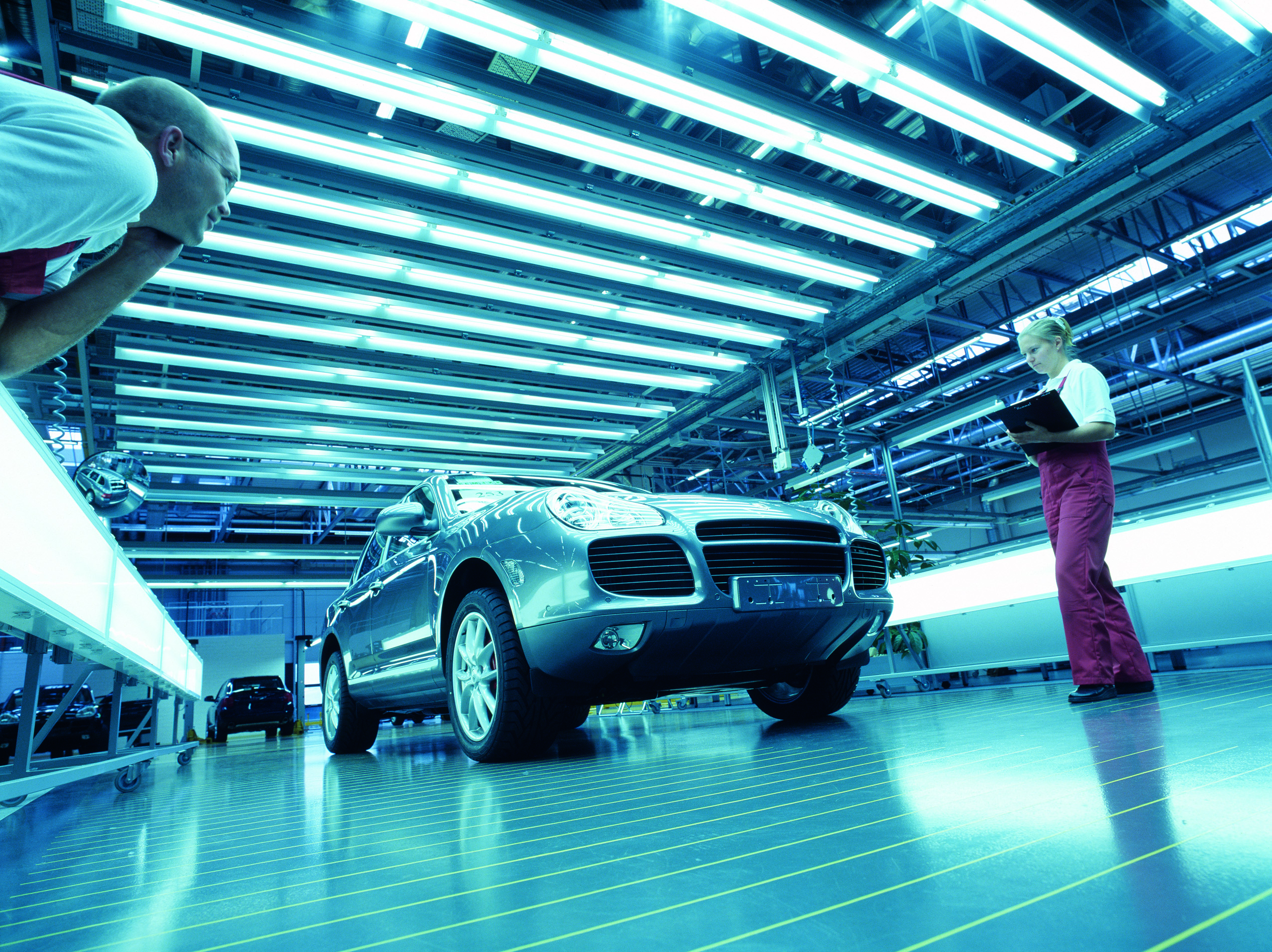
Final step: the body gap dimensions and the functionality of the Cayenne are examined closely in the Audit section.
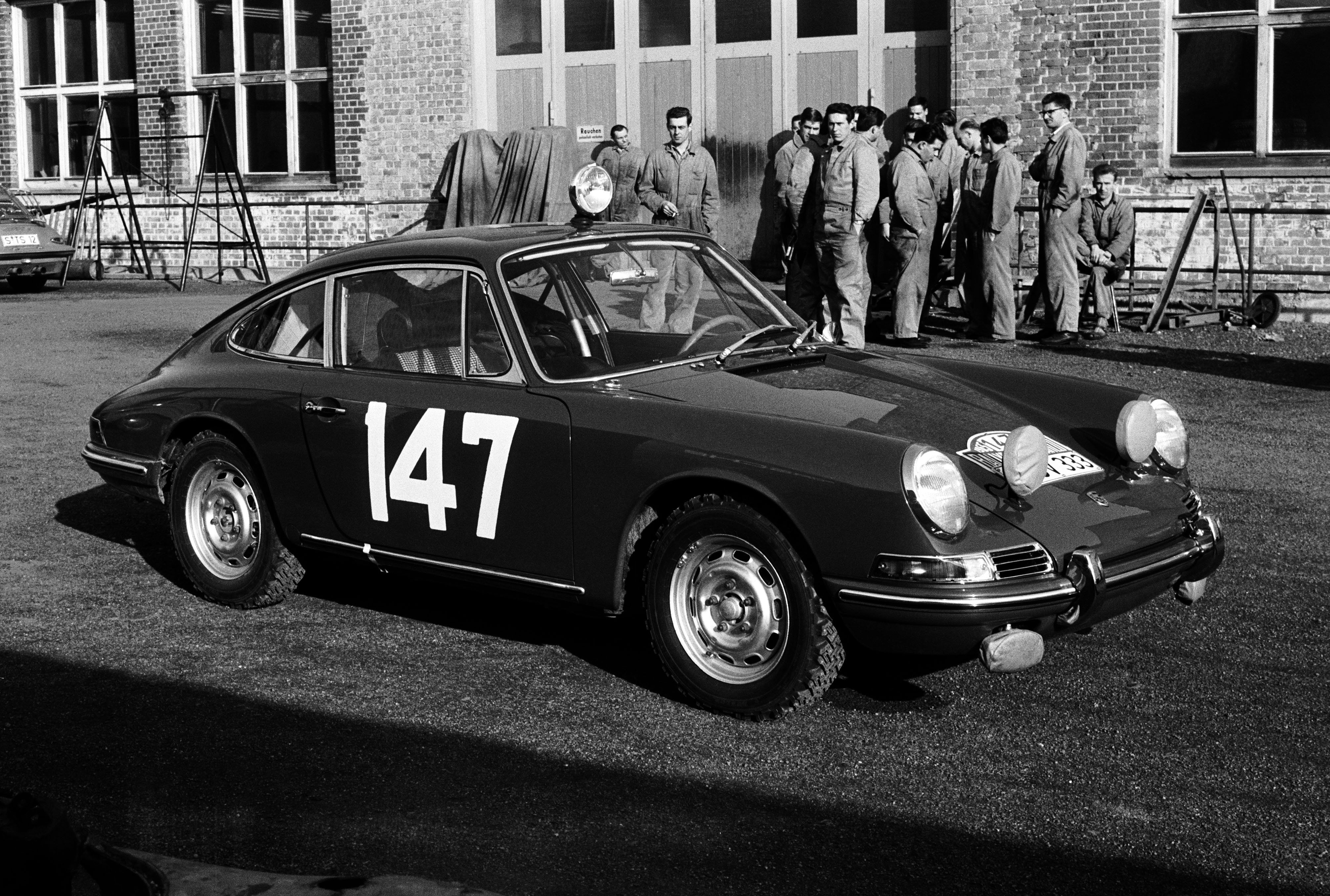
First deployment â first win: With the brand new 911, Herbert Linge/Peter Falk achieved first place in their class in the Monte Carlo Rally 1965 and were fifth in the overall rankings.
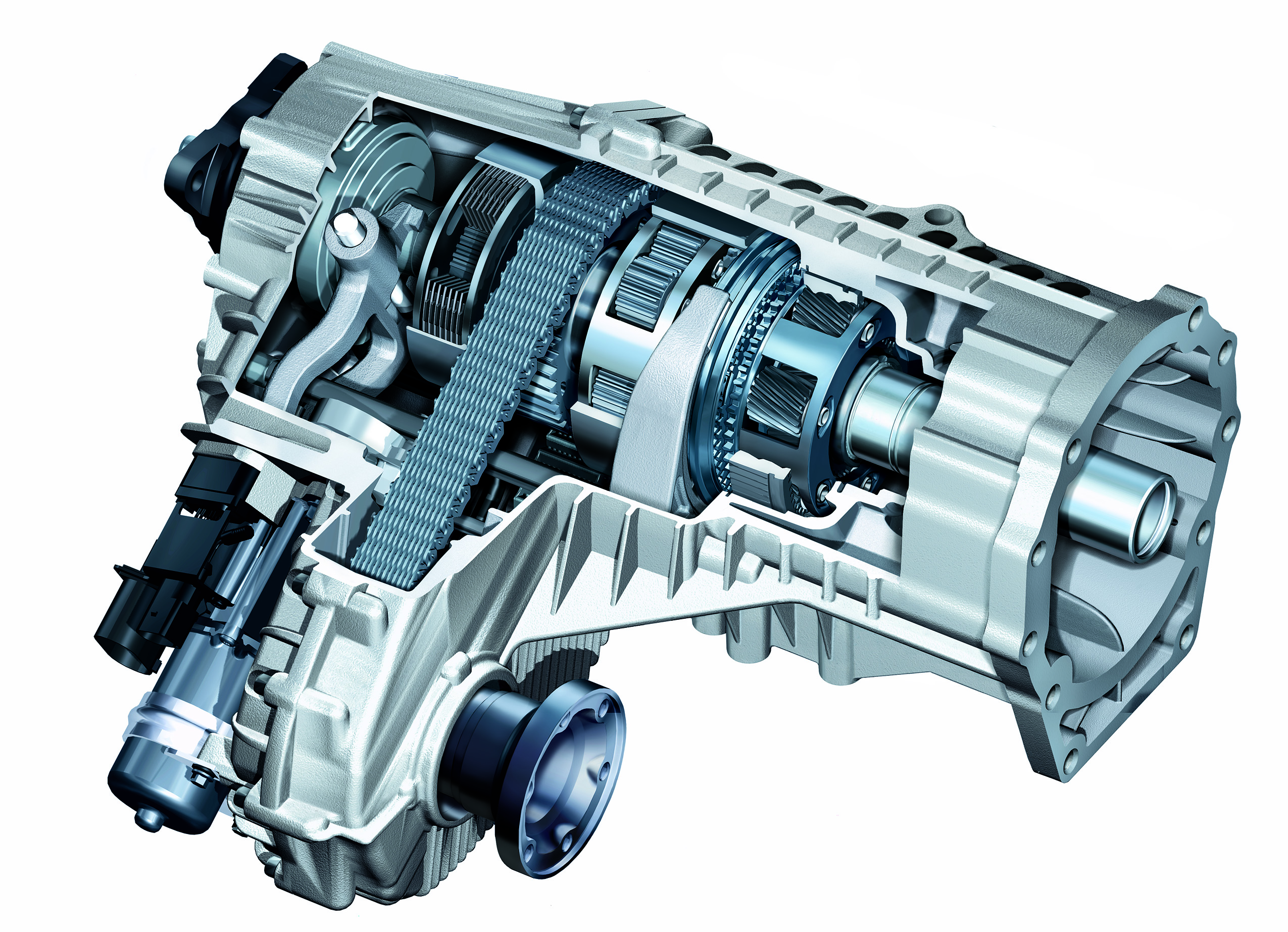
For journeys in difficult terrain, the Cayenne can use the Porsche Traction Management to call upon a low range in the transfer box and a 100% longitudinal lock.
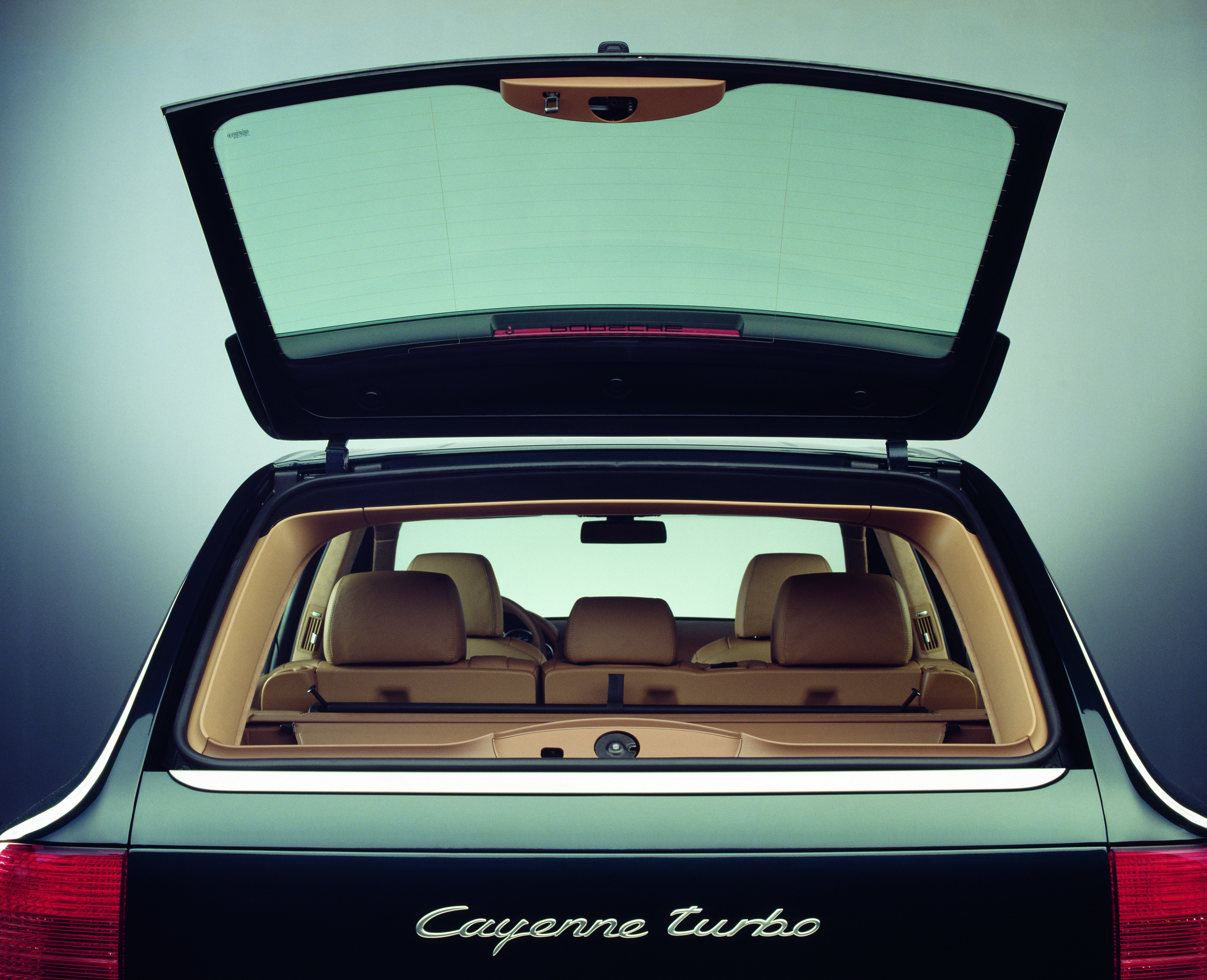
For loading relatively small objects, the rear window, which can be folded upwards, offers a further access to the luggage compartment.
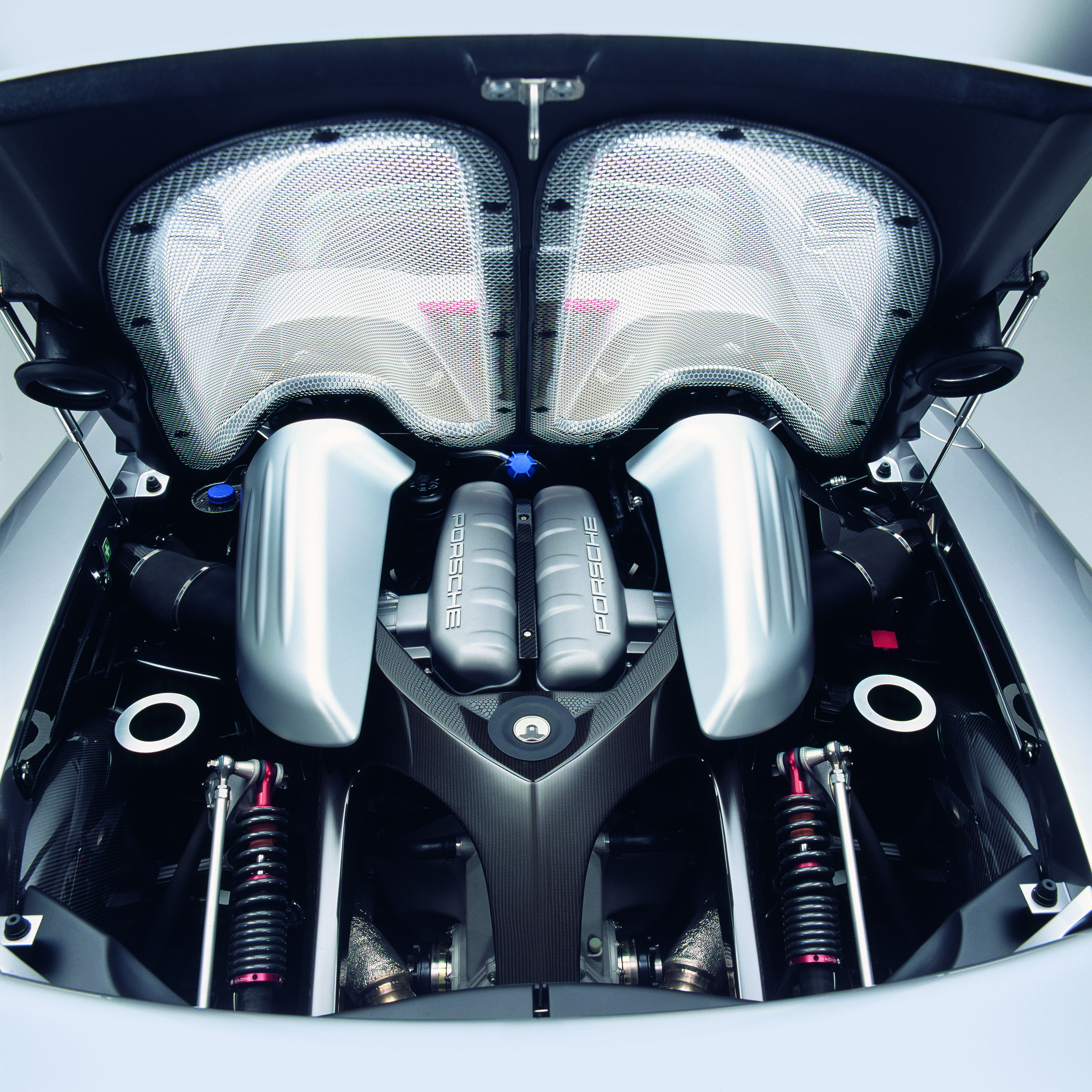
For the first time ever, the unit carrier is made of a carbon-fibre composite material
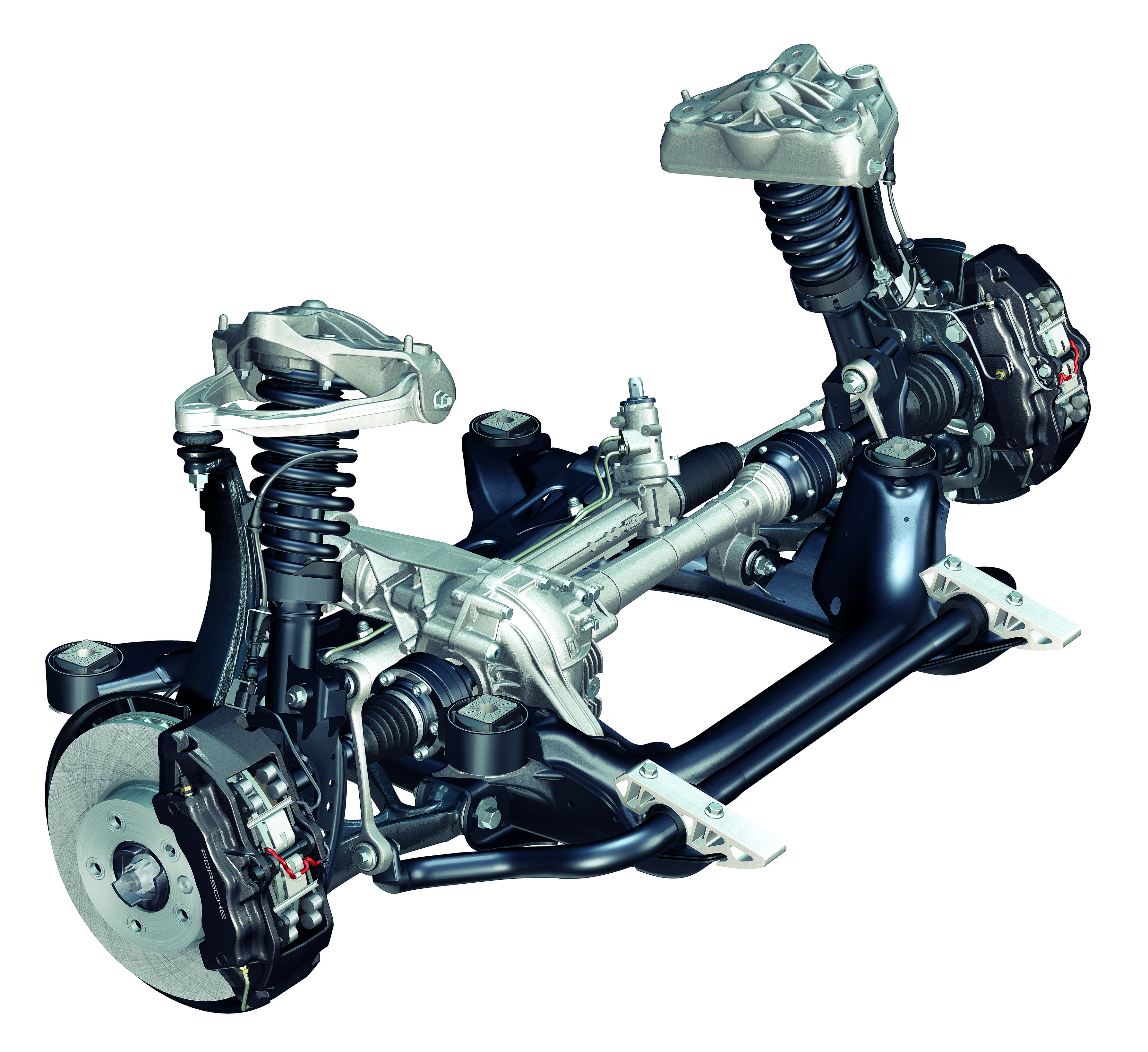
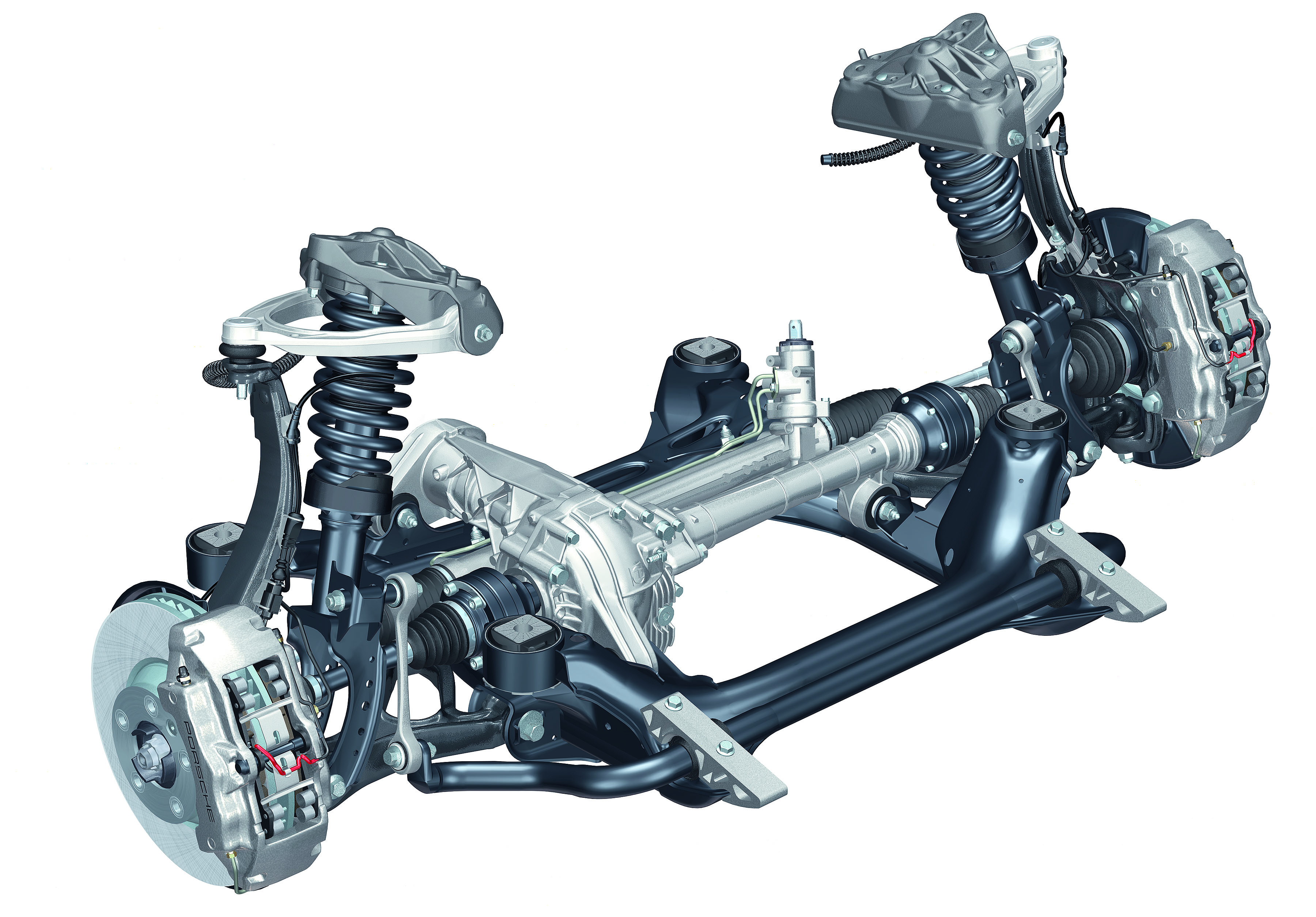
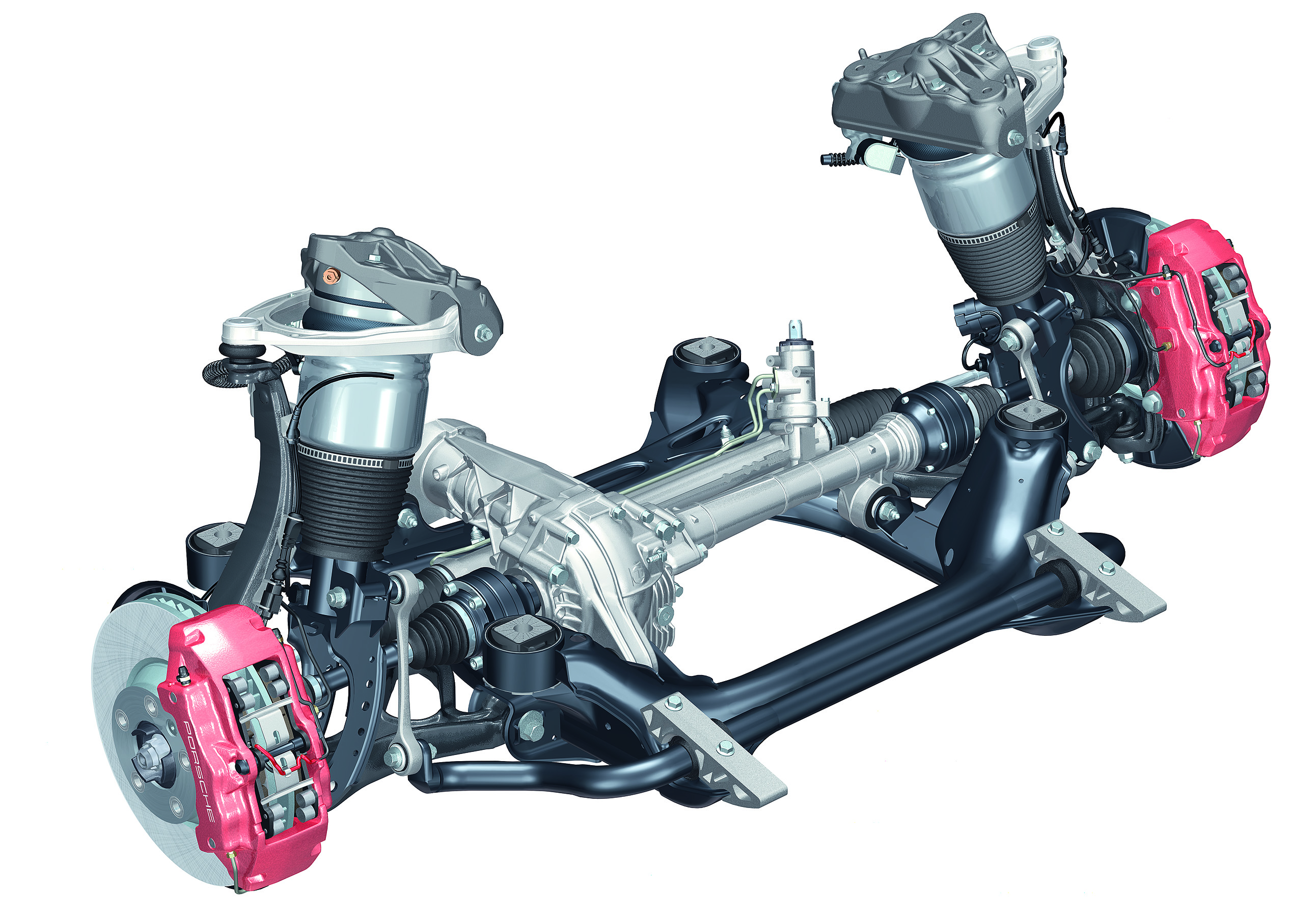
Front axle: large-format double-wishbone suspension with subframe assembly
Front axle of the Cayenne S
Front axle of the Cayenne Turbo with an 18" brake system featuring internally ventilated 350 millimetre brake discs and red six-piston aluminium monobloc fixed calipers.
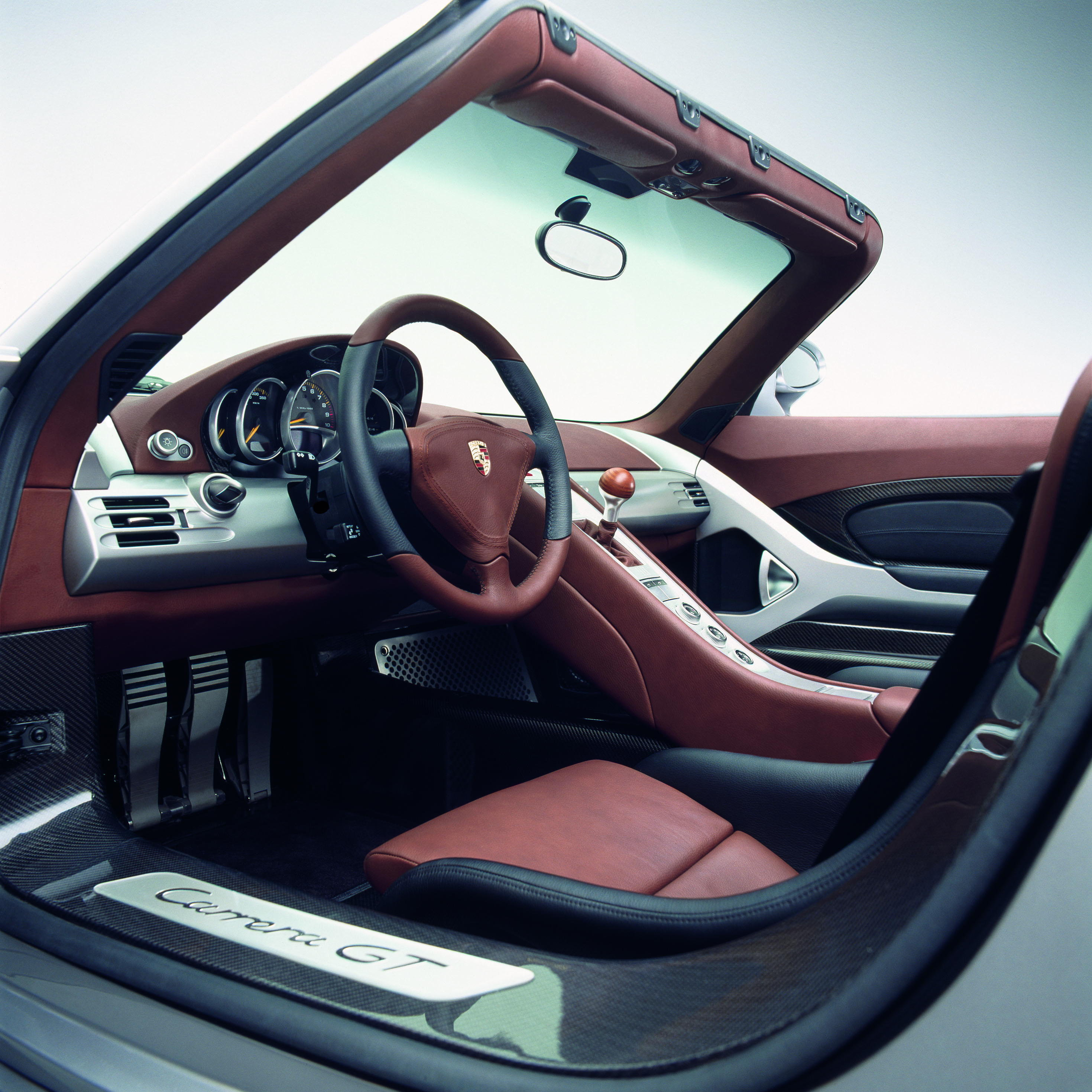
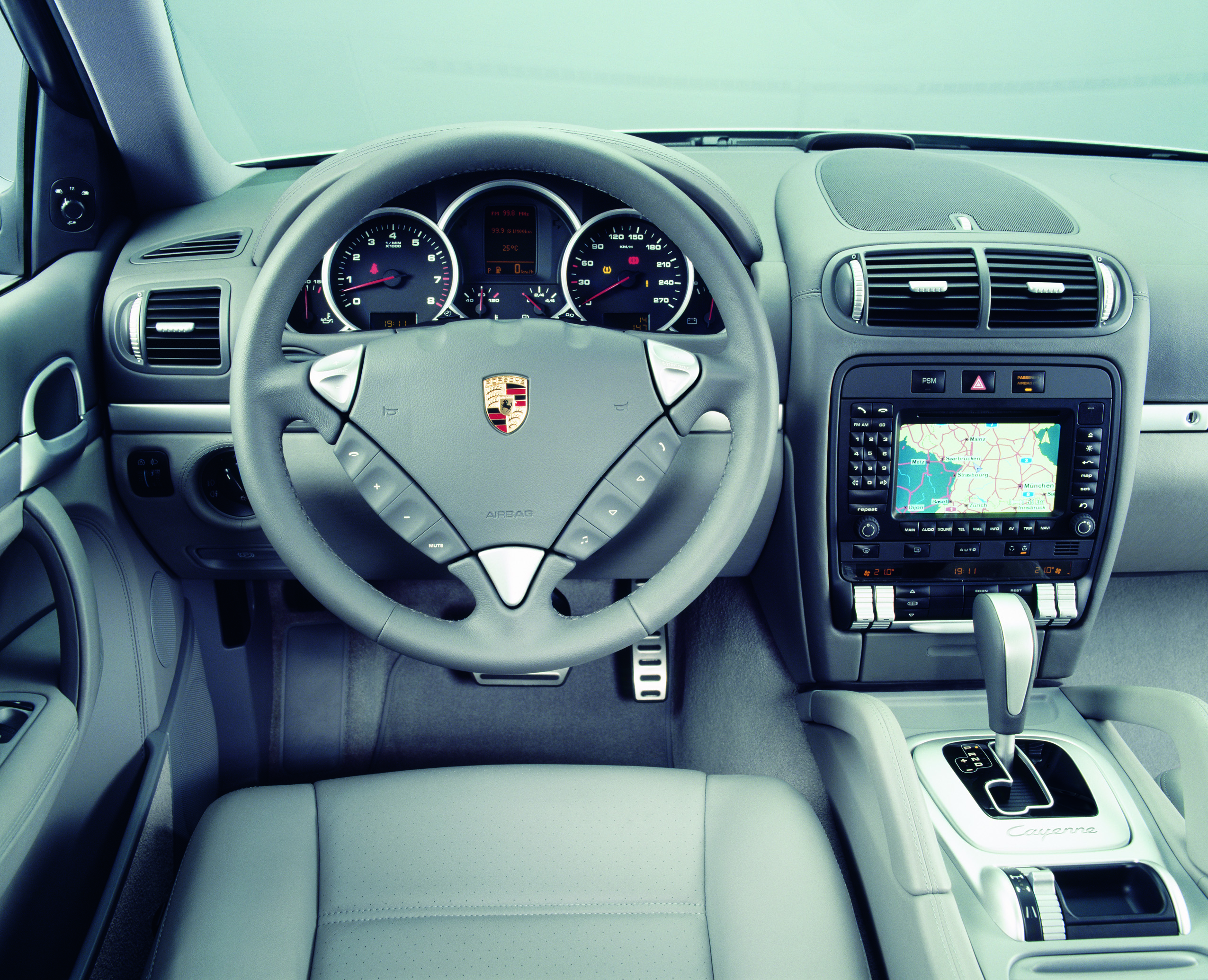
Functional atmosphere: leather, carbon and magnesium are the dominant elements in the passenger compartment
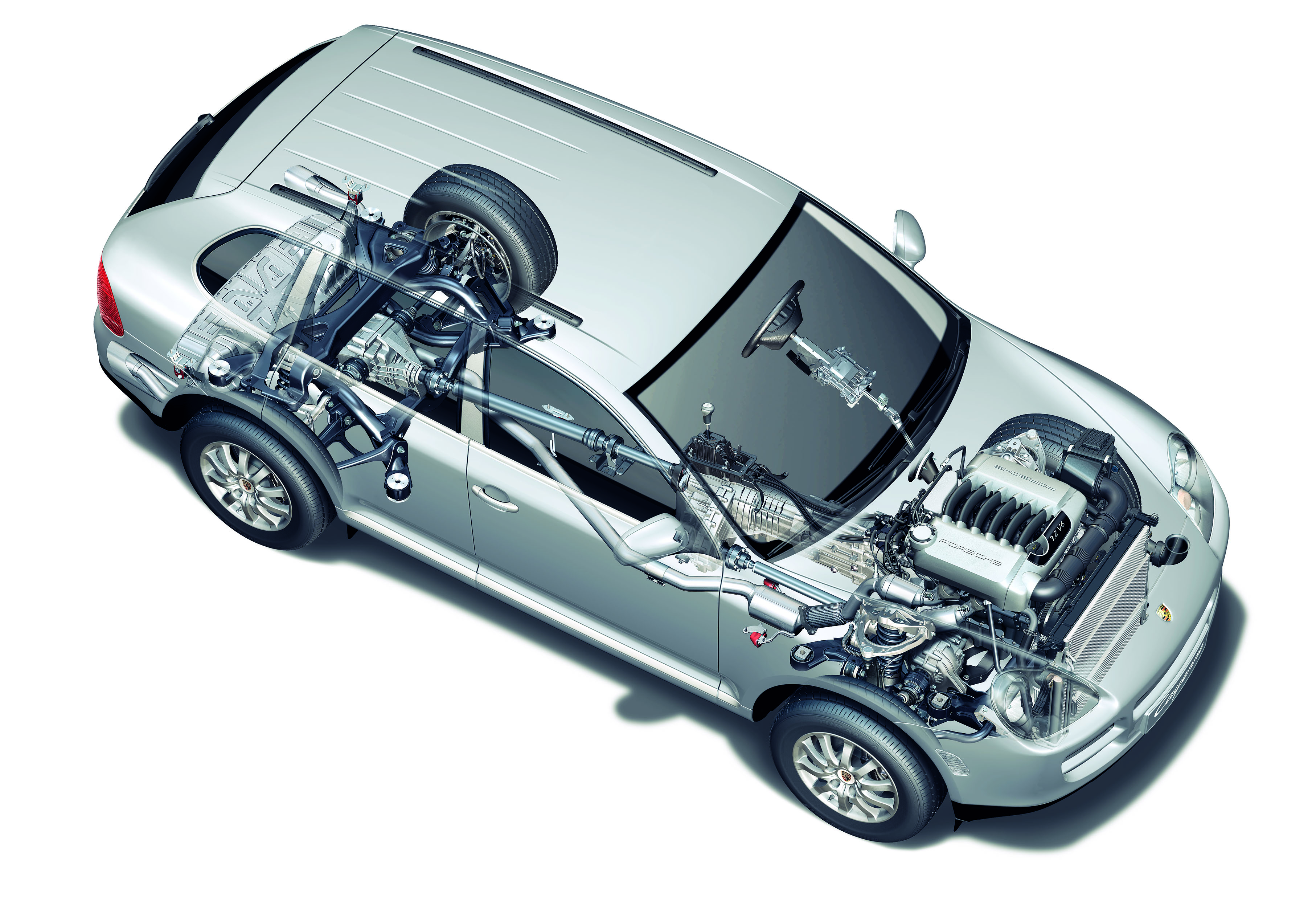
Ghost view of drive and running gear
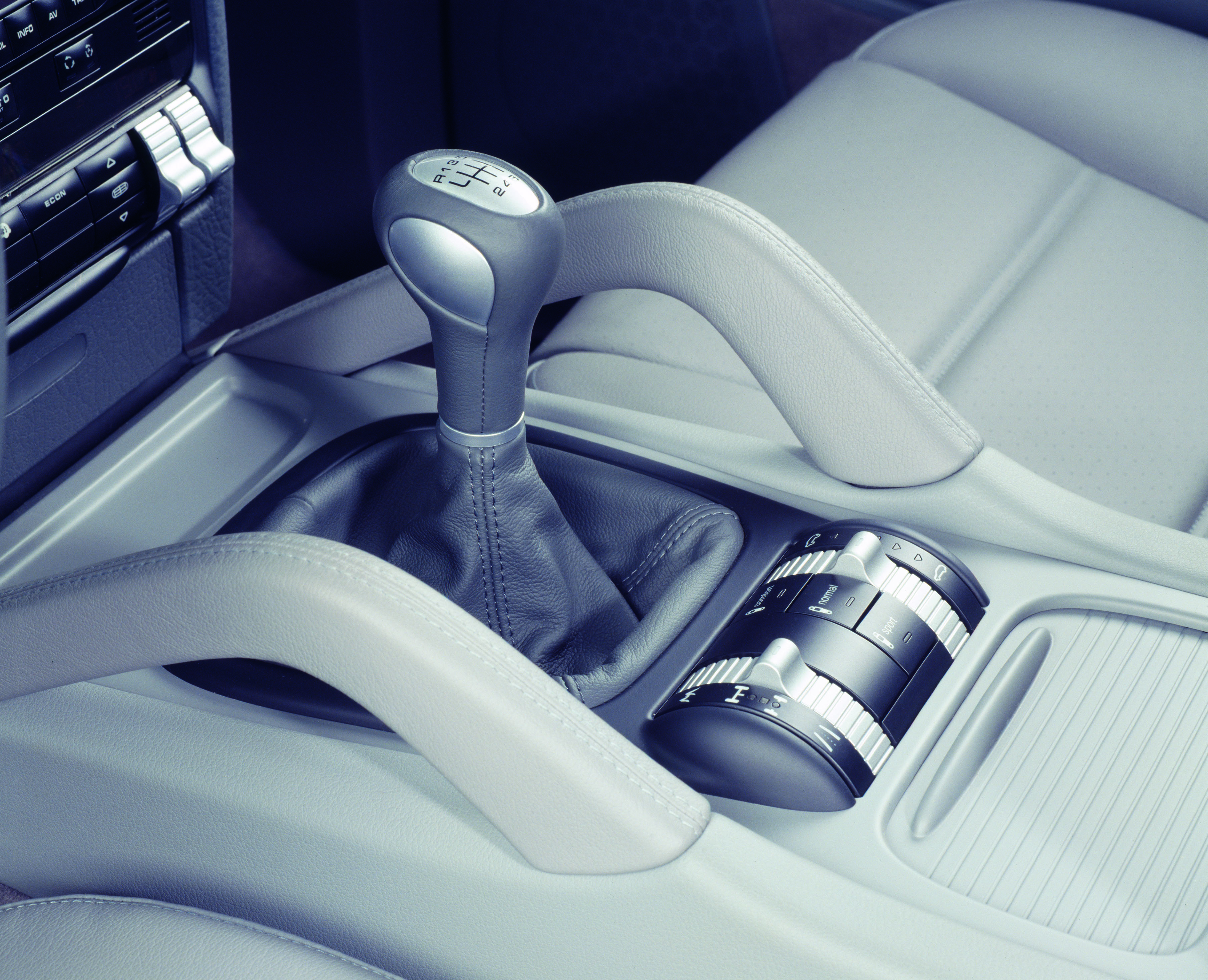
Grab handles on the centre console and the gear lever are covered in leather
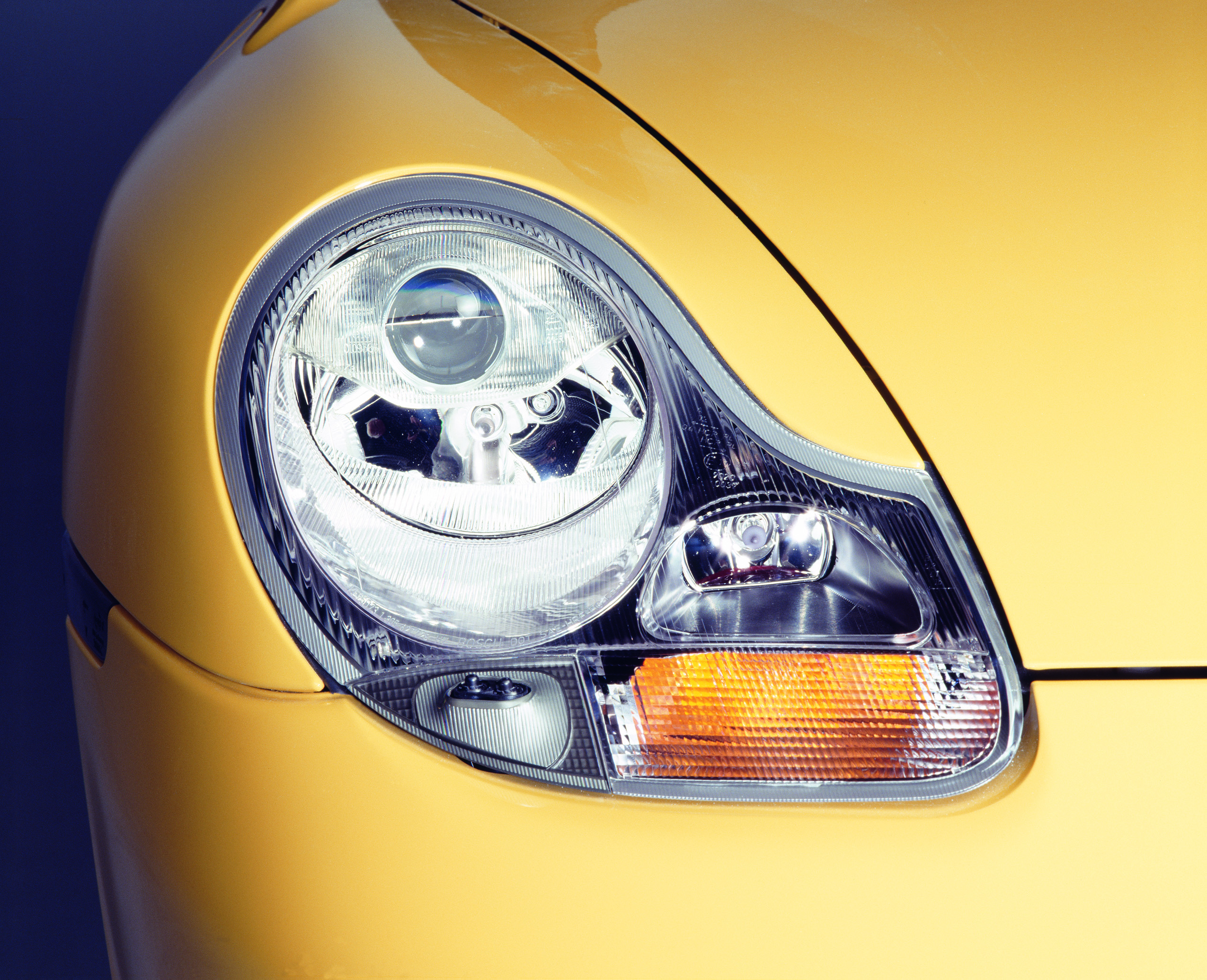
Headlight
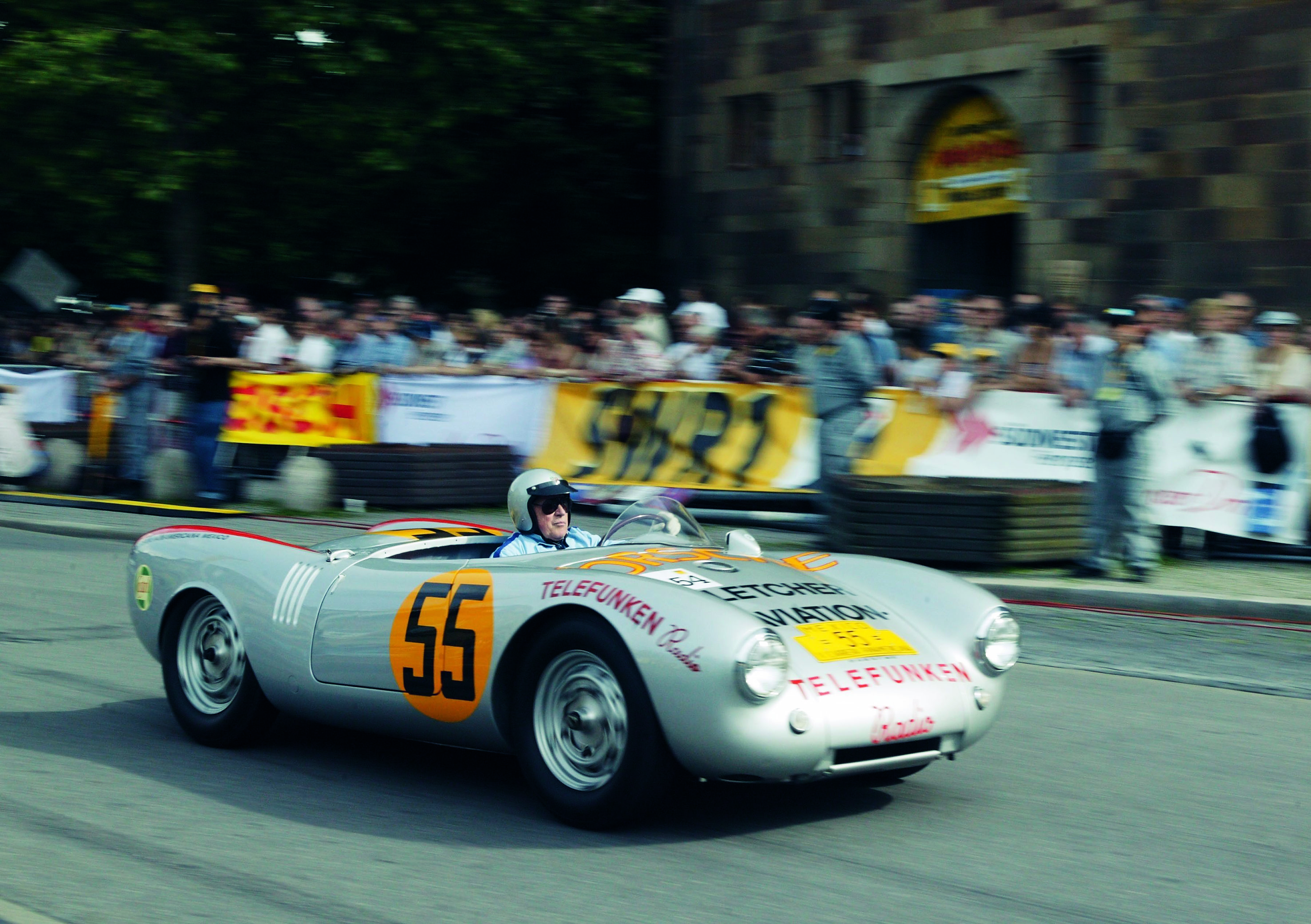
Herbert Linge in 2003
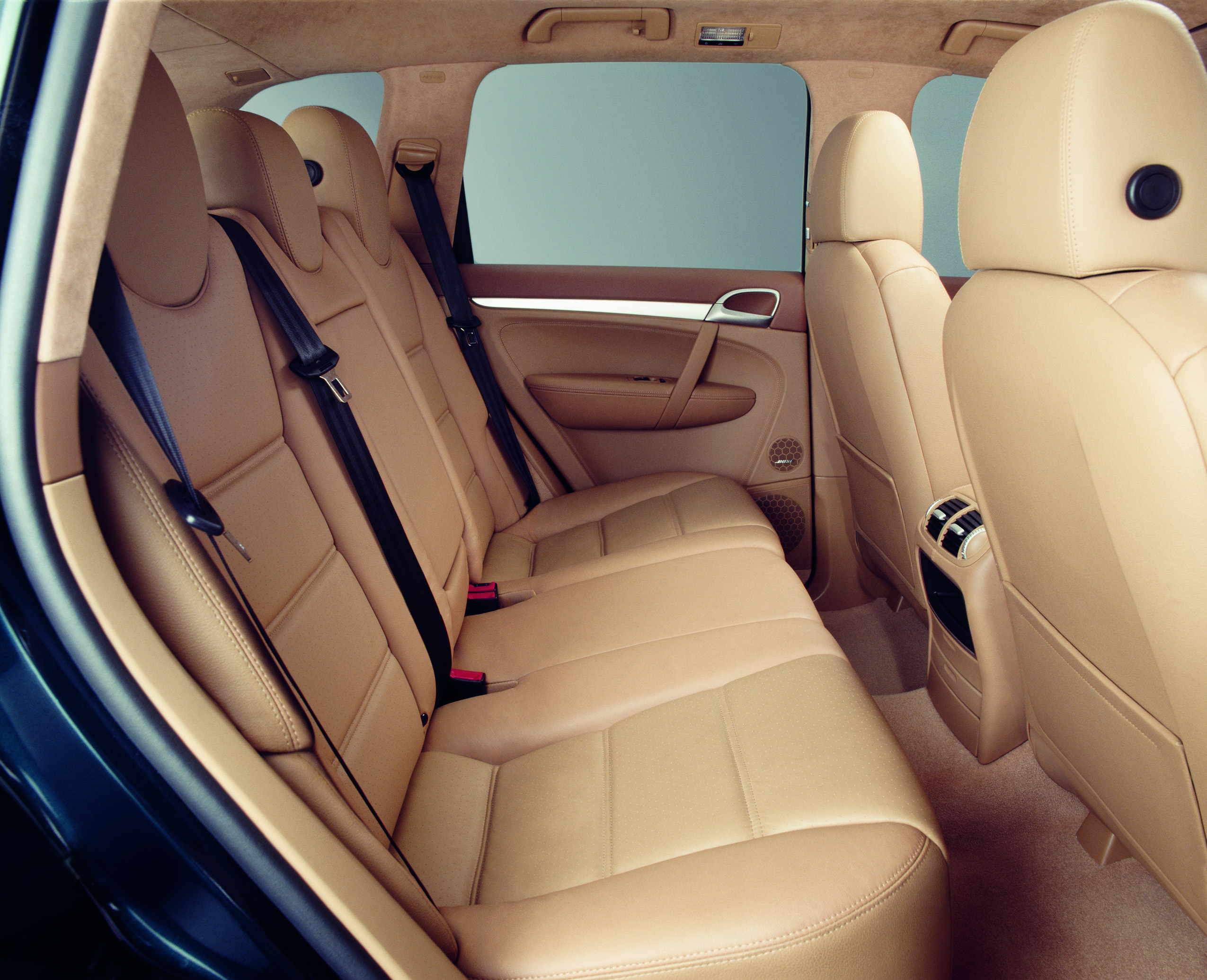
In the Cayenne Turbo, the rear seats can be heated as standard.
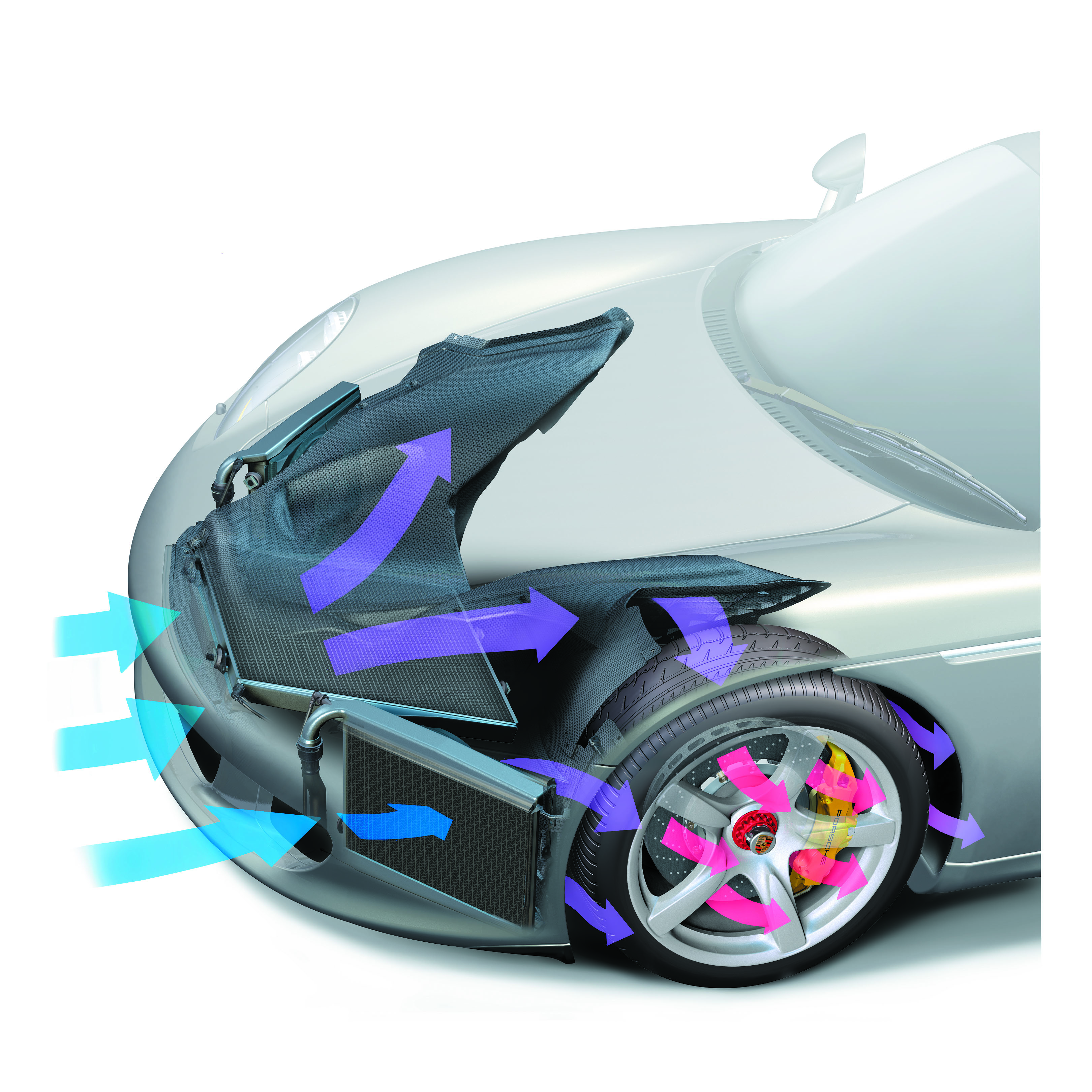
Incorporating special air guidance ducts at the front,air flowing in from the front presses the wheels safely on to the road.
Installation of the cylinder head in the Cayenne engine