|
Dr. Ing. h.c. F. Porsche AG
|
Image
|
|
Porsche
|
911
|
|
|
|
|
Dr. Ing. h.c. F. Porsche AG
|
Image
|
|
Porsche
|
911
|
|
|
|
|
Dr. Ing. h.c. F. Porsche AG
|
Image
|
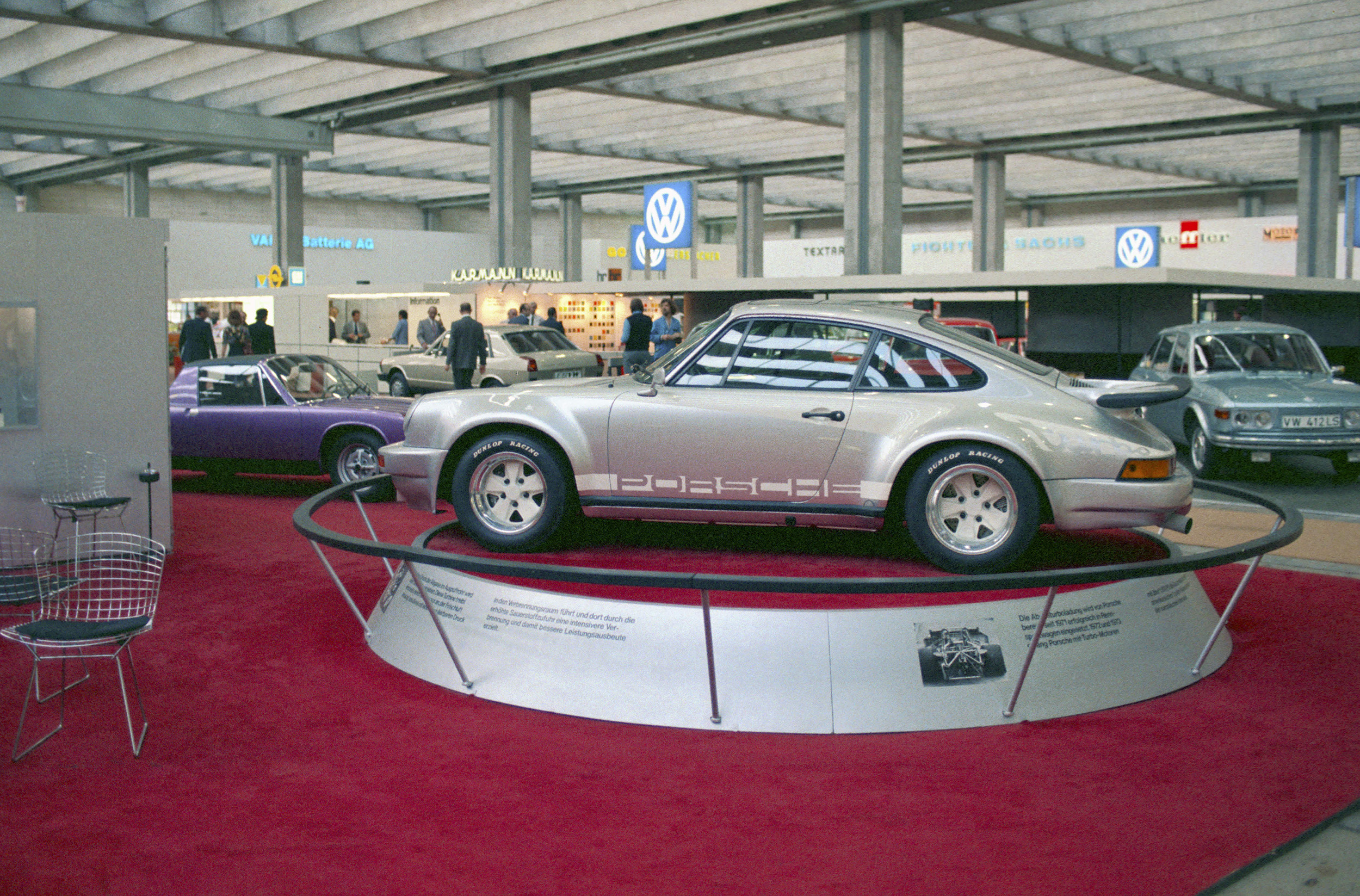
1973: Turbocharging With the 911 Turbo, which was ready for series production in 1974, Porsche was the first car manufacturer to successfully adapt the turbocharger to the various driving states. Instead of the conventional intake-side control, the company developed exhaust-side charge pressure control. This prevented unwanted excess pressure during partial load or overrun by guiding excess exhaust gases via a bypass instead of through the exhaust gas turbine. (...)
|
Porsche
|
911
|
Turbo
|
|
|
|
Dr. Ing. h.c. F. Porsche AG
|
Image
|
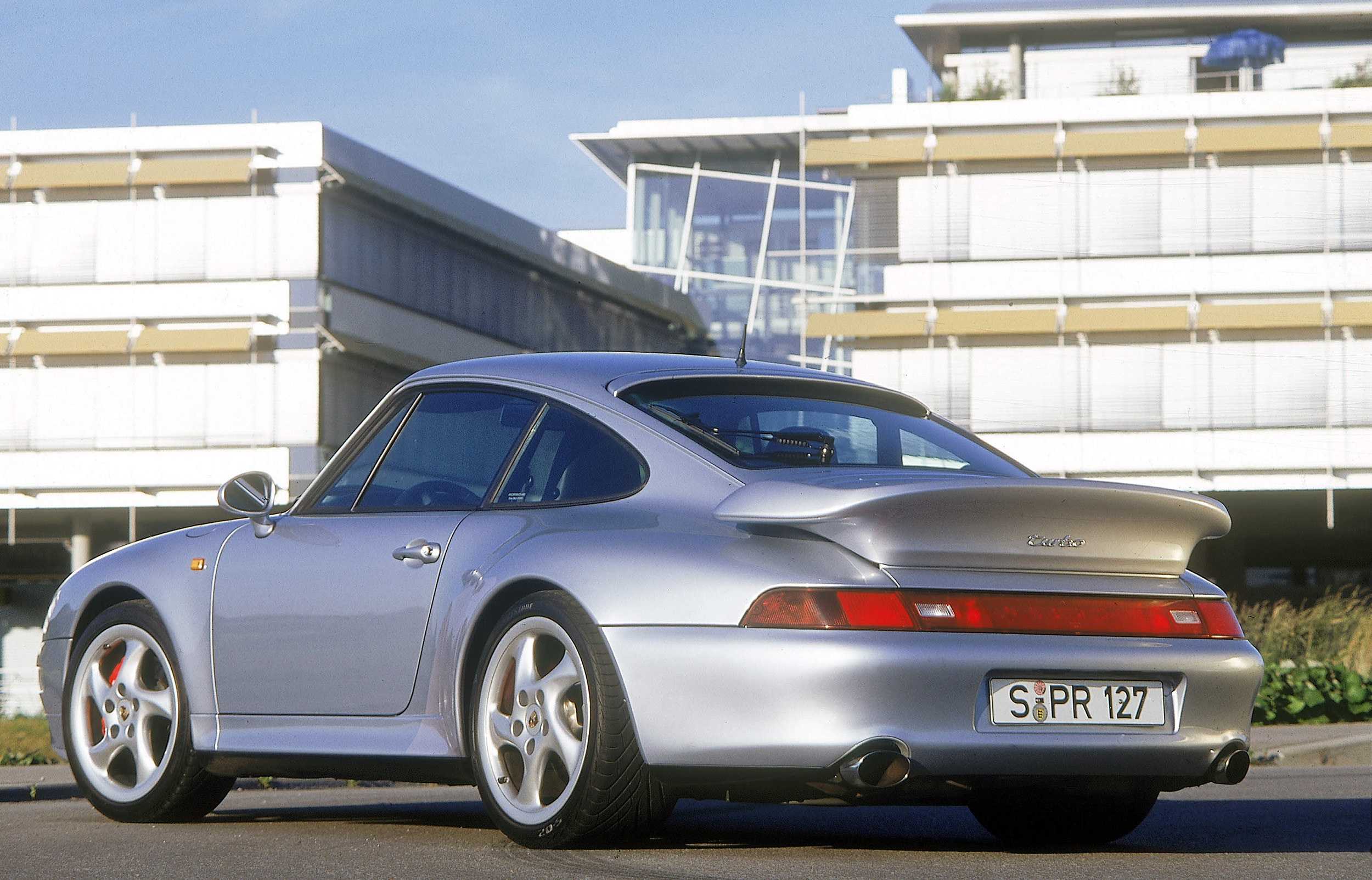
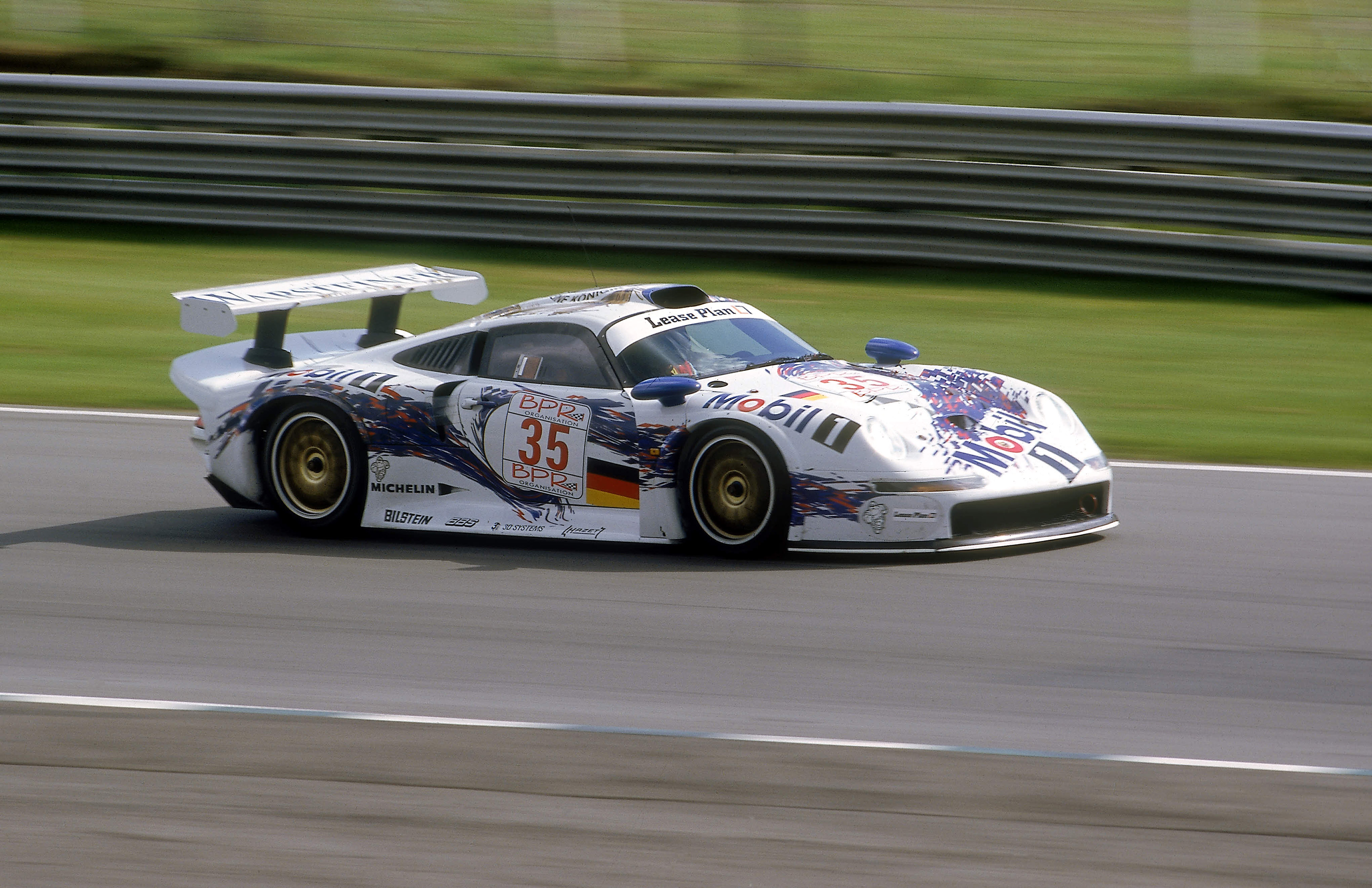
1995: OBD II emissions control system Another technical highlight of the six-cylinder car was the new OBD (on-board diagnostics) II emissions monitoring system, which was used for the first time by a series production manufacturer. It facilitated early detection of faults or defects in the exhaust and fuel system. The extensive measures for reducing emissions were very effective on the 911 Turbo. To the great surprise of the experts, the turbo engine turned out to be the lowest emission series production engine in the world.(...)
|
Porsche
|
911
|
Turbo
|
|
|
|
Dr. Ing. h.c. F. Porsche AG
|
Image
|
|
Porsche
|
|
|
|
|
|
Dr. Ing. h.c. F. Porsche AG
|
Image
|
|
Porsche
|
|
|
|
|
|
Dr. Ing. h.c. F. Porsche AG
|
Image
|
|
Porsche
|
911
|
|
|
|
|
Dr. Ing. h.c. F. Porsche AG
|
Image
|
Panamera S E-Hybrid
|
Porsche
|
Panamera
|
S E-Hybrid
|
G1 II
|
|
|
Dr. Ing. h.c. F. Porsche AG
|
Image
|
Panamera S E-Hybrid
|
Porsche
|
Panamera
|
S E-Hybrid
|
G1 II
|
|
|
Dr. Ing. h.c. F. Porsche AG
|
Image
|
Panamera S E-Hybrid
|
Porsche
|
Panamera
|
S E-Hybrid
|
G1 II
|
|
|
Dr. Ing. h.c. F. Porsche AG
|
Image
|
Panamera S E-Hybrid
|
Porsche
|
Panamera
|
S E-Hybrid
|
G1 II
|
|
|
Dr. Ing. h.c. F. Porsche AG
|
Image
|
Panamera Turbo Executive
|
Porsche
|
Panamera
|
Turbo
|
G1 II
|
|
|
Dr. Ing. h.c. F. Porsche AG
|
Image
|
Panamera Turbo Executive
|
Porsche
|
Panamera
|
Turbo
|
G1 II
|
|
|
Dr. Ing. h.c. F. Porsche AG
|
Image
|
Panamera Turbo Executive
|
Porsche
|
Panamera
|
Turbo
|
G1 II
|
|
|
Dr. Ing. h.c. F. Porsche AG
|
Image
|
Panamera Turbo Executive
|
Porsche
|
Panamera
|
Turbo
|
G1 II
|
|
|
Dr. Ing. h.c. F. Porsche AG
|
Image
|
Panamera 4S
|
Porsche
|
Panamera
|
4S
|
G1 II
|
|
|
Dr. Ing. h.c. F. Porsche AG
|
Image
|
Panamera 4S
|
Porsche
|
Panamera
|
4S
|
G1 II
|
|
|
Dr. Ing. h.c. F. Porsche AG
|
Image
|
Panamera 4S
|
Porsche
|
Panamera
|
4S
|
G1 II
|
|
|
Dr. Ing. h.c. F. Porsche AG
|
Image
|
Panamera 4S
|
Porsche
|
Panamera
|
4S
|
G1 II
|
|
|
Dr. Ing. h.c. F. Porsche AG
|
Image
|
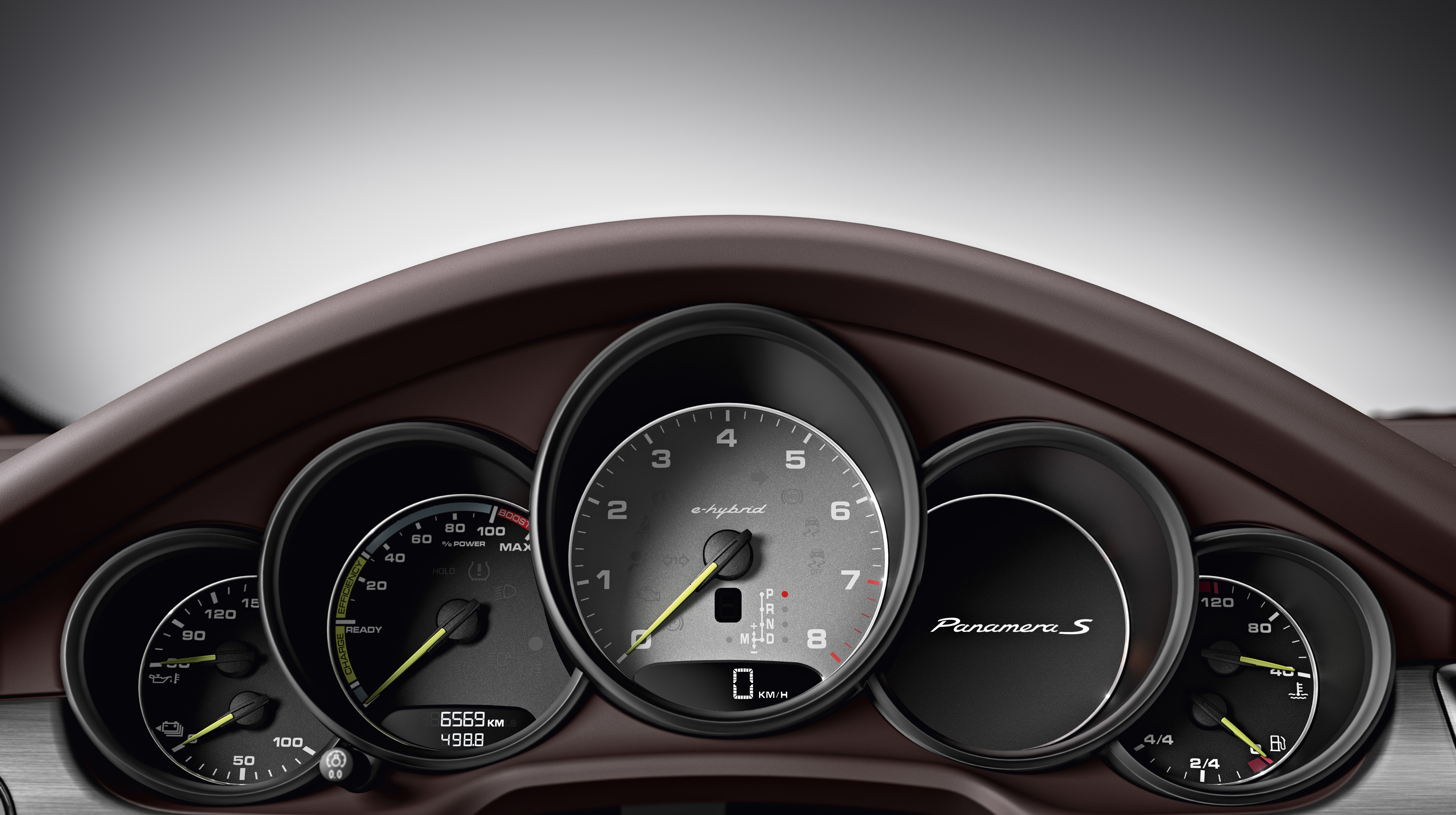
Panamera S E-Hybrid - Interior
|
Porsche
|
Panamera
|
S E-Hybrid
|
G1 II
|