|
Dr. Ing. h.c. F. Porsche AG
|
Image
|
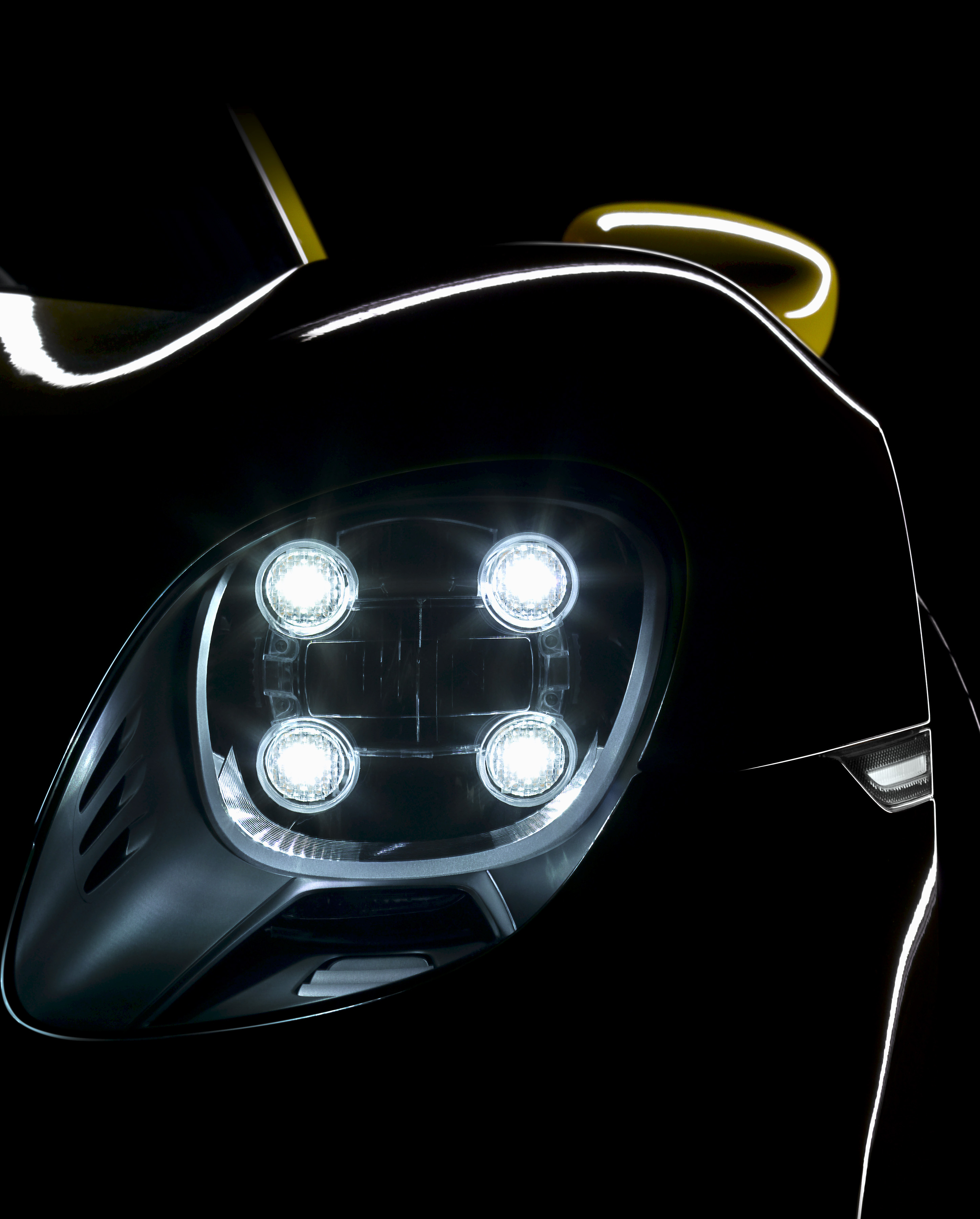
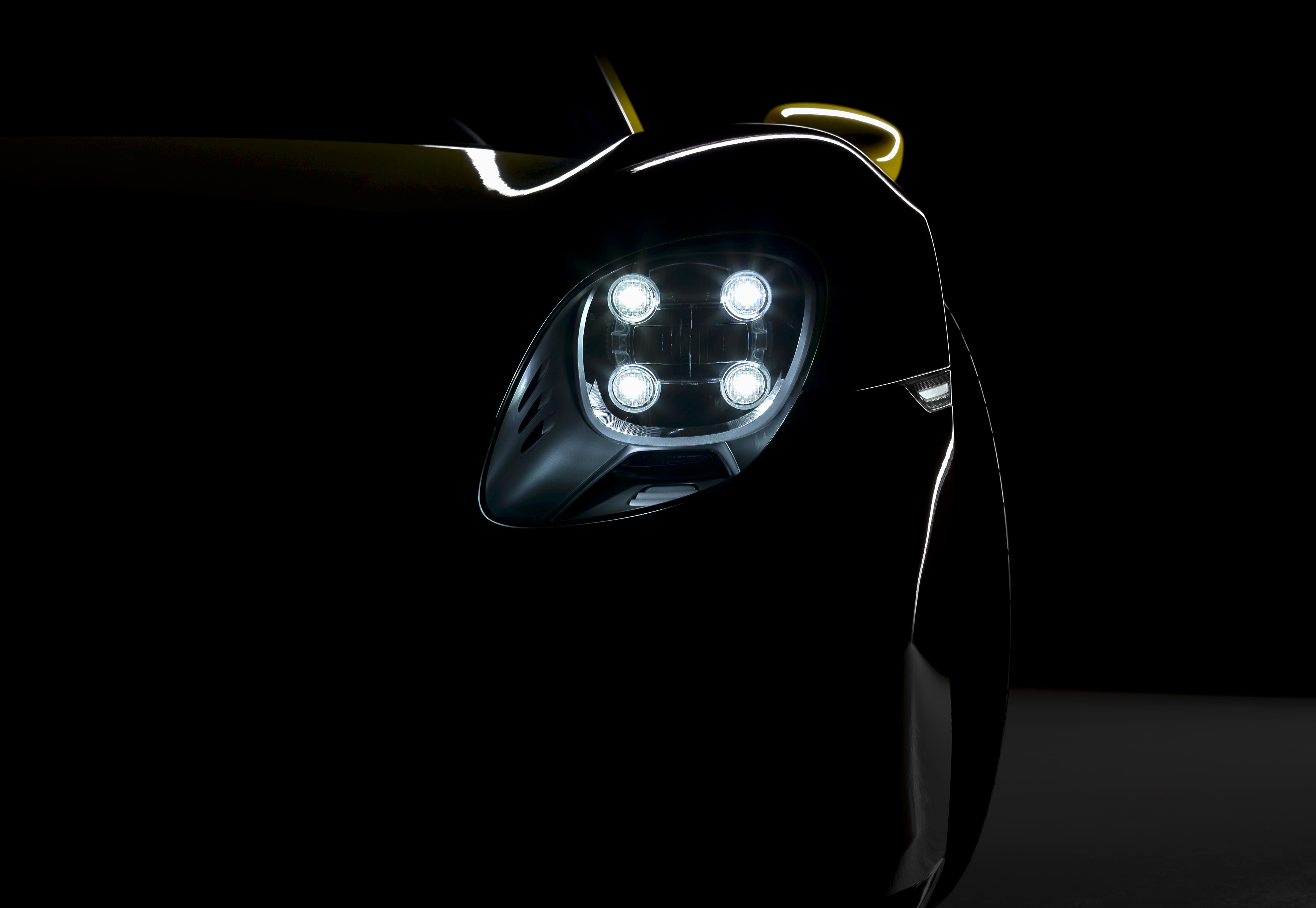
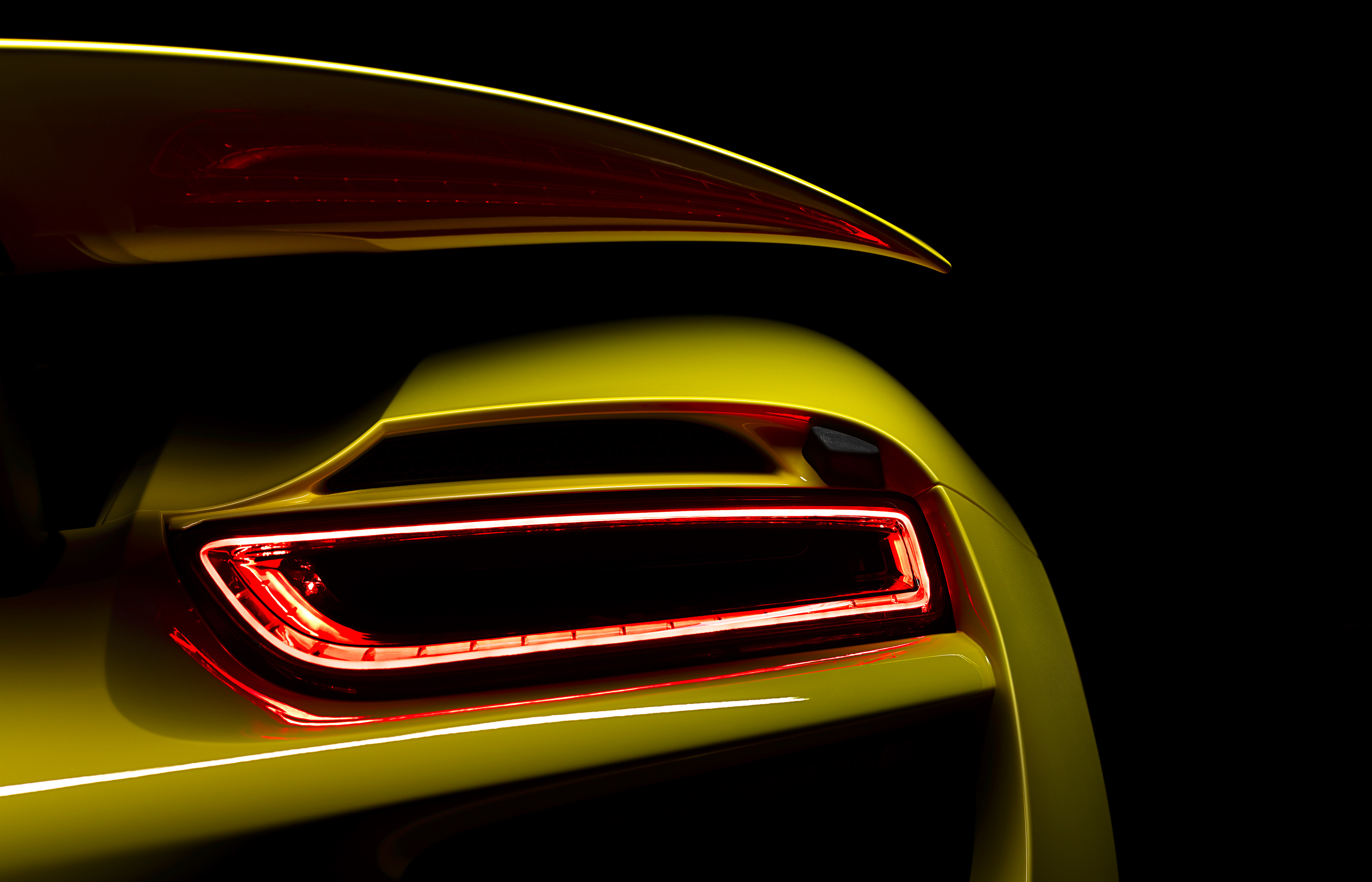
918 Spyder
|
Porsche
|
918
|
Spyder
|
918
|
|
|
Dr. Ing. h.c. F. Porsche AG
|
Image
|
918 Spyder
|
Porsche
|
918
|
Spyder
|
918
|
|
|
Dr. Ing. h.c. F. Porsche AG
|
Image
|
918 Spyder
|
Porsche
|
918
|
Spyder
|
918
|
|
|
Dr. Ing. h.c. F. Porsche AG
|
Image
|
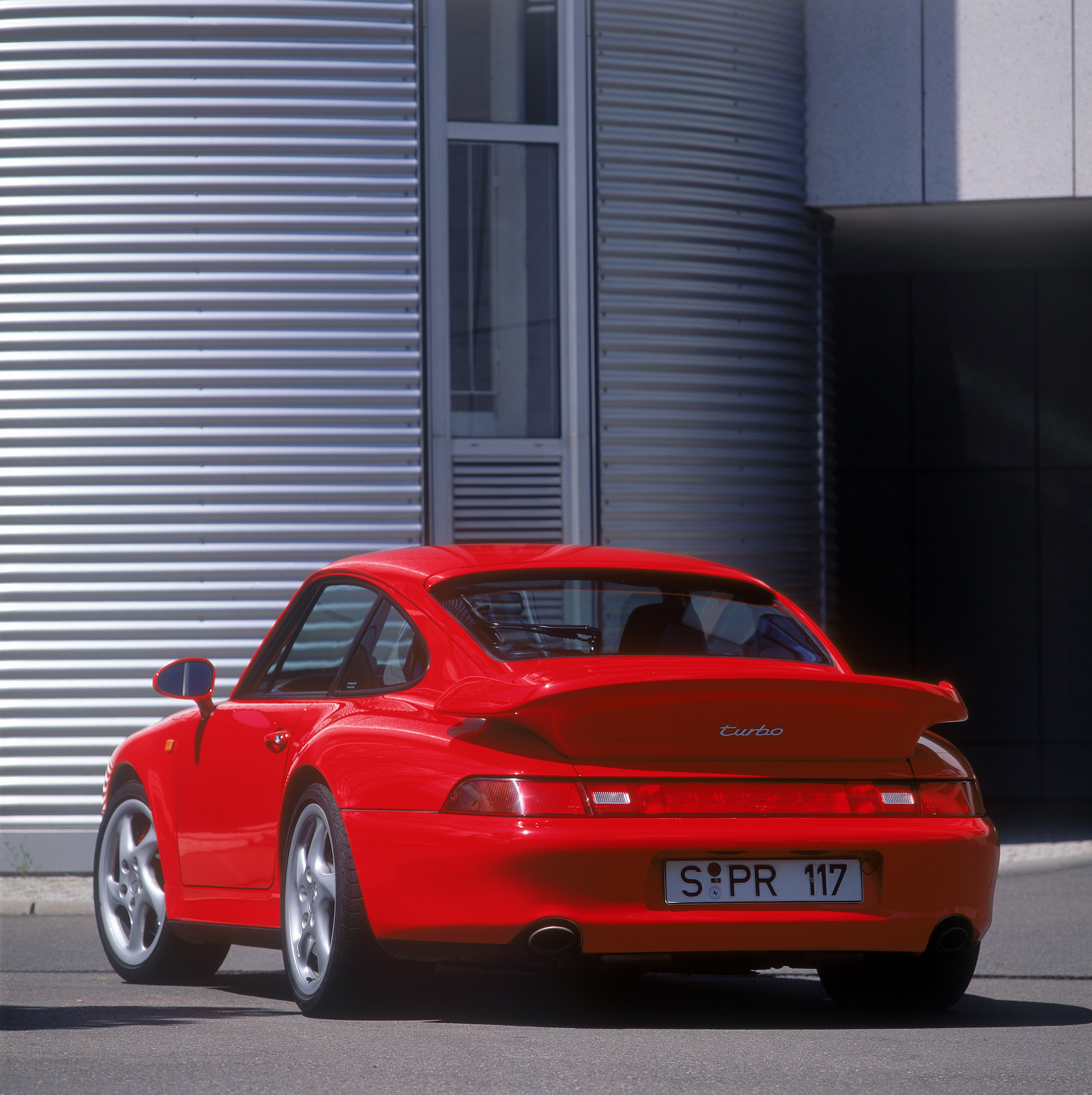
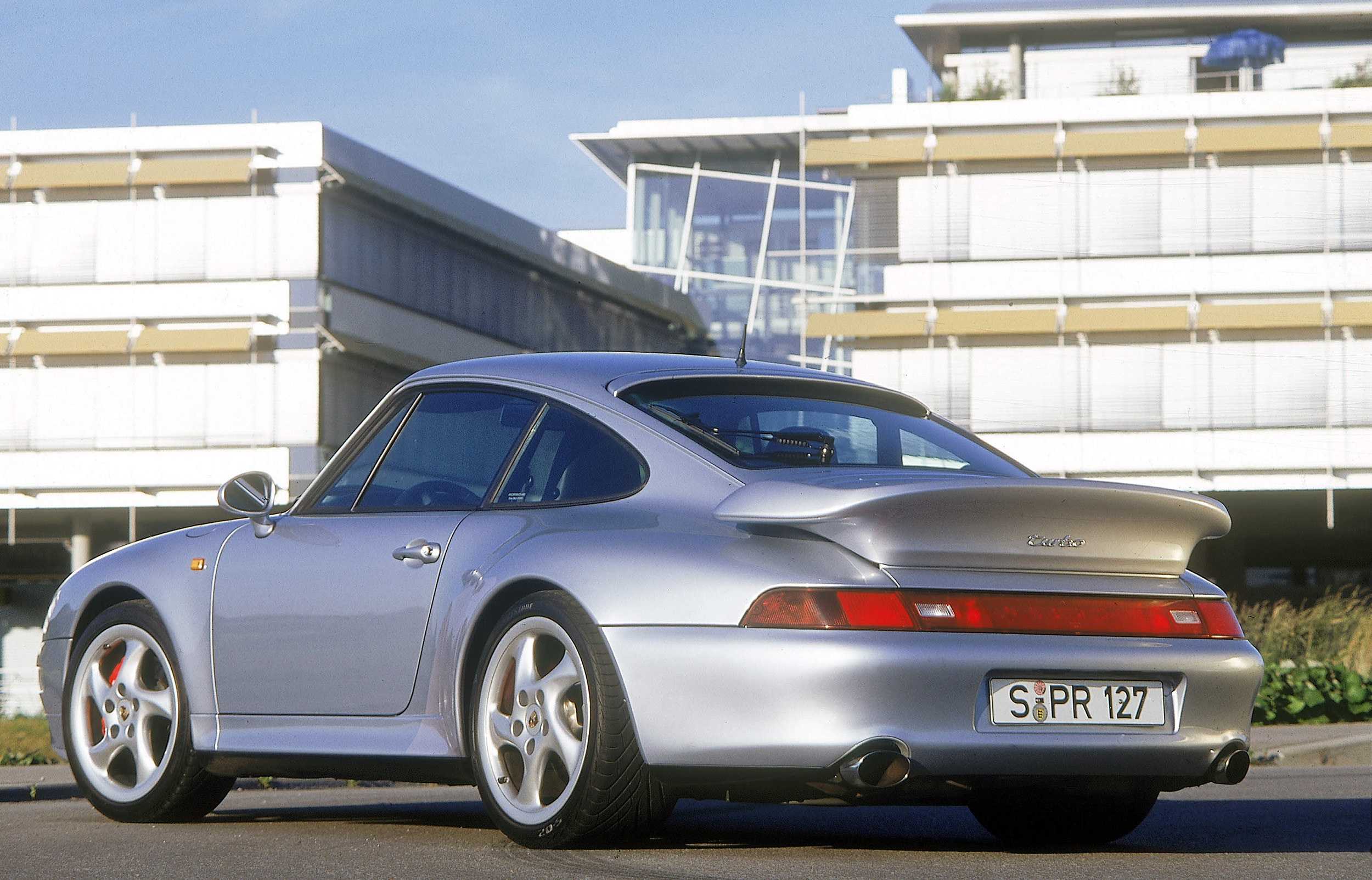
1995: Bi-turbocharging The 993 series 911 Turbo, presented in 1995, was given a 3.6-litre engine fitted with two small turbochargers. The engineâÂÂs performance curve was not dissimilar to a high-displacement naturally aspirated engine. From as low as 2,000 rpm, the engine generated plenty of thrust which changed into impressive, rousing velocity as of 3,500 rpm, pressing the occupants into their seats. (...)
|
Porsche
|
911
|
Turbo
|
993 I
|
|
|
Dr. Ing. h.c. F. Porsche AG
|
Image
|
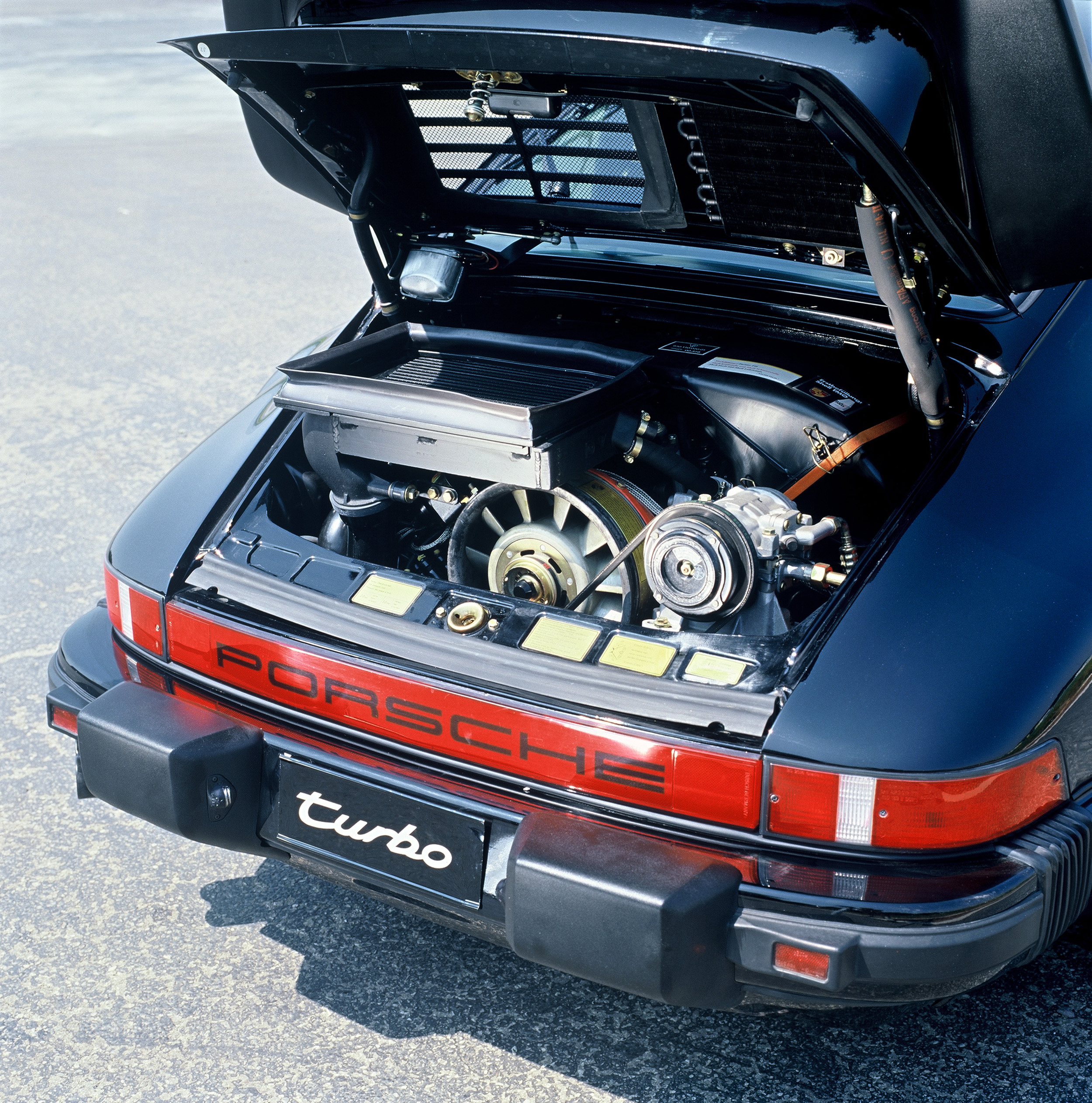
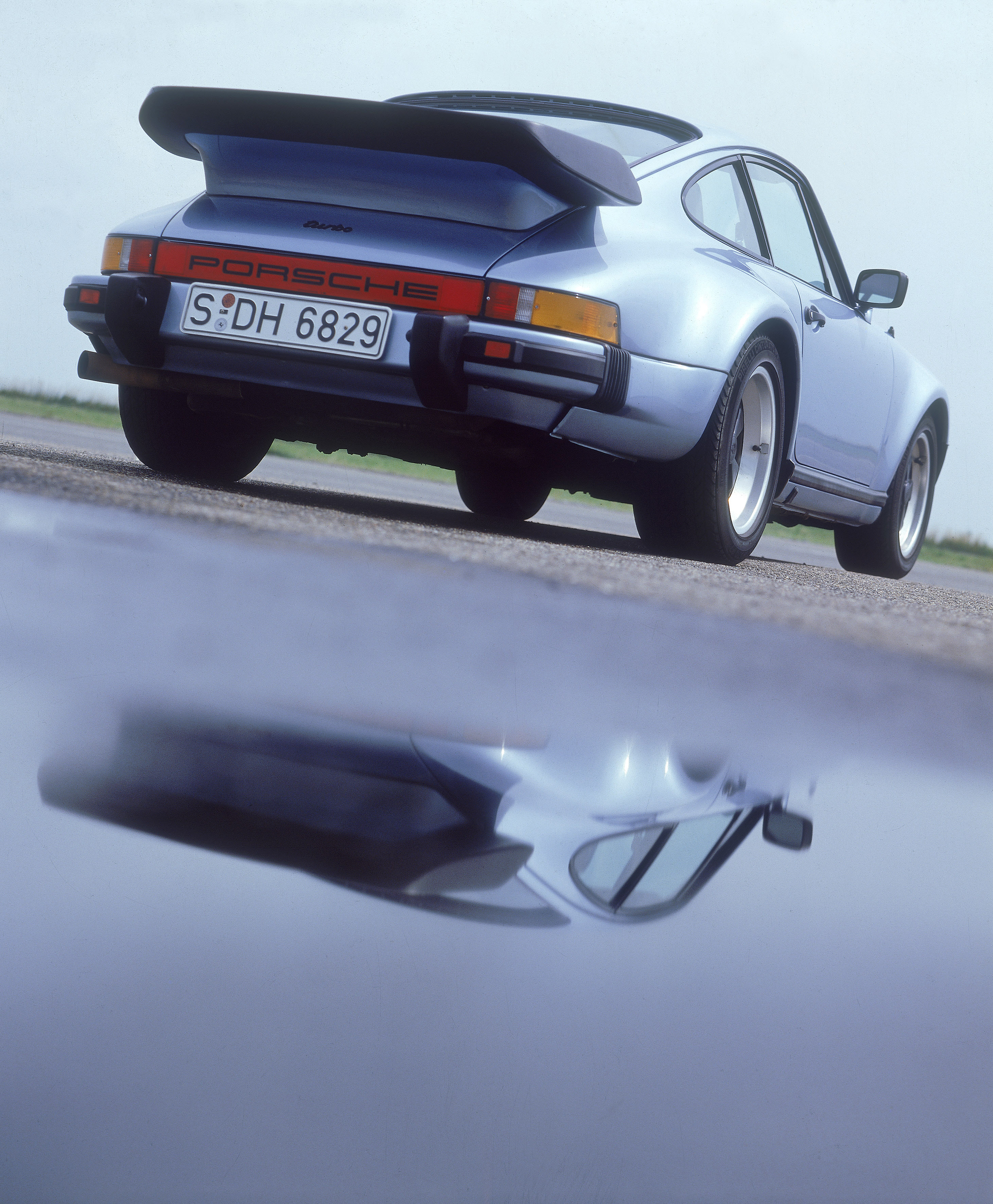
1977: Charge-air cooling he main features of the 911 Turbo, reworked in 1977, were an increased displacement of 3.3 litres and a charge-air cooler positioned underneath the rear spoiler. Derived from the field of motor racing, it was a world first in a series production car. The charge-air cooler reduces the intake air temperature by up to 100 degrees Celsius, thus enabling the engine to achieve higher output and torque in all engine speed ranges â cooler gases are denser and therefore charge the engine more effectively. (...)
|
Porsche
|
911
|
Turbo
|
|
|
|
Dr. Ing. h.c. F. Porsche AG
|
Image
|
|
Porsche
|
911
|
Turbo
|
|
|
|
Dr. Ing. h.c. F. Porsche AG
|
Image
|
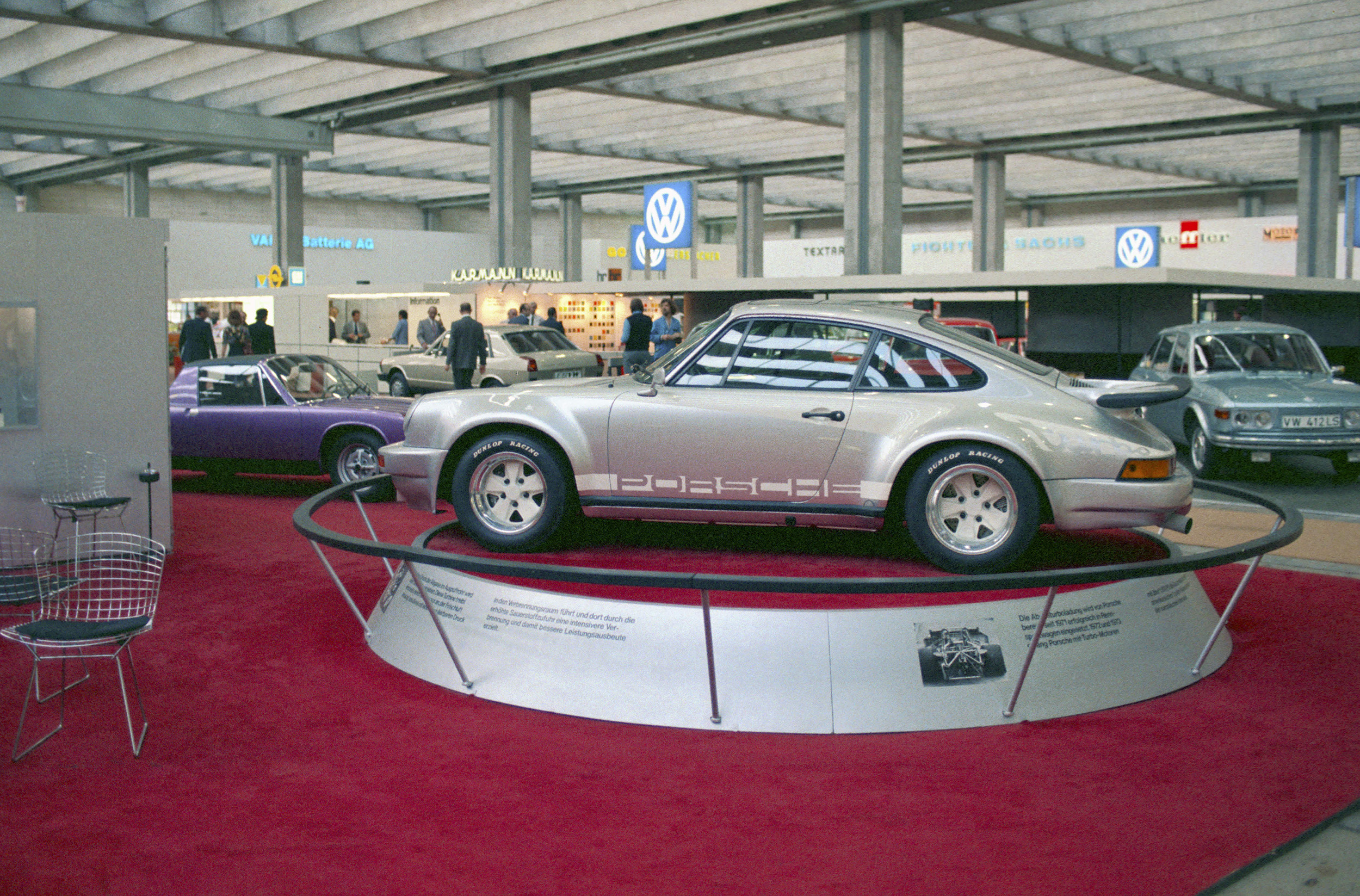
1973: Turbocharging With the 911 Turbo, which was ready for series production in 1974, Porsche was the first car manufacturer to successfully adapt the turbocharger to the various driving states. Instead of the conventional intake-side control, the company developed exhaust-side charge pressure control. This prevented unwanted excess pressure during partial load or overrun by guiding excess exhaust gases via a bypass instead of through the exhaust gas turbine. (...)
|
Porsche
|
911
|
Turbo
|
|
|
|
Dr. Ing. h.c. F. Porsche AG
|
Image
|
1995: OBD II emissions control system Another technical highlight of the six-cylinder car was the new OBD (on-board diagnostics) II emissions monitoring system, which was used for the first time by a series production manufacturer. It facilitated early detection of faults or defects in the exhaust and fuel system. The extensive measures for reducing emissions were very effective on the 911 Turbo. To the great surprise of the experts, the turbo engine turned out to be the lowest emission series production engine in the world.(...)
|
Porsche
|
911
|
Turbo
|
|
|
|
Dr. Ing. h.c. F. Porsche AG
|
Image
|
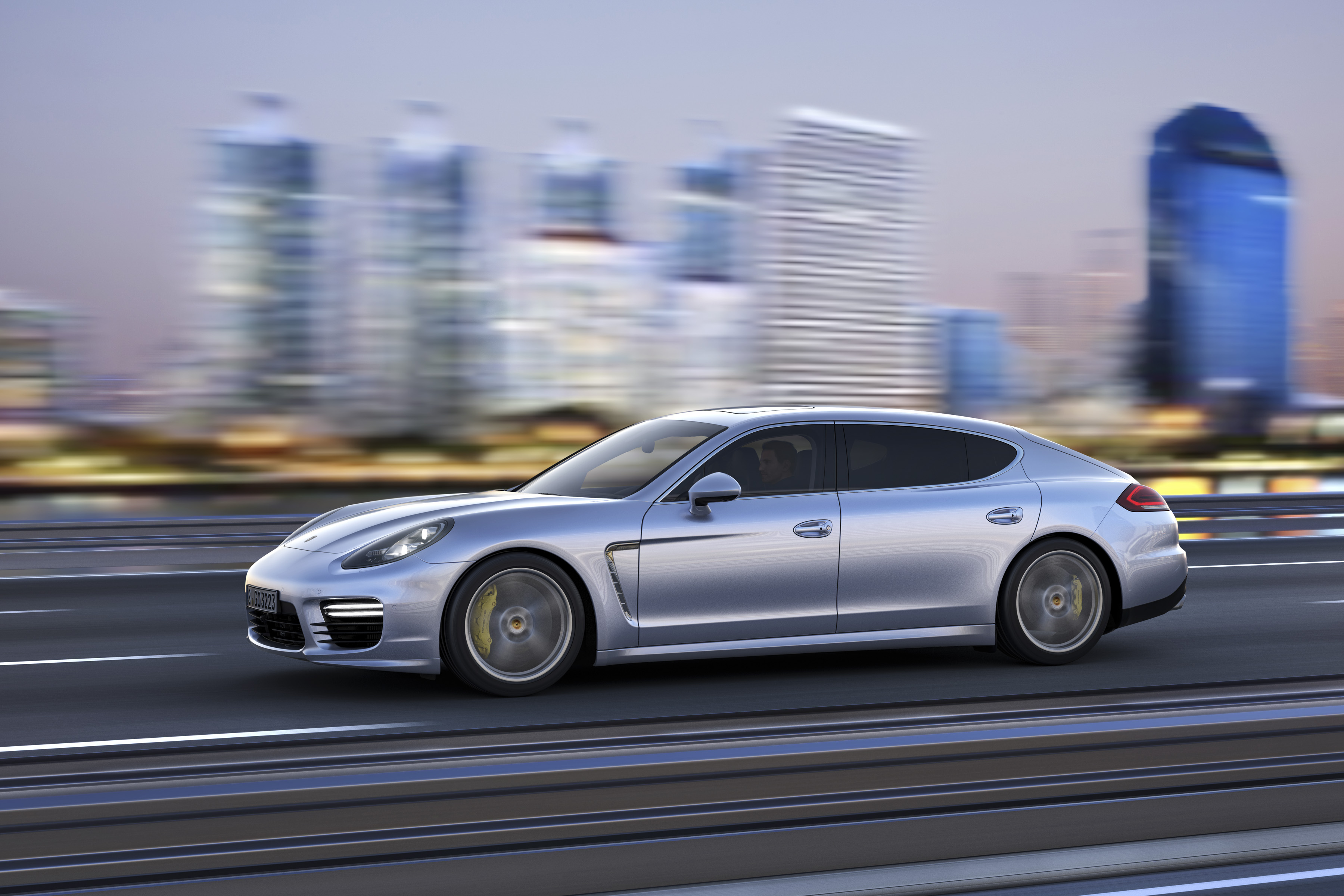
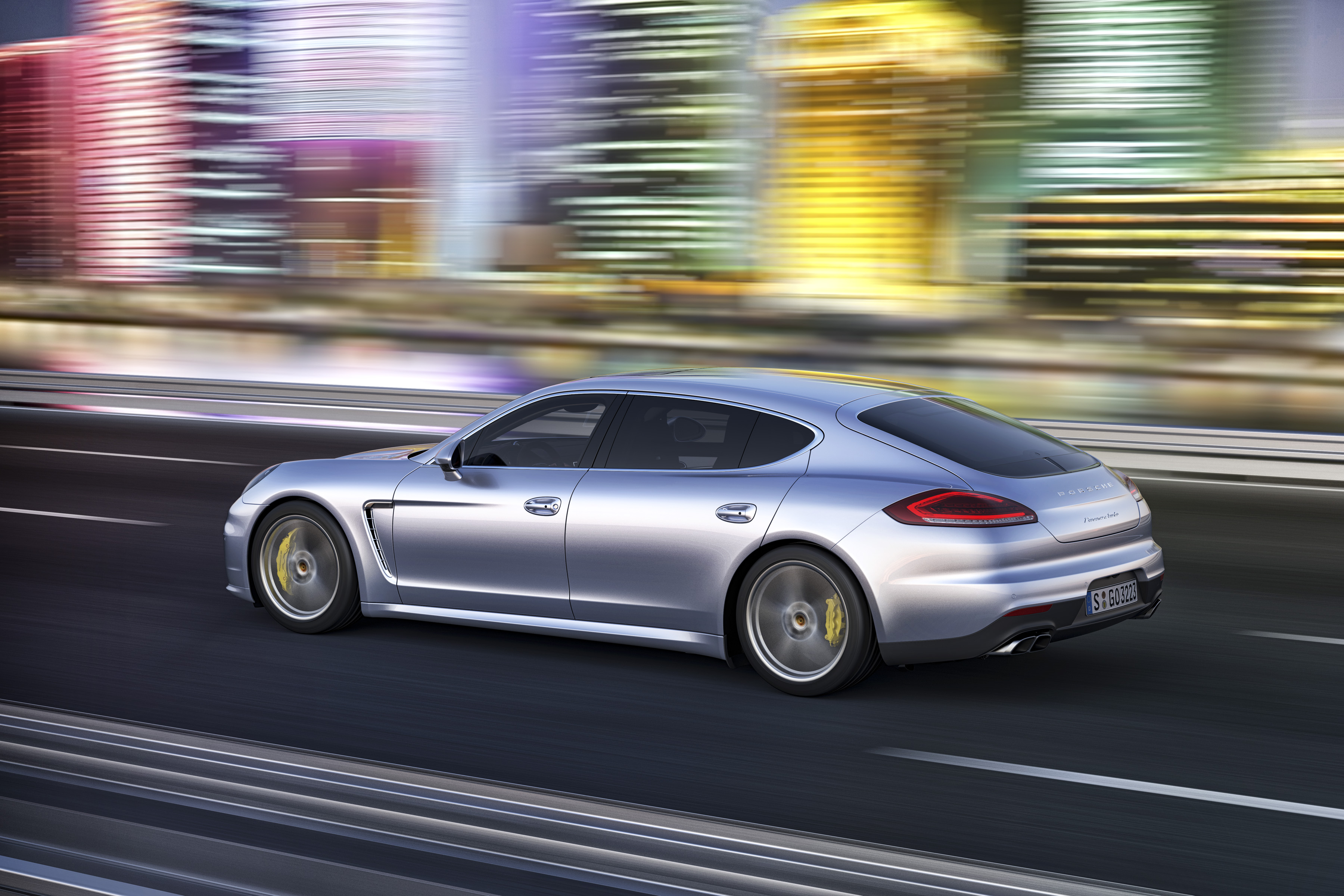
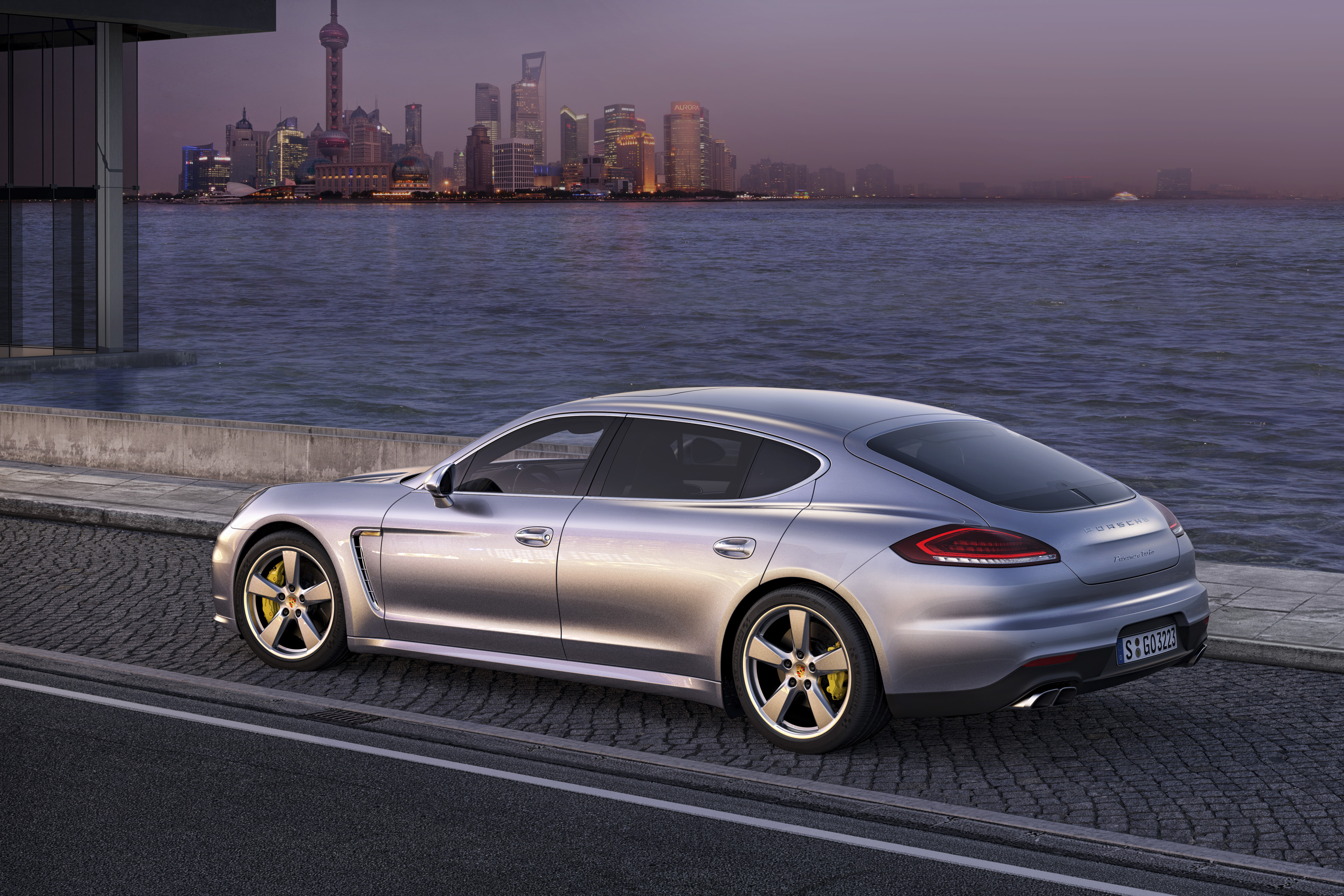
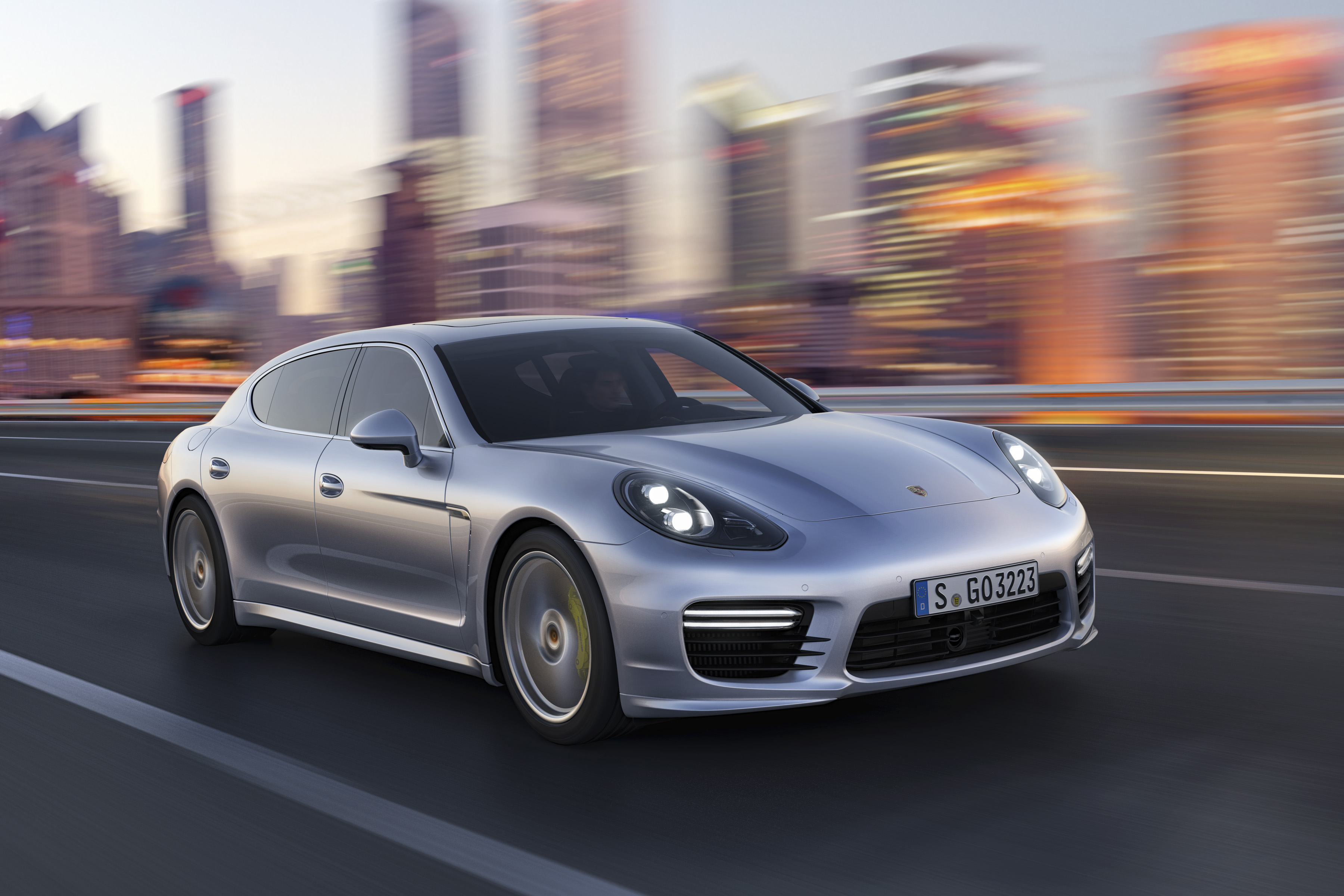
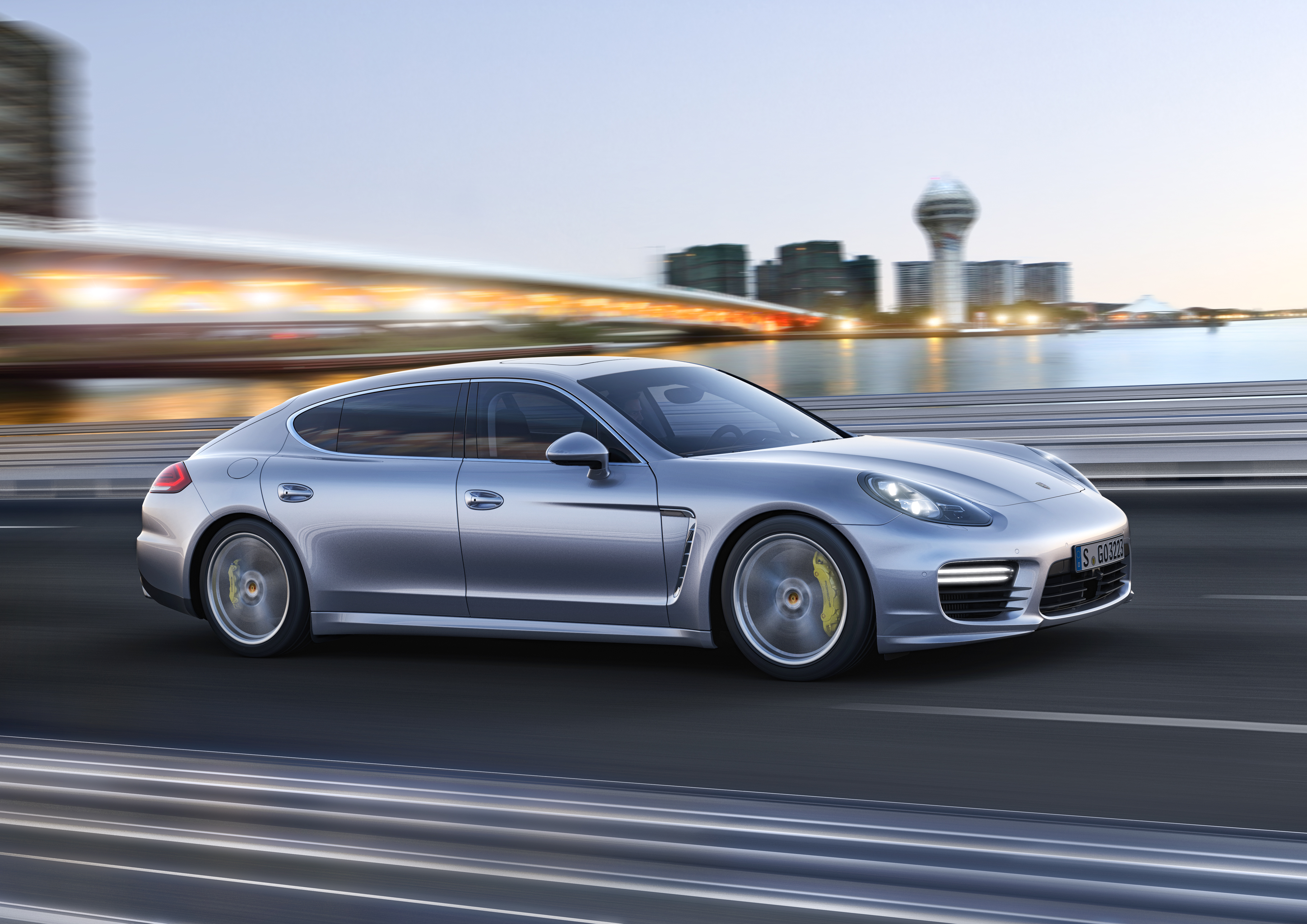
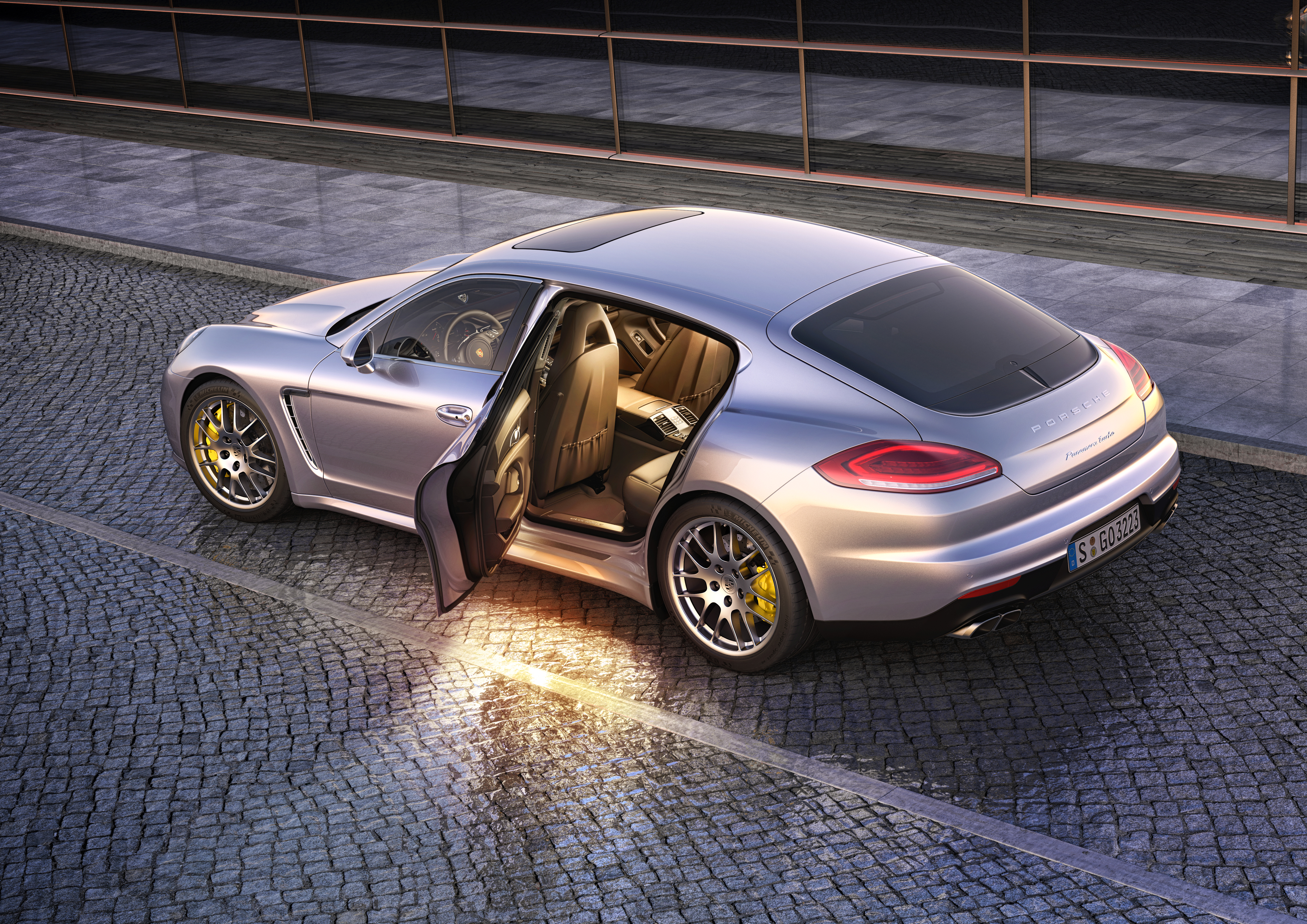
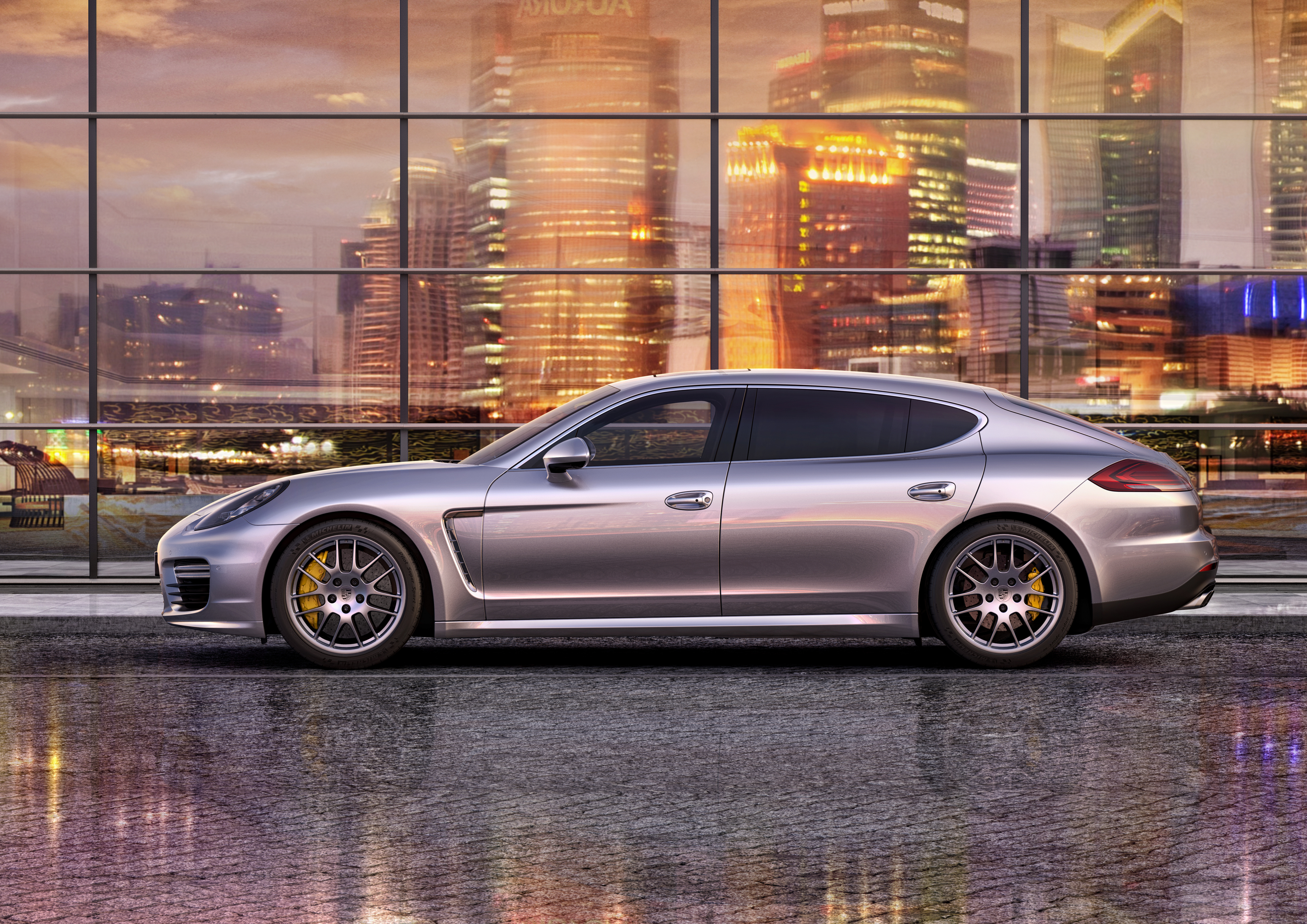
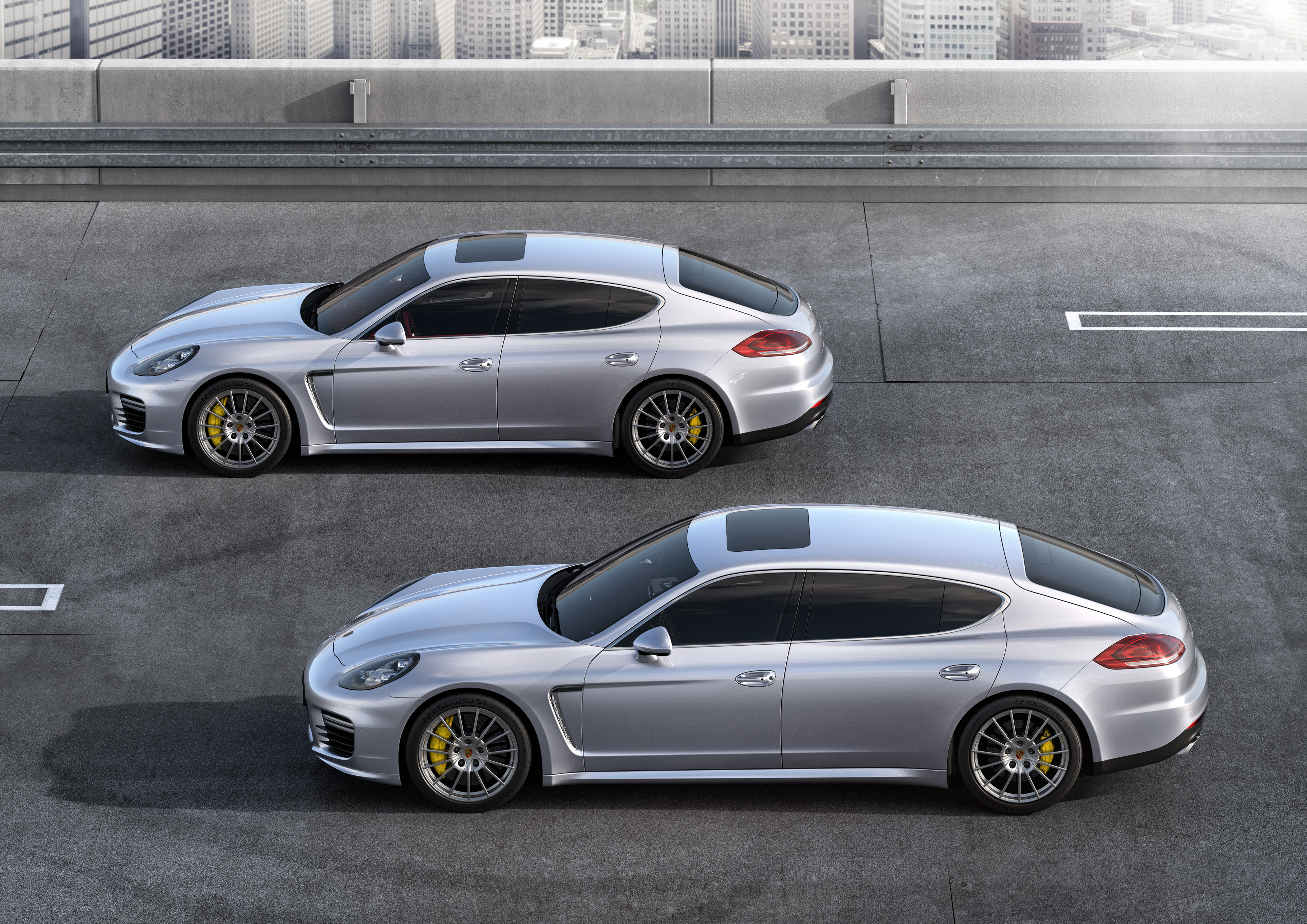
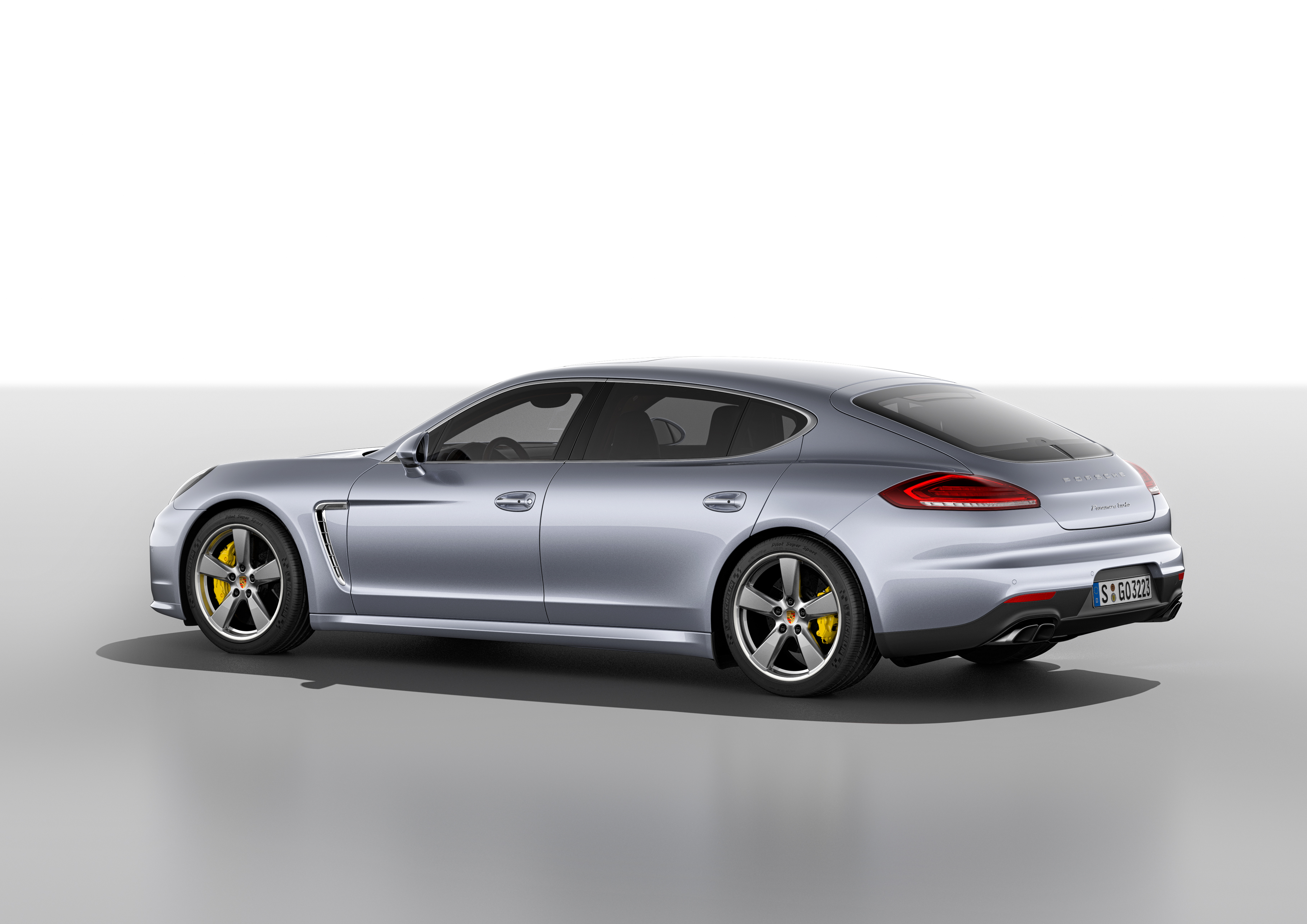
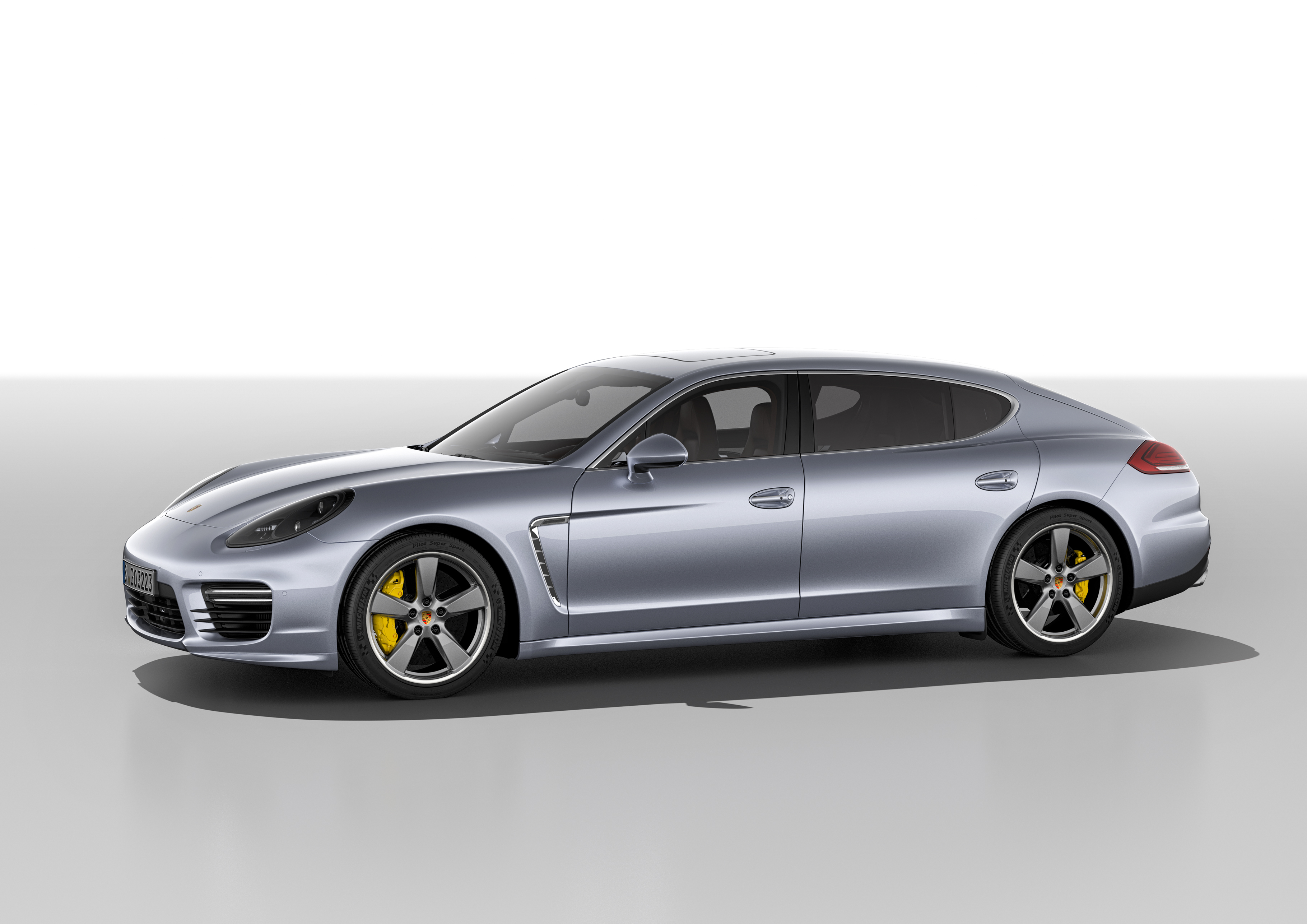
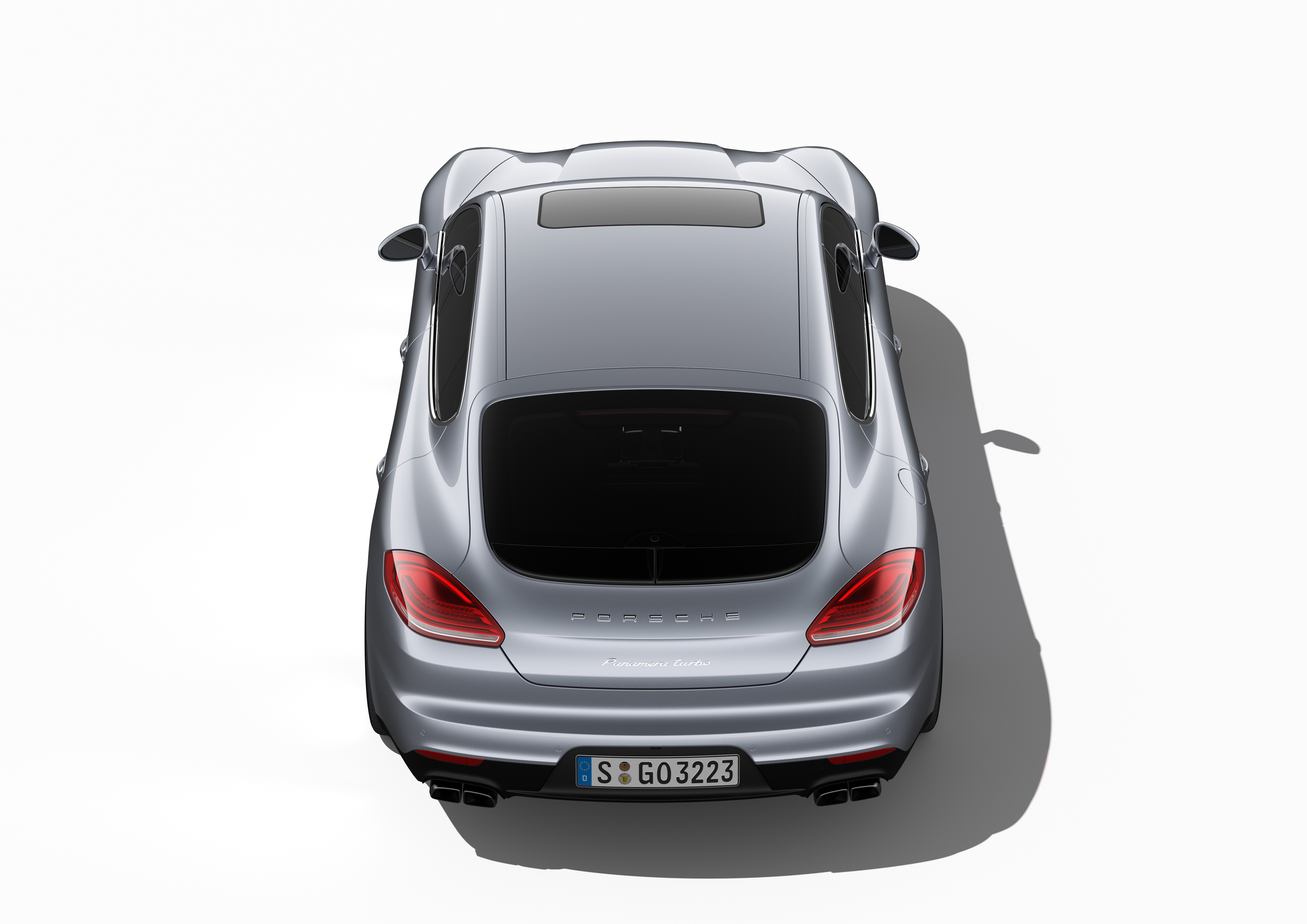
Panamera Turbo Executive
|
Porsche
|
Panamera
|
Turbo
|
G1 II
|
|
|
Dr. Ing. h.c. F. Porsche AG
|
Image
|
Panamera Turbo Executive
|
Porsche
|
Panamera
|
Turbo
|
G1 II
|
|
|
Dr. Ing. h.c. F. Porsche AG
|
Image
|
Panamera Turbo Executive
|
Porsche
|
Panamera
|
Turbo
|
G1 II
|
|
|
Dr. Ing. h.c. F. Porsche AG
|
Image
|
Panamera Turbo Executive
|
Porsche
|
Panamera
|
Turbo
|
G1 II
|
|
|
Dr. Ing. h.c. F. Porsche AG
|
Image
|
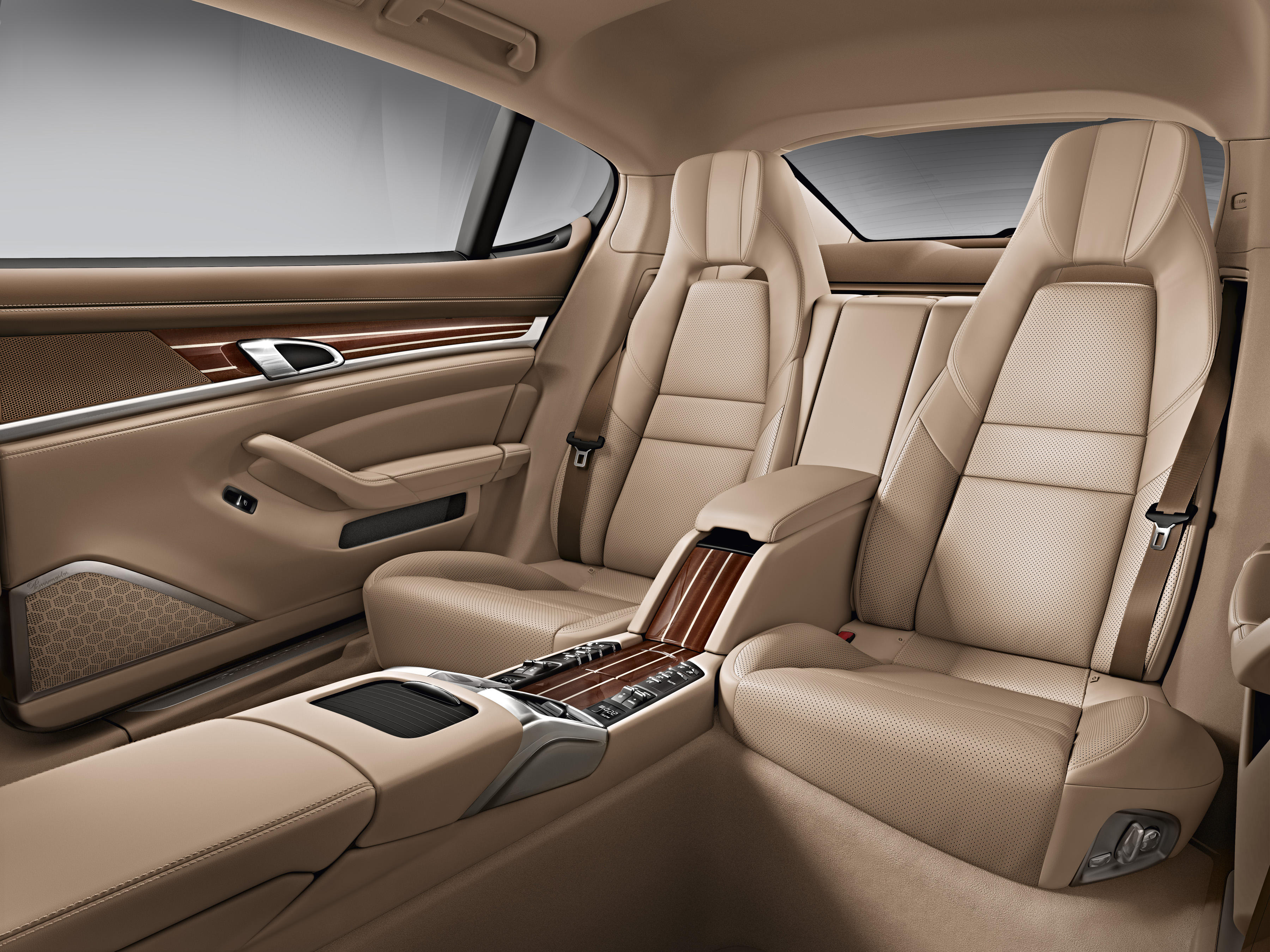
Panamera Turbo Executive - Interior
|
Porsche
|
Panamera
|
Turbo
|
G1 II
|
|
|
Dr. Ing. h.c. F. Porsche AG
|
Image
|
Panamera Turbo Executive
|
Porsche
|
Panamera
|
Turbo
|
G1 II
|
|
|
Dr. Ing. h.c. F. Porsche AG
|
Image
|
Panamera Turbo Executive
|
Porsche
|
Panamera
|
Turbo
|
G1 II
|
|
|
Dr. Ing. h.c. F. Porsche AG
|
Image
|
Panamera Turbo Executive
|
Porsche
|
Panamera
|
Turbo
|
G1 II
|
|
|
Dr. Ing. h.c. F. Porsche AG
|
Image
|
Panamera Turbo Executive
|
Porsche
|
Panamera
|
Turbo
|
G1 II
|
|
|
Dr. Ing. h.c. F. Porsche AG
|
Image
|
Panamera Turbo Executive
|
Porsche
|
Panamera
|
Turbo
|
G1 II
|
|
|
Dr. Ing. h.c. F. Porsche AG
|
Image
|
Panamera Turbo Executive
|
Porsche
|
Panamera
|
Turbo
|
G1 II
|
|
|
Dr. Ing. h.c. F. Porsche AG
|
Image
|
Panamera Turbo Executive
|
Porsche
|
Panamera
|
Turbo
|
G1 II
|