|
Dr. Ing. h.c. F. Porsche AG
|
Image
|
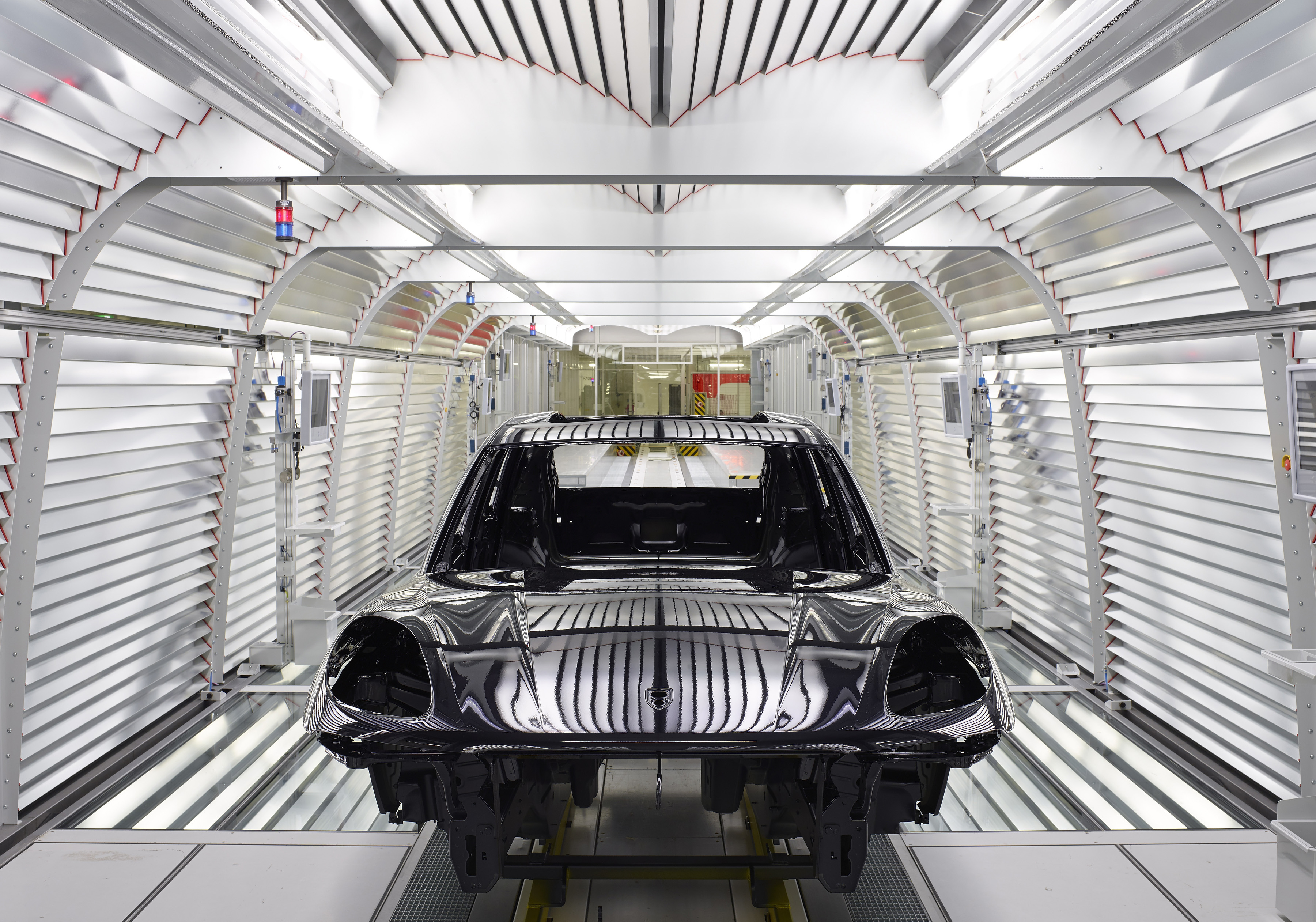
The plant, which was designed to meet special environmental criteria, was
expanded for the production of the new Porsche Macan* and includes a body
shop and an ultra-modern paint shop.
|
Porsche
|
Macan
|
|
H1 I
|
|
|
Dr. Ing. h.c. F. Porsche AG
|
Image
|
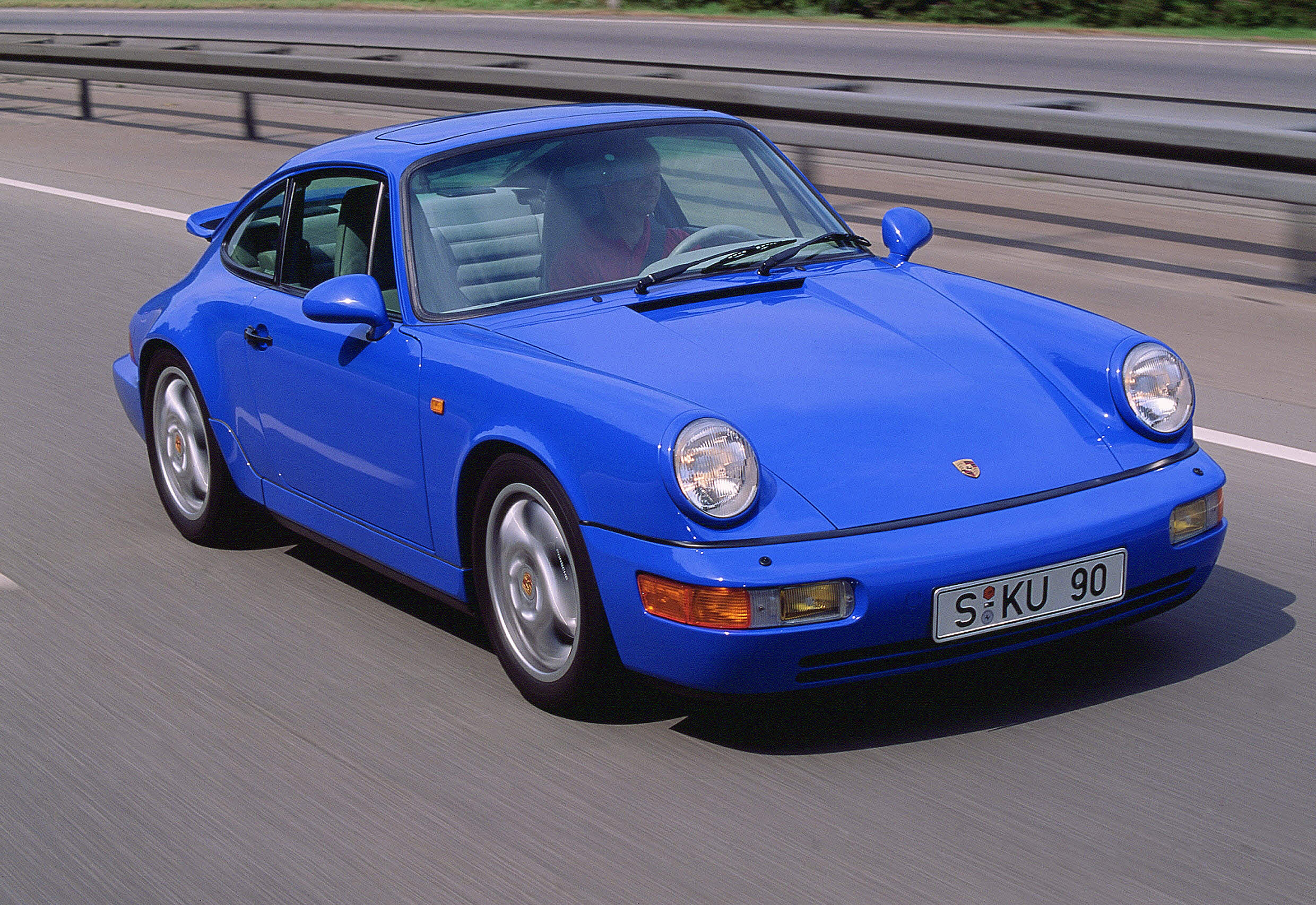
The type 964, Porsche 911 Carrera / Carrera 4 (1988 - 1994)
|
Porsche
|
911
|
Carrera
|
964
|
|
|
Dr. Ing. h.c. F. Porsche AG
|
Image
|
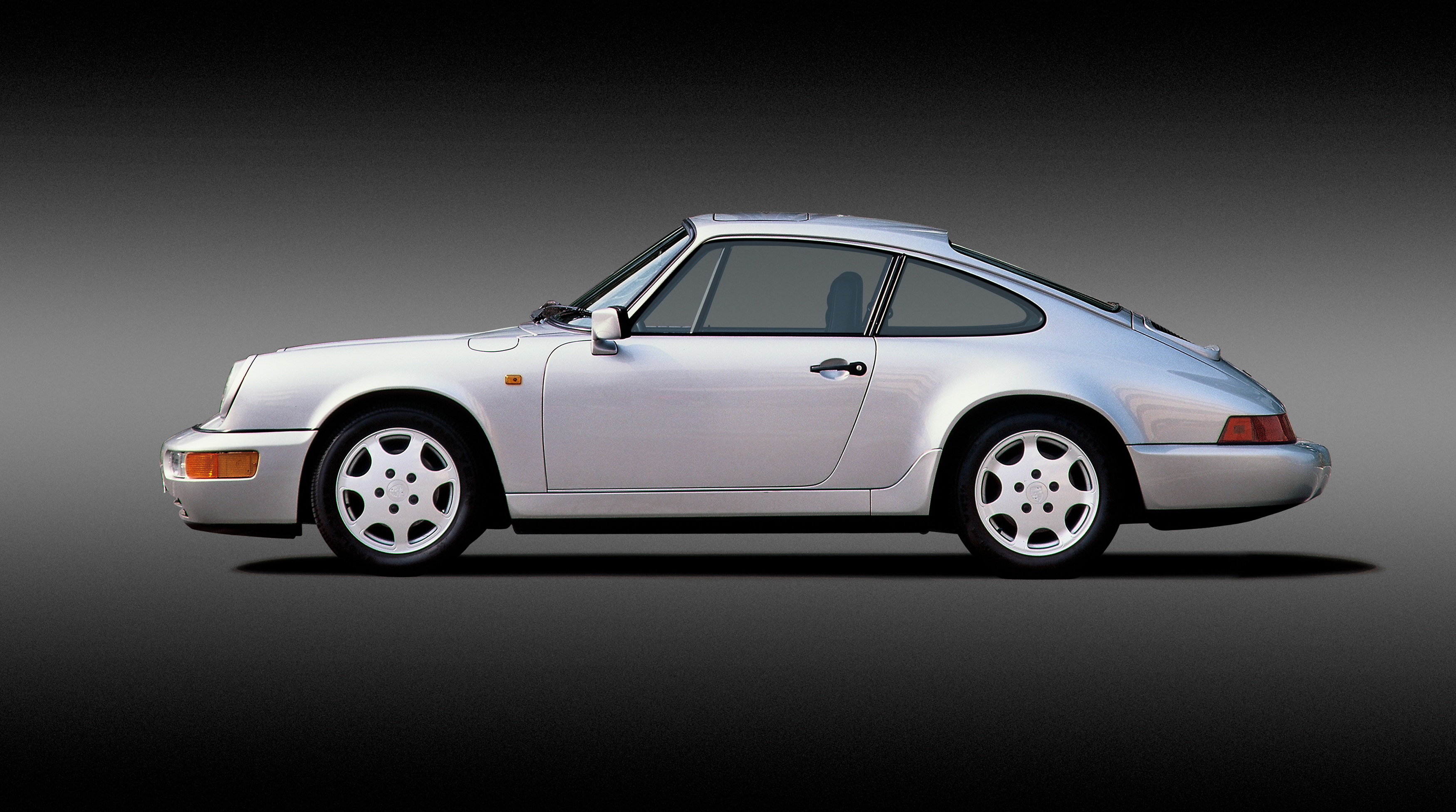
The type 964 (1988 - 1994)
|
Porsche
|
911
|
|
964
|
|
|
Dr. Ing. h.c. F. Porsche AG
|
Image
|
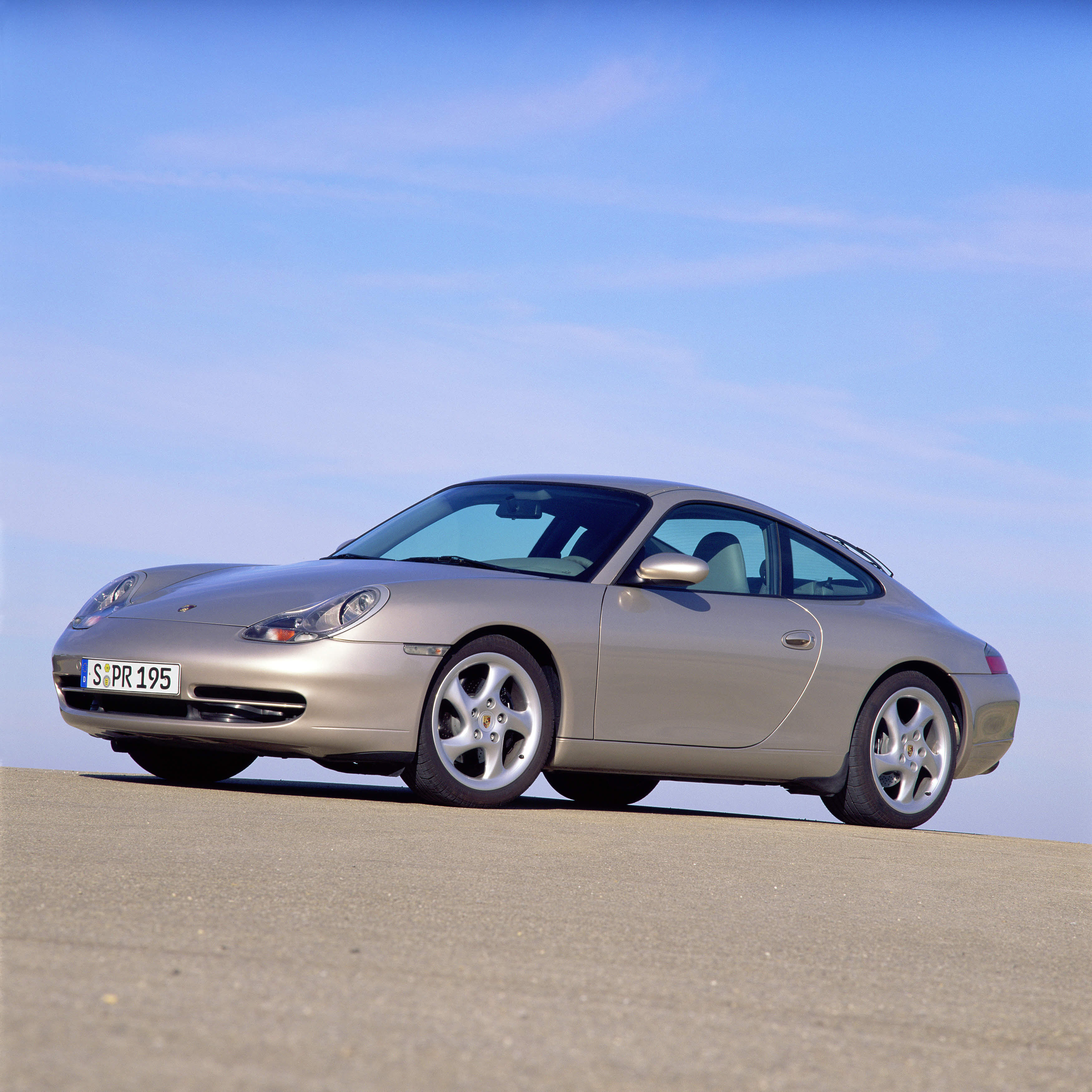
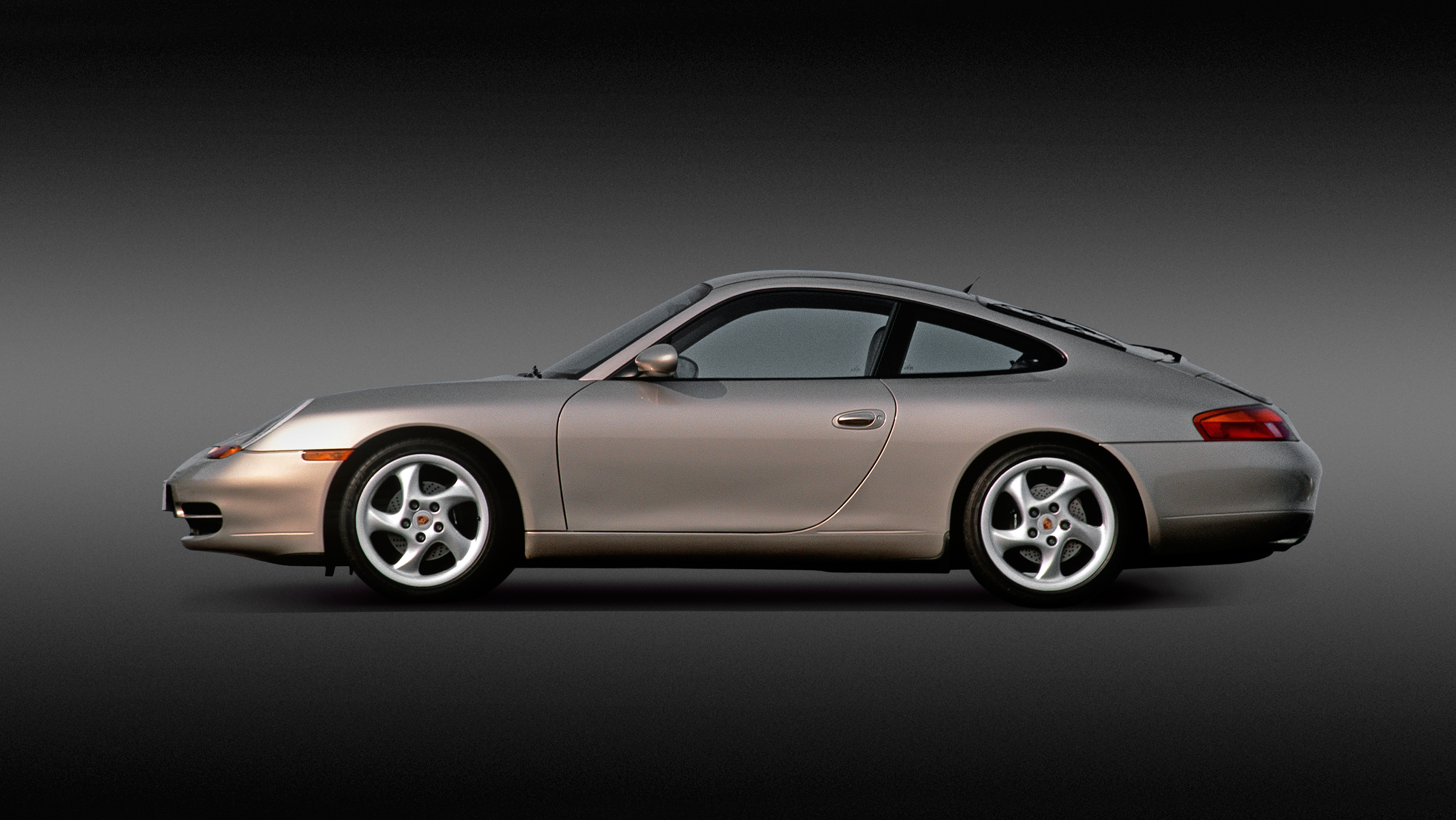
The type 996, Porsche 911 Carrera Coupé (1997 - 2005)
|
Porsche
|
911
|
Carrera
|
996 I
|
|
|
Dr. Ing. h.c. F. Porsche AG
|
Image
|
The type 996 (1997 - 2005)
|
Porsche
|
911
|
|
|
|
|
Dr. Ing. h.c. F. Porsche AG
|
Image
|
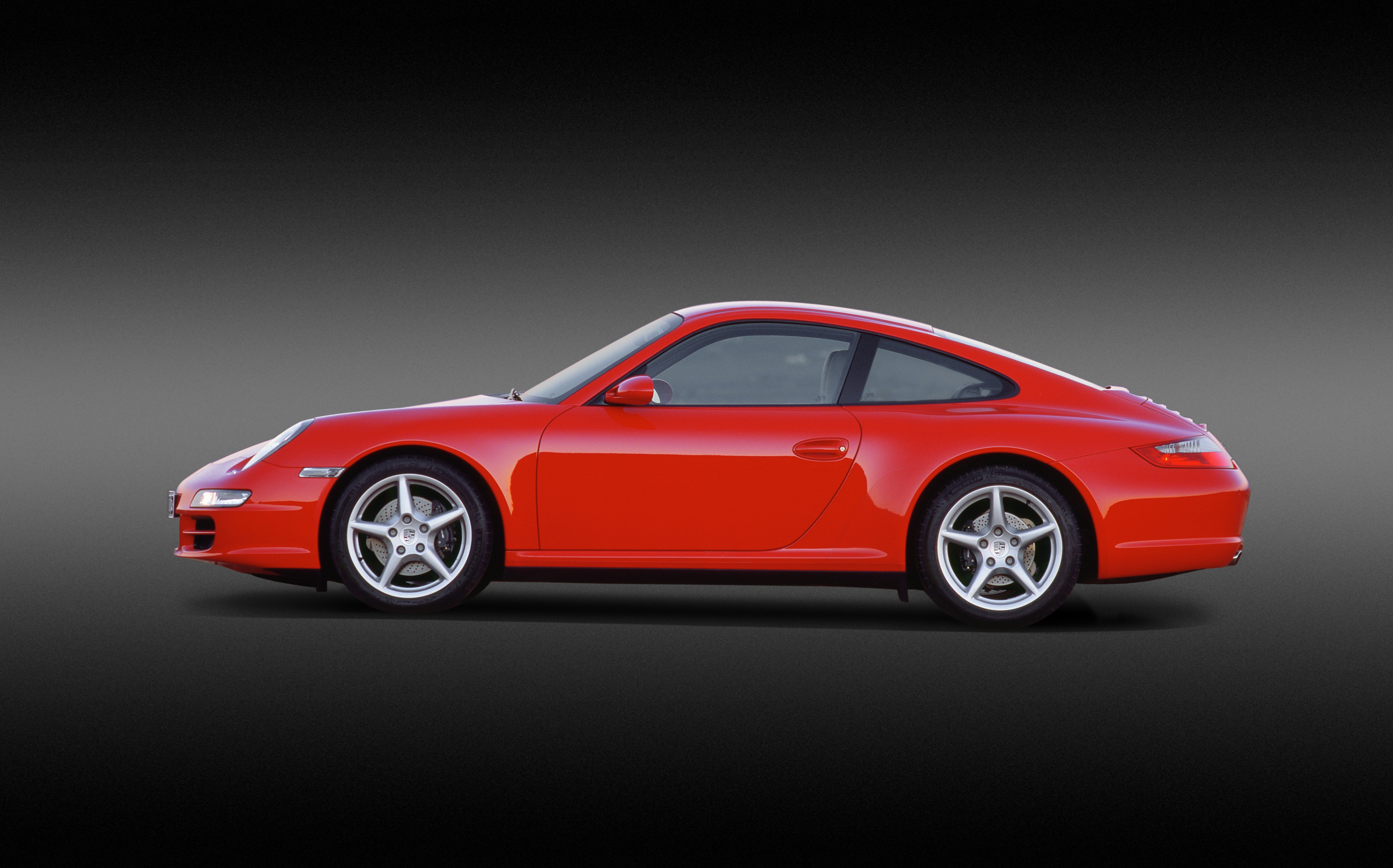
The type 997 (2004 -2012)
|
Porsche
|
911
|
|
997 I
|
|
|
Dr. Ing. h.c. F. Porsche AG
|
Image
|
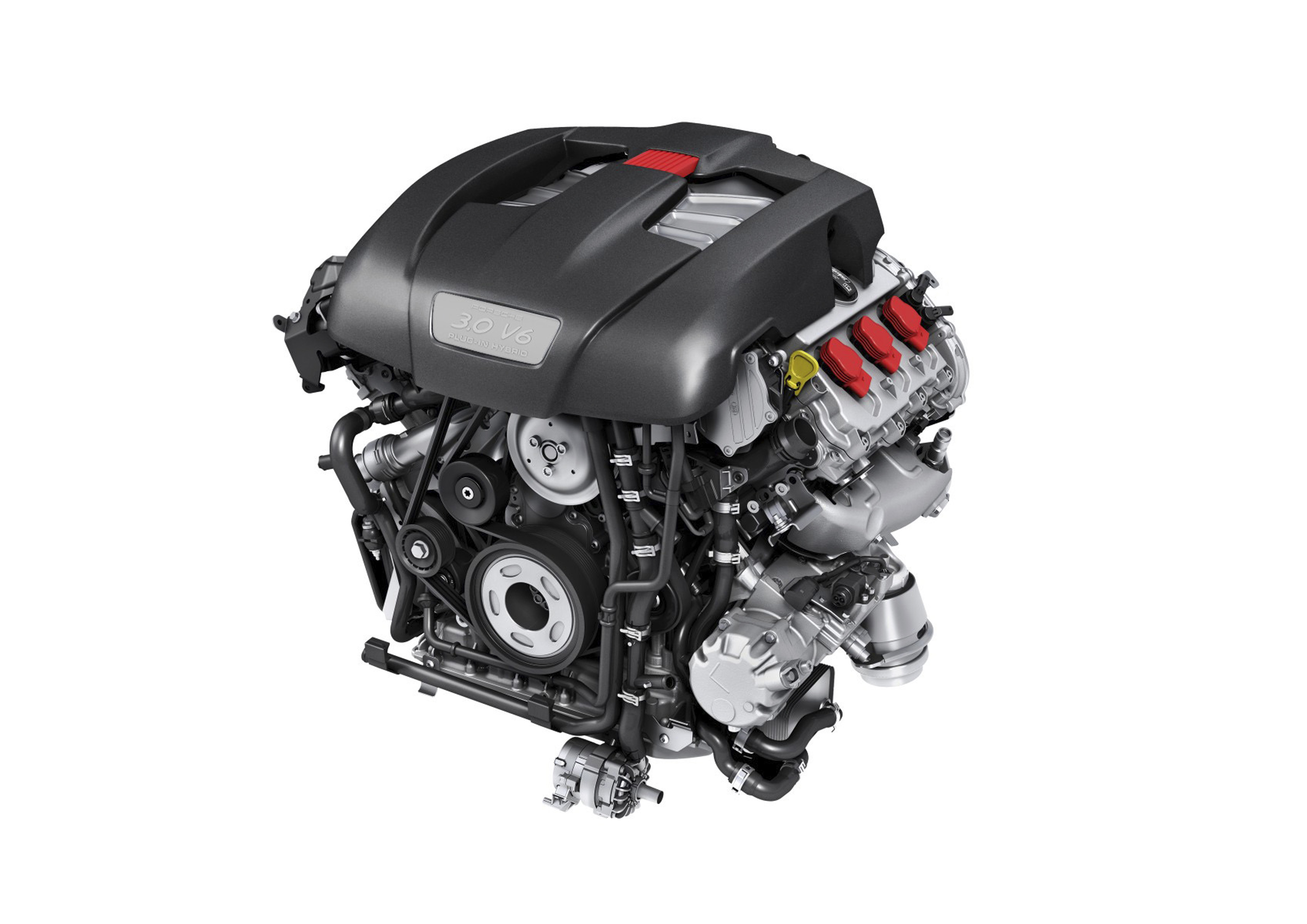
Three litre V6 supercharge-engine
|
Porsche
|
Panamera
|
S E-Hybrid
|
G1 II
|
|
|
Dr. Ing. h.c. F. Porsche AG
|
Image
|
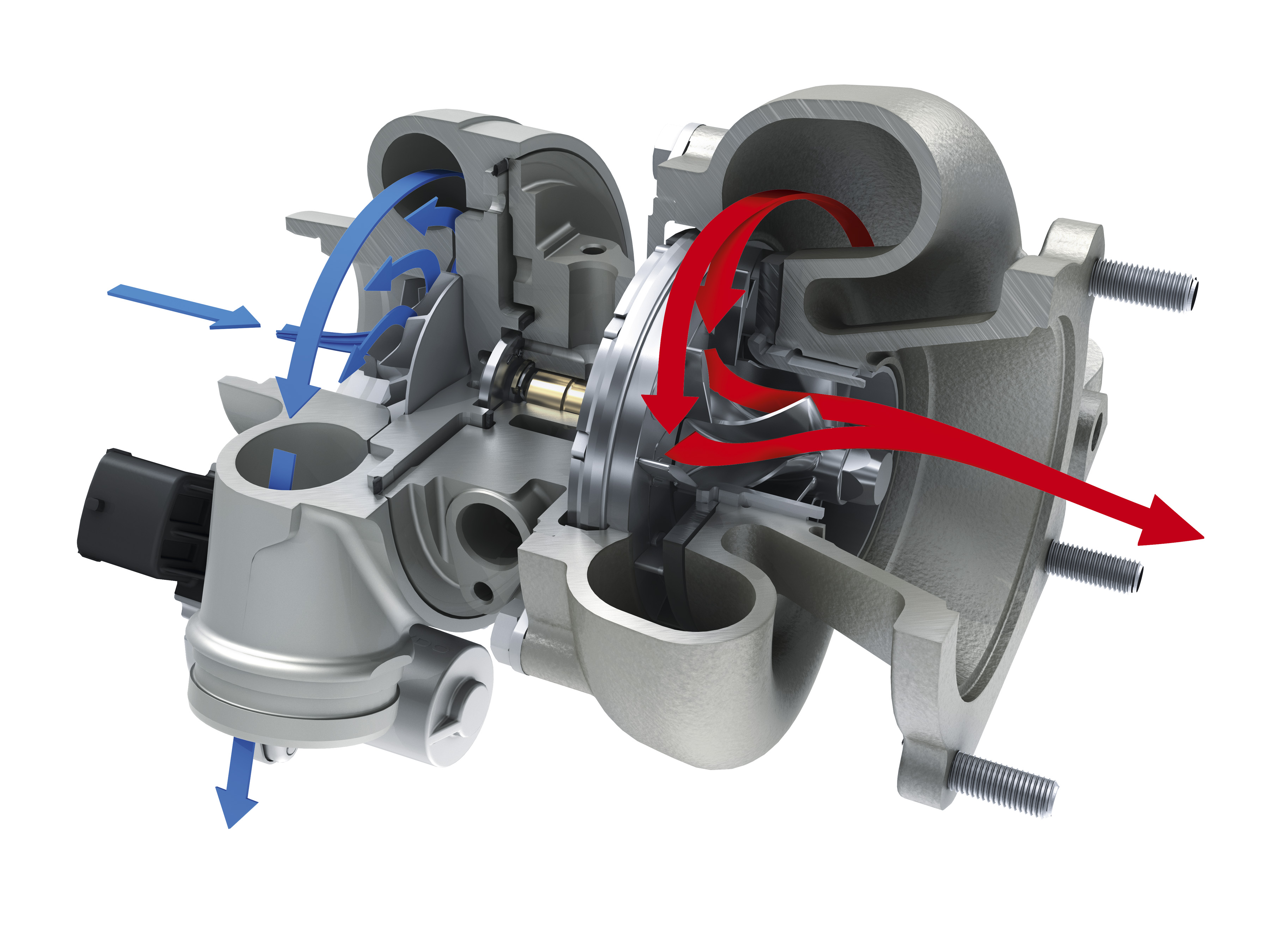
Variable turbine geometry (VTG)
|
Porsche
|
911
|
Turbo S
|
991 I
|
|
|
Dr. Ing. h.c. F. Porsche AG
|
Image
|
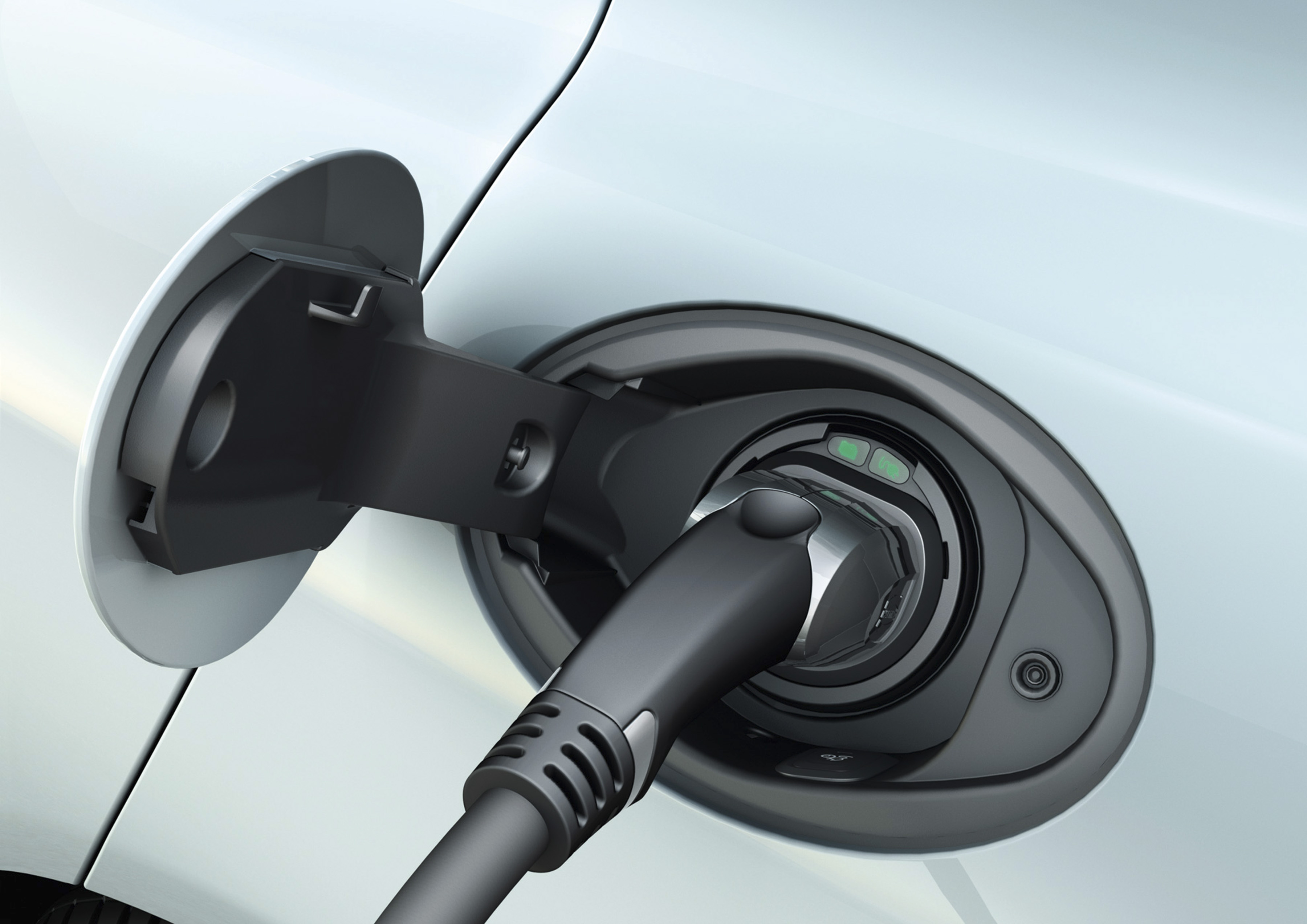
Vehicle Charge Port
|
Porsche
|
Panamera
|
S E-Hybrid
|
G1 II
|
|
|
Dr. Ing. h.c. F. Porsche AG
|
Image
|
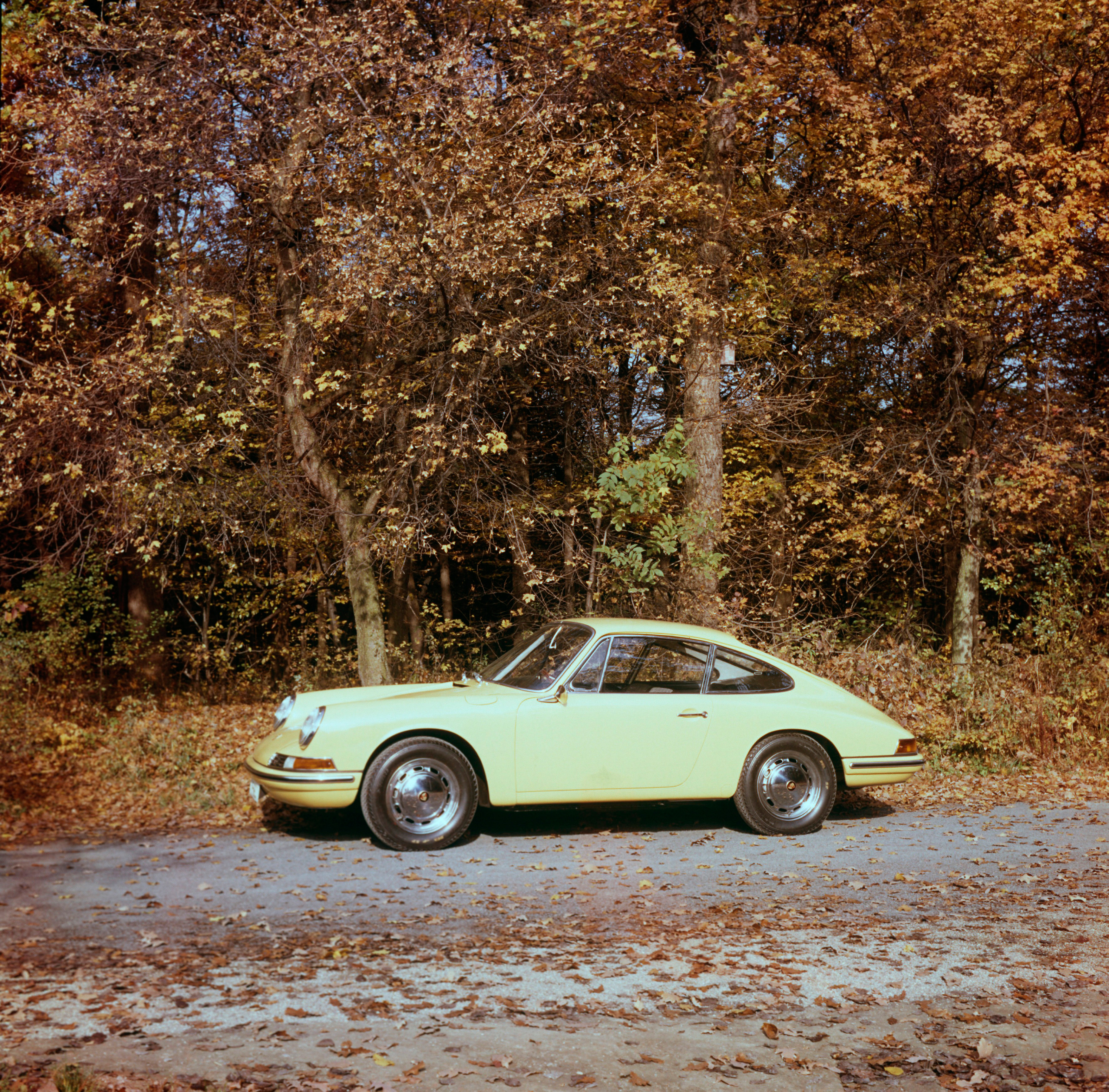
1963, Porsche Type 901, Generations
|
Porsche
|
911
|
|
|
|
|
Dr. Ing. h.c. F. Porsche AG
|
Image
|
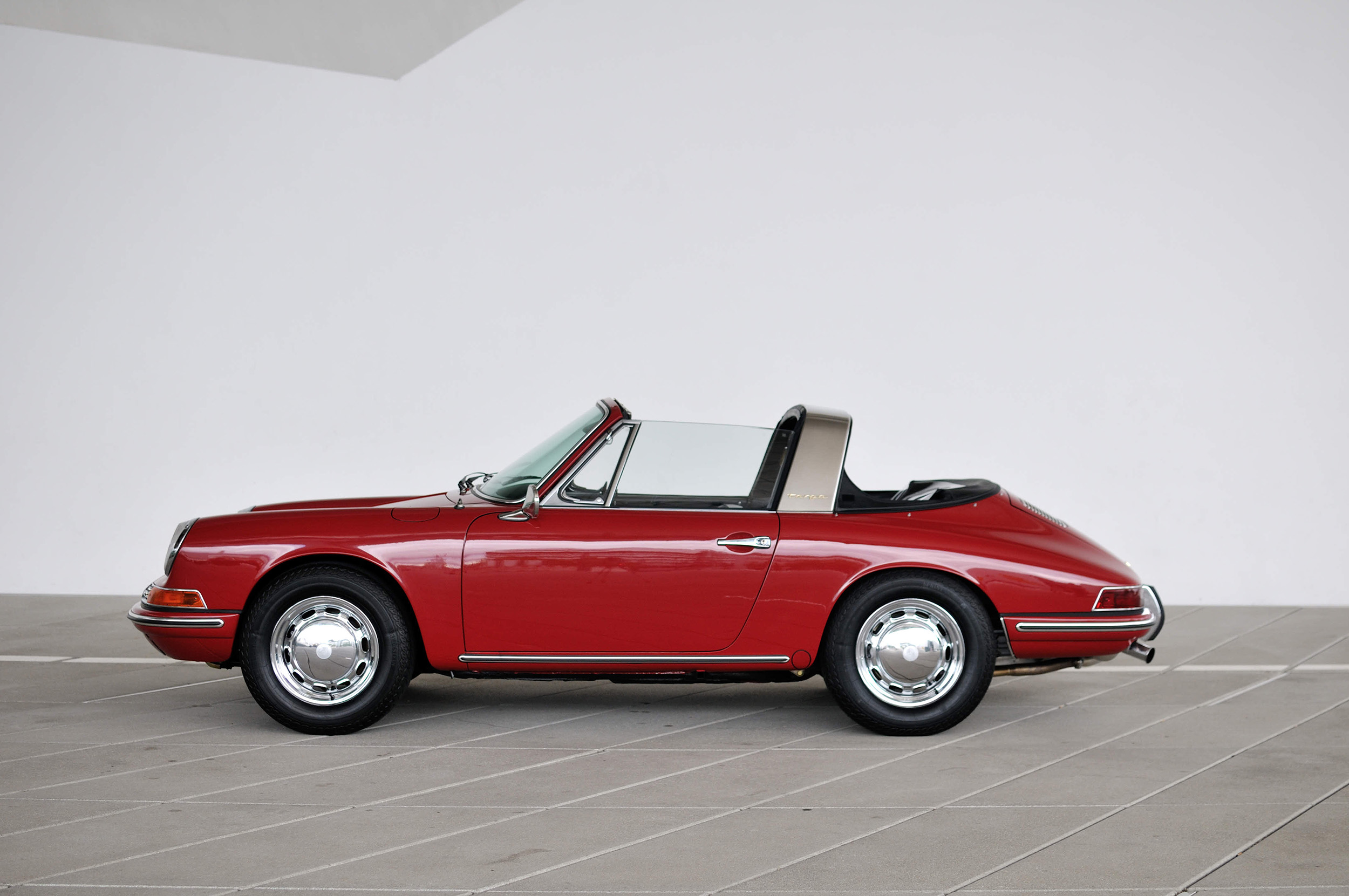
1965: Targa roll-over bar
|
Porsche
|
911
|
|
|
|
|
Dr. Ing. h.c. F. Porsche AG
|
Image
|
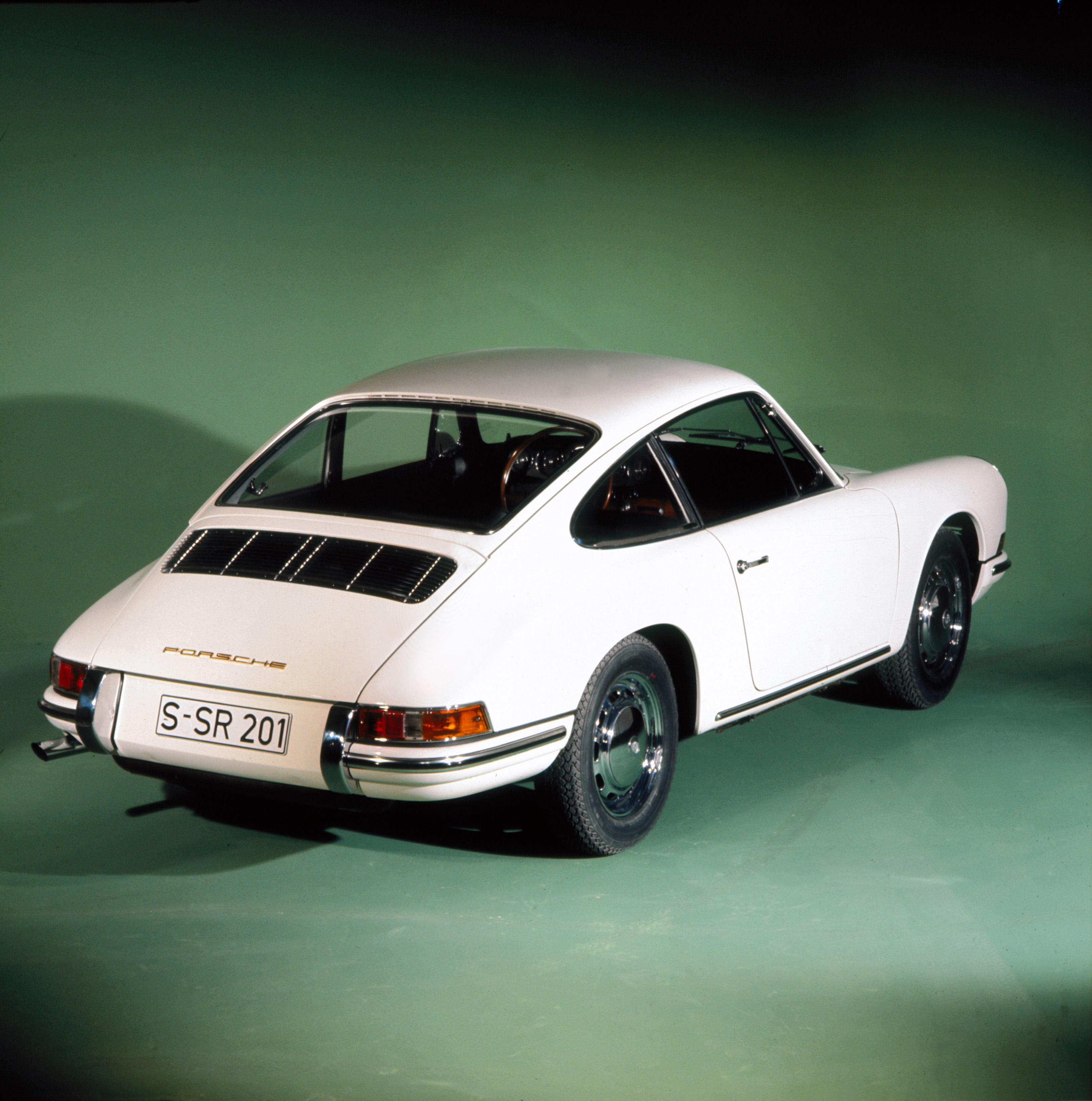
1965, 911 Coupé, 2.0, Generations
|
Porsche
|
911
|
|
|
|
|
Dr. Ing. h.c. F. Porsche AG
|
Image
|
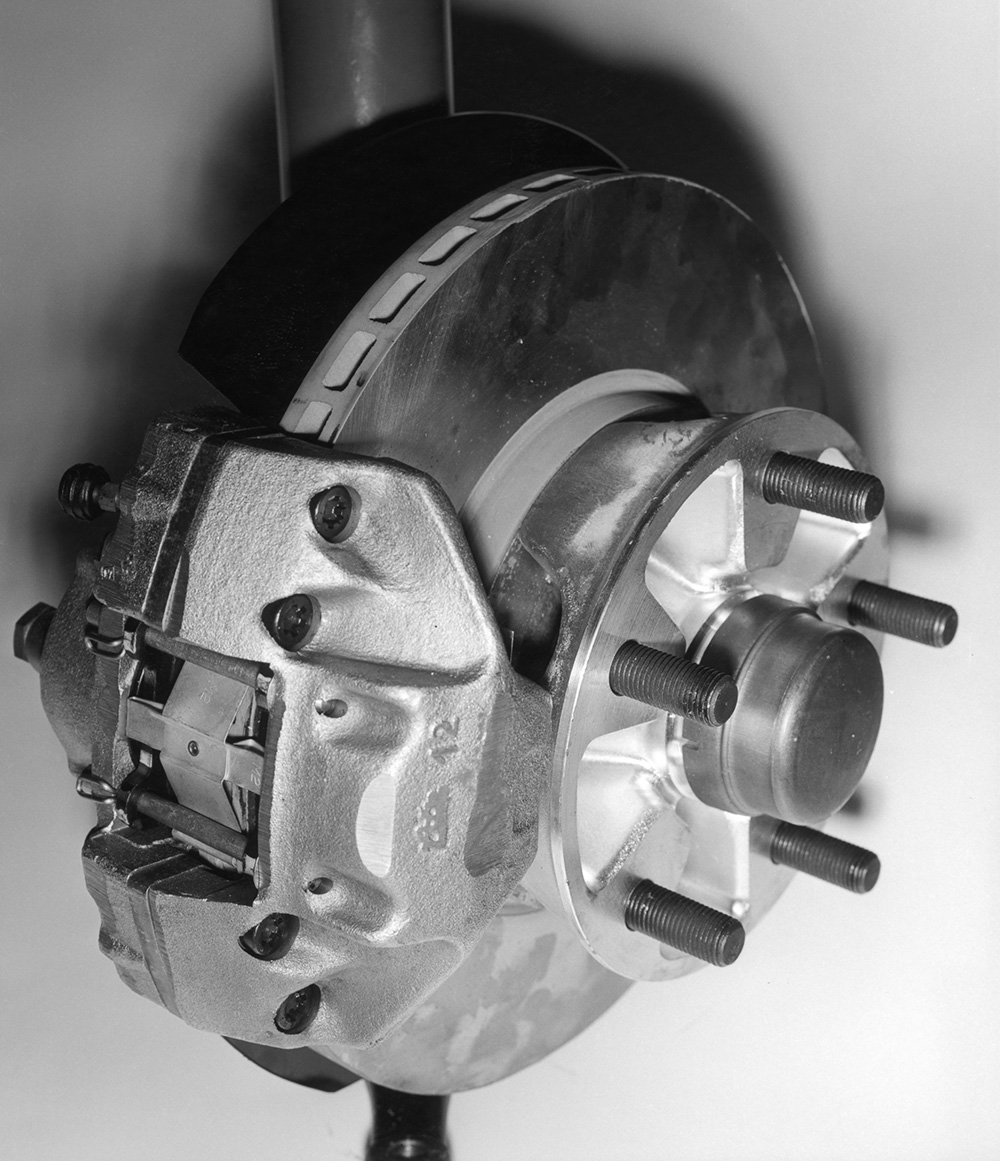
1966: Internally ventilated disc brakes
|
|
|
|
|
|
|
Dr. Ing. h.c. F. Porsche AG
|
Image
|
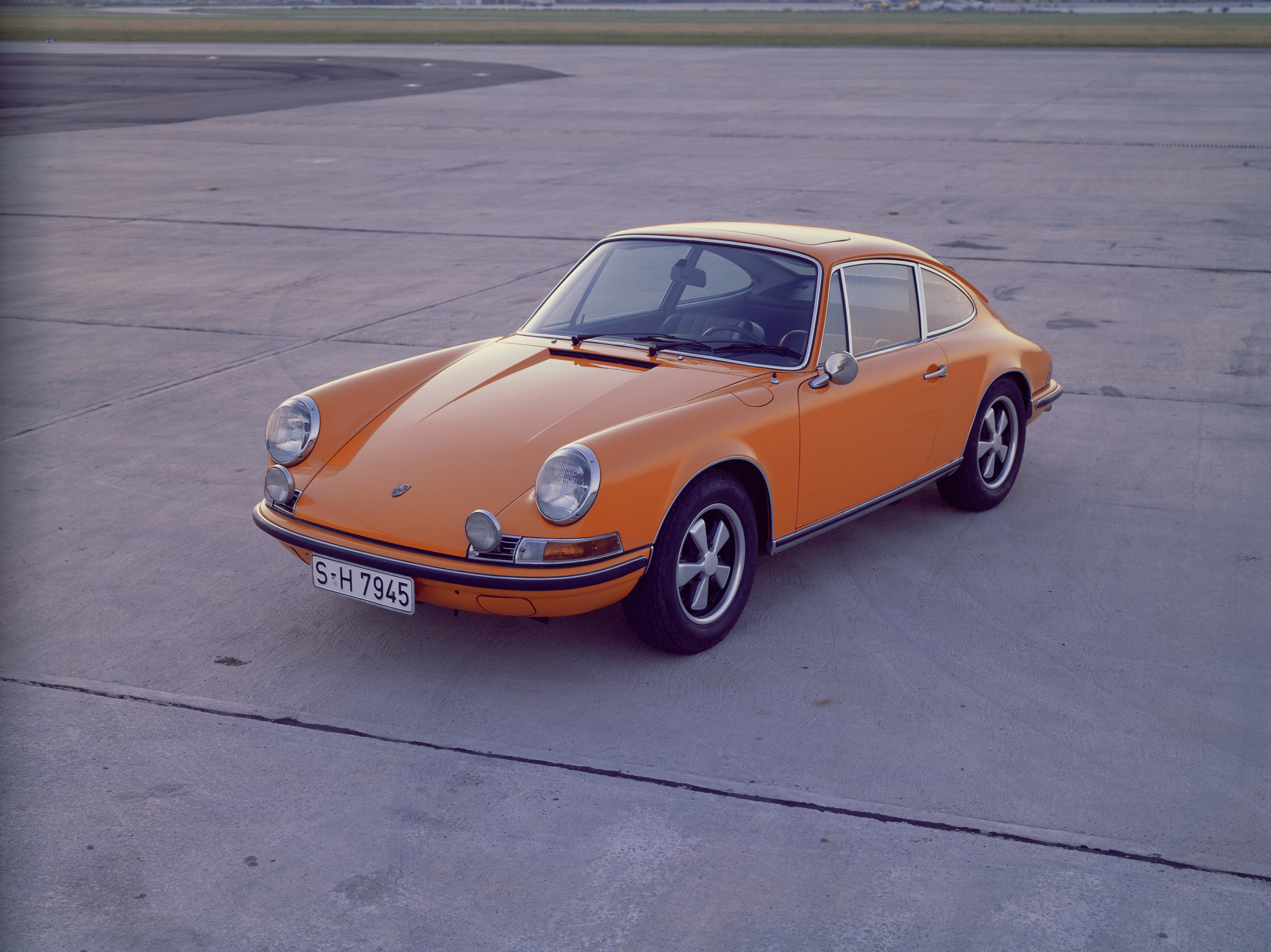
1970, 911 S Coupé, 2,0 Liter, Generations
|
Porsche
|
911
|
S
|
|
|
|
Dr. Ing. h.c. F. Porsche AG
|
Image
|
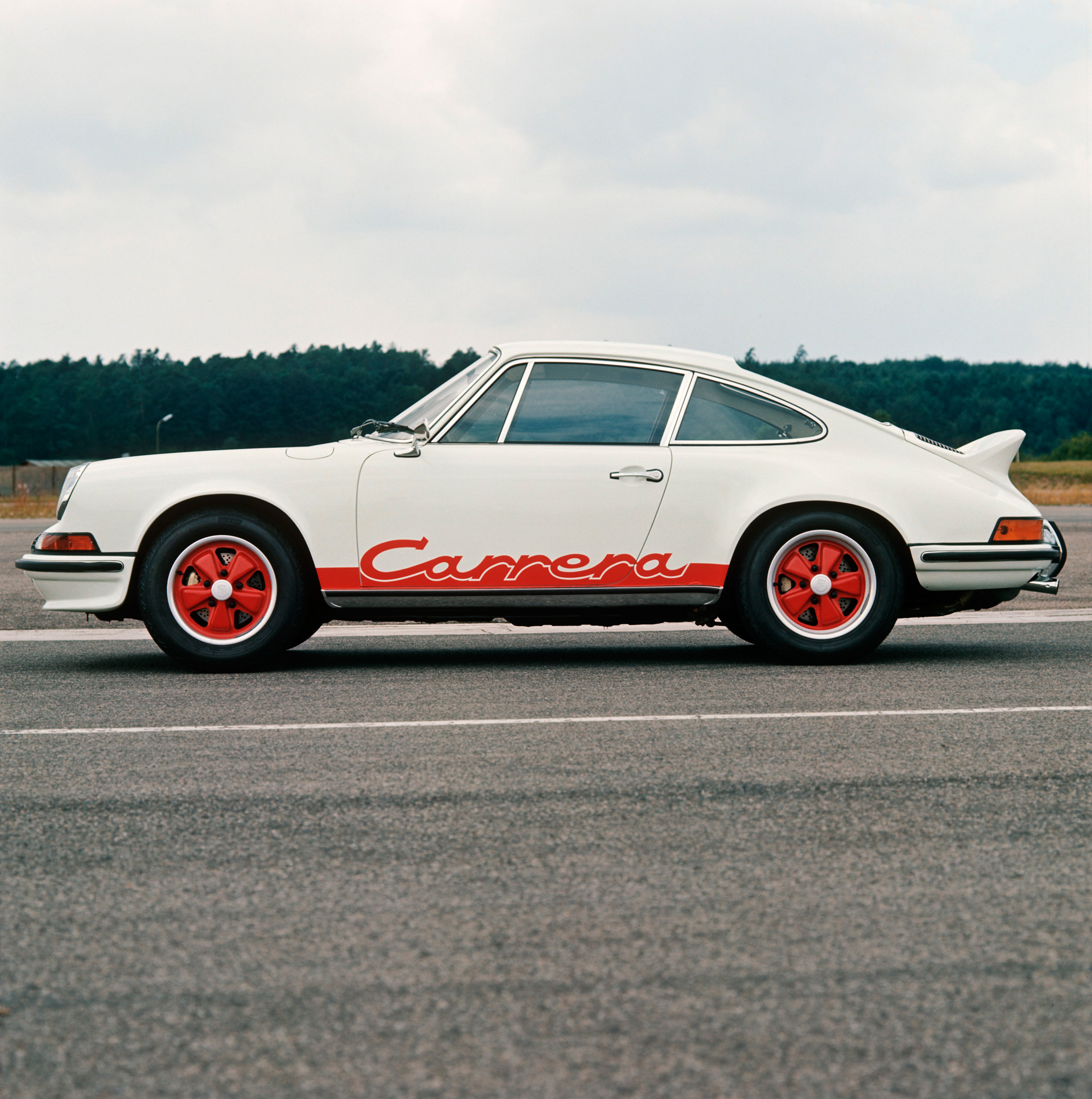
1972: Front and rear spoilers
|
Porsche
|
911
|
|
|
|
|
Dr. Ing. h.c. F. Porsche AG
|
Image
|
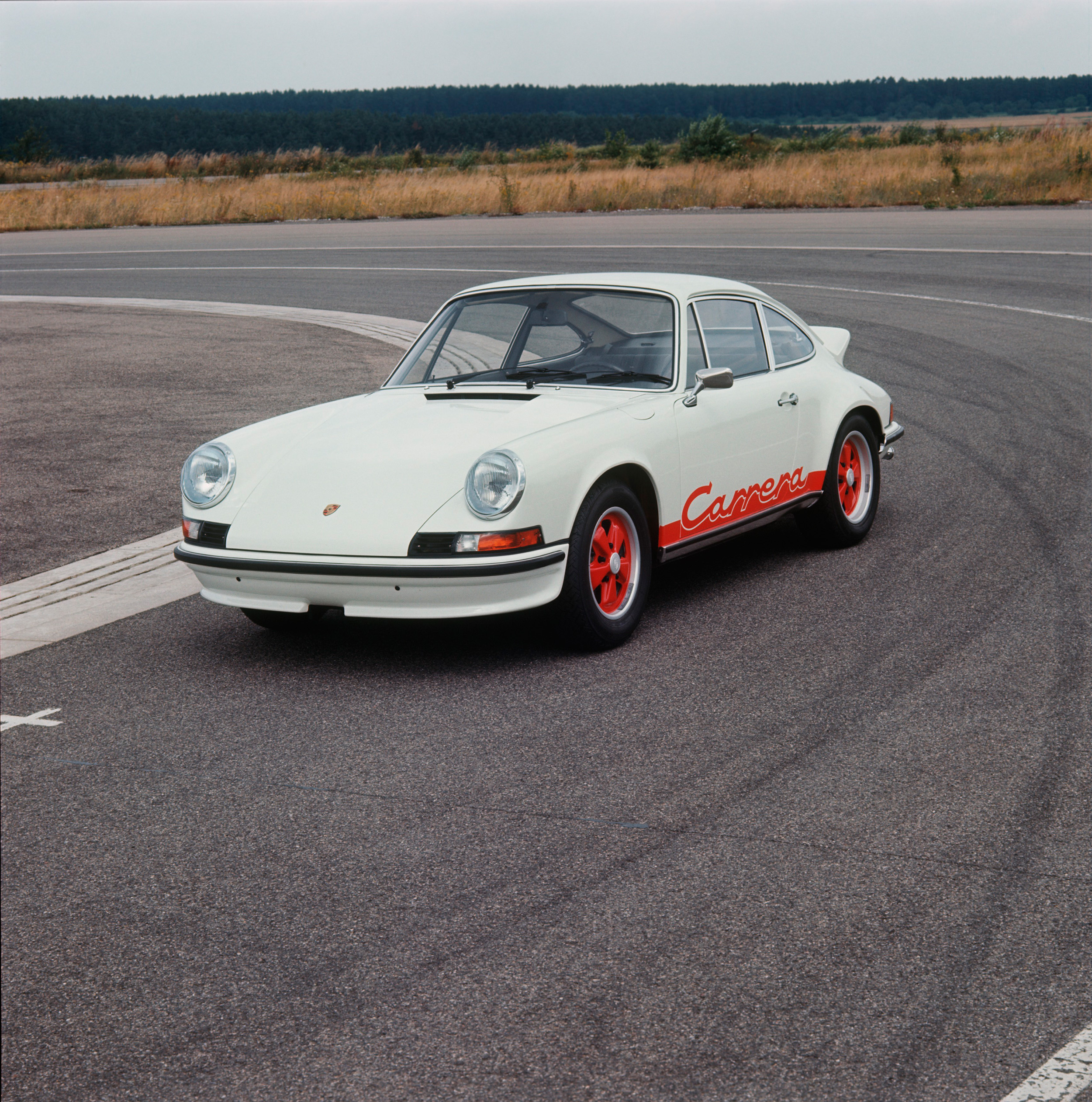
1972: Front and rear spoilers
|
Porsche
|
911
|
|
|
|
|
Dr. Ing. h.c. F. Porsche AG
|
Image
|
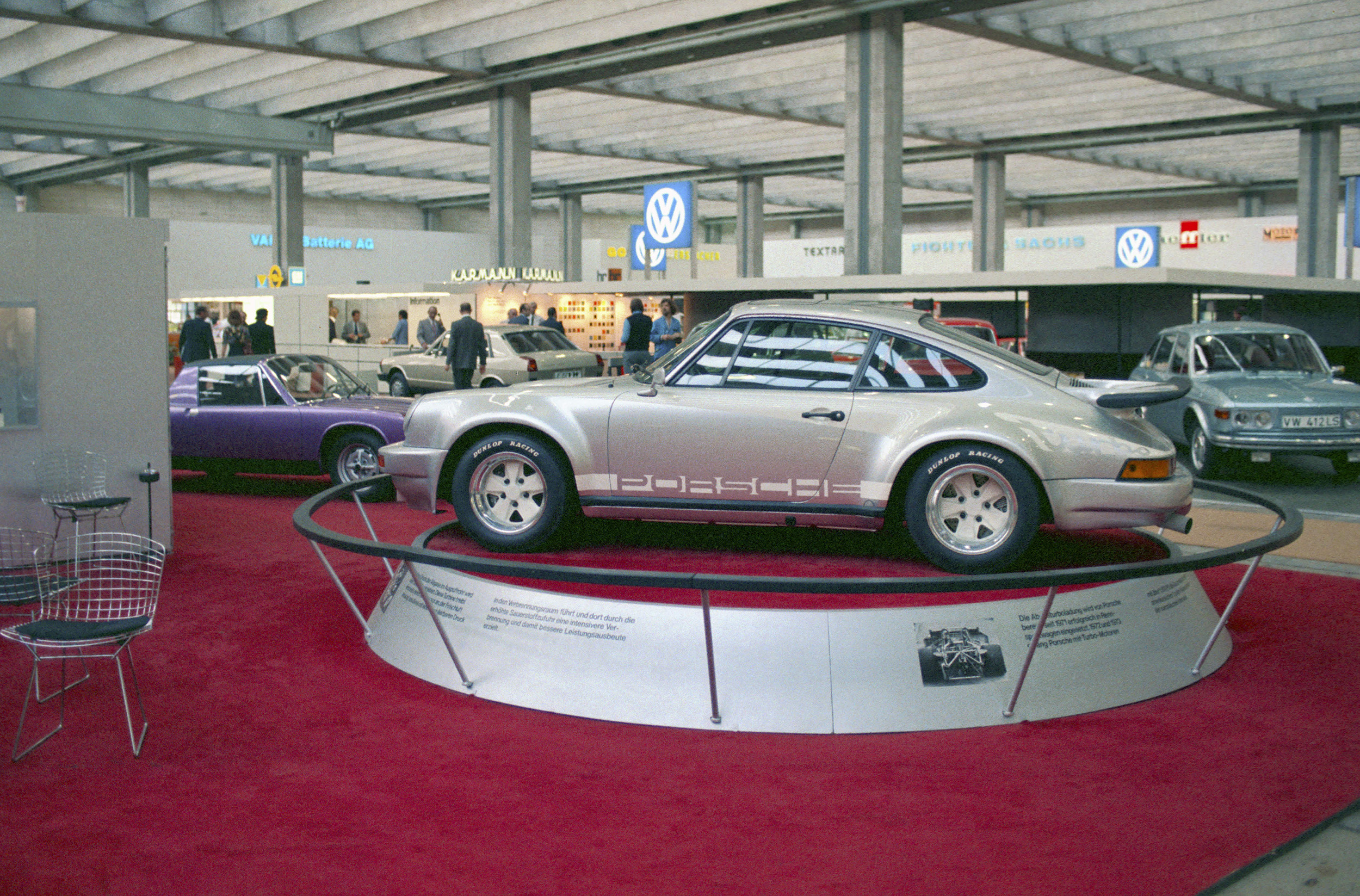
1973: Turbocharging With the 911 Turbo, which was ready for series production in 1974, Porsche was the first car manufacturer to successfully adapt the turbocharger to the various driving states. Instead of the conventional intake-side control, the company developed exhaust-side charge pressure control. This prevented unwanted excess pressure during partial load or overrun by guiding excess exhaust gases via a bypass instead of through the exhaust gas turbine. (...)
|
Porsche
|
911
|
Turbo
|
|
|
|
Dr. Ing. h.c. F. Porsche AG
|
Image
|
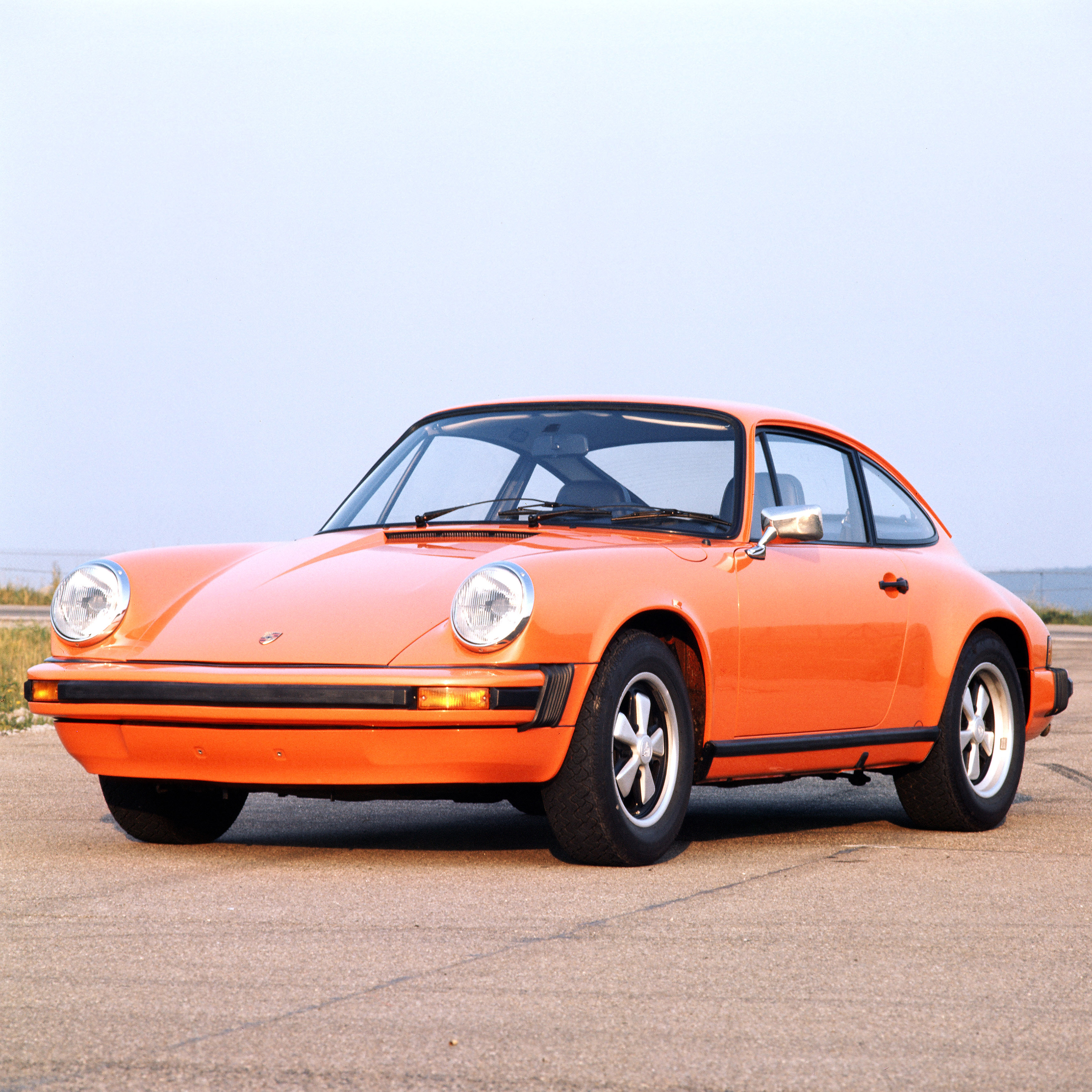
1974, 911 Carrera Coupé, G-Serie, 2,7 Liter, Generations
|
Porsche
|
911
|
Carrera
|
|
|
|
Dr. Ing. h.c. F. Porsche AG
|
Image
|
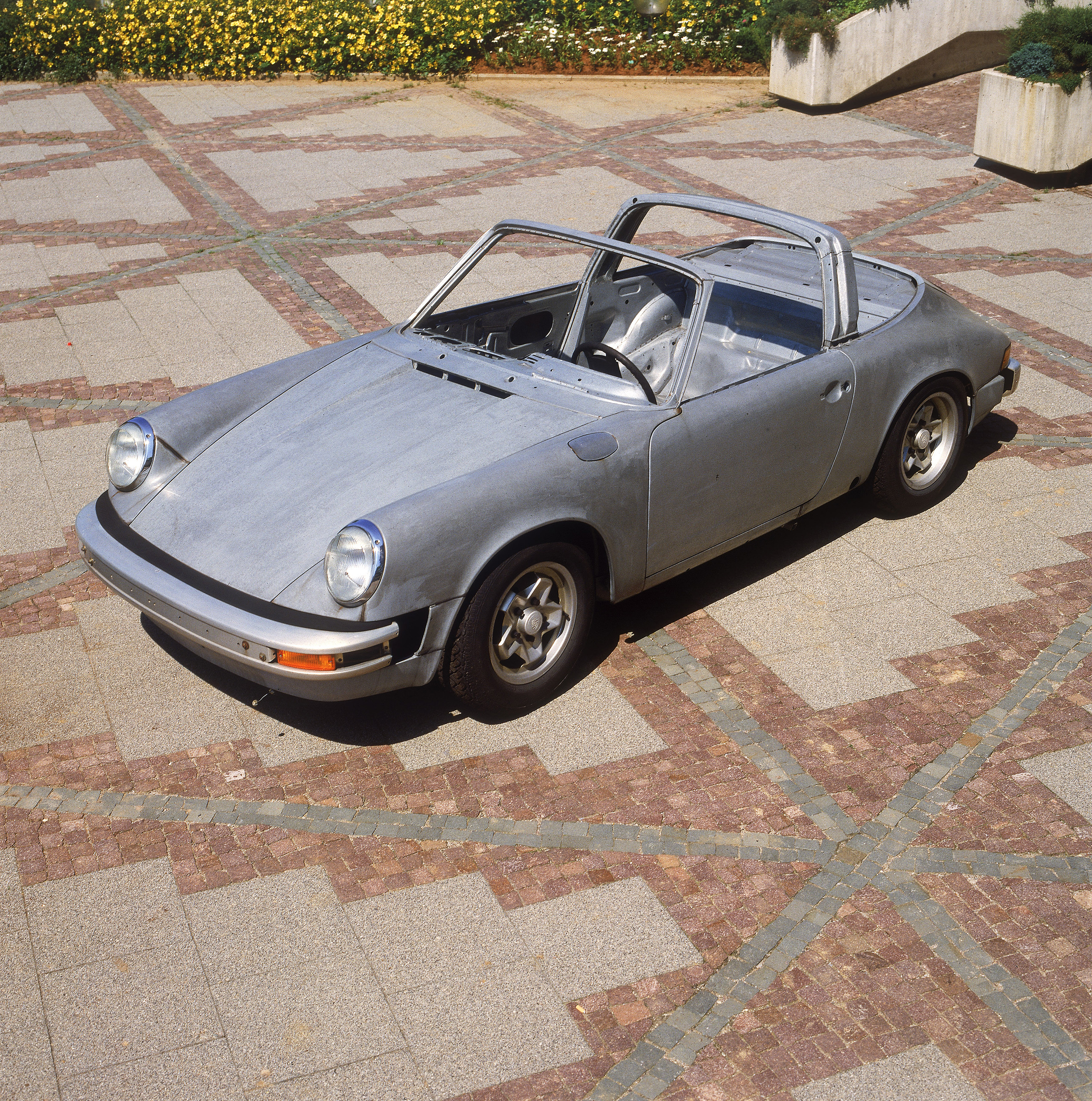
1975: Hot-dip galvanised body In 1975, Porsche responded to the issue of corrosion with emphatic success. The 911 was the first series production car to be given a body that was hot-dip galvanised on both sides â allowing Porsche to offer a six-year corrosion guarantee, which was extended to seven years for the 1981 model year and then later to as much as ten years. (...)
|
Porsche
|
911
|
|
|
|
|
Dr. Ing. h.c. F. Porsche AG
|
Image
|
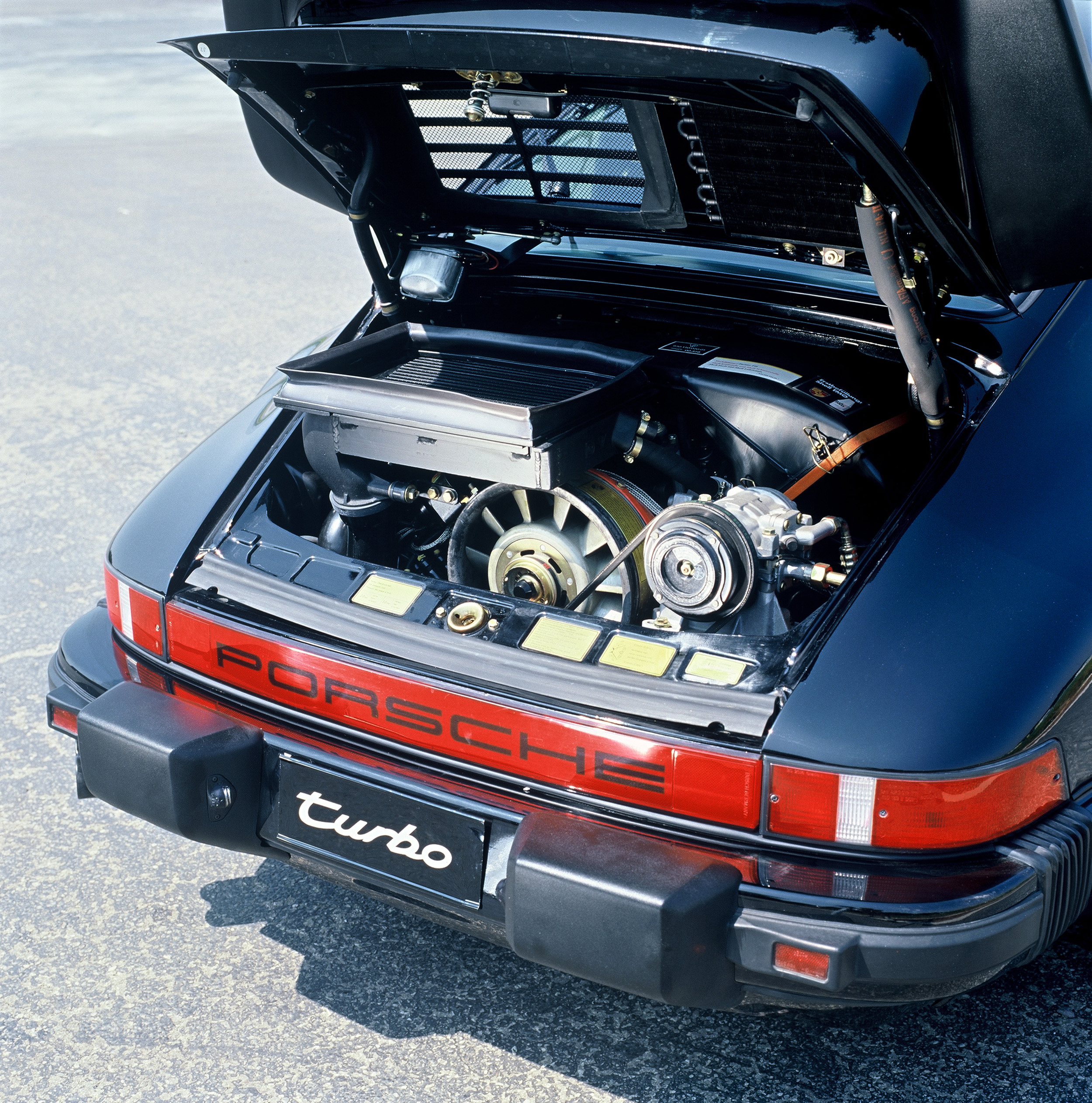
1977: Charge-air cooling he main features of the 911 Turbo, reworked in 1977, were an increased displacement of 3.3 litres and a charge-air cooler positioned underneath the rear spoiler. Derived from the field of motor racing, it was a world first in a series production car. The charge-air cooler reduces the intake air temperature by up to 100 degrees Celsius, thus enabling the engine to achieve higher output and torque in all engine speed ranges â cooler gases are denser and therefore charge the engine more effectively. (...)
|
Porsche
|
911
|
Turbo
|
|