|
Dr. Ing. h.c. F. Porsche AG
|
Image
|
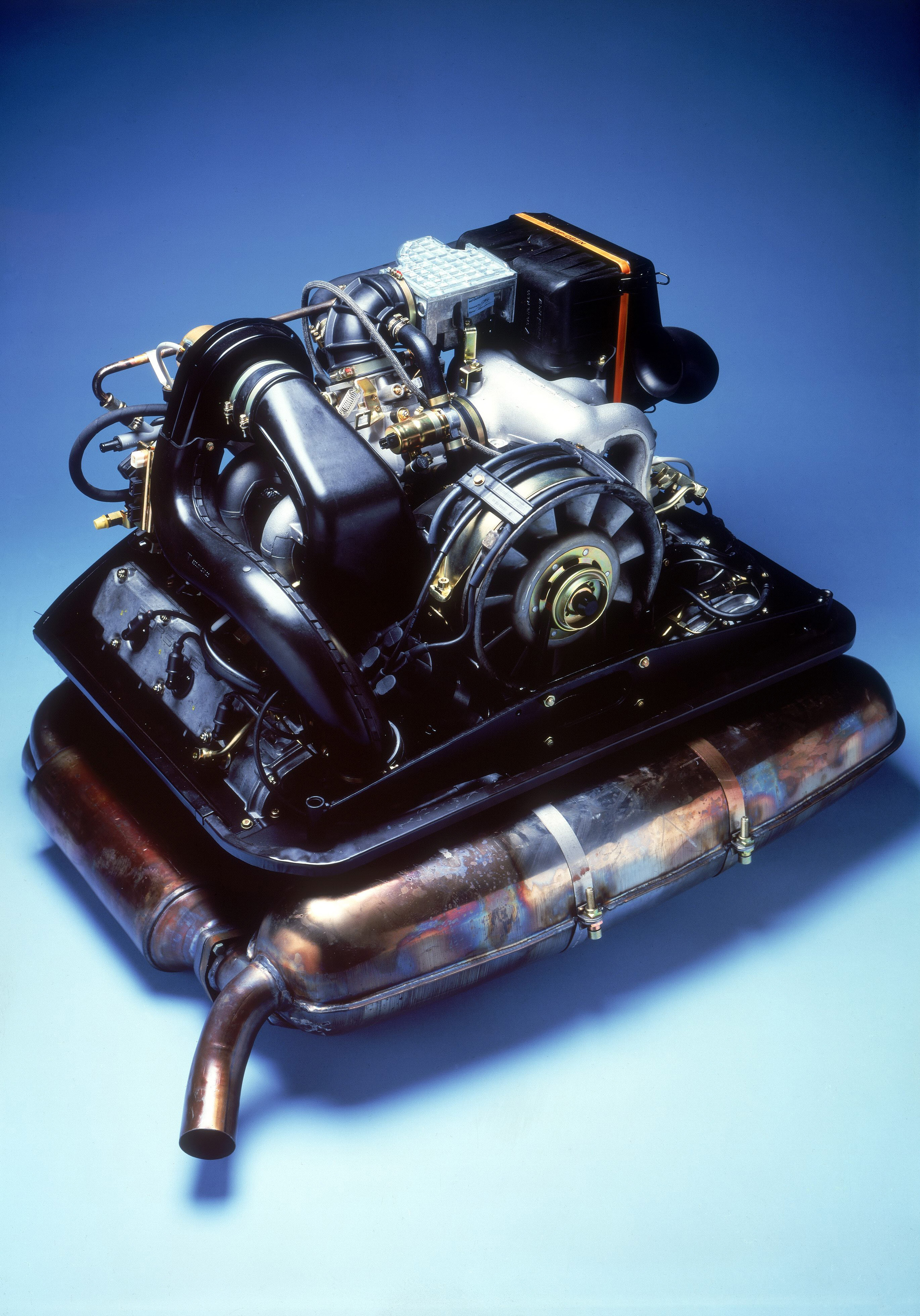
1983: Digital engine electronics Digital engine electronics (DEE) celebrated its debut in 1983 with the new naturally aspirated engine with 3.2-litre displacement. Its most important advantages were better fuel consumption, cleaner combustion and therefore maximum power output. The system worked with a shared control unit into which all the engineâÂÂs operating states were programmed. The correct injection quantity and the exact ignition point were assigned to each engine speed, each accelerator pedal position and temperature. (...)
|
Porsche
|
911
|
|
|
|
|
Dr. Ing. h.c. F. Porsche AG
|
Image
|
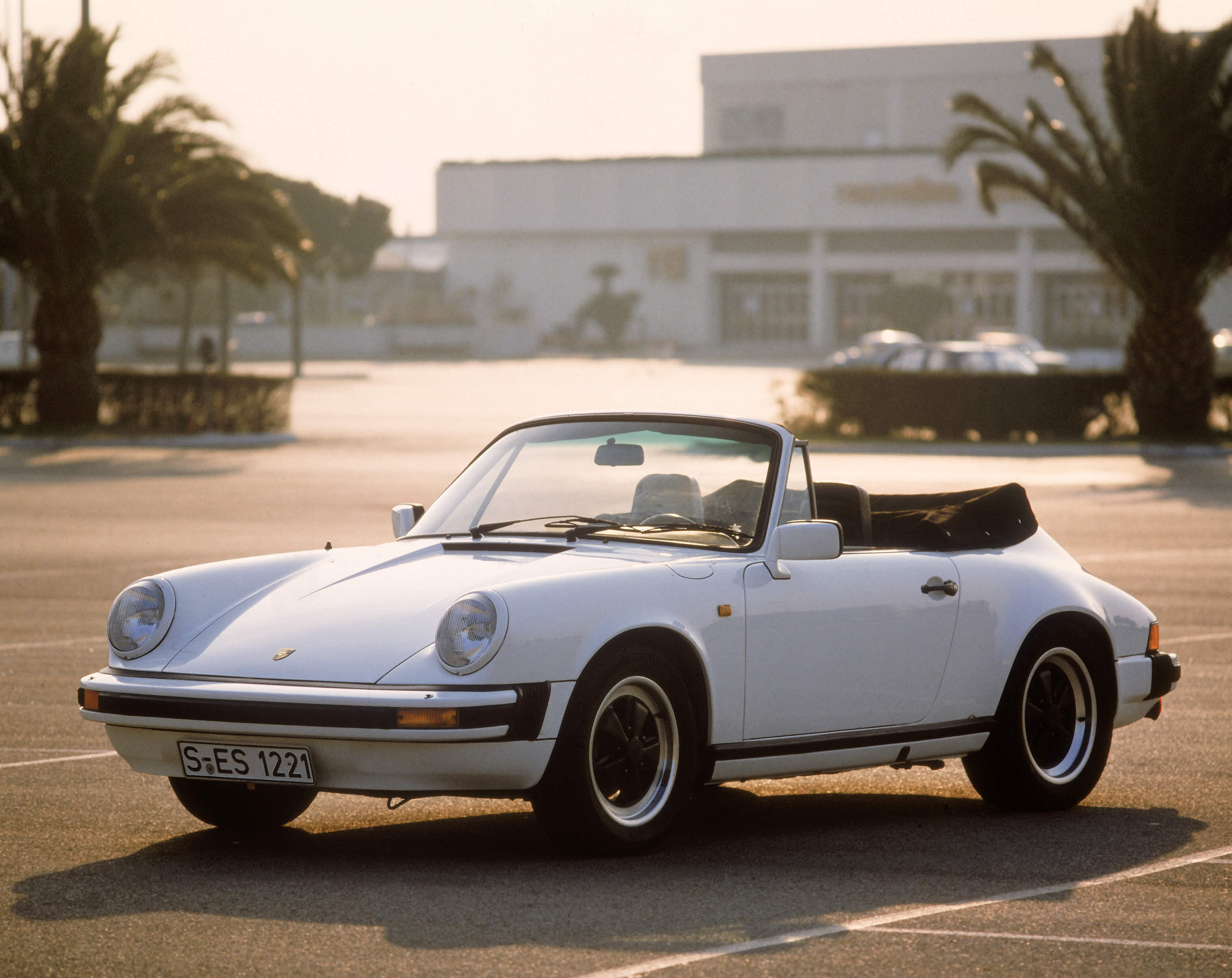
1983, 911 Carrera S Cabriolet, G-Serie, 3,0 Liter, Generations
|
Porsche
|
911
|
Carrera S Cabriolet
|
|
|
|
Dr. Ing. h.c. F. Porsche AG
|
Image
|
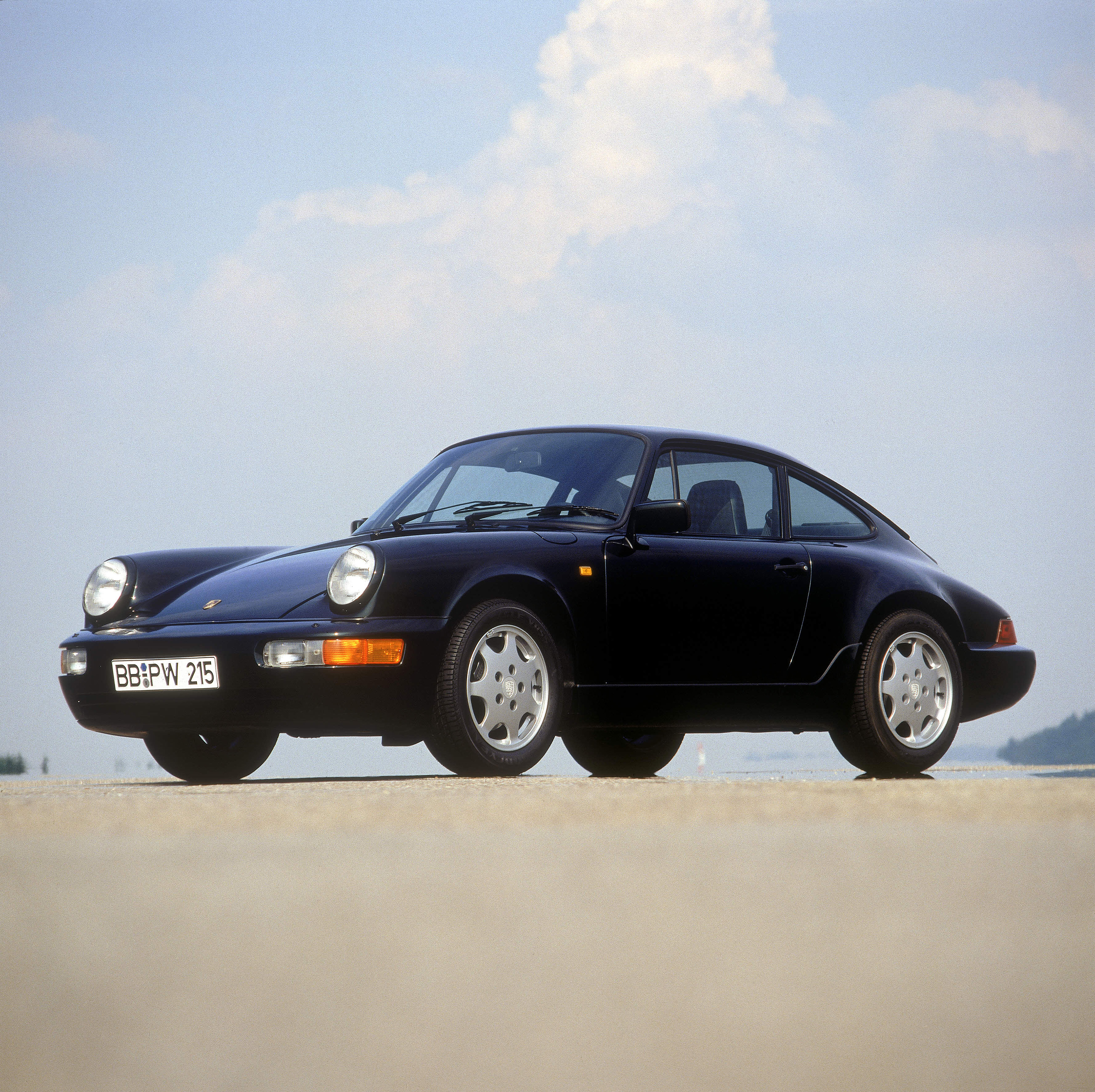
1988, 911 Carrera 4 Coupé, Type 964, 3,6 Liter, Generations
|
Porsche
|
911
|
Carrera 4
|
964
|
|
|
Dr. Ing. h.c. F. Porsche AG
|
Image
|
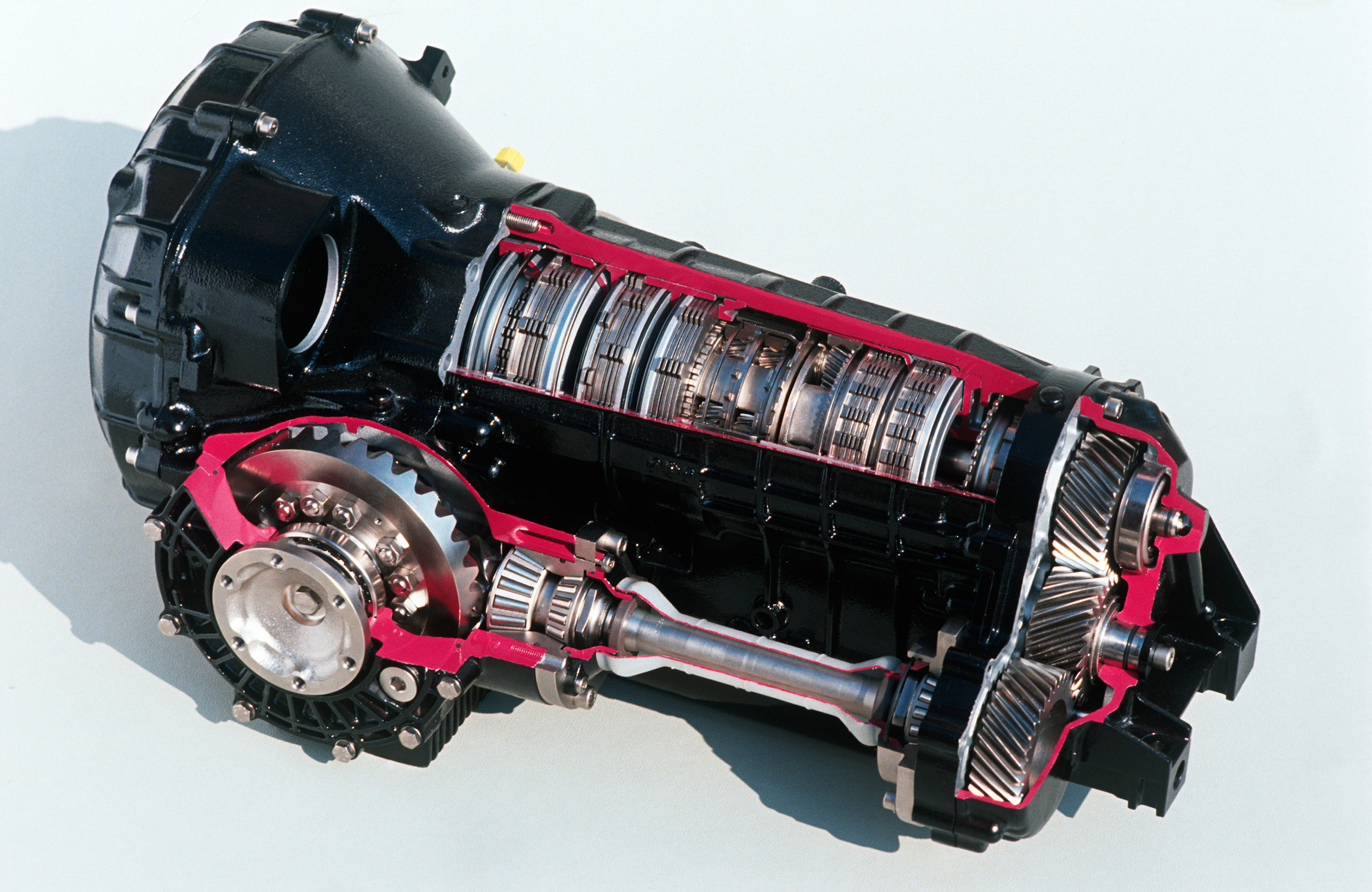
1989: Tiptronic From 1989, Porsche offered an innovative gearbox in the 964 series 911 â the Tiptronic, the perfect synthesis of comfort and sportiness. The driving data was only marginally lower than that of the same vehicles with manual 5 or 6-speed gearboxes. (...)
|
Porsche
|
911
|
|
964
|
|
|
Dr. Ing. h.c. F. Porsche AG
|
Image
|
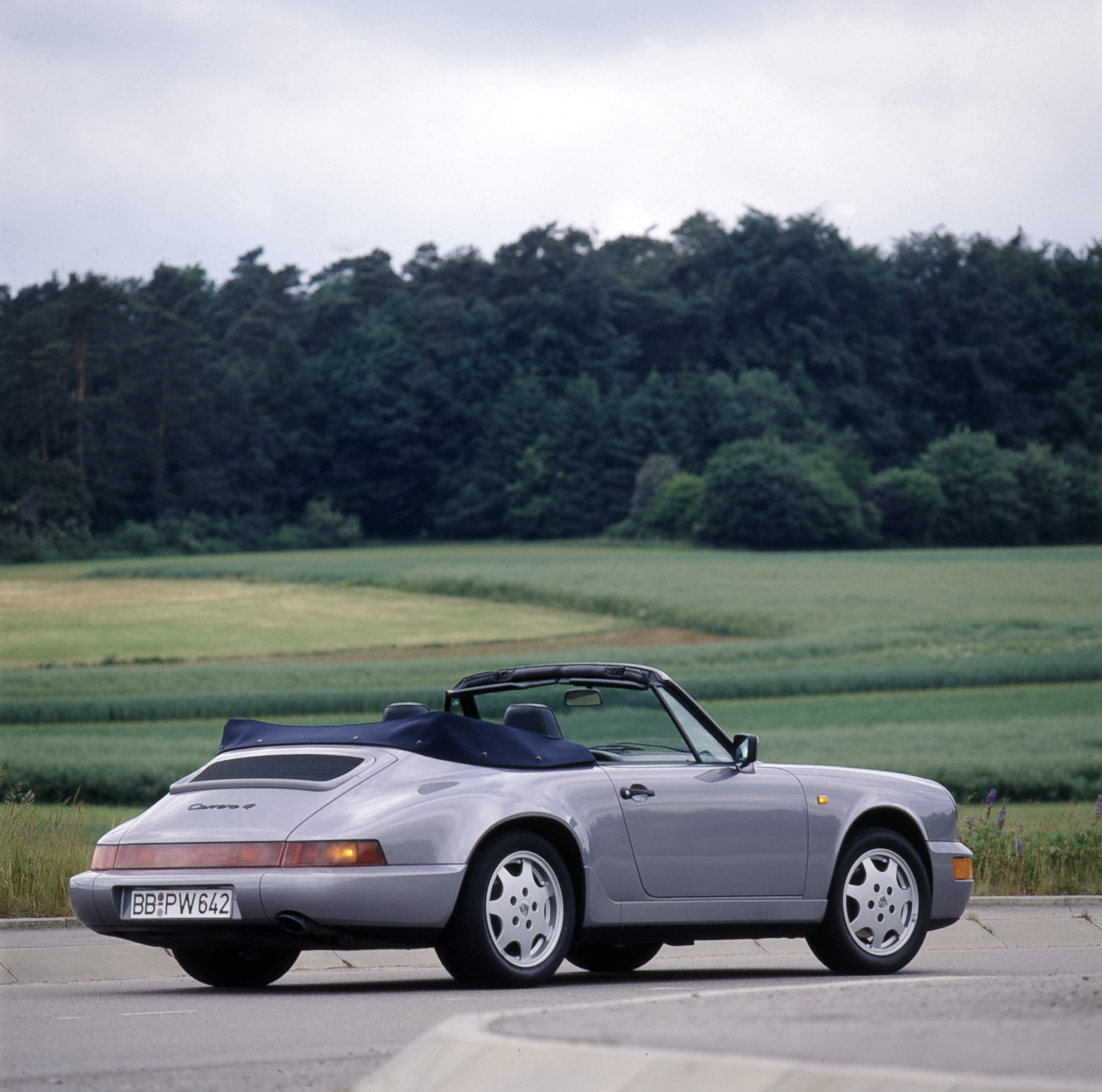
1990, 911 Carrera 4 Cabriolet, Type 964, 3,6 Liter, Generations
|
Porsche
|
911
|
Carrera 4 Cabriolet
|
964
|
|
|
Dr. Ing. h.c. F. Porsche AG
|
Image
|
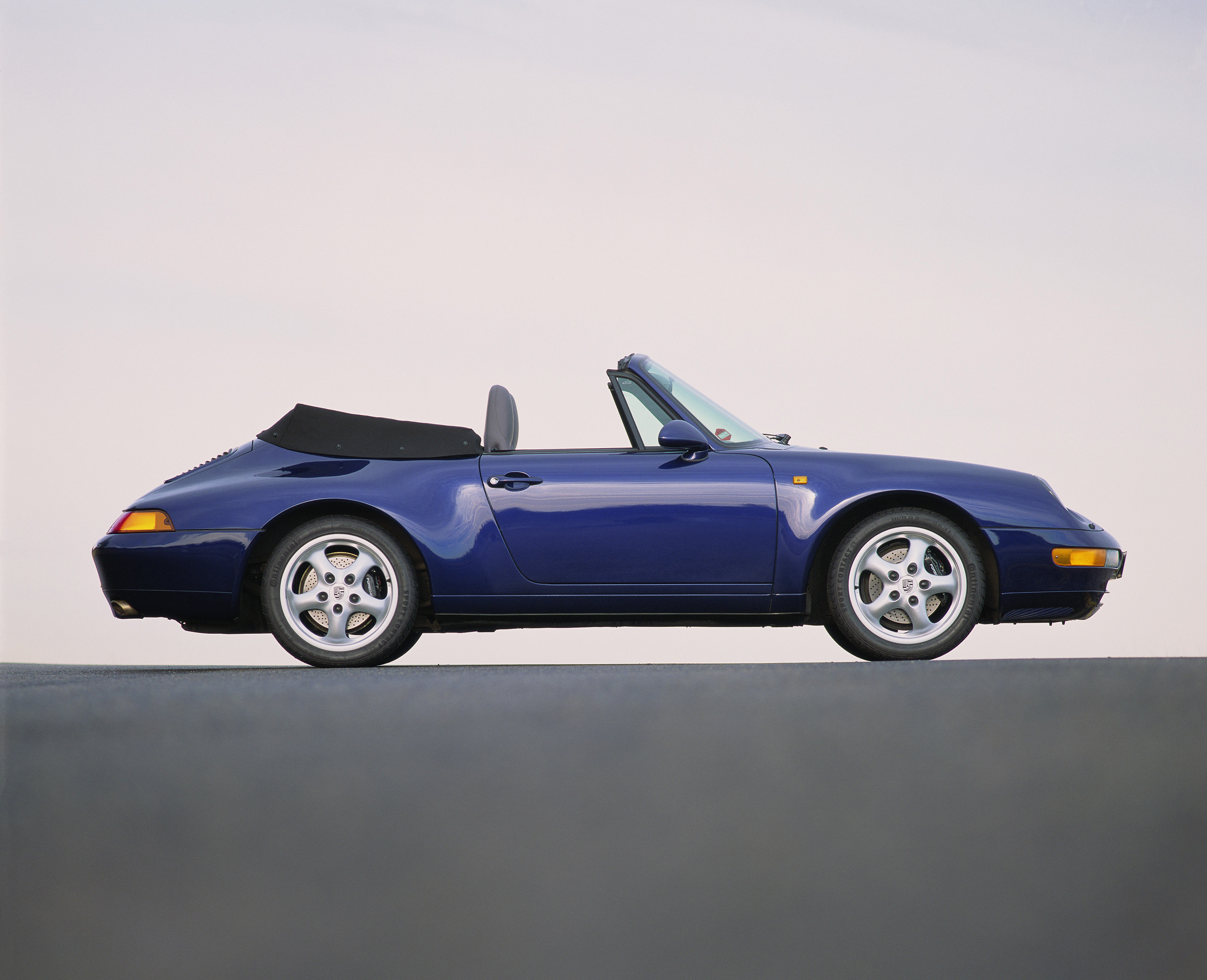
1994, 911 Carrera Cabriolet, Type 993, 3,6 Liter, Generations
|
Porsche
|
911
|
Carrera Cabriolet
|
993 I
|
|
|
Dr. Ing. h.c. F. Porsche AG
|
Image
|
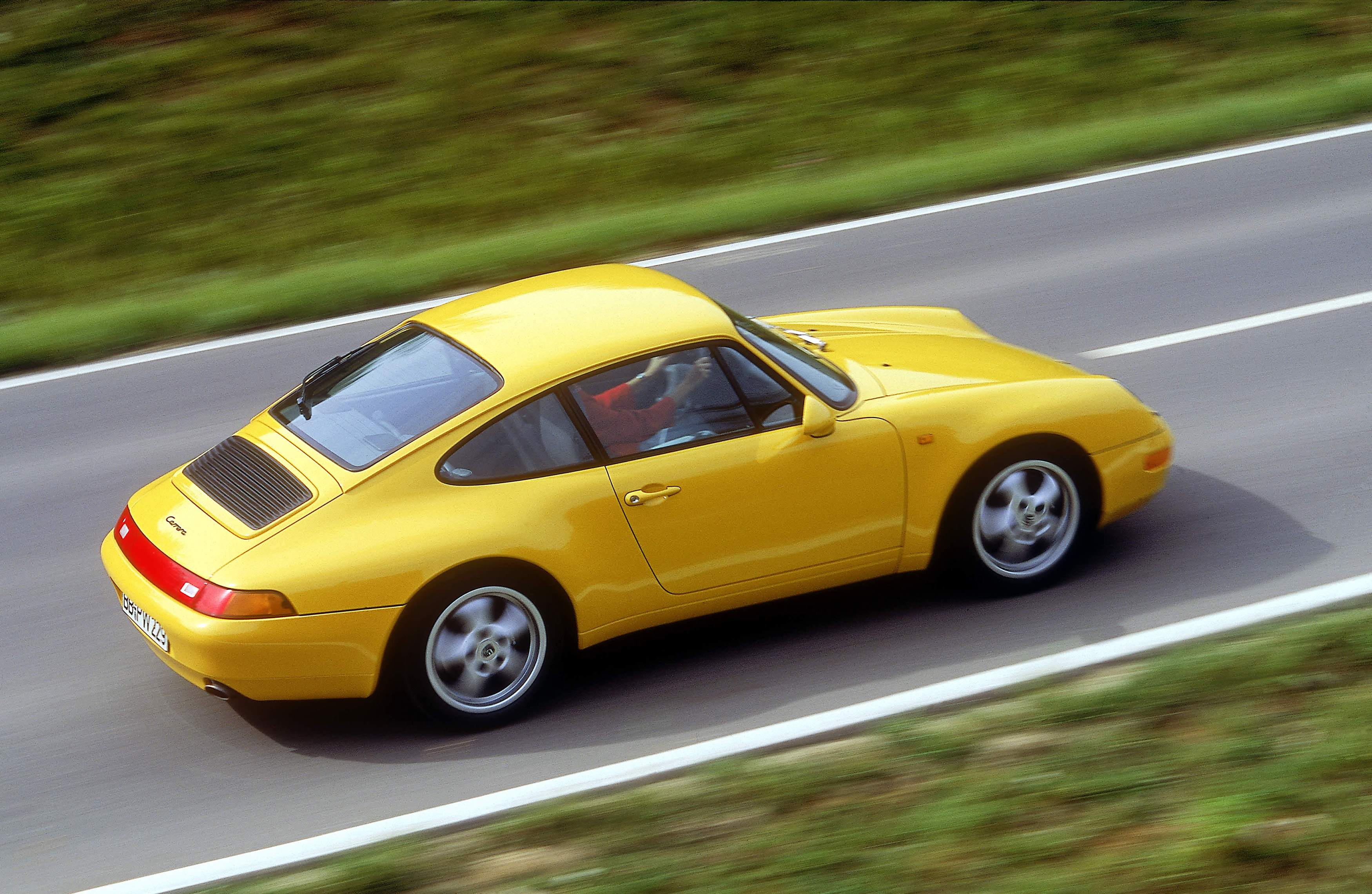
1994, 911 Carrera Coupé, Type 993, 3,6 Liter, Generations
|
Porsche
|
911
|
Carrera
|
993 I
|
|
|
Dr. Ing. h.c. F. Porsche AG
|
Image
|
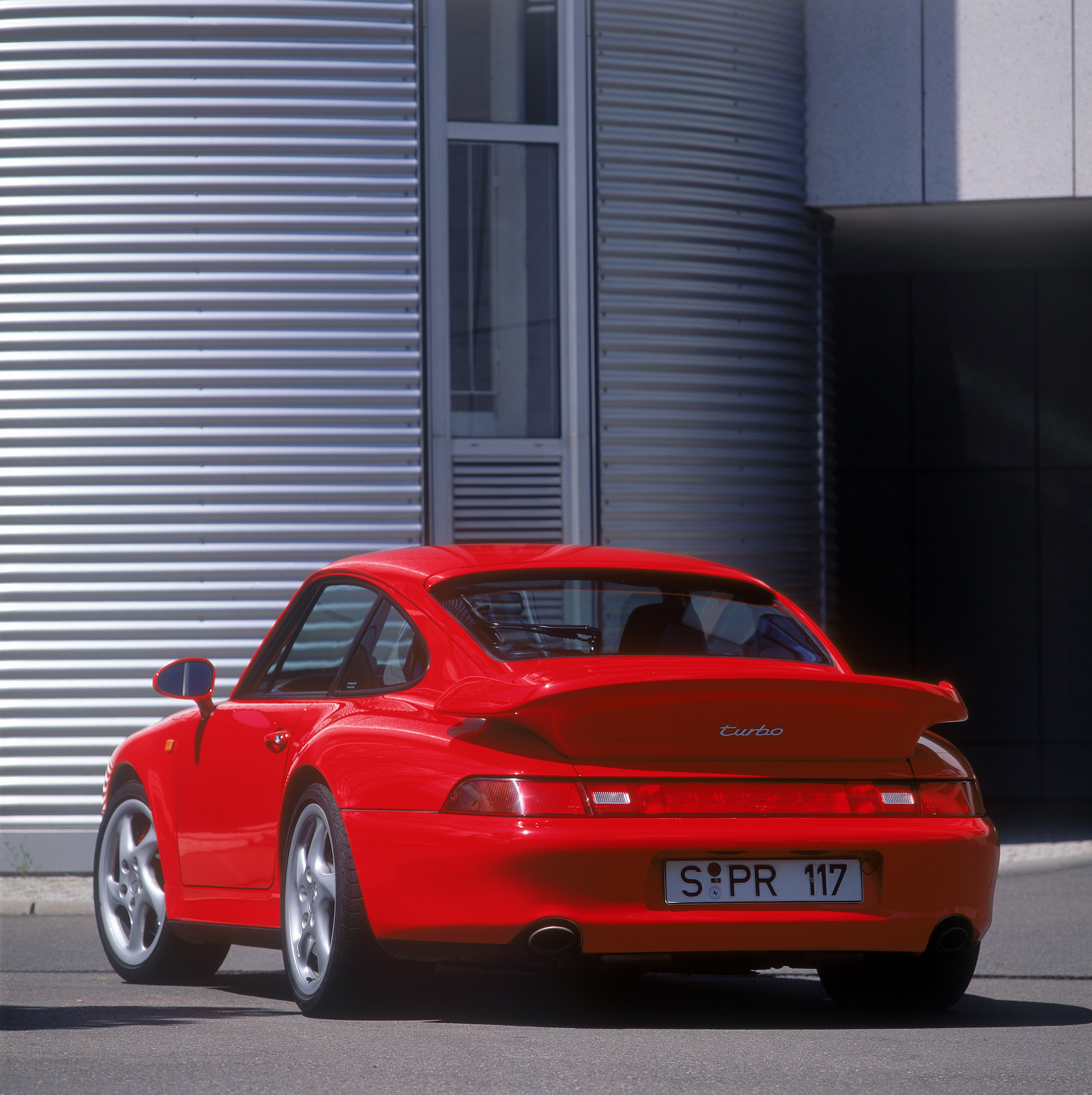
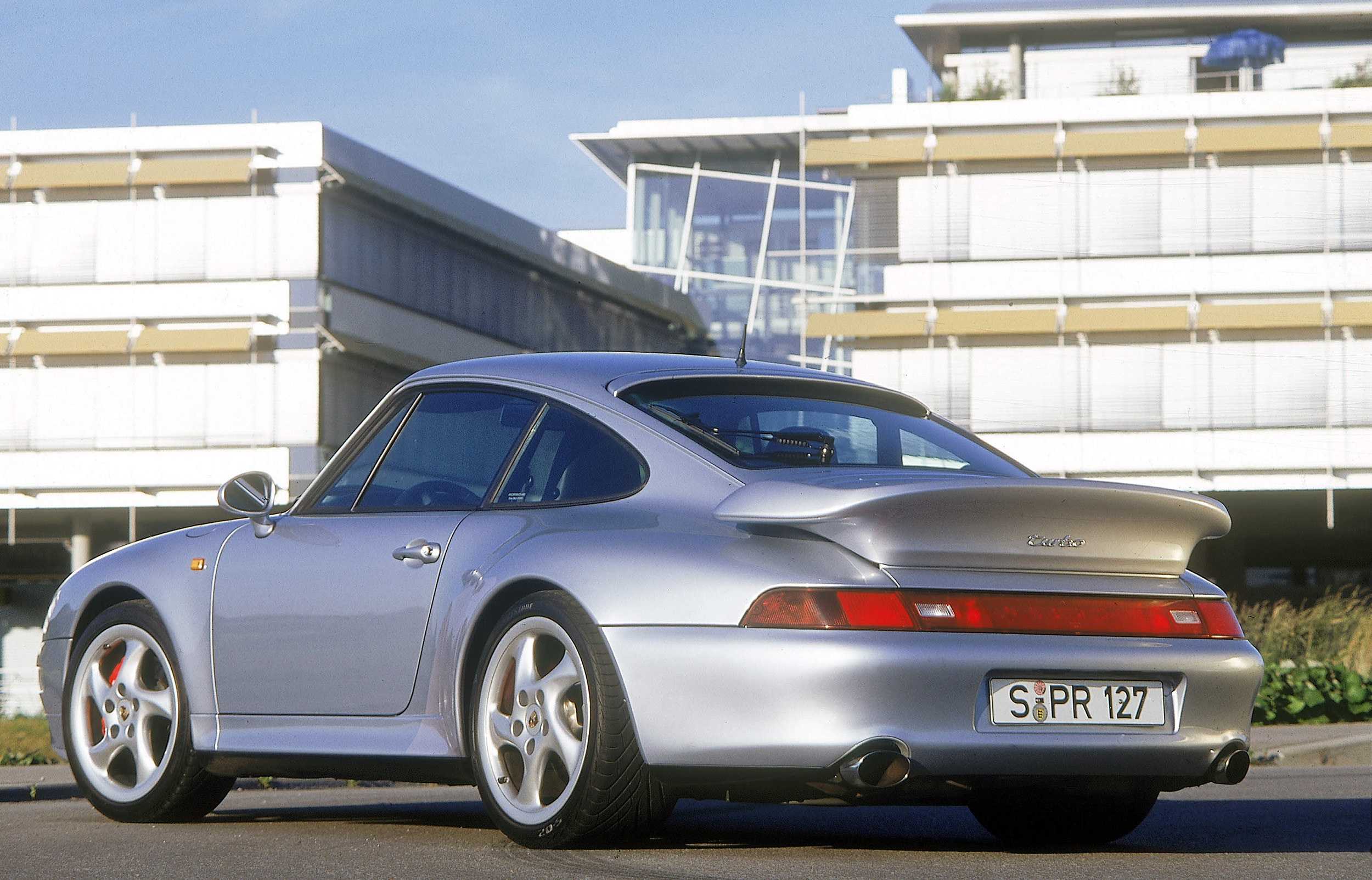
1995: Bi-turbocharging The 993 series 911 Turbo, presented in 1995, was given a 3.6-litre engine fitted with two small turbochargers. The engineâÂÂs performance curve was not dissimilar to a high-displacement naturally aspirated engine. From as low as 2,000 rpm, the engine generated plenty of thrust which changed into impressive, rousing velocity as of 3,500 rpm, pressing the occupants into their seats. (...)
|
Porsche
|
911
|
Turbo
|
993 I
|
|
|
Dr. Ing. h.c. F. Porsche AG
|
Image
|
1995: OBD II emissions control system Another technical highlight of the six-cylinder car was the new OBD (on-board diagnostics) II emissions monitoring system, which was used for the first time by a series production manufacturer. It facilitated early detection of faults or defects in the exhaust and fuel system. The extensive measures for reducing emissions were very effective on the 911 Turbo. To the great surprise of the experts, the turbo engine turned out to be the lowest emission series production engine in the world.(...)
|
Porsche
|
911
|
Turbo
|
|
|
|
Dr. Ing. h.c. F. Porsche AG
|
Image
|
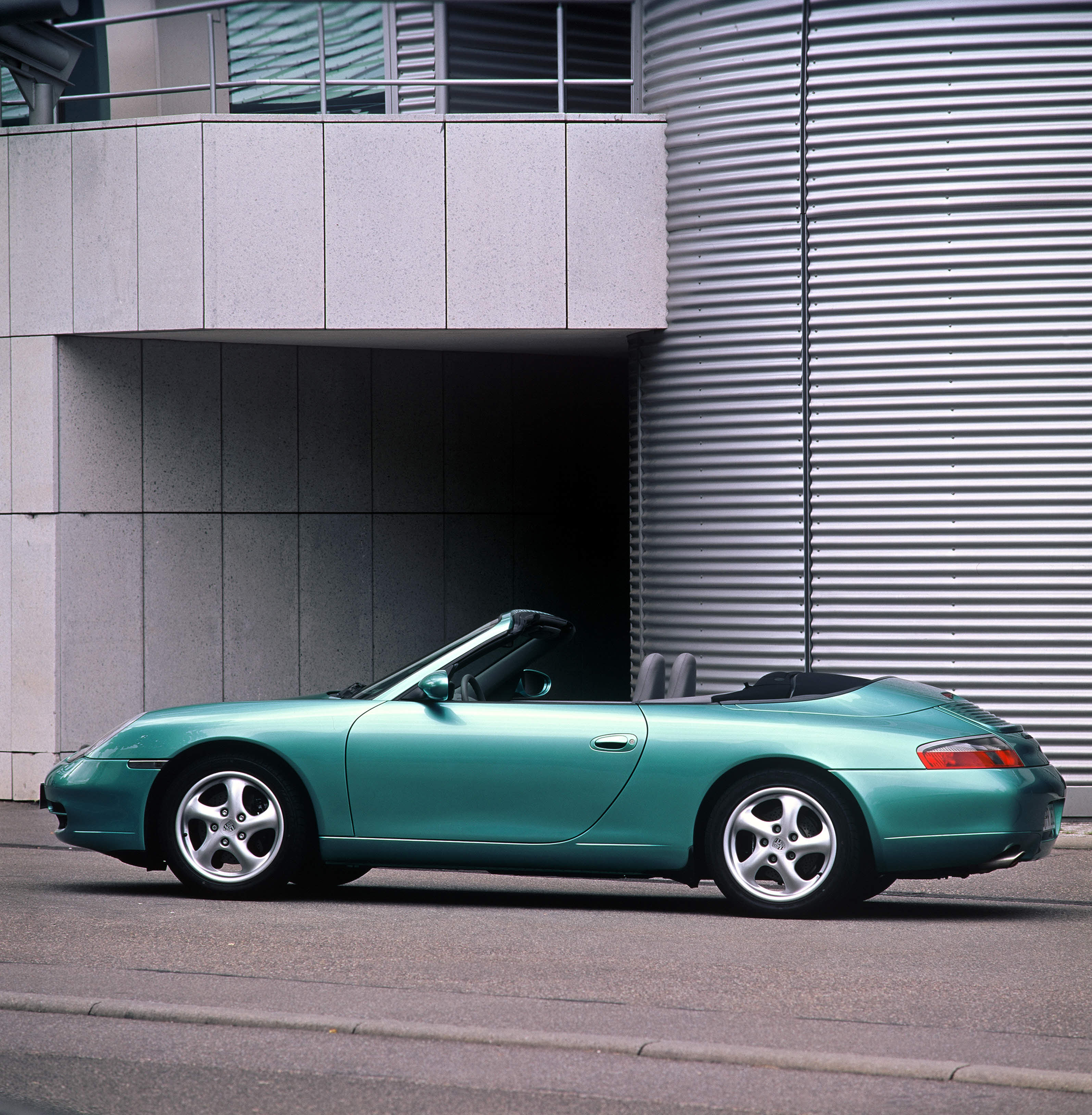
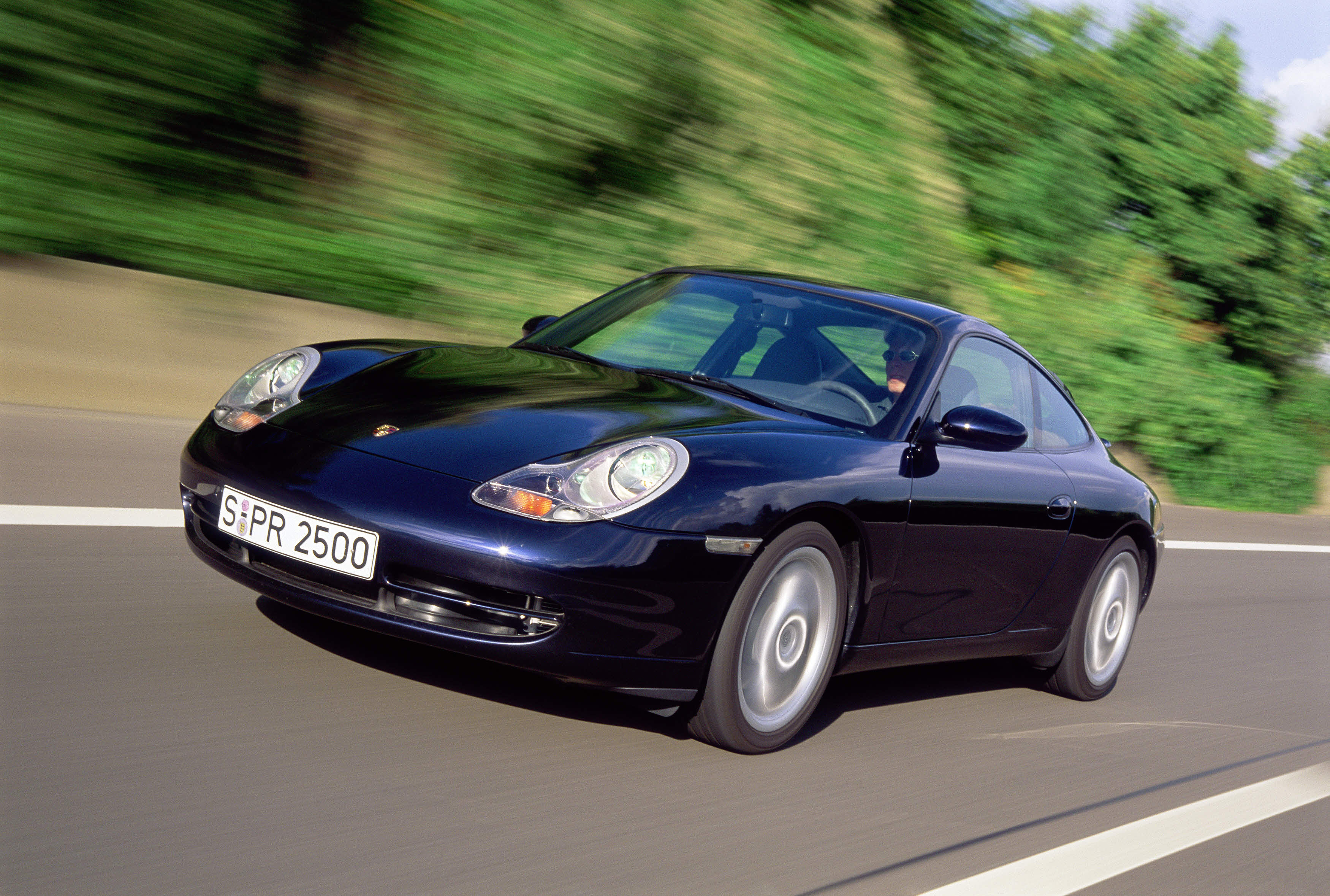
1999, 911 Carrera Cabriolet, Type 996, 3,4 Liter, Generations
|
Porsche
|
911
|
Carrera Cabriolet
|
996 I
|
|
|
Dr. Ing. h.c. F. Porsche AG
|
Image
|
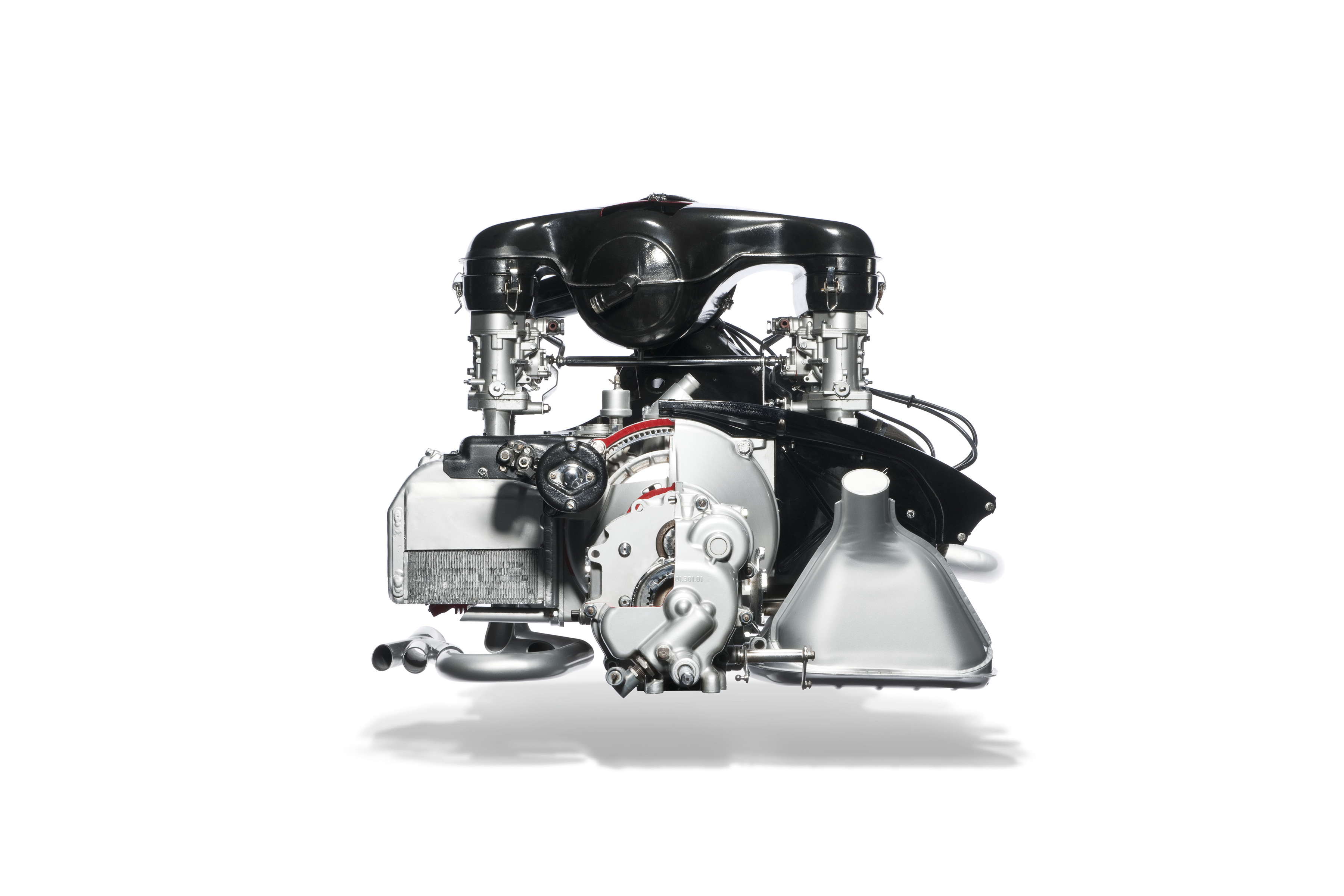
2.0-litre flat-six engine; Porsche 911; 1963
|
Porsche
|
911
|
|
|
|
|
Dr. Ing. h.c. F. Porsche AG
|
Image
|
2.0-litre flat-six engine; Porsche 911; 1964
|
Porsche
|
911
|
|
|
|
|
Dr. Ing. h.c. F. Porsche AG
|
Image
|
2001, 911 Carrera Coupé, Type 996, 3,4 Liter, Generations
|
Porsche
|
911
|
Carrera
|
996 I
|
|
|
Dr. Ing. h.c. F. Porsche AG
|
Image
|
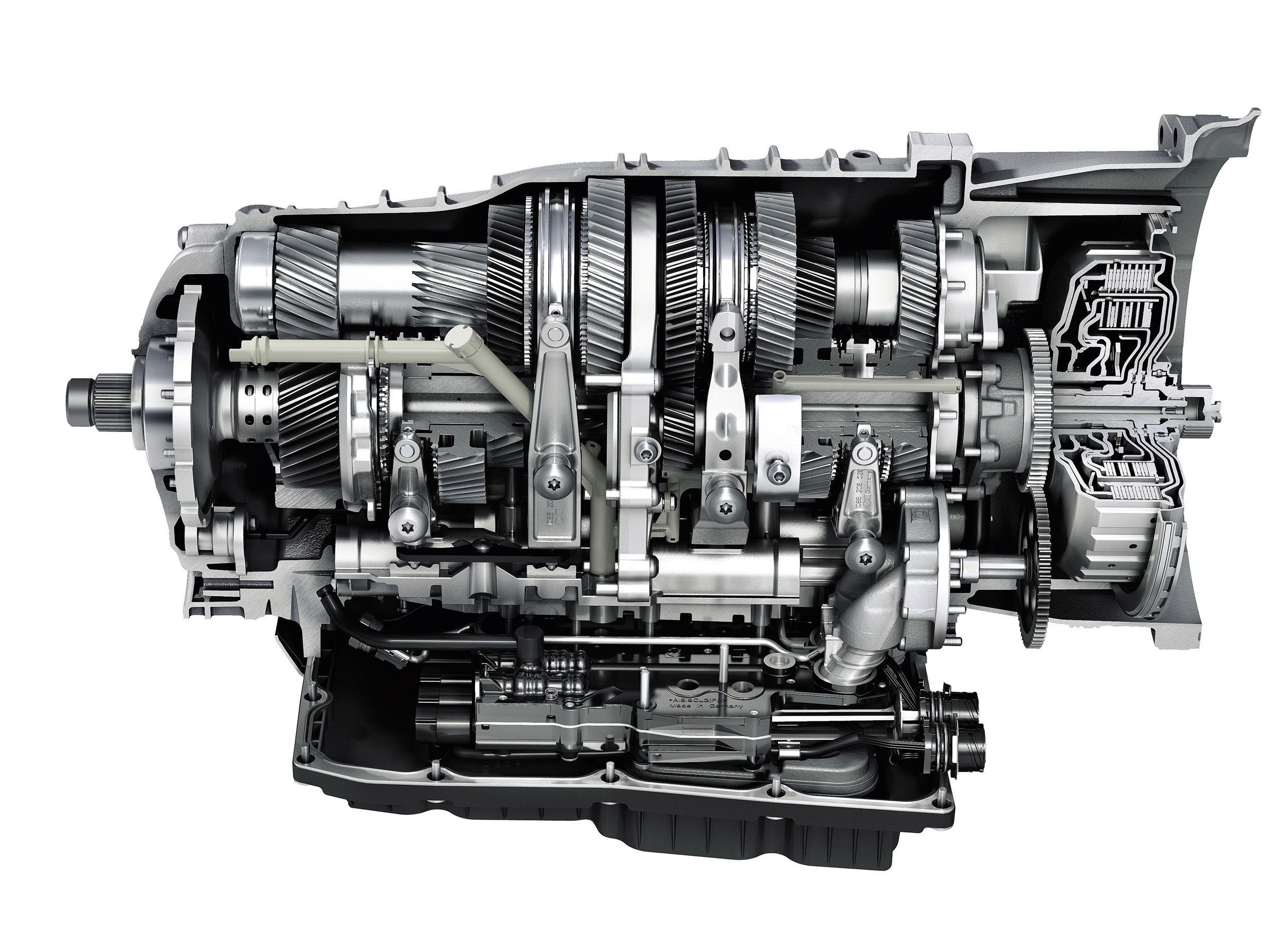
2008: Porsche double-clutch transmission (PDK) (...)
|
Porsche
|
911
|
|
997 I
|
|
|
Dr. Ing. h.c. F. Porsche AG
|
Image
|
2011: Intelligent aluminium-steel construction With the exception of local reinforcement parts, the front body section and large parts of the floor and rear section are made of aluminium. This is also true of the lids, wings and the door structure. The coupé is 44 per cent aluminium and the cabriolet 43 per cent. A significantly larger proportion of the steel parts are made of super high-strength and ultra high-strength materials. The hot forged, press hardened steels provide an extremely high degree of occupant protection. (...)
|
Porsche
|
911
|
|
|
|
|
Dr. Ing. h.c. F. Porsche AG
|
Image
|
2.5-litre flat-six engine; Porsche Boxster (986); 1997
|
Porsche
|
718
|
Boxster
|
986 I
|
|
|
Dr. Ing. h.c. F. Porsche AG
|
Image
|
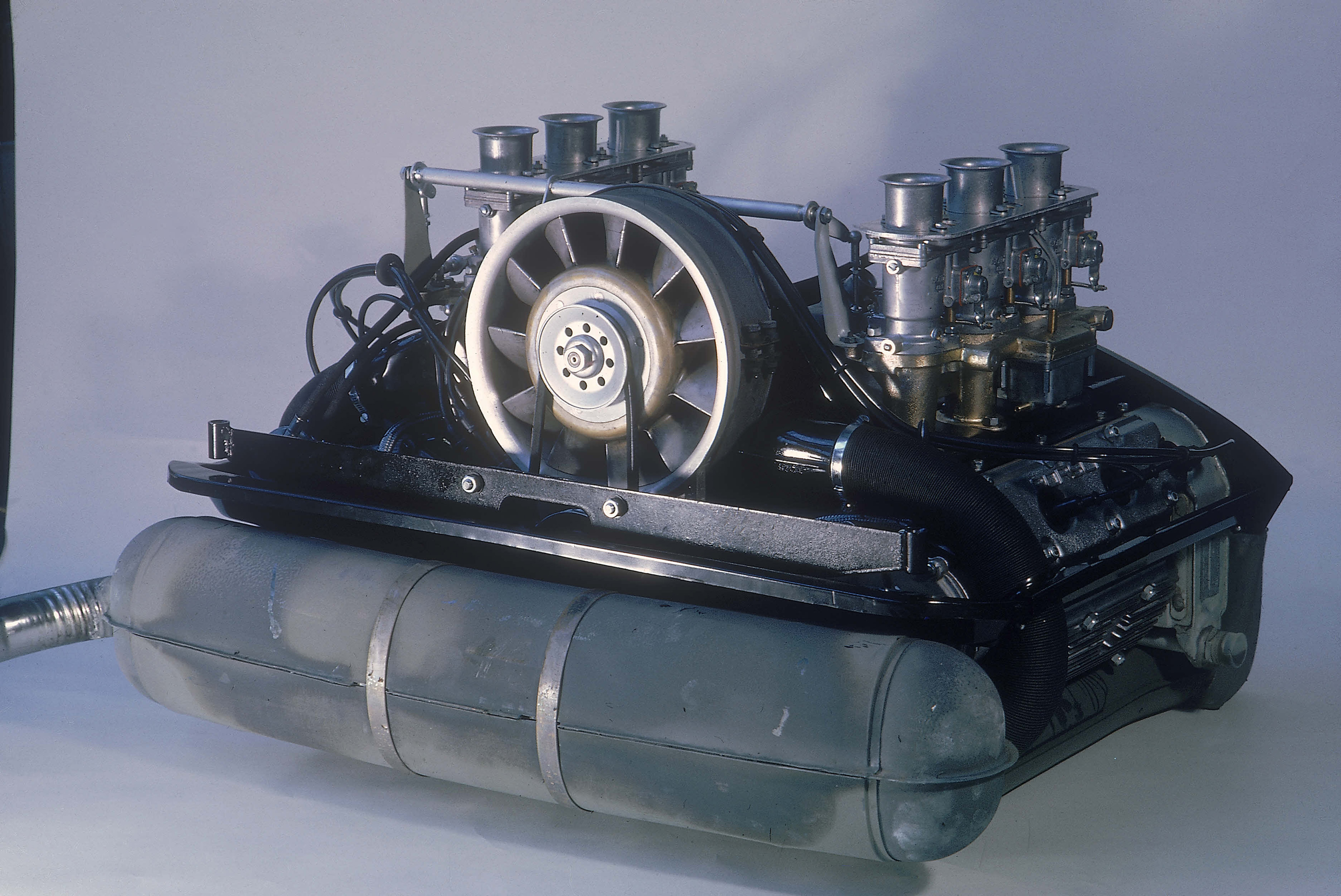
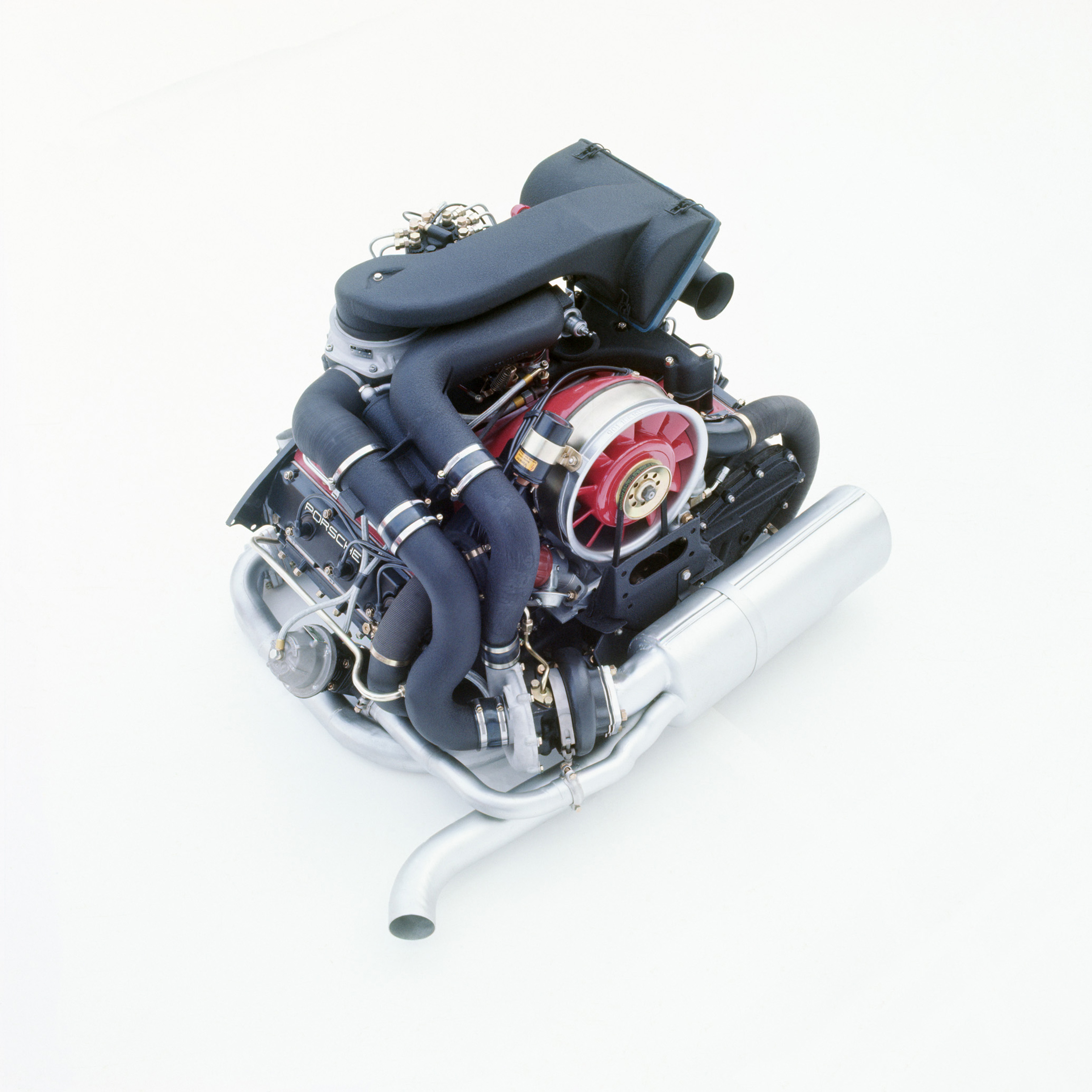
3.0-litre flat-six engine with turbocharger; Porsche 911 Turbo (930); 1975
|
Porsche
|
911
|
Turbo
|
930
|
|
|
Dr. Ing. h.c. F. Porsche AG
|
Image
|
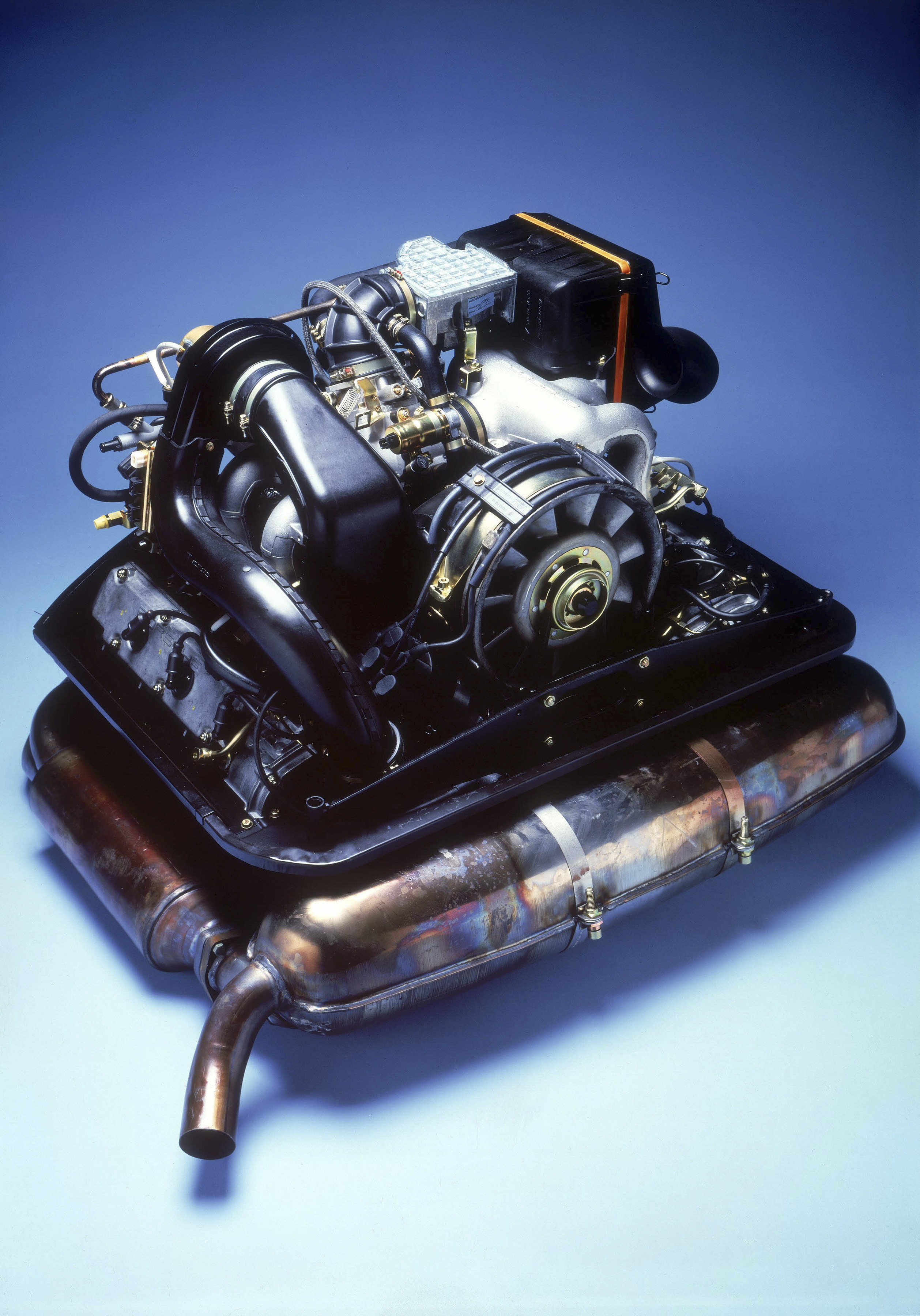
3.2-litre flat-six engine; Porsche 911 Carrera 3.2 (G-series); 1984
|
Porsche
|
911
|
Carrera
|
|
|
|
Dr. Ing. h.c. F. Porsche AG
|
Image
|
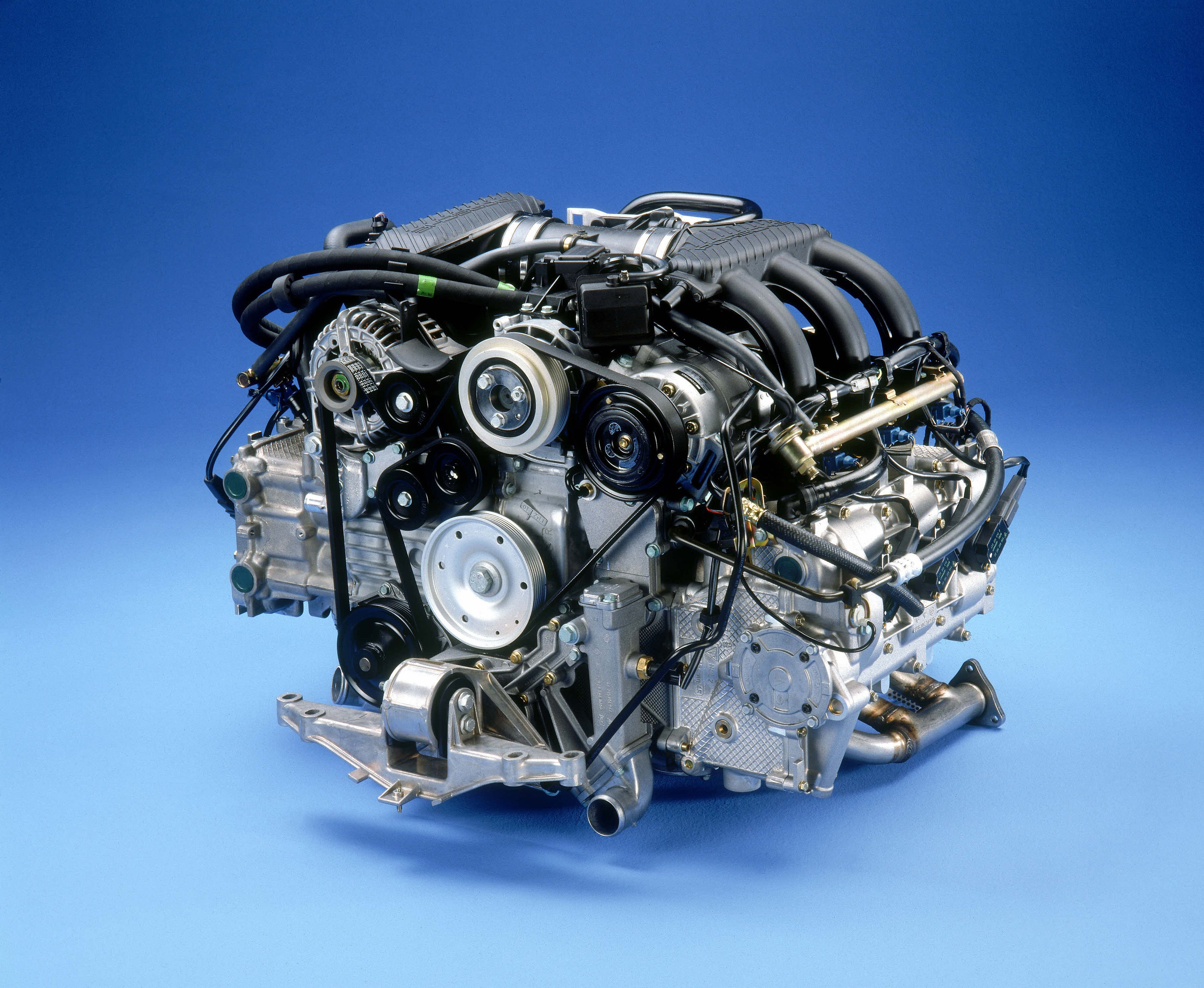
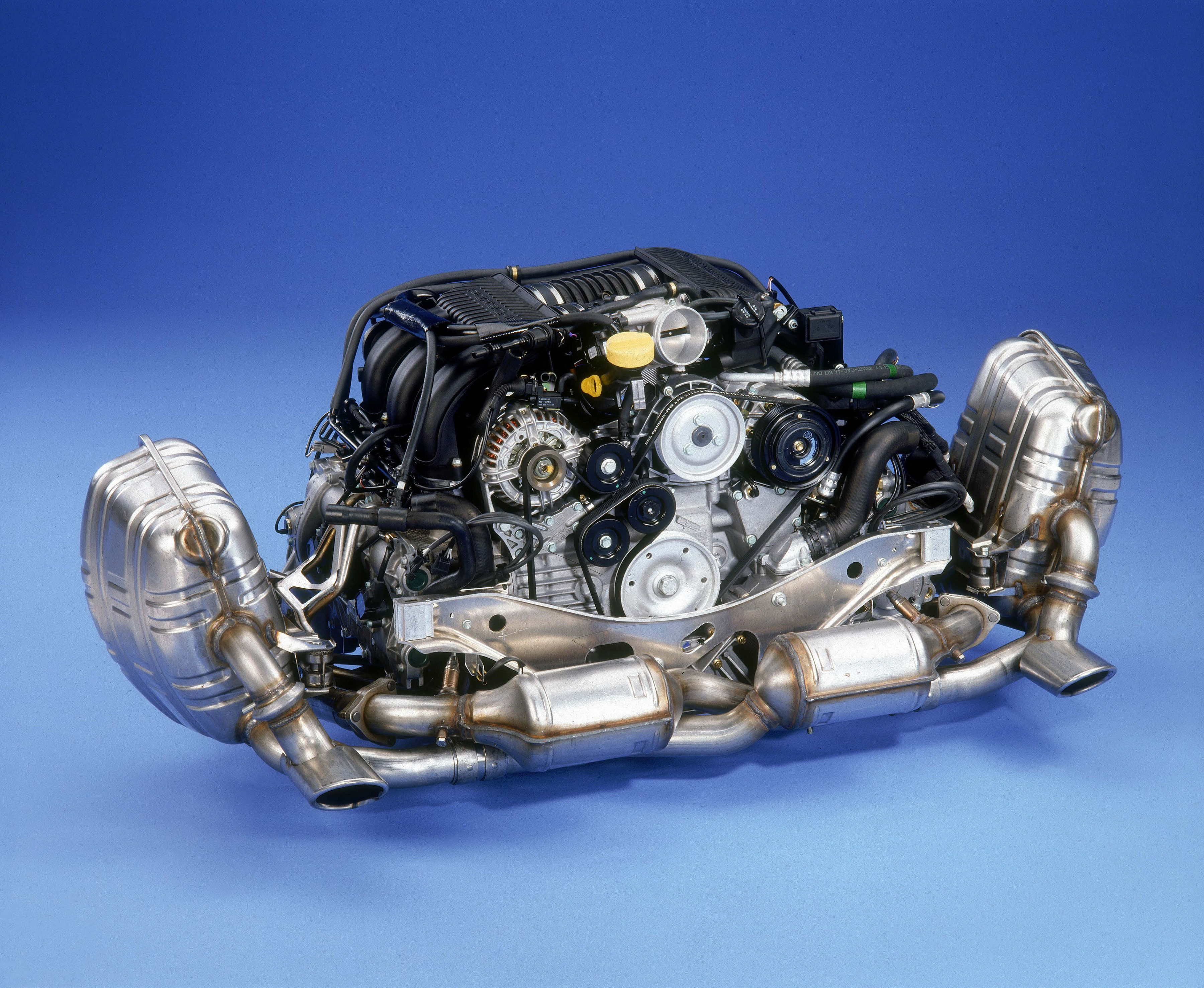
3.4-litre flat-six engine; Porsche 911 Carrera 3.4 (996); 1998
|
Porsche
|
911
|
Carrera
|
996 I
|
|
|
Dr. Ing. h.c. F. Porsche AG
|
Image
|
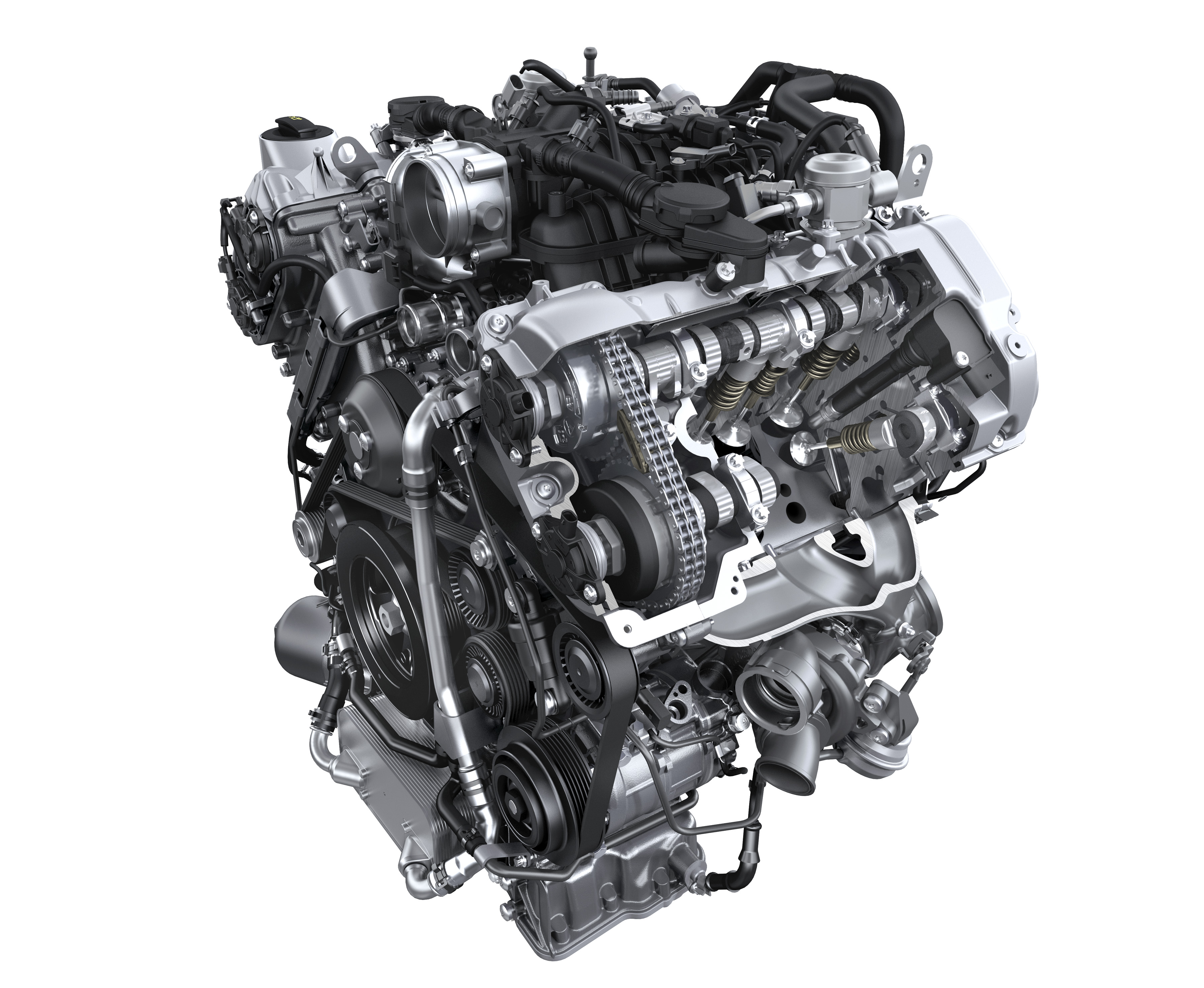
3.6 litre V6 biturbo engine
|
Porsche
|
Macan
|
Turbo
|
H1 I
|