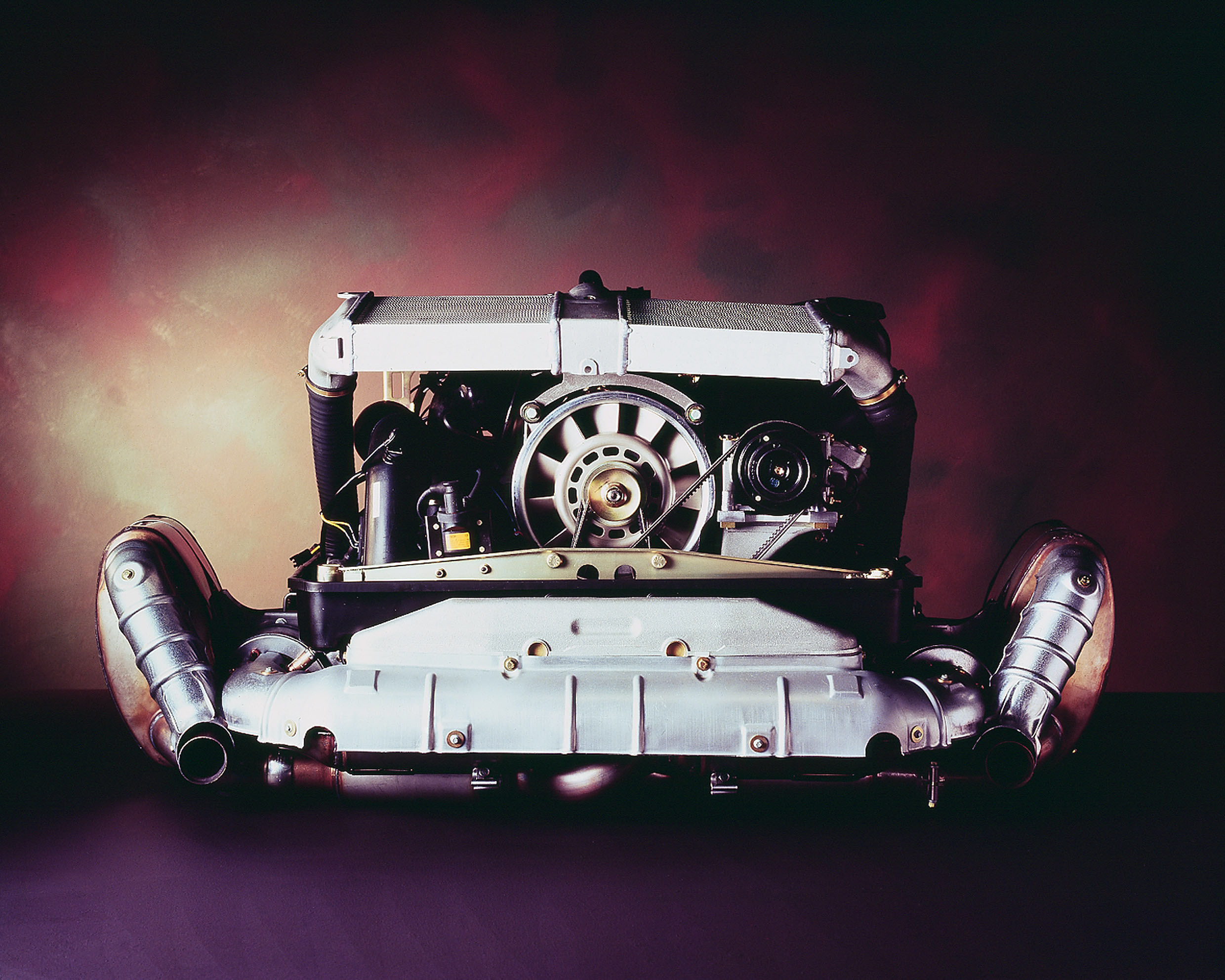
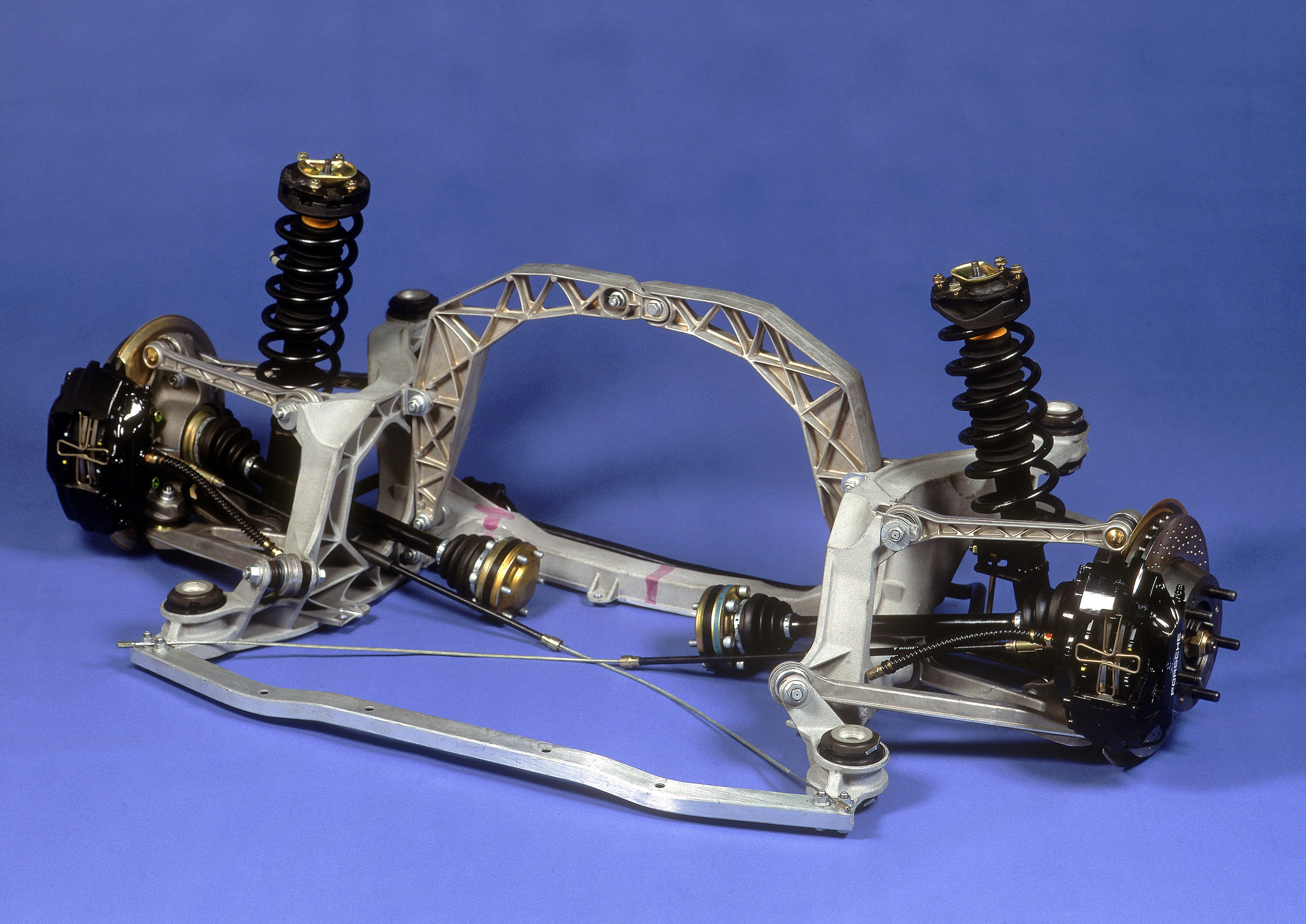
The new chassis designed in accordance with the “LSA” concept (Light, Stable, Agile) in the 993 series finally put an end to the capriciousness of the rear engine-powered 911. It mainly affected the rear axle, which was based on a multi-link suspension tested in motor races and which facilitated excellent driving dynamics. The axle kinematics are designed to ensure that the vehicle’s suspension compresses significantly less when accelerating and driving round bends. This stabilises the overall handling. (...)
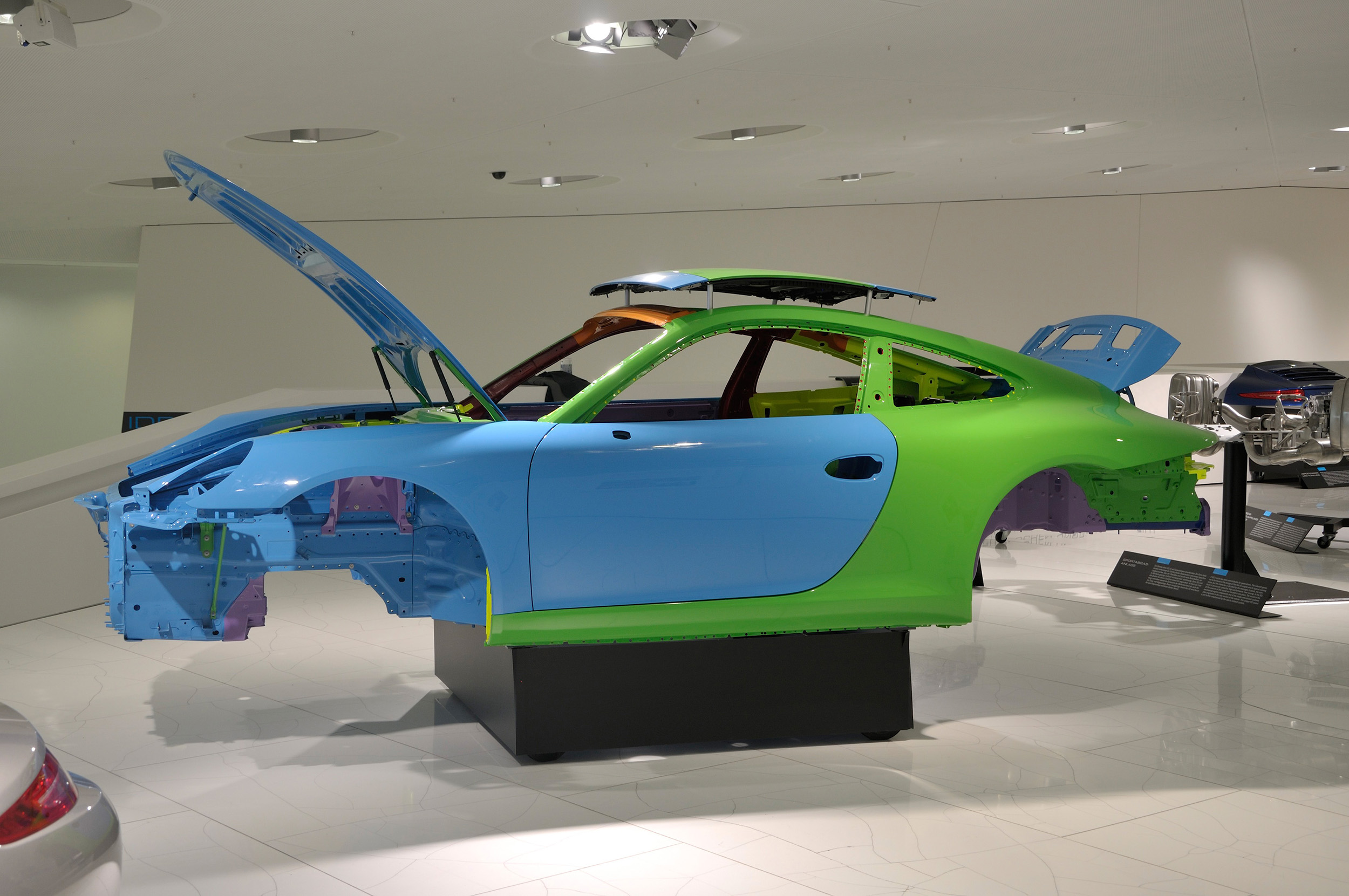
2011: Intelligent aluminium-steel construction With the exception of local reinforcement parts, the front body section and large parts of the floor and rear section are made of aluminium. This is also true of the lids, wings and the door structure. The coupé is 44 per cent aluminium and the cabriolet 43 per cent. A significantly larger proportion of the steel parts are made of super high-strength and ultra high-strength materials. The hot forged, press hardened steels provide an extremely high degree of occupant protection. (...)
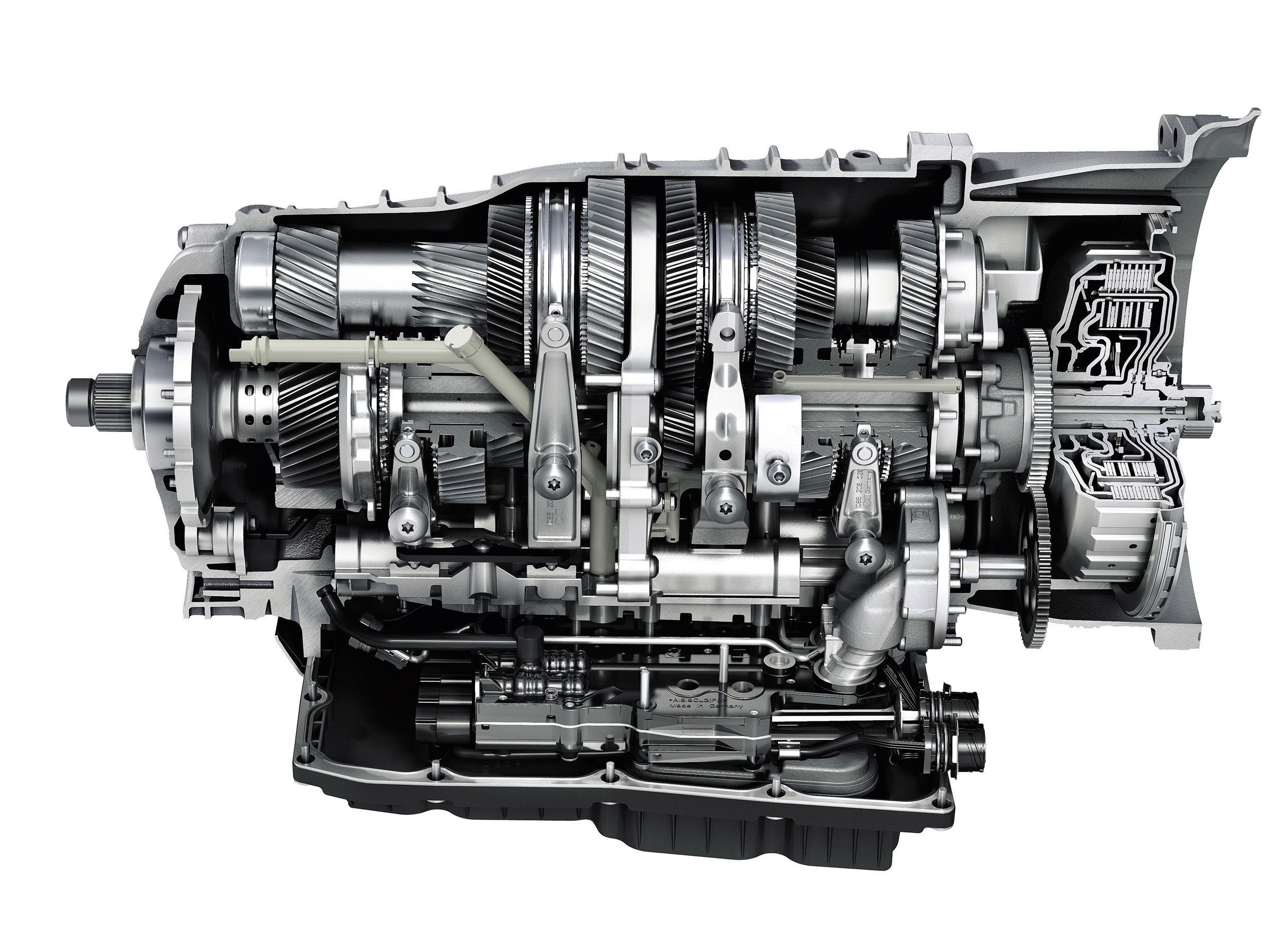
2008: Porsche double-clutch transmission (PDK) (...)
2011: Intelligent aluminium-steel construction With the exception of local reinforcement parts, the front body section and large parts of the floor and rear section are made of aluminium. This is also true of the lids, wings and the door structure. The coupe is 44 per cent aluminium and the cabriolet 43 per cent. A significantly larger proportion of the steel parts are made of super high-strength and ultra high-strength materials. The hot forged, press hardened steels provide an extremely high degree of occupant protection. (...)