Name |
Parent |
Status |
Item |
Caption |
Make |
Line |
Model |
Code |
|---|---|---|---|---|---|---|---|---|
|
Dr. Ing. h.c. F. Porsche AG
|
Image |
Original 911 (1963 - 1973)
|
||||||
|
Dr. Ing. h.c. F. Porsche AG
|
Image | |||||||
|
Dr. Ing. h.c. F. Porsche AG
|
Image | |||||||
|
Dr. Ing. h.c. F. Porsche AG
|
Image |
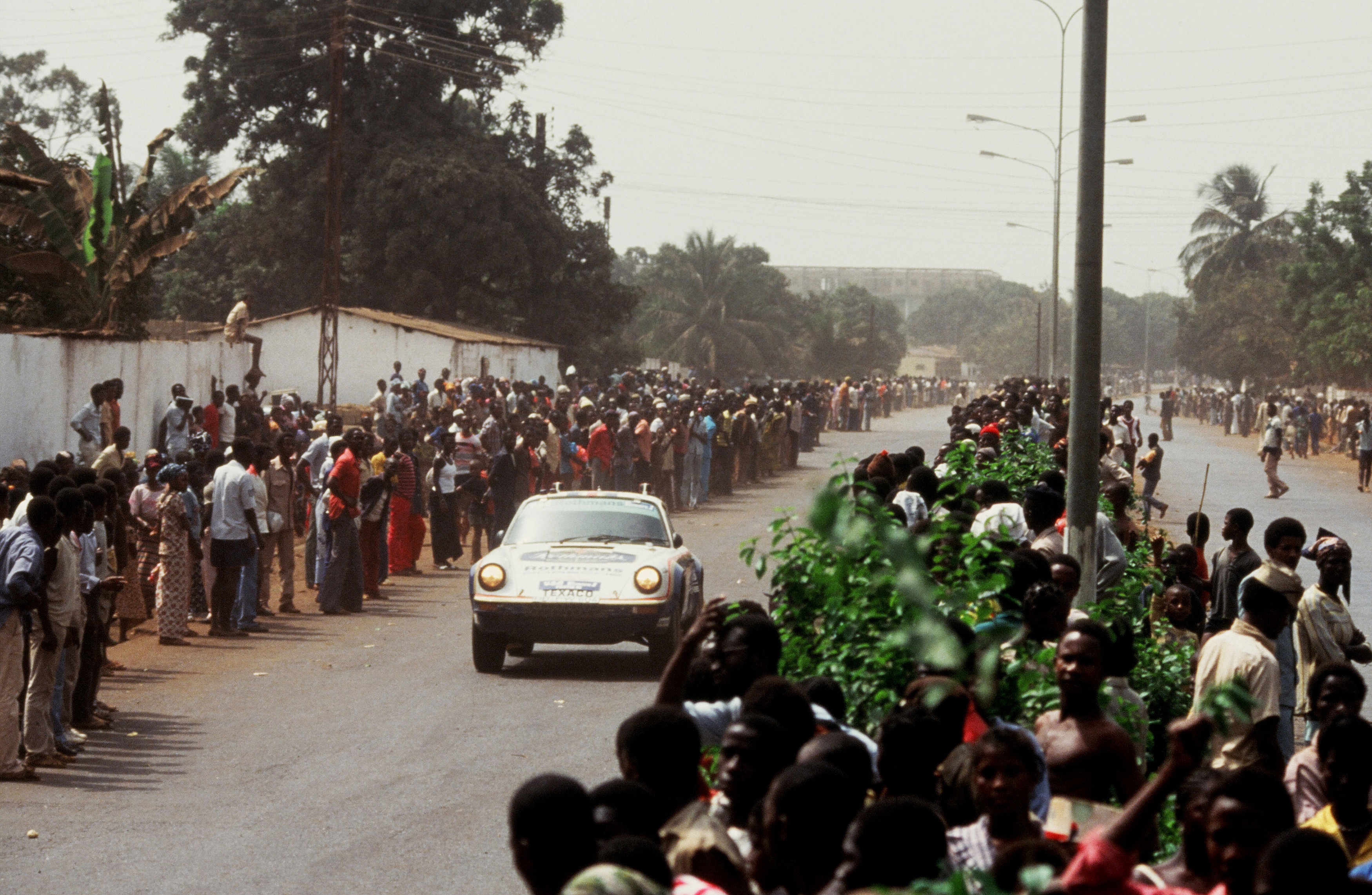
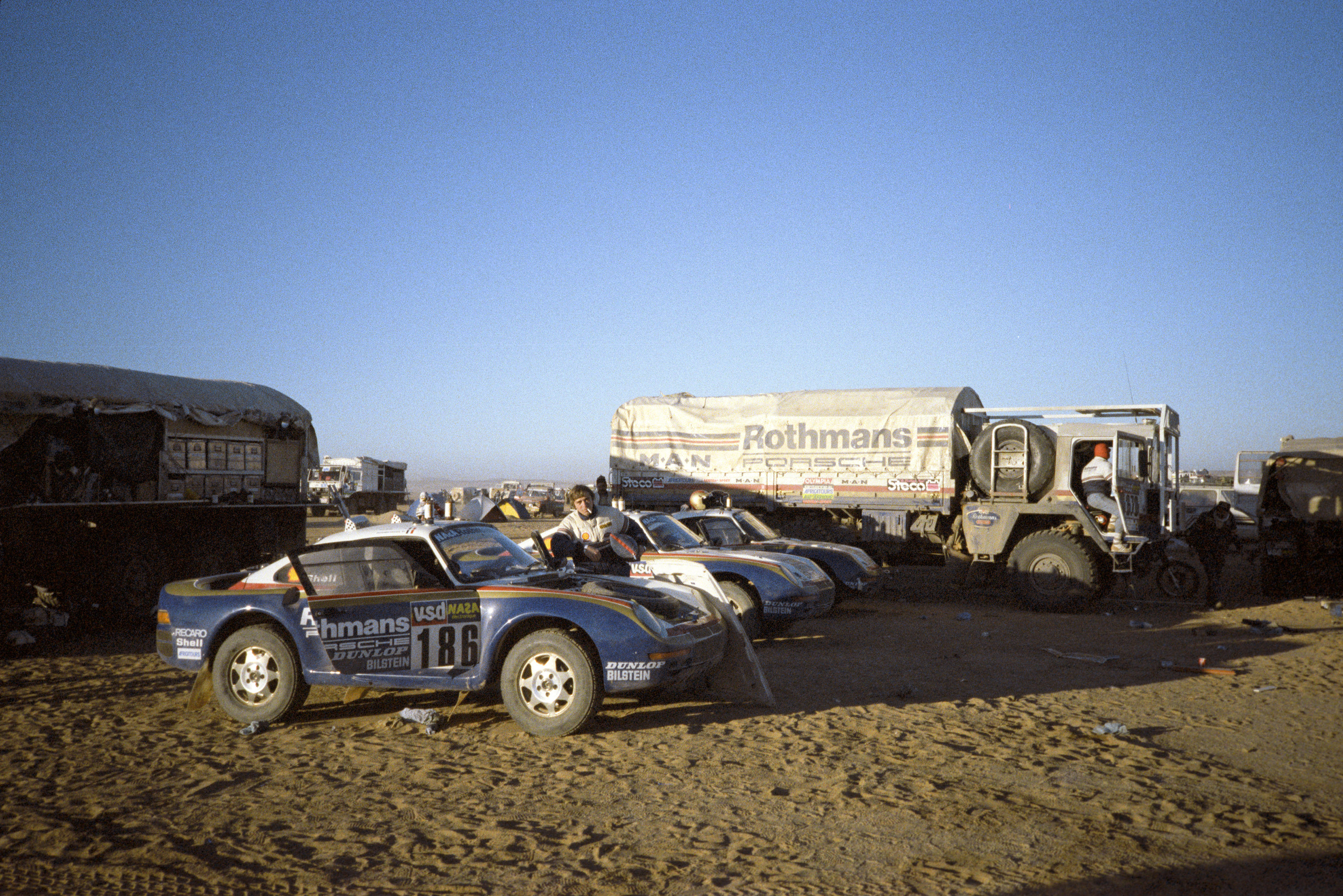
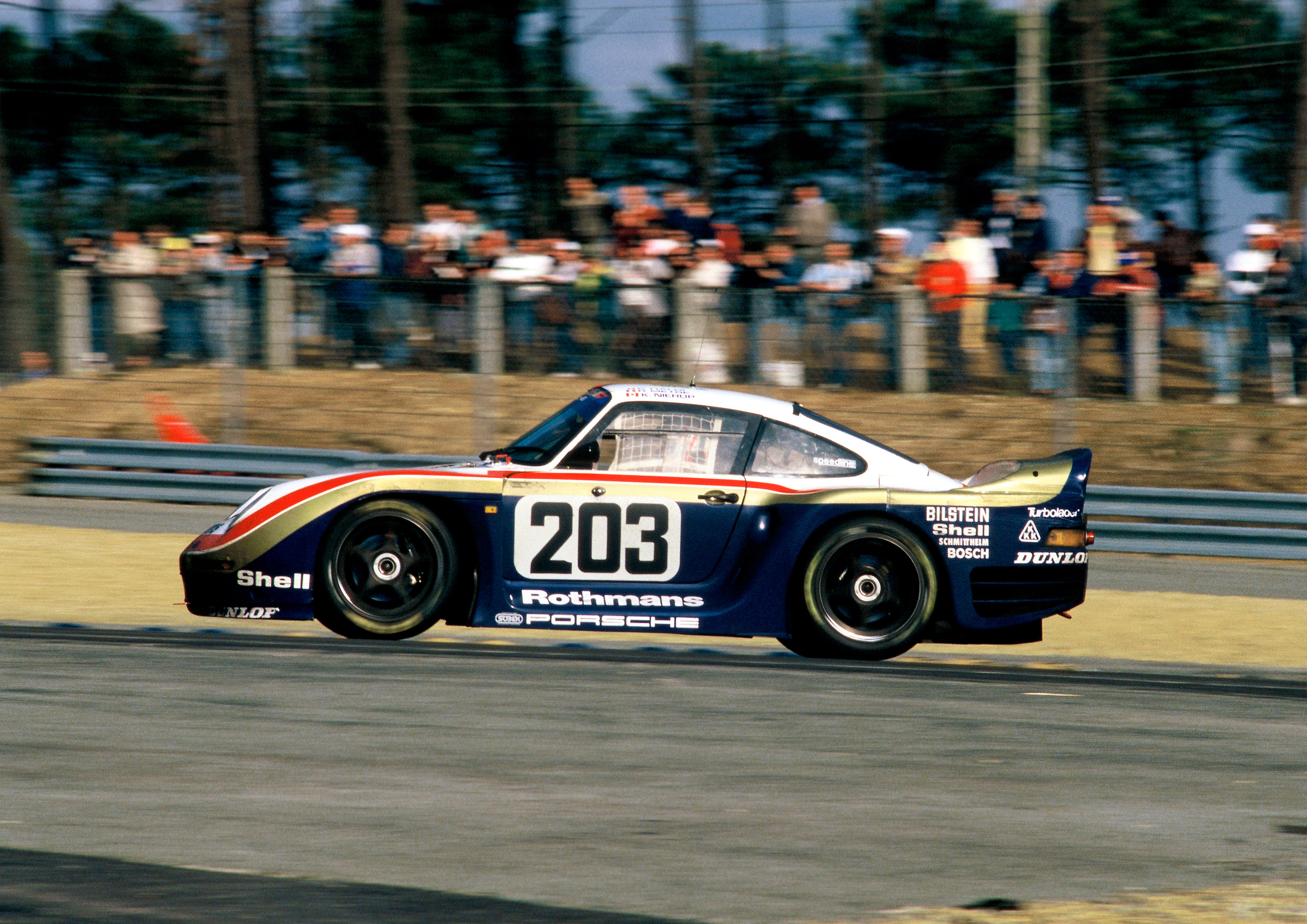
Porsche gained extensive experience of using all-wheel drive in a sports car with the Type 959, a technology demonstrator in every respect. Produced in low numbers as a special series, its influence could be seen in its successor, Porscheâs first series production all-wheel drive sports car, the 911 Carrera 4, which was introduced in 1988. For excellent driving dynamics, the 959 had an electronic, infinitely variable centre-differential lock, and torque was distributed to the two axles depending on the wheel-load distribution and the friction (...)
|
||||||
|
Dr. Ing. h.c. F. Porsche AG
|
Image | |||||||
|
Dr. Ing. h.c. F. Porsche AG
|
Image |
1995: Bi-turbocharging The 993 series 911 Turbo, presented in 1995, was given a 3.6-litre engine fitted with two small turbochargers. The engineâs performance curve was not dissimilar to a high-displacement naturally aspirated engine. From as low as 2,000 rpm, the engine generated plenty of thrust which changed into impressive, rousing velocity as of 3,500 rpm, pressing the occupants into their seats. (...)
|
||||||
|
Dr. Ing. h.c. F. Porsche AG
|
Image | |||||||
|
Dr. Ing. h.c. F. Porsche AG
|
Image |
1966: Internally ventilated disc brakes
|
||||||
|
Dr. Ing. h.c. F. Porsche AG
|
Image |
1972: Front and rear spoilers
|
||||||
|
Dr. Ing. h.c. F. Porsche AG
|
Image | |||||||
|
Dr. Ing. h.c. F. Porsche AG
|
Image |
1975: Hot-dip galvanised body In 1975, Porsche responded to the issue of corrosion with emphatic success. The 911 was the first series production car to be given a body that was hot-dip galvanised on both sides â allowing Porsche to offer a six-year corrosion guarantee, which was extended to seven years for the 1981 model year and then later to as much as ten years. (...)
|
||||||
|
Dr. Ing. h.c. F. Porsche AG
|
Image |
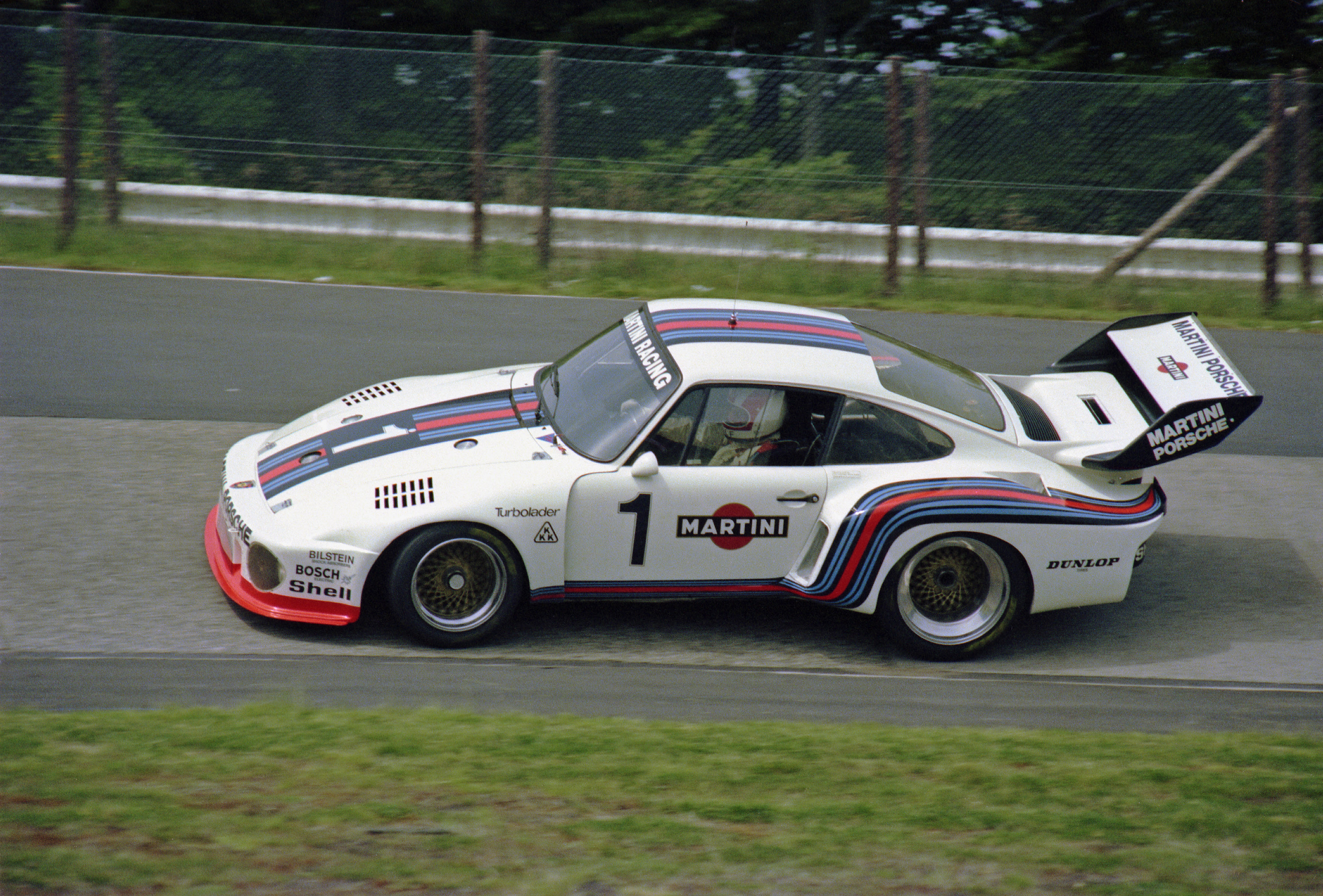
1977: Charge-air cooling he main features of the 911 Turbo, reworked in 1977, were an increased displacement of 3.3 litres and a charge-air cooler positioned underneath the rear spoiler. Derived from the field of motor racing, it was a world first in a series production car. The charge-air cooler reduces the intake air temperature by up to 100 degrees Celsius, thus enabling the engine to achieve higher output and torque in all engine speed ranges â cooler gases are denser and therefore charge the engine more effectively. (...)
|
||||||
|
Dr. Ing. h.c. F. Porsche AG
|
Image |
1989: Tiptronic From 1989, Porsche offered an innovative gearbox in the 964 series 911 â the Tiptronic, the perfect synthesis of comfort and sportiness. The driving data was only marginally lower than that of the same vehicles with manual 5 or 6-speed gearboxes. (...)
|
||||||
|
Dr. Ing. h.c. F. Porsche AG
|
Image |
The new chassis designed in accordance with the âLSAâ concept (Light, Stable, Agile) in the 993 series finally put an end to the capriciousness of the rear engine-powered 911. It mainly affected the rear axle, which was based on a multi-link suspension tested in motor races and which facilitated excellent driving dynamics. The axle kinematics are designed to ensure that the vehicleâs suspension compresses significantly less when accelerating and driving round bends. This stabilises the overall handling. (...)
|
||||||
|
Dr. Ing. h.c. F. Porsche AG
|
Image |