|
|
|
|
|
|
|
|
|
|
|
|
1
|
|
|
|
Text
|
|
|
|
|
|
|
2
|
|
|
|
Text
|
|
|
|
|
|
|
3
|
|
|
|
Text
|
|
|
|
|
|
|
4
|
|
|
|
Text
|
|
|
|
|
|
|
5
|
|
|
|
Text
|
|
|
|
|
|
|
6
|
|
|
|
Text
|
|
|
|
|
|
|
7
|
|
|
|
Text
|
|
|
|
|
|
|
8
|
|
|
|
Text
|
|
|
|
|
|
|
9
|
|
|
|
Text
|
|
|
|
|
|
|
10
|
|
|
|
Image
|
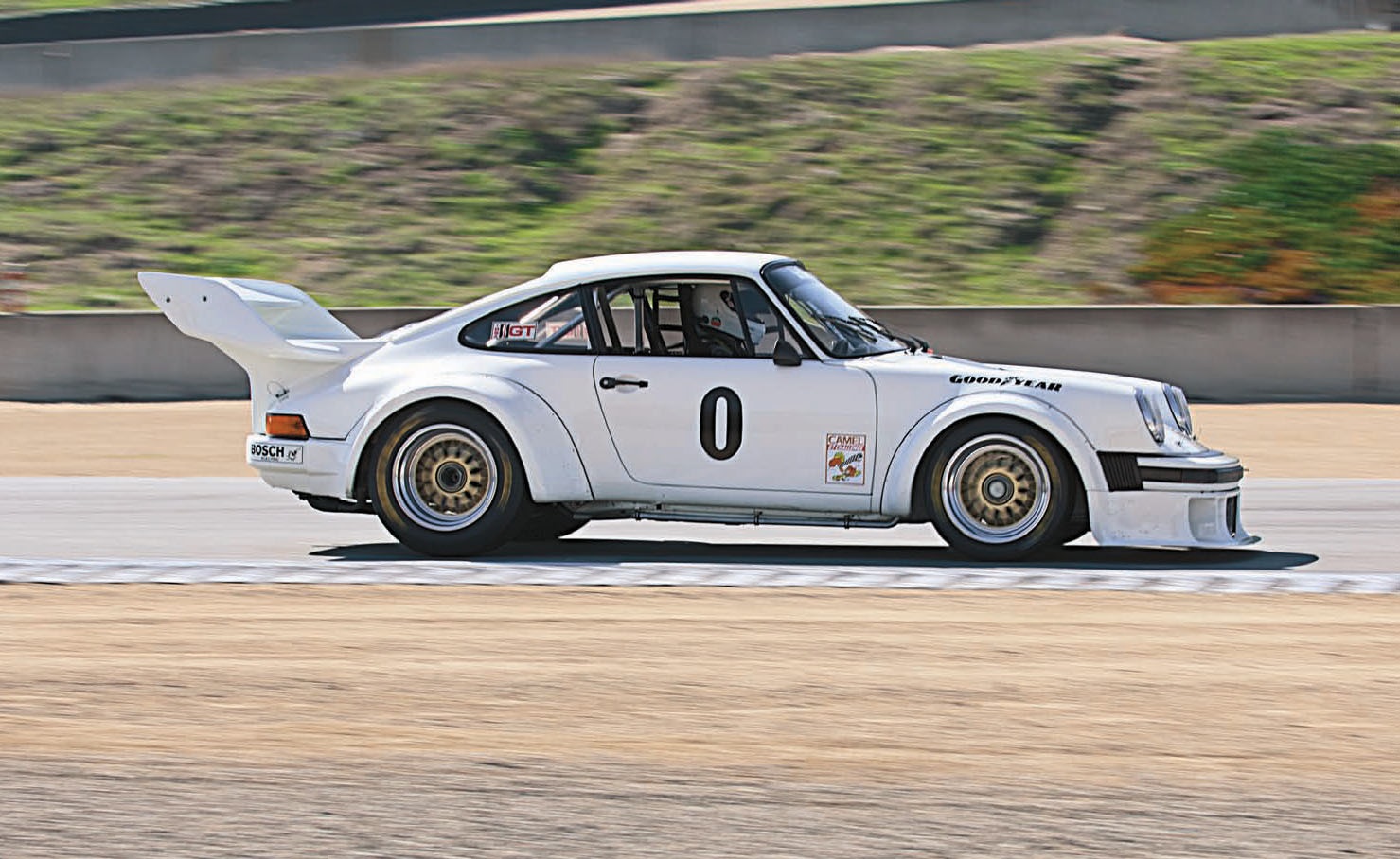
At the 2011 Porsche Rennsport Reunion owner Jeff Lewis drove his 1977 ex–Vasek Polak Interscope 934. In March 1977, original owner and driver Ted Field and co-drivers Danny Ongais and Hurley Haywood finished fifth overall in IMSA GT category. Randy Leffingwell
|
|
|
|
|
|
11
|
|
|
|
Image
|
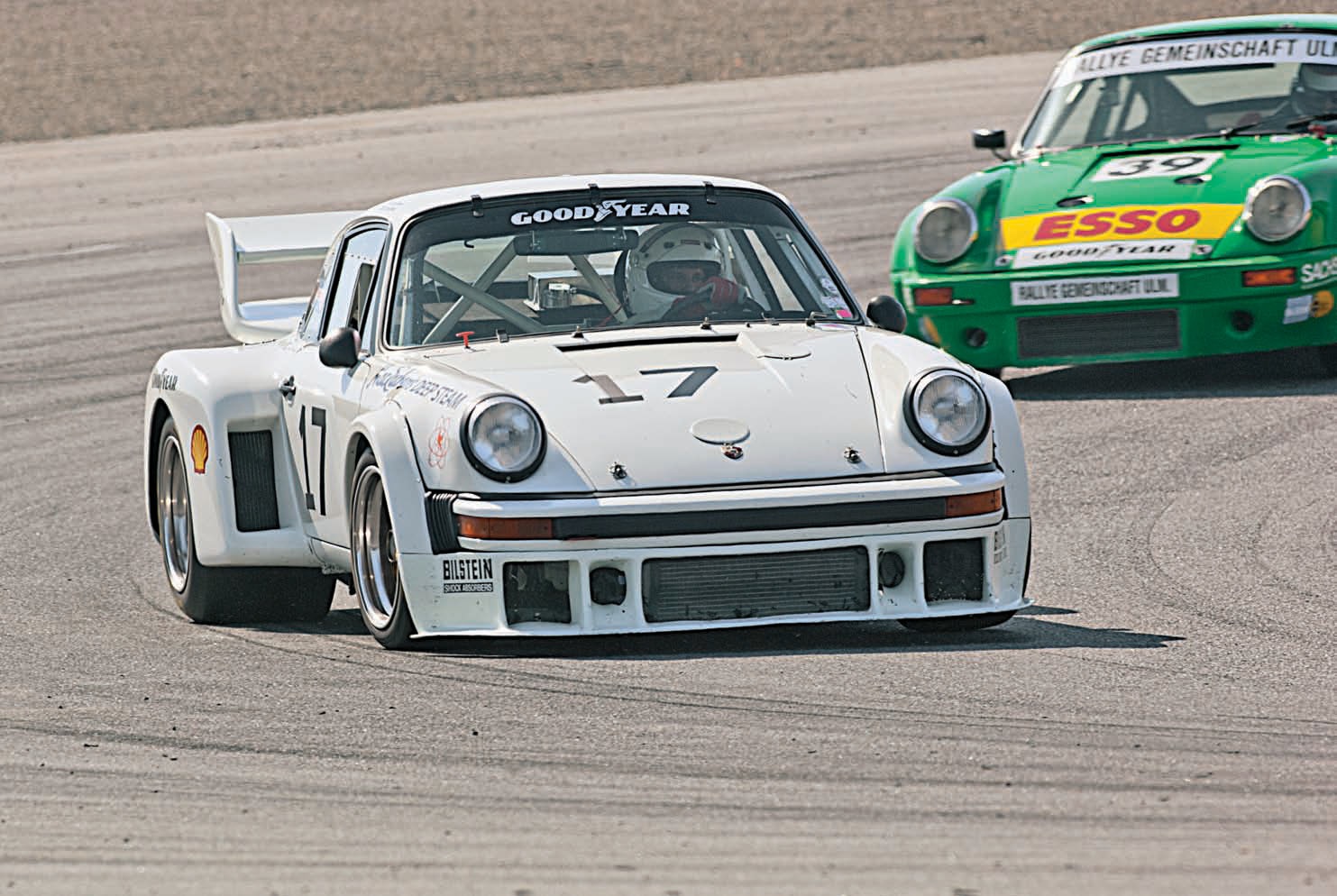
W. H. MacEachern’s Deep Steam Cleaning sponsored Ludwig Heimrath in the 1977 Trans-Am in this car that started life as a 934. A season later MacEachern added the 935 rear bodywork behind the 934 front end that characterized the 934/5 designations. Randy Leffingwell
|
|
|
|
|
|
12
|
|
Dr. Ing. h.c. F. Porsche AG
|
|
Image
|
Ernst Fuhrmann conceived the 1977 Typ 935 “Baby” to gather publicity in a televised under 2.0-liter GT racing series. The car weighed just 1,650 pounds and its 1.4-liter turbocharged flat six developed 370 horsepower. Porsche Archiv
|
|
|
|
|
|
13
|
|
|
|
Image
|
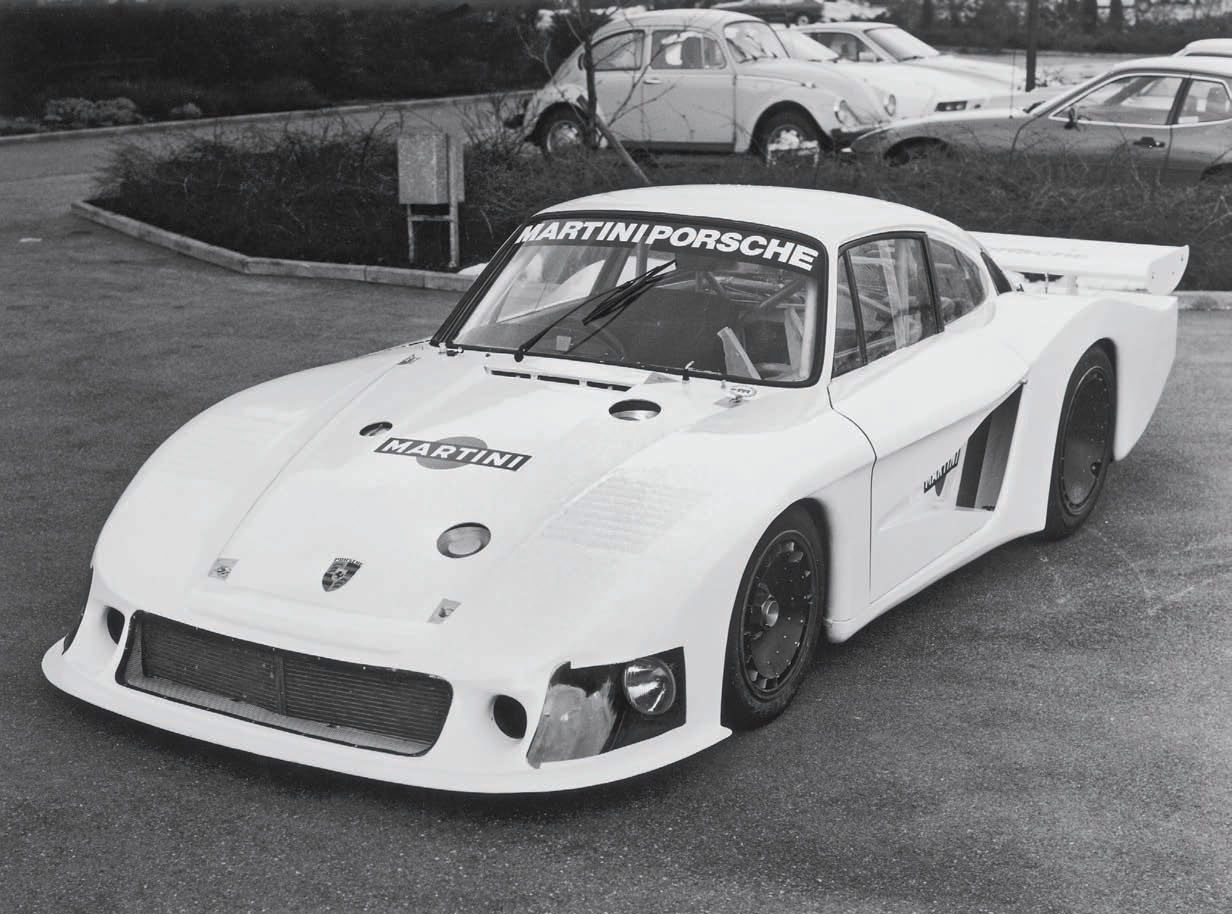
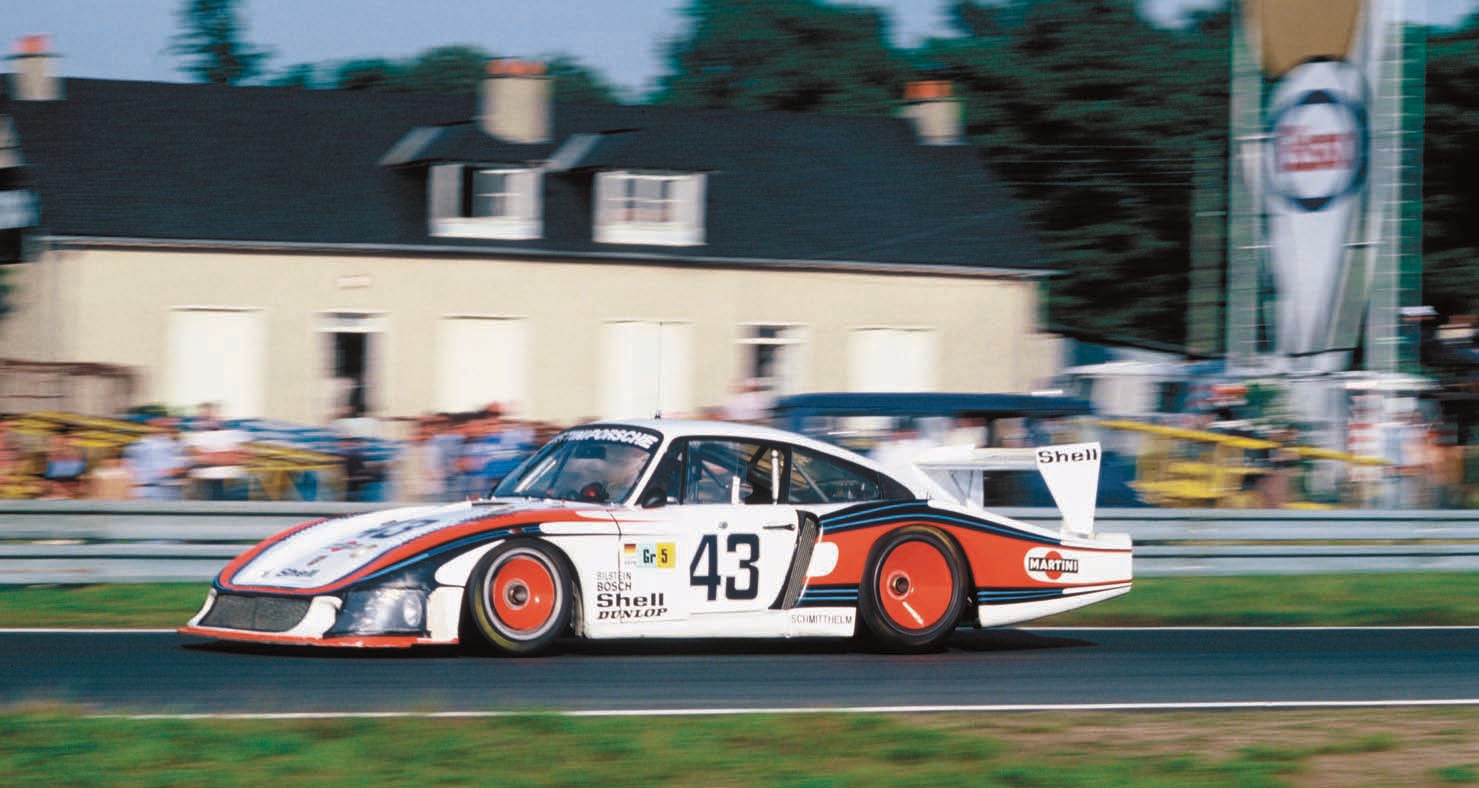
In his widest interpretation of FIA rules, Norbert Singer felt he could extend the widened rear fenders across the door openings as he created the 935/78 that, due to its size and color, resembled a great white whale. Neither Singer’s covered doors nor the low full-width rear wing passed the inspection. Porsche Archiv
|
|
|
|
|
|
14
|
|
|
|
Image
|
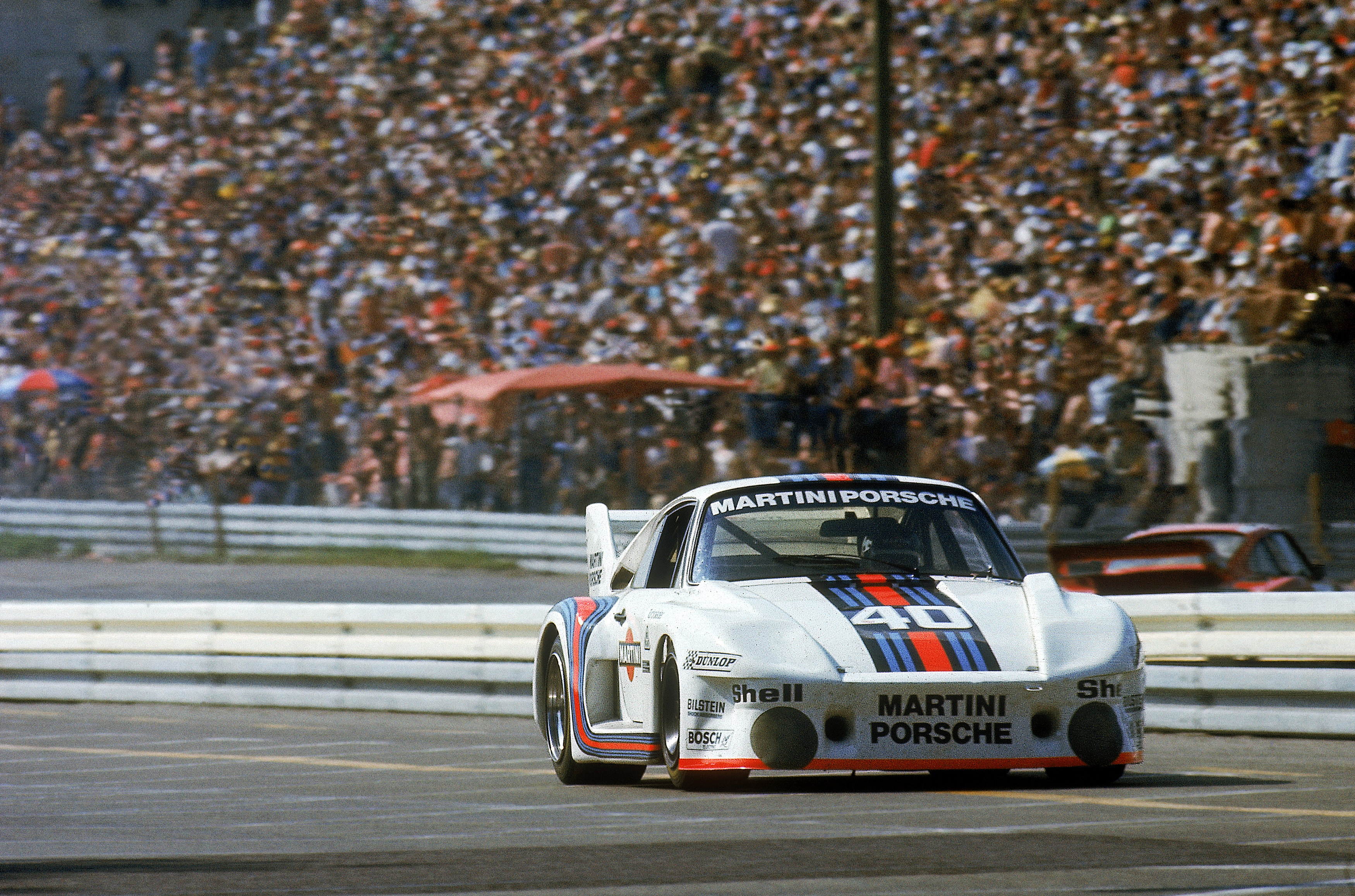
Singer invented the car and Eugen Kolb designed it specifically for Le Mans. With Ickx, Barth, and Bob Wollek sharing duties it finished second overall but it went on to inspire dozens of look-alikes from Kremer and Jöst racing shops. Porsche Archiv
|
|
|
|
|
|
15
|
|
|
|
Image
|
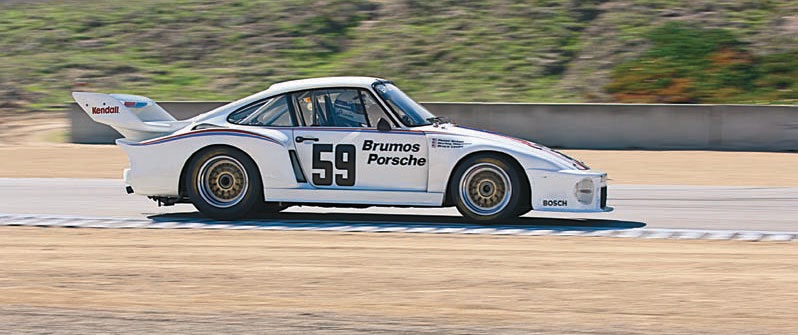
Throughout 1978, Peter Gregg campaigned this 935/78 through several North American events. At Talladega in early April he won with Brad Frisselle while here, during Rennsport Reunion IV, owner Rob Walton put it through its paces. Randy Leffingwell
|
|
|
|
|
|
16
|
|
|
|
Image
|
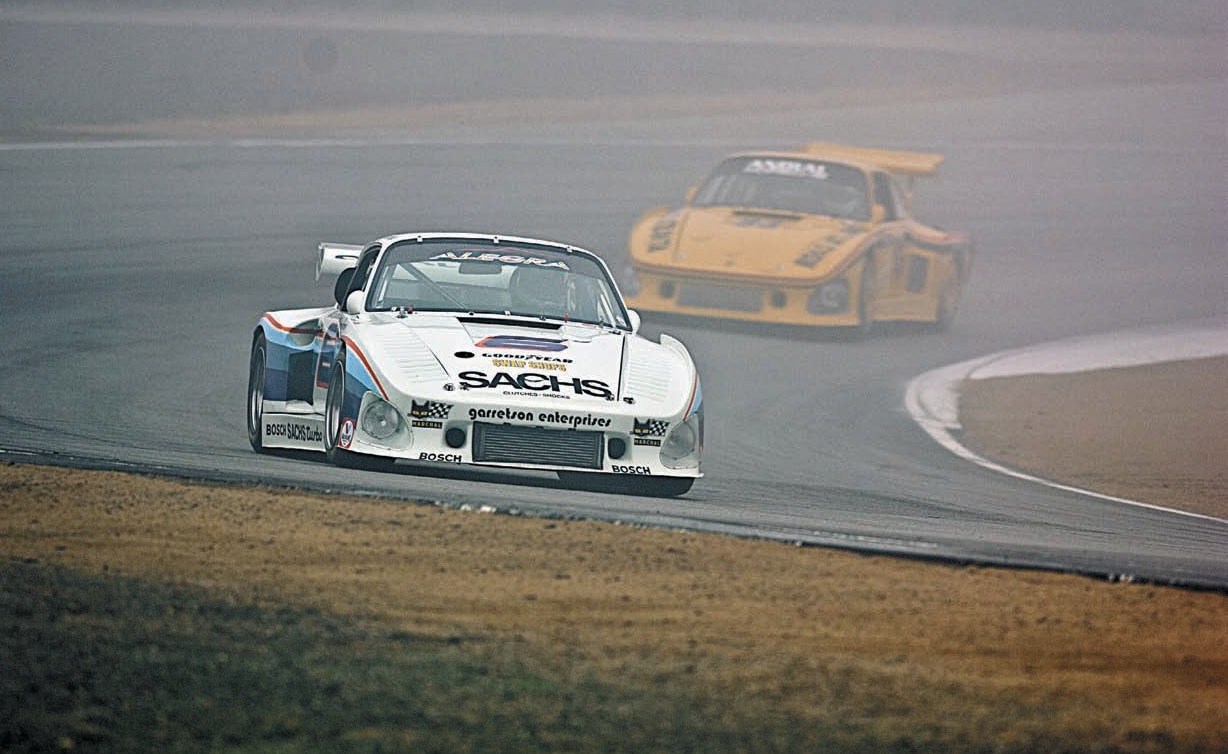
Dick Barbour’s 1980 Sebring-winning 935 Kremer K3 led Andial Racing’s own version of a K3 through Laguna Seca’s turn 5 in early morning fog. Mazda Laguna Seca Raceway hosted Rennsport Reunion IV in October 2011. Randy Leffingwel
|
|
|
|
|
|
17
|
|
|
|
Image
|
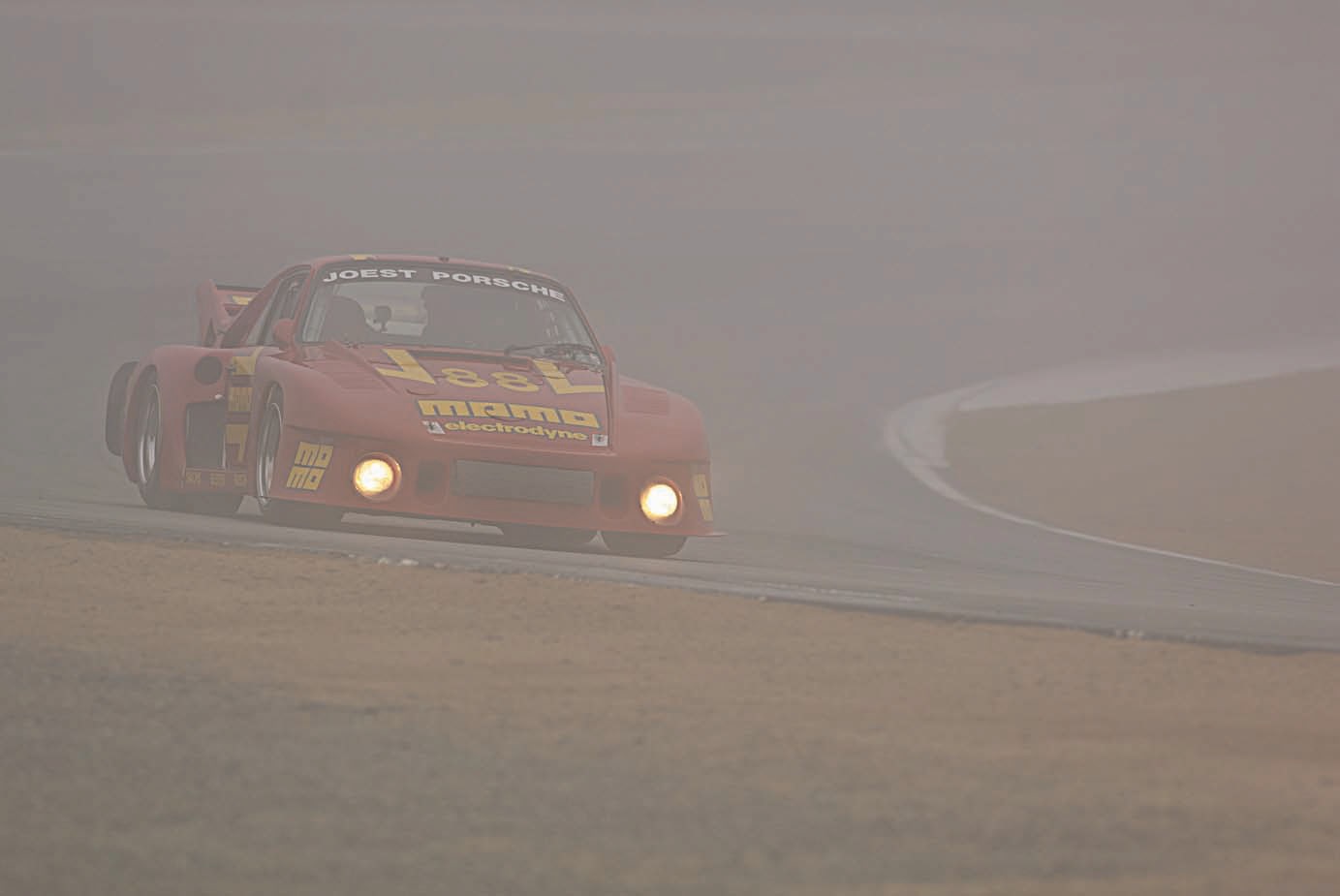
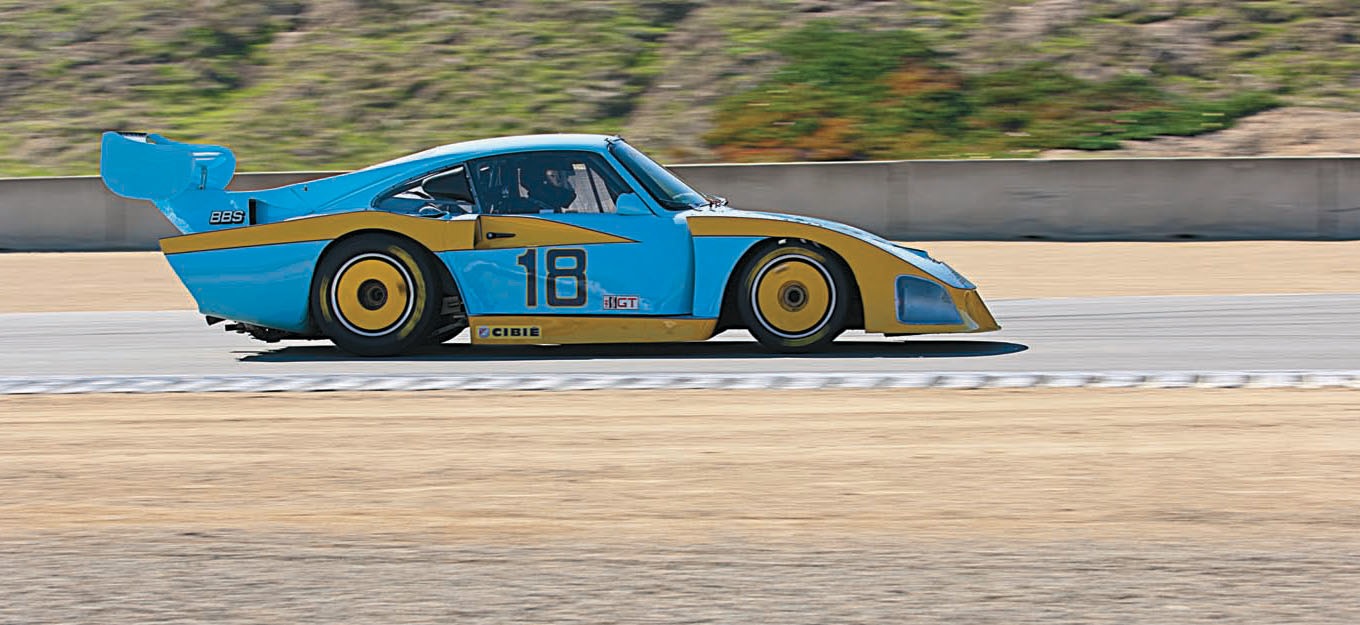
Reinhold Jöst fabricated his 935J cars in 1979 and 1980, evolving ideas from Porsche’s 935/78 Moby Dick, and from the Kremer brothers’ K3 models. Jöst and Momo founder Gianpiero Moretti co-drove this car to victory in the 1980 Daytona 250. Randy Leffingwell
|
|
|
|
|
|
18
|
|
|
|
Image
|
For 1982 season, John Paul Sr. created a new 3.2-liter twin-turbo racer for his son to race in IMSA GTP. Sharing duties with Rolf Stommelen, they won Daytona in late January and father and son took first at Sebring six weeks later in the same car. Randy Leffingwell
|
|
|
|
|
|
19
|
|
|
|
Image
|
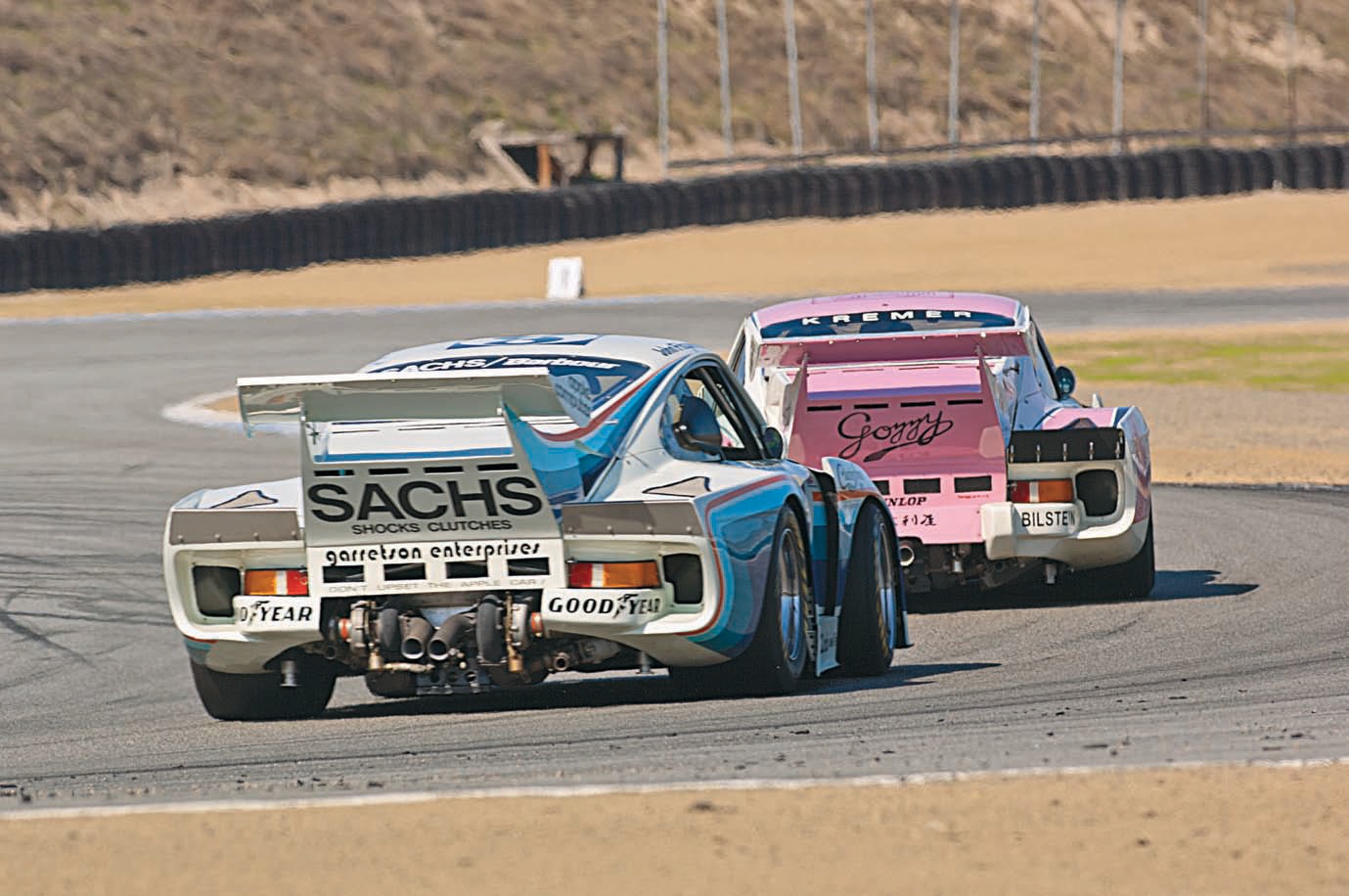
Kremer vs. Kremer not only was the title of a film but it often was the reality of the world endurance racing in the early 1980s. When Porsche ended 935 production in 1979, it left a void that racers/inventors Erwin and Manfred Kremer filled with cars such as these twin-turbo K3s. Randy Leffingwell
|
|
|
|
|
|
20
|
|
|
|
Image
|
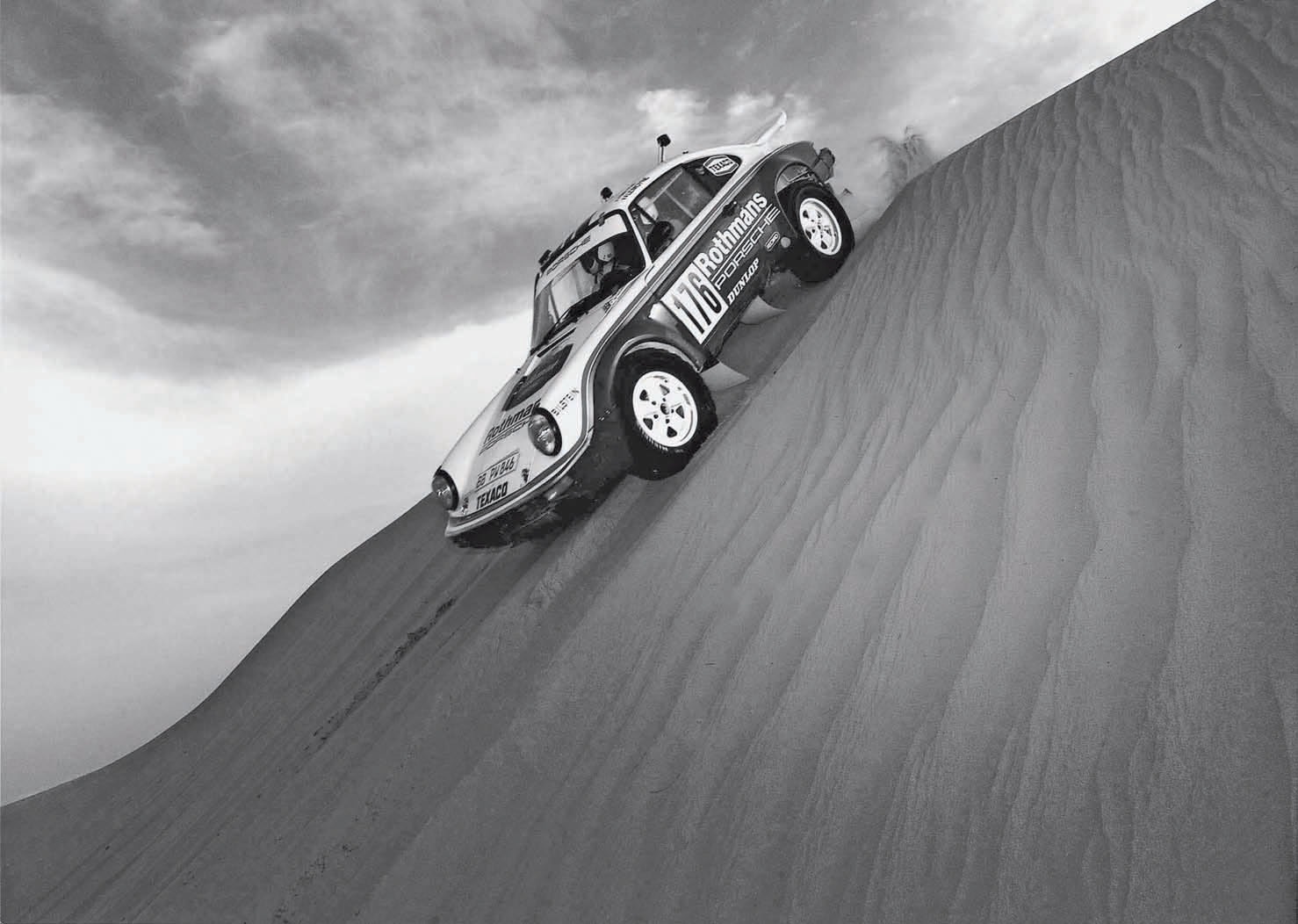
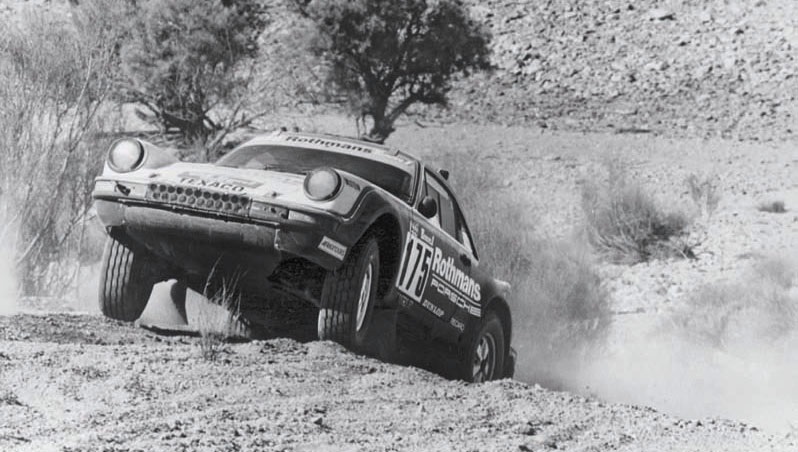
René Metge and co-driver Dominique LeMoine during a training leg for the 1984 Paris-Dakar raid challenged the forward tipping point of their 953 4x4. Such techniques paid off for Metge and LeMoine, who won the automobile class. Porsche Archiv
|
|
|
|
|
|
21
|
|
|
|
Image
|
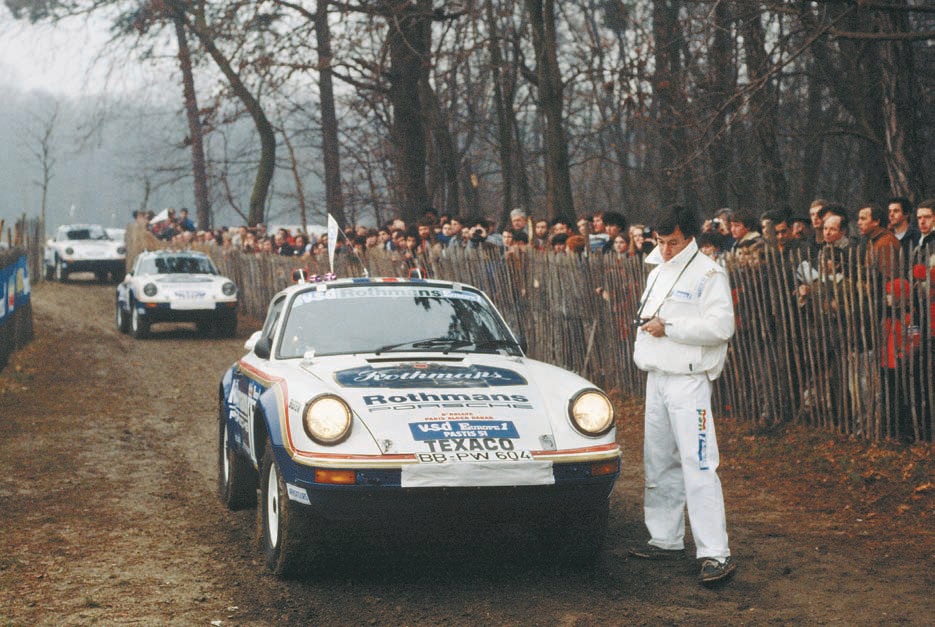
Porsche’s three clean Typ 953s lined up for the start of the 1984 Paris-Dakar rally. When they left the Bois de Boulogne at the start of a 15-stage 6,000+ mile event, they traveled over paved roads through the city and countryside. Porsche Archiv
|
|
|
|
|
|
22
|
|
|
|
Image
|
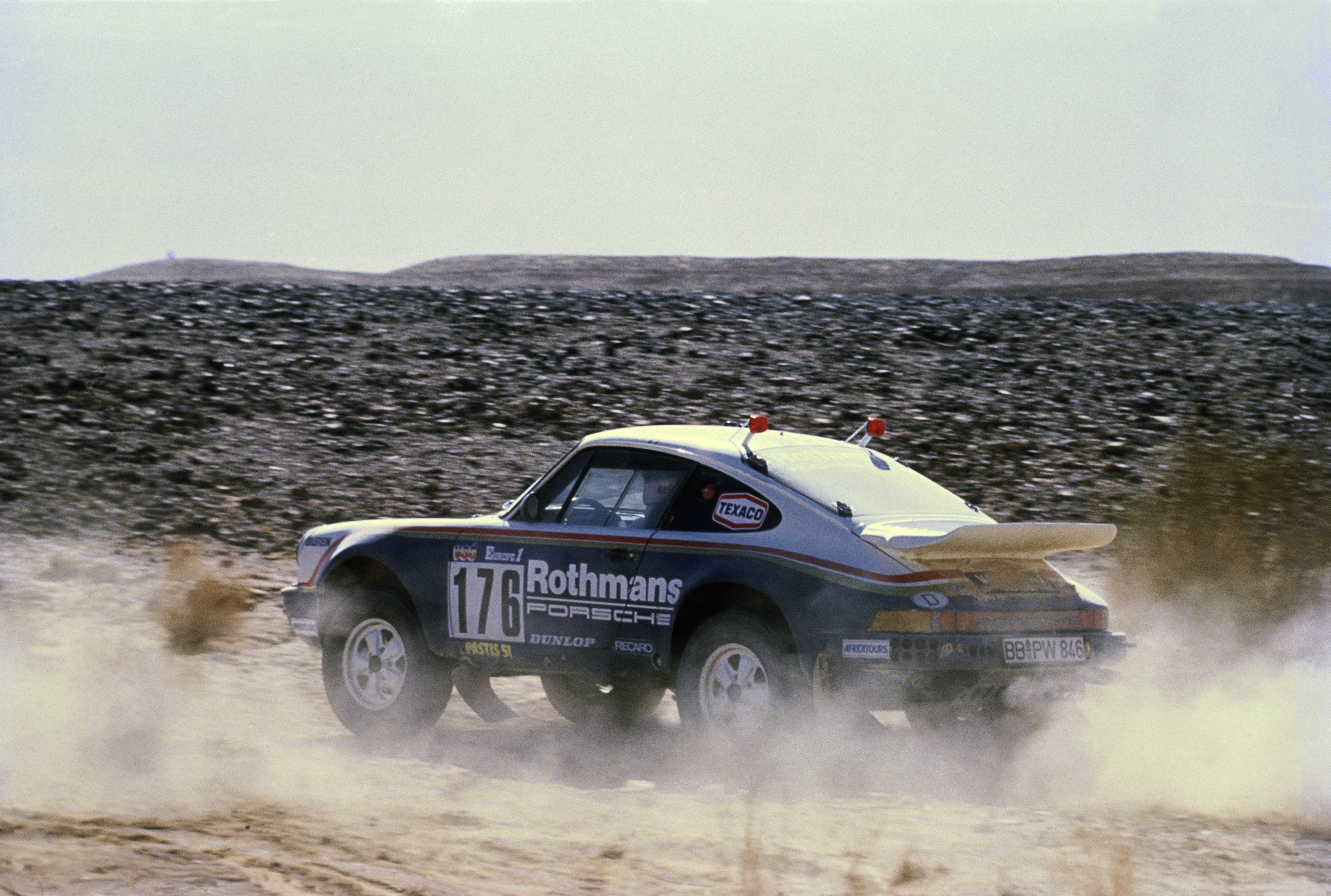
Jacky Ickx and co-driver Claude Brasseur finished 6th overall in the 6th running of the Paris-Dakar rally in 1984. The rally covered slightly more than 6,000 miles. Porsche Archiv
|
|
|
|
|
|
23
|
|
Dr. Ing. h.c. F. Porsche AG
|
|
Image
|
Metge and LeMoine and other Porsche team members carried as much as 100 gallons of fuel in these 953s. Some of the rally desert sections ran as long as 500 miles. Porsche Archiv
|
|
|
|
|
|
24
|
|
|
|
Image
|
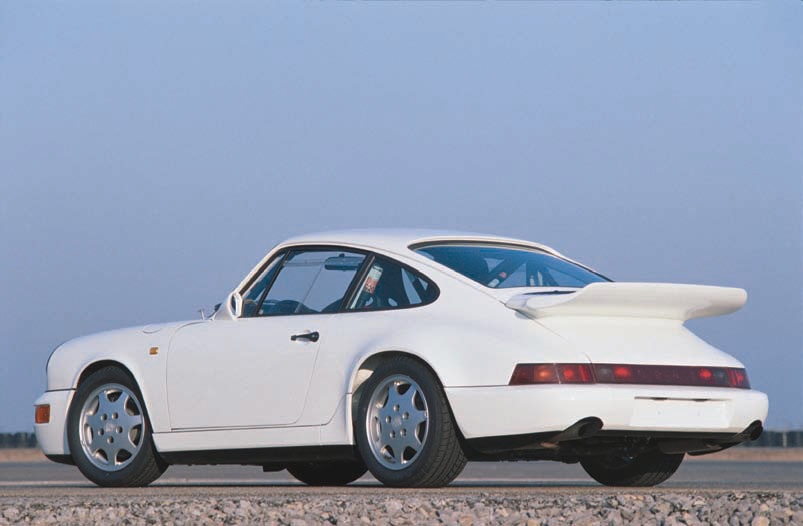
Jürgen Barth’s Customer Racing departmentassembled 22 of these 1990 Carrera 4 Lightweights by starting with a production C4 and stripping everything from it. When they finished, the cars weighed 2,420 pounds while the engines developed 265 horsepower. Porsche Archiv
|
|
|
|
|
|
25
|
|
|
|
Image
|
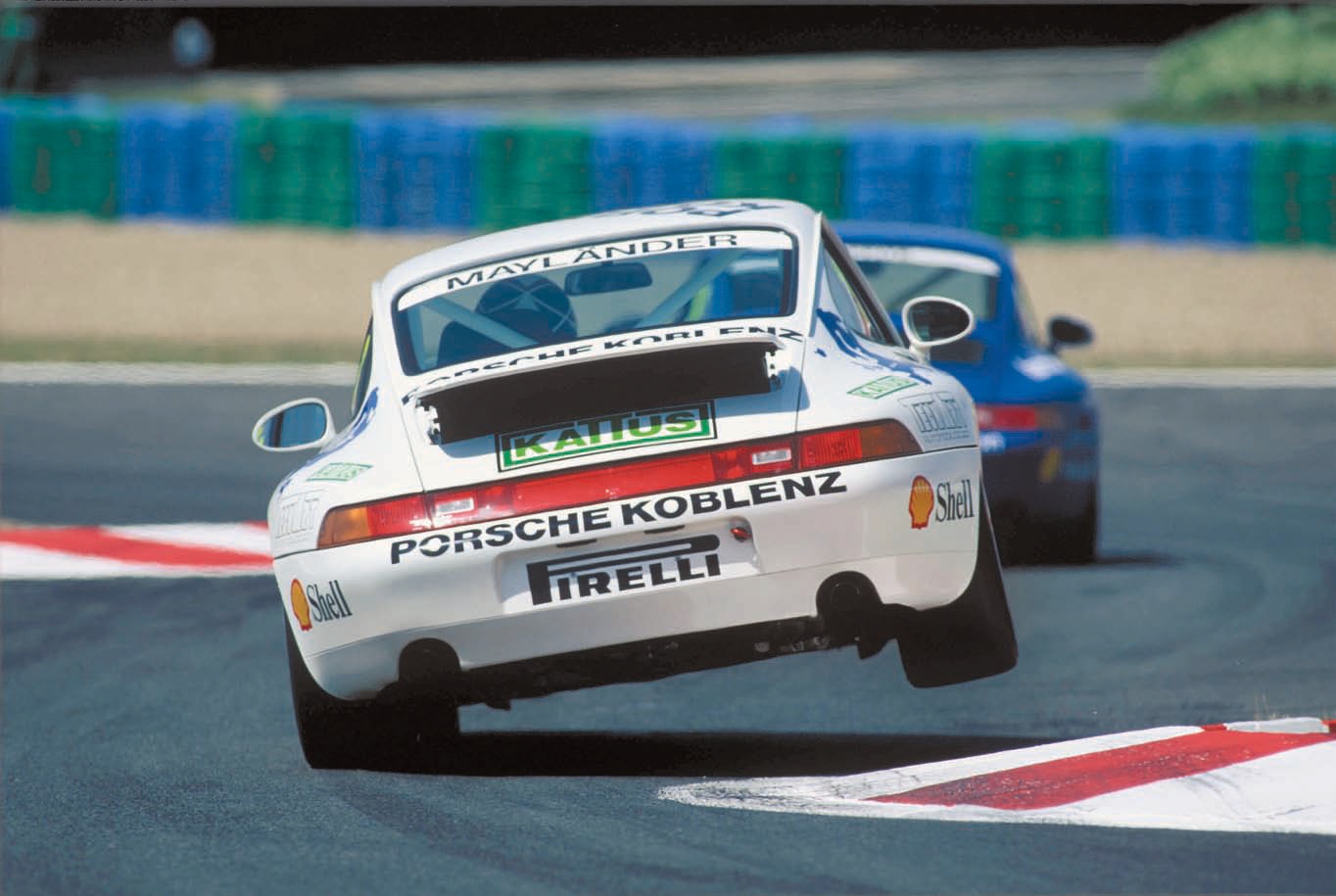
Cutting his apexes tight gained Porsche Carrera Cup champion Bernd Mayländer precious tenths of seconds. Mayländer was German Cup and Supercup champion in 1994. Porsche Archiv
|
|
|
|
|
|
26
|
|
|
|
Image
|
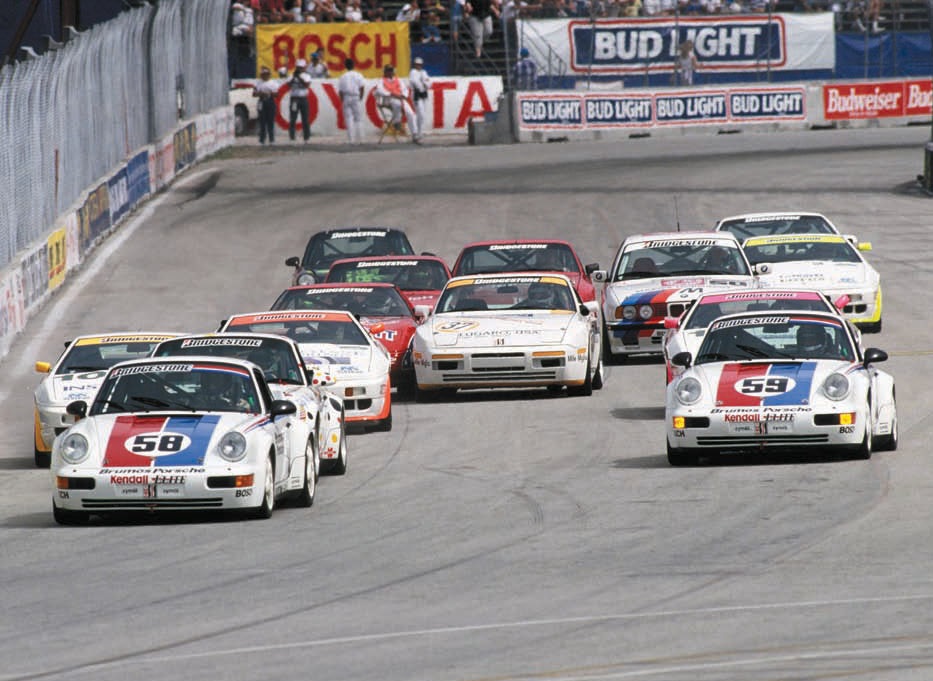
The racing was extremely close during the IMSA Supercar series. Brumos team cars 58 and 59, with either Hans Stuck or Hurley Haywood driving, held off the challenges through the 1991, 1992, and 1993 seasons, winning the Supercar championship three years in succession. Porsche Archiv
|
|
|
|
|
|
27
|
|
|
|
Image
|
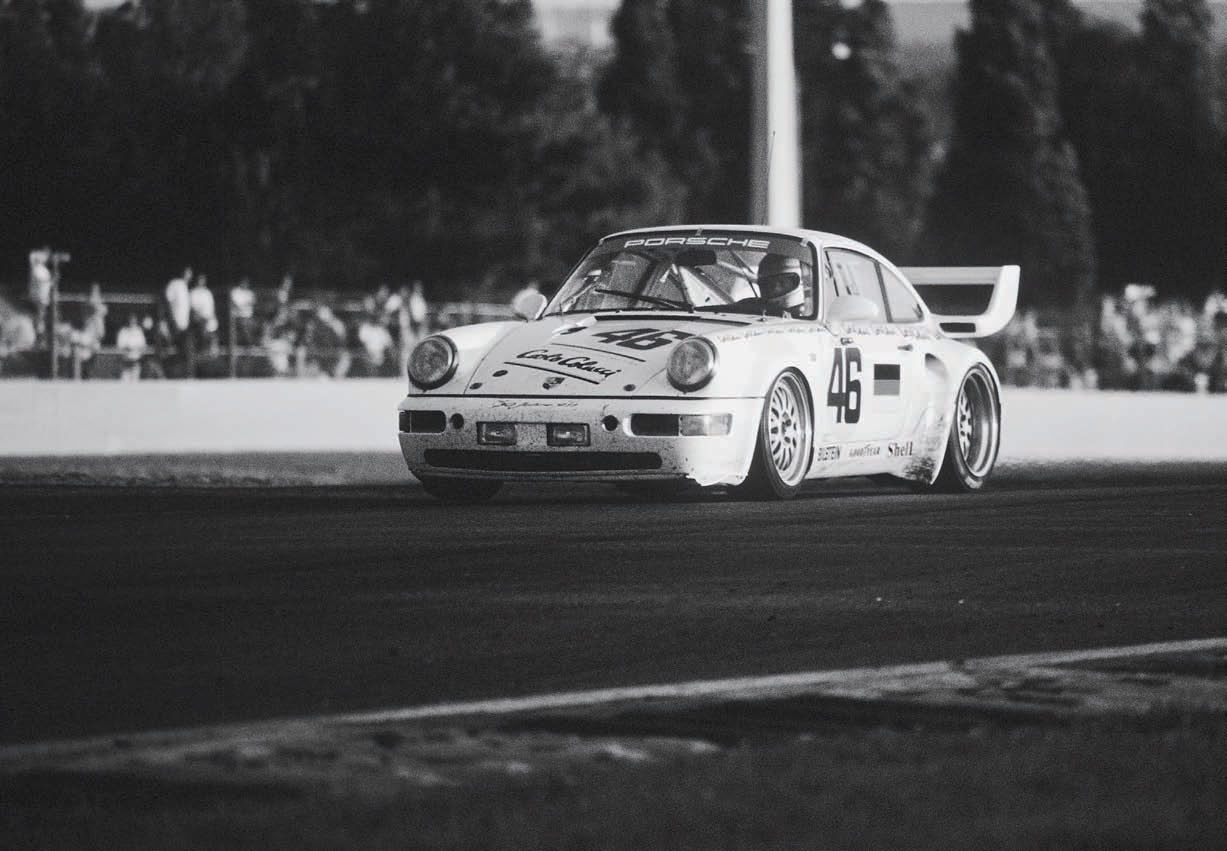
Walter Röhrl shared driving duties at Le Mans in 1993 with Hans Stuck and Hurley Haywood in the 911 Turbo S Le Mans GT, the 911 S LM. An accident during the 79th lap forced their retirement. Porsche Archiv
|
|
|
|
|
|
28
|
|
|
|
Image
|
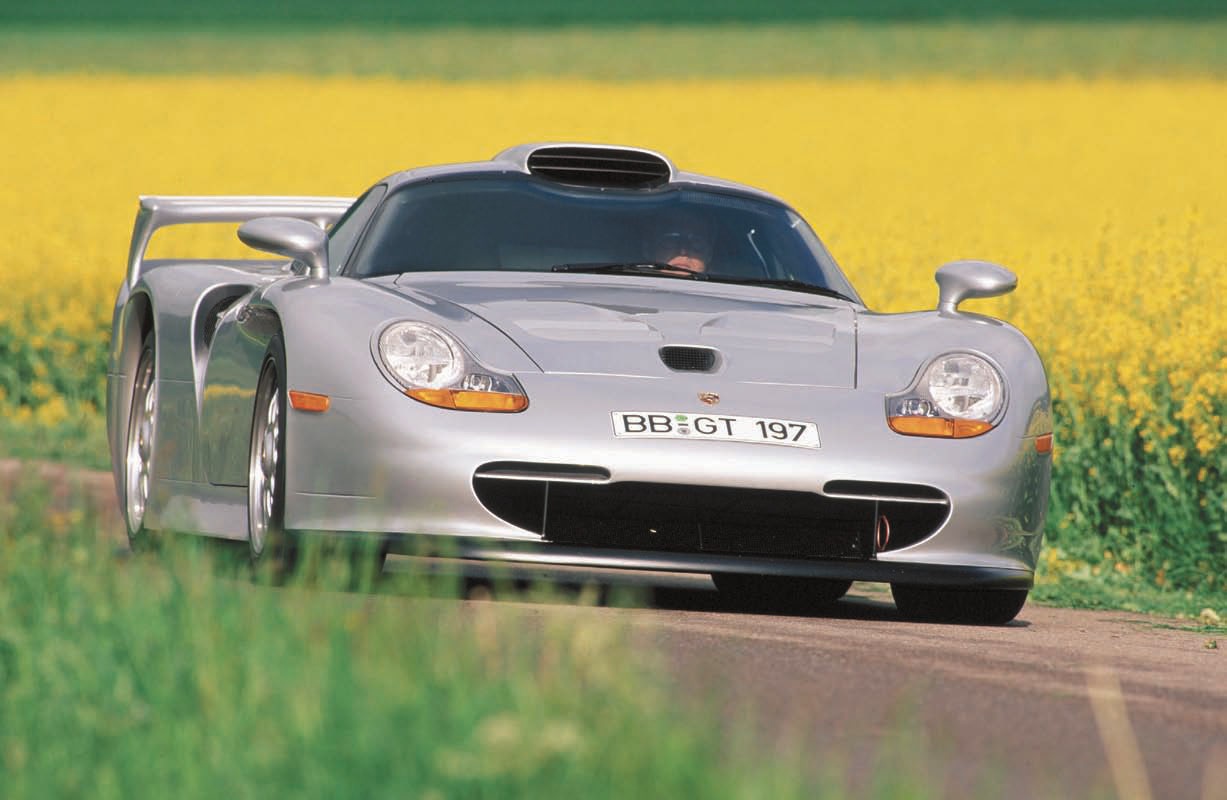
Regulations for the BPR series required that race car makers produce a single road-going example of their GT1 racer to homologate it for competition. Porsche complied with this 1997 GT1 Strassenversion. Porsche Archiv
|
|
|
|
|
|
29
|
|
|
|
Image
|
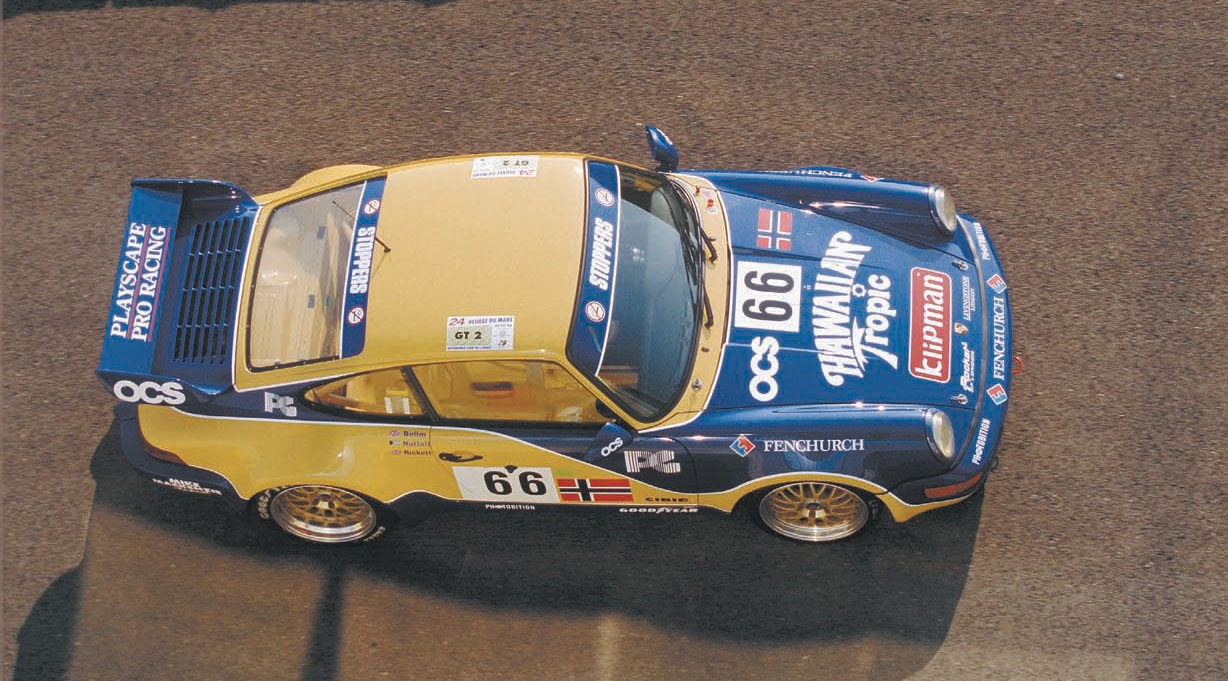
The 1994 Carrera RSR3.8 entered the pits at Le Mans. Raymond Bellm, Harry Nuttall, and Charlie Rickett started 25th on the grid in GT2 class but a mechanical failure retired them after just 32 laps. Porsche Archiv
|
|
|
|
|