|
|
|
|
|
|
|
|
|
|
|
|
1
|
|
|
|
Text
|
|
|
|
|
|
|
2
|
|
|
|
Text
|
|
|
|
|
|
|
3
|
|
|
|
Text
|
|
|
|
|
|
|
4
|
|
|
|
Text
|
|
|
|
|
|
|
5
|
|
|
|
Text
|
|
|
|
|
|
|
6
|
|
|
|
Text
|
|
|
|
|
|
|
7
|
|
|
|
Text
|
|
|
|
|
|
|
8
|
|
|
|
Text
|
|
|
|
|
|
|
9
|
|
|
|
Image
|
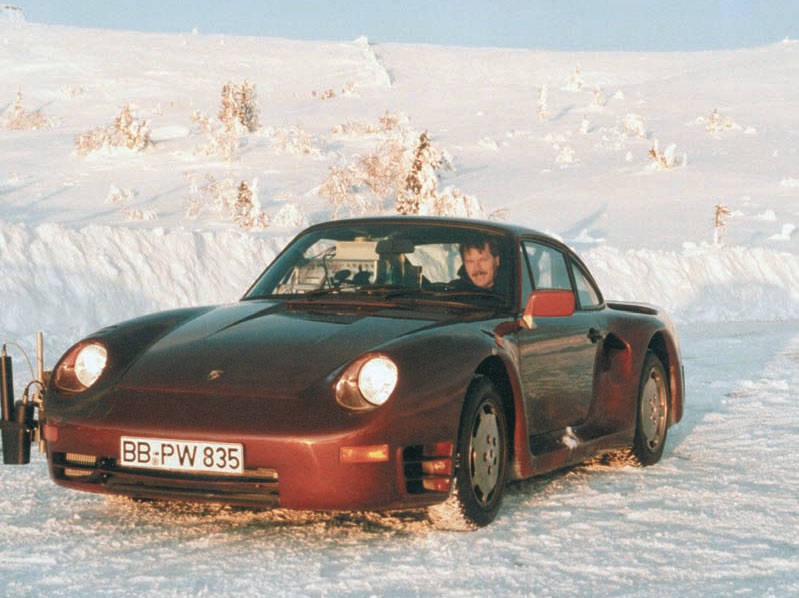
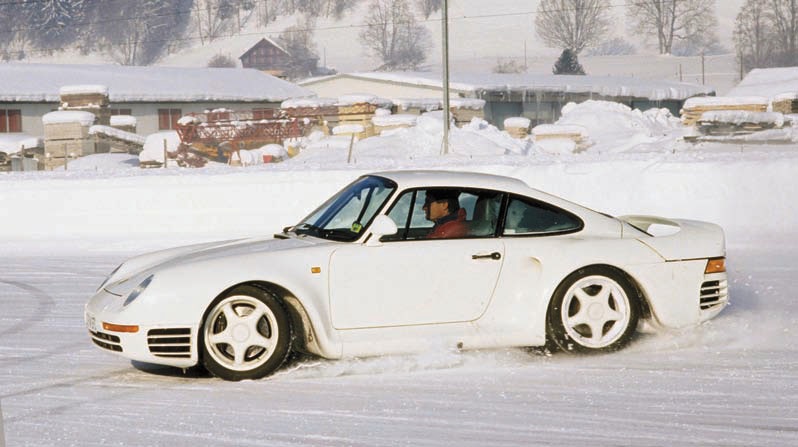
The life of a development engineer included winter�testing the ABS system—in this case, on this second 959 prototype. Dieter Röscheisen worked this car in Arien Plog, Sweden, in December 1984. Porsche Archiv
|
|
|
|
|
|
10
|
|
|
|
Image
|
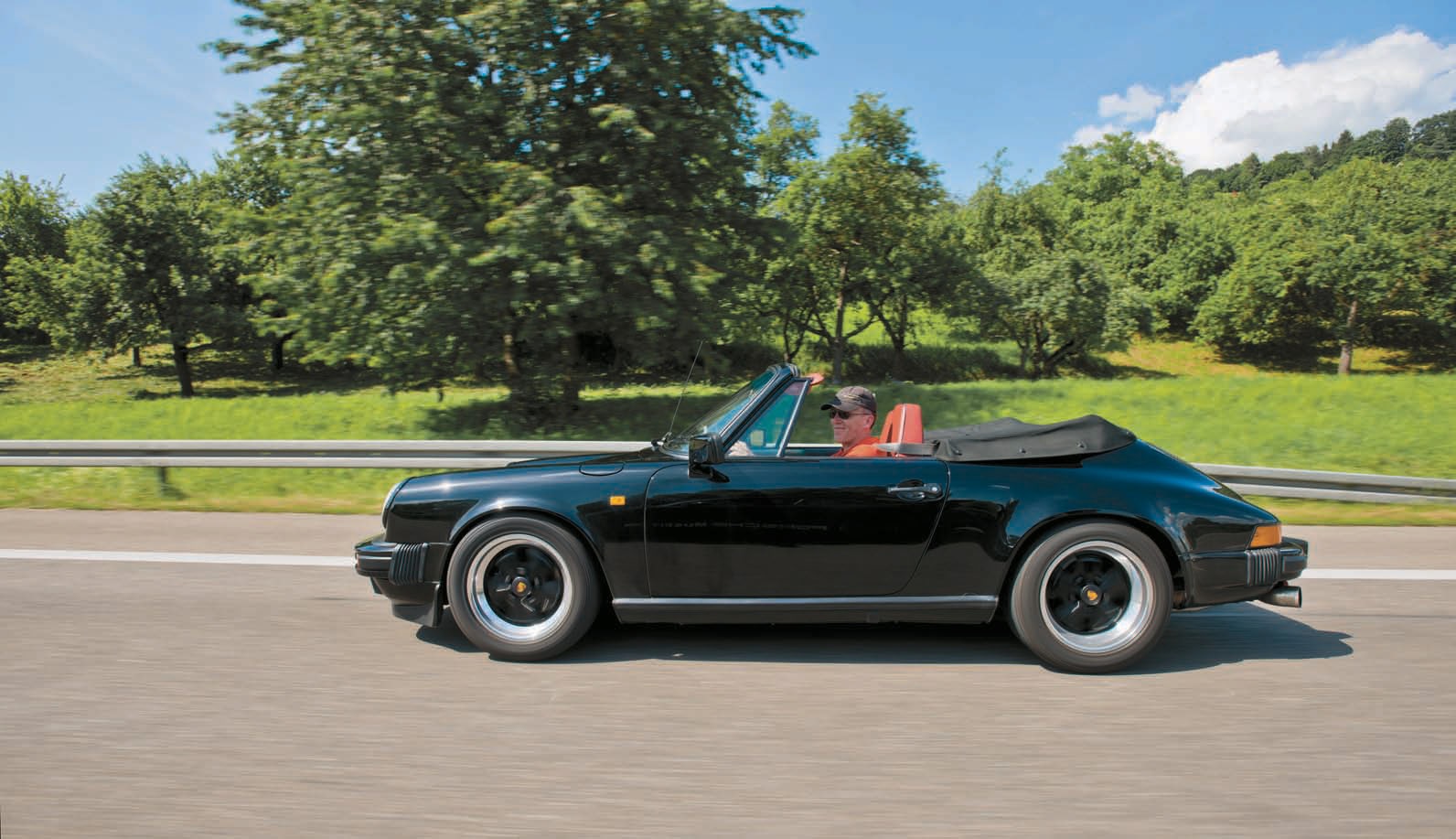
No sooner had Porsche introduced the new Cabriolet when the manufacturer put a new 3,164cc engine behind it one year later for 1984. As a 3.2 Carrera, the Cabrio enjoyed 207 horsepower at 5,900 rpm. Randy Leffingwel
|
|
|
|
|
|
11
|
|
|
|
Image
|
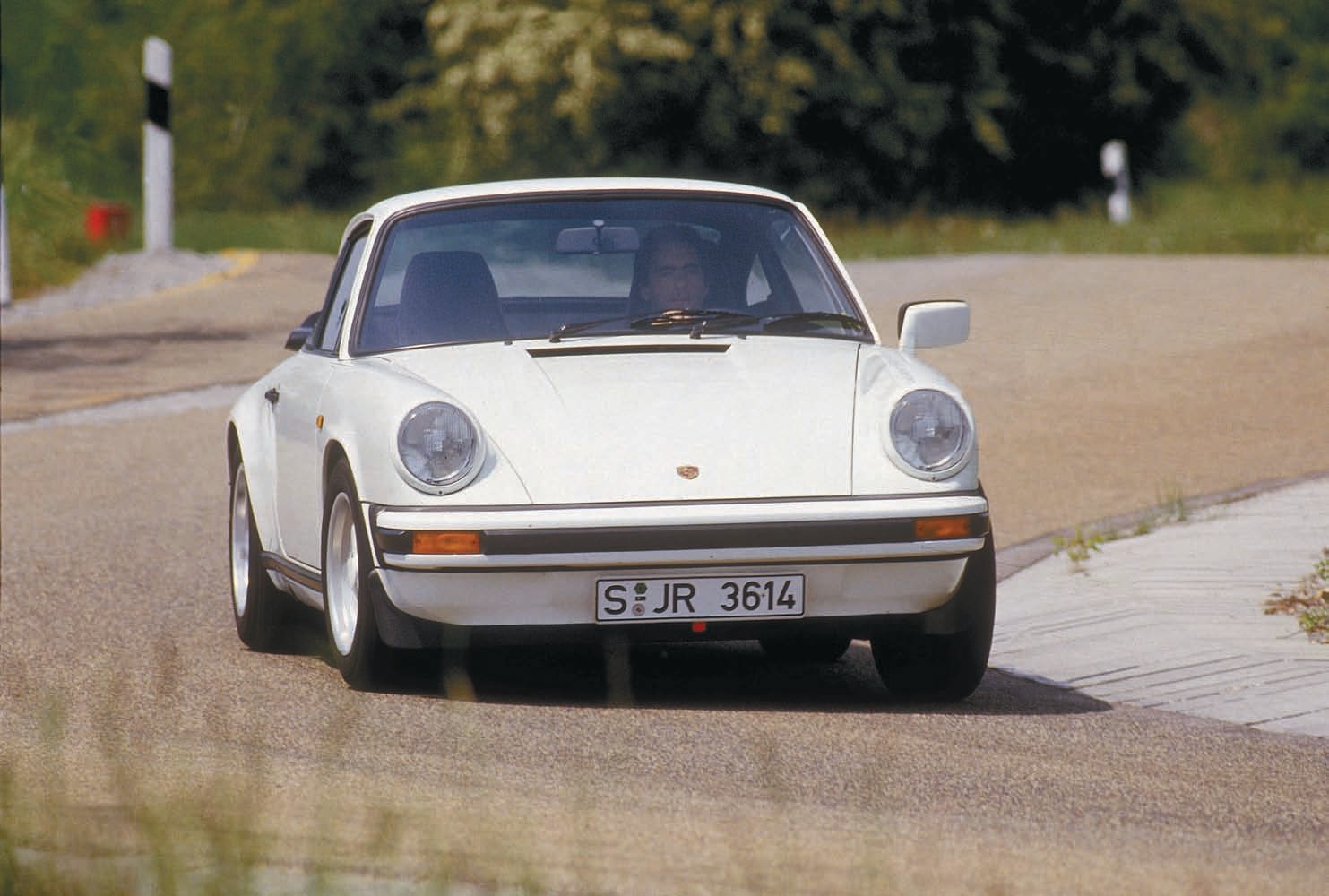
From 1987 through 1989, Porsche offered the Carrera Clubsport. Zuffenhausen assembled just 189 of these coupes (plus one Targa) during the three-year run. Porsche Archiv
|
|
|
|
|
|
12
|
|
|
|
Image
|
The Turbo Look Carrera Cabriolet benefited not only from structural enhancements to stiffen the Cabrio body, but also those necessary to accommodate the performance capabilities of the Turbo. This owner opted as well for an uncommon Flachtbau (slant-nose) treatment. Porsche Archiv
|
|
|
|
|
|
13
|
|
|
|
Image
|
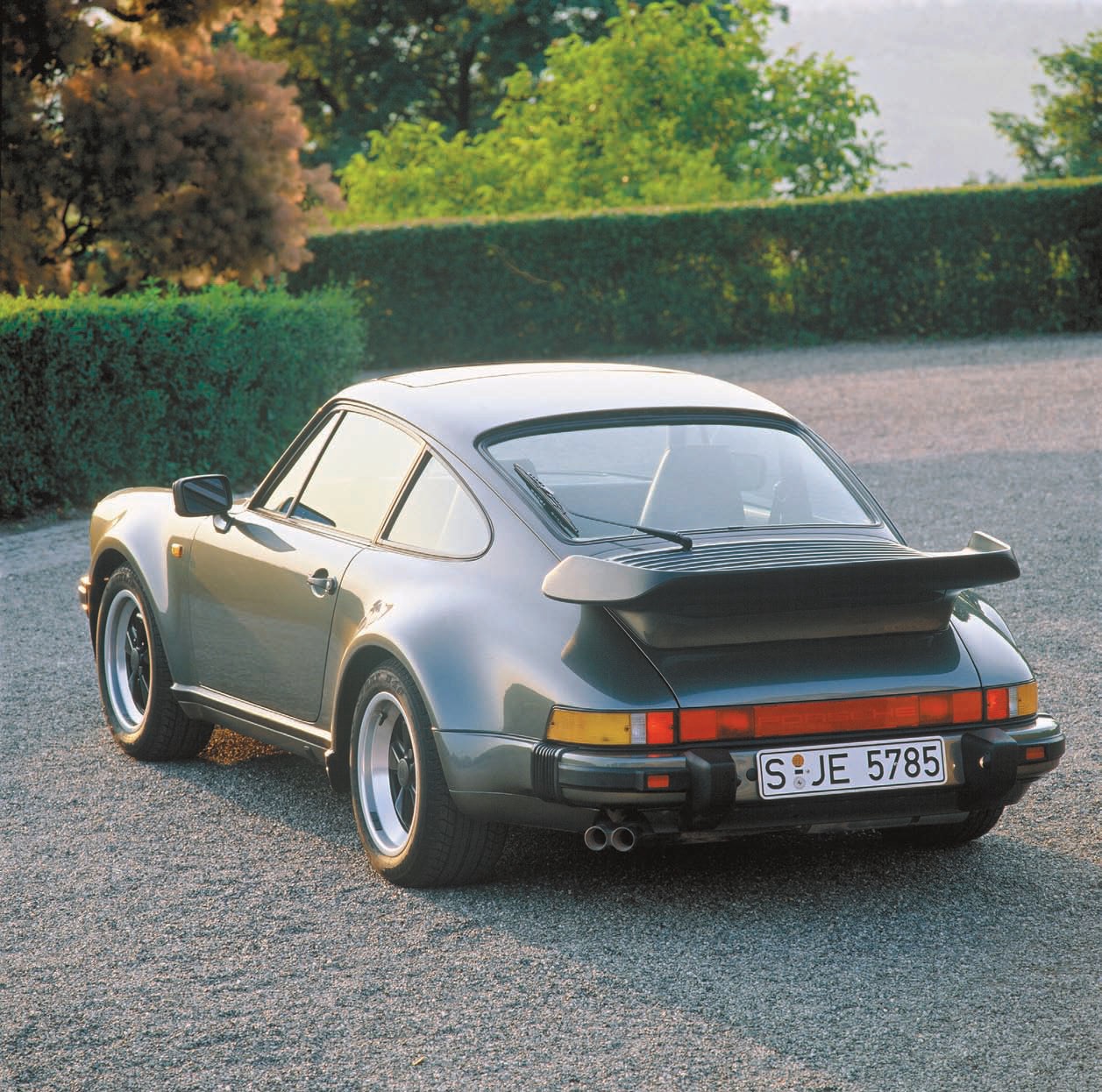
The 1987 Turbo 3.3 differed only in degrees and subtleties from its predecessors with dual exhausts and a deeper tea-tray rear wing. Turbos sold well in North America after reintroduction to Canadian and U.S. markets in 1986. Porsche Archiv
|
|
|
|
|
|
14
|
|
|
|
Image
|
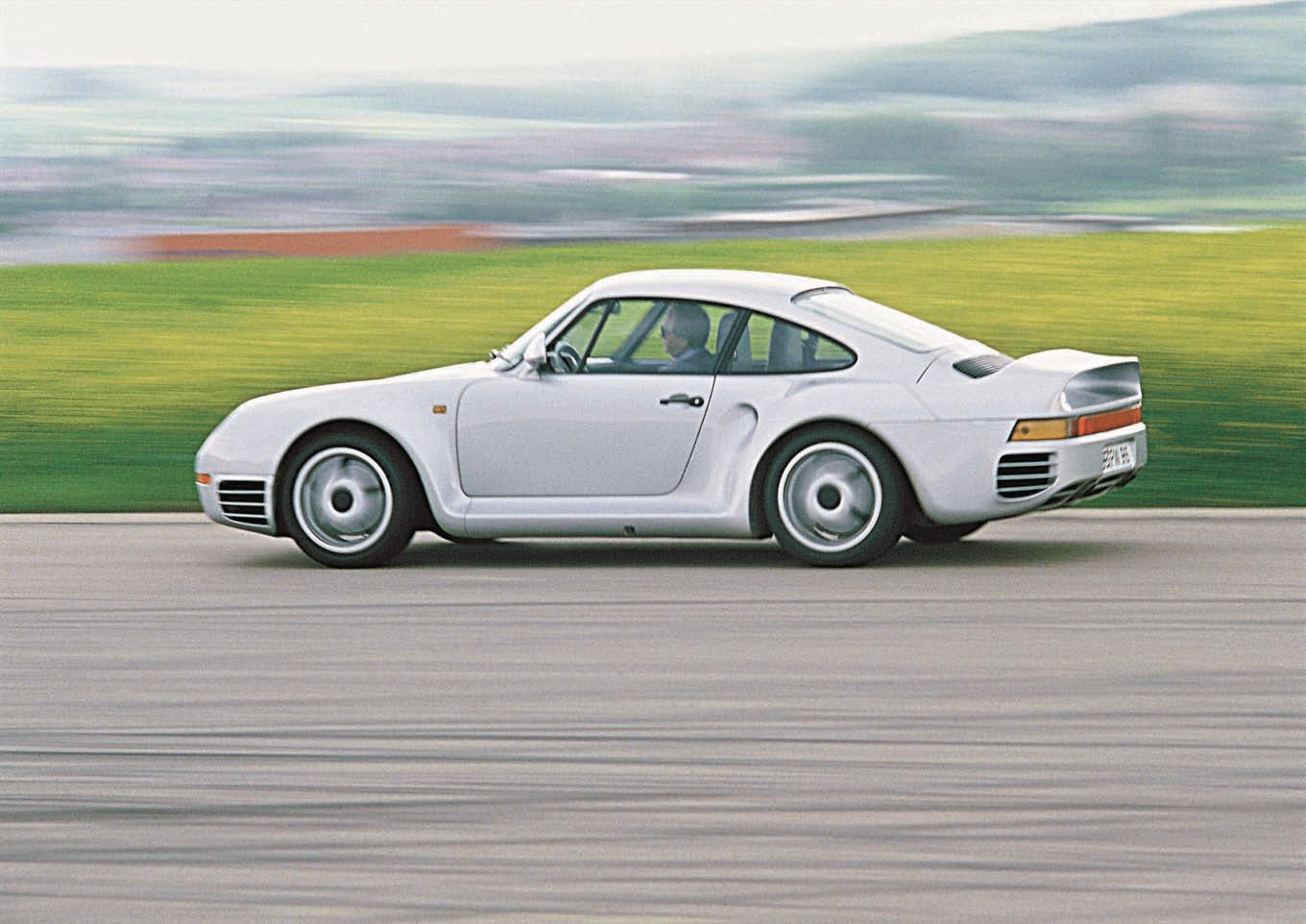
One of the final pilot-production 959s underwent yet another round of development tests. With all the car’s new technology, Porsche lost money on the series but won Weissach countless consulting clients from dozens of carmakers. Porsche Archiv
|
|
|
|
|
|
15
|
|
|
|
Image
|
Perhaps more than any working writer at the time, former journalist/Porsche press chief Manfred Jantke enjoyed the 959 media introductions. Porsche rented a private airfield at Gstaad, Switzerland, in January 1987, to demonstrate its all-wheel-drive capabilities. Porsche Archiv
|
|
|
|
|
|
16
|
|
|
|
Image
|
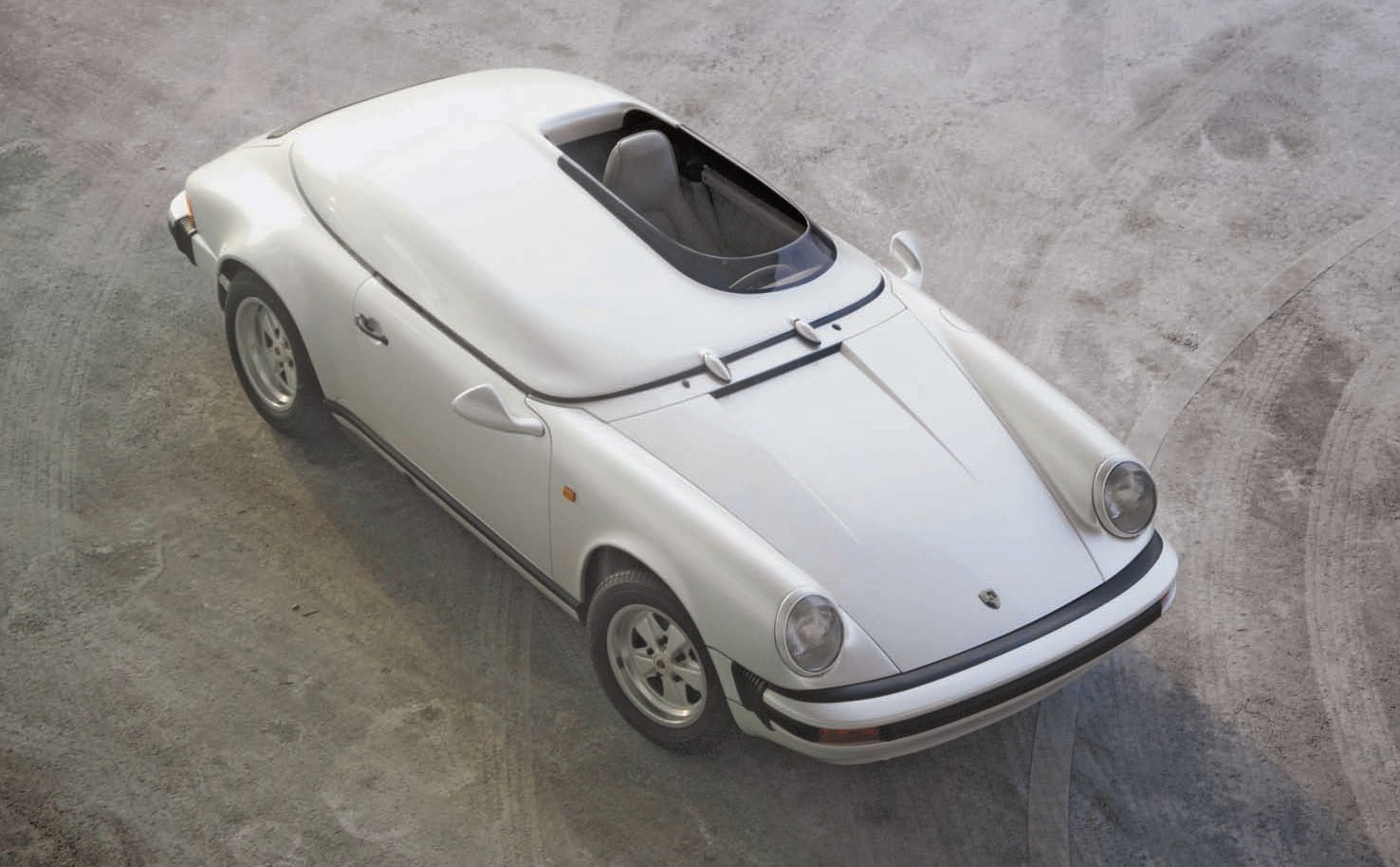
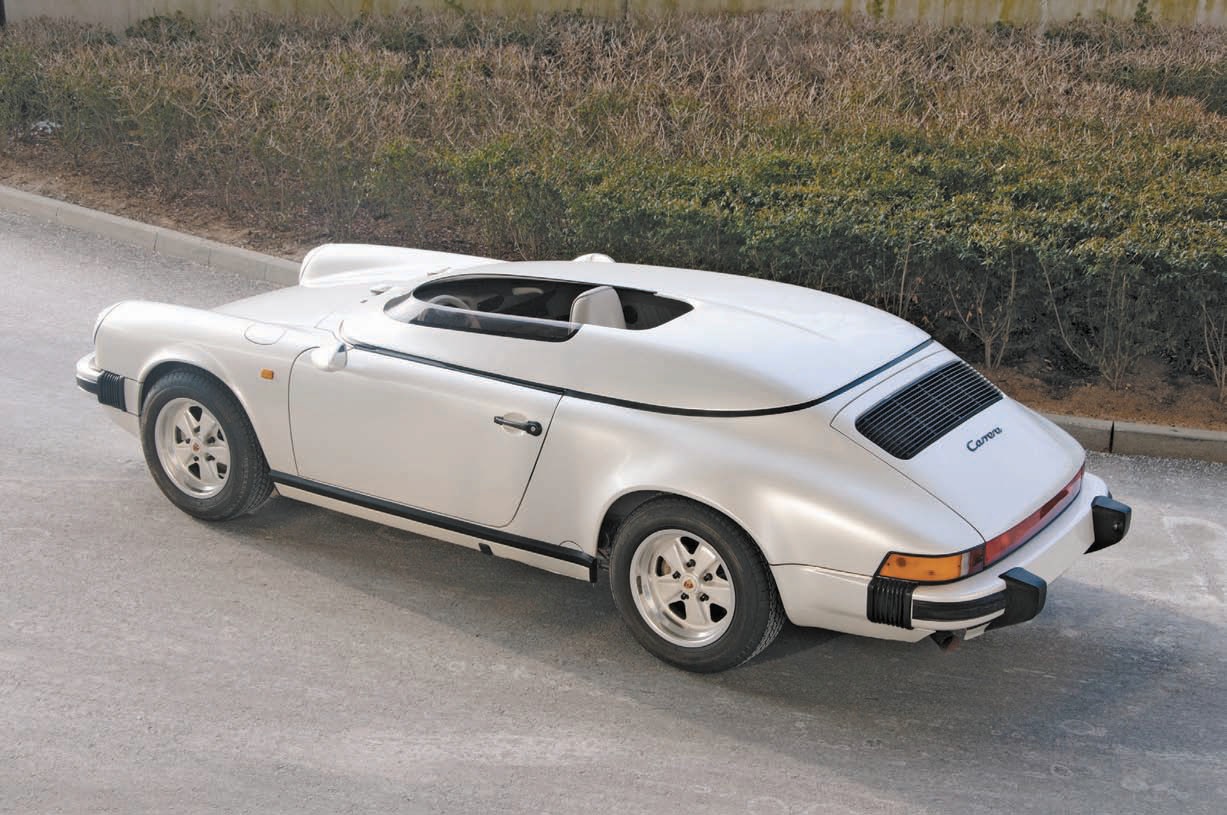
After displaying the Gruppe B concept car in 1985 and introducing the production model as the 959 in 1986, Porsche needed to keep visitors and journalists excited. This 3.2 Speedster studie, for Frankfurt 1987, did exactly that. Porsche Archiv–Photo by Jens Torner
|
|
|
|
|
|
17
|
|
|
|
Image
|
This single-seater concept had tremendous appeal and many hoped the flip-up tonneau cover was an option when the production Speedster appeared in 1989. However, it was much easier for engineers to fabricate a top system for the two-seat version. Porsche Archiv–Photo by Jens Torner
|
|
|
|
|
|
18
|
|
|
|
Image
|
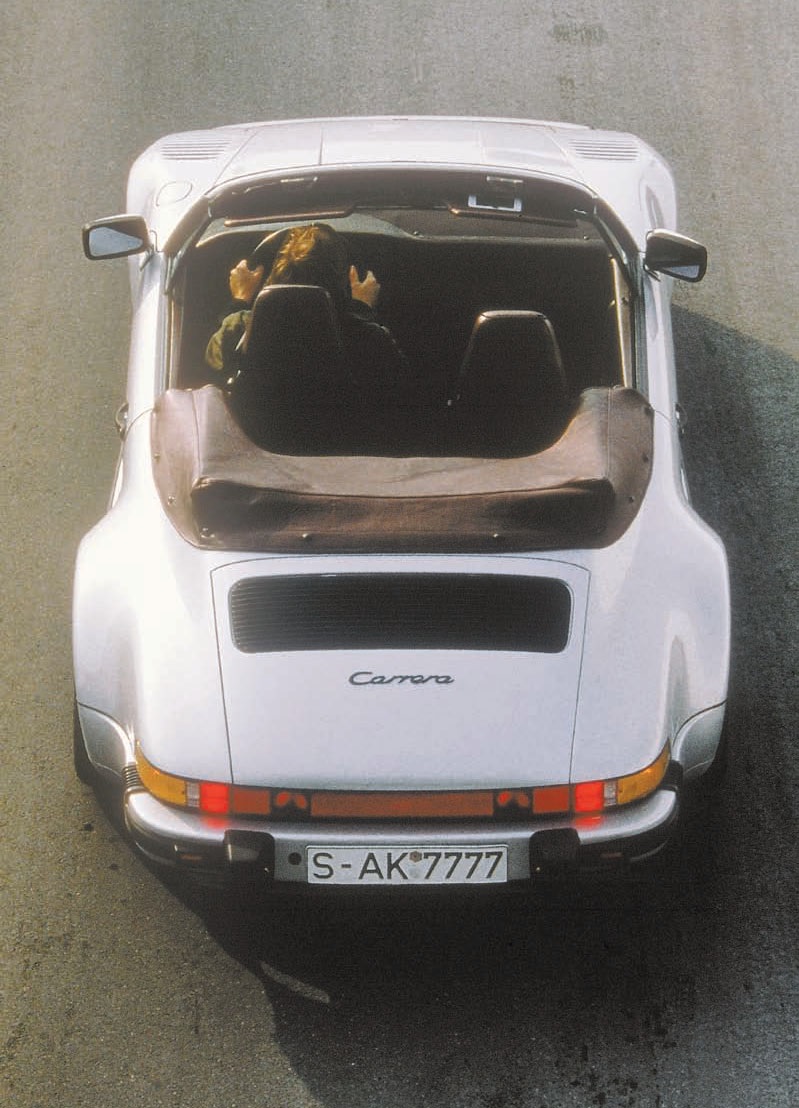
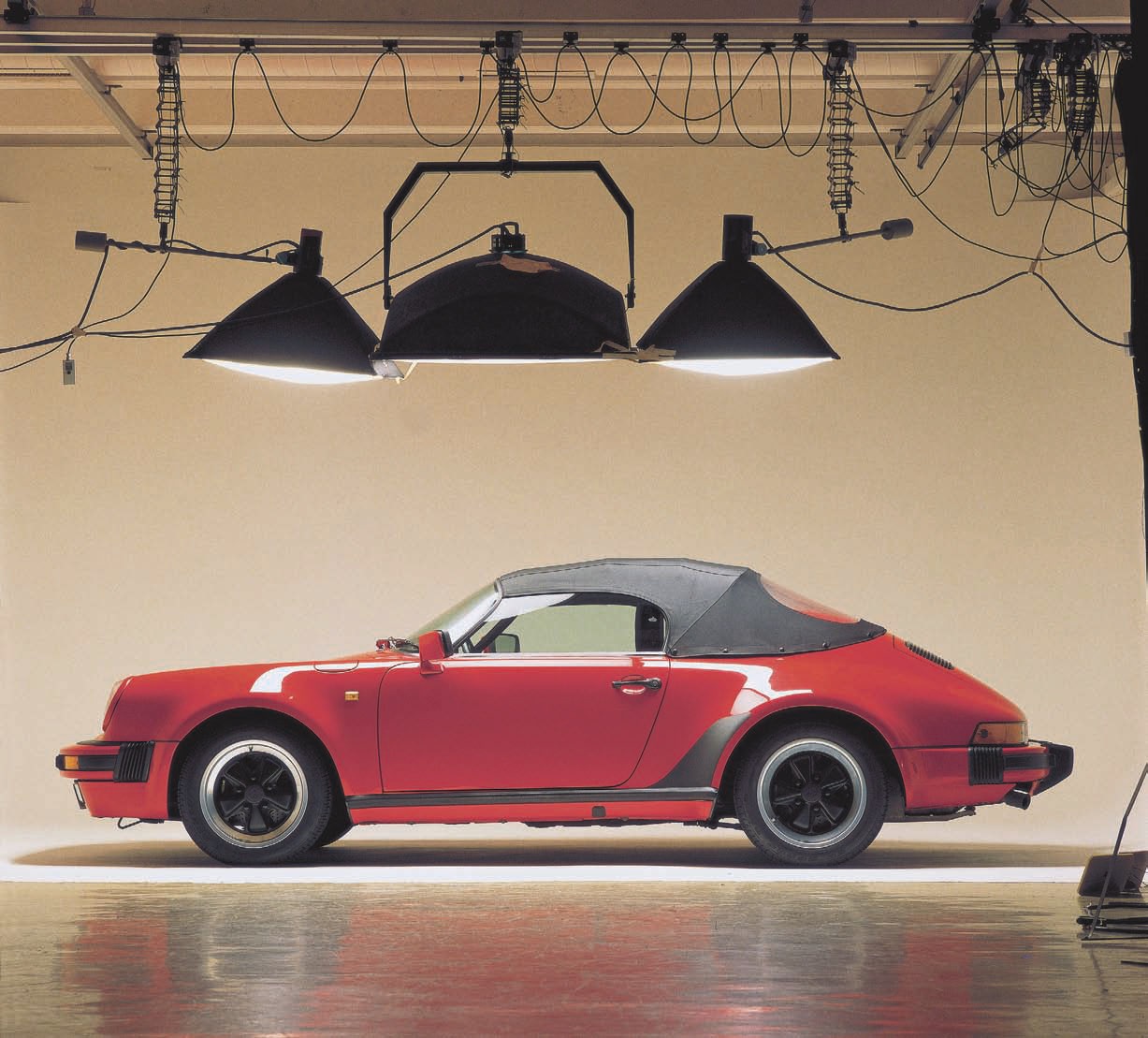
When Porsche put the 3.2 Carrera Speedster into production, Zuffenhausen offered the car in standard width body and Turbo Look. The manual cloth top folded underneath a rigid fiberglass tonneau cover that also covered the rear of the passenger compartment. Porsche Archiv
|
|
|
|
|
|
19
|
|
Dr. Ing. h.c. F. Porsche AG
|
|
Image
|
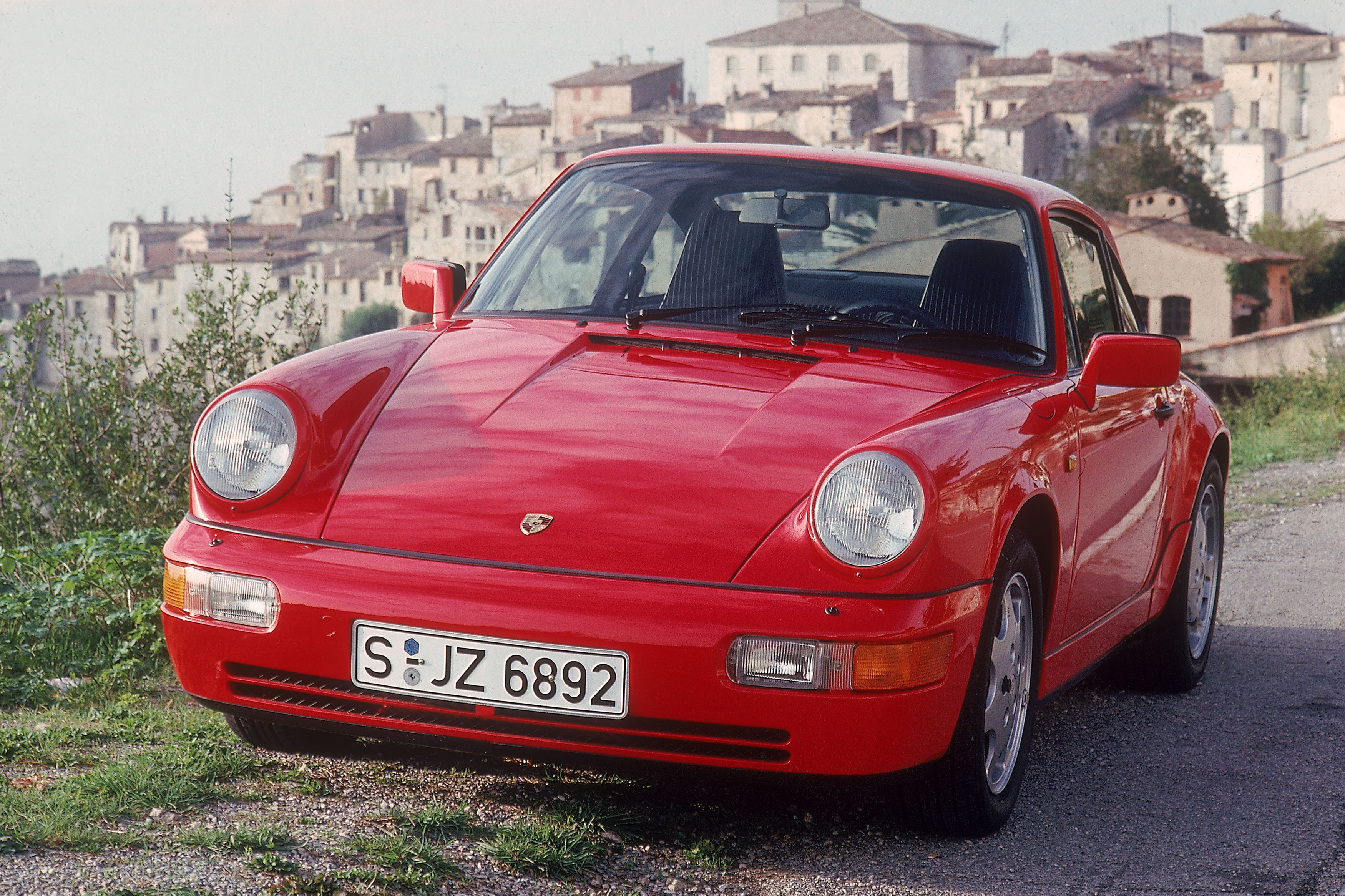
The long-lived G Series, from 1974 through 1989, ended with introduction of the 964 model, available in rear- and all-wheel drive. Except for badges in the rear, this all-wheel-drive C4 was impossible to differentiate from the rear-drive C2. Porsche Archiv
|
|
|
|
|
|
20
|
|
|
|
Image
|
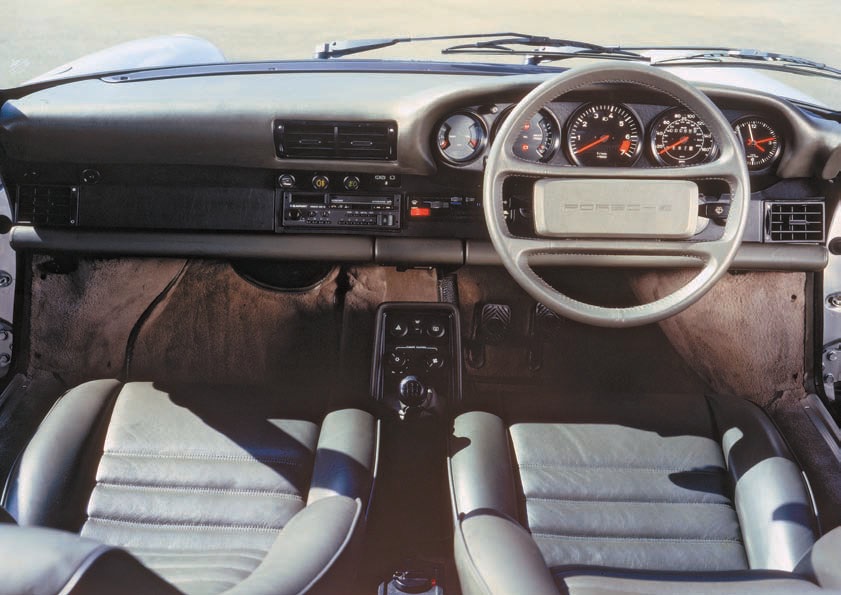
One of the great legacies of the early 911 development came with adapting the rack-and-pinion steering of the Formula 1 car. With its articulated steering column, it made manufacturing right-hand-drive 911s an easier proposition. Porsche Archiv
|
|
|
|
|
|
21
|
|
Dr. Ing. h.c. F. Porsche AG
|
|
Image
|
C2 and C4 running gear shared identical car bodies. Both took advantage of an automatic electrically operated small rear spoiler to reduce rear lift at speeds above 50 miles per hour. Porsche Archiv
|
|
|
|
|
|
22
|
|
|
|
Image
|
As Weissach managers imagined the G Series Turbo successor, they began to envision a technological and visual successor to the 959, known as the Typ 965. Tony Hatter created evolutionary new front fenders, and he carried over and evolved the 959’s bread basket handle rear wing. Randy Leffingwel
|
|
|
|
|
|
23
|
|
|
|
Image
|
Each of the 965 mules became test beds for a variety of engine ideas as well. In one configuration, engineers installed a water-cooled 4.2-liter Audi V-8 into the engine compartment. Randy Leffingwell
|
|
|
|
|
|
24
|
|
Dr. Ing. h.c. F. Porsche AG
|
|
Image
|
When budgeting died for the radical and evolutionary Turbo 965, engineers and styling staff retrenched around the 964. They carried over ideas from the G Series Turbos, widening the rear track from the 54.1-inch normally aspirated car to 58.8 for the Turbo. Porsche Archiv
|
|
|
|
|
|
25
|
|
Dr. Ing. h.c. F. Porsche AG
|
|
Image
|
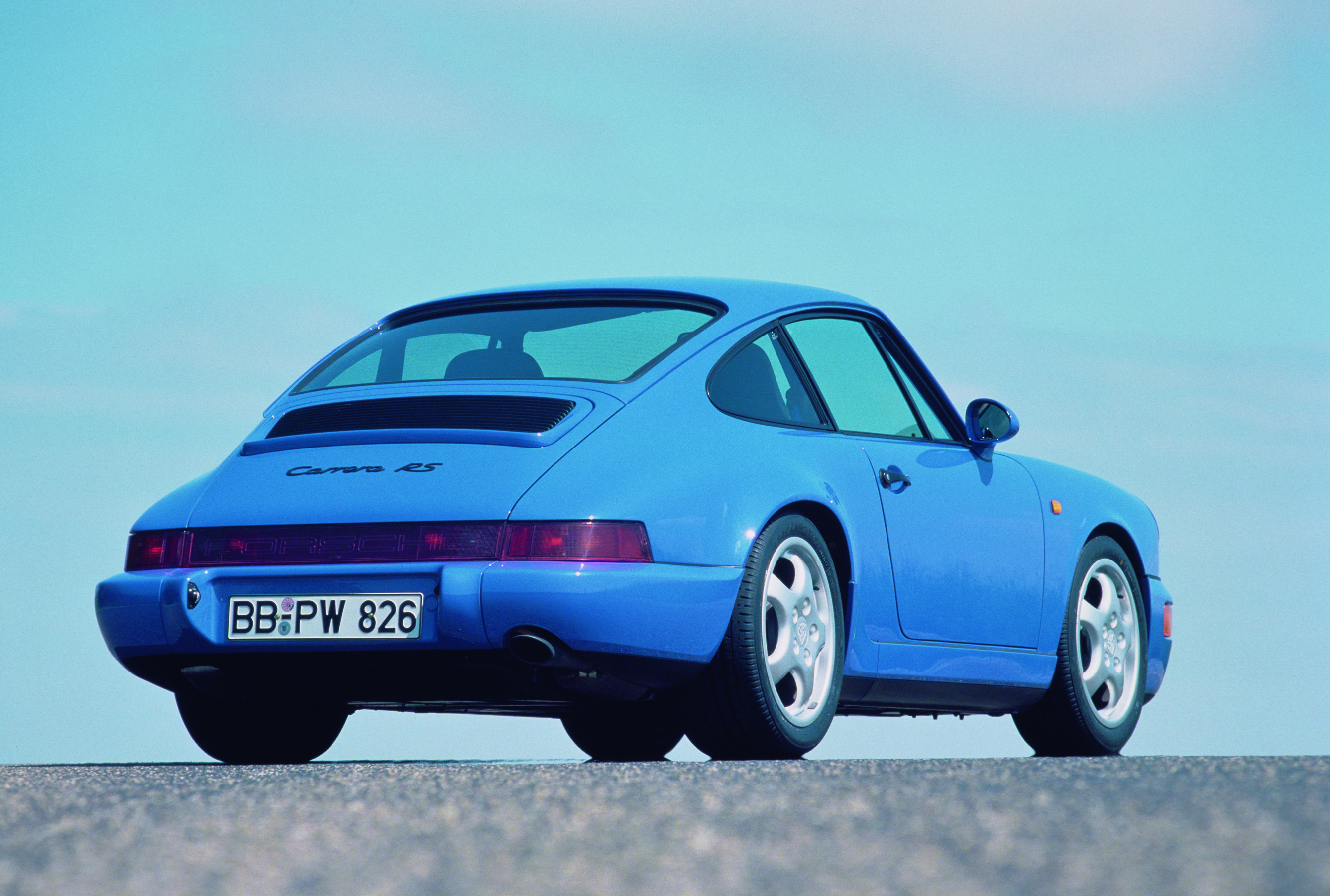
One of the most desirable 964 C2 configurations was this Carrera RS coupe from 1992. Lightened by 286 pounds, with 260 horsepower at 6,100 rpm, the new RS renewed the tradition invented in 1973. Porsche Archiv
|
|
|
|
|
|
26
|
|
|
|
Image
|
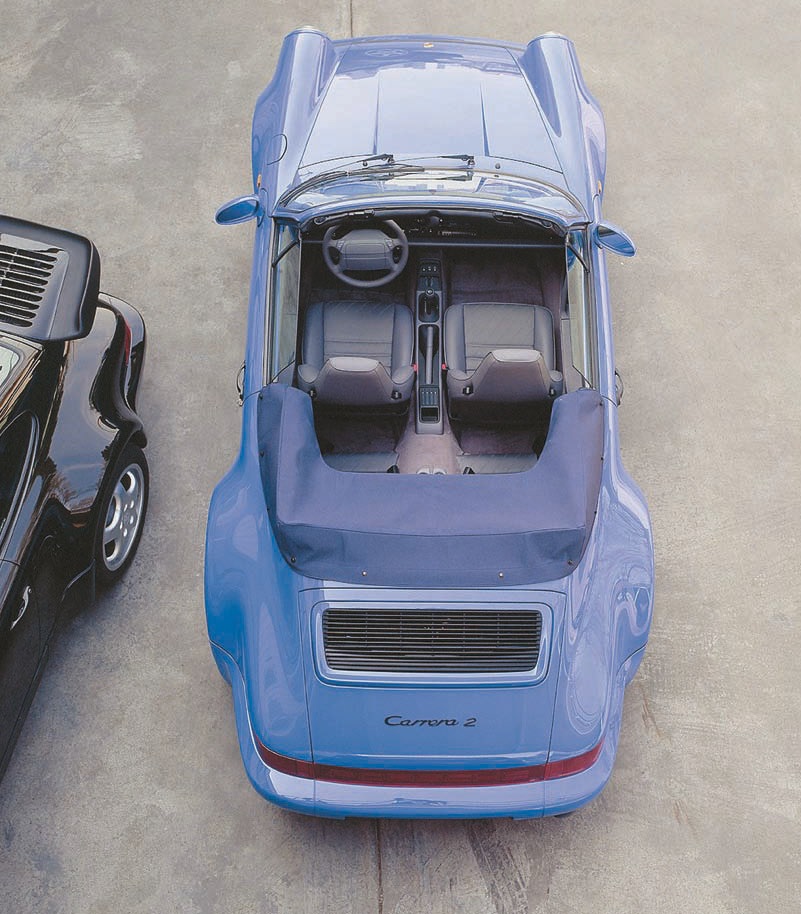
The 964 Carrera 2 Turbo Look Cabriolet for 1992 was available worldwide. For the U.S. markets, Porsche named the car the America Roadster. Porsche Archiv
|
|
|
|
|
|
27
|
|
|
|
Image
|
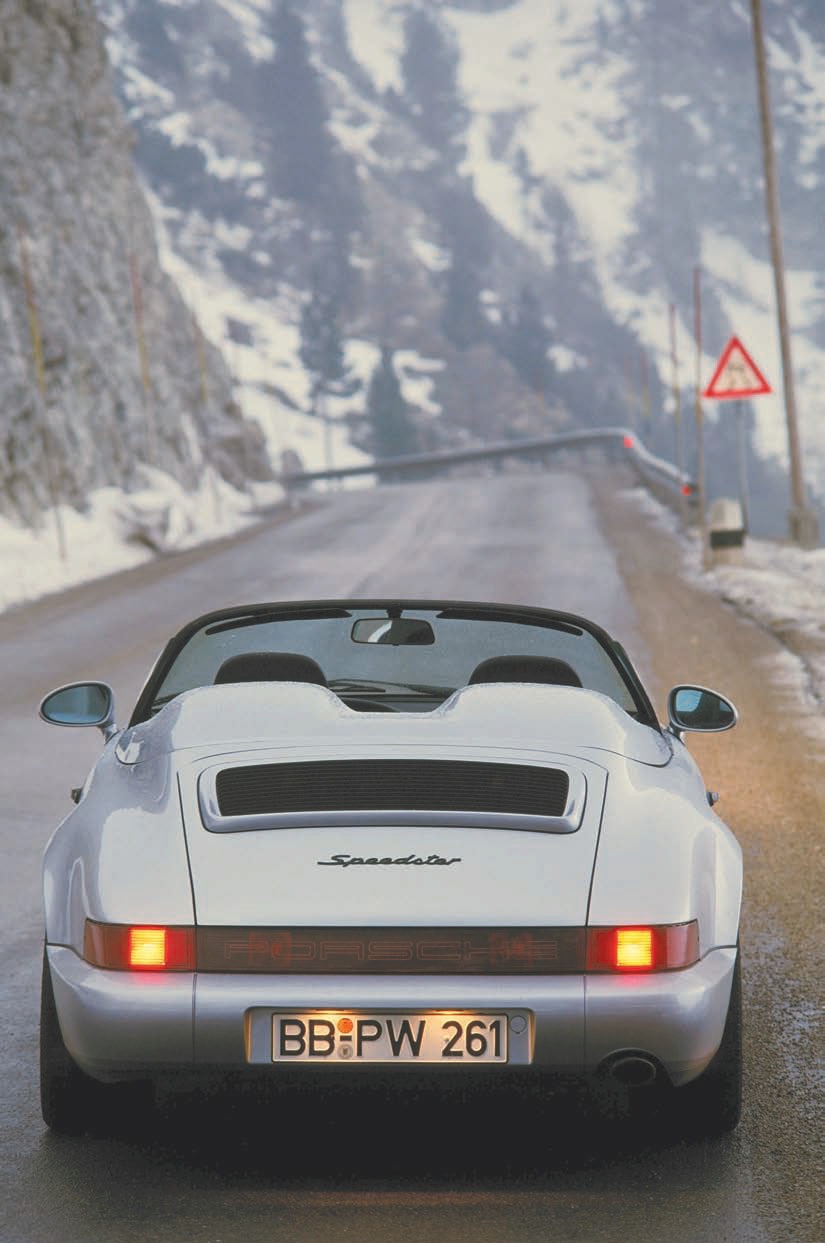
For the final year of the 964 Series, Porsche reintroduced the Speedster, mainly assembling the cars on the standard C2 platform. Zuffenhausen manufactured 930 narrow bodies, and Sonderwunsch converted another 15 to Turbo Look bodies. Porsche Archiv
|
|
|
|
|
|
28
|
|
Dr. Ing. h.c. F. Porsche AG
|
|
Image
|
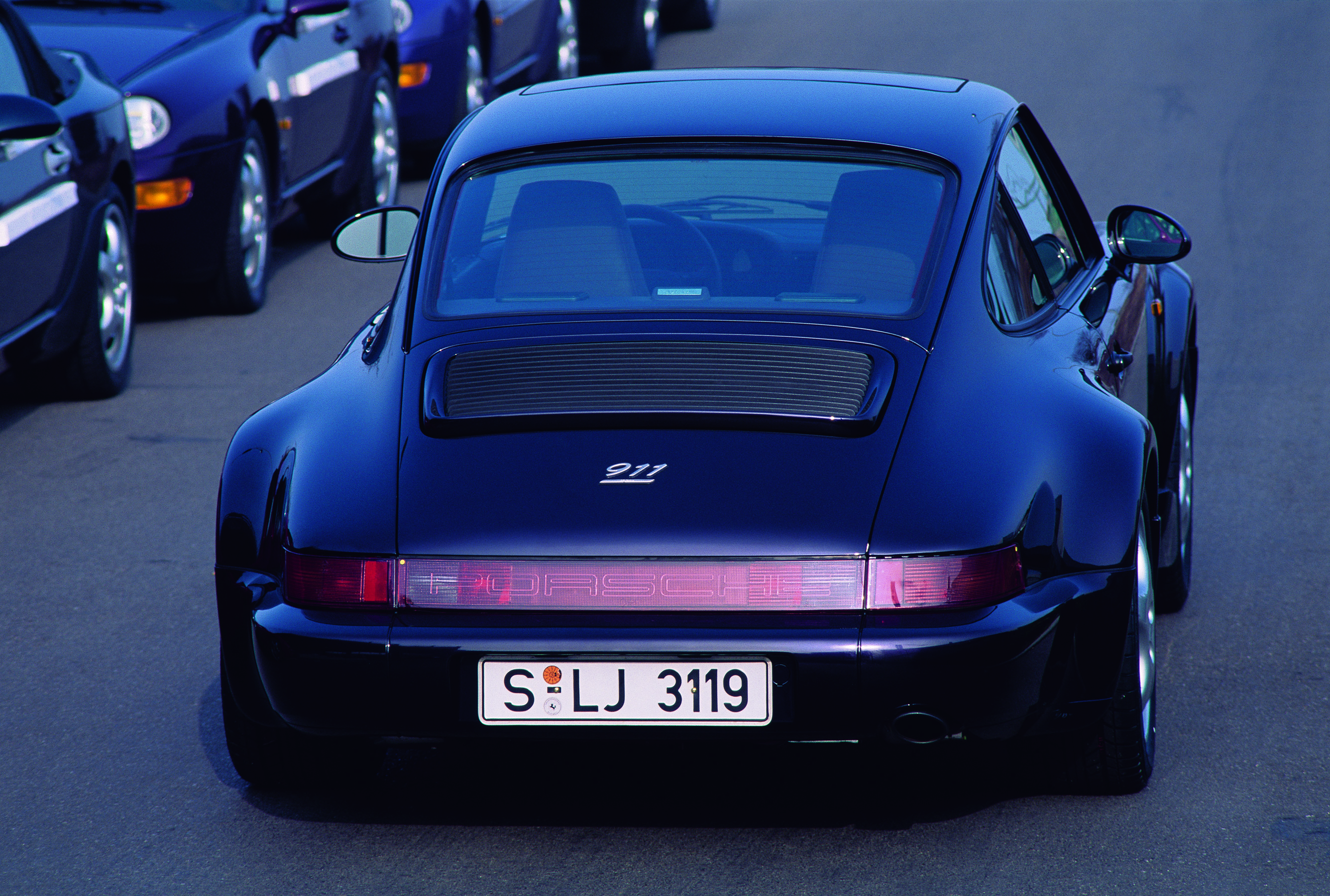
The 30th Anniversary 911 appeared as a 1993 model year C4 assembled on the Turbo Look wide-body platform. Zuffenhausen limited production to just 911 examples for worldwide buyers. Porsche Archiv
|
|
|
|
|