|
|
|
|
|
|
|
|
|
|
|
|
1
|
|
|
|
Text
|
|
|
|
|
|
|
2
|
|
|
|
Text
|
|
|
|
|
|
|
3
|
|
|
|
Text
|
|
|
|
|
|
|
4
|
|
|
|
Text
|
|
|
|
|
|
|
5
|
|
|
|
Text
|
|
|
|
|
|
|
6
|
|
|
|
Text
|
|
|
|
|
|
|
7
|
|
|
|
Text
|
|
|
|
|
|
|
8
|
|
|
|
Image
|
The 996 Turbo appeared in late 2000 as a 2001 model. Weissach engineers tuned the 3.6-liter engine to develop 420 horsepower at 6,000 rpm and mounted it on an all-wheel-drive platform. Porsche Archiv
|
|
|
|
|
|
9
|
|
|
|
Image
|
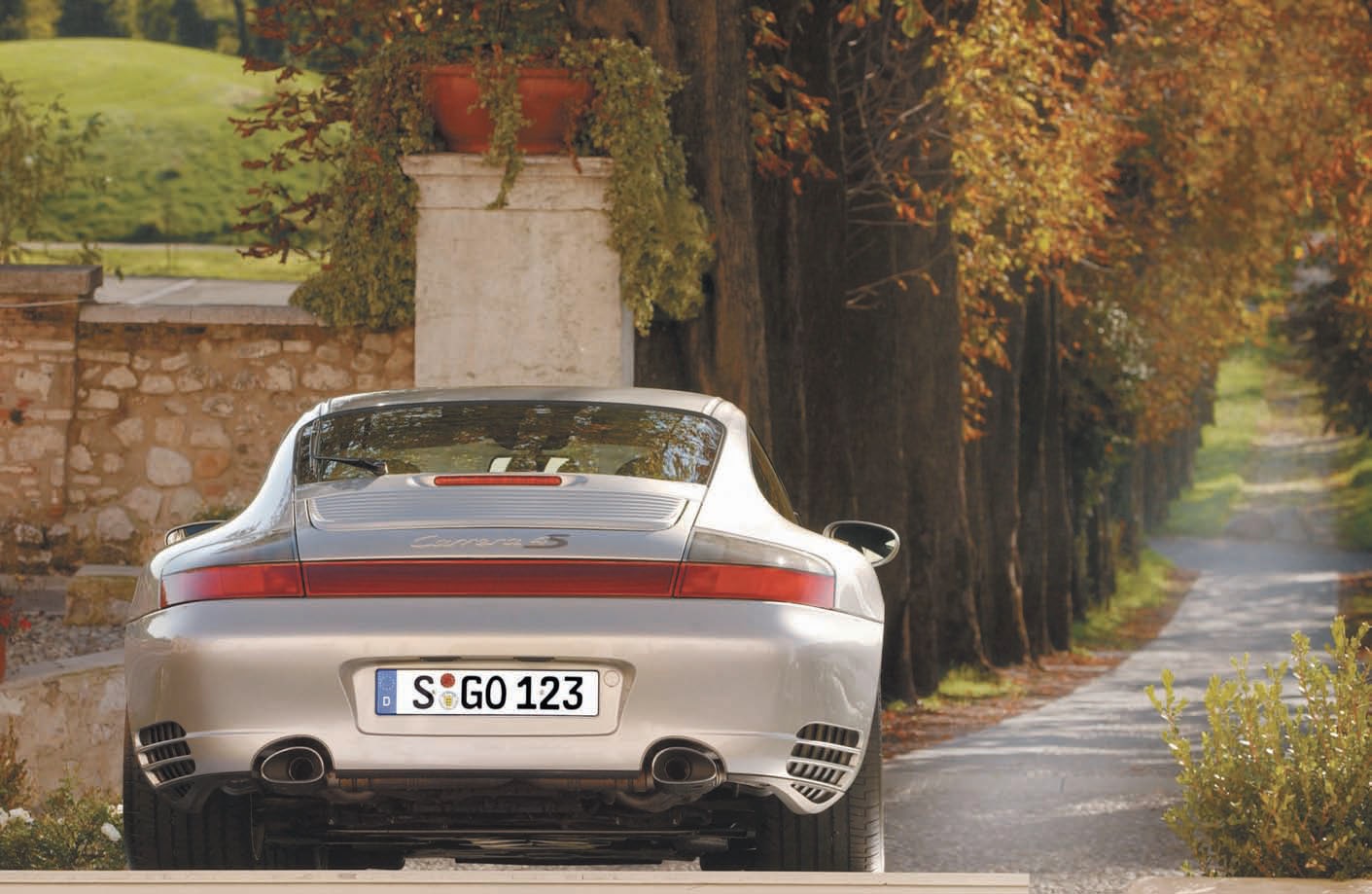
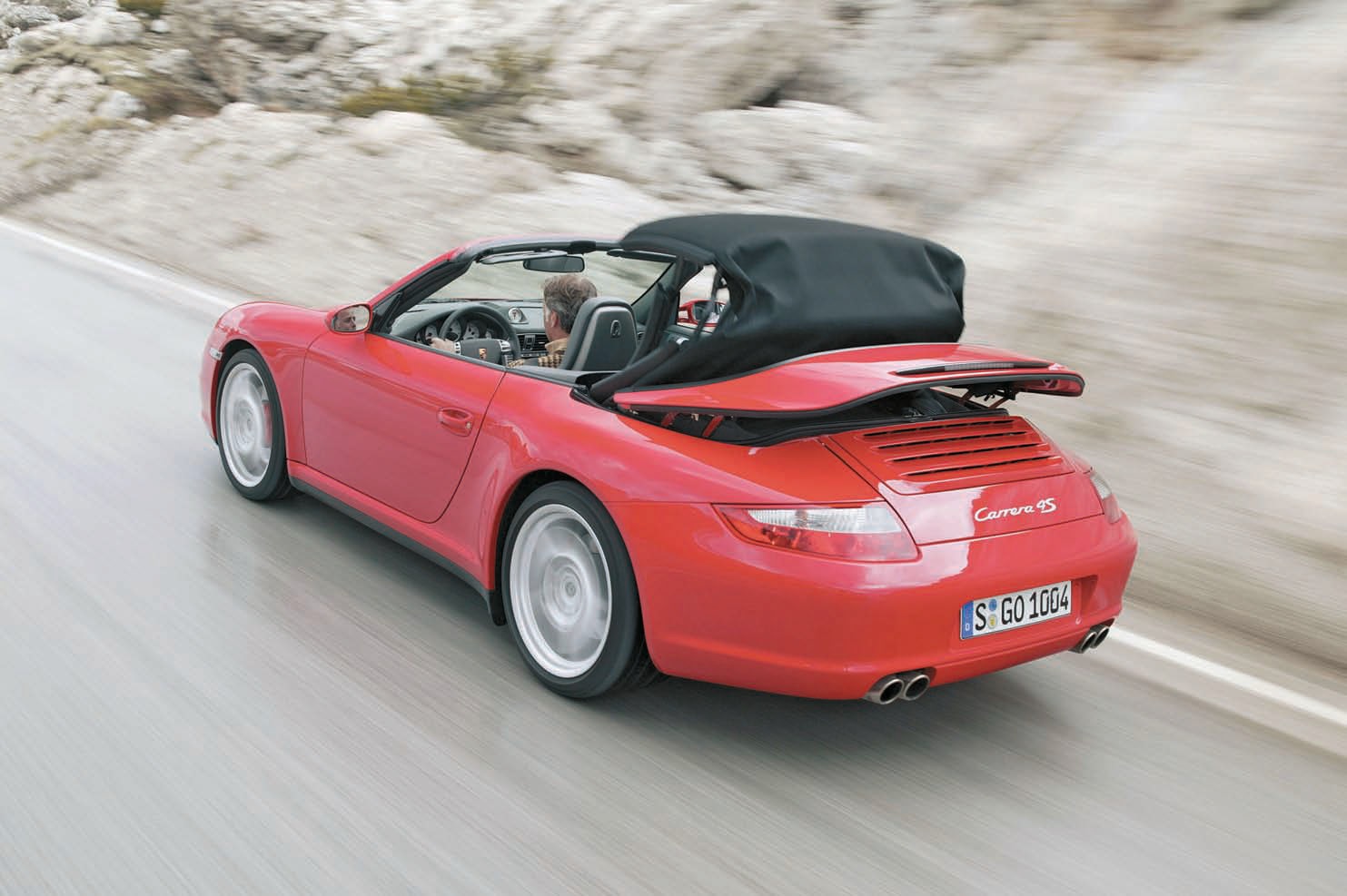
The Carrera 4S offered superb handling with its all-wheel drive and its turbo-body wide rear track. Introduced as a late 2001 model, it had a 3,596cc engine that developed 320 horsepower at 6,800 rpm. Porsche Archiv
|
|
|
|
|
|
10
|
|
|
|
Image
|
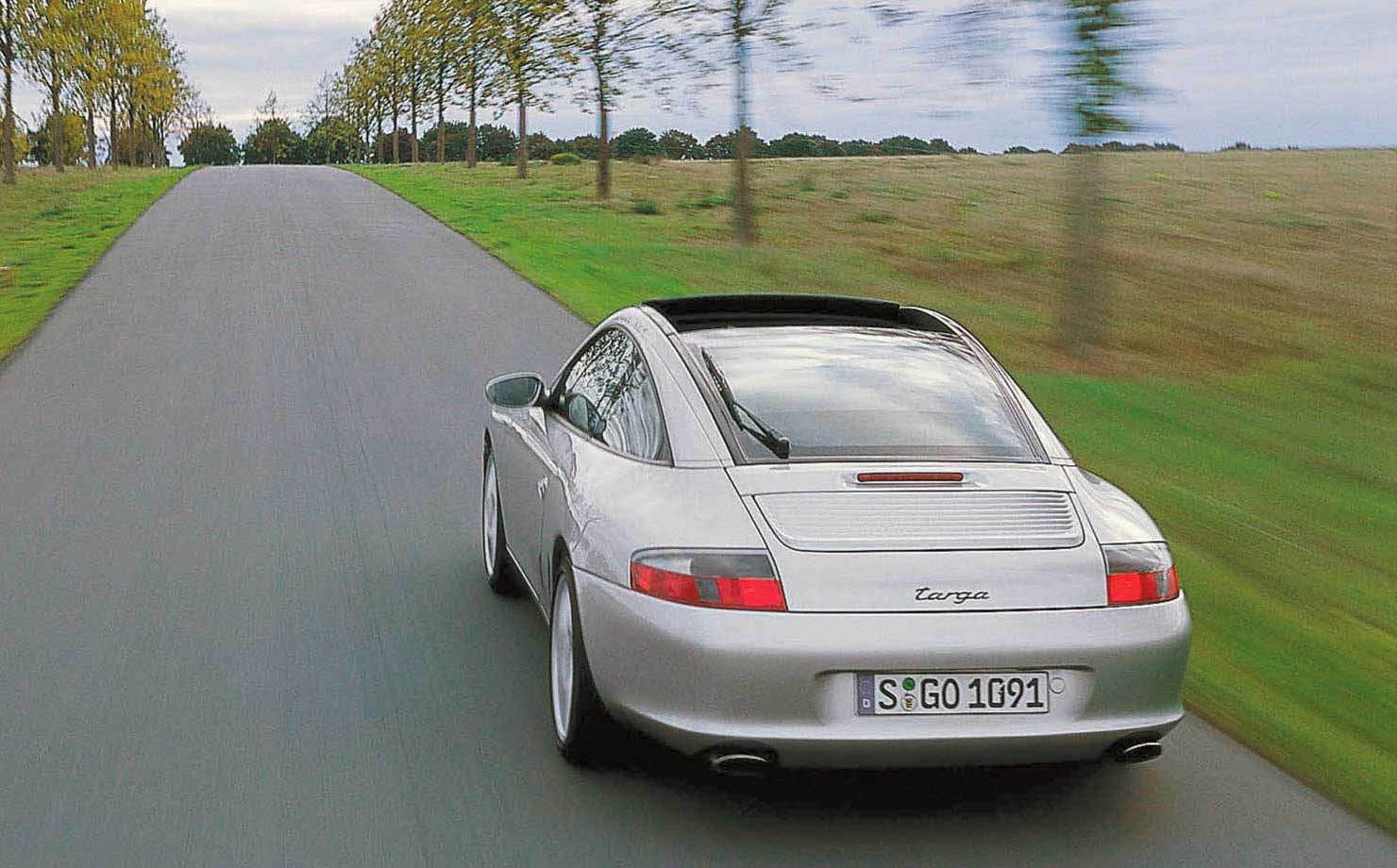
After some tough challenges with the 993 glass�roof Targa, Weissach body engineers reconfigured the entire concept for the 996. This new top system mounted to the car body from the inside and the rear window operated like a hatchback. Porsche Archiv
|
|
|
|
|
|
11
|
|
|
|
Image
|
As the 996 lineup proliferated, the 911 celebrated another milestone in 2003. The 40th anniversary edition commemorated four decades since the Frankfurt IAA launch in 1963. Porsche Archiv
|
|
|
|
|
|
12
|
|
|
|
Image
|
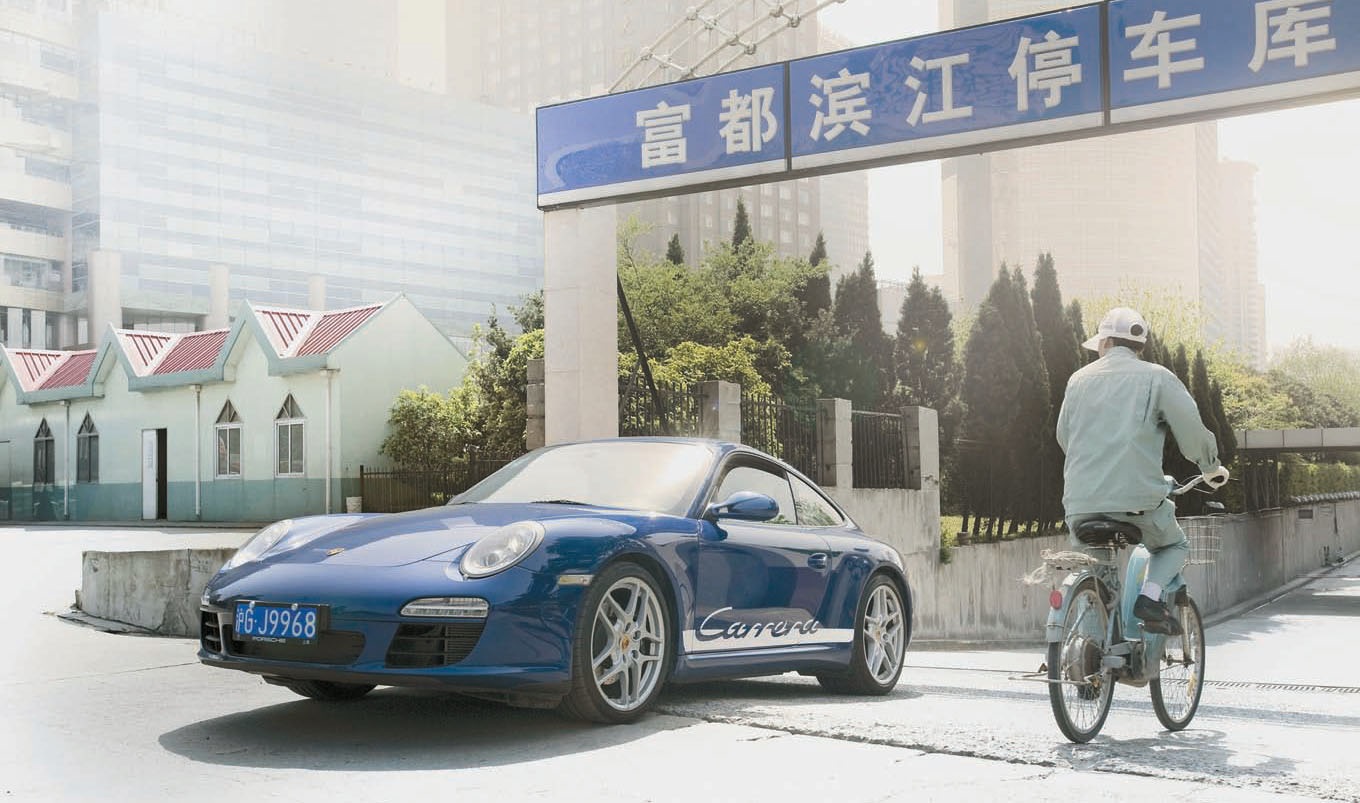
Porsche showed the 997 in Shanghai at the international motor show in April 2009. This special edition resurrected the 1973 RS Carrera body side script. Porsche Archiv
|
|
|
|
|
|
13
|
|
|
|
Image
|
The 997 profited, literally, in its engineering and design from the great success the 996 lineup brought to Porsche. Porsche launched the 997 for 2004 model year. Porsche Archiv
|
|
|
|
|
|
14
|
|
|
|
Image
|
Porsche’s optional composite carbon brake system,PCCB, made downhill sprints feel comfortable and secure on the Model 997. Porsche introduced the system first as an option on 2001 911 GT2 models, and the brakes were easily recognized by their bright yellow calipers. Porsche Archiv
|
|
|
|
|
|
15
|
|
|
|
Image
|
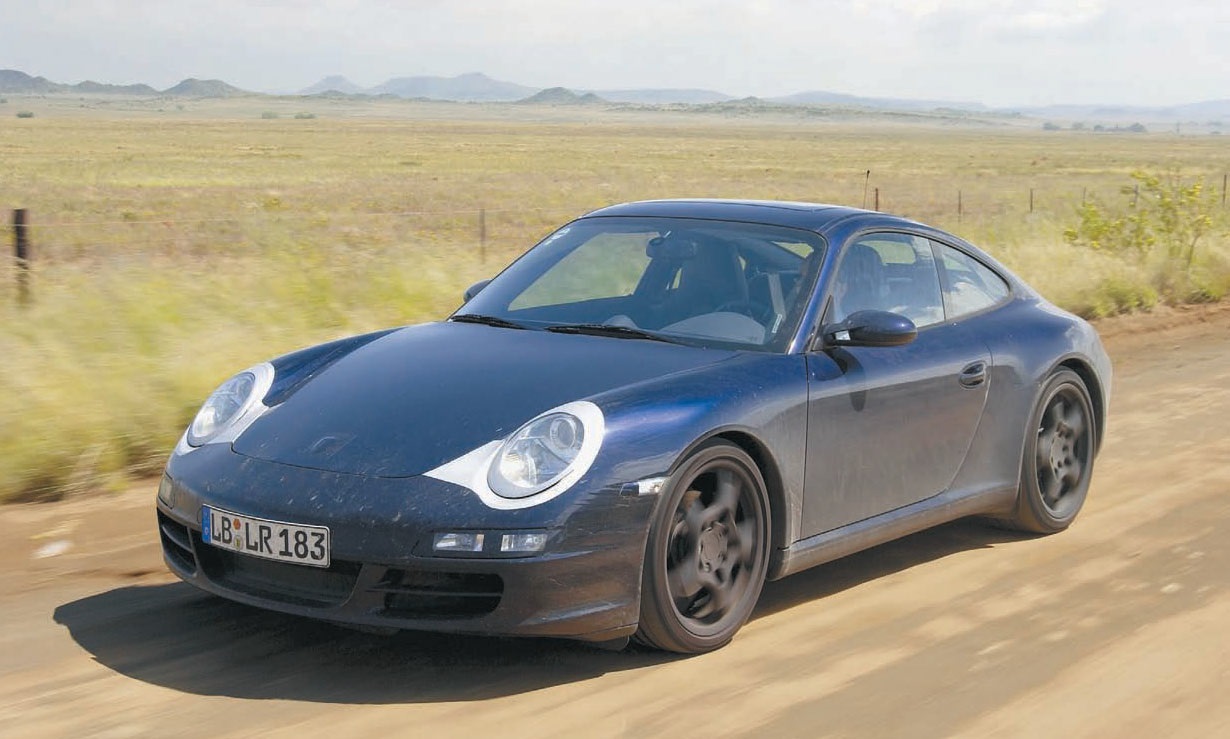
Minimal body camouflage involved a clever paint scheme that resembled the predecessor 996 headlight configuration. By the time development models reached this stage, engineers were fine tuning optional suspensions. Porsche Archiv
|
|
|
|
|
|
16
|
|
|
|
Image
|
Concept sketches early on during the 997 creative process showed the car with 19-inch wheels and immensely wide tires. As engineers tested the idea with carryover 996 platforms, they realized an entirely new structure was necessary to handle the forces for this new 997. Porsche Archiv
|
|
|
|
|
|
17
|
|
|
|
Image
|
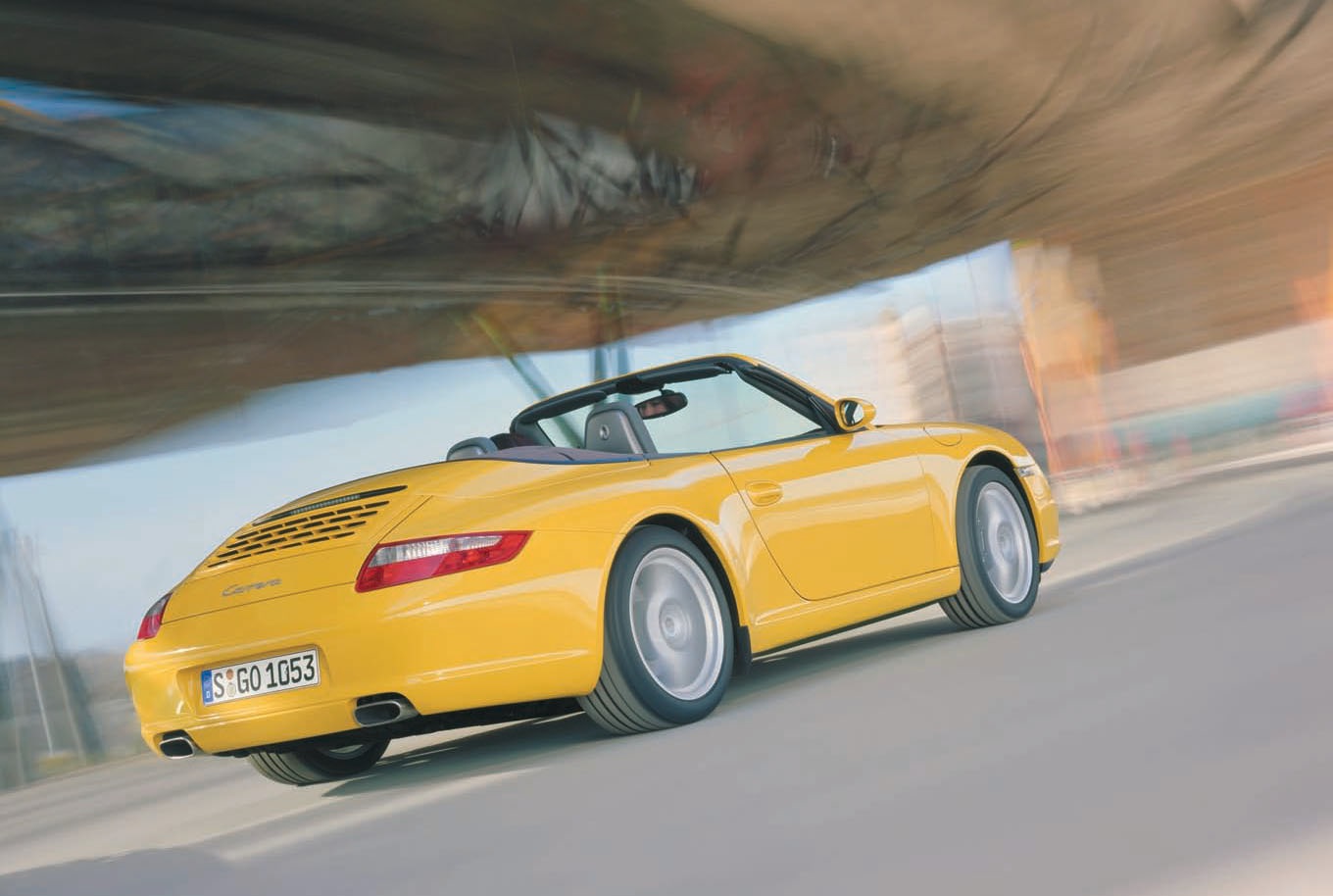
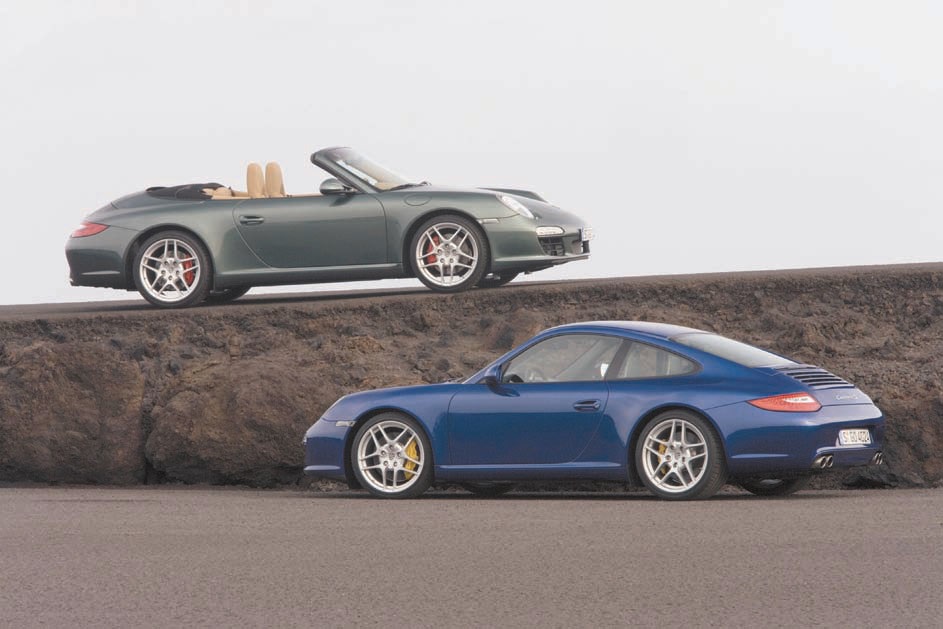
August Achleitner’s decision to develop the Cabrio alongside the coupe was one development innovation that differentiated 997 models significantly from all that came before. It led to much greater stiffness and rigidity in both cars, which improved further with these second generation cars for 2009. Porsche Archiv
|
|
|
|
|
|
18
|
|
|
|
Image
|
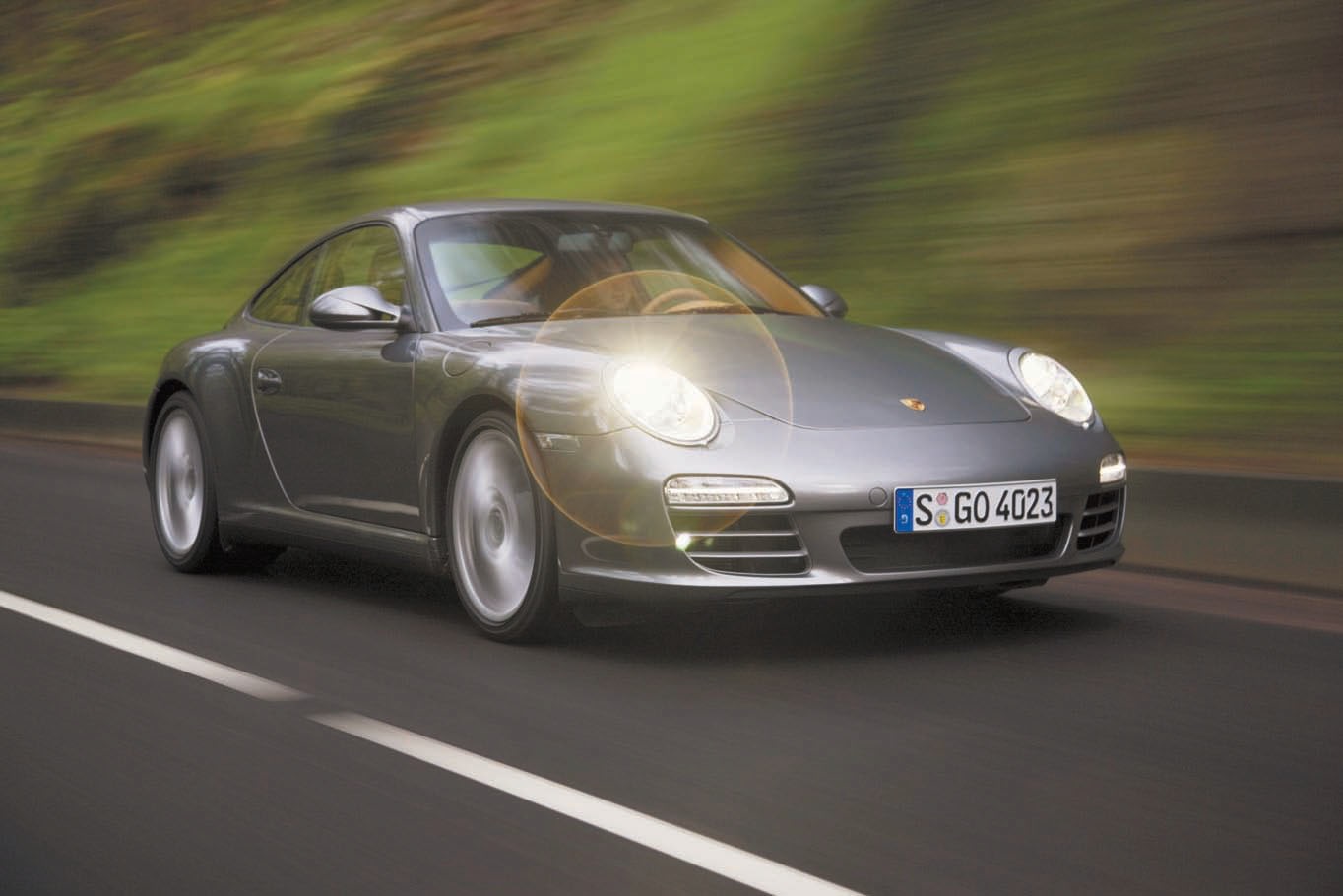
With Porsche’s economy restored, the design and engineering team were allowed to divide up light sources again. Grant Larson’s 997 face looked more familiar to longtime 911 enthusiasts. Porsche Archiv
|
|
|
|
|
|
19
|
|
|
|
Image
|
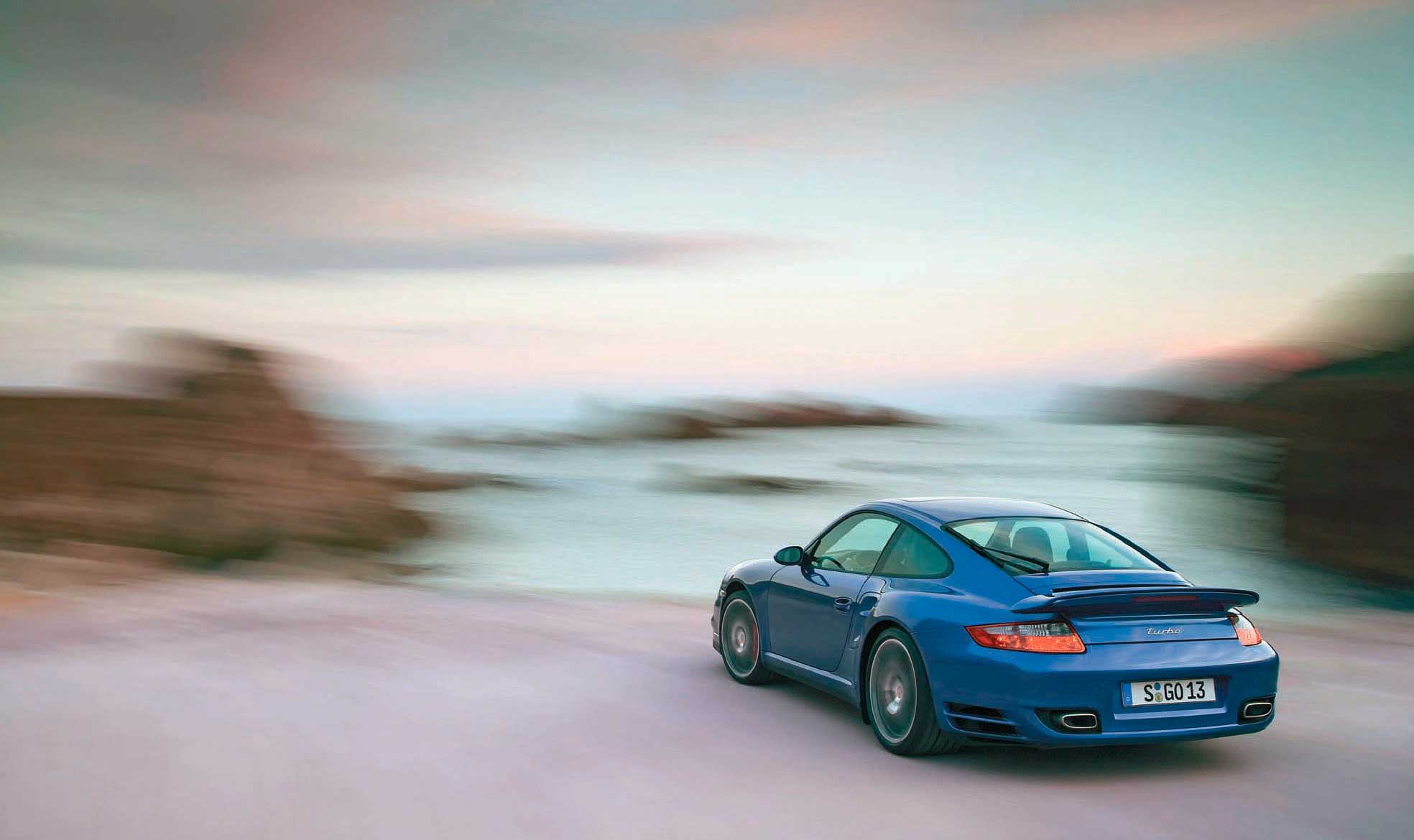
The 2006 Model 997 Turbo delivered 480 horsepower at 6,000 rpm, a 60-horsepower increase over the second-generation 996 models. Porsche offered it only on the all-wheel-drive platform. Porsche Archiv
|
|
|
|
|
|
20
|
|
|
|
Image
|
For the first time since the 1970s, Porsche offered a base 911 Carrera (with a 3.4-liter flat six) and a 3.8-liter Carrera S model, with corresponding differences in horsepower and trim. All-wheel-drive C4 and C4S models appeared for 2005. Porsche Archiv
|
|
|
|
|
|
21
|
|
|
|
Image
|
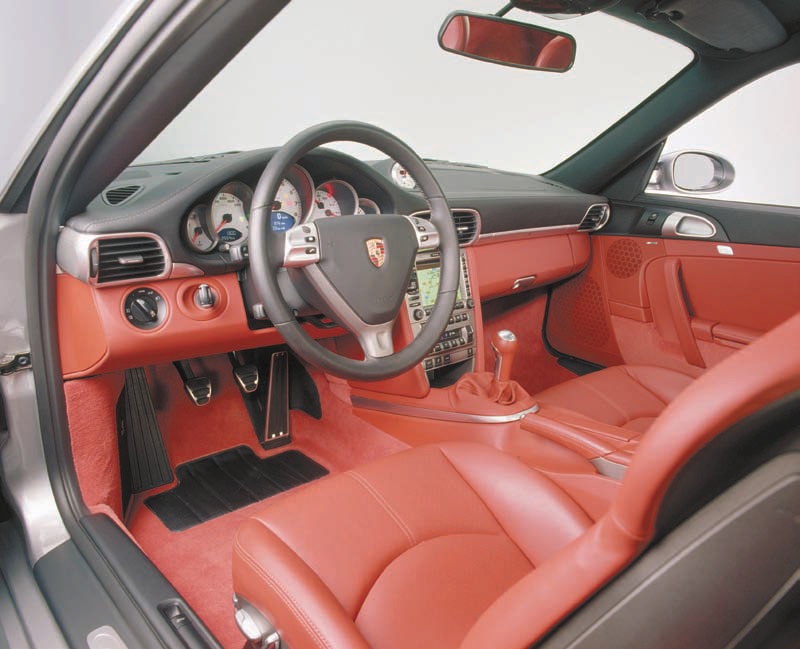
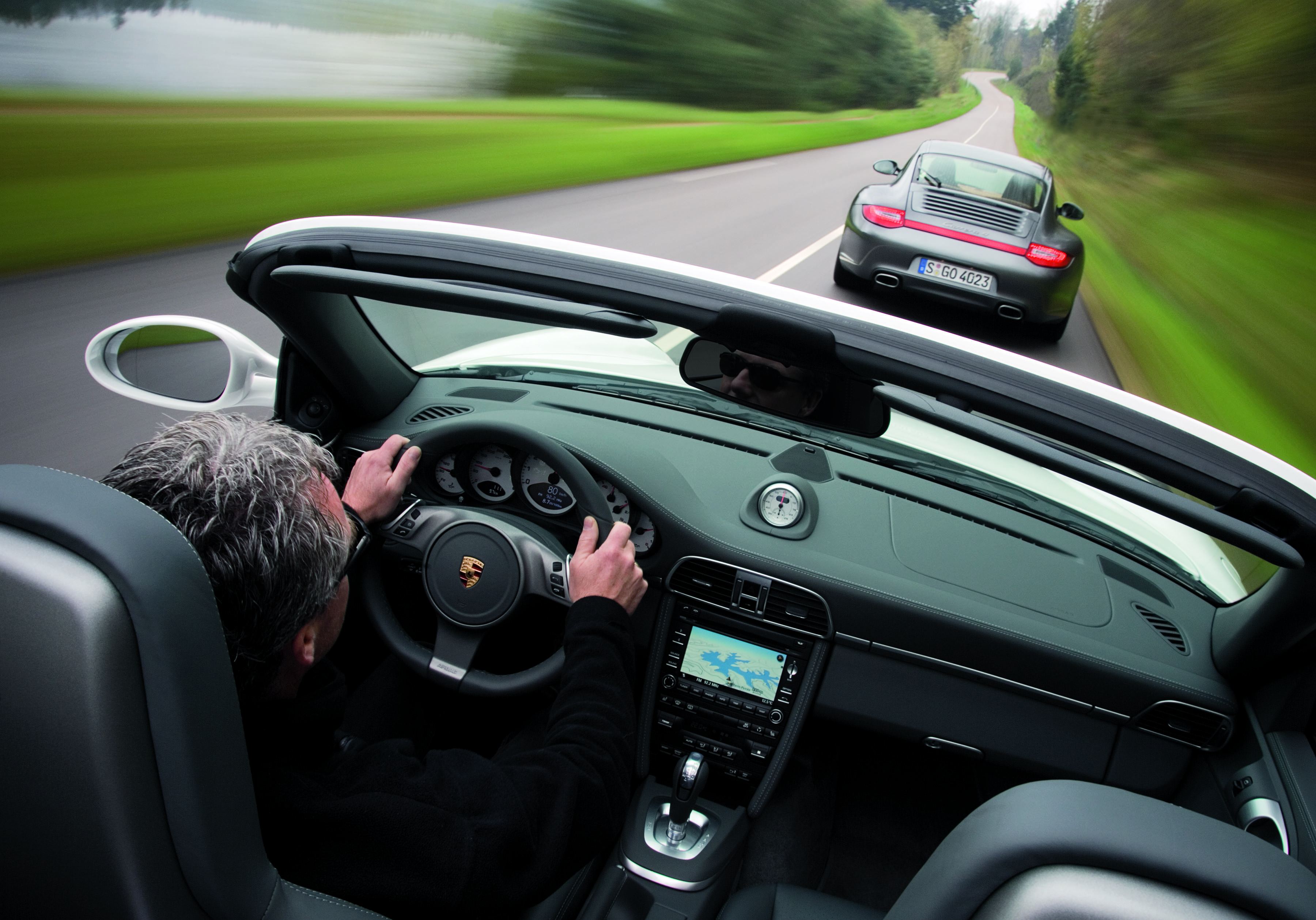
This fully equipped Carrera S interior boasted not only the Porsche communication navigation system, but also the Sport Chrono Plus option, visible through the steering wheel on the dashboard. Porsche’s active stability management, PASM, also fitted to this model, was another 997 introduction. Porsche Archiv
|
|
|
|
|
|
22
|
|
|
|
Image
|
The Z top system unfolded even at sensible speeds. The new design enabled drivers to raise or lower the roof while cruising as fast as 30 miles per hour. Porsche Archiv
|
|
|
|
|
|
23
|
|
|
|
Image
|
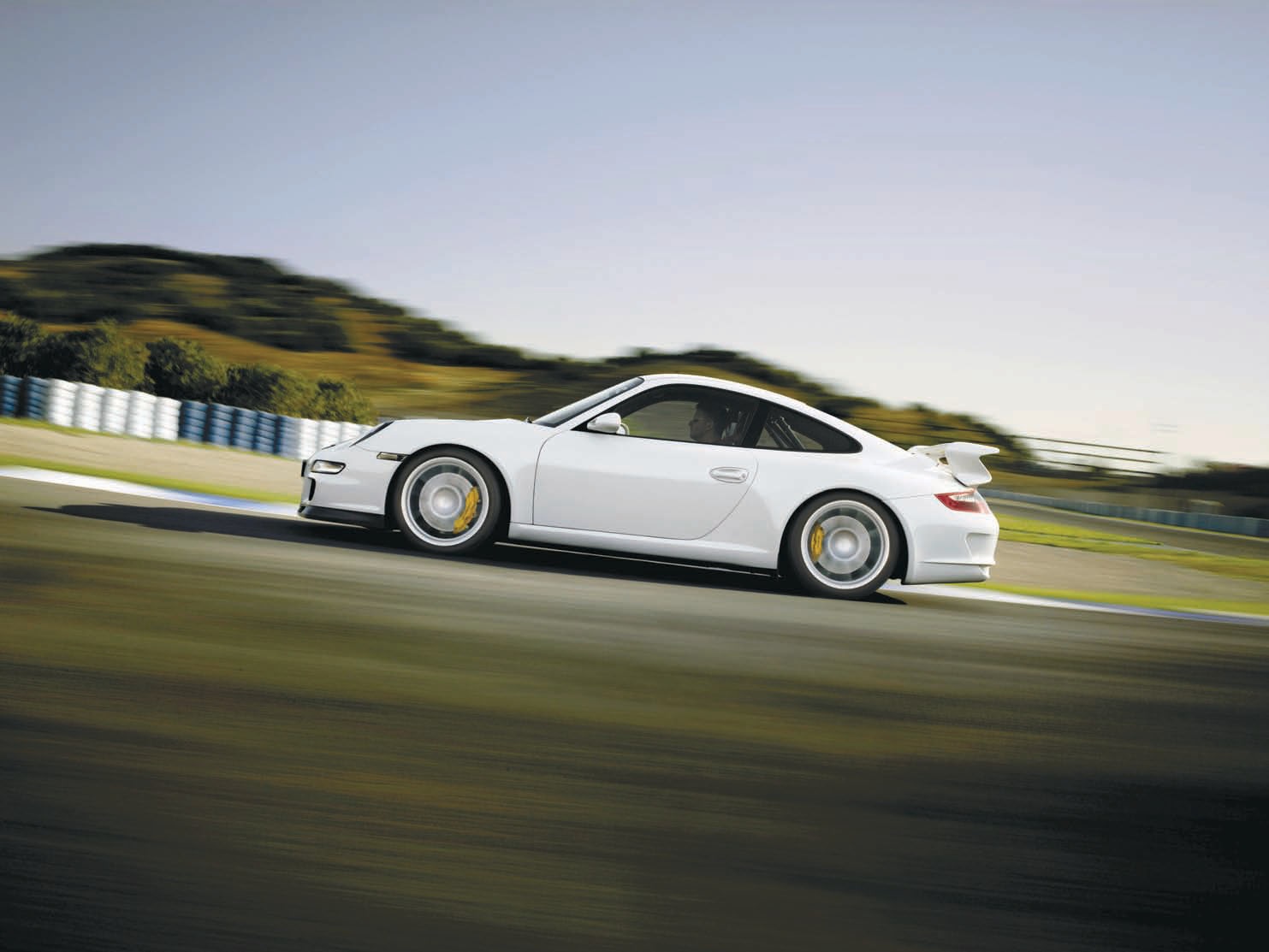
Porsche introduced the 997 GT3 for 2006 model year with new tweaks to the 3.6-liter engine to develop 415 horsepower at 7,600 rpm. Weissach made the PASM system standard on GT3 models. Porsche Archiv
|
|
|
|
|
|
24
|
|
|
|
Image
|
The facelift 997 introduced much more than LED lights. The engine utilized direct fuel injection (DFI) for improved performance and economy and the long�awaited Porsche Doppelkupplungsgetriebe PDK double clutch transmission arrived for the road. Porsche Archiv
|
|
|
|
|
|
25
|
|
|
|
Image
|
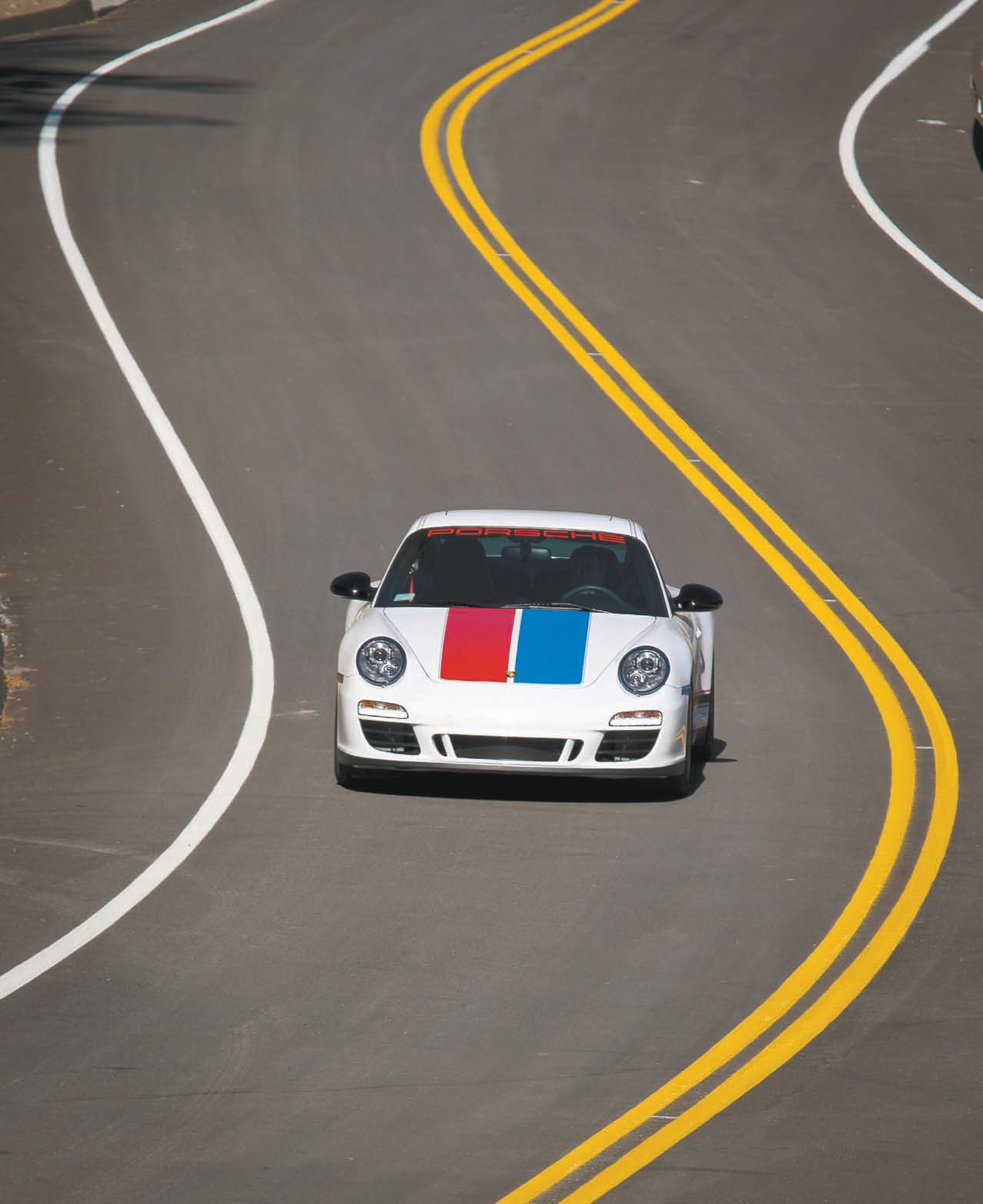
Porsche manufactured a special and very limited production run of GTS models, called the B59s, for Jacksonville, Florida, dealer and race team Brumos. Stylist Grant Larson developed the Brumos-racing colors paint scheme for these five coupes, of which this is number three. Photo © 2013 Sean Cridland
|
|
|
|
|
|
26
|
|
Dr. Ing. h.c. F. Porsche AG
|
|
Image
|
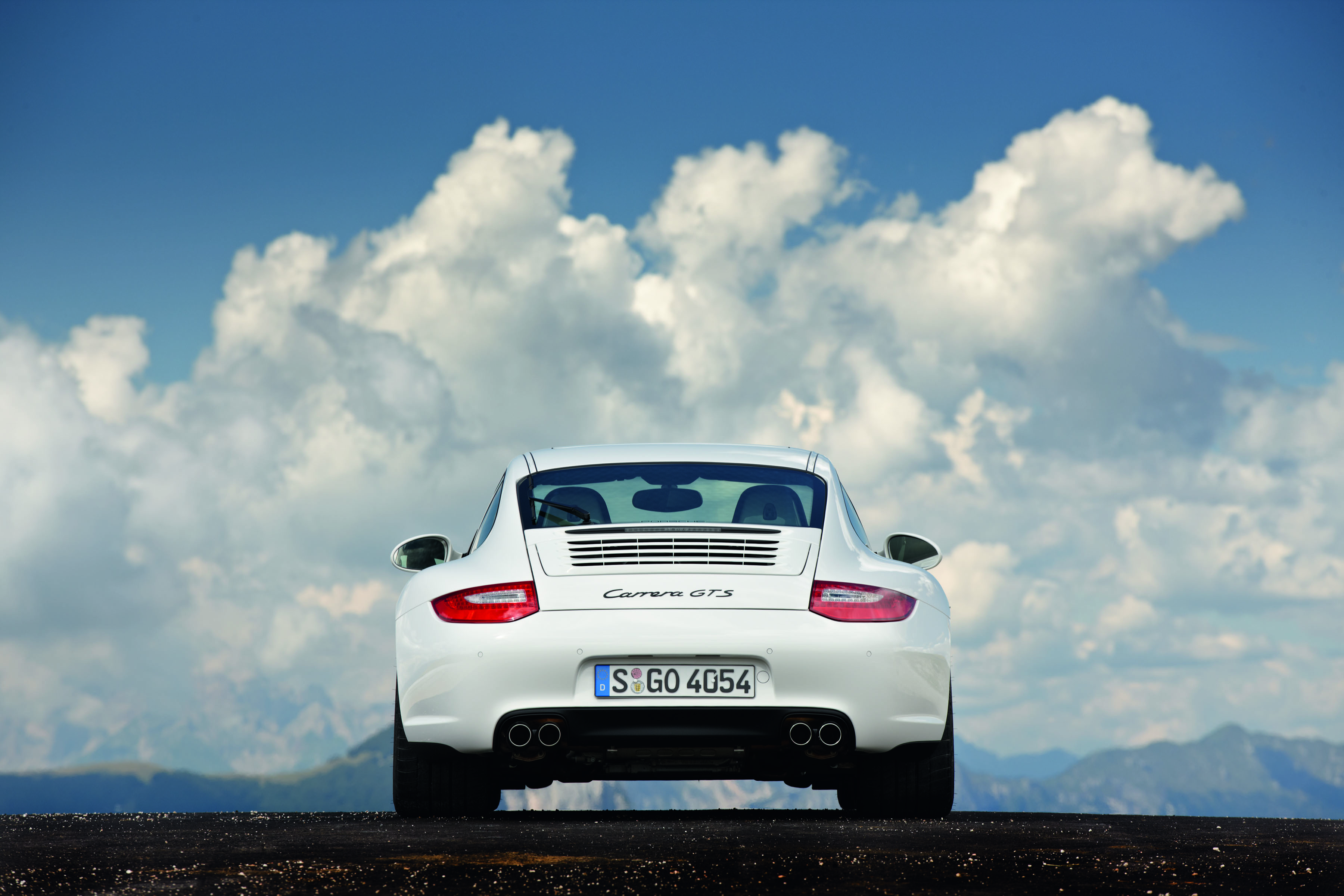
A variety of technologies and improvements made the 2010 GTS a welcome addition to the 997/2 lineup. The 1.7-inch-wider rear track on 19-inch center-lock RS Spyder wheels made good use of the 408 horsepower available. Porsche Archiv
|
|
|
|
|
|
27
|
|
Dr. Ing. h.c. F. Porsche AG
|
|
Image
|
The new PDK transmission offered drivers a seven�speed near-instant shifting gearbox that was a perfect mate to draw the best performance or the best fuel economy out of the new 2009 DFI flat-six engines. Fingertip levers on the steering wheel or the gearshift lever were available for those wishing to change gears themselves. Porsche Archiv
|
|
|
|
|