|
Dr. Ing. h.c. F. Porsche AG
|
Image
|
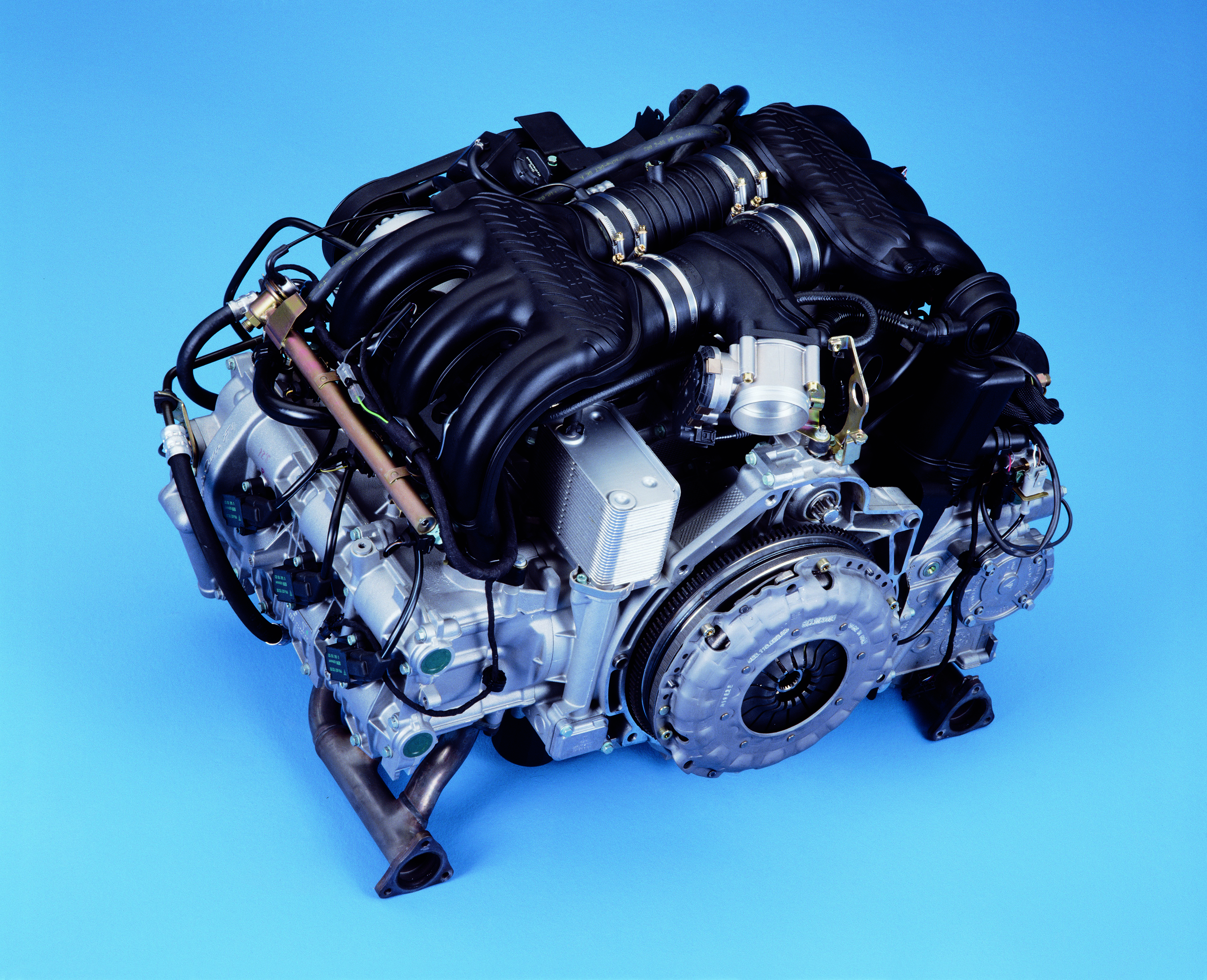
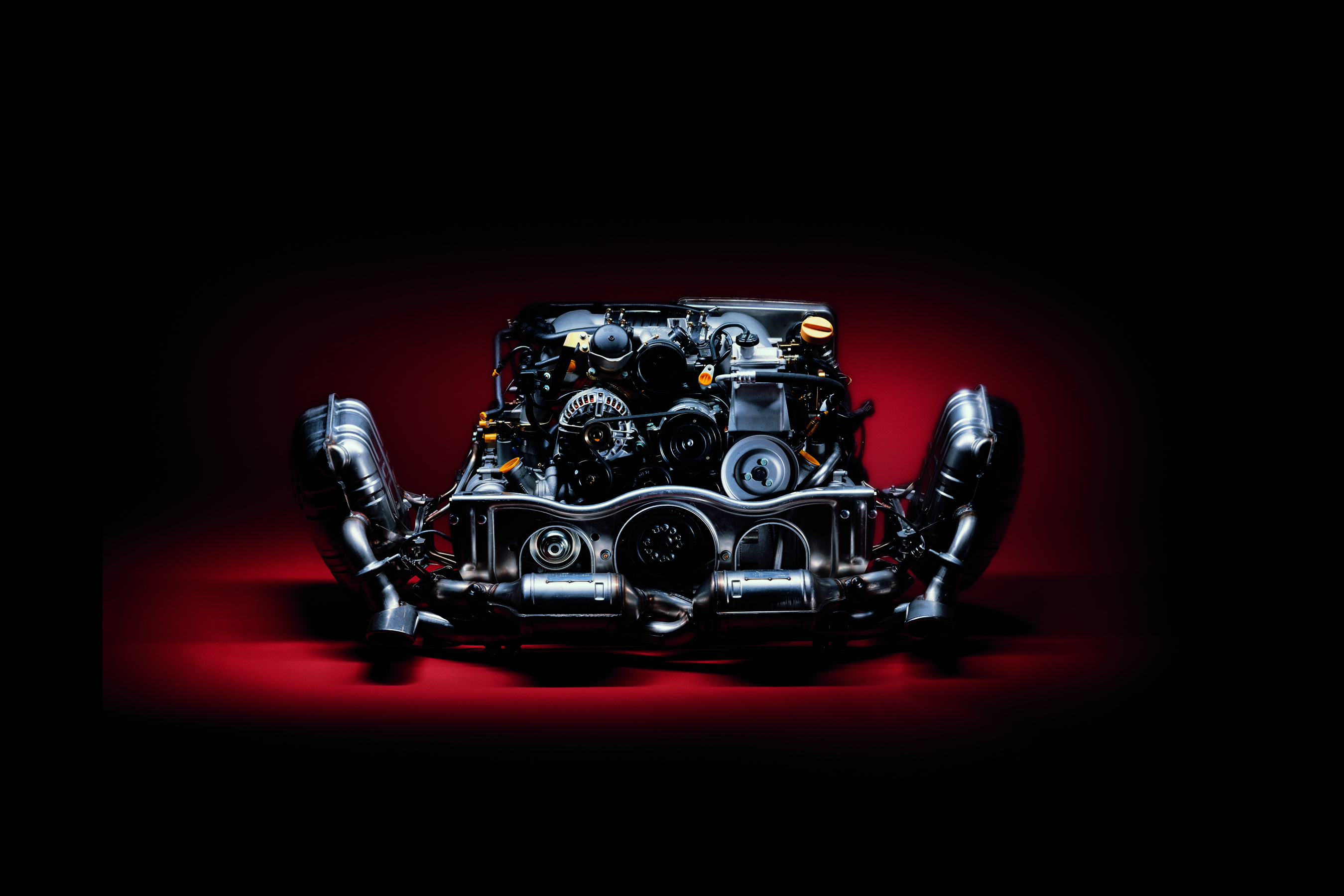
The six-cylinder horizontally opposed engine's power is created in 3.2 litre cubic capacity
|
Porsche
|
718
|
Boxster S
|
986 I
|
|
|
Dr. Ing. h.c. F. Porsche AG
|
Image
|
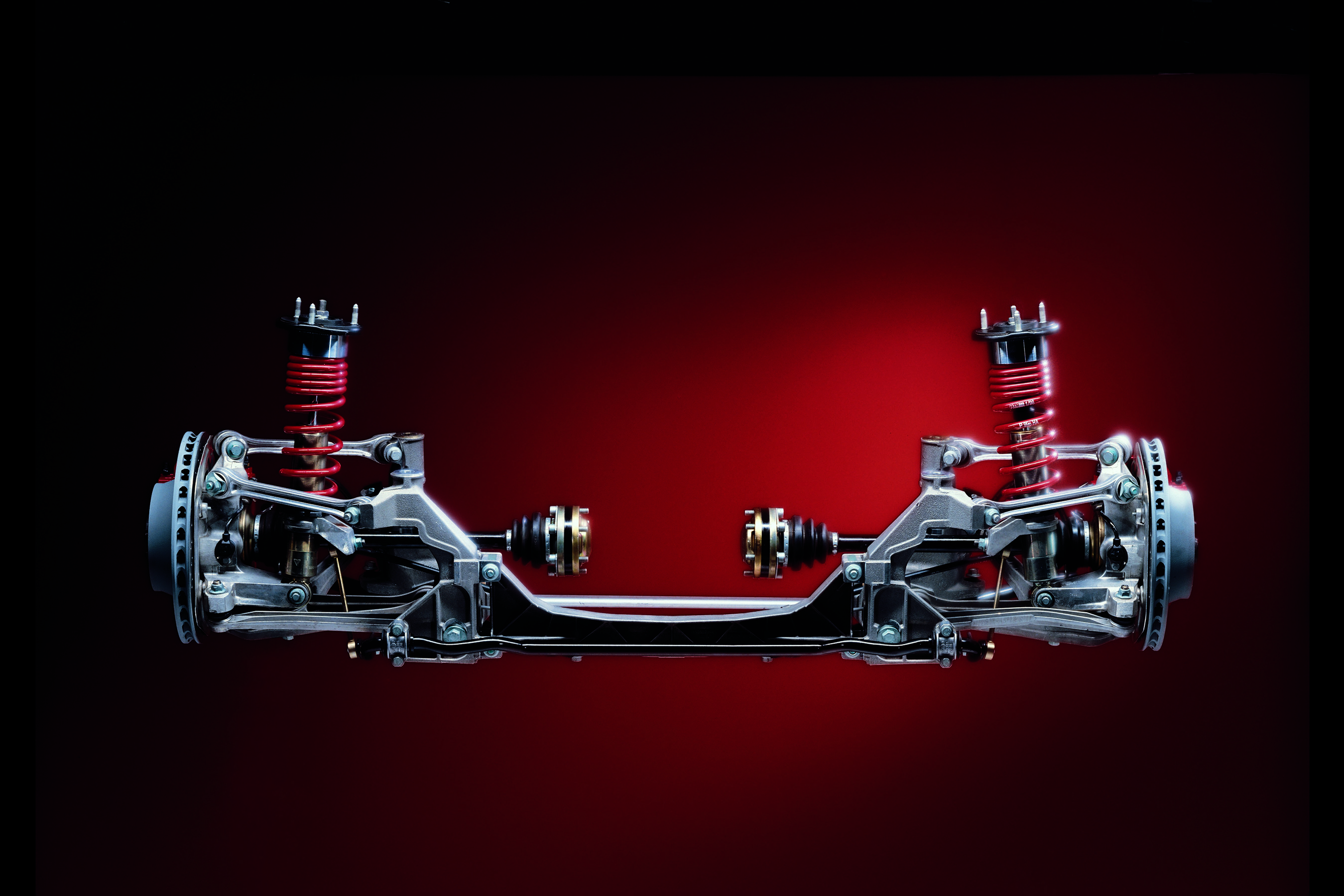
The springs on the rear axle are cylindrical and feature a progressive characteristic.
|
Porsche
|
911
|
GT3
|
996 I
|
|
|
Dr. Ing. h.c. F. Porsche AG
|
Image
|
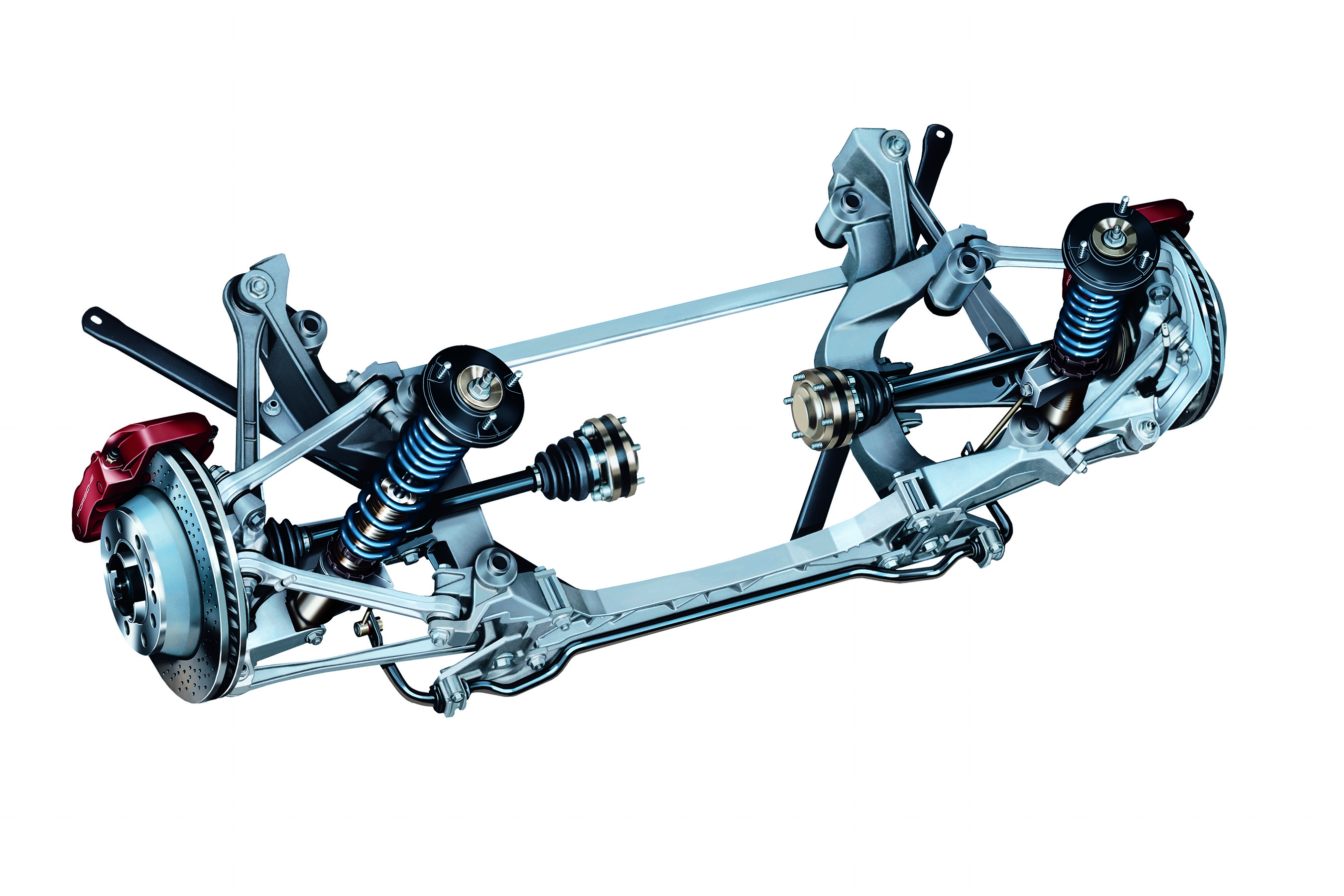
The stabilizer on the rear axle has four different settings
|
Porsche
|
911
|
GT3
|
996 I
|
|
|
Dr. Ing. h.c. F. Porsche AG
|
Image
|
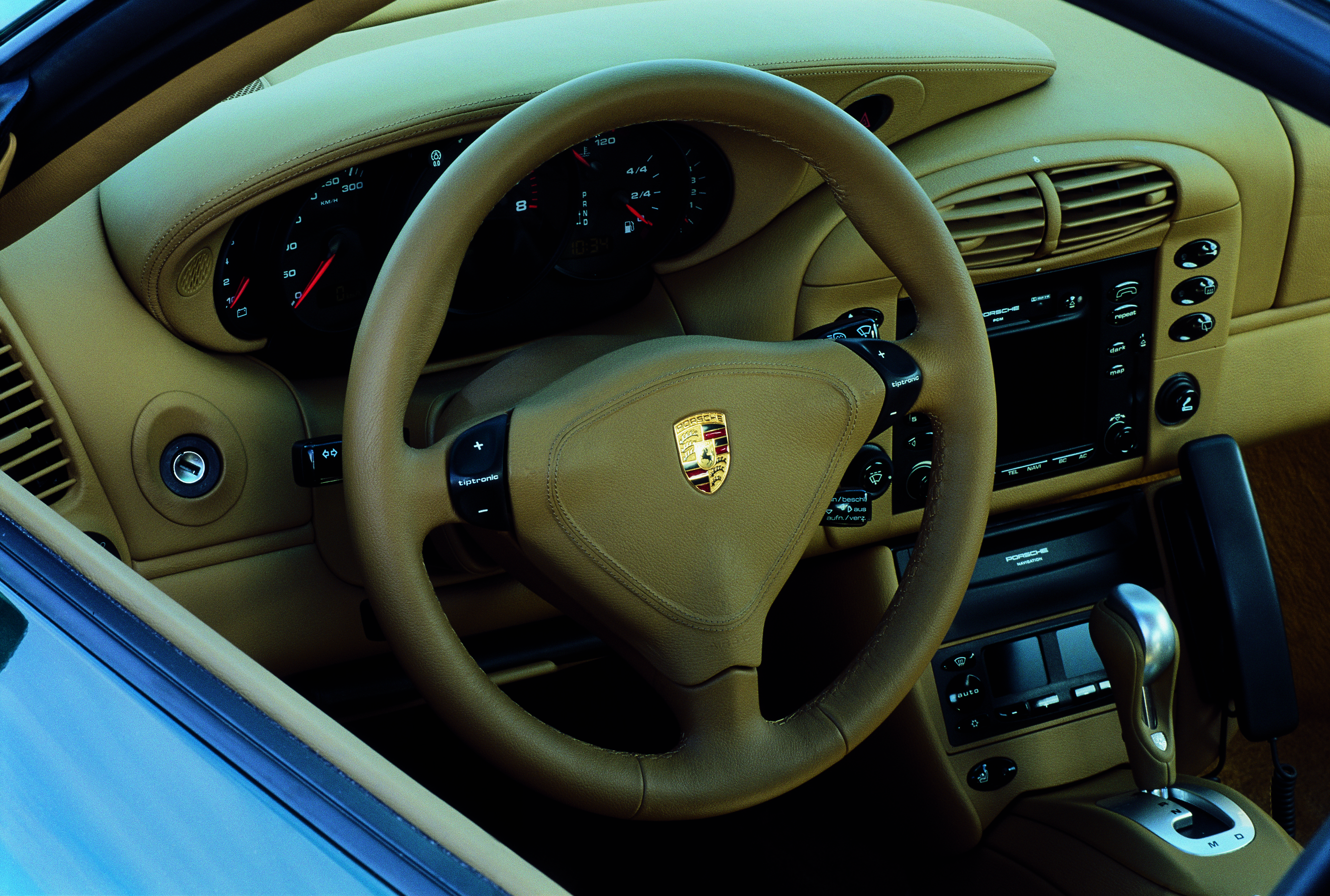
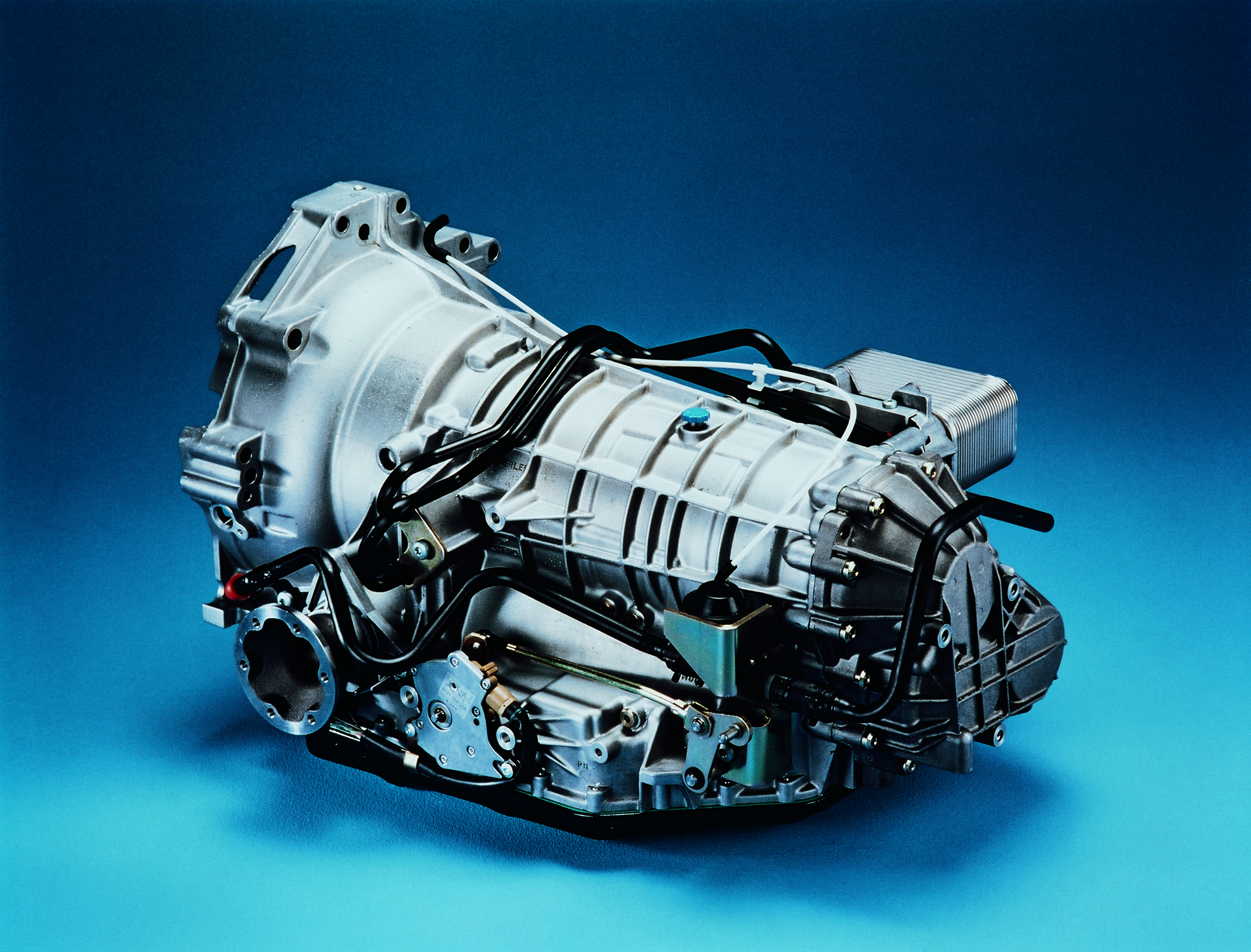
The Tiptronic S five-speed automatic transmission can also be shifted manually using rocker switches on the steering wheel.
|
Porsche
|
911
|
Turbo
|
996 I
|
|
|
Dr. Ing. h.c. F. Porsche AG
|
Image
|
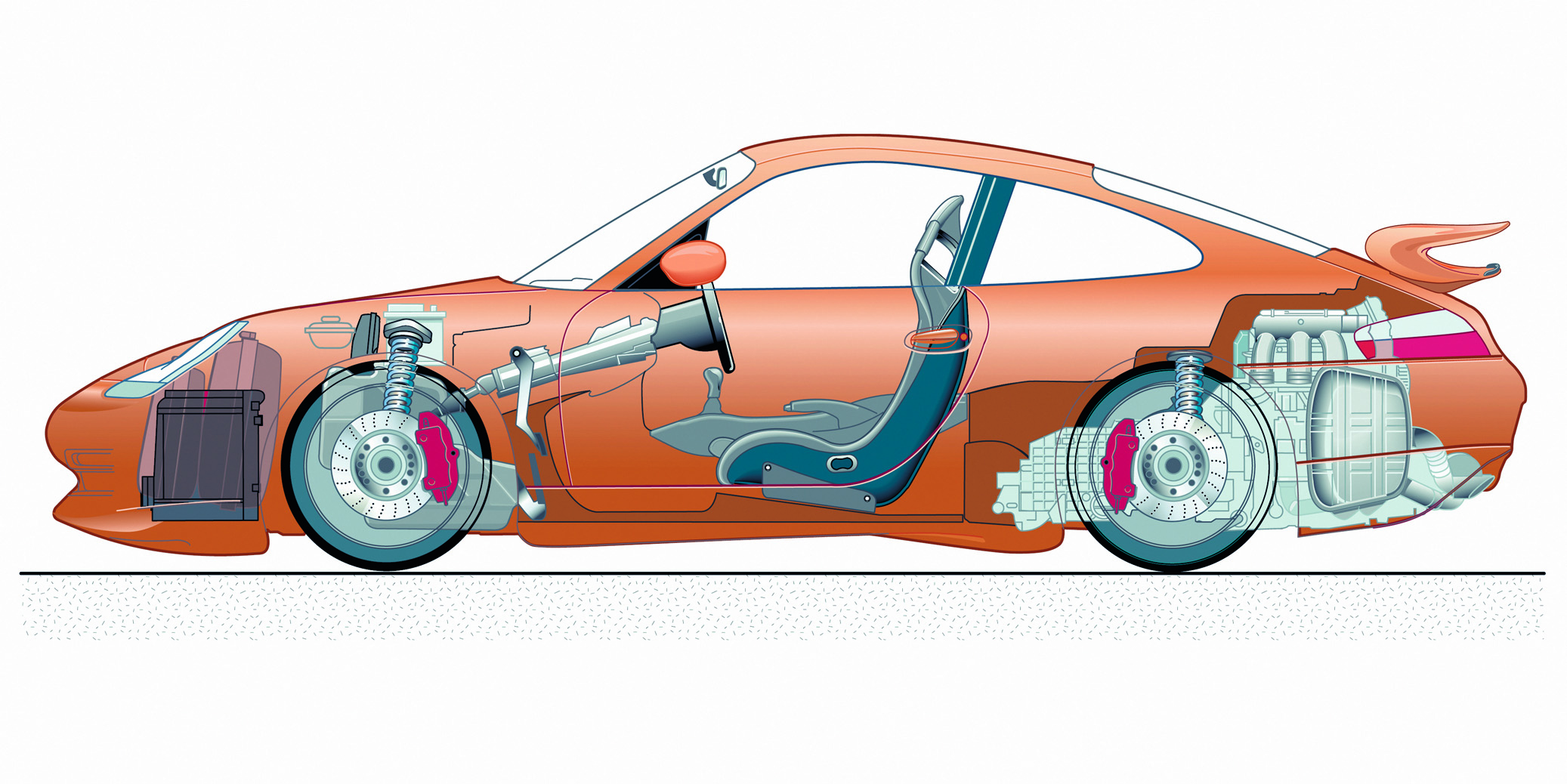
The vehicle's centre of gravity has been lowered by 30 mm
|
Porsche
|
911
|
GT3
|
996 I
|
|
|
Dr. Ing. h.c. F. Porsche AG
|
Image
|
The 911 GT3 has a displacement of 3.6 litres
|
Porsche
|
911
|
GT3
|
996 I
|
|
|
Dr. Ing. h.c. F. Porsche AG
|
Image
|
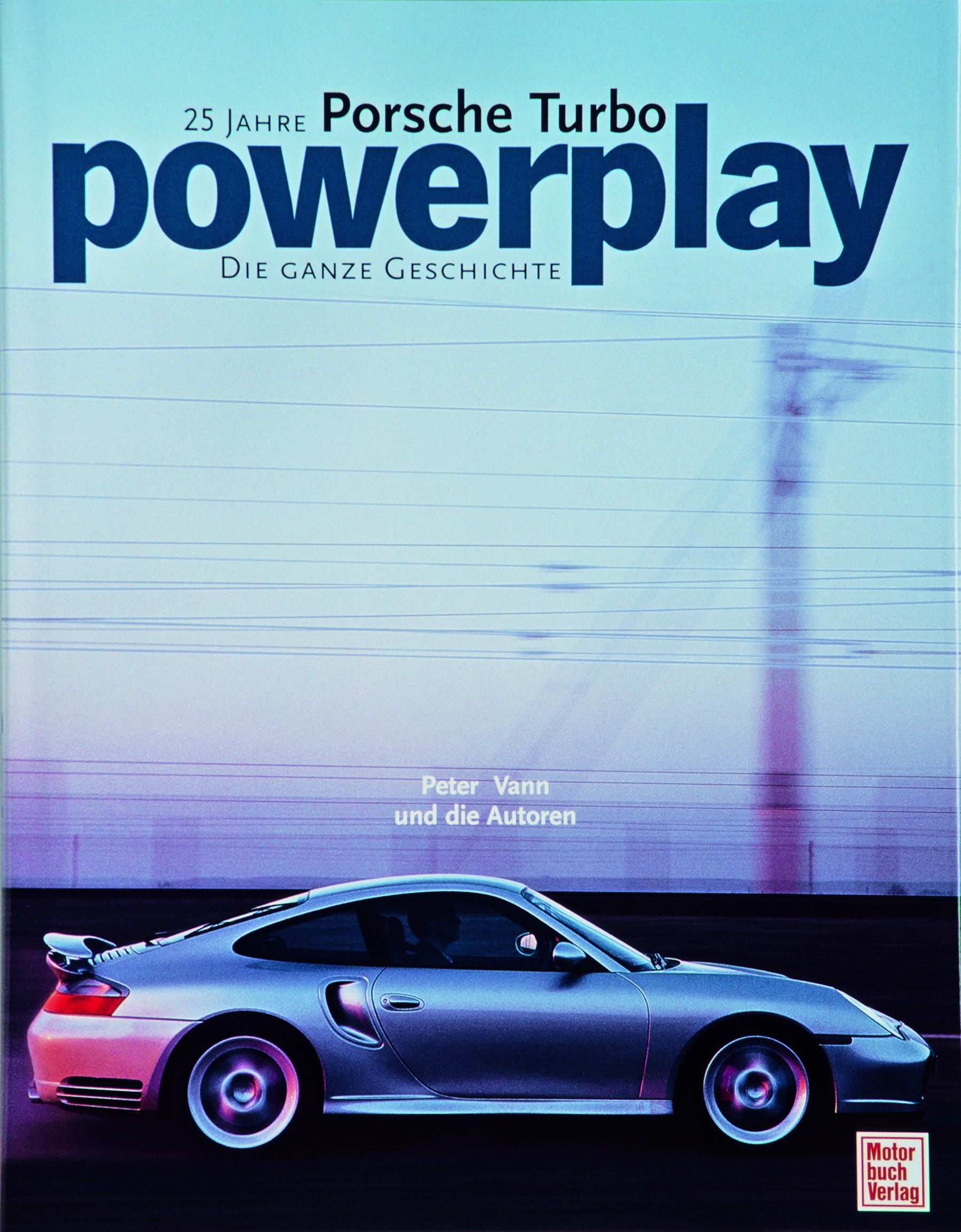
the 911 Turbo book
|
Porsche
|
911
|
Turbo
|
996 I
|
|
|
Dr. Ing. h.c. F. Porsche AG
|
Image
|
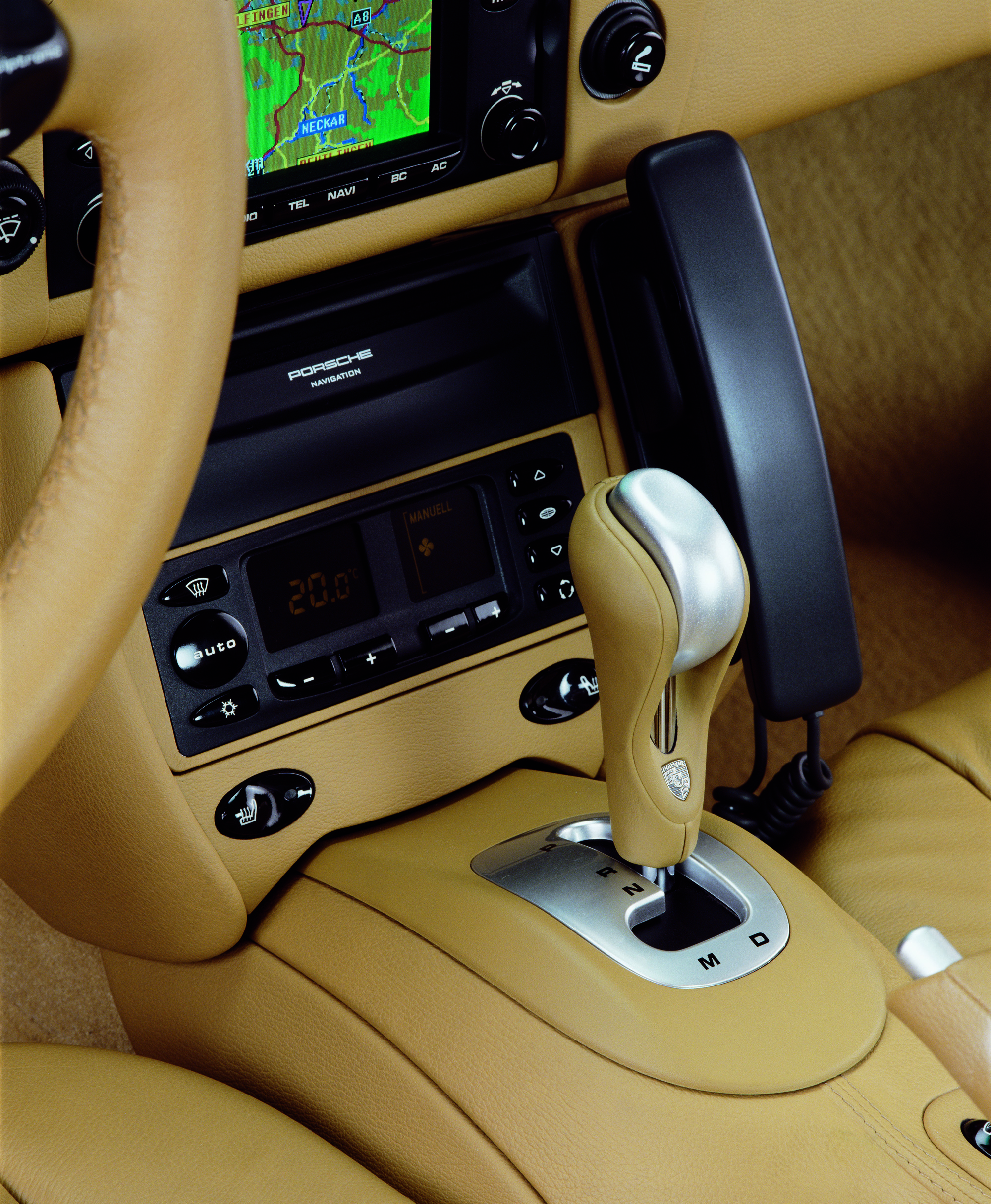
Tiptronic S selector lever
|
Porsche
|
911
|
Turbo
|
996 I
|
|
|
Dr. Ing. h.c. F. Porsche AG
|
Image
|
Tiptronic S-transmission
|
Porsche
|
718
|
Boxster
|
986 I
|
|
|
Dr. Ing. h.c. F. Porsche AG
|
Image
|
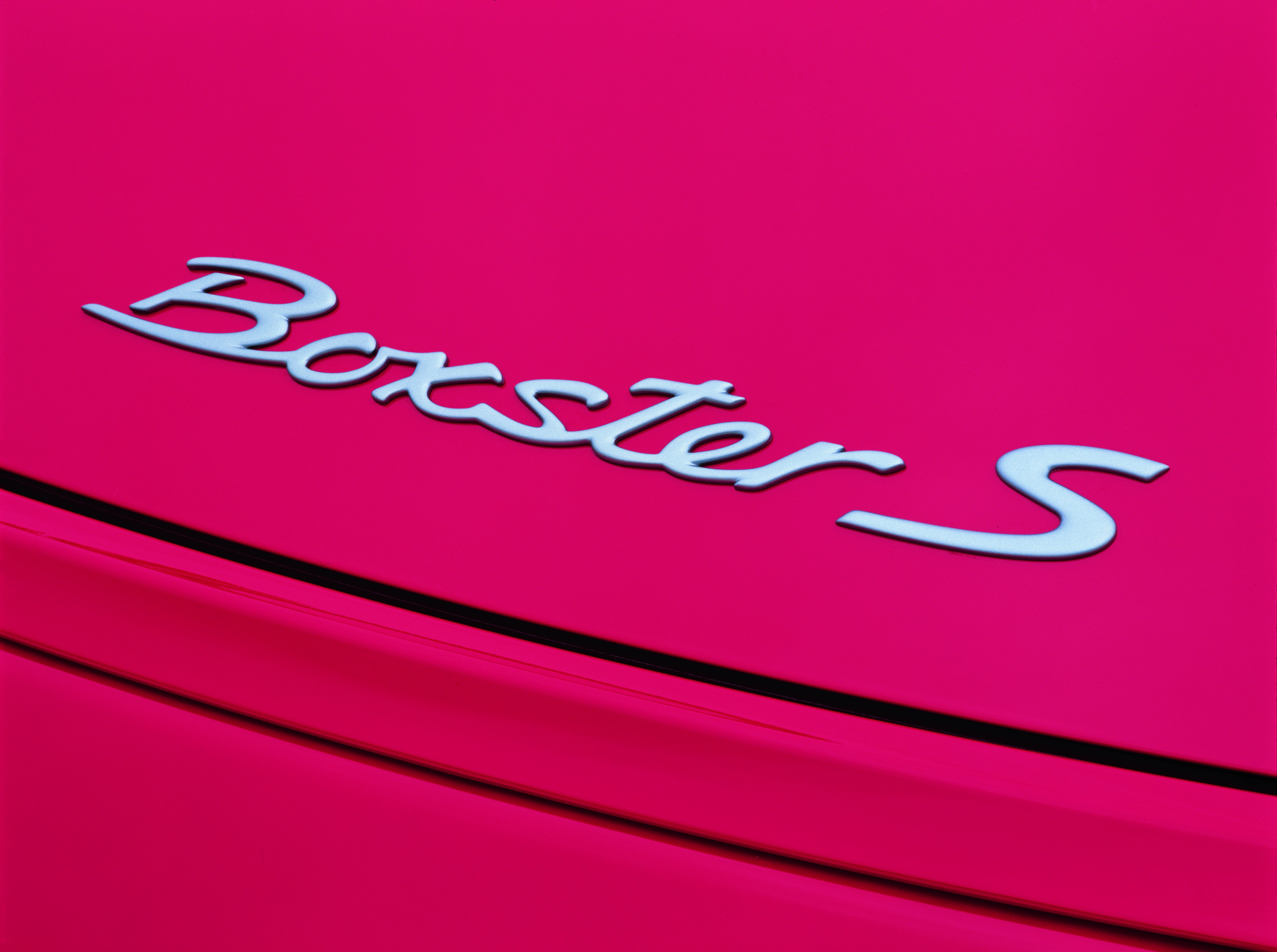
Titanium-coloured logo on the back baggage-compartment lid
|
Porsche
|
718
|
Boxster S
|
986 I
|
|
|
Dr. Ing. h.c. F. Porsche AG
|
Image
|
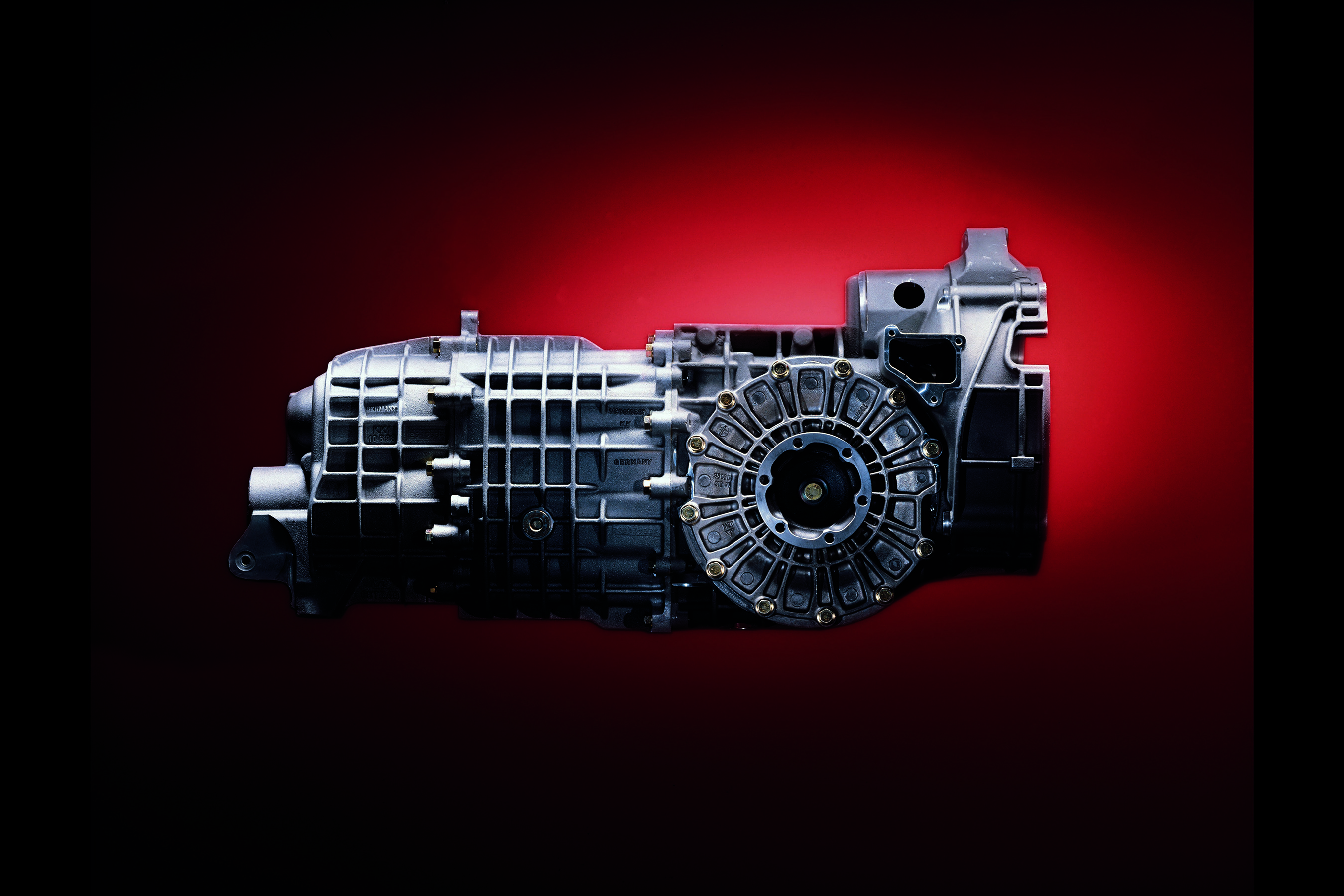
Transmission in the GT3 takes the form of a six-speed manual transmission
|
Porsche
|
911
|
GT3
|
996 I
|
|
|
Dr. Ing. h.c. F. Porsche AG
|
Image
|
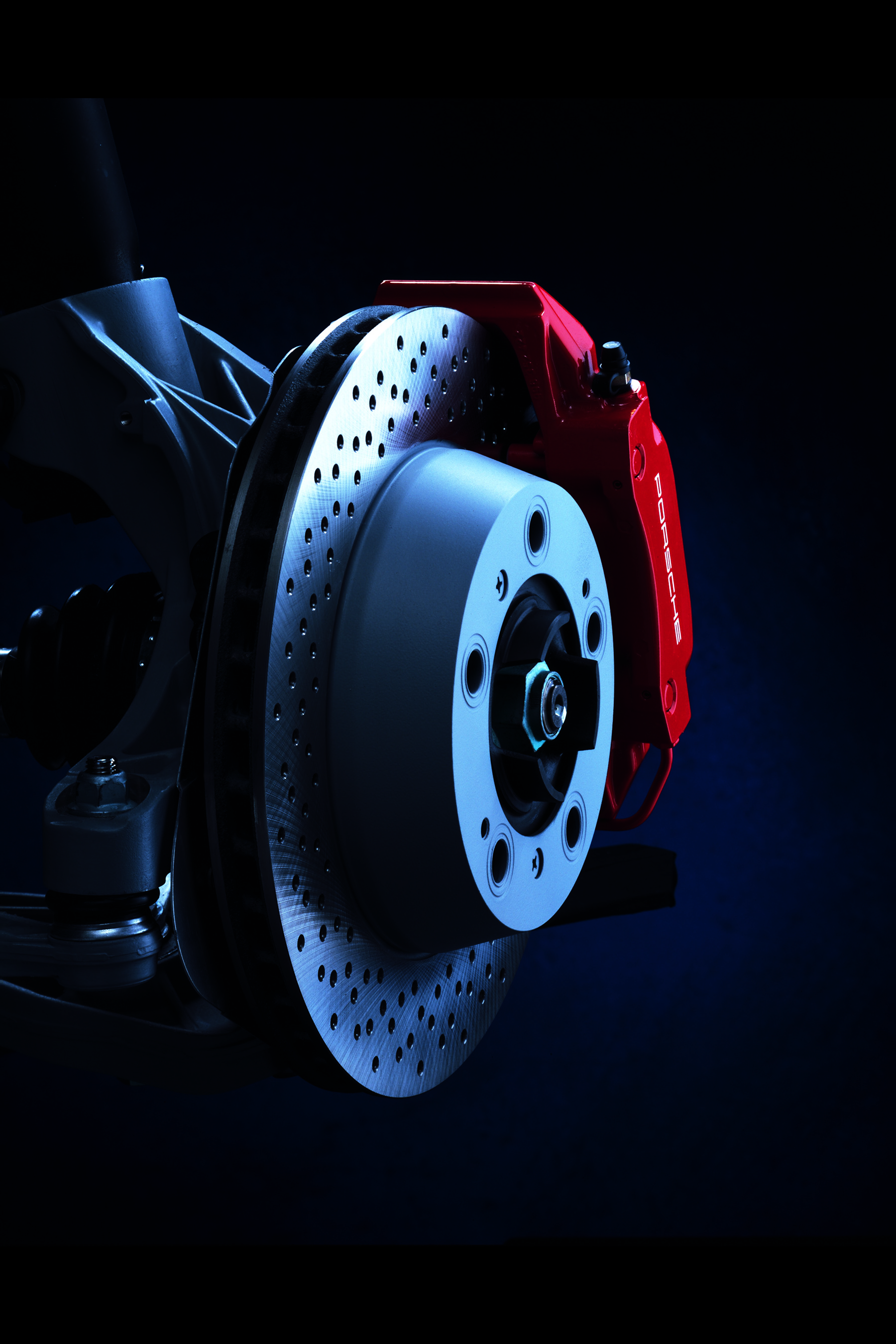
Typical Boxster S: perforated brake disc with red-painted four-piston fixed caliper
|
Porsche
|
718
|
Boxster S
|
986 I
|
|
|
Dr. Ing. h.c. F. Porsche AG
|
Image
|
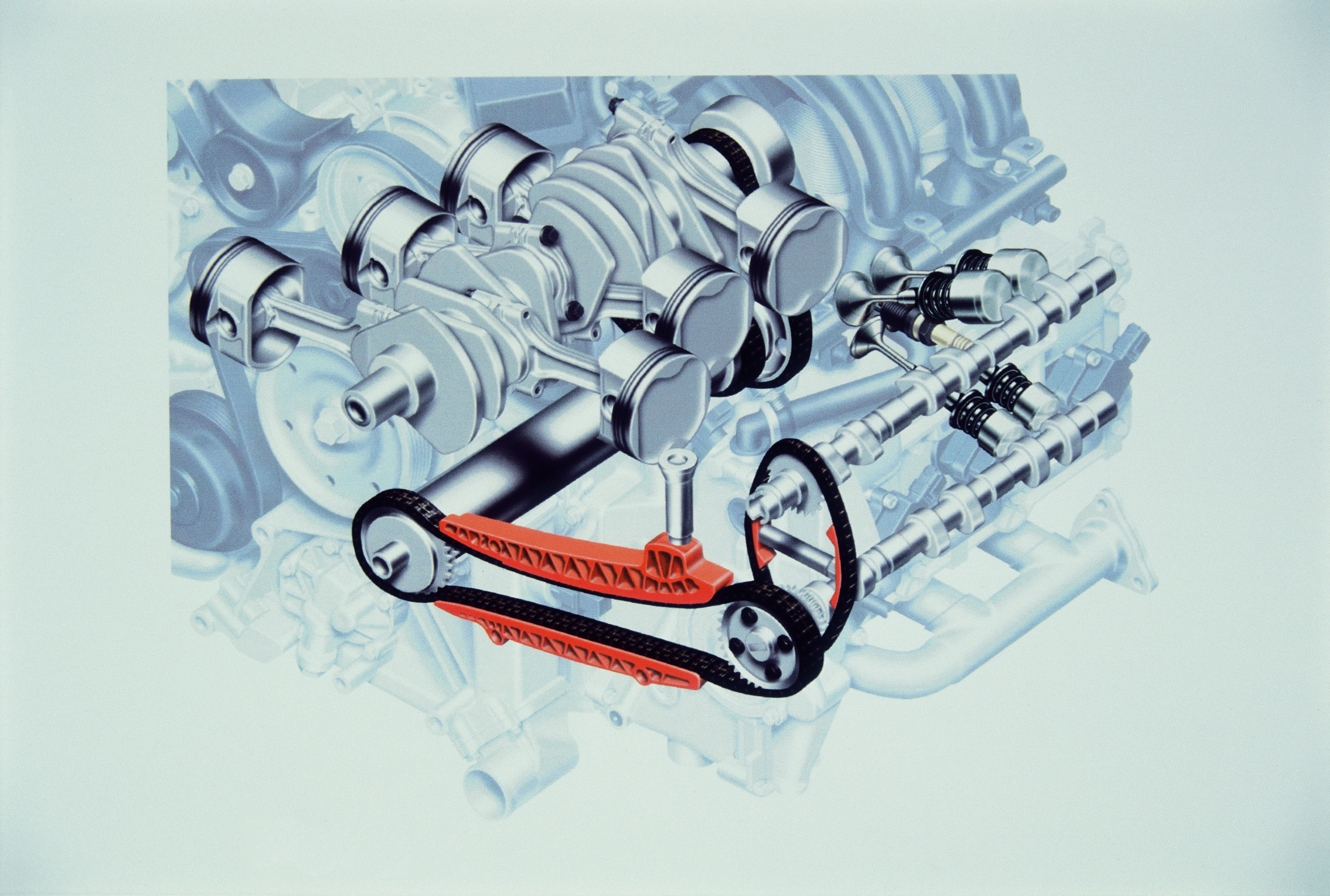
VarioCam is controlled via the drive chain and provides a phase displacement for the opening times of the inlet valves
|
Porsche
|
718
|
|
986 I
|
|
|
Dr. Ing. h.c. F. Porsche AG
|
Image
|
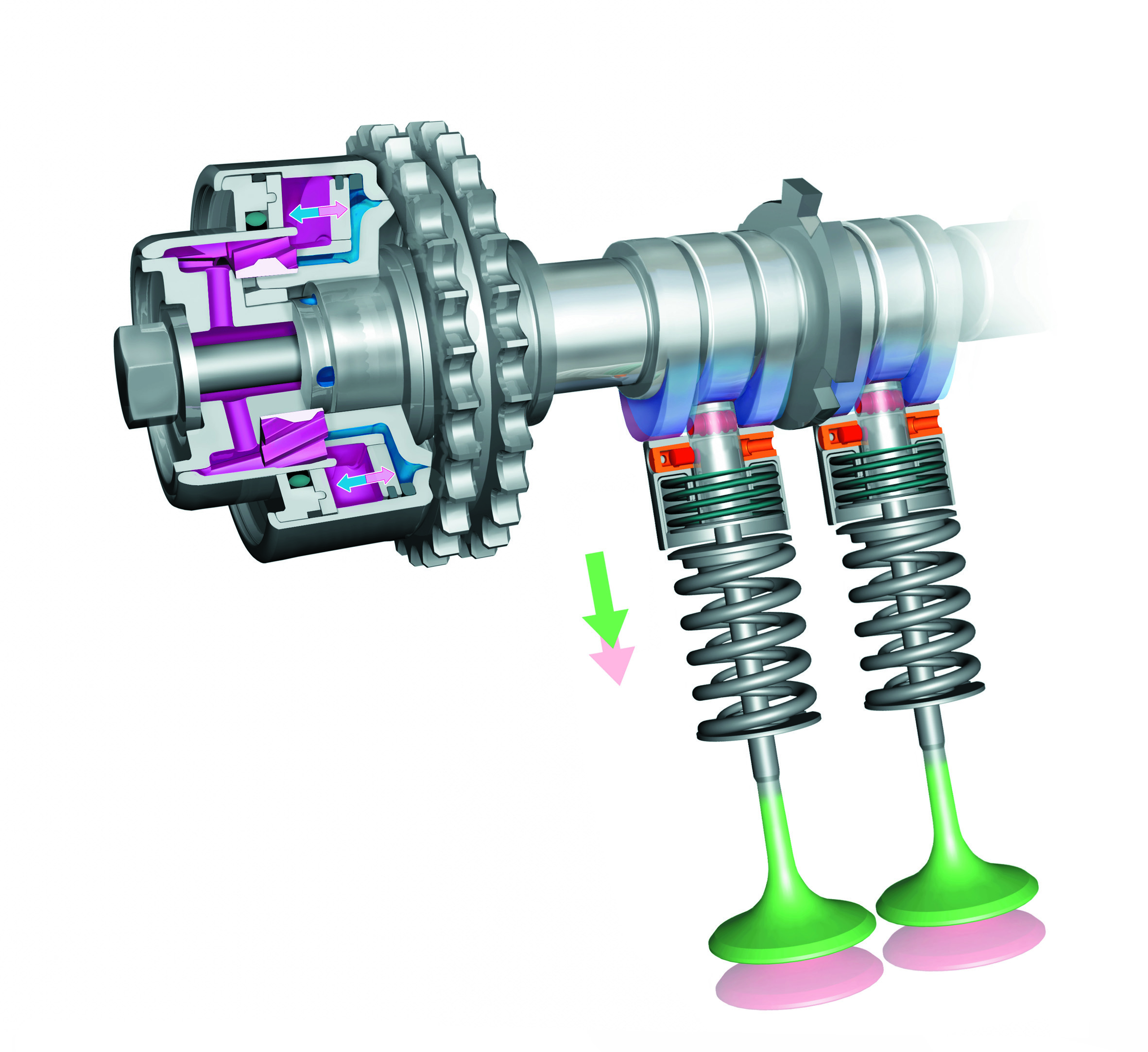
VarioCam Plus: The intake-side variable camshaft control (VarioCam) of the 911 Turbo has been expanded to include intake-side variable valve timing
|
Porsche
|
911
|
Turbo
|
996 I
|
|
|
Dr. Ing. h.c. F. Porsche AG
|
Image
|
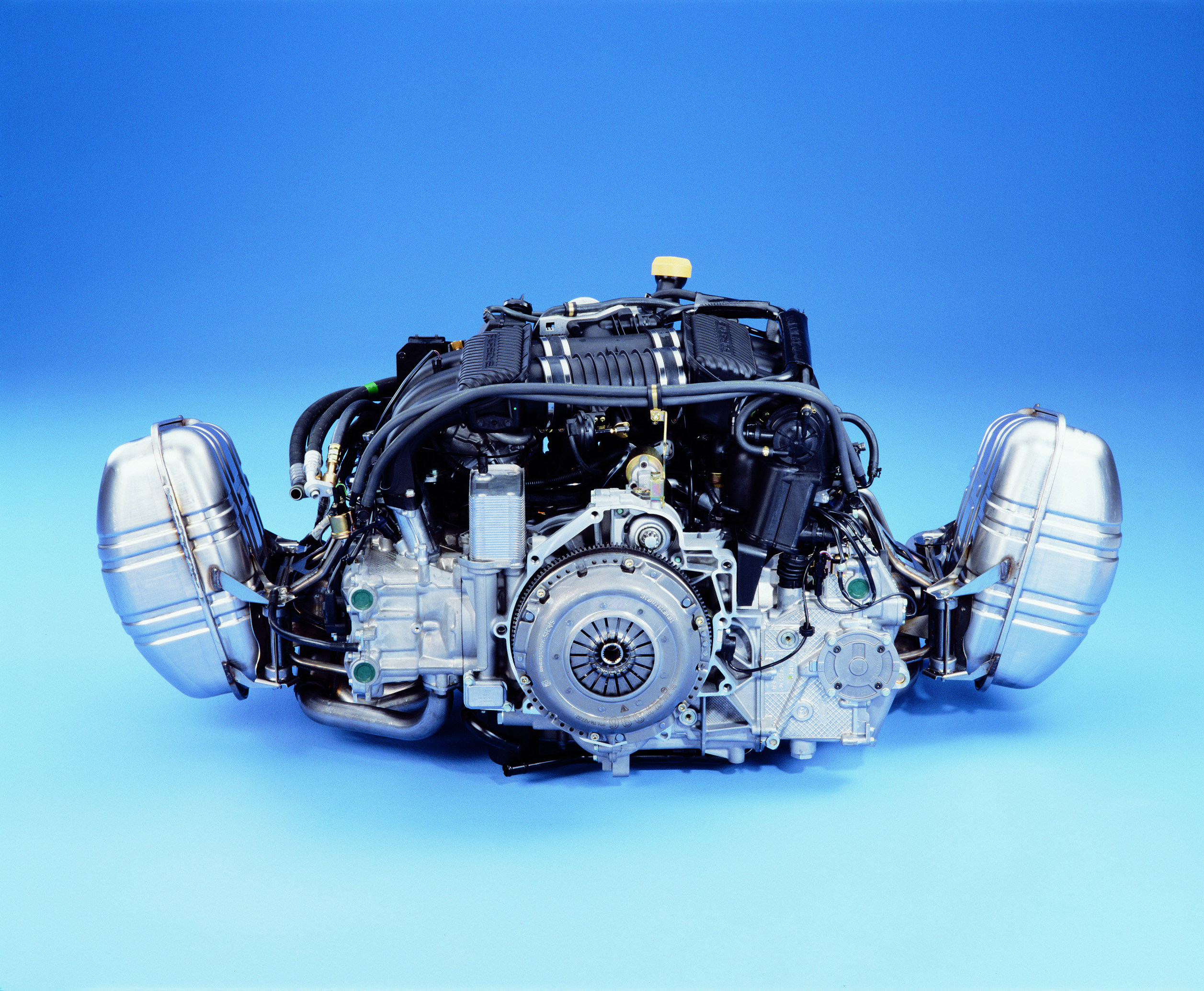
Water-cooled six-cylinder engine with 3.4 litre displacement and 221 kW (300HP)
|
Porsche
|
911
|
|
996 I
|
|
|
Dr. Ing. h.c. F. Porsche AG
|
Image
|
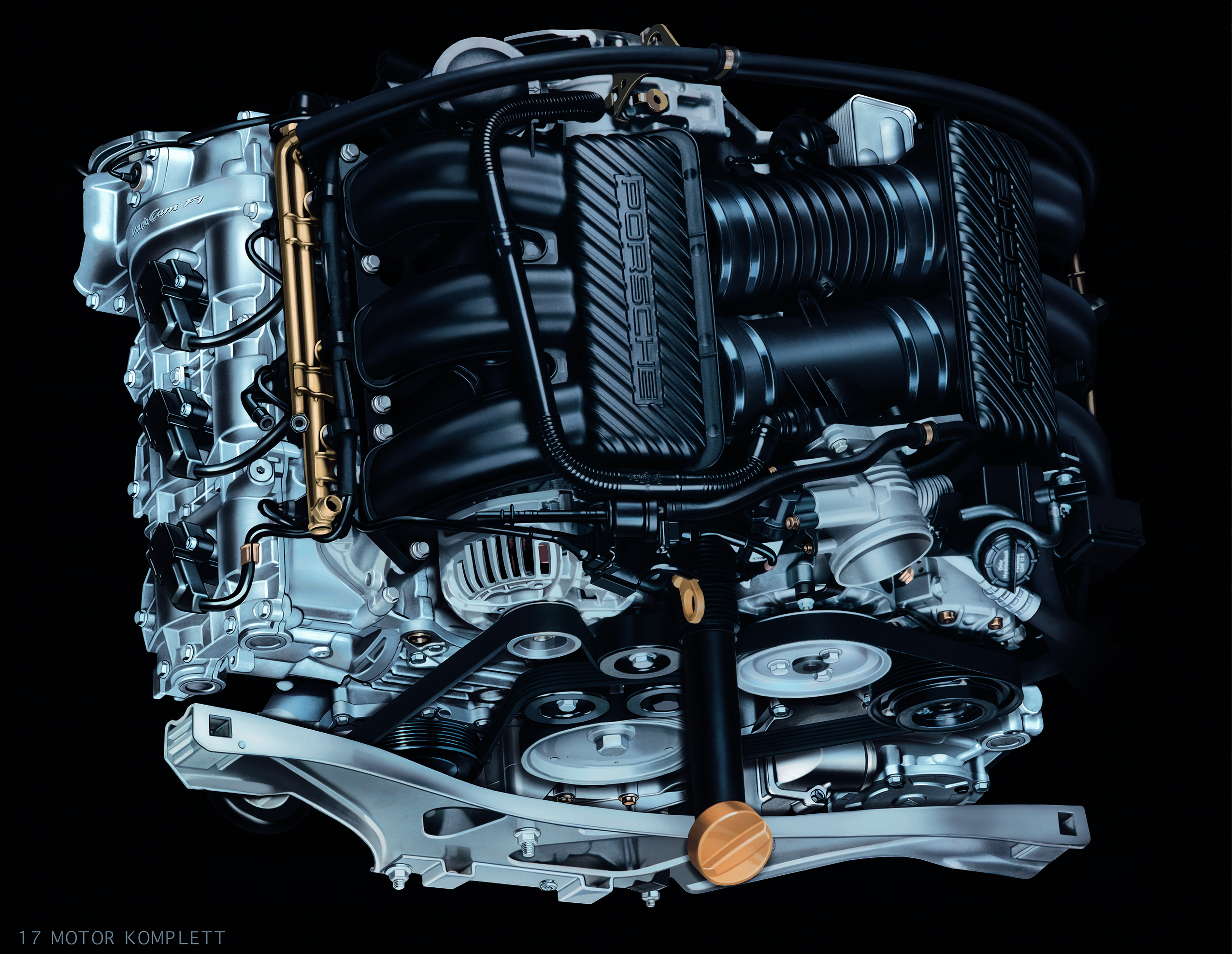
Water-cooled six-cylinder engine with 3.6 litre displacement and 235 kW (320 HP)
|
Porsche
|
911
|
|
996 I
|
|
|
Dr. Ing. h.c. F. Porsche AG
|
Image
|
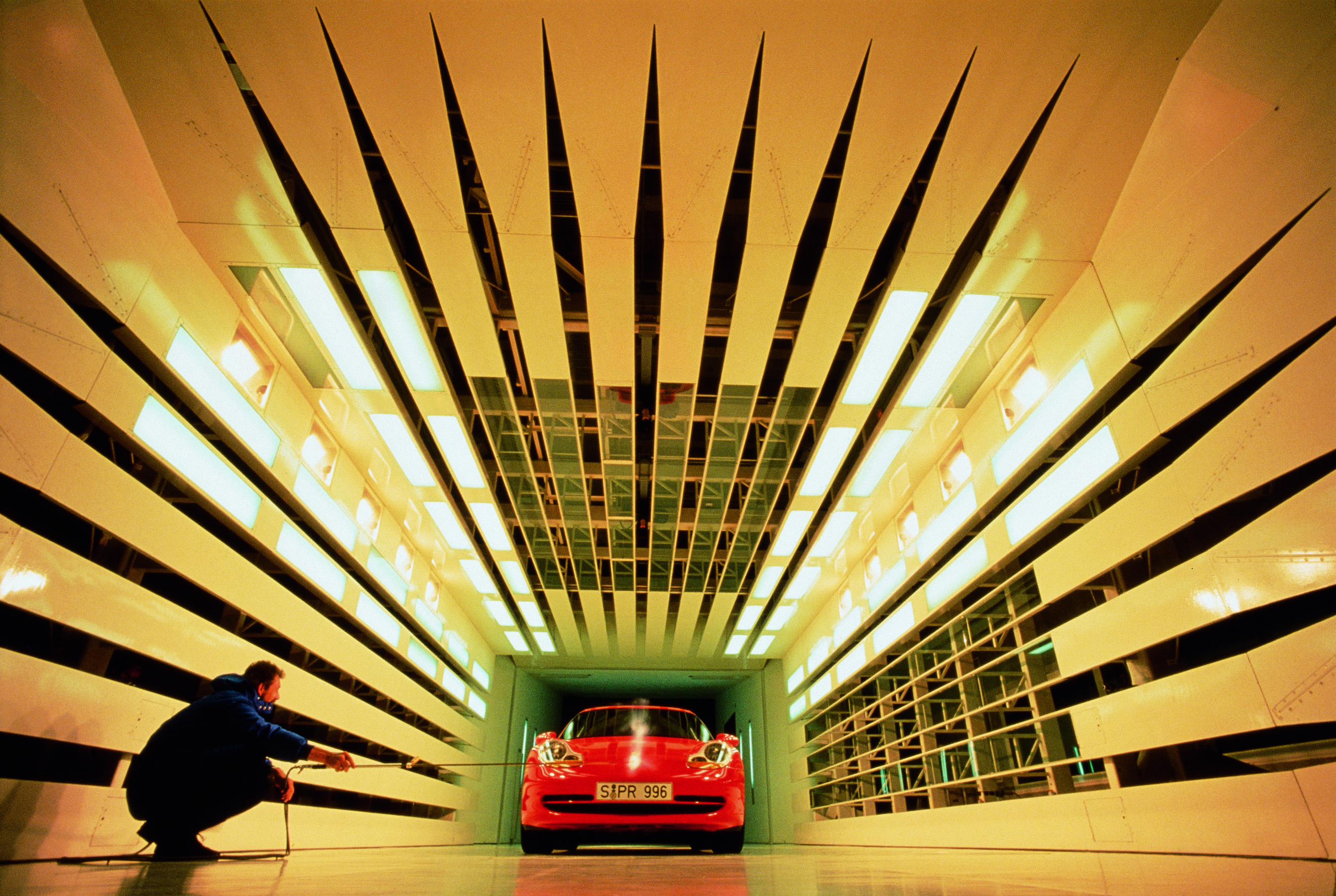
Wind tunnel tests are an important prerequisite of optimal aerodynamics
|
Porsche
|
911
|
Carrera
|
996 I
|
|
|
Dr. Ing. h.c. F. Porsche AG
|
Image
|
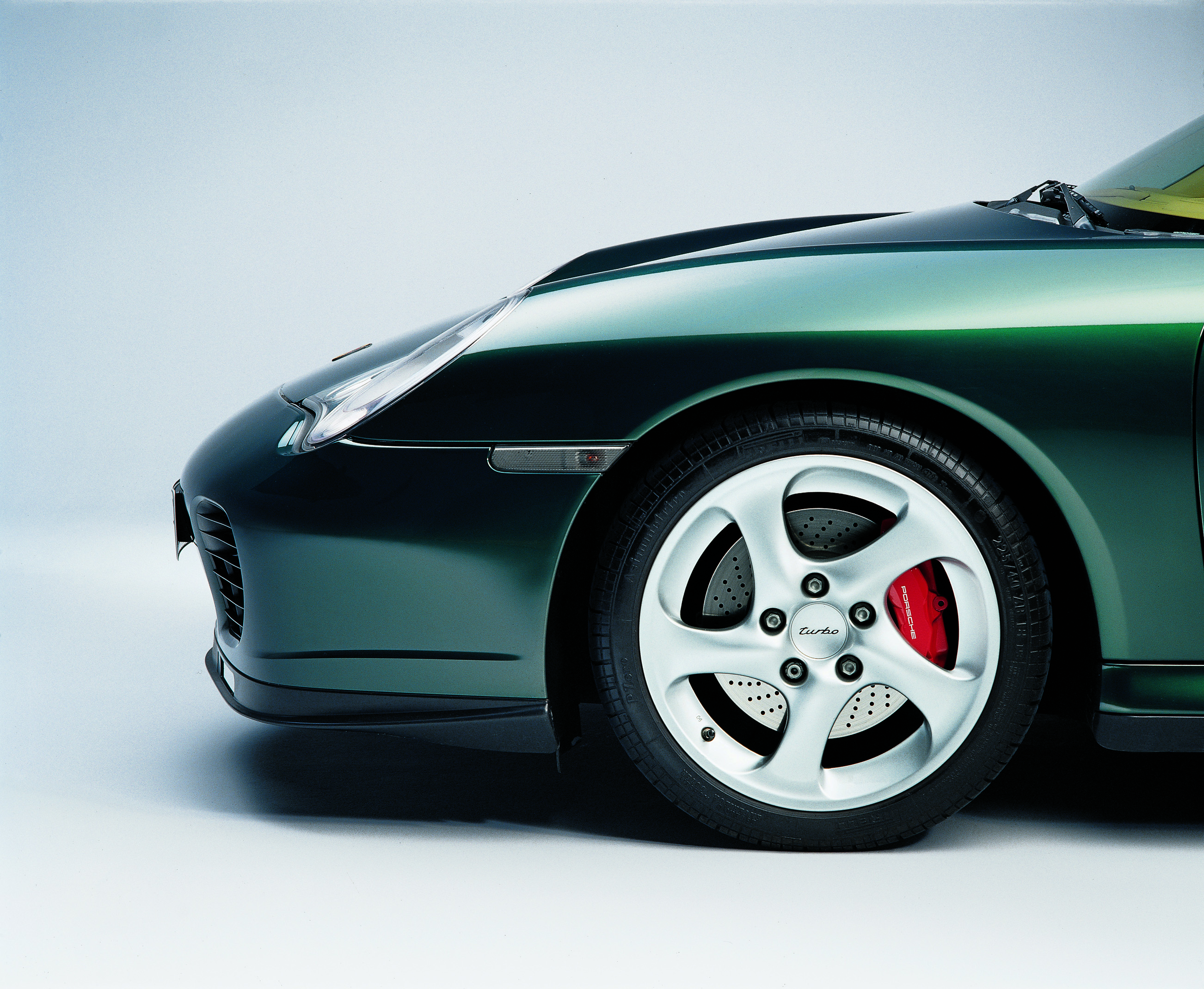
18-inch light alloy, hollow-spoke wheels as standard
|
Porsche
|
911
|
Turbo
|
996 I
|
|
|
Dr. Ing. h.c. F. Porsche AG
|
Image
|
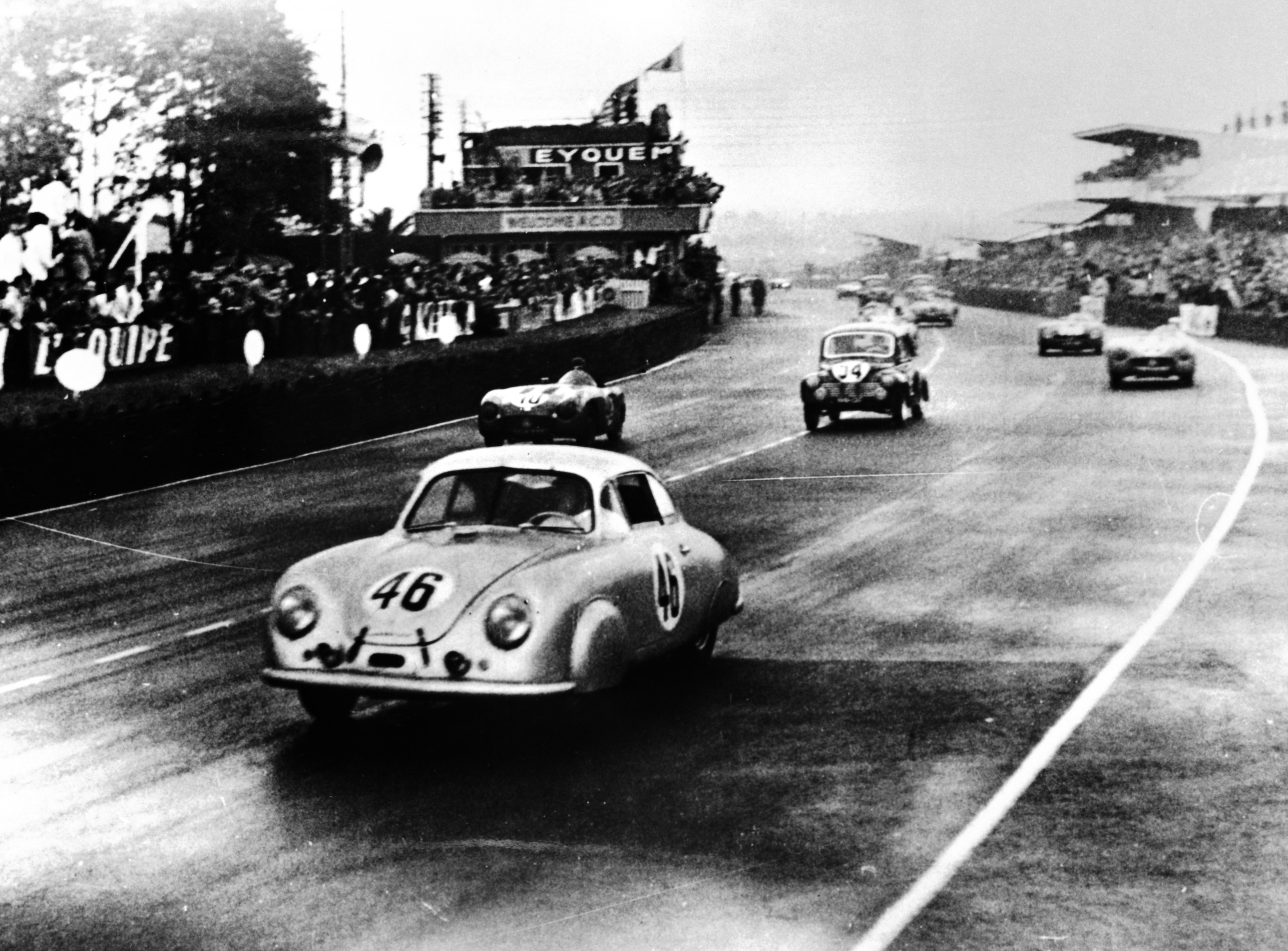
1951 Le Mans 24-hour race For its first entry in the Le Mans 24-hour race on 23rd/24th June 1951, Porsche had two 356/2 Gmünd coupés with aluminium bodies on the starting grid. In their first attempt, Auguste Veuillet and Edmond Mouche were victors in the class up to 1100 cm3. This was also the first victory for a German sports car in international racing after the war. 356: air-cooled 4-cyl. boxer engine, 1086 cm3, 46 HP, 640 kg
|
Porsche
|
356/2
|
|
|
|
|
Dr. Ing. h.c. F. Porsche AG
|
Image
|
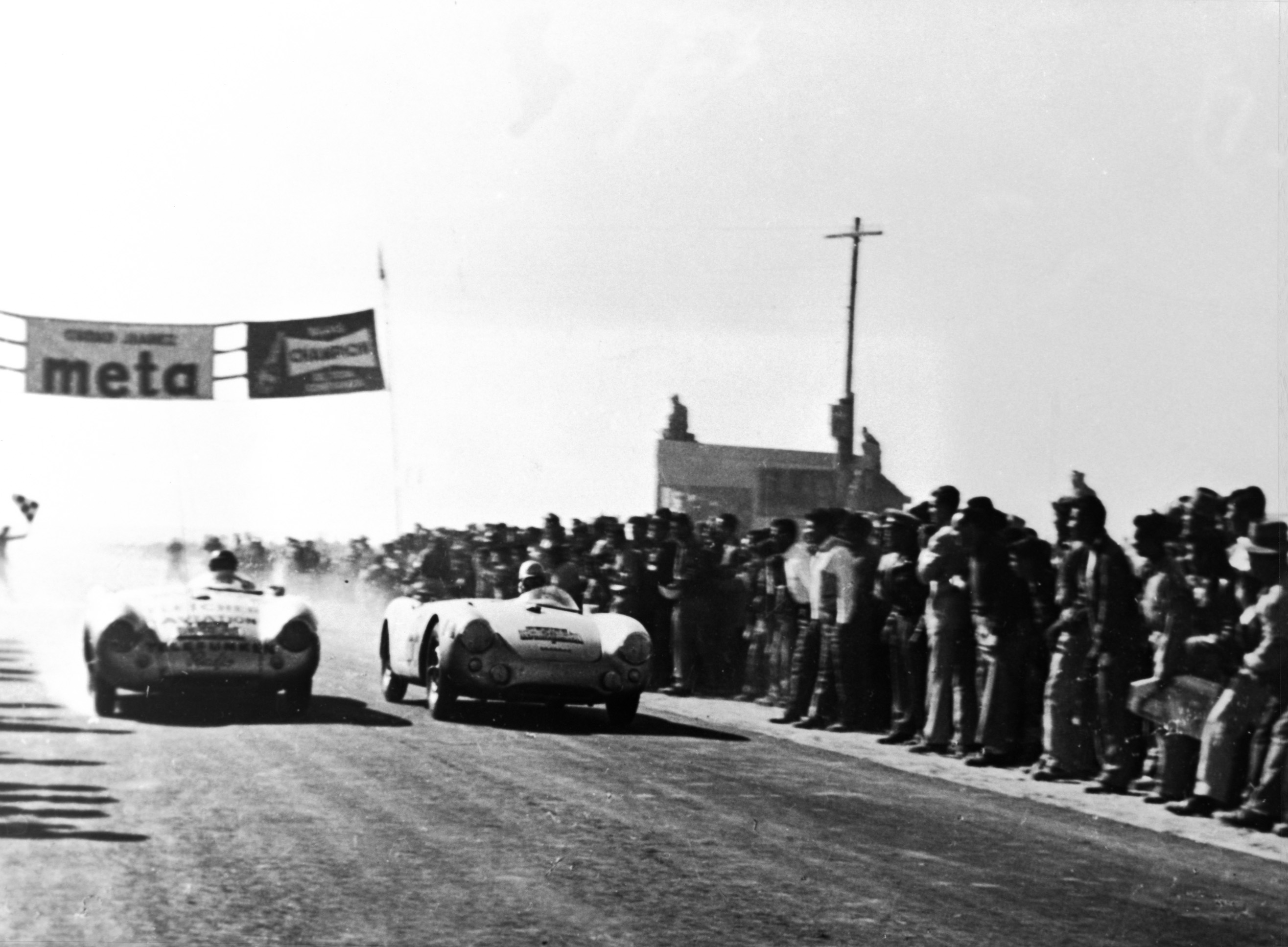
1954 Carrera Panamericana In the fifth and final Carrera Panamericana from 19th to 23rd November 1954 in Mexico, Hans Herrmann (left), driving in the Porsche 550 Spyder, took 3rd place in the overall classification and won in the sports car class up to 1500 cm3. 550 Spyder (1954): air-cooled 4-cyl. boxer engine, 1498 cm3, 550 kg, 110 HP
|
Porsche
|
|
550 Spyder
|
|