|
Dr. Ing. h.c. F. Porsche AG
|
Image
|
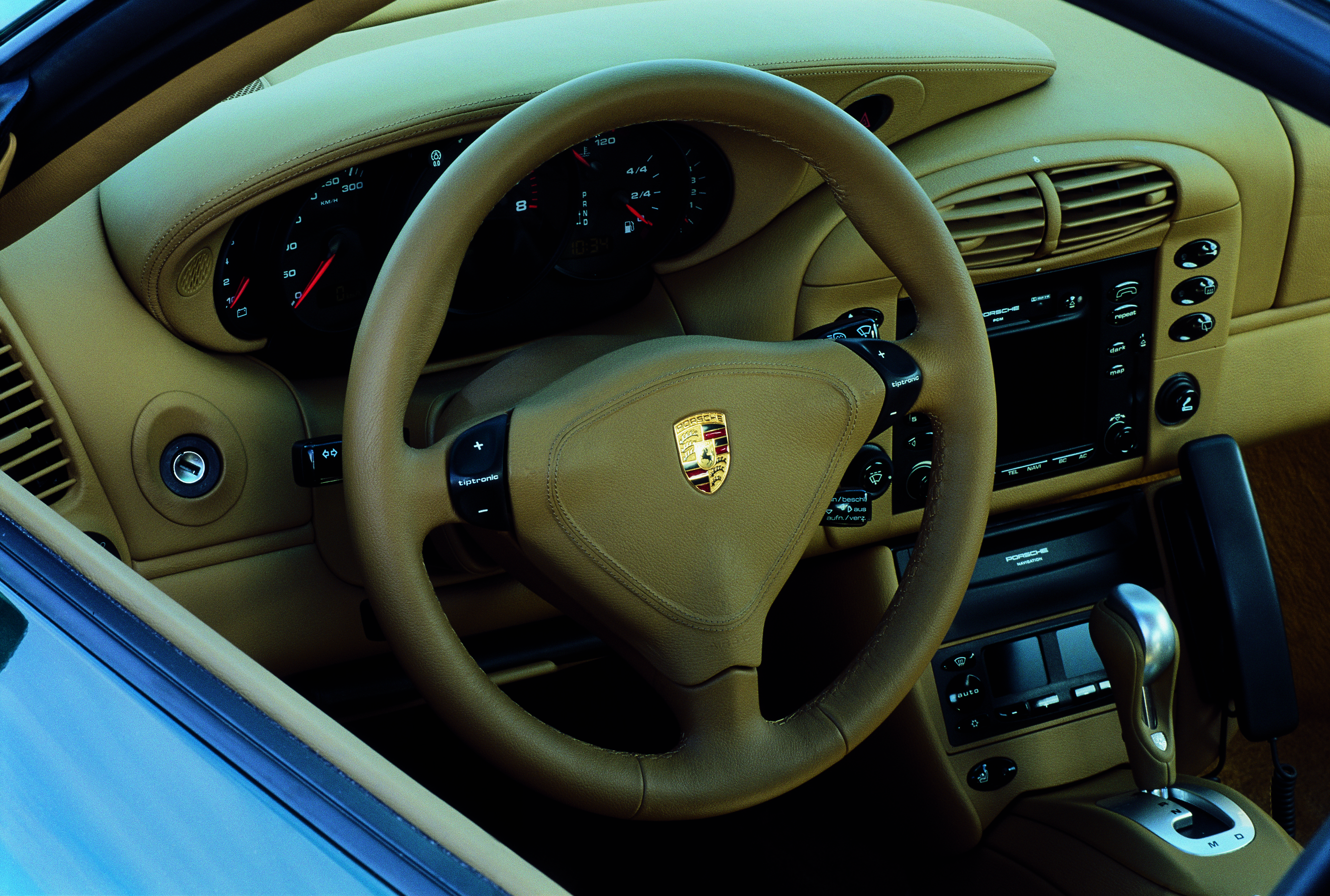
The Tiptronic S five-speed automatic transmission can also be shifted manually using rocker switches on the steering wheel.
|
Porsche
|
911
|
Turbo
|
996 I
|
|
|
Dr. Ing. h.c. F. Porsche AG
|
Image
|
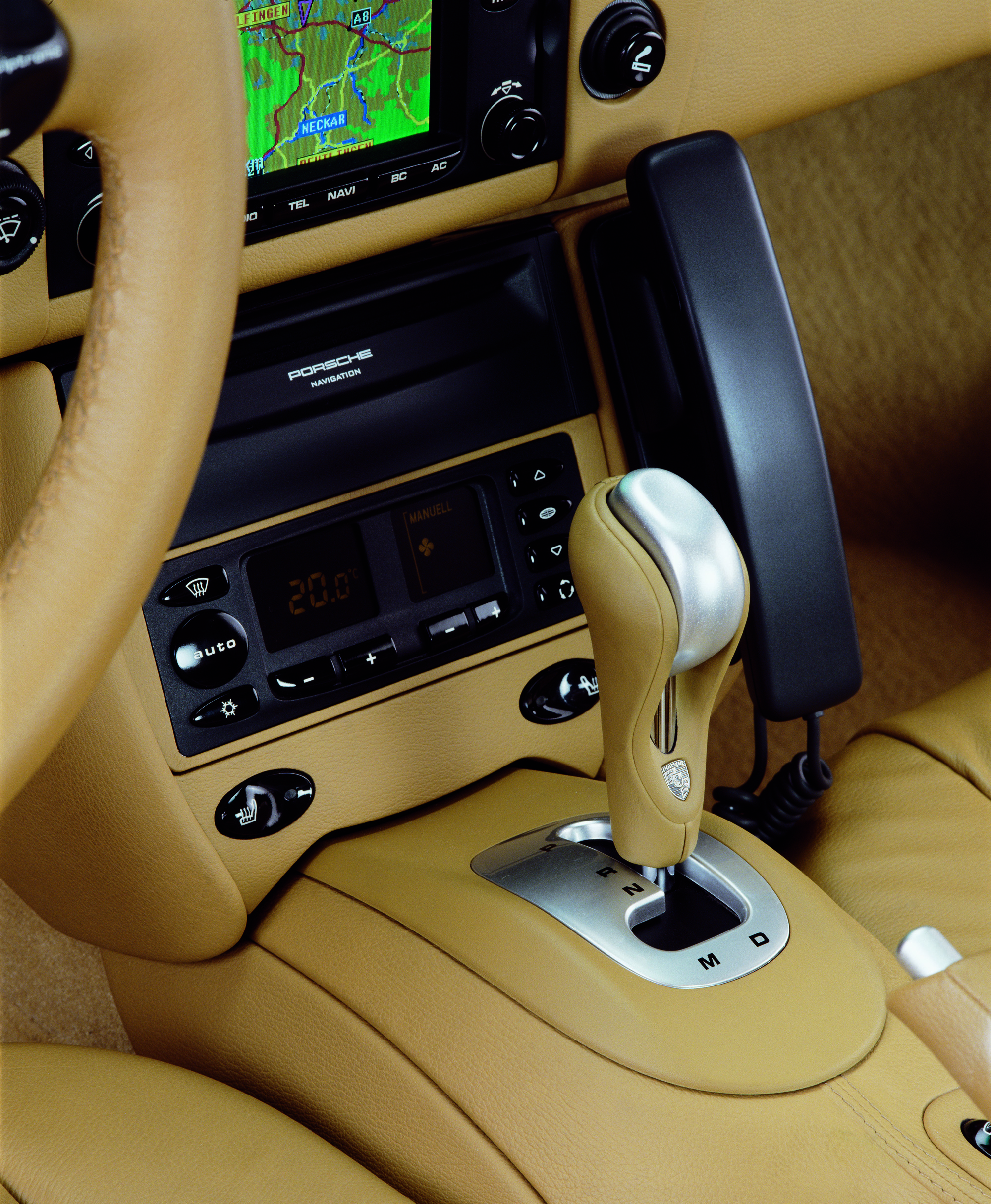
Tiptronic S selector lever
|
Porsche
|
911
|
Turbo
|
996 I
|
|
|
Dr. Ing. h.c. F. Porsche AG
|
Image
|
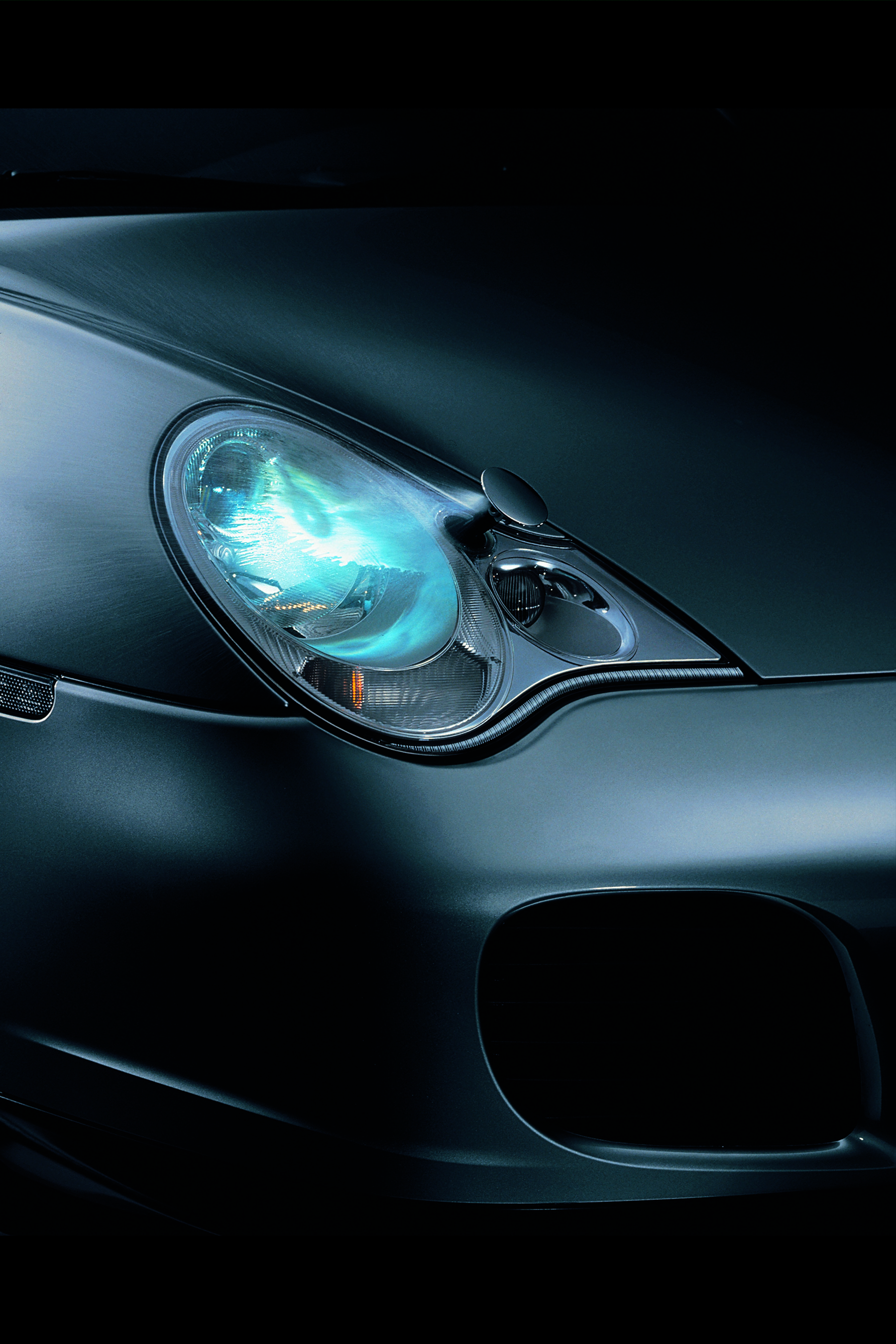
Bi-xenon headlights and headlight cleaning system are fitted in the 911 Turbo as standard
|
Porsche
|
911
|
Turbo
|
996 I
|
|
|
Dr. Ing. h.c. F. Porsche AG
|
Image
|
Bi-xenon headlights and headlight cleaning system are fitted in the 911 Turbo as standard
|
Porsche
|
911
|
Turbo
|
996 I
|
|
|
Dr. Ing. h.c. F. Porsche AG
|
Image
|
Artist's impression: Drive and running gear, lowered by ten millimetres in the 911 Turbo
|
Porsche
|
911
|
Turbo
|
996 I
|
|
|
Dr. Ing. h.c. F. Porsche AG
|
Image
|
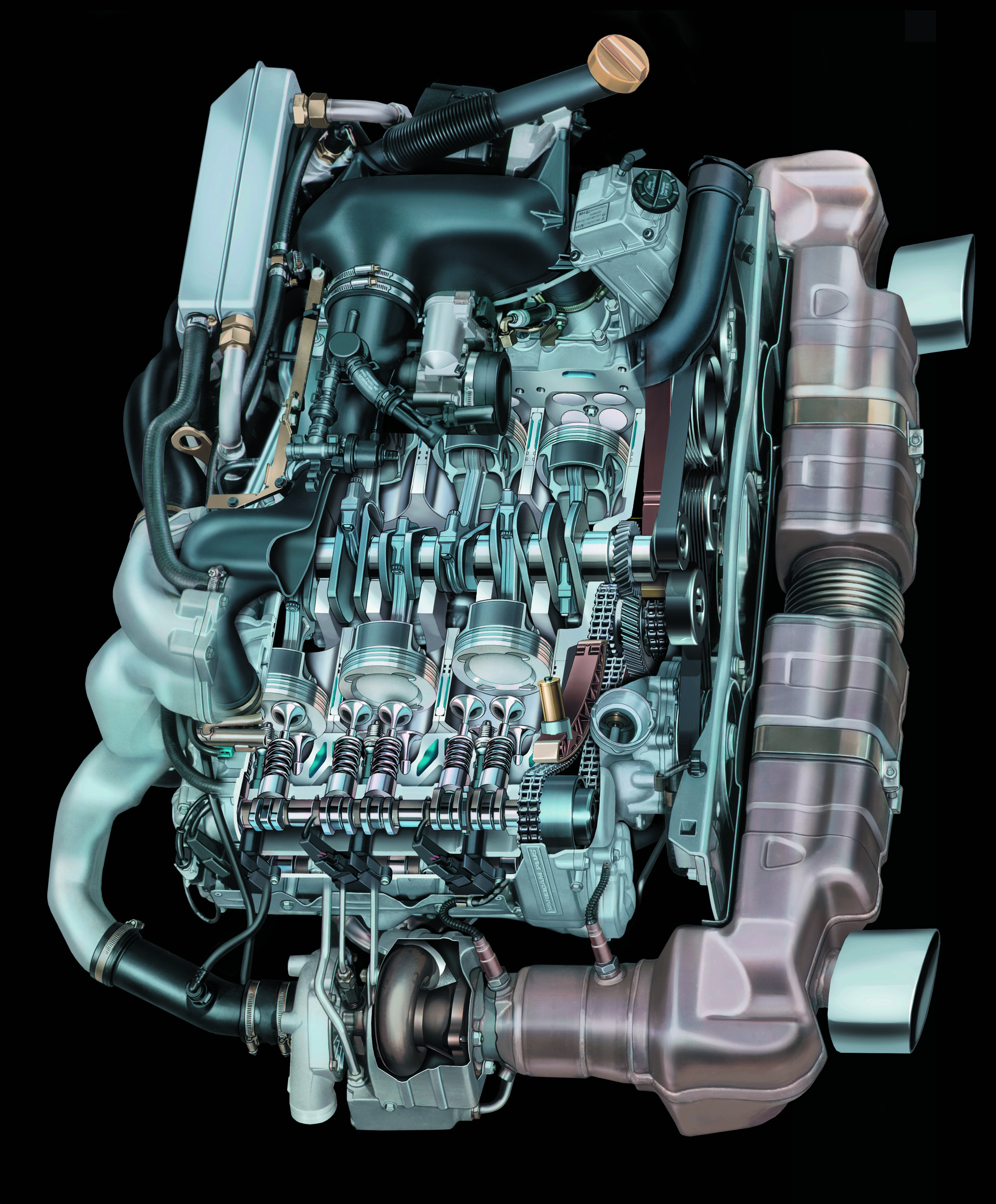
The horizontally opposed engine's maximum torque of 560 Nm kicks in as early as 2700 rpm
|
Porsche
|
911
|
Turbo
|
996 I
|
|
|
Dr. Ing. h.c. F. Porsche AG
|
Image
|
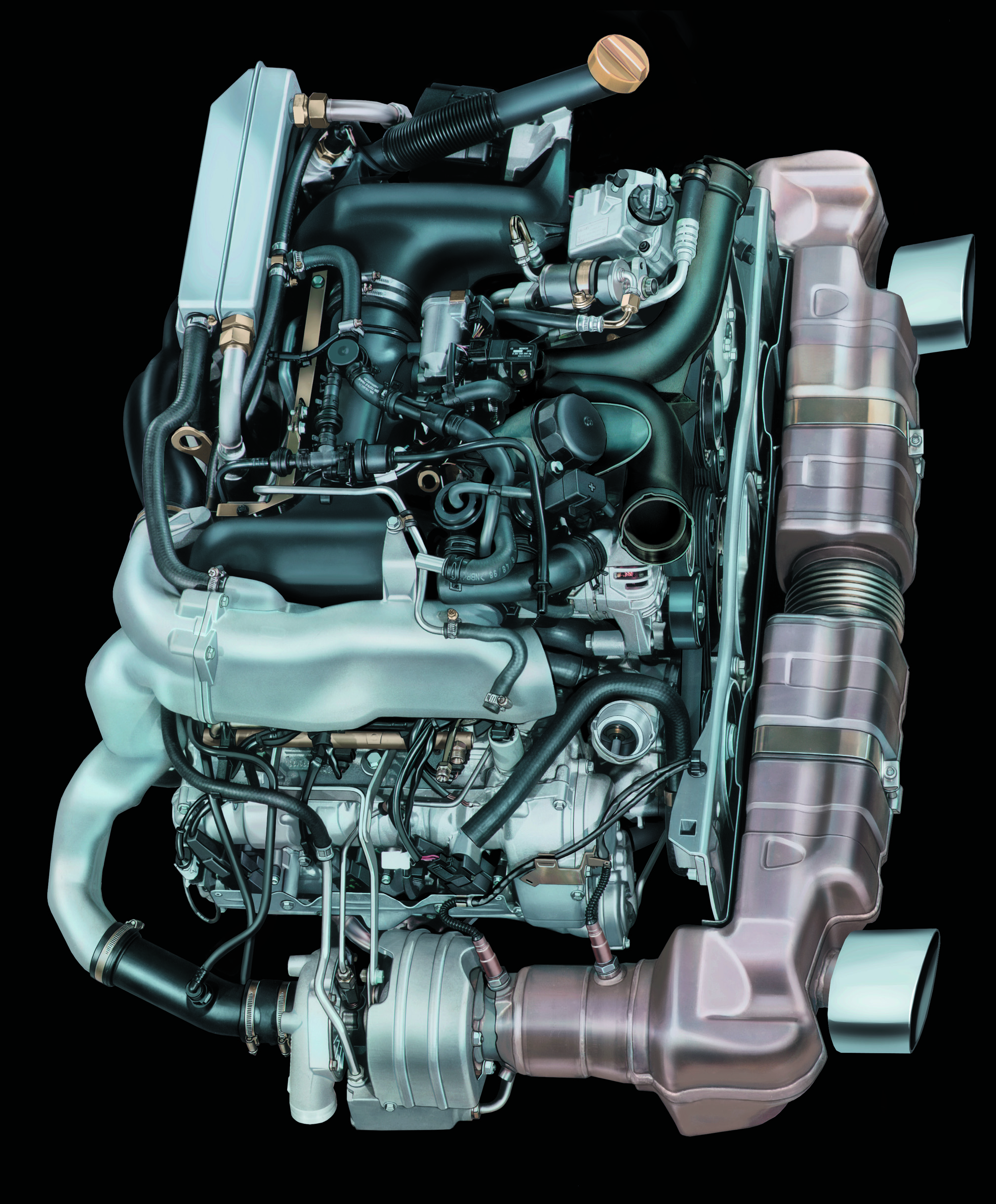
3.6 litre turbo engine with 309 kW (420 HP)
|
Porsche
|
911
|
Turbo
|
996 I
|
|
|
Dr. Ing. h.c. F. Porsche AG
|
Image
|
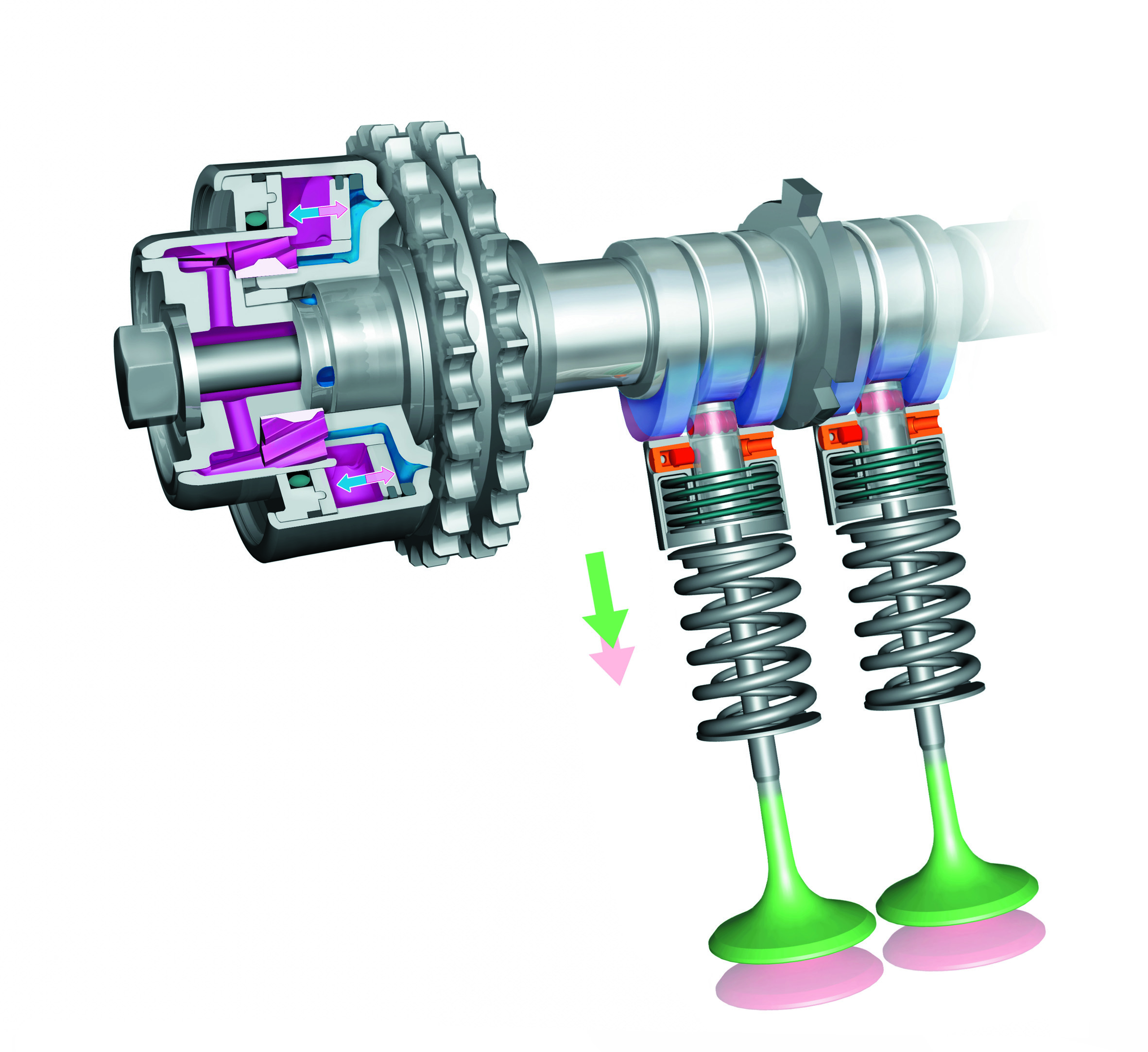
VarioCam Plus: The intake-side variable camshaft control (VarioCam) of the 911 Turbo has been expanded to include intake-side variable valve timing
|
Porsche
|
911
|
Turbo
|
996 I
|
|
|
Dr. Ing. h.c. F. Porsche AG
|
Image
|
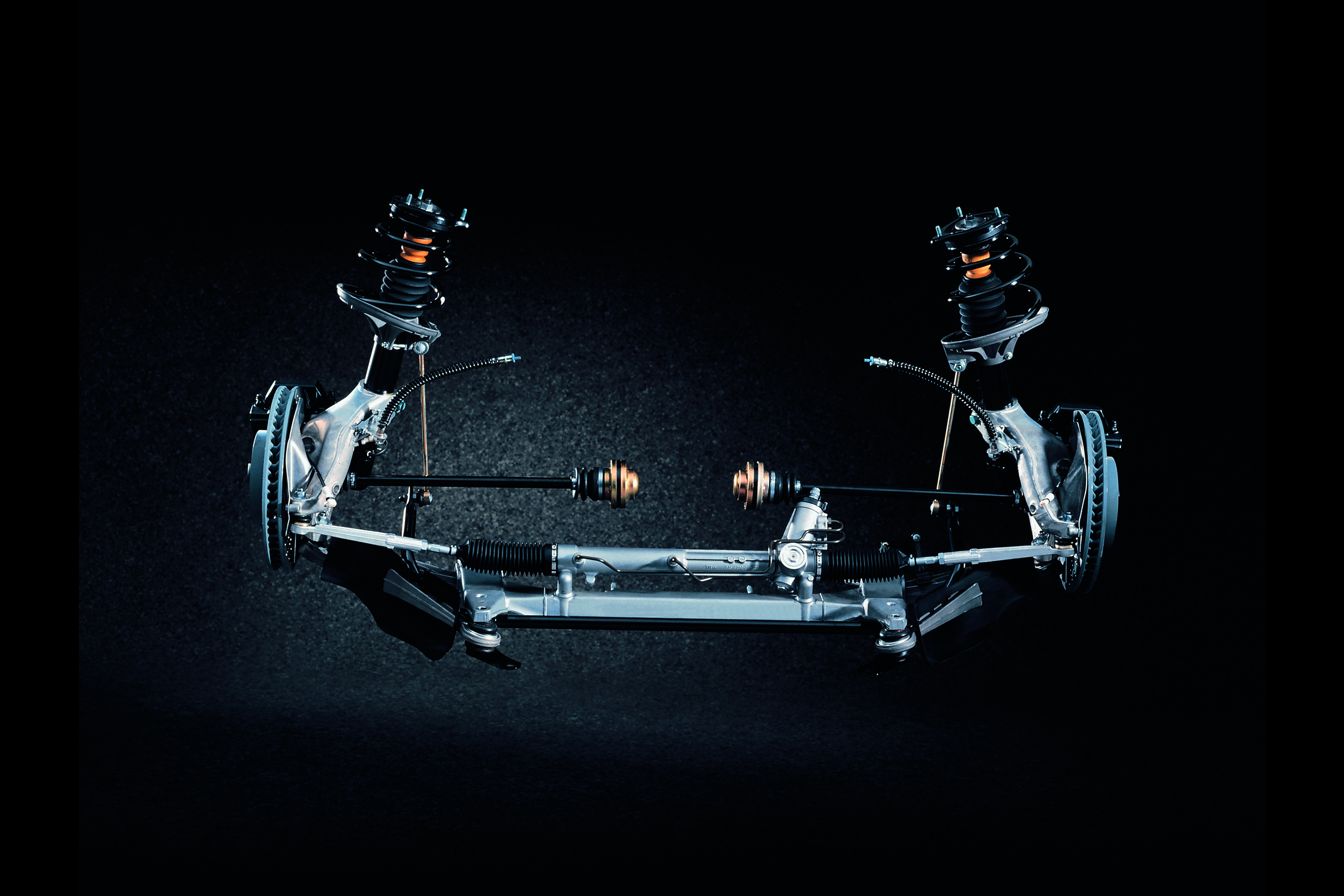
Front axle to which up to 40 per cent of the drive force can be transmitted
|
Porsche
|
911
|
Turbo
|
996 I
|
|
|
Dr. Ing. h.c. F. Porsche AG
|
Image
|
The multi-link rear axle of the 911 Turbo has a track widened by 40 millimetres
|
Porsche
|
911
|
Turbo
|
996 I
|
|
|
Dr. Ing. h.c. F. Porsche AG
|
Image
|
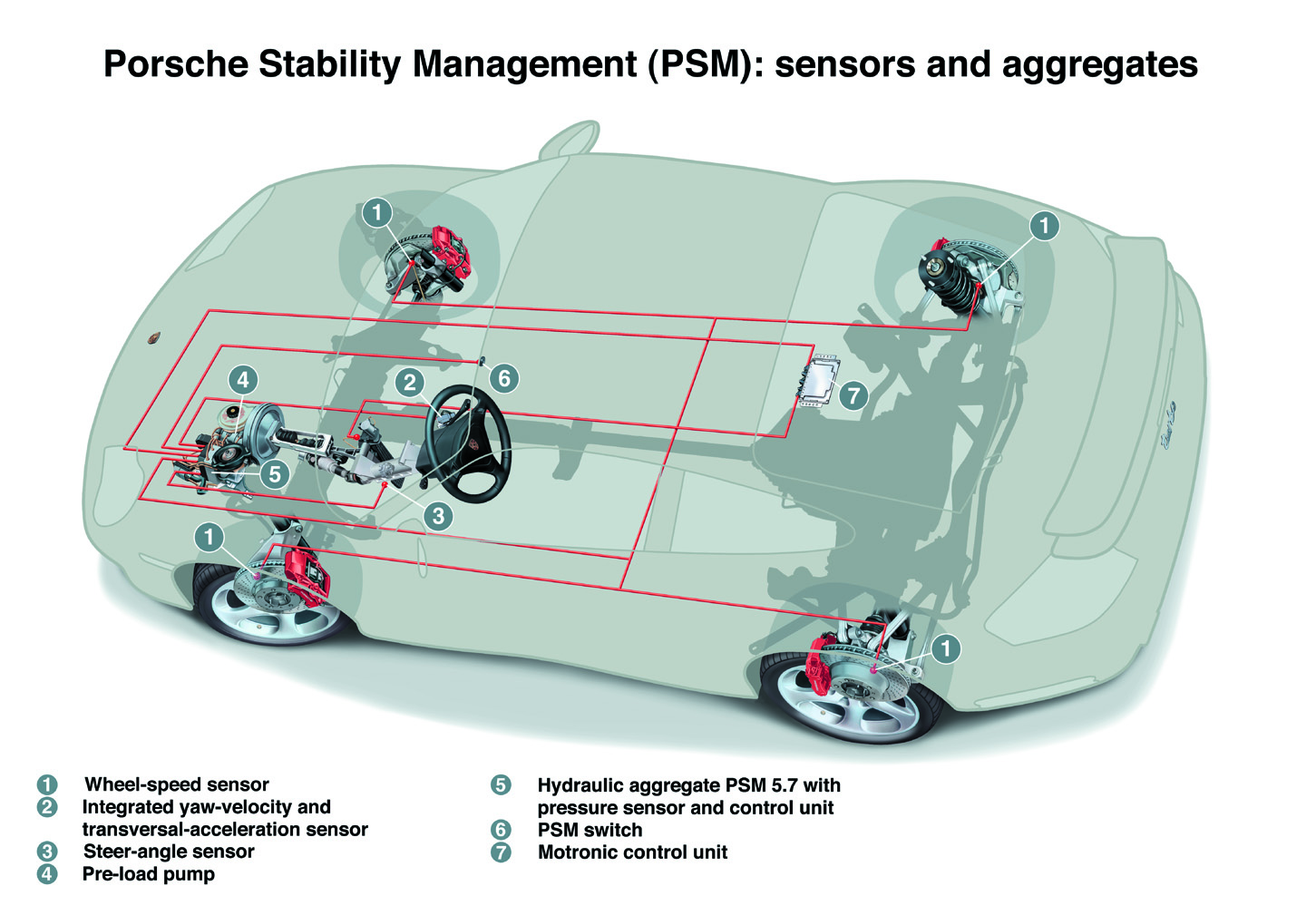
The Porsche Stability Management (PSM) stabilises the vehicle during extreme driving manoeuvres by actively engaging the engine management and brake systems
|
Porsche
|
911
|
Turbo
|
996 I
|
|
|
Dr. Ing. h.c. F. Porsche AG
|
Image
|
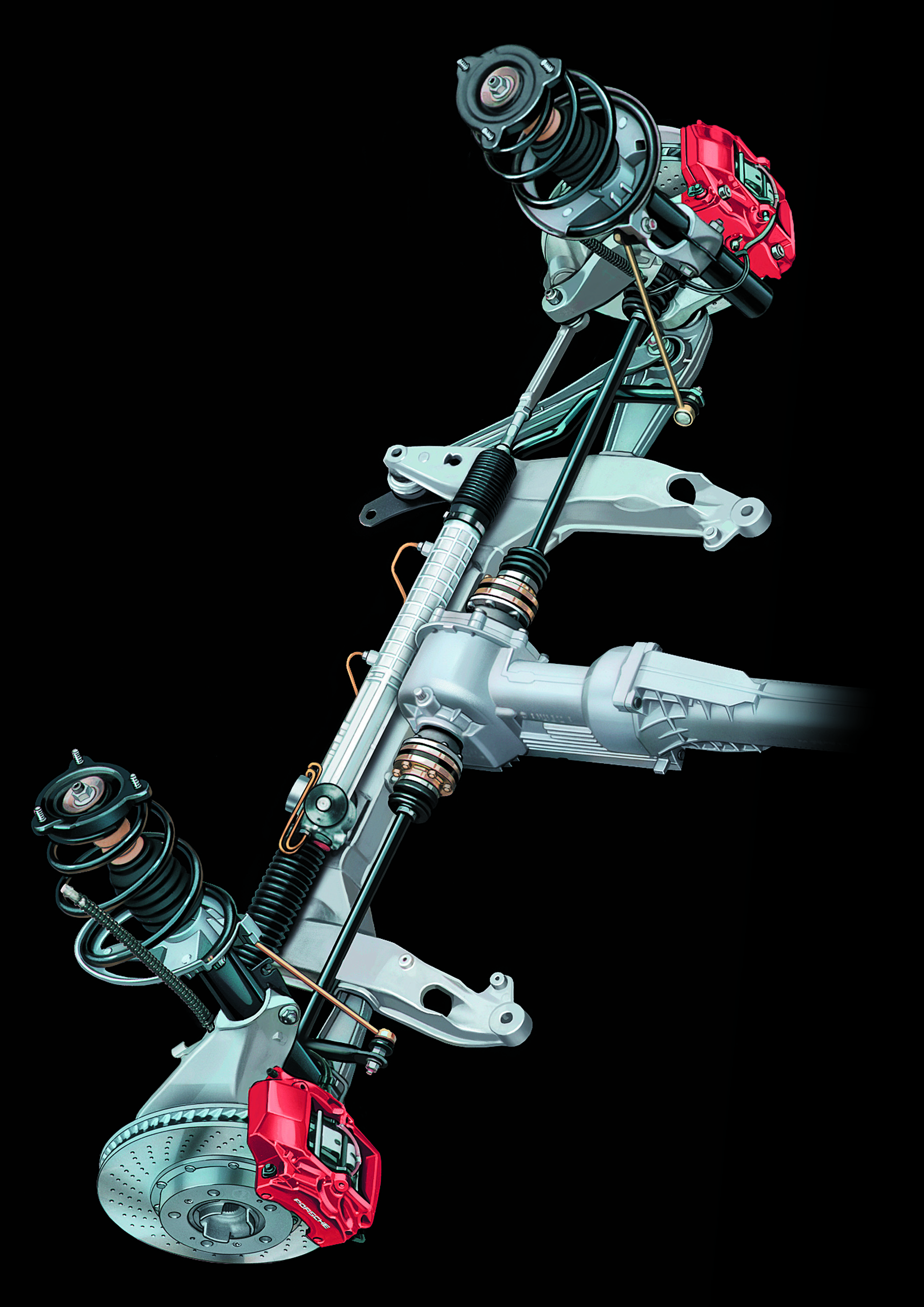
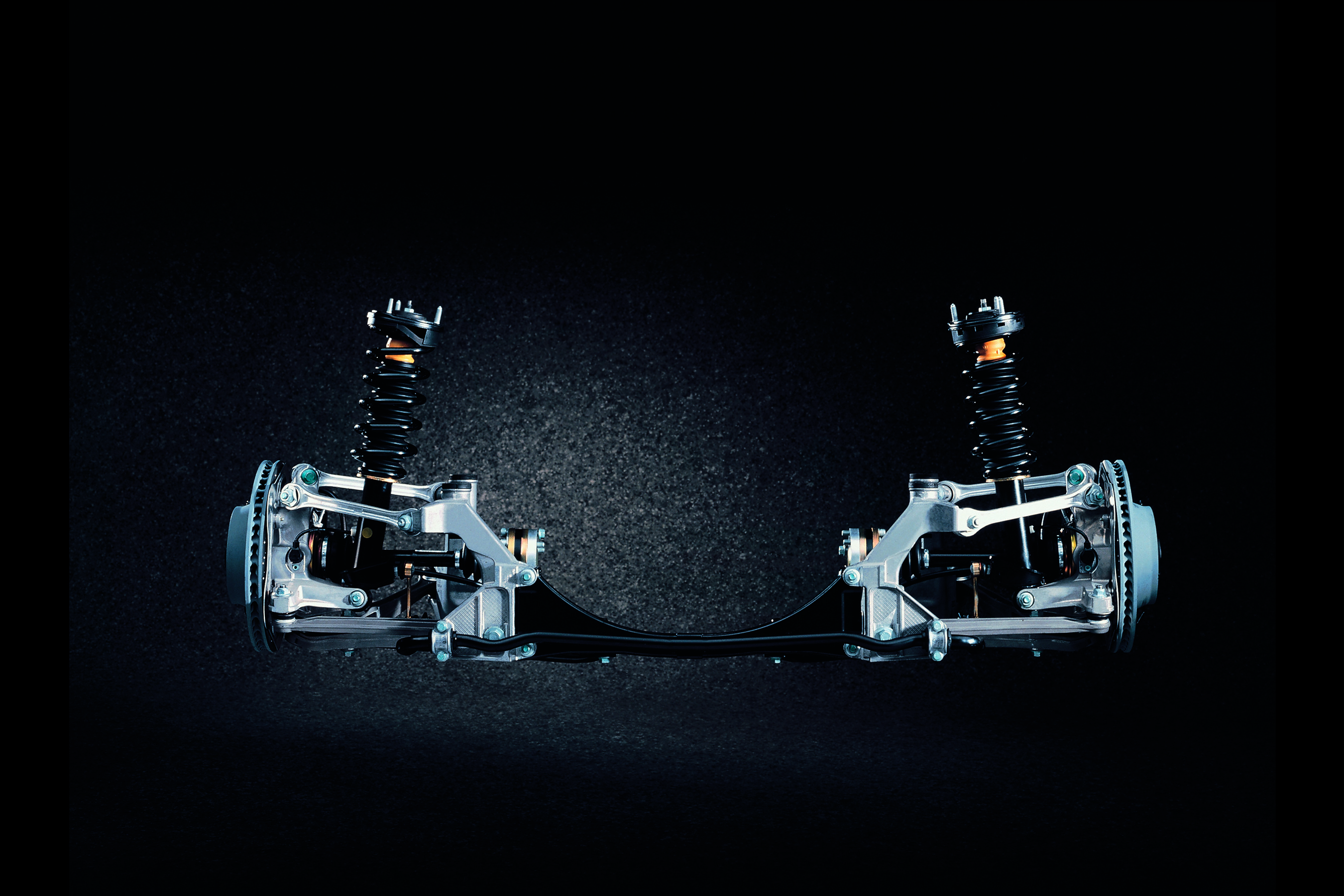
Front axle with brake and suspension/shock absorber system
|
Porsche
|
911
|
Turbo
|
996 I
|
|
|
Dr. Ing. h.c. F. Porsche AG
|
Image
|
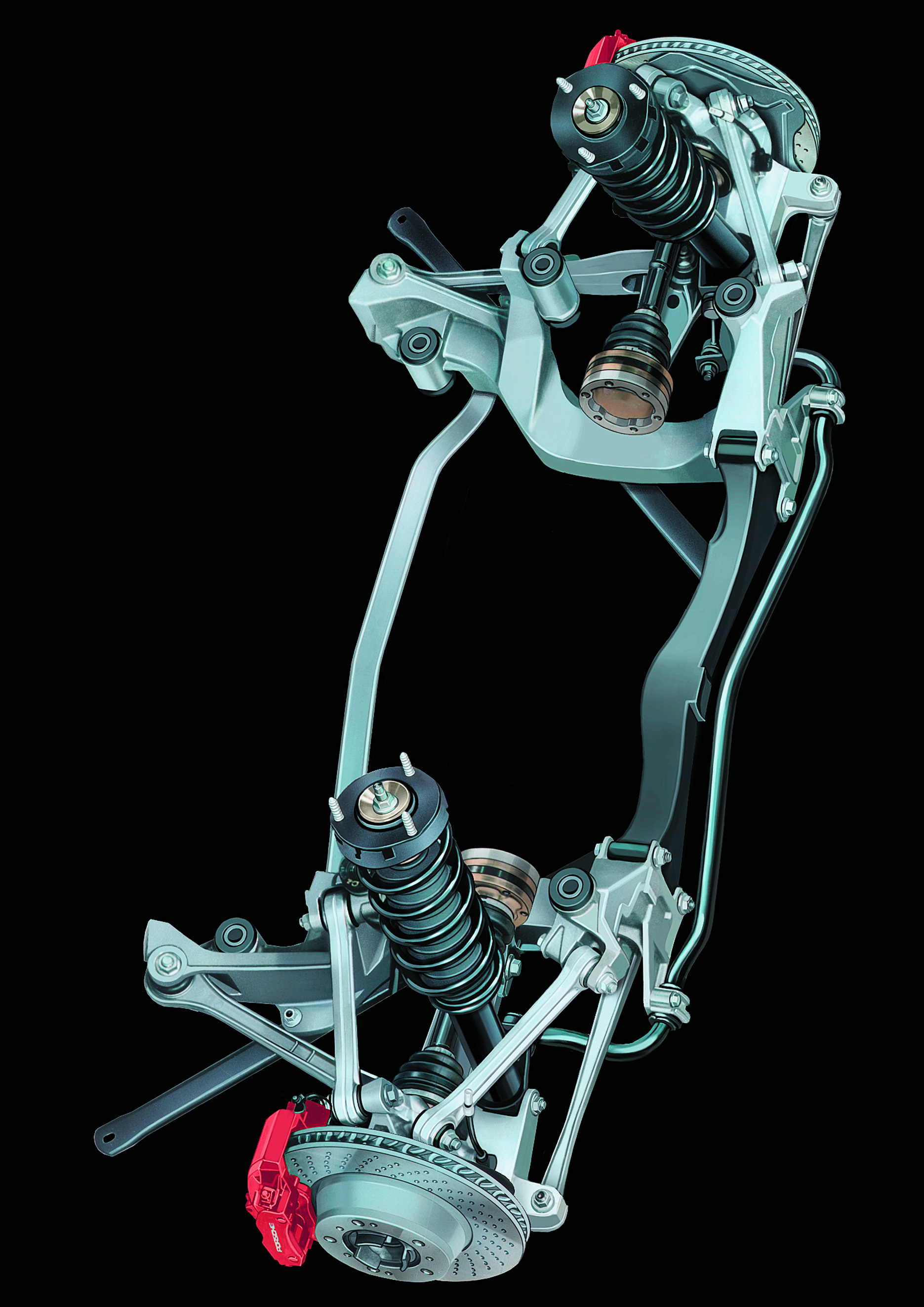
Rear axle with brake and suspension/shock absorber system
|
Porsche
|
911
|
Turbo
|
996 I
|
|
|
Dr. Ing. h.c. F. Porsche AG
|
Image
|
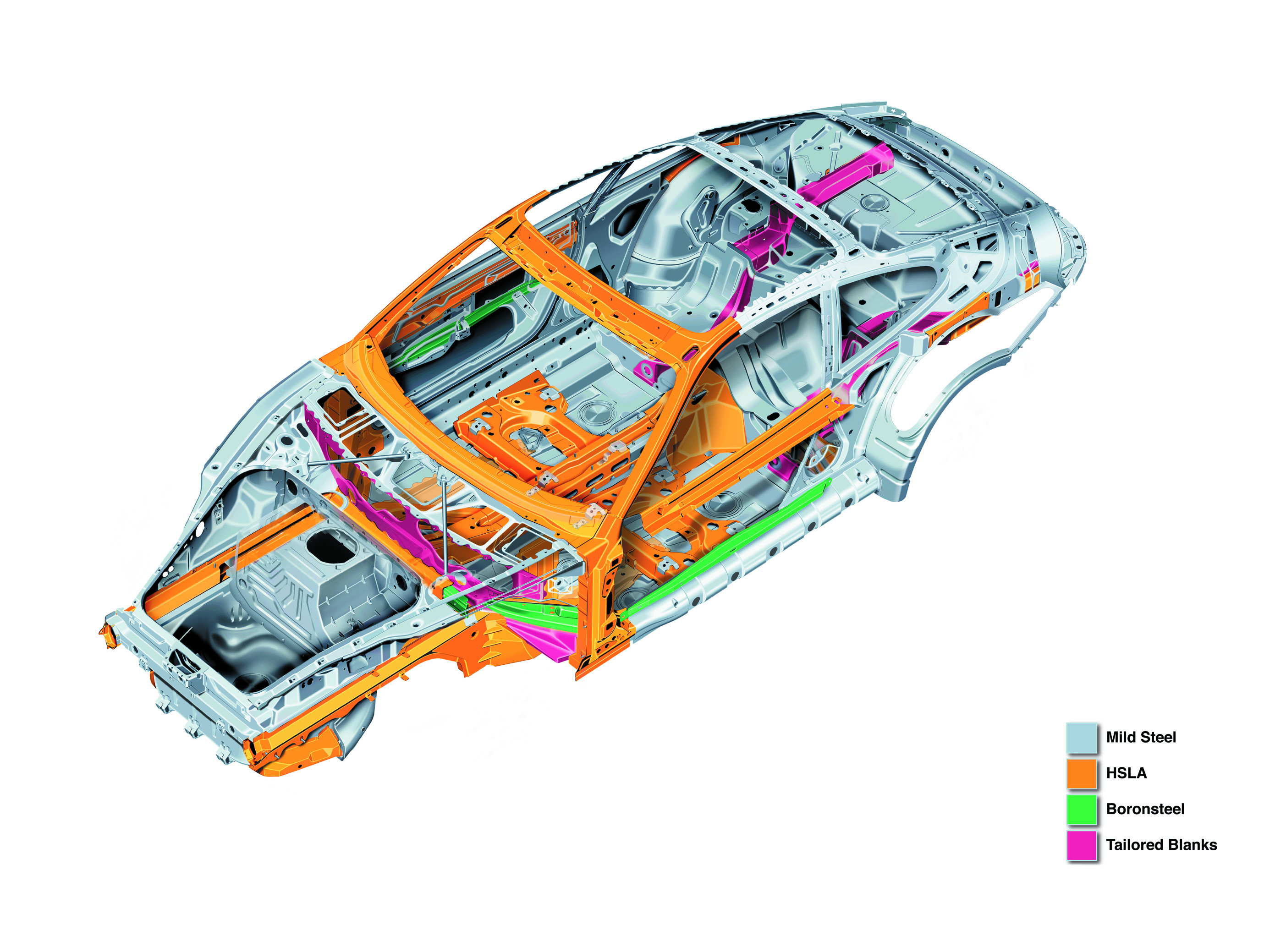
The energy-absorbing supporting structure forms the foundation for passive safety in the 911 Turbo
|
Porsche
|
911
|
Turbo
|
996 I
|
|
|
Dr. Ing. h.c. F. Porsche AG
|
Image
|
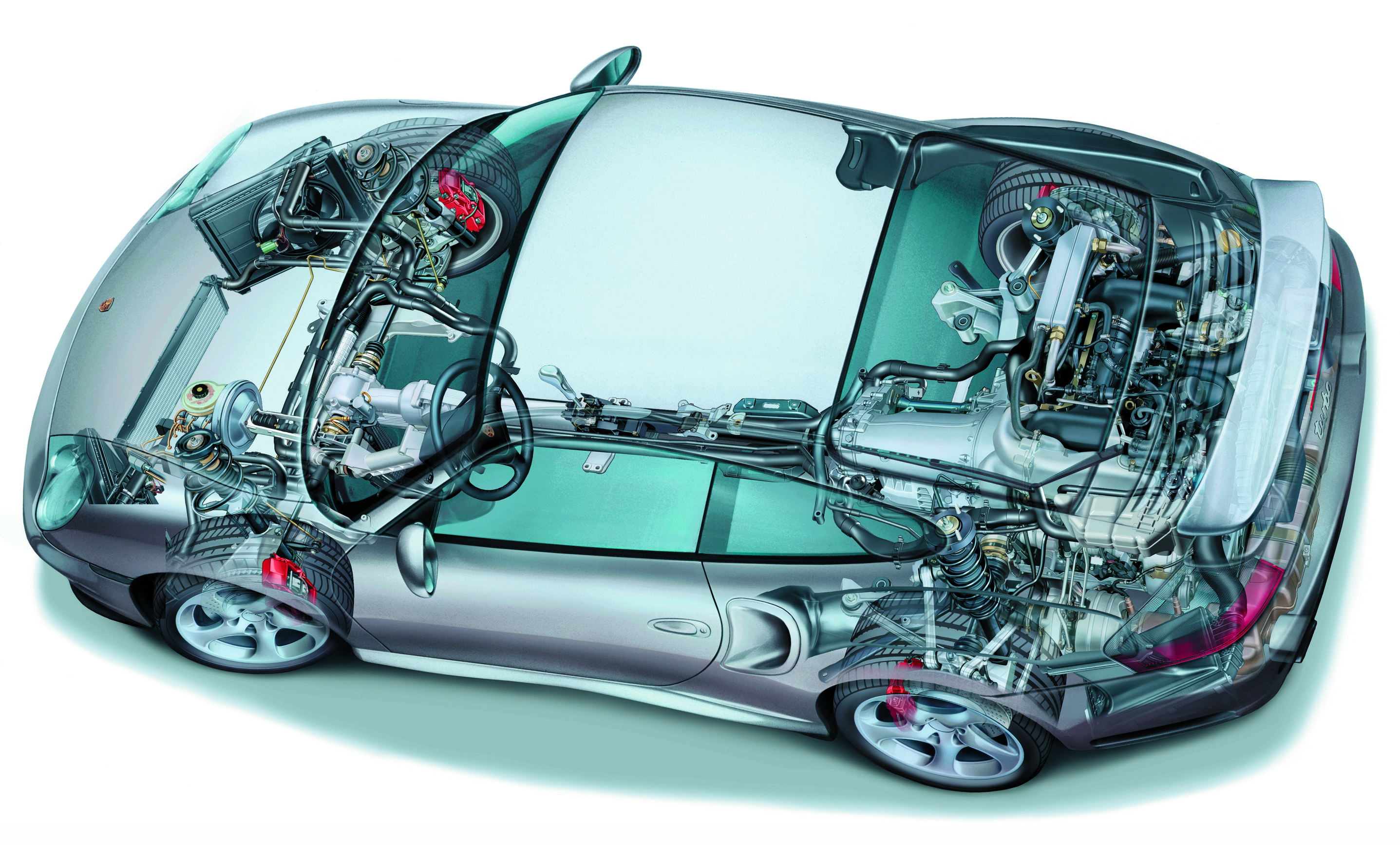
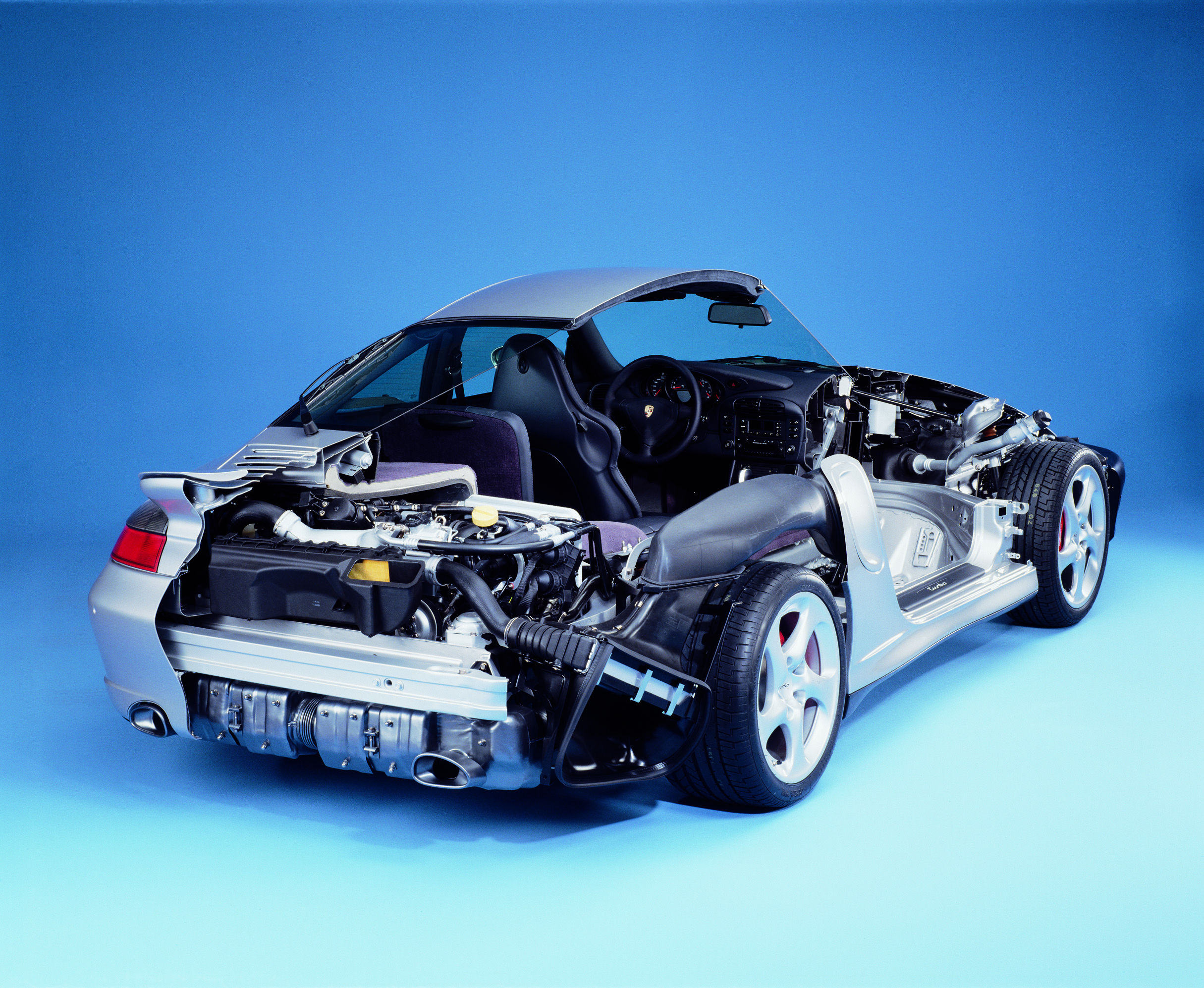
Cutaway model of a 911 Turbo on a scale of 1:1
|
Porsche
|
911
|
Turbo
|
996 I
|
|
|
Dr. Ing. h.c. F. Porsche AG
|
Image
|
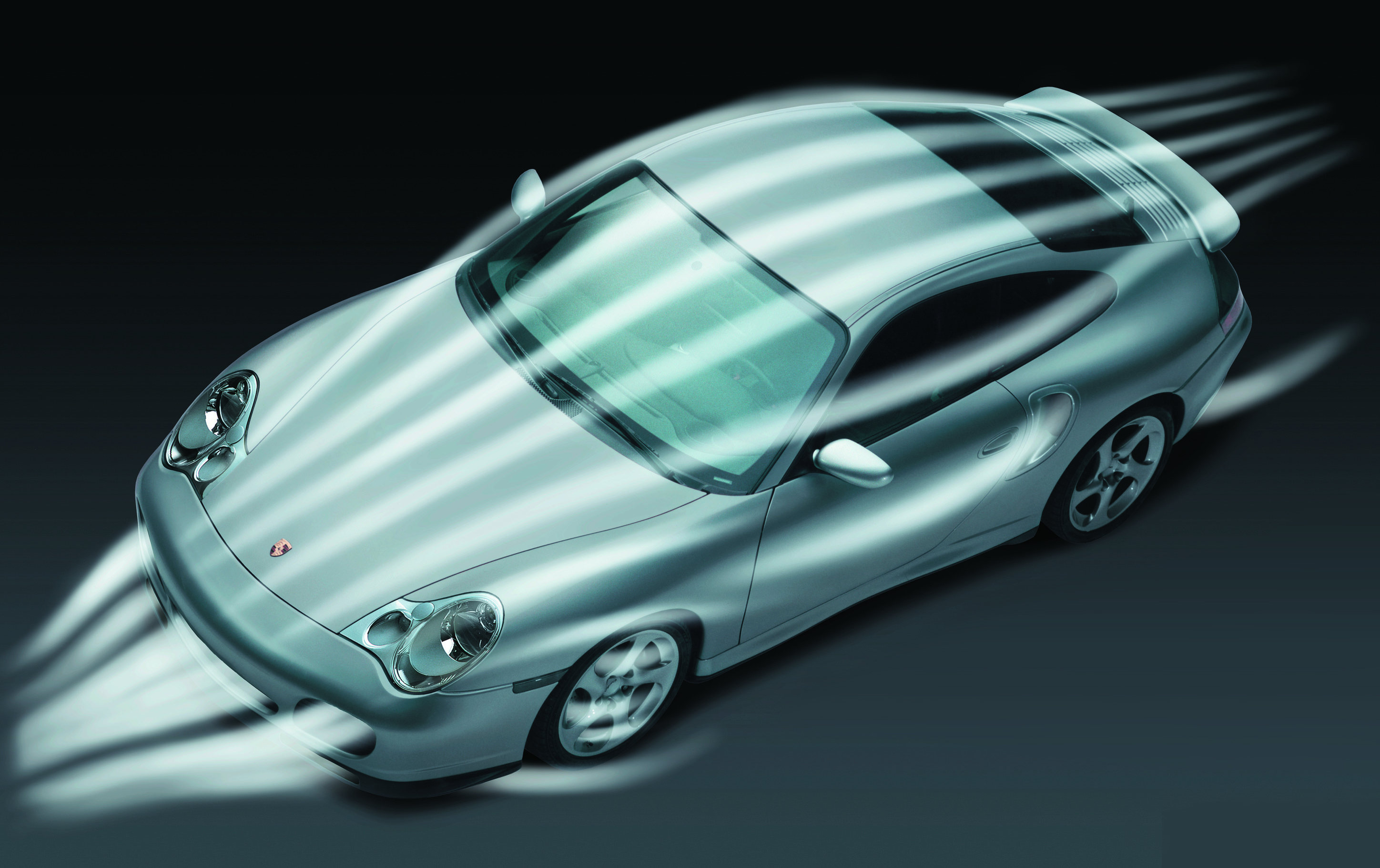
The intelligent channelling of air puts the cd value at 0.31
|
Porsche
|
911
|
Turbo
|
996 I
|
|
|
Dr. Ing. h.c. F. Porsche AG
|
Image
|
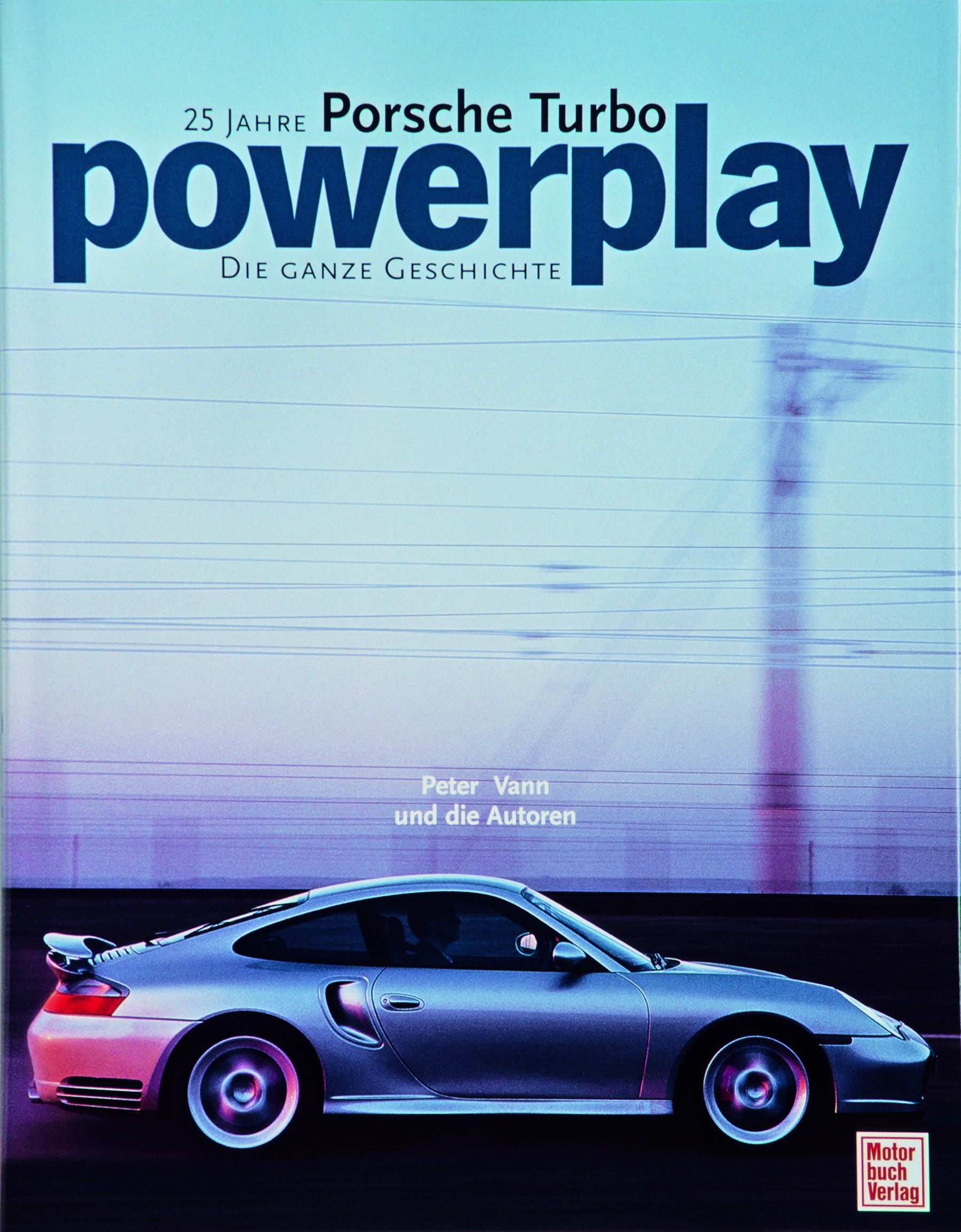
the 911 Turbo book
|
Porsche
|
911
|
Turbo
|
996 I
|
|
|
Dr. Ing. h.c. F. Porsche AG
|
Image
|
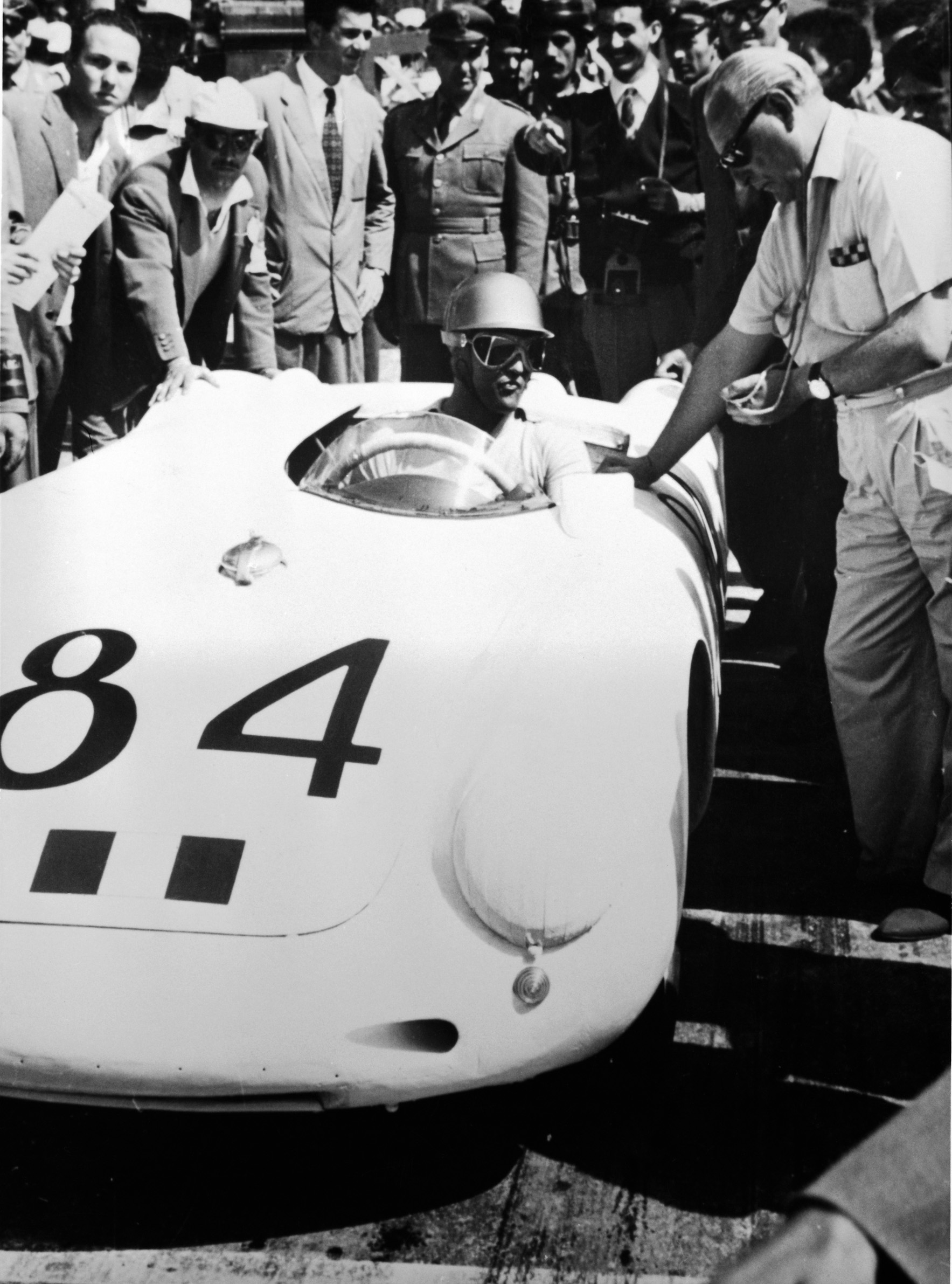
1956 Targa Florio Porsche won its first overall victory in a major international race in the Targa Florio on 10th June 1956. In his 550 A Spyder, Umberto Maglioli won out against strong international competition. 550 A Spyder: air-cooled 4-cyl. boxer engine, 1498 cm3, 135 HP, 550 kg
|
Porsche
|
|
550 A Spyder
|
|
|
|
Dr. Ing. h.c. F. Porsche AG
|
Image
|
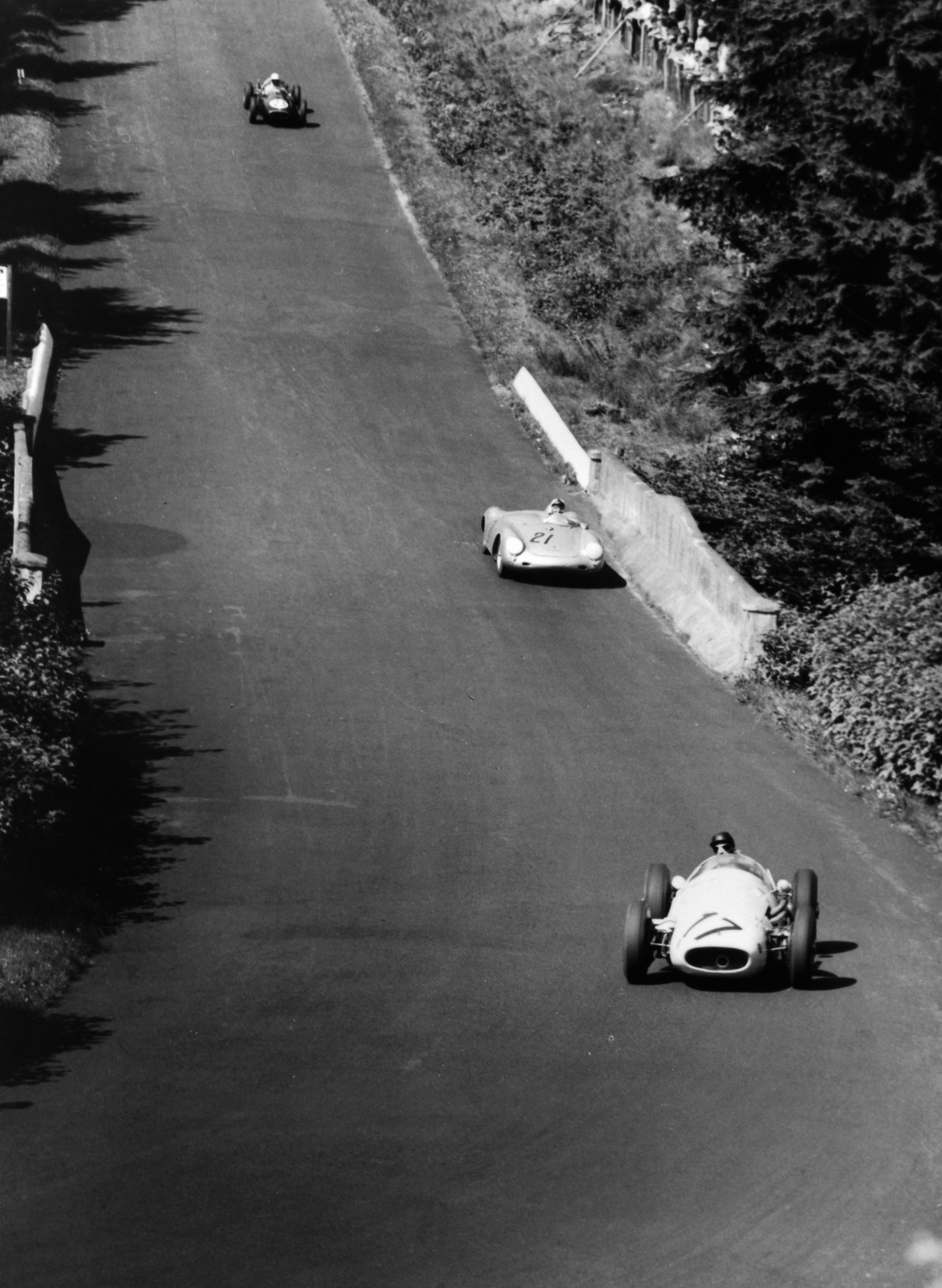
1957 German Grand Prix On 4th August, Edgar Barth, new to the Porsche team in 1957, won the formula II race in the Nürburgring which was started at the same time as the formula I race. With his 2-seater 550 A Spyder, he was faster than the competition in the single-seaters. 550 A Spyder: air-cooled 4-cyl. boxer engine, 1498 cm3, 135 HP, 550 kg
|
Porsche
|
|
550 A Spyder
|
|
|
|
Dr. Ing. h.c. F. Porsche AG
|
Image
|
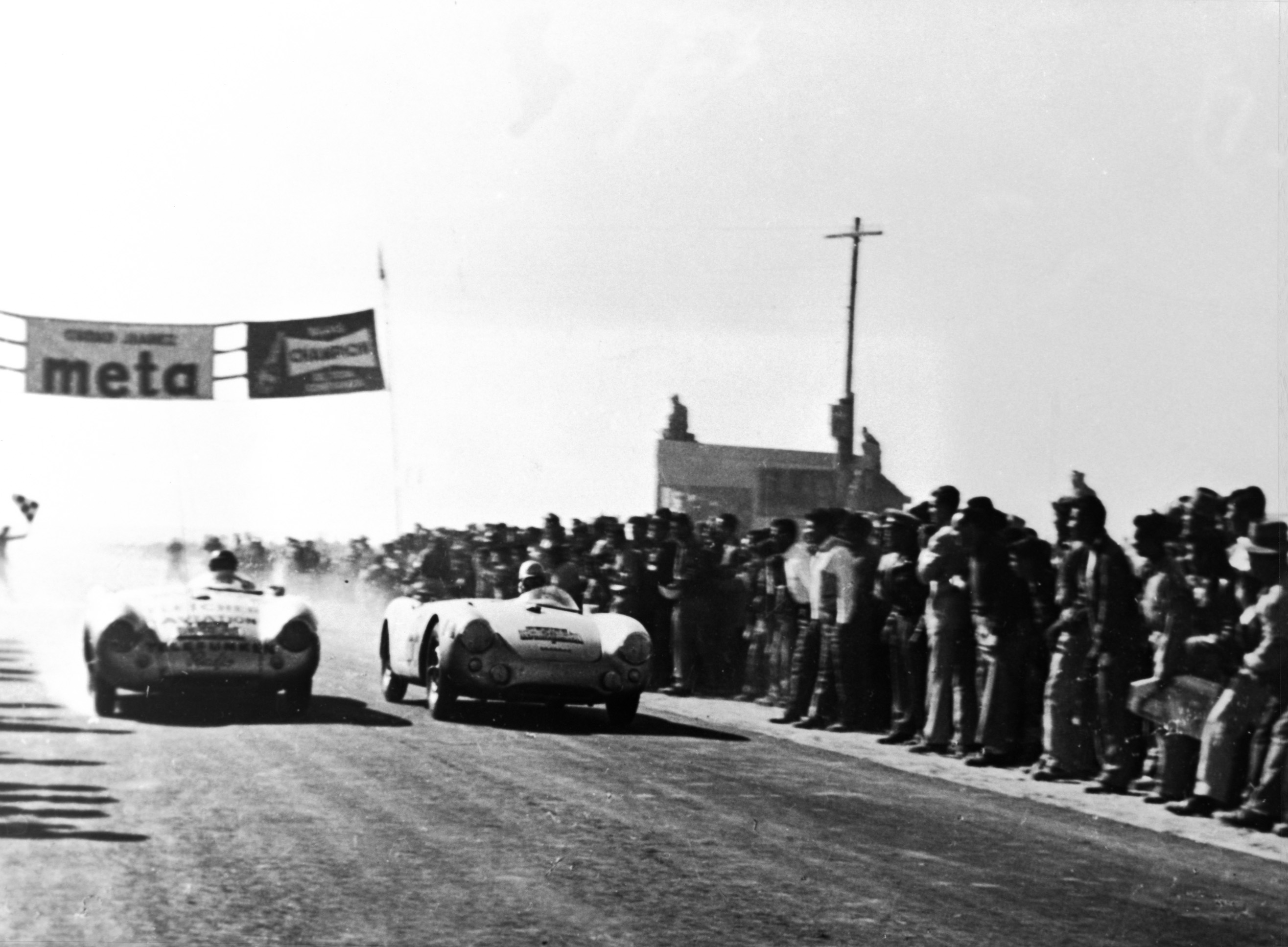
1954 Carrera Panamericana In the fifth and final Carrera Panamericana from 19th to 23rd November 1954 in Mexico, Hans Herrmann (left), driving in the Porsche 550 Spyder, took 3rd place in the overall classification and won in the sports car class up to 1500 cm3. 550 Spyder (1954): air-cooled 4-cyl. boxer engine, 1498 cm3, 550 kg, 110 HP
|
Porsche
|
|
550 Spyder
|
|