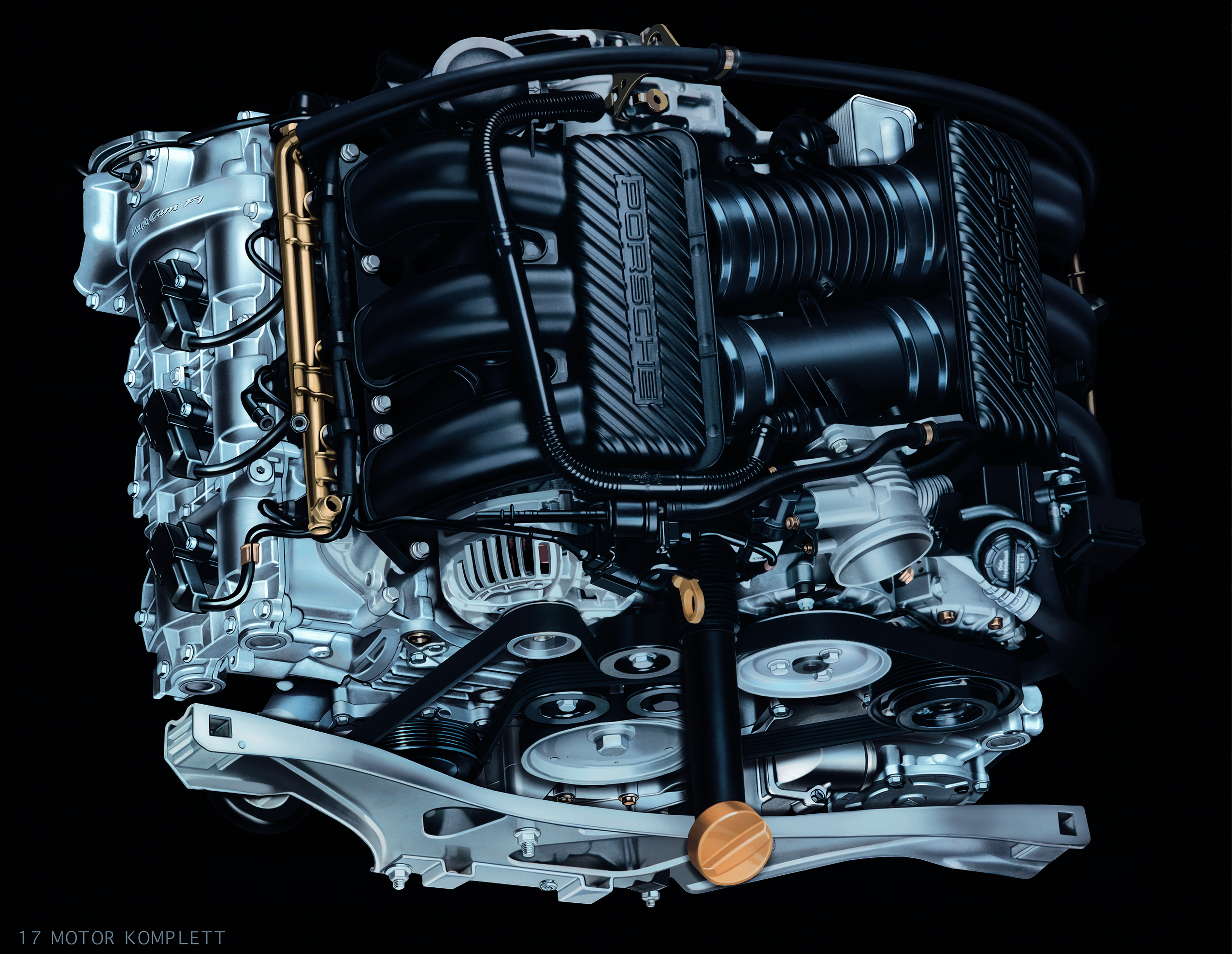
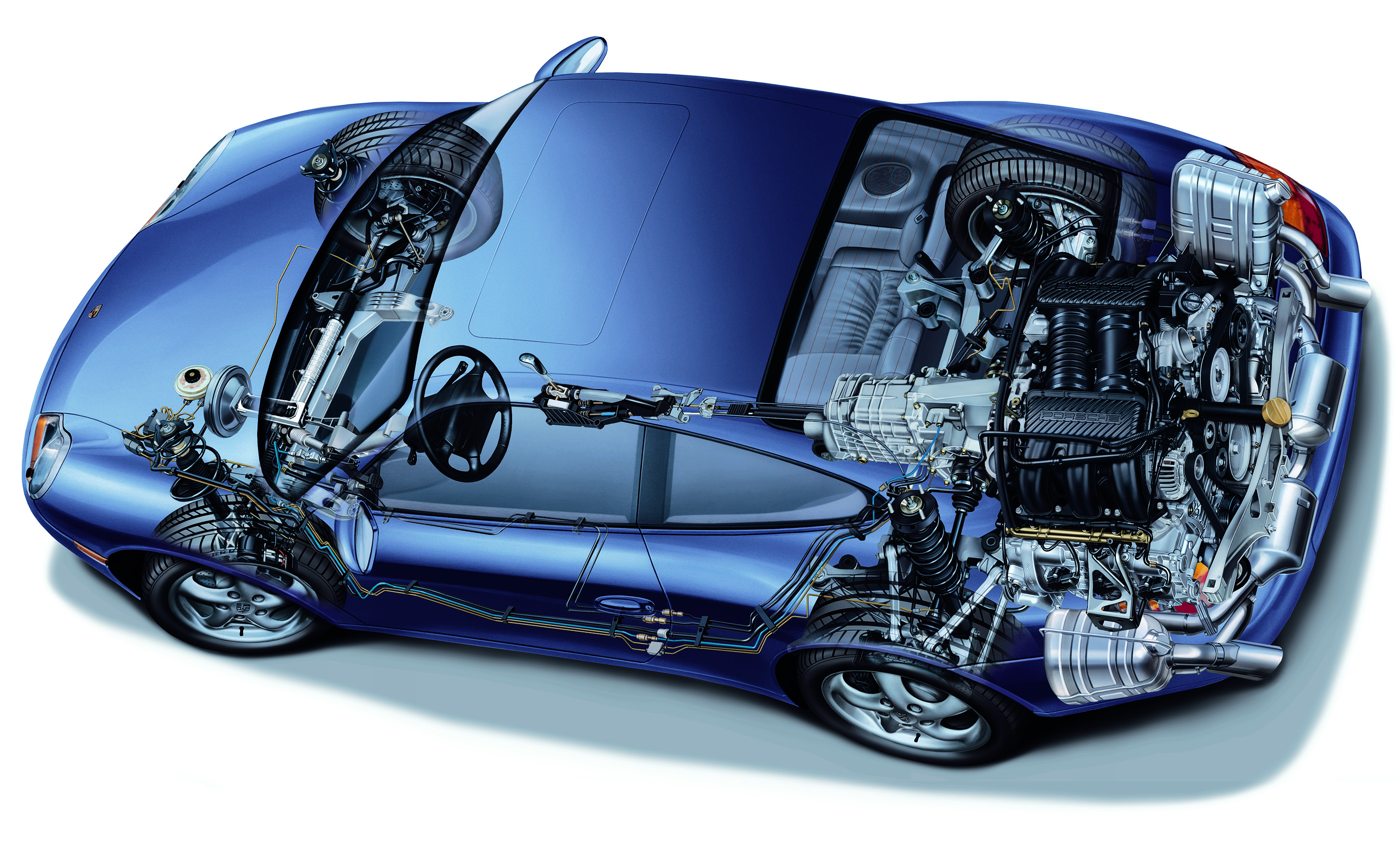
Water-cooled six-cylinder engine with 3.6 litre displacement and 235 kW (320 HP)
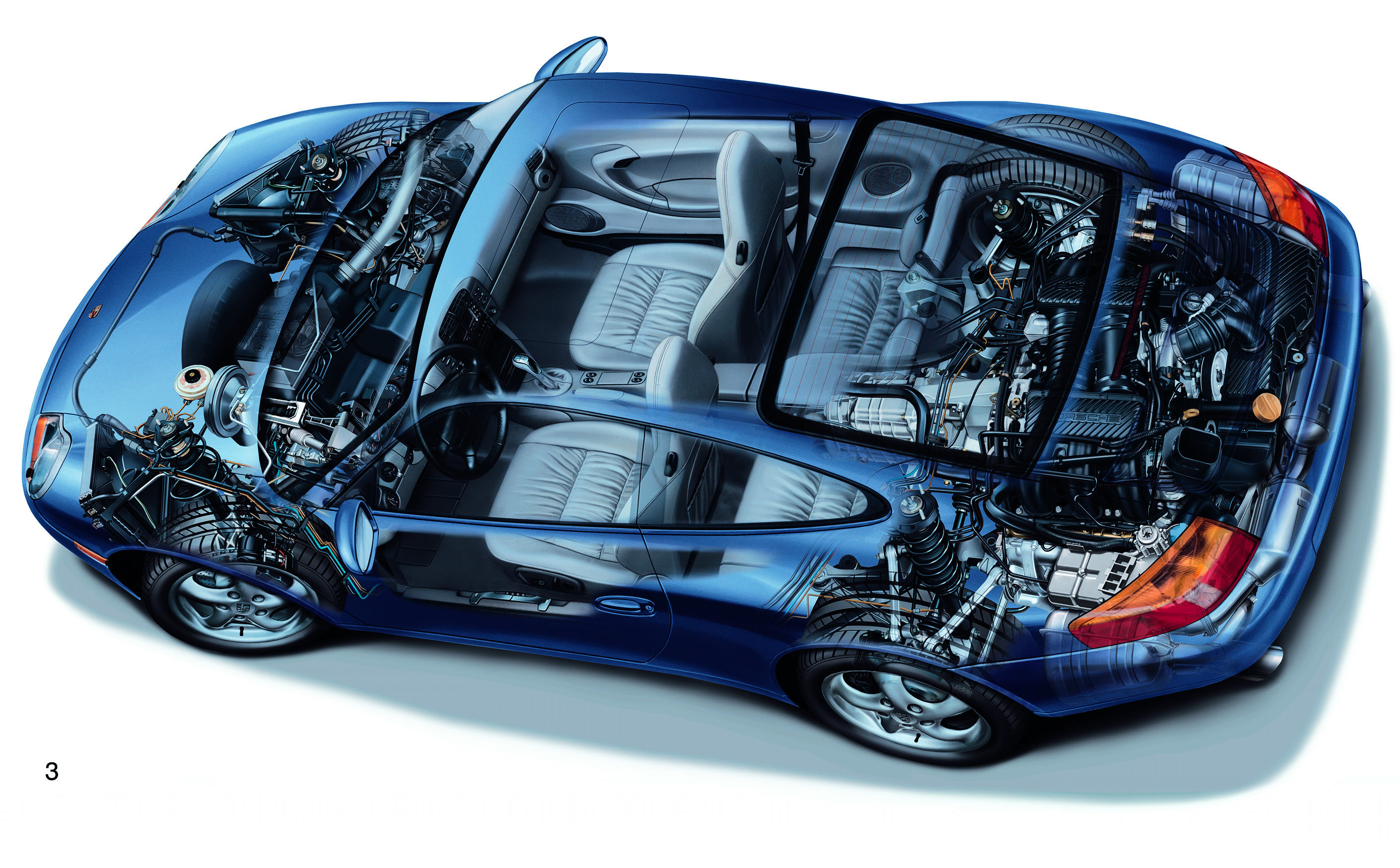
The placing of the engine in the rear end puts weight on the drive wheels and as a result improves the traction in all driving situations
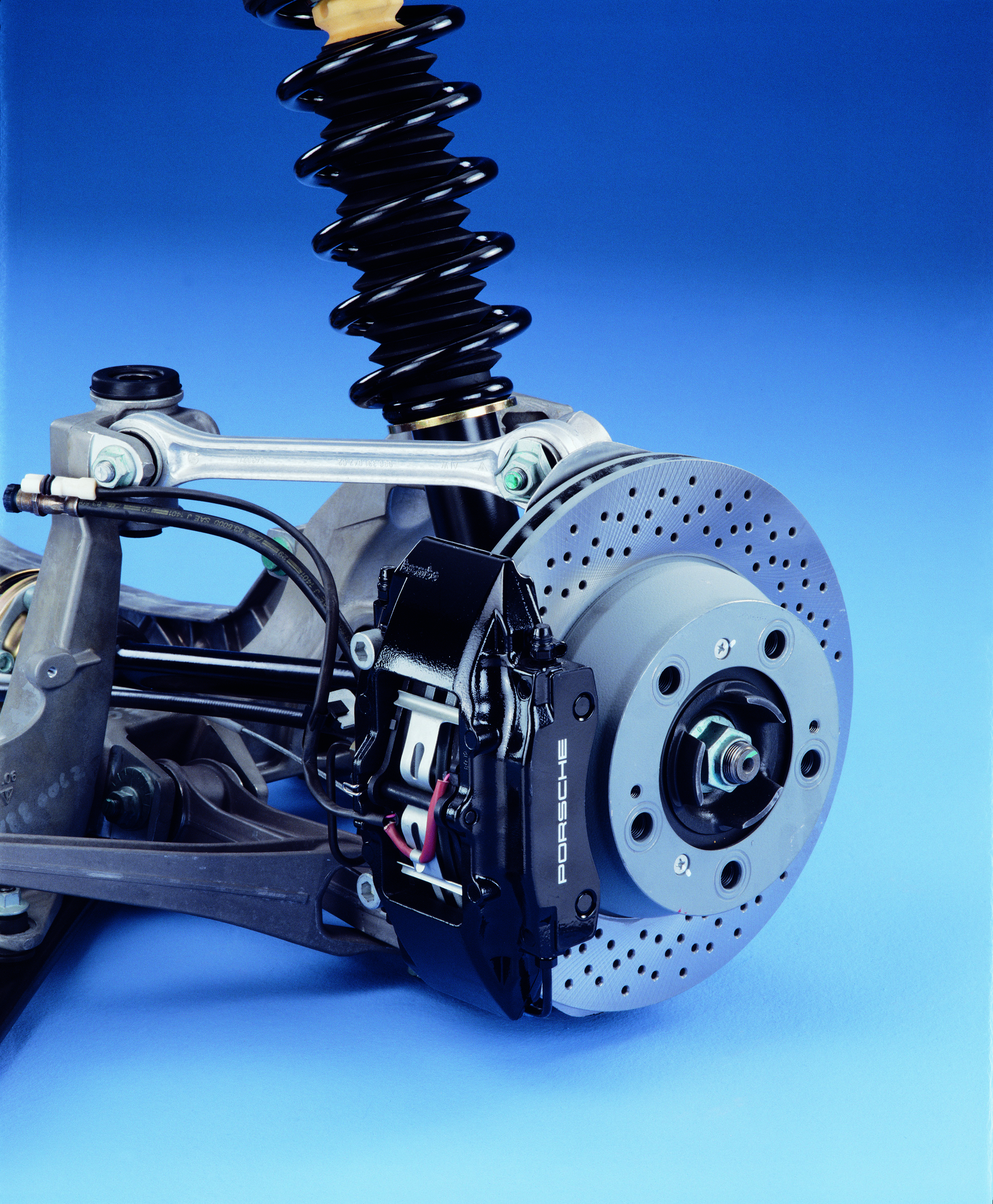
Rear axle with perforated and internally ventilated brake disk and four-piston monobloc fixed caliper
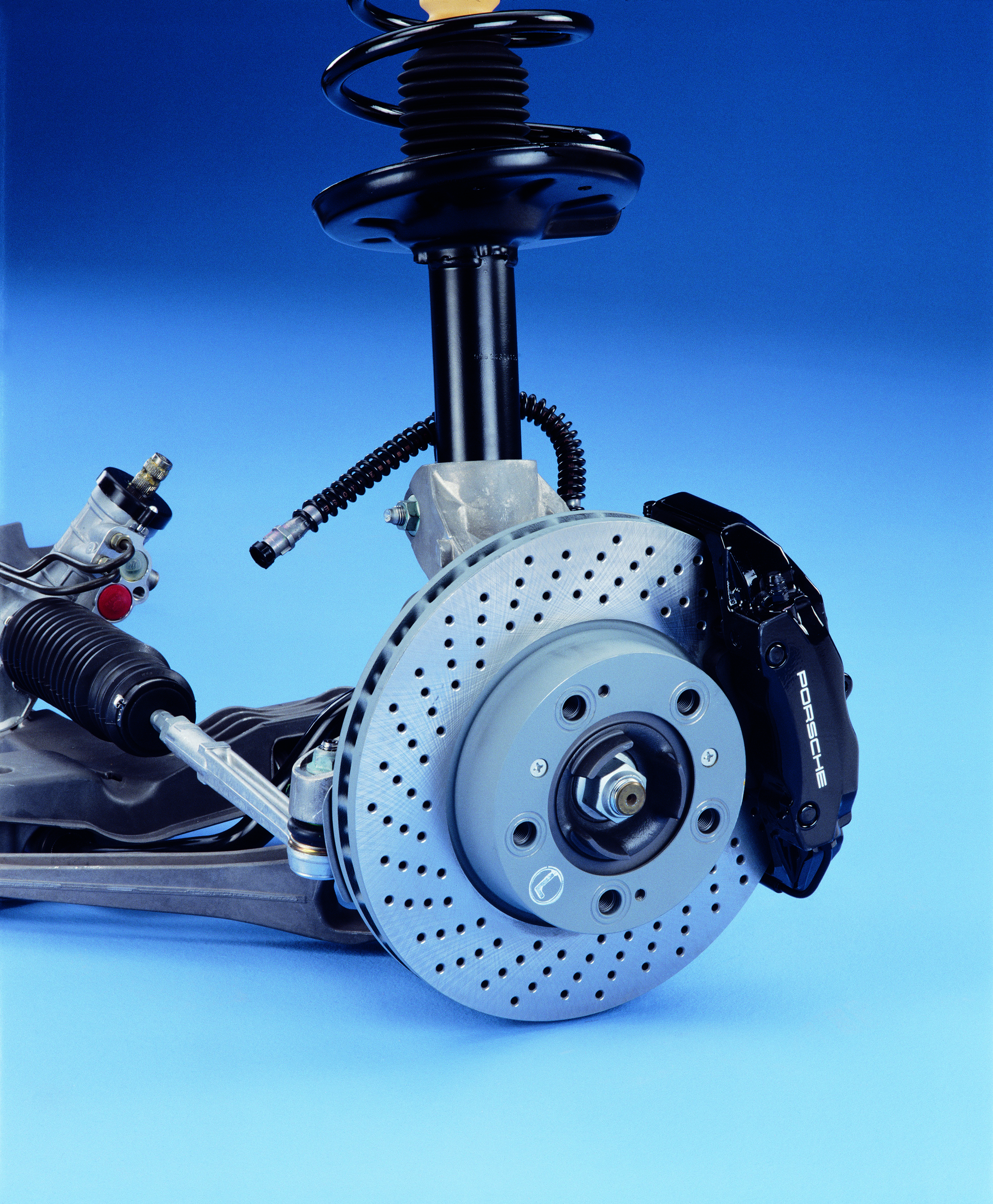
Front axle with perforated and internally ventilated brake disk and four-piston monobloc fixed caliper
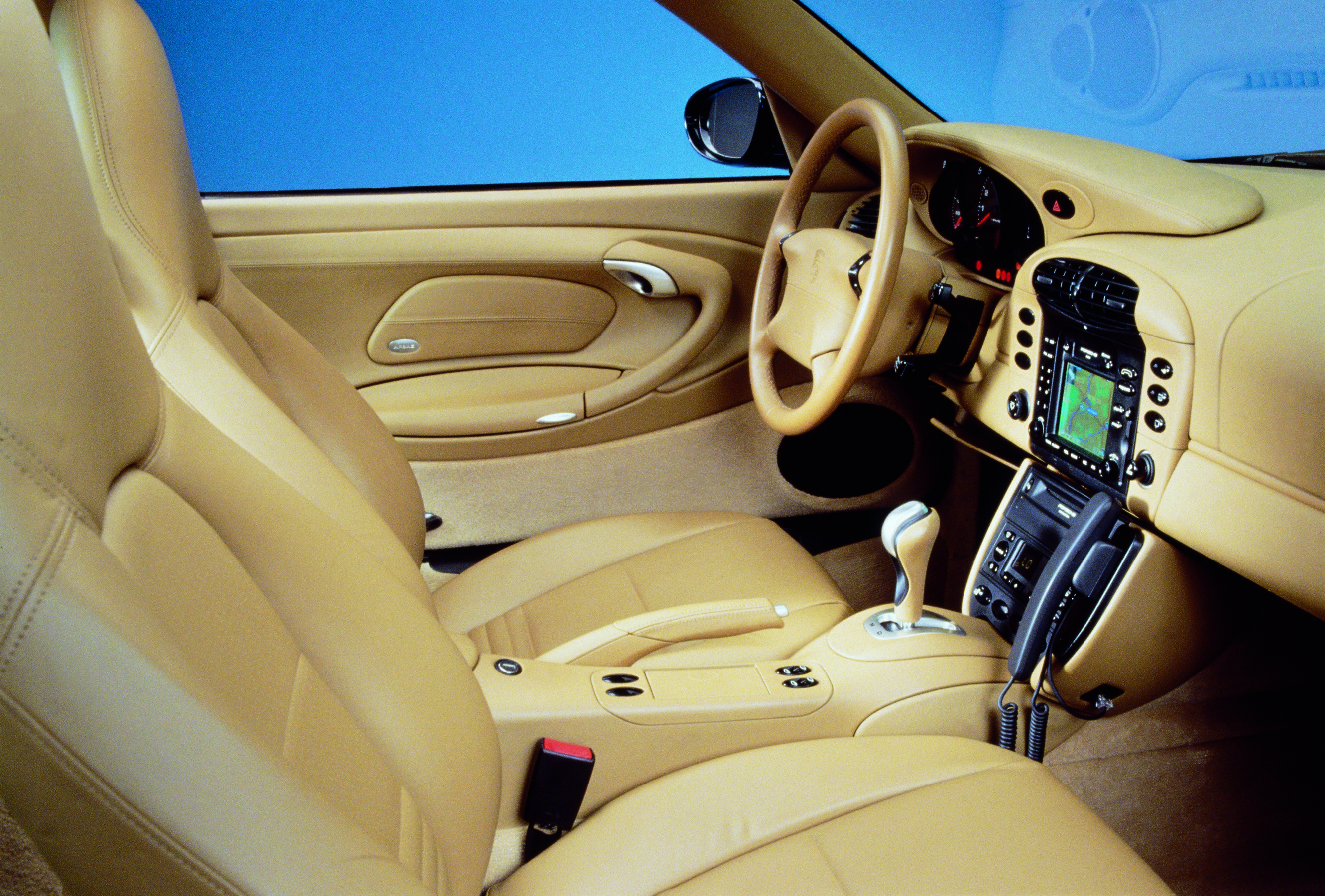
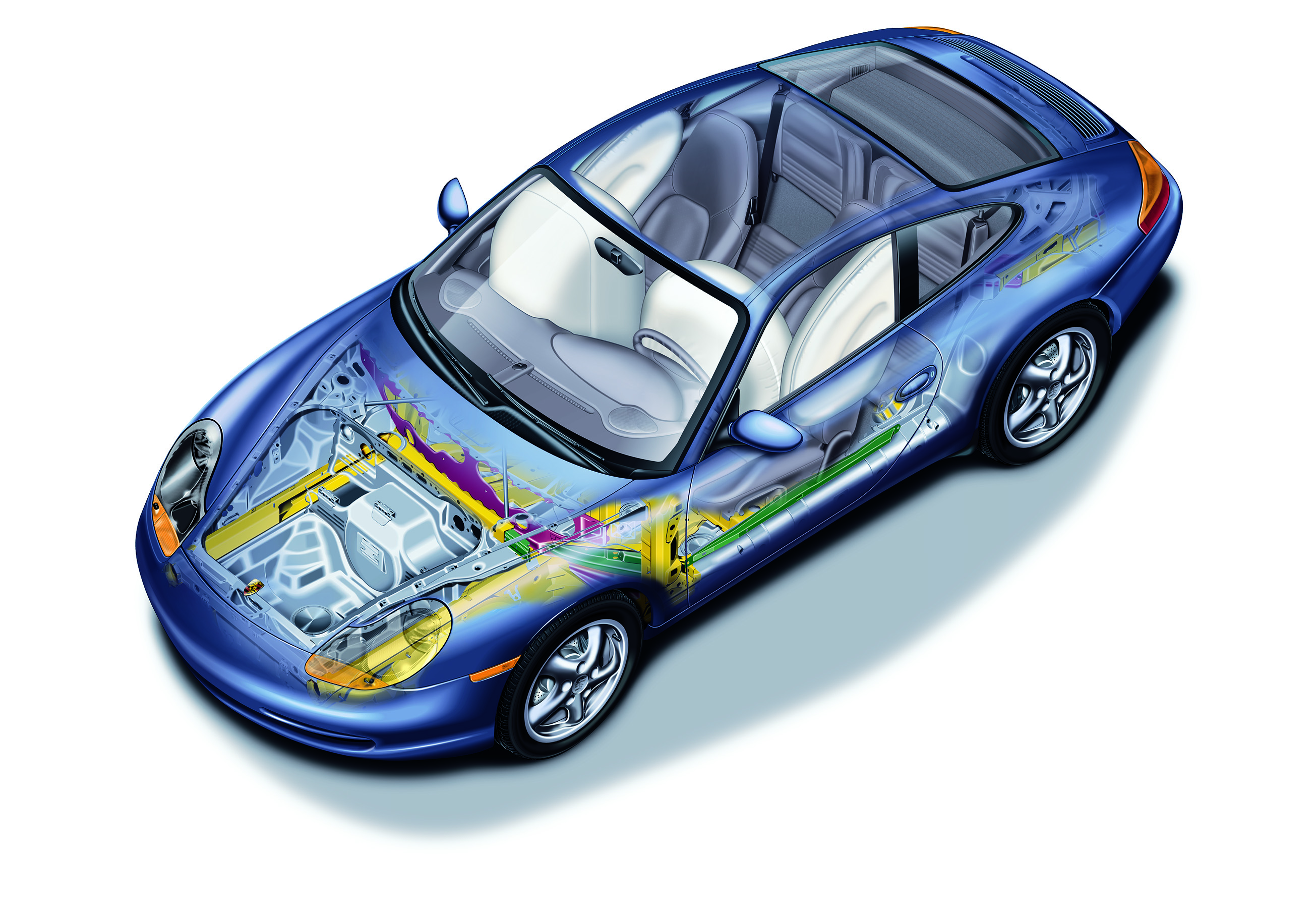
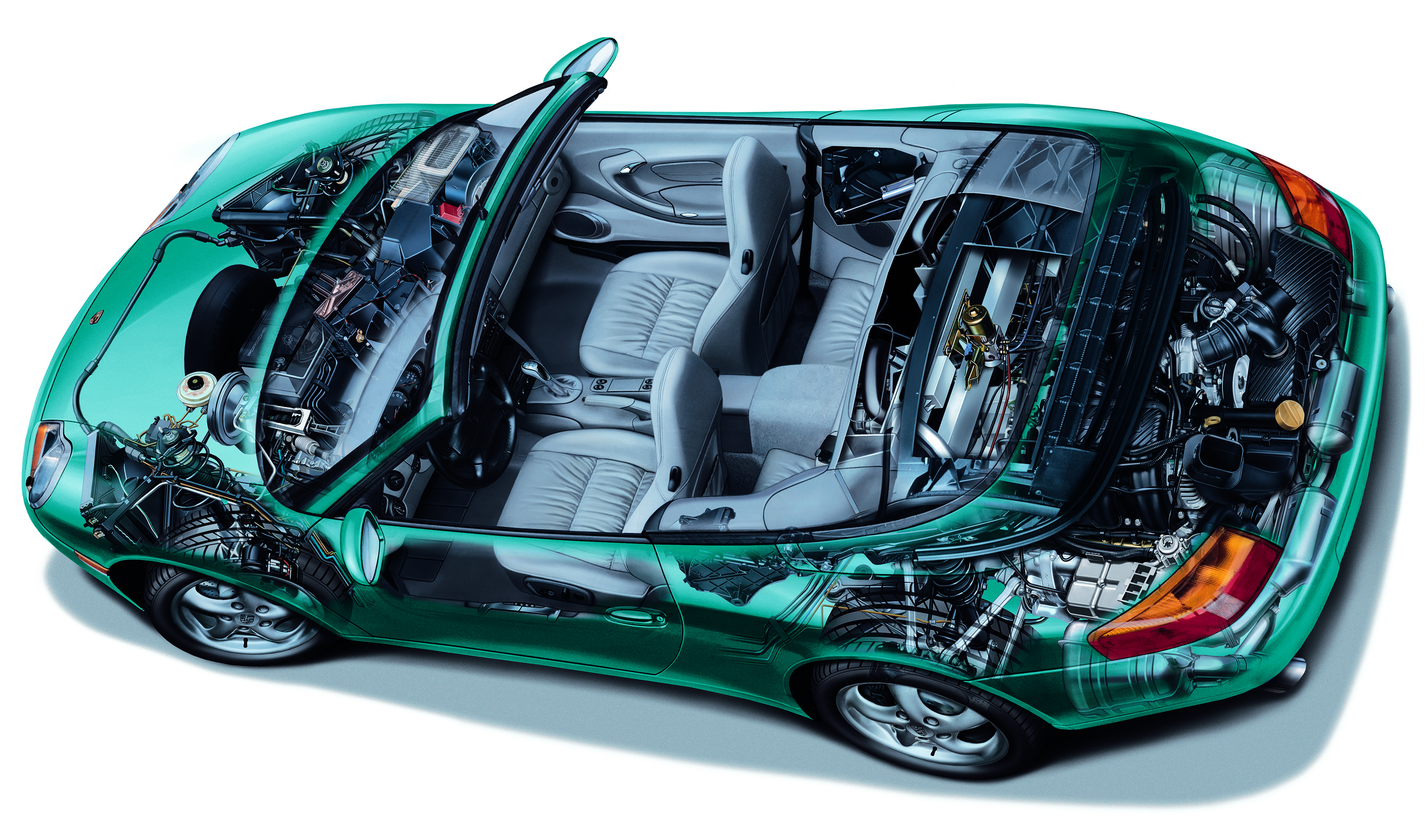
Passive safety in vehicle interior: Fullsize airbag for driver and passenger and Porsche Side Impact Protection System (POSIP)
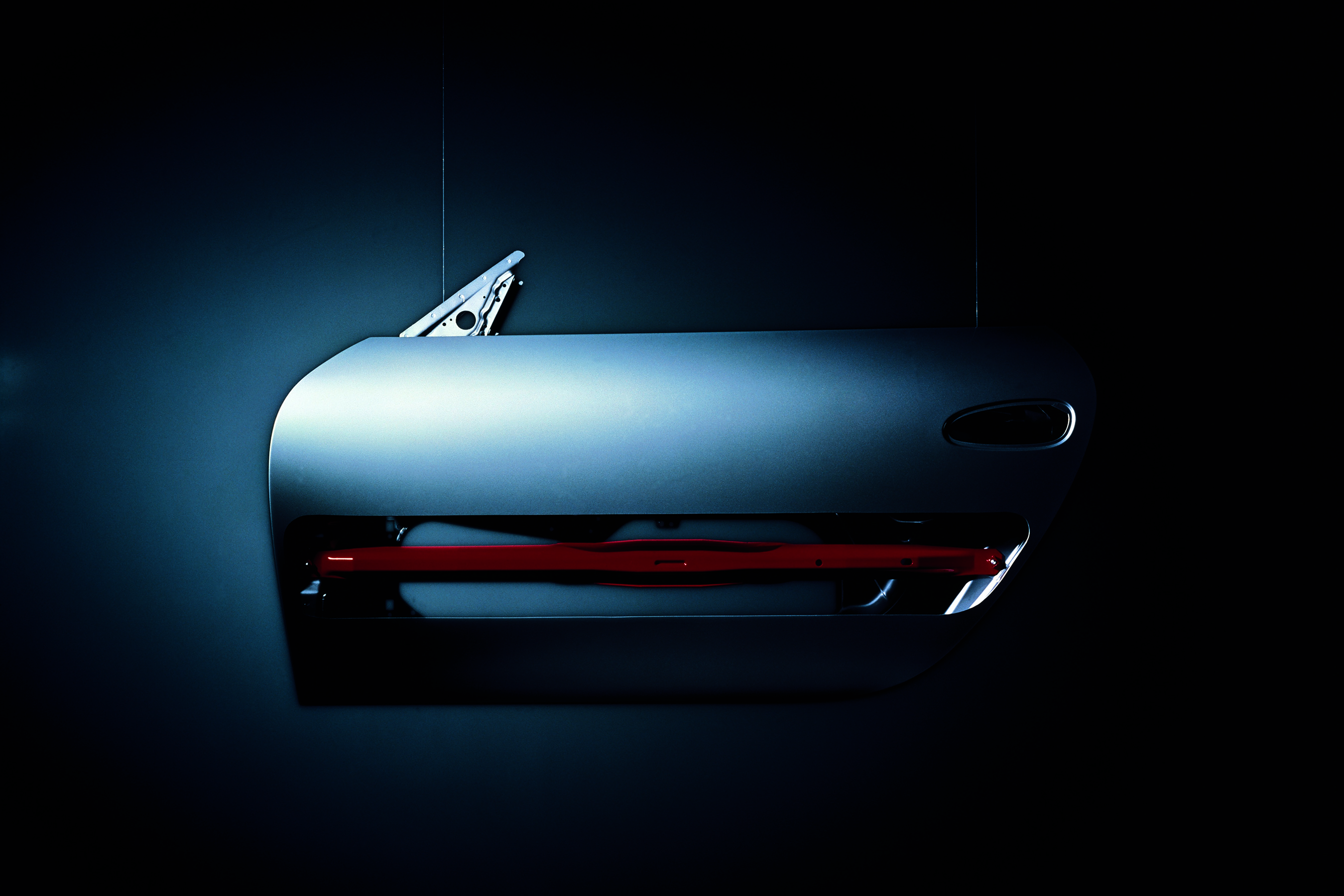
Passive safety: high-strength steel door reinforcement
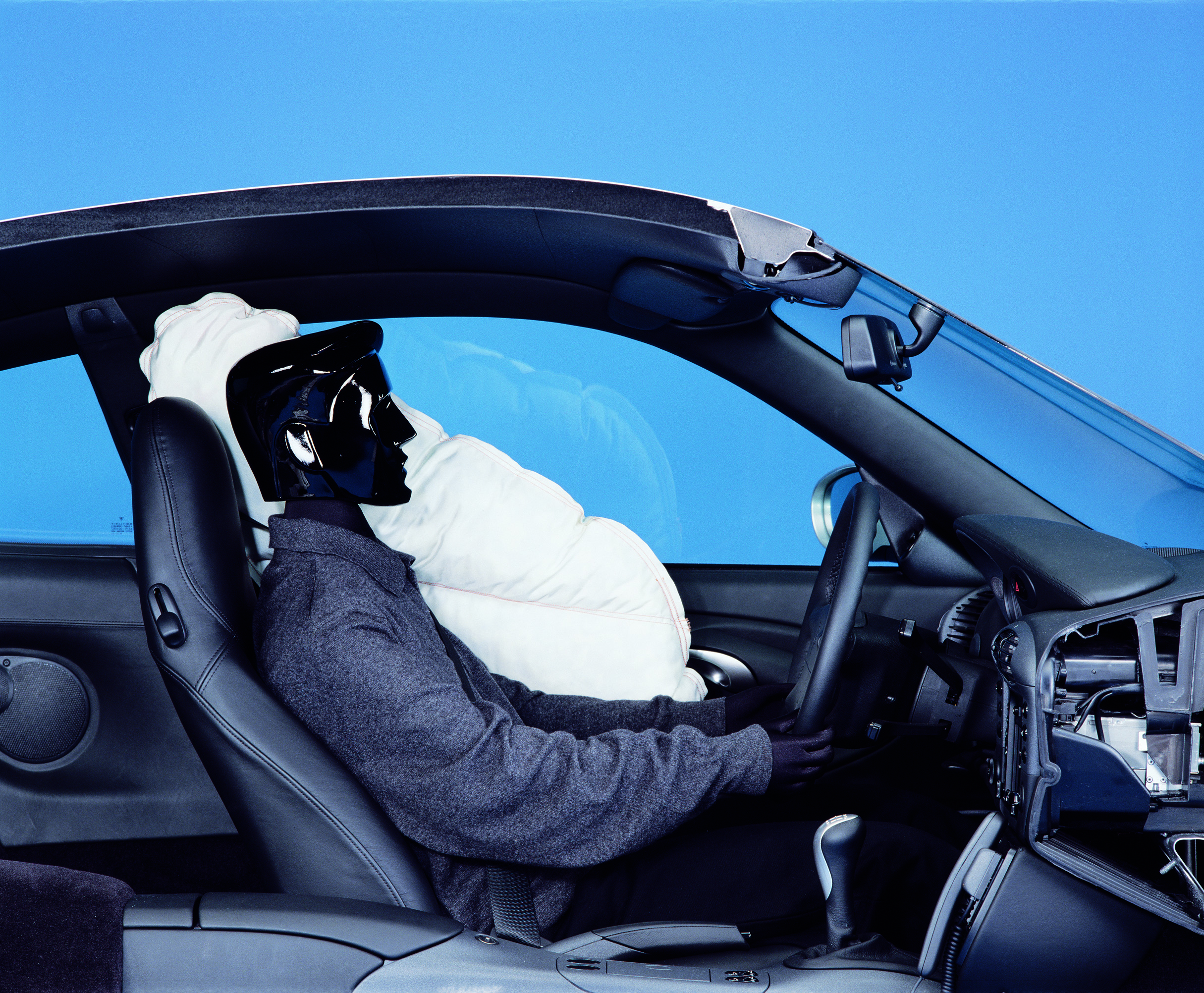
As it has a capacity of 30 litres, the side airbag covers the whole of the seat adjustment area
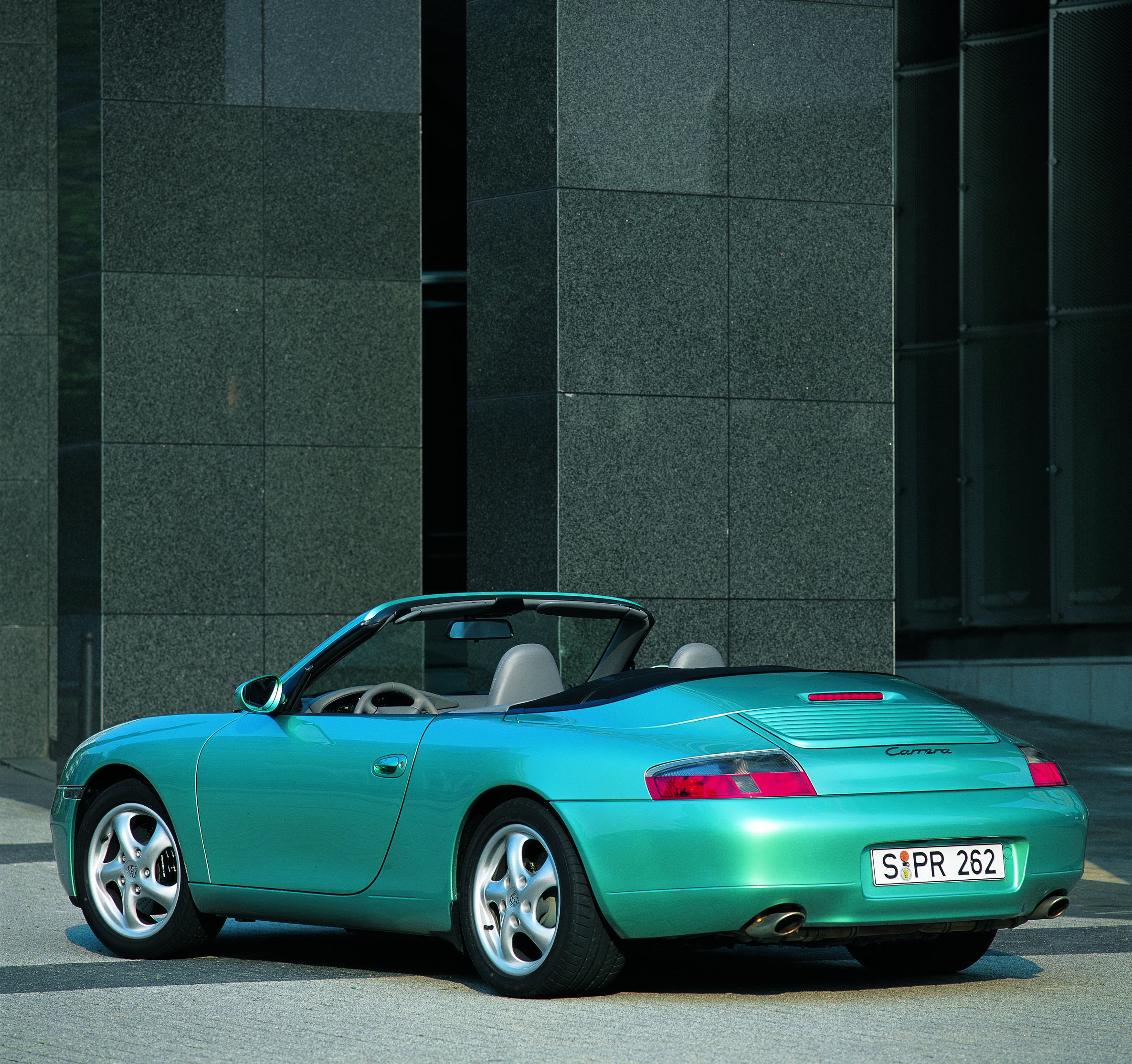
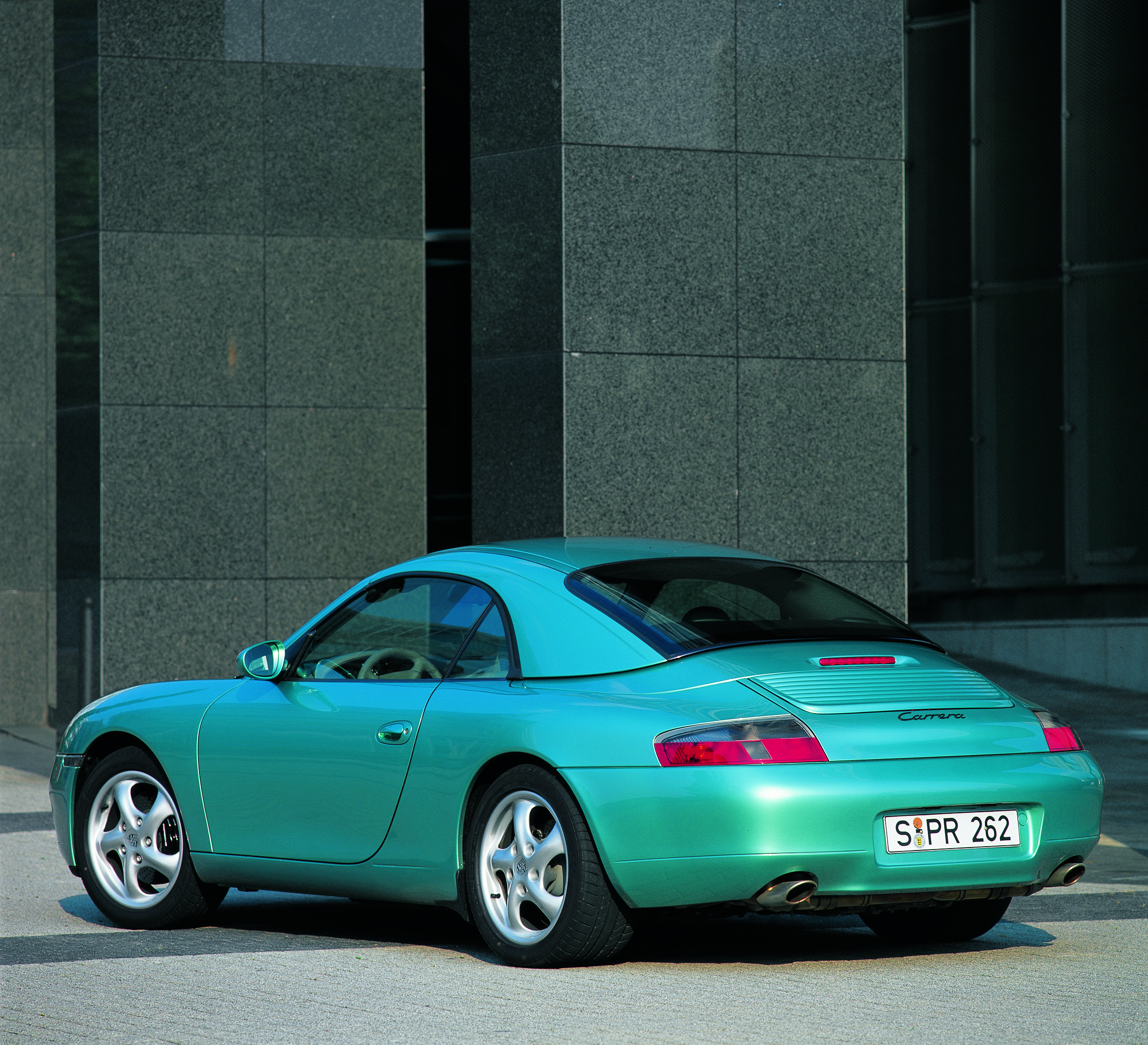
911 Carrera Cabriolet
911 Carrera Cabriolet
Artist's impression: running gear with drive units
Artist's impression: running gear with drive units
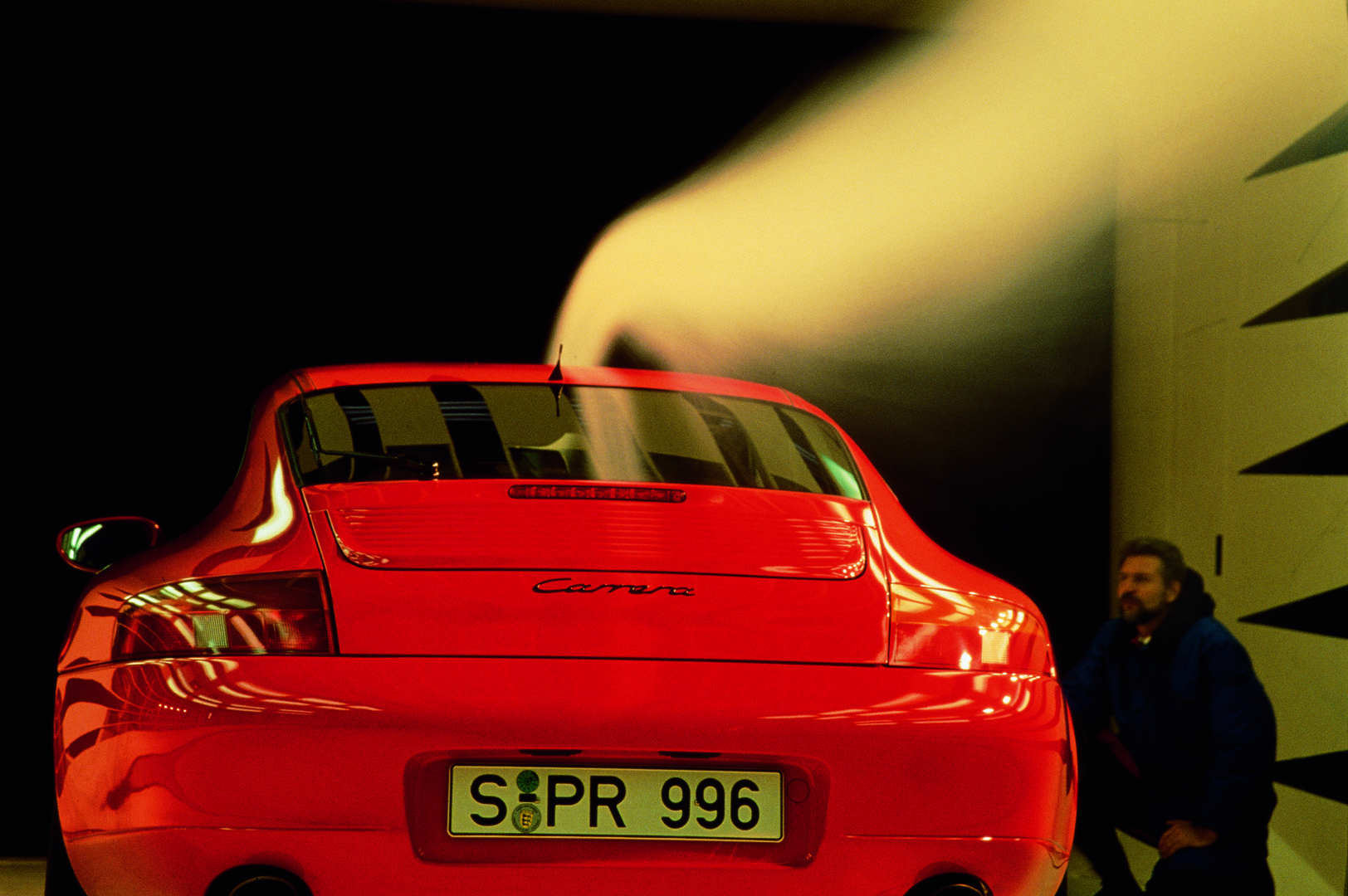
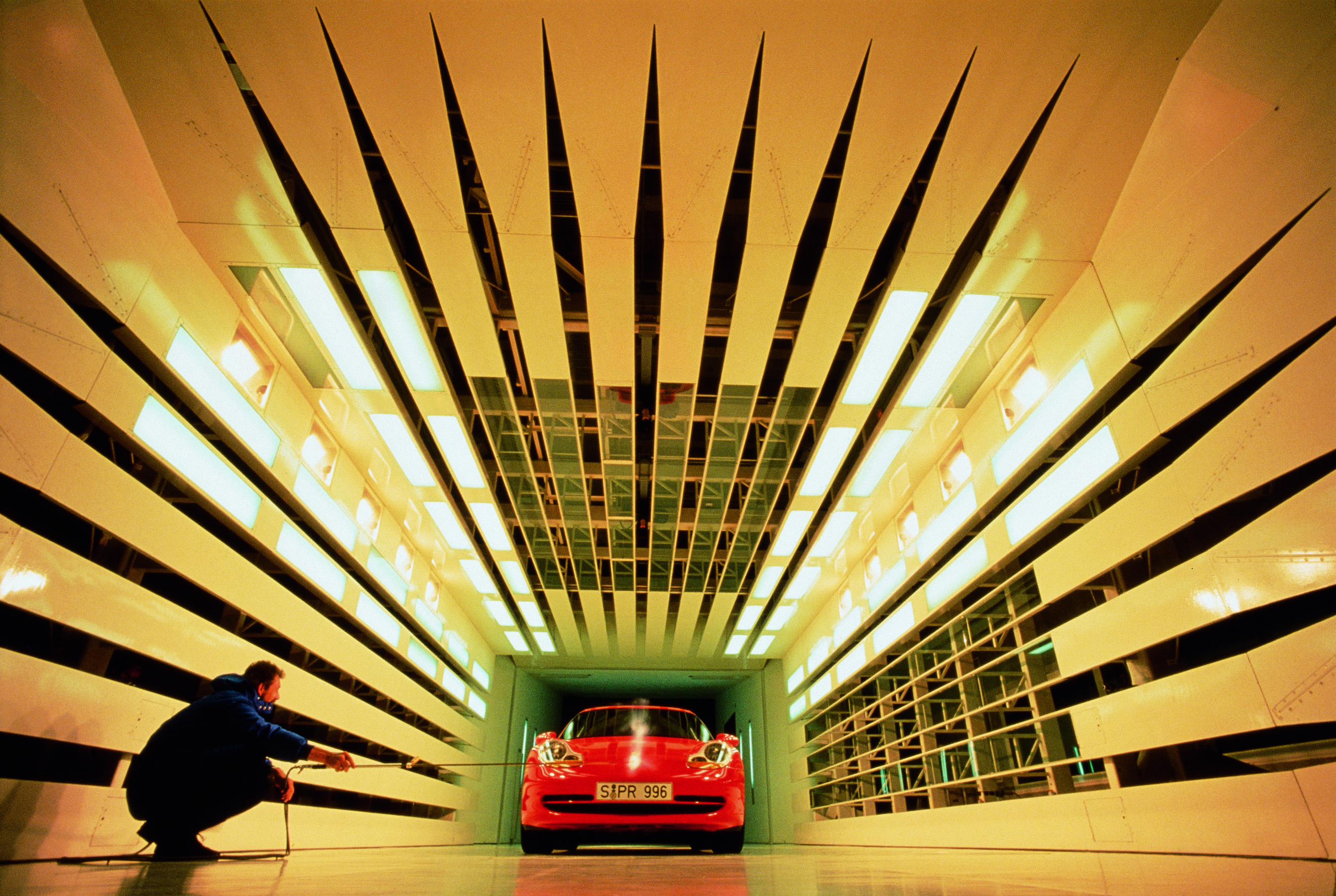
Engineers optimise the aerodynamics of the Porsche sports car in the wind tunnel
Wind tunnel tests are an important prerequisite of optimal aerodynamics
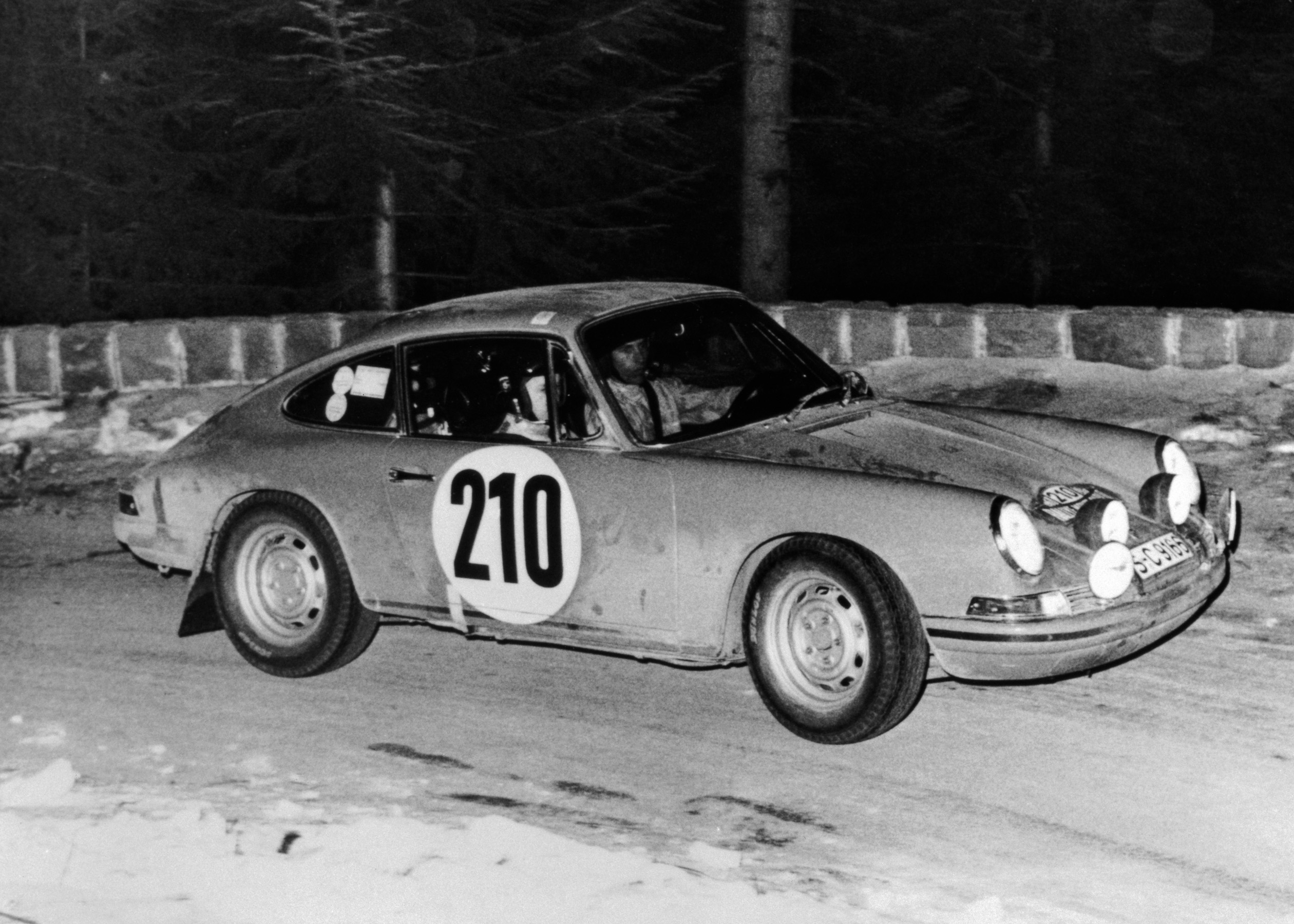
1968 Monte Carlo Rally In 1968 Vic Elford and David Stone driving a 911 T, succeeded in winning the Monte Carlo Rally, held from 20th to 27th January, for Porsche for the first time. 911 T "Rallye": air-cooled 6-cyl. boxer engine, 1991 cm3, 180 HP, 1066 kg (with 60 l tank)
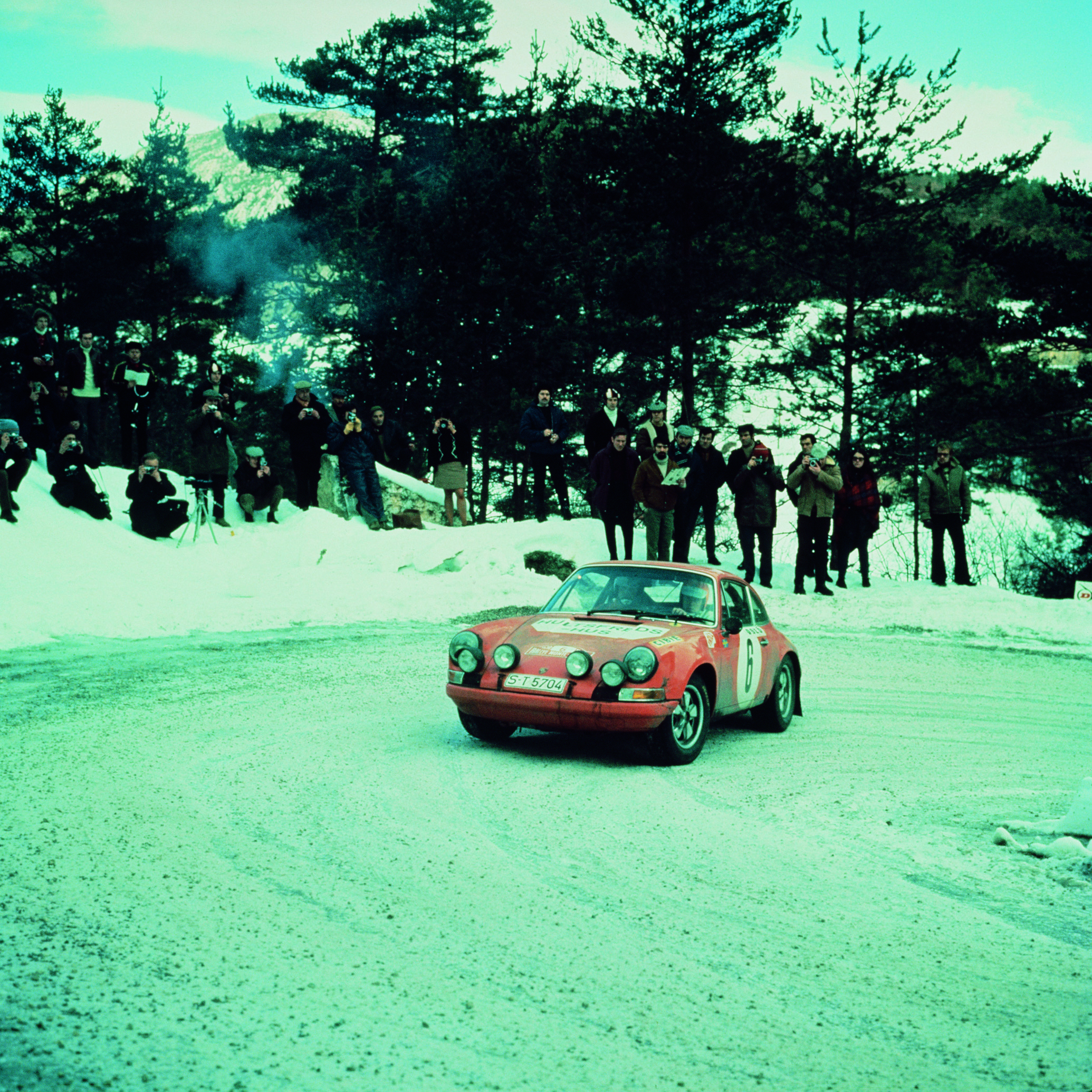
1970 Monte Carlo Rally The 1970 Monte Carlo rally from 16th to 24th January 1970 was won by Björn Waldegaard and Lars Helmer in the Porsche 911 S 2.3. This third Porsche double victory in a row also formed the foundation stone for victory in the 1970 world rally championship. 911 S 2.3 : air-cooled 6-cyl. boxer engine, 2247 cm3, 230 HP, 960 kg
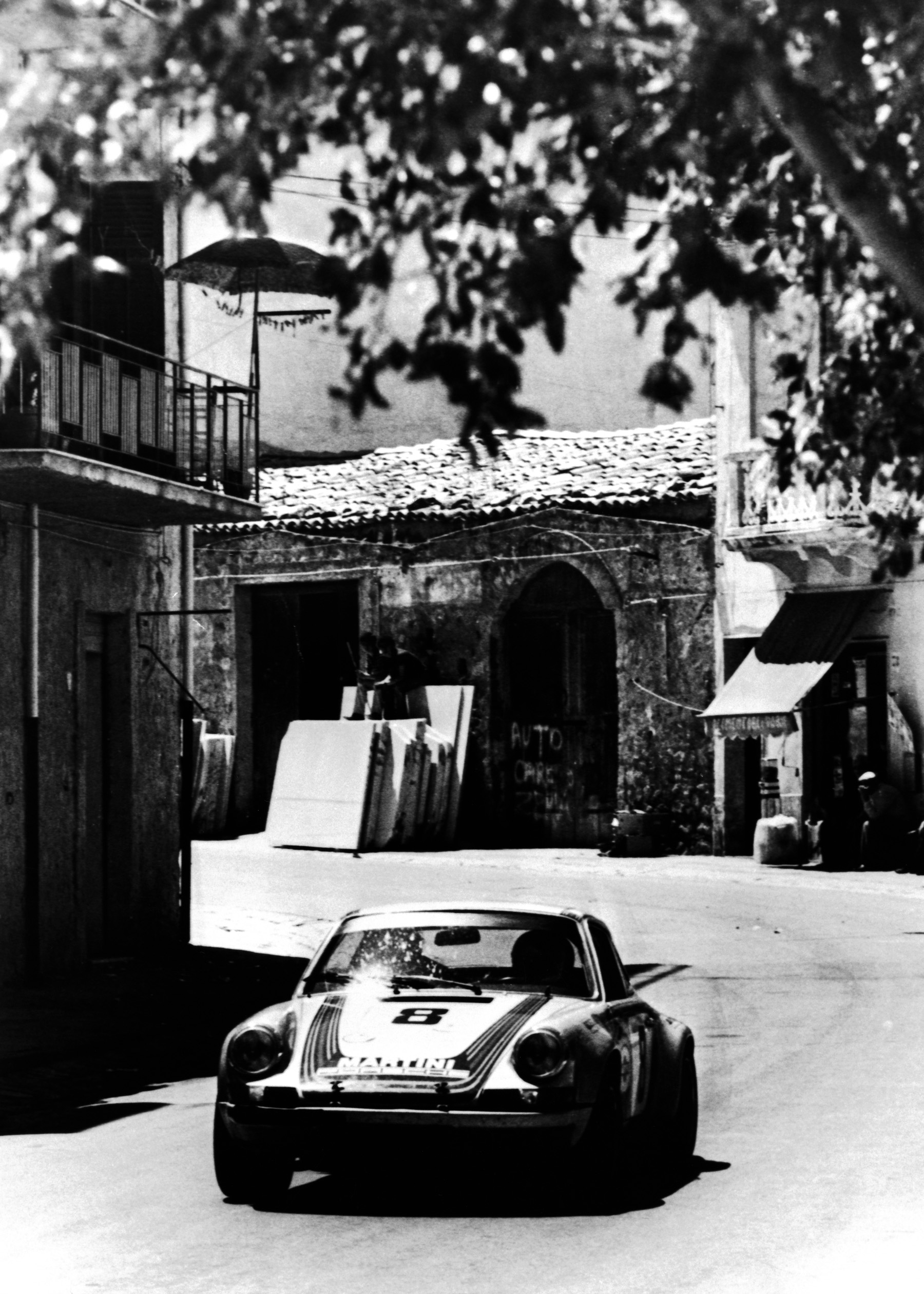
Targa Florio 1973 The oldest road race in the world, the Targa Florio, is held for the last time on 13th May 1973. Gijs van Lennep and Herbert Müller drive the Porsche 911 Carrera RSR 3.0 to Porsche's 11th overall win, making it the "eternal" Targa Florio winner. 911 Carrera RSR 3.0: air-cooled 6-cyl. boxer engine, 2992 cm3, 330 HP, 900 kg