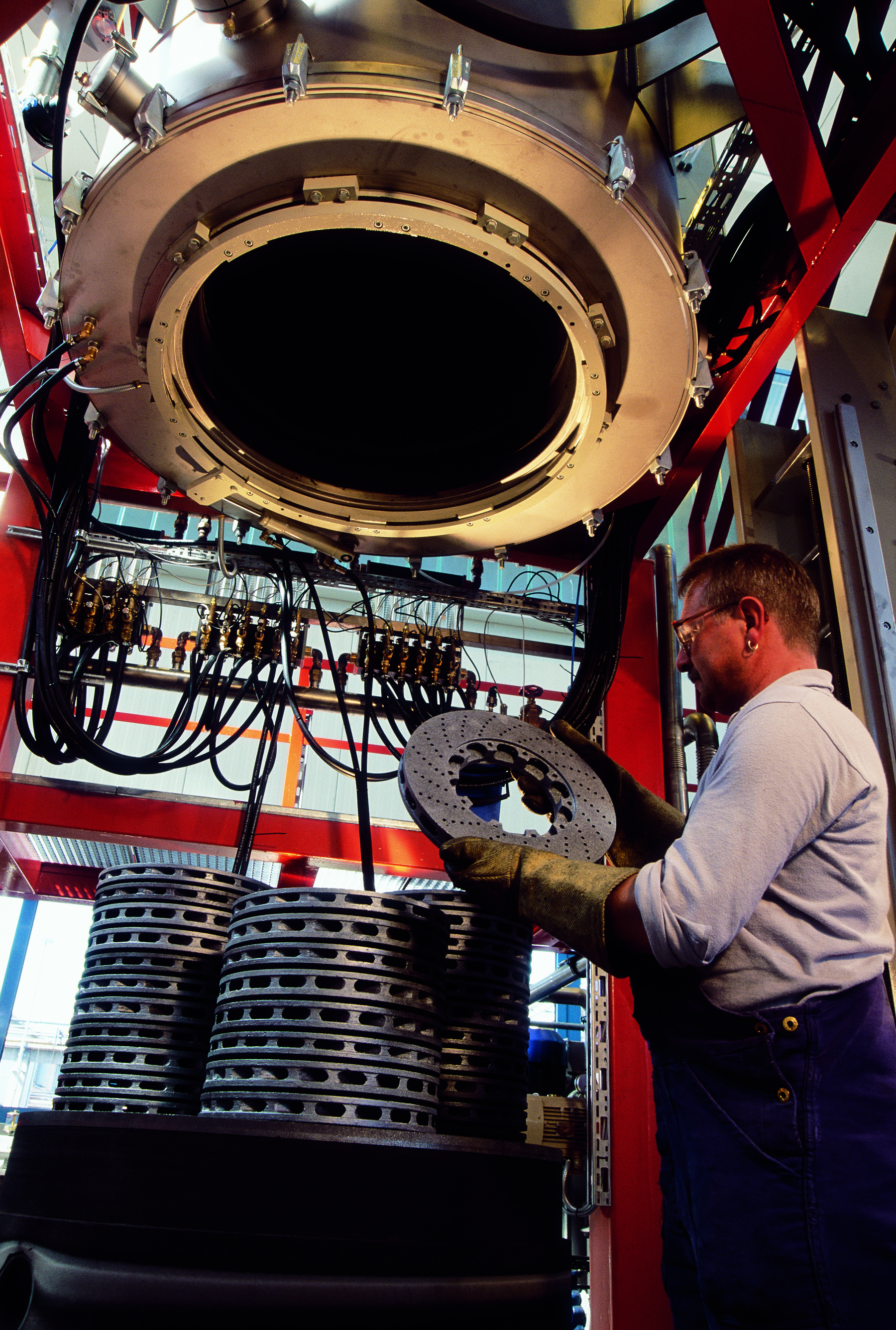
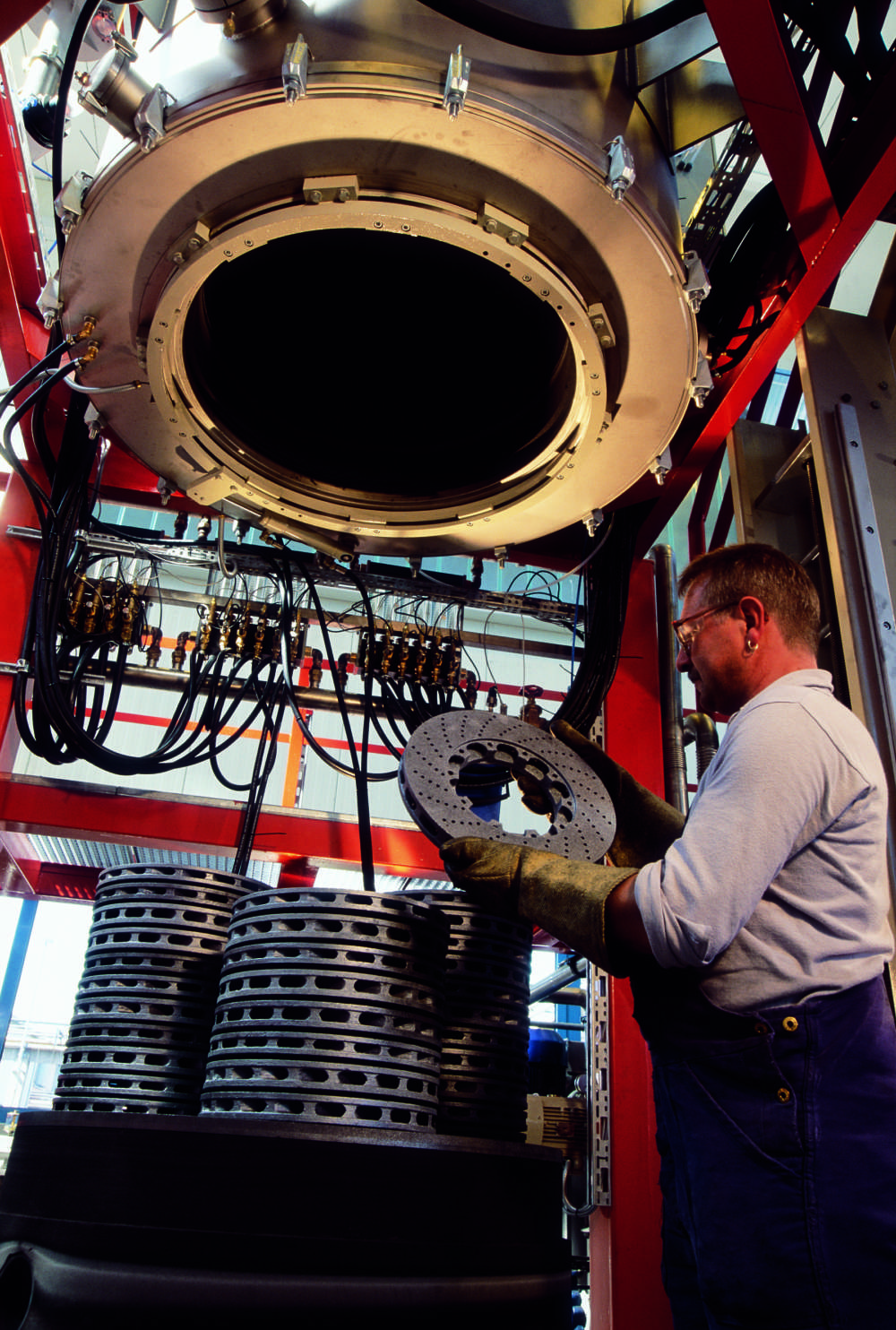
 Brake discs after the silicating process in the high-vacuum furnaceausgestattetcar
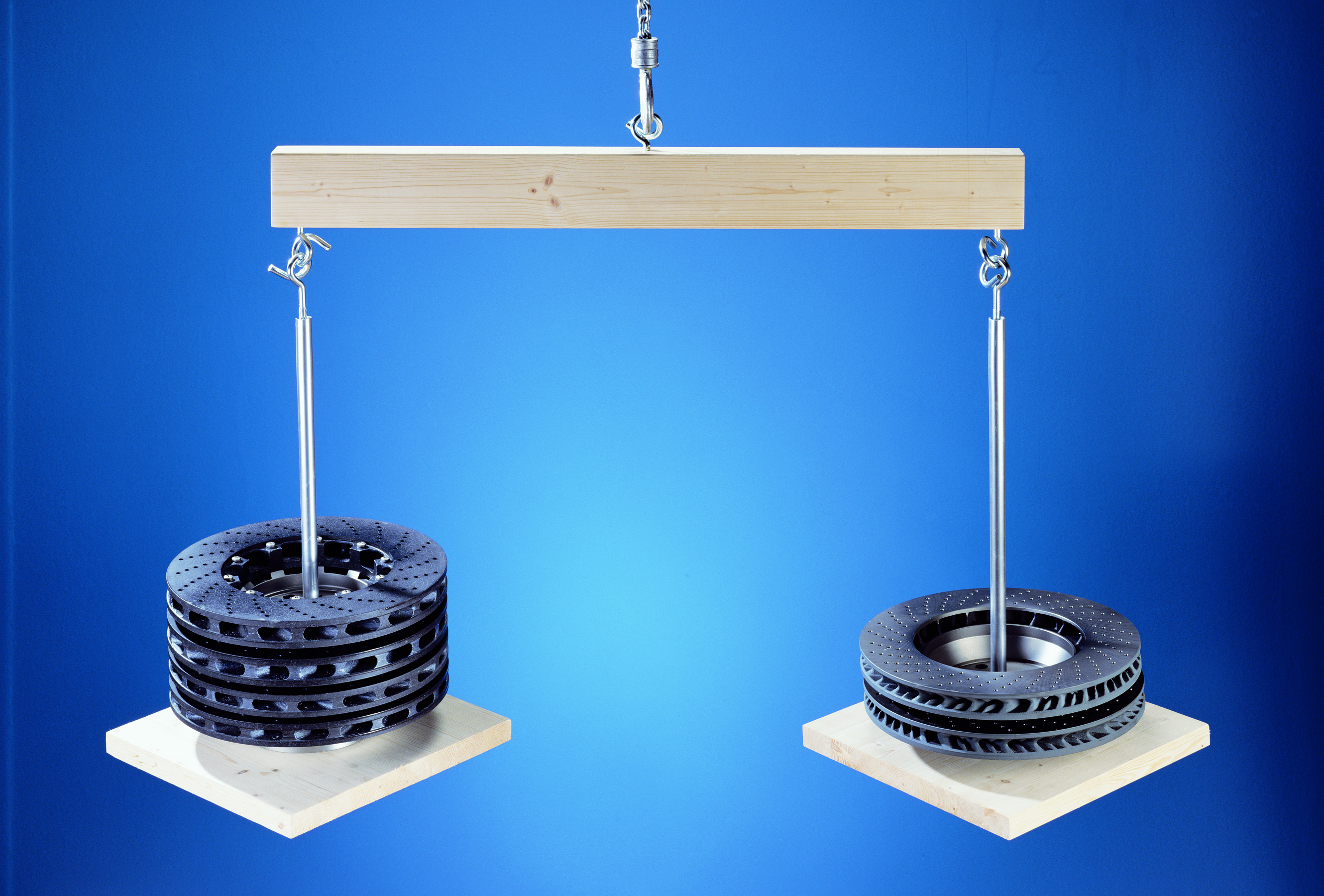
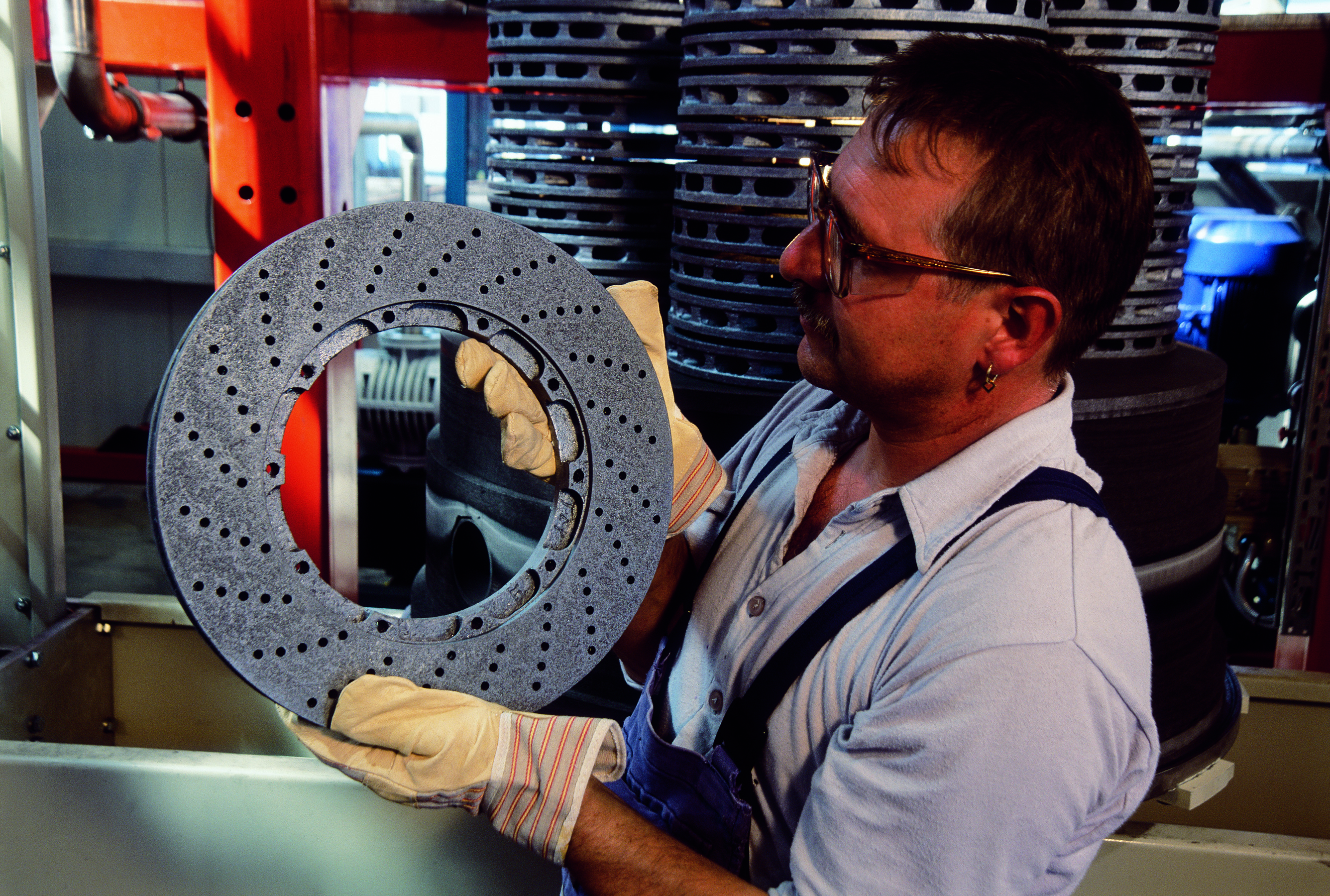
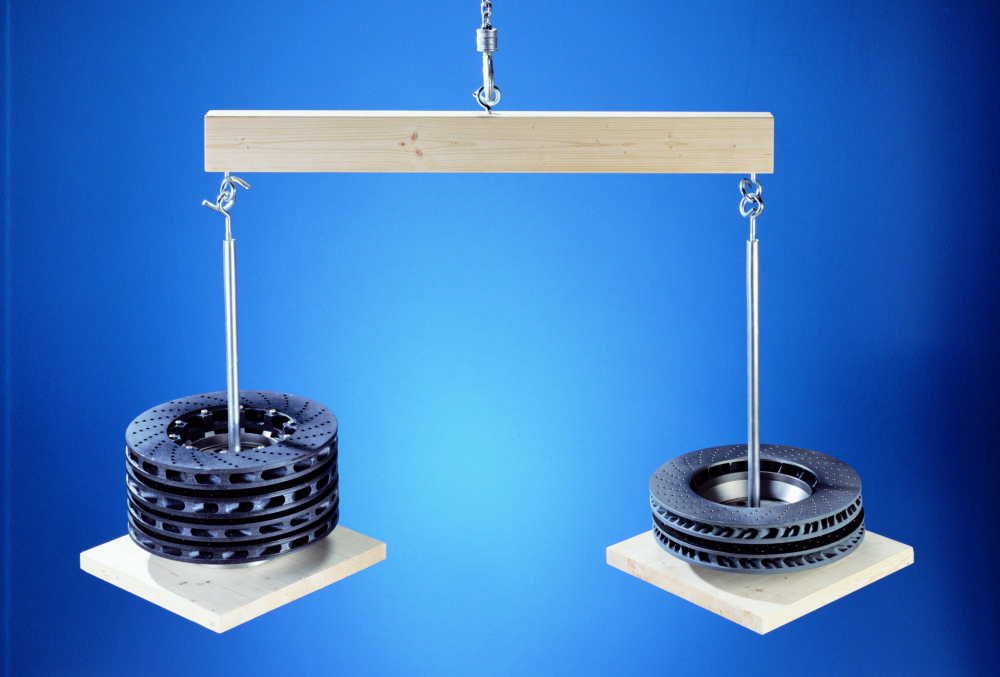 The PCCB brake disc (left) weighs approximately 50 percent less than a grey cast-iron brake disc
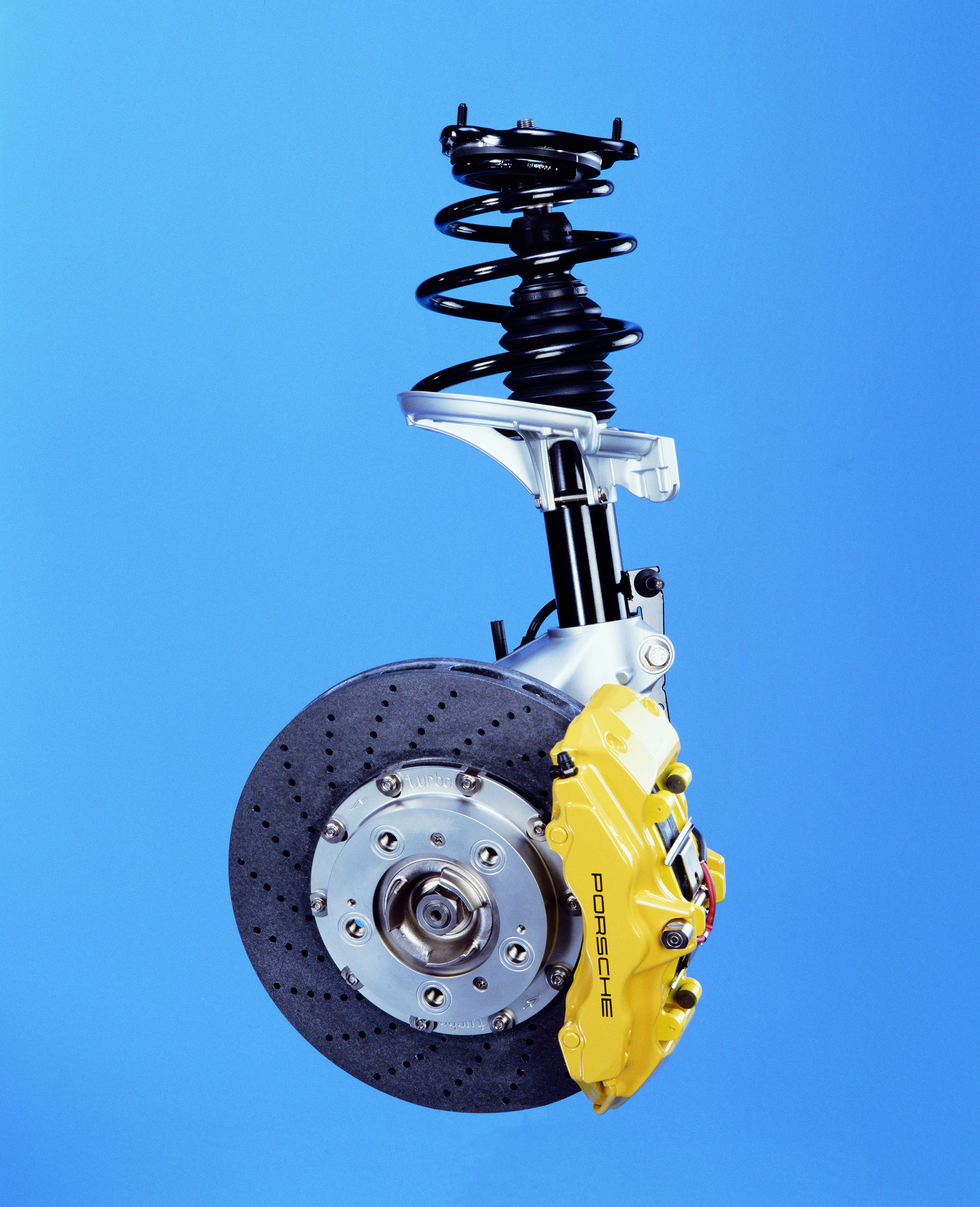
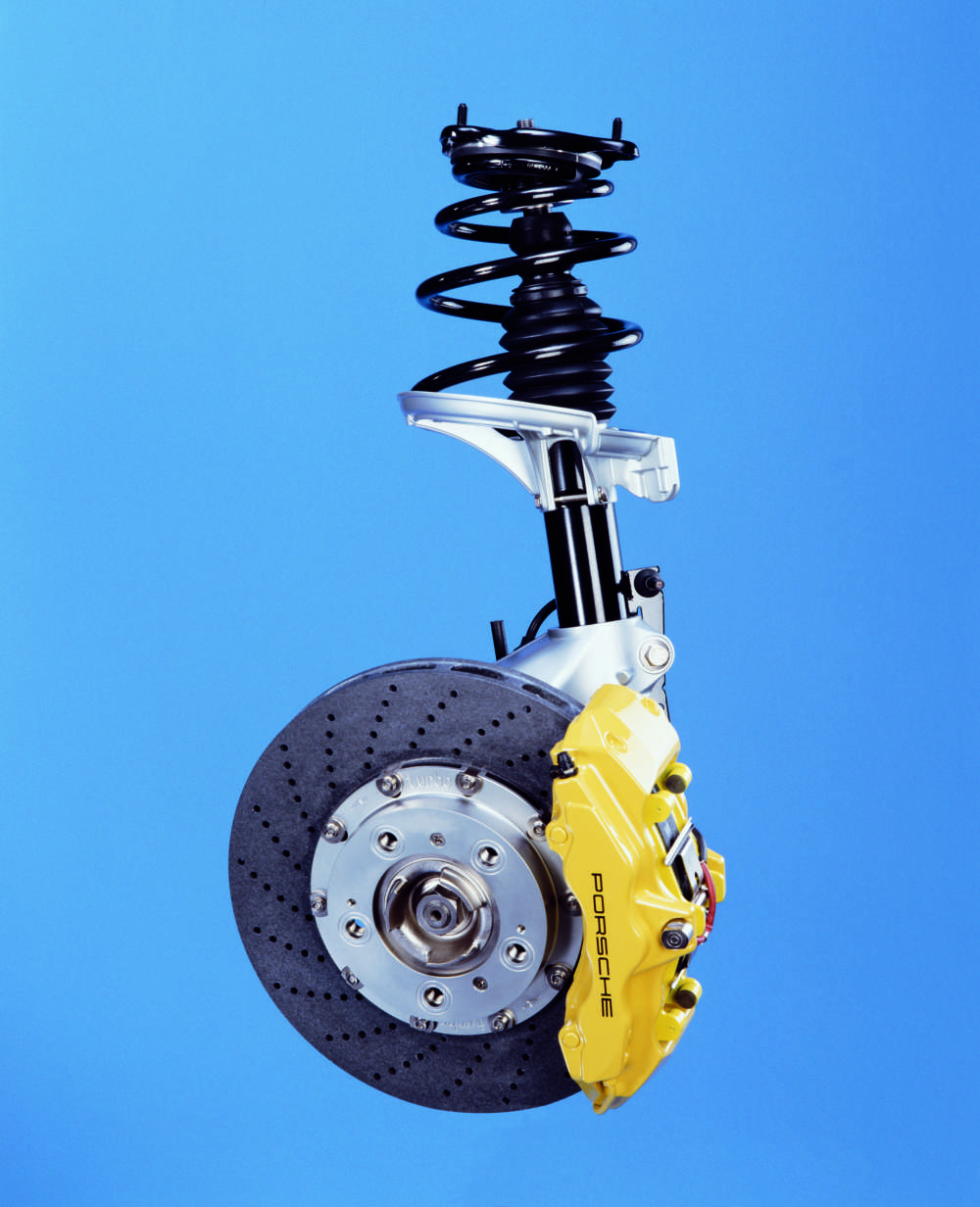 Front-axle spring strut with Porsche Ceramic Composite Brake (PCCB)
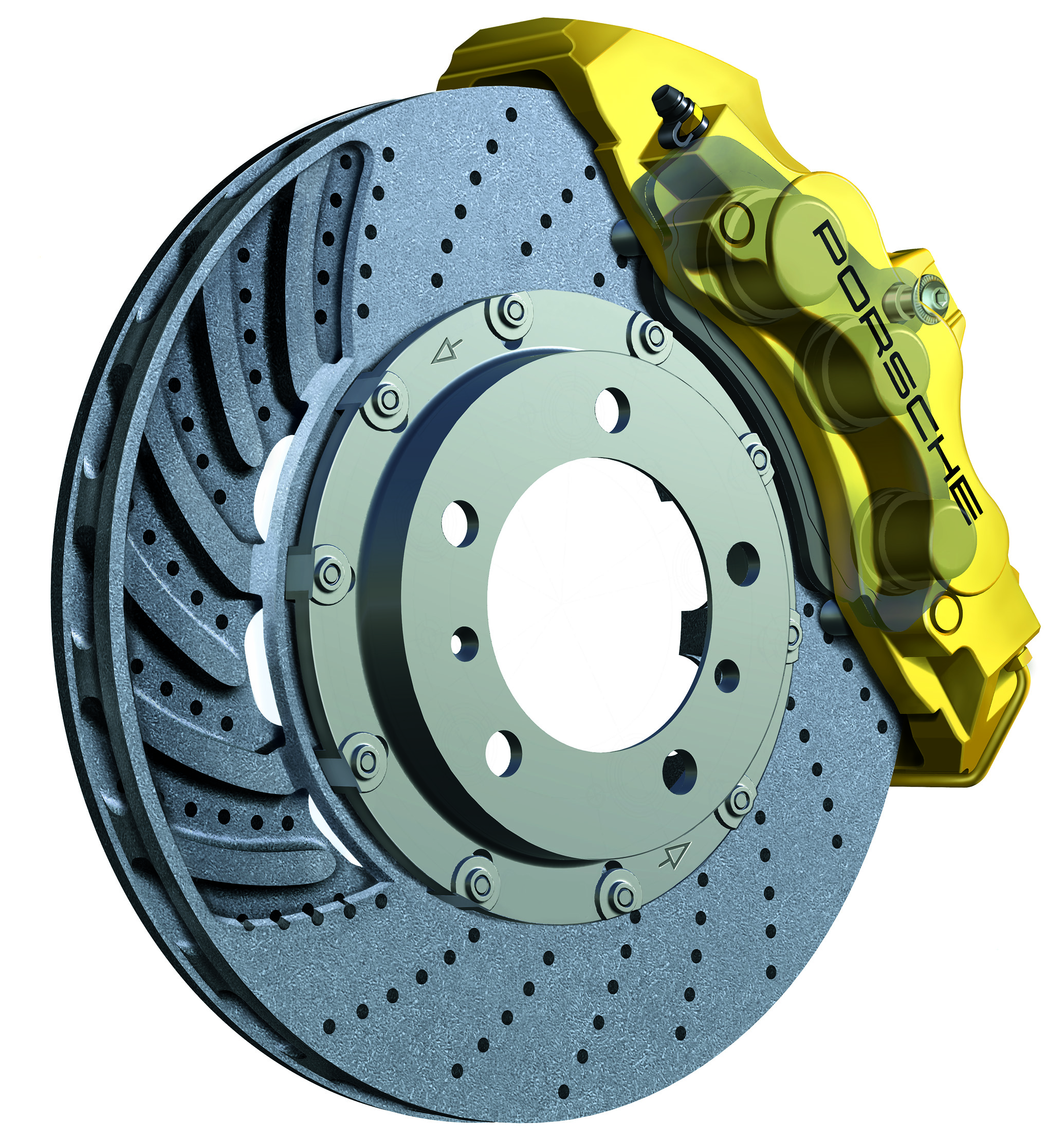
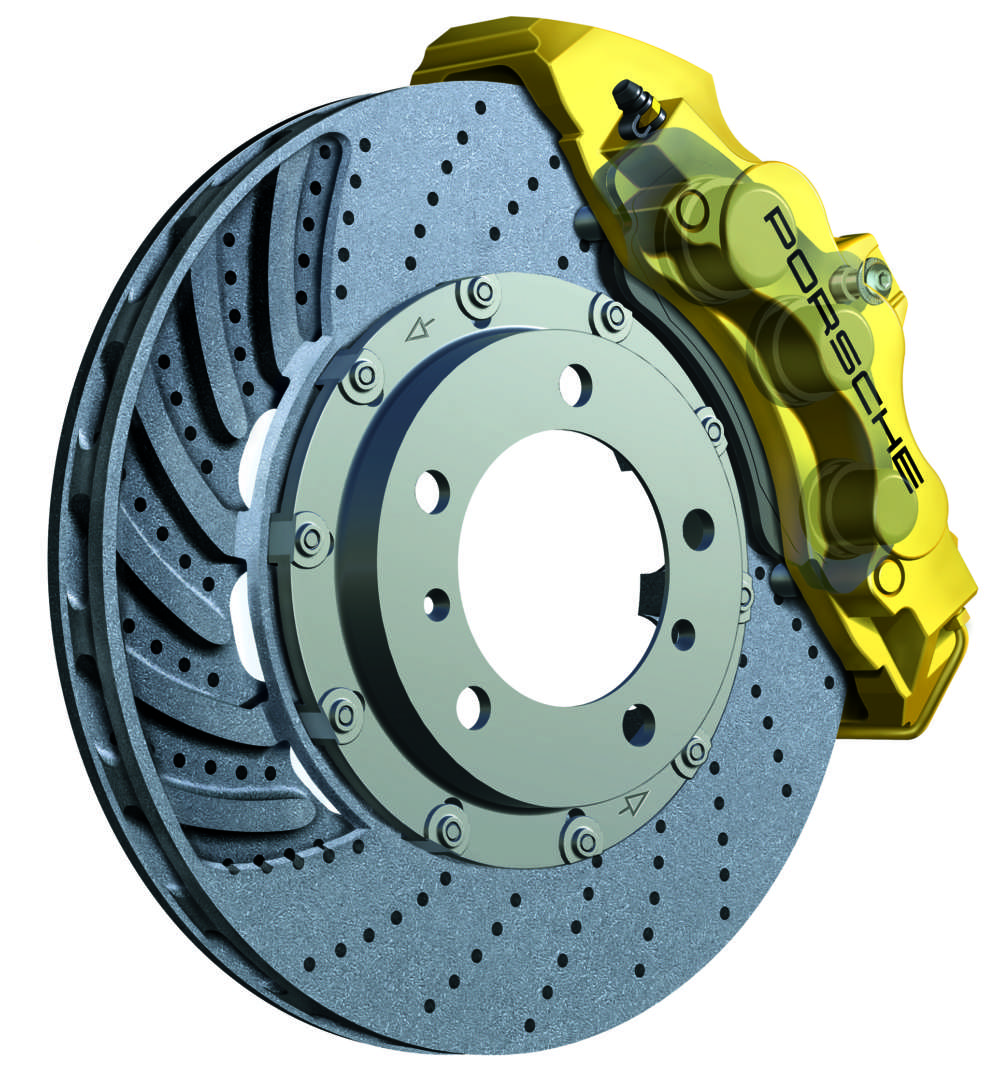 Phantom graphic of the perforated ceramic brake disc with involute cooling channels and six-piston brake caliper
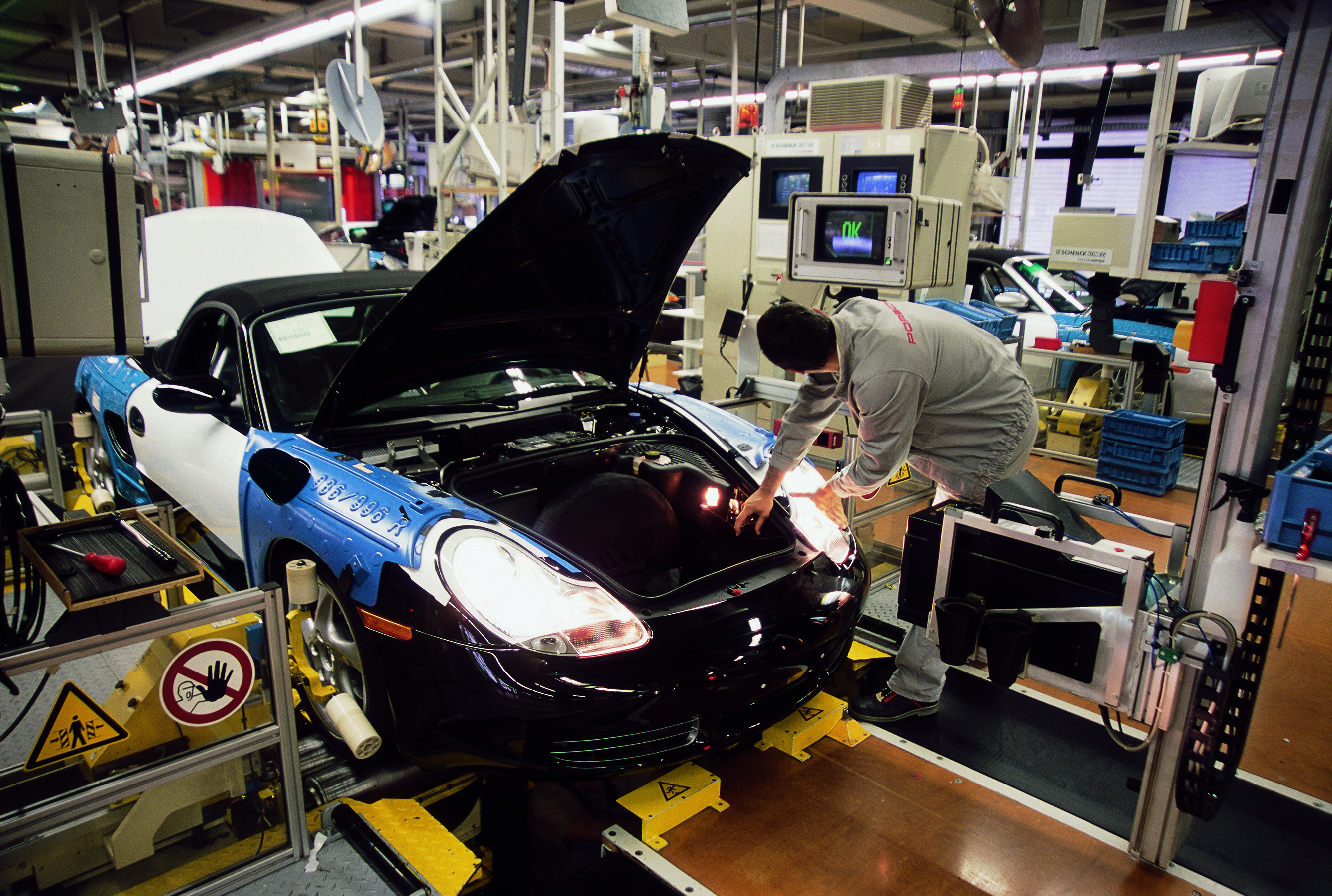
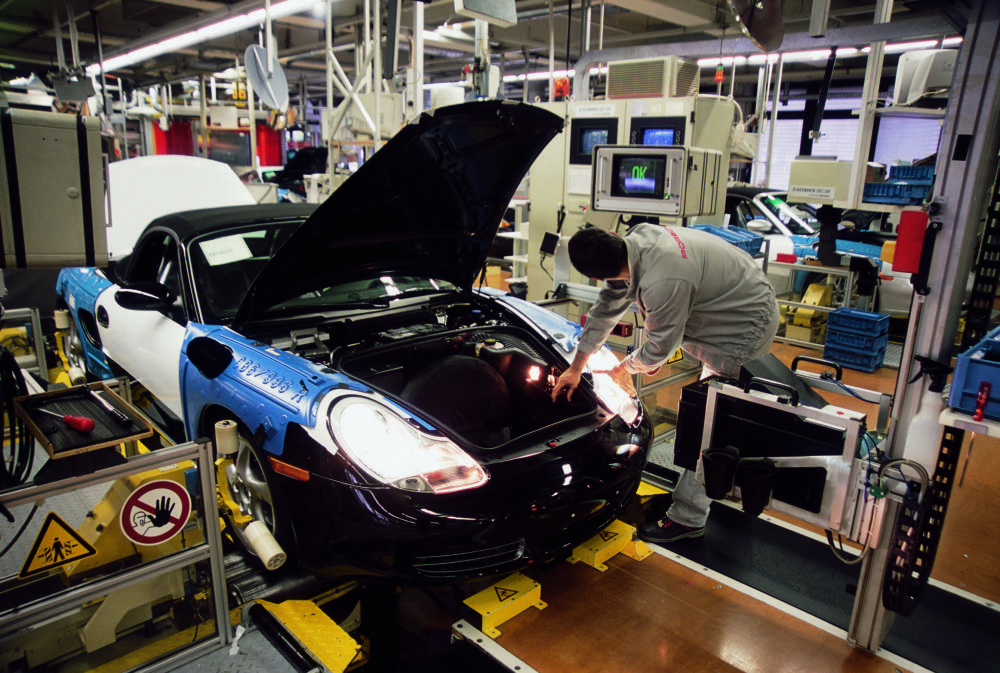 Computer-aided setting of the headlight range
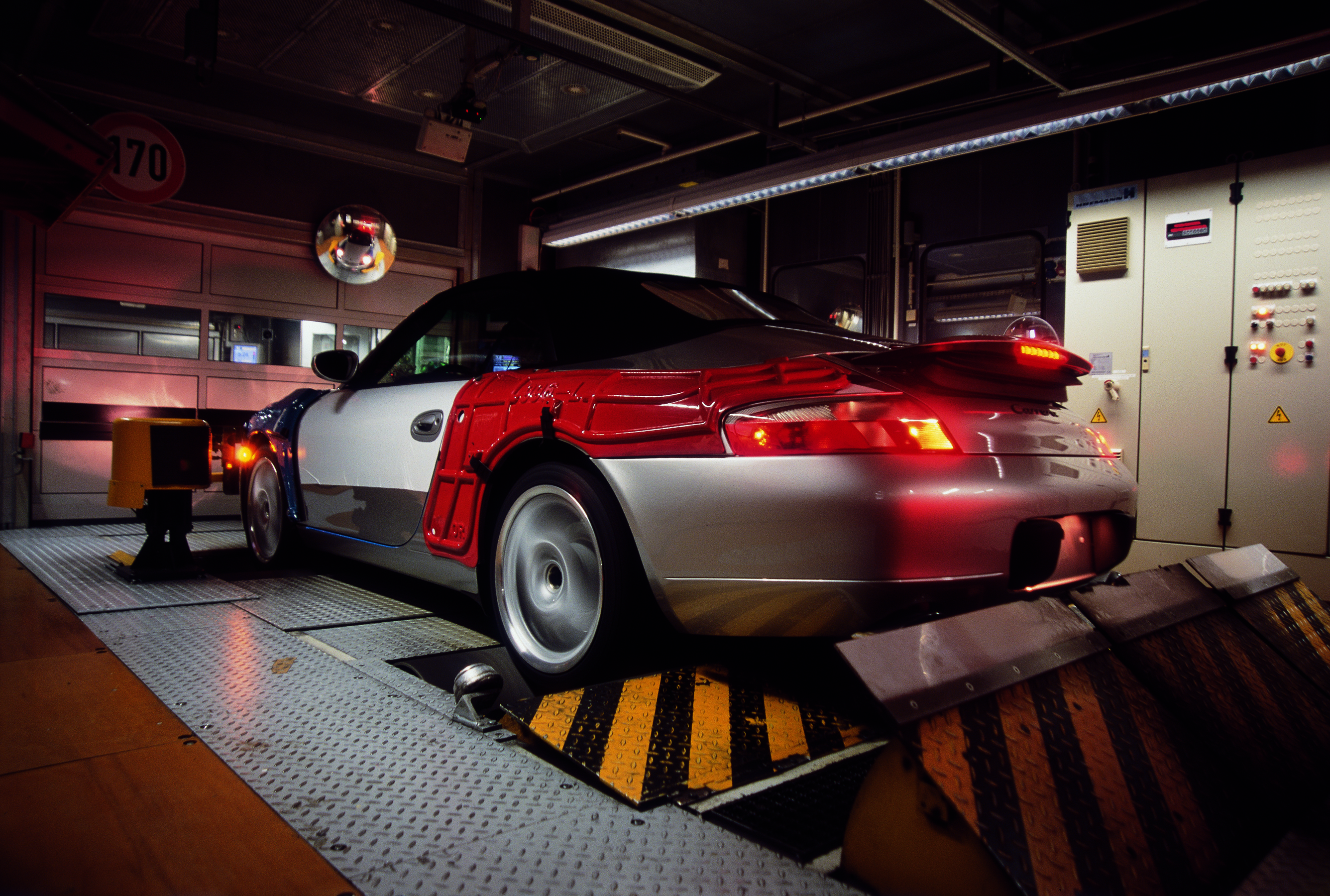
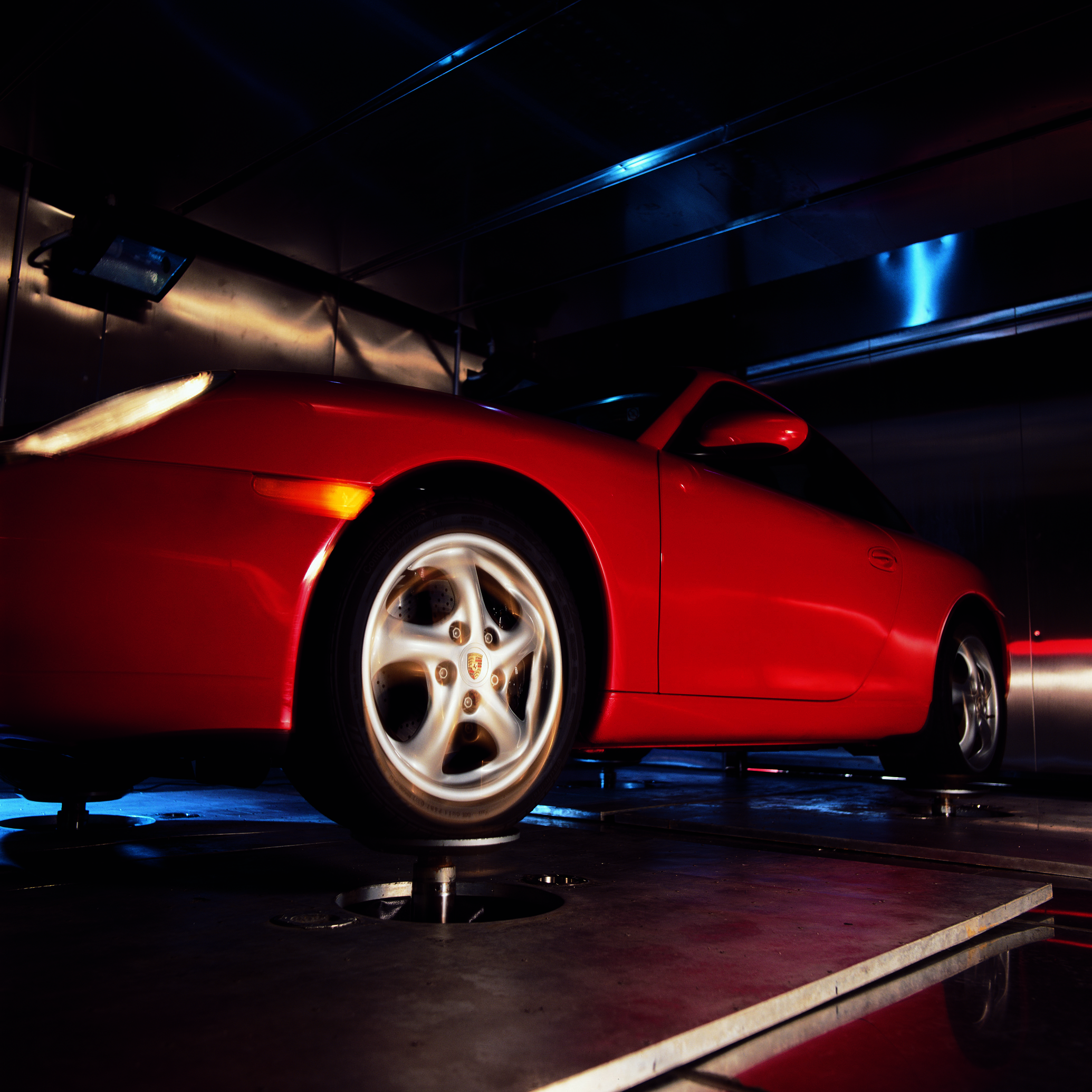
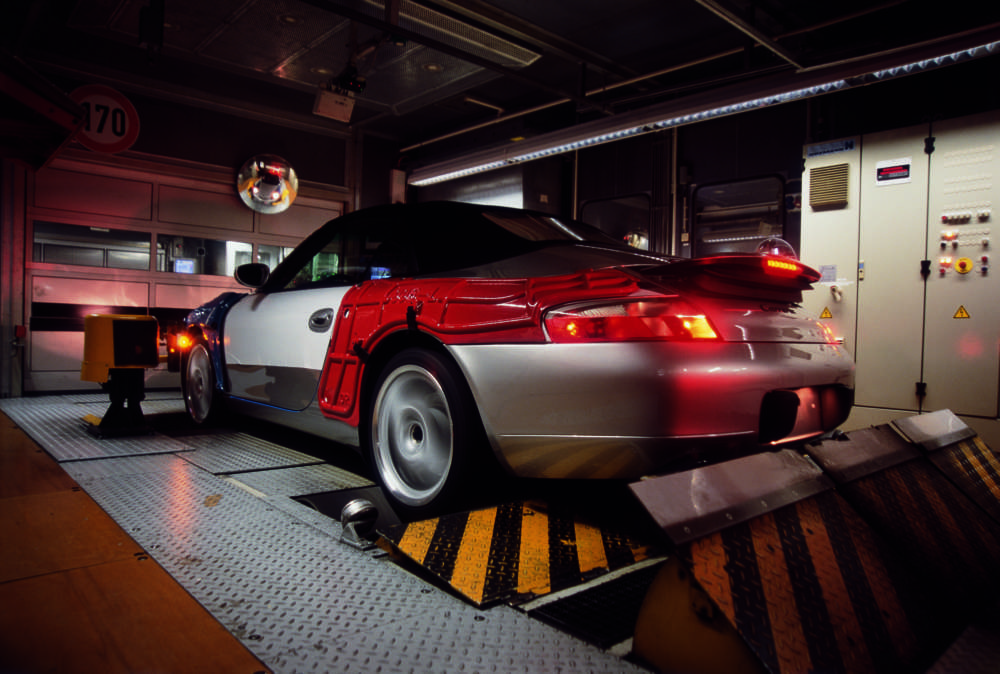 Correct functioning of the brakes, the ABS and the On-Board Diagnostic System are tested on a roller-type test stand
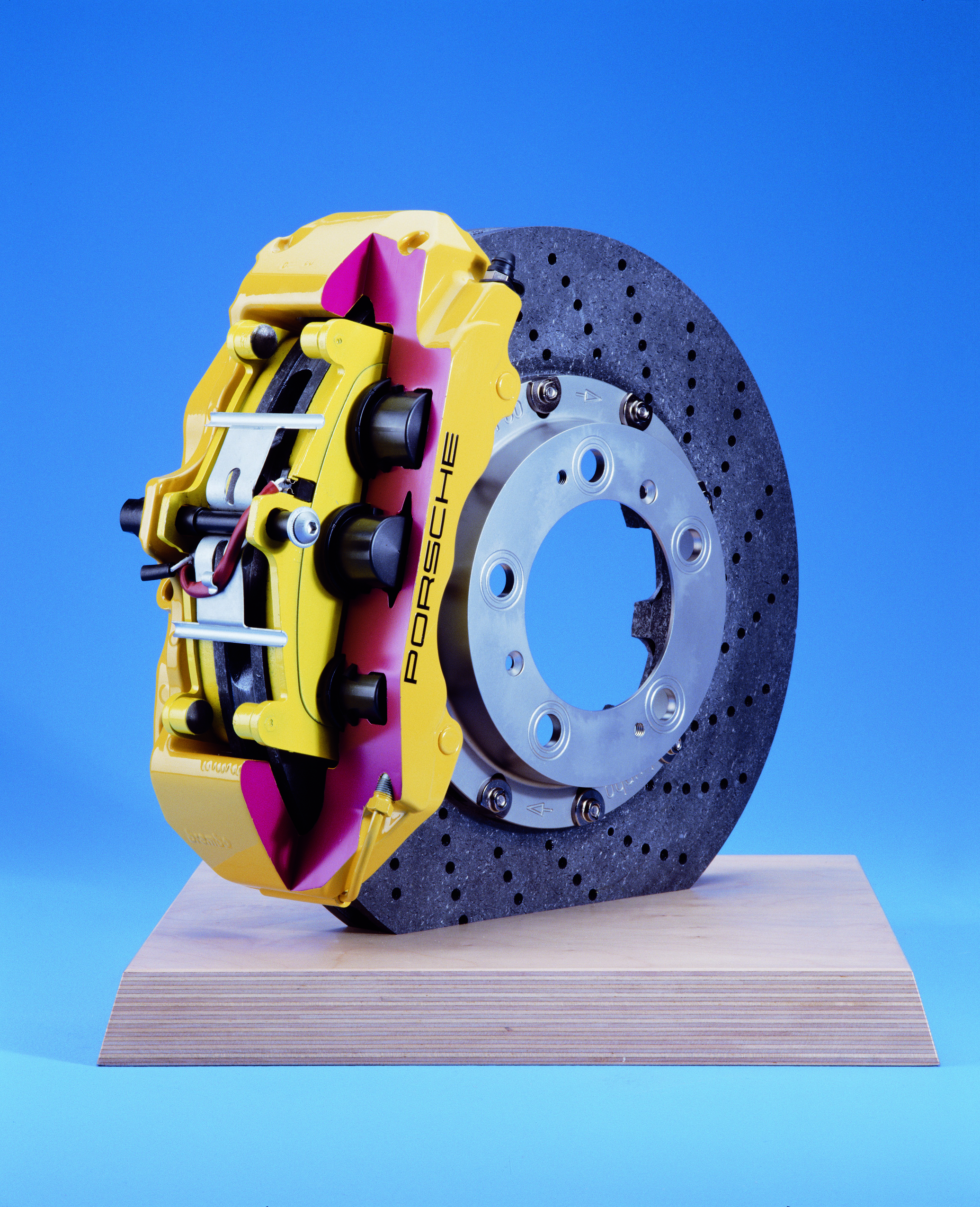
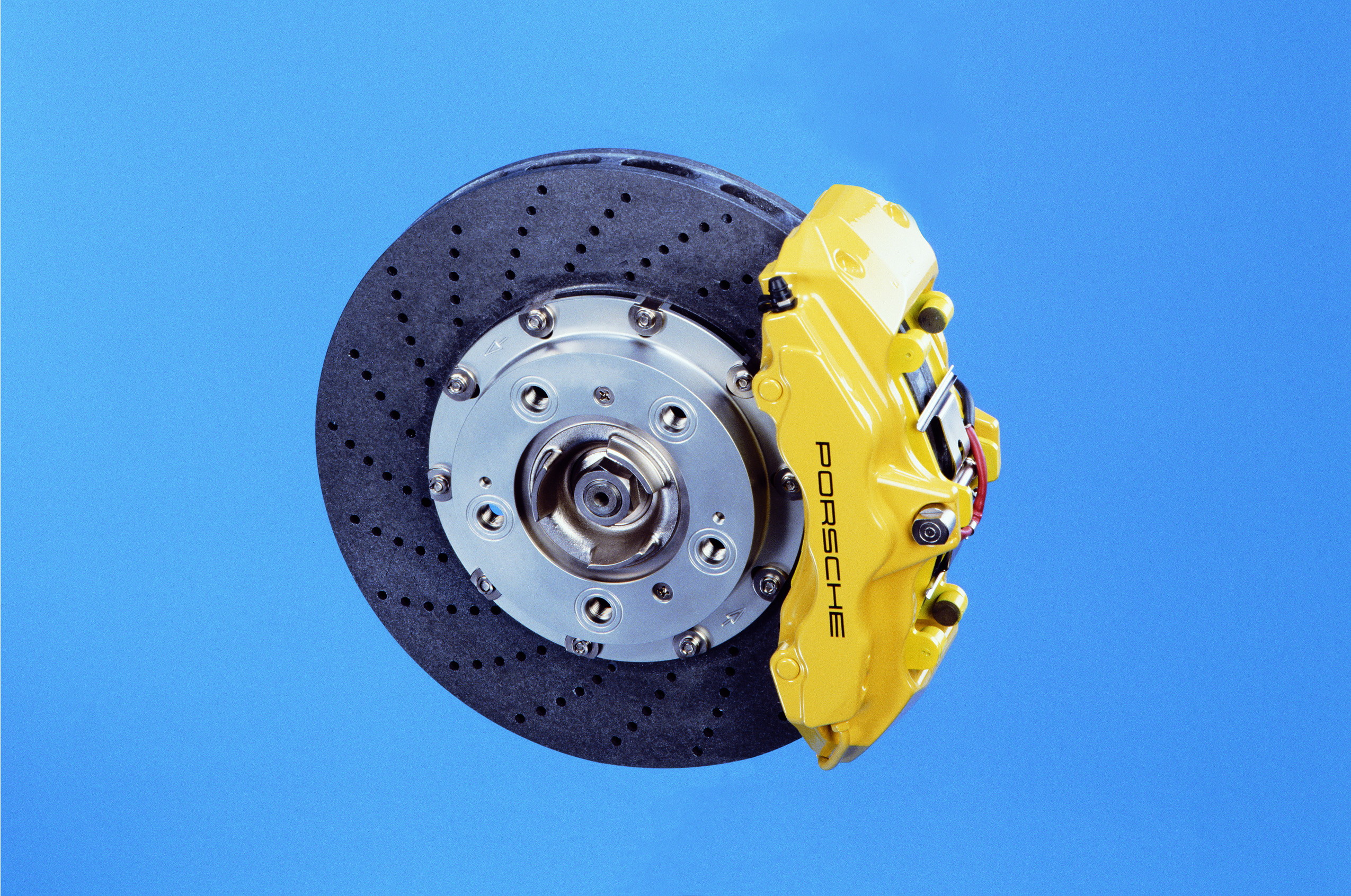
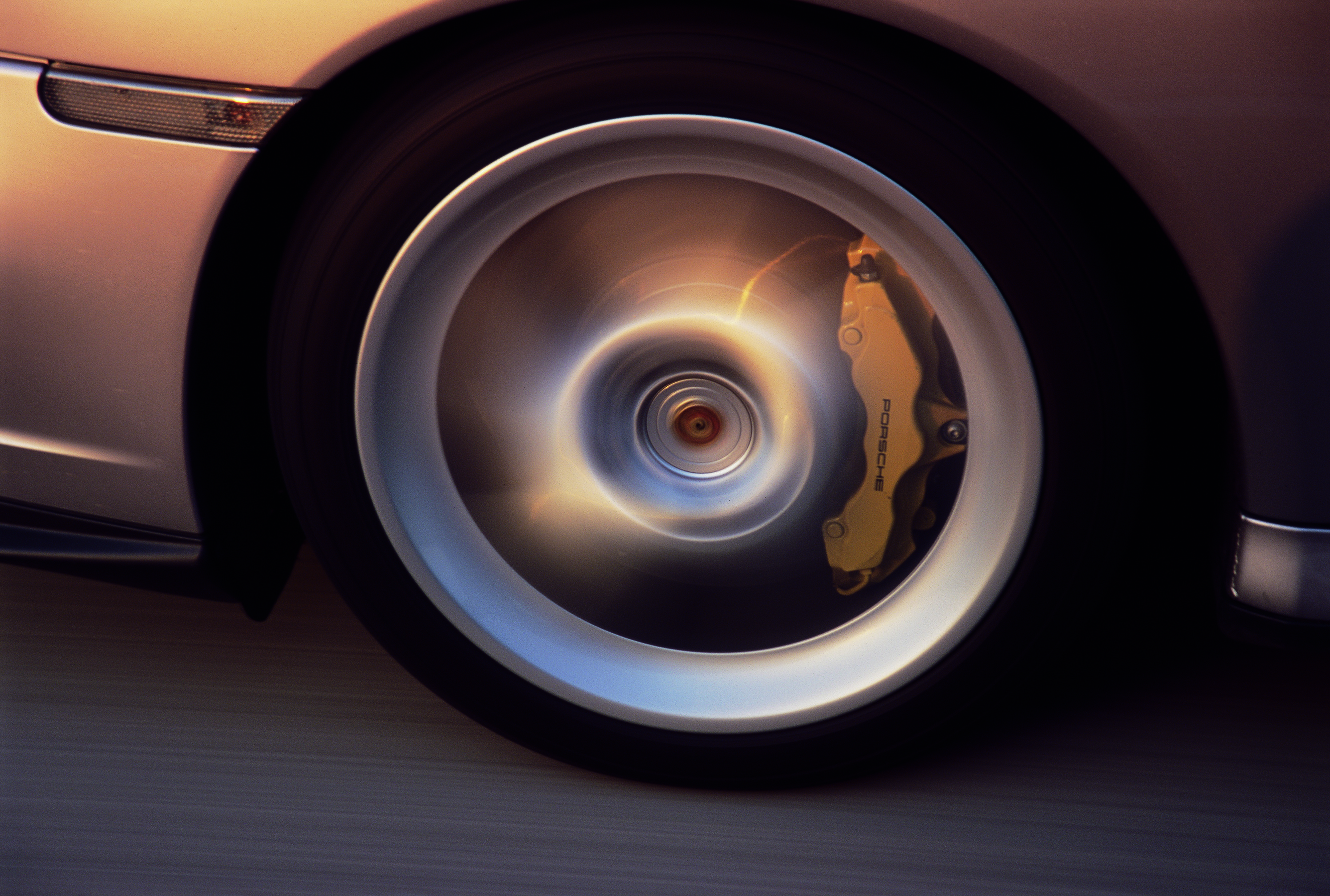
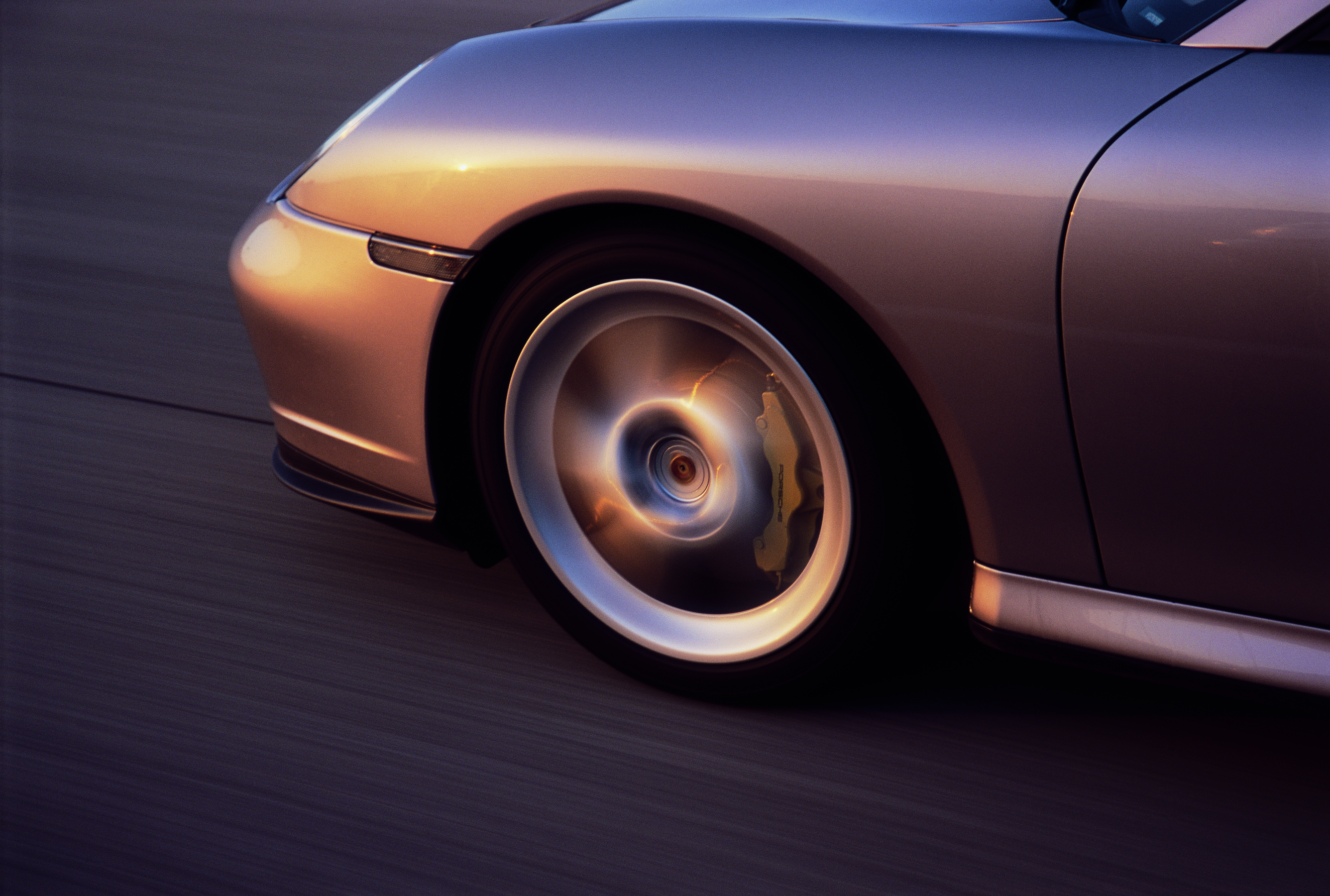
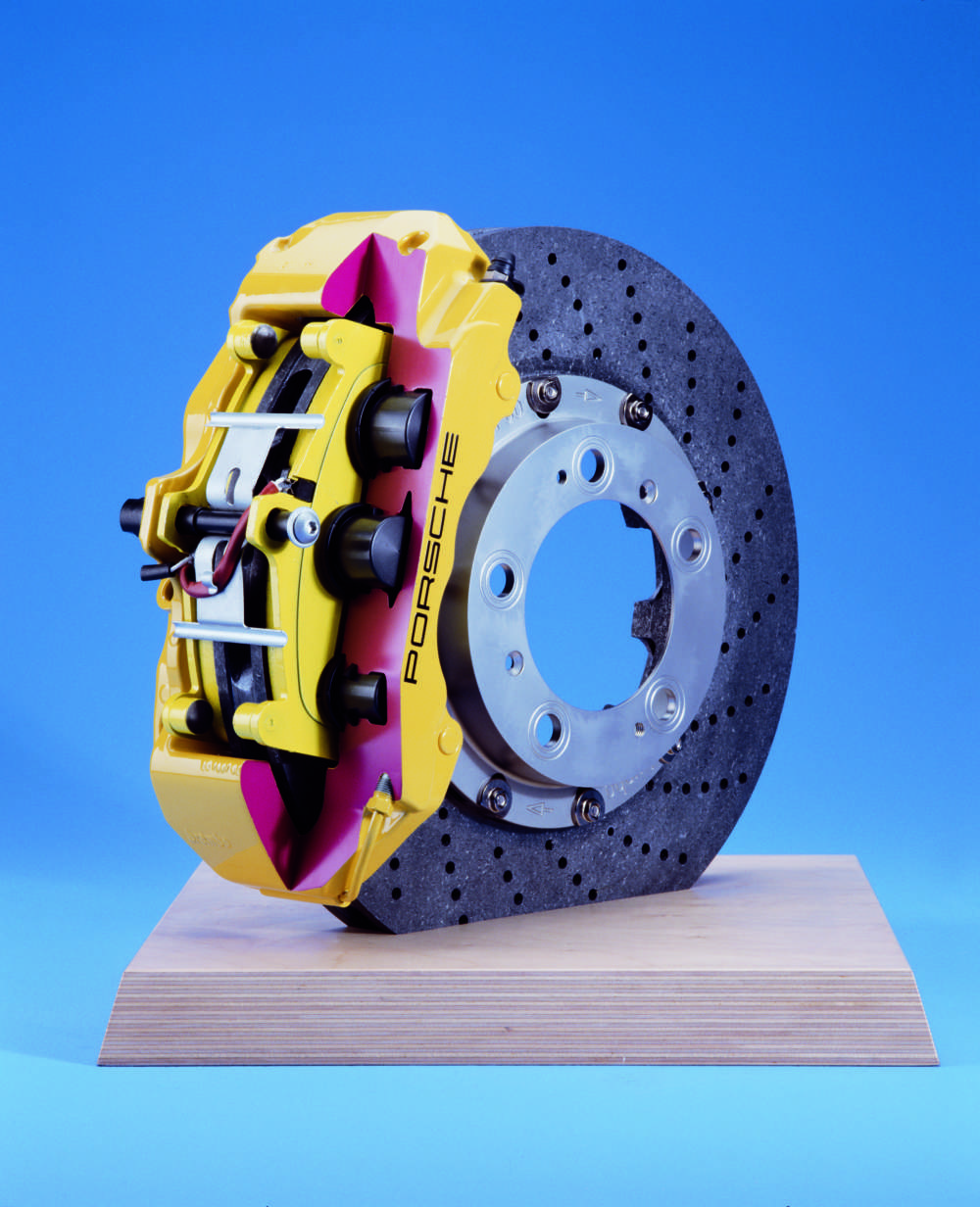 Porsche Ceramic Composite Brake (PCCB) with six-piston brake caliper
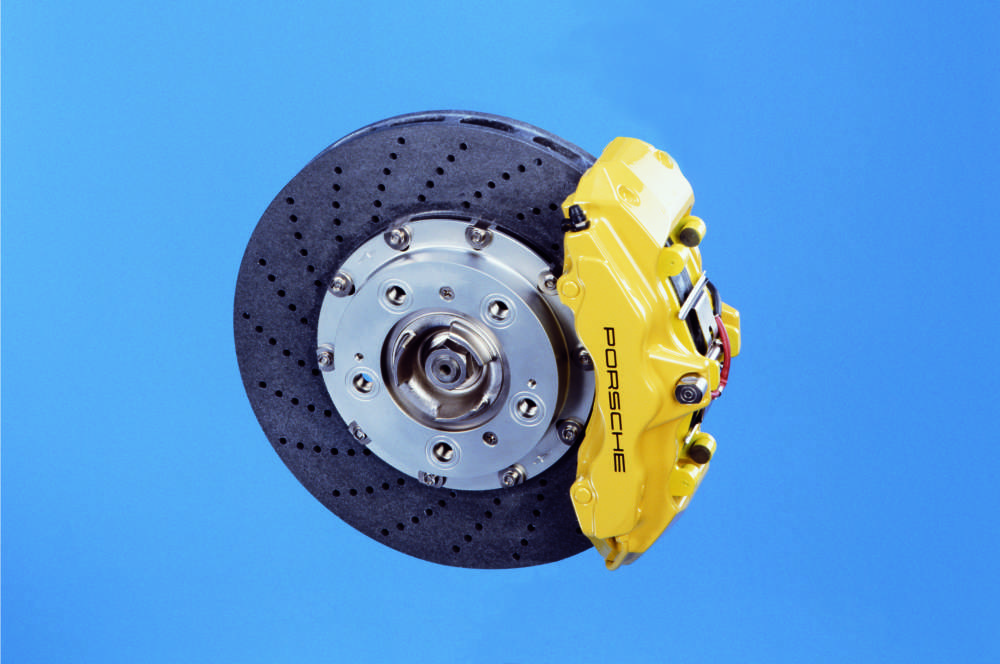 Porsche Ceramic Composite Brake (PCCB) with six-piston brake caliper
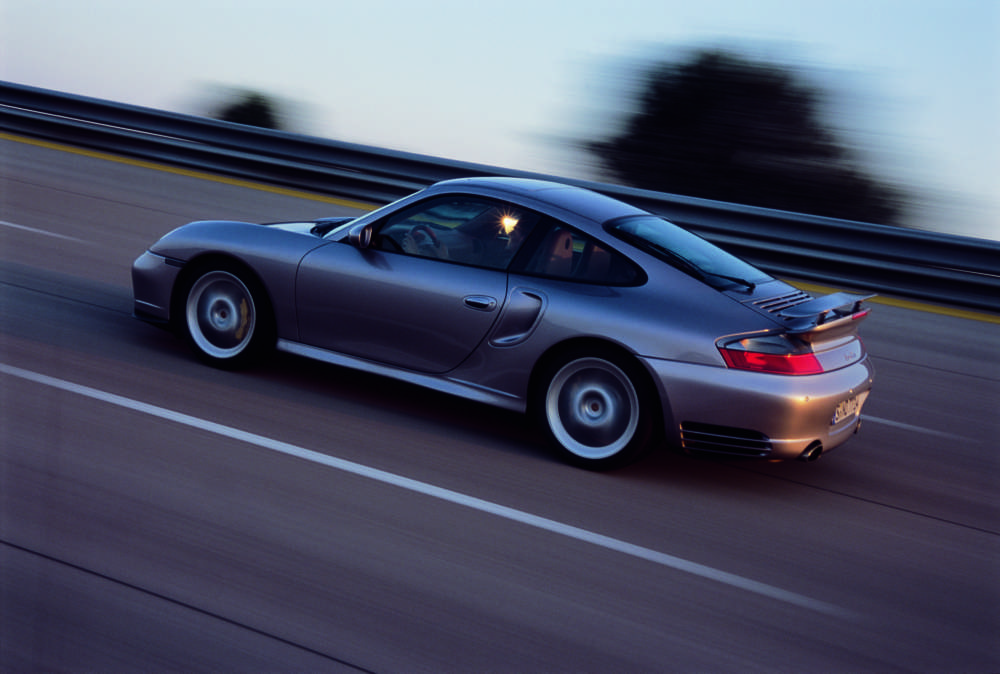 The PCCB system is equipped with a six-piston brake caliper on the front axle and a four-piston brake caliper on the rear axle
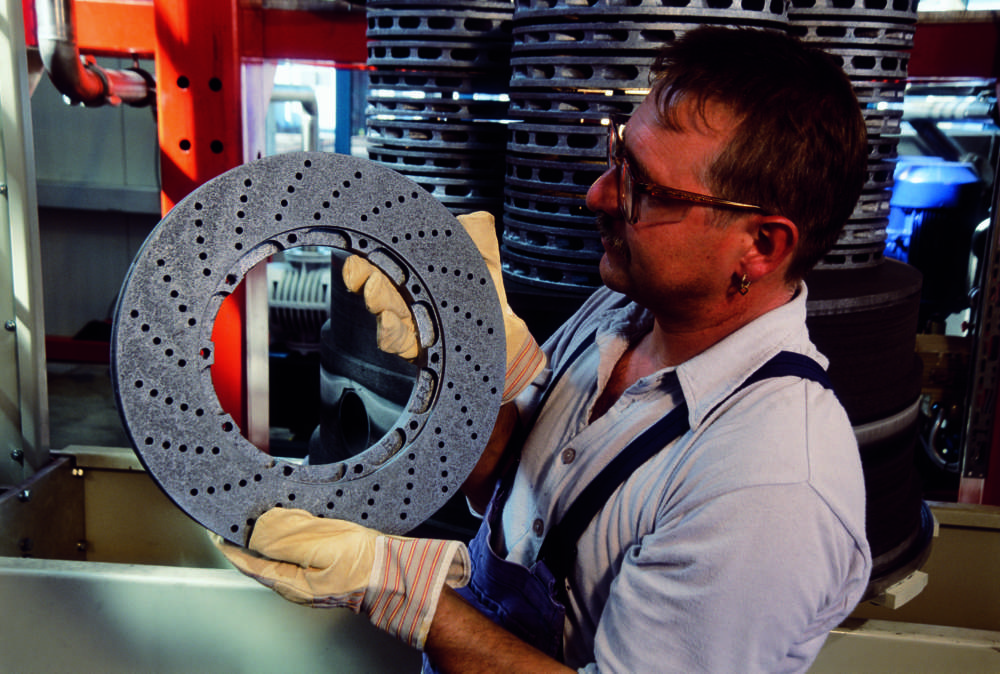 After the silicating process, the quality of each individual brake disc is tested
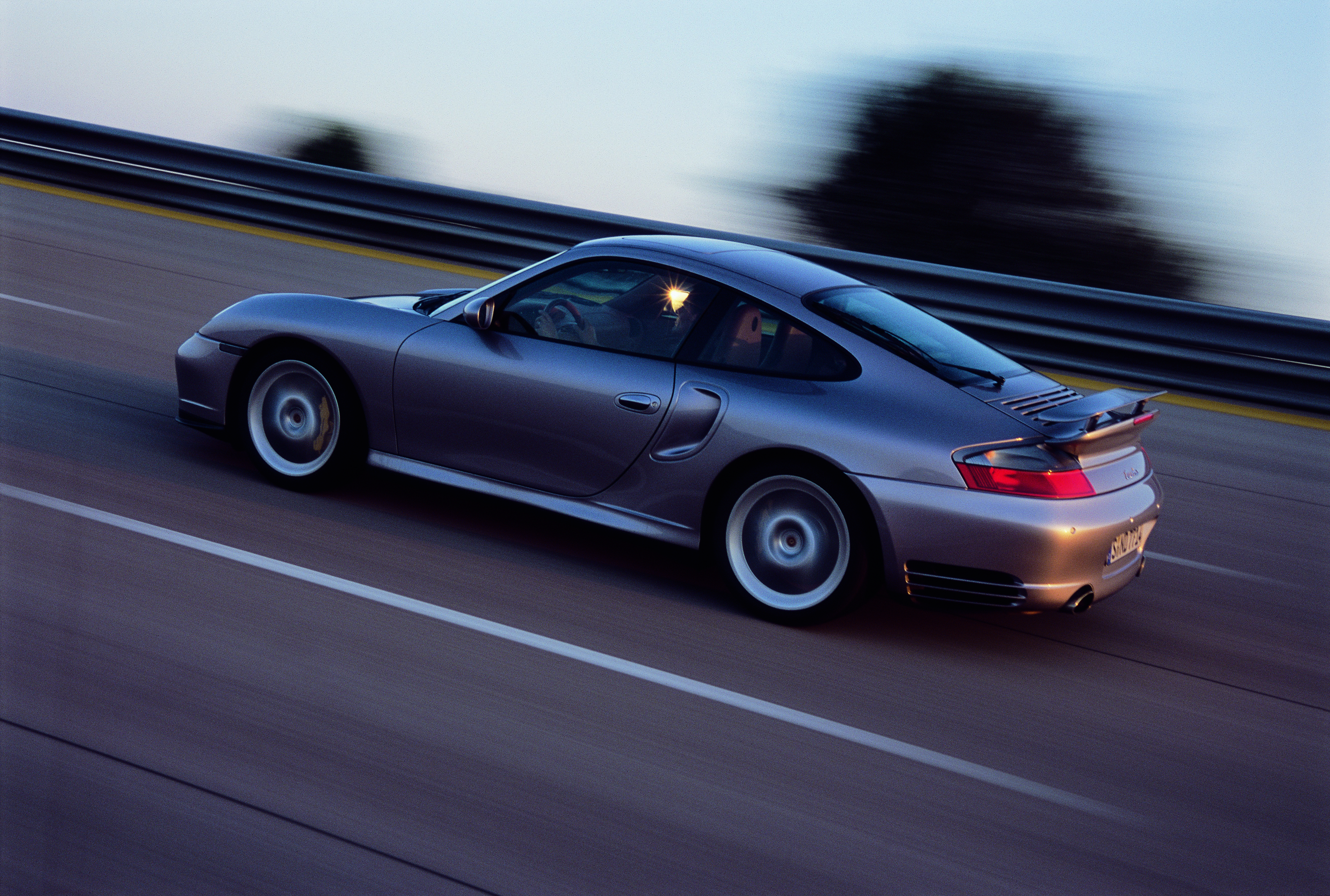
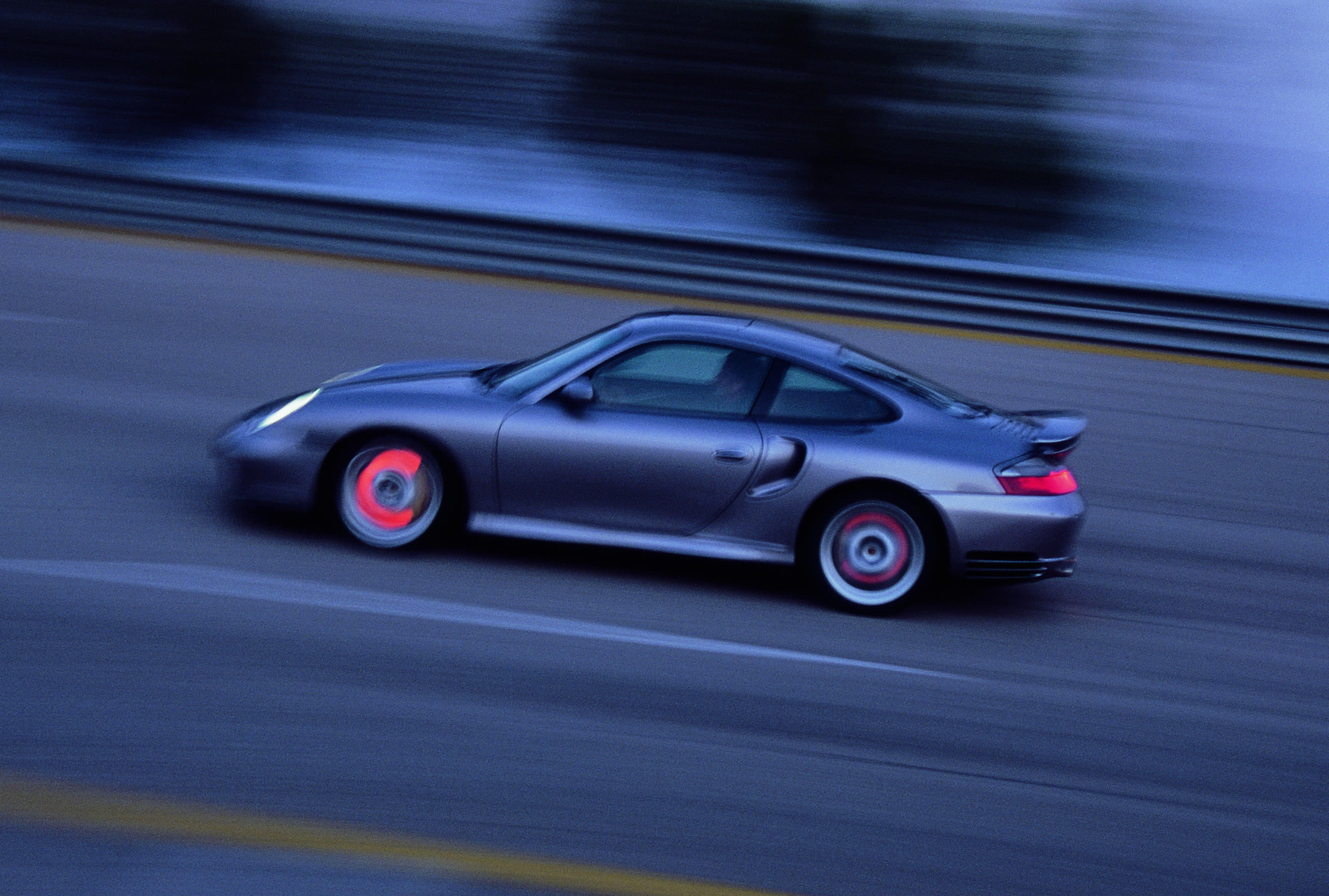
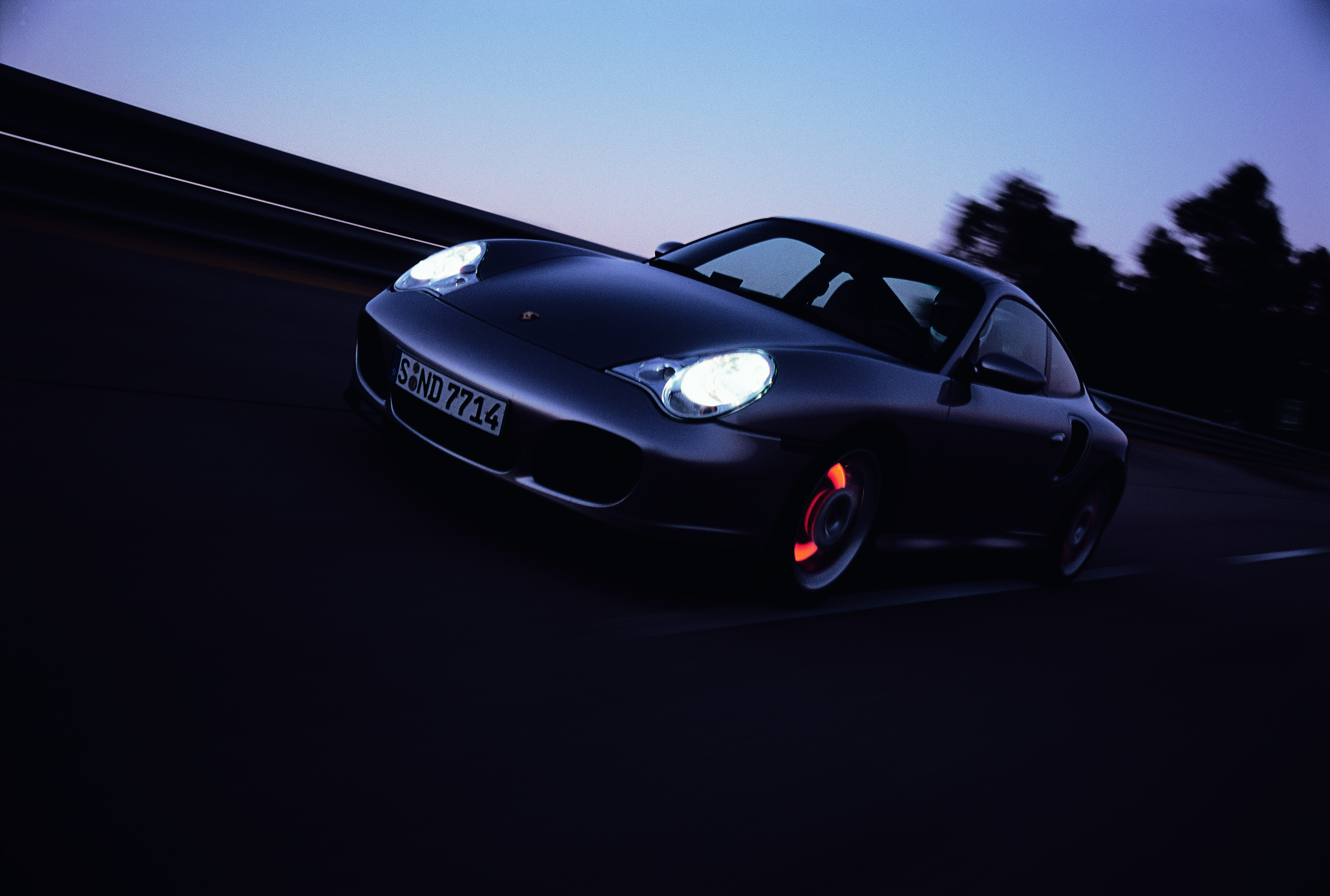
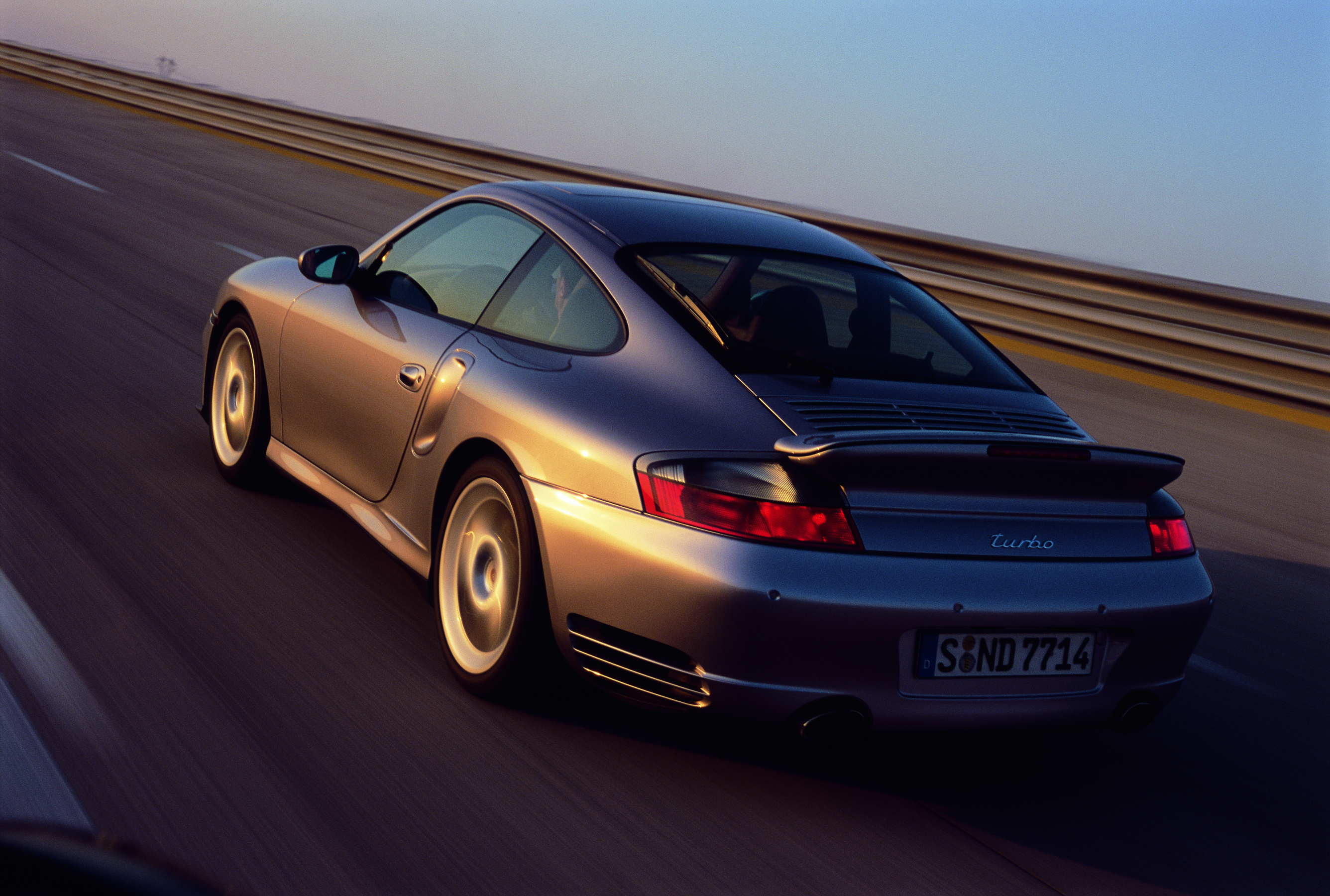
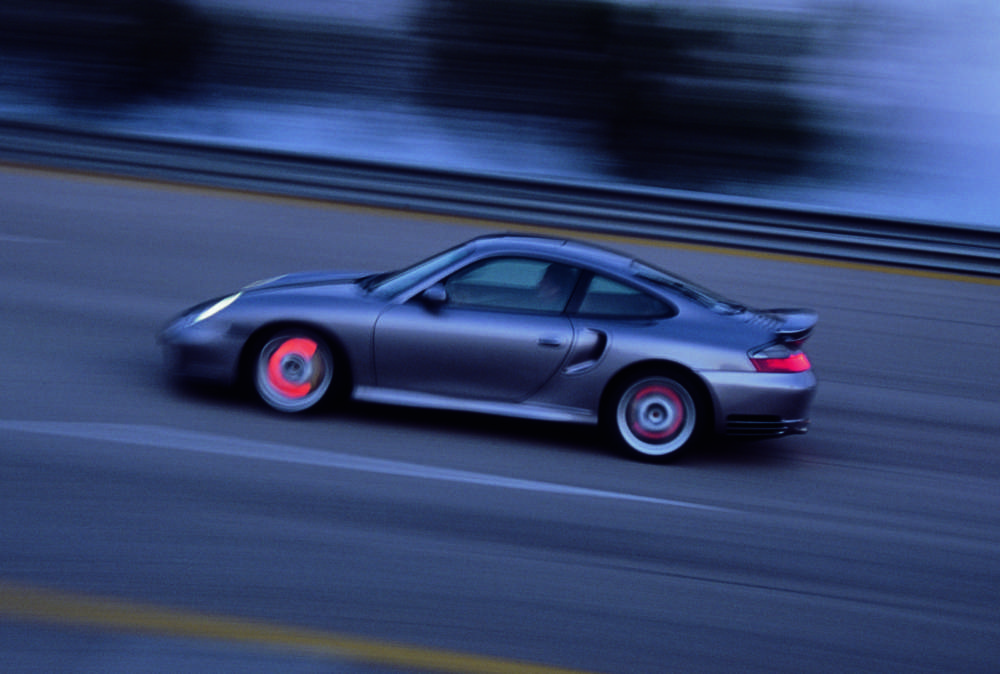 PCCB load limit tests on the high-speed track in Nardo, Italy
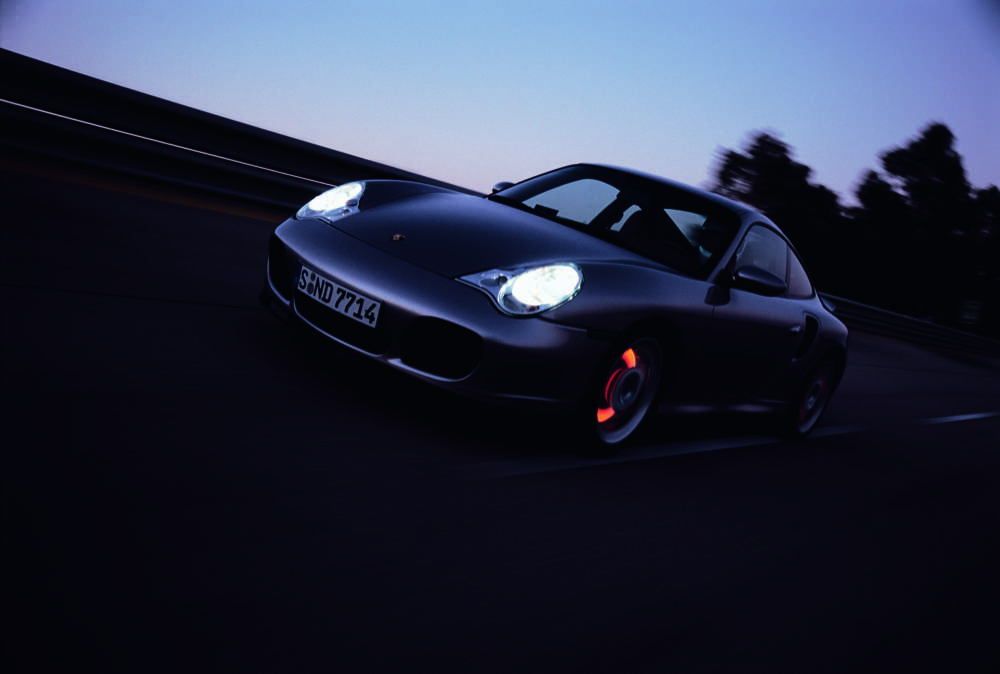 PCCB load limit tests on the high-speed track in Nardo, Italy
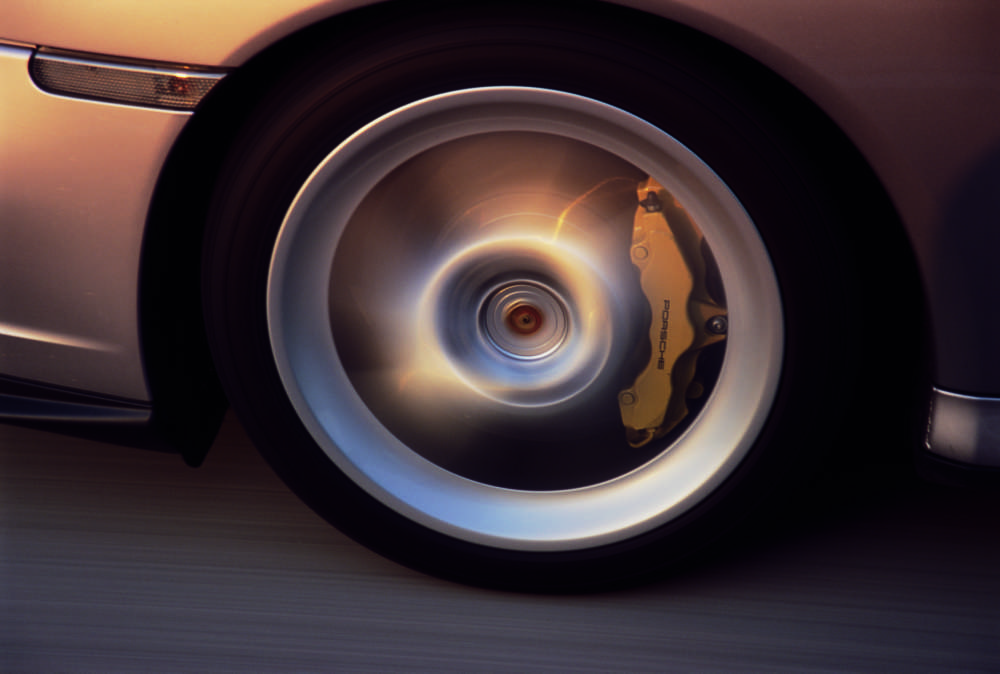 Six-piston brake caliper on the front axle of the 911 Turbo
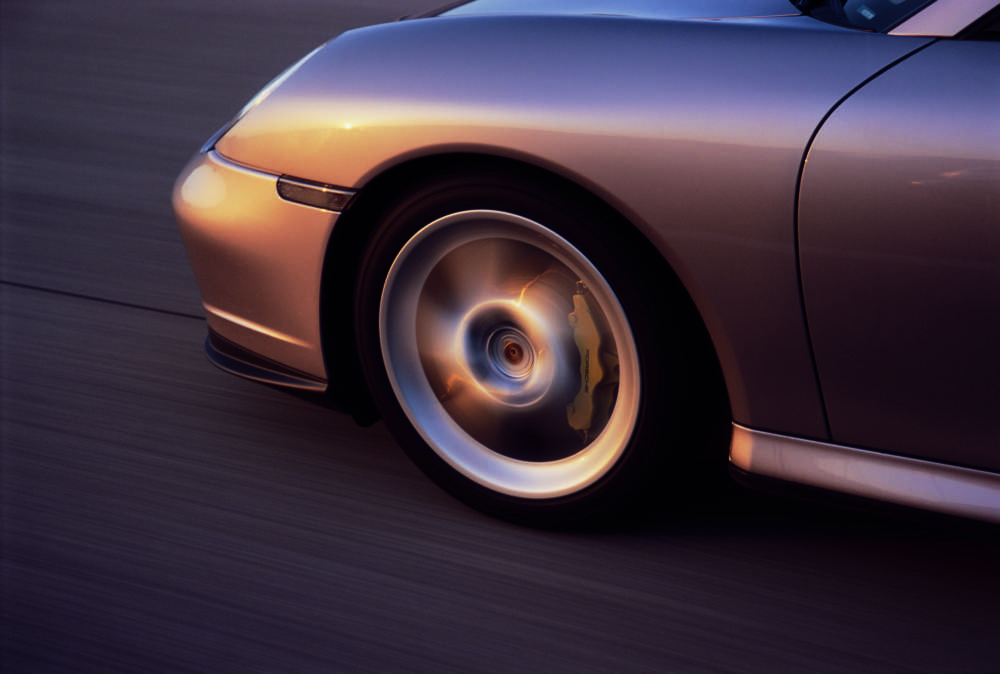 Six-piston brake caliper on the front axle of the 911 Turbo
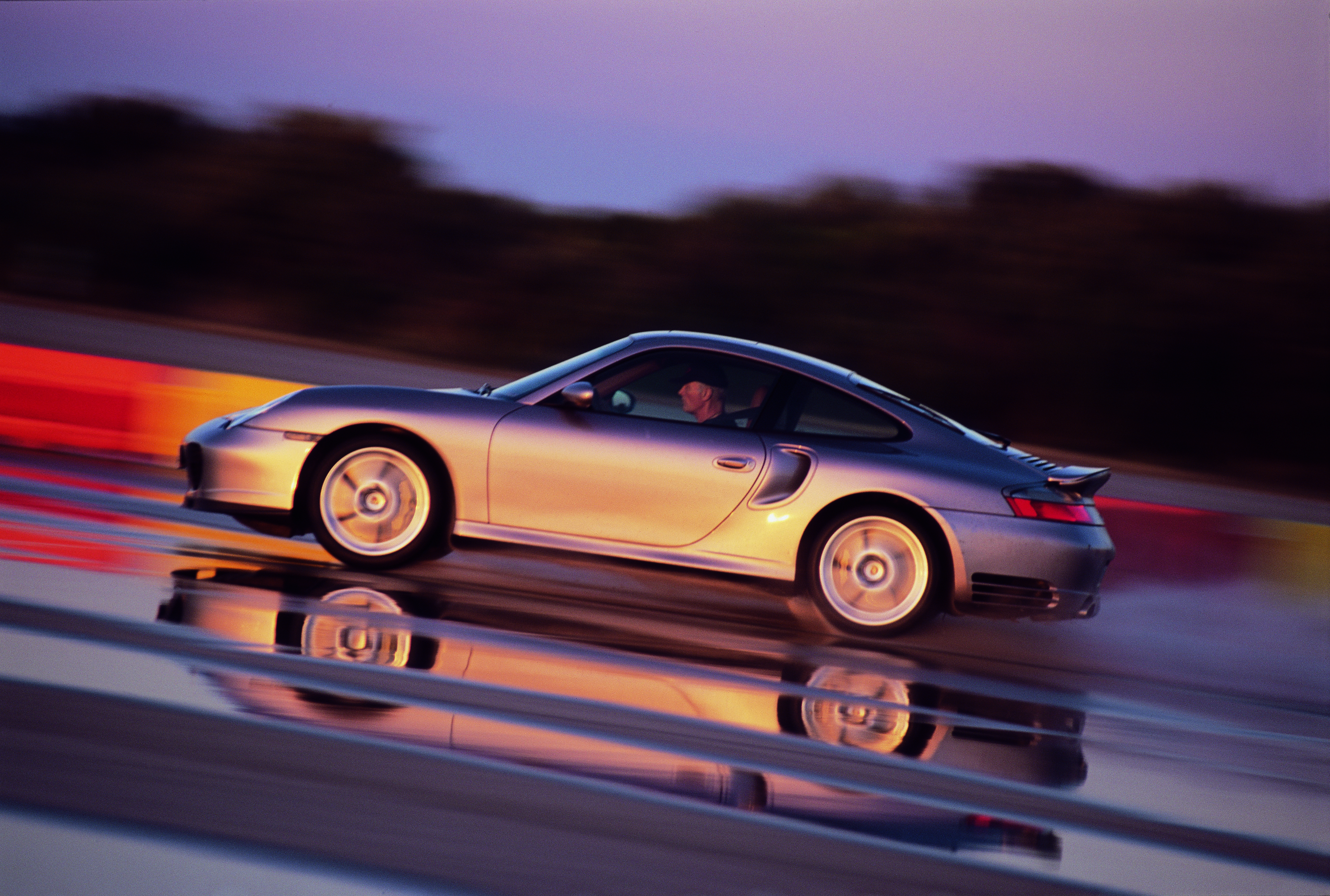
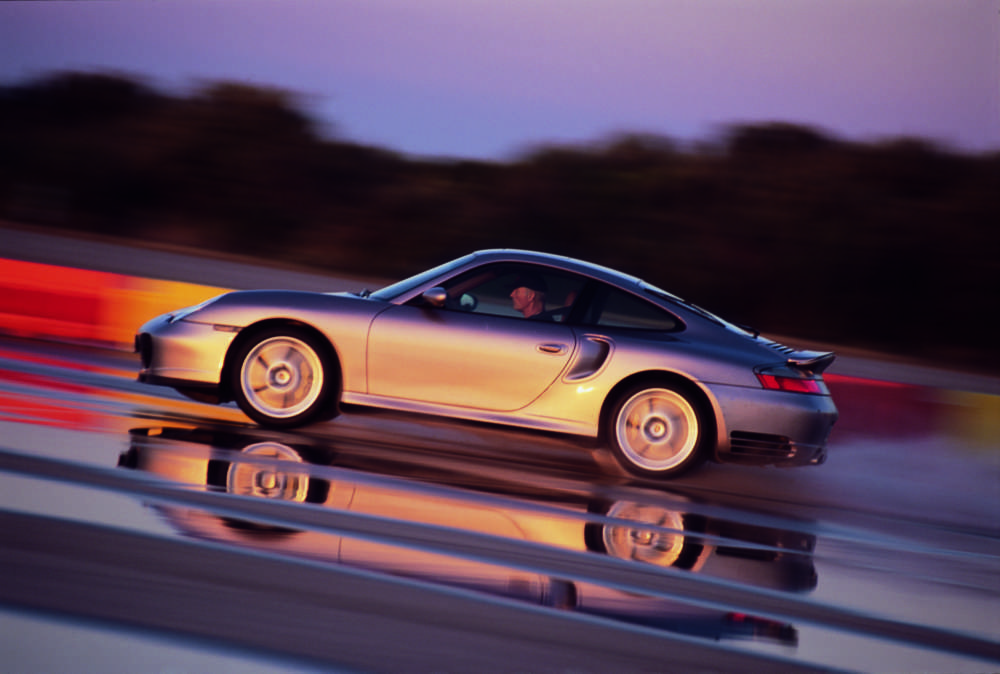 Excellent wet response behaviour with PCCB
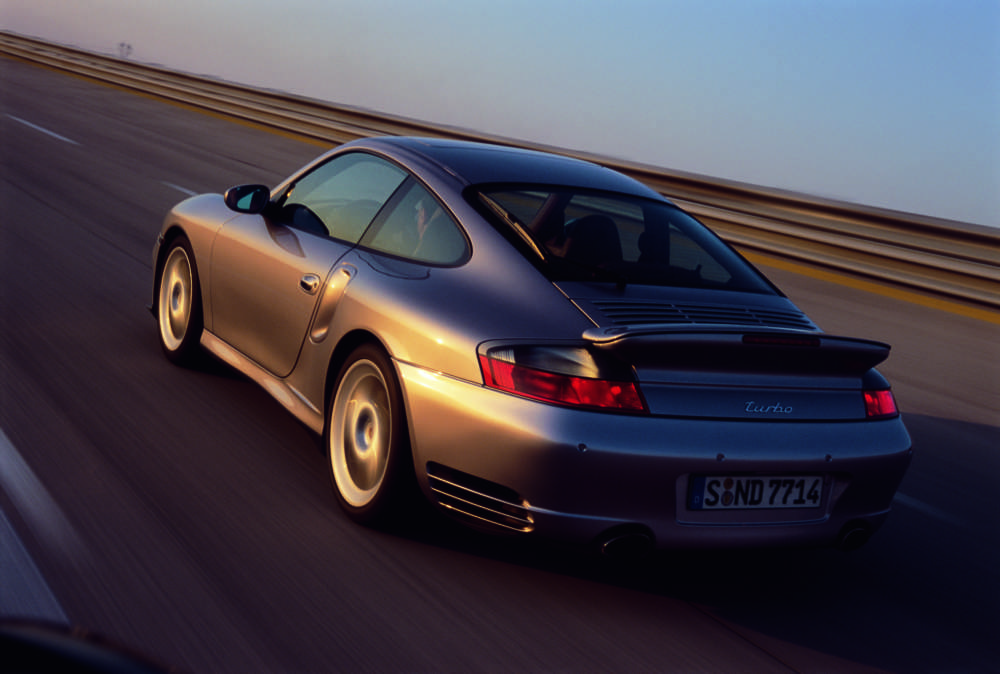 With PCCB, the 911 Turbo is braked on all four wheels
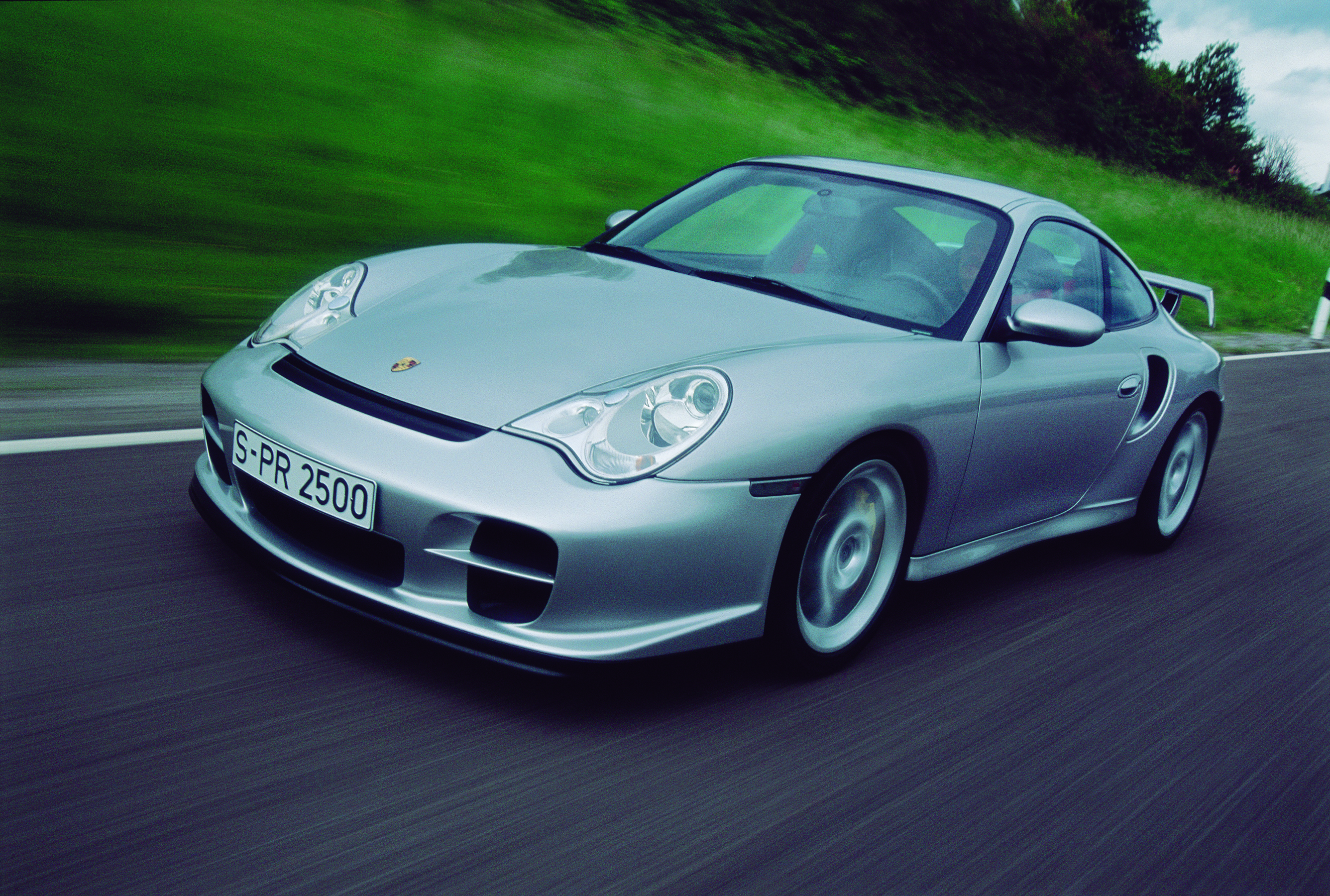
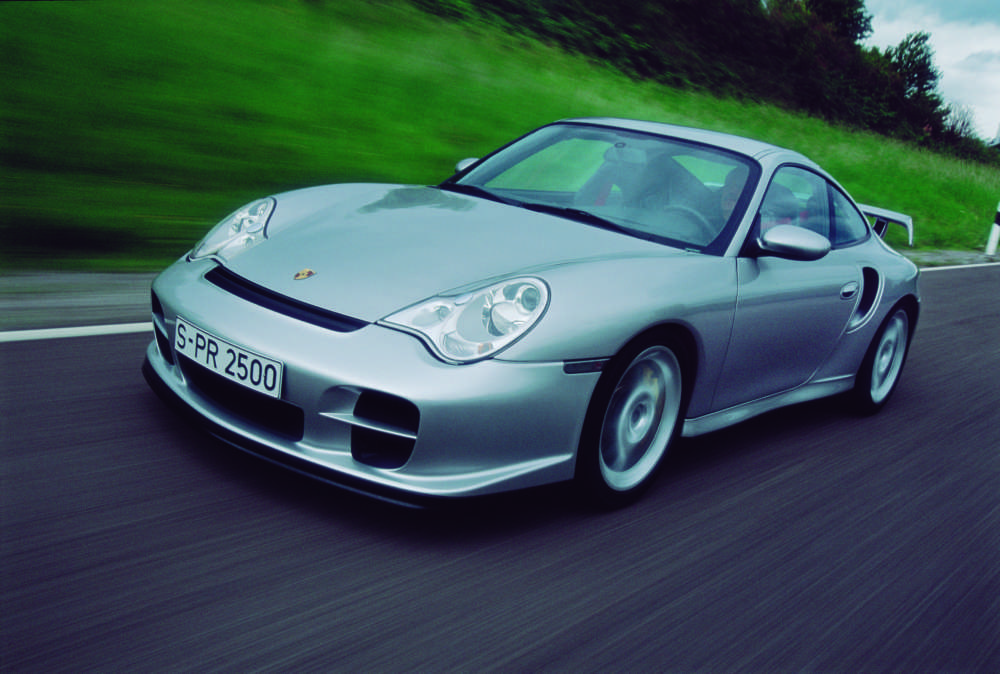 911 GT2
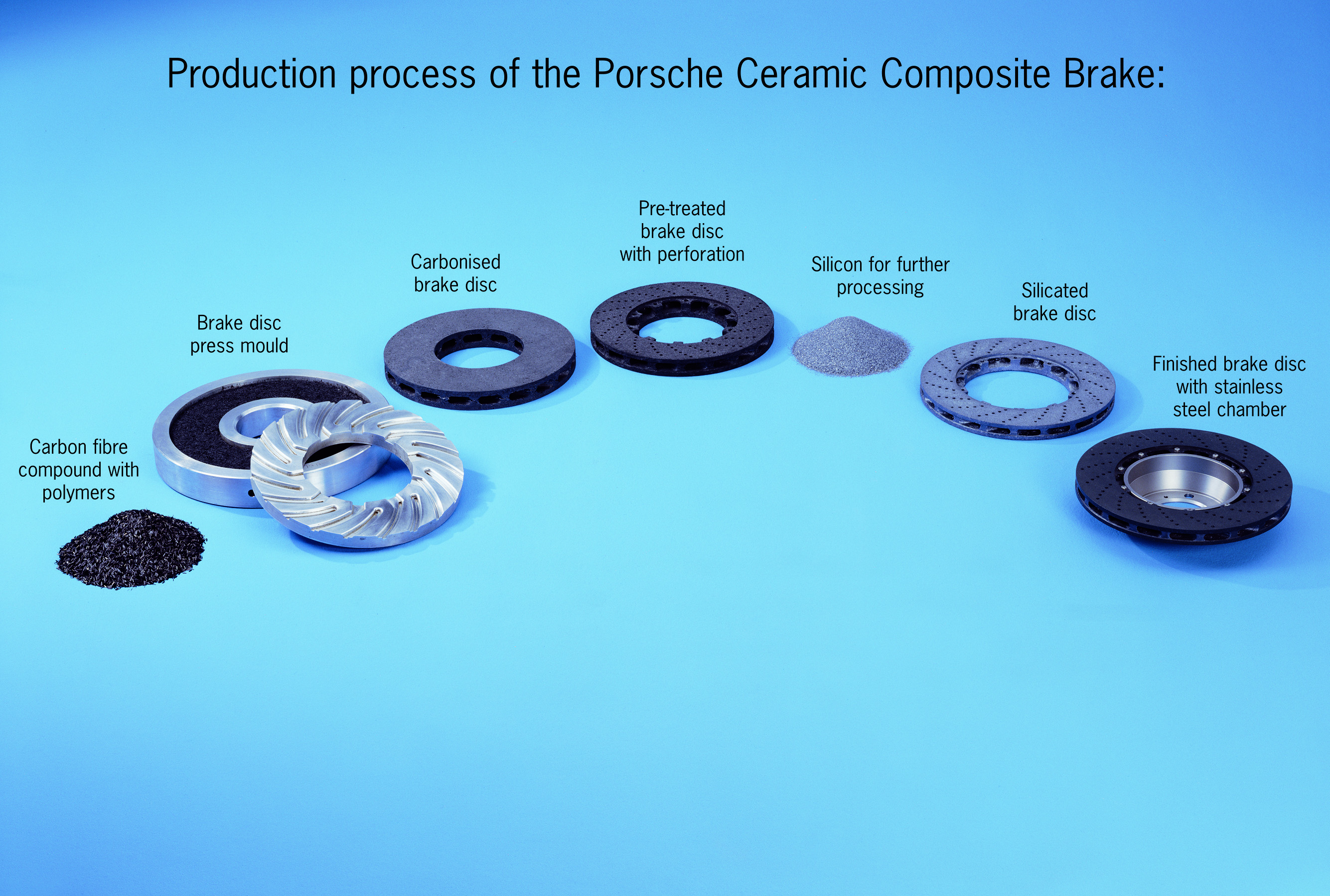
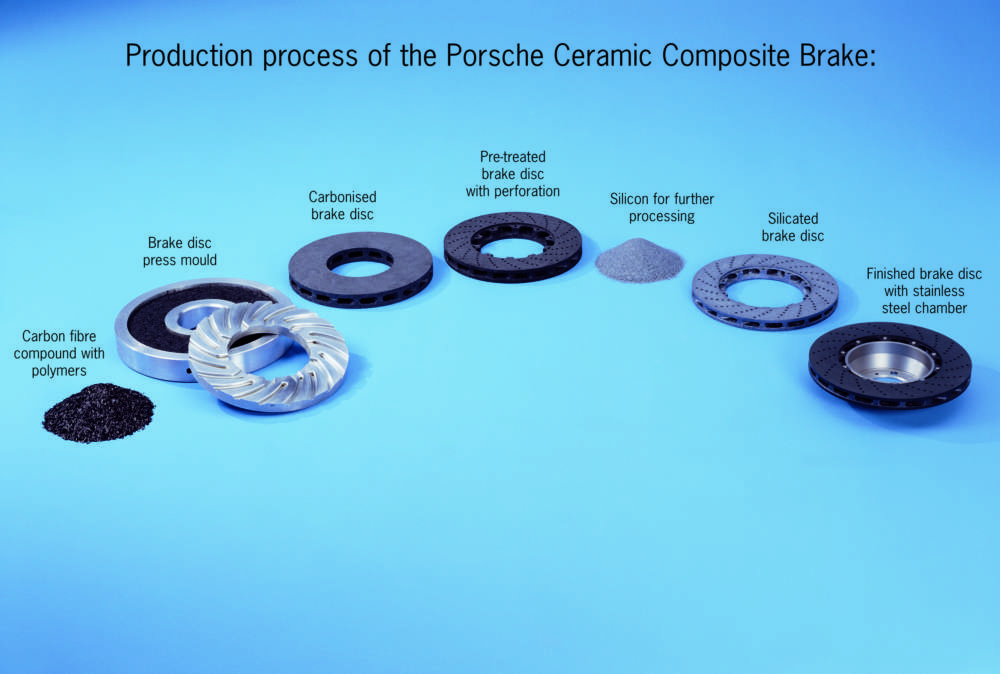 Production process of the Porsche Ceramic Composite Brake
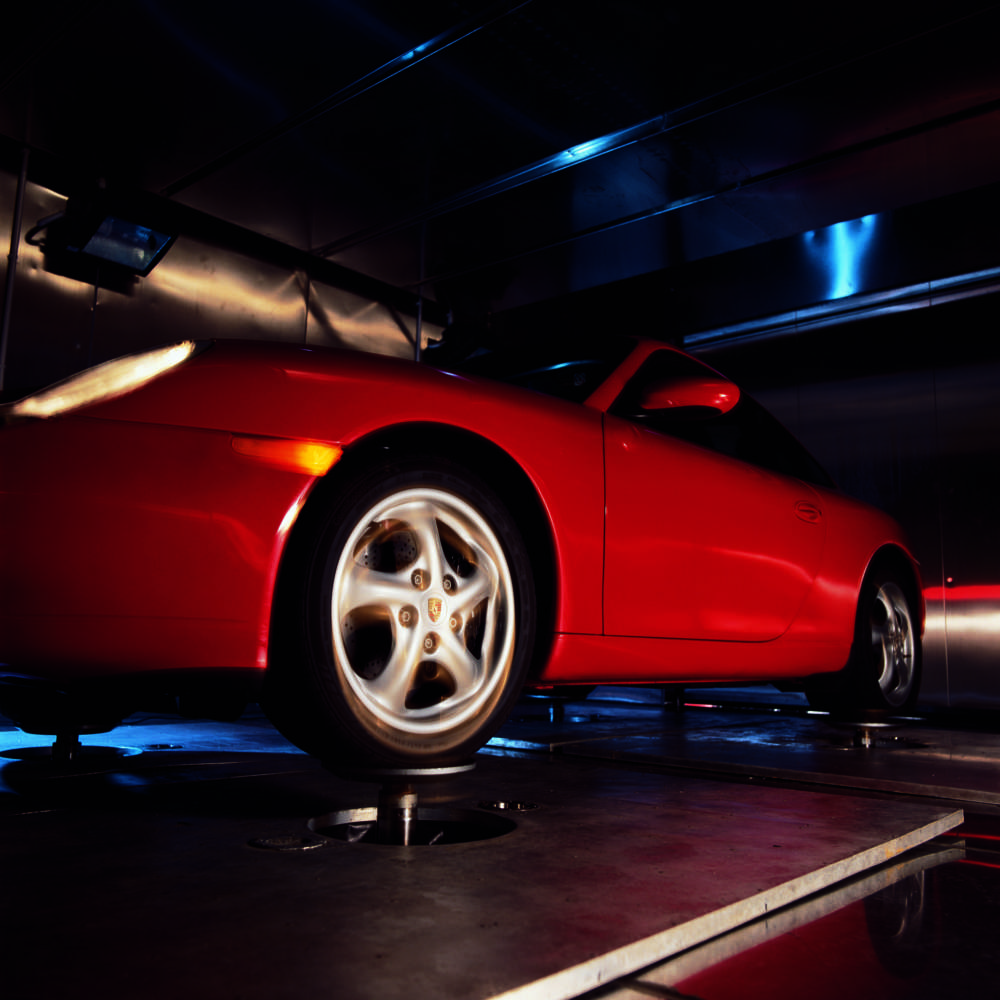 The hydraulic ram can simulate virtually any road surface with four hydraulic tappets
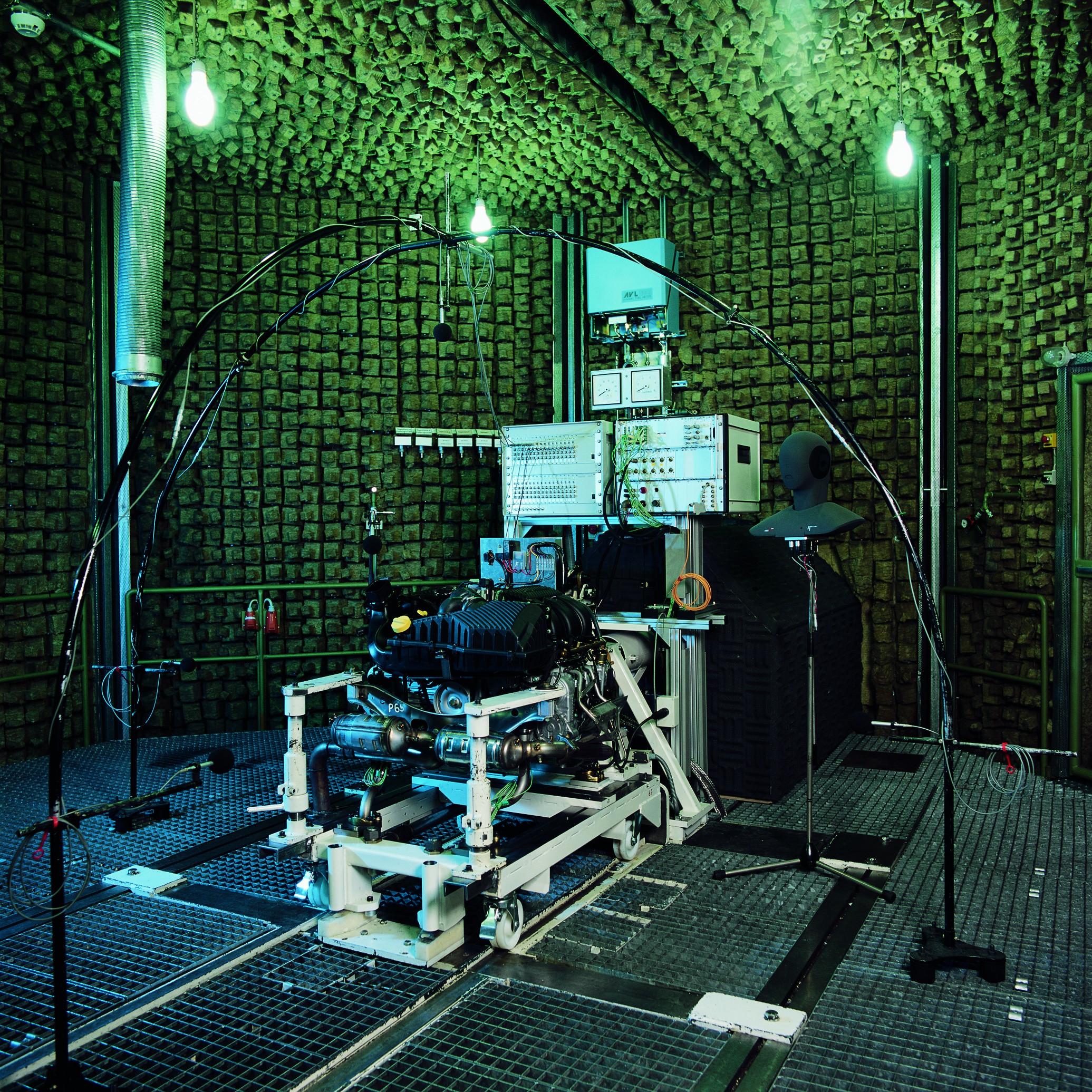
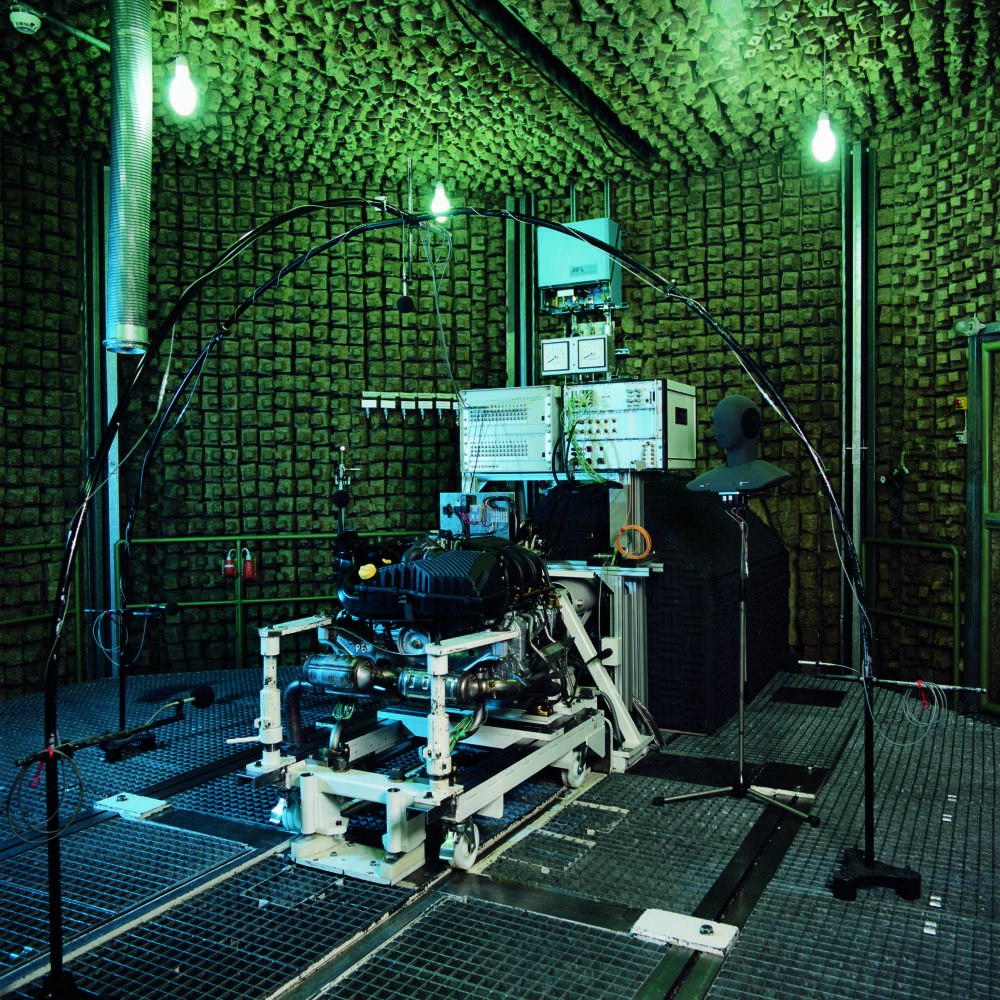 Porsche Boxer engine in the sound measuring room: Sound engineering has long belonged to the development content of every Porsche sports car