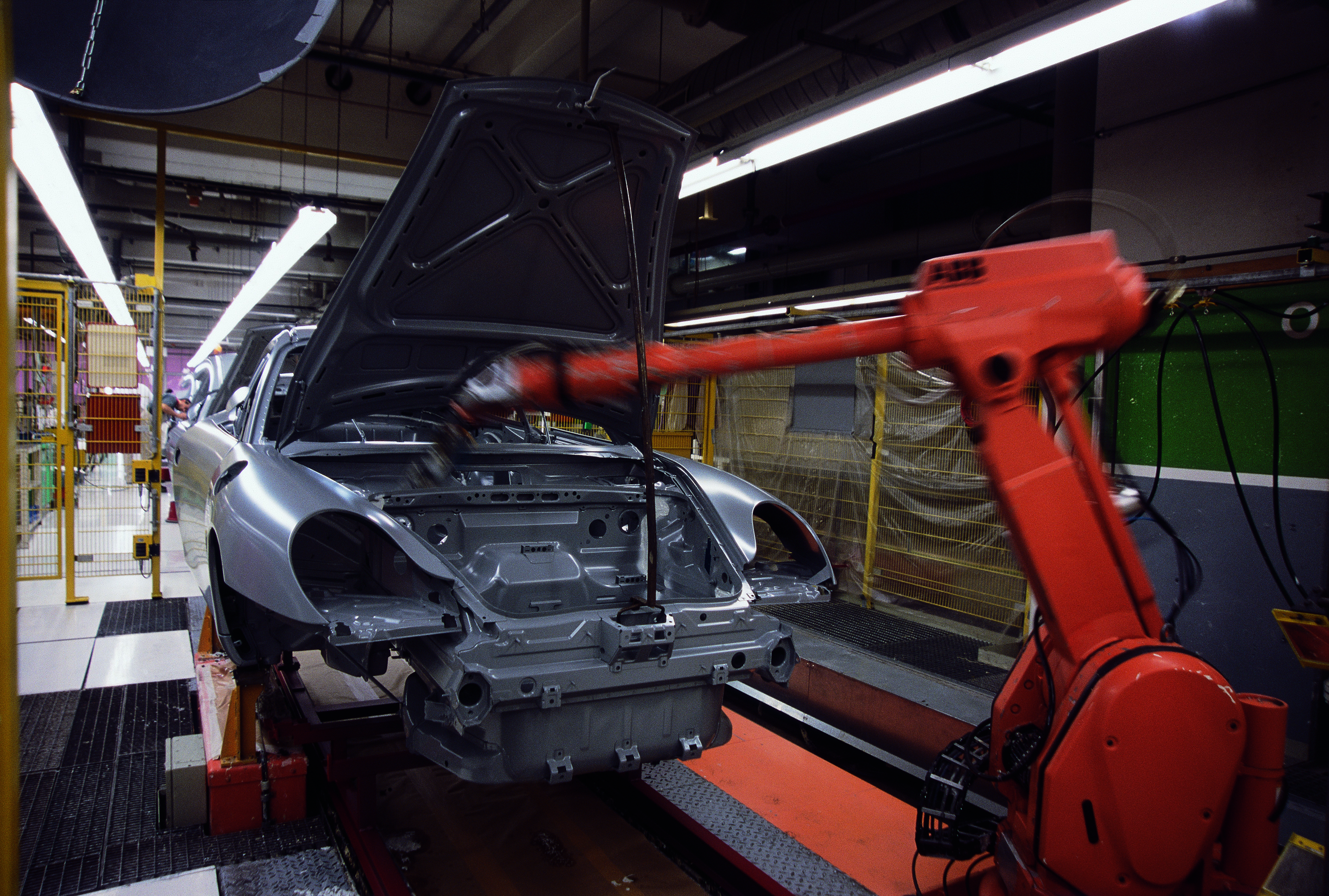
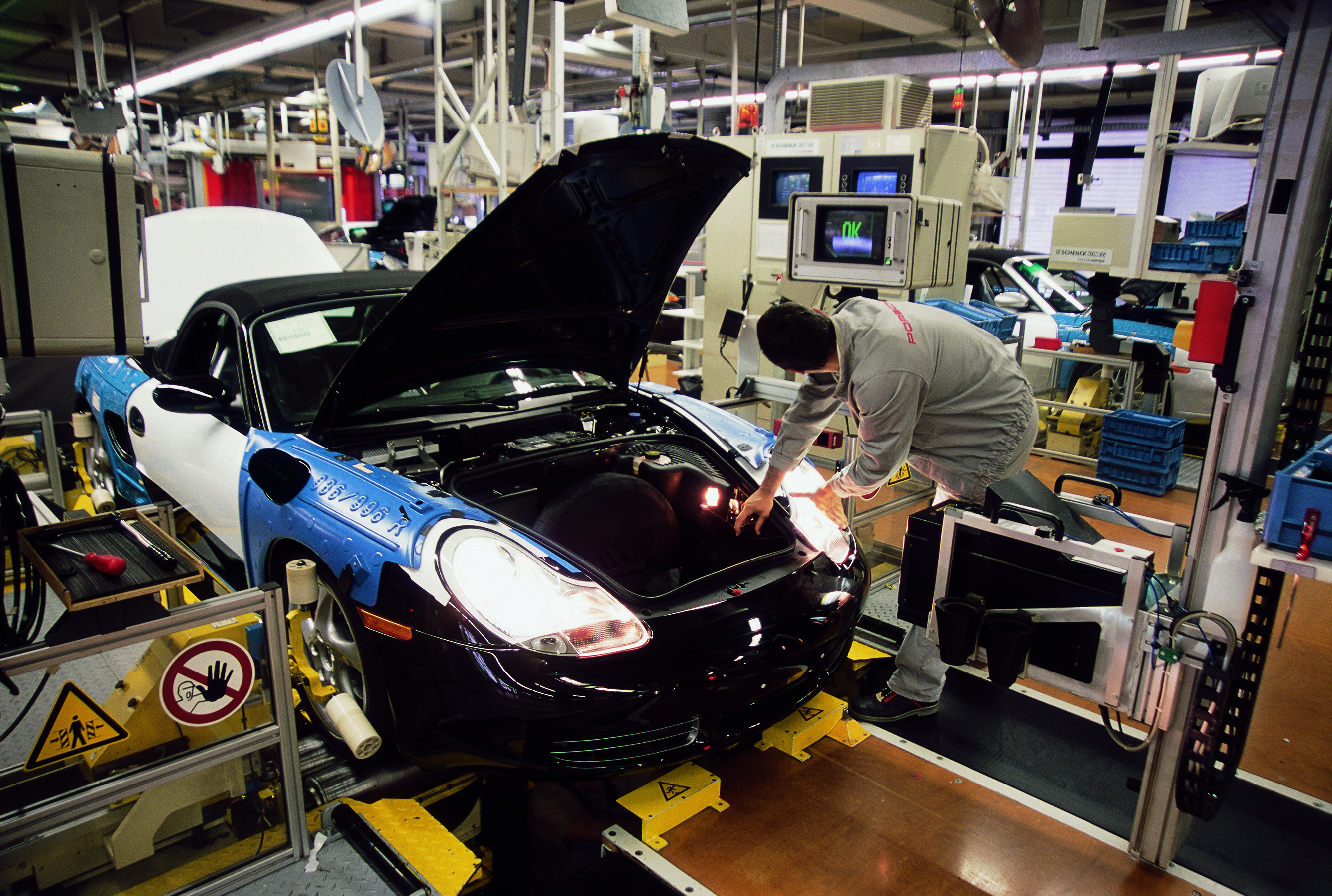
Automatic sealing of the inner seams with PVC material
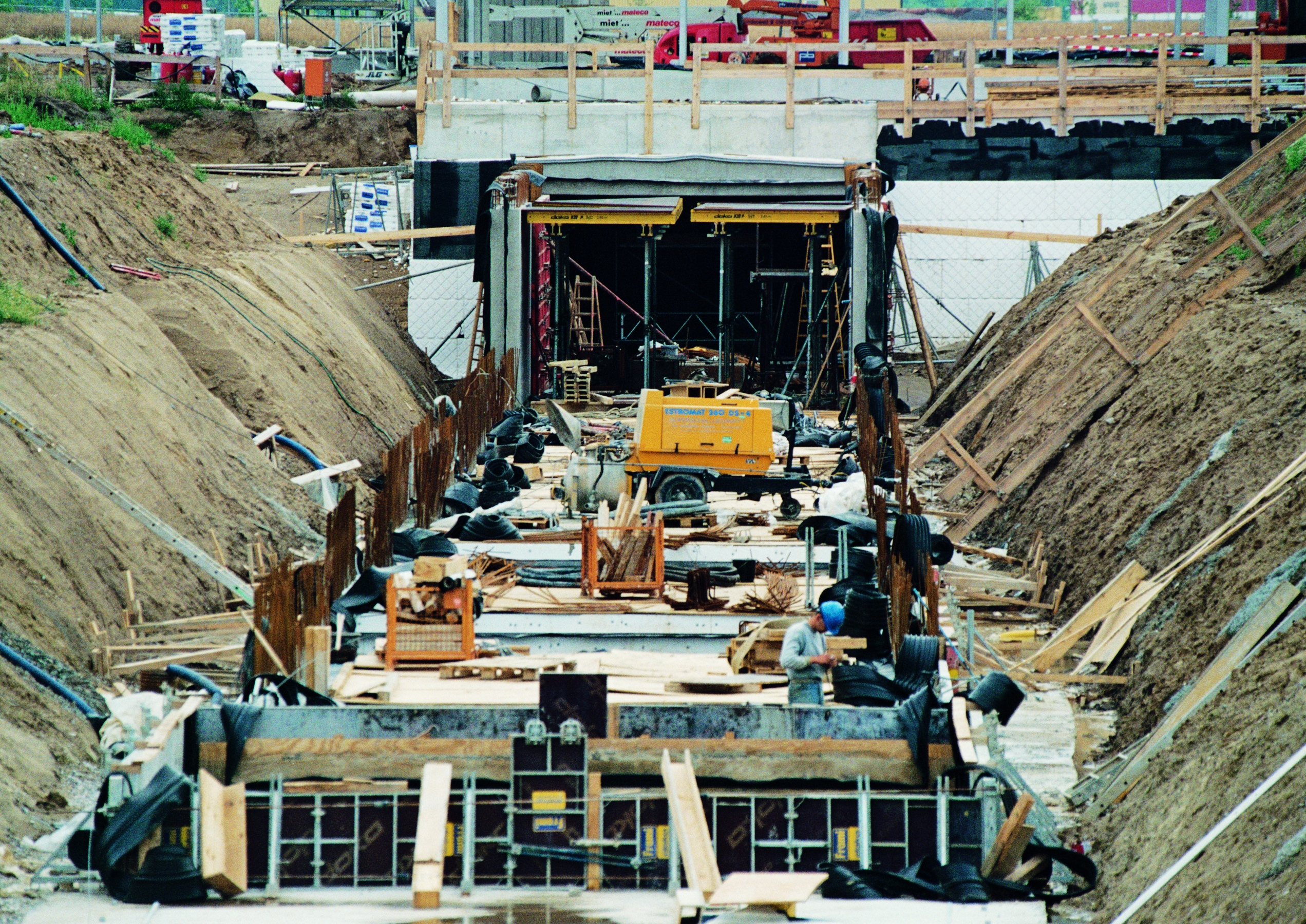
Construction of the underground tunnel which will be used to transport vehicle parts from the rail loading station to the production hall (photo taken on 6th July 2000)
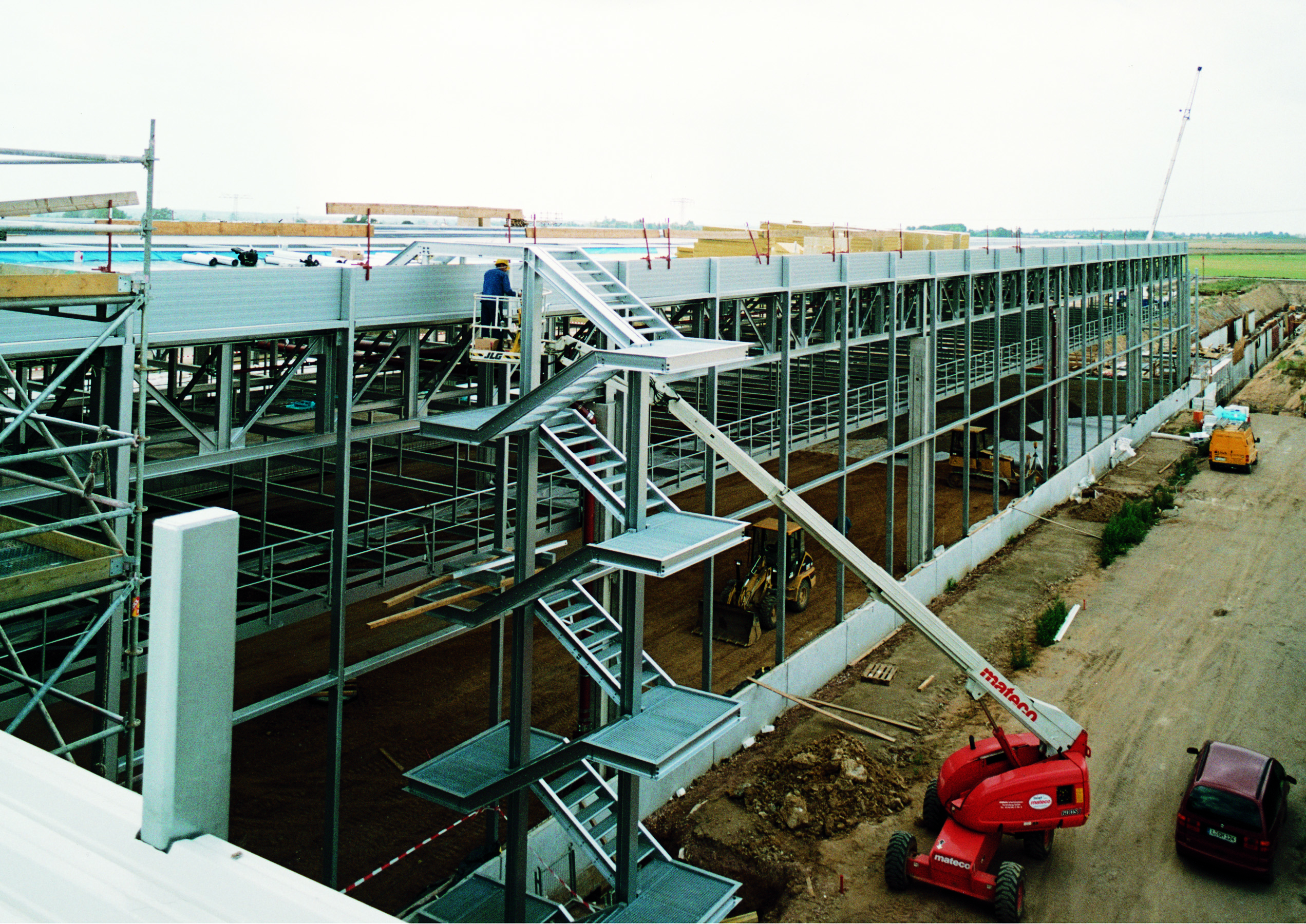
Steel construction of the production hall (photo taken on 9th August 2000)
Construction of the underground tunnel which will be used to transport vehicle parts from the rail loading station to the production hall (photo taken on 6th July 2000)
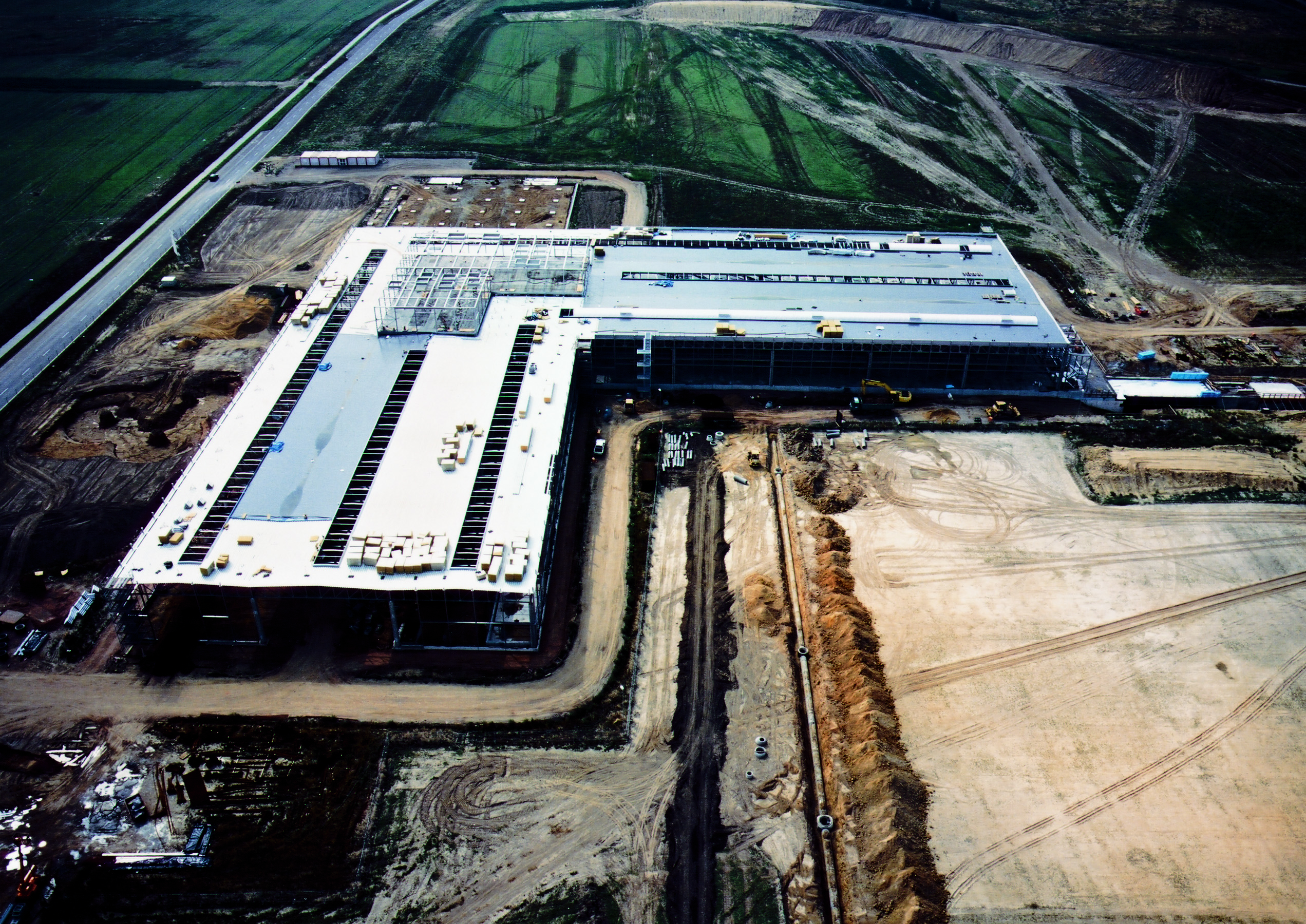
The Porsche plant in Leipzig is built on 90 hectares of land (photo taken on 12th August 2000)
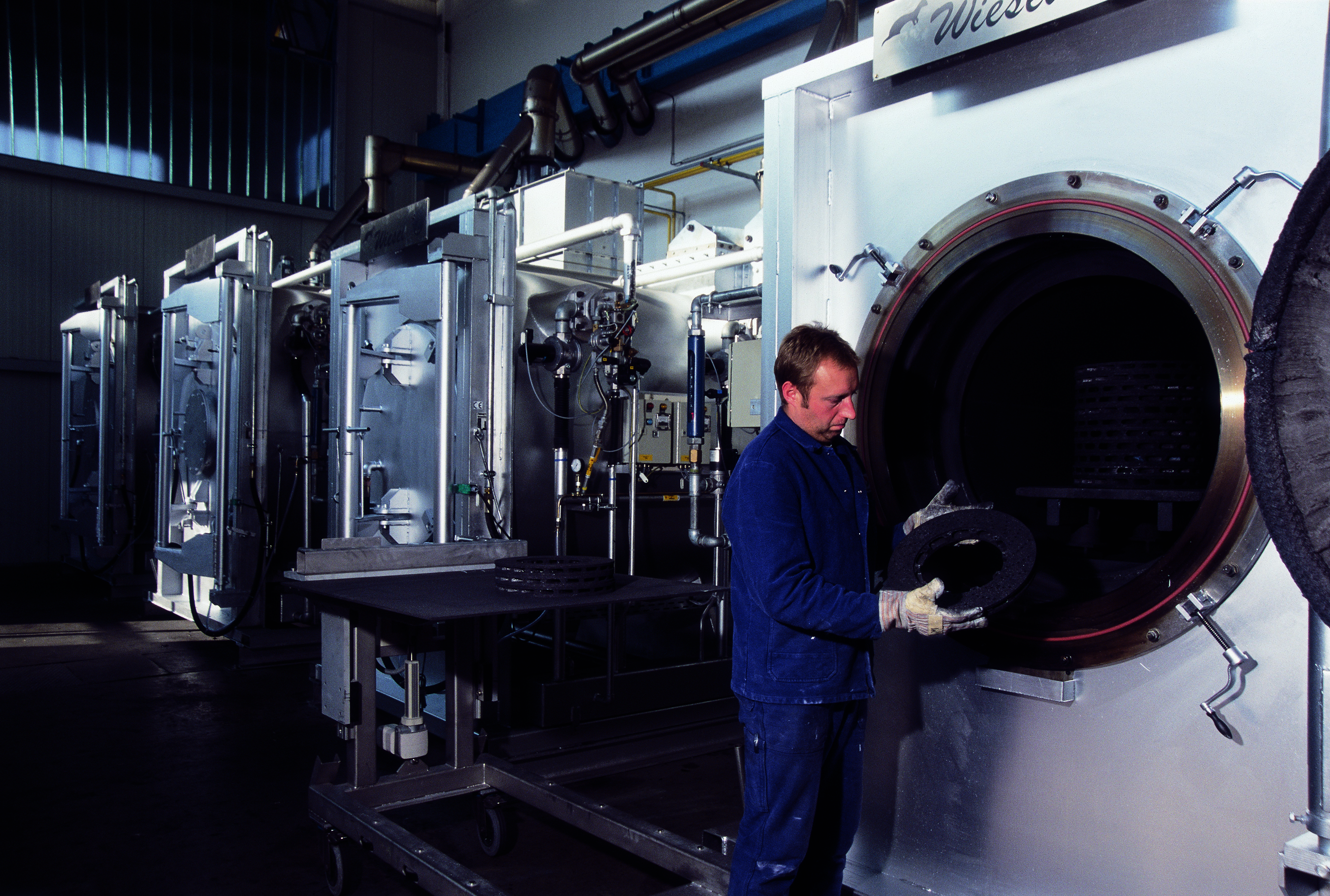
PCCB production: pyrolysis furnace for carbonising the brake discs
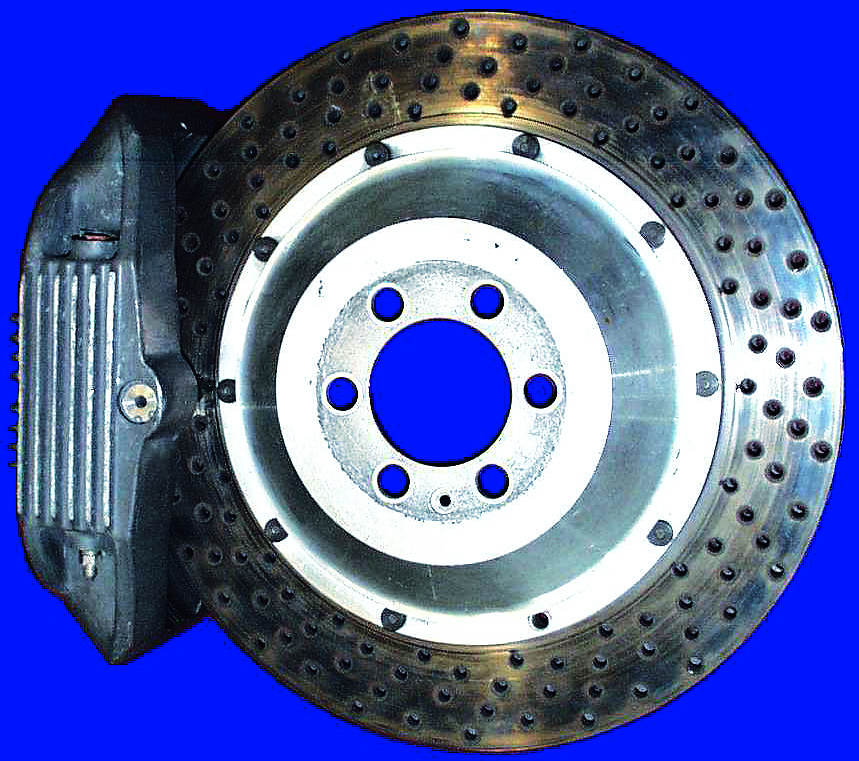
Milestones in brake development: inner-action brake disc in 1962
Milestones in brake development: first racing brake system for standard production cars in 1977
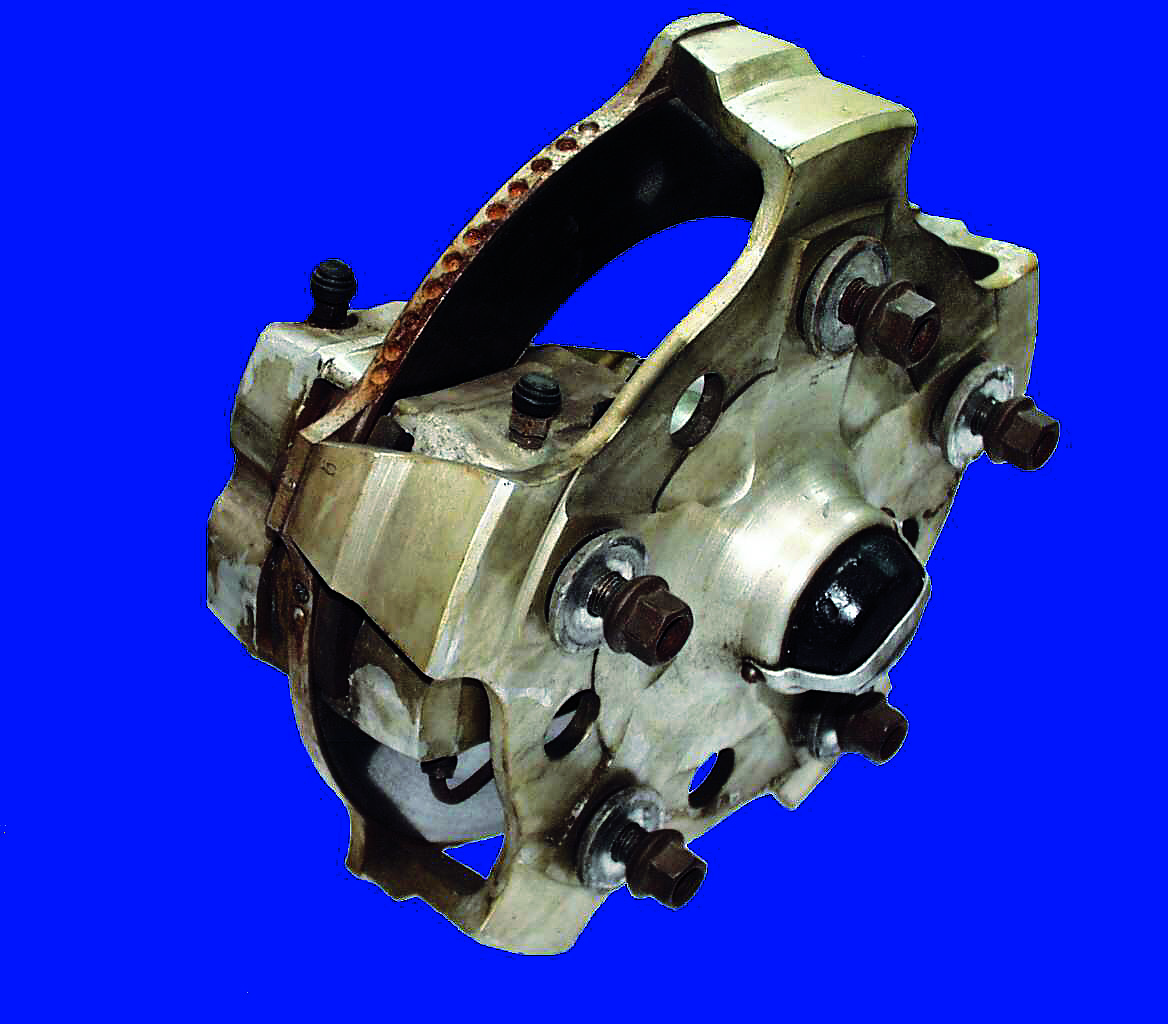
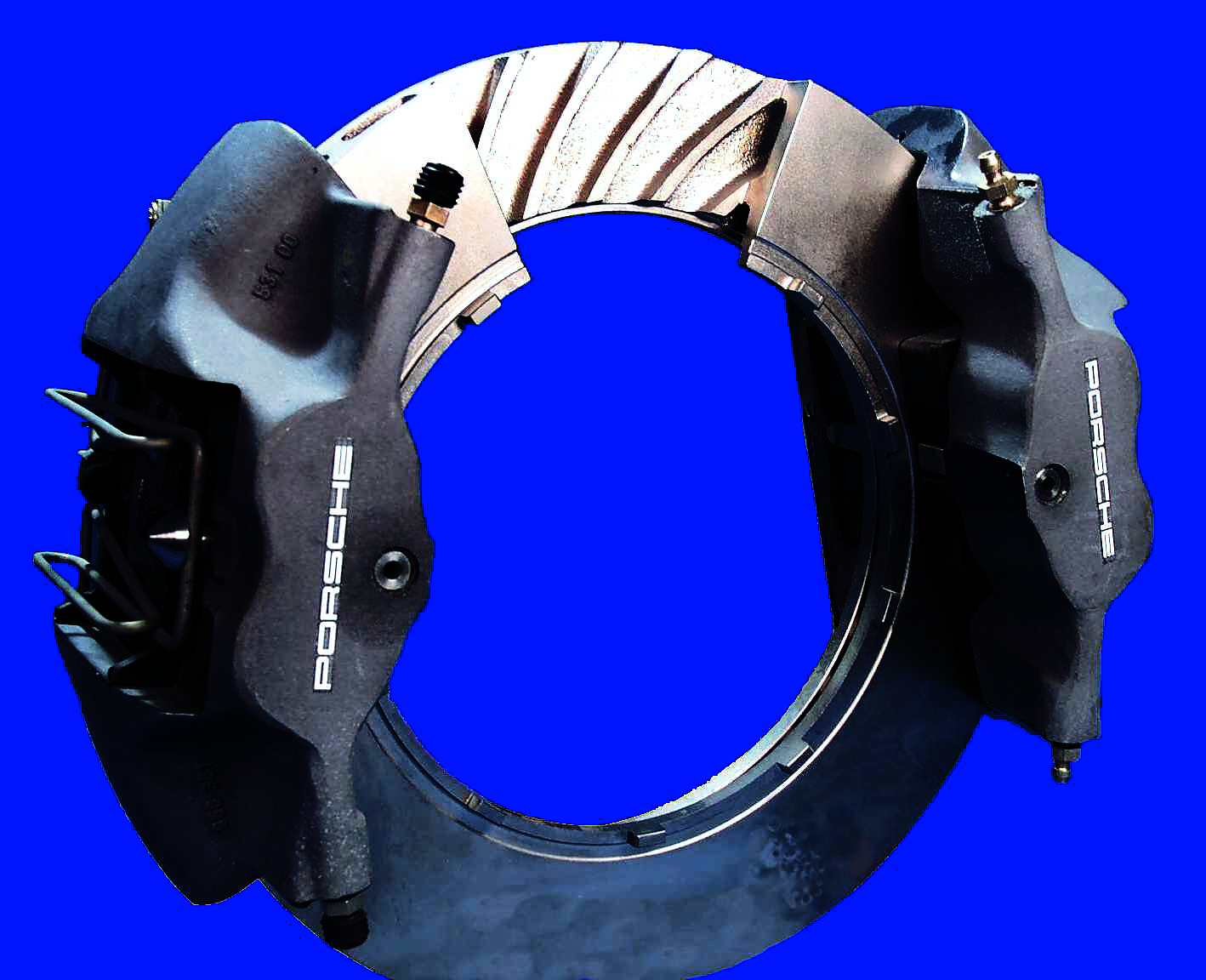
Milestones in brake development: aluminium fixed-caliper brake in the monobloc design in 1976
Milestones in brake development: double fixed-caliper wheel brakes in 1982
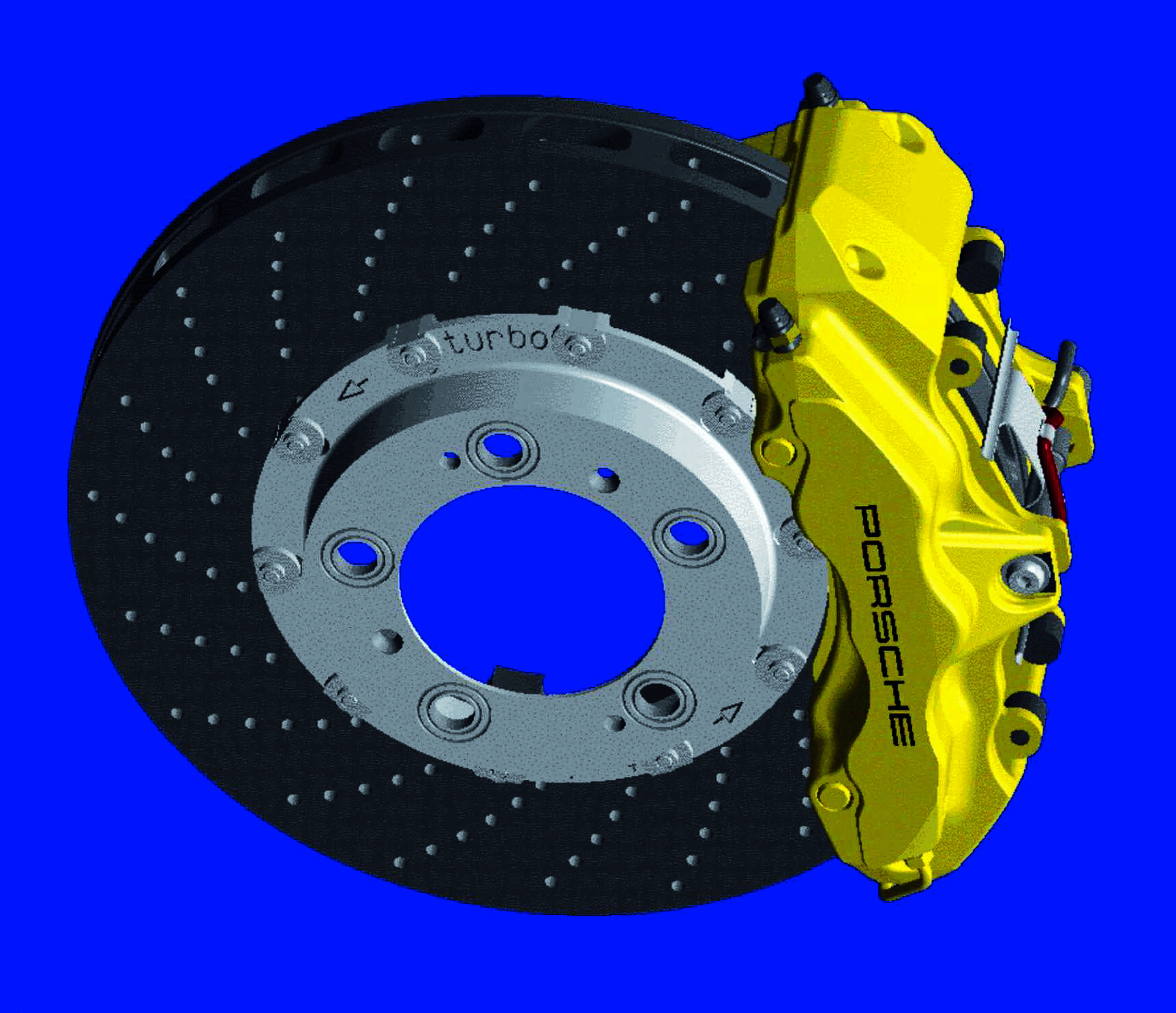
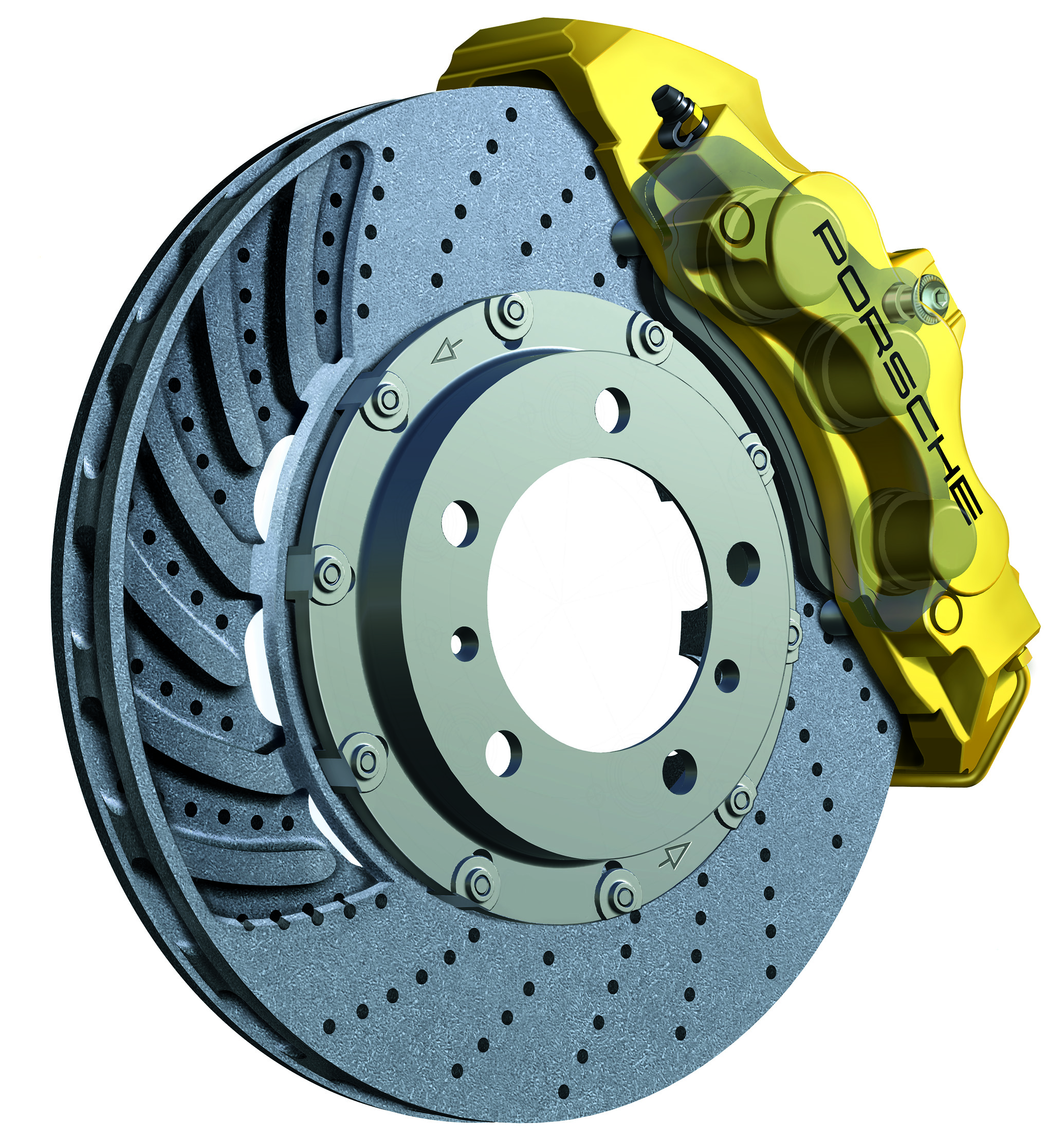
Graphic of the Porsche Ceramic Composite Brake (PCCB) with six-piston brake caliper
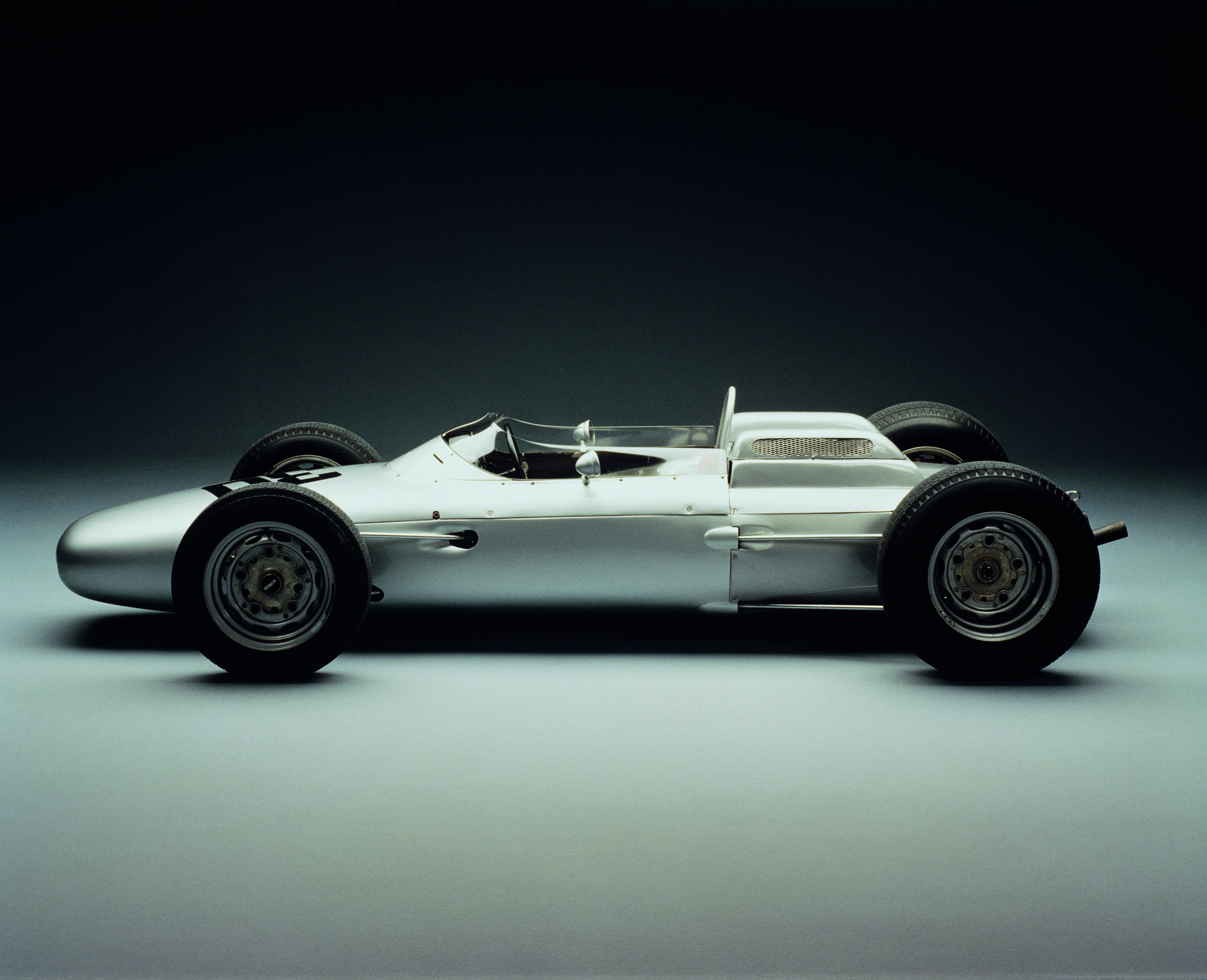
Milestones in brake development: the inner-action brake disc was given its baptism of fire in the Type 804 F1
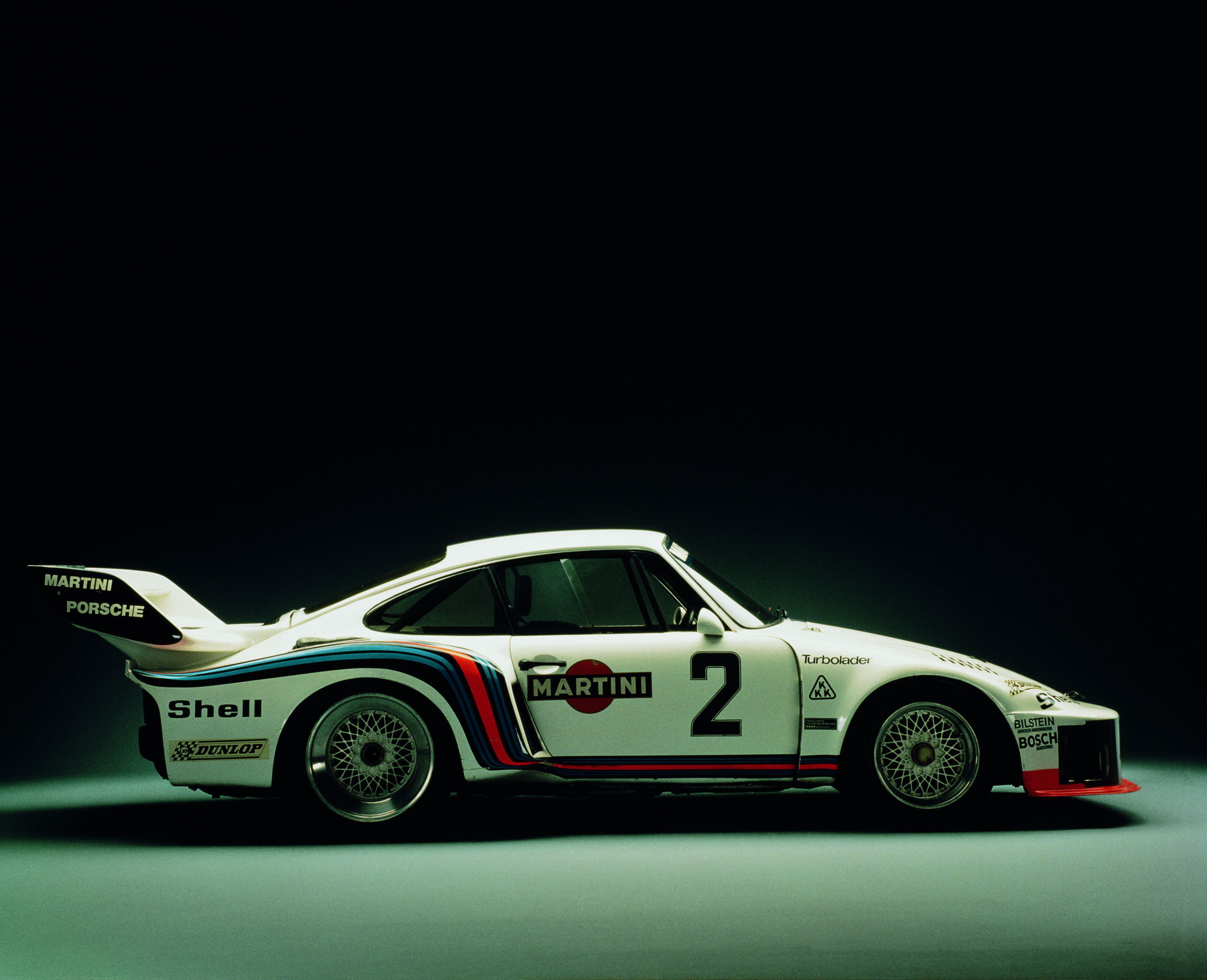
Milestones in brake development: the racing sports car Type 935 drove for the first time with aluminium fixed-caliper brakes in the monobloc design
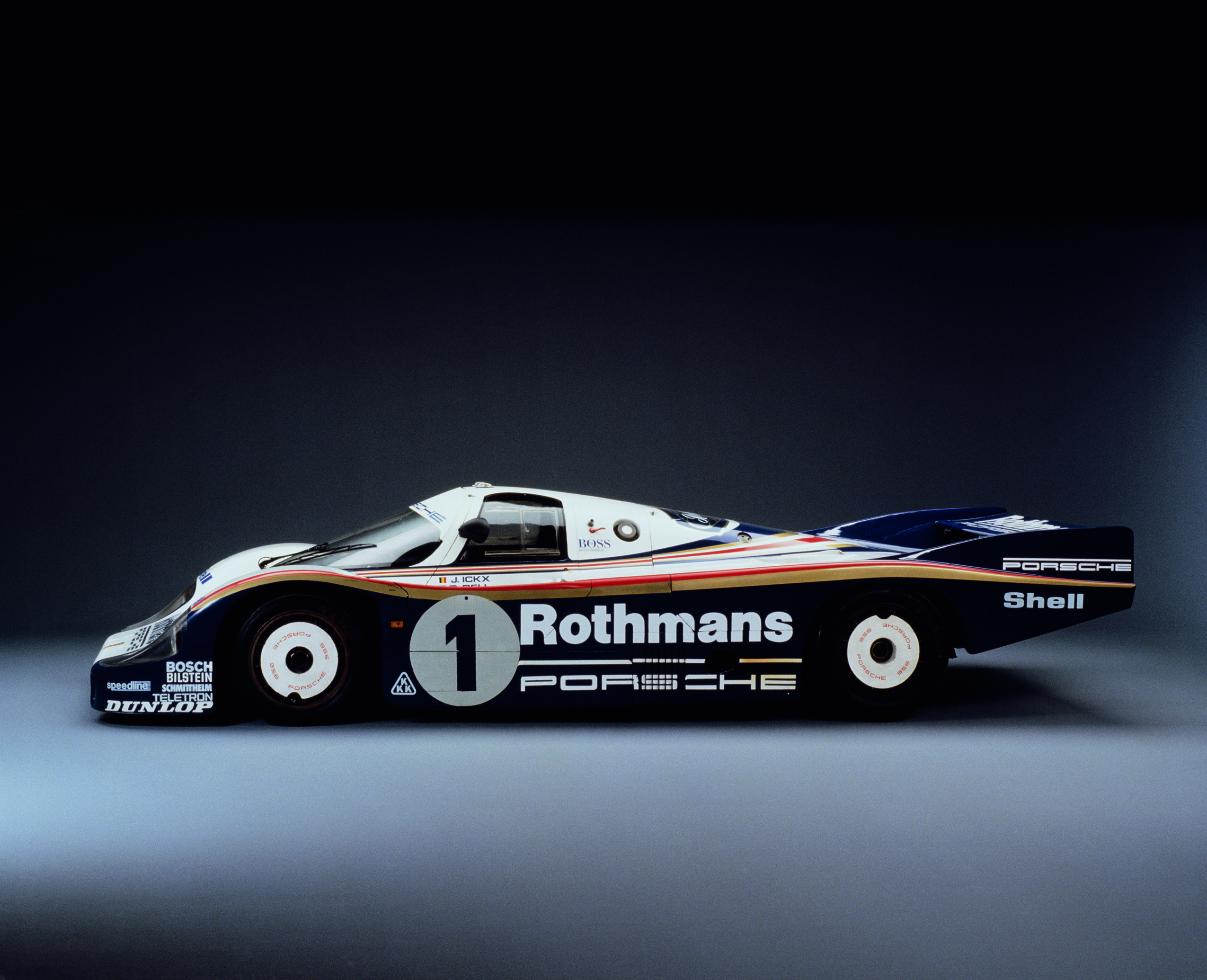
Milestones in brake development: Porsche Type 956/962 with aluminium double fixed-caliper brakesdesign
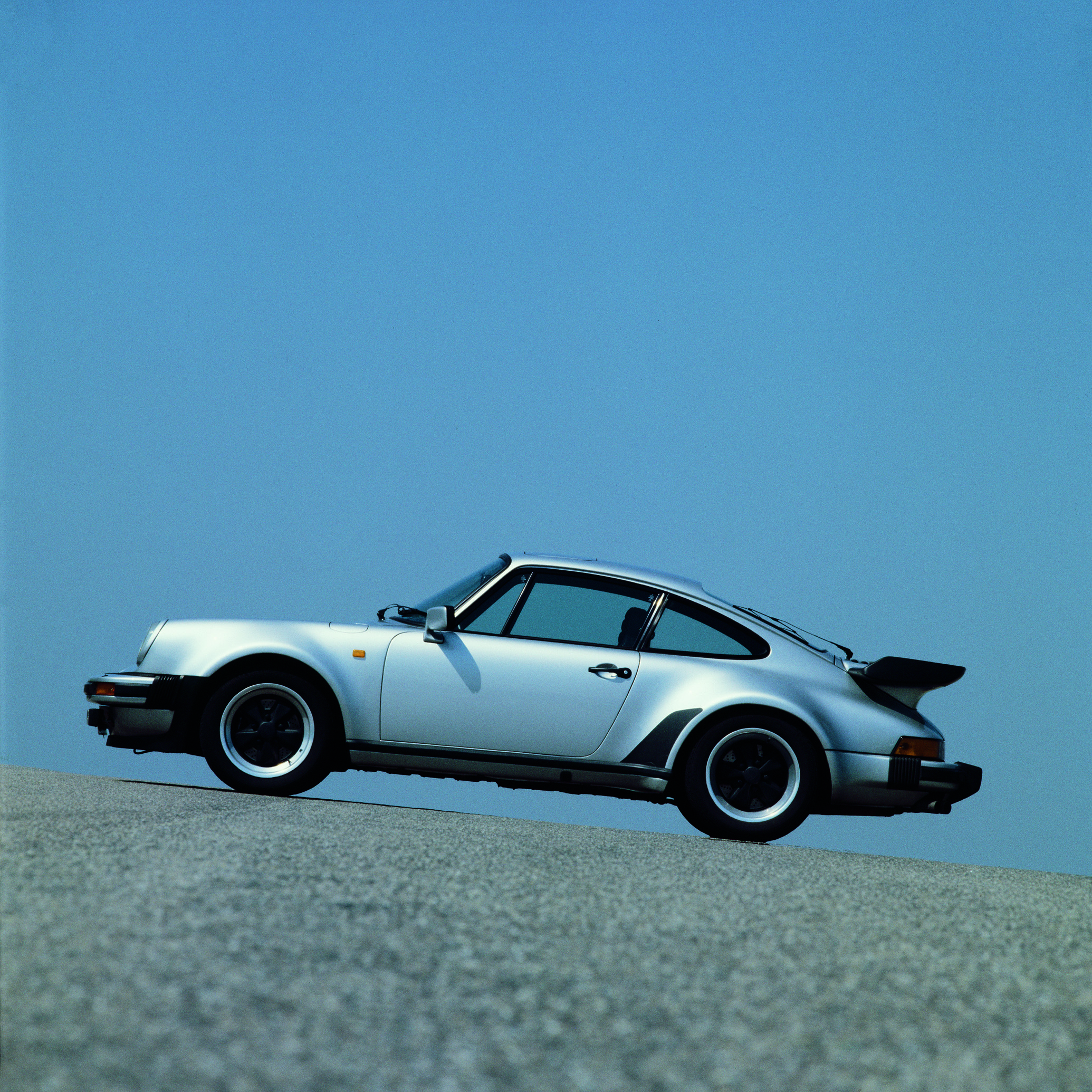
Milestones in brake development: in 1977, the 911 Turbo, 3.3 l, was the first standard production car to be equipped with a brake system from a racing car
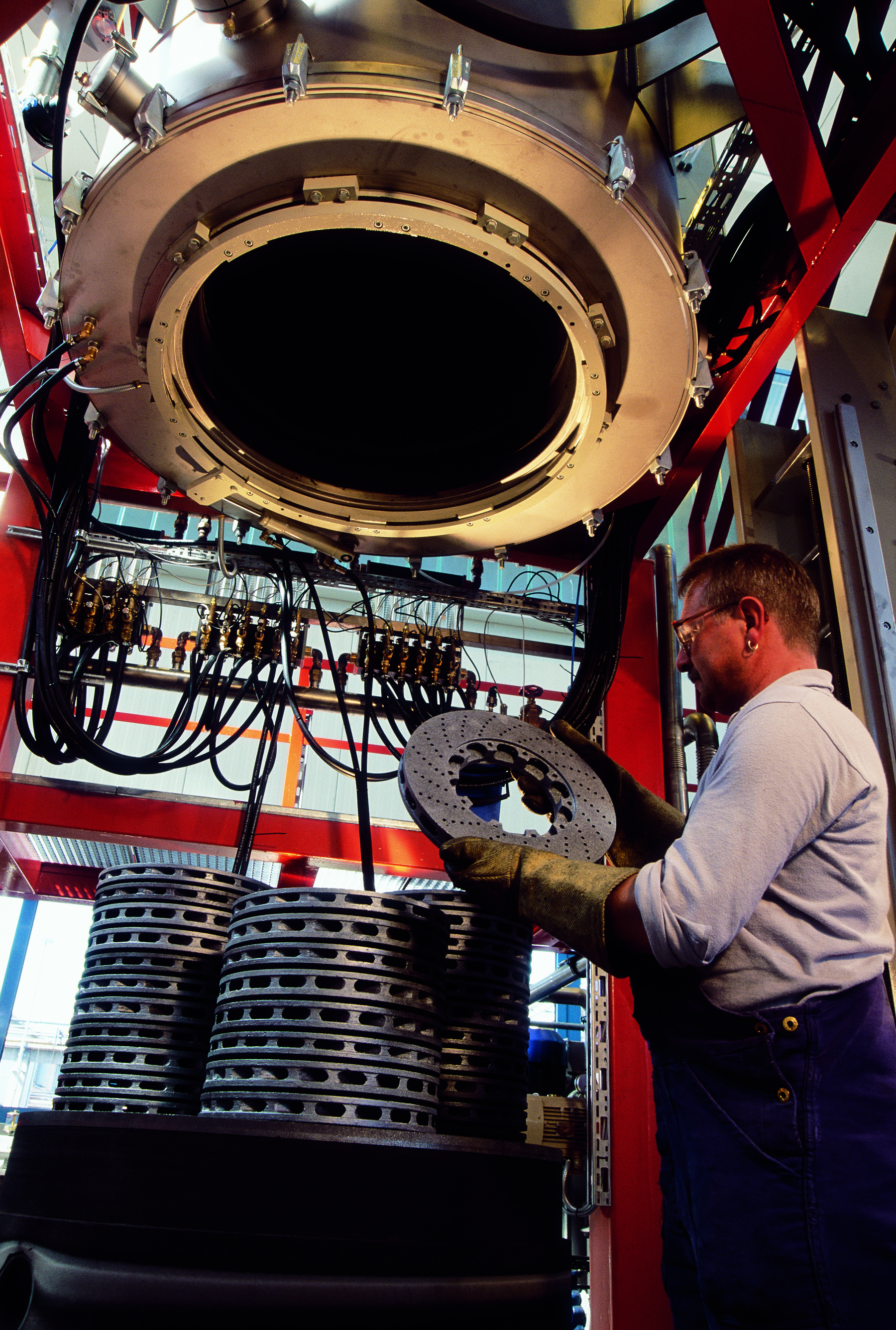
Brake discs after the silicating process in the high-vacuum furnaceausgestattetcar
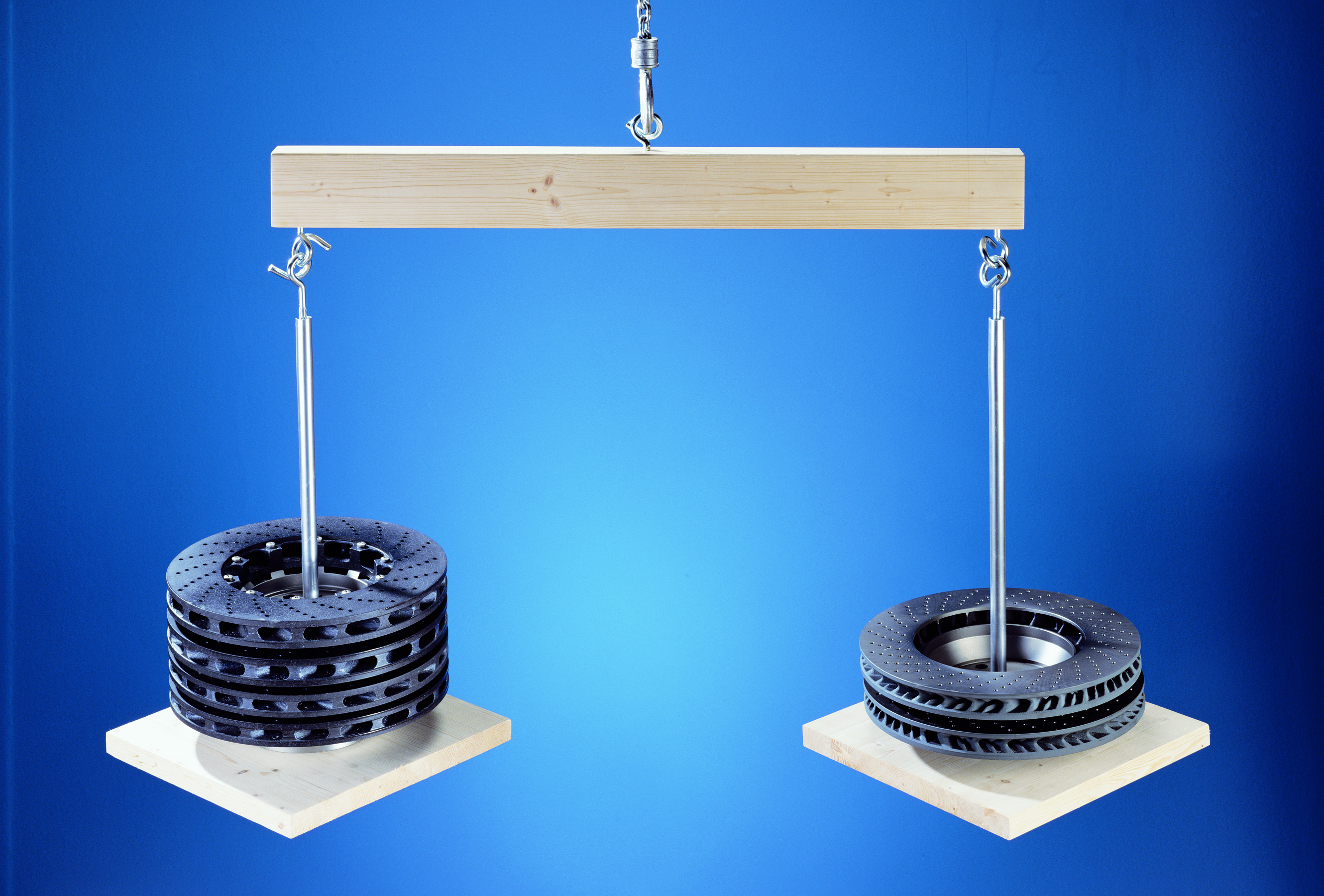
The PCCB brake disc (left) weighs approximately 50 percent less than a grey cast-iron brake disc
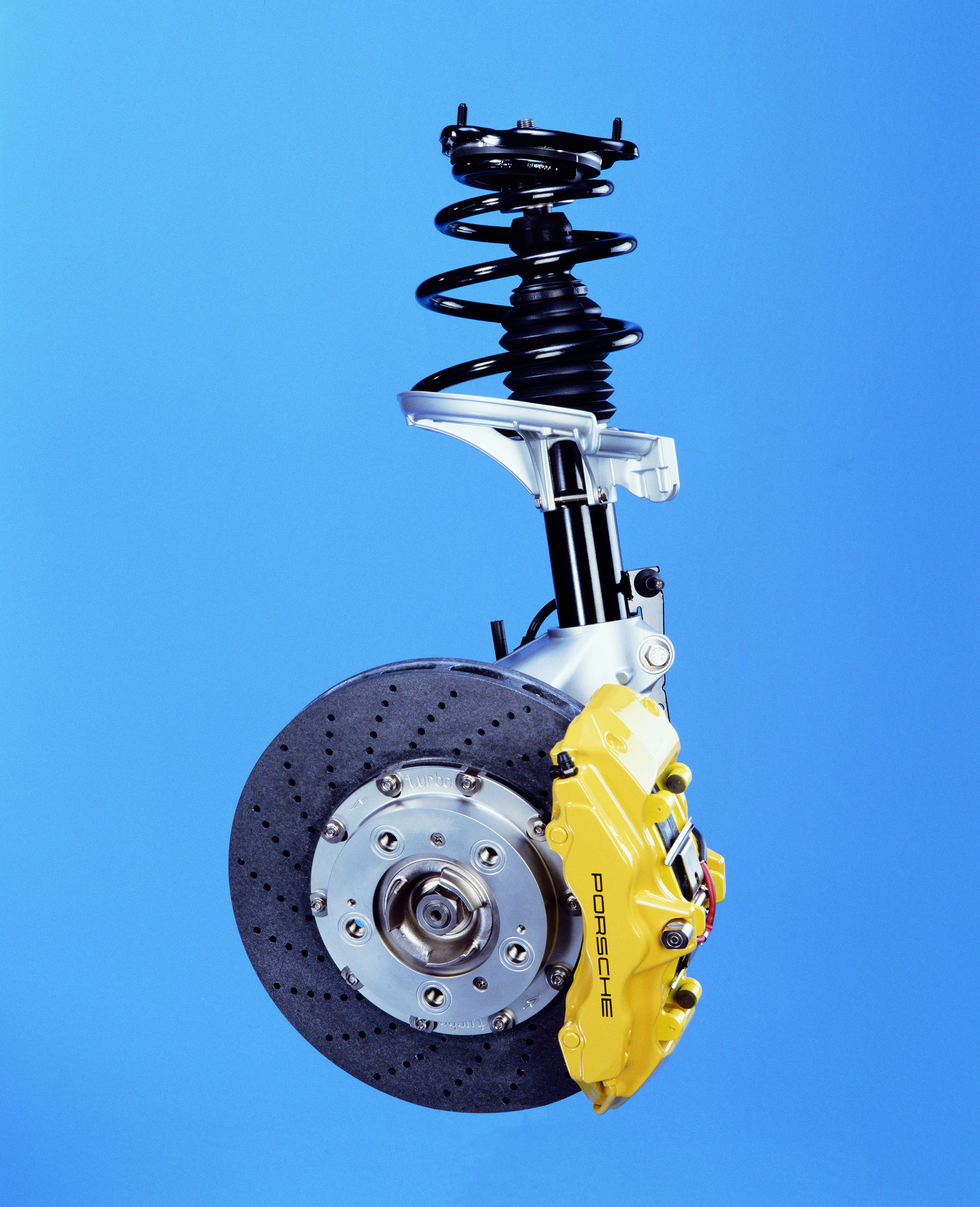
Front-axle spring strut with Porsche Ceramic Composite Brake (PCCB)
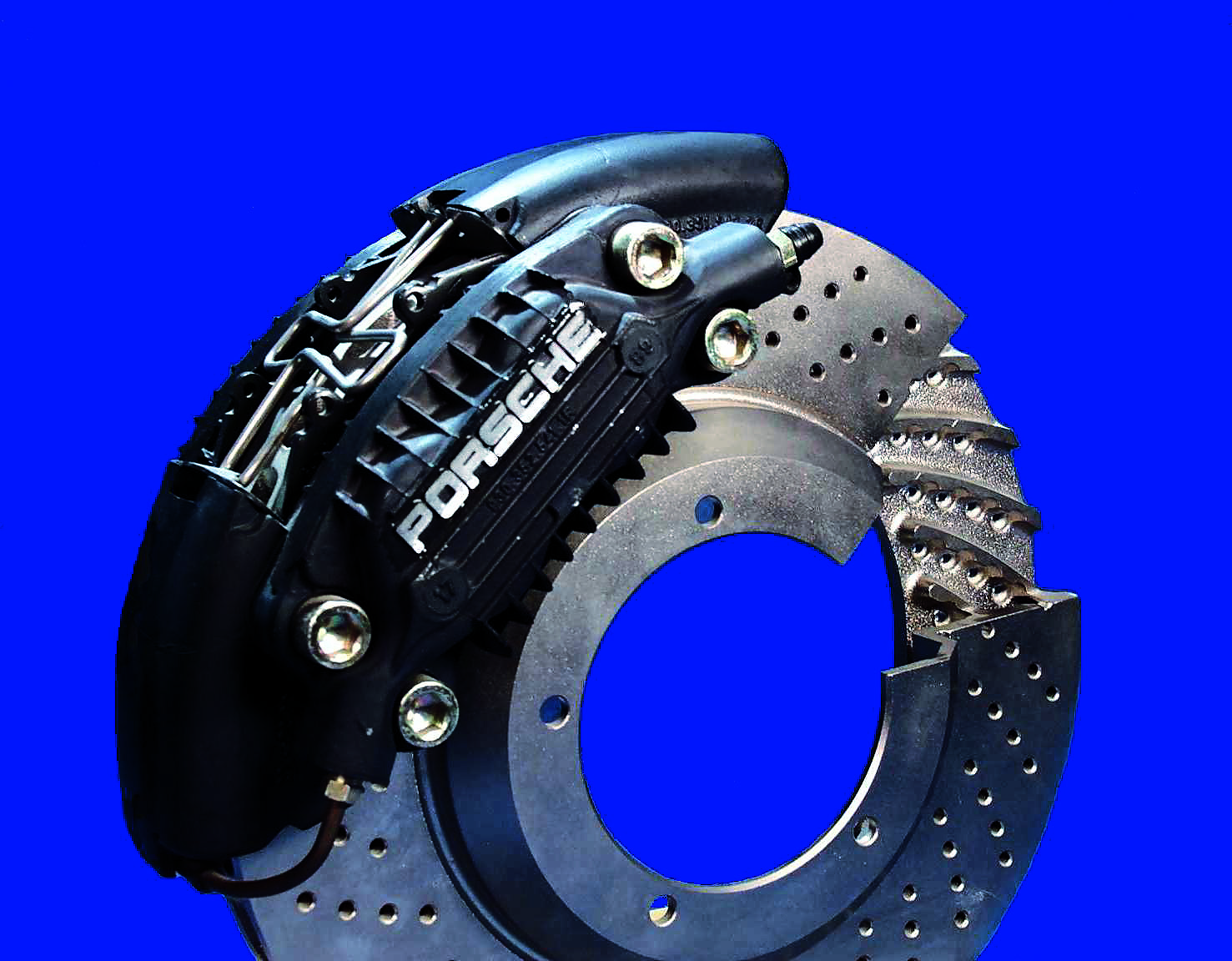
Phantom graphic of the perforated ceramic brake disc with involute cooling channels and six-piston brake caliper