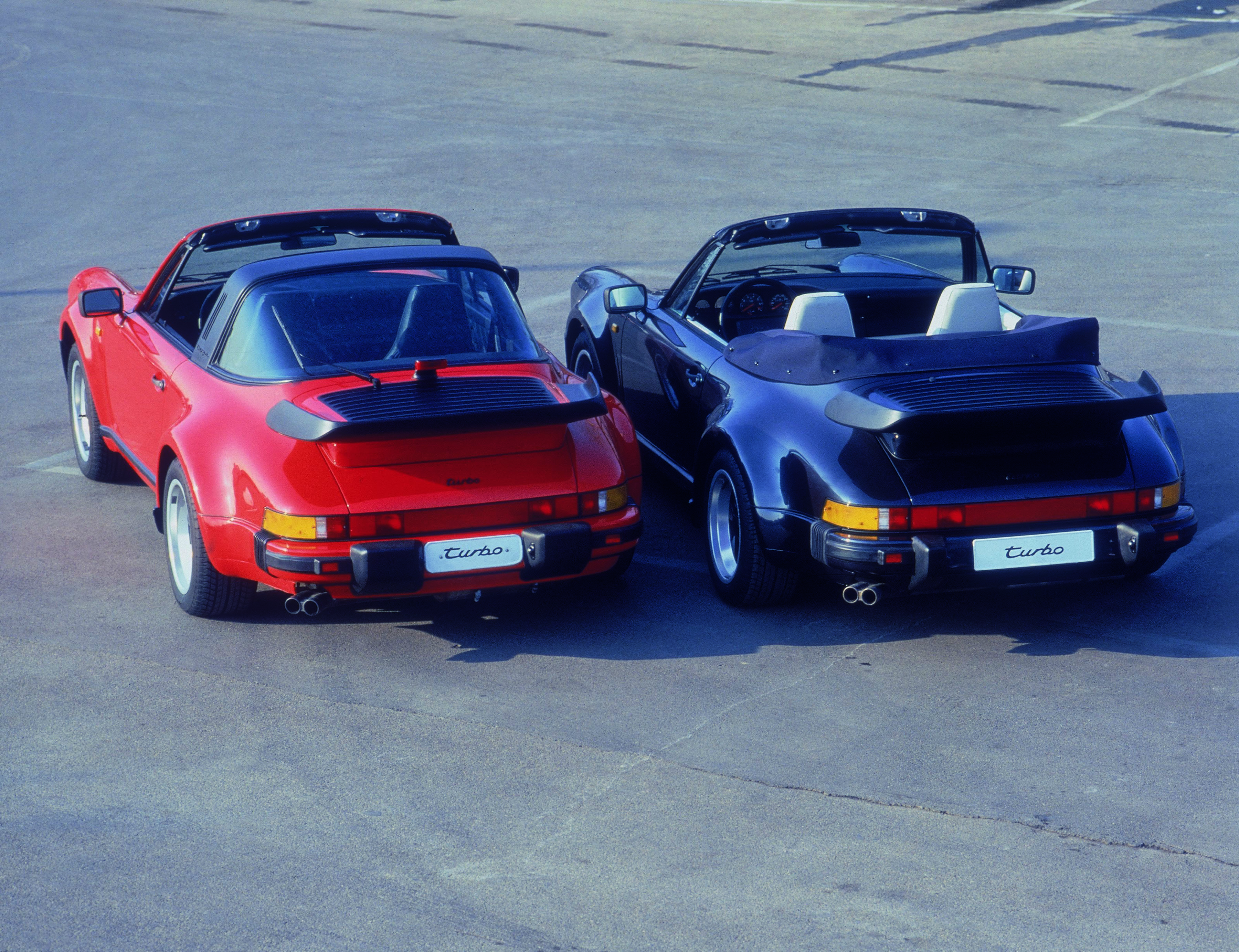
911 Turbo 3.3. Cabriolet (rechts) und Targa (links) (MY 1987)
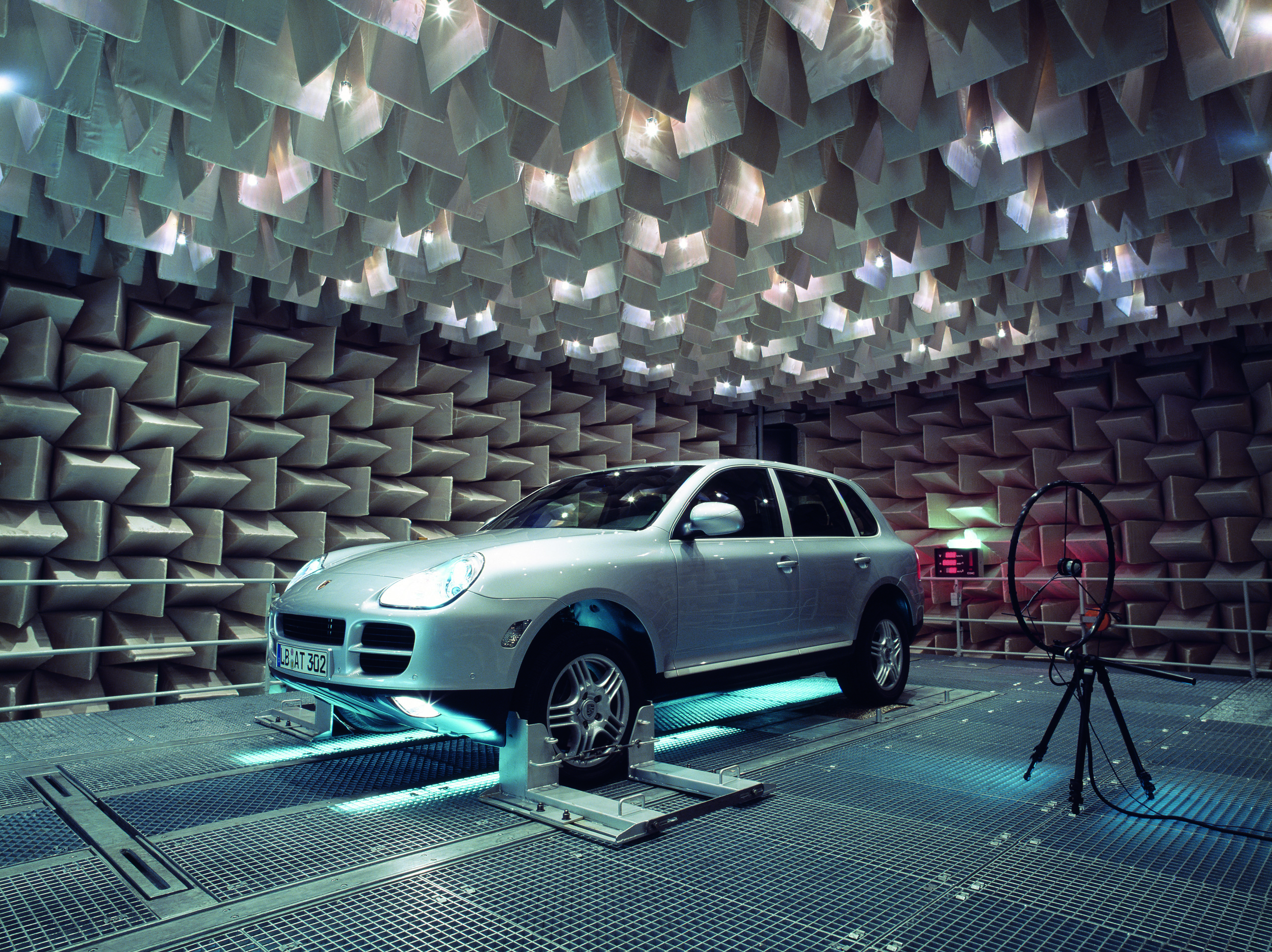
Sound design in acoustic chamber: the acoustic camera not only provides test results on engines, but also for entire drive trains and vehicle components
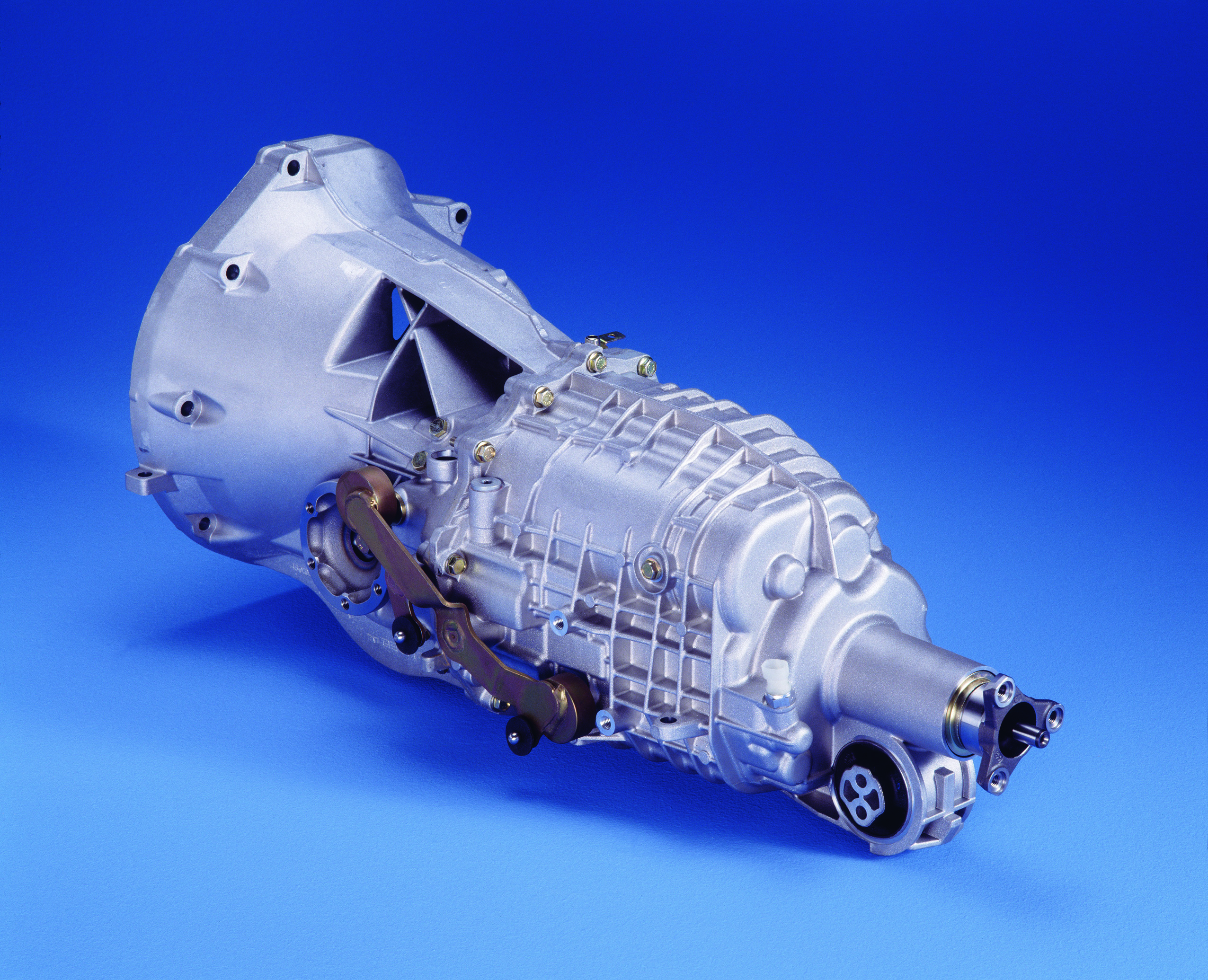
Six-speed manual transmission
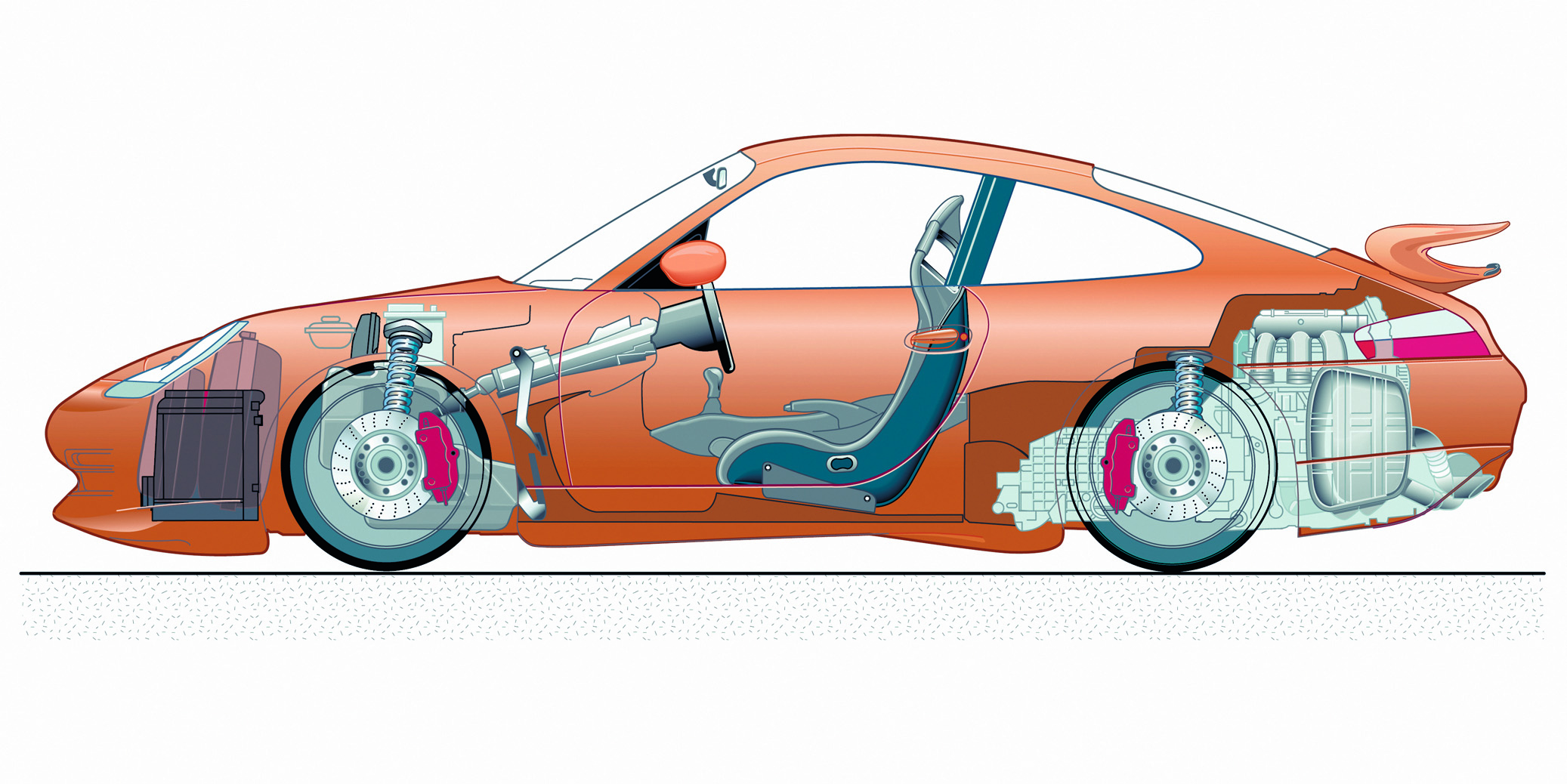
The vehicle's centre of gravity has been lowered by 30 mm
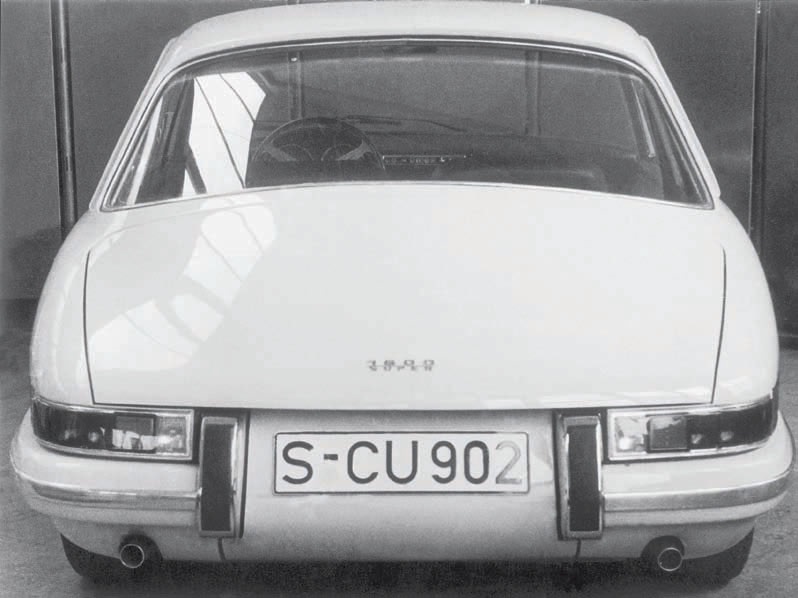
The back end of the F. A. Porsche team 754 T7 had a bit further to go to reach the configuration that went into production. Air intake and cooling came through the side of the rear quarter panels, which proved insufficient. Porsche Archiv
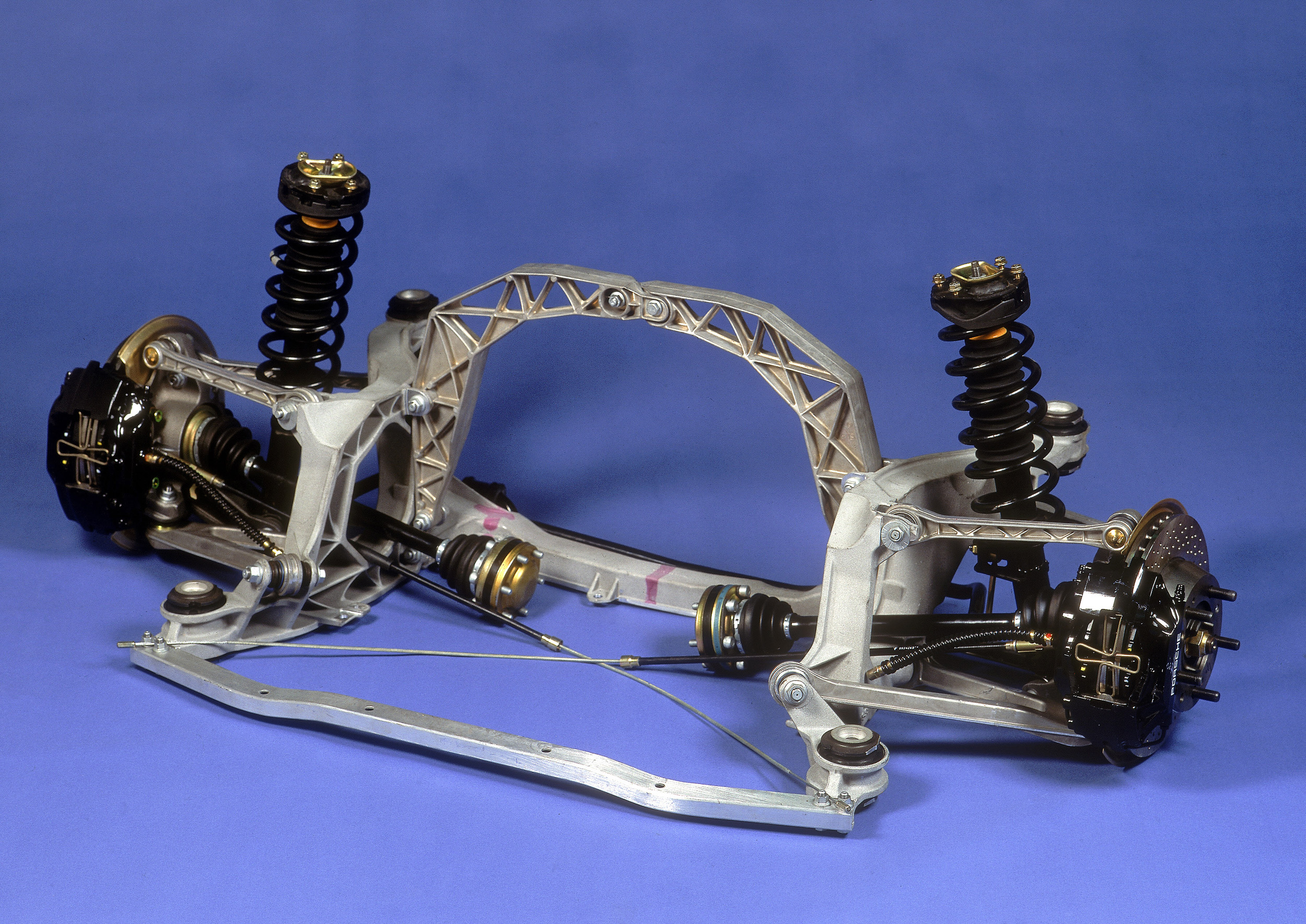
The new chassis designed in accordance with the âÂÂLSAâ concept (Light, Stable, Agile) in the 993 series finally put an end to the capriciousness of the rear engine-powered 911. It mainly affected the rear axle, which was based on a multi-link suspension tested in motor races and which facilitated excellent driving dynamics. The axle kinematics are designed to ensure that the vehicleâÂÂs suspension compresses significantly less when accelerating and driving round bends. This stabilises the overall handling. (...)
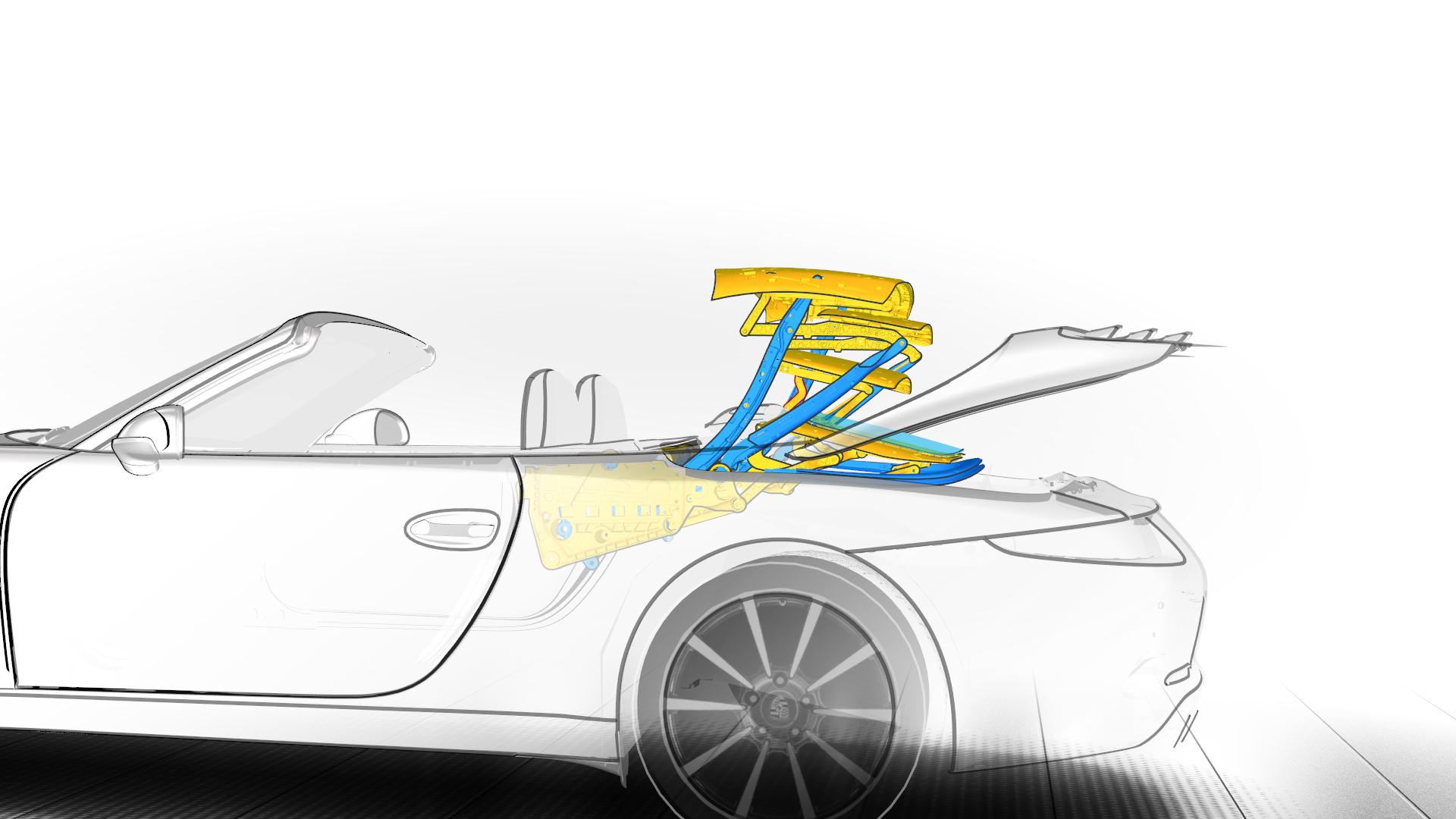
The magnesium panel bow top of the 911 Carrera Cabriolet
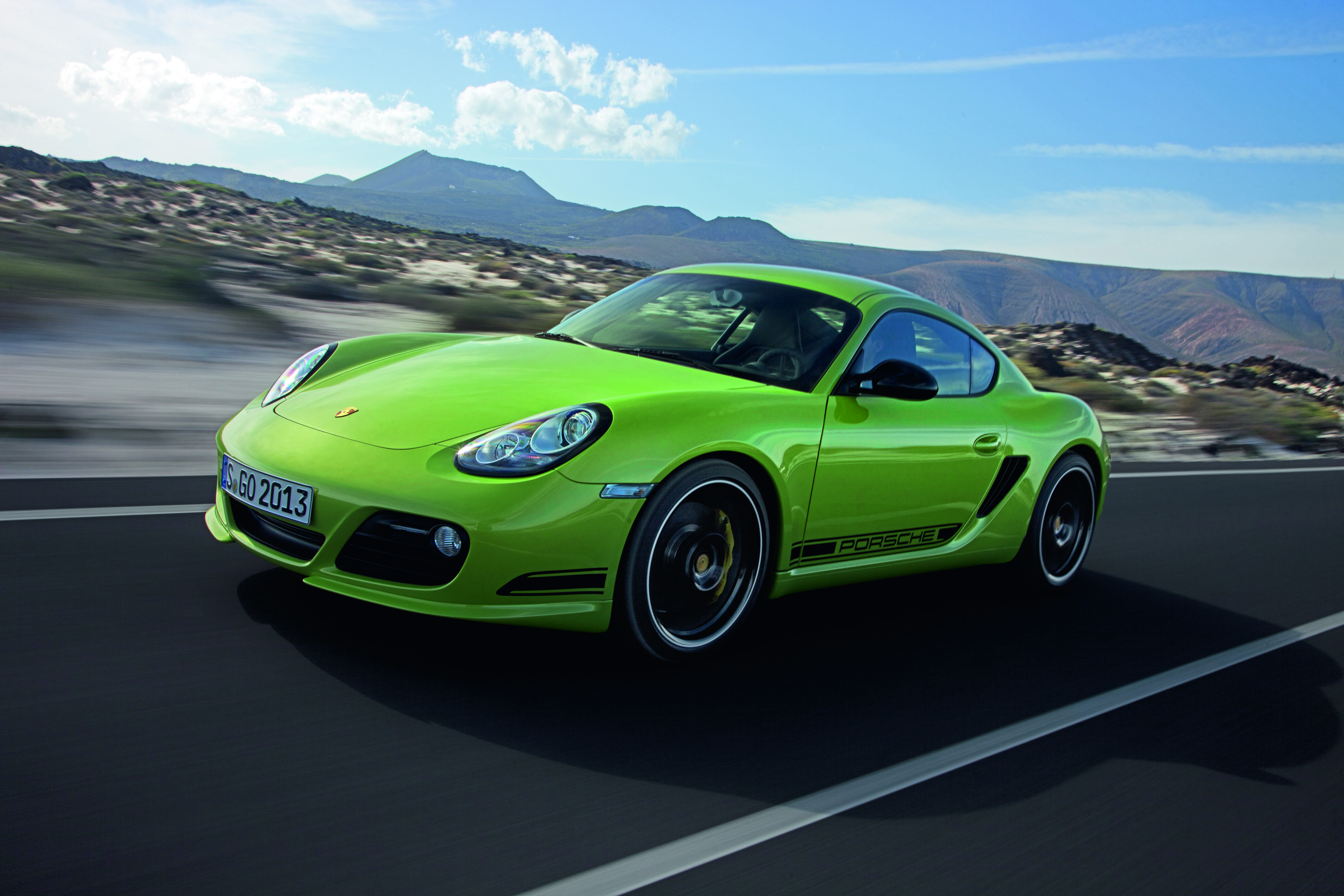
Cayman R
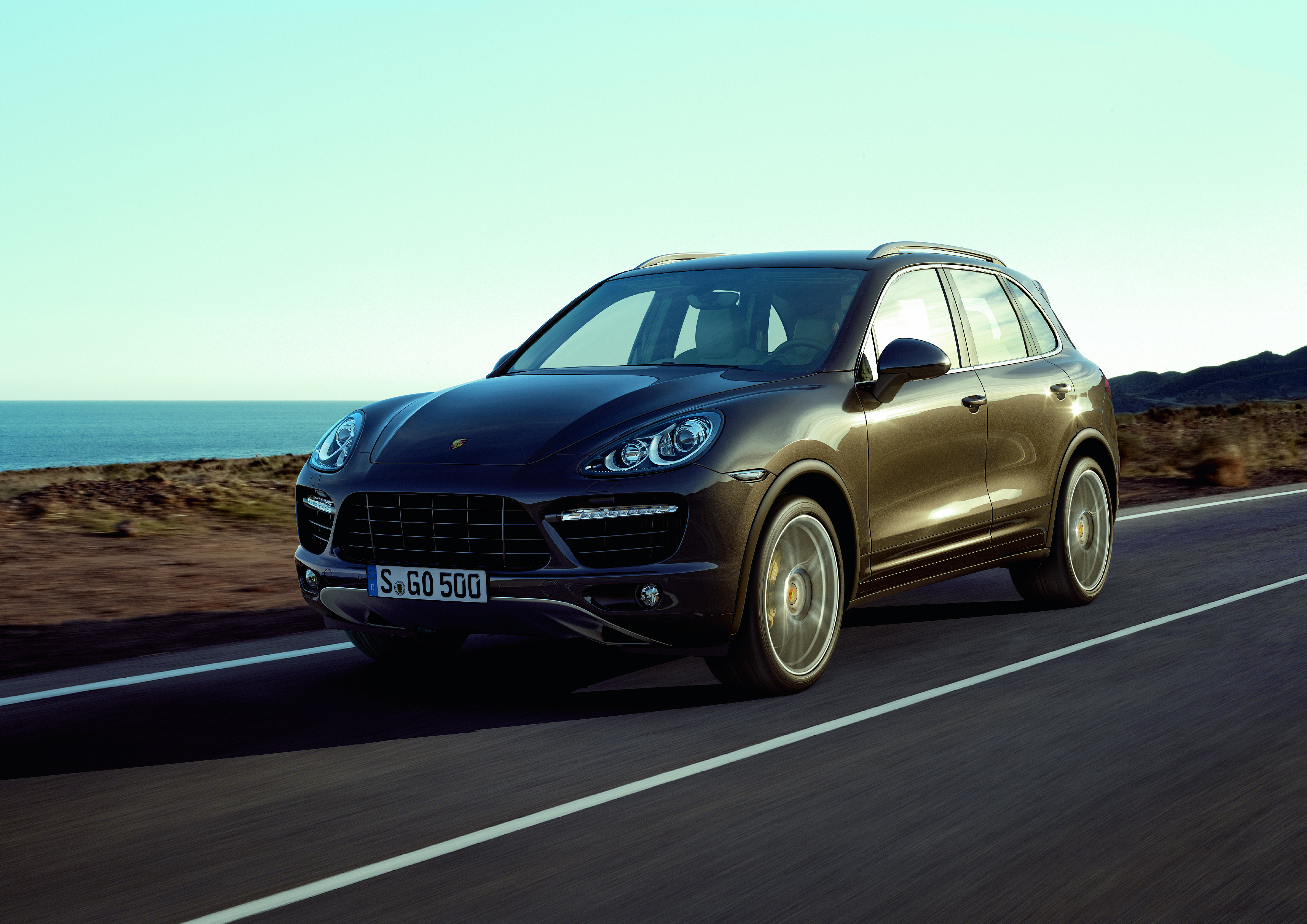
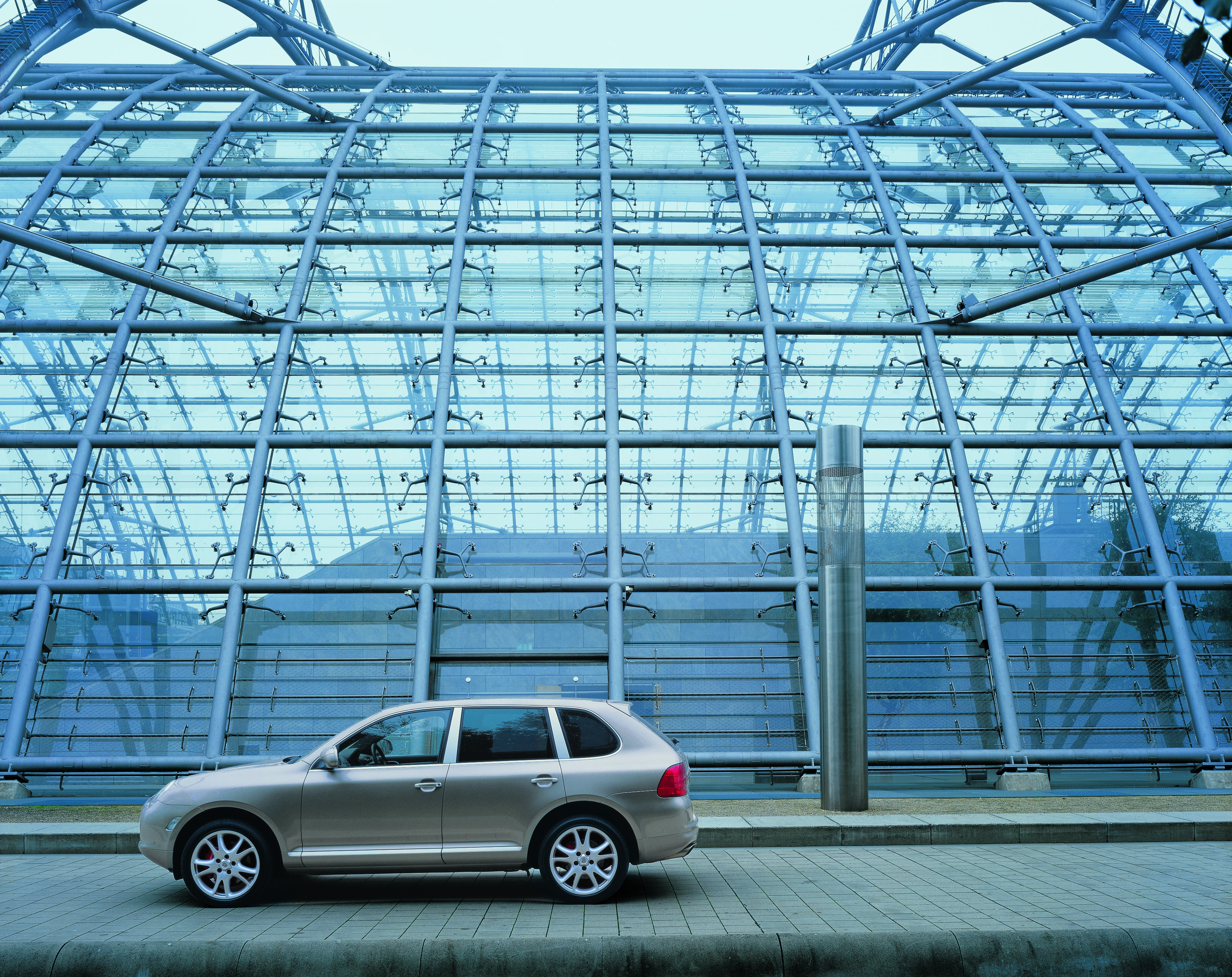
Cayenne Turbo
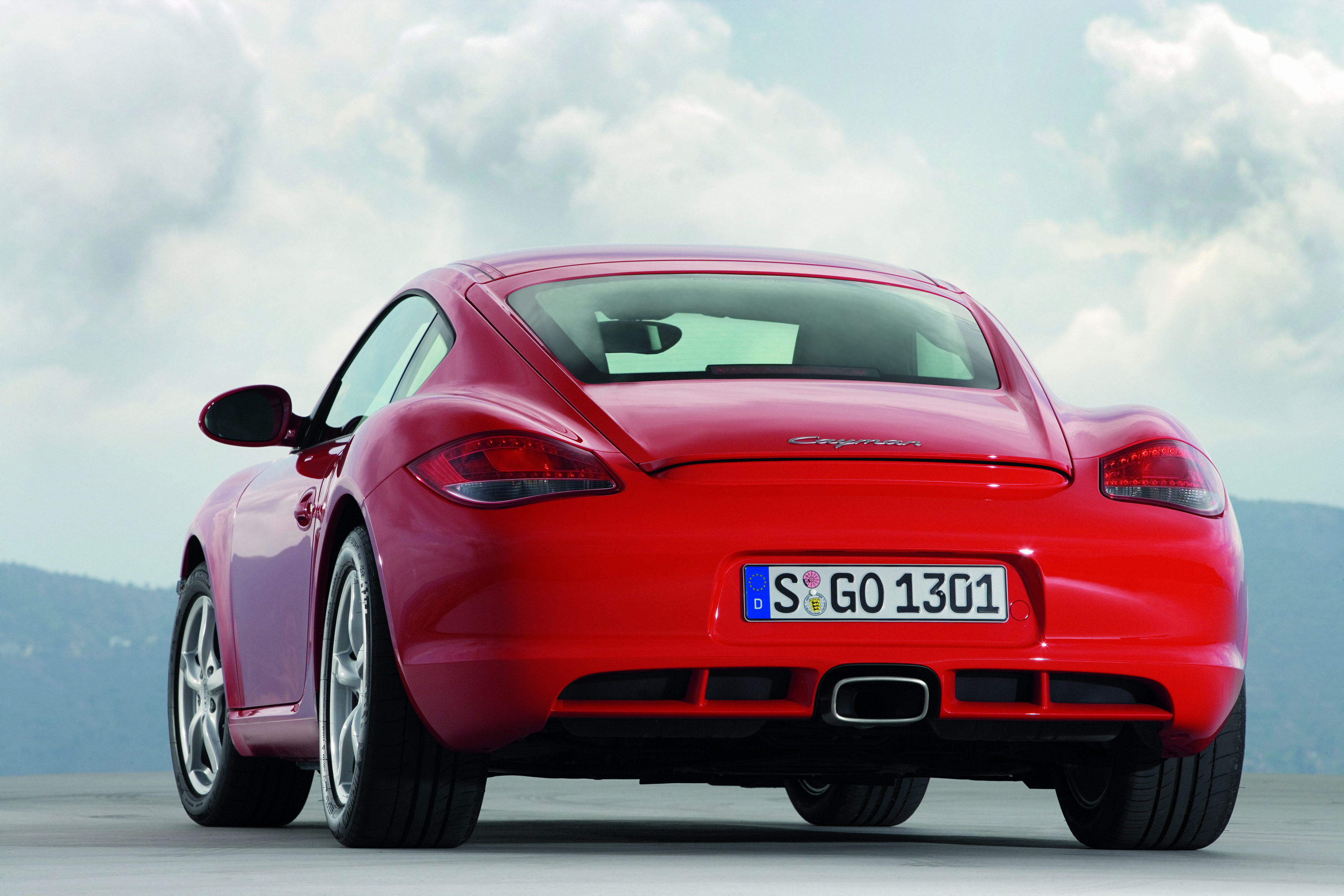
Cayman
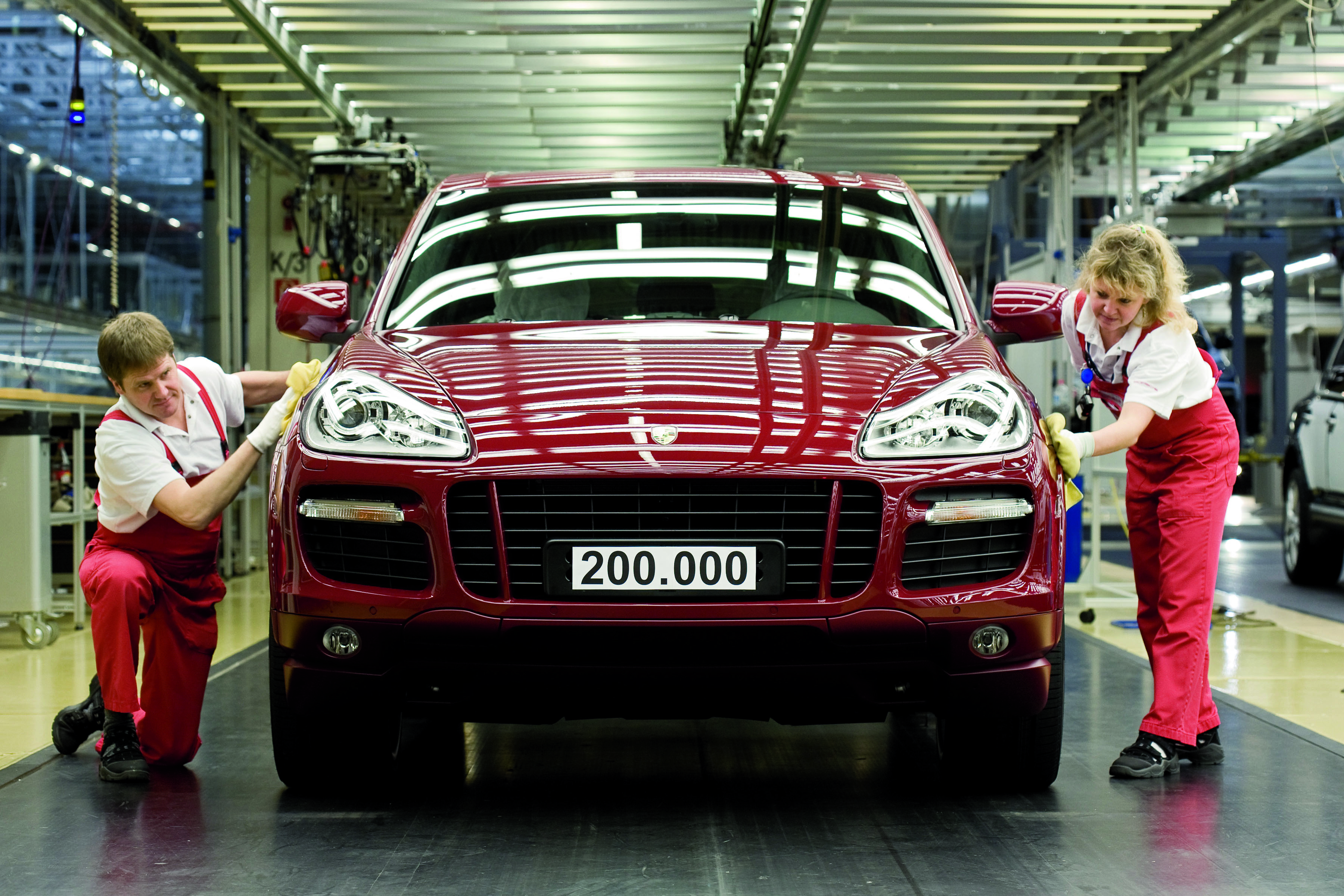
Porsche plant Leipzig: Employees assemble the 200.000th Cayenne
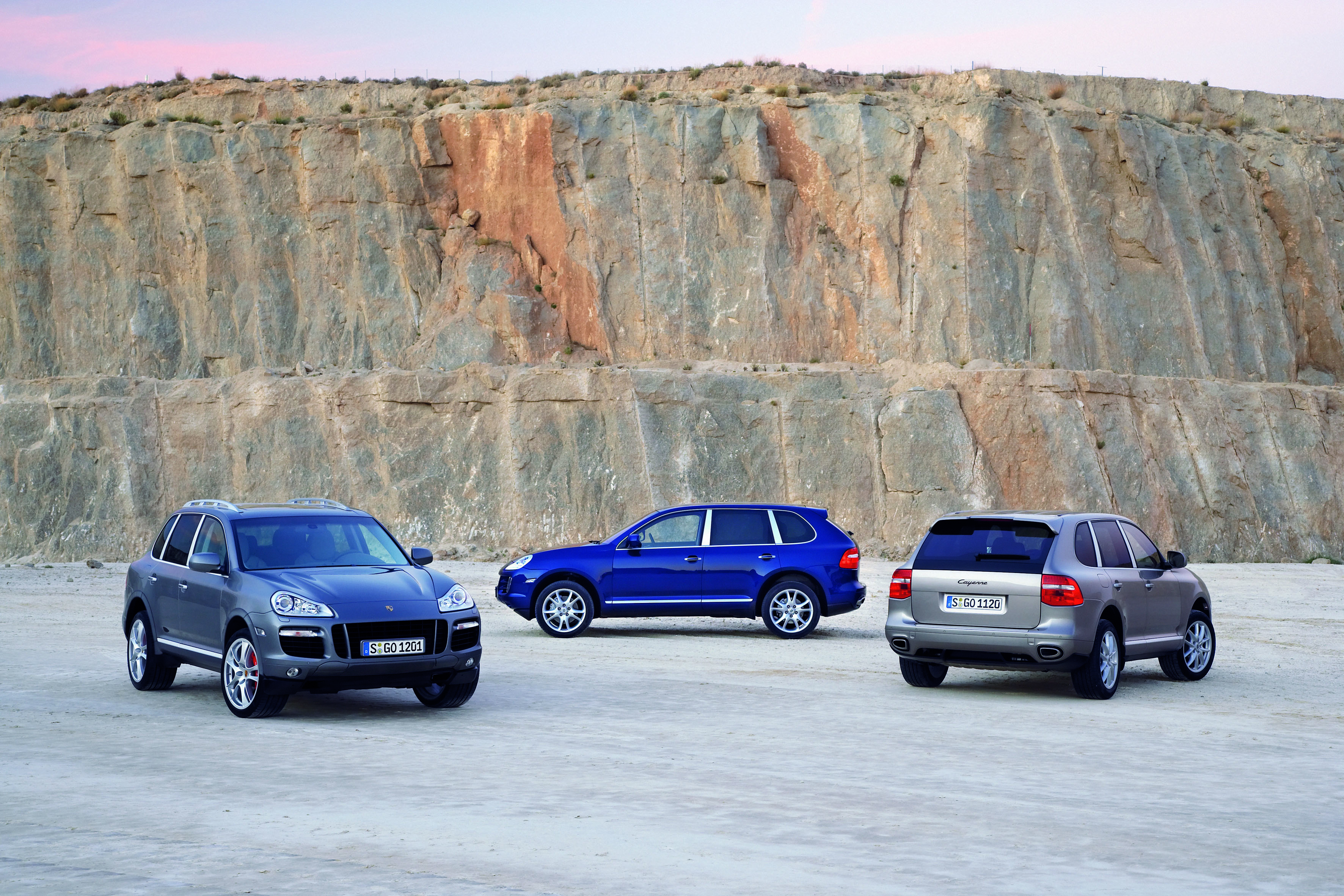
Cayenne Turbo, Cayenne S and Cayenne
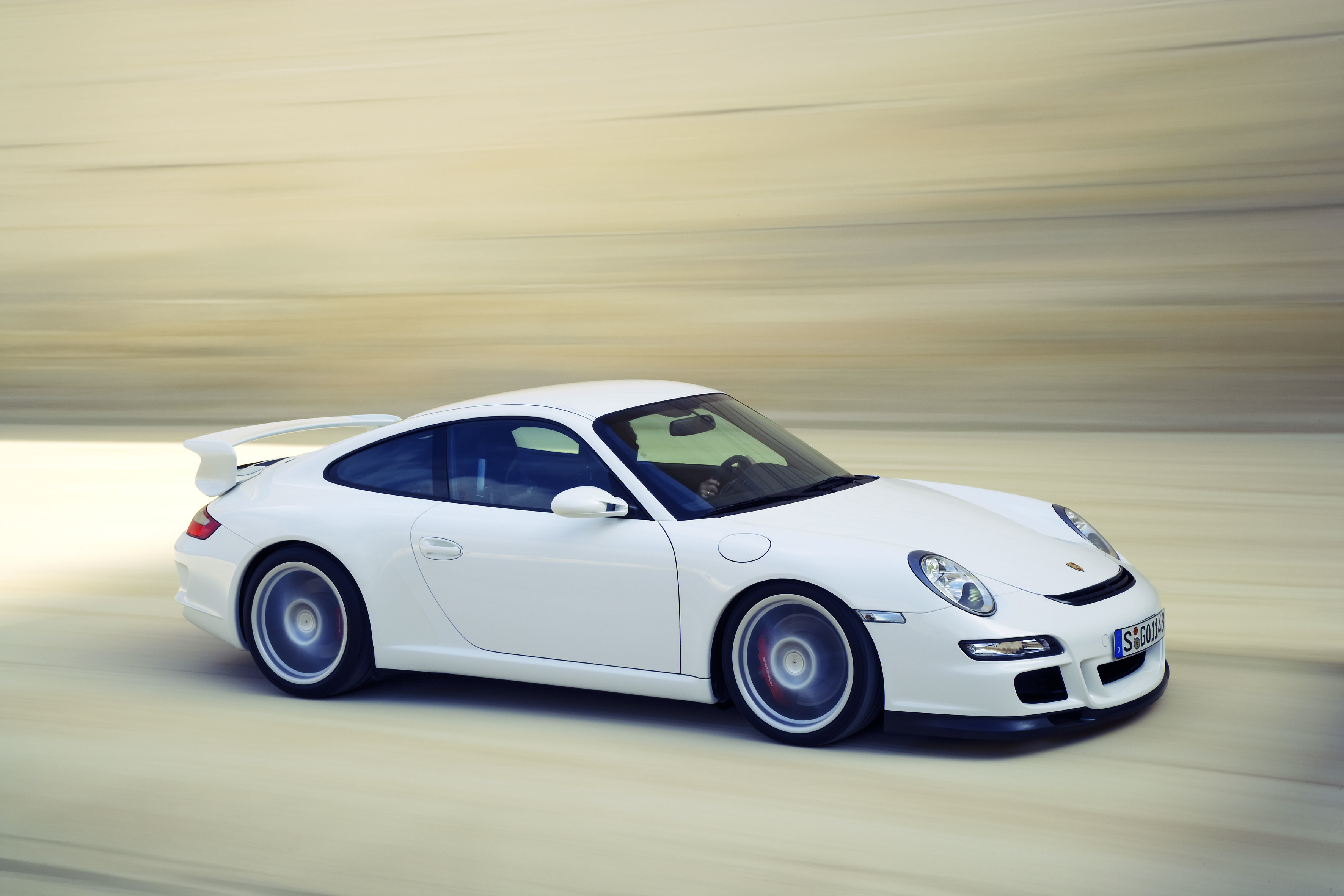
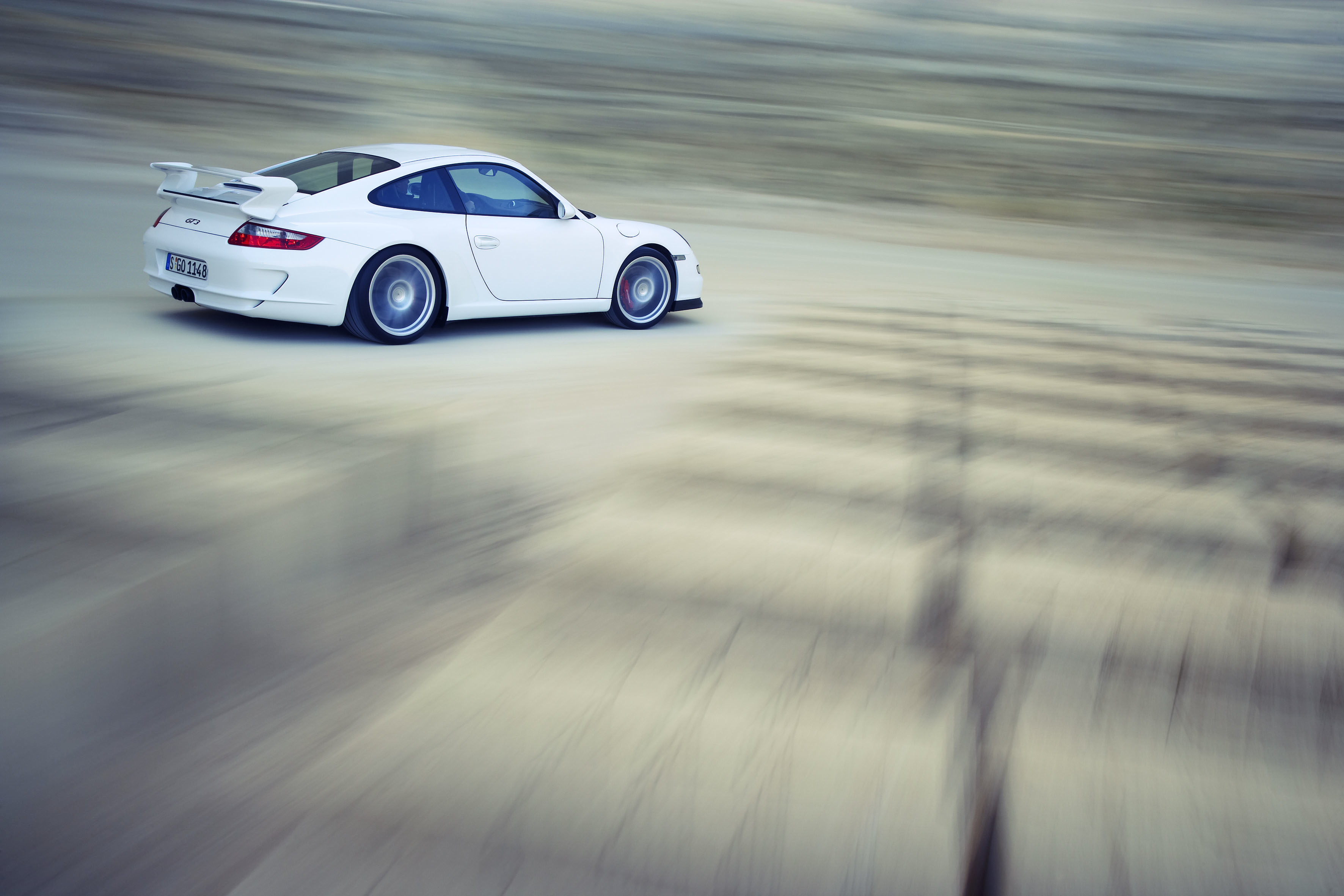
911 GT3
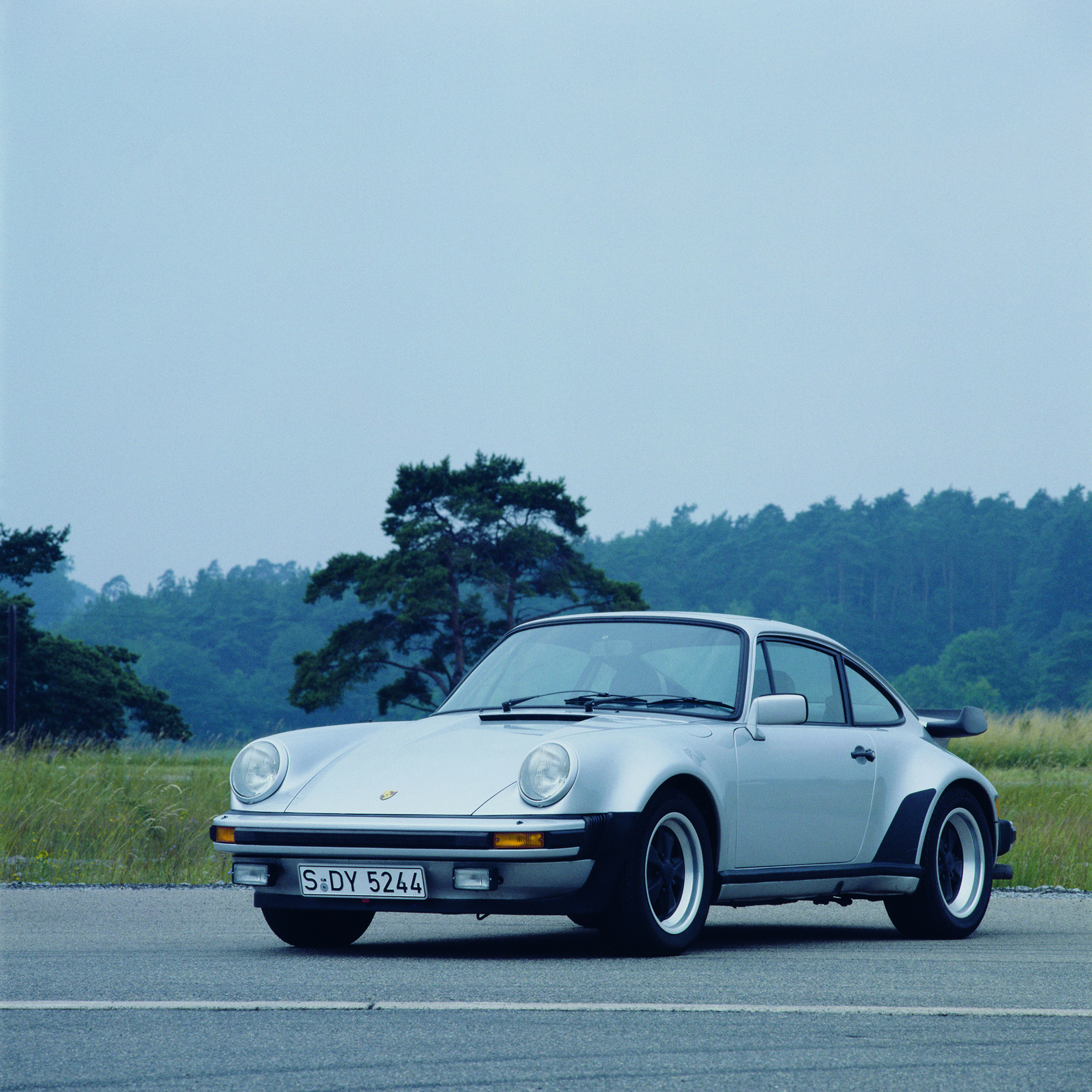
911 Turbo 3.3 Coupé (MY 1980/1)
Cayenne Turbo
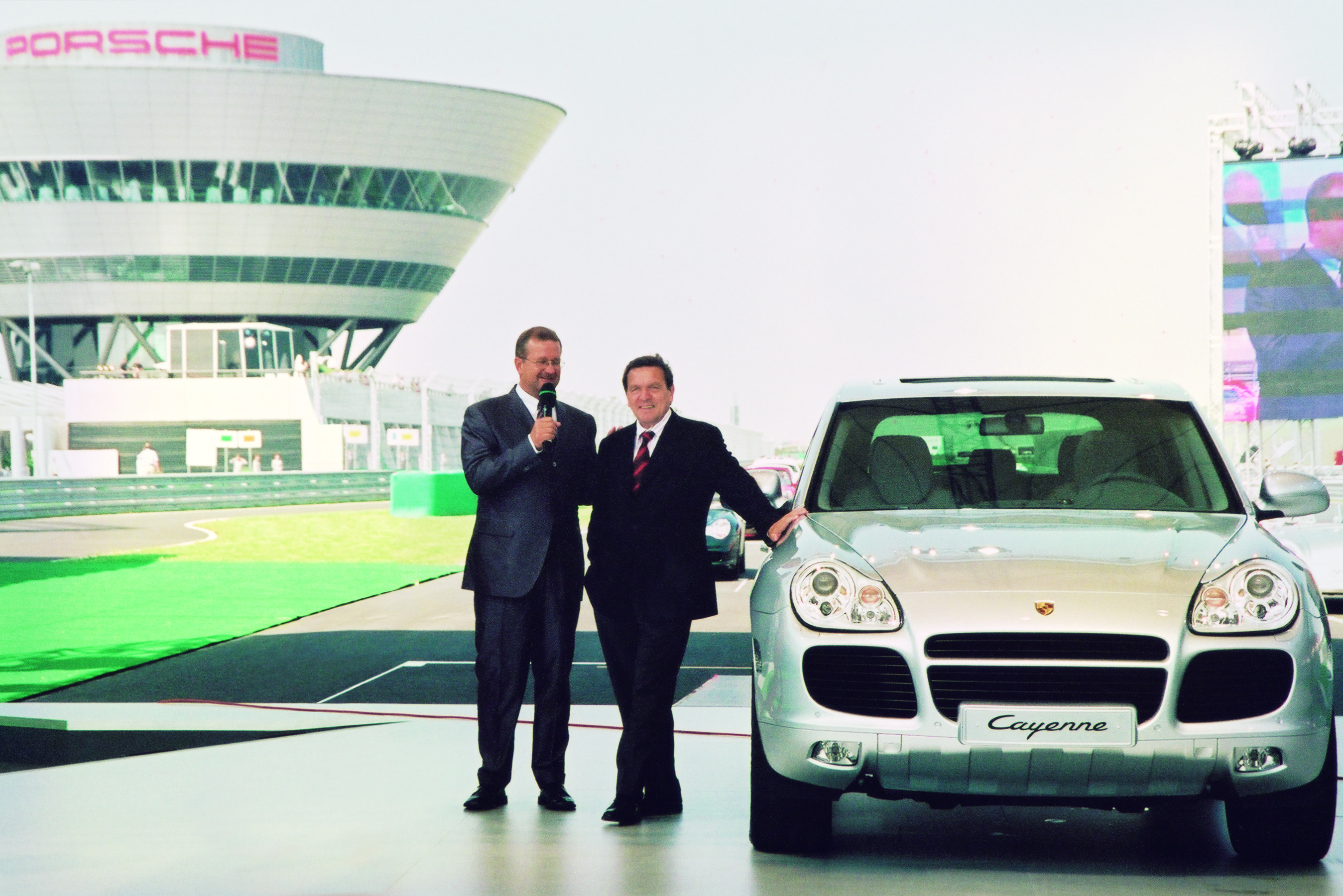
Dr. Wendelin Wiedeking and Gerhard Schröder next to the Porsche Cayenne during the official opening of the Porsche manufacturing facility in Leipzig.
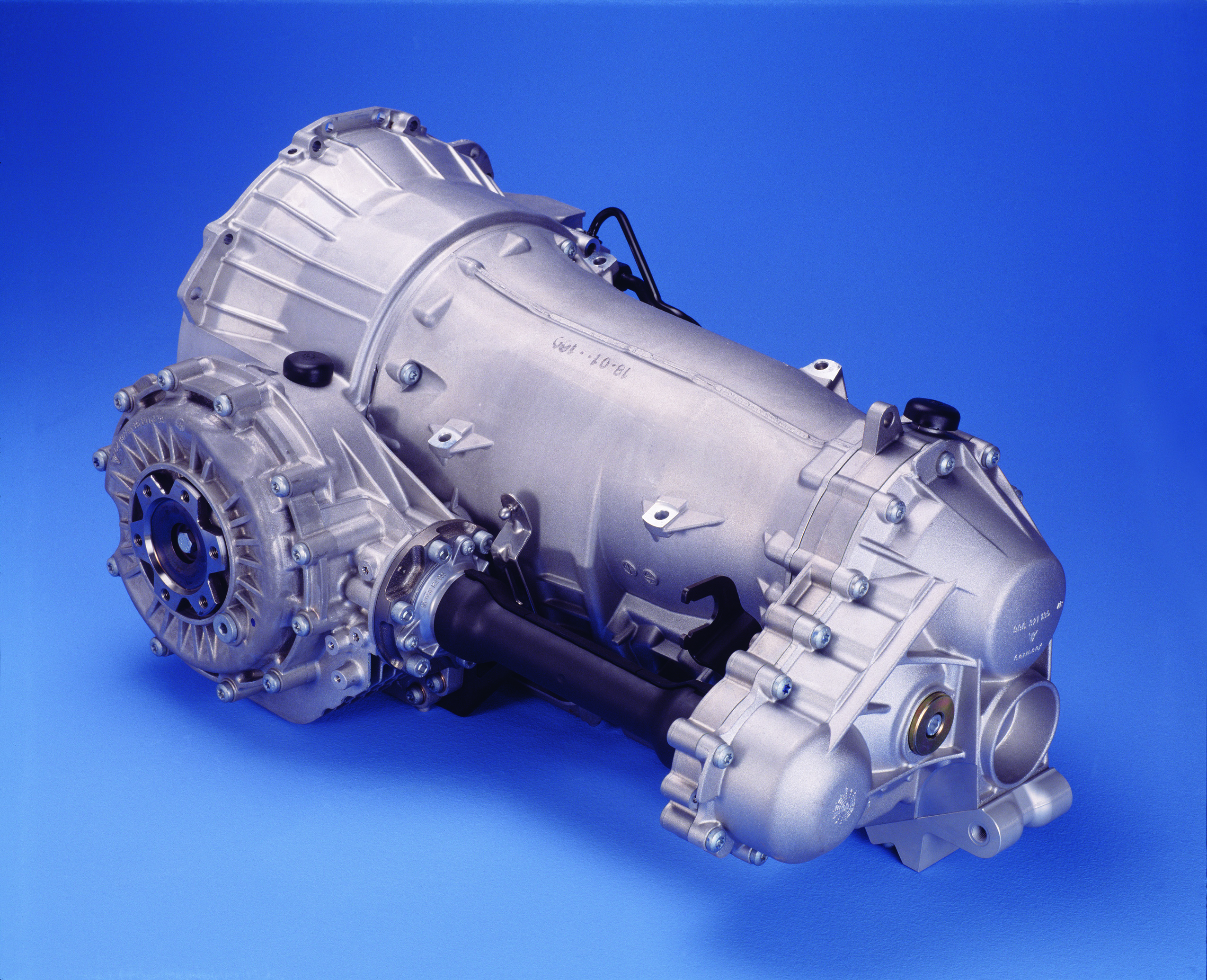
Five-speed automatic transmission Tiptronic S
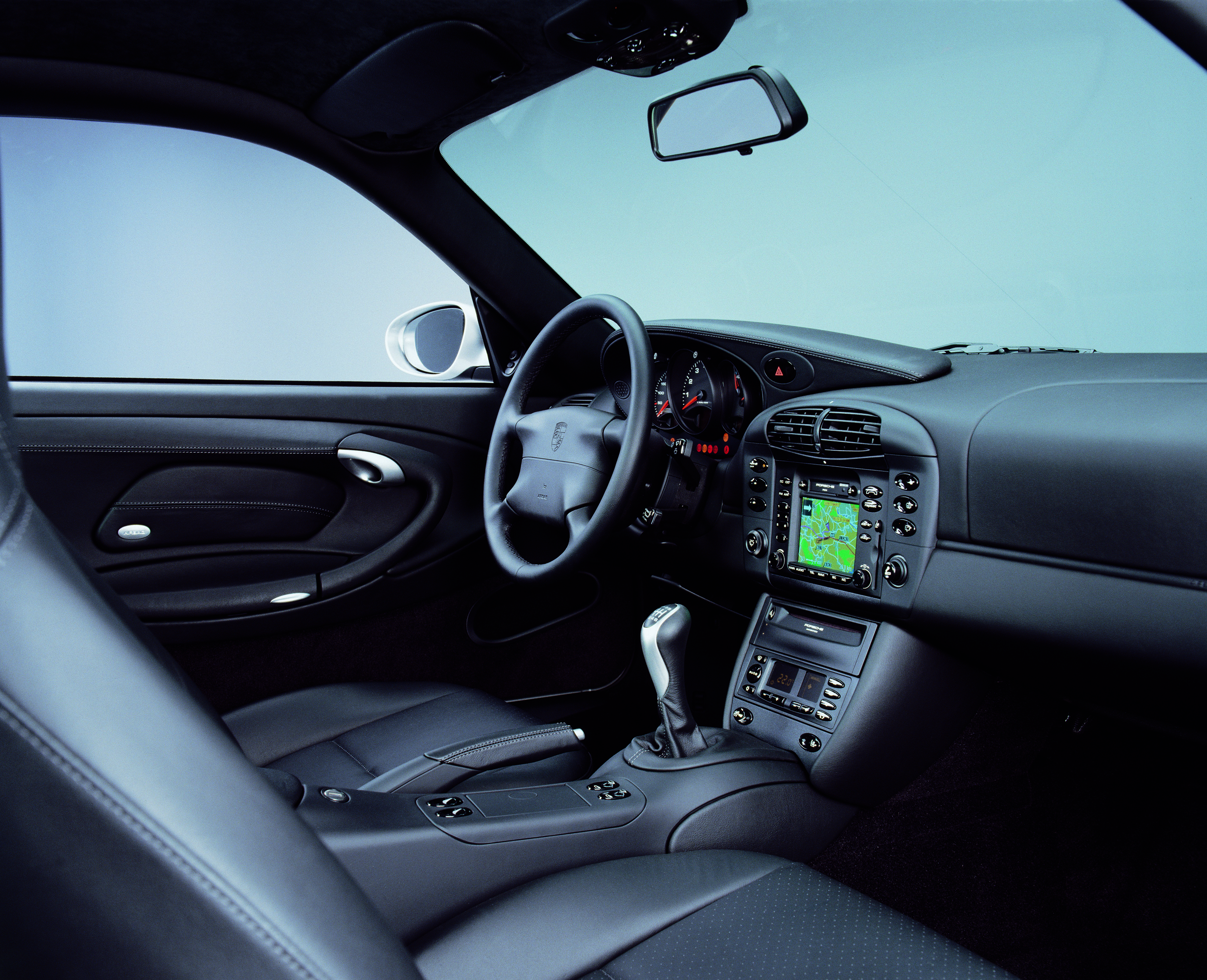
Interior equipment of the 911 Carrera 4 Coupé with six-speed manual transmission