|
Dr. Ing. h.c. F. Porsche AG
|
Image
|
(f.l.) Andreas Preuninger, Wolfgang Dürheimer, Anja Wassertheurer (sport auto), Hans-Jürgen Wöhler, August Achleitner and Horst von Saurma-Jeltsch (sport auto)
|
|
|
|
|
|
|
Dr. Ing. h.c. F. Porsche AG
|
Image
|
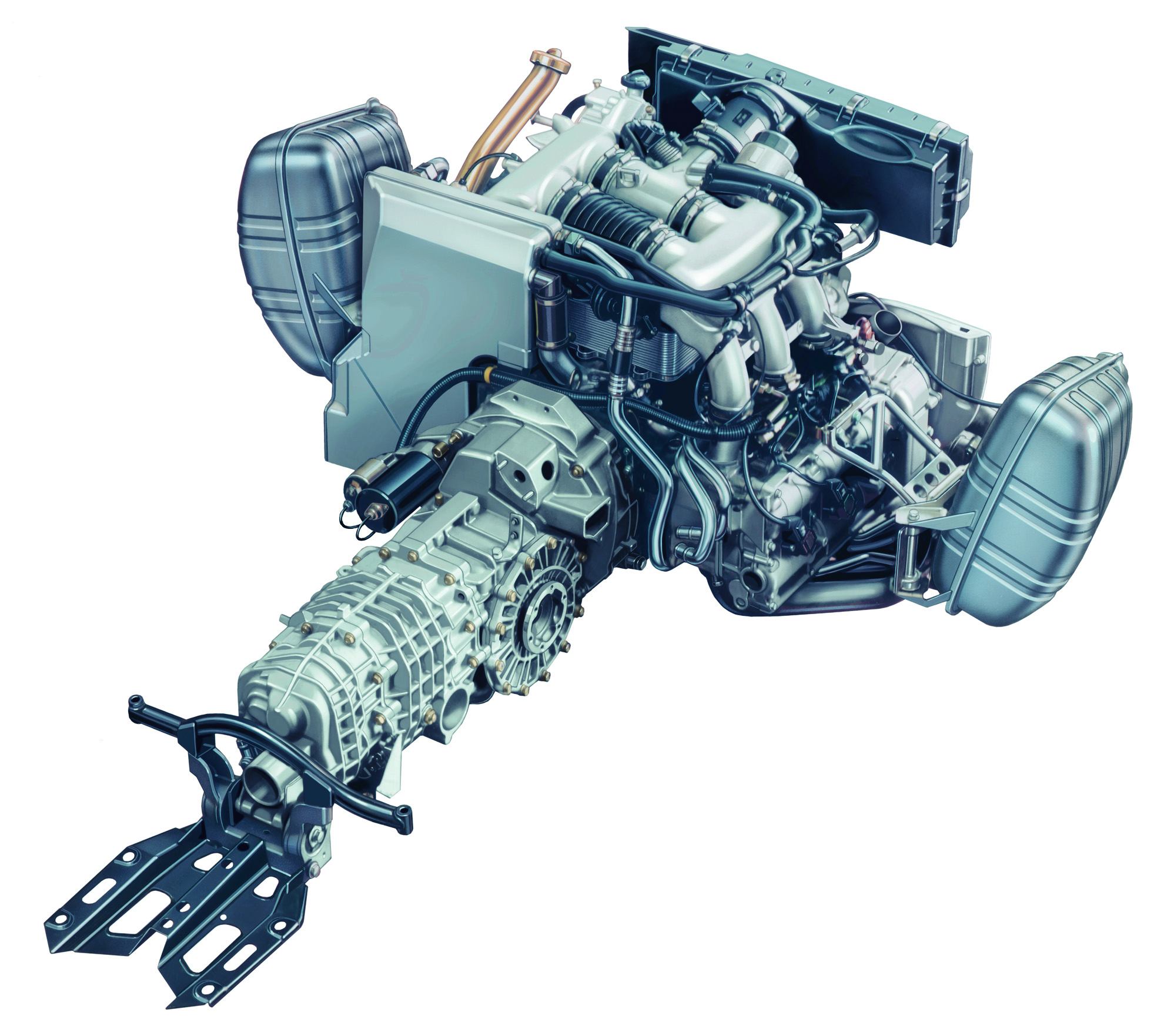
Flat six engine with exhaust system and six-speed manual transmission
|
Porsche
|
911
|
GT3
|
996 I
|
|
|
Dr. Ing. h.c. F. Porsche AG
|
Image
|
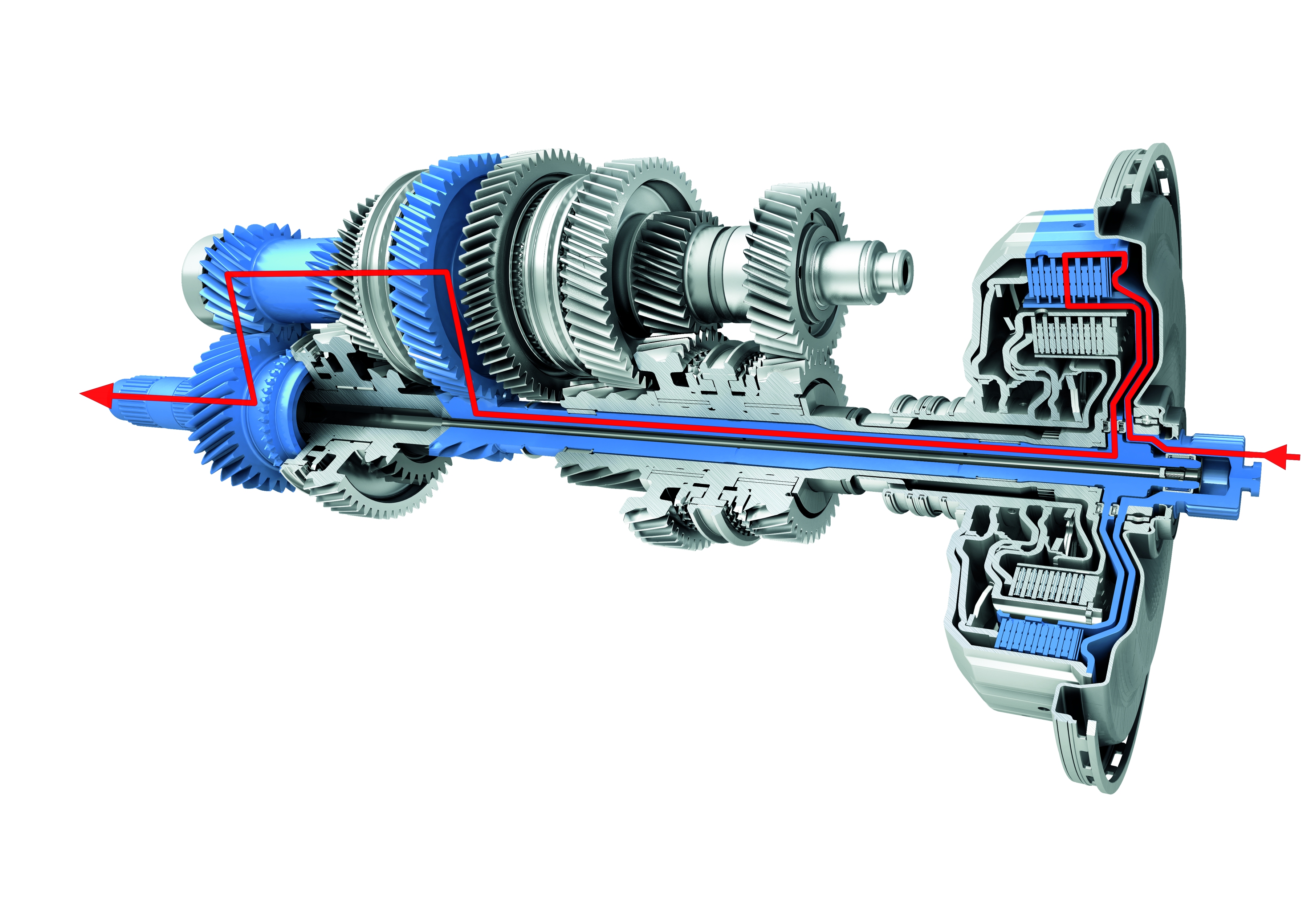
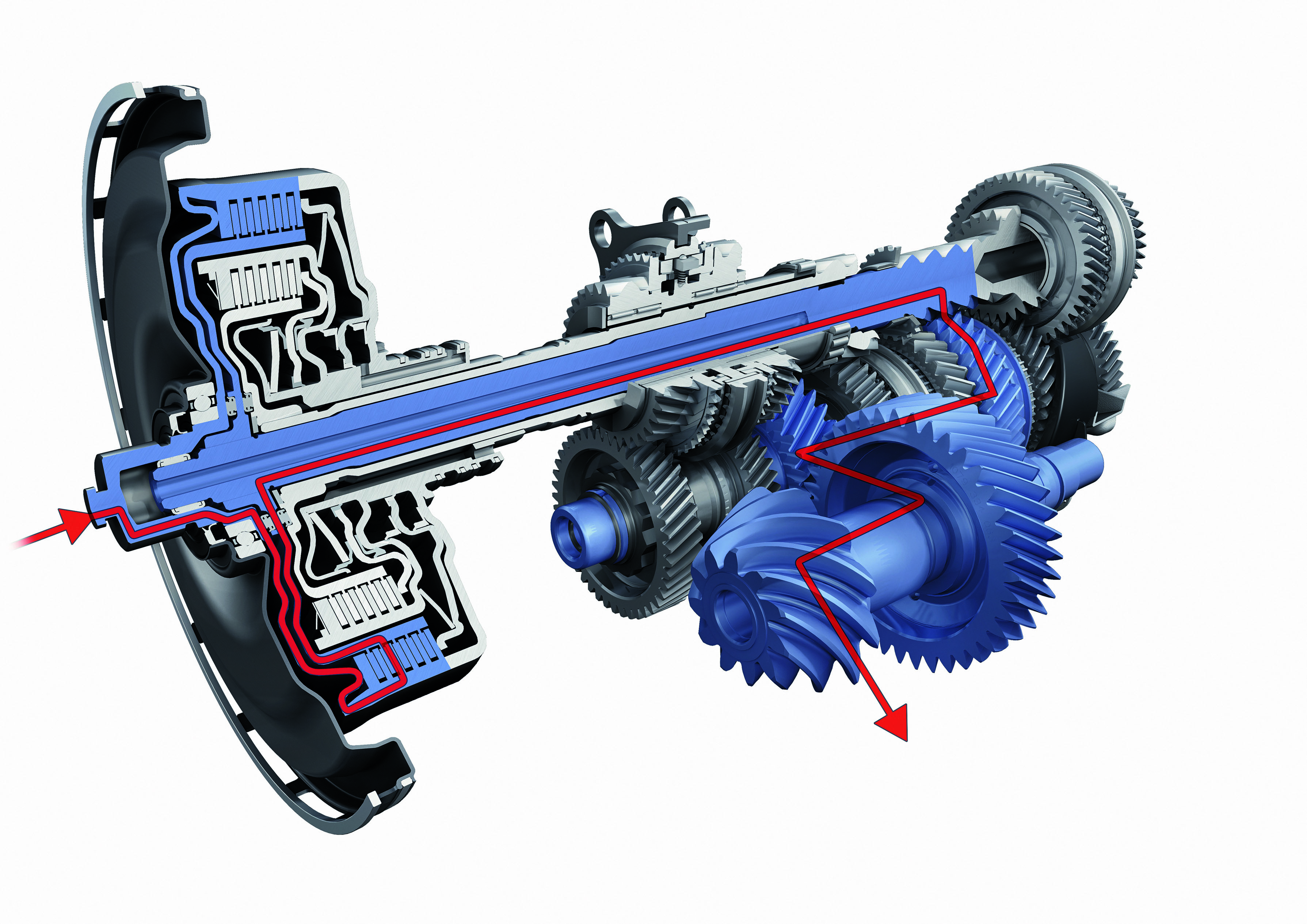
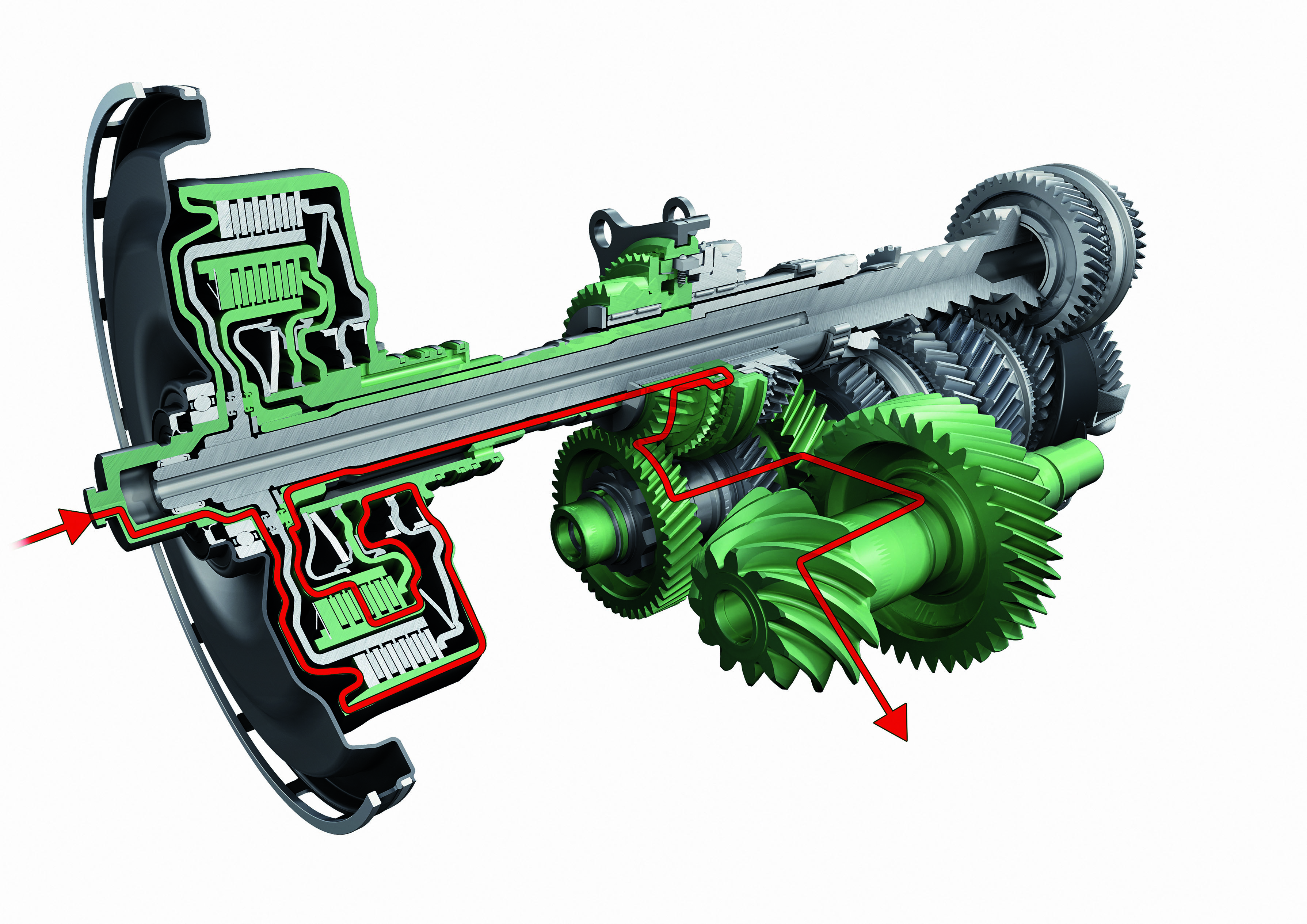
Flow of forces with the Porsche double-clutch system (PDK) in first gear
|
|
|
|
|
|
|
Dr. Ing. h.c. F. Porsche AG
|
Image
|
flow of forces with the Porsche double-clutch system (PDK) in first gear
|
Porsche
|
911
|
Carrera
|
997 II
|
|
|
Dr. Ing. h.c. F. Porsche AG
|
Image
|
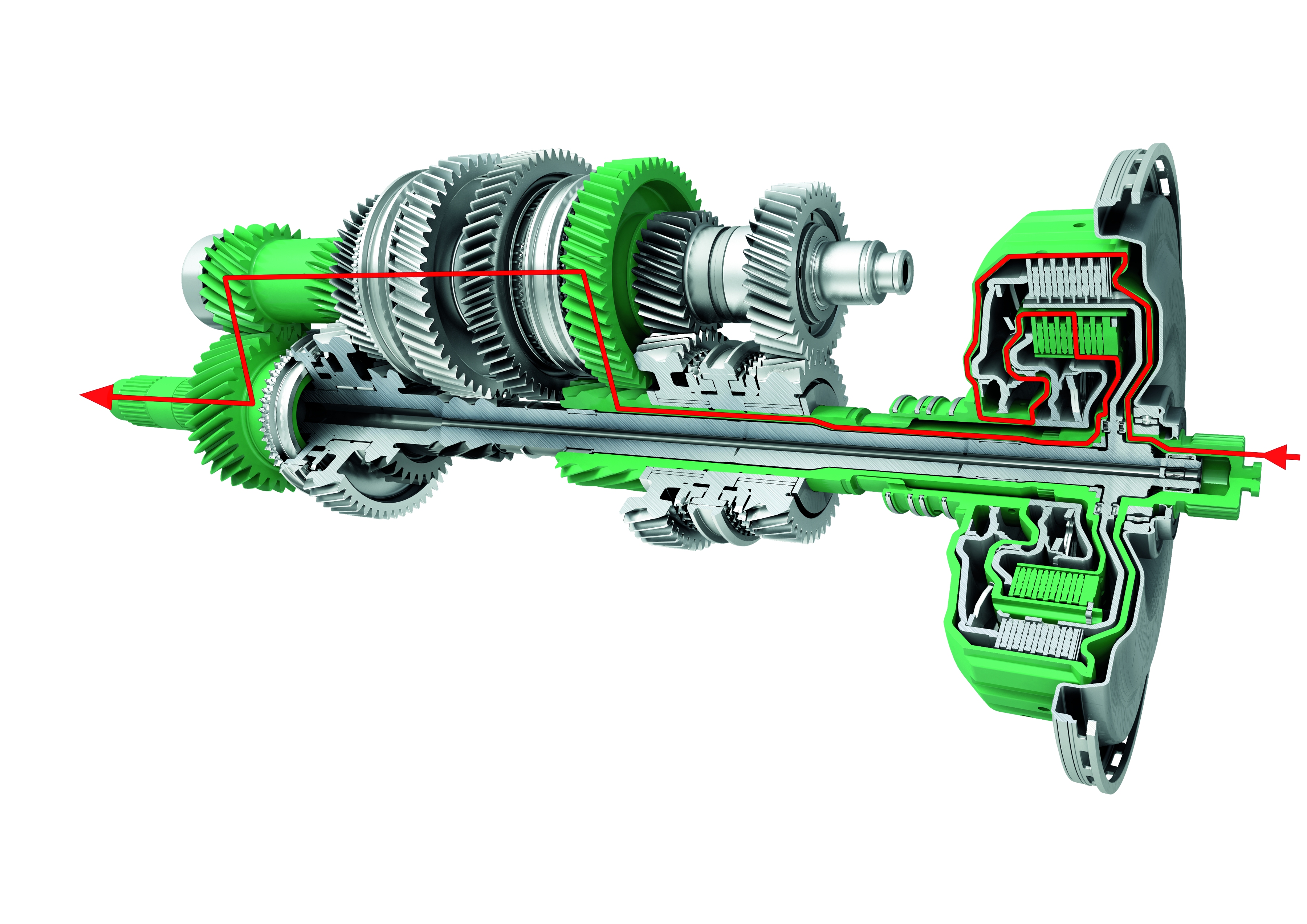
Flow of forces with the Porsche double-clutch system (PDK) in second gear
|
|
|
|
|
|
|
Dr. Ing. h.c. F. Porsche AG
|
Image
|
flow of forces with the Porsche double-clutch system (PDK) in second gear
|
Porsche
|
911
|
Carrera
|
997 II
|
|
|
Dr. Ing. h.c. F. Porsche AG
|
Image
|
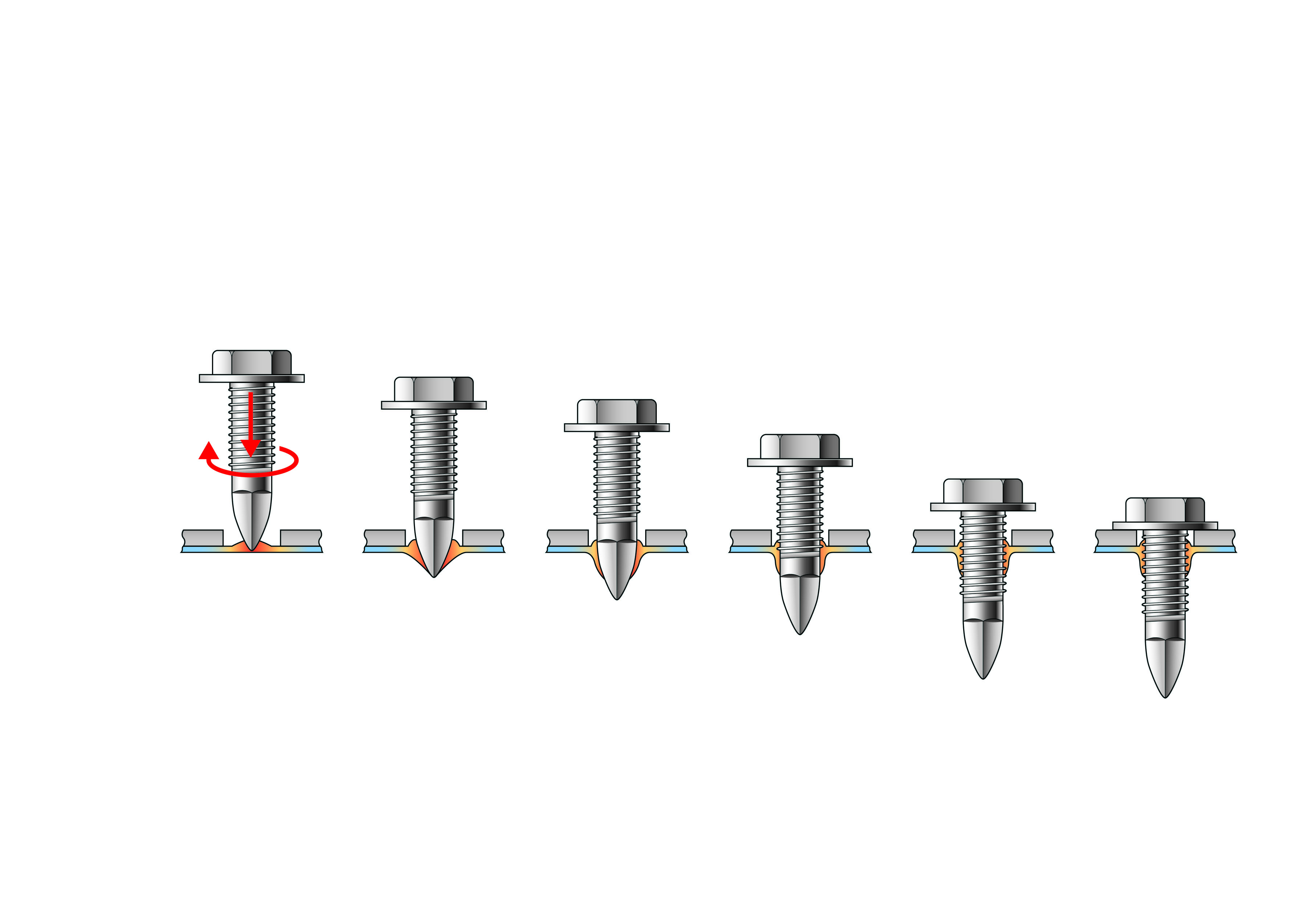
Flow-drilling screw fastening without pre-drilling (FDS)
|
Porsche
|
|
|
|
|
|
Dr. Ing. h.c. F. Porsche AG
|
Image
|
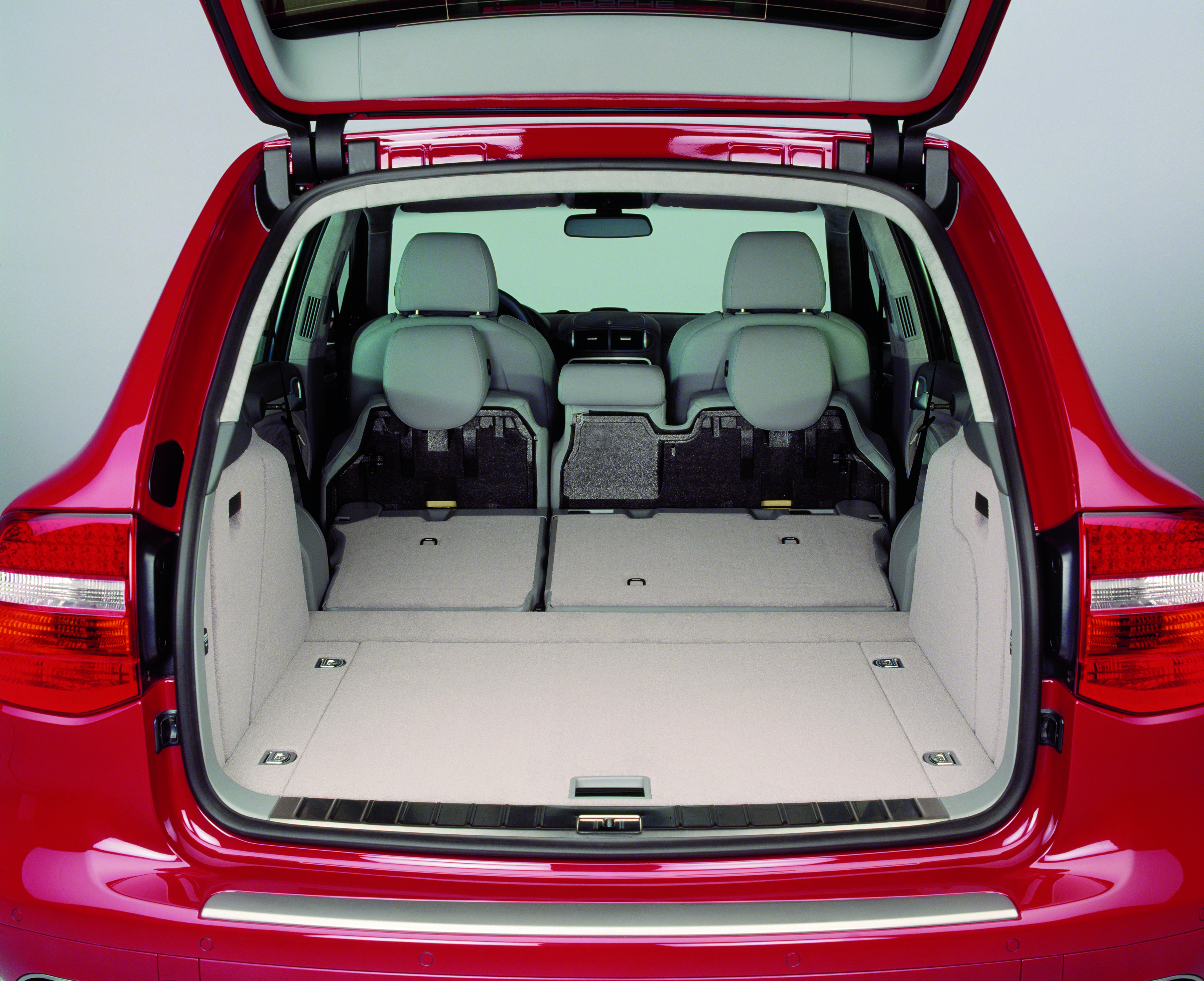
Folding down the rear seats increases luggage compartment capacity to 1749 litres (61.2 cu ft)
|
Porsche
|
Cayenne
|
Cayenne GTS
|
E1 II
|
|
|
Dr. Ing. h.c. F. Porsche AG
|
Image
|
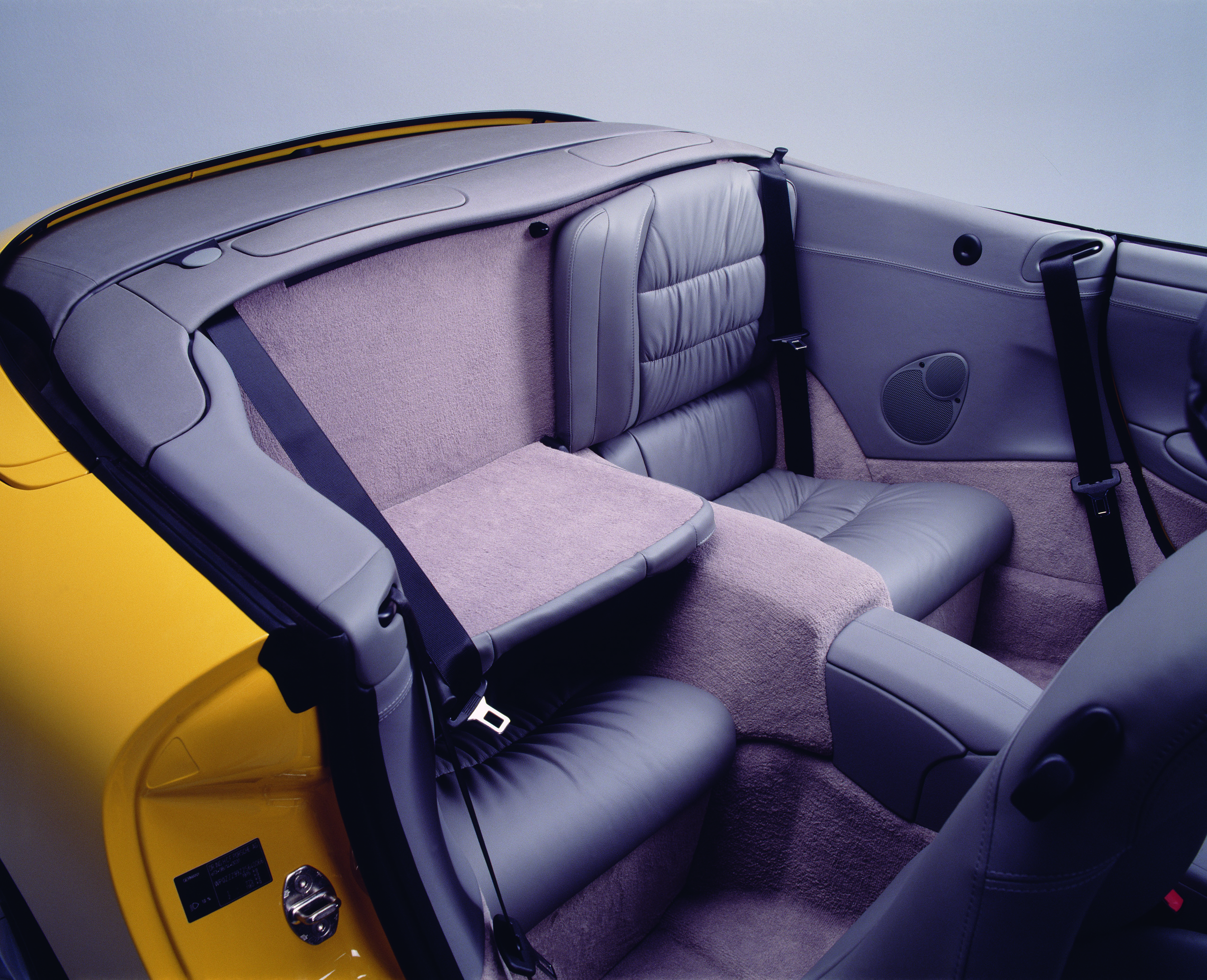
Folding rear-seat backrests make a loading space of 210 litres possible
|
Porsche
|
911
|
Carrera Cabriolet
|
996 II
|
|
|
|
Image
|
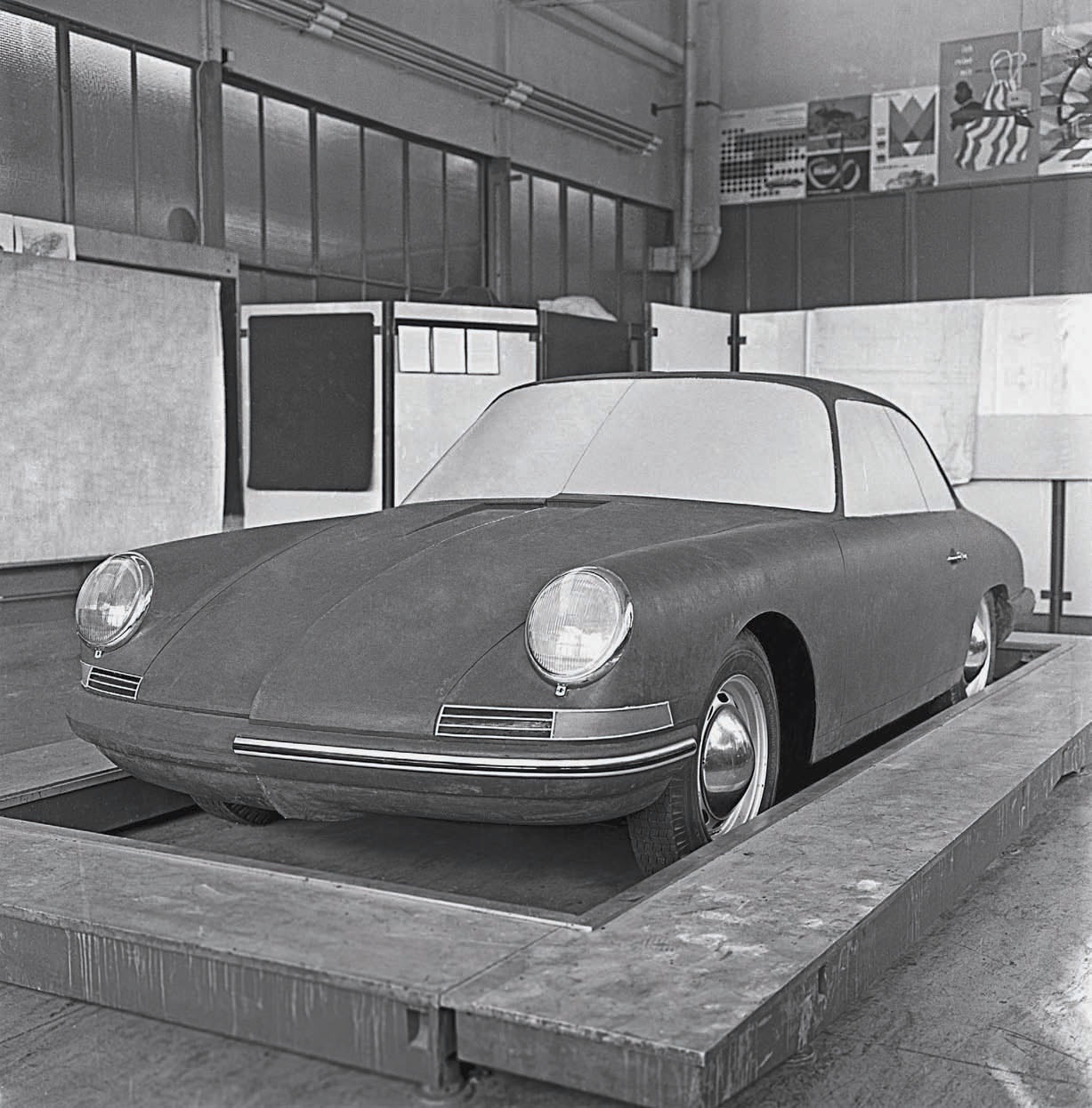
Following Ferry’s approval of the Klie/F. A. Porsche resin casting, modeling started in Werk I on the full-size Plasticine 754 T7 model. As with every concept proposal, an “A” and a “B” side were mandatory. Porsche Archiv
|
|
|
|
|
|
|
|
Image
|
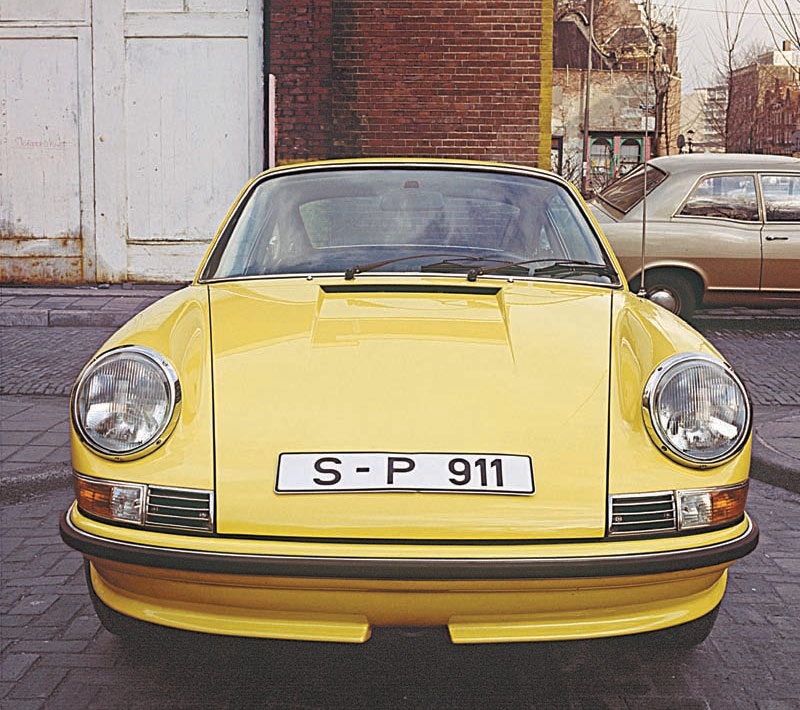
Following hours of work in the wind tunnel, aerodynamics engineer Tilman Brodbeck devised the lower lip, or chin spoiler, introduced on 1972 models. This channeled air around the front of the car and nearly eliminated front-end lift. Porsche Archiv
|
|
|
|
|
|
|
|
Image
|
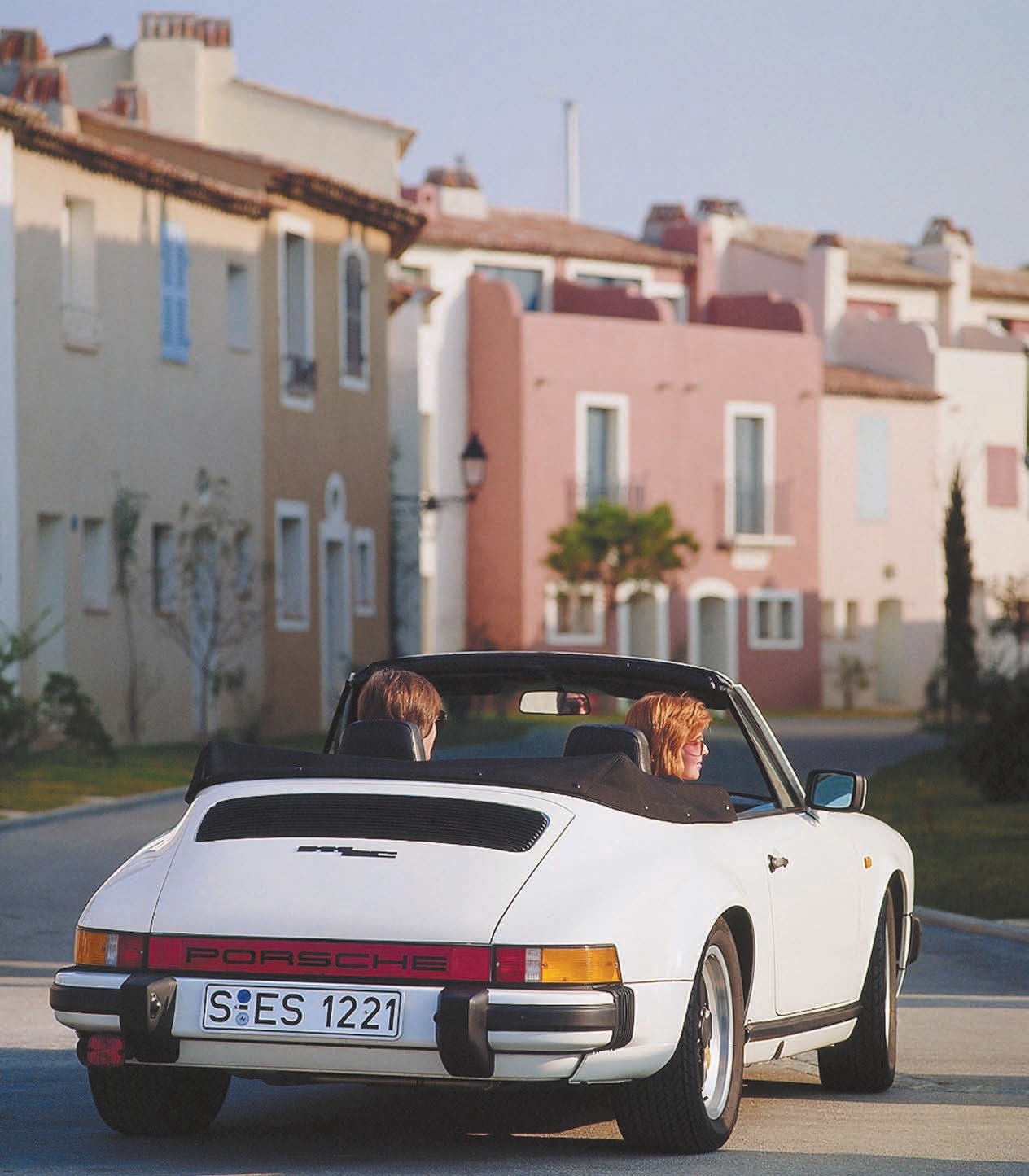
Following the Frankfurt IAA introduction, Porsche had 911 SC Cabriolets available for delivery as 1983 models in late 1982. Weissach invested huge effort into stiffening the chassis for the open car. Porsche Archiv
|
|
|
|
|
|
|
|
Image
|
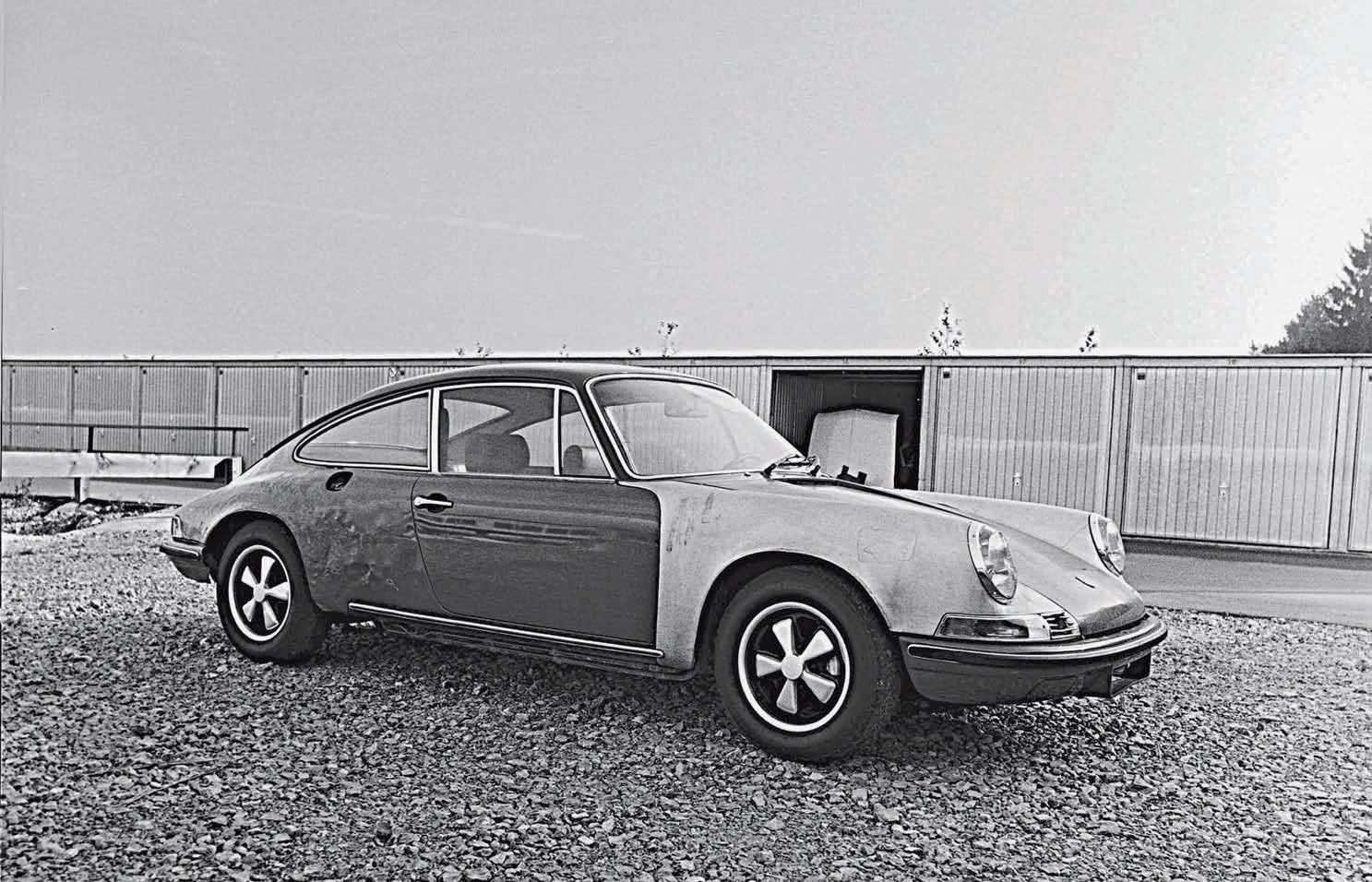
Following the Pininfarina four-seater concept, F. A. Porsche’s design staff created their own in 1970. Among other things this body tested was a passenger side location for the oil reservoir and its filler cap for production in 1972. Porsche Archiv
|
|
|
|
|
|
|
|
Image
|
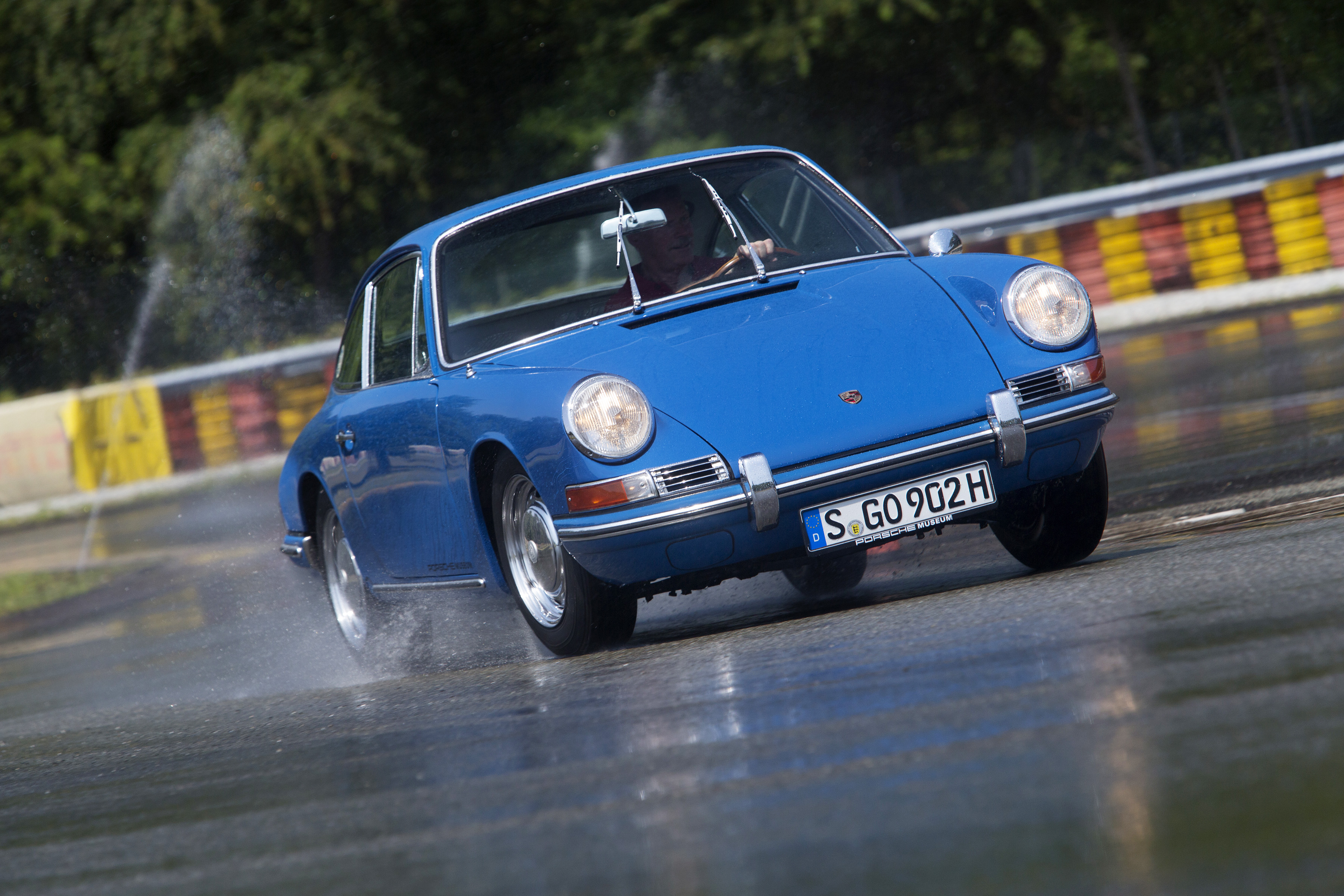
For a single year, Porsche manufactured this two-liter 911L. It was the company’s highest line offering in the United States in 1968. Porsche Archiv
|
|
|
|
|
|
|
Dr. Ing. h.c. F. Porsche AG
|
Image
|
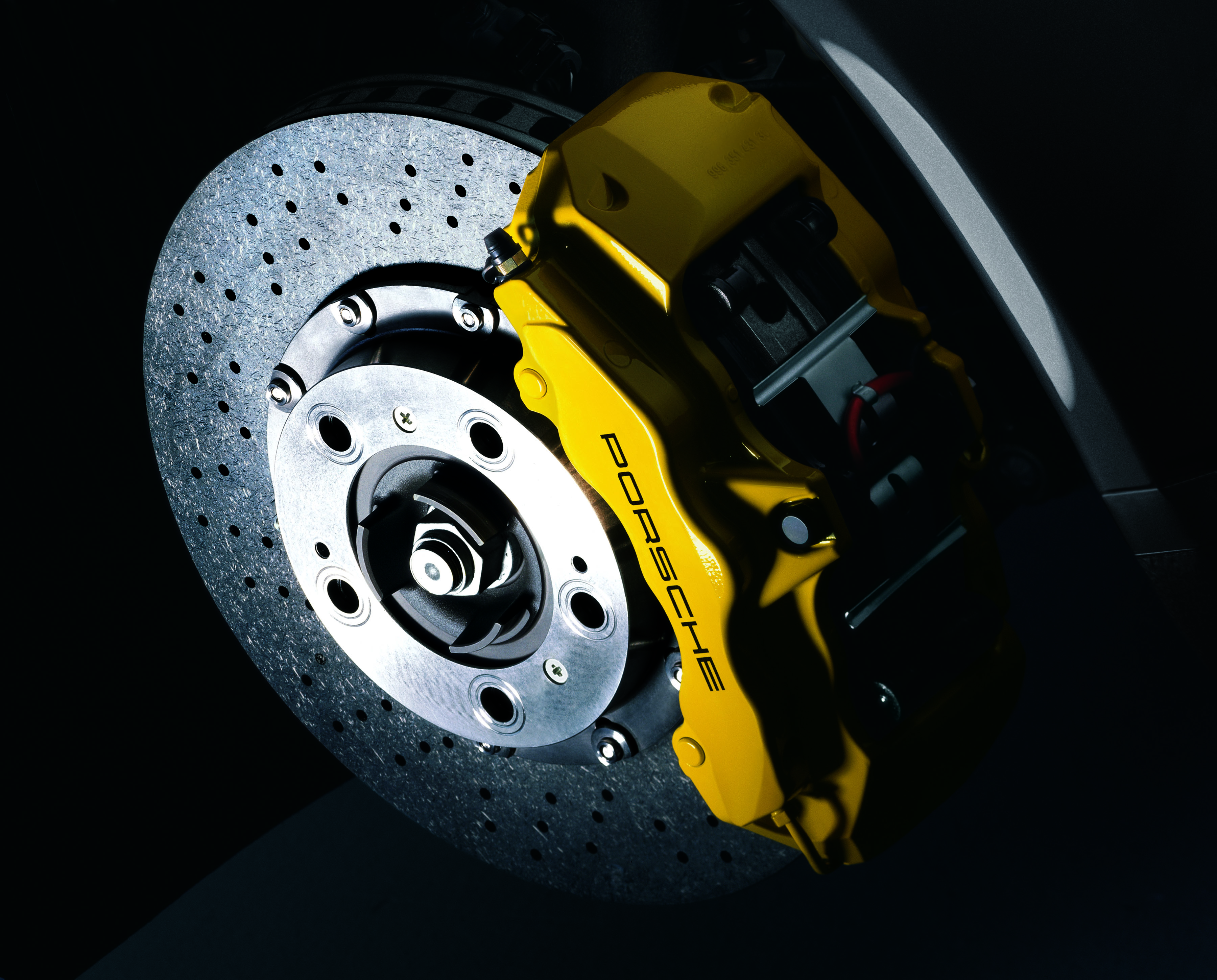
For ceramic brake discs are not affected in any way by salt grains or liquid salt on the road.
|
|
|
|
|
|
|
|
Image
|
For earlier model years of the Porsche 911 there are now tyres that have the same look as the originals but have the driving properties of modern tyres
|
Porsche
|
911
|
|
|
|
|
|
Image
|
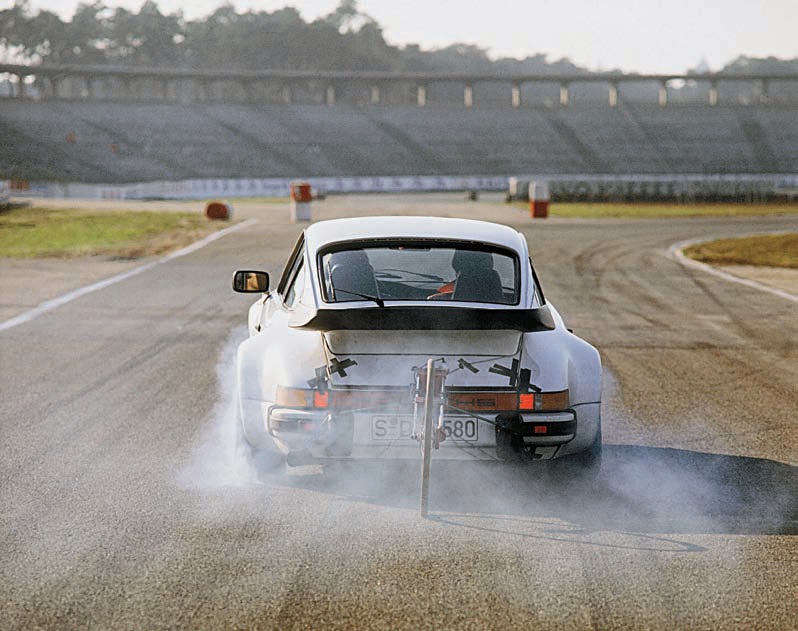
For engineers at Weissach, writers at magazines, and Turbo owners everywhere, this was inspiring performance. Three hundred horsepower launched the 2,860-pound car from 0 to 100 kilometers per hour in 5.4 seconds. Porsche Archiv
|
|
|
|
|
|
|
Dr. Ing. h.c. F. Porsche AG
|
Image
|
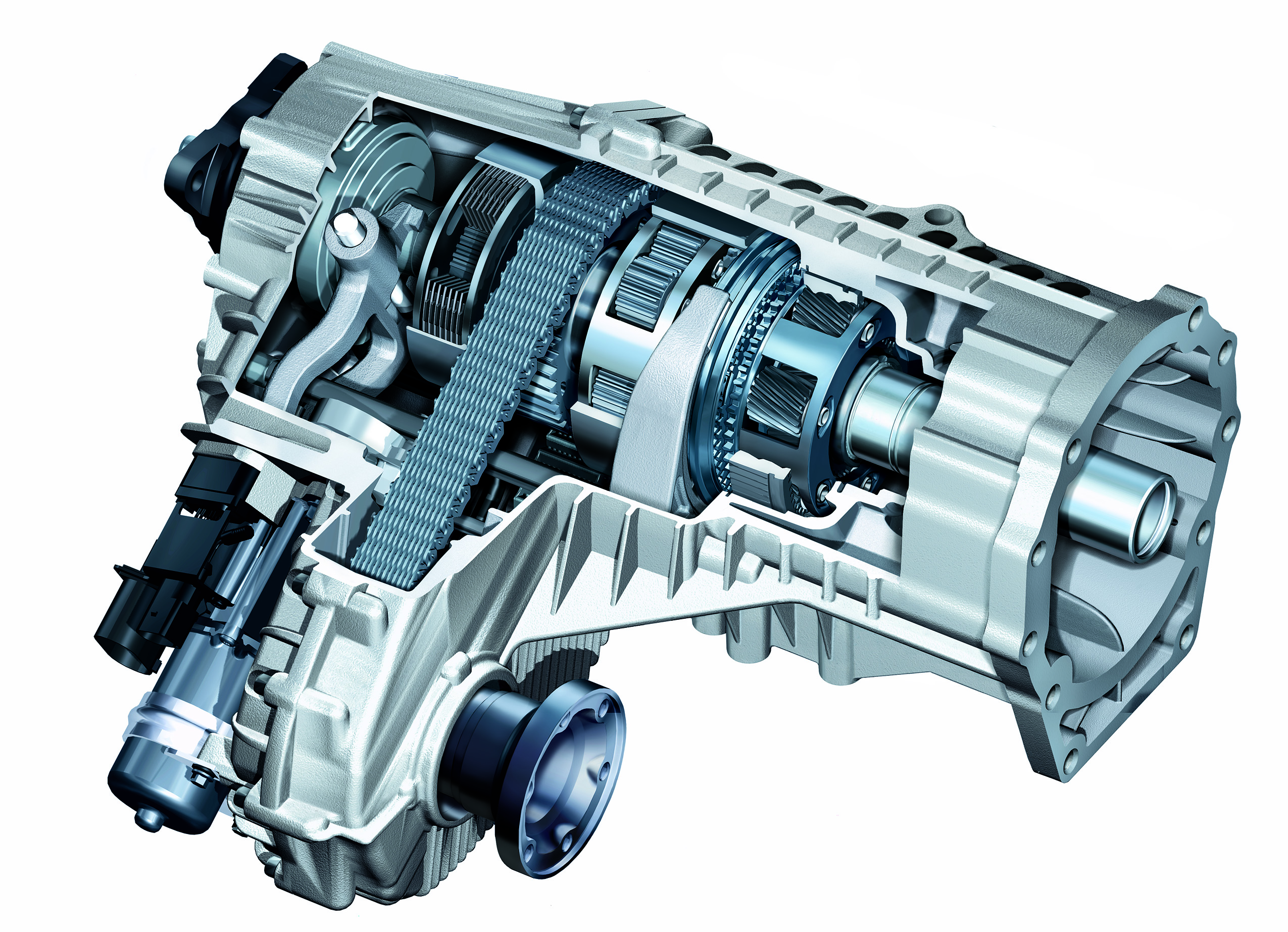
For journeys in difficult terrain, the Cayenne can use the Porsche Traction Management to call upon a low range in the transfer box and a 100% longitudinal lock.
|
Porsche
|
Cayenne
|
|
E1
|
|
|
Dr. Ing. h.c. F. Porsche AG
|
Image
|
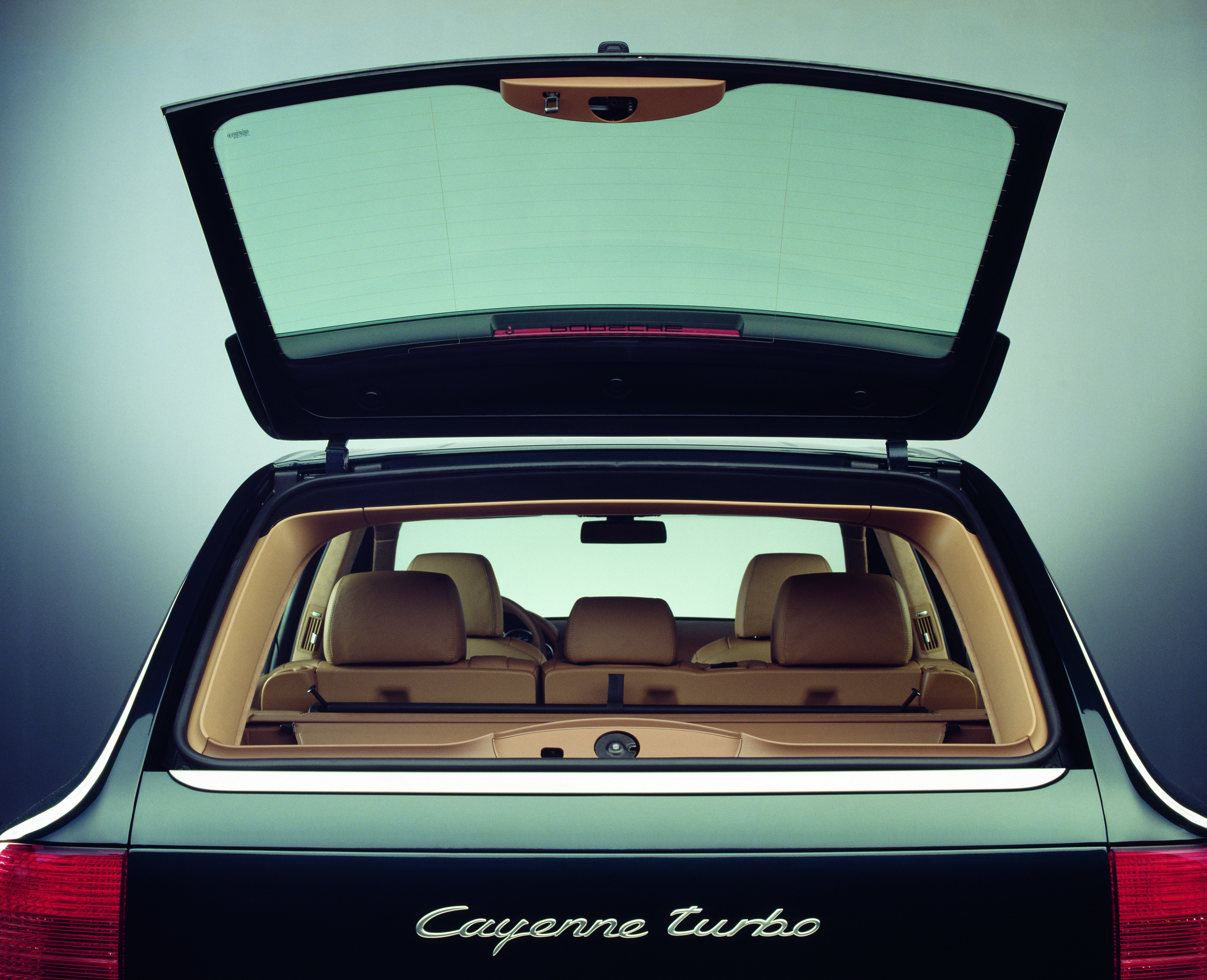
For loading relatively small objects, the rear window, which can be folded upwards, offers a further access to the luggage compartment.
|
Porsche
|
Cayenne
|
Turbo
|
E1
|
|
|
Dr. Ing. h.c. F. Porsche AG
|
Image
|
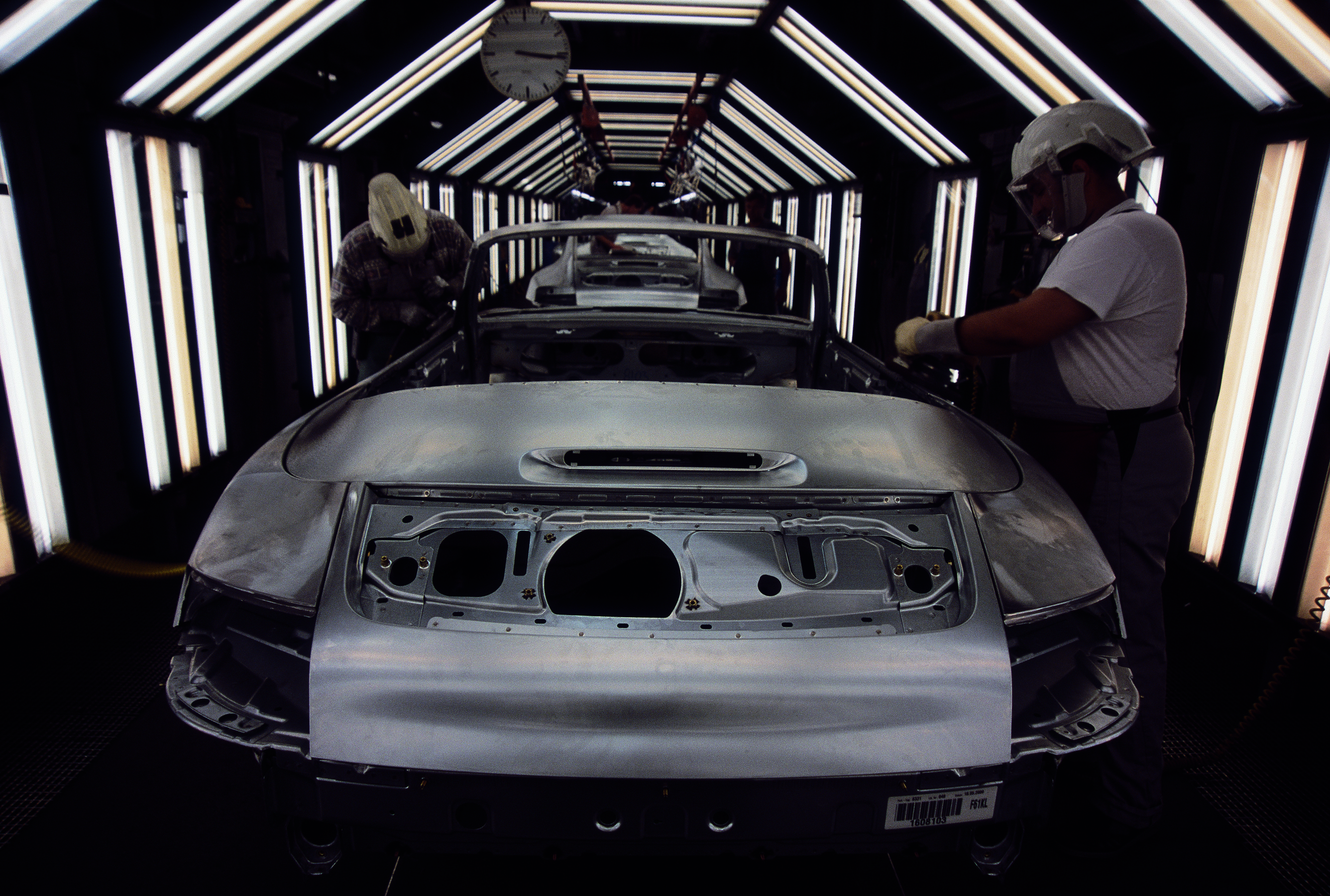
For optimal viewing, the finishing belt runs through a light tunnel
|
Porsche
|
|
|
|