In his widest interpretation of FIA rules, Norbert Singer felt he could extend the widened rear fenders across the door openings as he created the 935/78 that, due to its size and color, resembled a great white whale. Neither Singer’s covered doors nor the low full-width rear wing passed the inspection. Porsche Archiv
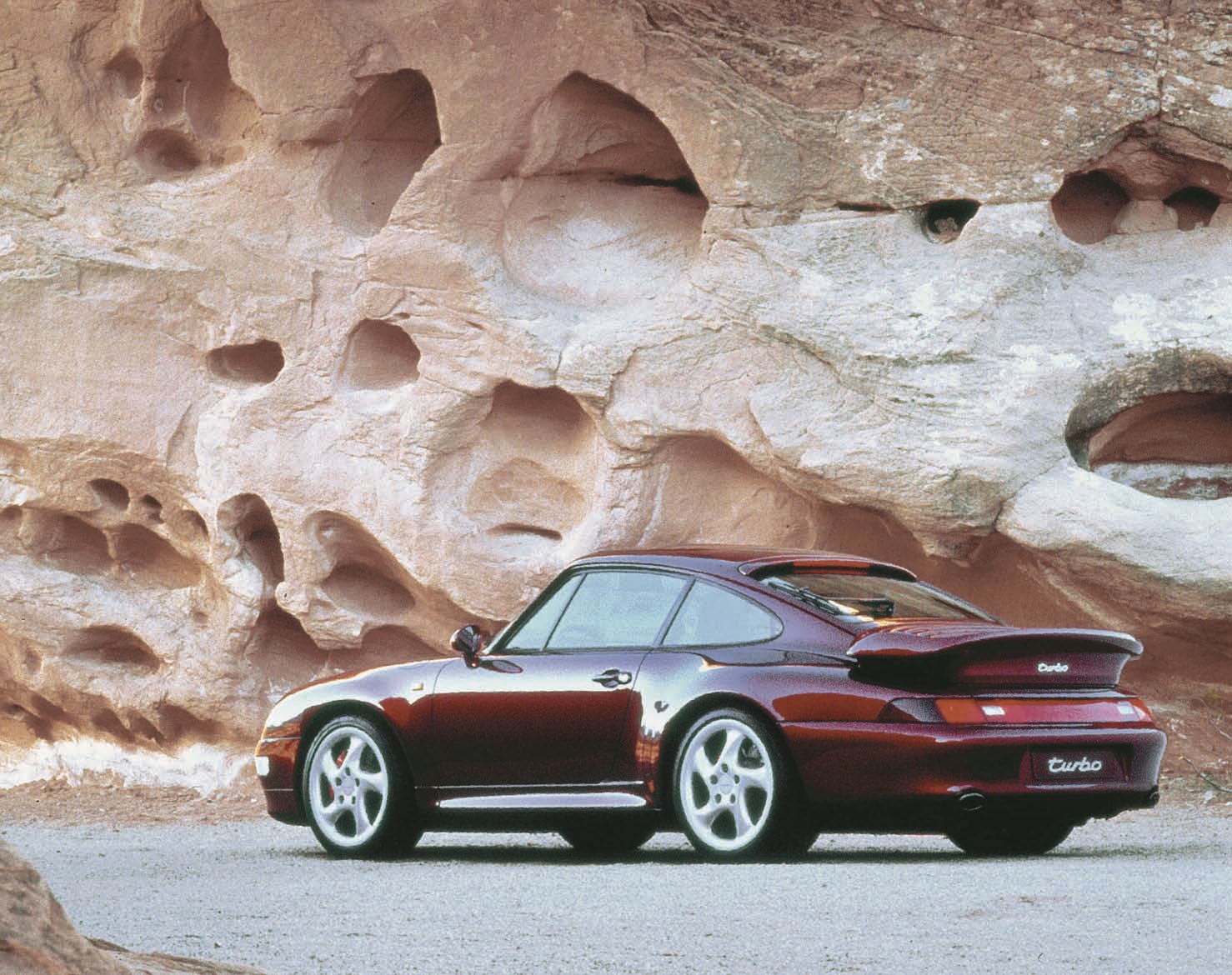
In March 1995, Porsche introduced the 993 Turbo at the Geneva Motor Show in Switzerland. It offered buyers 408 horsepower at 5,750 rpm. Porsche Archiv
In memory of the race driver Umberto Maglioli, the museum shop is offering the 2006 Sicilian red wine “Nero d’Avola”.
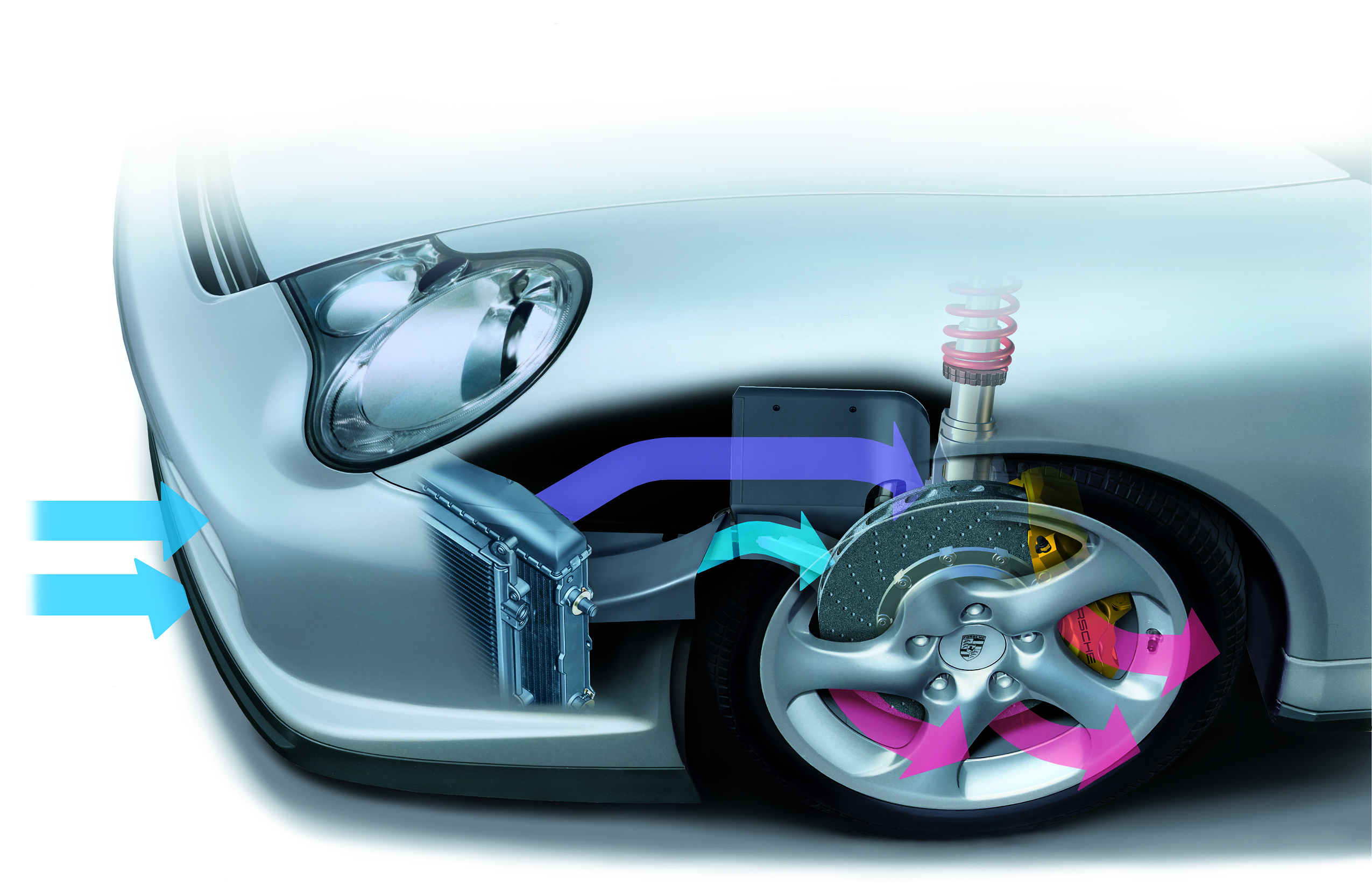
In order to cool the brake disc and brake caliper, a proportion of the air flowing into the vehicle is redirected via air deflectors directly to the front brake system.
In order to ensure high quality in series production, computers calculate the heat balance, stresses and deformations of the carbon fibre-ceramic material under different operating conditions.
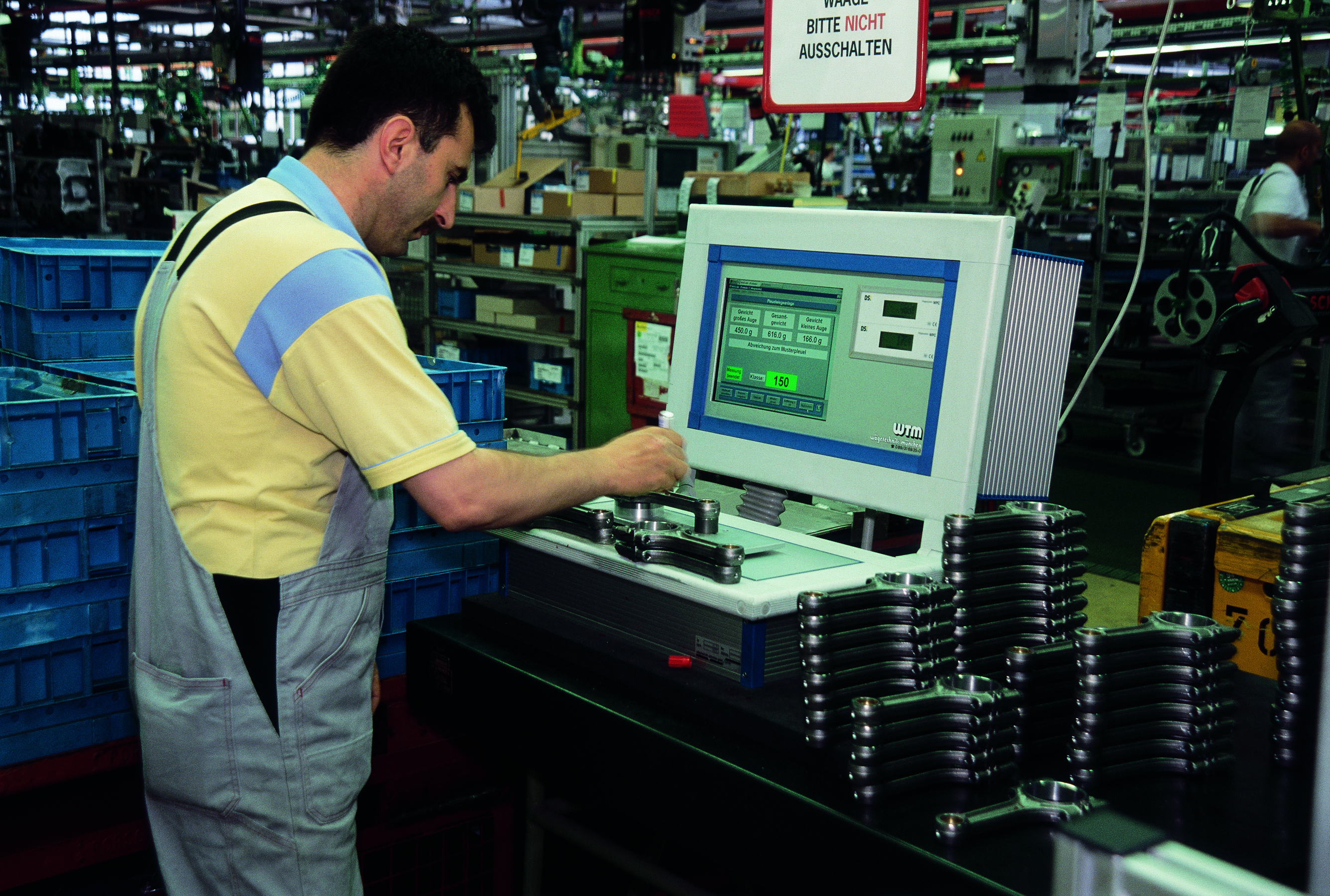
In order to prevent future imbalance in the engine, only connecting rods with the same weight are installed. Therefore they are weighed precisely beforehand
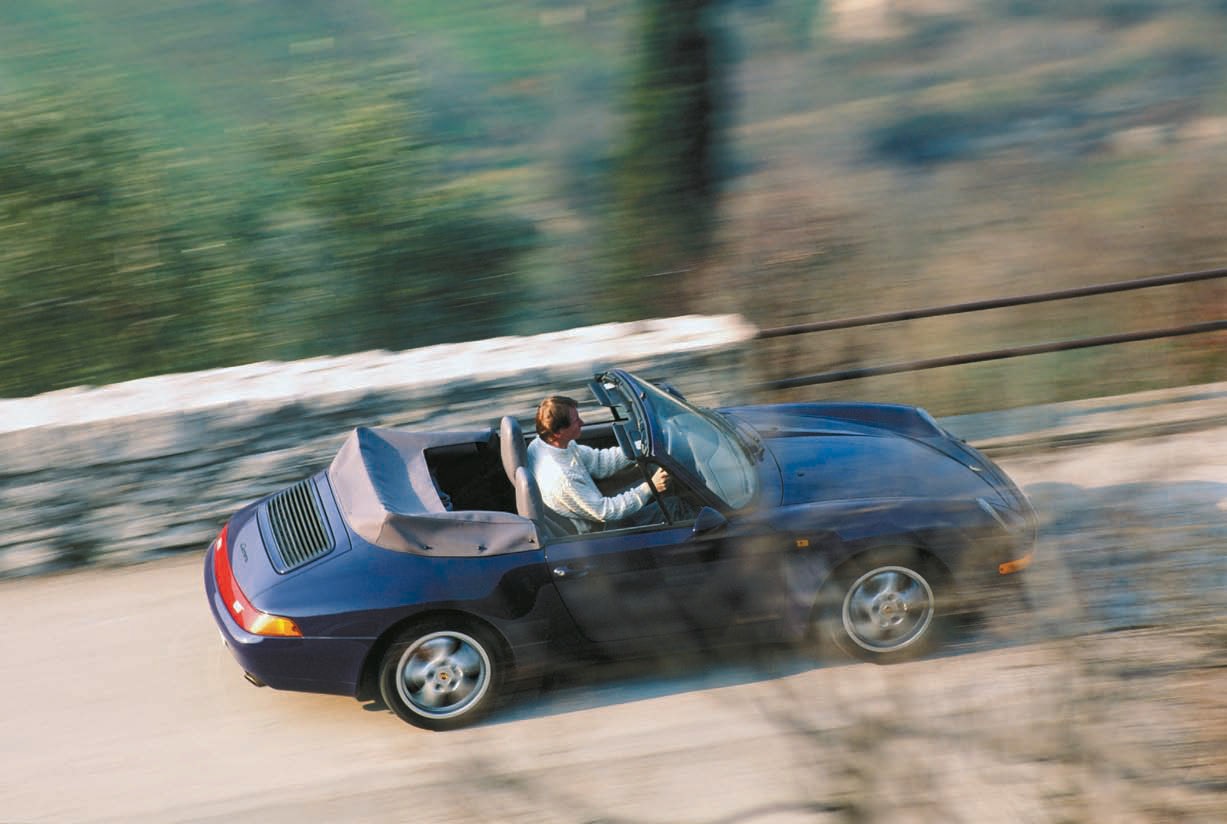
In spring 1994, Porsche unveiled the C2 cabriolet, followed a year later by the open C4 models. The 3.6-liter engine in the 993 developed 272 horsepower at 6,100 rpm. Porsche Archiv
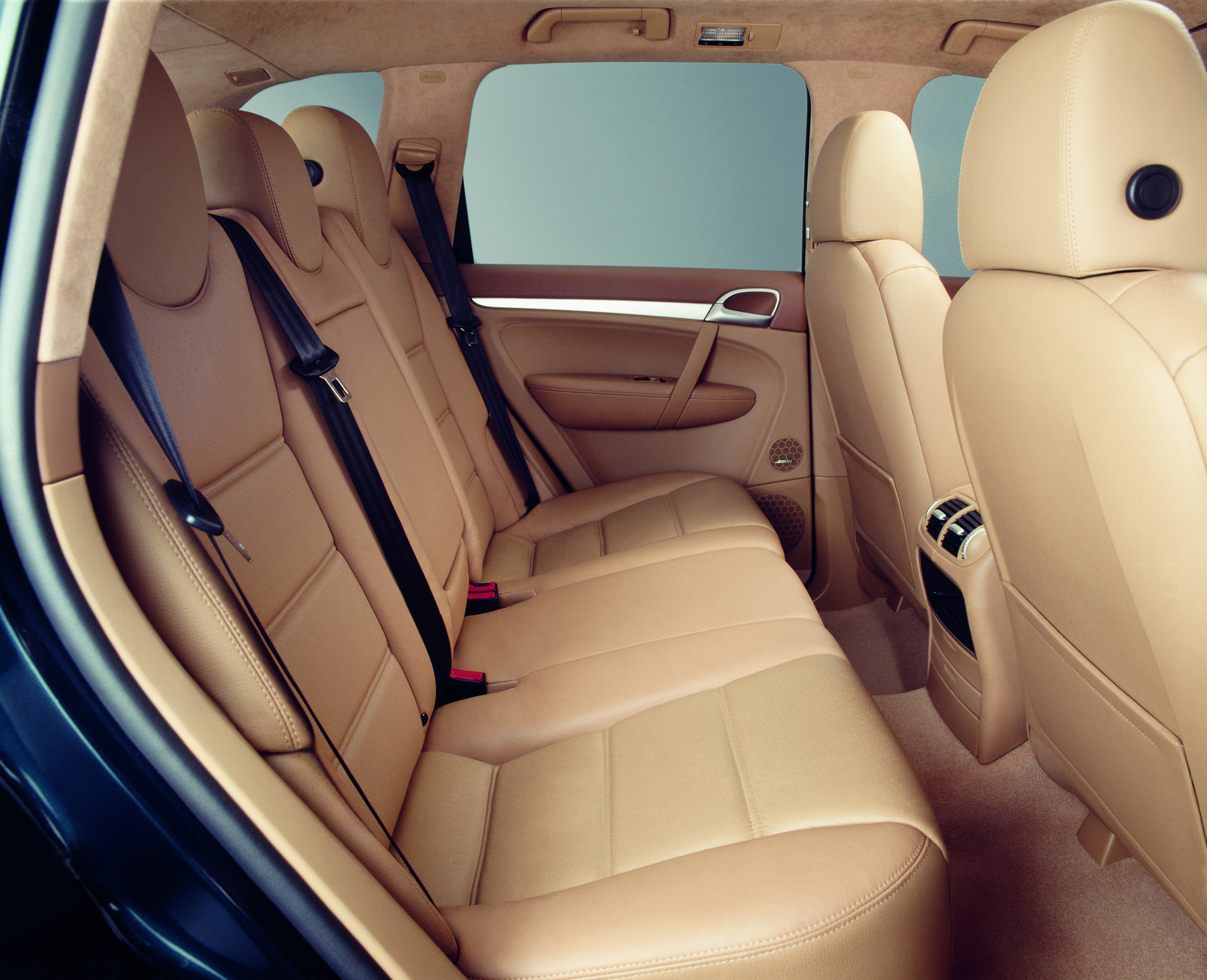
In the Cayenne Turbo, the rear seats can be heated as standard.
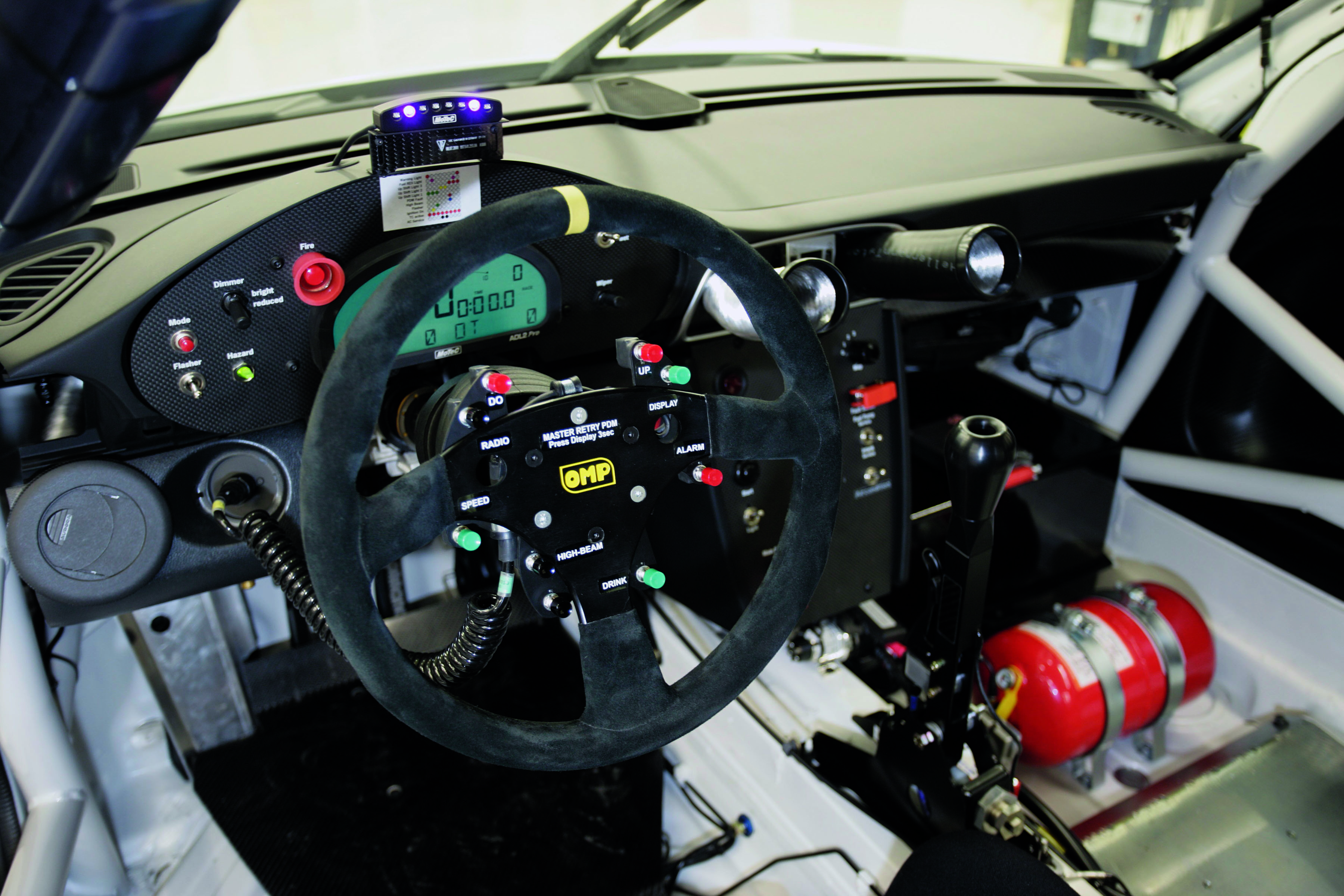
In the cockpit, a new multi-function display located above the dashboard indicates the optimum moment to change gears.
In the design studio, these were known as “A” and “B,” done in 1:1 scale. Photographed on July 24, 1957, the version on the A passenger side was Porsche staffer Heinrich Klie’s work while the B driver’s side represented Goertz’s second approach to the 695. Porsche Archiv
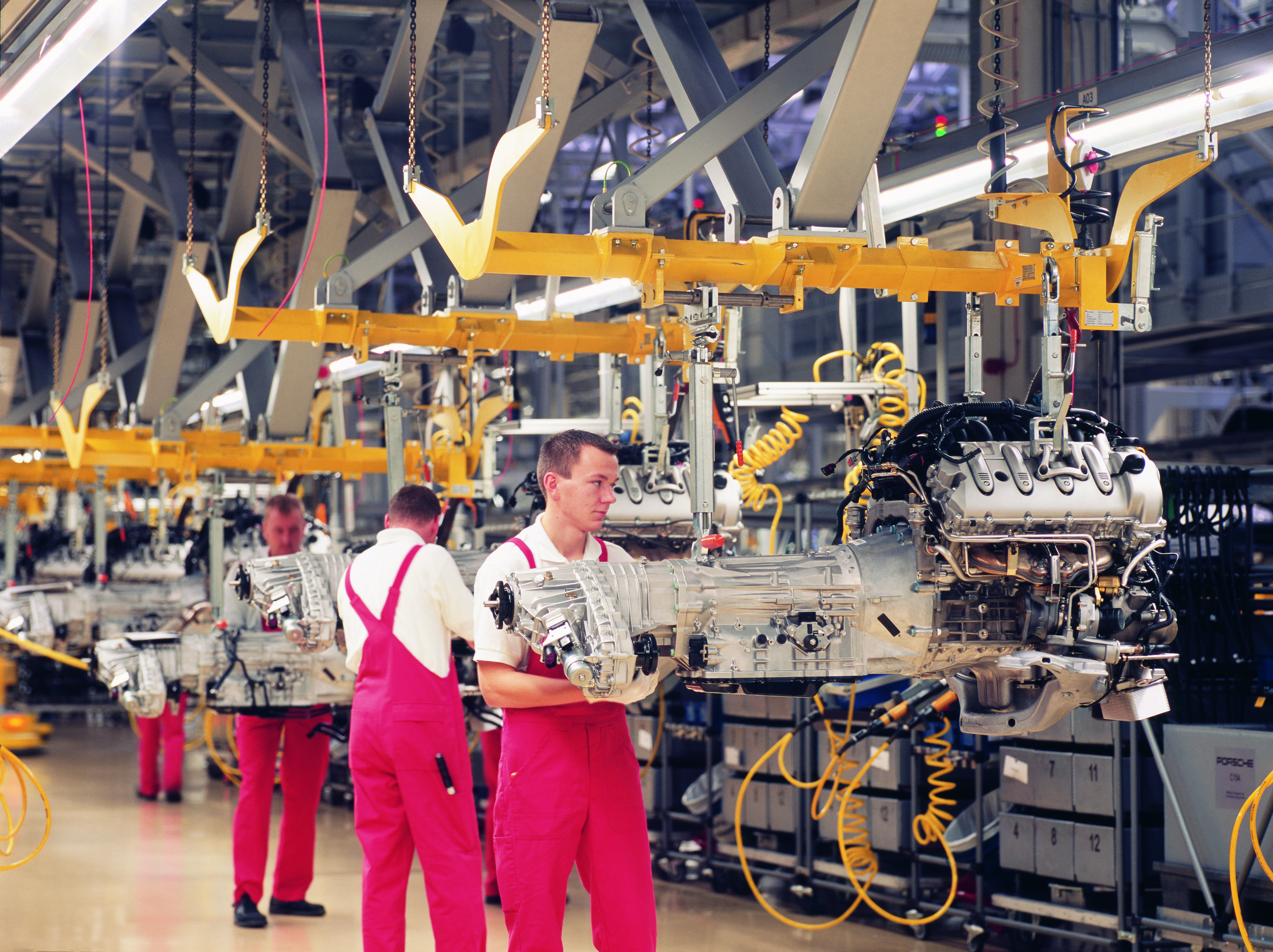
In the first step, the engine delivered from Zuffenhausen is joined to the transmission.
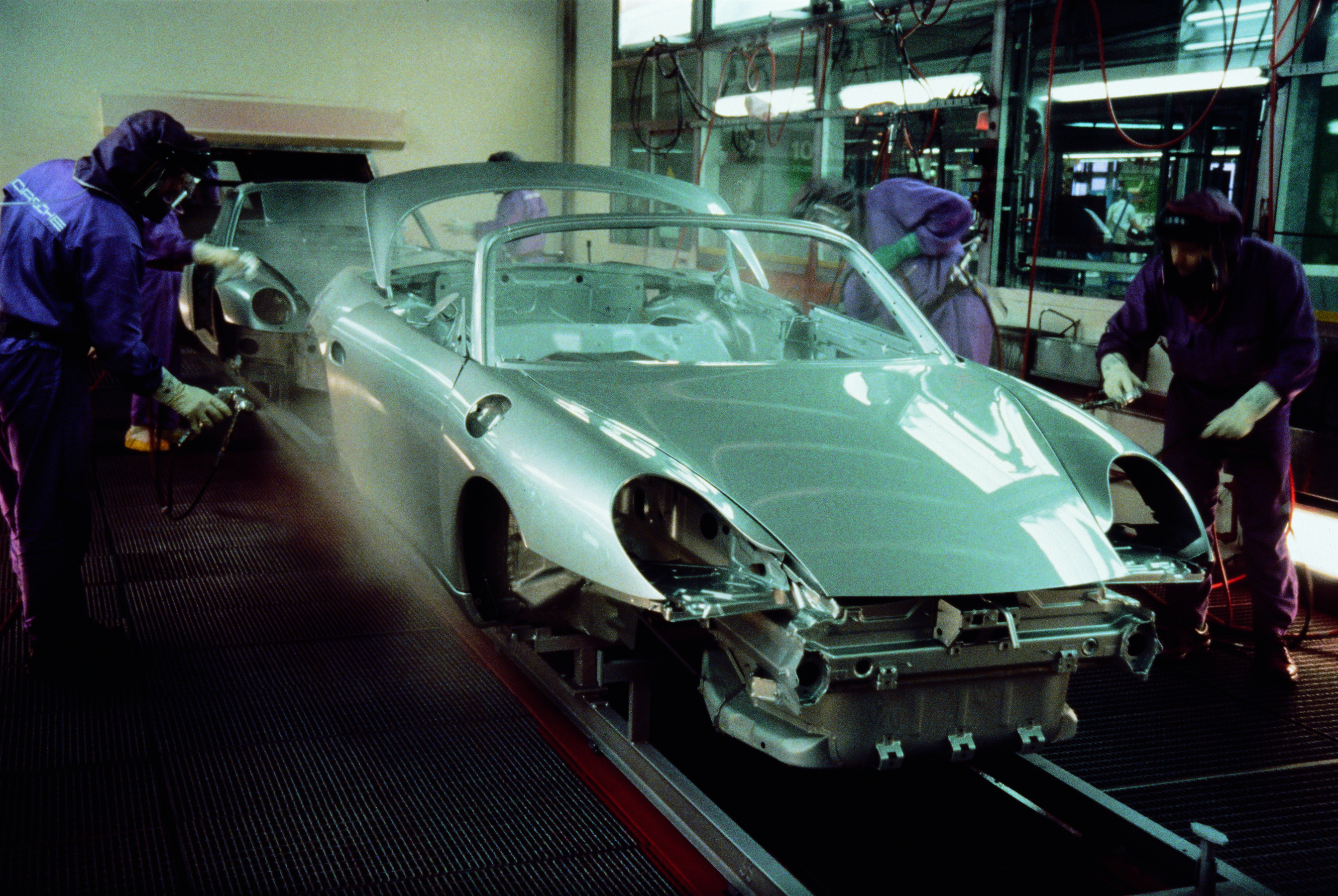
In the last stage of the painting process, a Boxster is given a coat of clear lacquer
In the precision measuring room, the brake disc dimensions are checked to the exact millimetre.
In the race shops at Weissach, mechanics and engineers assembled the customer racing 1997 GT1 models. Engines in these cars developed in excess of 600 horsepower for an automobile weighing just 2,310 pounds. Porsche Archiv
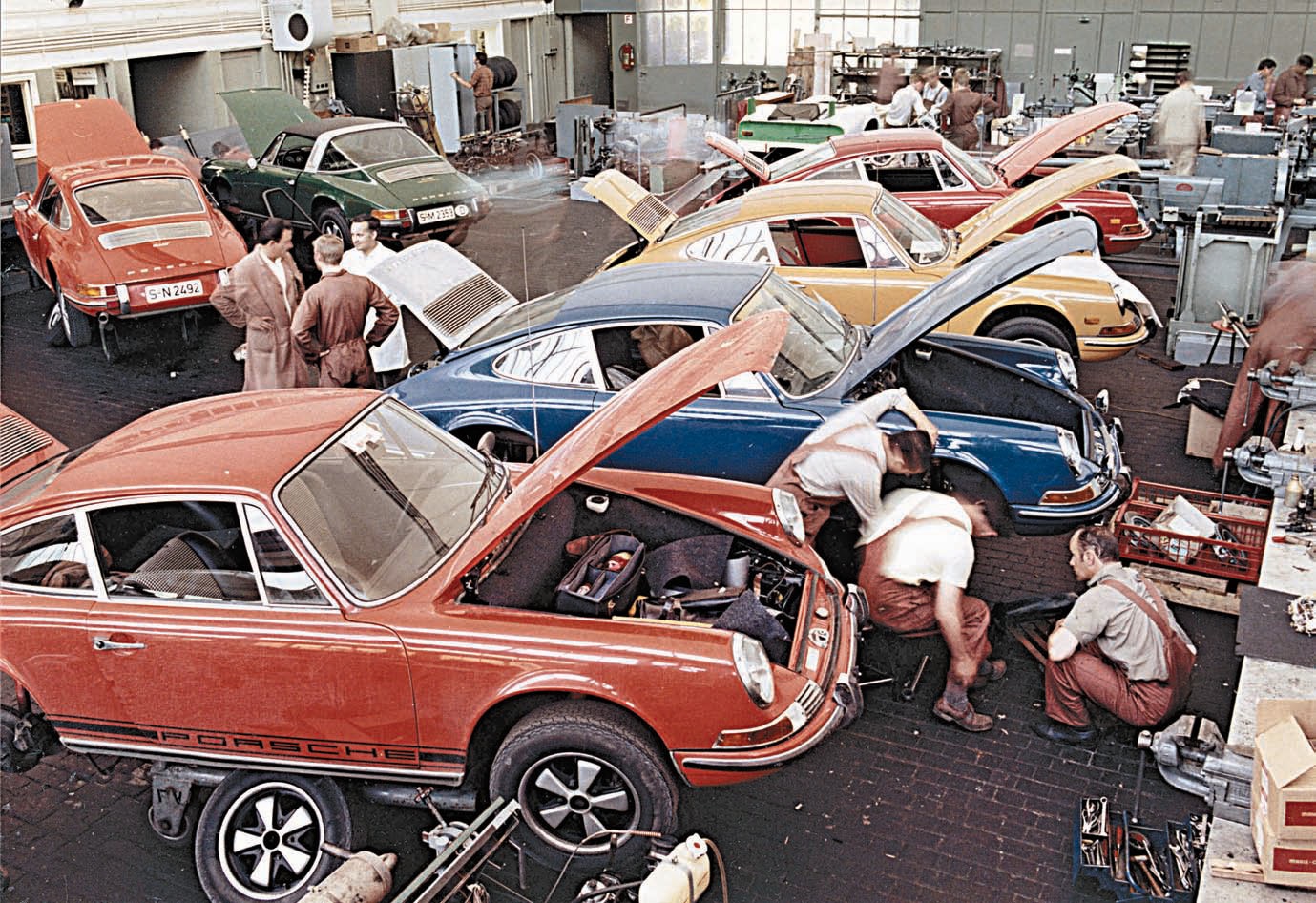
In the testing department, mechanics fitted cars with fresh tires and attended to other needs. The cluster of 1970 cars included T, E, and S models with manual and Sportomatic transmissions. Porsche Archiv
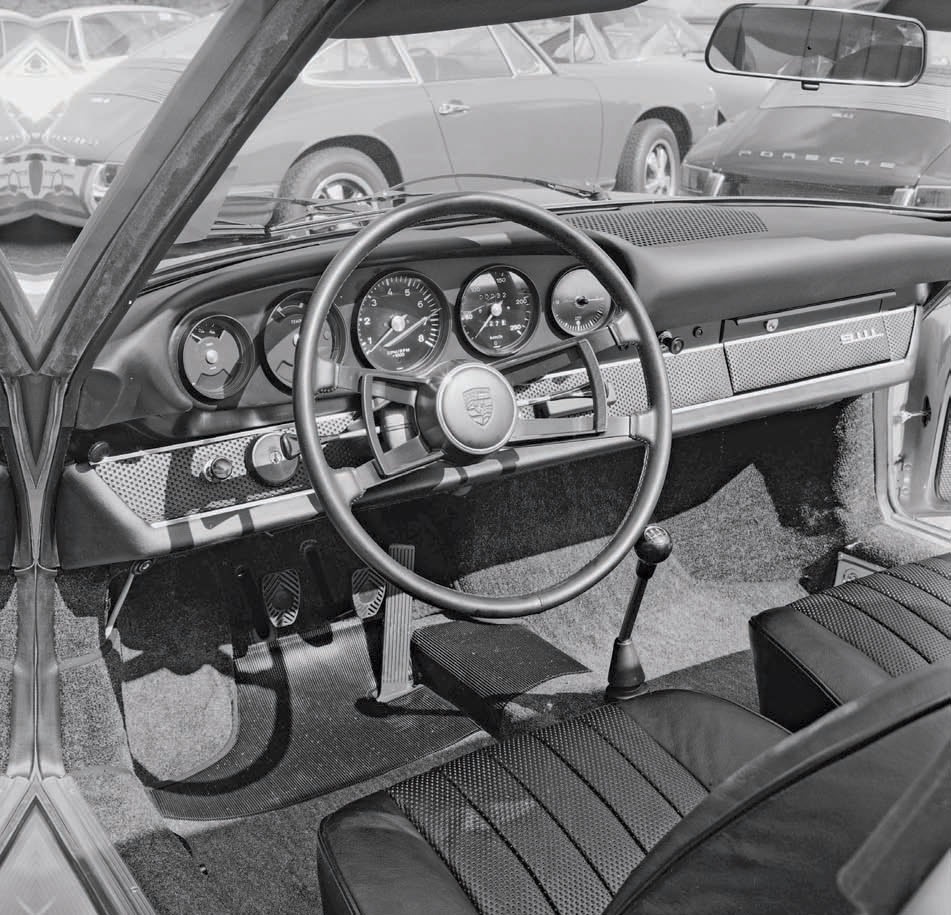
In the Zuffenhausen new-car delivery parking lot,this sunlit 1968 911L interior made it clear why Targa models appealed to many customers who relished open-air motoring. Porsche assembled only 444 of the L Targas. Porsche Archiv
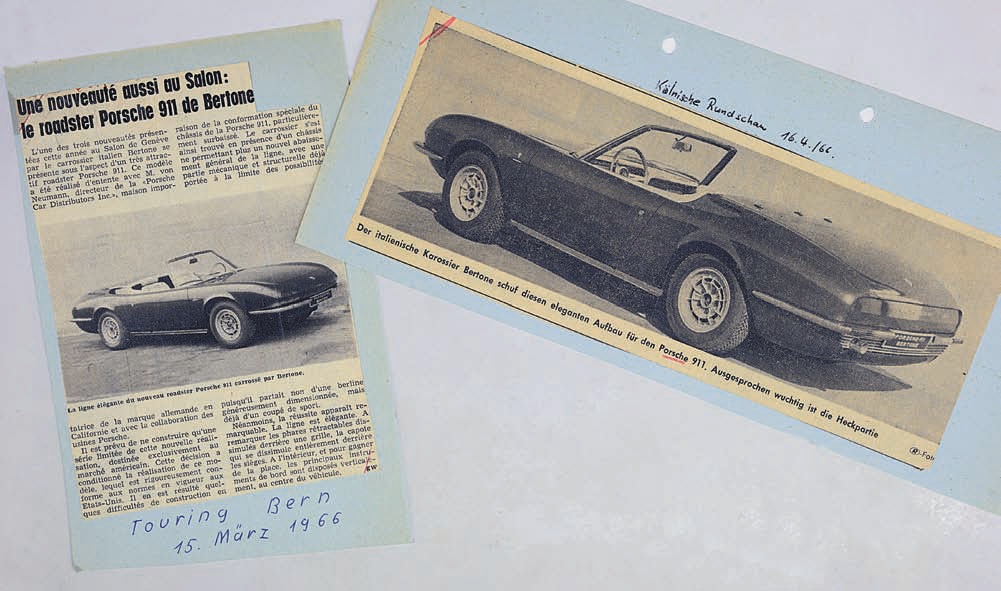
In Touring Bern, from March 15, 1966, a photo showed the Bertone roadster with a caption declaring it was “a limited series of this new body style, destined exclusively for the American market.” While the Kölnische Rundschau wrote on April 16, 1966: “The Italian bodymaker Bertone showed this elegant body for the Porsche 911. The rear end is very powerful.” Porsche Archiv
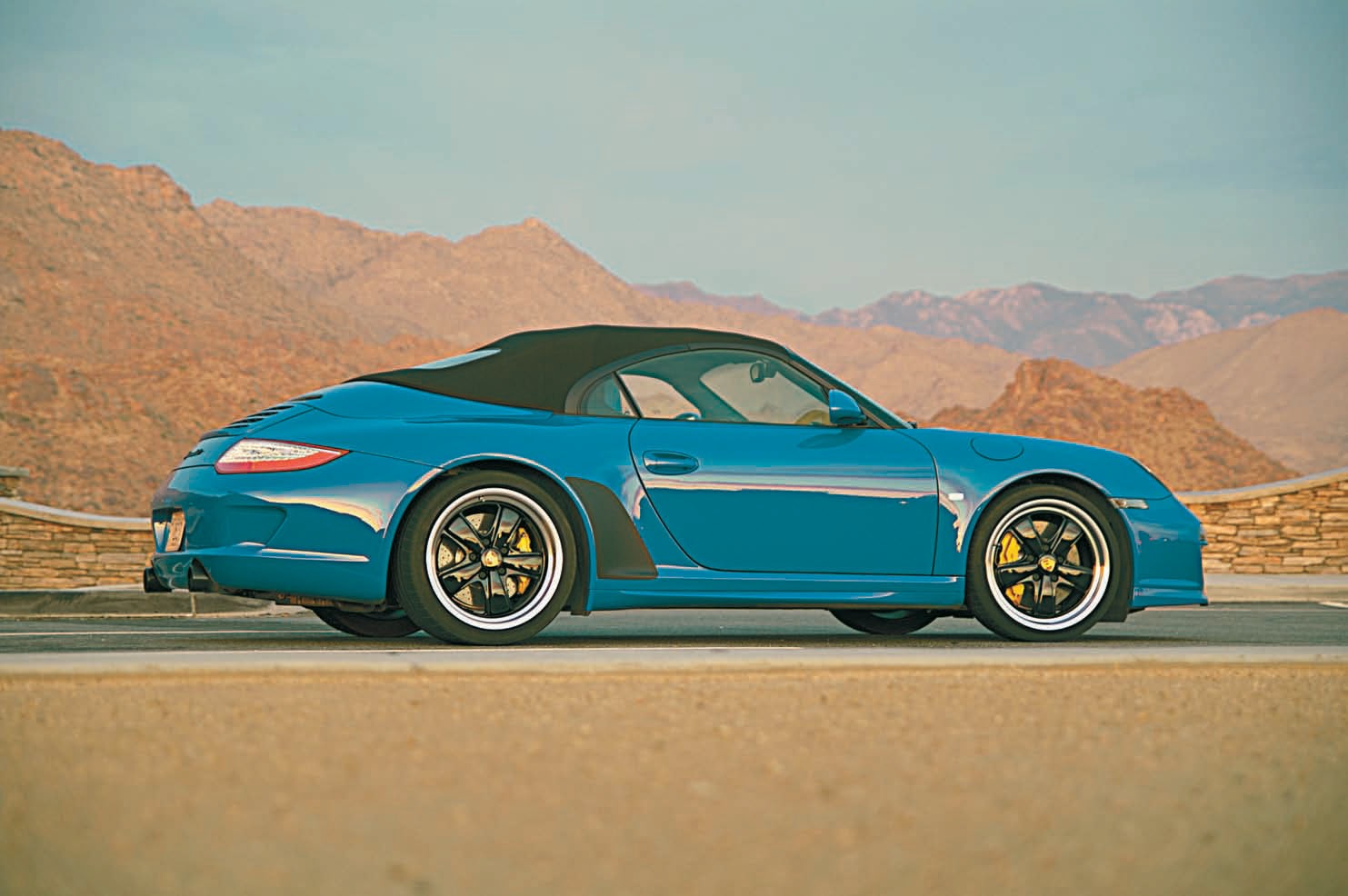
In upholding a 911 tradition missed only during 996 days, Porsche brought out a 997/2 Speedster, limited to 356 vehicles available in either Pure Blue or Carrara (like the marble) White. With the same 408 horsepower on tap as the GTS and the Sport Classic, the Speedster was linked only to the PDK transmission. Dave Engelman/Porsche Cars North America
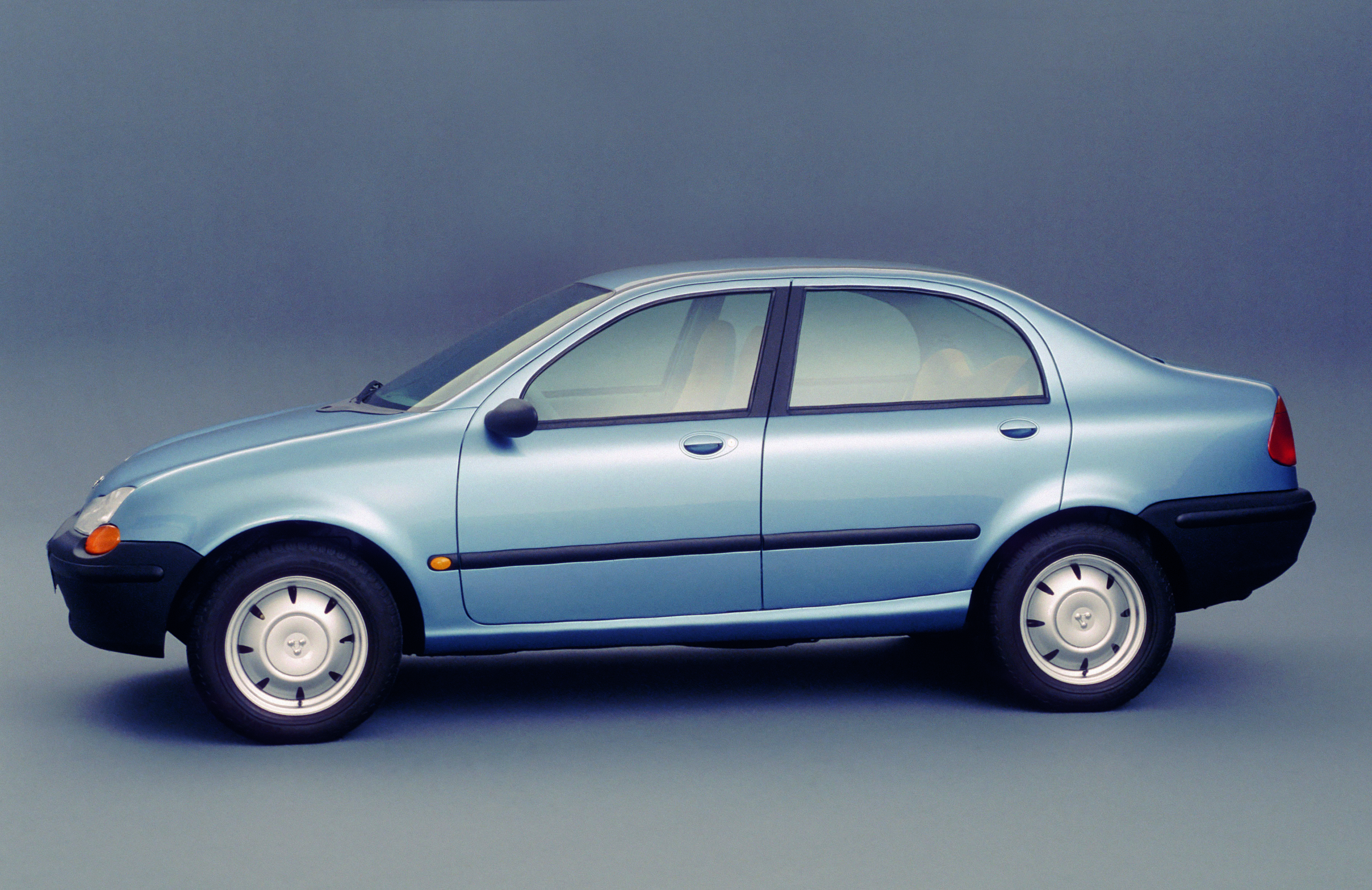
In 1995, Porsche developed the family automobile study C 88 for the Chinese market
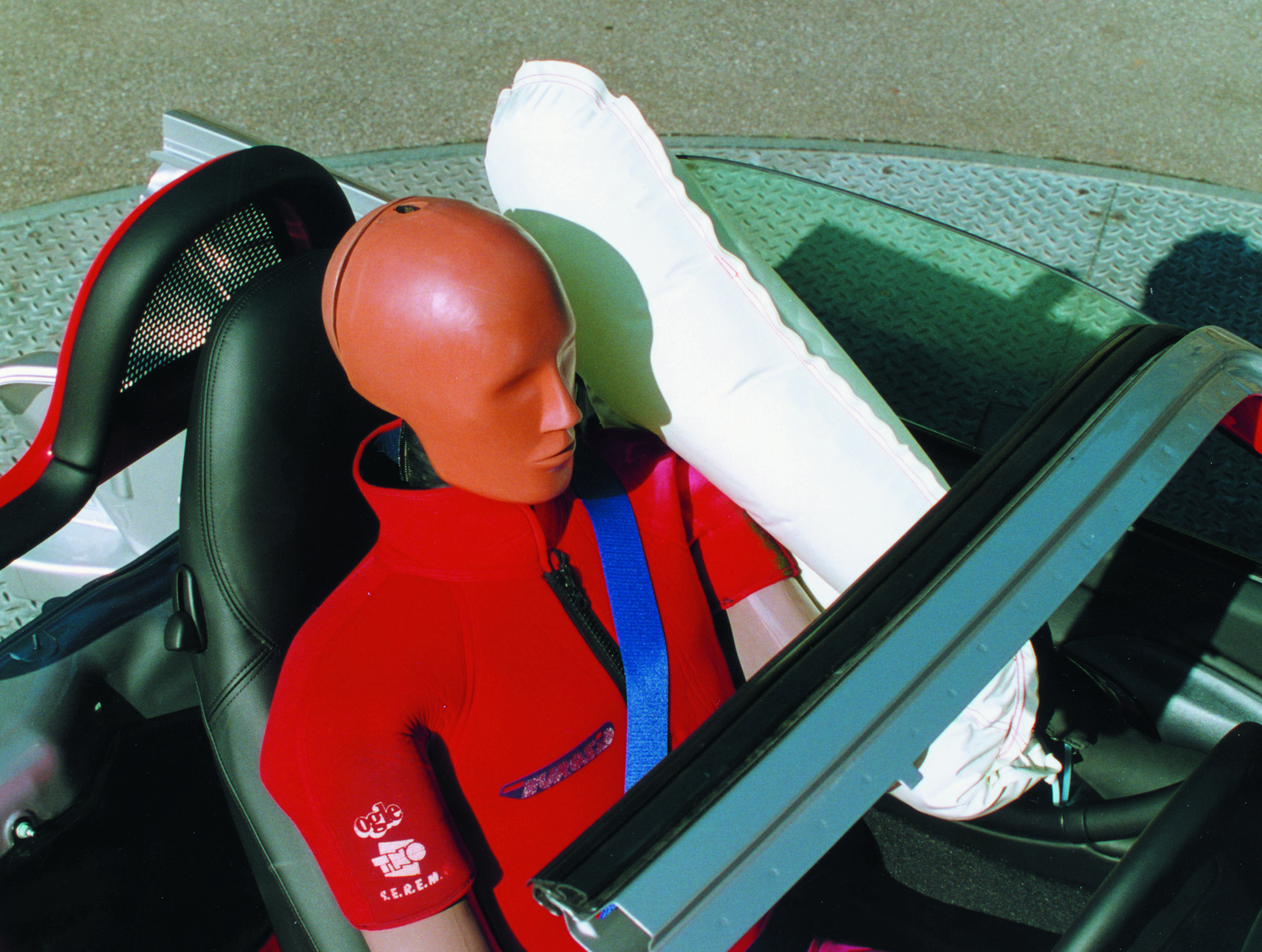
In 1997 Porsche was the first manufacturer who offered cabrio-suitable sidebags with head protection.