|
Dr. Ing. h.c. F. Porsche AG
|
Image
|
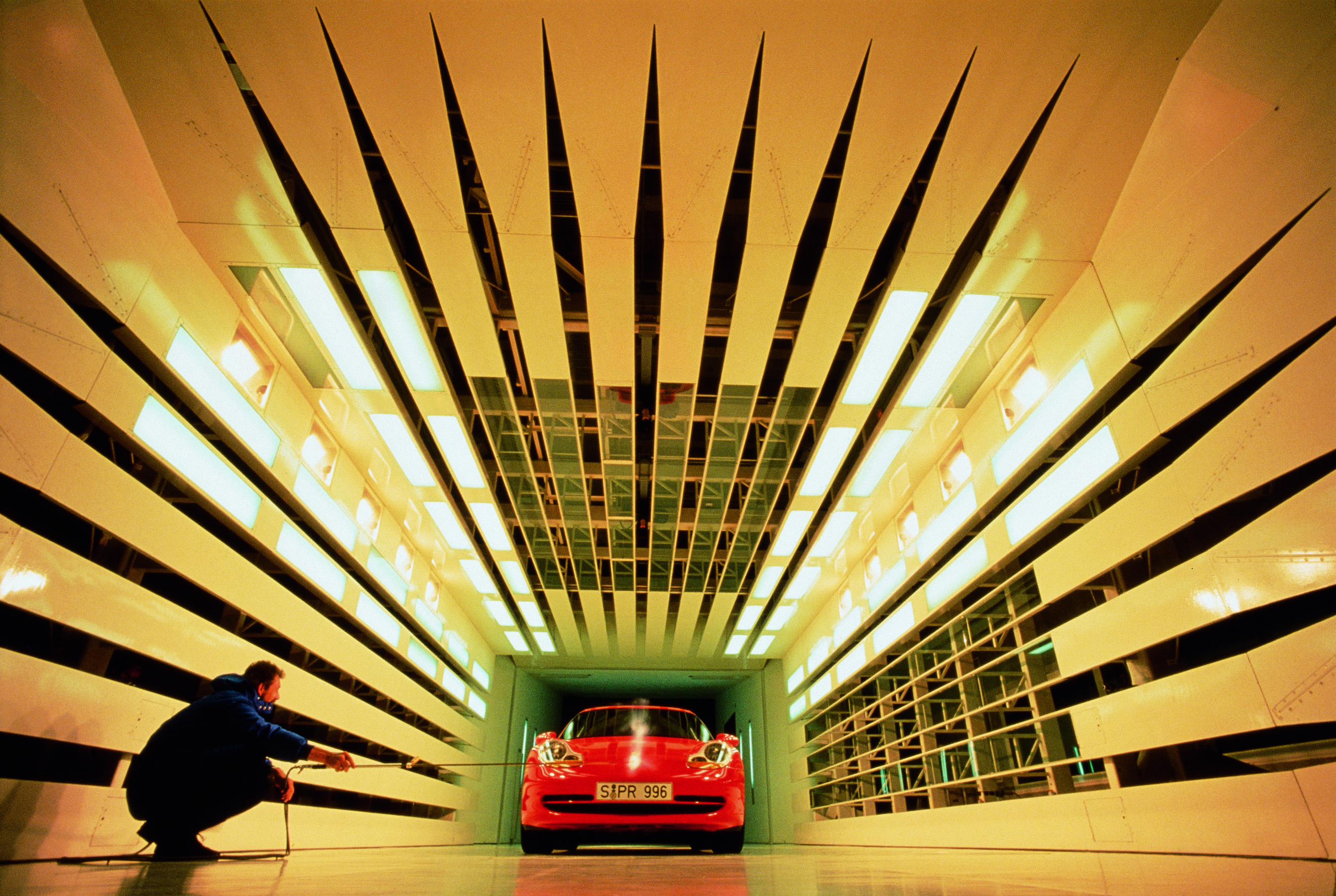
Wind tunnel tests are an important prerequisite of optimal aerodynamics
|
Porsche
|
911
|
Carrera
|
996 I
|
|
|
Dr. Ing. h.c. F. Porsche AG
|
Image
|
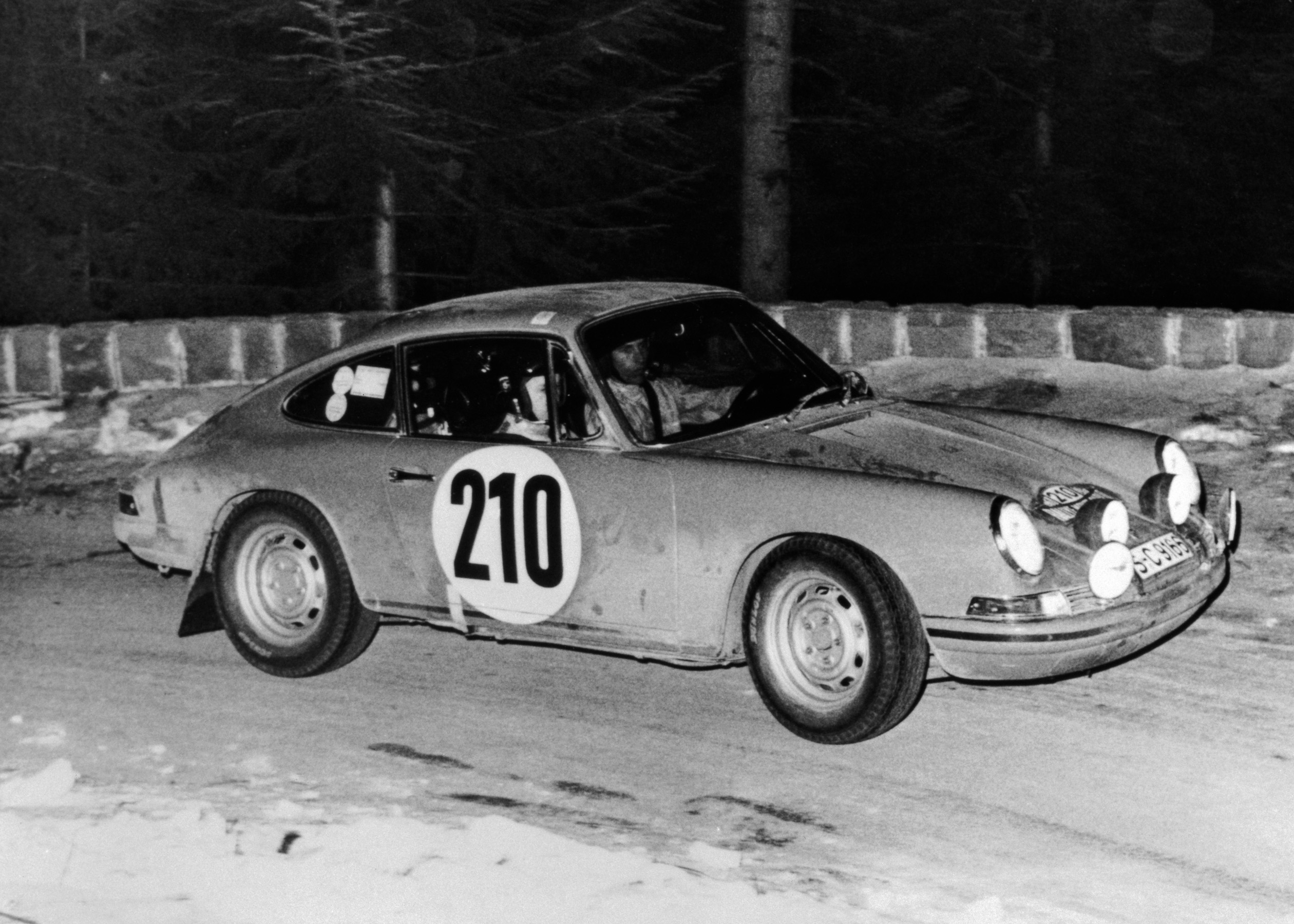
1968 Monte Carlo Rally In 1968 Vic Elford and David Stone driving a 911 T, succeeded in winning the Monte Carlo Rally, held from 20th to 27th January, for Porsche for the first time. 911 T "Rallye": air-cooled 6-cyl. boxer engine, 1991 cm3, 180 HP, 1066 kg (with 60 l tank)
|
Porsche
|
911
|
Carrera T
|
|
|
|
Dr. Ing. h.c. F. Porsche AG
|
Image
|
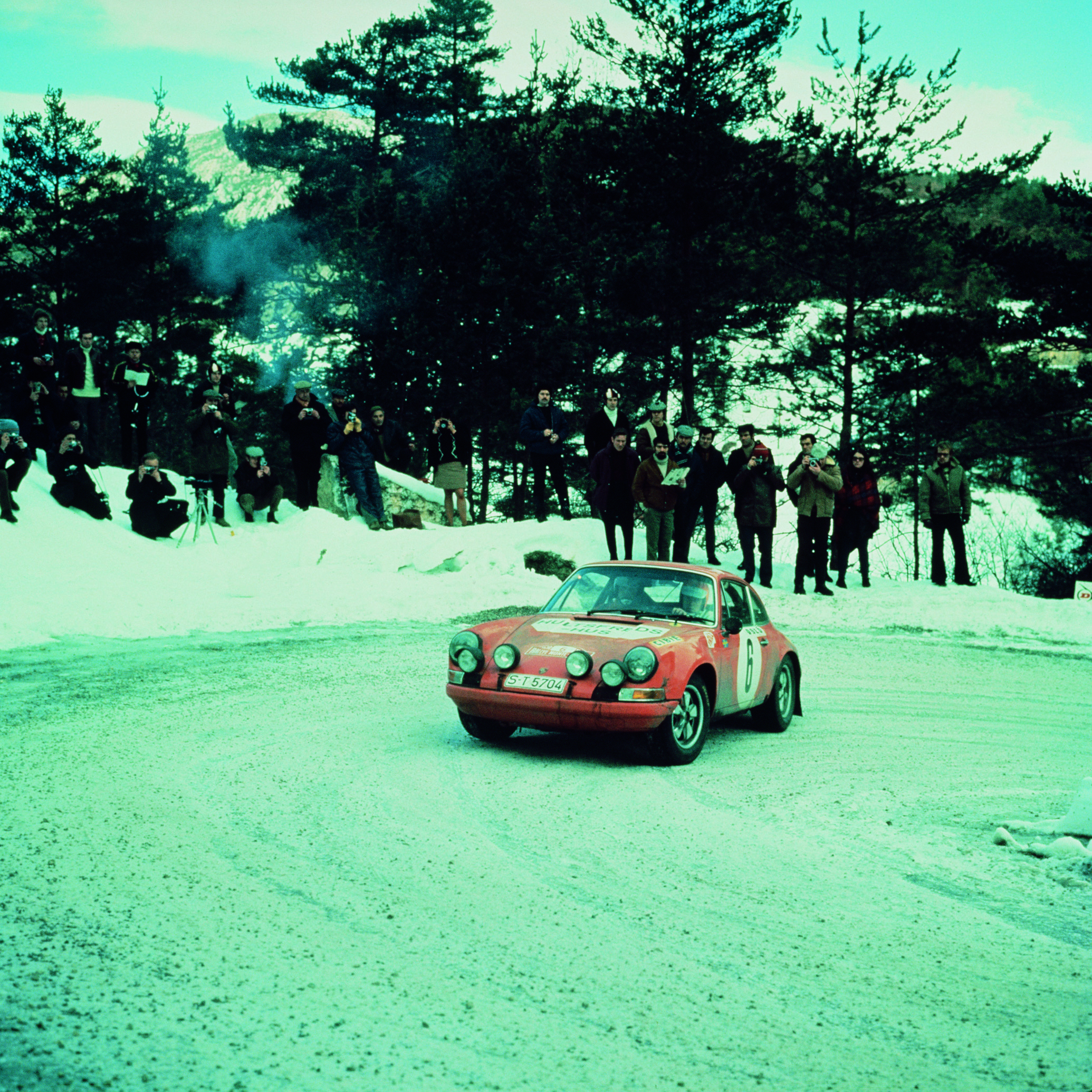
1970 Monte Carlo Rally The 1970 Monte Carlo rally from 16th to 24th January 1970 was won by Björn Waldegaard and Lars Helmer in the Porsche 911 S 2.3. This third Porsche double victory in a row also formed the foundation stone for victory in the 1970 world rally championship. 911 S 2.3 : air-cooled 6-cyl. boxer engine, 2247 cm3, 230 HP, 960 kg
|
Porsche
|
911
|
Carrera S
|
|
|
|
Dr. Ing. h.c. F. Porsche AG
|
Image
|
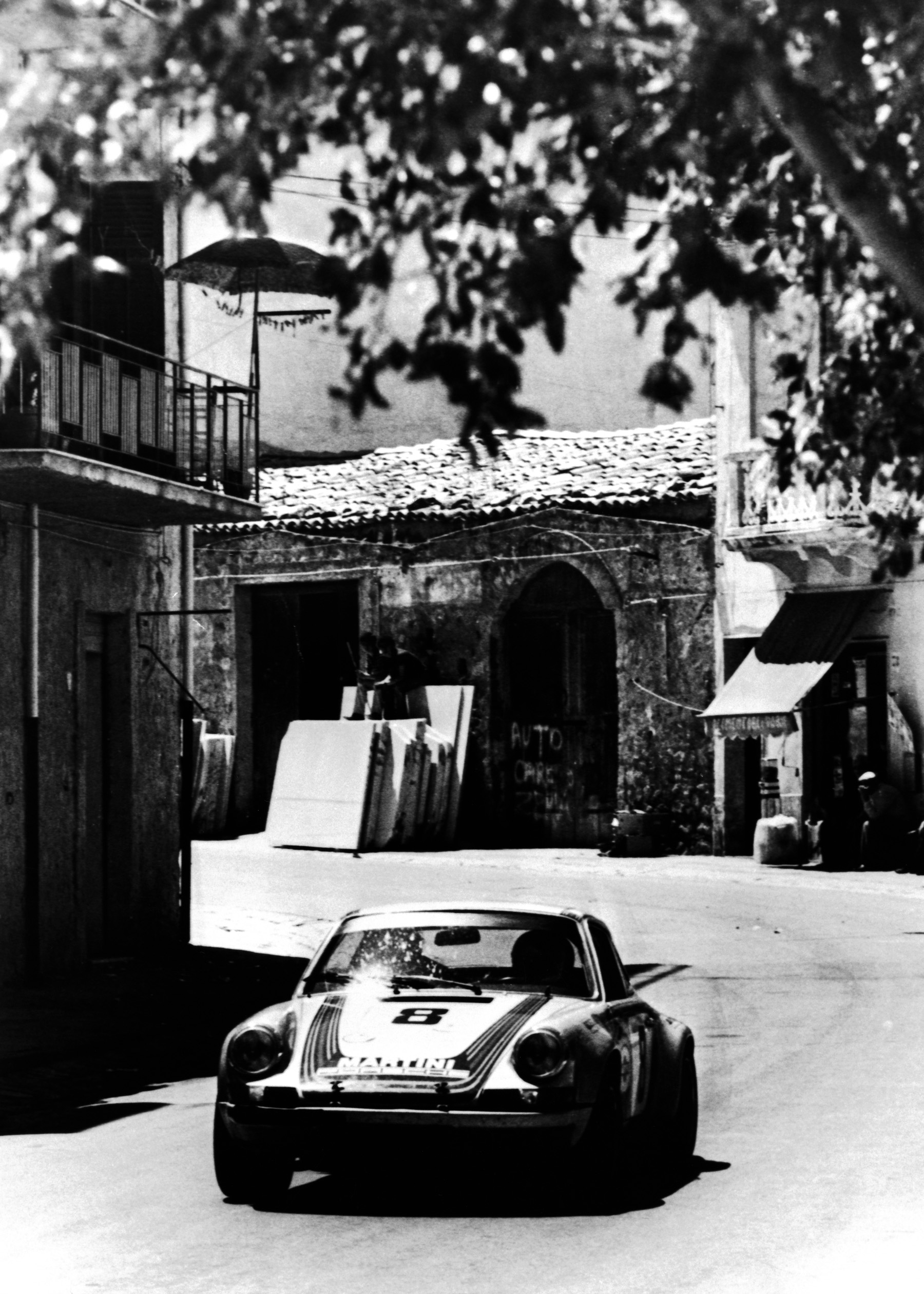
Targa Florio 1973 The oldest road race in the world, the Targa Florio, is held for the last time on 13th May 1973. Gijs van Lennep and Herbert Müller drive the Porsche 911 Carrera RSR 3.0 to Porsche's 11th overall win, making it the "eternal" Targa Florio winner. 911 Carrera RSR 3.0: air-cooled 6-cyl. boxer engine, 2992 cm3, 330 HP, 900 kg
|
Porsche
|
911
|
Carrera RSR 3.0
|
|
|
|
Dr. Ing. h.c. F. Porsche AG
|
Image
|
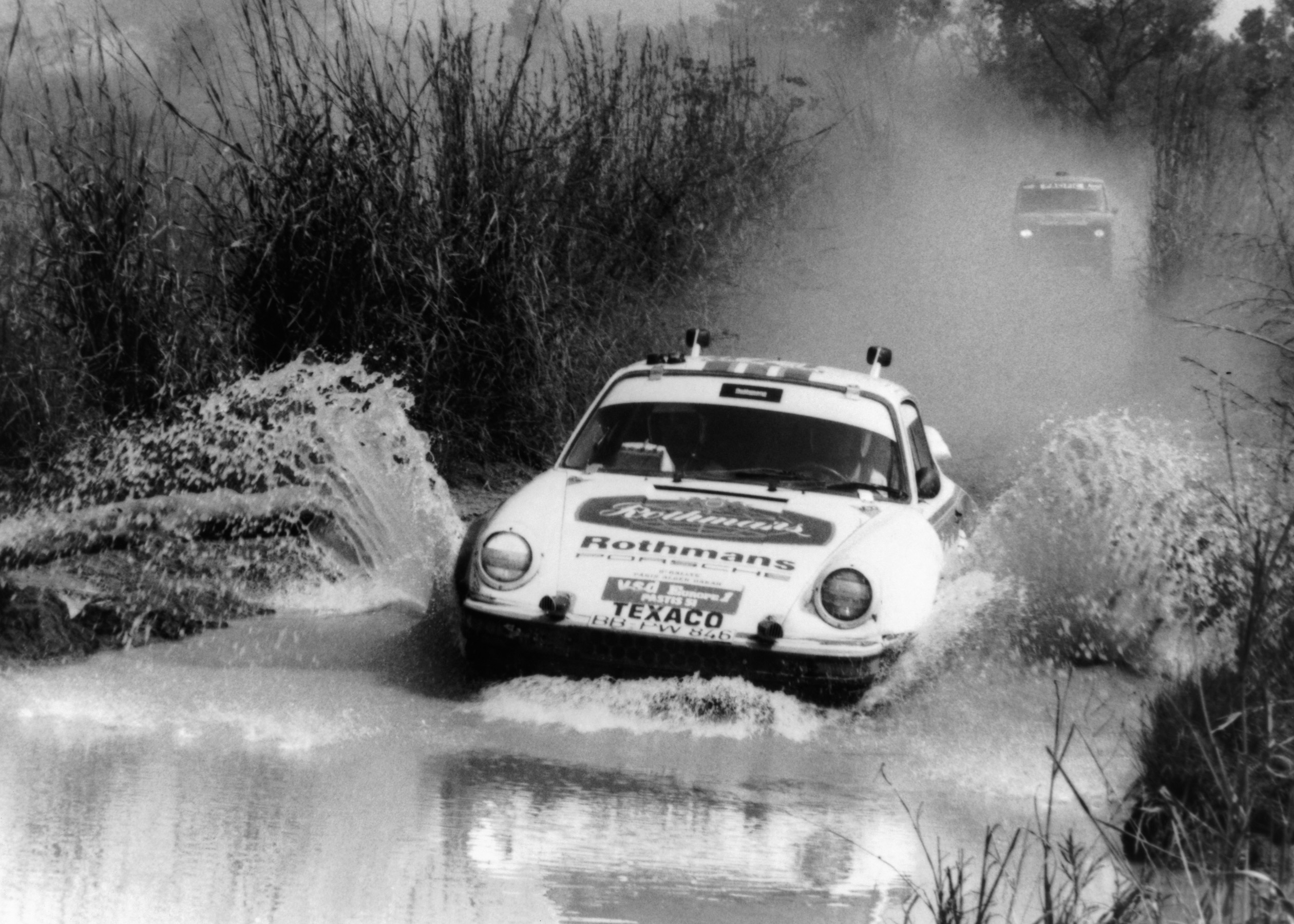
1984 Paris-Dakar Rally When René Metge and Dominique Lemoyne won the Paris-Dakar desert rally held from 1st to 20th January 1984 in the 911 Carrera 3.2 4x4, it was the first time a Porsche was entered in the race. This was also the first ever win for a sports car in the desert. 911 Carrera 3.2 4x4 "Paris-Dakar": Air-cooled 6-cyl. boxer engine 3164 cmó, 225 HP, 1215 kg
|
Porsche
|
911
|
Carrera 3.2 4x4
|
|
|
|
Dr. Ing. h.c. F. Porsche AG
|
Image
|
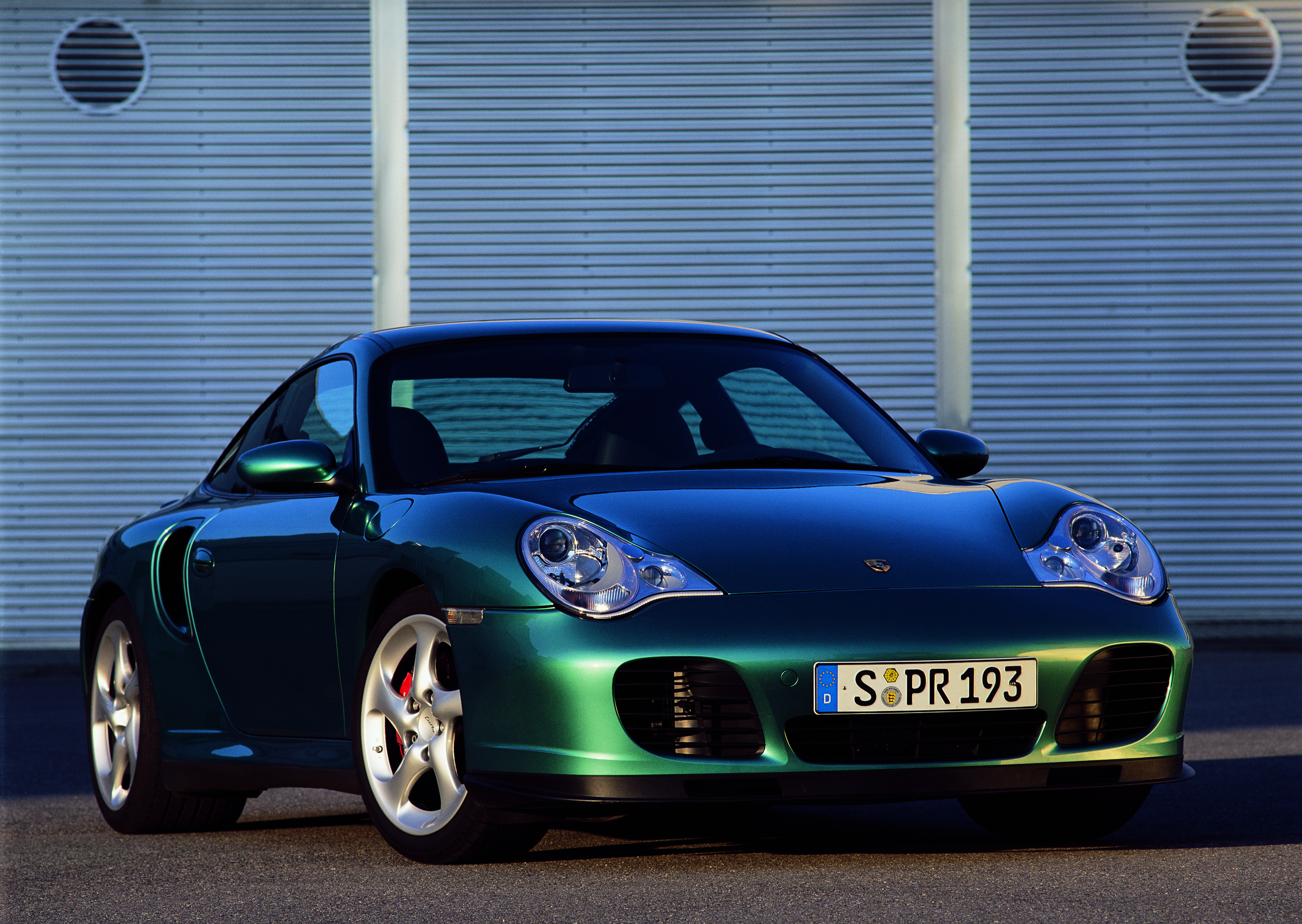
911 Turbo
|
Porsche
|
911
|
Turbo
|
996 I
|
|
|
Dr. Ing. h.c. F. Porsche AG
|
Image
|
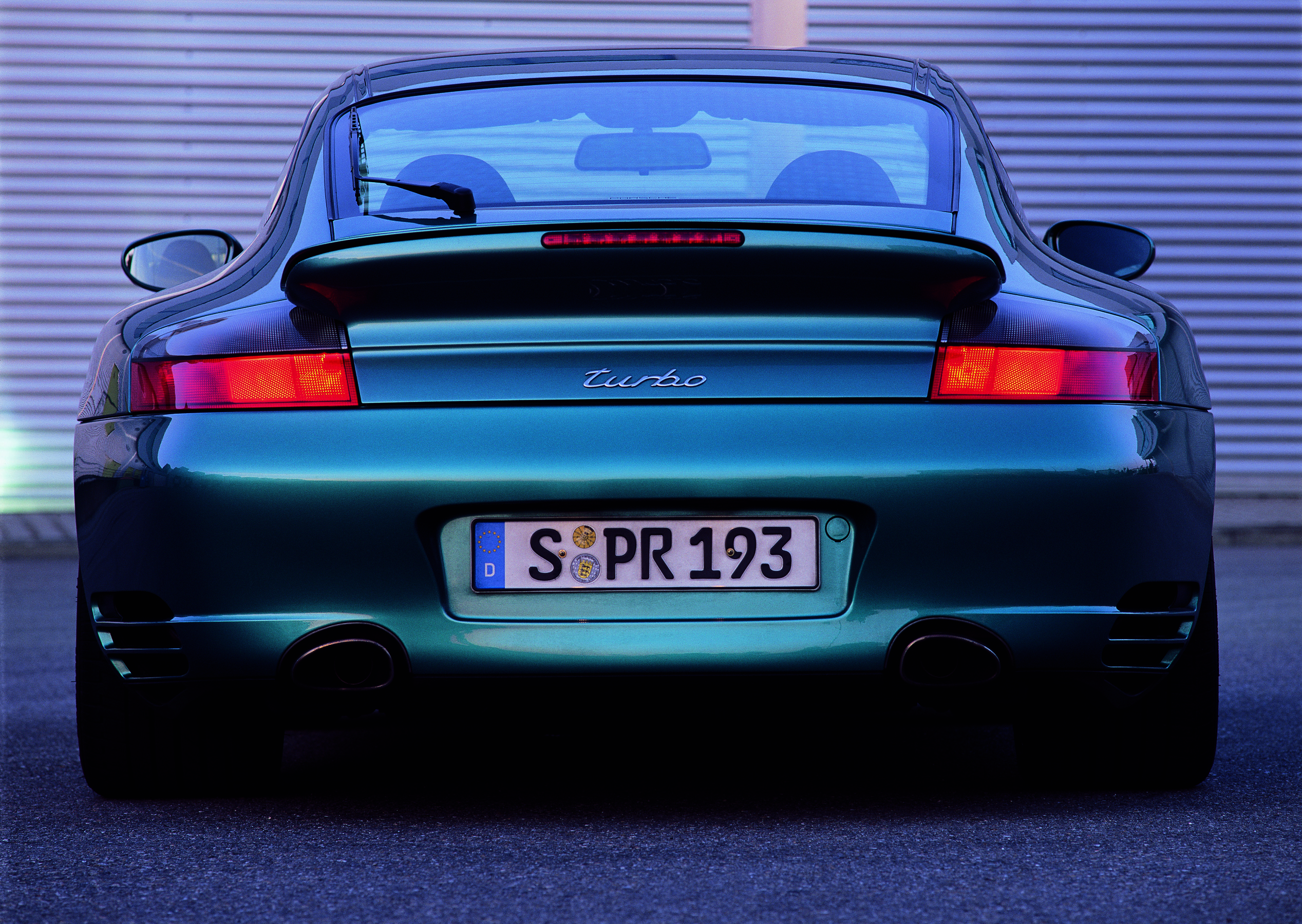
911 Turbo
|
Porsche
|
911
|
Turbo
|
996 I
|
|
|
Dr. Ing. h.c. F. Porsche AG
|
Image
|
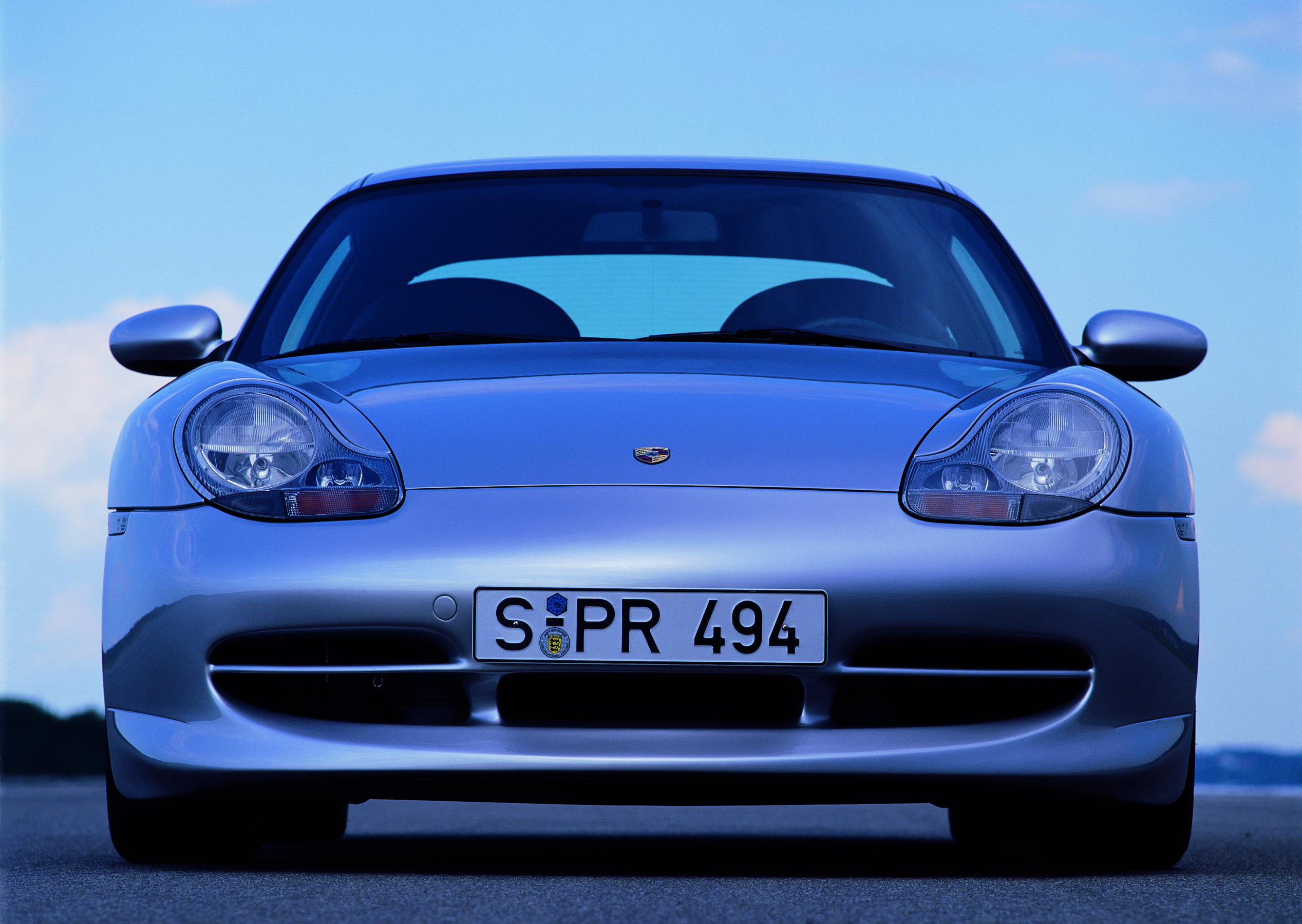
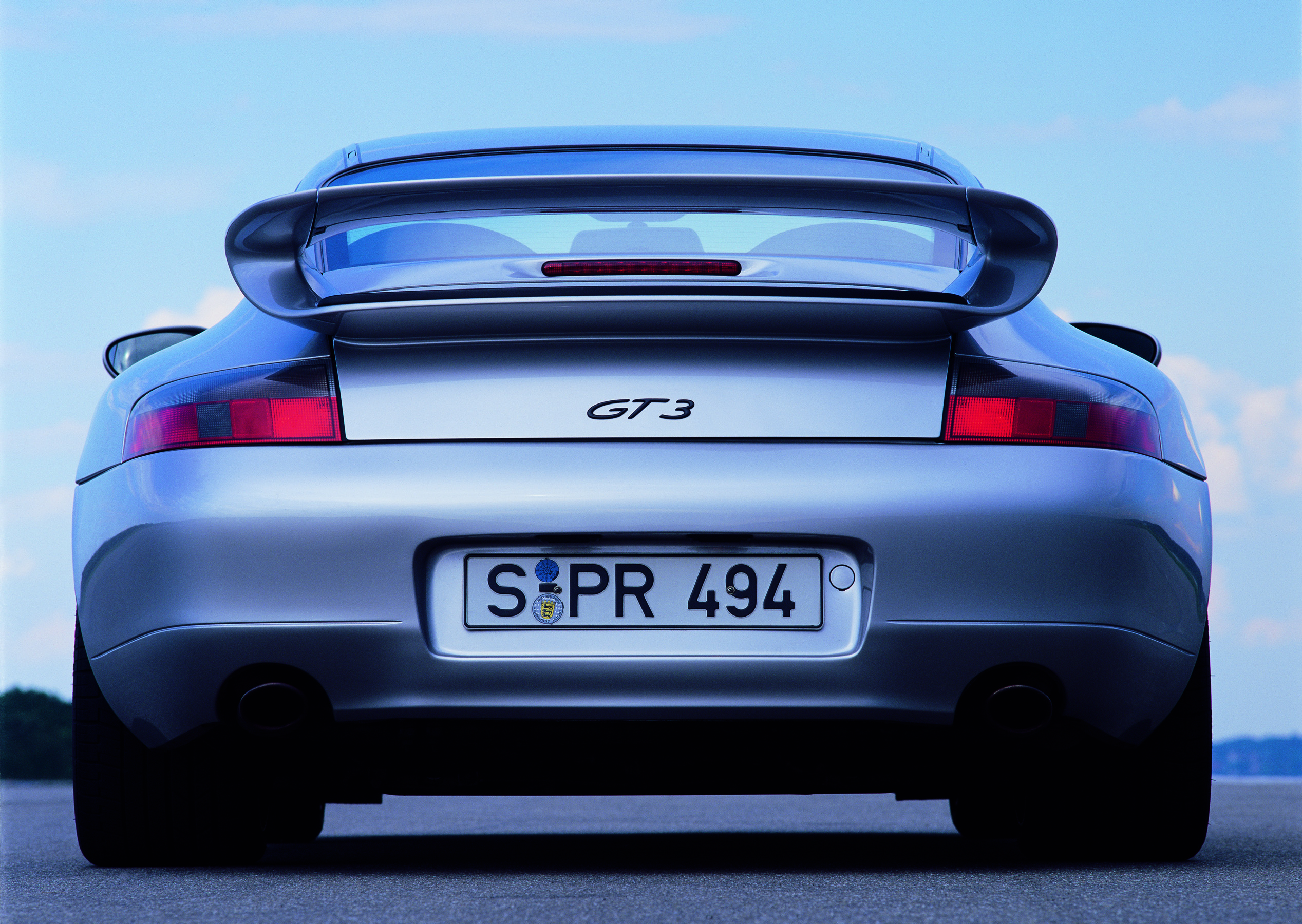
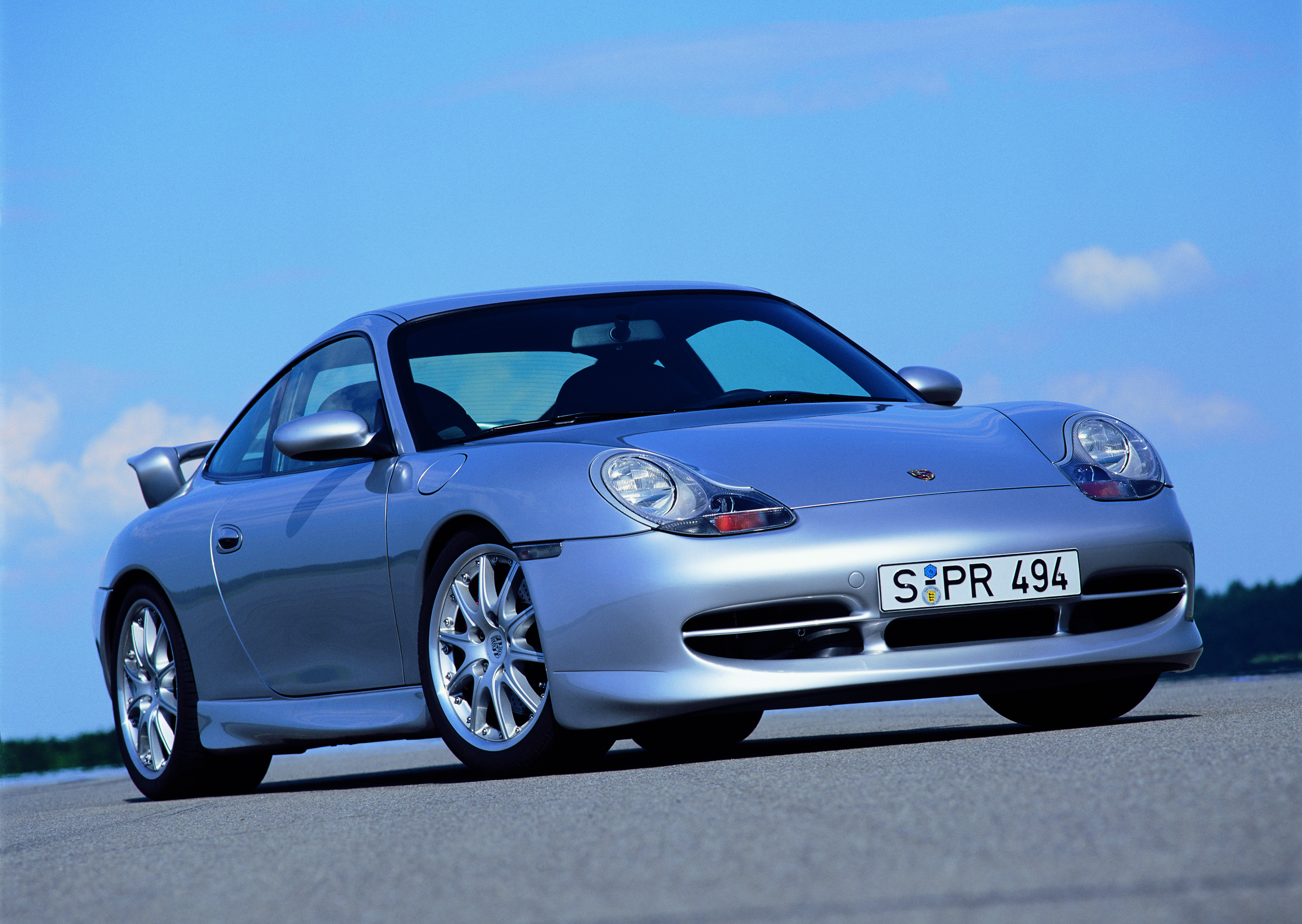
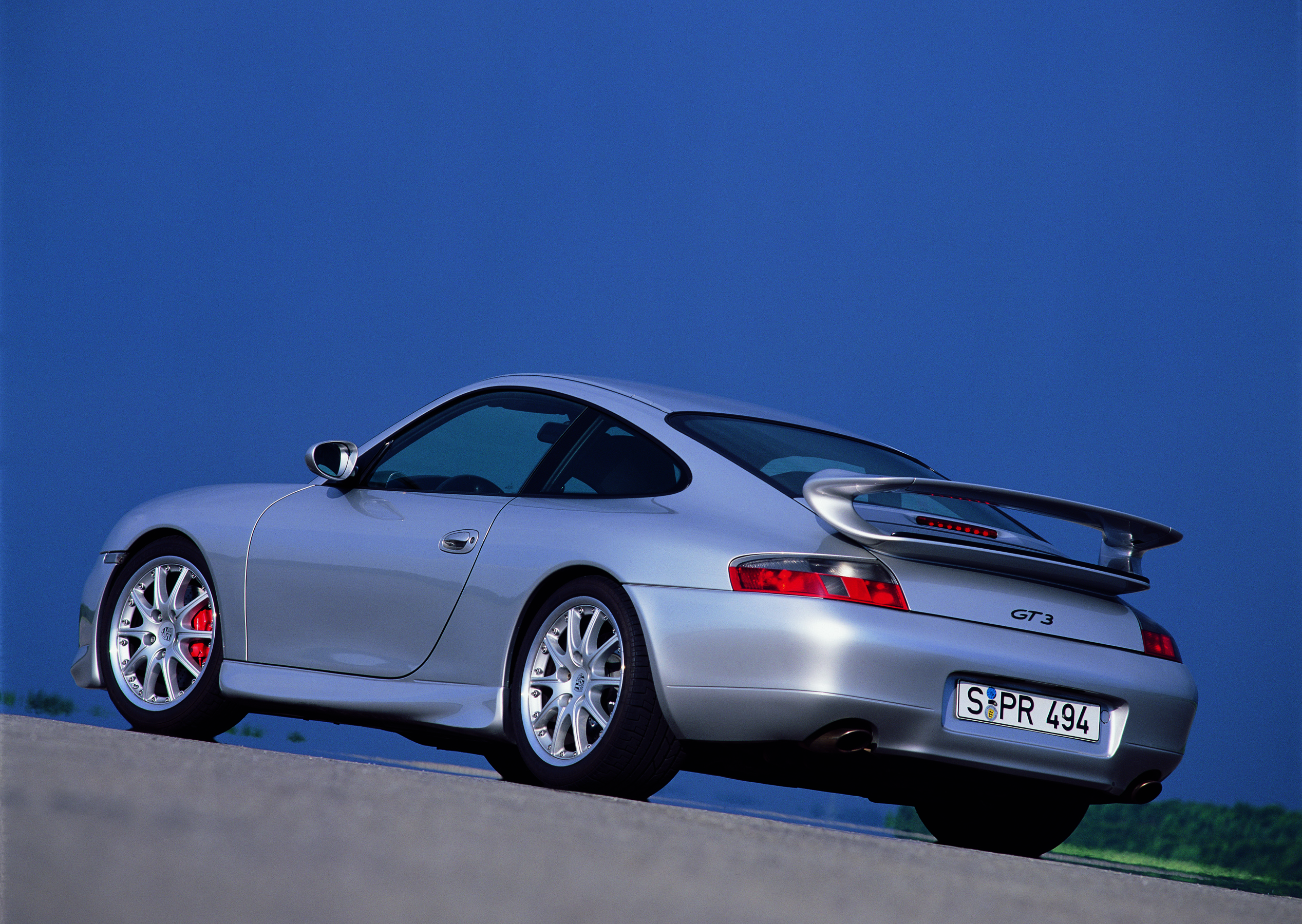
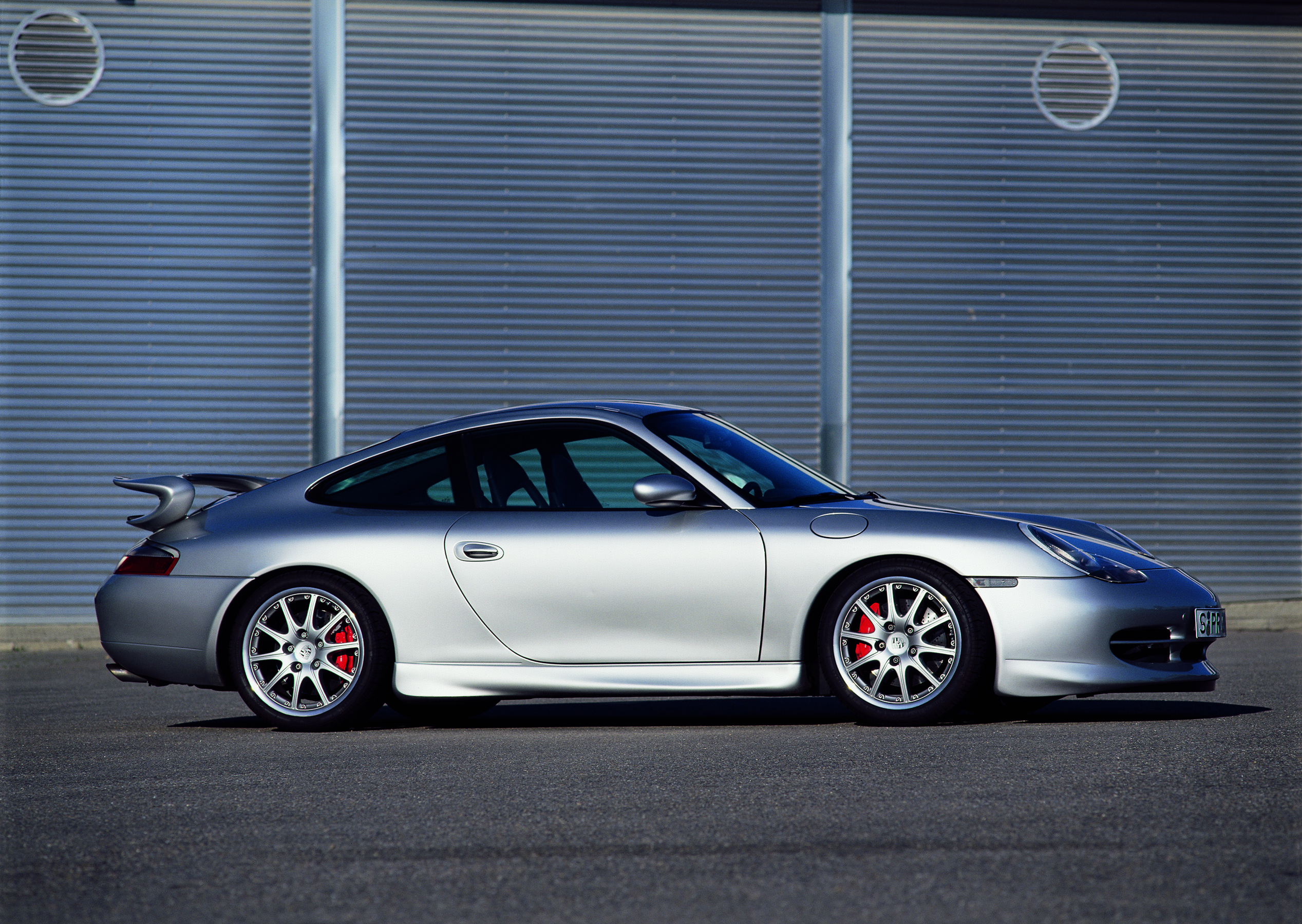
911 GT3
|
Porsche
|
911
|
GT3
|
996 I
|
|
|
Dr. Ing. h.c. F. Porsche AG
|
Image
|
911 GT3
|
Porsche
|
911
|
GT3
|
996 I
|
|
|
Dr. Ing. h.c. F. Porsche AG
|
Image
|
911 GT3
|
Porsche
|
911
|
GT3
|
996 I
|
|
|
Dr. Ing. h.c. F. Porsche AG
|
Image
|
911 GT3
|
Porsche
|
911
|
GT3
|
996 I
|
|
|
Dr. Ing. h.c. F. Porsche AG
|
Image
|
911 GT3
|
Porsche
|
911
|
GT3
|
996 I
|
|
|
Dr. Ing. h.c. F. Porsche AG
|
Image
|
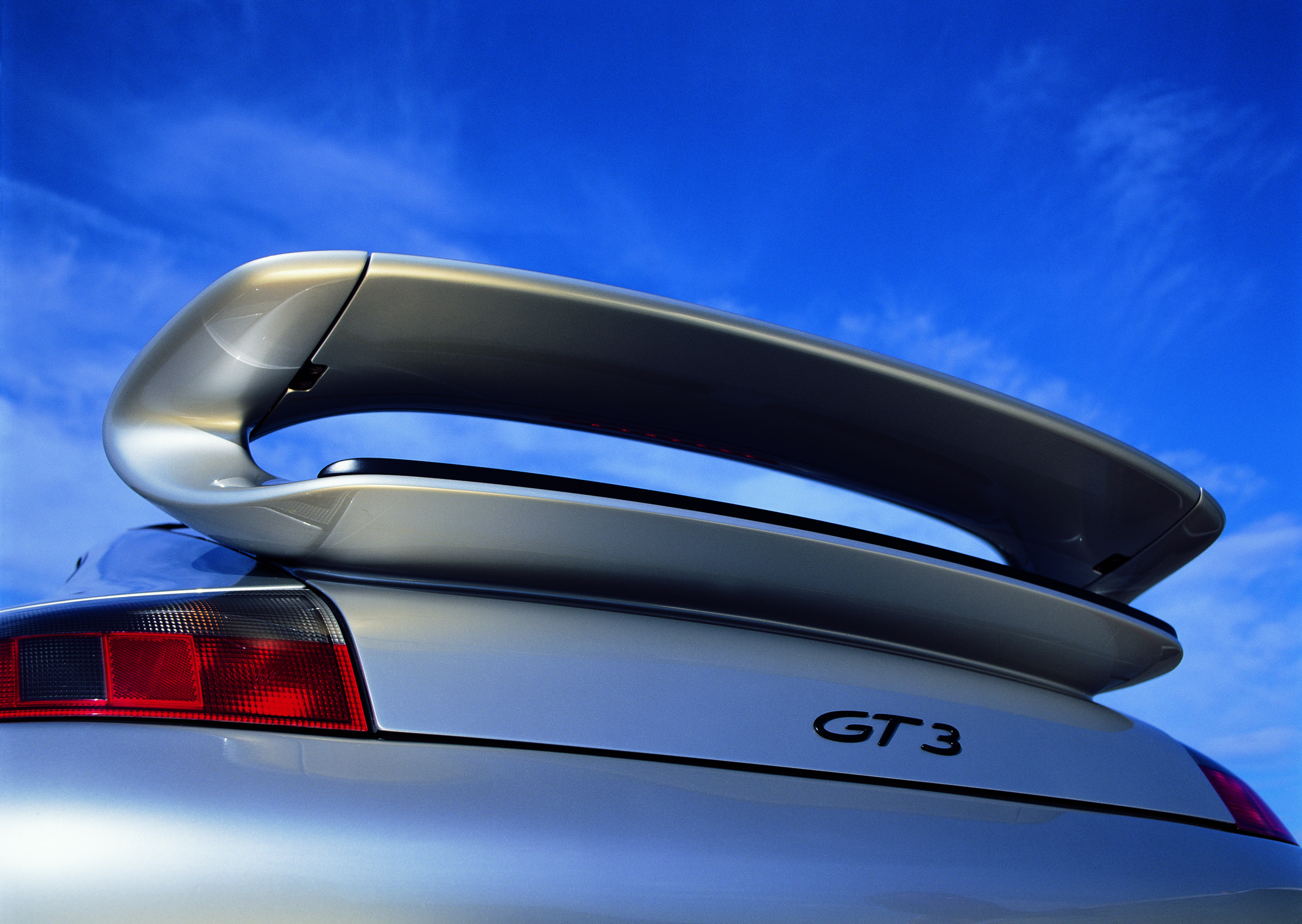
The fixed rear spoiler is a typical characteristic of the GT3
|
Porsche
|
911
|
GT3
|
996 I
|
|
|
Dr. Ing. h.c. F. Porsche AG
|
Image
|
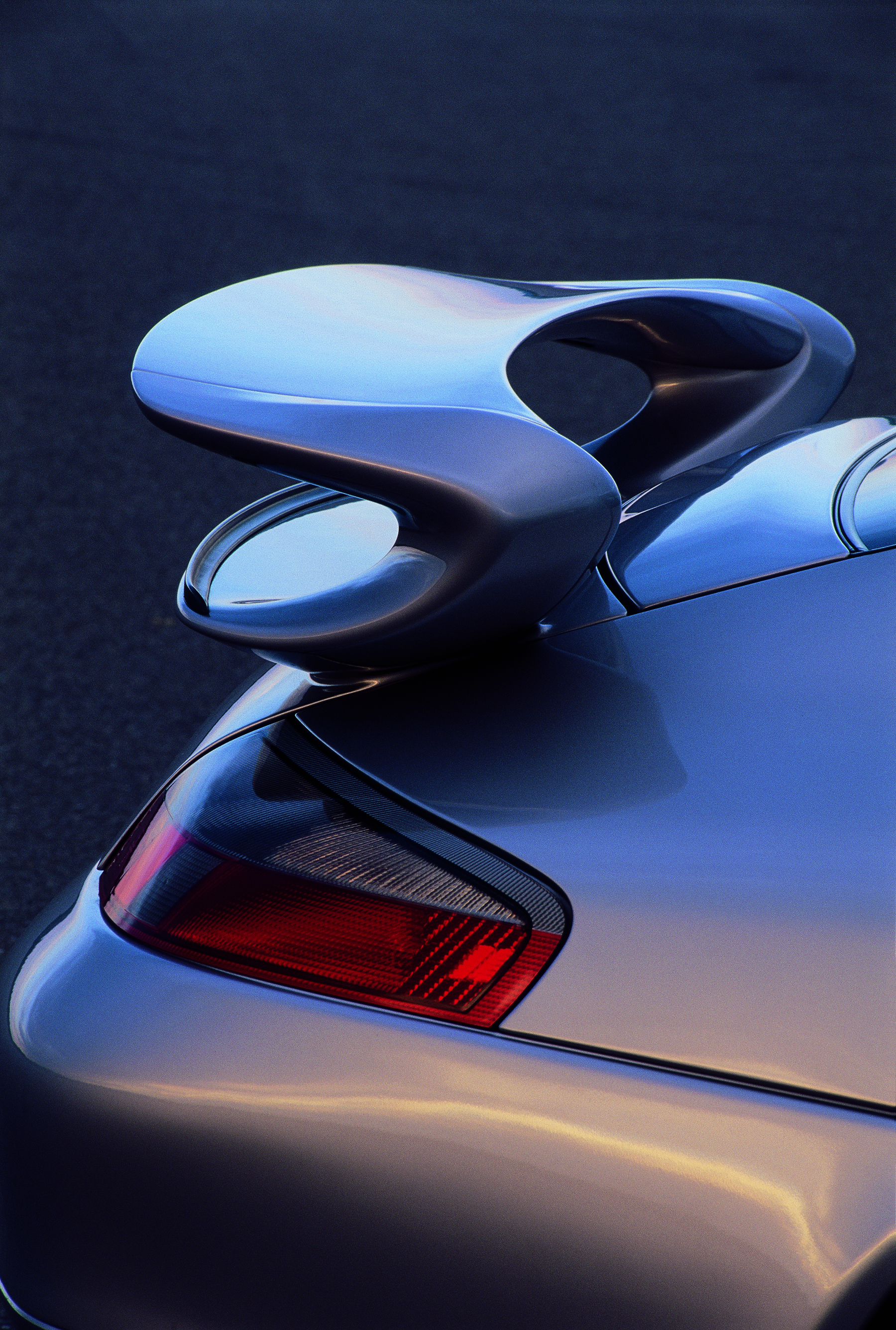
The rear wing-type spoiler increases the aerodynamic forces acting on the rear axle
|
Porsche
|
911
|
GT3
|
996 I
|
|
|
Dr. Ing. h.c. F. Porsche AG
|
Image
|
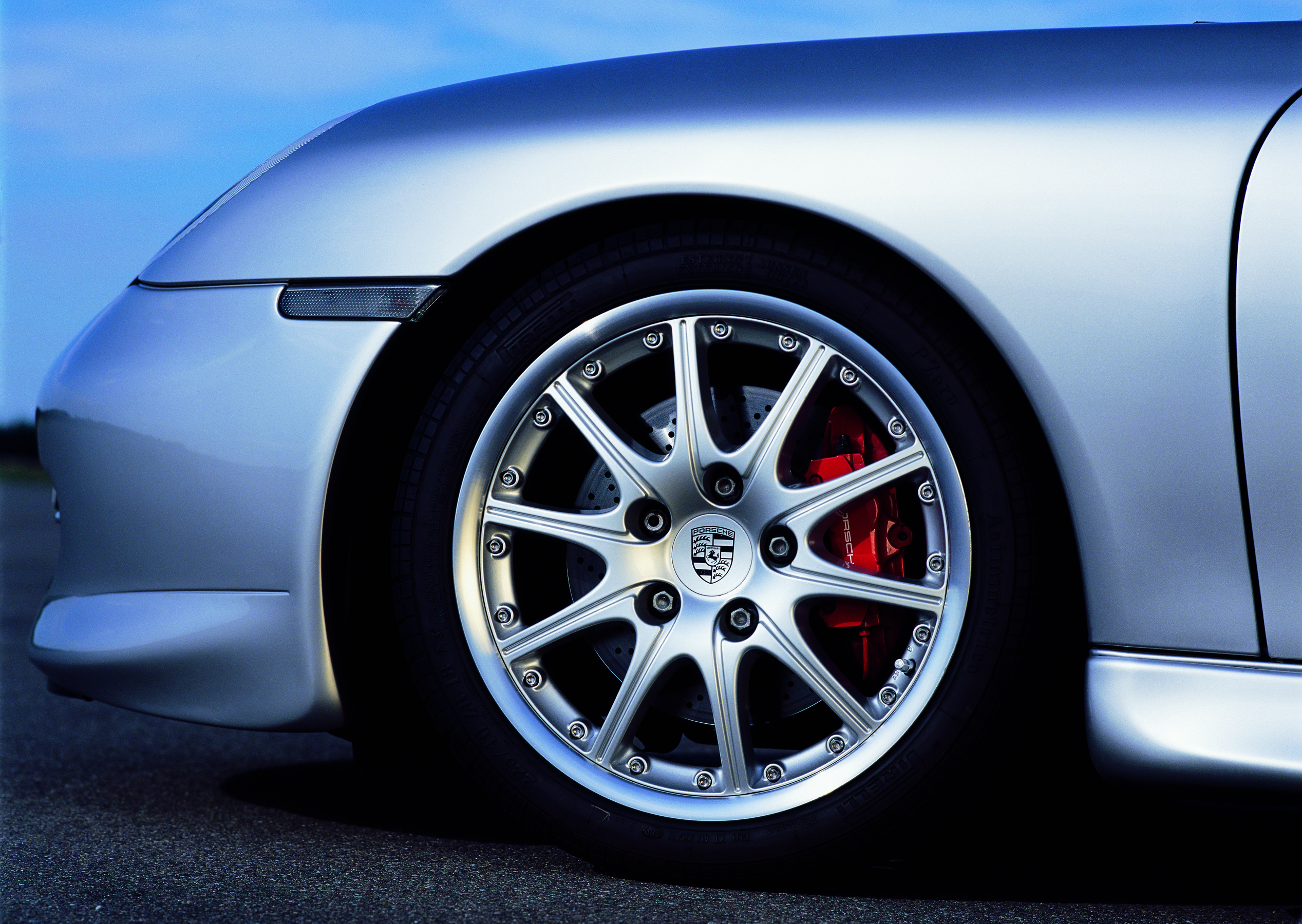
Standard equipment includes 18-inch SportDesign alloy wheels and brake calipers with red paint finish
|
Porsche
|
911
|
GT3
|
996 I
|
|
|
Dr. Ing. h.c. F. Porsche AG
|
Image
|
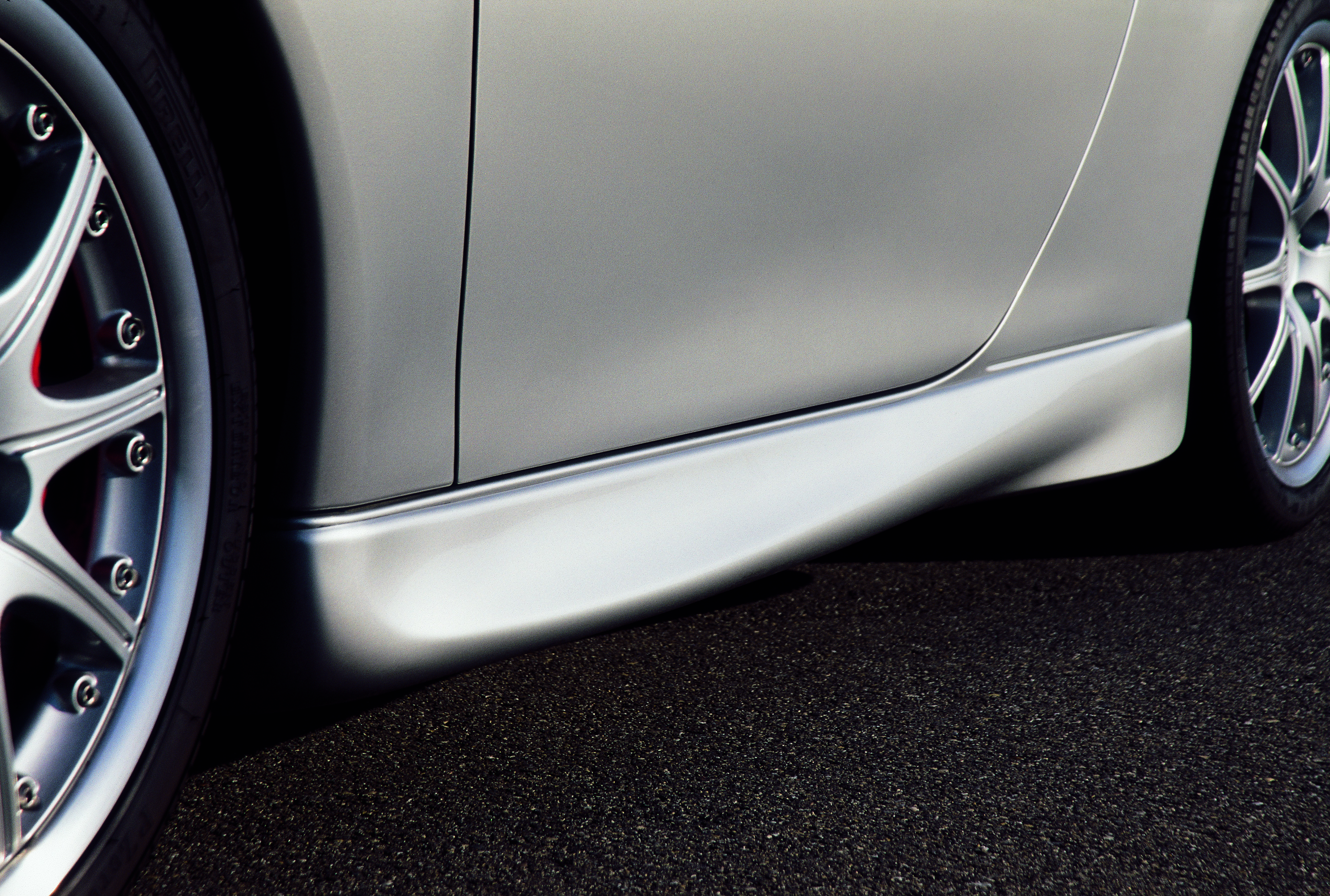
Understated door sills distinguish the GT3 from the 911 Carrera
|
Porsche
|
911
|
GT3
|
996 I
|
|
|
Dr. Ing. h.c. F. Porsche AG
|
Image
|
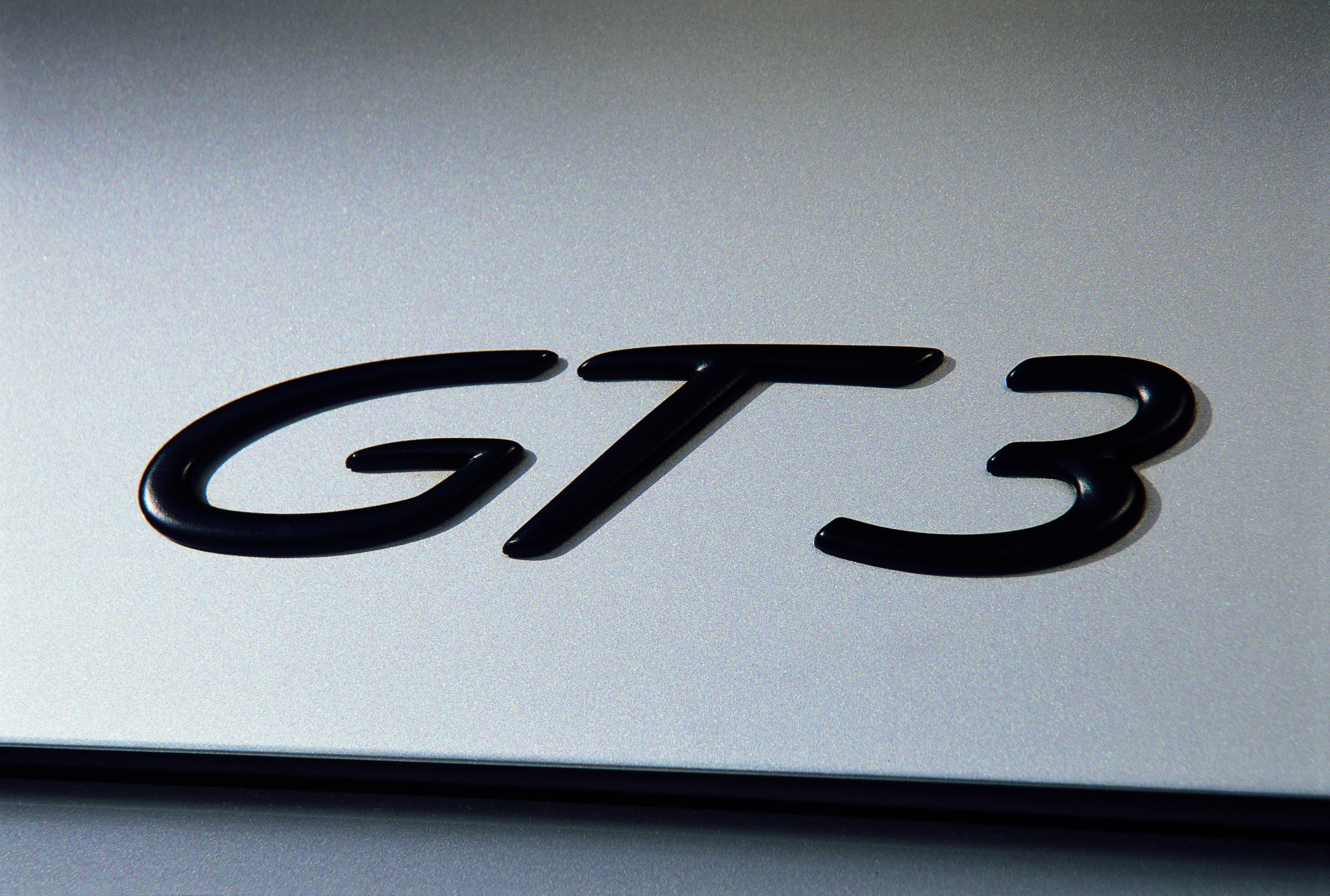
nameplate
|
Porsche
|
911
|
GT3
|
996 I
|
|
|
Dr. Ing. h.c. F. Porsche AG
|
Image
|
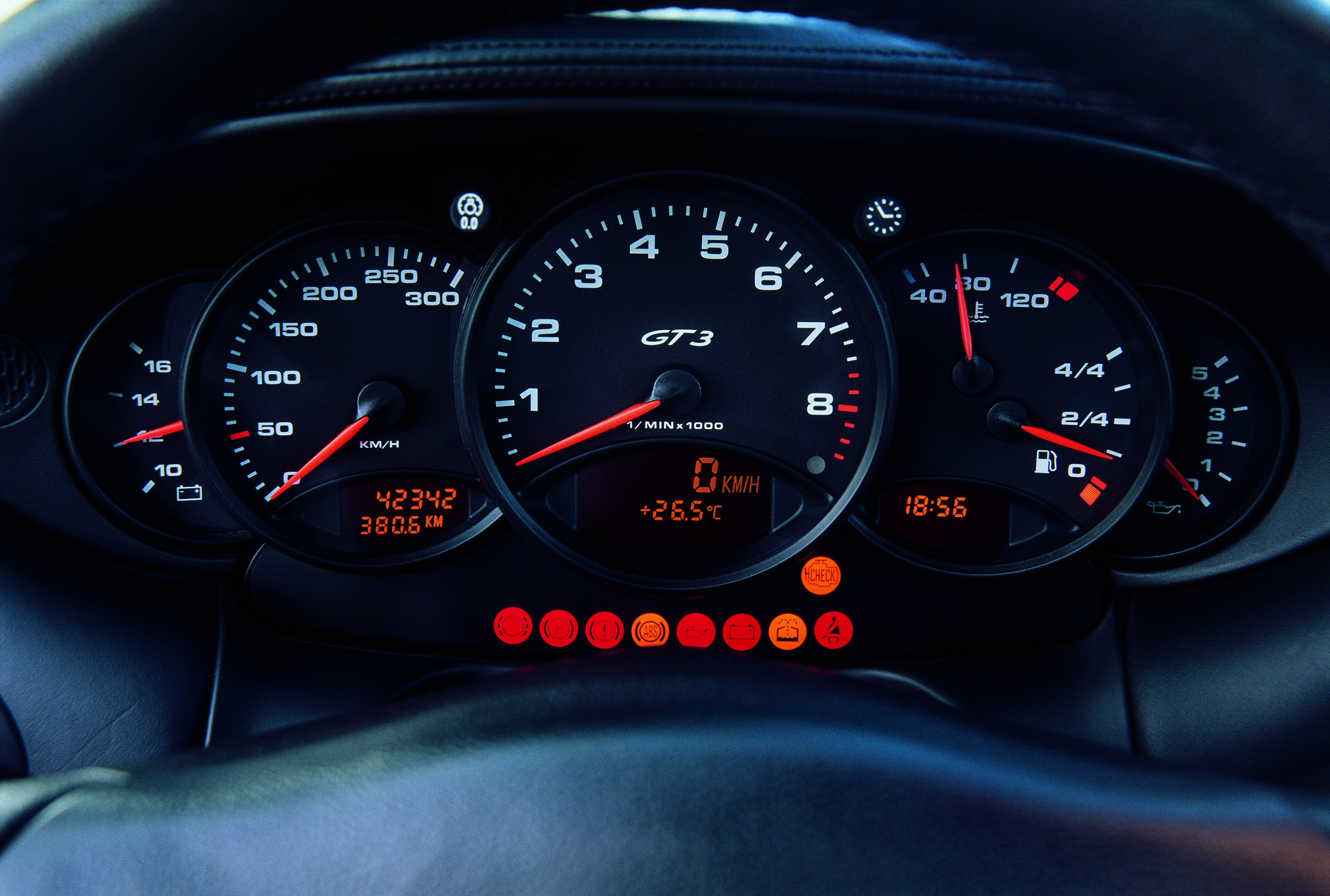
Typically Porsche: The large tachometer is the most prominent gauge of the round-instrument display in the cockpit
|
Porsche
|
911
|
GT3
|
996 I
|
|
|
Dr. Ing. h.c. F. Porsche AG
|
Image
|
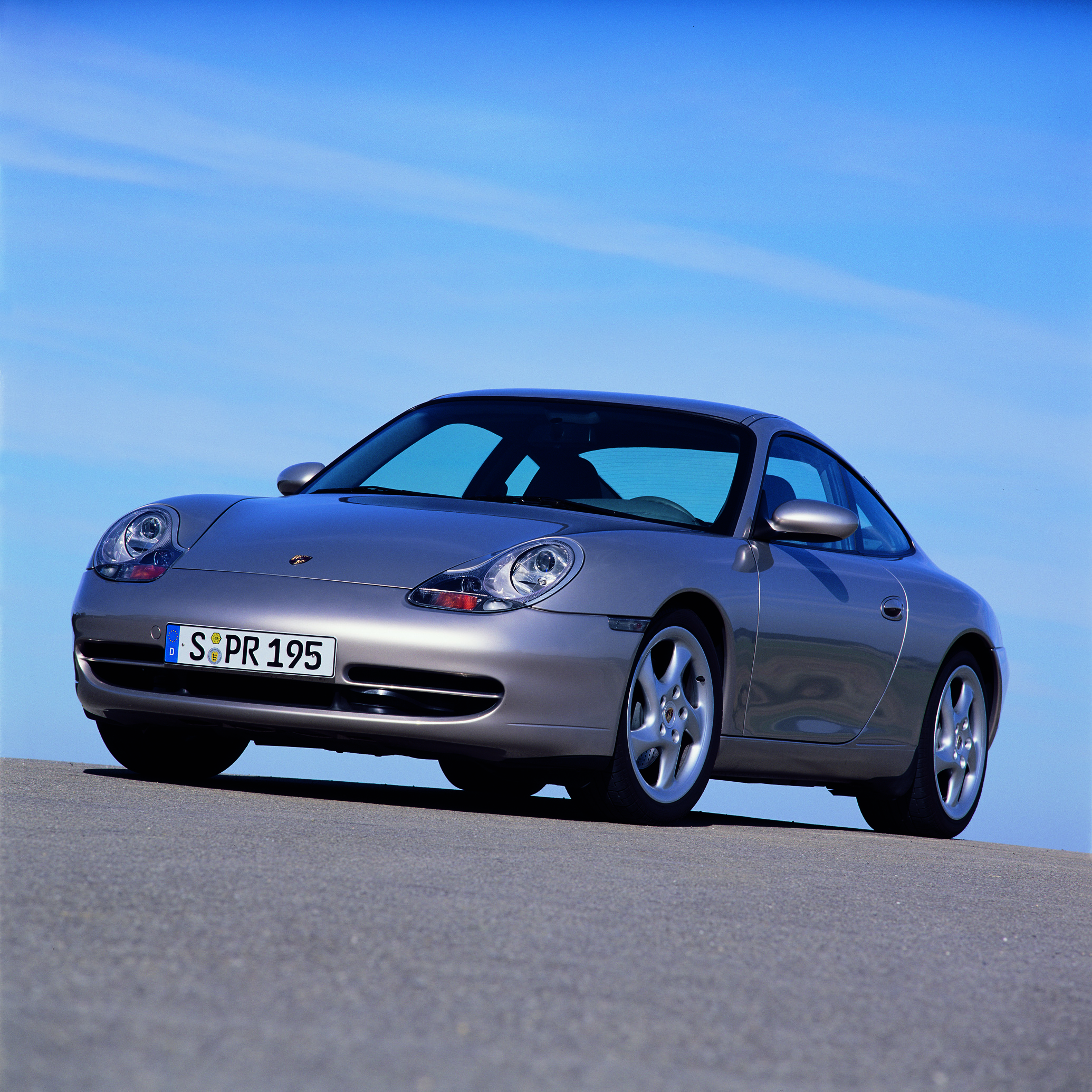
911 Carrera Coupe
|
Porsche
|
911
|
Carrera
|
996 I
|
|
|
Dr. Ing. h.c. F. Porsche AG
|
Image
|
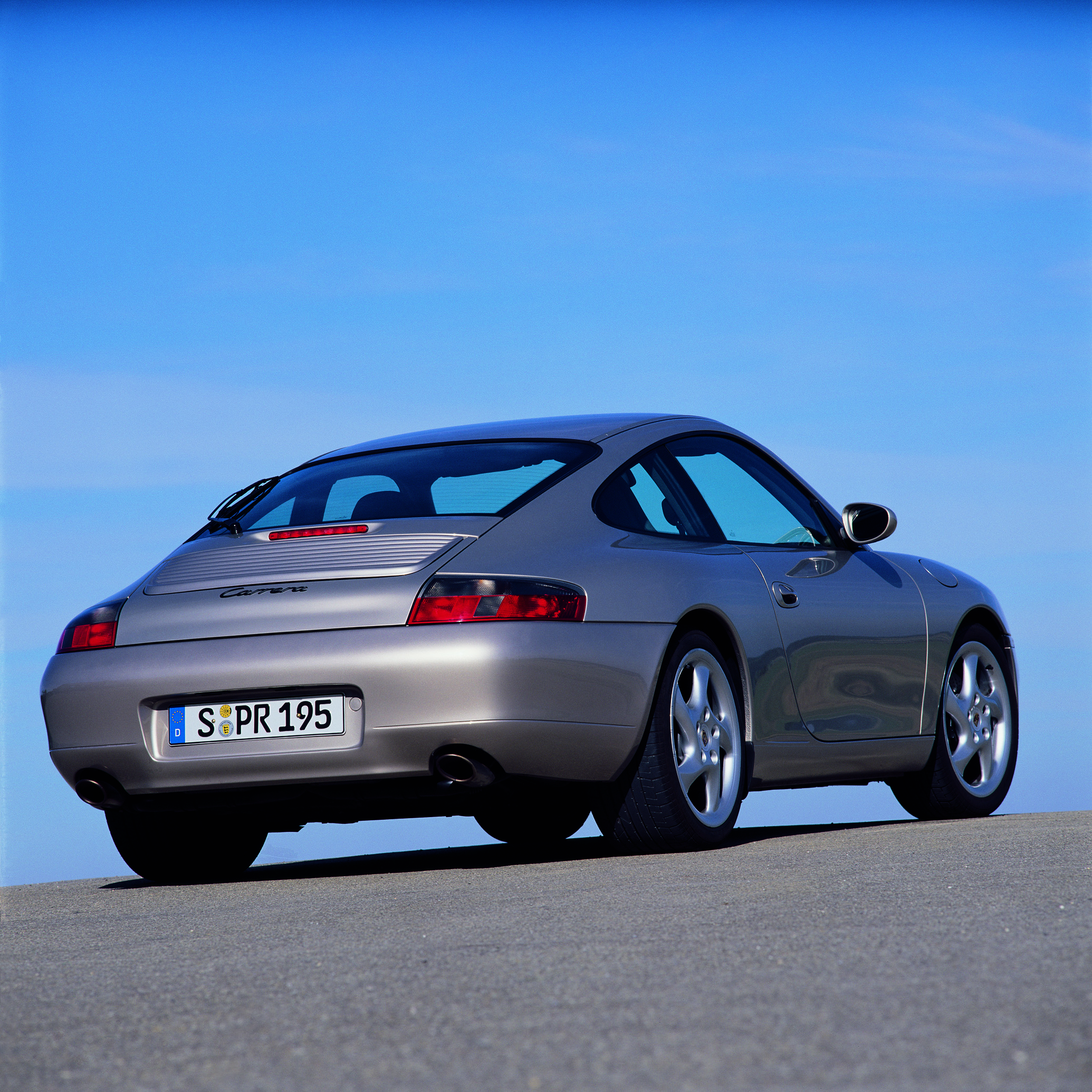
911 Carrera Coupe
|
Porsche
|
911
|
Carrera
|
996 I
|