|
Dr. Ing. h.c. F. Porsche AG
|
Image
|
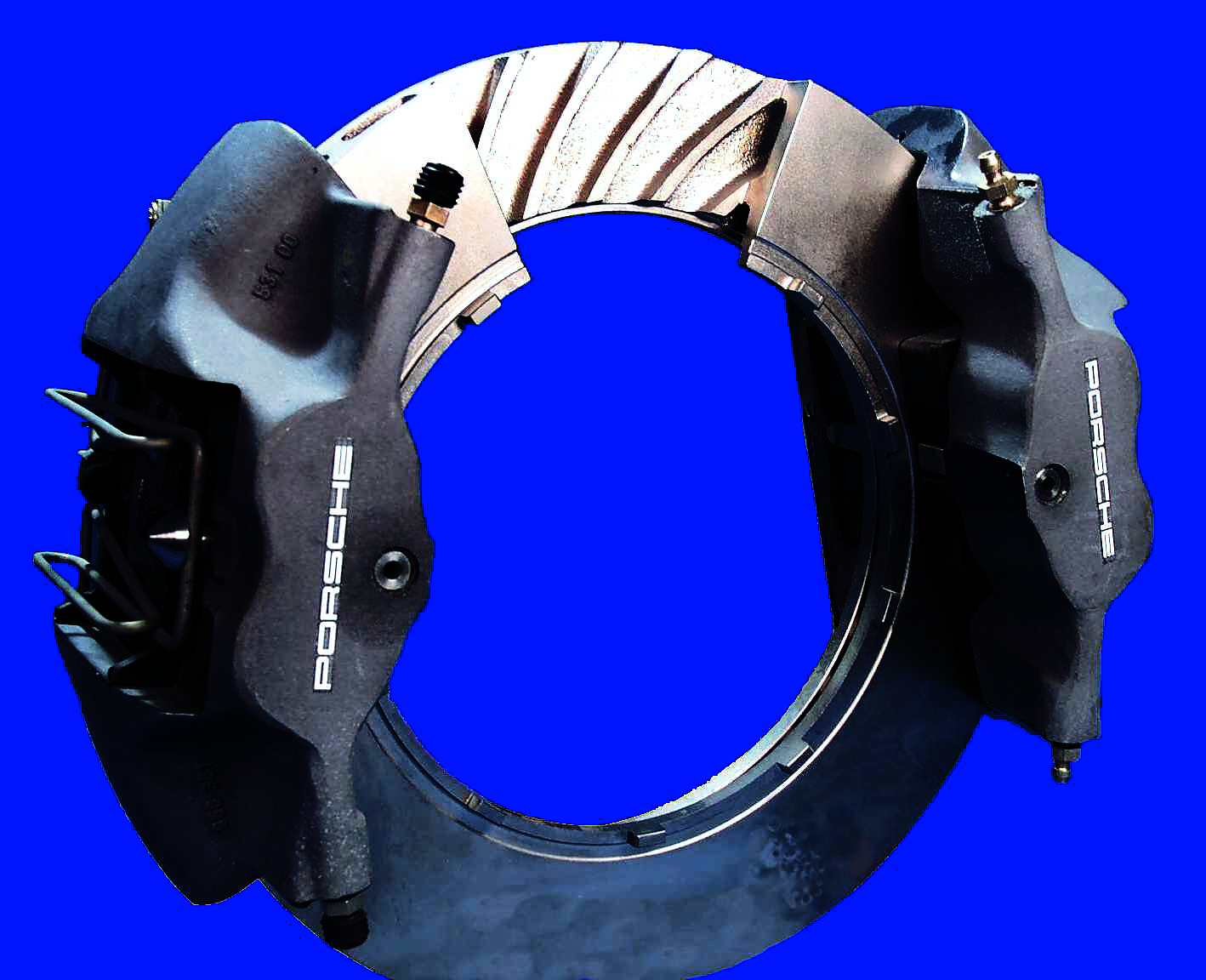
Milestones in brake development: double fixed-caliper wheel brakes in 1982
|
Porsche
|
|
|
|
|
|
Dr. Ing. h.c. F. Porsche AG
|
Image
|
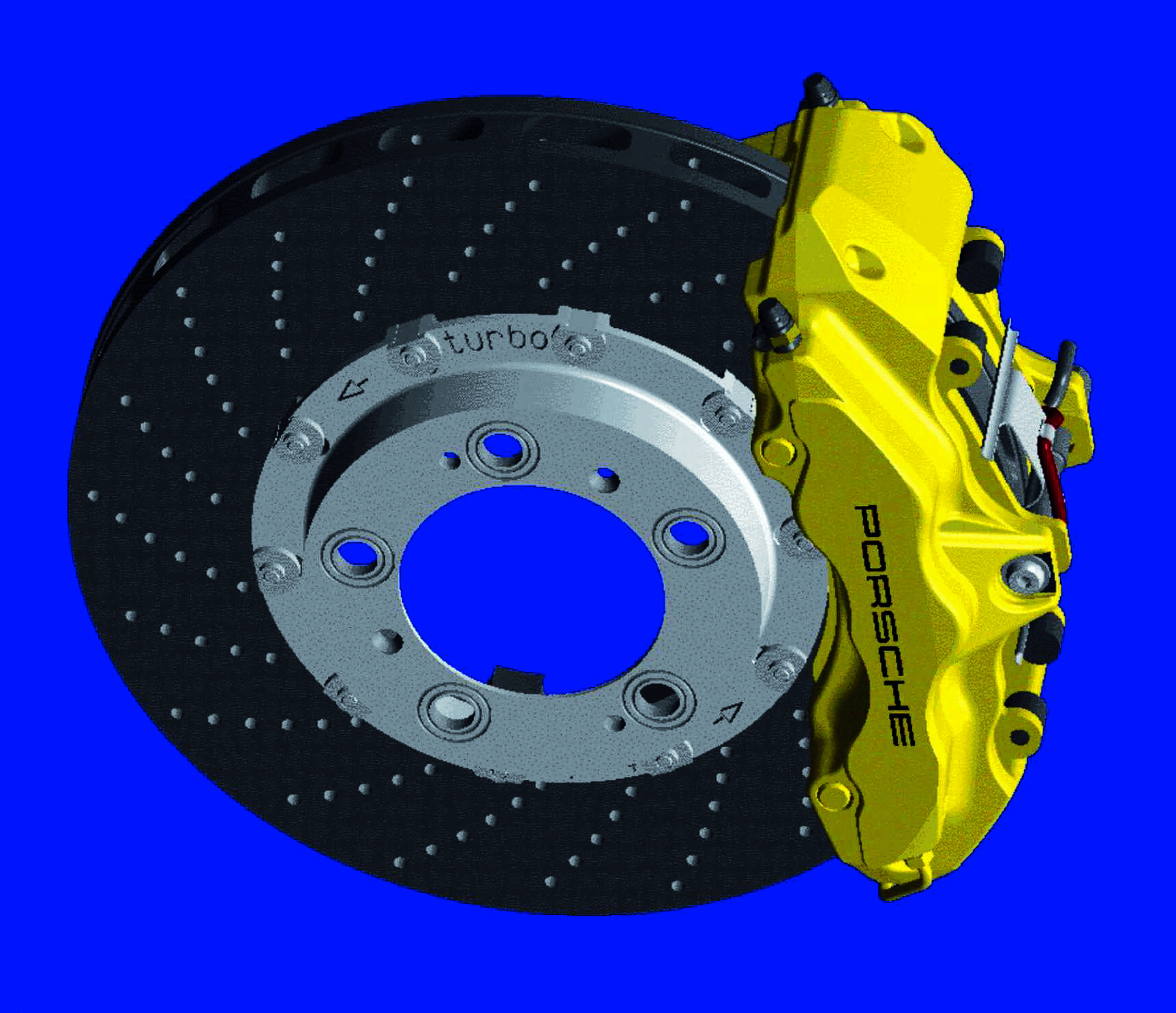
Graphic of the Porsche Ceramic Composite Brake (PCCB) with six-piston brake caliper
|
Porsche
|
|
|
|
|
|
Dr. Ing. h.c. F. Porsche AG
|
Image
|
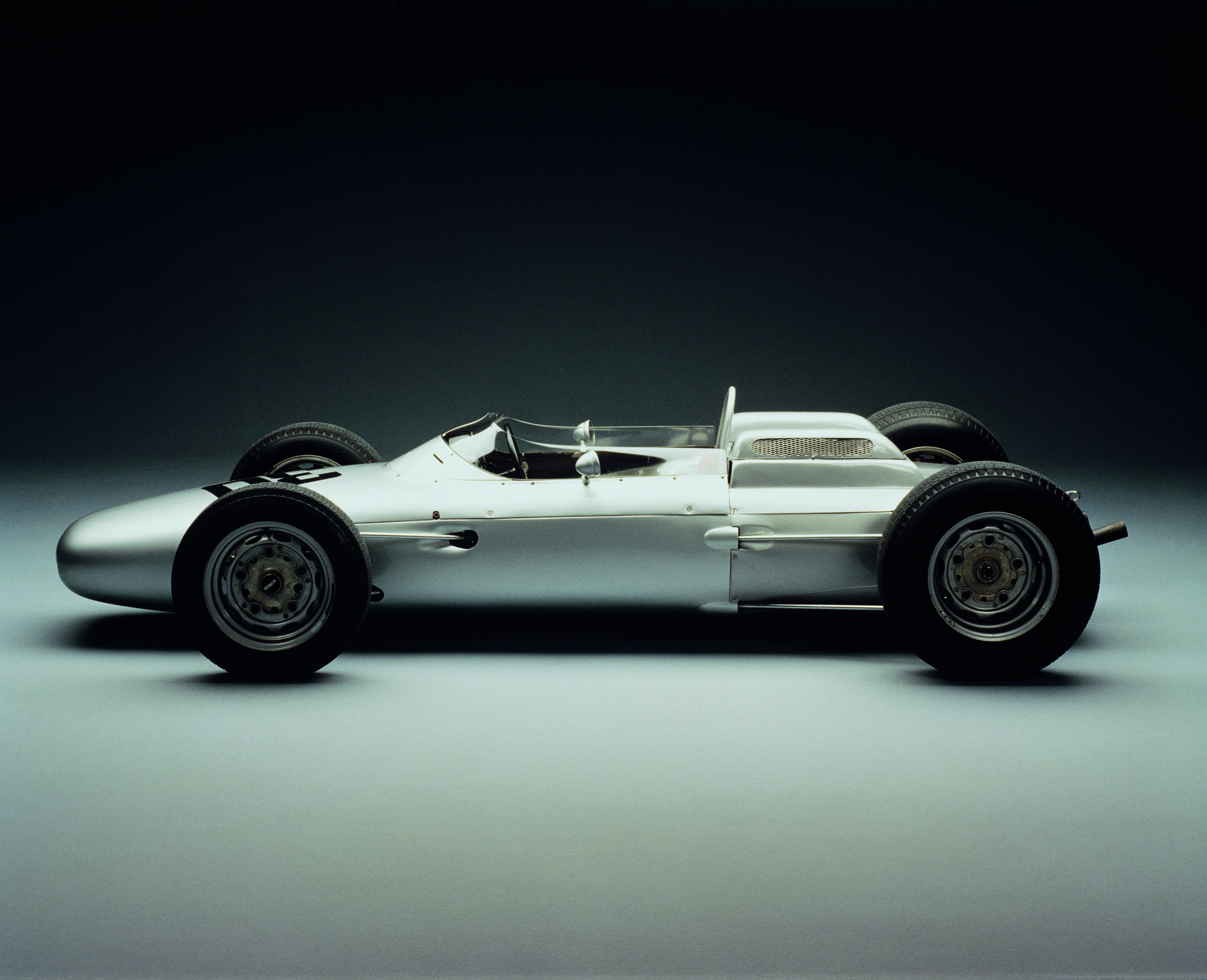
Milestones in brake development: the inner-action brake disc was given its baptism of fire in the Type 804 F1
|
Porsche
|
Type 804 F1
|
|
|
|
|
Dr. Ing. h.c. F. Porsche AG
|
Image
|
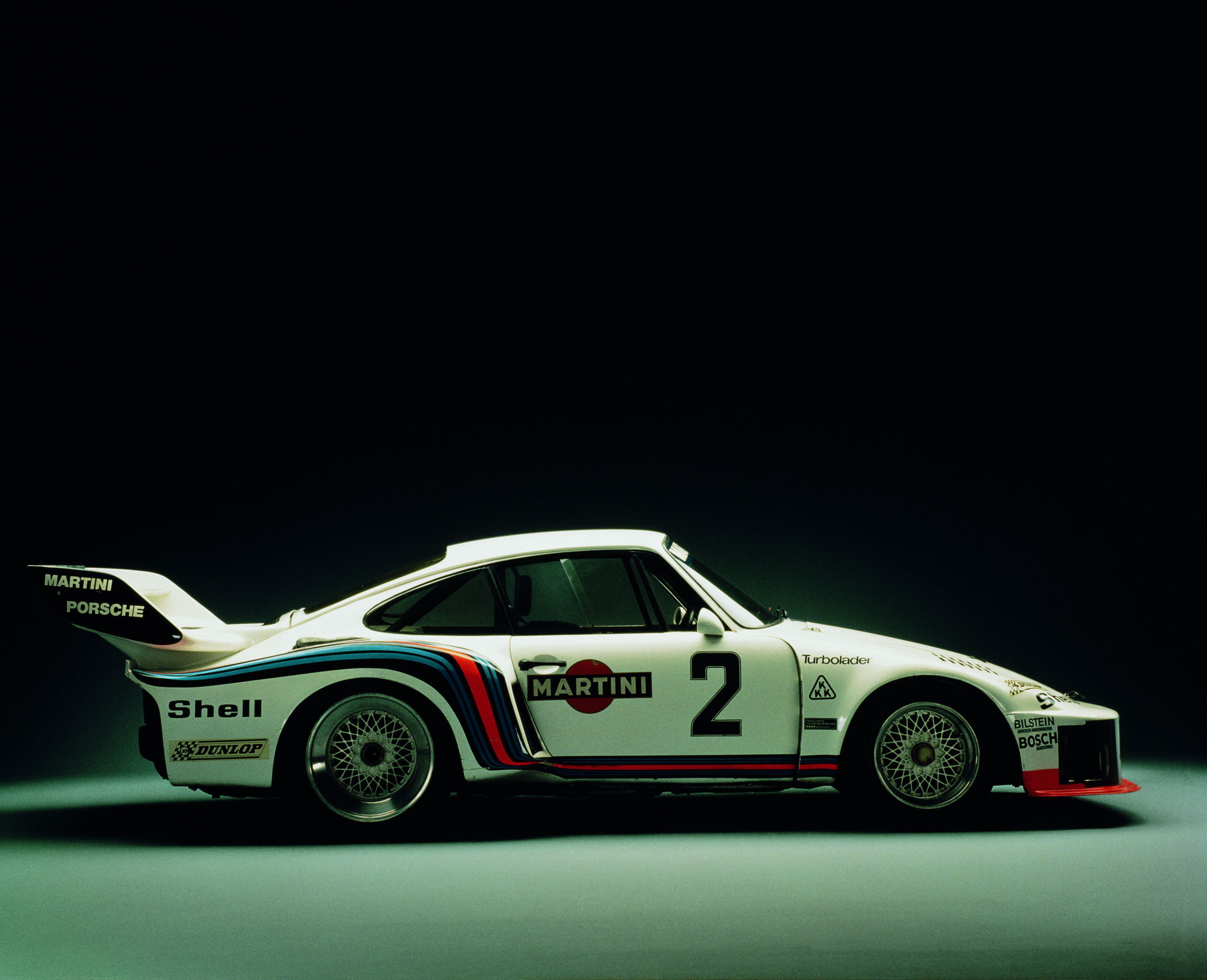
Milestones in brake development: the racing sports car Type 935 drove for the first time with aluminium fixed-caliper brakes in the monobloc design
|
Porsche
|
935
|
Type 935
|
|
|
|
Dr. Ing. h.c. F. Porsche AG
|
Image
|
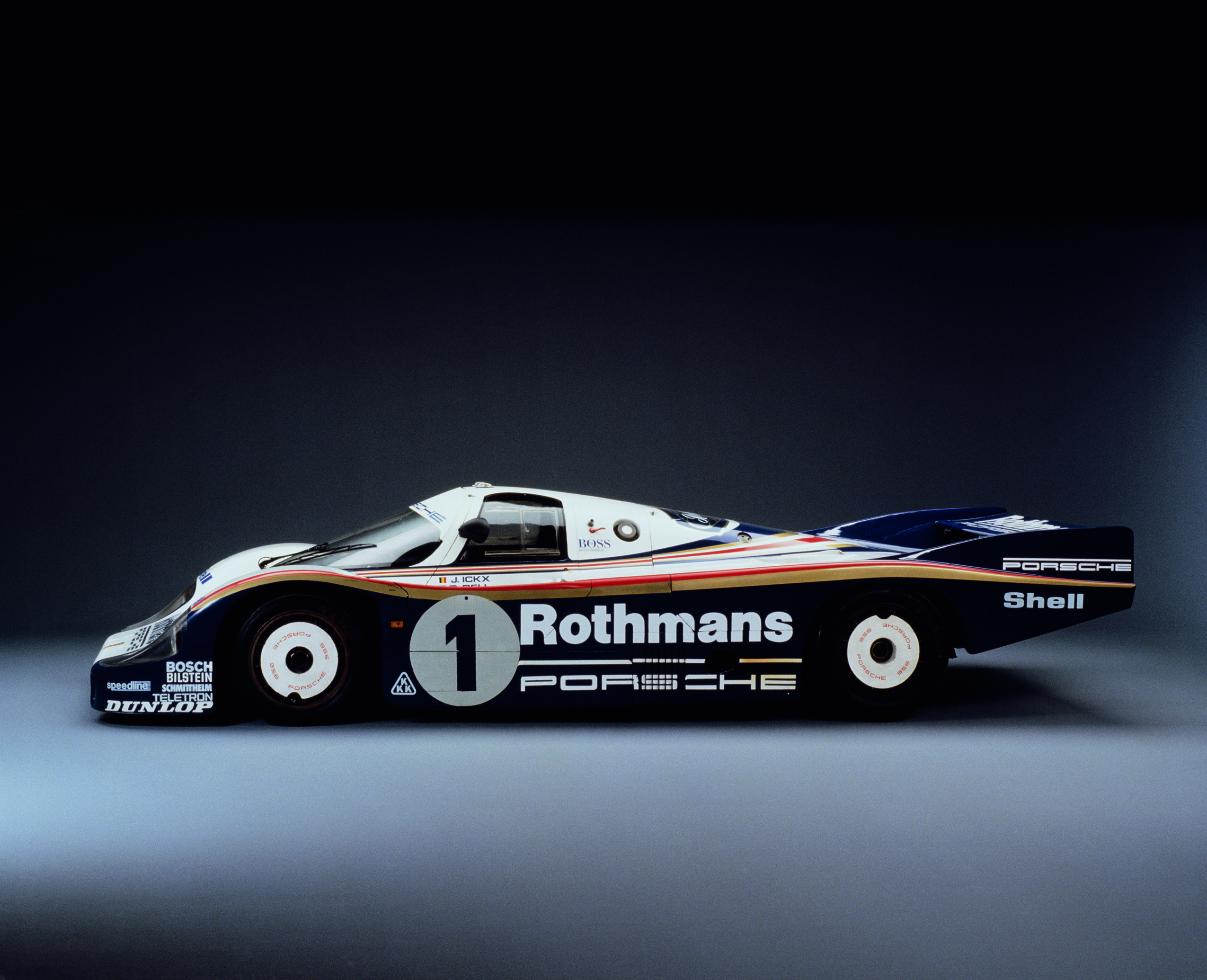
Milestones in brake development: Porsche Type 956/962 with aluminium double fixed-caliper brakesdesign
|
Porsche
|
956
|
Type 956
|
|
|
|
Dr. Ing. h.c. F. Porsche AG
|
Image
|
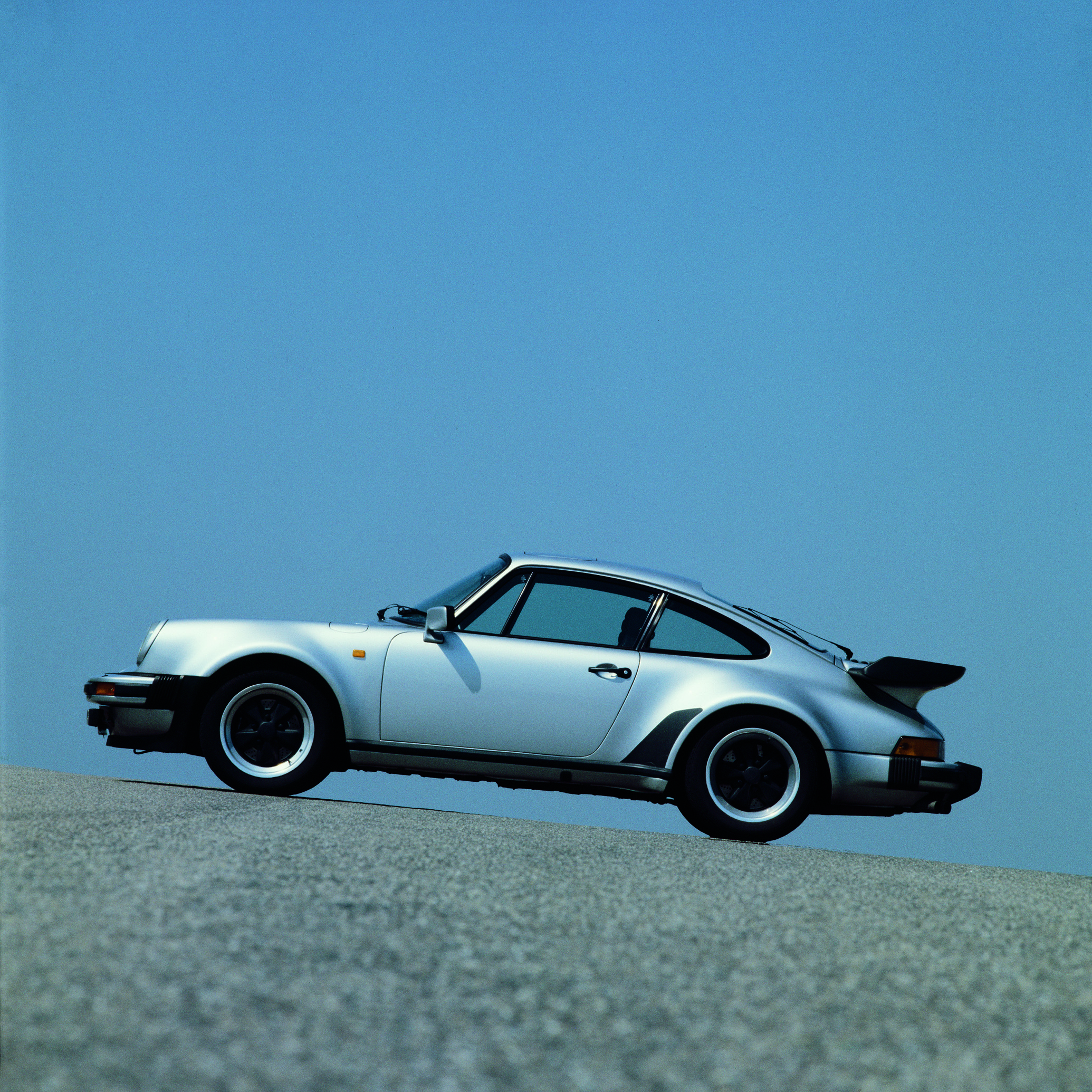
Milestones in brake development: in 1977, the 911 Turbo, 3.3 l, was the first standard production car to be equipped with a brake system from a racing car
|
Porsche
|
911
|
Turbo
|
|
|
|
Dr. Ing. h.c. F. Porsche AG
|
Image
|
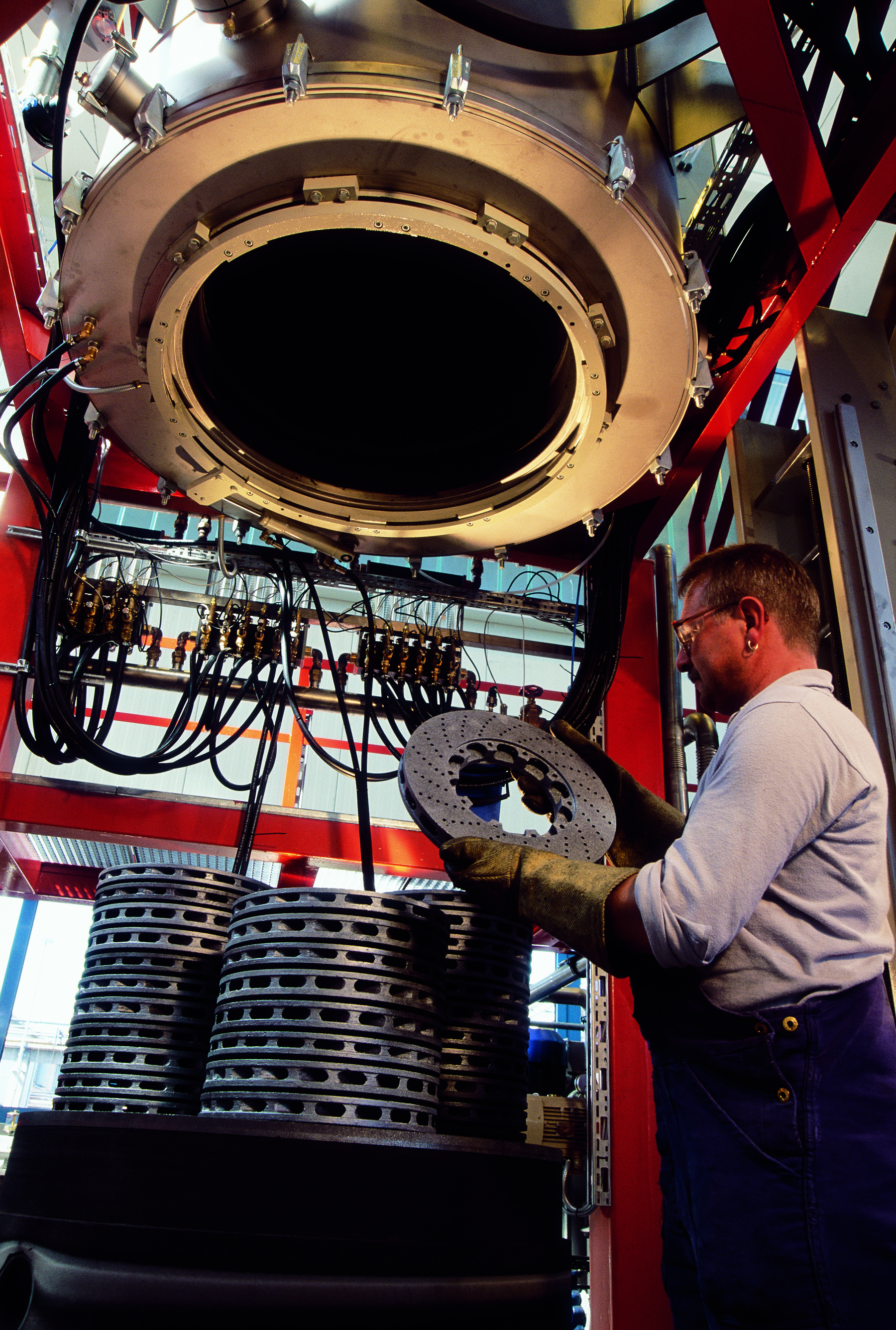
Brake discs after the silicating process in the high-vacuum furnaceausgestattetcar
|
Porsche
|
|
|
|
|
|
Dr. Ing. h.c. F. Porsche AG
|
Image
|
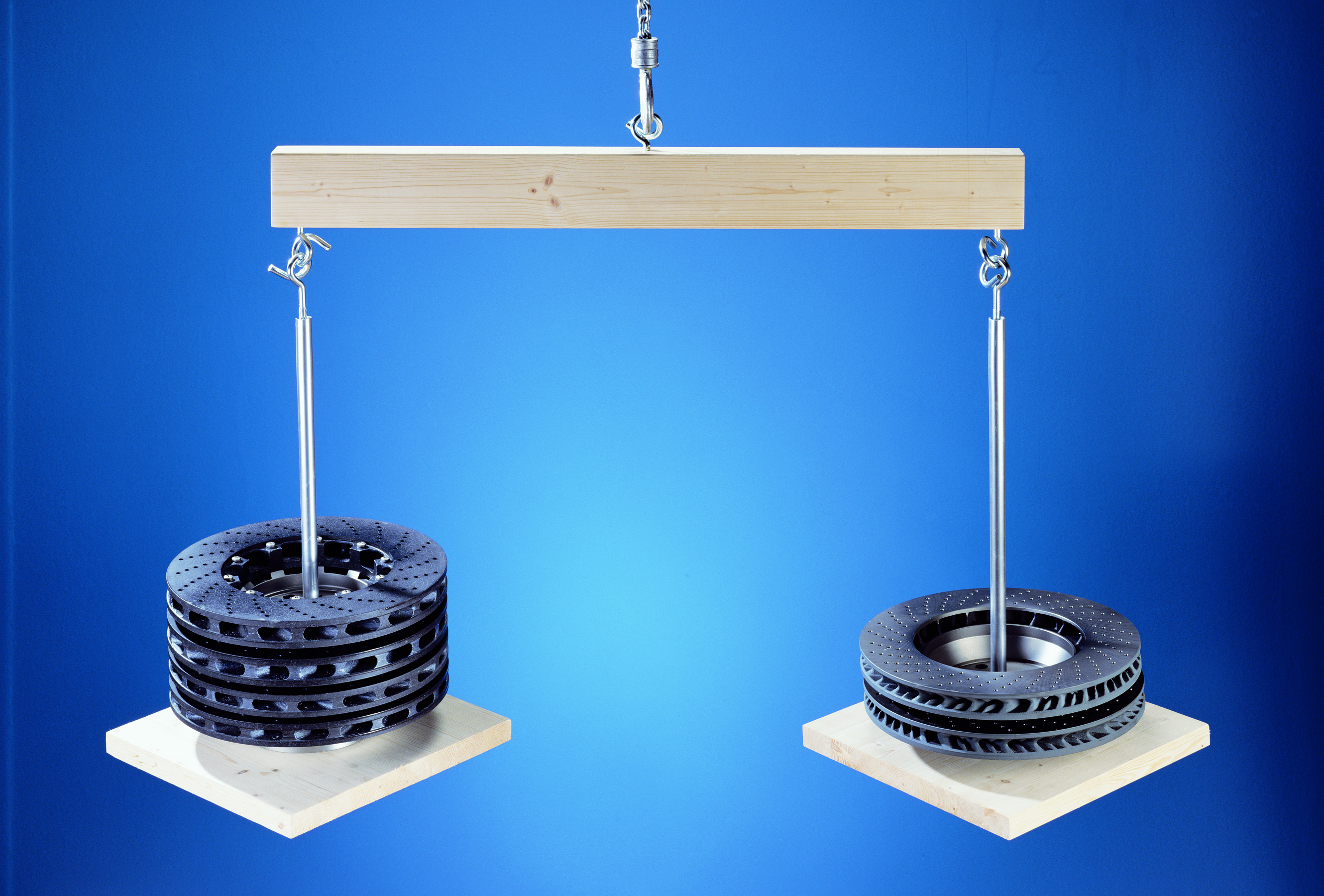
The PCCB brake disc (left) weighs approximately 50 percent less than a grey cast-iron brake disc
|
Porsche
|
|
|
|
|
|
Dr. Ing. h.c. F. Porsche AG
|
Image
|
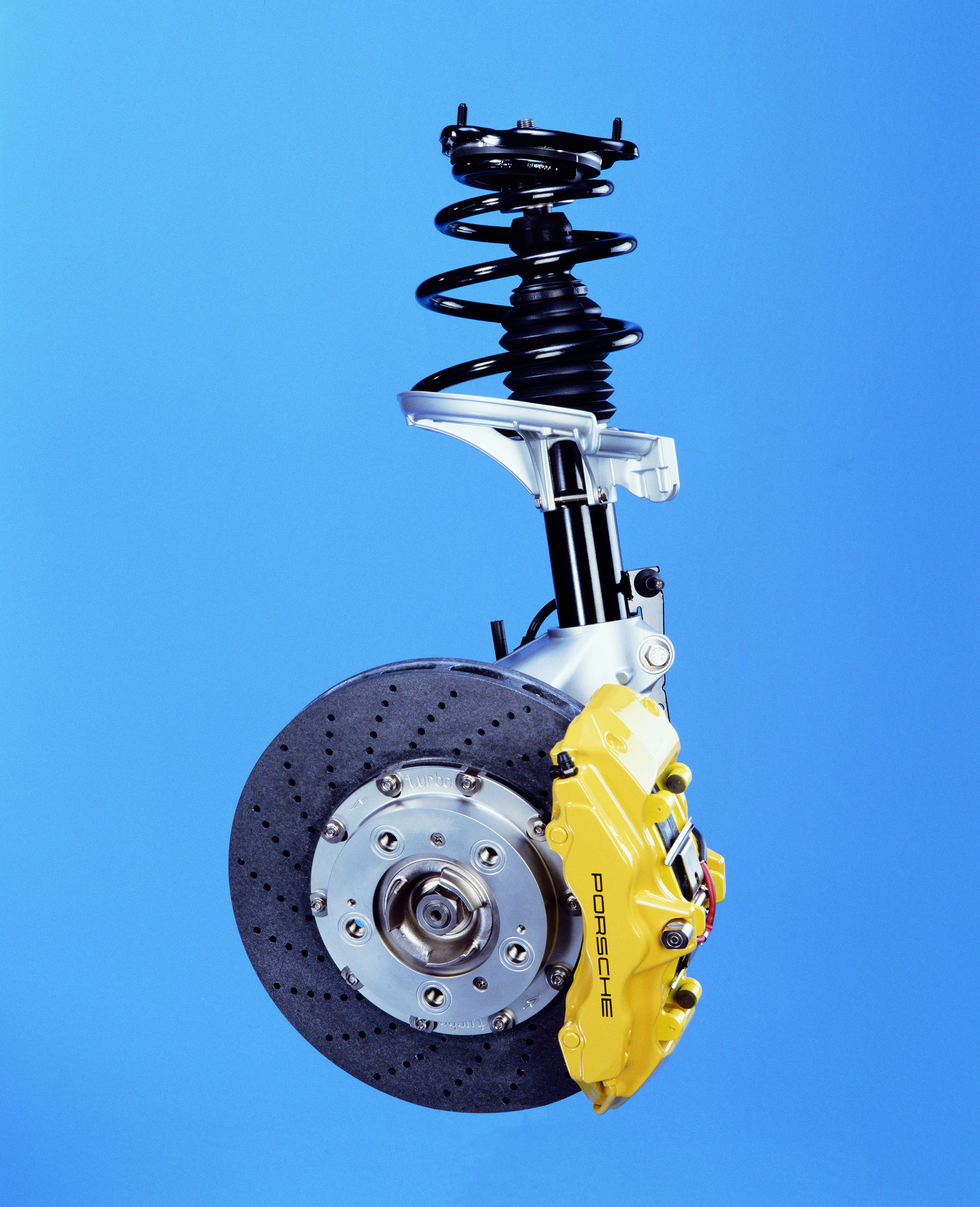
Front-axle spring strut with Porsche Ceramic Composite Brake (PCCB)
|
Porsche
|
|
|
|
|
|
Dr. Ing. h.c. F. Porsche AG
|
Image
|
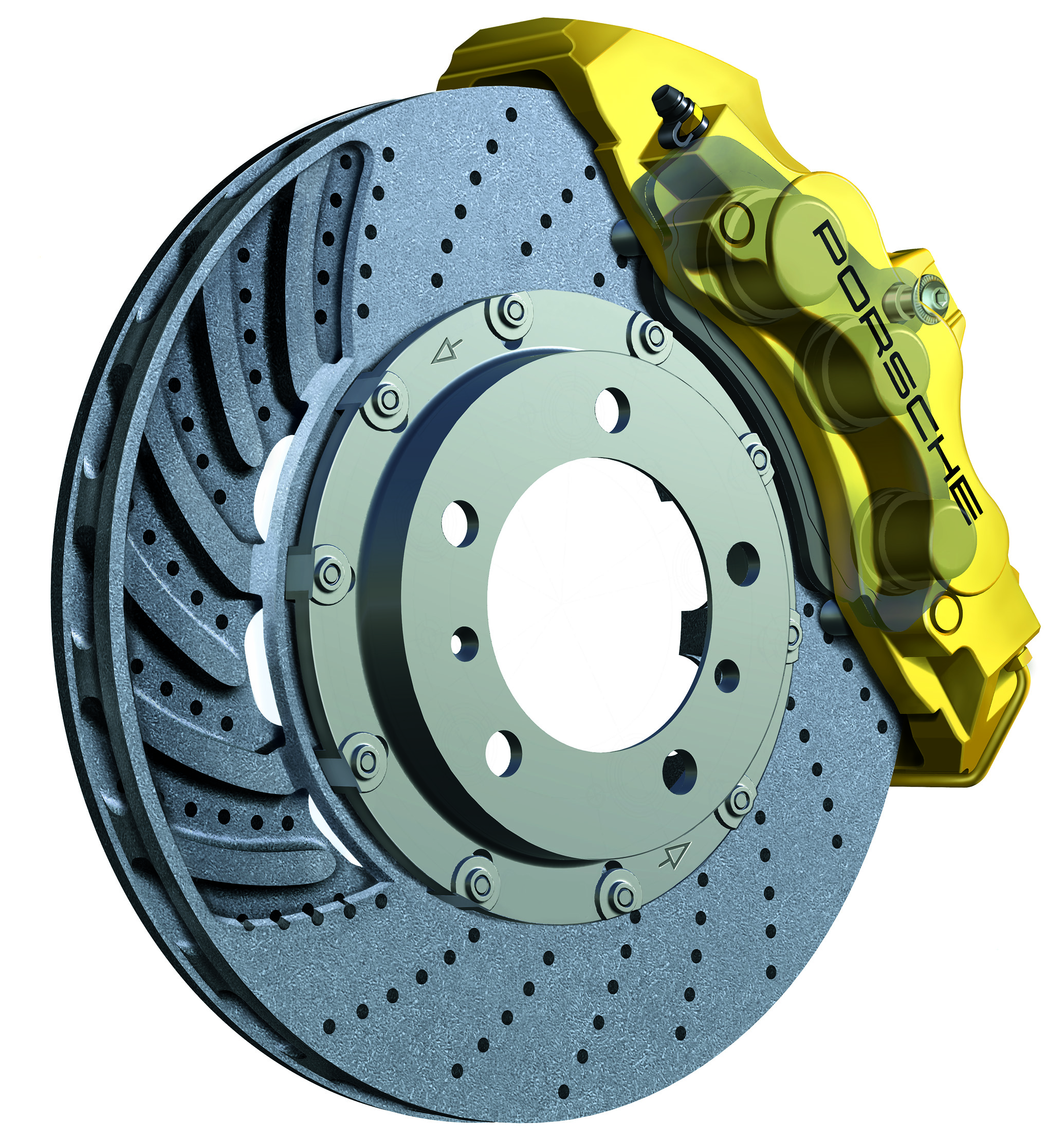
Phantom graphic of the perforated ceramic brake disc with involute cooling channels and six-piston brake caliper
|
Porsche
|
|
|
|
|
|
Dr. Ing. h.c. F. Porsche AG
|
Image
|
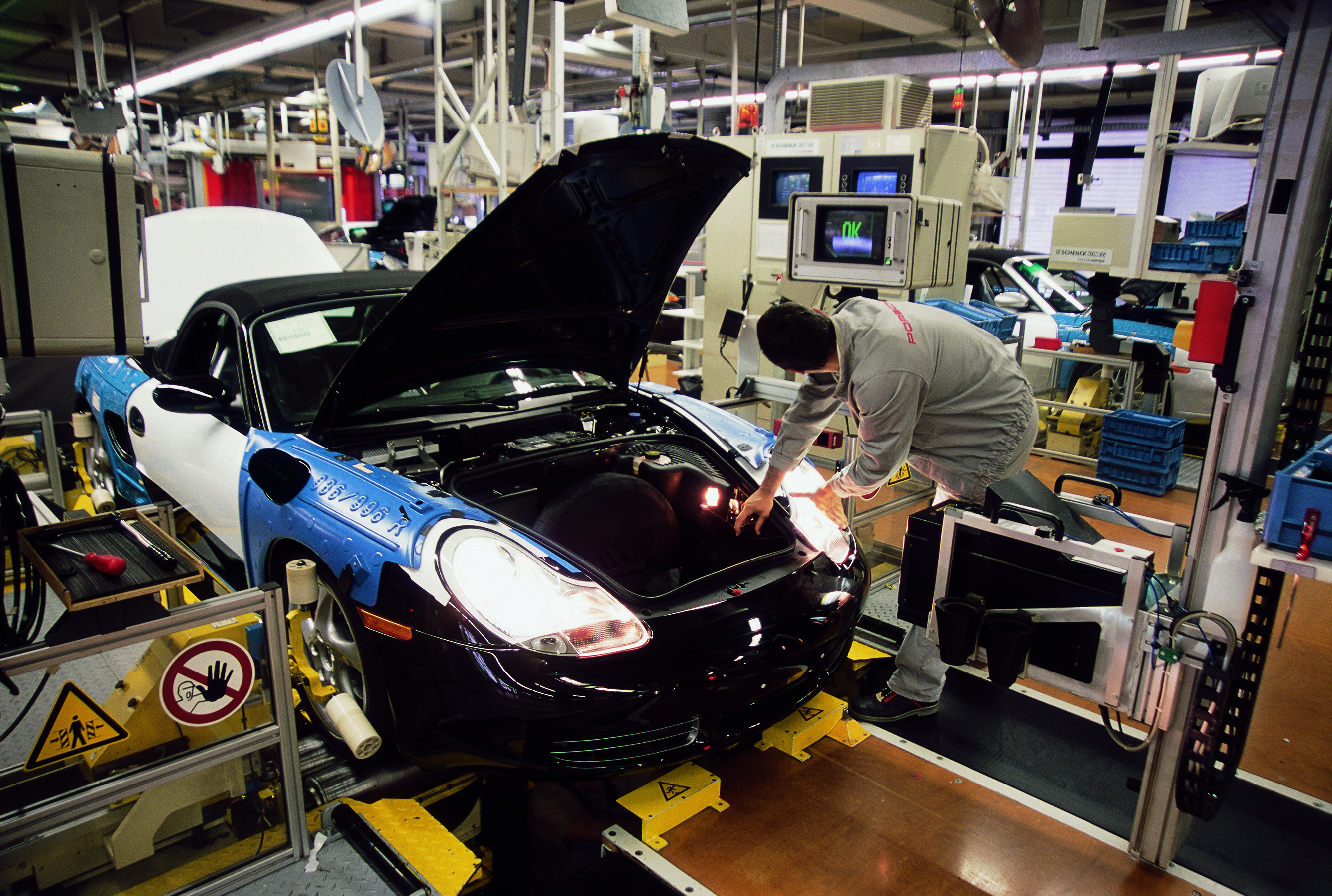
Computer-aided setting of the headlight range
|
Porsche
|
|
|
|
|
|
Dr. Ing. h.c. F. Porsche AG
|
Image
|
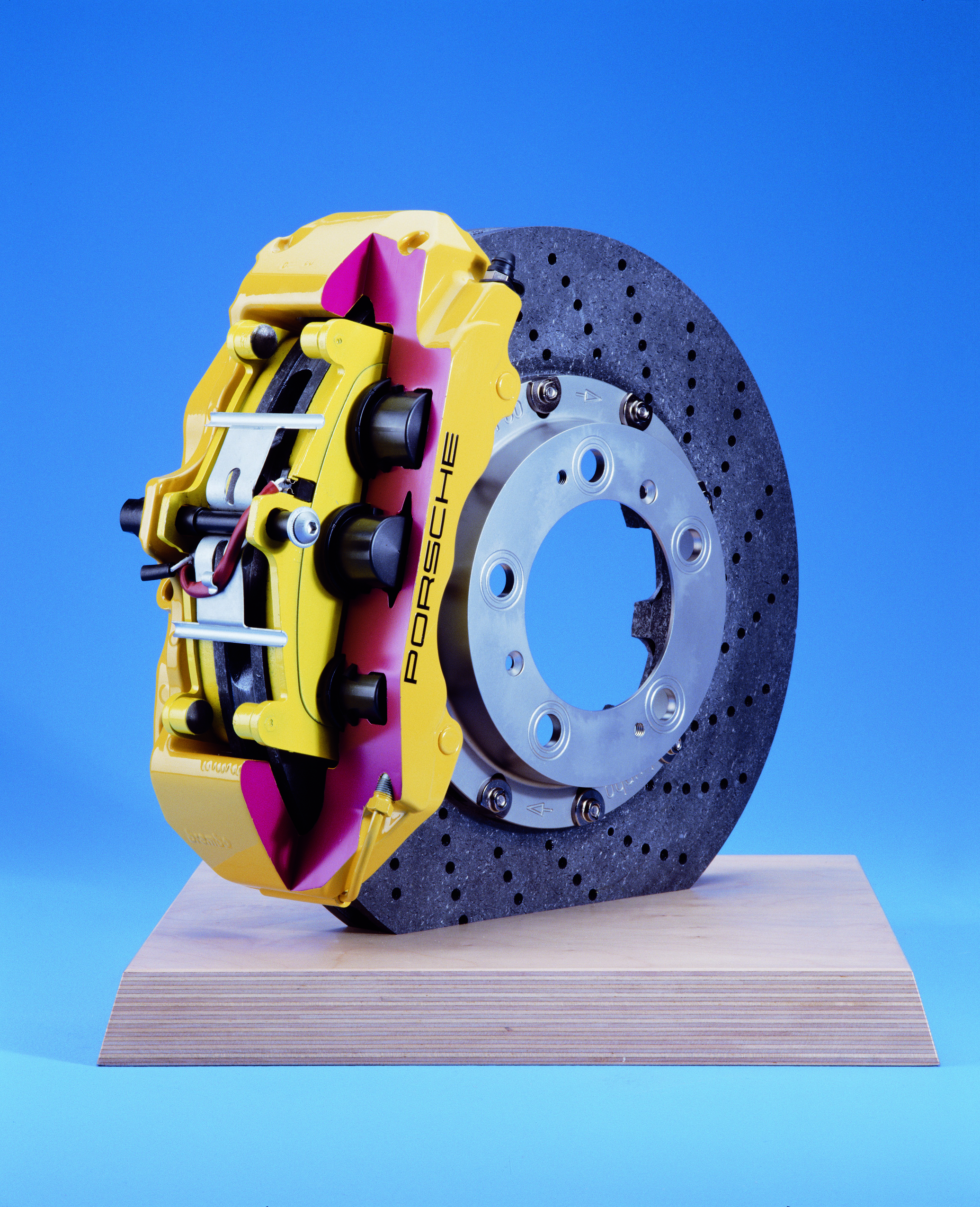
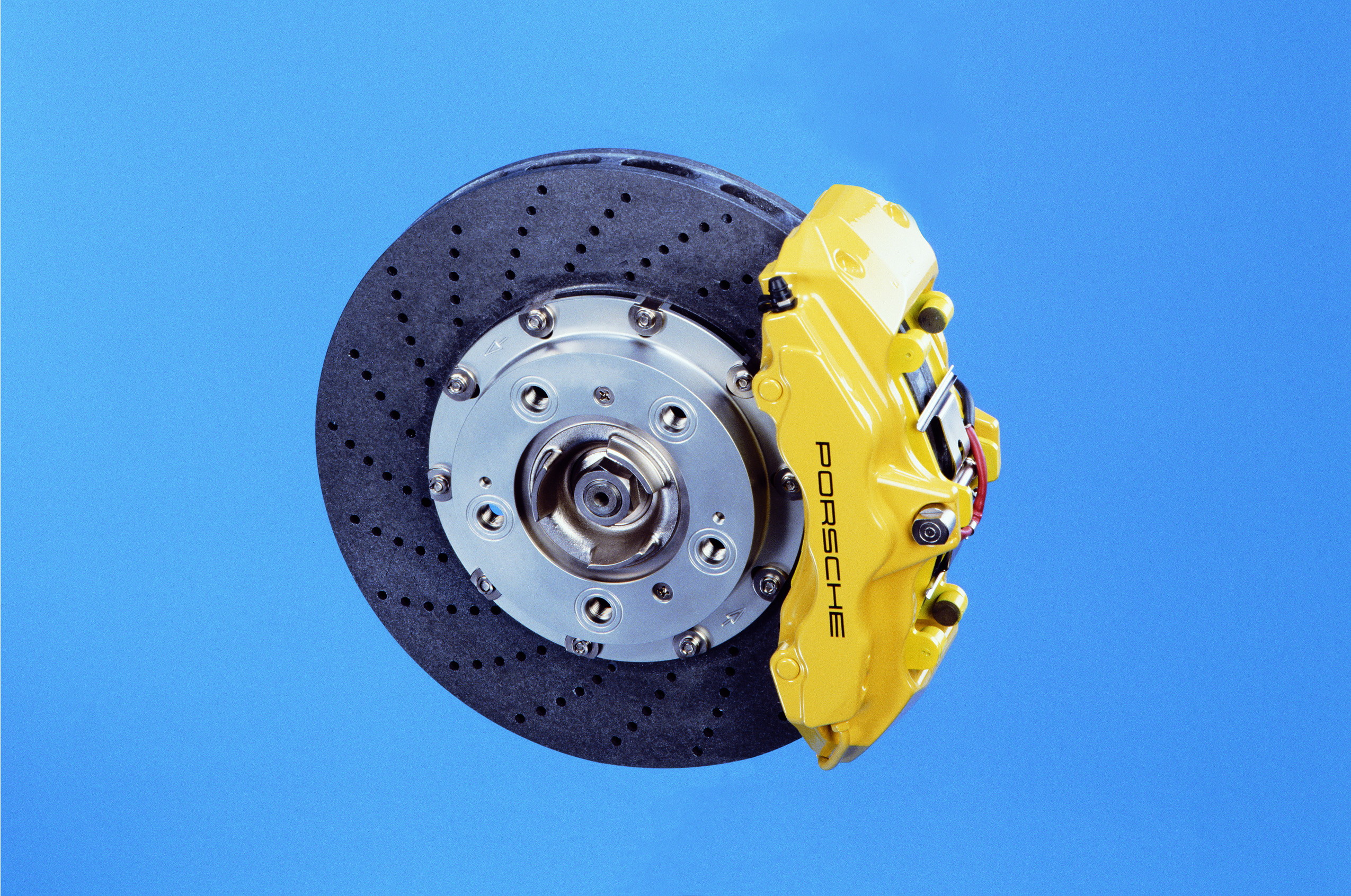
Porsche Ceramic Composite Brake (PCCB) with six-piston brake caliper
|
Porsche
|
|
|
|
|
|
Dr. Ing. h.c. F. Porsche AG
|
Image
|
Porsche Ceramic Composite Brake (PCCB) with six-piston brake caliper
|
Porsche
|
|
|
|
|
|
Dr. Ing. h.c. F. Porsche AG
|
Image
|
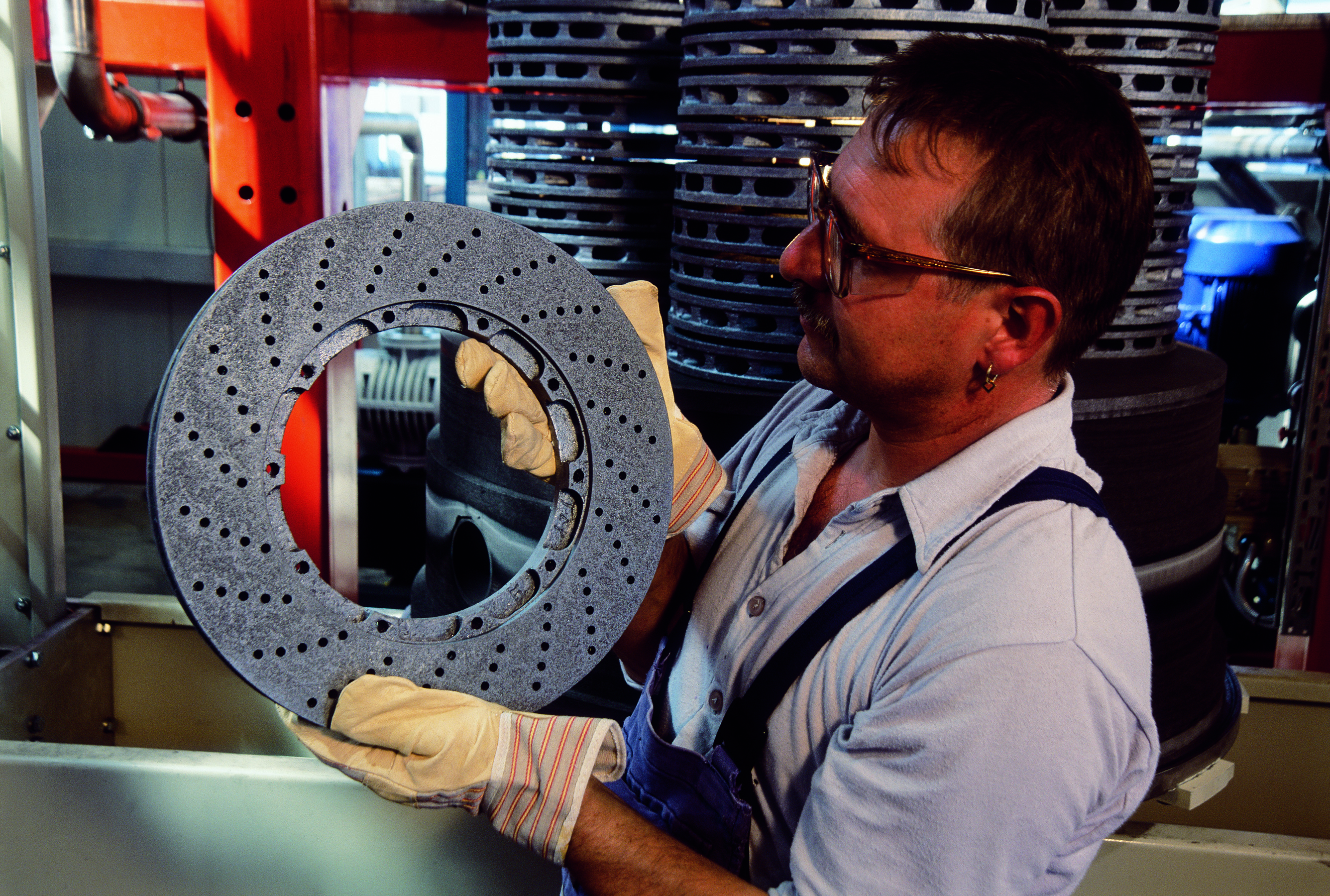
After the silicating process, the quality of each individual brake disc is tested
|
Porsche
|
|
|
|
|
|
Dr. Ing. h.c. F. Porsche AG
|
Image
|
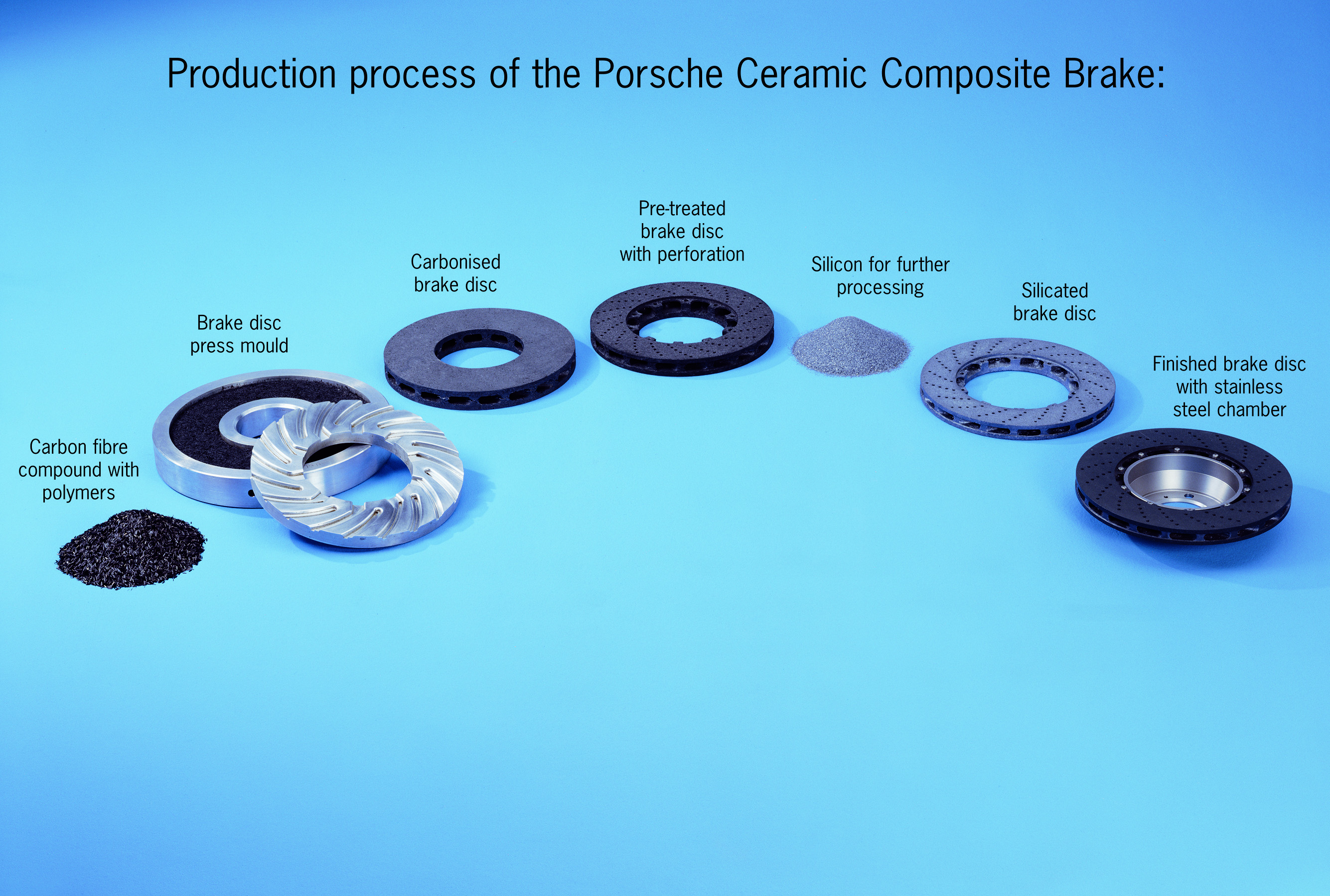
Production process of the Porsche Ceramic Composite Brake
|
Porsche
|
|
|
|
|
|
Dr. Ing. h.c. F. Porsche AG
|
Image
|
The hydraulic ram can simulate virtually any road surface with four hydraulic tappets
|
Porsche
|
|
|
|
|
|
Dr. Ing. h.c. F. Porsche AG
|
Image
|
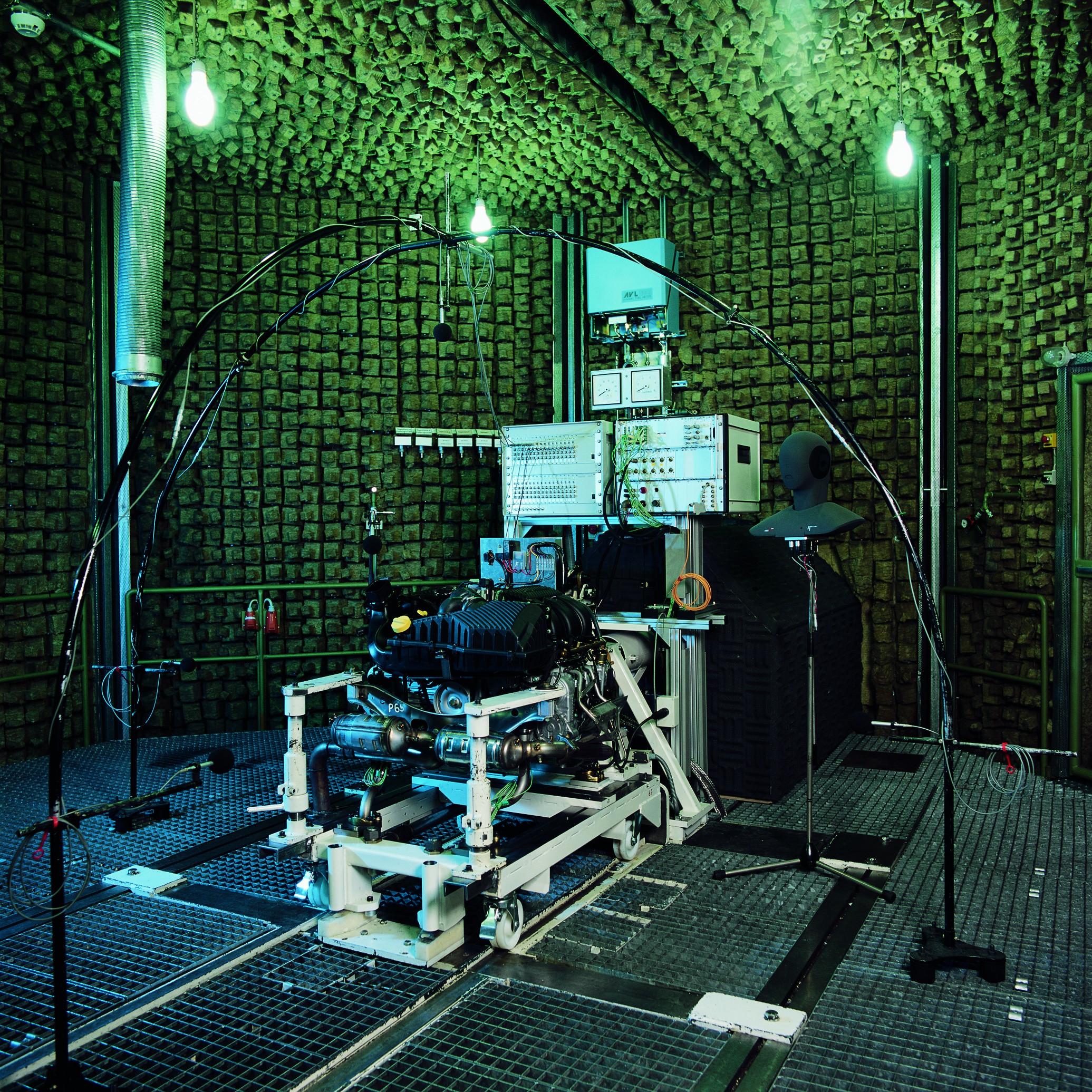
Porsche Boxer engine in the sound measuring room: Sound engineering has long belonged to the development content of every Porsche sports car
|
|
|
|
|
|
|
Dr. Ing. h.c. F. Porsche AG
|
Image
|
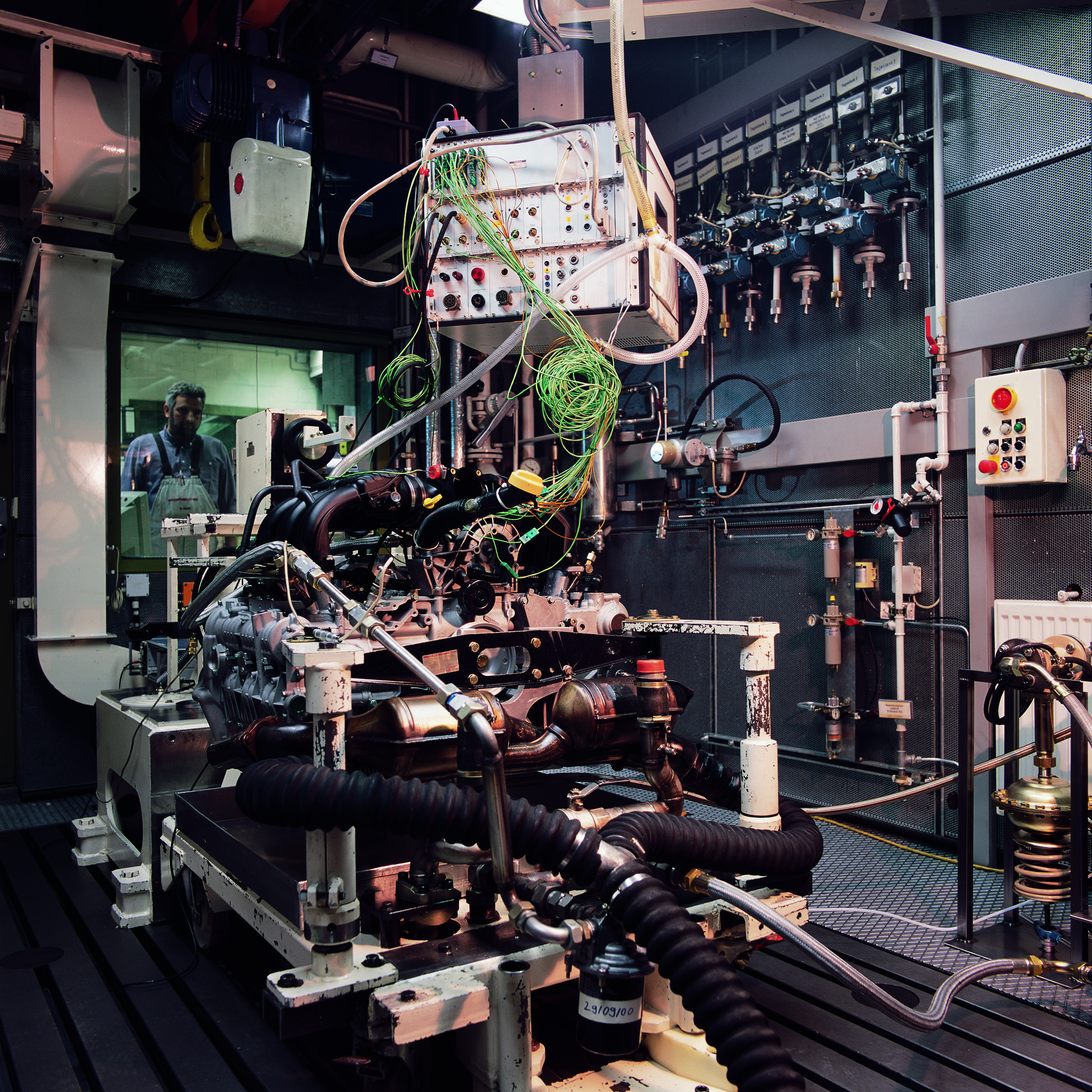
Engine check during vehicle development: Leaks, performance, torque and fuel consumption are measured on the test stand
|
|
|
|
|
|
|
Dr. Ing. h.c. F. Porsche AG
|
Image
|
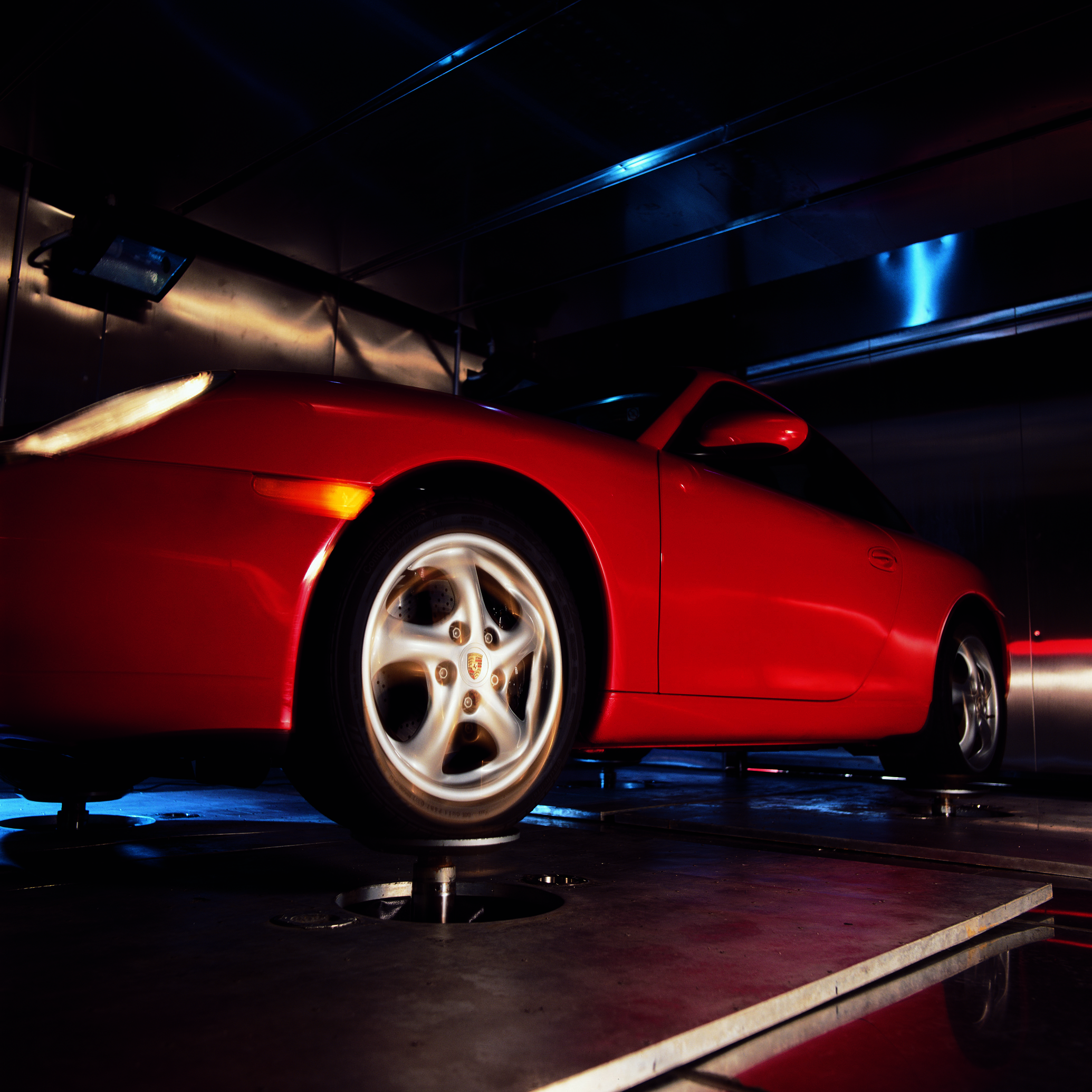
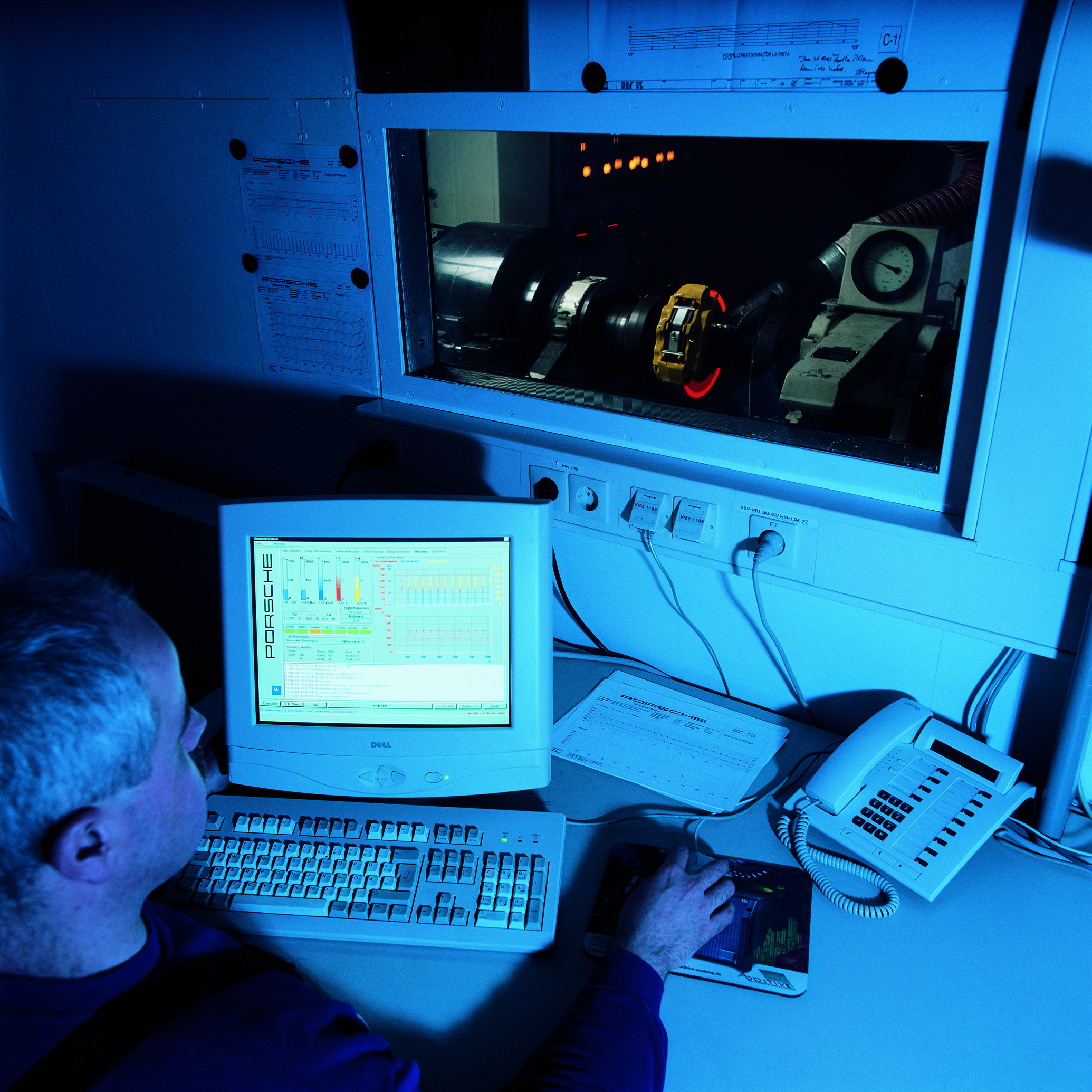
The response and fading characteristics as well as wear to the brake pads are the focal concern on the brakes test stand
|
|
|
|
|
|
|
Dr. Ing. h.c. F. Porsche AG
|
Image
|
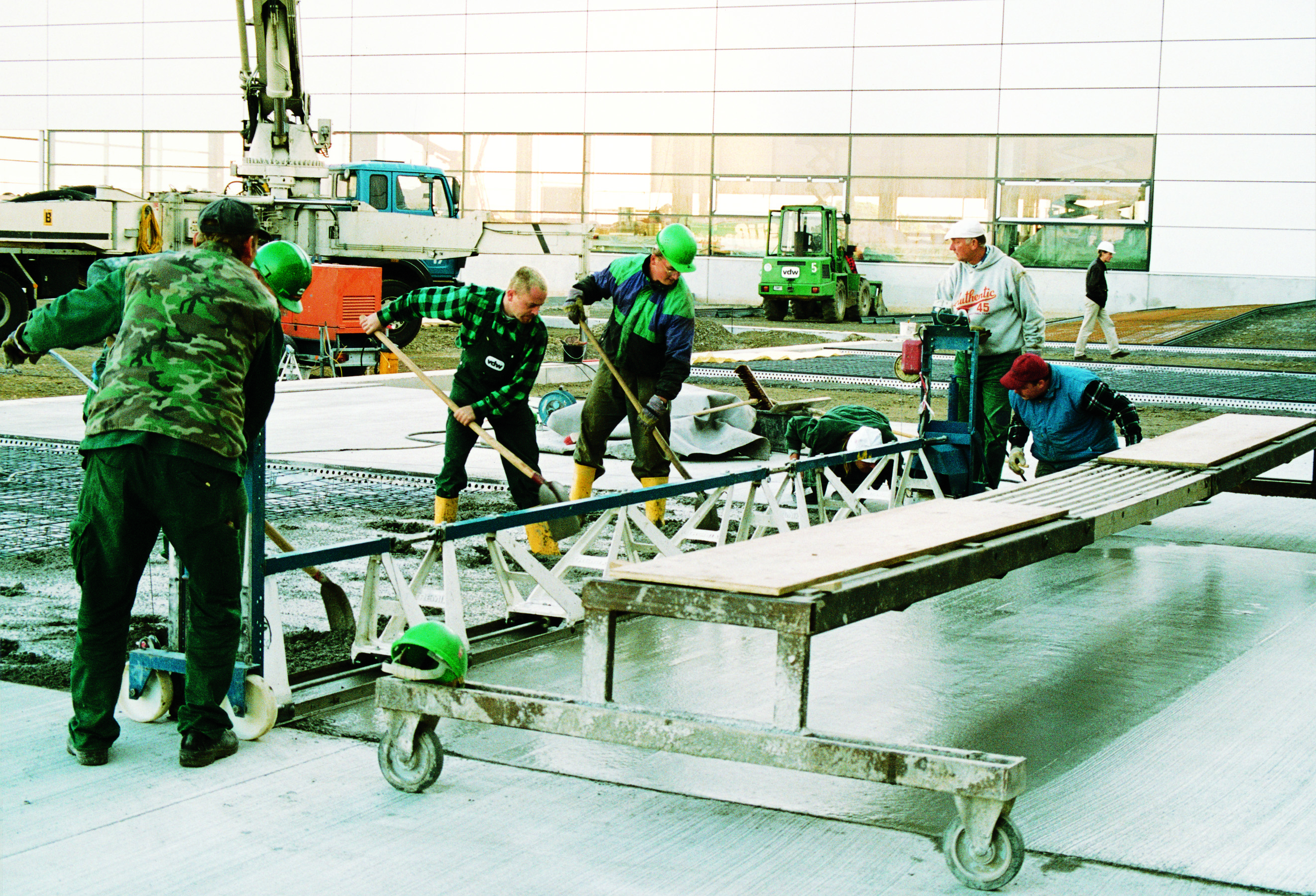
The delivery area of the production hall was concreted on 27.10.2000
|
|
|
|
|