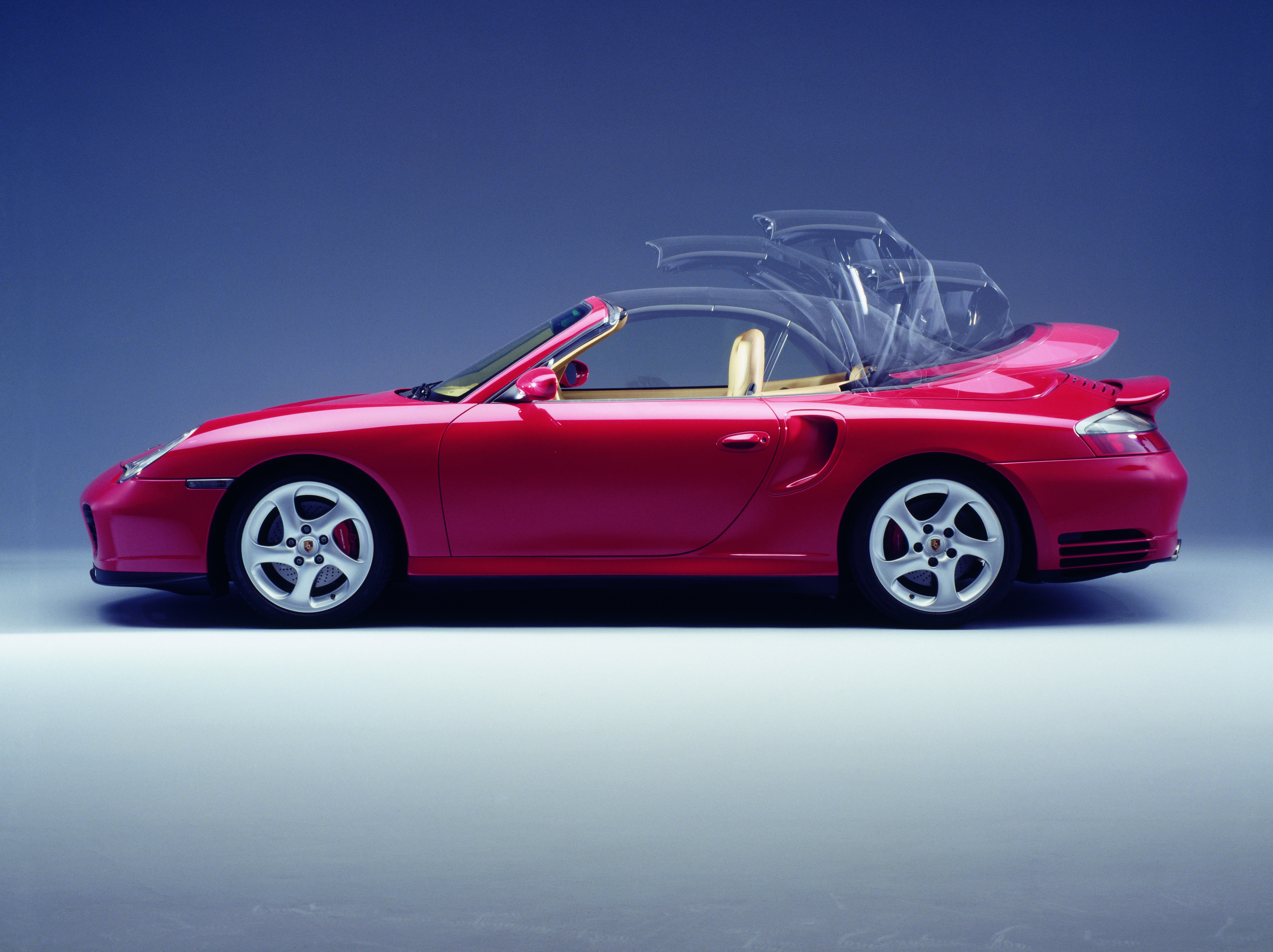
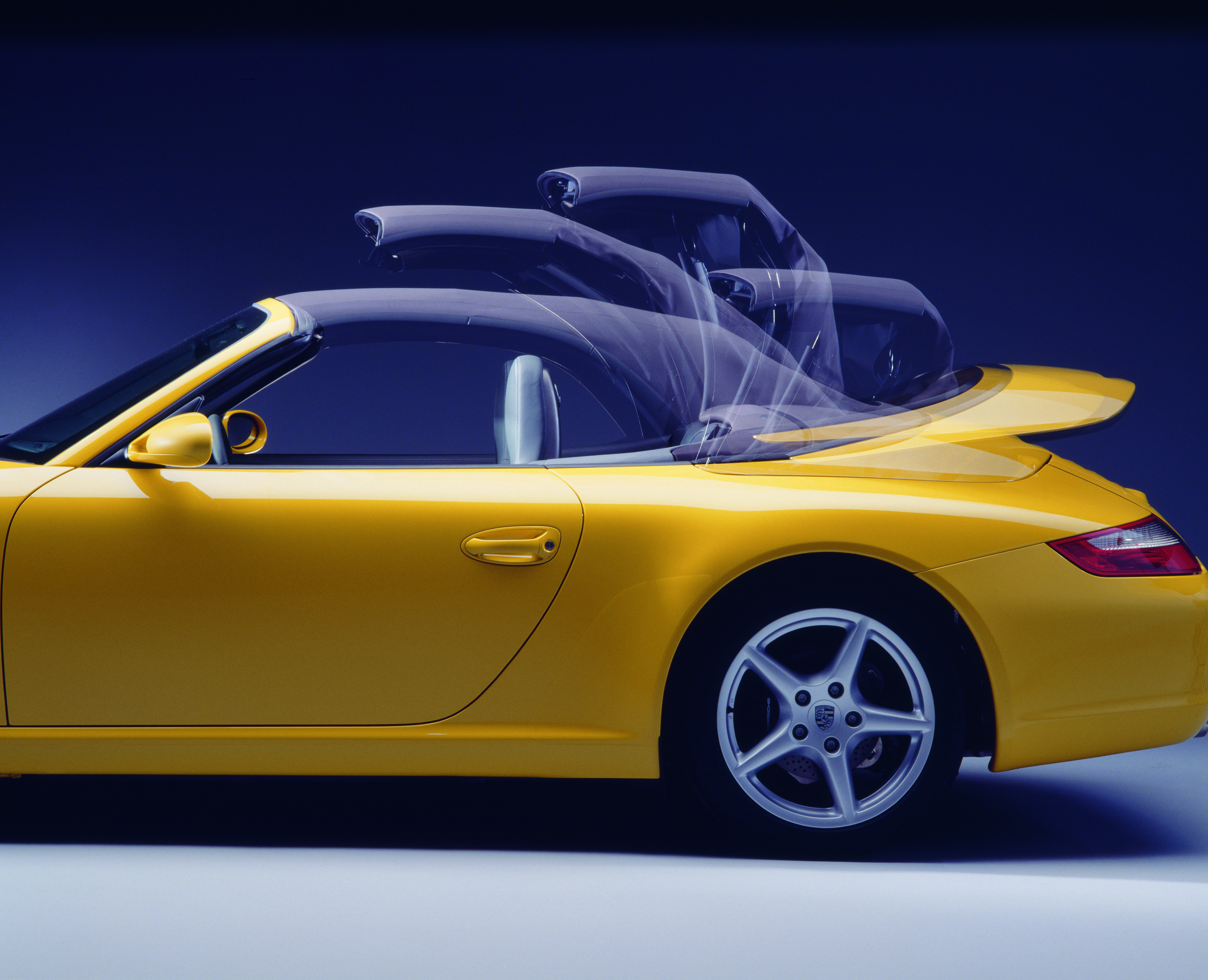
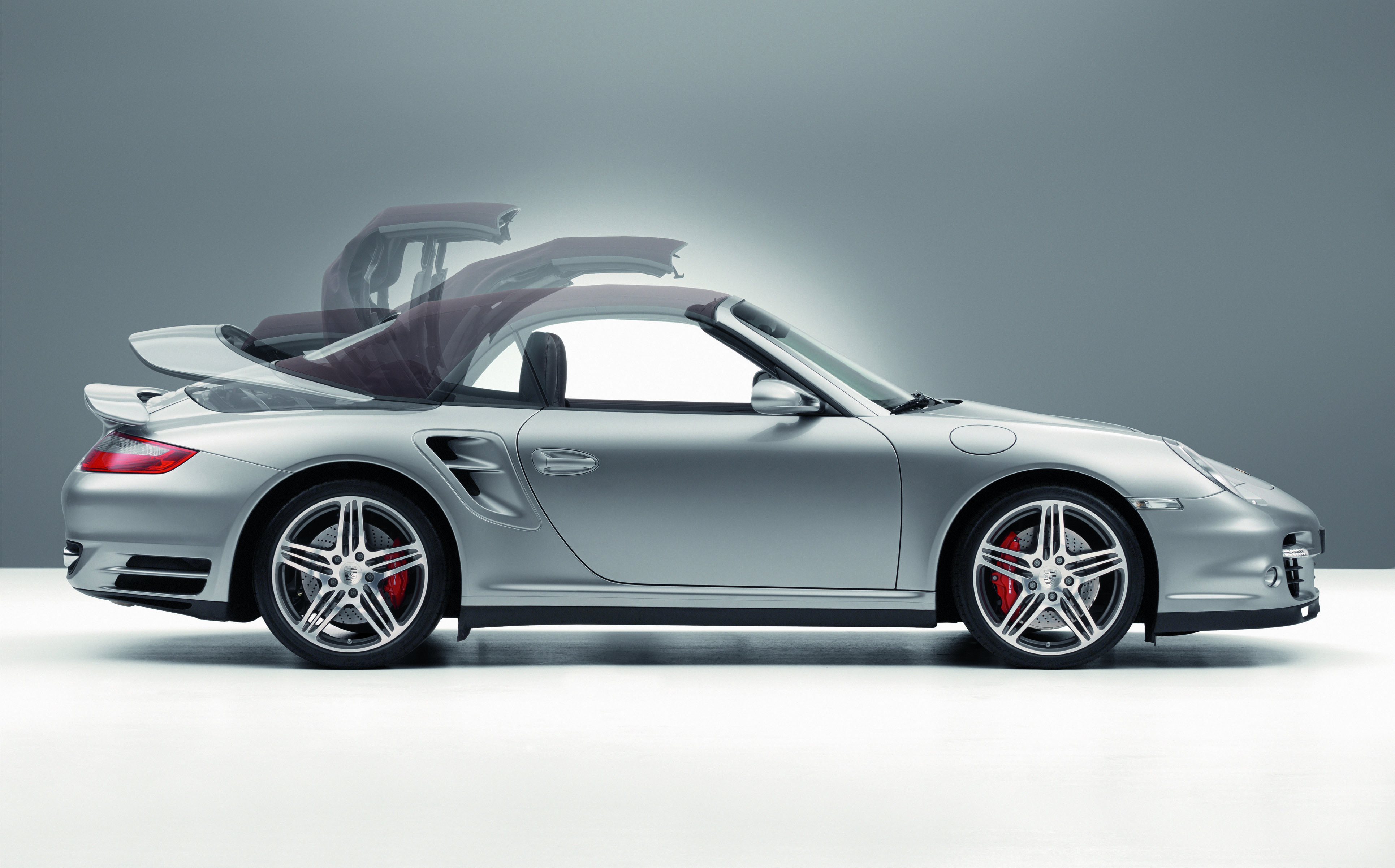
The folded convertible top of the 911 Turbo Cabriolet opens automatically in just 20 seconds
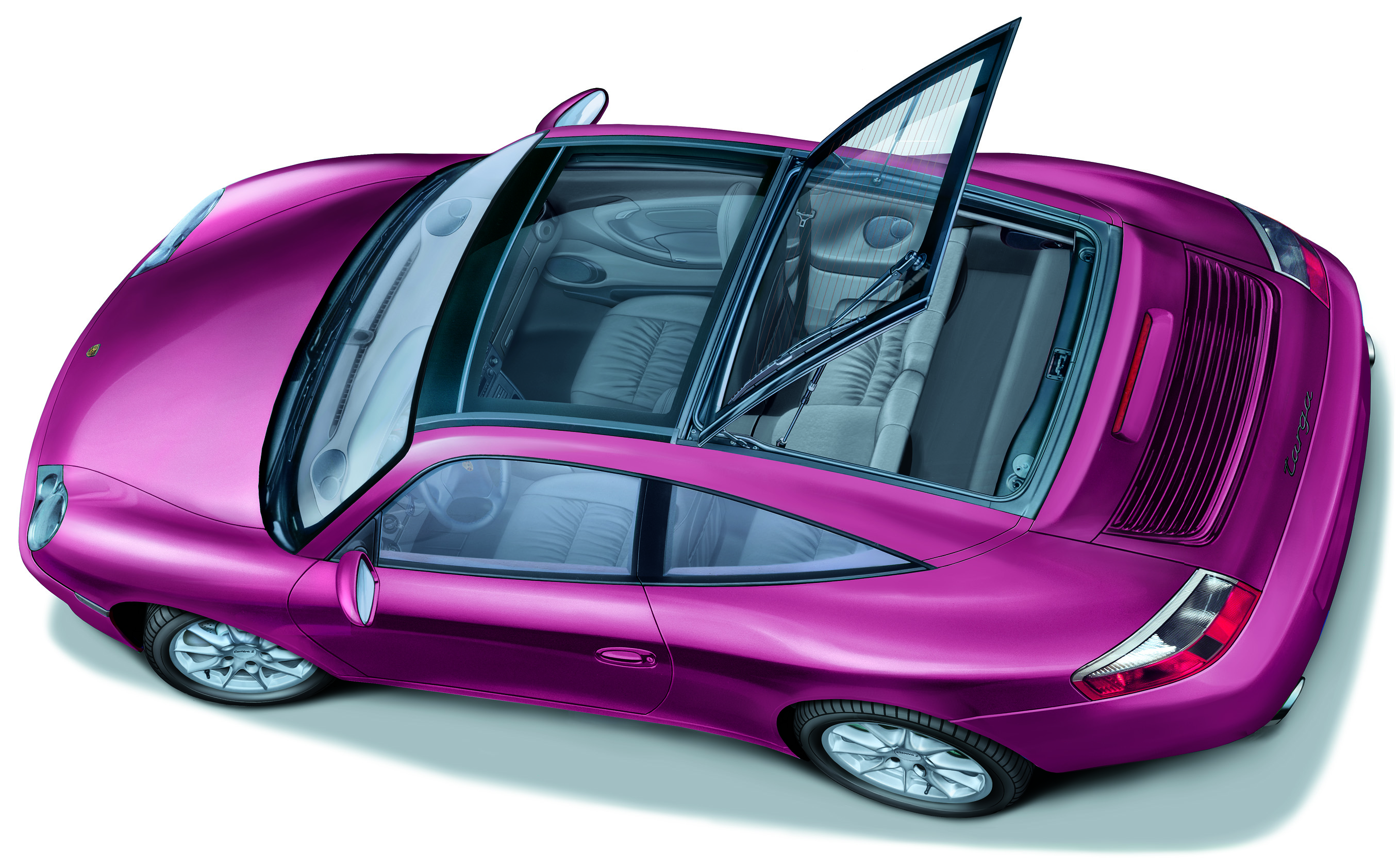
The folding rear window is opened up by two gas-pressure springs.
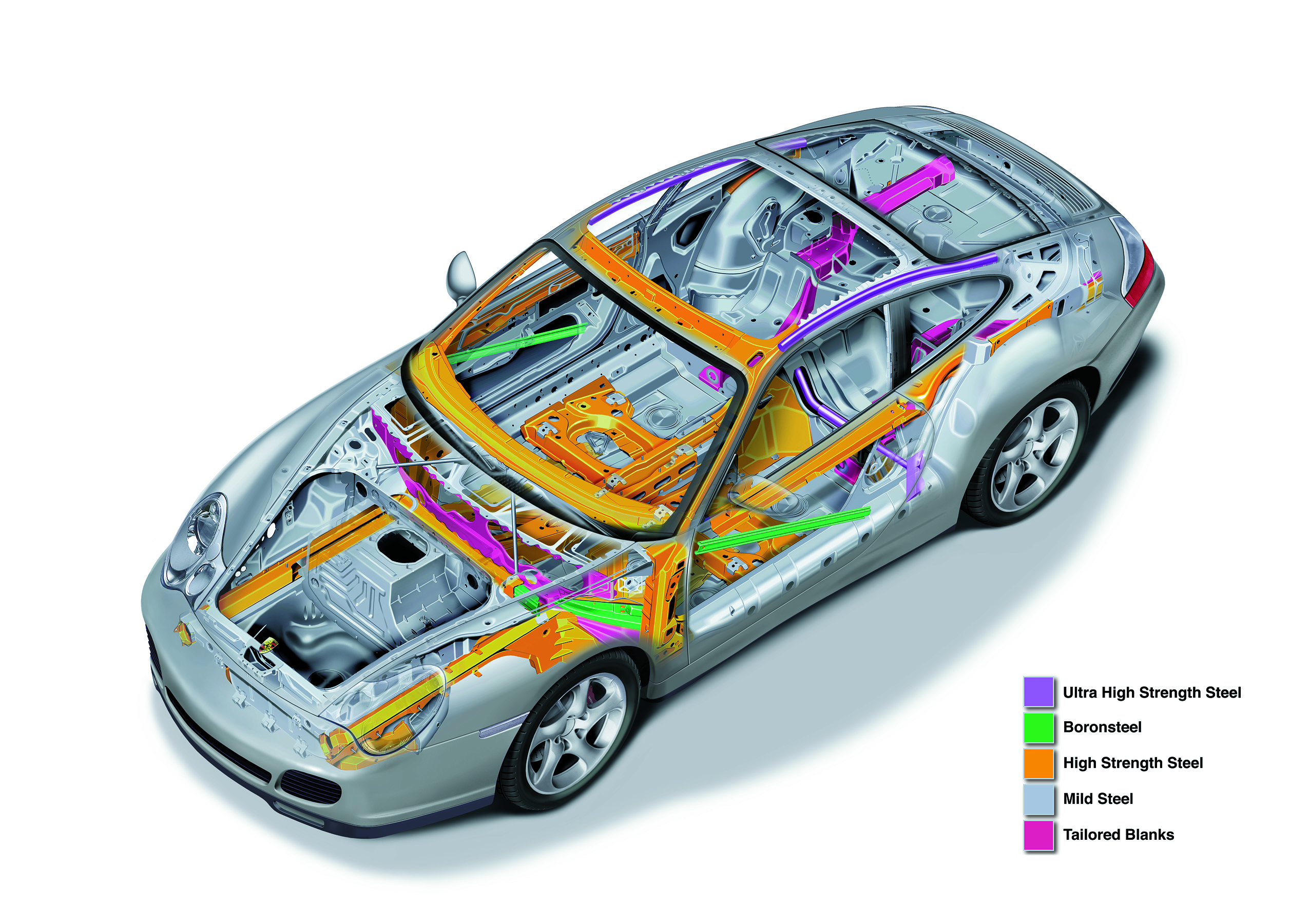
The foundation for the high standard of passive safety is provided by Porsche's energy-absorbing loadbearing structure conveying loads along specific in the interest of supreme passenger safety.
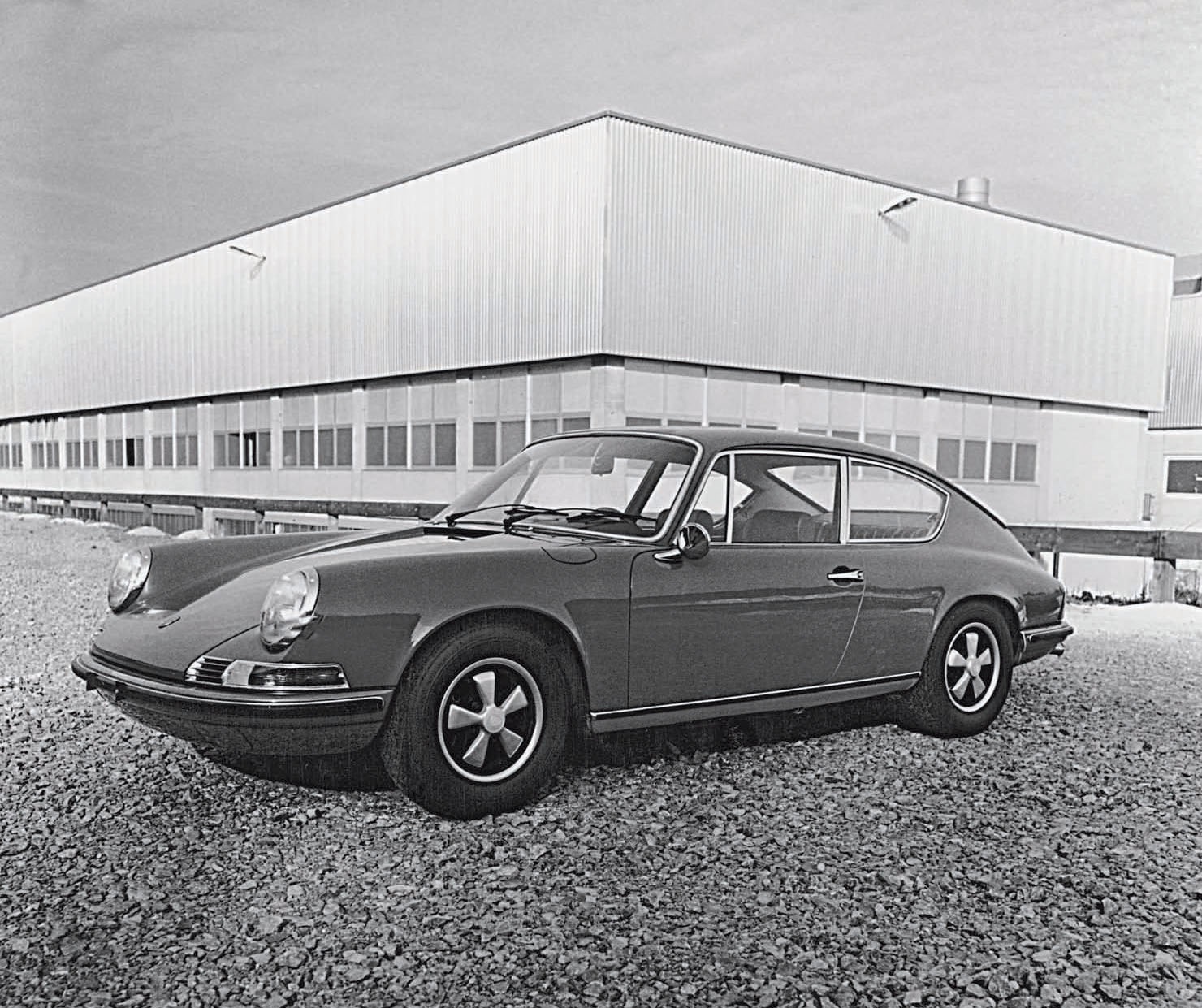
The four-seater idea continued to fascinate Porsche, and in October 1969, Pininfarina delivered its concept of a new four-seater 911. Assembled on chassis 320020, it used an S engine developing 180 horsepower. Porsche Archiv
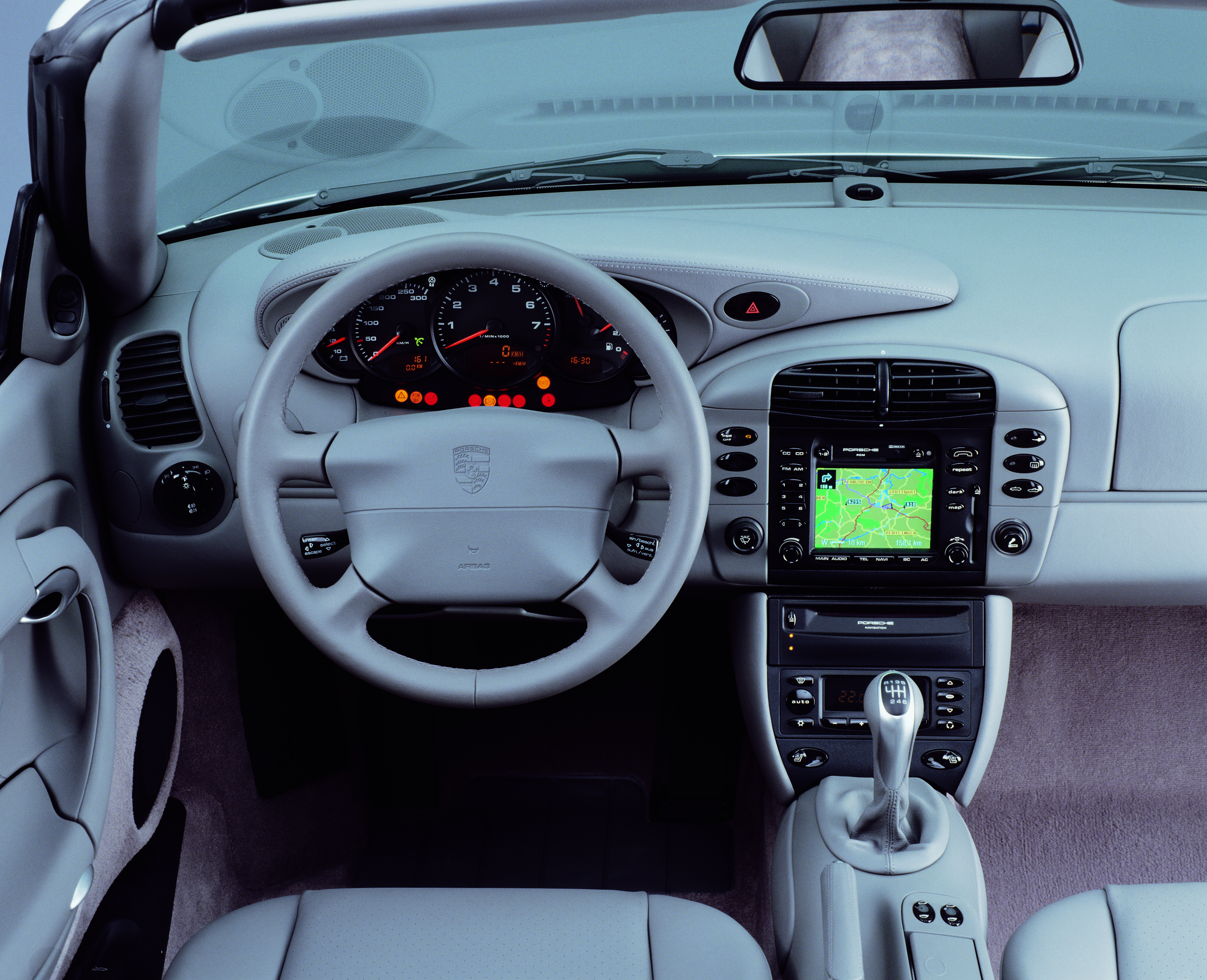
The four-spoke leather steering wheel in the 911 Carrera Cabriolet can be adjusted axially by up to 40 millimetres
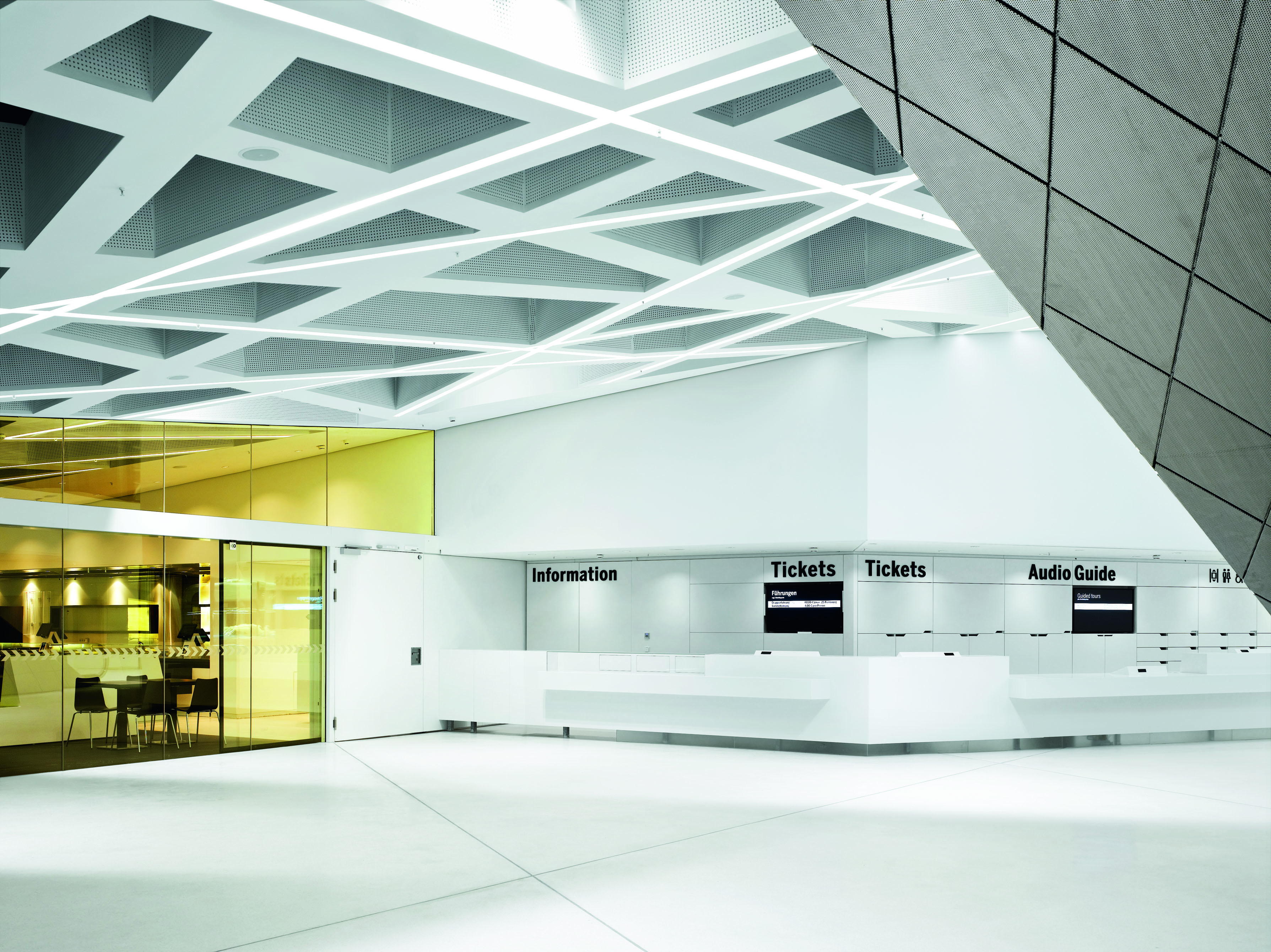
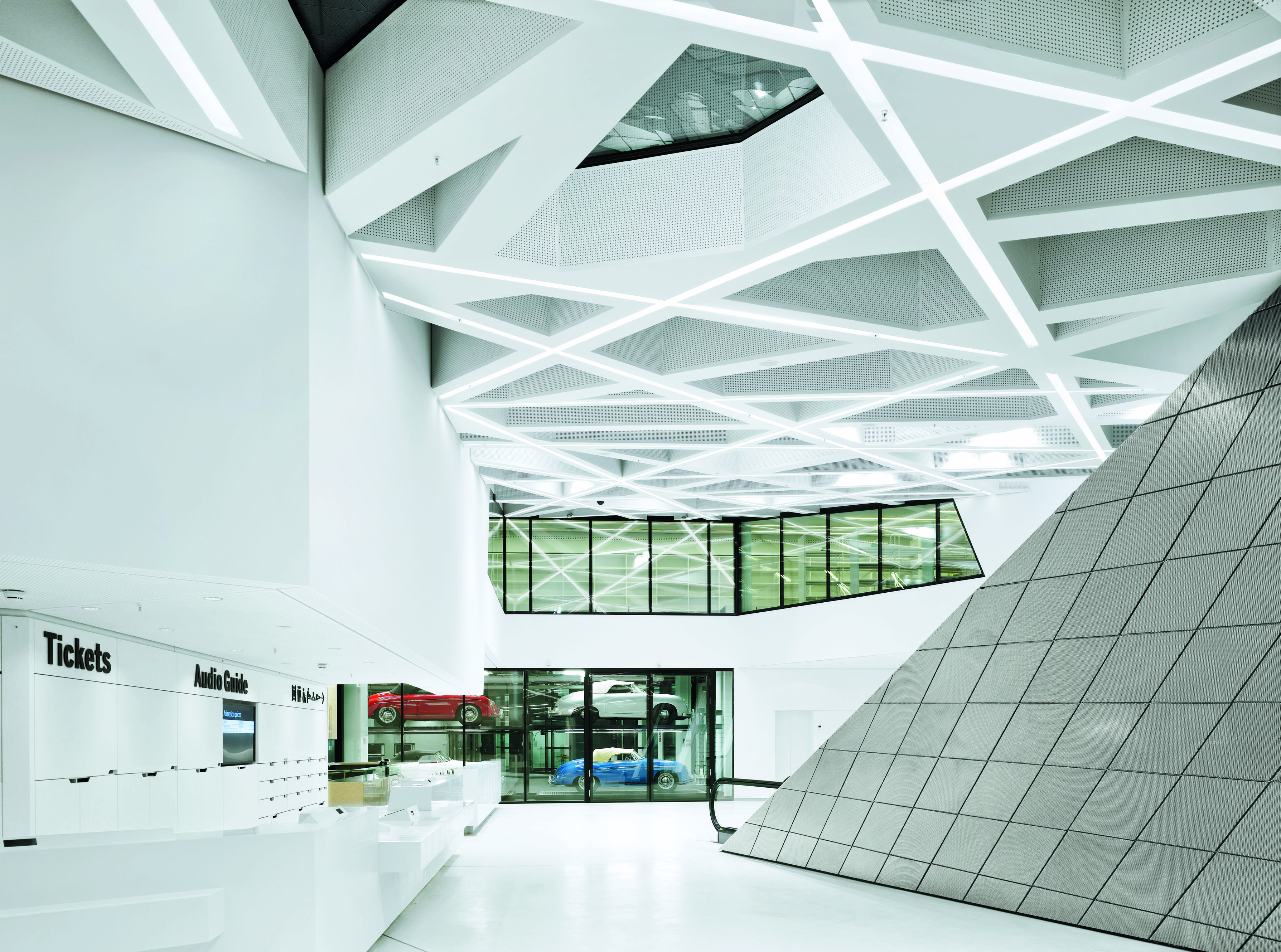
The Foyer of the new Porsche-Museum with a view into the Museum Restaurant âBoxenstoppâ (left)
The Foyer of the new Porsche-Museum with a view into the Museum Workshop (below) and into the library of the Porsche-Archives (above)
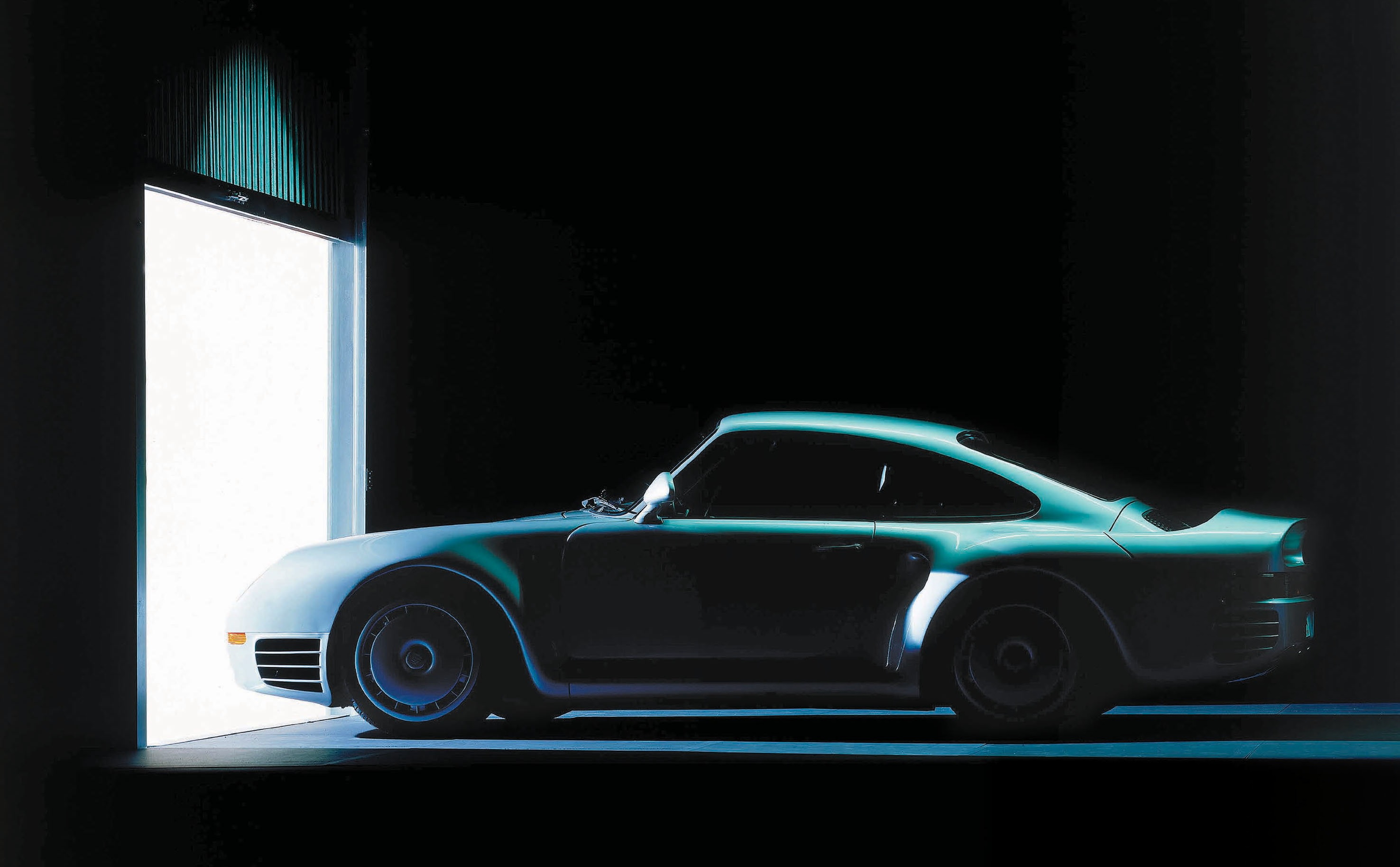
The Frankfurt IAA show Gruppe B prototype looked startling in any light. Its performance capabilities matched, if not exceeded, its futuristic appearance. Porsche Archiv
The Frietmuseum in Bruges
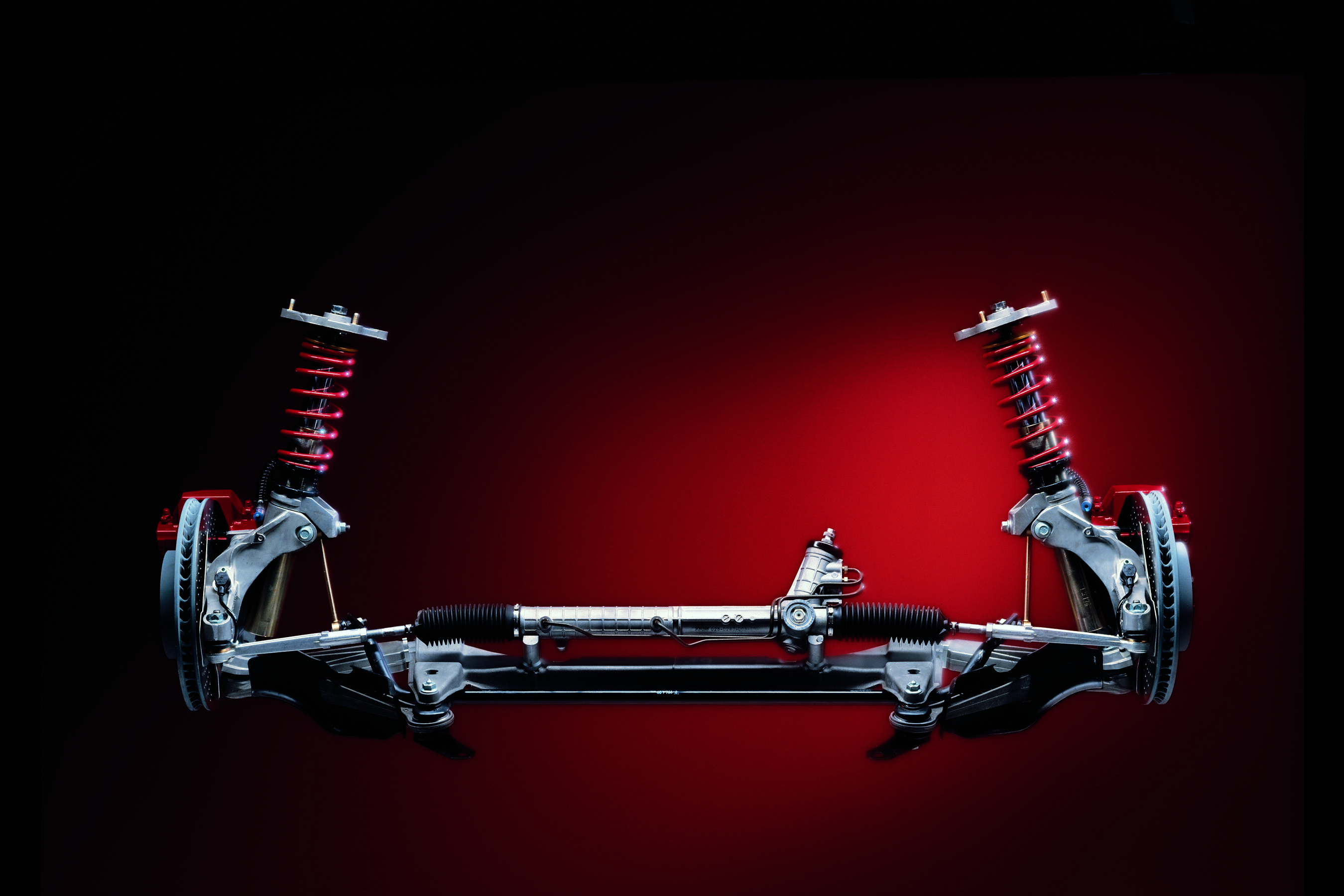
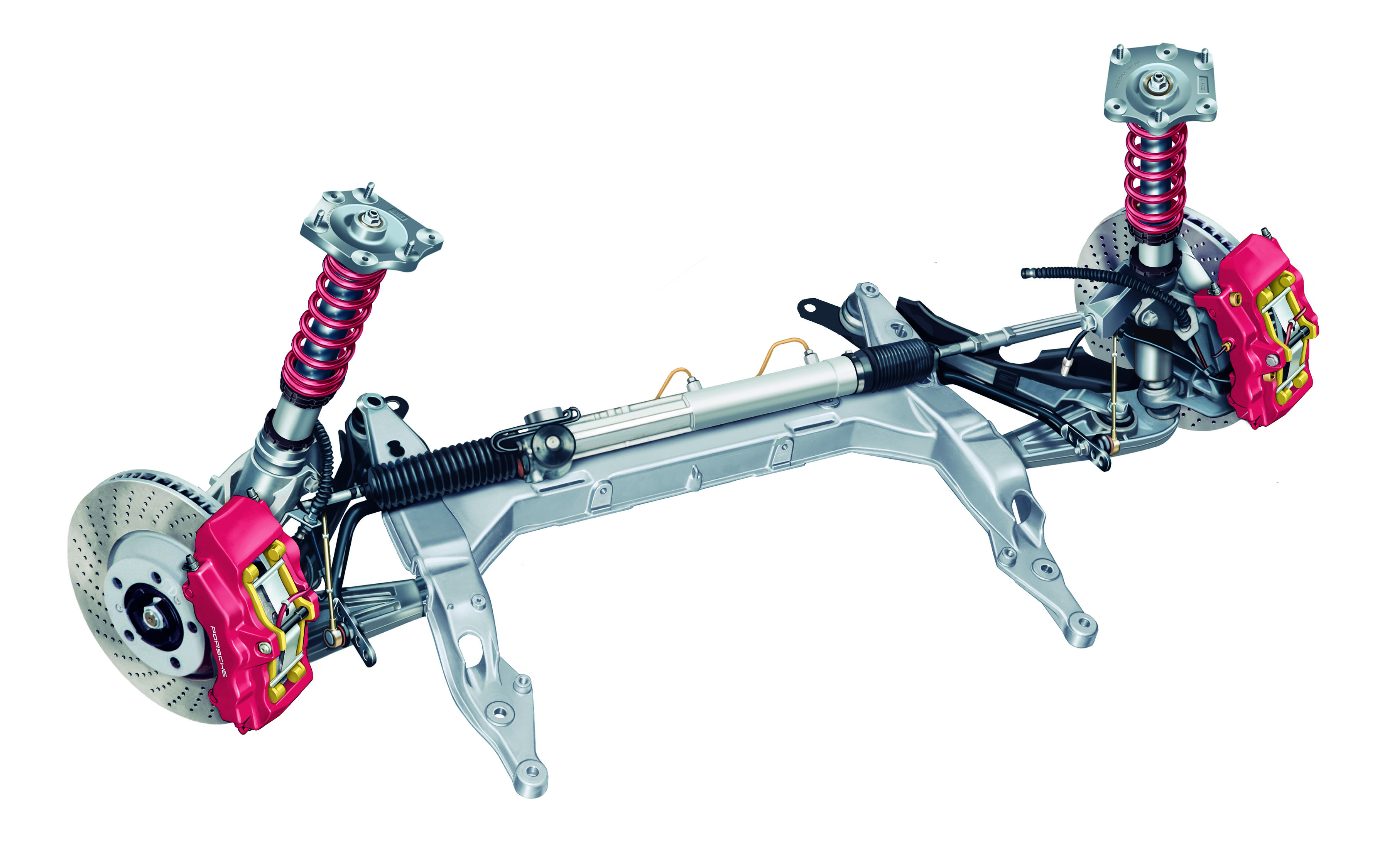
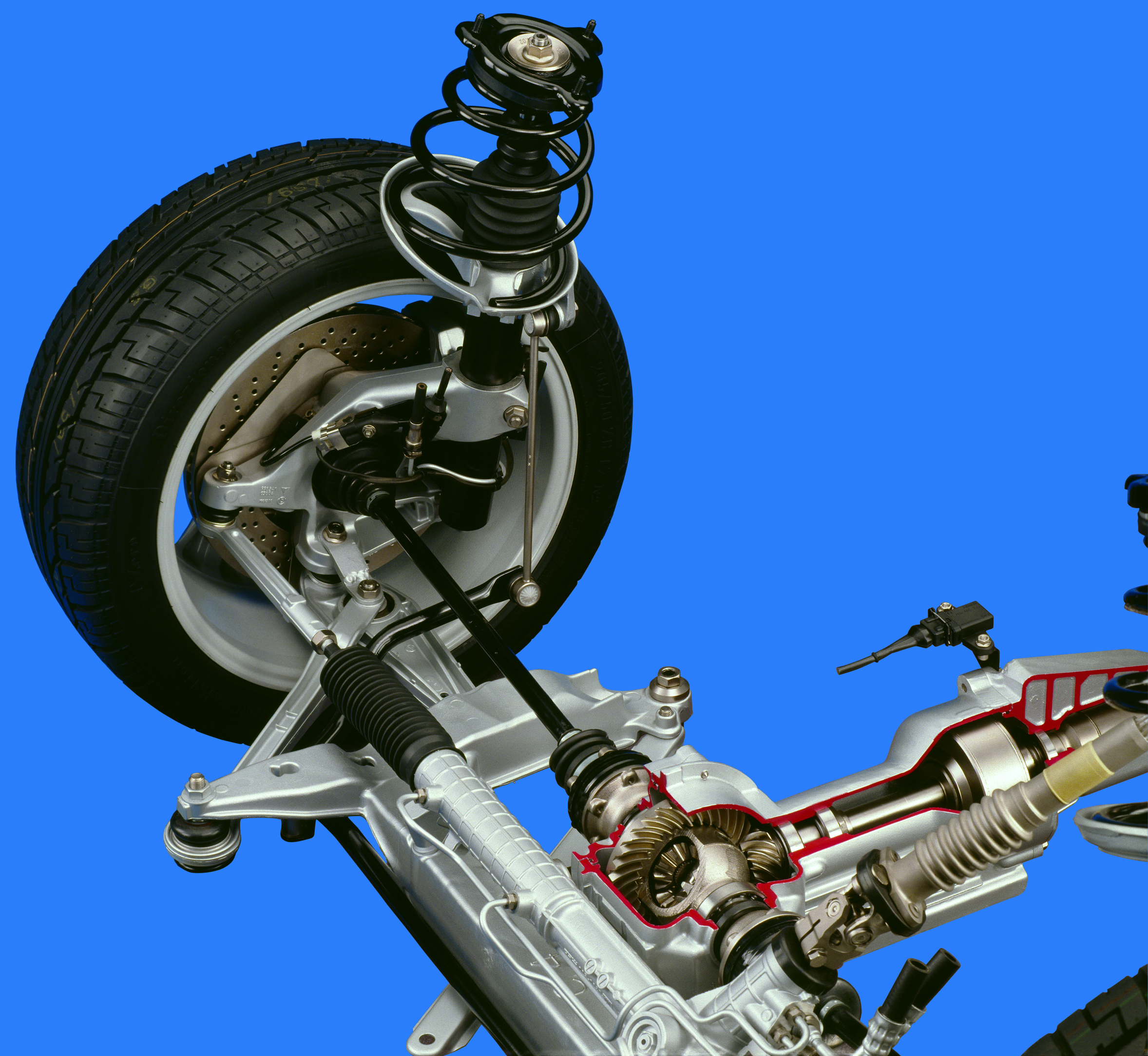
The front axle features innovative damper struts with male thread and height-adjustable spring cups
The front axle has a damper strut with male screw thread and height-adjustable spring retainer which, in addition to reducing vehicle height, also allow for fine adjustment
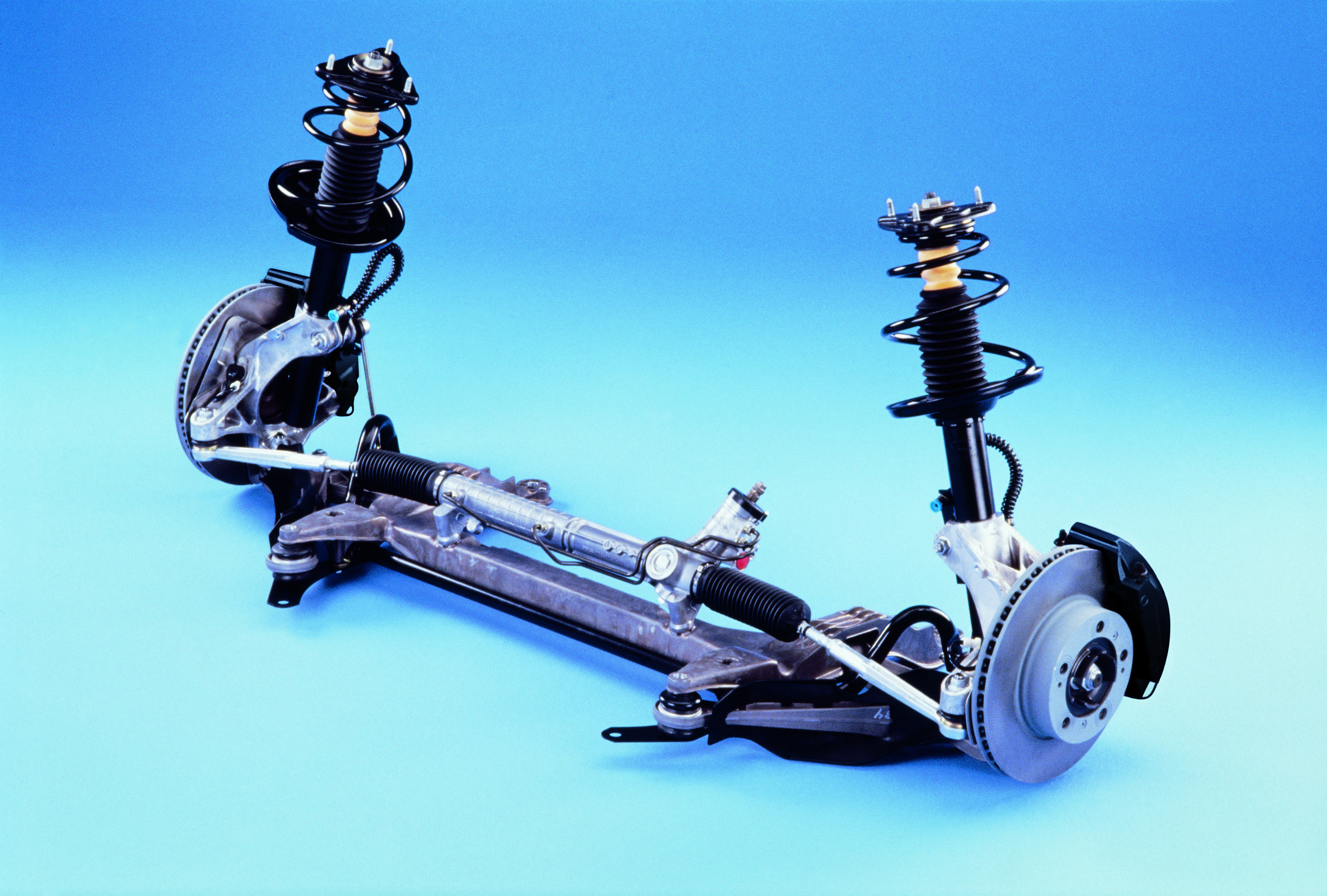
The front axle of the Boxster is controlled by aluminium trailing arms and control arms
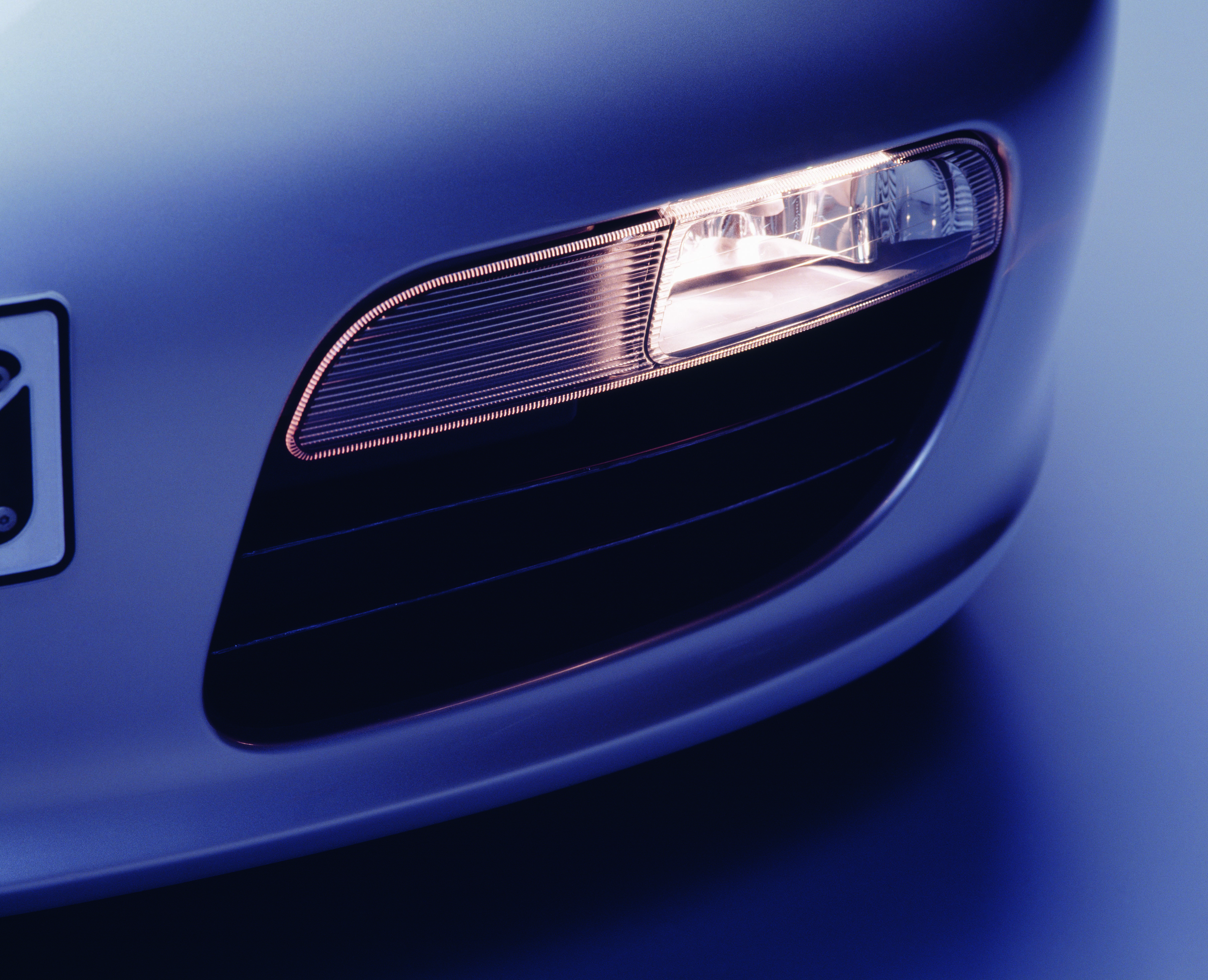
The front lights have a special night-time design
The full-time four-wheel drive with variable power transmission to the front axle is activated via a viscous clutch
The fully-automatic fabric top of the 911 Carrera Cabriolet opens in just 20 seconds
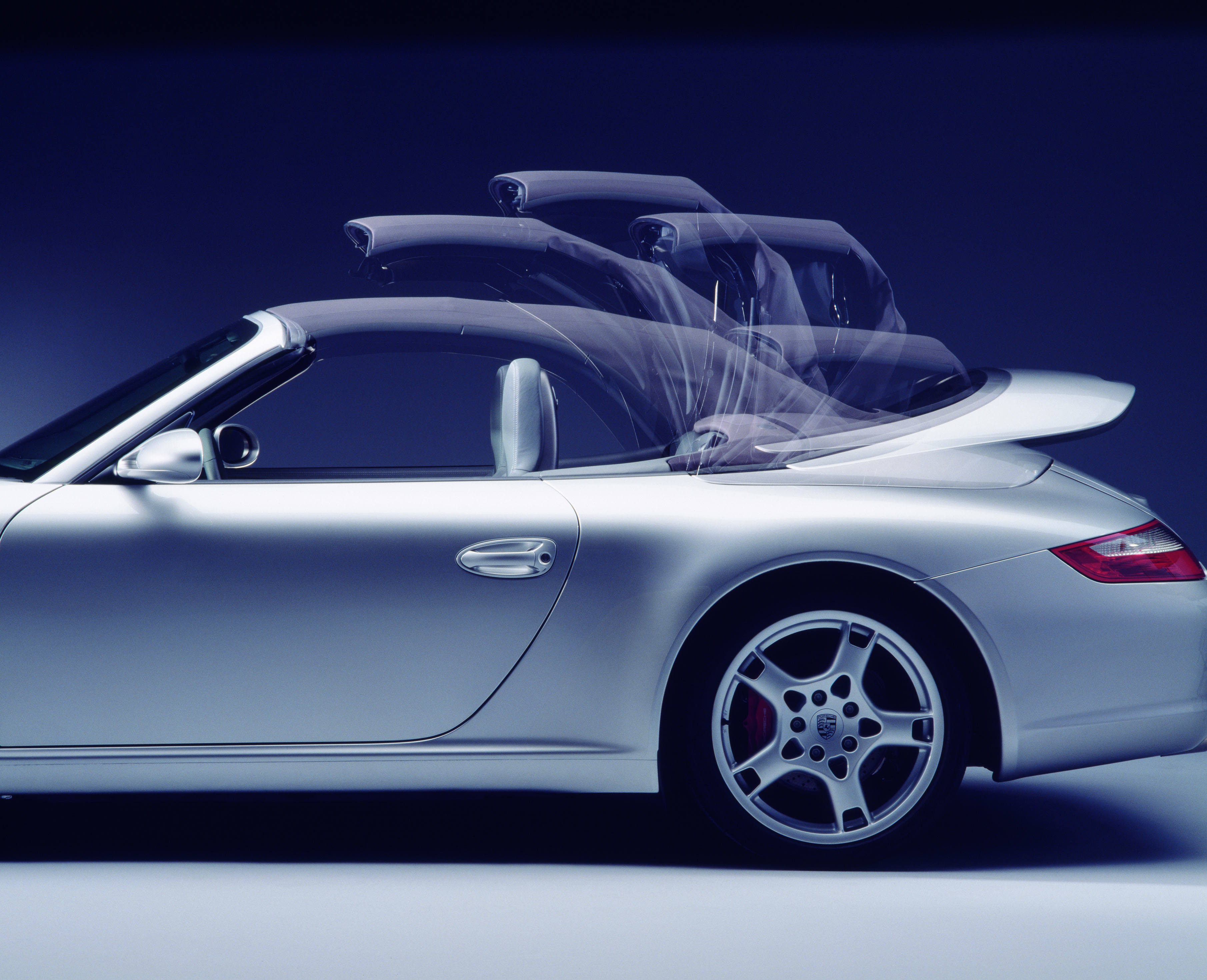
The fully-automatic fabric top of the 911 Carrera S Cabriolet opens in just 20 seconds
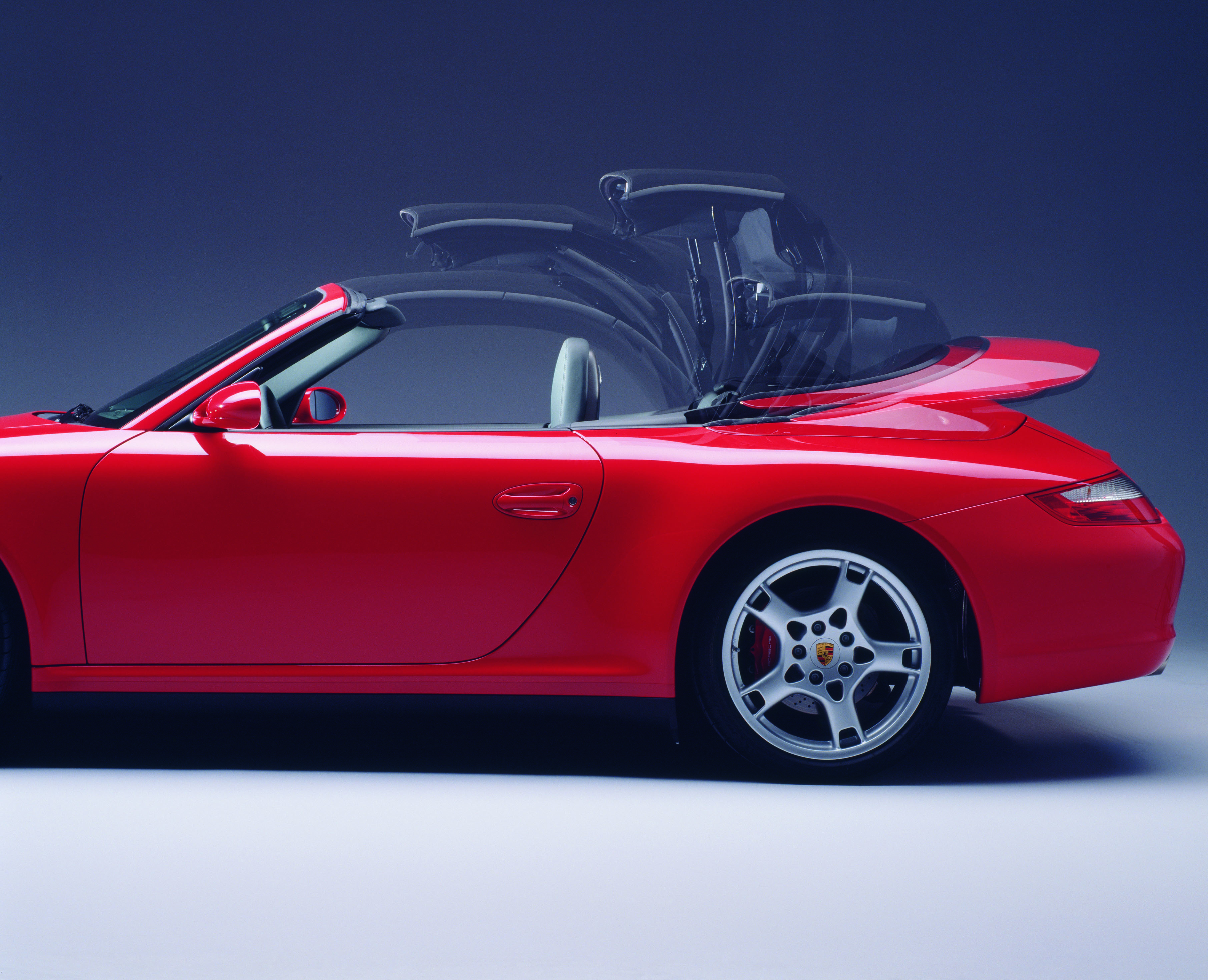
The fully-automatic fabric top of the 911 Carrera 4 Cabriolet opens in just 20 seconds
The fully-automatic fabric top of the 911 Turbo Cabriolet opens in just 20 seconds