|
|
Image
|
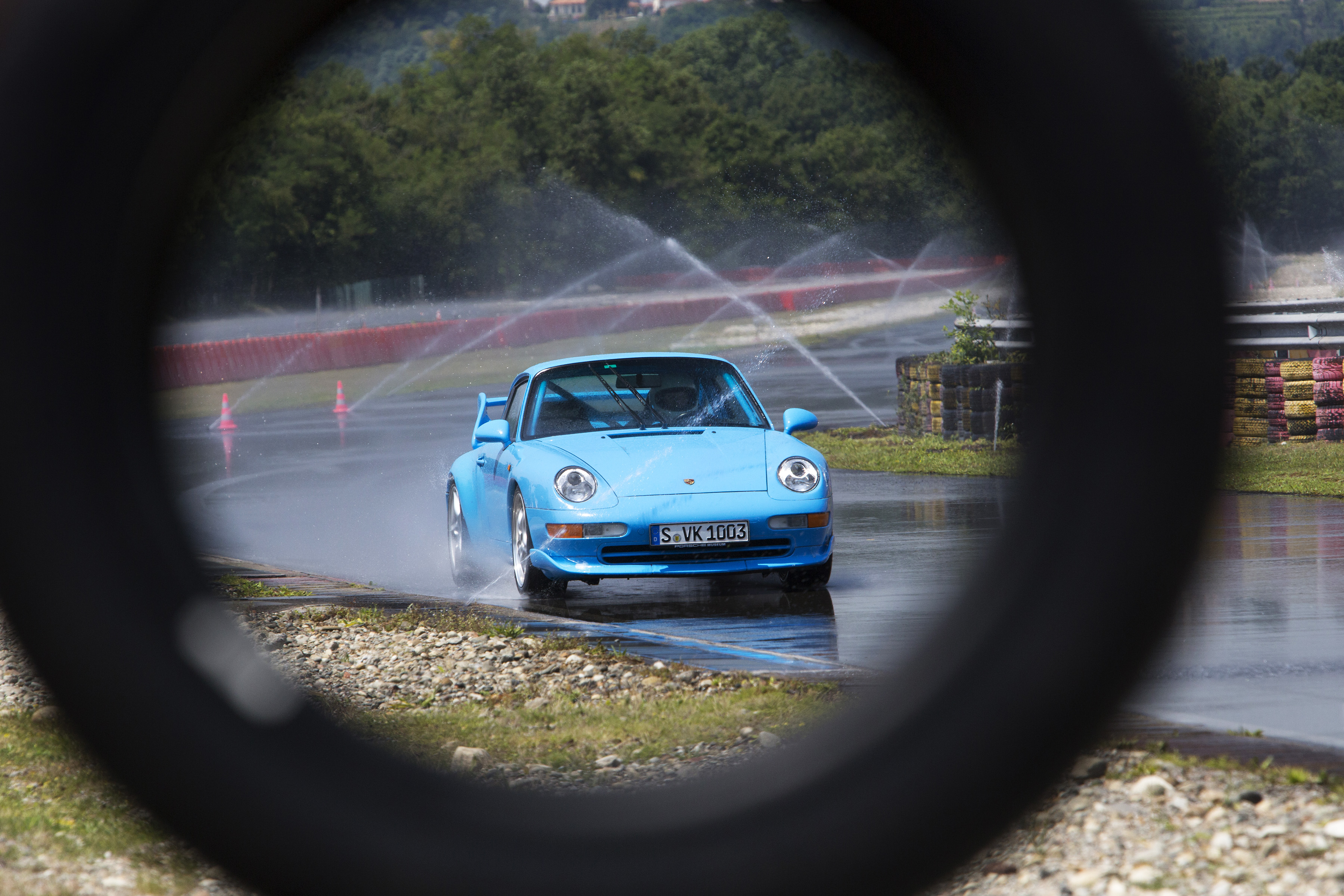
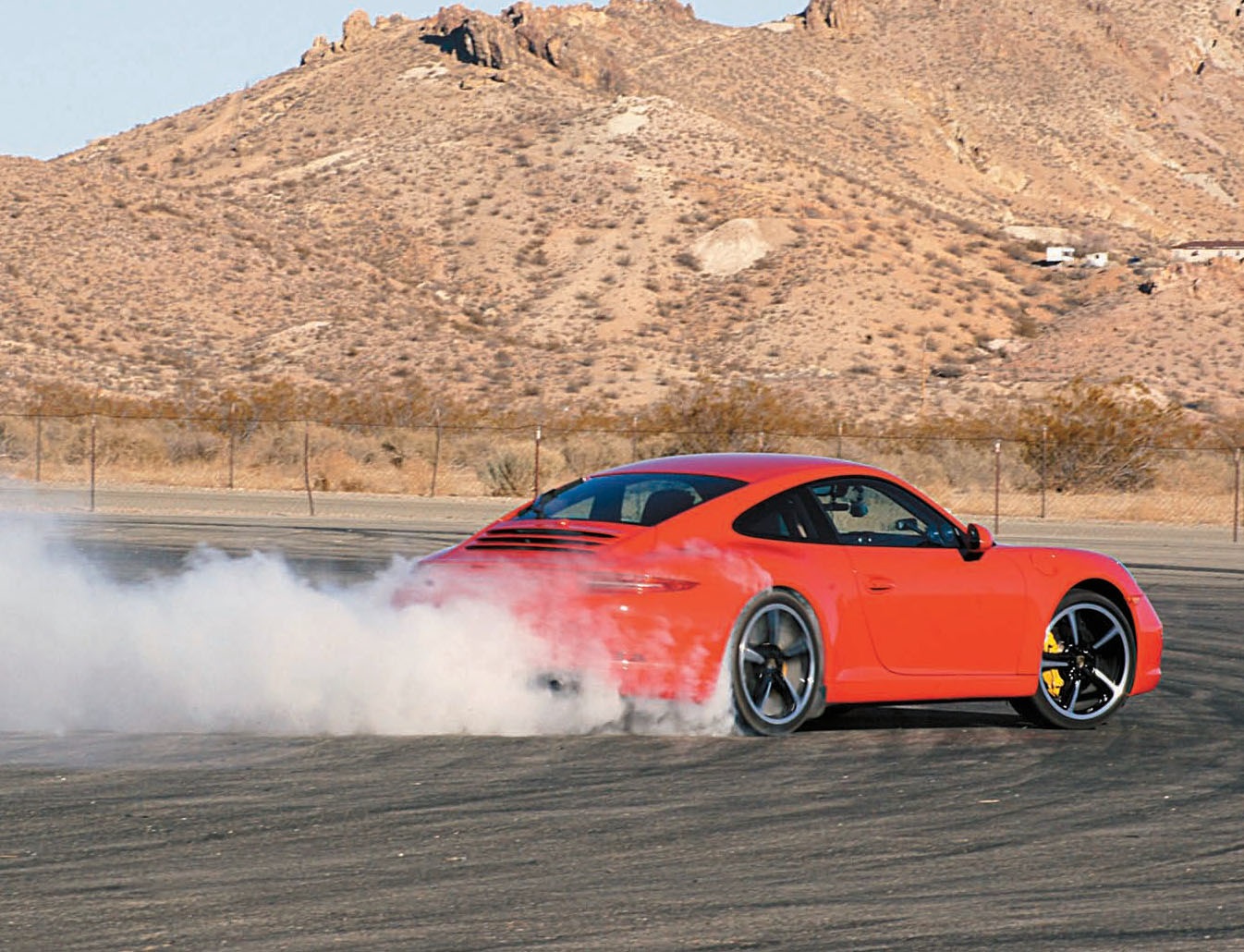
The new semi-slick from Pirelli, which was released for race course use, on a 911 Carrera RS 3.8 Clubsport
|
Porsche
|
911
|
Carrera RS
|
|
|
|
Dr. Ing. h.c. F. Porsche AG
|
Image
|
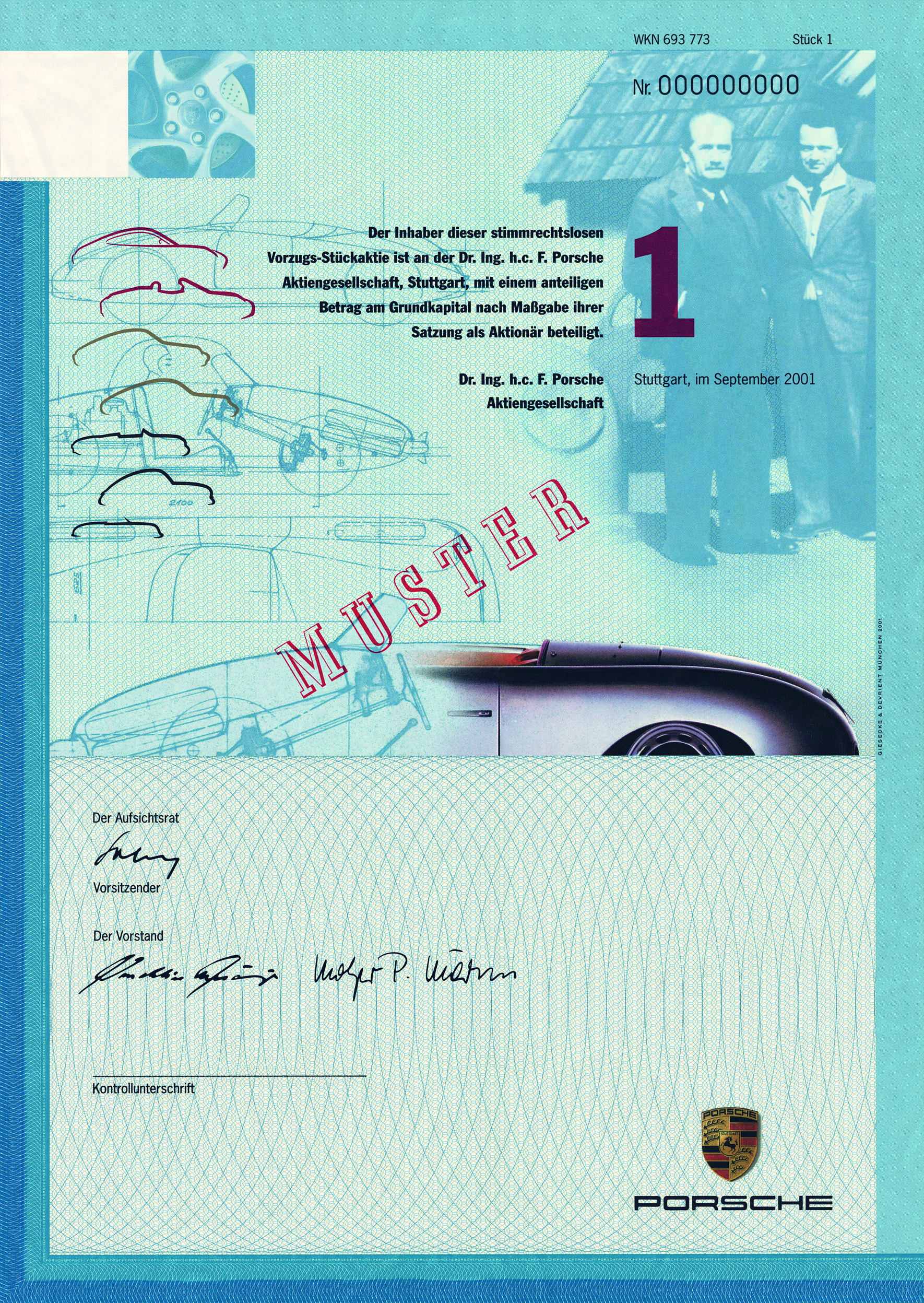
The new share certificate of Dr. Ing. h.c. F. Porsche AG, Stuttgart/Germany
|
|
|
|
|
|
|
Dr. Ing. h.c. F. Porsche AG
|
Image
|
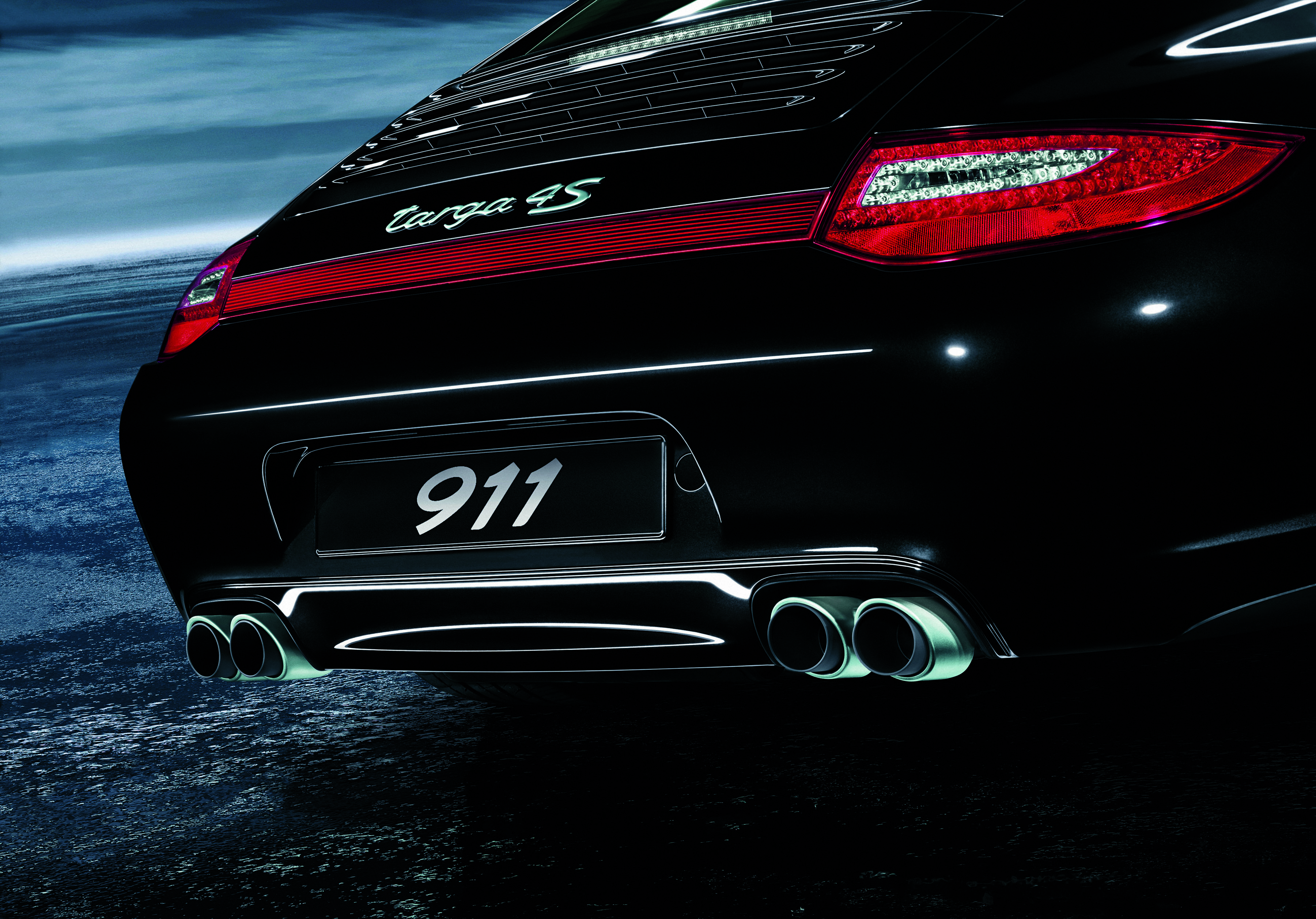
The new sports exhaust system: Powerful Sound at the Touch of a Button
|
|
|
|
|
|
|
Dr. Ing. h.c. F. Porsche AG
|
Image
|
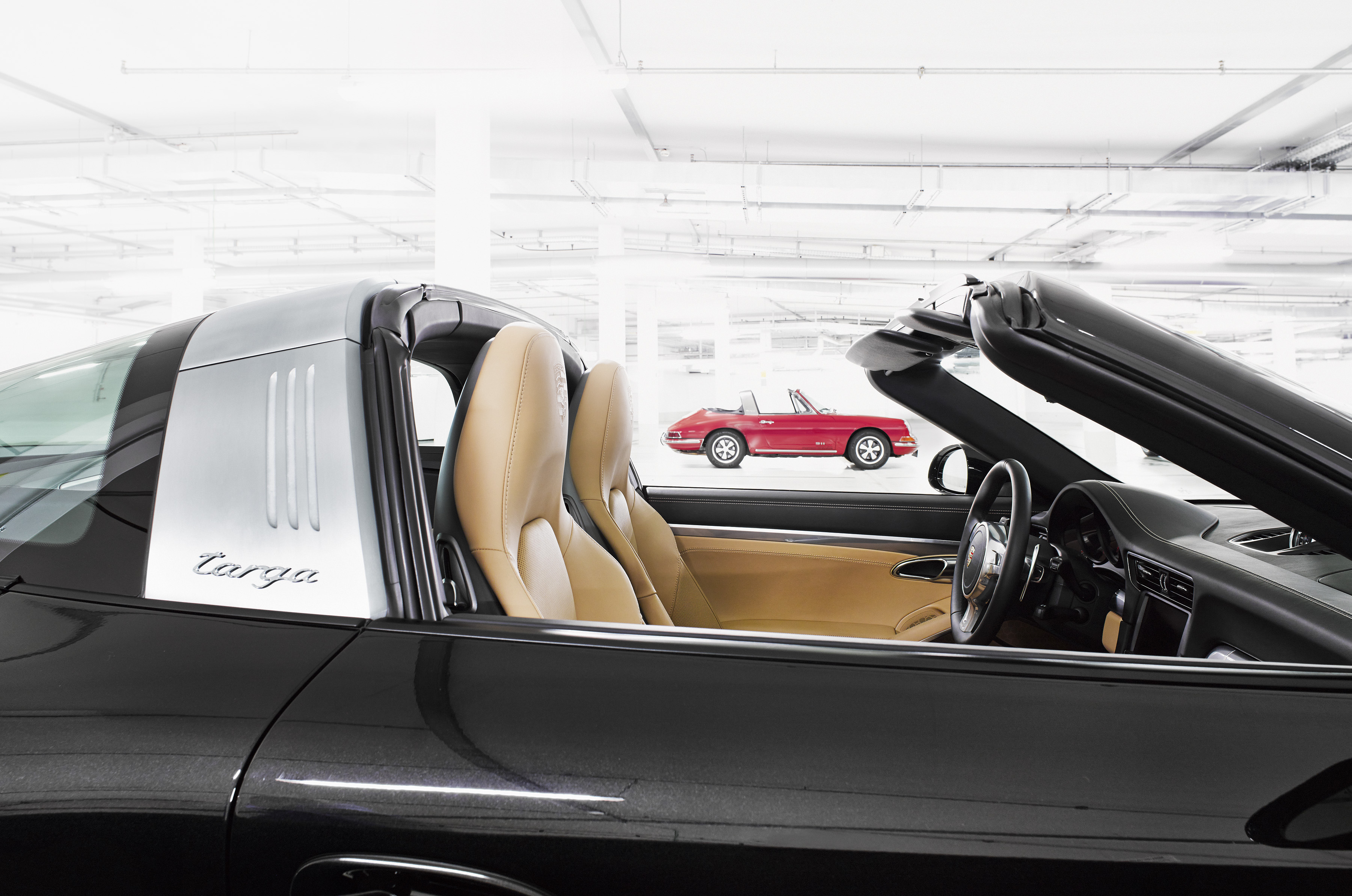
The new Targa meets ist forerunner: A 911 Targa 2.0 from 1967 in the background, and the 911 Targa 4S in the foreground. The newcomerôs top opens at the press of a button, whereas the old one had to be removed and stowed away by hand.
|
Porsche
|
911
|
Targa 4S
|
991 I
|
|
|
Dr. Ing. h.c. F. Porsche AG
|
Image
|
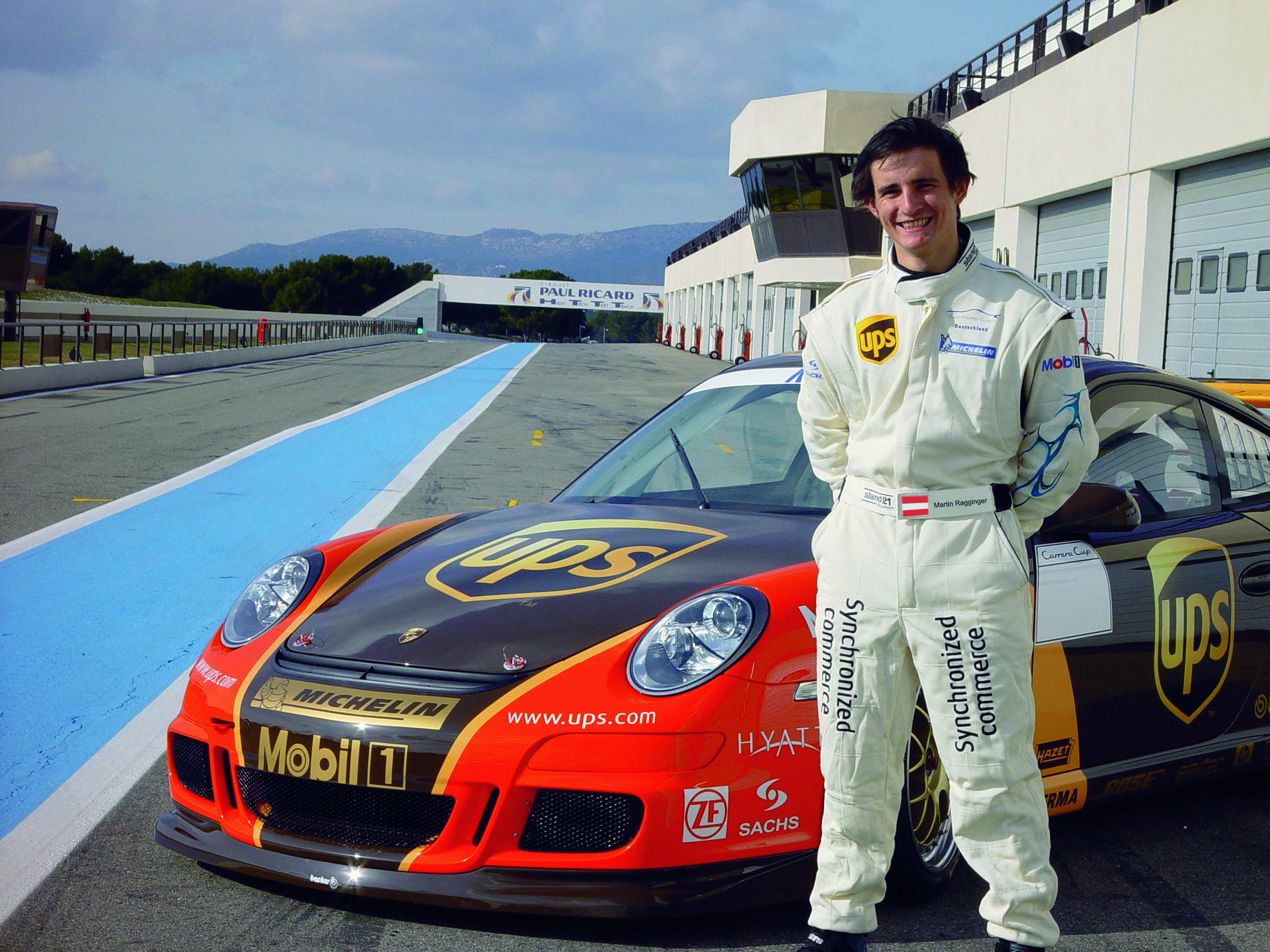
The new UPS-Porsche-Junior: Martin Ragginger in front of the Porsche GT3 Cup
|
|
|
|
|
|
|
Dr. Ing. h.c. F. Porsche AG
|
Image
|
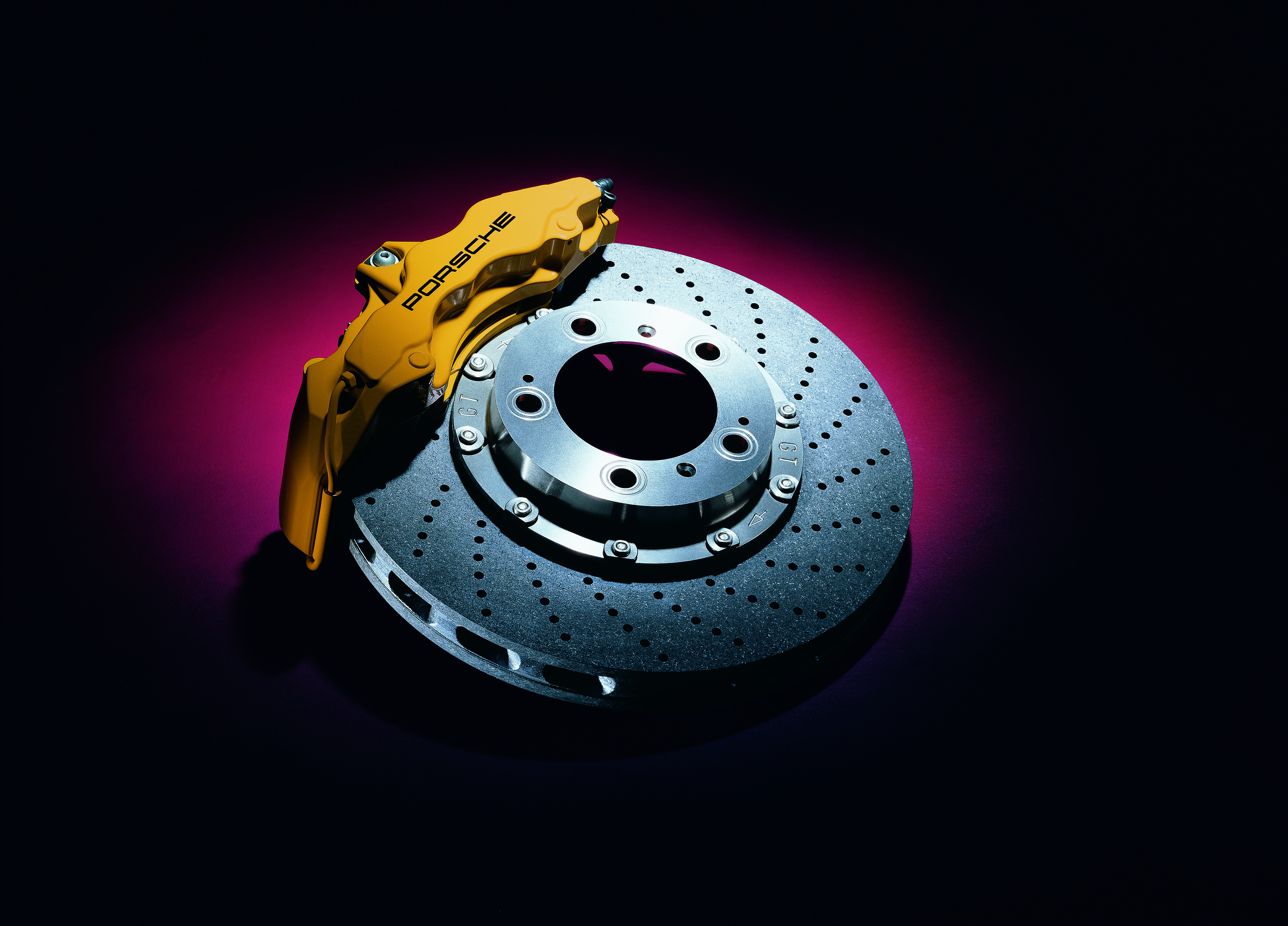
The new 911 GT3 can be fitted with the Porsche Ceramic Composite Brake (PCCB) on request
|
Porsche
|
911
|
GT3
|
996 II
|
|
|
Dr. Ing. h.c. F. Porsche AG
|
Image
|
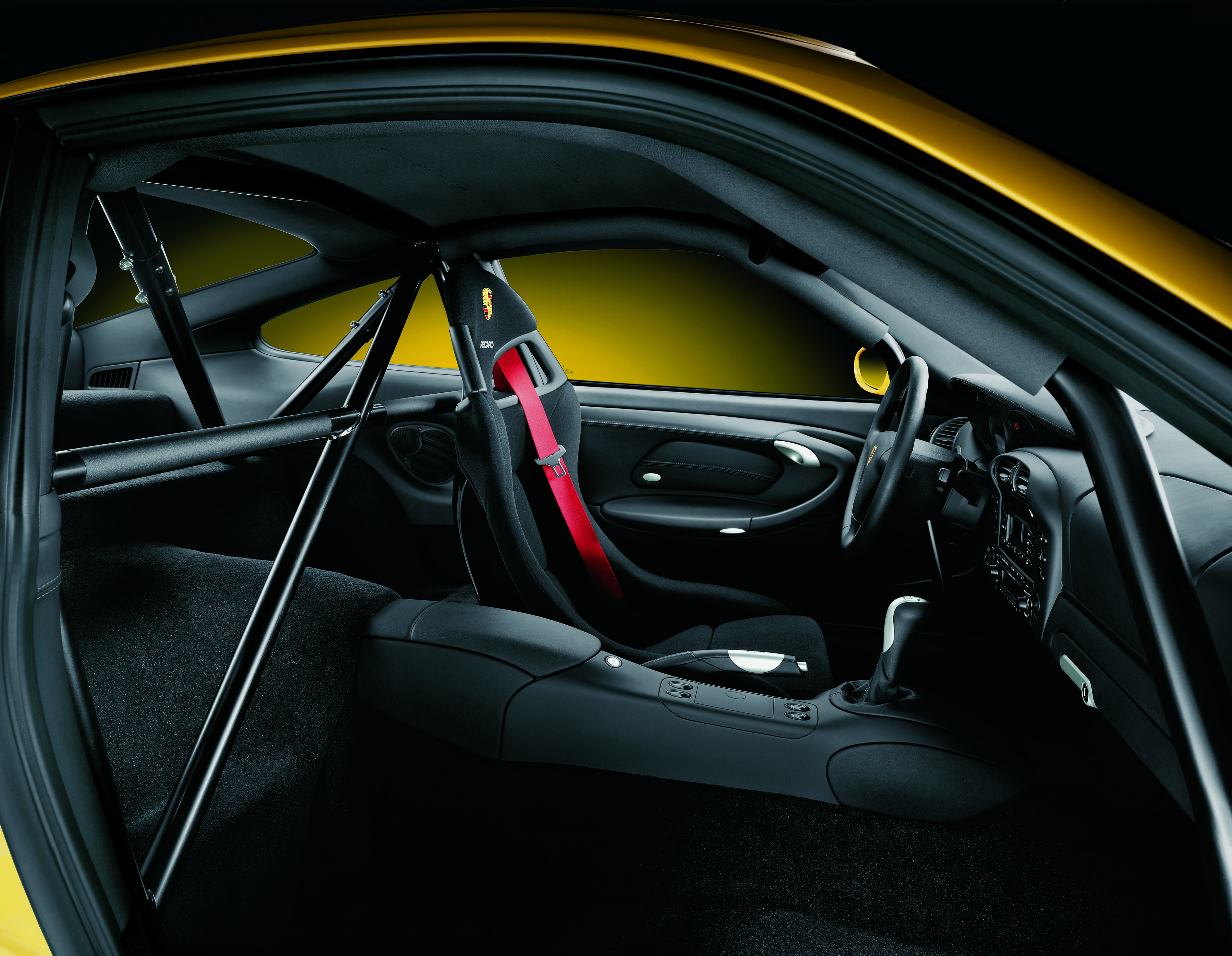
The new 911 GT3 Clubsport version with roll cage
|
Porsche
|
911
|
GT3
|
996 II
|
|
|
|
Image
|
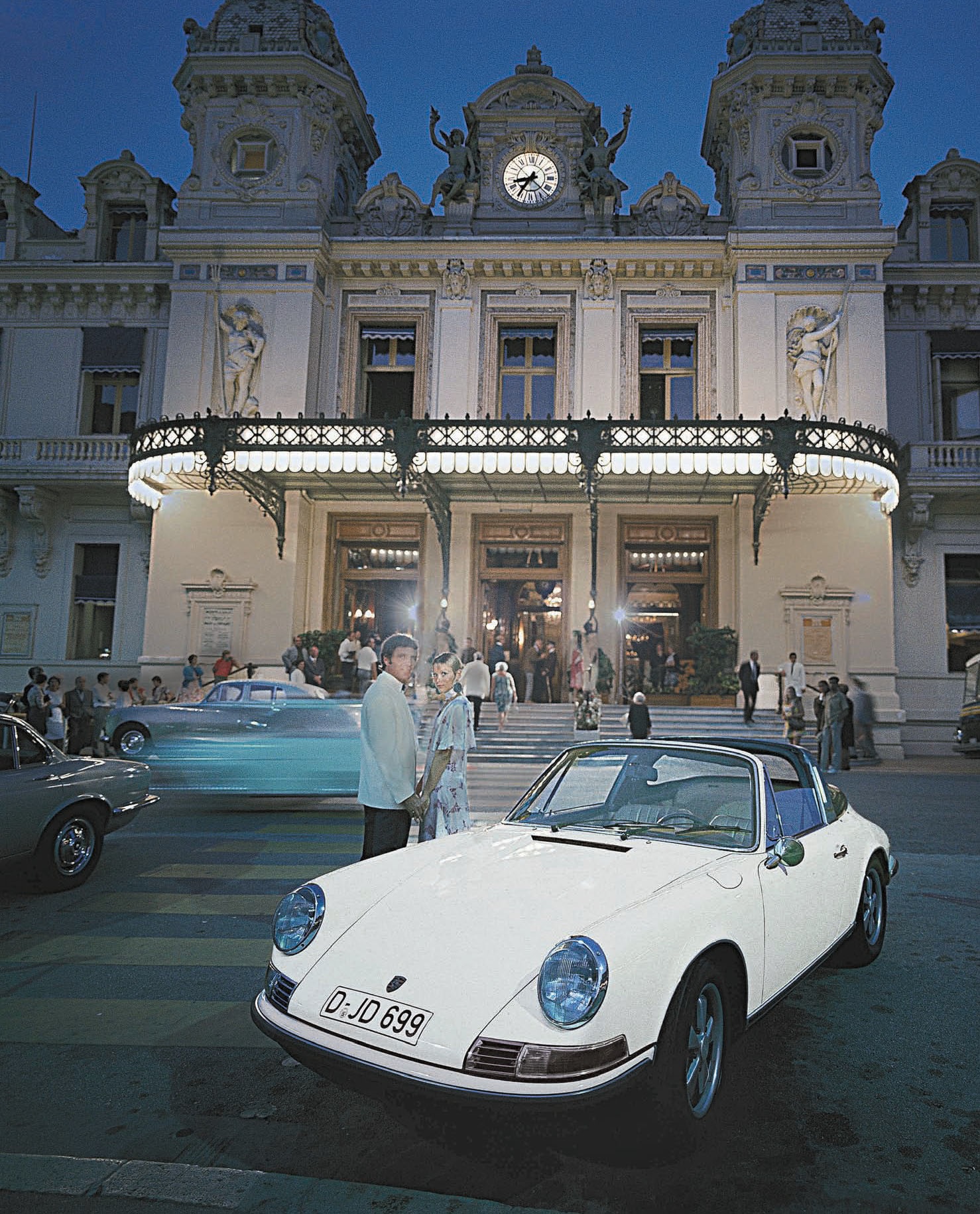
The new 911E was an elegant ride to an evening of opera or fine dining and dancing. Porsche introduced the fuel-injected E model and manufactured 1968 coupes and 858 Targas in 1969. Porsche Archiv
|
|
|
|
|
|
|
|
Image
|
The new 991, introduced for 2012, was immense fun, especially when equipped as an S with PDK and launch control. Four hundred horsepower (or 350 in the base Carrera) accelerated the 3,043-pound S coupe from 0-to-60 miles per hour in 4.3 seconds. Dave Engelman/Porsche Cars North America
|
|
|
|
|
|
|
Dr. Ing. h.c. F. Porsche AG
|
Image
|
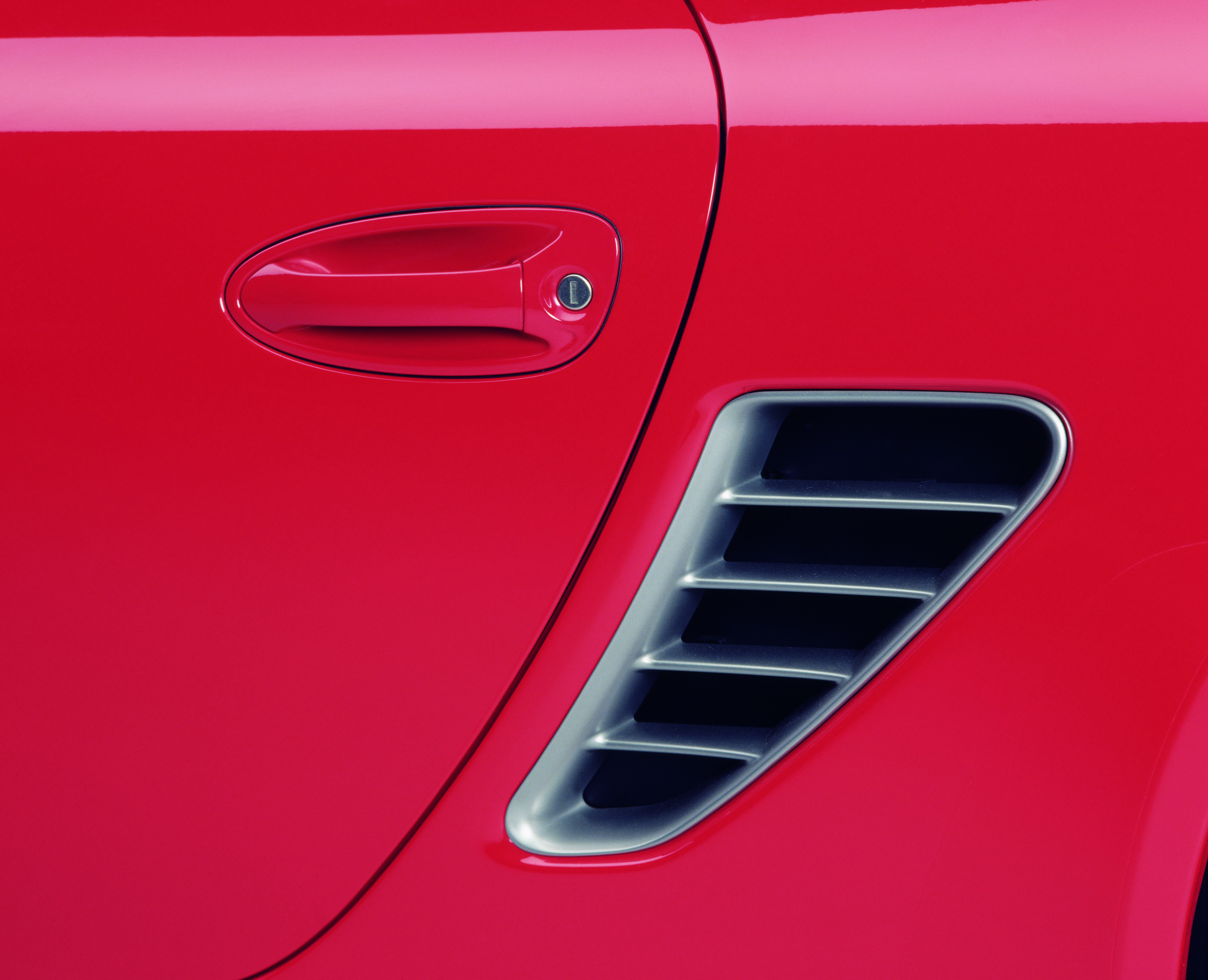
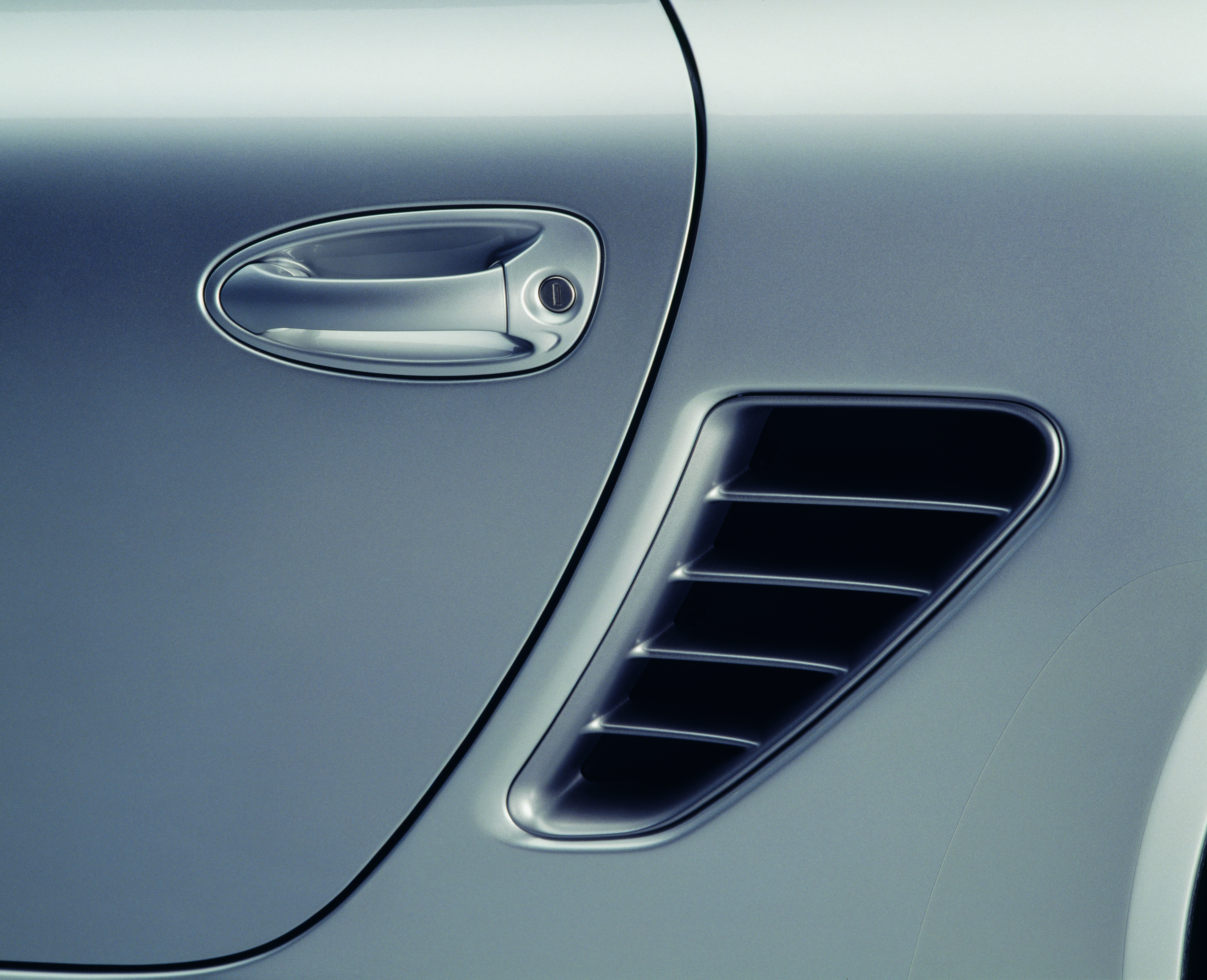
The newly designed, larger air inlet in the rear side section adopts the shapeof the Carrera GT's.
|
|
|
|
|
|
|
Dr. Ing. h.c. F. Porsche AG
|
Image
|
The newly designed, larger air inlet in the rear side section adopts the shapeof the Carrera GT's air inlets.
|
|
|
|
|
|
|
Dr. Ing. h.c. F. Porsche AG
|
Image
|
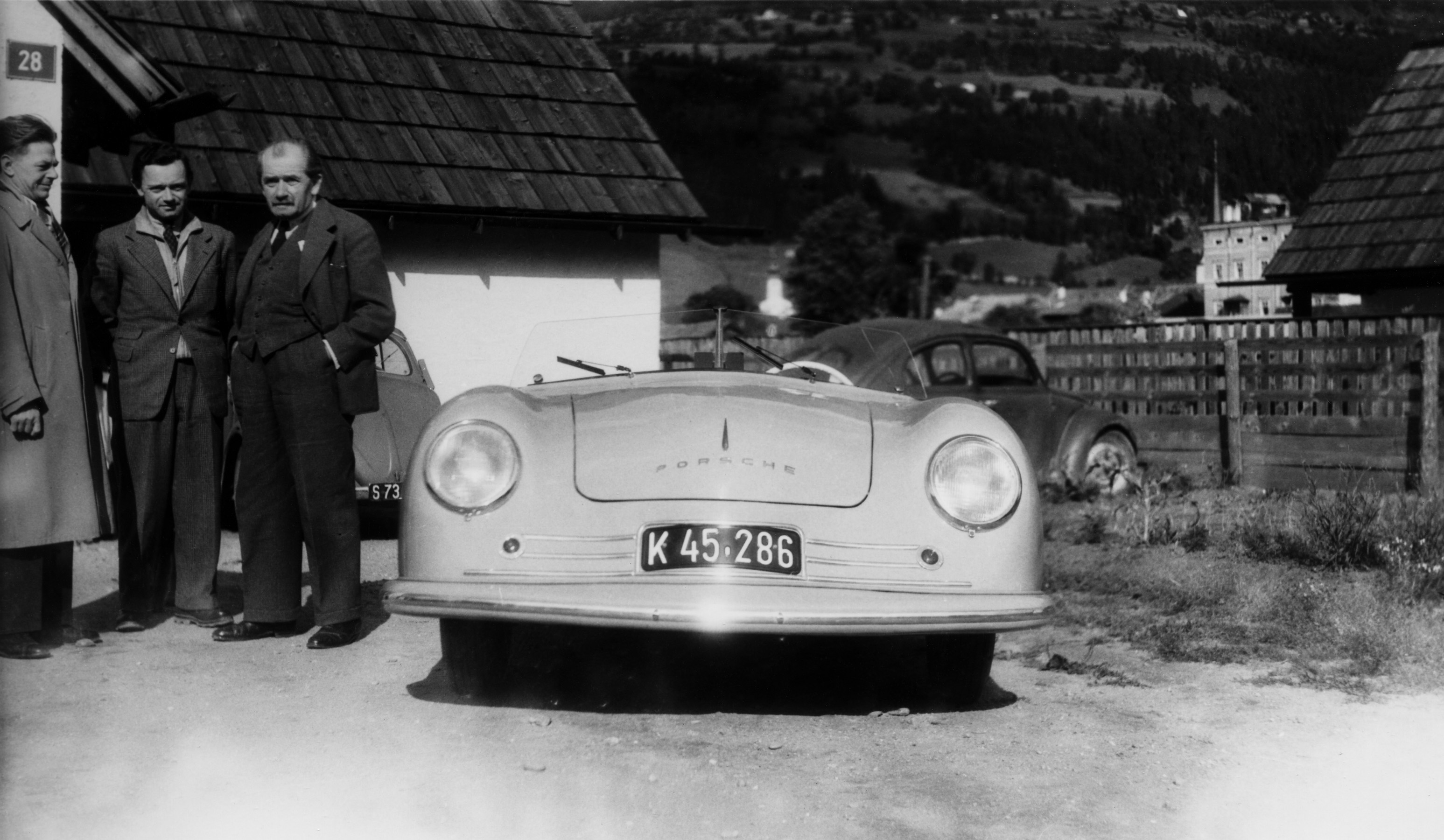
The No. 1, the first car to have the Porsche name: An aluminium roadster with a centrally-placed engine and a weight of 585 kg. 35 HP enabled speeds of up to 135 kilometres per hour.
|
Porsche
|
356
|
|
356
|
|
|
|
Image
|
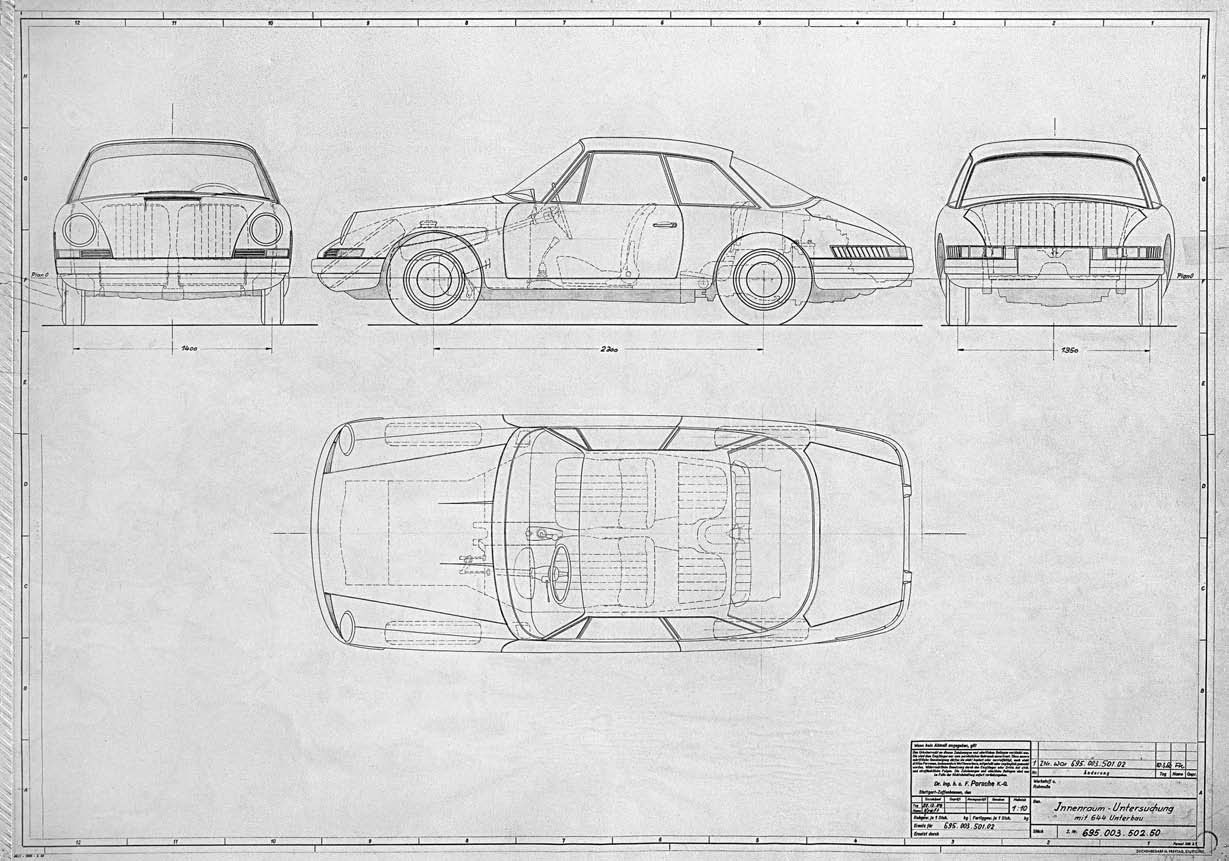
The notched roofline appeared in this Typ 695 drawing on the 644 undercarriage. Drawn December 22, 1959, this concept fit the car on the 2,300-millimeter wheelbase but with very short rear emergency seats. Porsche Archiv
|
|
|
|
|
|
|
Dr. Ing. h.c. F. Porsche AG
|
Image
|
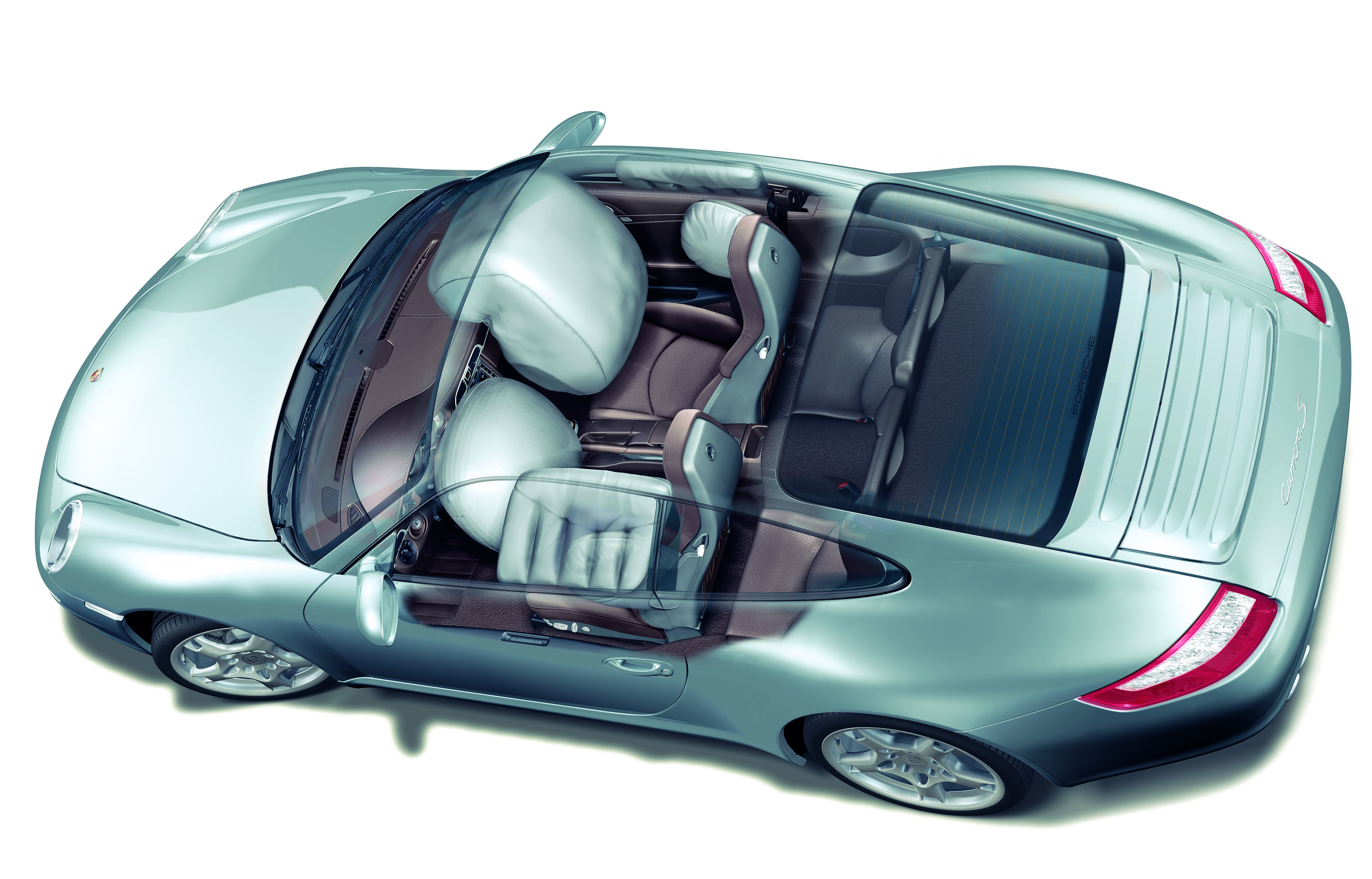
The occupant restraint system includes six airbags
|
Porsche
|
911
|
Carrera S
|
997 I
|
|
|
Dr. Ing. h.c. F. Porsche AG
|
Image
|
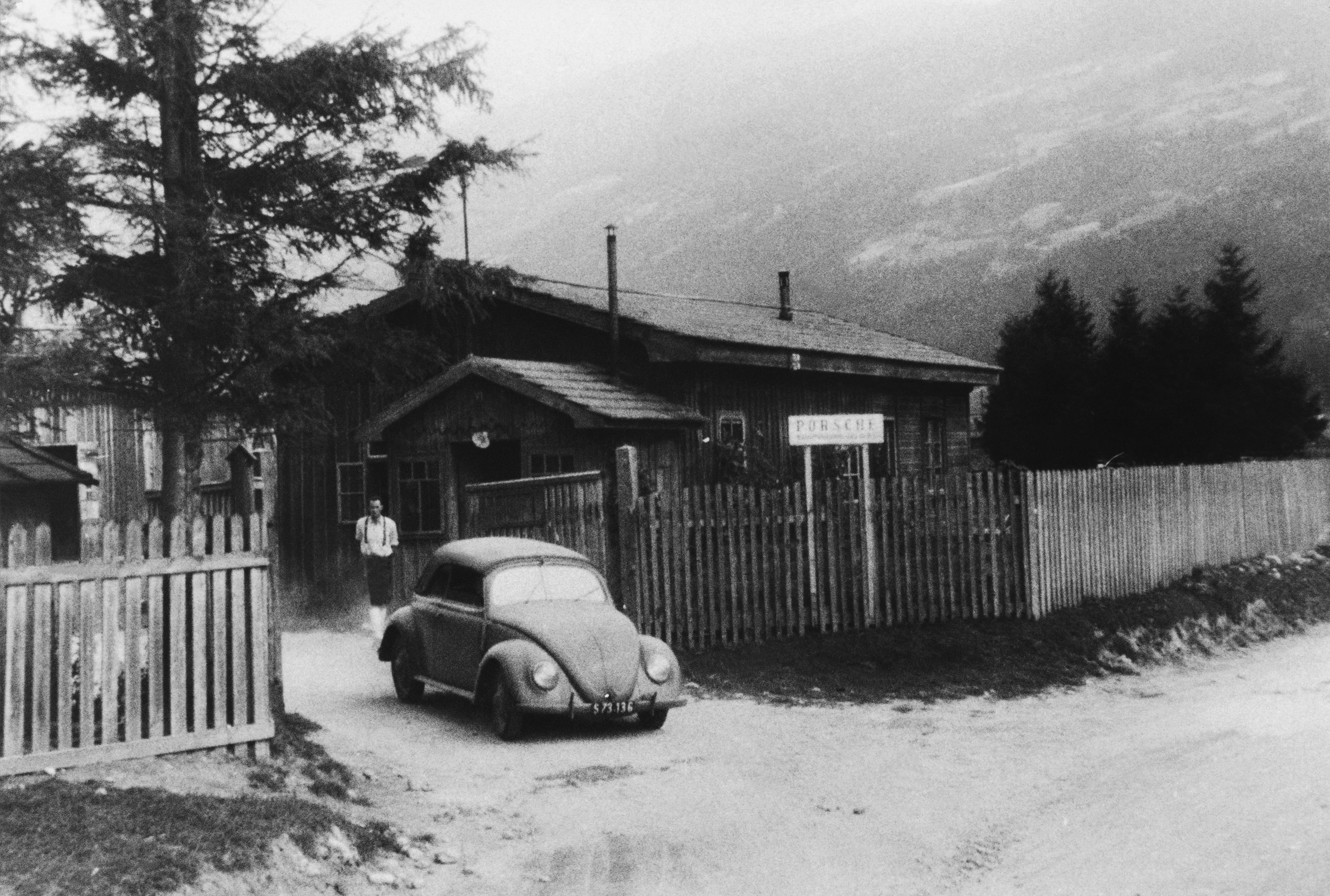
The office of Ferdinand Porsche (1875-1951) in Gmünd/Kärnten
|
|
|
|
|
|
|
Dr. Ing. h.c. F. Porsche AG
|
Image
|
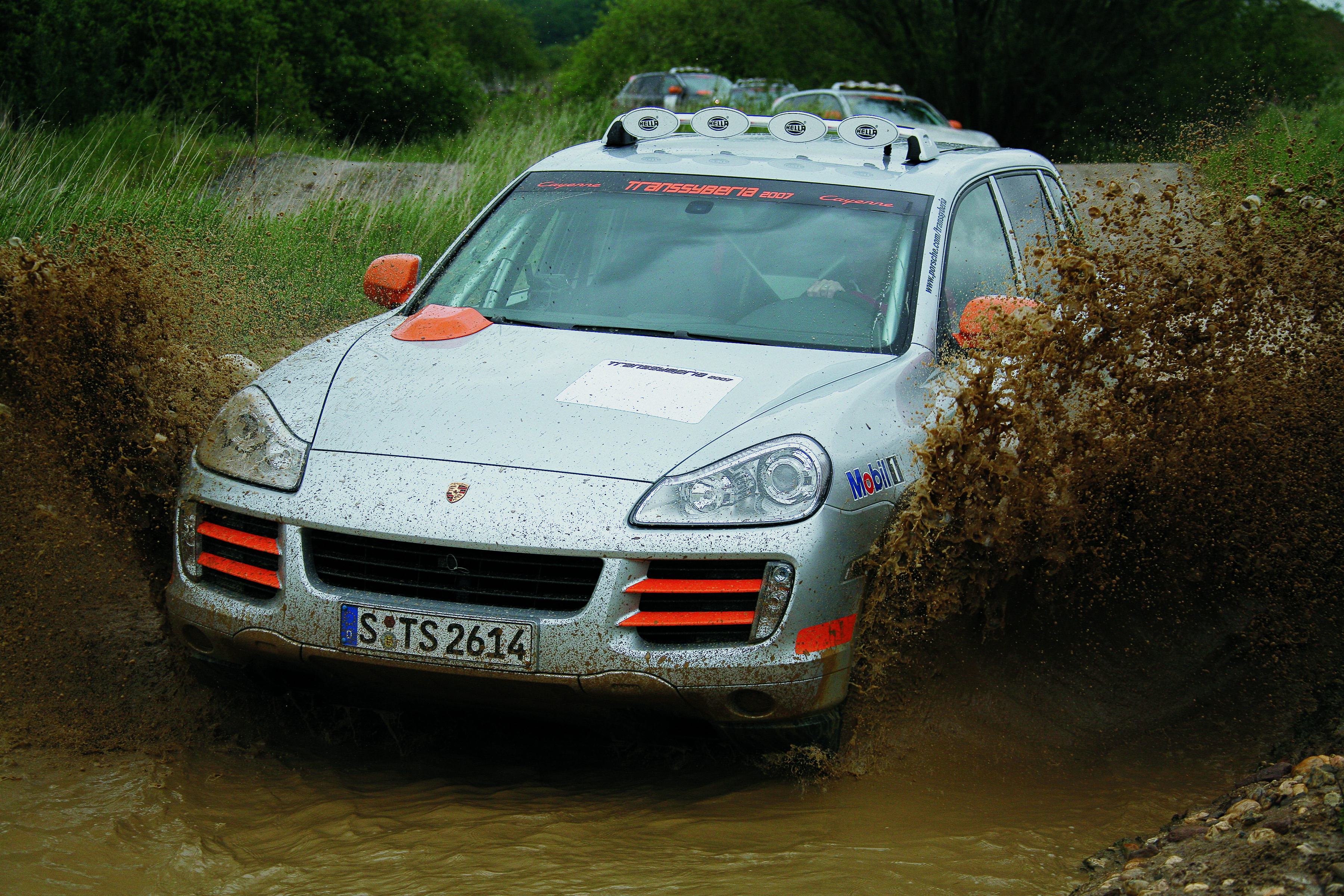
The offroad capabilities of the Cayenne S Transsyberia have been further improved.
|
Porsche
|
Cayenne
|
Cayenne S
|
E1 II
|
|
|
Dr. Ing. h.c. F. Porsche AG
|
Image
|
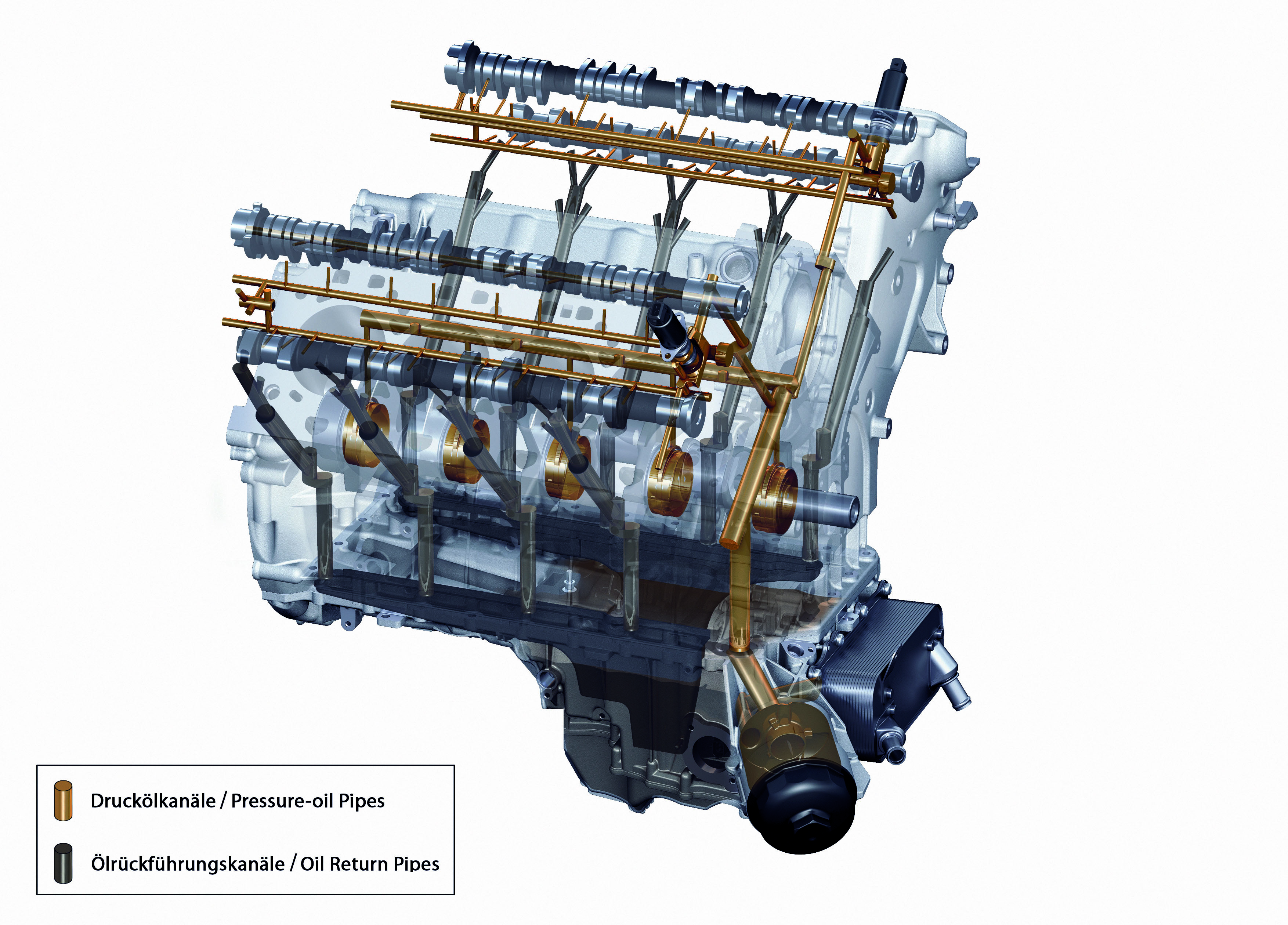
The oil circuit of the Cayenne S engine with variable oil pump
|
Porsche
|
Cayenne
|
Cayenne S
|
E1 II
|
|
|
|
Image
|
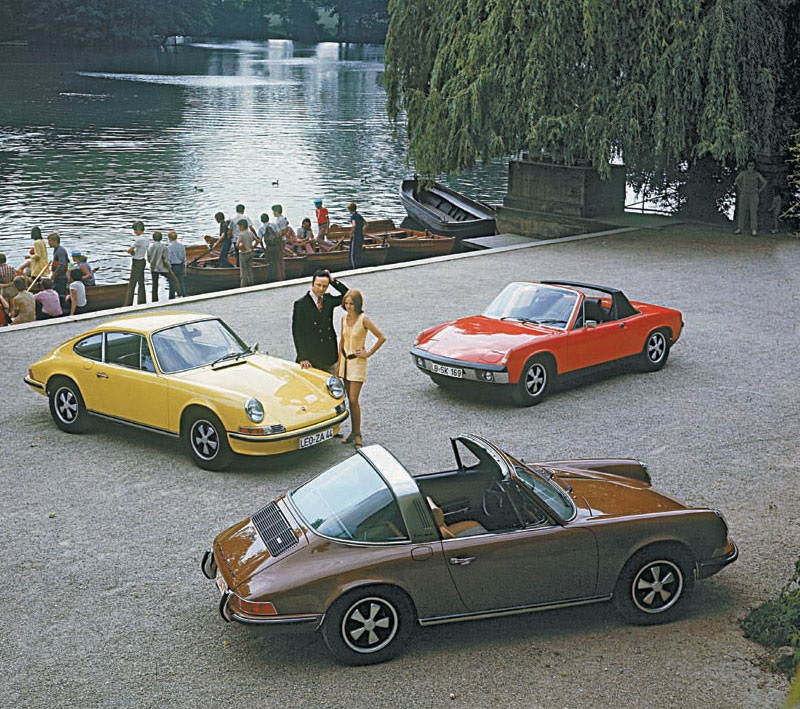
The only model missing from this 1972 lineup was a T. Models posed beside a new 2.4-liter S, with an E Targa in the foreground and a 914-6 in the rear. Porsche Archiv
|
|
|
|
|
|
|
Dr. Ing. h.c. F. Porsche AG
|
Image
|
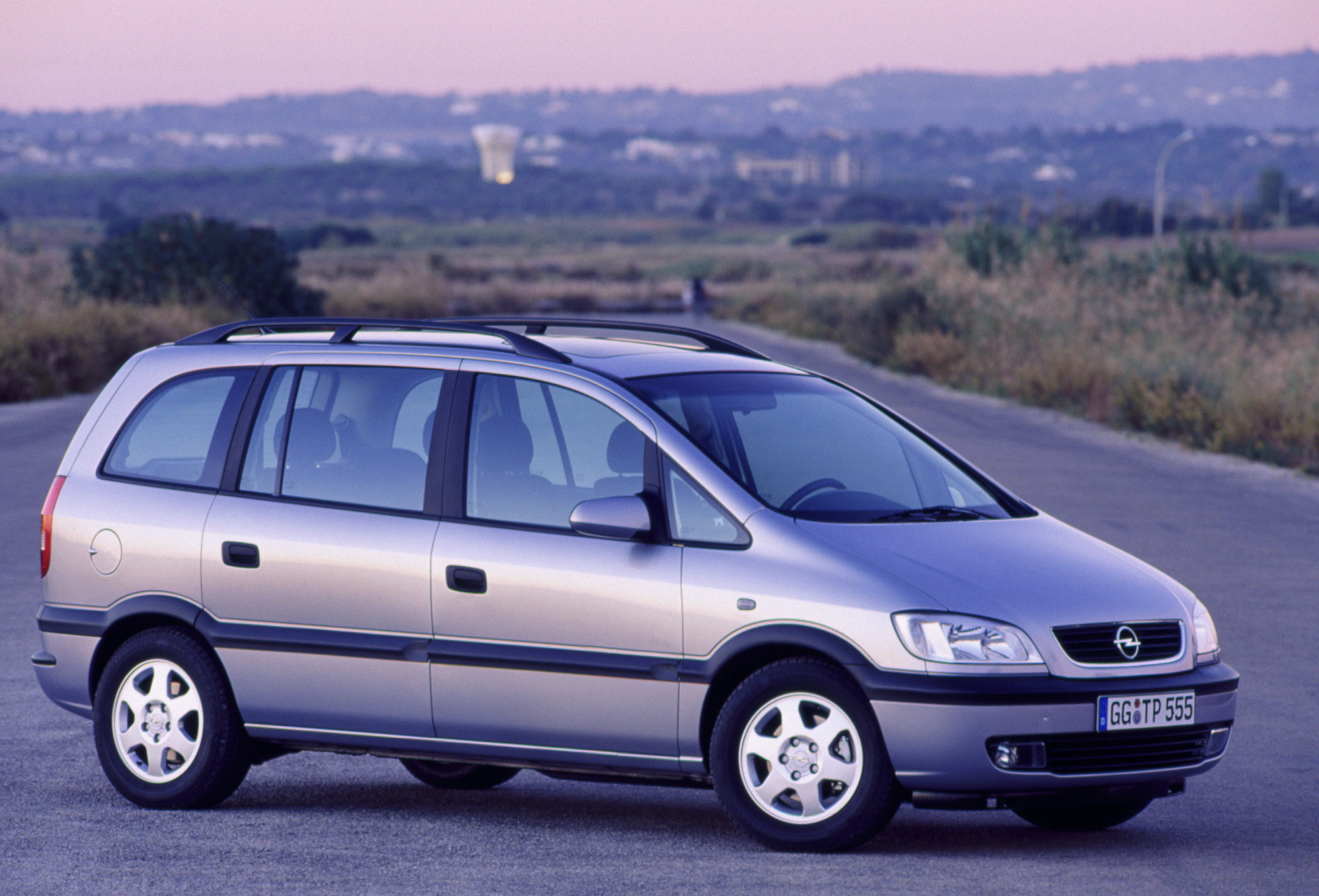
The Opel Zafira compact van presented in 1999 was also developed in Weissach
|
Opel
|
|
Zafira
|
|
|
|
|
Image
|
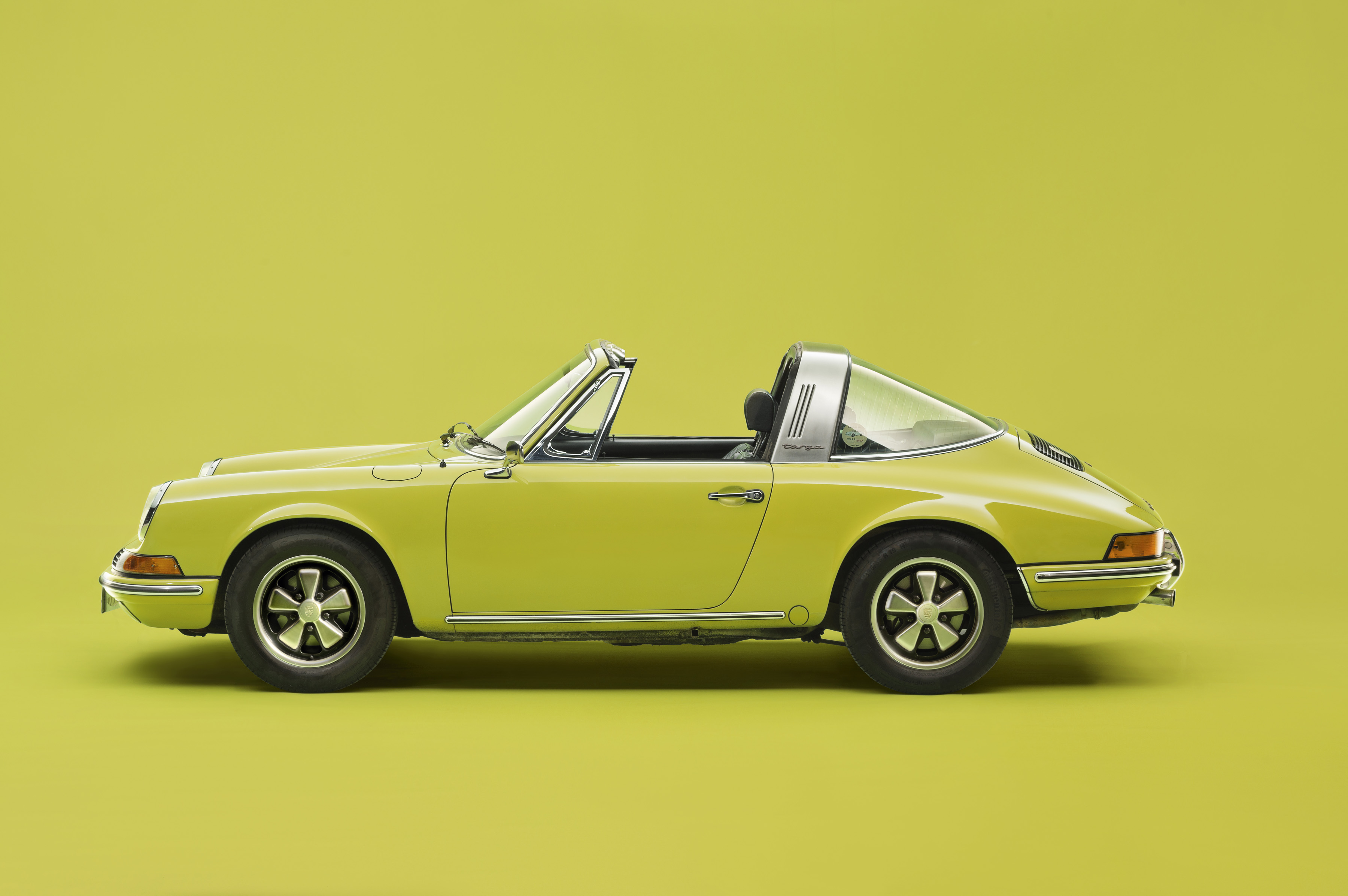
The Original 911 (1967 - 1973), Linden Green
|
Porsche
|
911
|
Targa
|
|