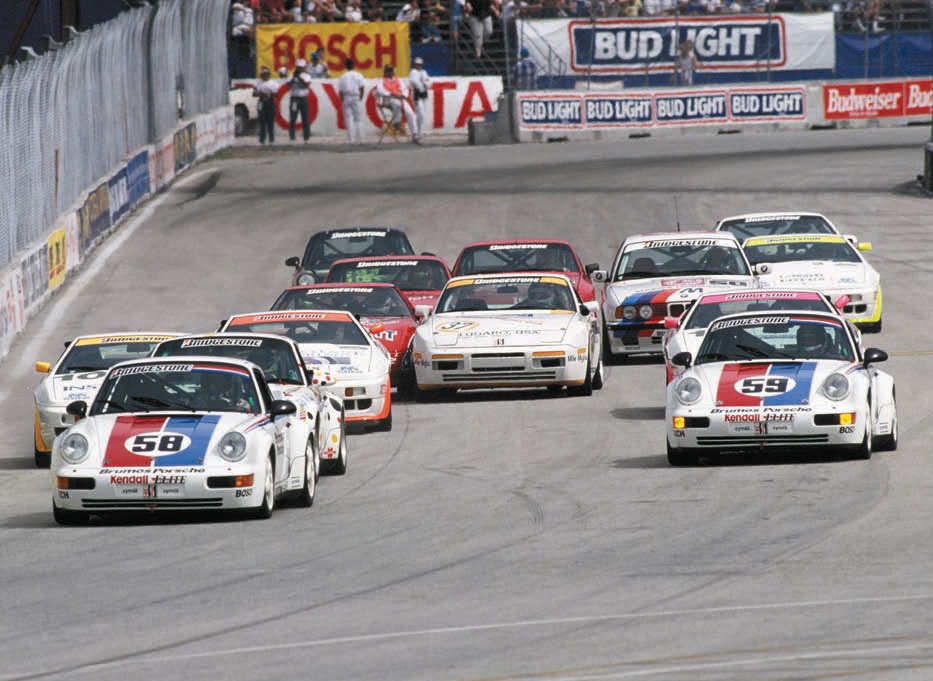
The racing was extremely close during the IMSA Supercar series. Brumos team cars 58 and 59, with either Hans Stuck or Hurley Haywood driving, held off the challenges through the 1991, 1992, and 1993 seasons, winning the Supercar championship three years in succession. Porsche Archiv
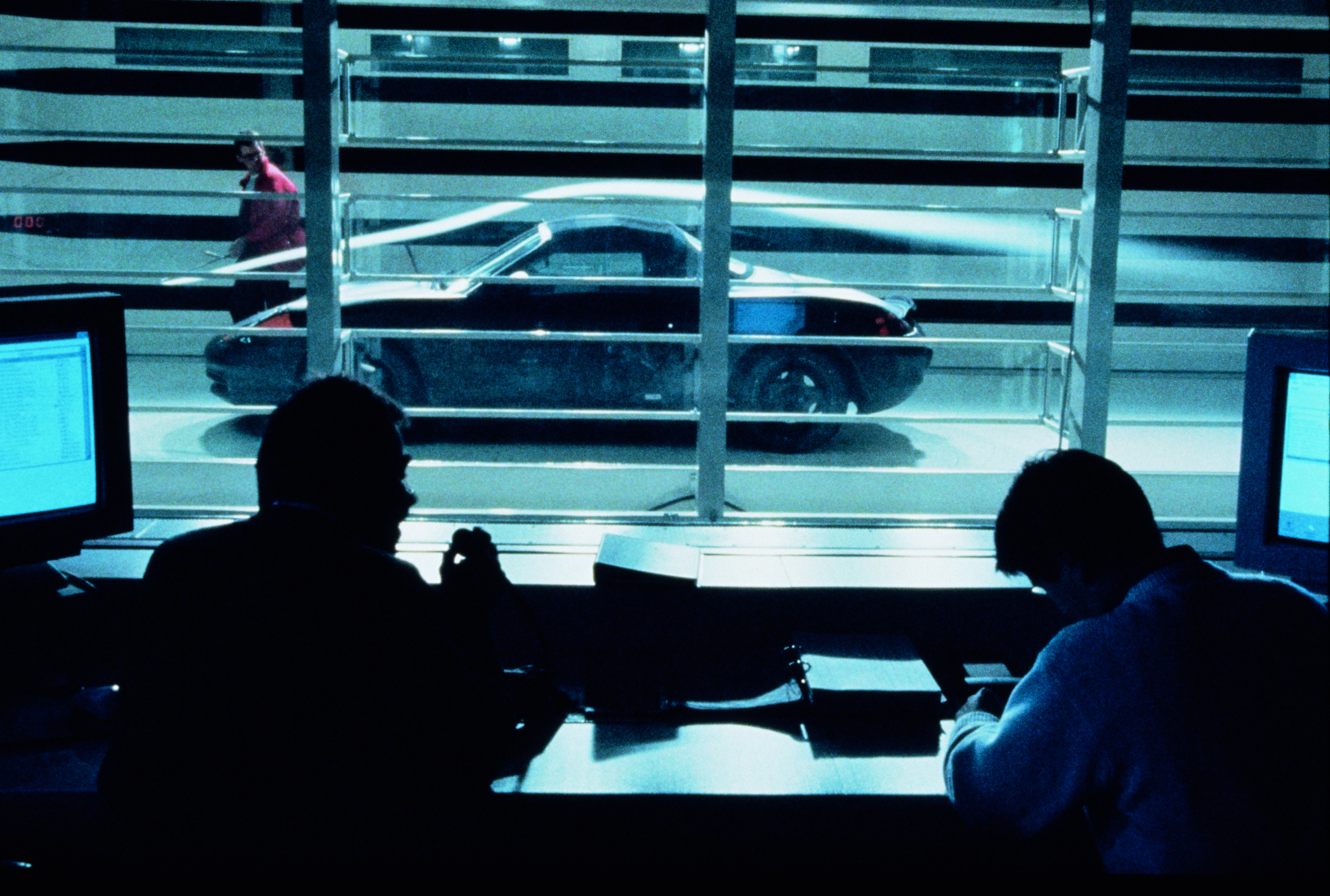
The readings ascertained in the wind tunnel are recorded by computer
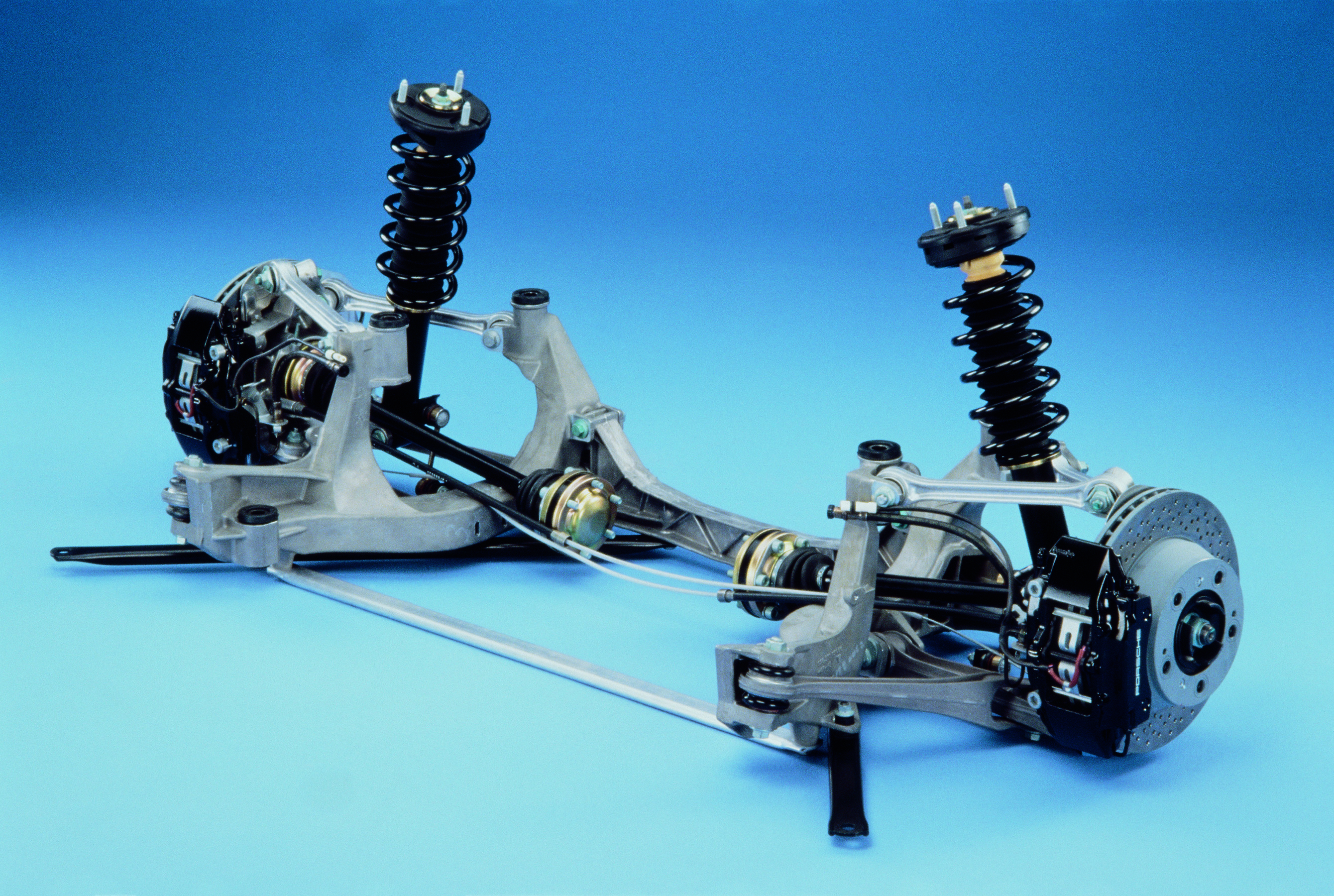
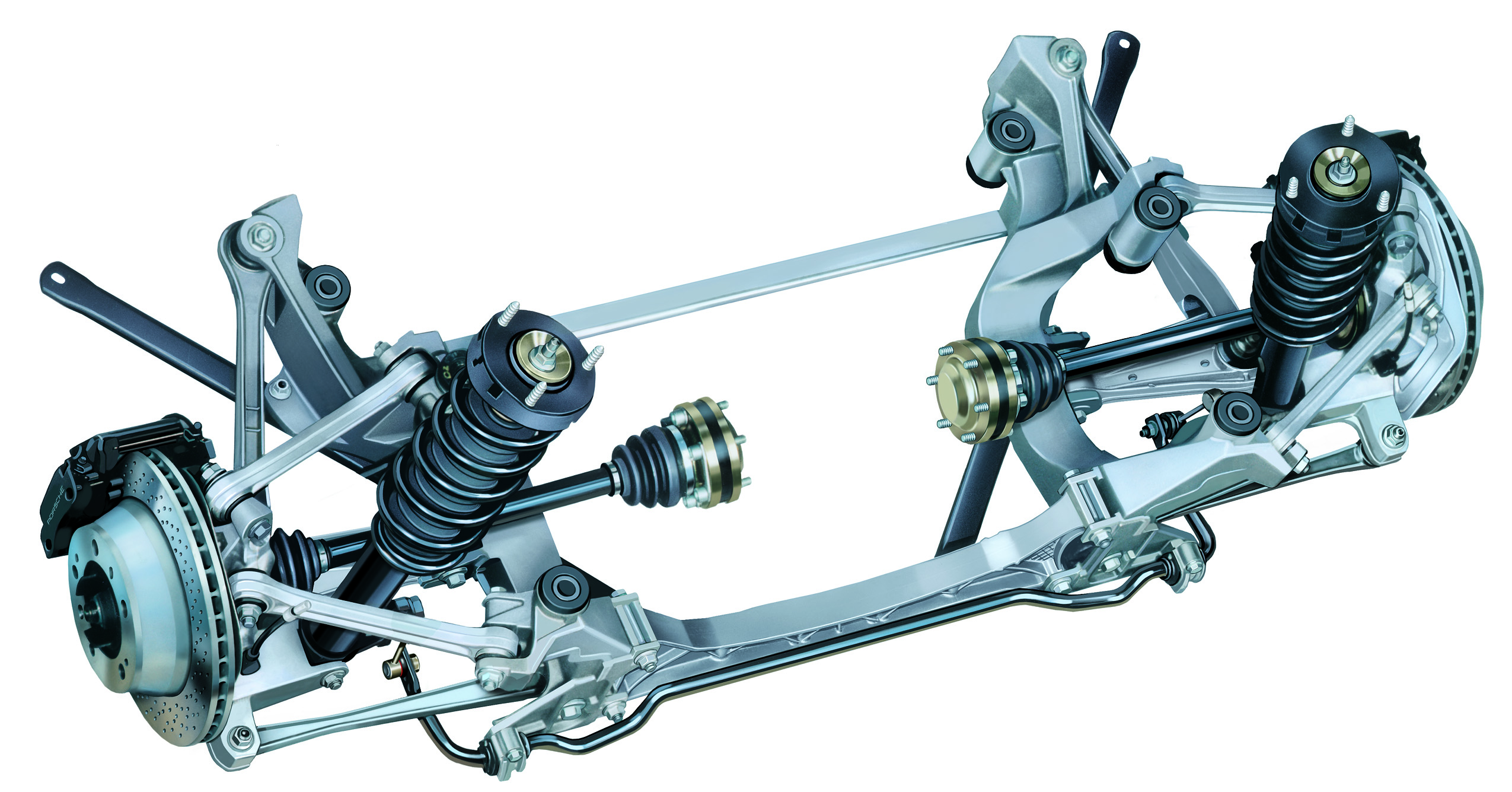
The rear axle has directly acting stabilizers in the pipe construction
The rear axle has directly acting stabilizers in the pipe construction
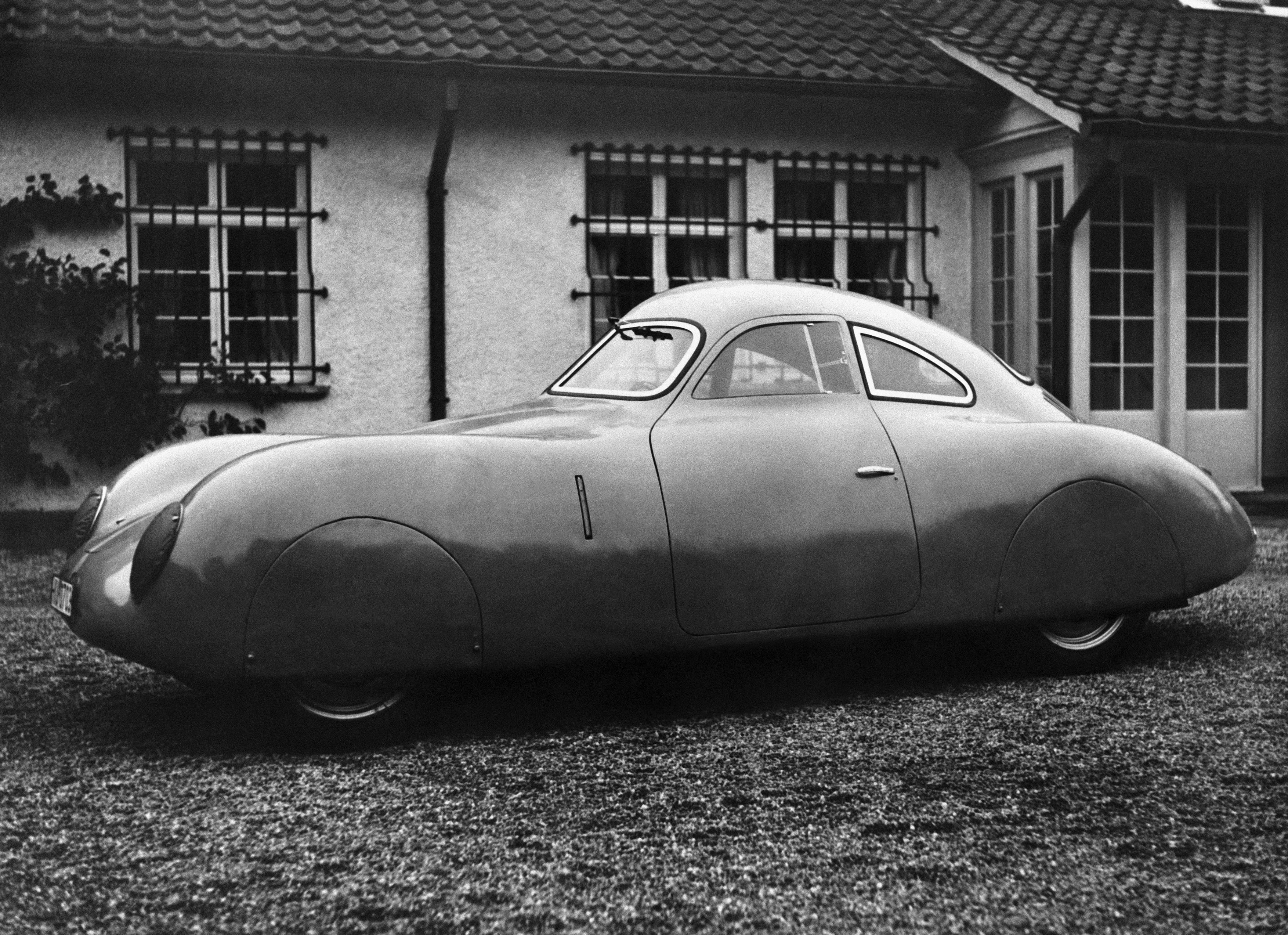
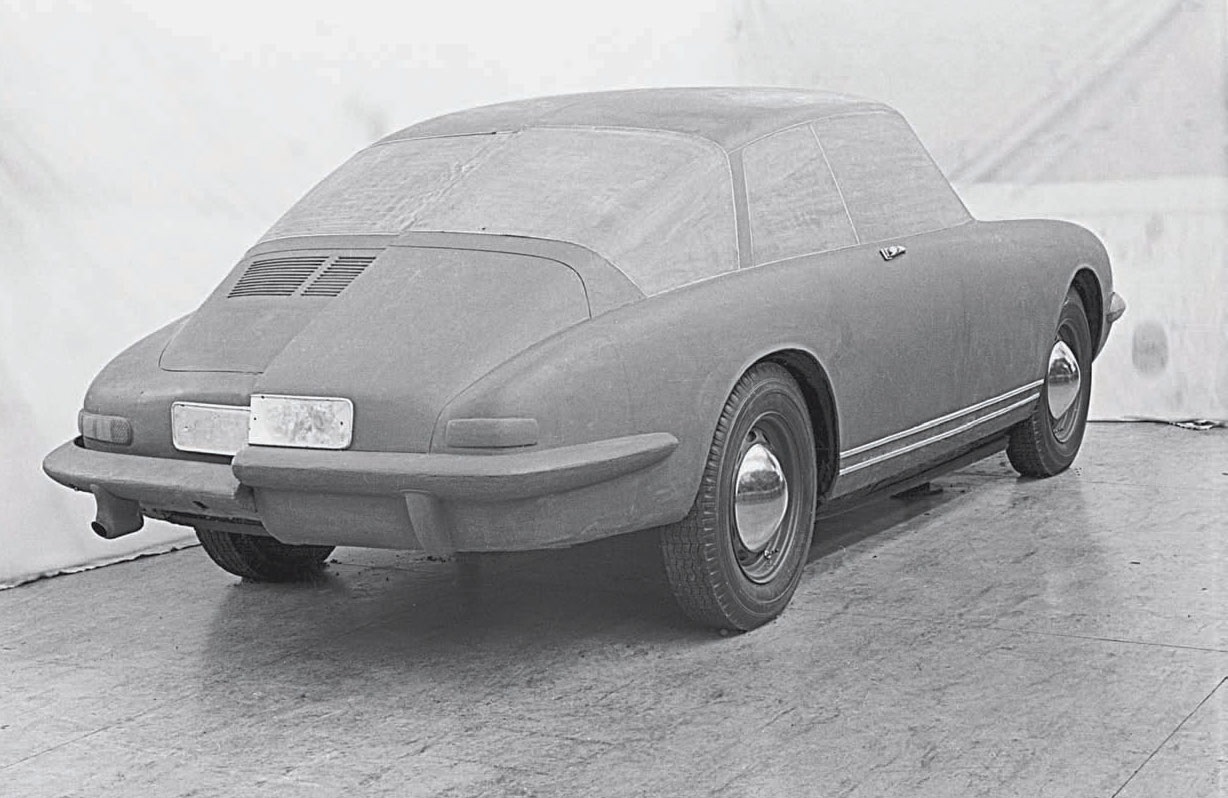
The rear of Klie’s B side appeared to offer a bit more room for the engine with higher bumper height as well. Klie may have known of pending regulations, or he meant only to do something differently than Goertz. Porsche Archiv
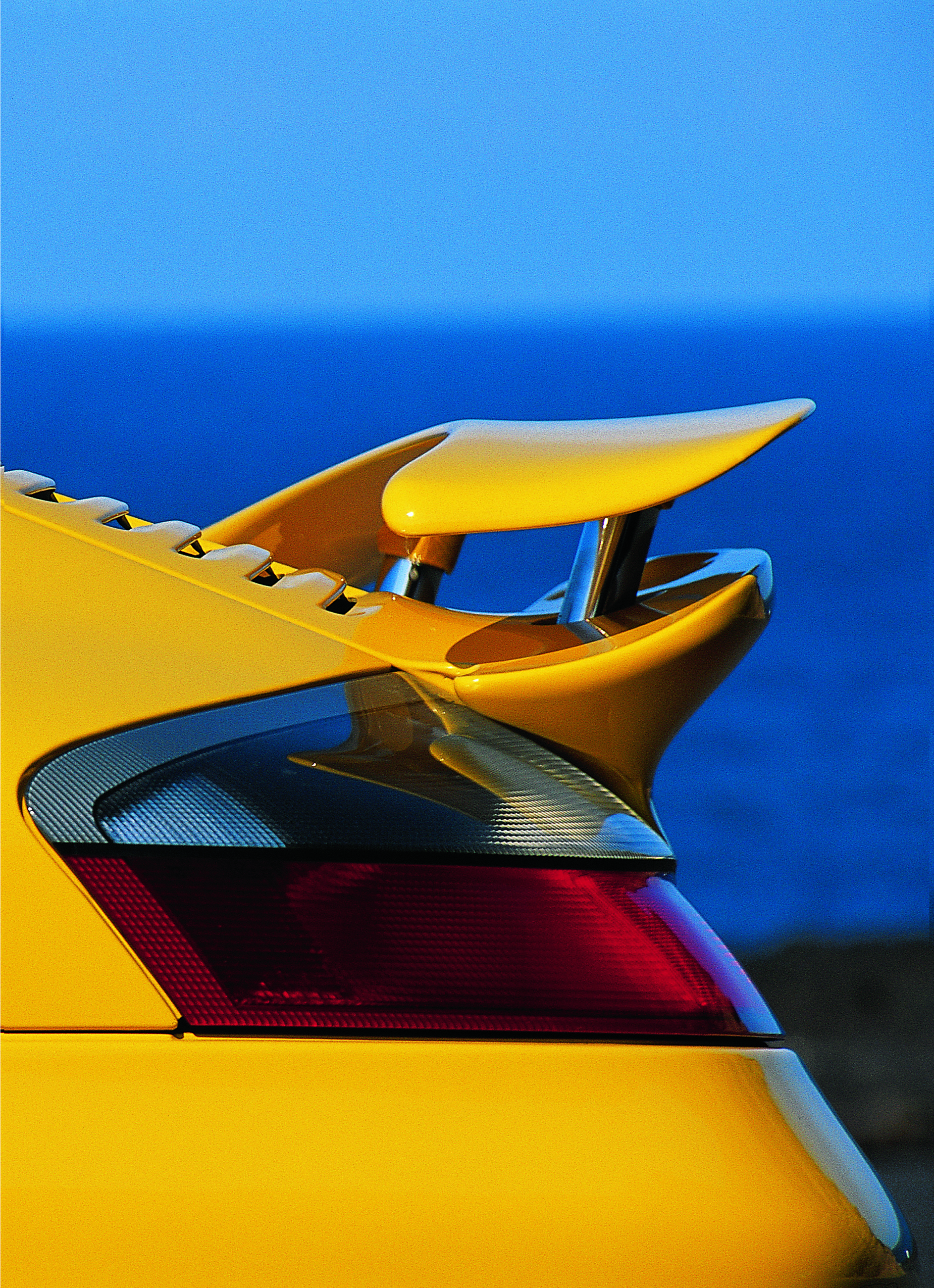
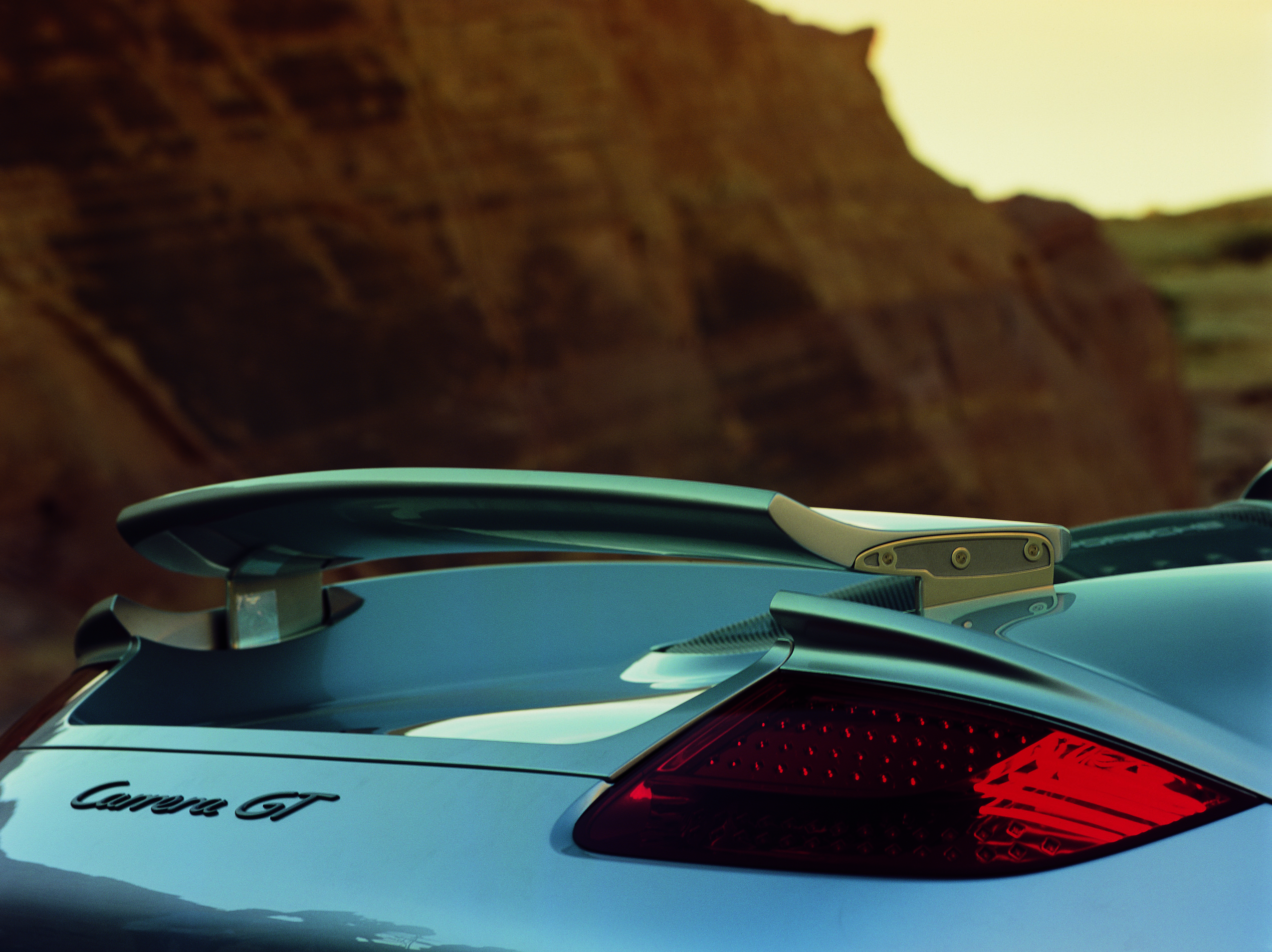
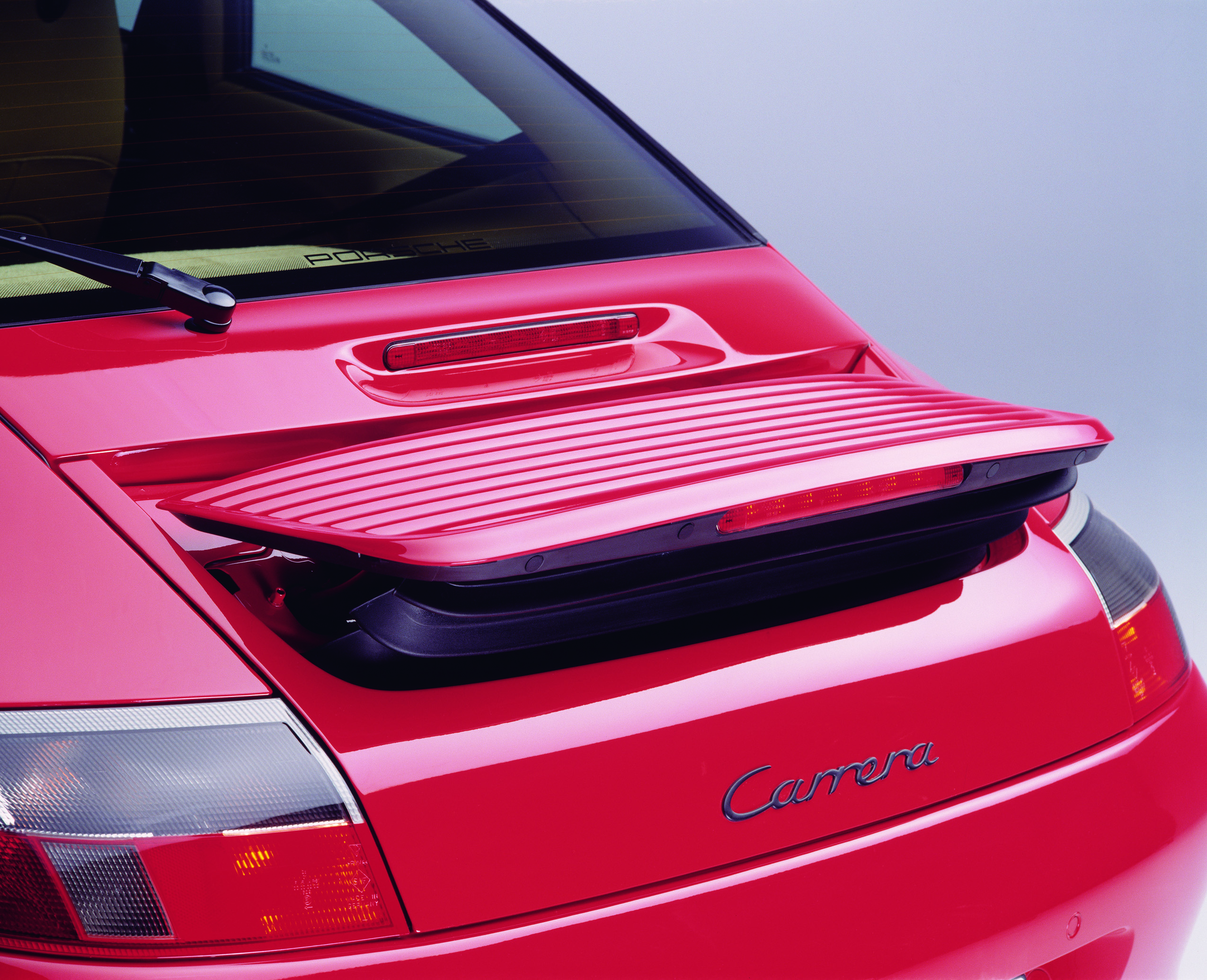
The rear spoiler extends automatically at a speed of 120 km/h (75 mph)
The rear spoiler extends automatically at a speed of 120 km/h (75 mph)
The rear spoiler extends automatically at a speed of 120 km/h (75 mph)