|
Dr. Ing. h.c. F. Porsche AG
|
Image
|
the Porsche 924
|
Porsche
|
924
|
|
924
|
|
|
Dr. Ing. h.c. F. Porsche AG
|
Image
|
the Porsche 924
|
Porsche
|
924
|
|
924
|
|
|
Dr. Ing. h.c. F. Porsche AG
|
Image
|
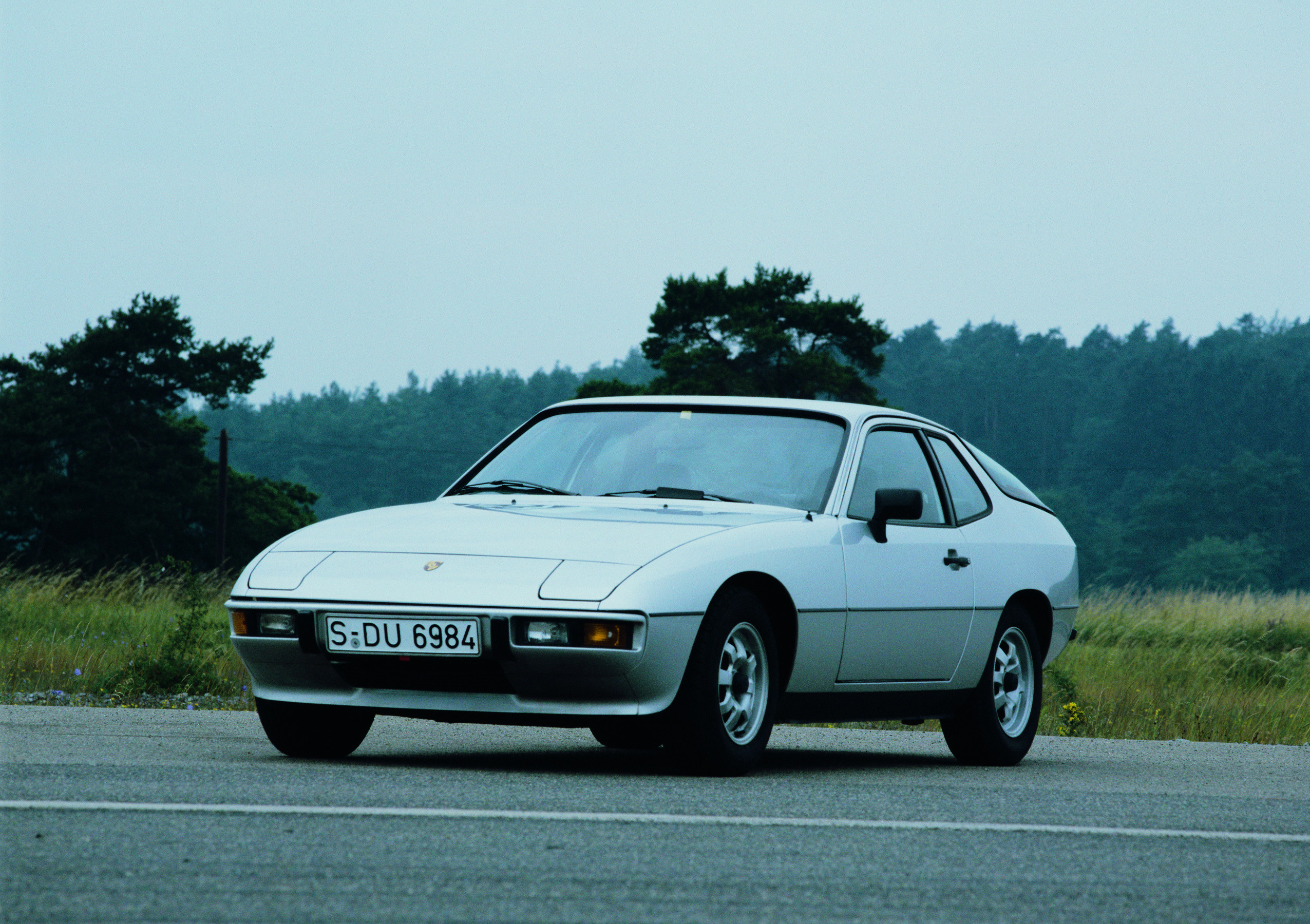
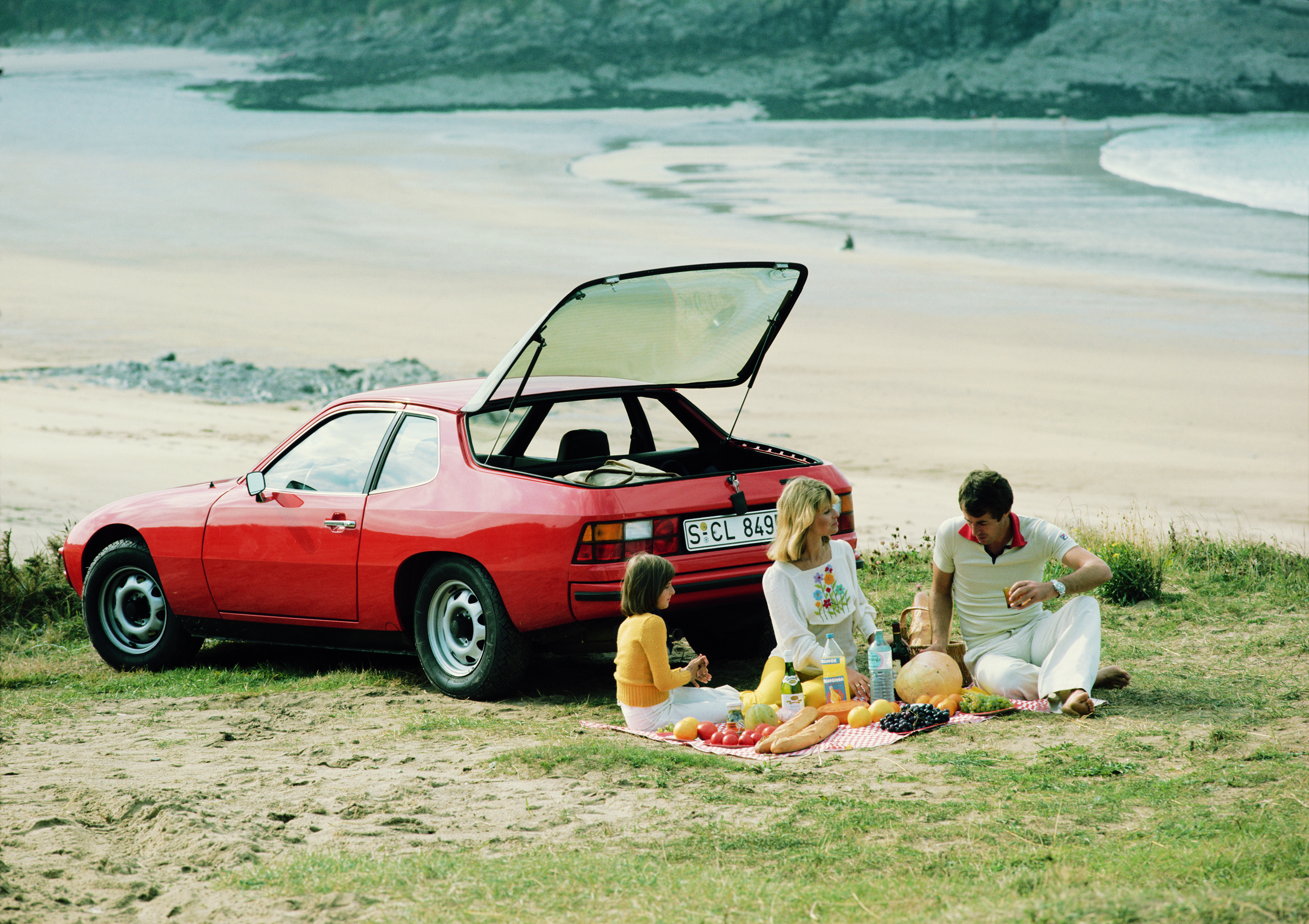
The Porsche 924 produced from 1975 to 1985 emerges as the result of a Volkswagen engineering order which did not materialize
|
|
|
|
|
|
|
Dr. Ing. h.c. F. Porsche AG
|
Image
|
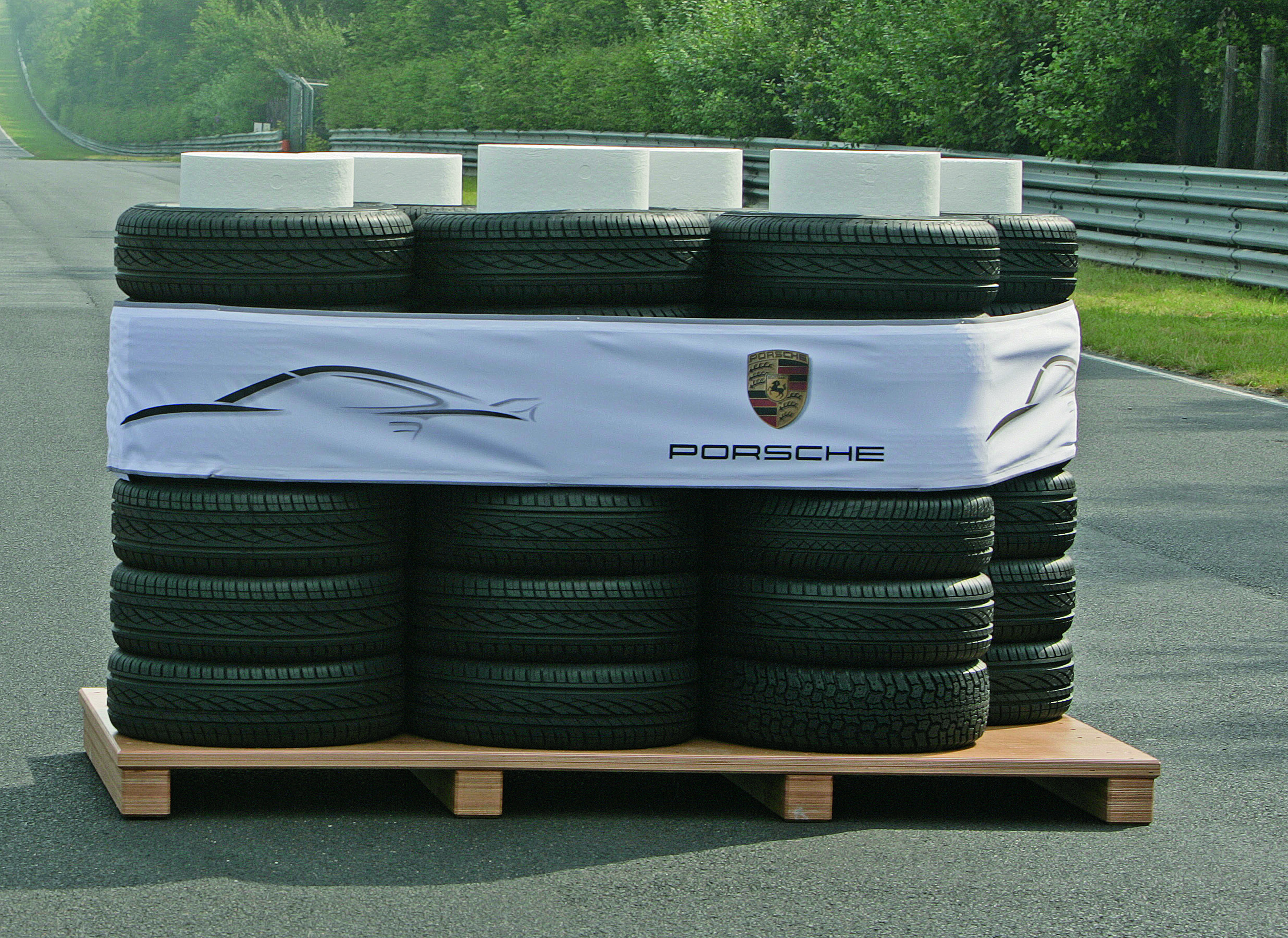
The Porsche-developed crash cushions for race and test tracks can absorb substantially more energy than crash barriers.
|
|
|
|
|
|
|
Dr. Ing. h.c. F. Porsche AG
|
Image
|
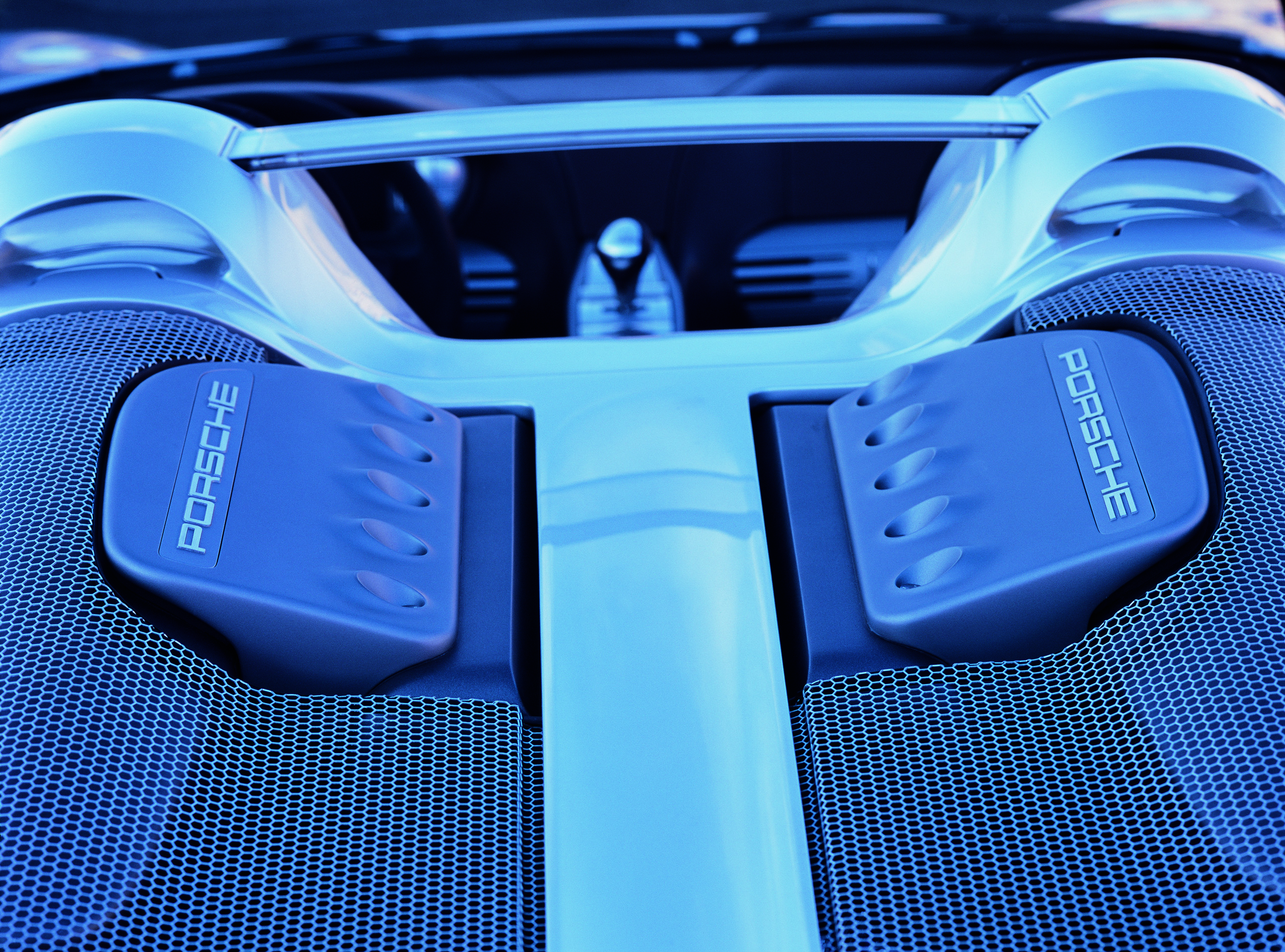
The power domes above the V10 normal-aspiration engine are made of cross-drilled light alloy
|
Porsche
|
Carrera GT
|
Carrera GT
|
980
|
|
|
Dr. Ing. h.c. F. Porsche AG
|
Image
|
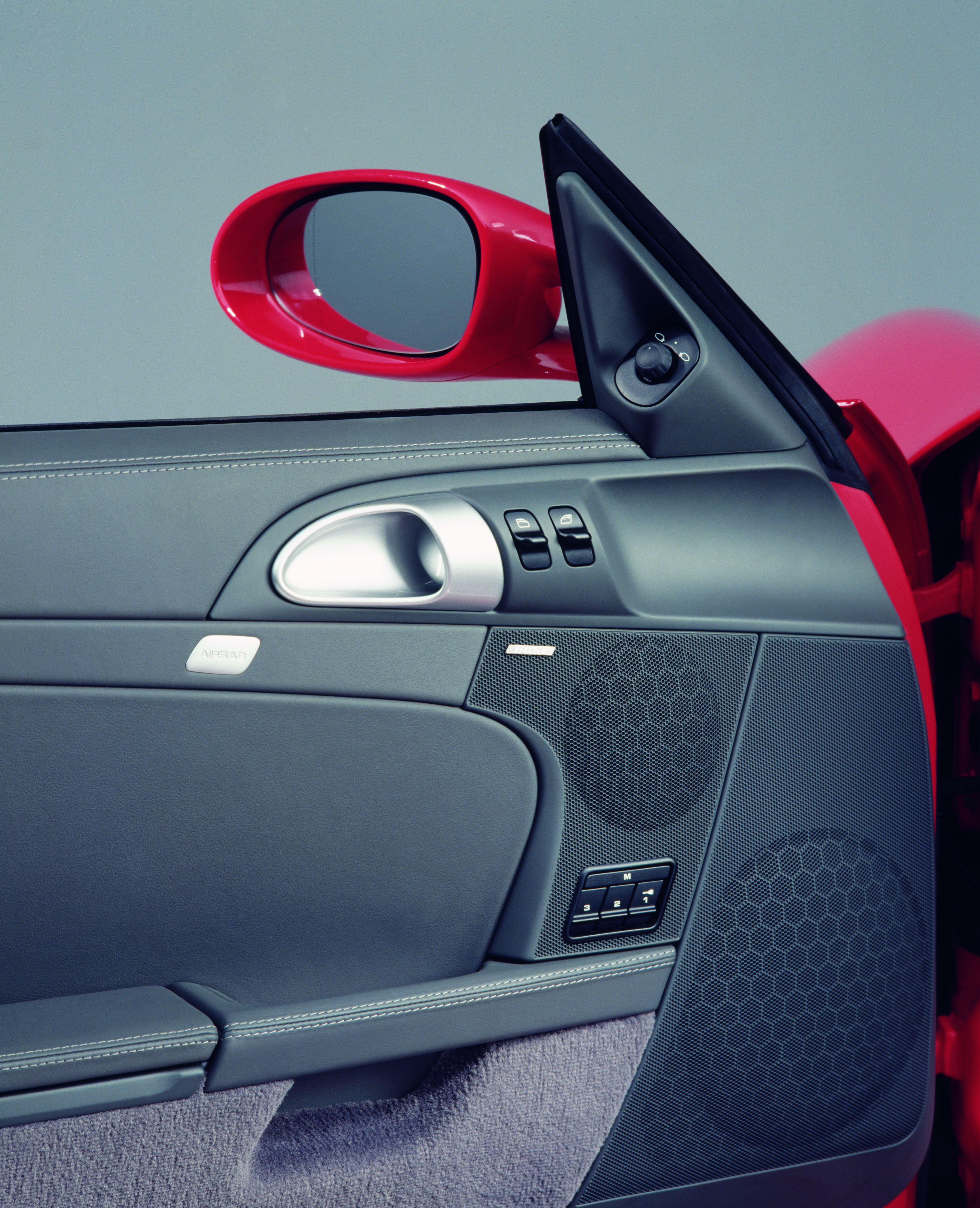
The power window buttons are now located under the side windows.
|
|
|
|
|
|
|
Dr. Ing. h.c. F. Porsche AG
|
Image
|
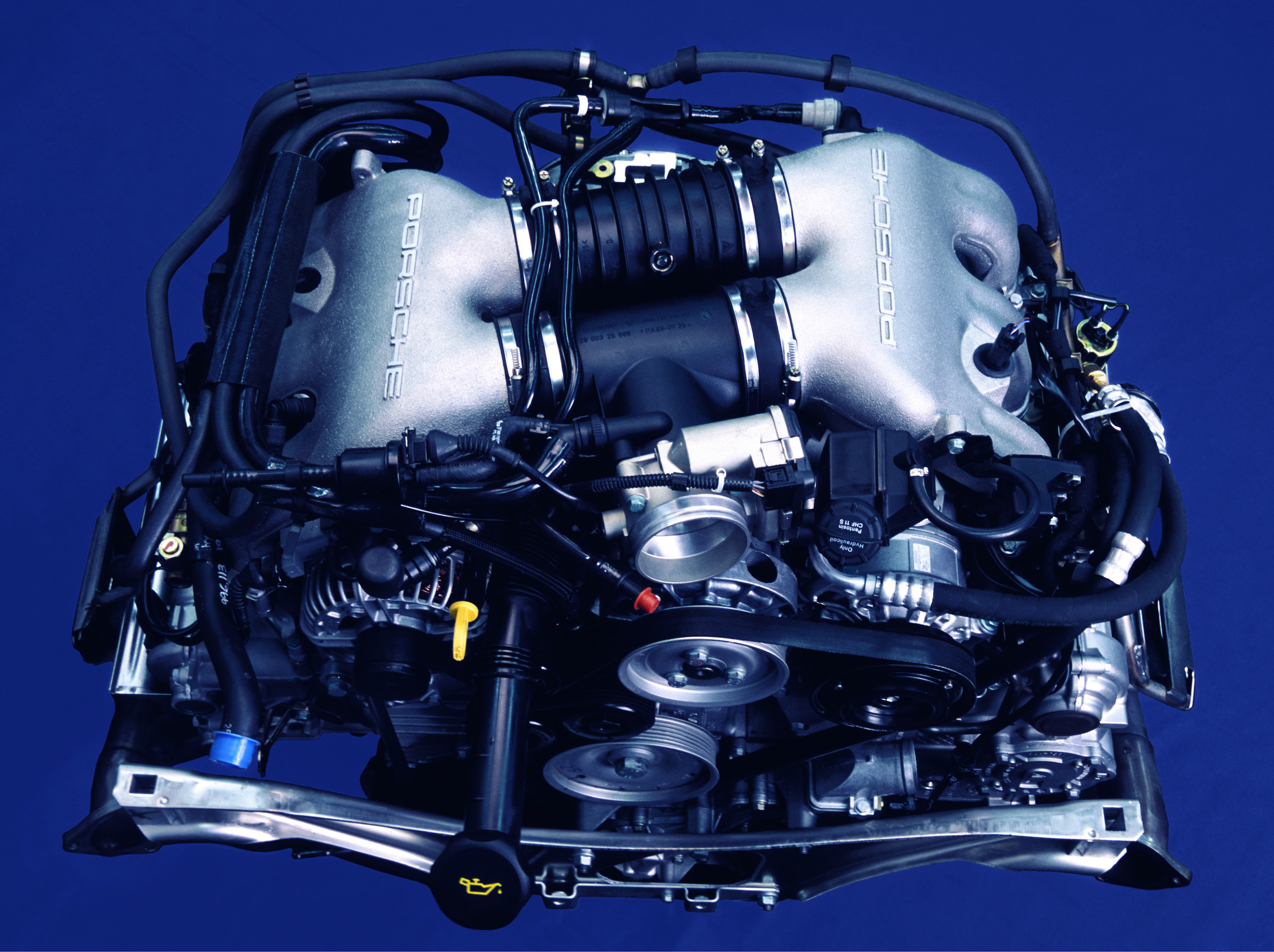
The Powerkit in the 911: An engine with 345 hp (254 kW) for the 911 Carrera
|
Porsche
|
911
|
|
996 II
|
|
|
Dr. Ing. h.c. F. Porsche AG
|
Image
|
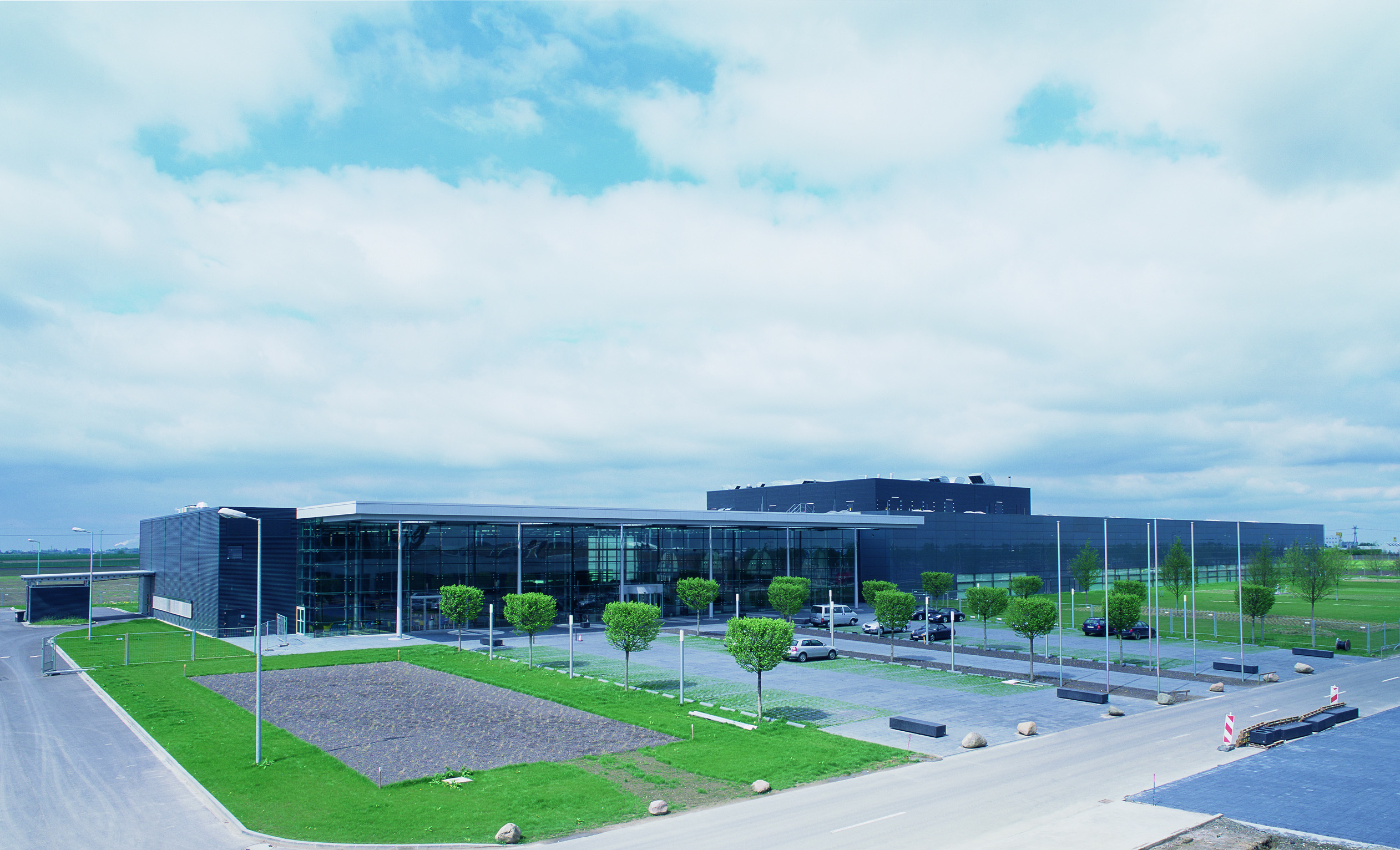
The production hall is joined on to the right of the administration section
|
|
|
|
|
|
|
Dr. Ing. h.c. F. Porsche AG
|
Image
|
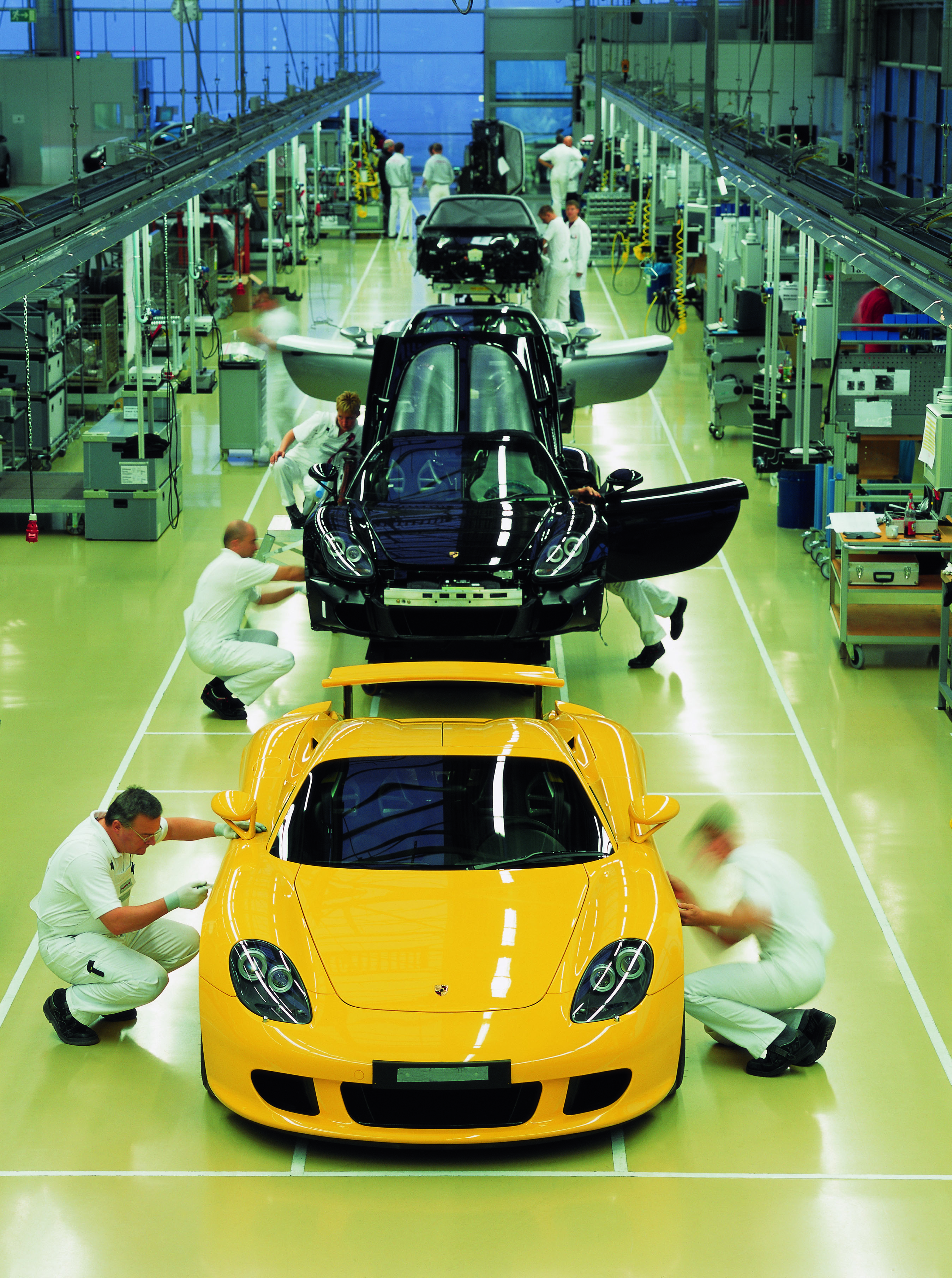
The production of the Carrera GT in Leipzig is limited to 1,500 units.
|
Porsche
|
Carrera GT
|
Carrera GT
|
980
|
|
|
Dr. Ing. h.c. F. Porsche AG
|
Image
|
The proving ground at Weissach 1969 shortly before the construction of the various workshops and office buildings.
|
|
|
|
|
|
|
Dr. Ing. h.c. F. Porsche AG
|
Image
|
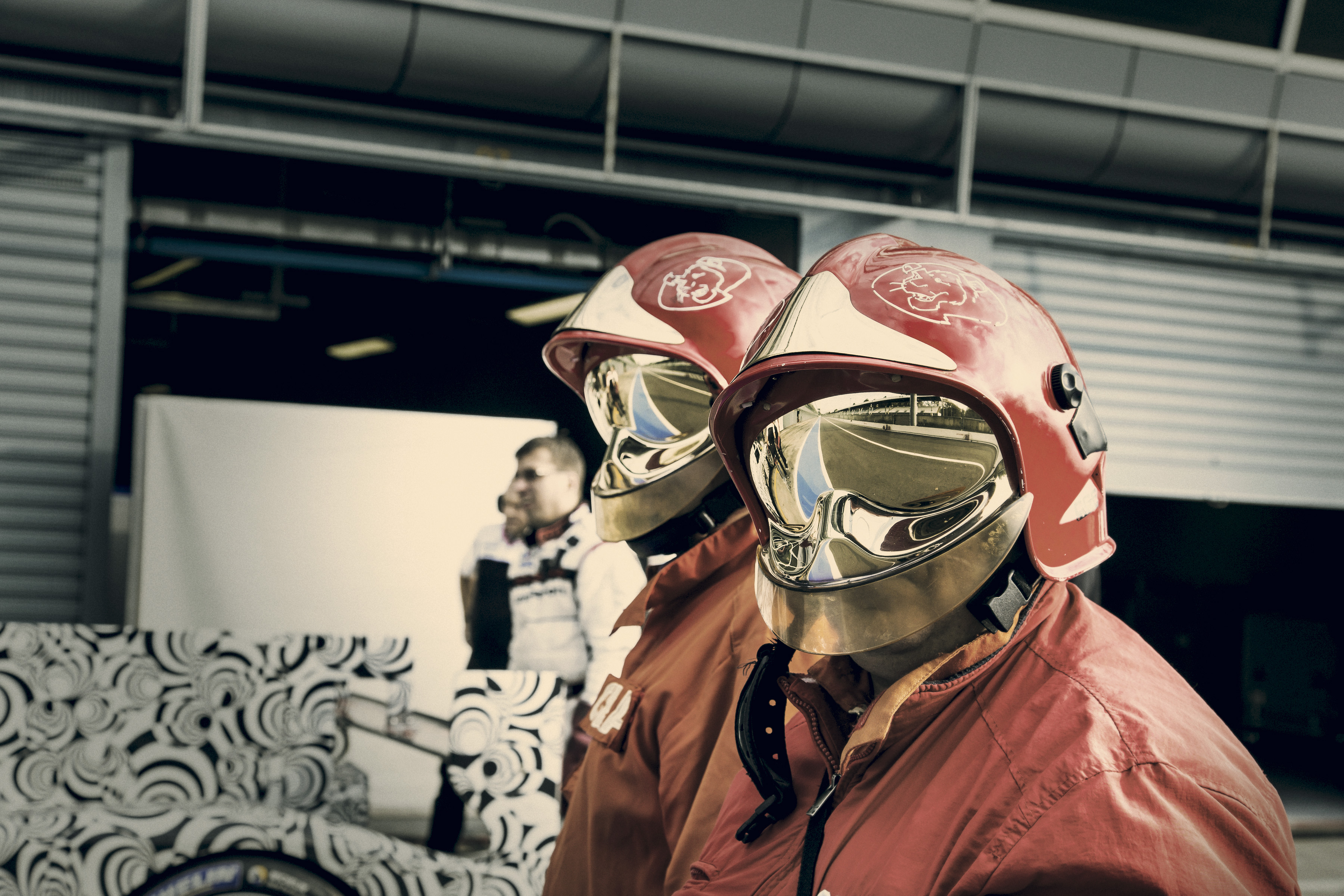
The racetrack fire brigade in Monza
|
Porsche
|
919
|
Hybrid
|
|
|
|
Dr. Ing. h.c. F. Porsche AG
|
Image
|
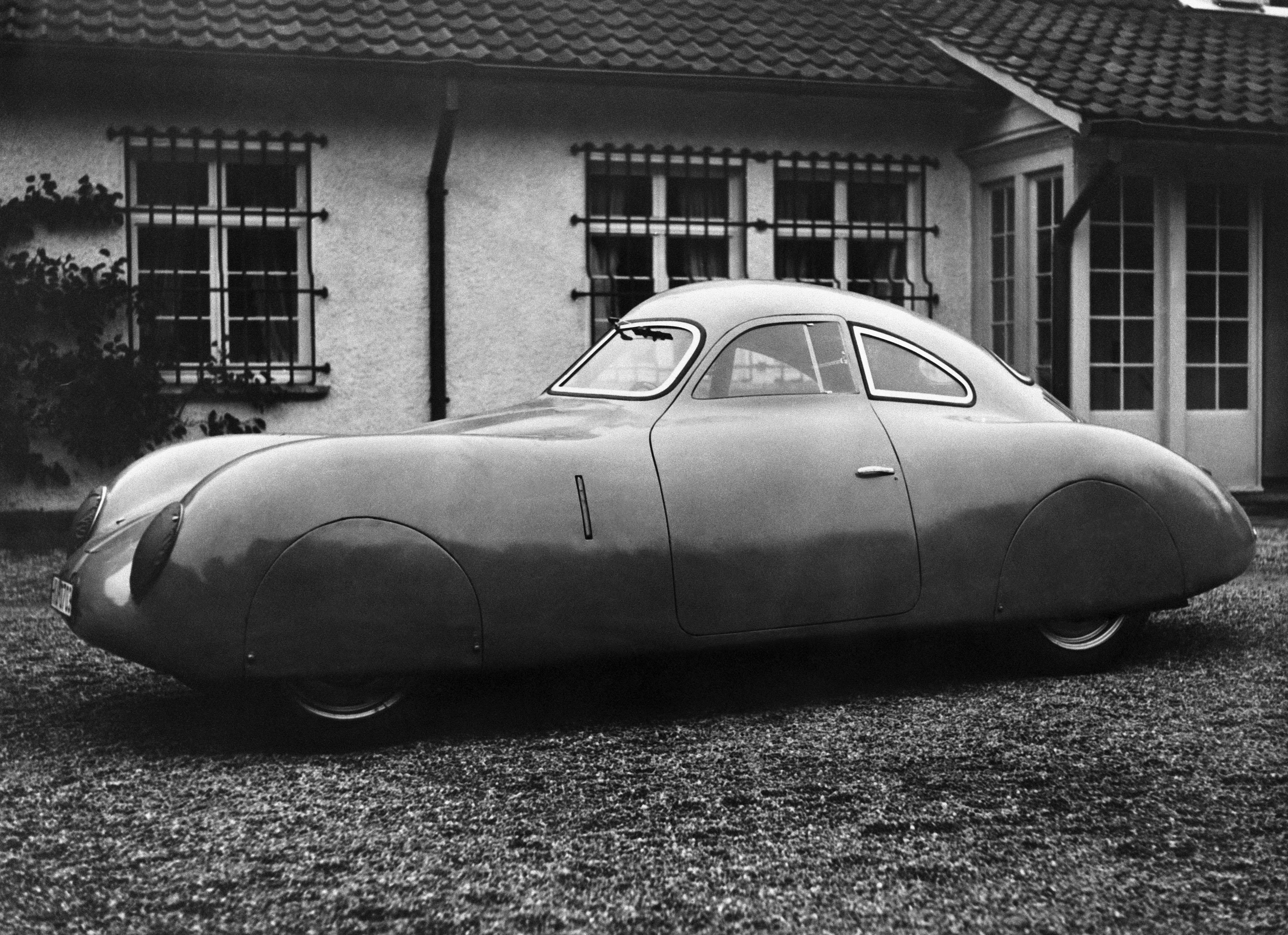
The racing coupé Porsche Type 64, also called the âBerlin-Rome rally carâ, in the yard of the Porsche villa in Stuttgart (1939)
|
|
|
|
|
|
|
|
Image
|
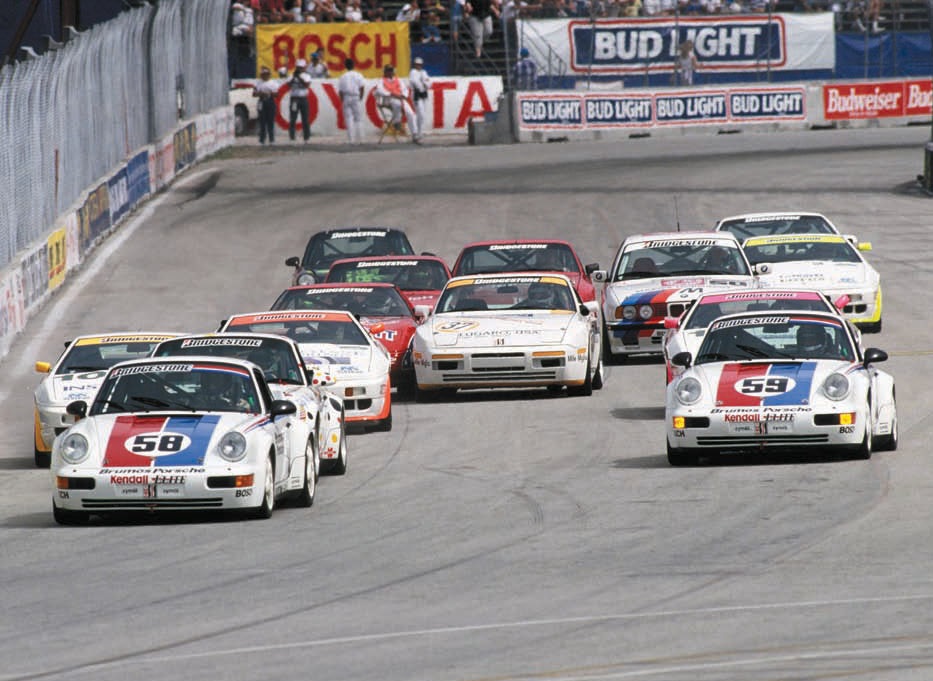
The racing was extremely close during the IMSA Supercar series. Brumos team cars 58 and 59, with either Hans Stuck or Hurley Haywood driving, held off the challenges through the 1991, 1992, and 1993 seasons, winning the Supercar championship three years in succession. Porsche Archiv
|
|
|
|
|
|
|
Dr. Ing. h.c. F. Porsche AG
|
Image
|
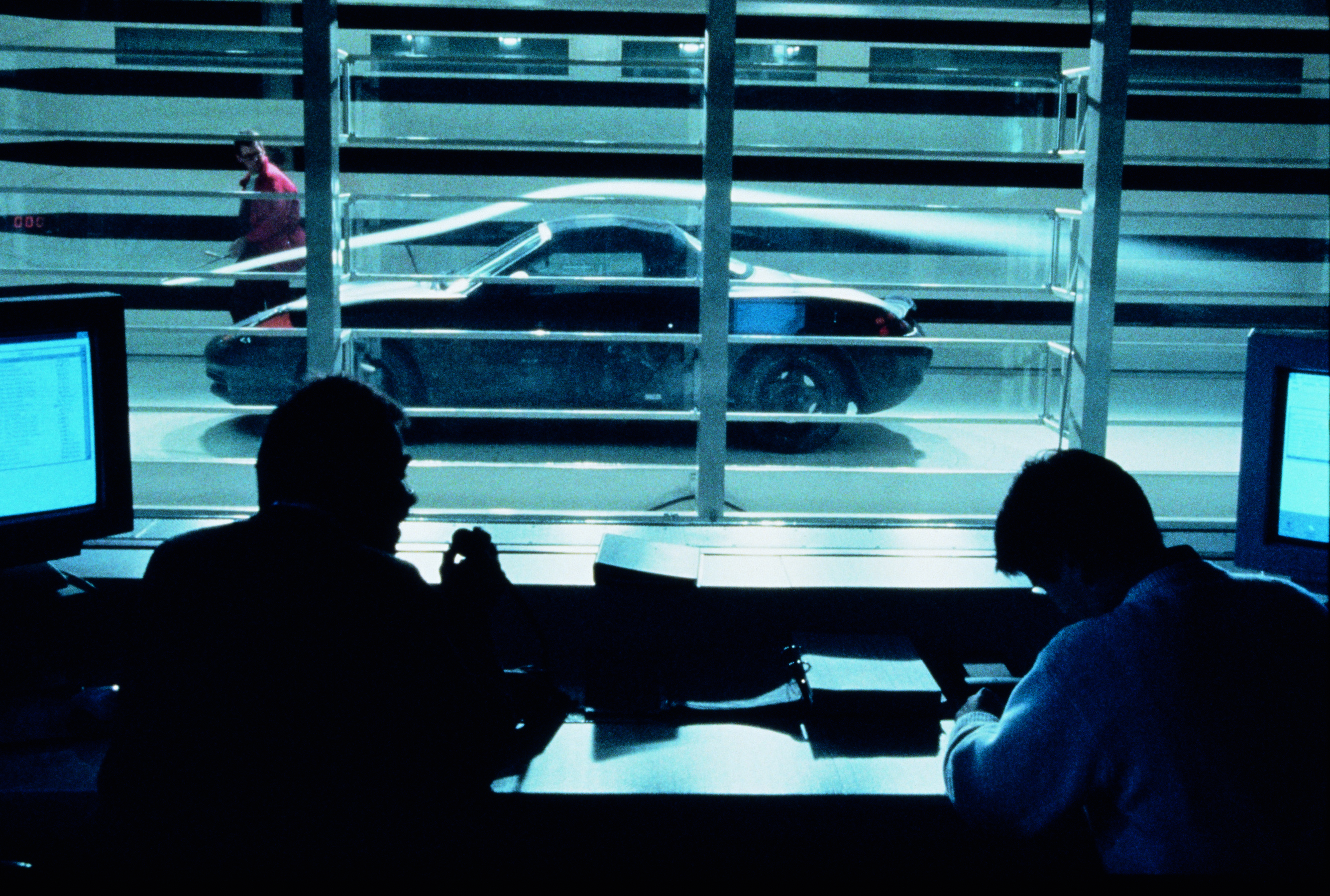
The readings ascertained in the wind tunnel are recorded by computer
|
Porsche
|
718
|
|
986 I
|
|
|
Dr. Ing. h.c. F. Porsche AG
|
Image
|
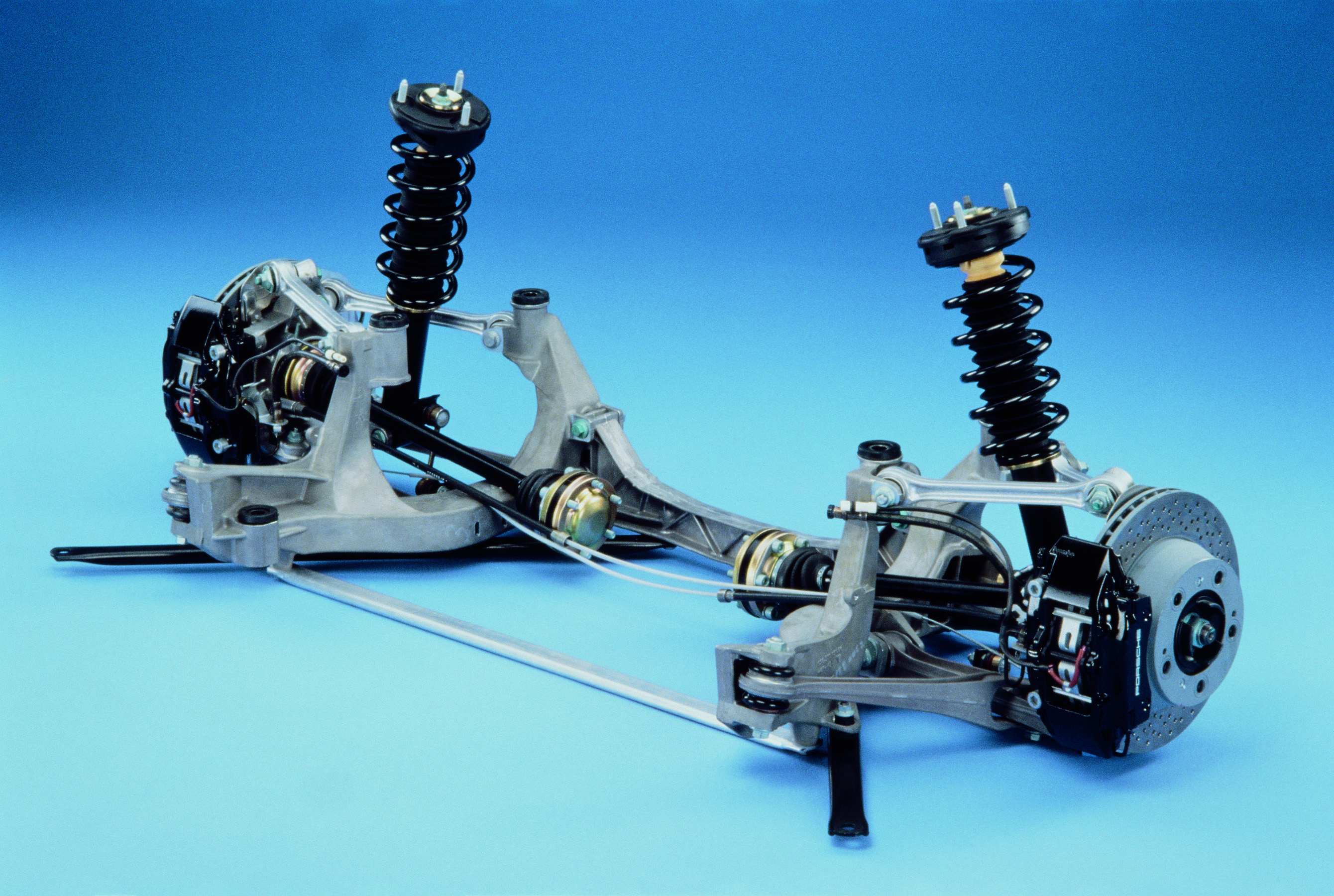
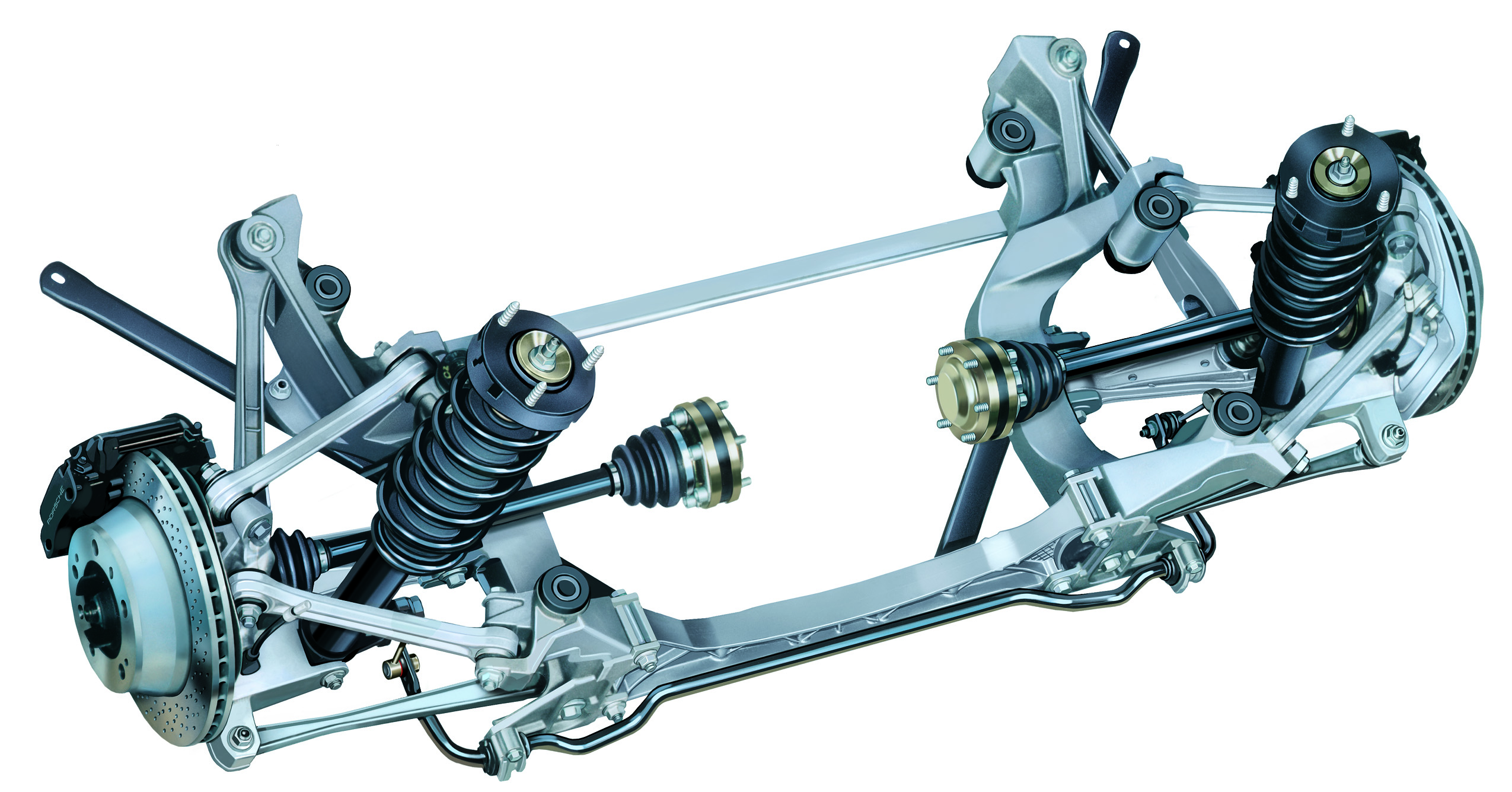
The rear axle has directly acting stabilizers in the pipe construction
|
Porsche
|
911
|
|
996 I
|
|
|
Dr. Ing. h.c. F. Porsche AG
|
Image
|
The rear axle has directly acting stabilizers in the pipe construction
|
Porsche
|
911
|
Carrera
|
996 II
|
|
|
|
Image
|
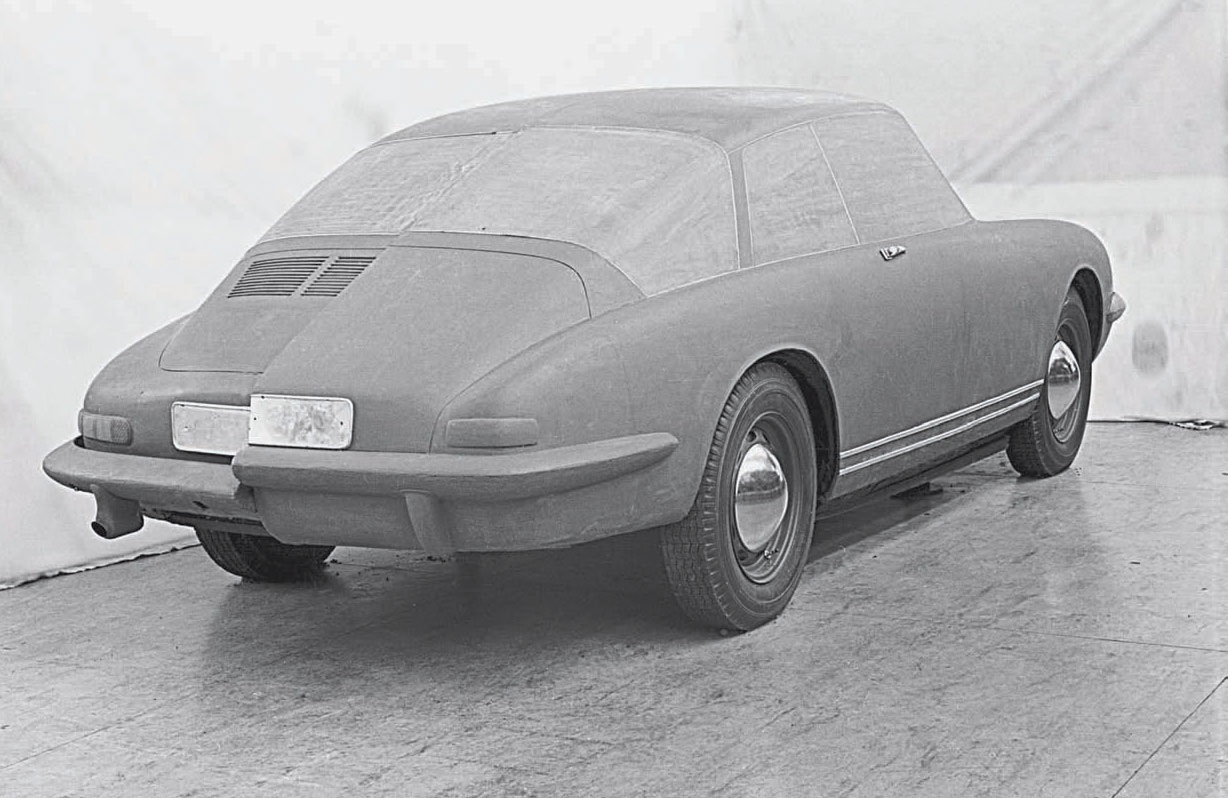
The rear of Klie’s B side appeared to offer a bit more room for the engine with higher bumper height as well. Klie may have known of pending regulations, or he meant only to do something differently than Goertz. Porsche Archiv
|
|
|
|
|
|
|
Dr. Ing. h.c. F. Porsche AG
|
Image
|
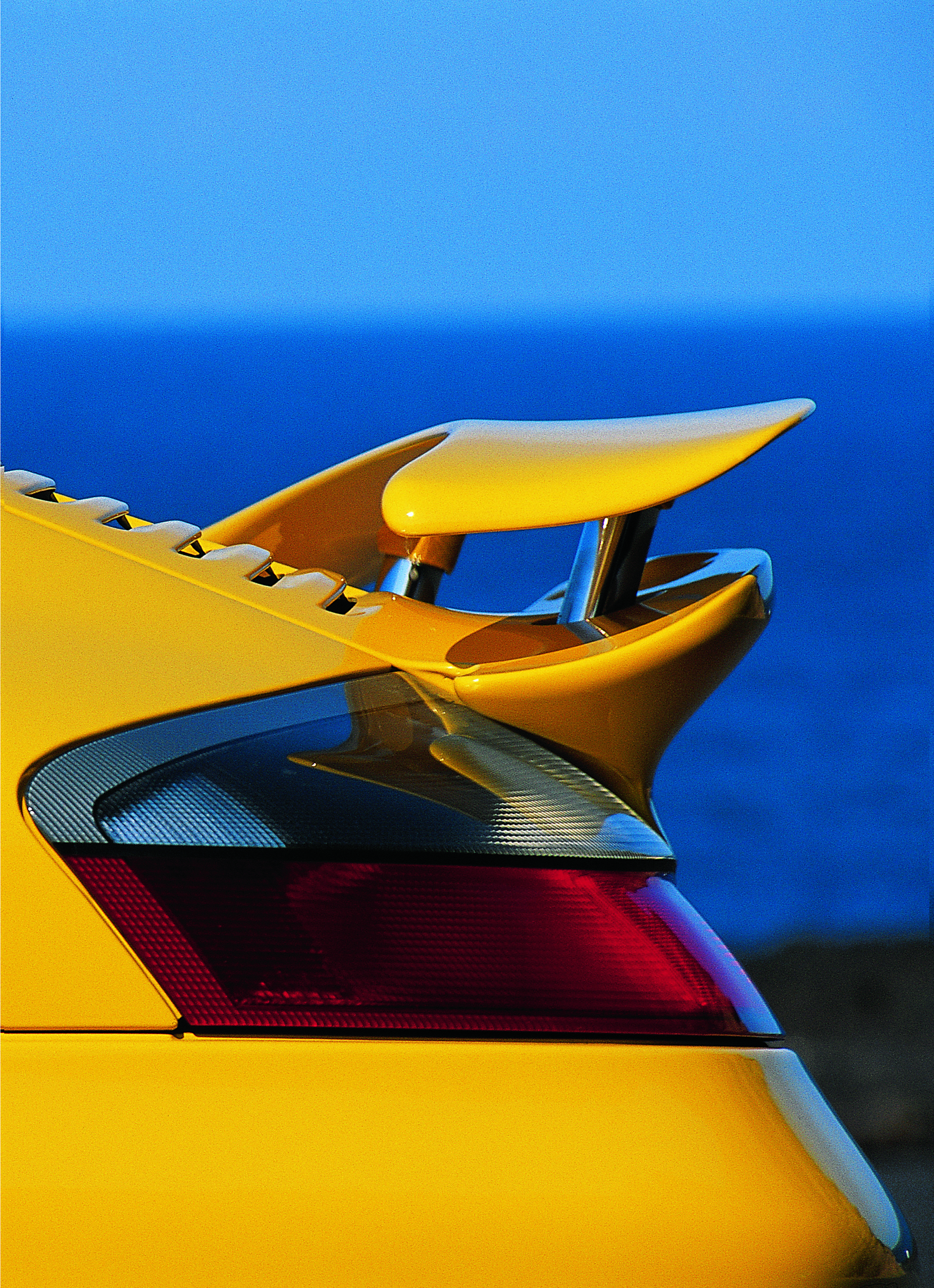
The rear spoiler extends automatically at a speed of 120 km/h (75 mph)
|
Porsche
|
911
|
Turbo
|
996 I
|
|
|
Dr. Ing. h.c. F. Porsche AG
|
Image
|
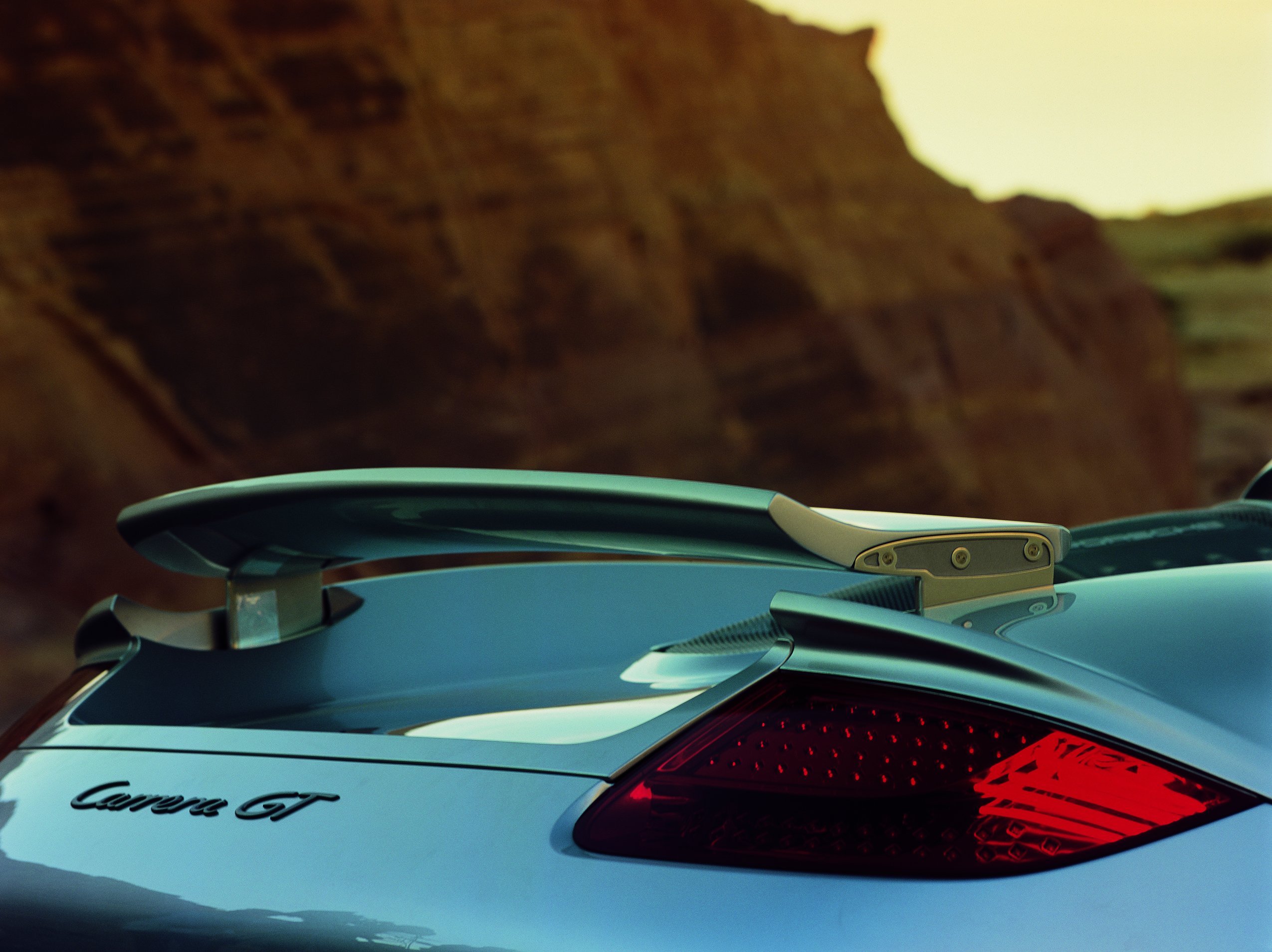
The rear spoiler extends automatically at a speed of 120 km/h (75 mph)
|
Porsche
|
Carrera GT
|
Carrera GT
|
980
|
|
|
Dr. Ing. h.c. F. Porsche AG
|
Image
|
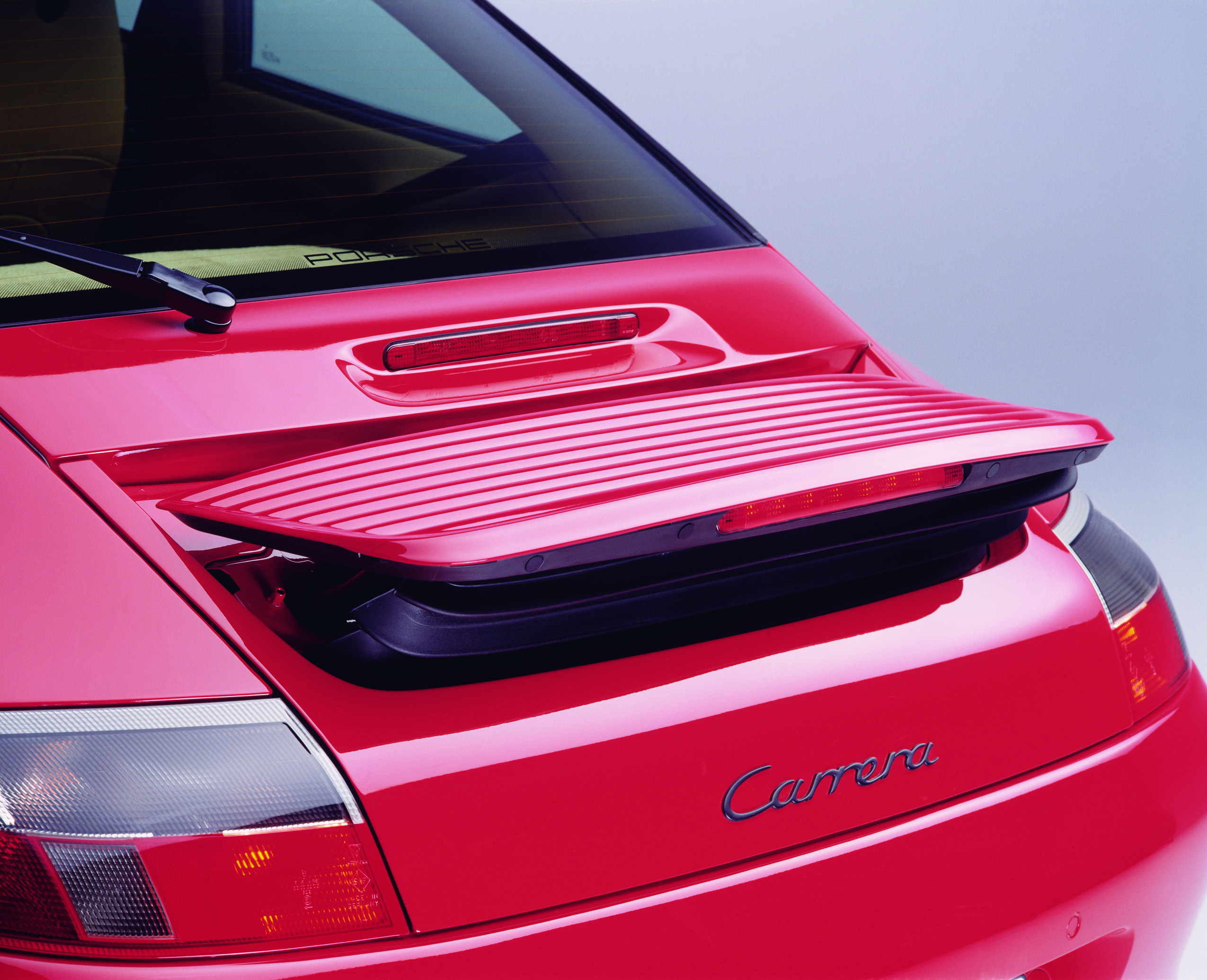
The rear spoiler extends automatically at a speed of 120 km/h (75 mph)
|
Porsche
|
911
|
Carrera
|
996 II
|