The 100.000th Cayenne has just rolled off the production line at the Leipzig plant.
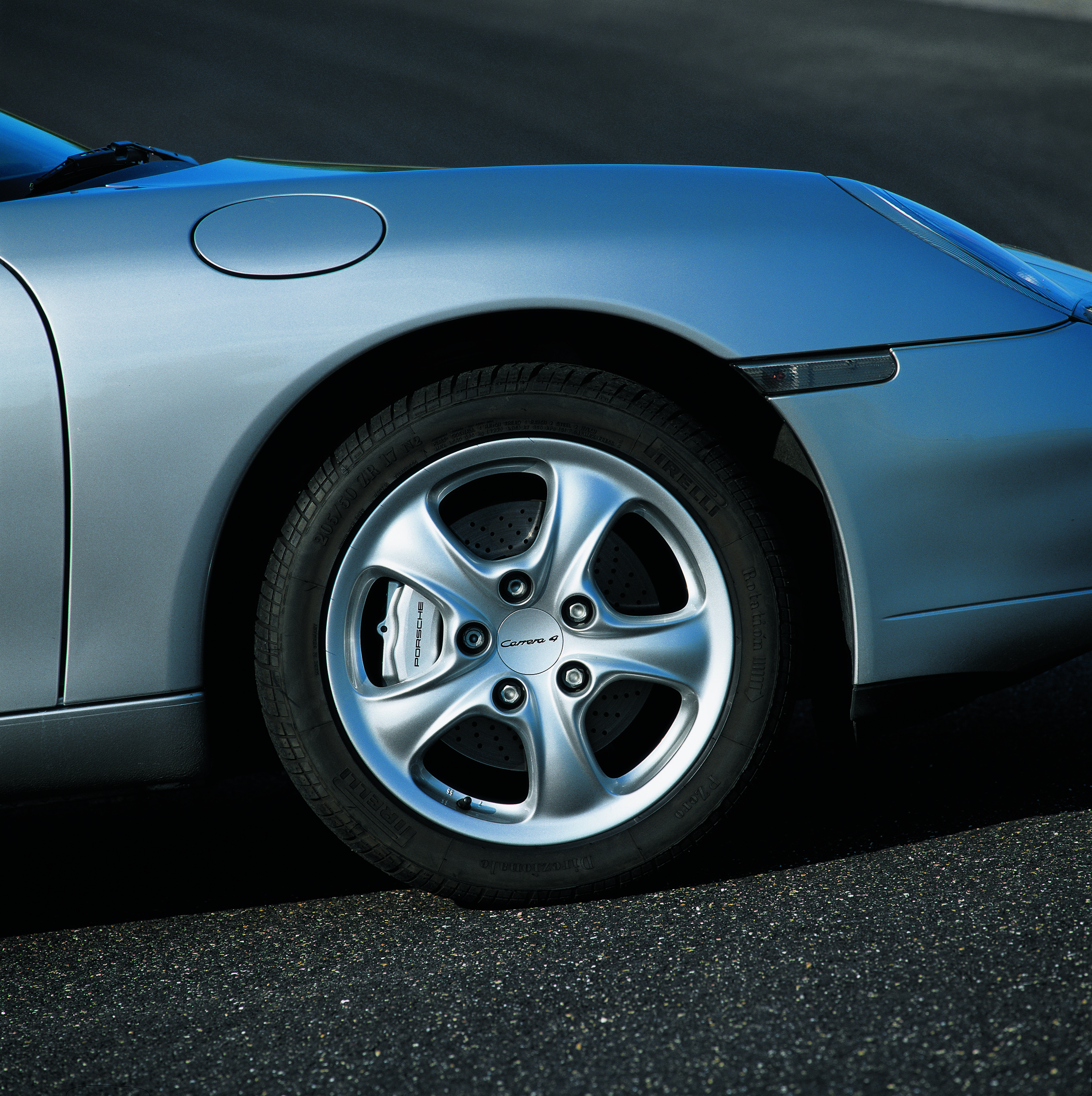
The 17-inch light alloy wheels were specifically designed for the Carrera 4. The brake calipers gleam in a titanium colour
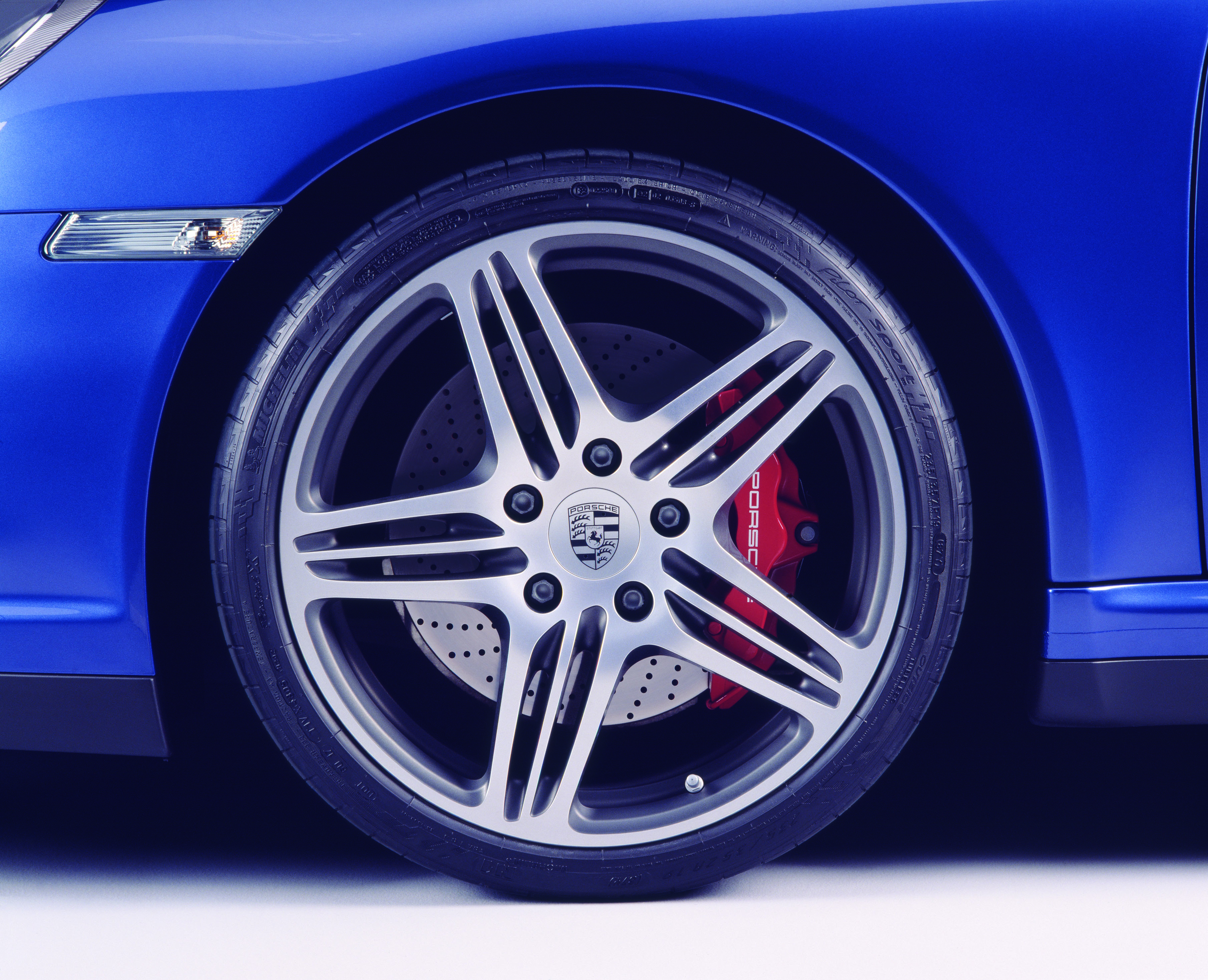
The 19-inch Turbo wheel is standard equipment
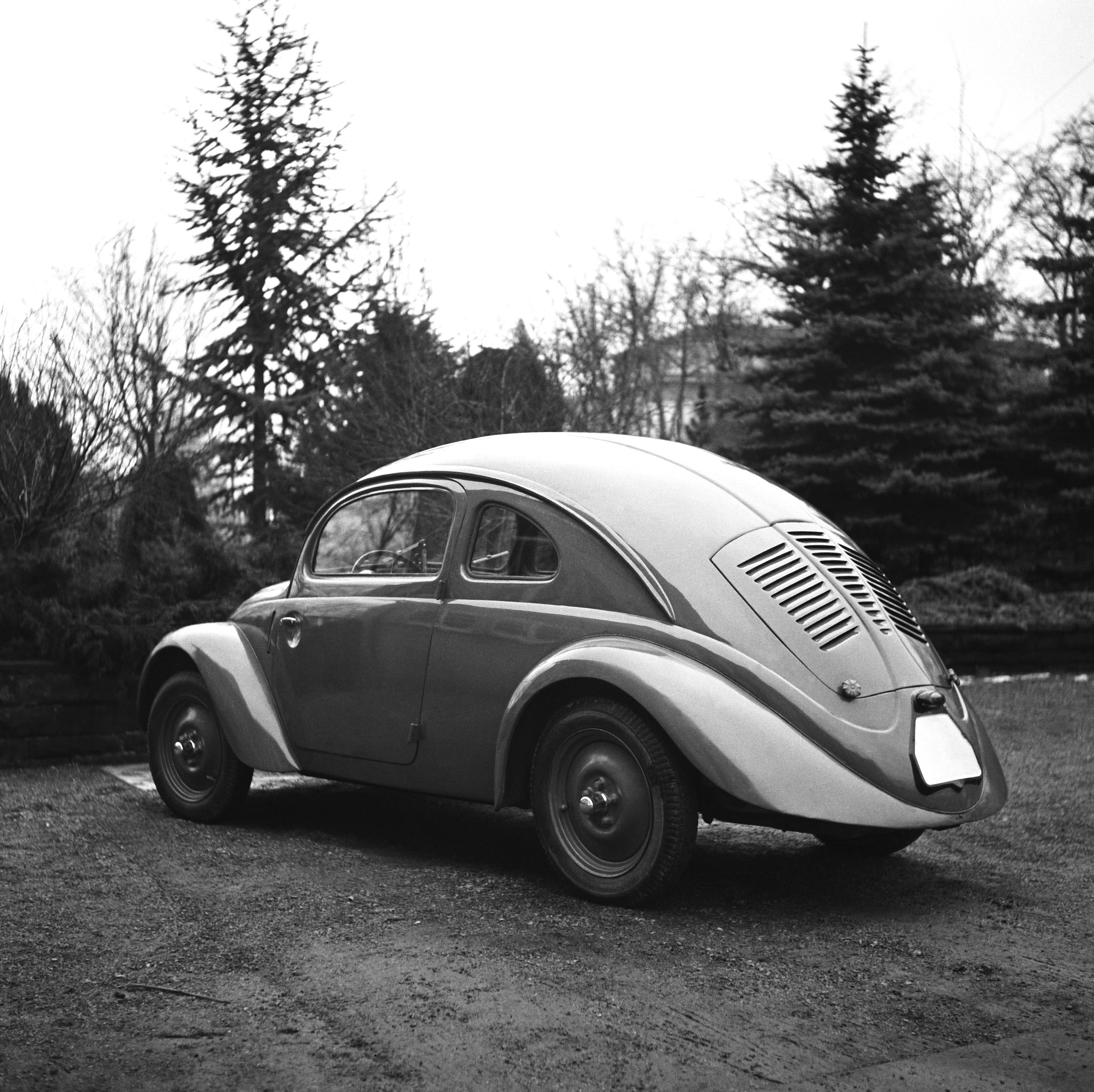
The 1937 prototype designated as Type 60 (W30) of the subsequent Volkswagen âBeetleâ
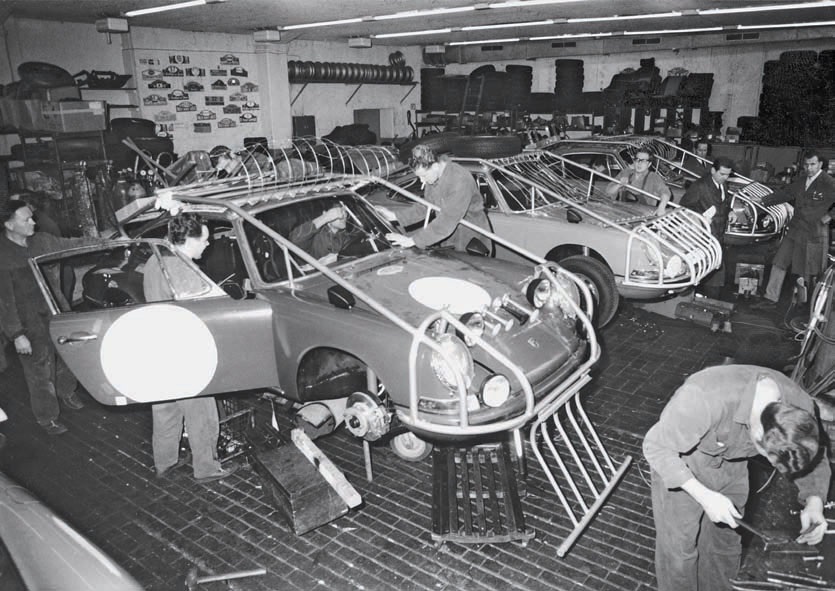
The 1968 London-to-Sydney Marathon was perhaps one of racing’s most ambitious and audacious events, spanning four continents and 10,000 miles. Polish rally veteran Sobieslaw Zasada, who headed a private Porsche effort in cars prepared for battle against kangaroos and other wildlife, finished fourth overall. Porsche Archiv
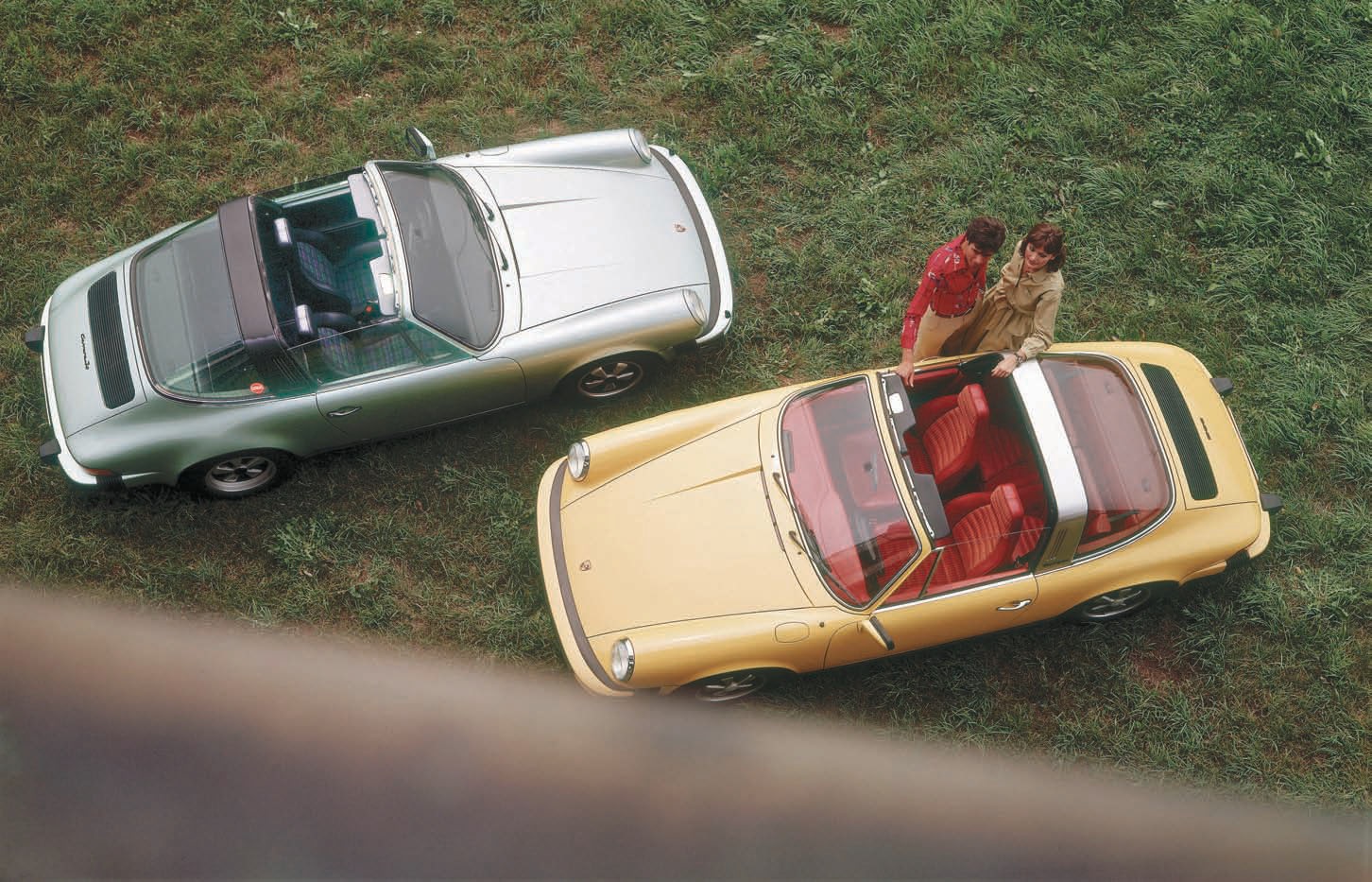
The 1971 Targa 2.2-liter T provided the perfect backseat playground for children and pets. T engines developed 125 horsepower at 5,800 rpm. Porsche Archiv
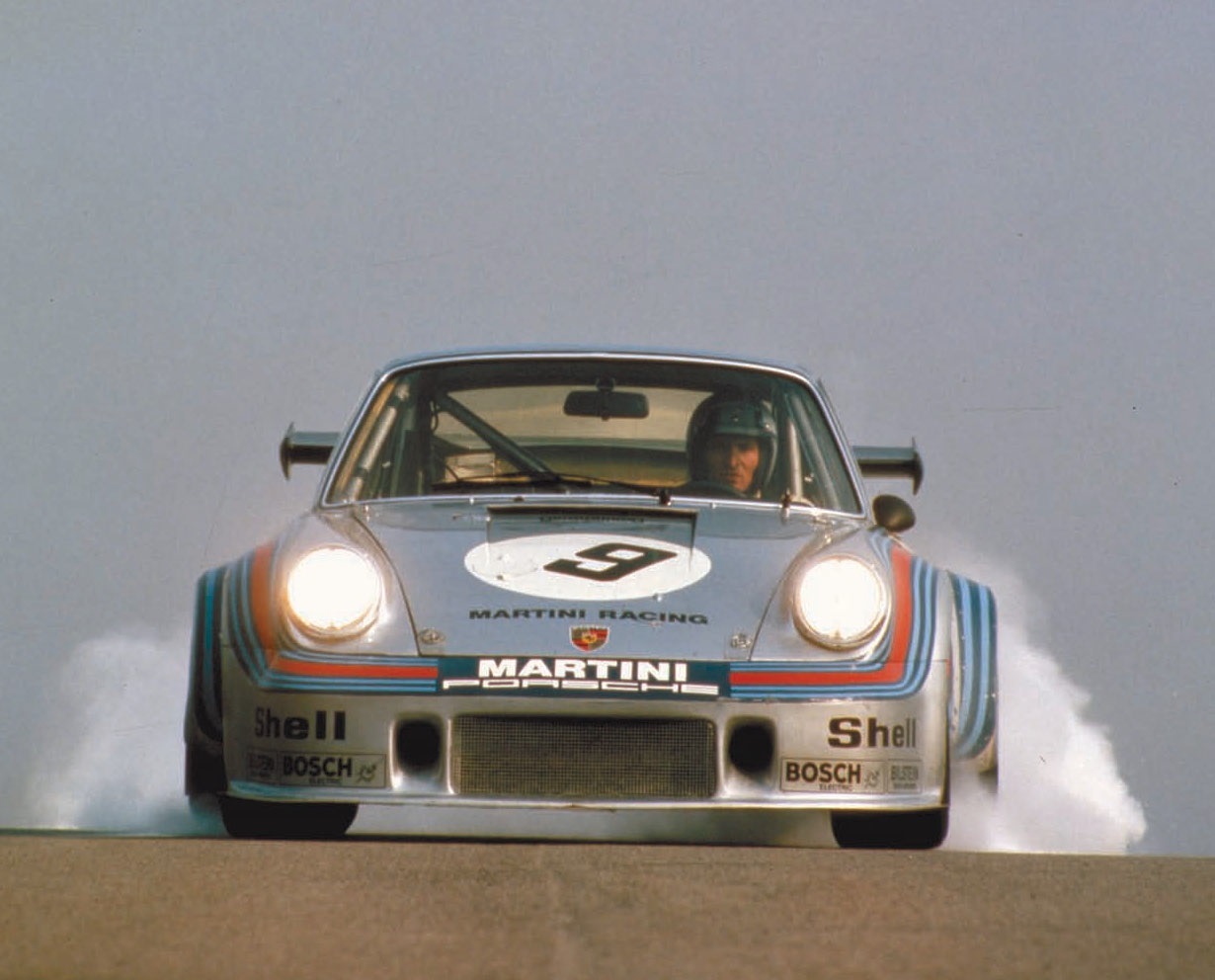
The 1974 version of the RSR used a 2.14-liter turbocharged engine to develop 500 horsepower. Installed in a race car weighing 1,764 pounds, performance was impressive. Porsche Archiv
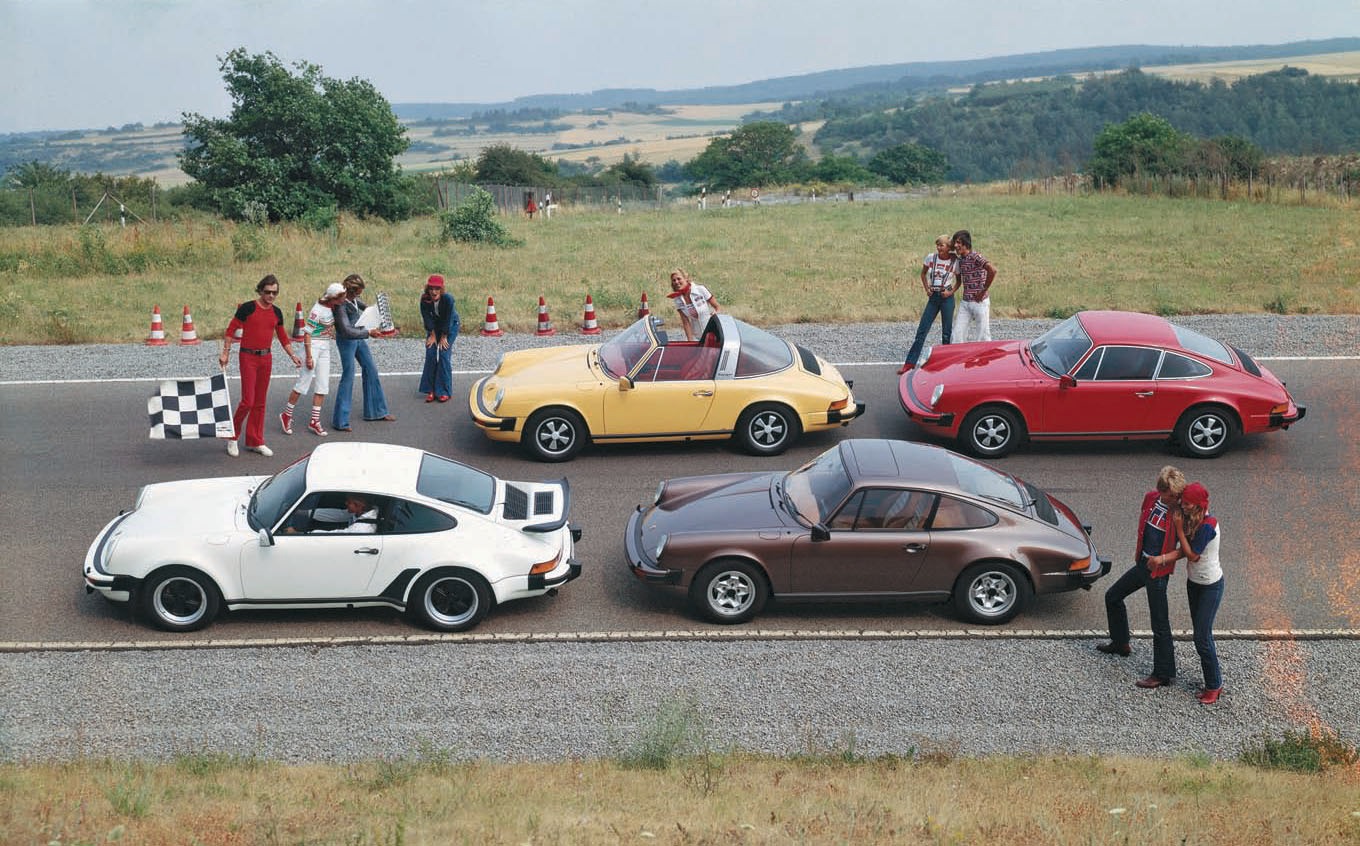
The 1977 model year 911 lineup posed on a Weissach test track curve for a photo. From left, a Turbo 3.0 coupe, a 911S Targa, a Carrera 3.0 coupe, and a base 2.7 coupe. Porsche Archiv
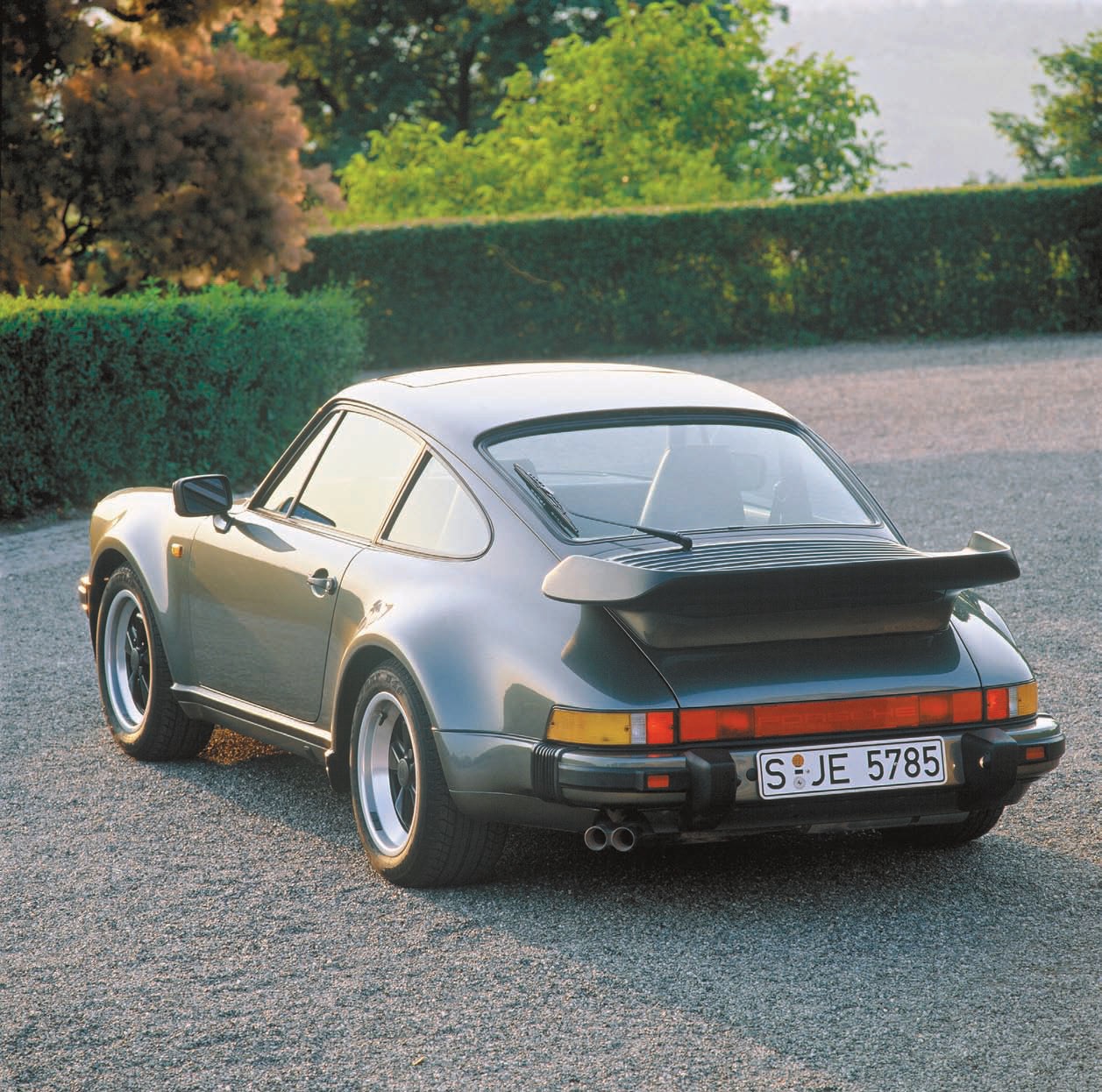
The 1978 Turbo 3.3 developed 300 horsepower at 5,500 rpm. Porsche introduced black matting on the leading edge of the rear fender flares to protect paint from rock chips. Porsche Archiv
The 1981 Frankfurt IAA Cabrio studie used Porsche’s 3.3-liter turbo engine. At Frankfurt, Porsche displayed the car on mirrors to show off its high-tech all-wheel drivetrain. Porsche Archiv
The 1982 SC coupe presented customers with the ninth version of the G model, its three-liter engine developing 204 horsepower at 5,900 rpm. Few outside the company knew this was meant to be the 911’s last year. Porsche Archiv
The 1987 Turbo 3.3 differed only in degrees and subtleties from its predecessors with dual exhausts and a deeper tea-tray rear wing. Turbos sold well in North America after reintroduction to Canadian and U.S. markets in 1986. Porsche Archiv
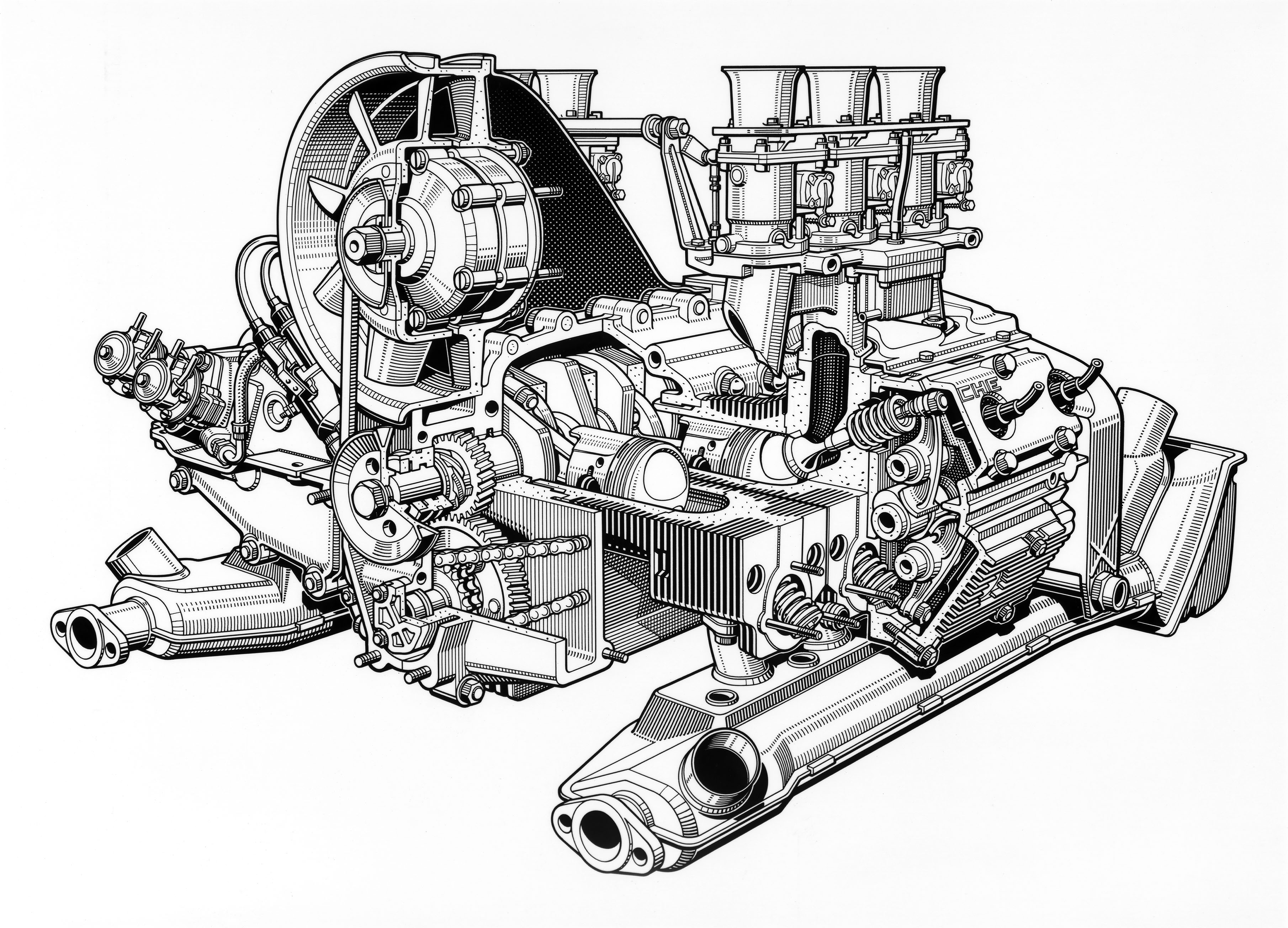
The 1,991cc Typ 901 engine incorporated chain operated overhead camshafts and one intake and exhaust valve per cylinder. The opposed six-cylinder engine developed 130 DIN (148 SAE) horsepower at 6,100 rpm. Porsche Archiv
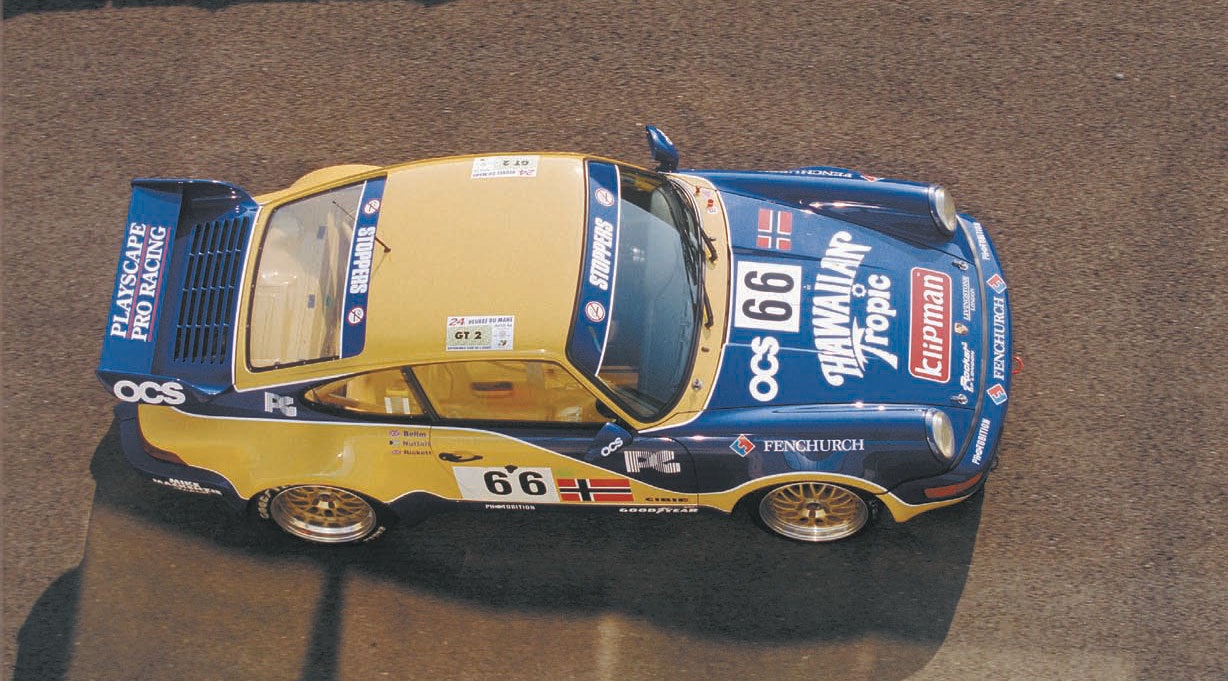
The 1994 Carrera RSR3.8 entered the pits at Le Mans. Raymond Bellm, Harry Nuttall, and Charlie Rickett started 25th on the grid in GT2 class but a mechanical failure retired them after just 32 laps. Porsche Archiv
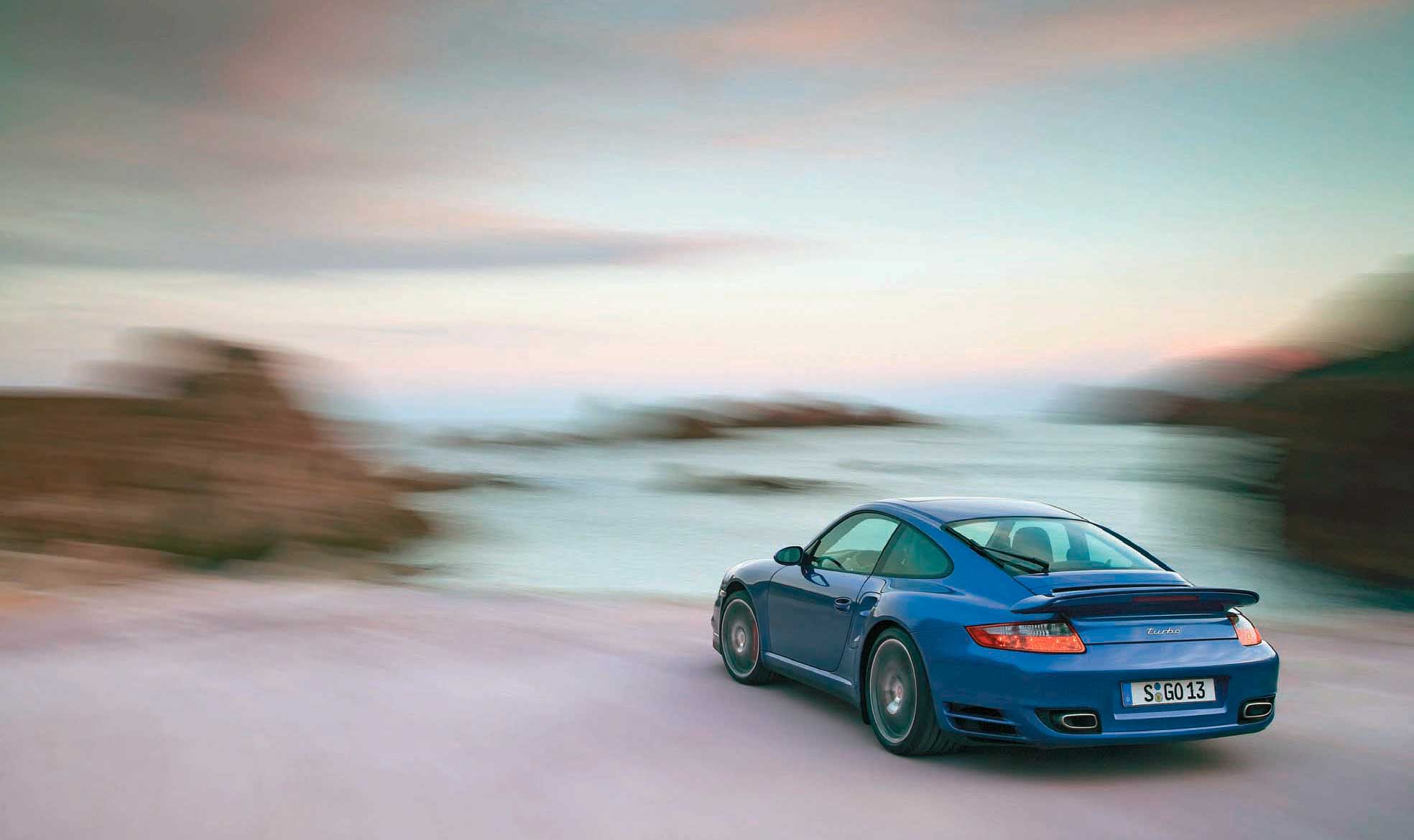
The 2006 Model 997 Turbo delivered 480 horsepower at 6,000 rpm, a 60-horsepower increase over the second-generation 996 models. Porsche offered it only on the all-wheel-drive platform. Porsche Archiv
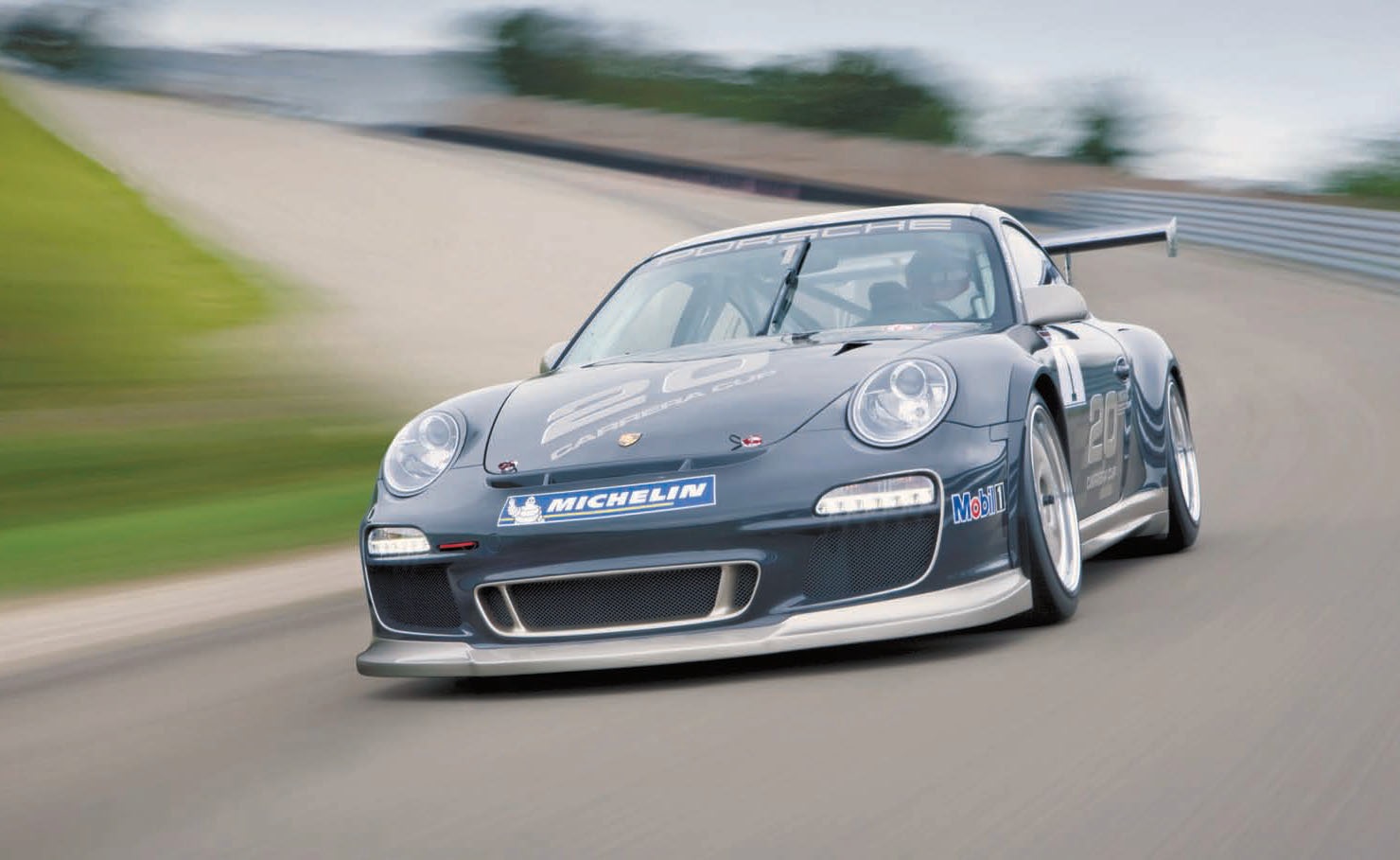
The 2009 GT3 Cup car tested extensively at Weissach before heading out among customers and competitors. It was the first 911 race car to use the new DFI direct fuel injection system. Porsche Archiv
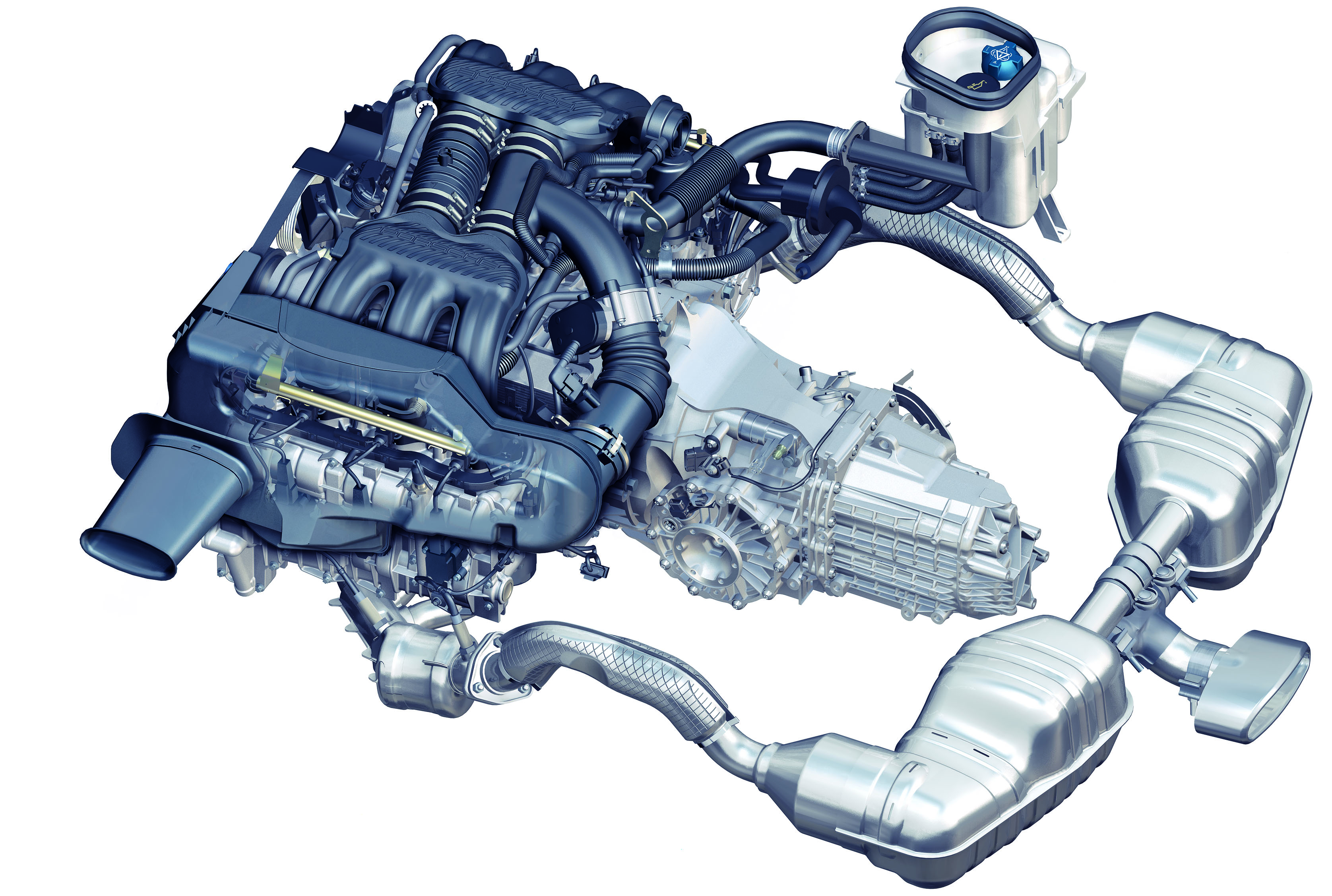
The 2.7-litre engine delivers 180 KW (245 HP)
The 2.7-litre engine of the Boxster delivers 176 kW (240 HP).
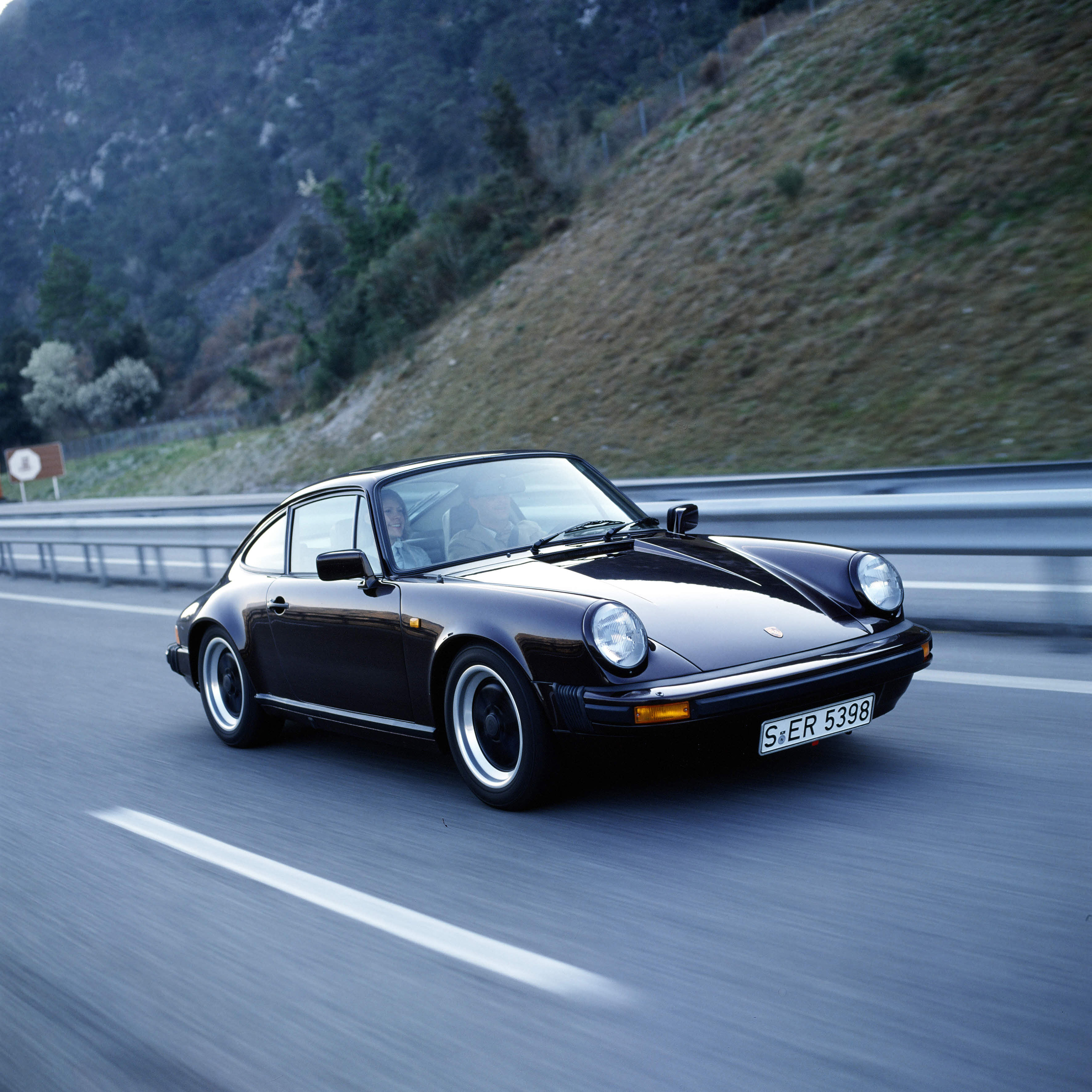
The 3.0 Carrera, left, delivered 200 horsepower at 6,000 rpm, while the base 911 provided buyers 165 horsepower at 5,800.
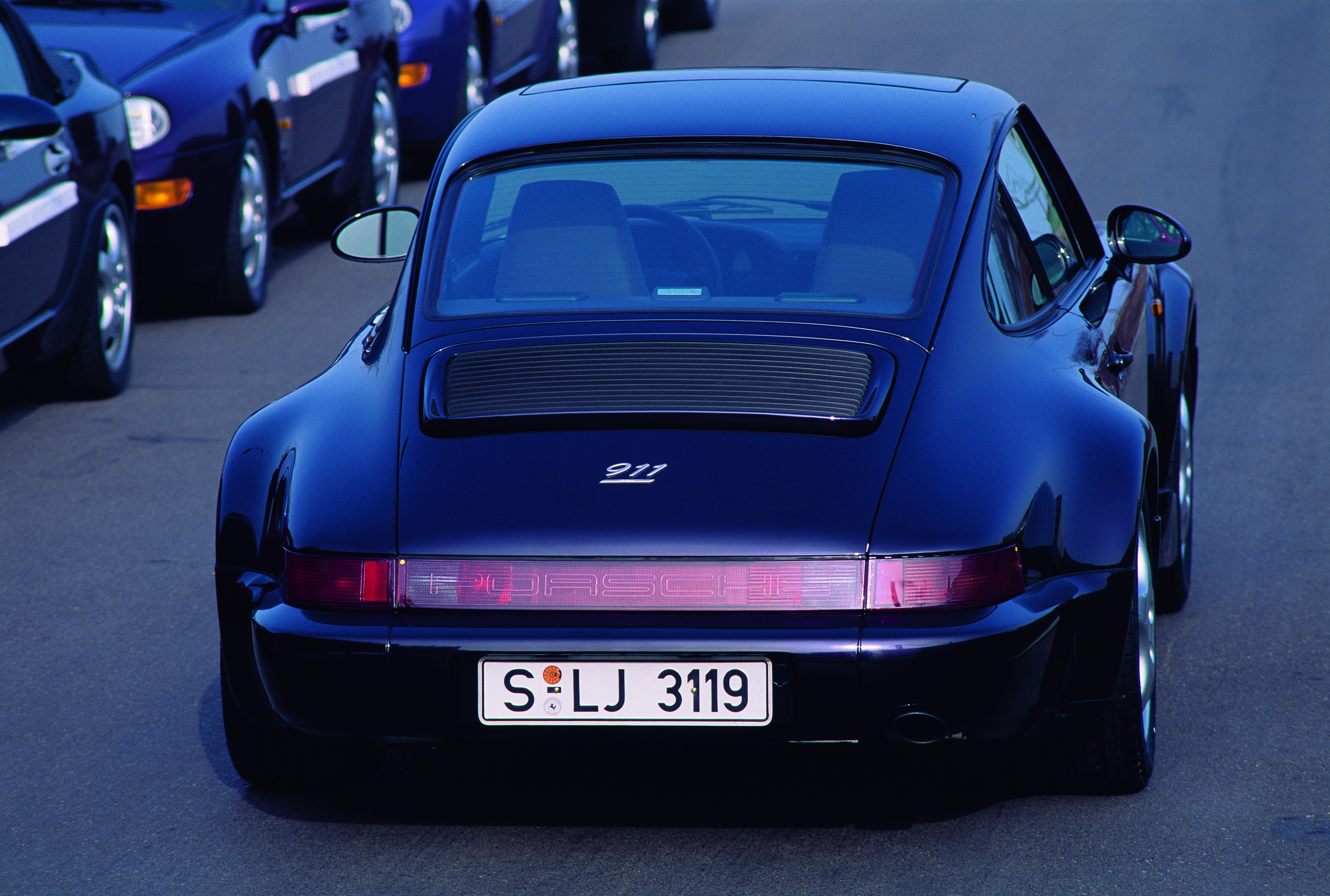
The 30th Anniversary 911 appeared as a 1993 model year C4 assembled on the Turbo Look wide-body platform. Zuffenhausen limited production to just 911 examples for worldwide buyers. Porsche Archiv