|
Dr. Ing. h.c. F. Porsche AG
|
Image
|
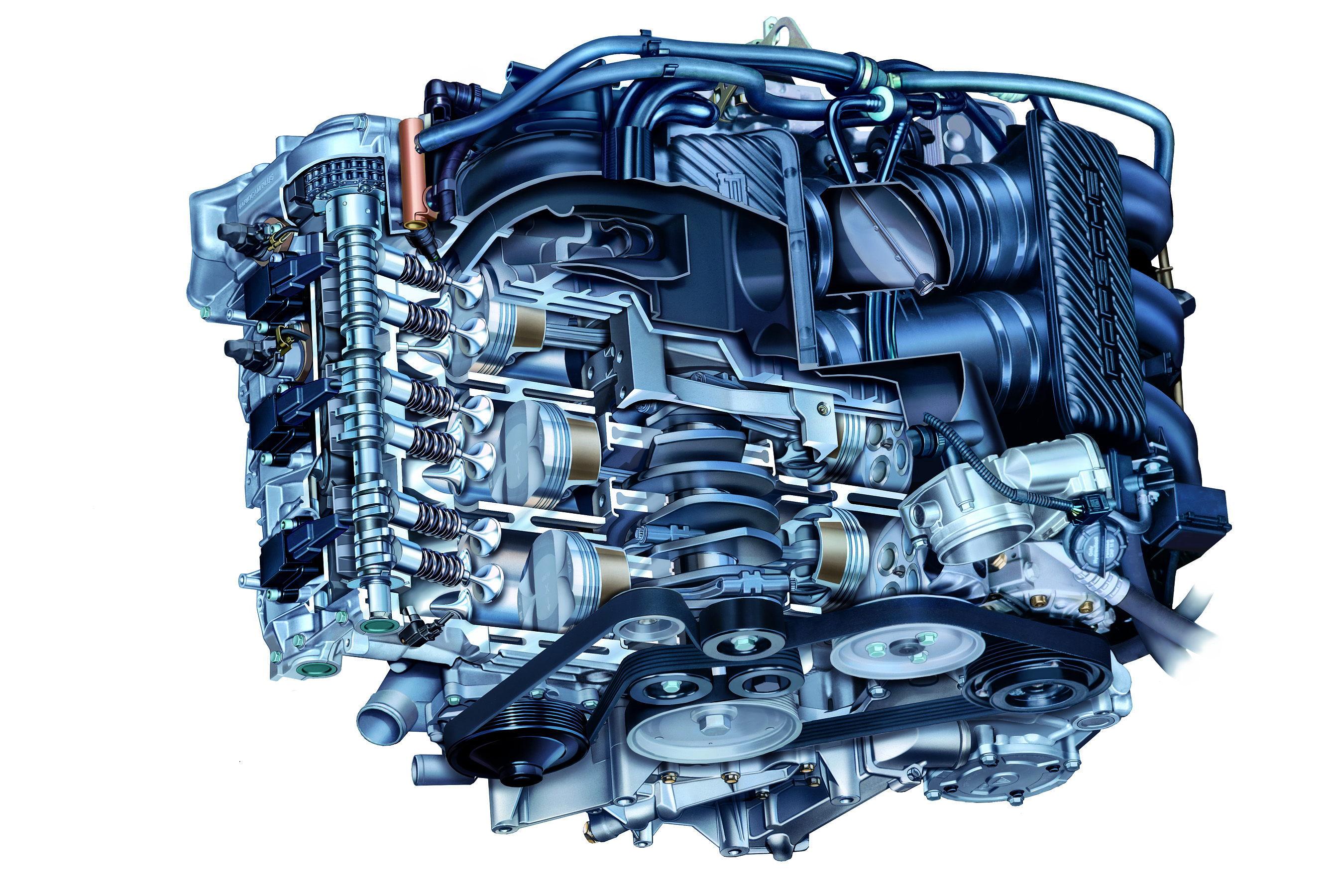
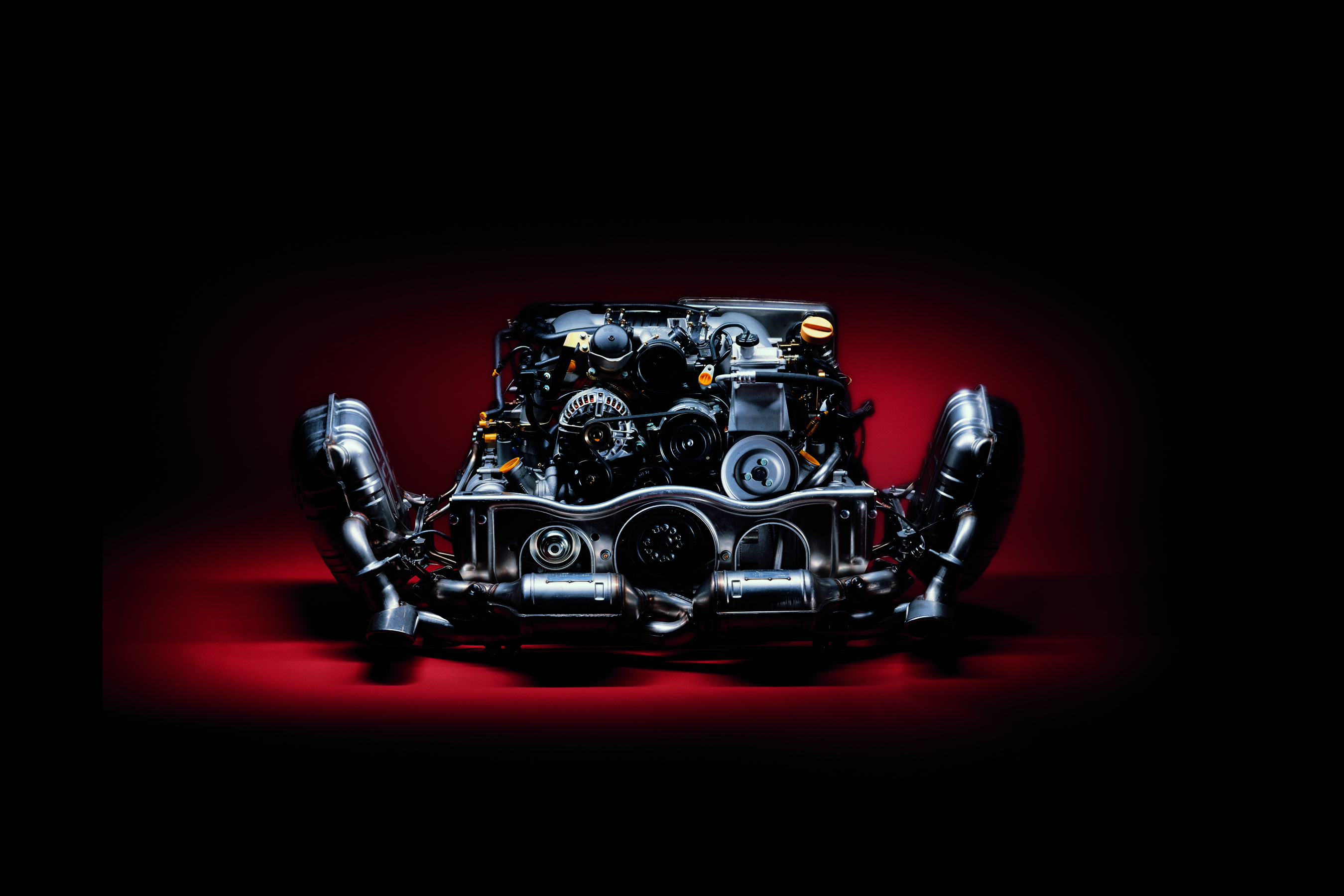
The 6-cylinder opposed-cylinder engine of the 911 Carrera is equipped with the "VarioCam Plus" valve-travel adjustment system
|
Porsche
|
911
|
|
996 II
|
|
|
Dr. Ing. h.c. F. Porsche AG
|
Image
|
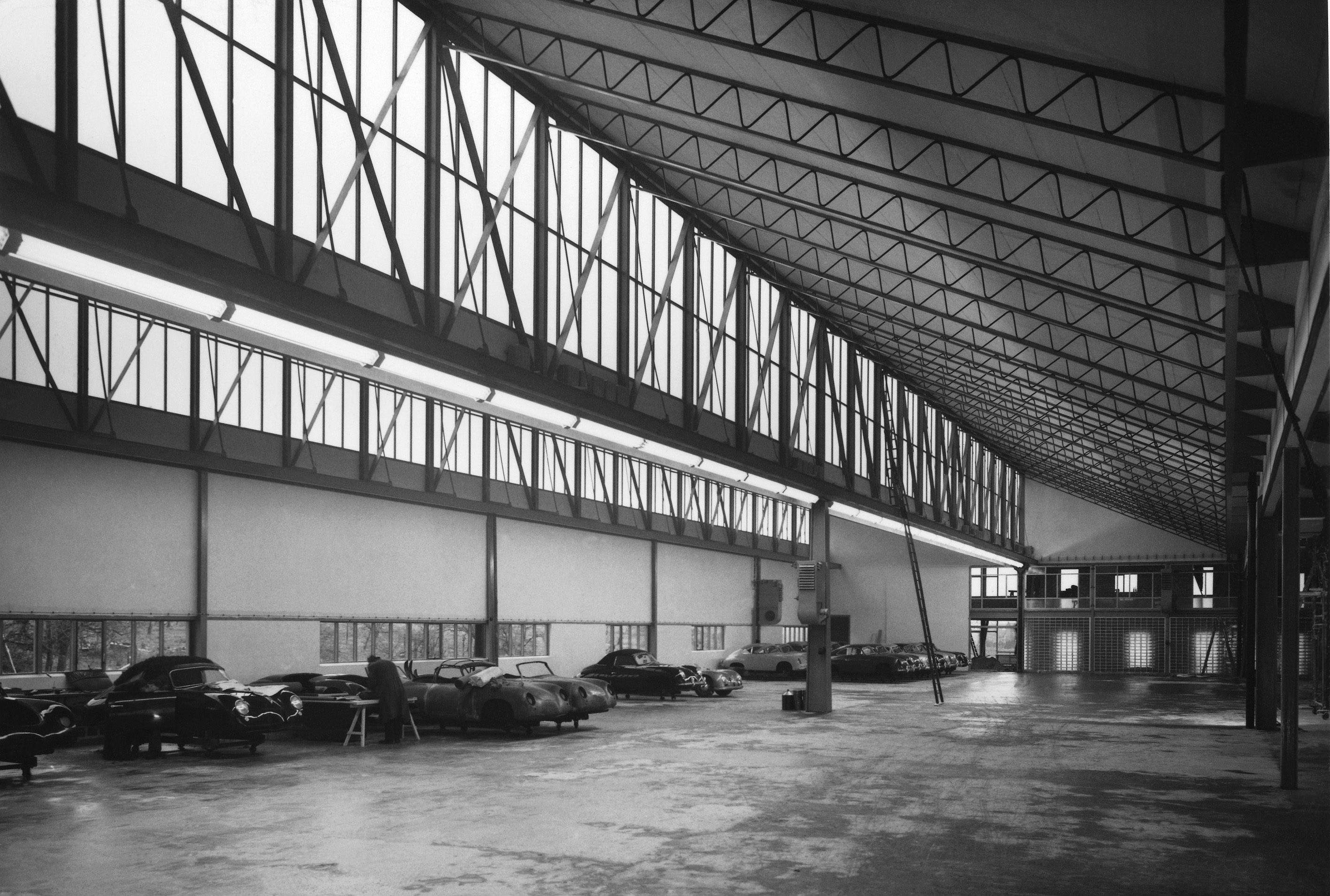
The 60 metre long production hall in Plant 2 was the first new building at the Zuffenhausen site in Stuttgart
|
Porsche
|
|
|
|
|
|
|
Image
|
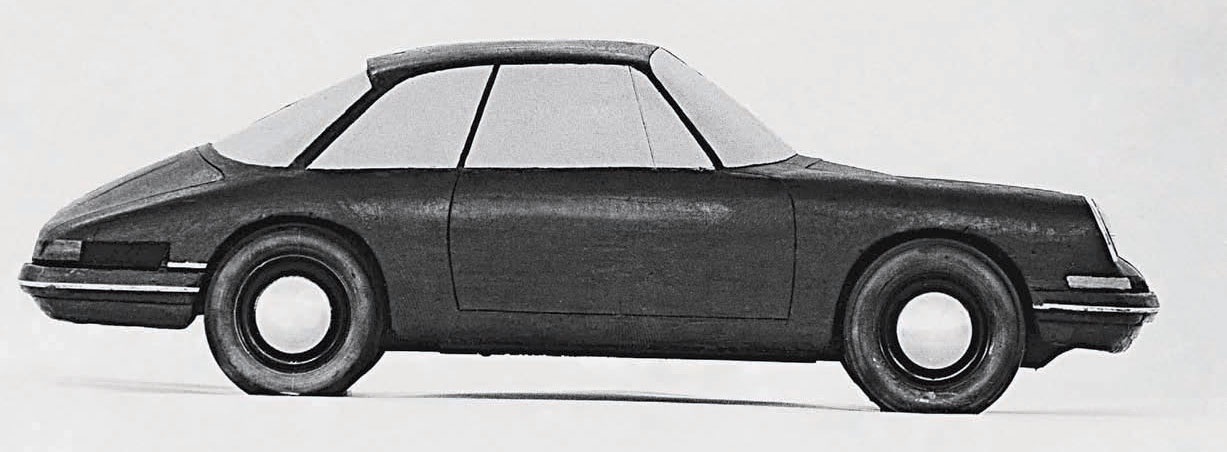
The 695 continued to take shape as this model from May 1961 suggests. Executed in 1:7.5 scale, it revealed the inset rear window for ventilation that F. A. Porsche proposed as a means to break up a large surface. Porsche Archiv
|
|
|
|
|
|
|
|
Image
|
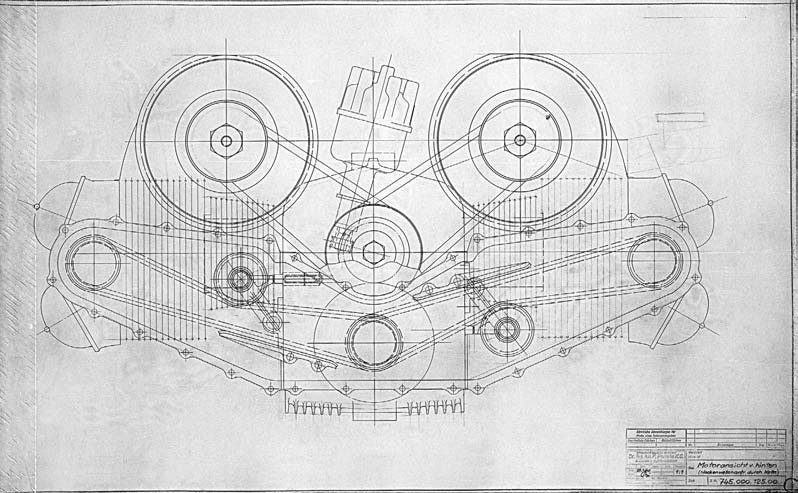
The 745 opposed six-cylinder engine was a clever solution to the challenge of fitting a high-performance engine into a compact space. Its chief designer, Leopold Jäntsche, had created a similar design for Tatra with a fan for each bank of cylinders. Porsche Archiv
|
|
|
|
|
|
|
Dr. Ing. h.c. F. Porsche AG
|
Image
|
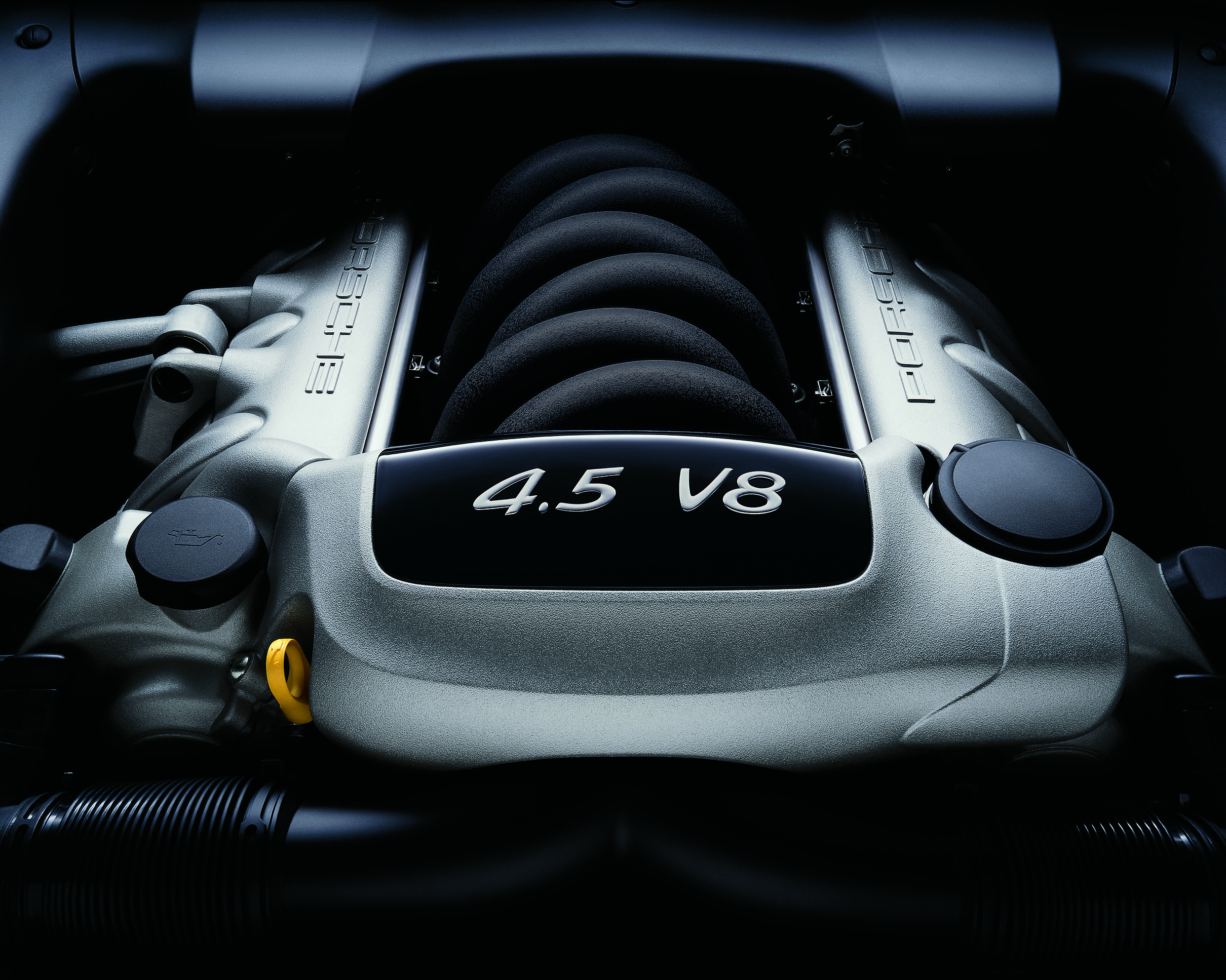
The 8-cylinder engine of the Cayenne S has an output of 340 HP (250 kW) with a displacement of 4.5 litres
|
Porsche
|
Cayenne
|
S
|
E1
|
|
|
Dr. Ing. h.c. F. Porsche AG
|
Image
|
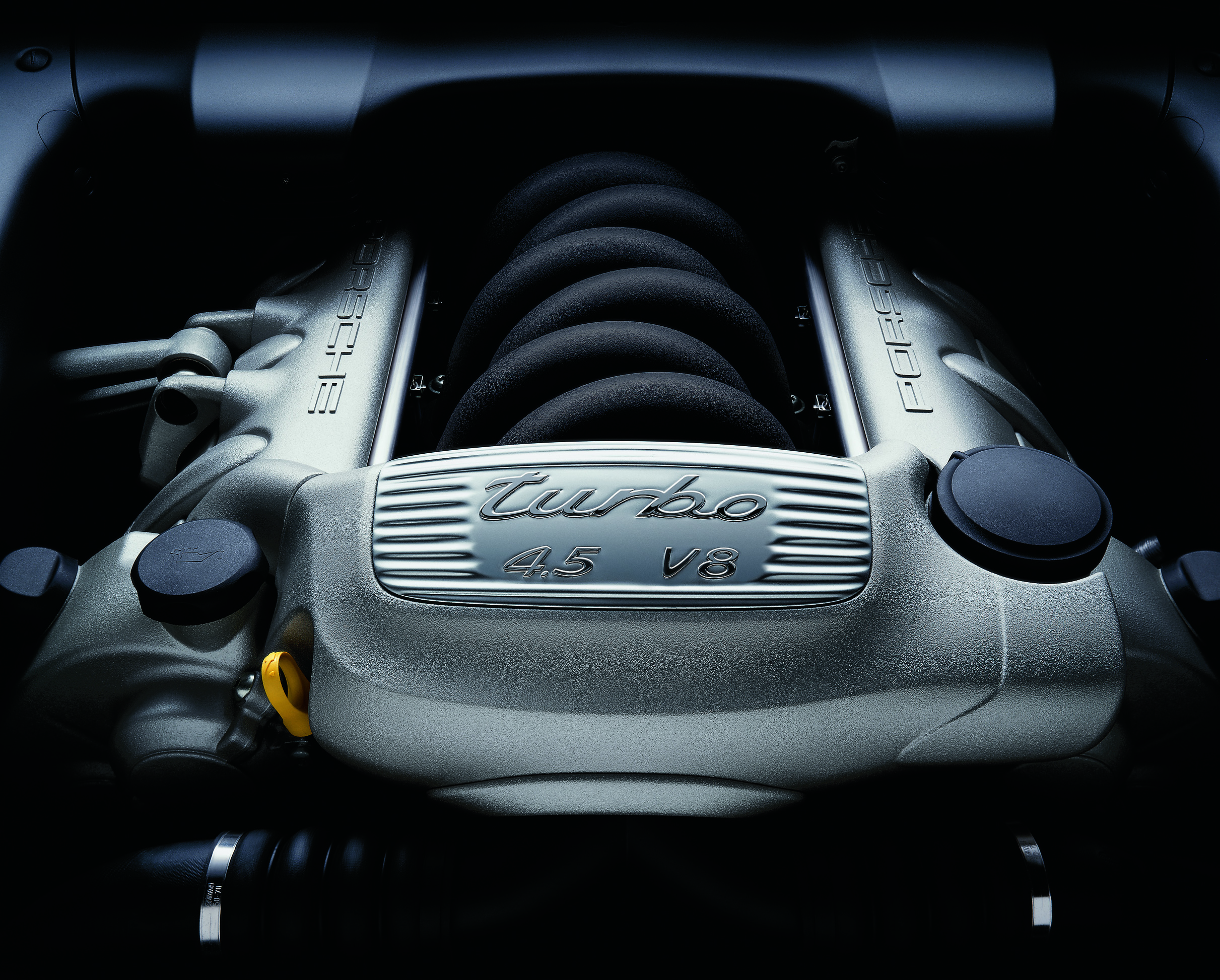
The 8-cylinder engine of the Cayenne Turbo has an output of 450 HP (331 kW) with a displacement of 4.5 litres
|
Porsche
|
Cayenne
|
Turbo
|
E1
|
|
|
|
Image
|
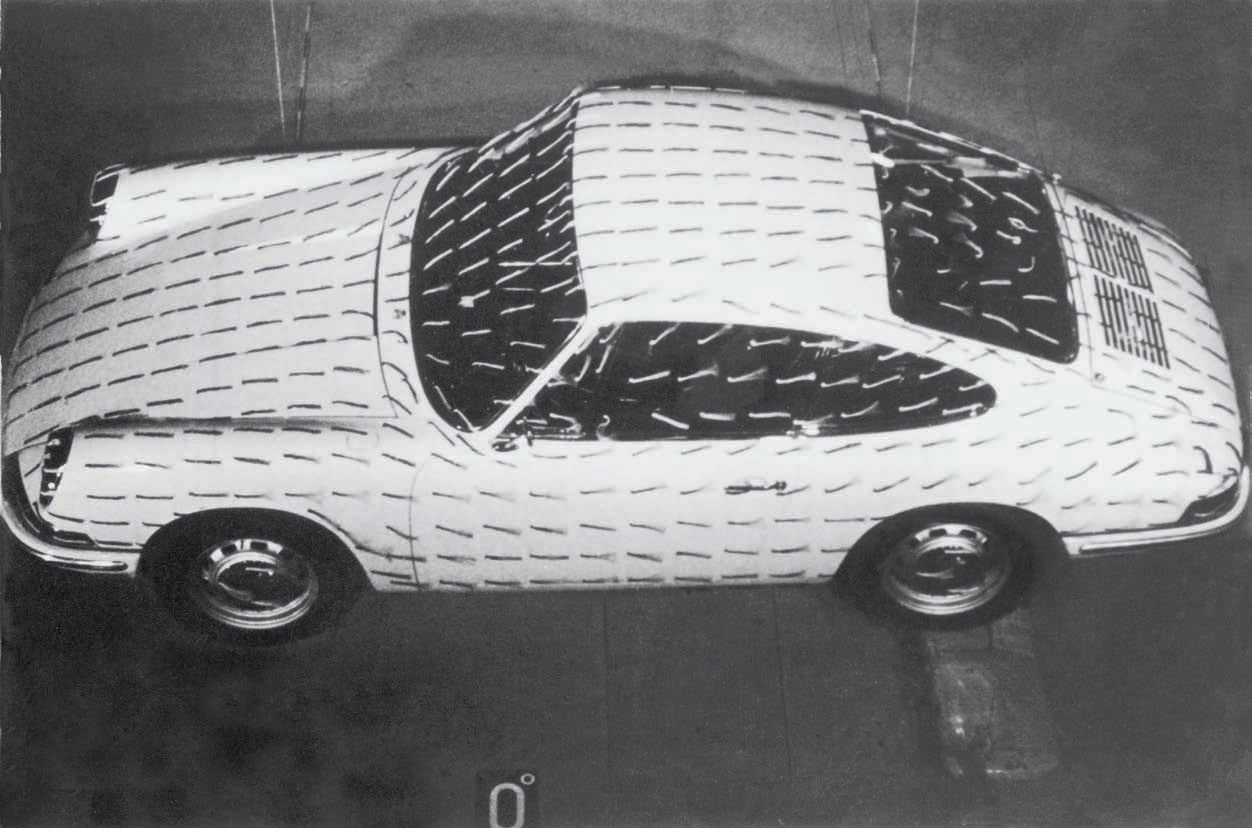
The 901 was well formed by the time it reached the Stuttgart University wind tunnel in March 1964. This was hardly its first trip to the tunnel, and by this time, one or another of the 901 prototypes had been on display at the six most important auto shows in Europe. Porsche Archiv
|
|
|
|
|
|
|
|
Image
|
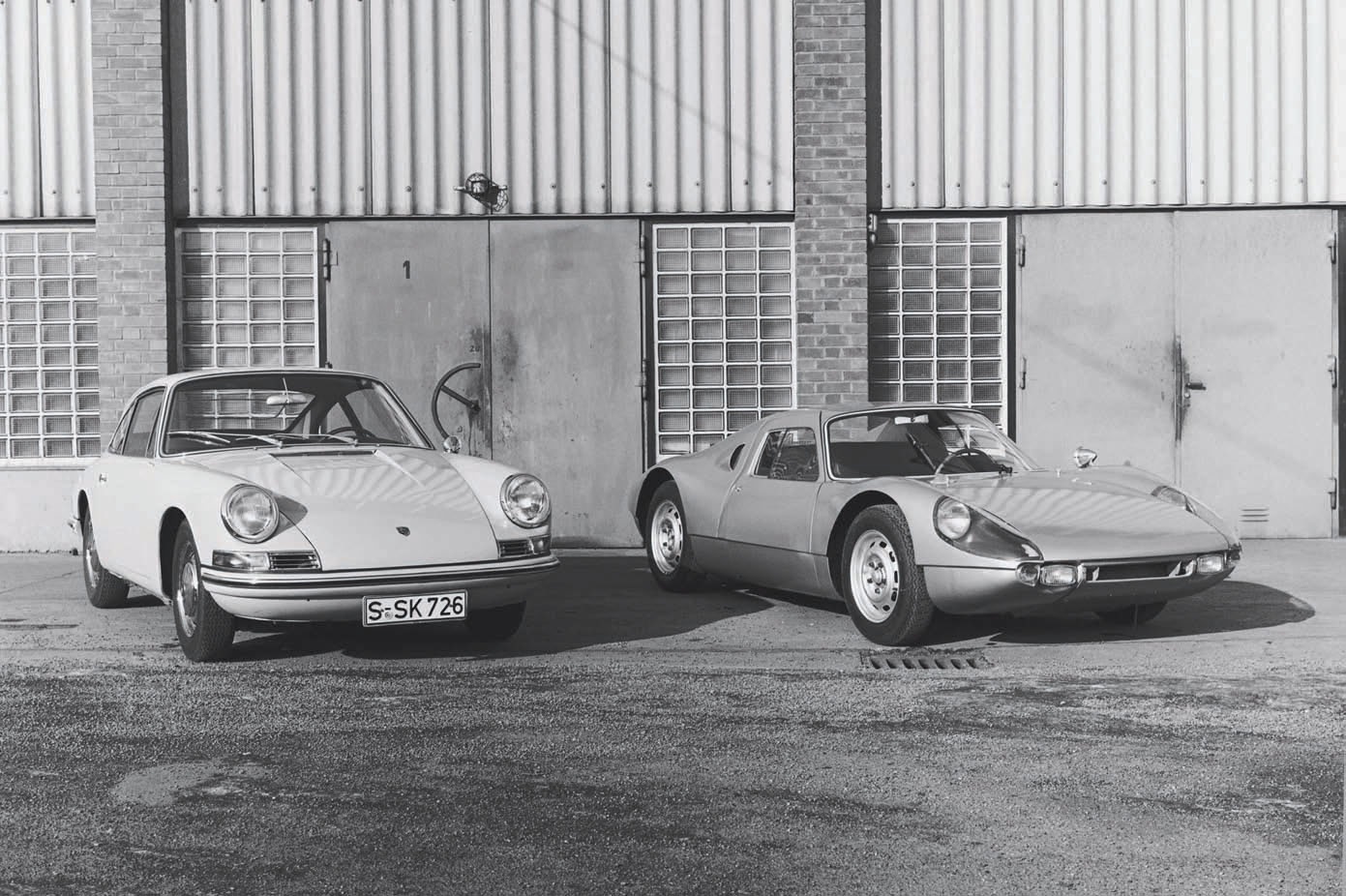
The 911 and the 904: On the left was the race-legal road car and on the right was a road-legal race car. Especially for international rallies, such as the Monte Carlo, these two models often competed together but in different classes. Porsche Archiv
|
|
|
|
|
|
|
Dr. Ing. h.c. F. Porsche AG
|
Image
|
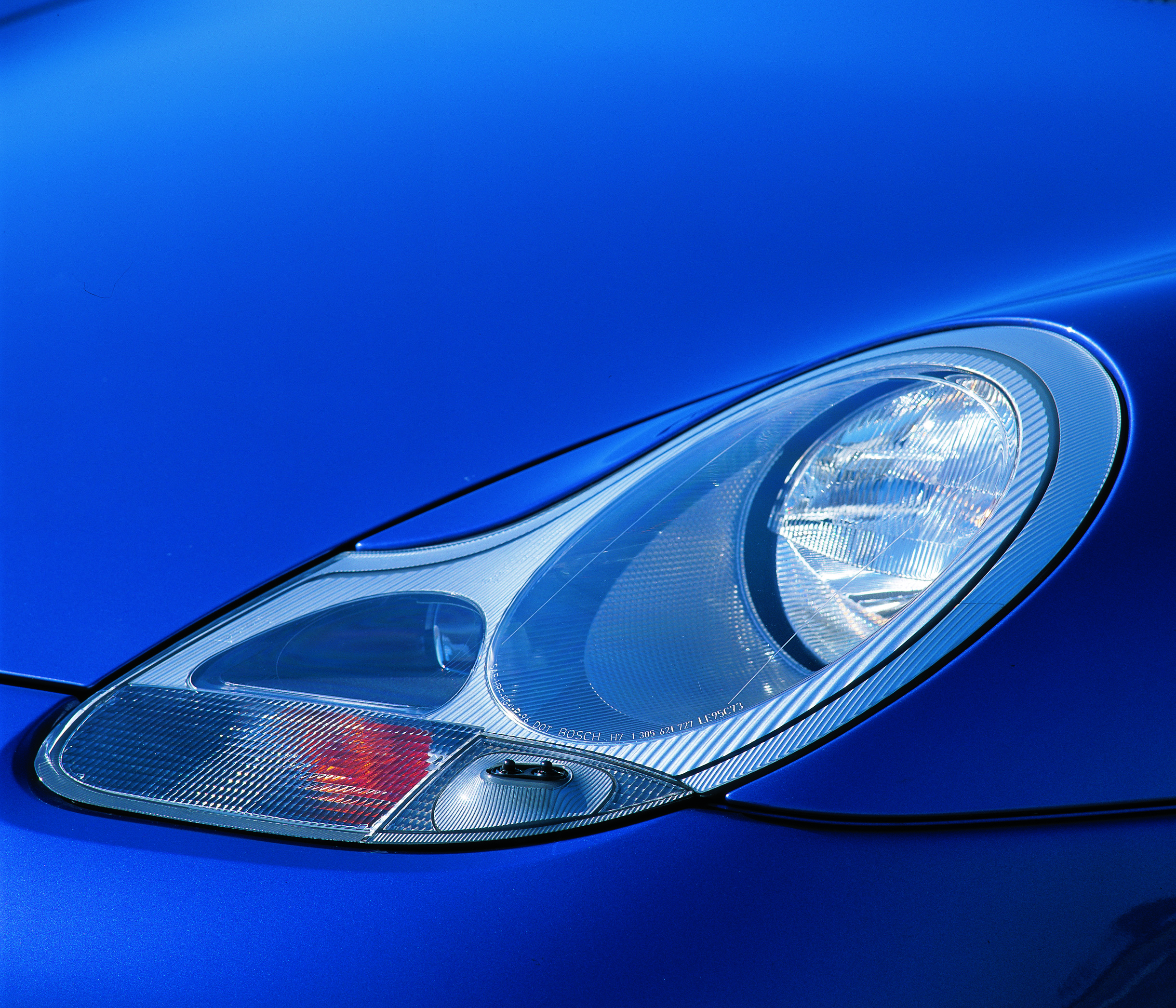
The 911 Carrera Cabriolet has had white direction indicator lenses installed in its headlights since it was first produced in 1998
|
Porsche
|
911
|
Carrera Cabriolet
|
996 I
|
|
|
Dr. Ing. h.c. F. Porsche AG
|
Image
|
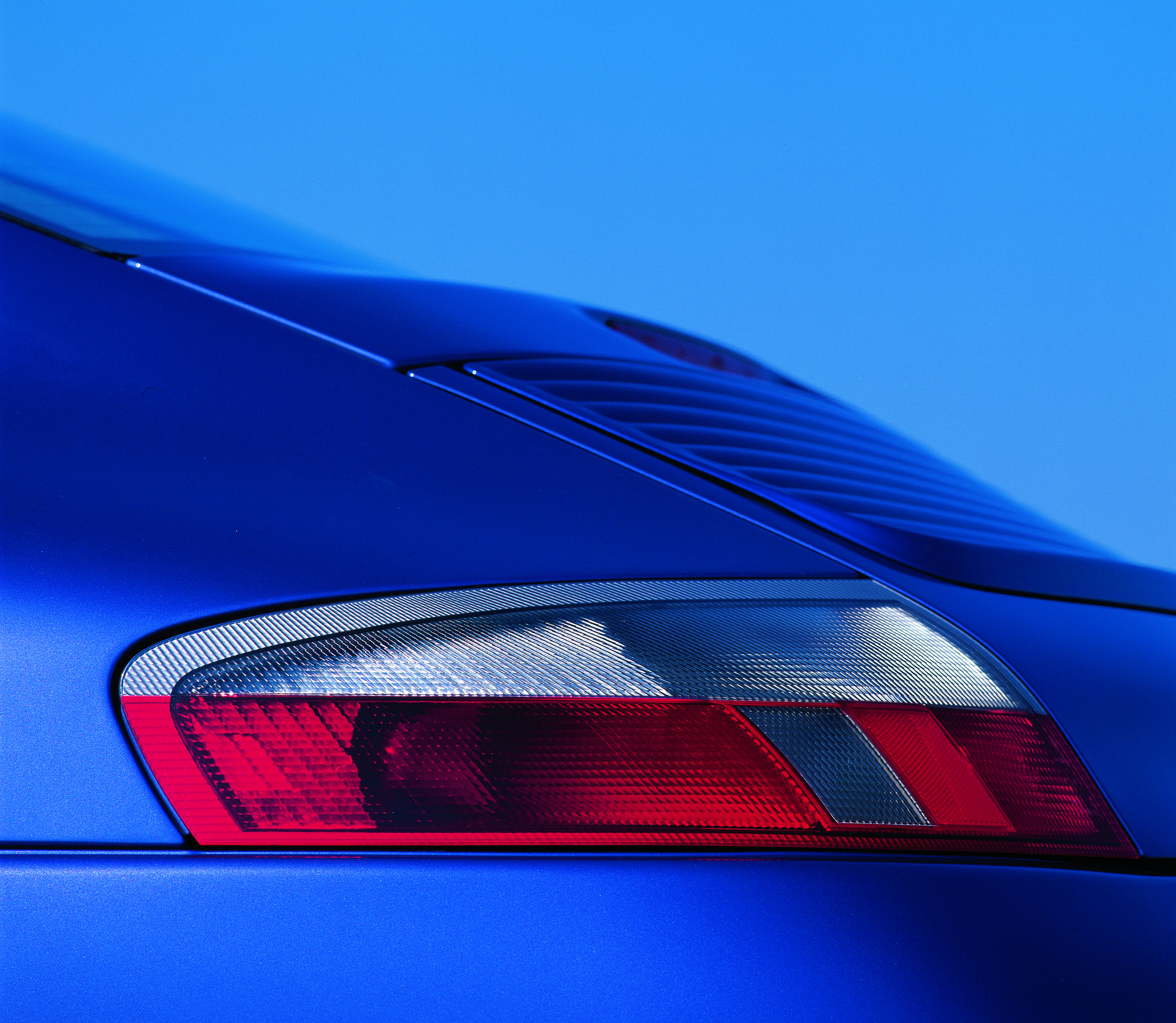
The 911 Carrera Coupe has had white direction indicator lenses installed in its tail lights since model year 1999/2000
|
Porsche
|
911
|
Carrera
|
996 I
|
|
|
Dr. Ing. h.c. F. Porsche AG
|
Image
|
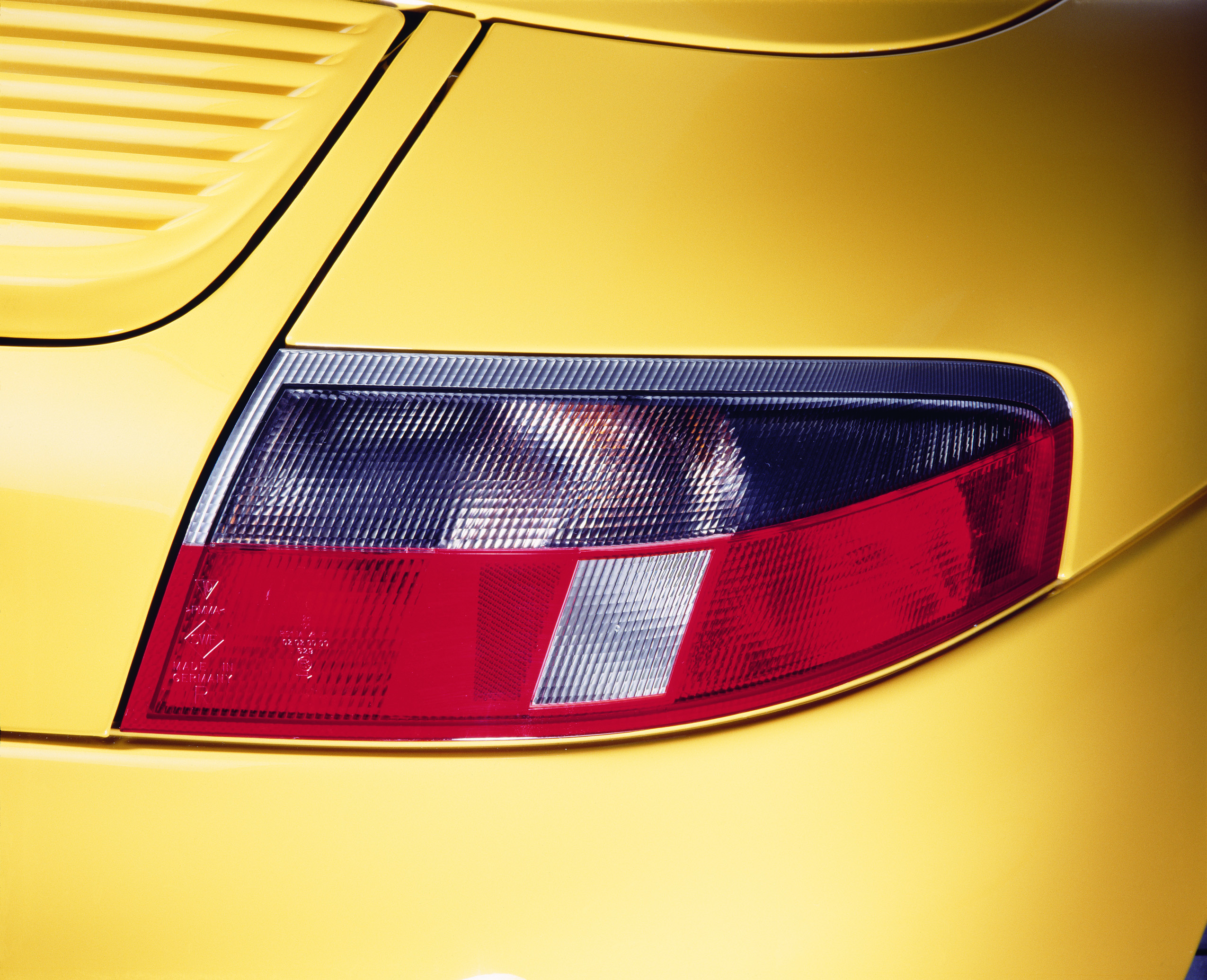
The 911 Carrera has had white direction indicator lenses installed in its tail lights since model year 1999/2000
|
Porsche
|
911
|
Carrera Cabriolet
|
996 II
|
|
|
Dr. Ing. h.c. F. Porsche AG
|
Image
|
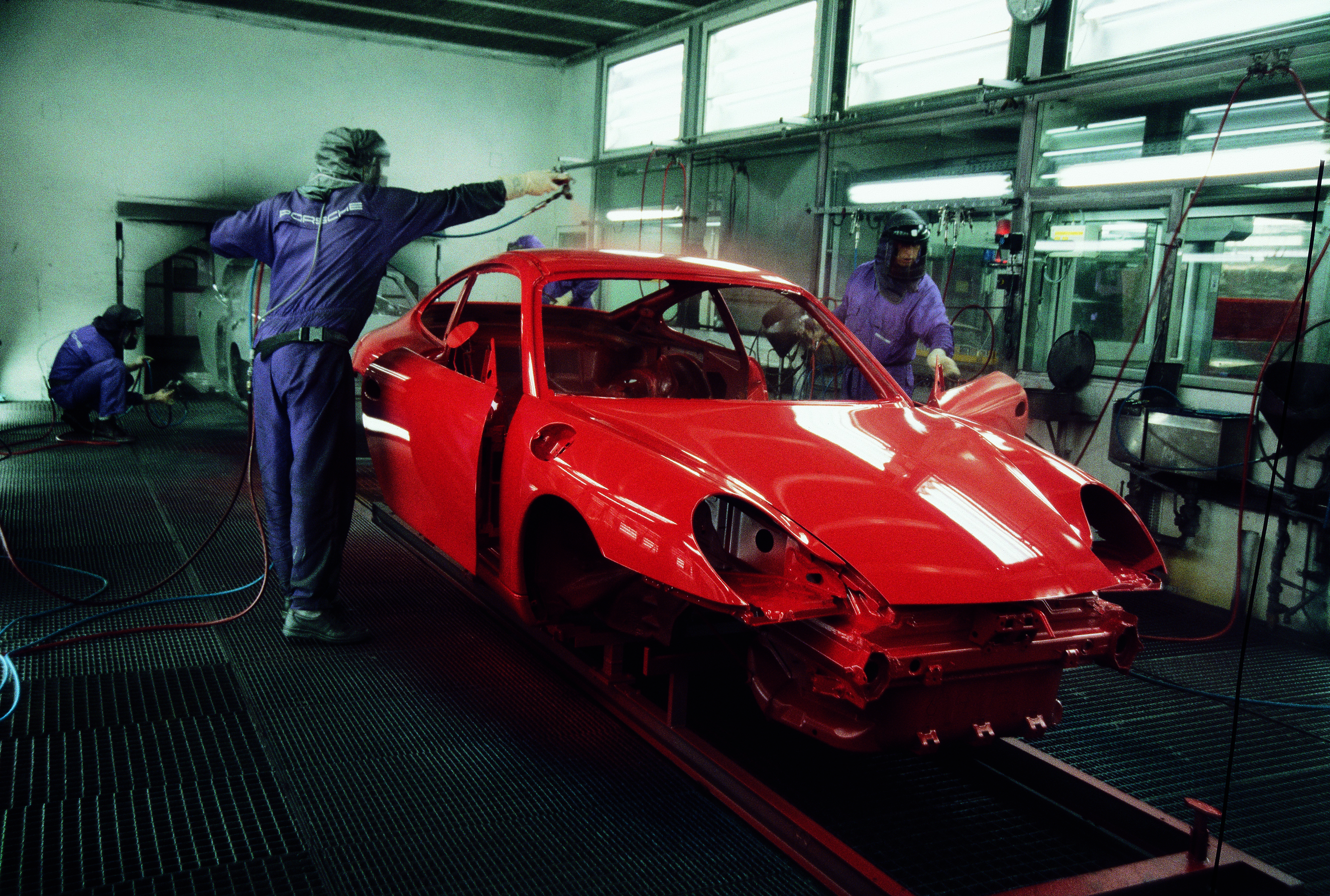
The 911 Carrera is given its colour with top coat paint, for which only water-based paints are used
|
Porsche
|
911
|
Carrera
|
996 I
|
|
|
Dr. Ing. h.c. F. Porsche AG
|
Image
|
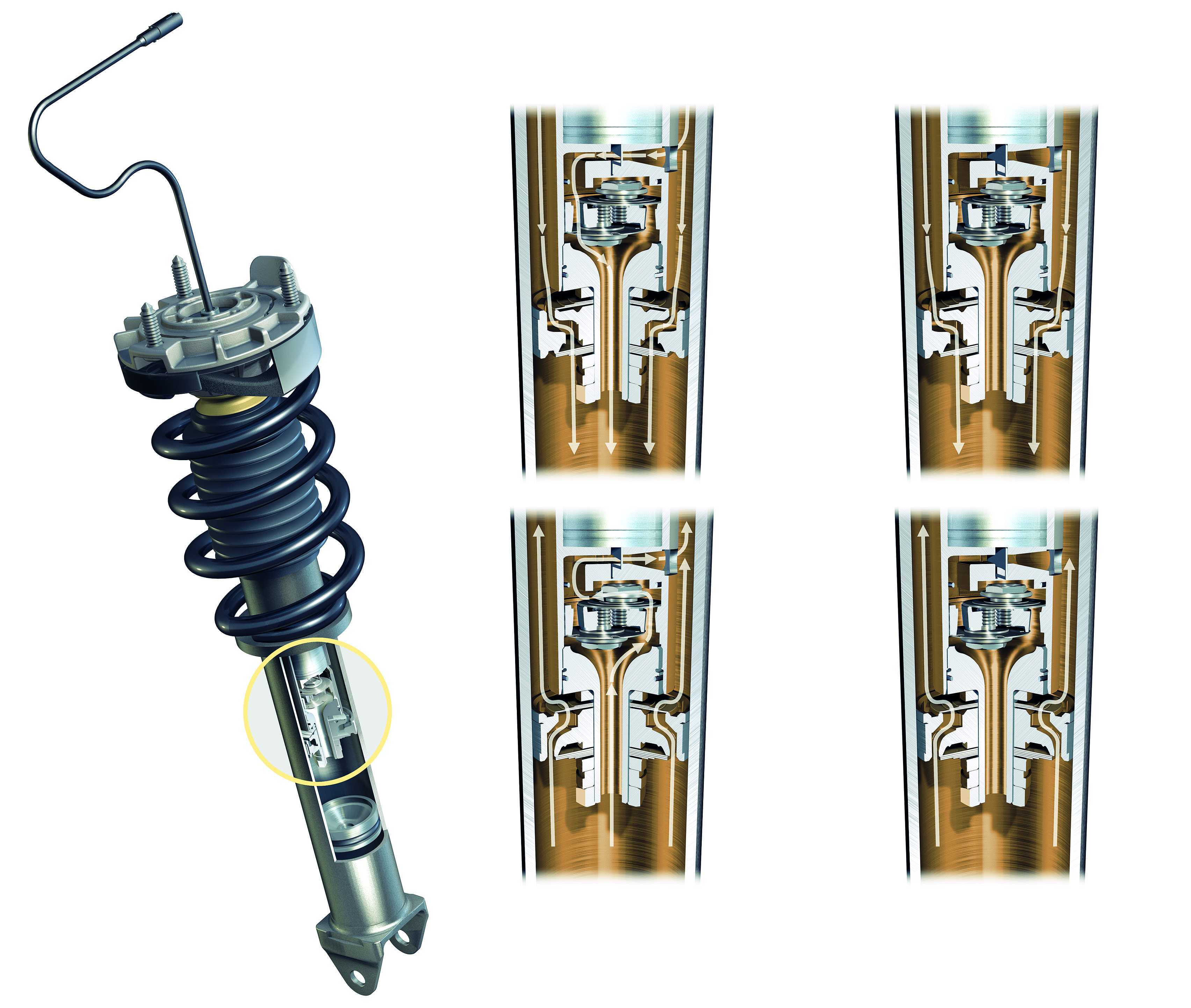
The 911 Carrera S is equipped as standard with the âÂÂPorsche Active Suspension Managementâ (PASM) system
|
Porsche
|
911
|
Carrera S
|
997 I
|
|
|
Dr. Ing. h.c. F. Porsche AG
|
Image
|
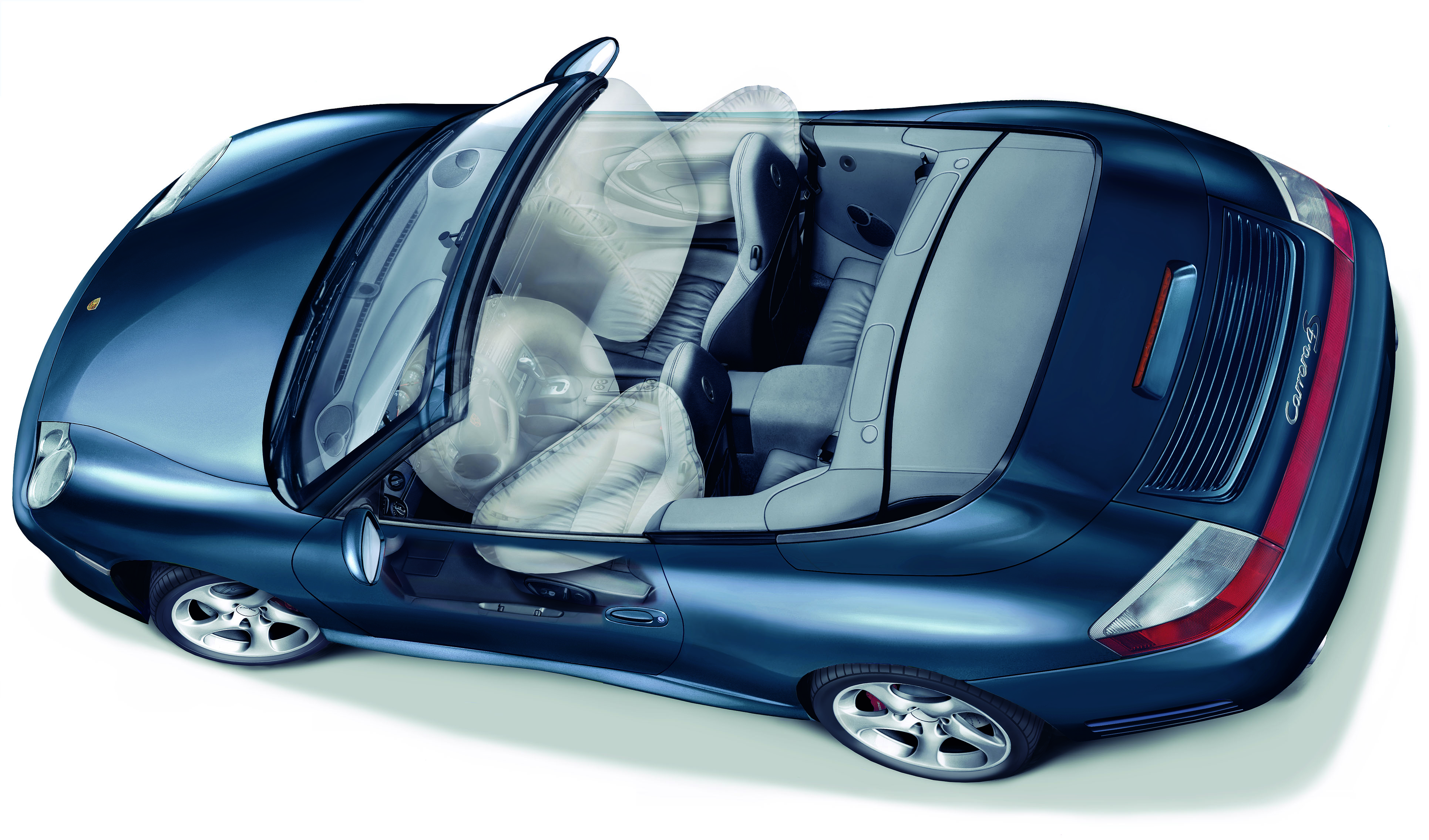
The 911 Carrera 4S Cabriolet is equipped with driverâÂÂs, passengerâÂÂs and side airbags as standard.
|
Porsche
|
911
|
Carrera 4S Cabriolet
|
996 II
|
|
|
Dr. Ing. h.c. F. Porsche AG
|
Image
|
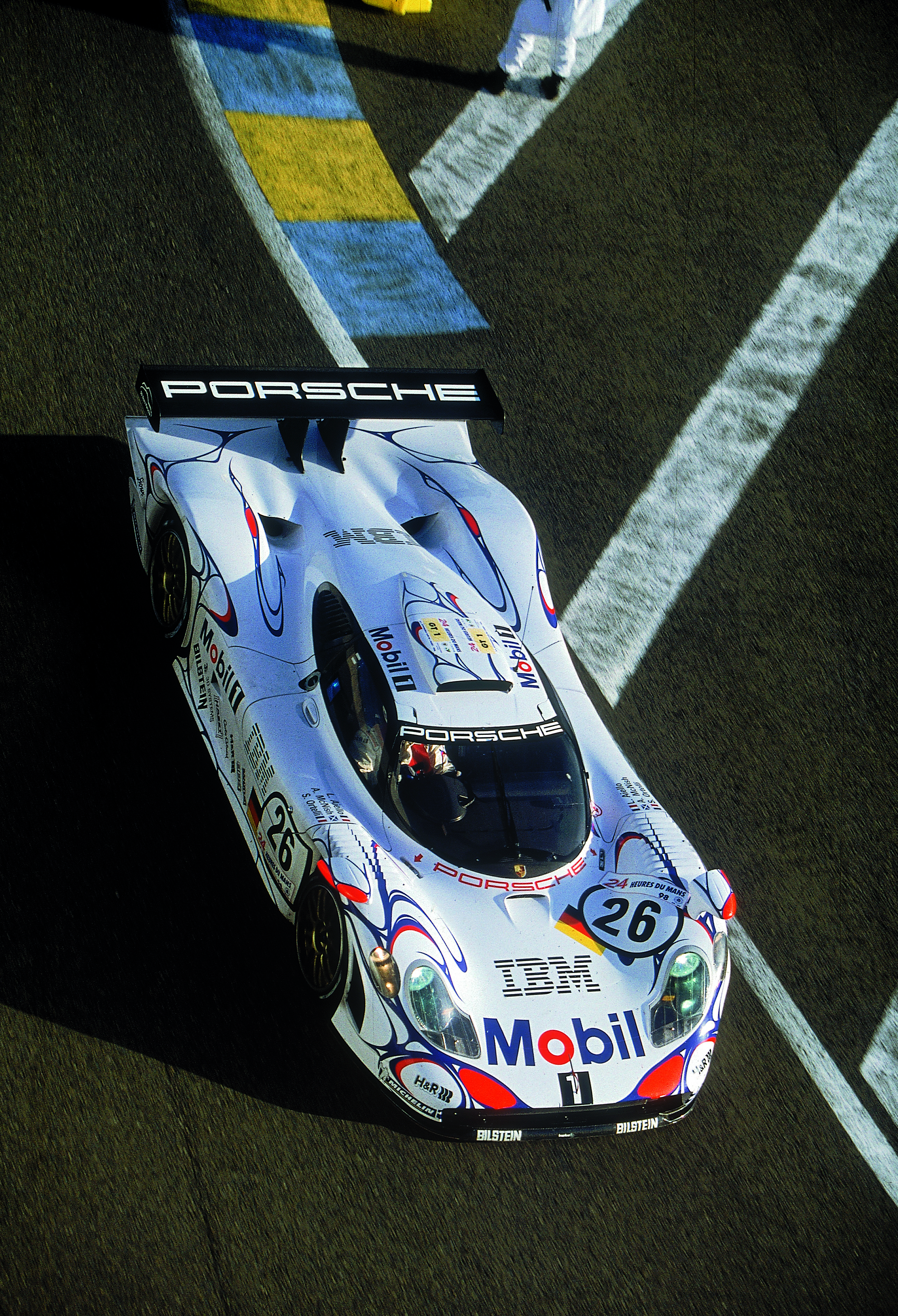
The 911 GT1 which won in Le Mans in 1998
|
|
|
|
|
|
|
Dr. Ing. h.c. F. Porsche AG
|
Image
|
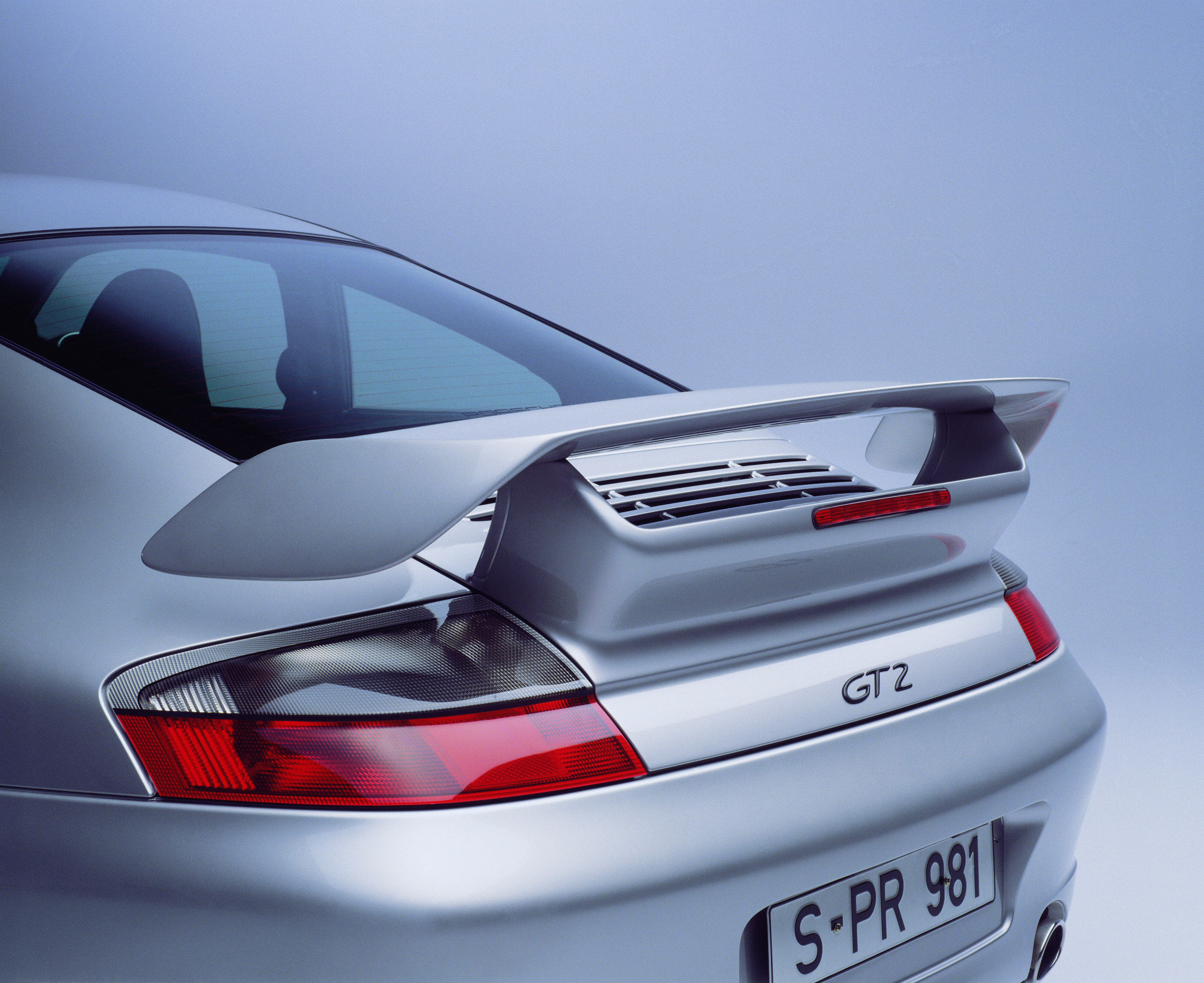
The 911 GT2 has a fixed rear wing
|
Porsche
|
911
|
GT2
|
996 I
|
|
|
Dr. Ing. h.c. F. Porsche AG
|
Image
|
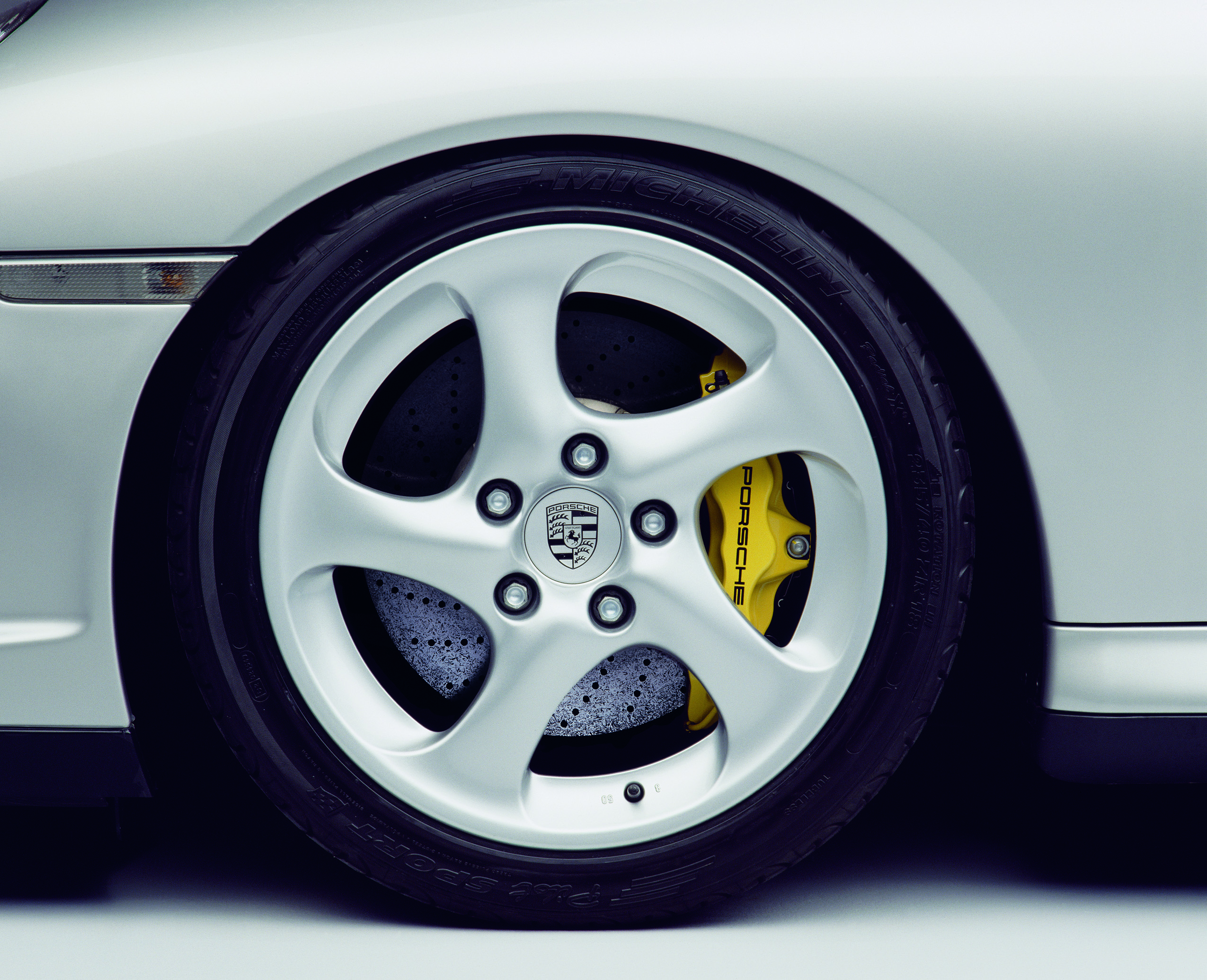
The 911 GT2 is fitted as standard with Porsche Ceramic Composite Brakes (PCCB)
|
Porsche
|
911
|
GT2
|
996 I
|
|
|
Dr. Ing. h.c. F. Porsche AG
|
Image
|
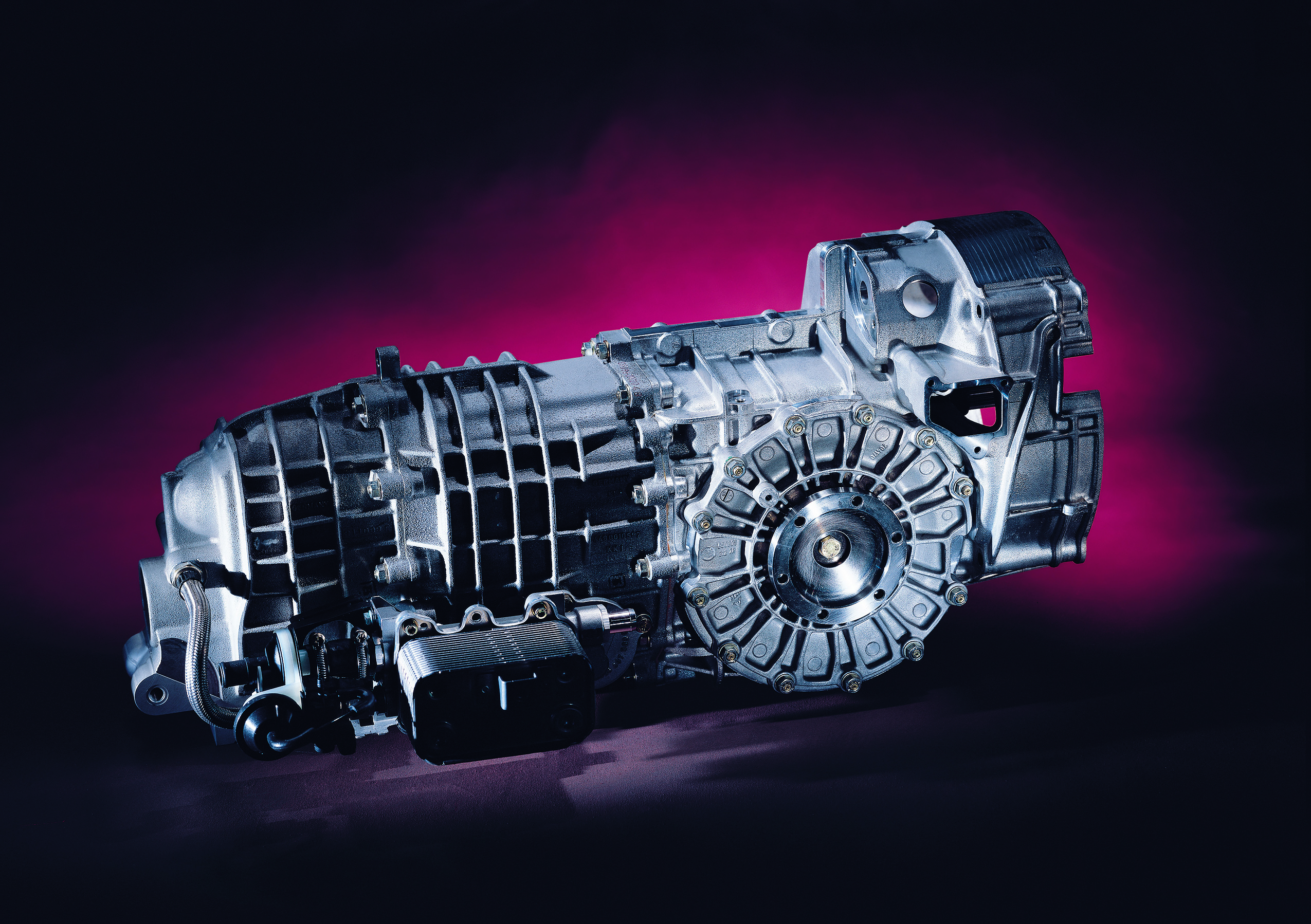
The 911 GT2 is only supplied with a six-speed manual transmission
|
Porsche
|
911
|
GT2
|
996 I
|
|
|
Dr. Ing. h.c. F. Porsche AG
|
Image
|
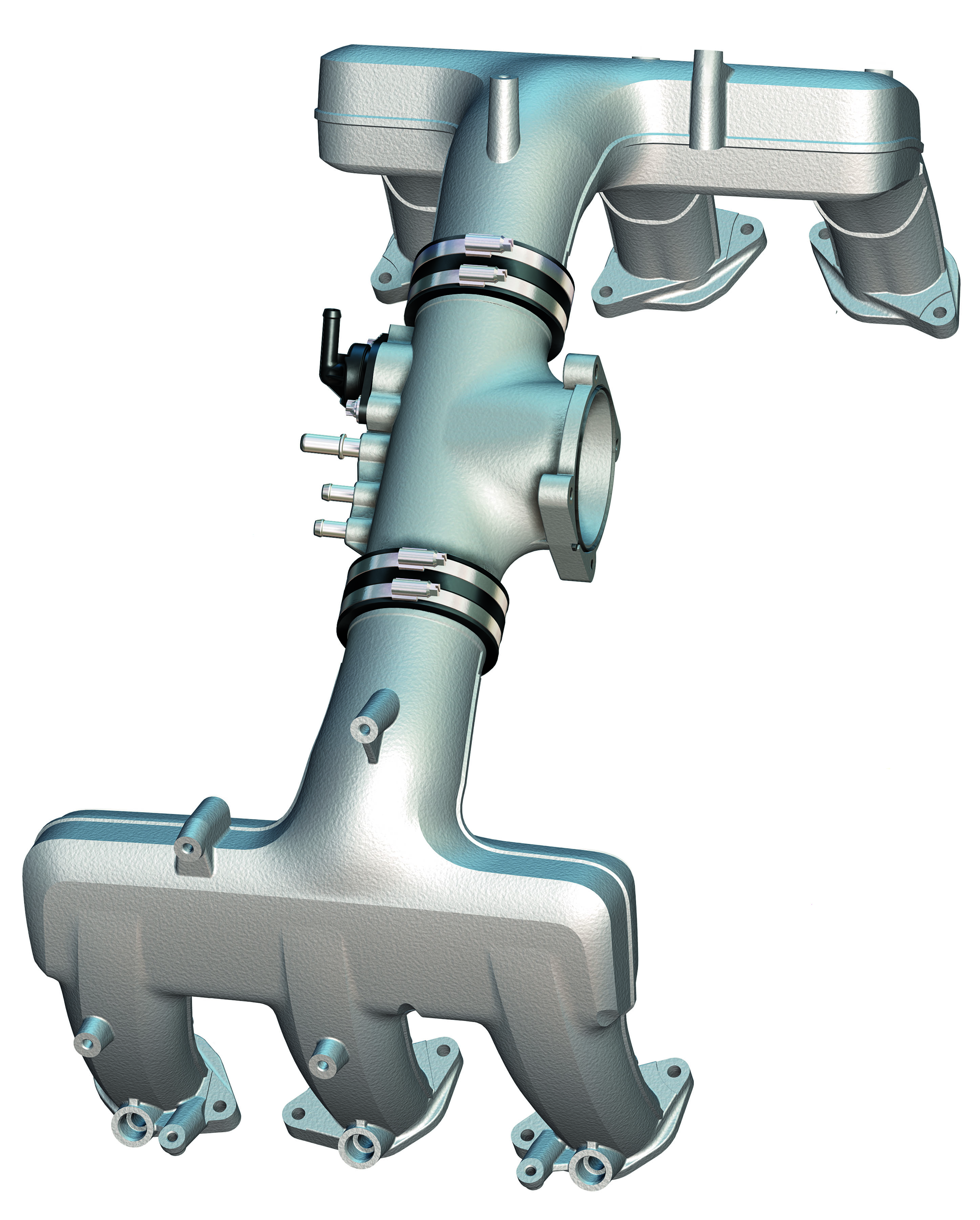
The 911 GT2's new expansion intake manifold
|
Porsche
|
911
|
GT2
|
997 I
|
|
|
Dr. Ing. h.c. F. Porsche AG
|
Image
|
The 911 GT3 has a displacement of 3.6 litres
|
Porsche
|
911
|
GT3
|
996 I
|