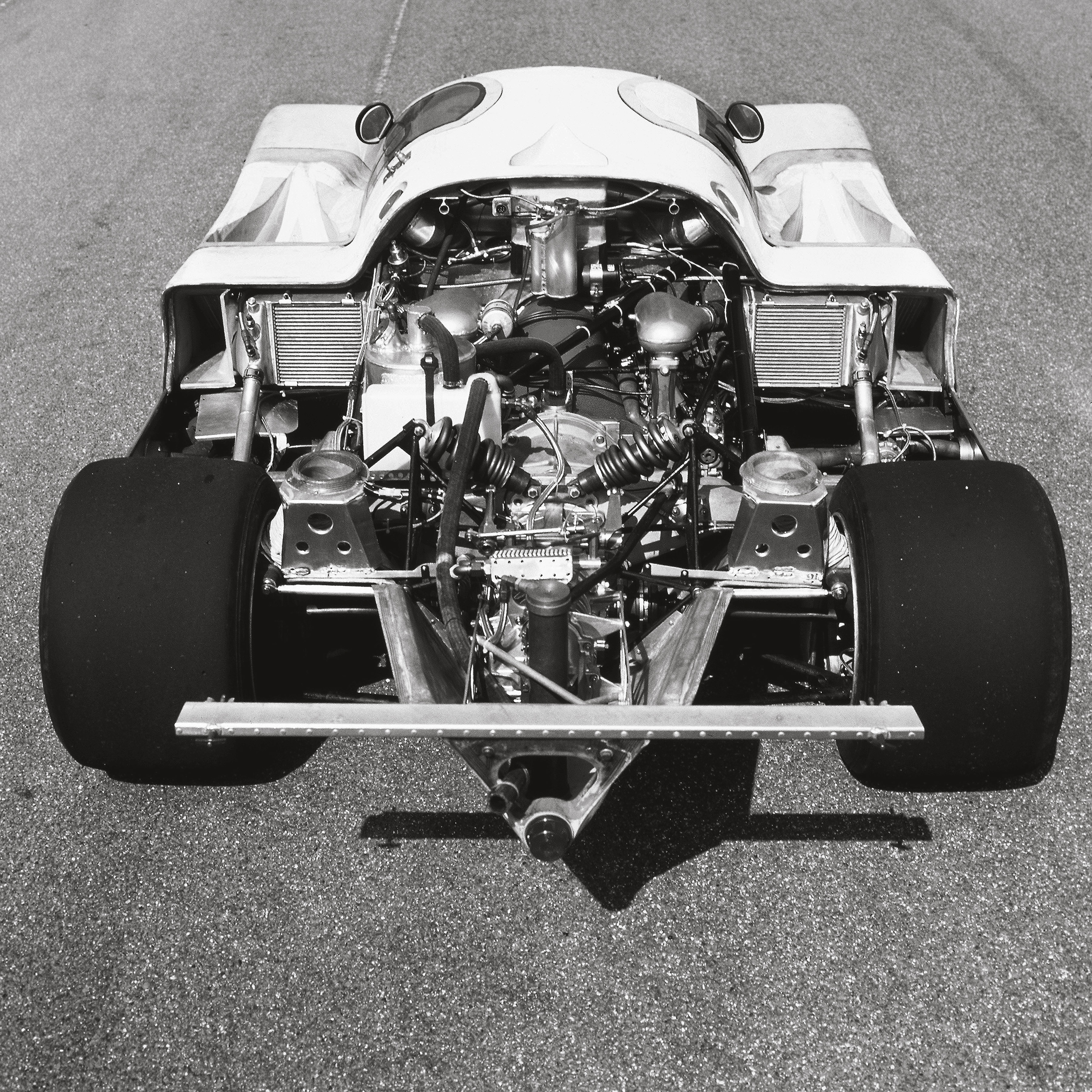
Engine cutaway model of an engine for the Porsche 944
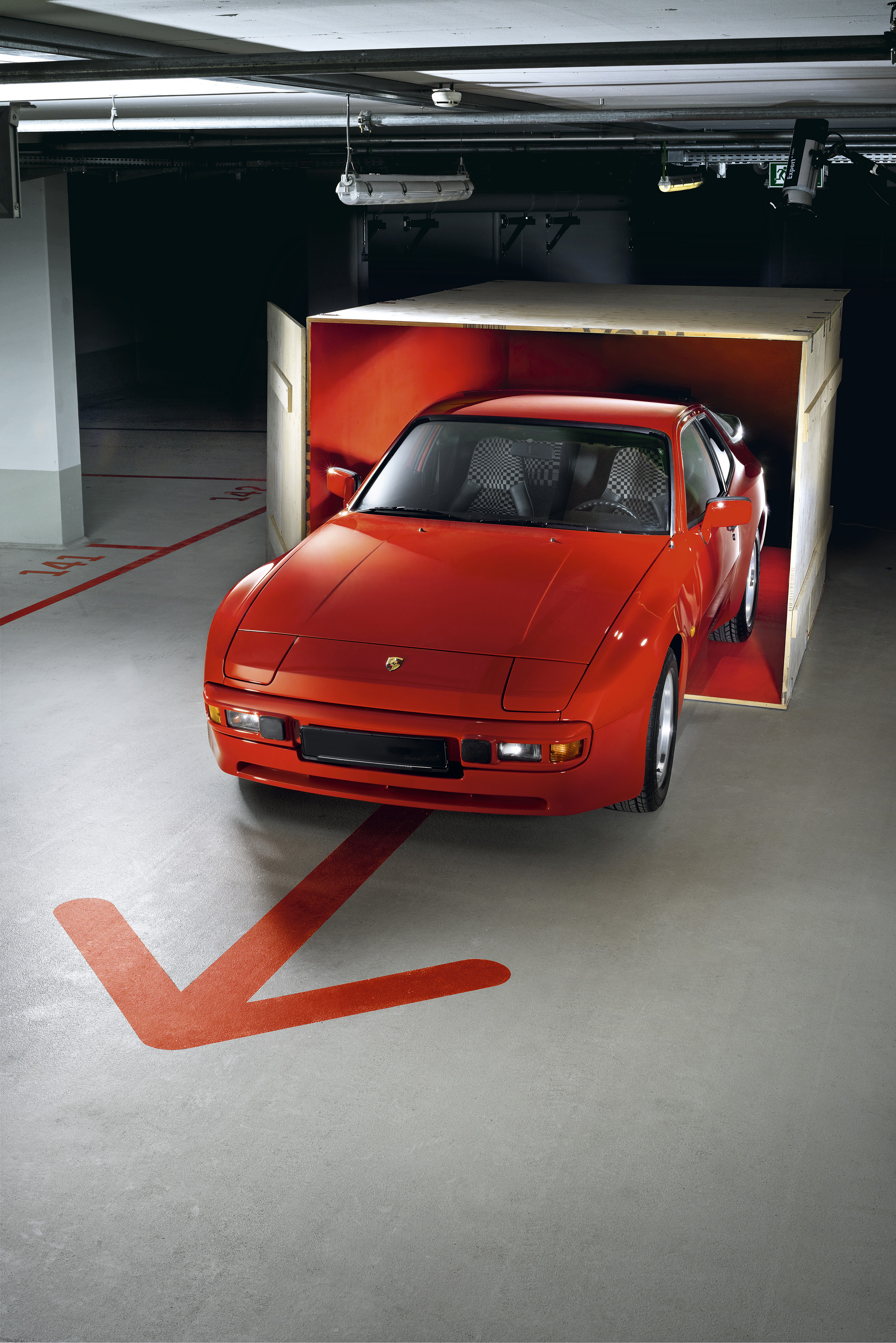
A final refinement for the Porsche 944 in the Design Studio
944 advertising poster in the format 76x102 cm from 1981
944 advertising poster in the format 76x102 cm from 1989
944 advertising poster in the format 76x102 cm from 1989
Porsche 944
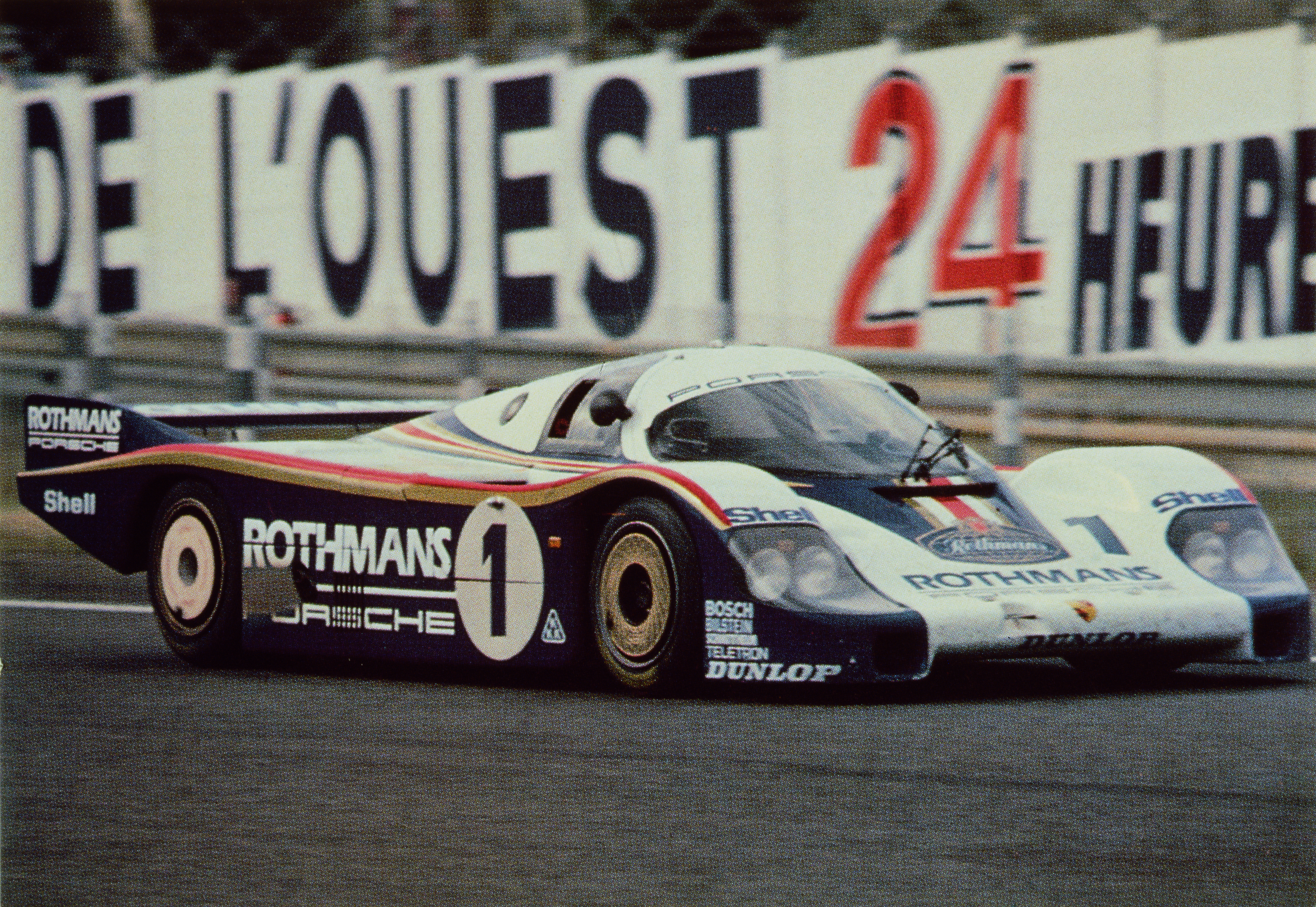
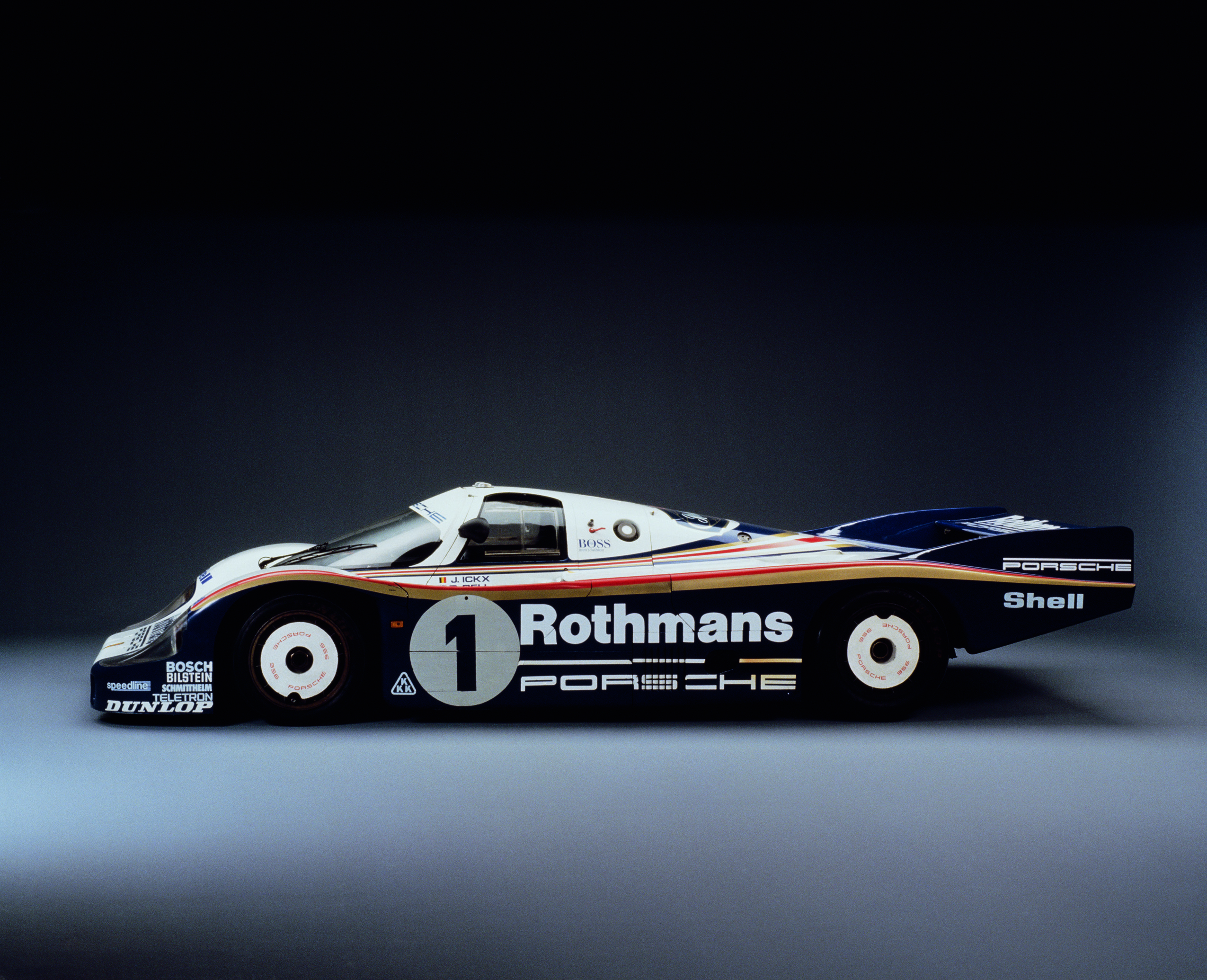
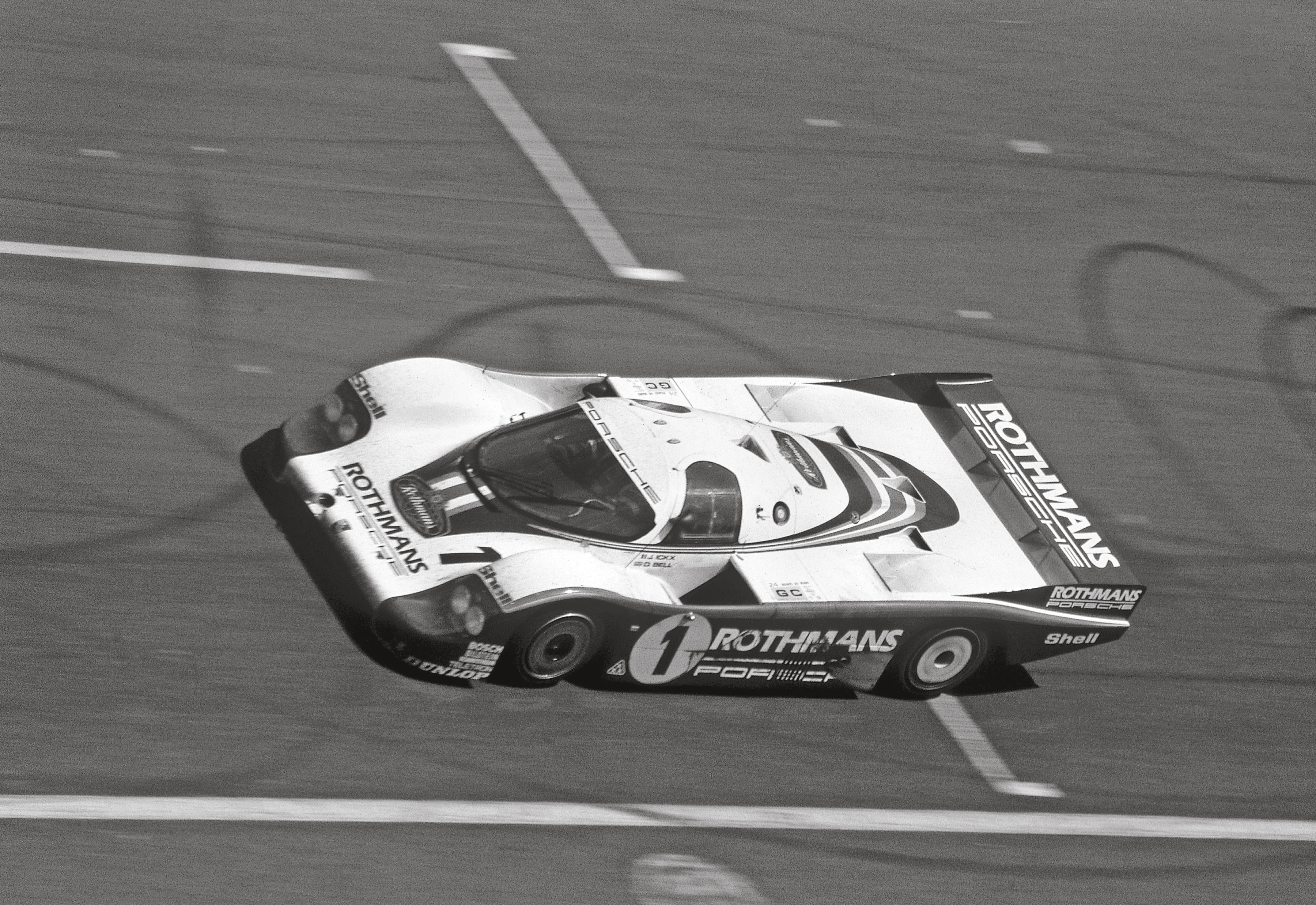
1982 Le Mans 24-hour race When entered for the first time in Le Mans on 19th/20th June 1982, the new group C Porsche type 956 achieved a convincing triple victory. Corresponding to their numbers of 1,2 and 3 on the starting grid, the three cars crossed the finished line together in first, second and third place. The winning car was driven by Jacky Ickx and Derek Bell. 956 (1982): air/water-cooled 6-cyl. bi-turbo boxer engine, 2649 cm3,630 HP, 840 kg
Milestones in brake development: Porsche Type 956/962 with aluminium double fixed-caliper brakesdesign
Porsche 956 (1982)
Porsche 956 long-tail at Le Mans in 1982
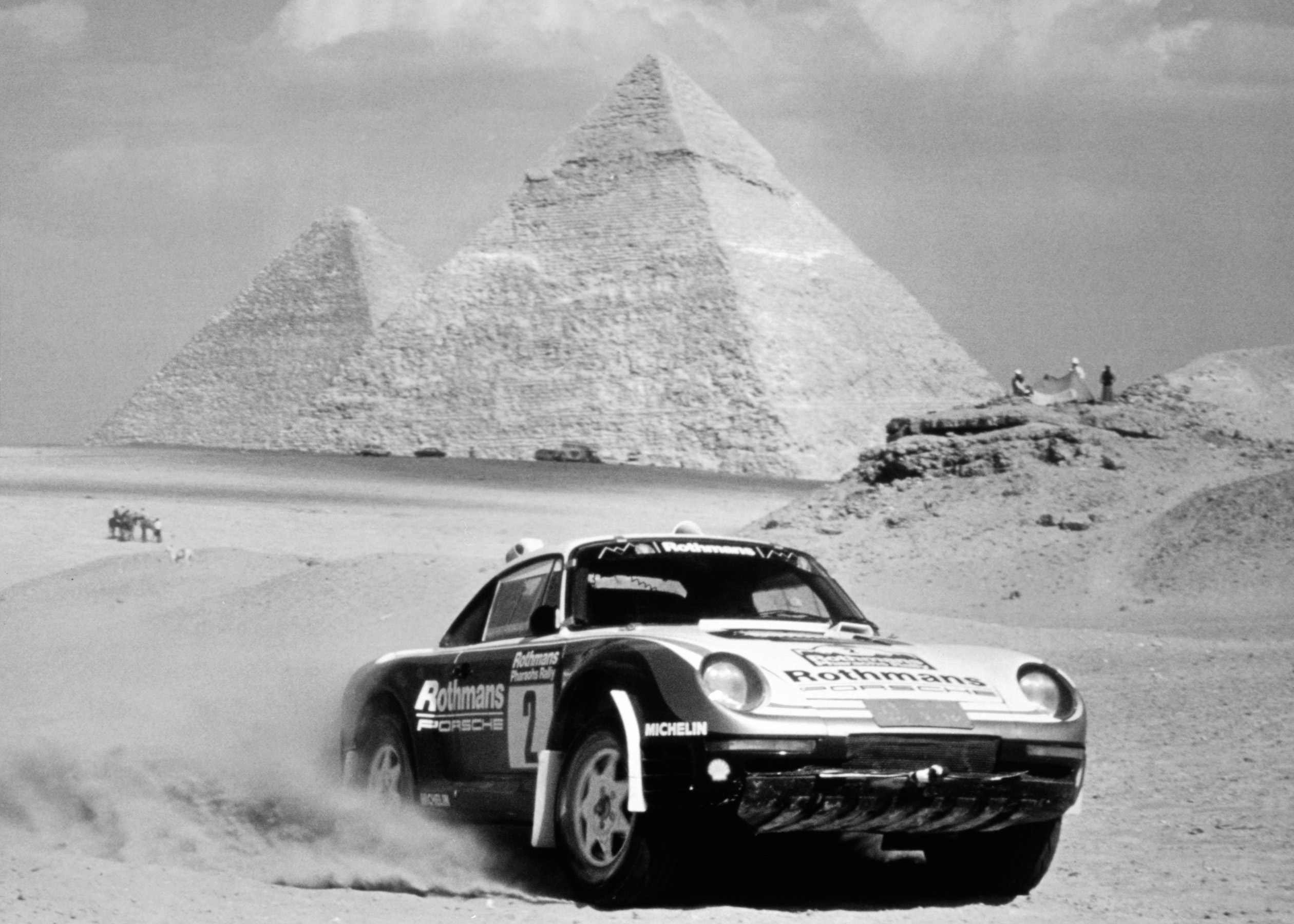
1985 Pharaoh Rally In the Pharaoh Rally, held from 10th to 19th October 1985 in Egypt, Porsche used the intended bi-turbo engine for the first time; the 911 aspiration engine was still installed in the 959 for the Paris-Dakar Rally in January 1985. Saeed Al Hajri and John Spiller won the Pharaoh Rally with this car. 959 "Pharaoh Rally" (1985): air-water-cooled 6-cyl. bi-turbo boxer engine , 2849 cm3, 390 HP, 1185 kg