|
|
Image
|
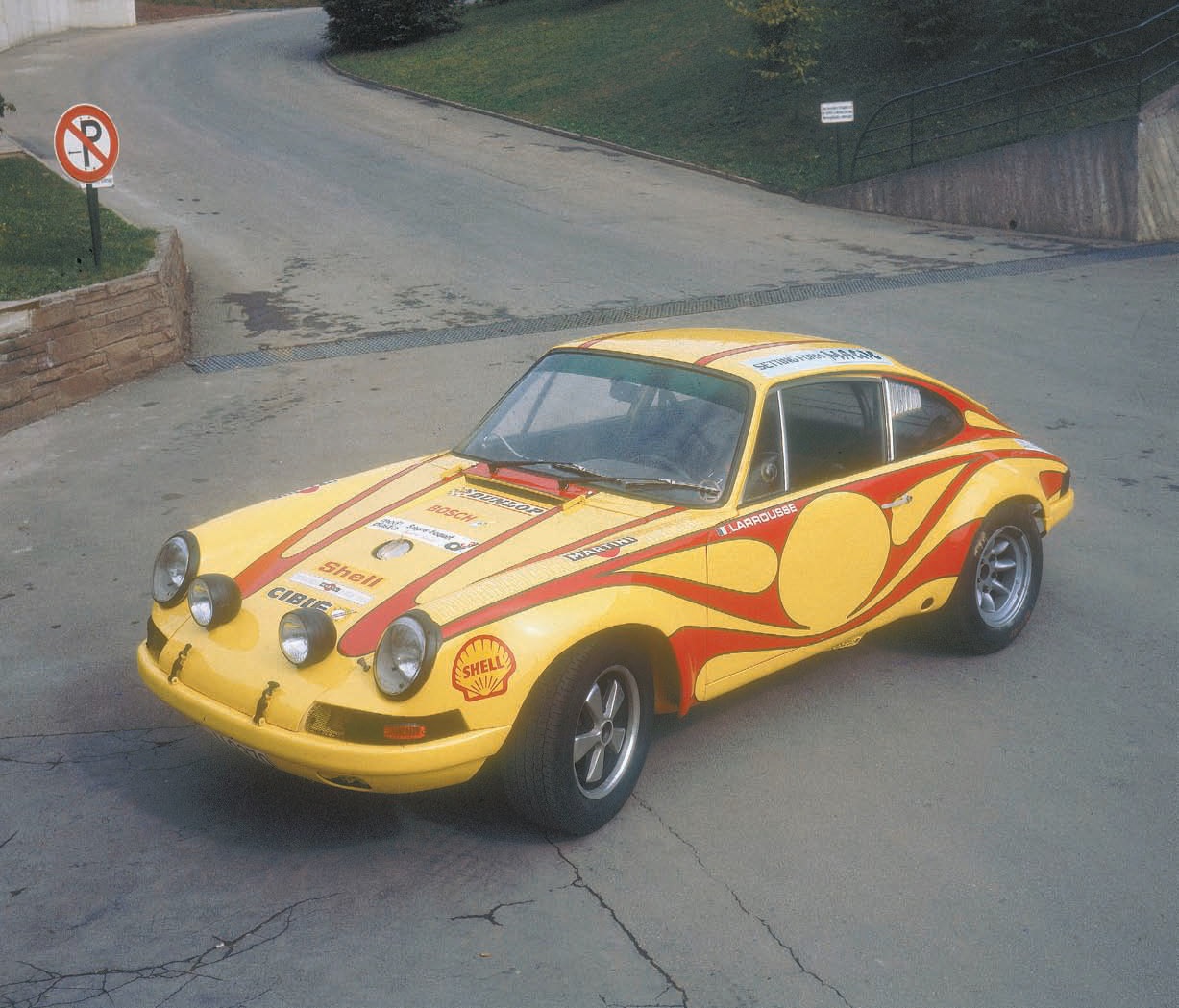
Weissach racing engineers prepared this 2.4-liter S for Gerard Larrousse to contest the 1970 Tour de France de l’Automobile. This potent ultra-light S, at 1,736 pounds with 245 horsepower, finished second overall behind a Matra prototype. Porsche Archiv
|
|
|
|
|
|
|
|
Image
|
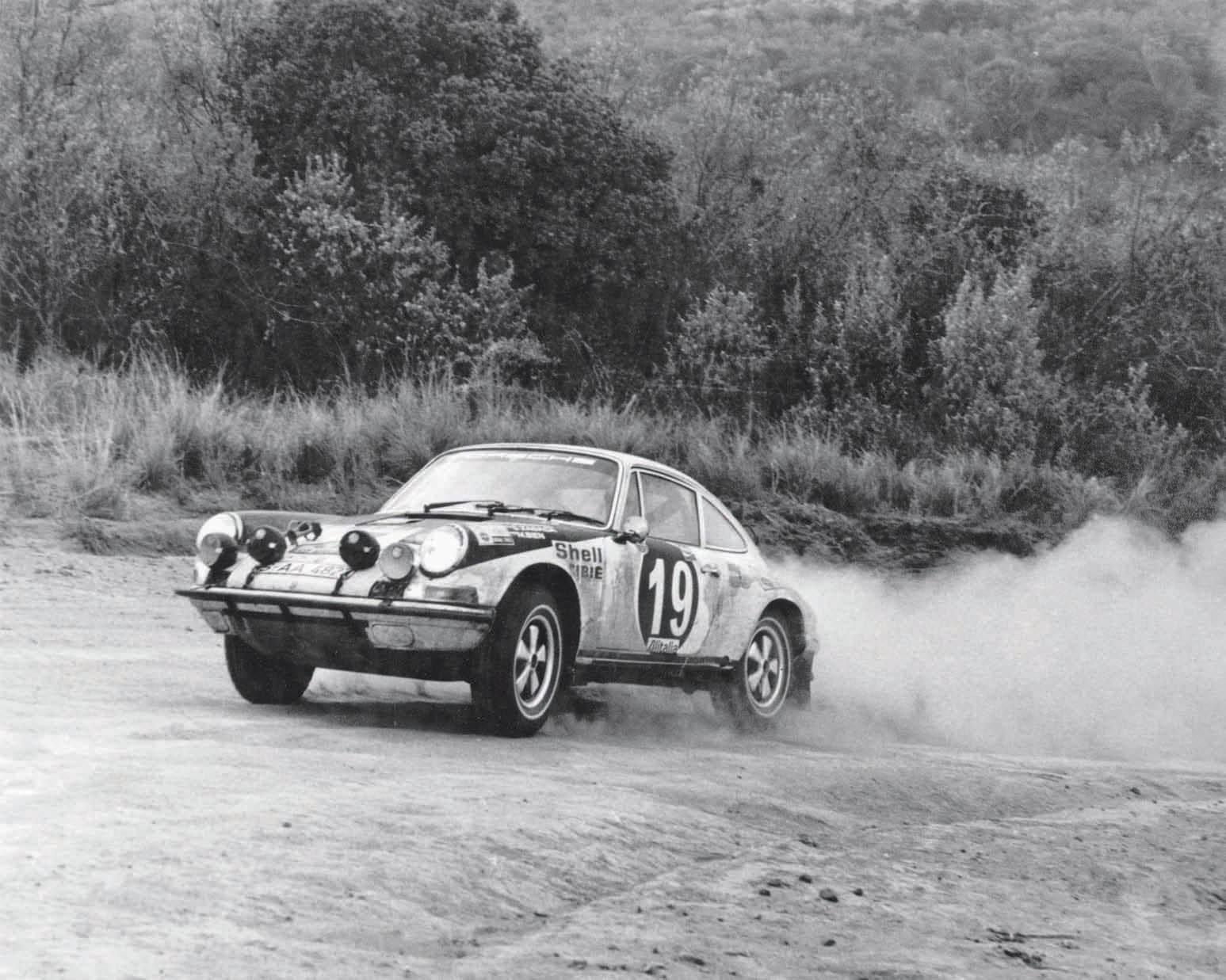
With fuel from Shell and whitewall tires from Sears, Zobieslaw Zasada attacked the 1971 Africa Safari Rally in this 2.2-liter S. Zasada and co-driver Marian Bien finished fifth overall in the highest-placed Porsche entry. Porsche Archiv
|
|
|
|
|
|
|
|
Image
|
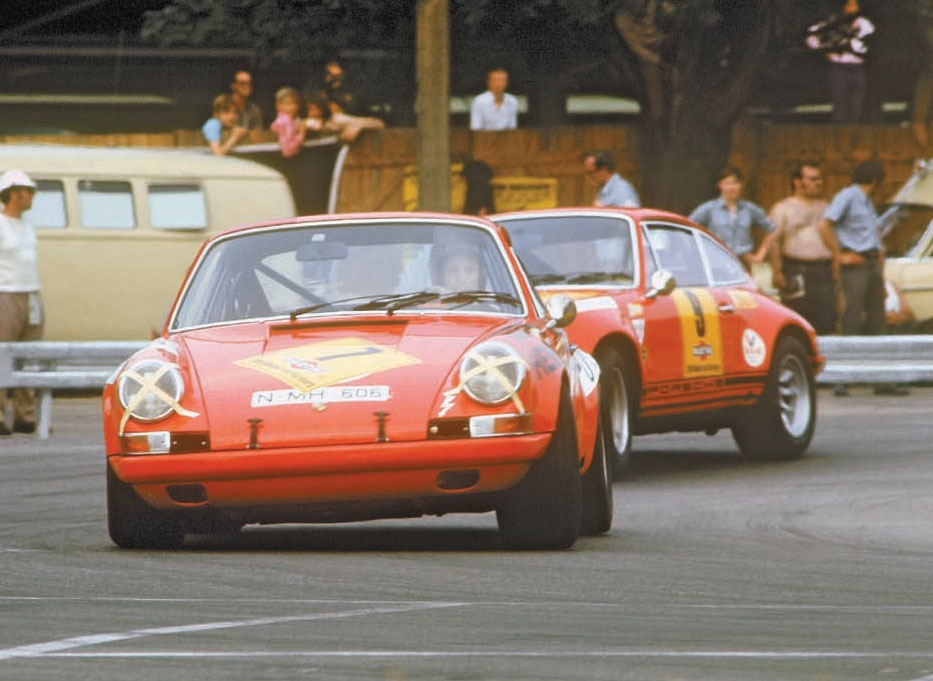
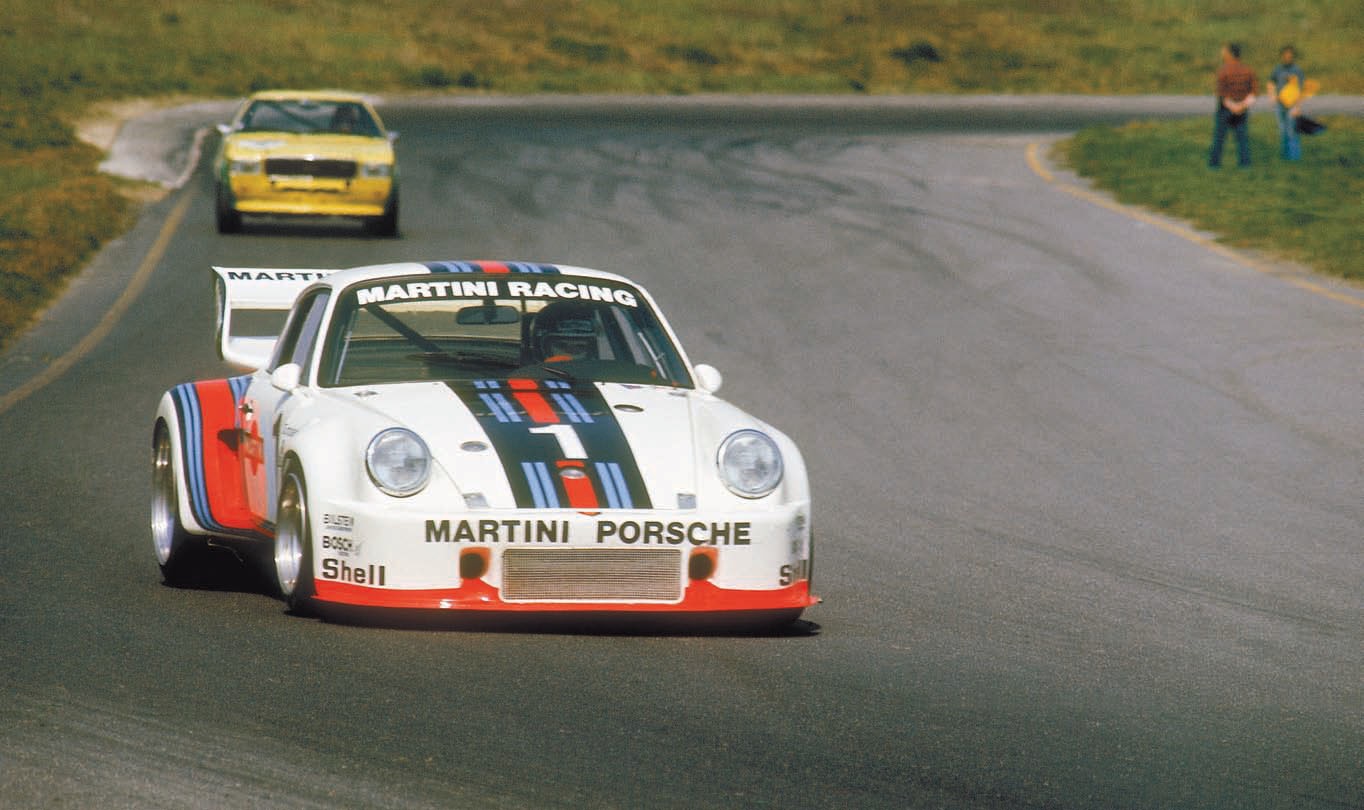
Clemens Schinkentanz, No. 1, led Jürgen Krzikalla, No. 9, around the Norisring 200-mile touring car race at Nuremberg in July 1971. Schinkentanz drove a 2.3-liter 911ST with prototype M471 equipment. Porsche Archiv
|
|
|
|
|
|
|
|
Image
|
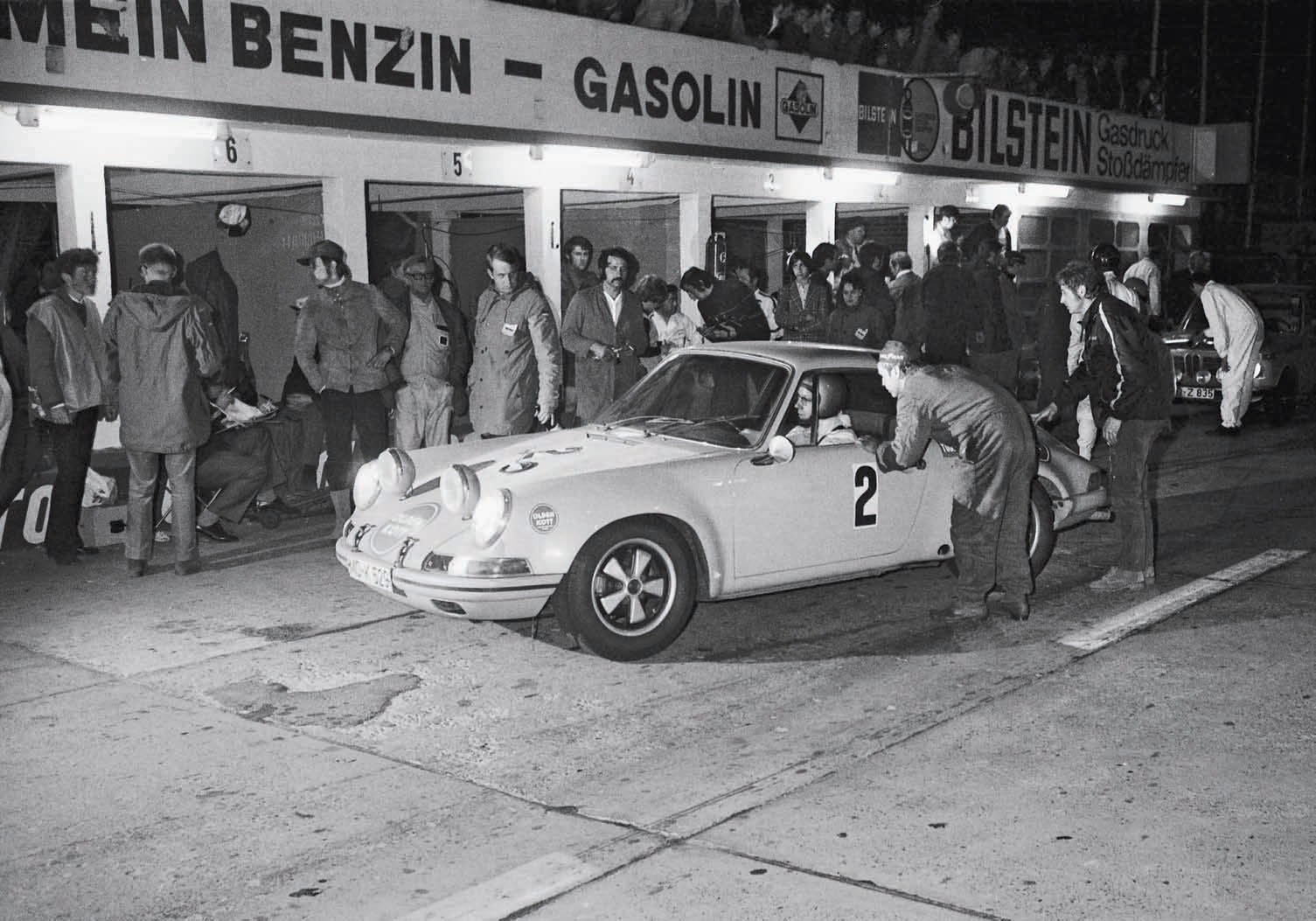
Nurburgring inaugurated a 24-hour race for touring cars in 1970 primarily for amateur drivers. Taking advantage of the long 15.5-mile North Loop circuit, the event allows 200 cars to start, including, in 1971, this 911S 2.5-liter coupe. Porsche Archiv
|
|
|
|
|
|
|
|
Image
|
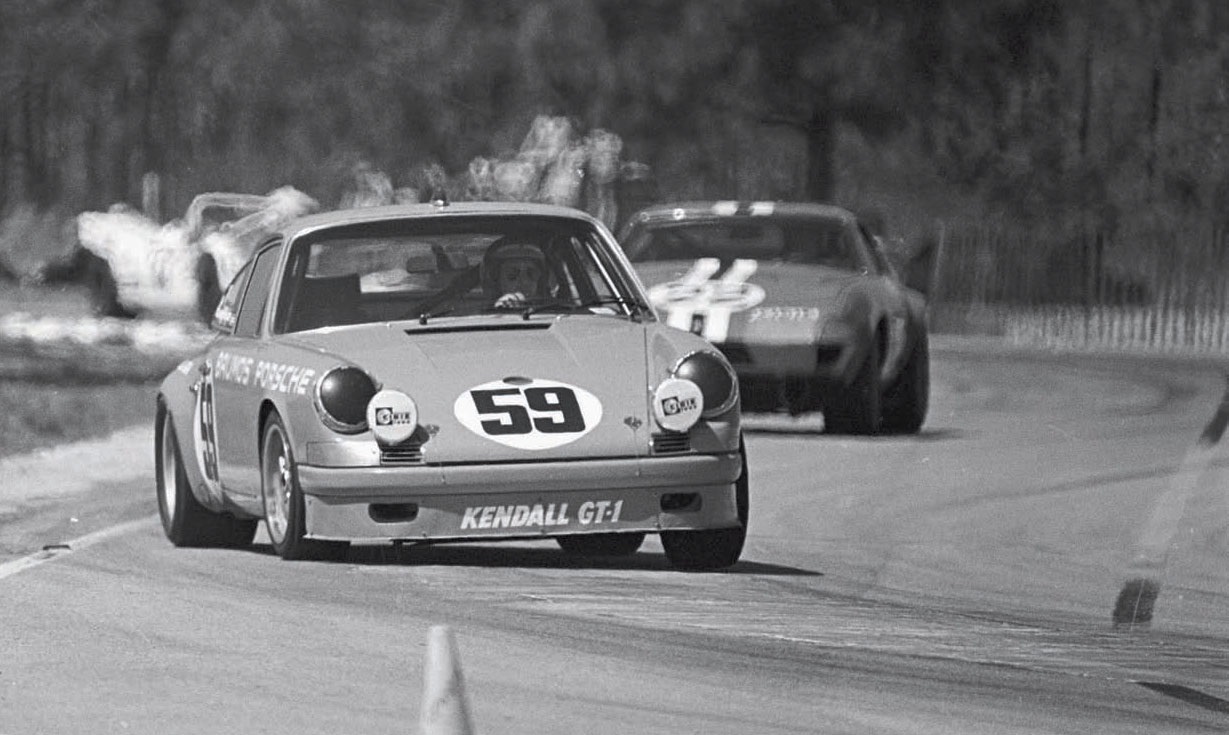
After starting 25th on the grid for the 12 Hours of Sebring in March 1972, Peter Gregg and Hurley Haywood headed to a second GT/2.5-class win in as many U.S. starts. The two won their category a month earlier at Daytona as well. Porsche Archiv
|
|
|
|
|
|
|
|
Image
|
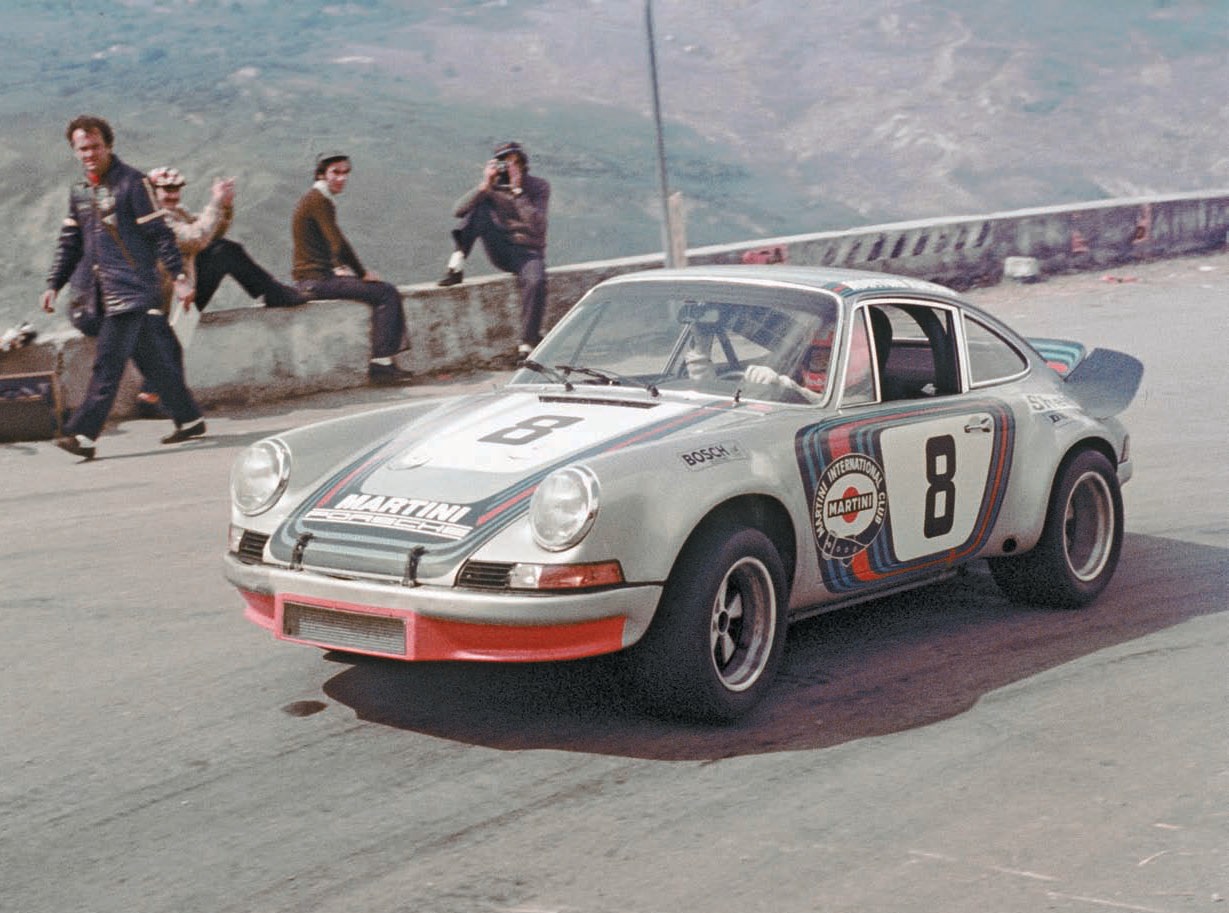
At the last-ever Targa, run on May 13, 1973, Porsche’s thoroughly developed Carrera RSR2.8 proved strongest of the day taking 1st overall with Gijs van Lennep and Herbert Müller sharing driving duties. The car wore a prototype “Mary Stuart collar” rear wing that widened the aerodynamic aid to full-body width. Porsche Archiv
|
|
|
|
|
|
|
|
Image
|
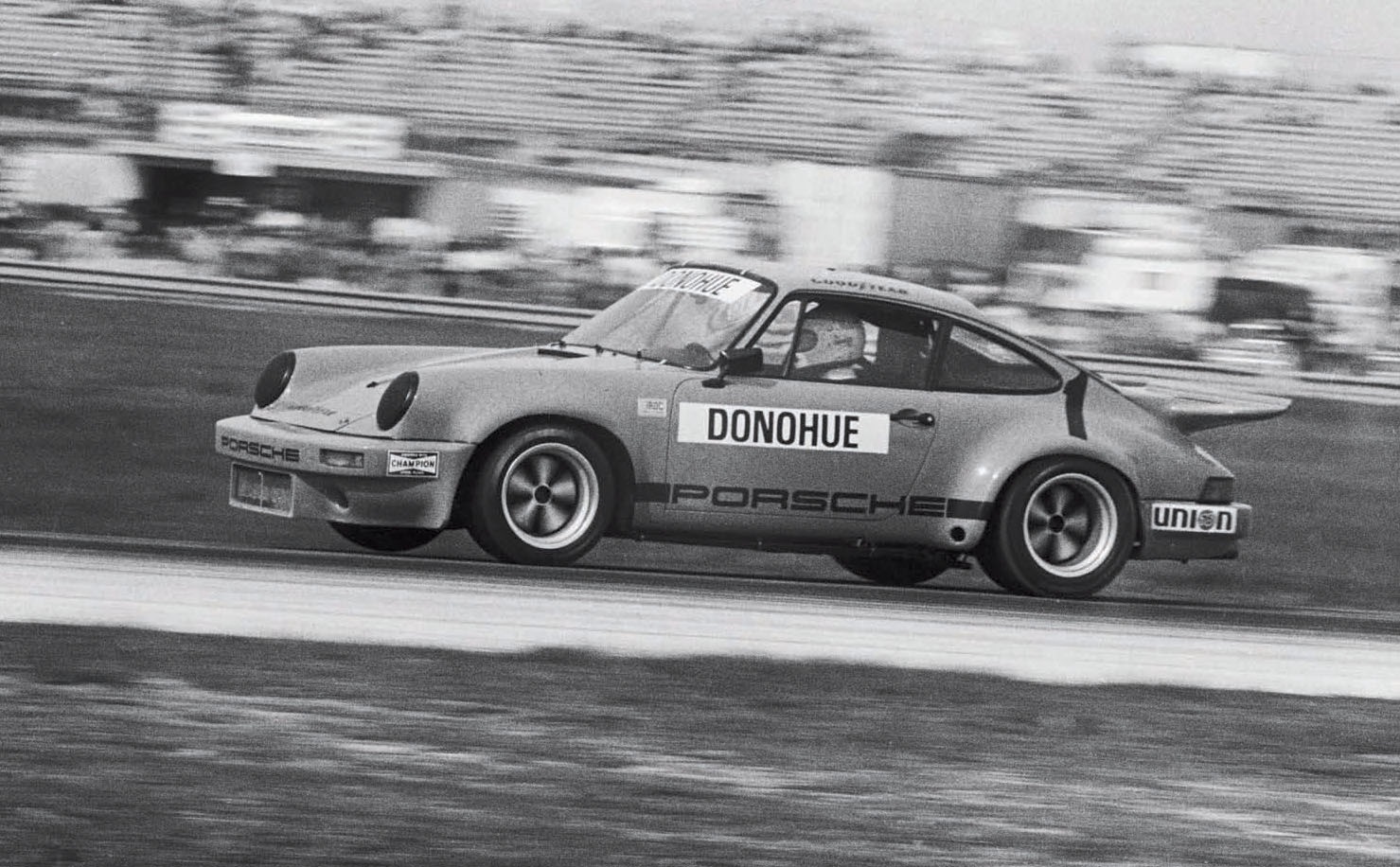
Working from his close relationship with Porsche racing and its 917/30 Can-Am cars, team owner Roger Penske helped devise a match race series using new Carrera RSRs. Mark Donohue won the four-event contest, called the International Race of Champions, starting with victory here at Daytona. Porsche Archiv
|
|
|
|
|
|
|
|
Image
|
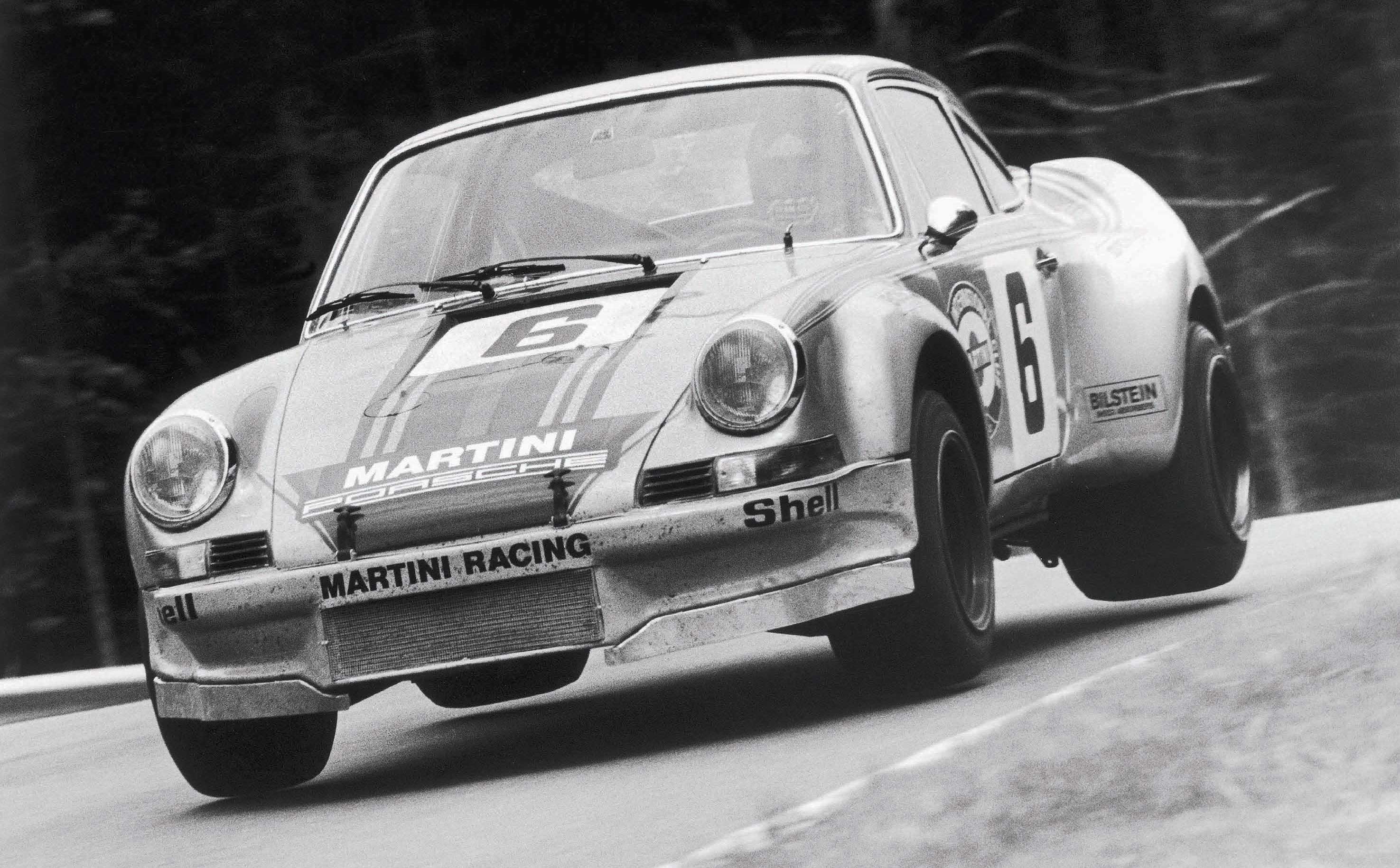
At the Nurburgring 1,000-kilometer race two weeks after the Targa, van Lennep and Müller served notice on the Sports Racing community. In their RSR 2.8, fitted with a 3.0-liter prototype engine they finished fifth overall behind a pair of Ferraris, a Chevron and a Porsche 908. Porsche Archiv
|
|
|
|
|
|
|
|
Image
|
The 1974 version of the RSR used a 2.14-liter turbocharged engine to develop 500 horsepower. Installed in a race car weighing 1,764 pounds, performance was impressive. Porsche Archiv
|
|
|
|
|
|
|
|
Image
|
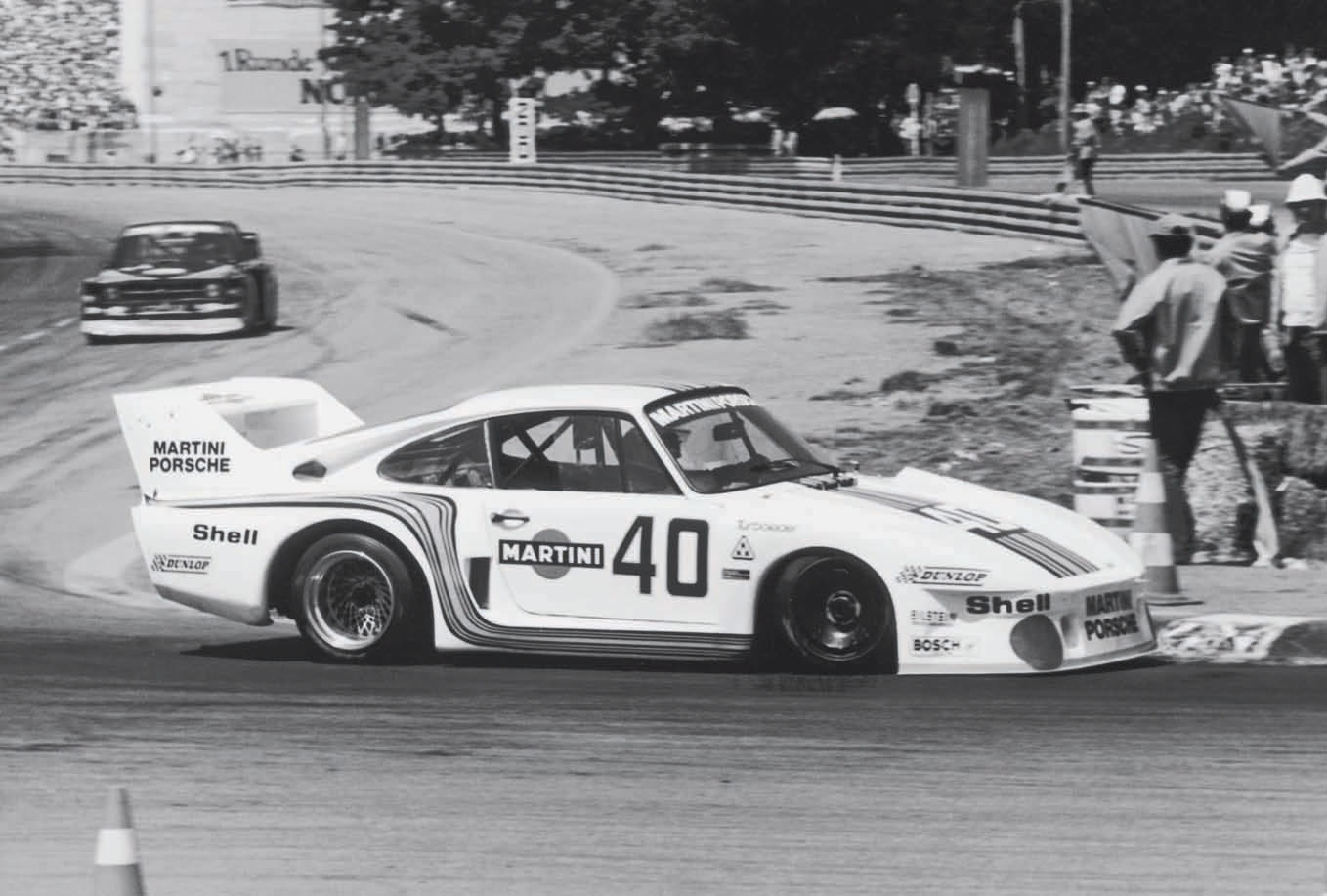
Porsche was first on the track with FIA rules–compliant Group 5 cars. Derived from the production 930, this first-generation 935 weighed 2,138 pounds and its 2,856cc turbocharged engine developed 590 horsepower. Porsche Archiv
|
|
|
|
|
|
|
|
Image
|
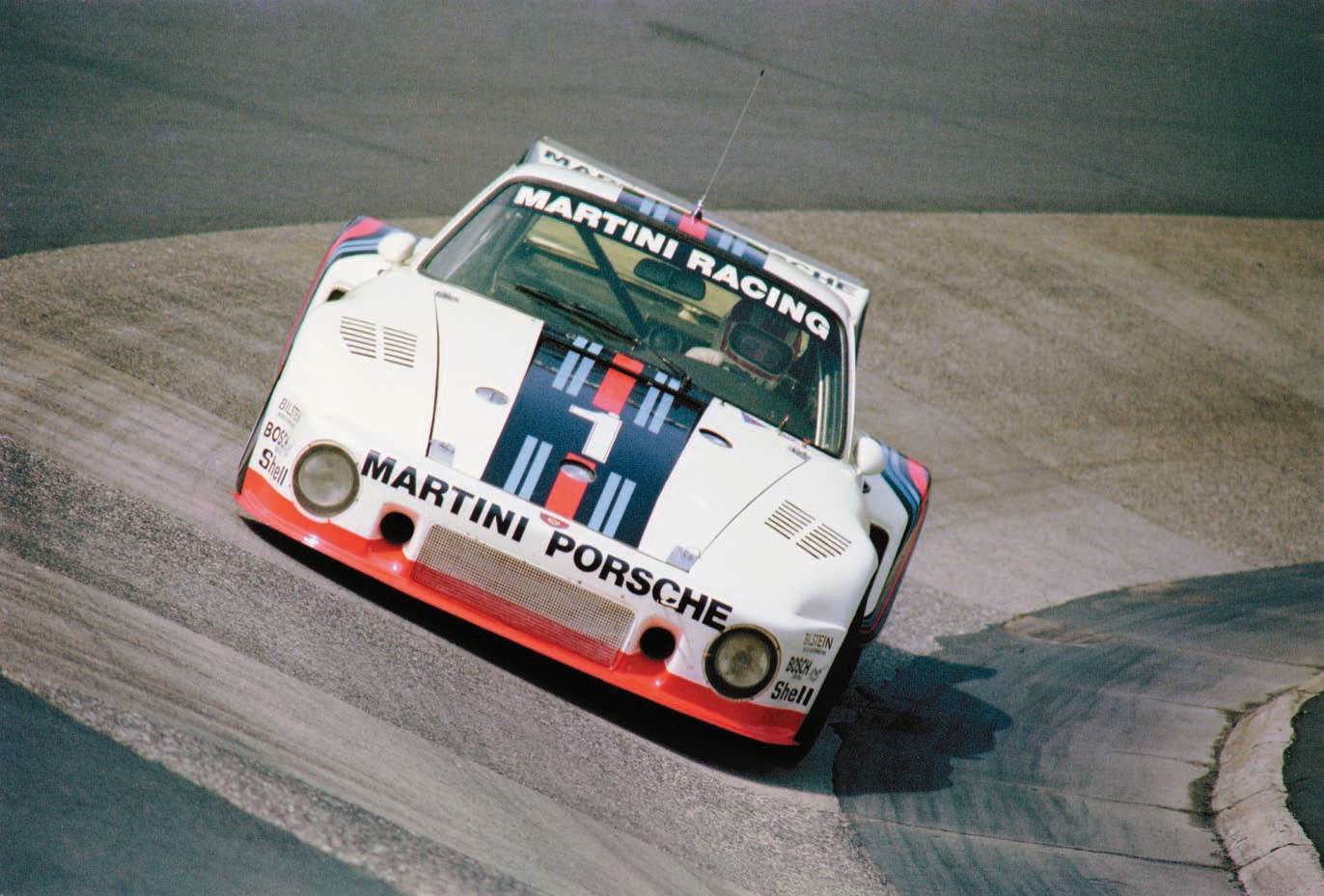
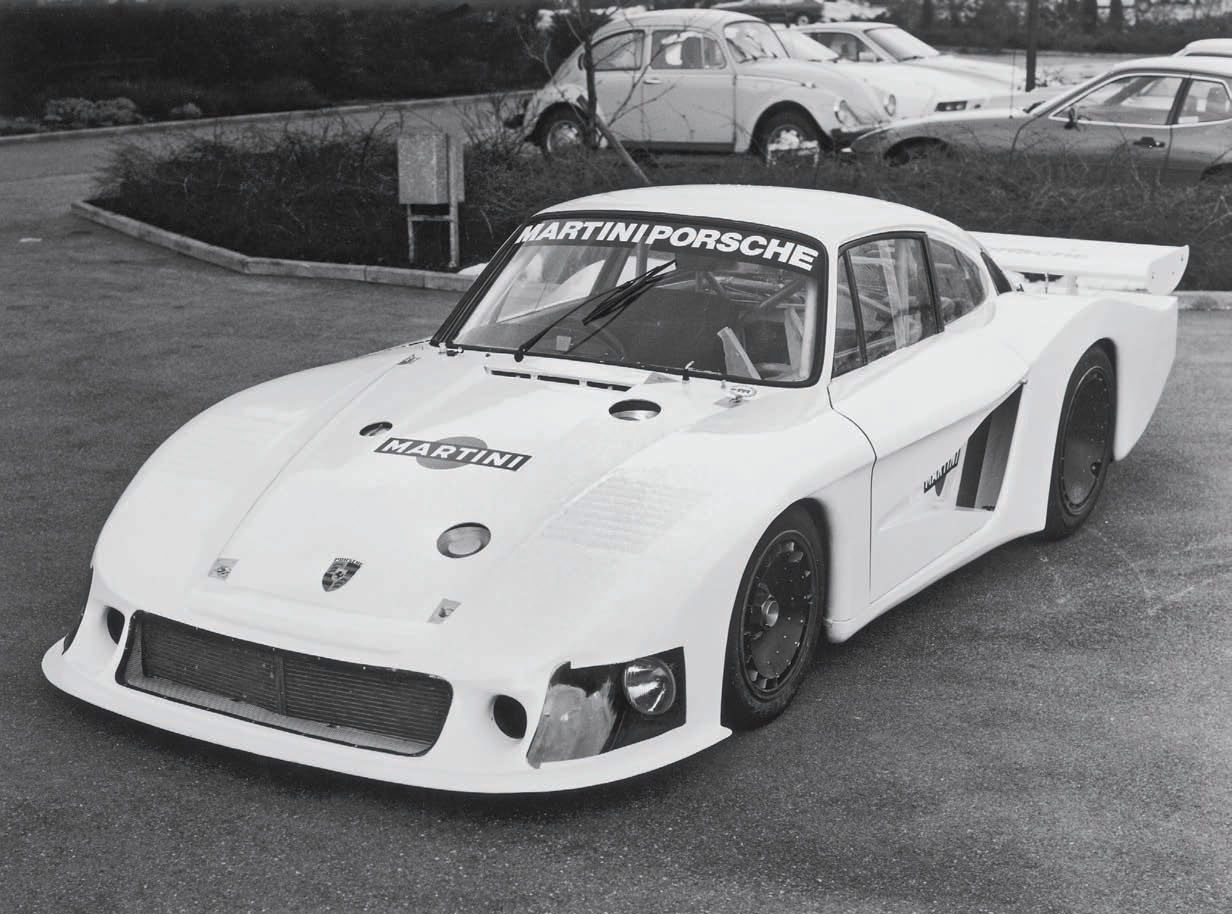
Porsche unveiled its new Group 5 contender at the 1,000-kilometer race at Nurburgring at the end of May 1976. While Rolf Stommelen and Manfred Schurti qualified on the pole, the car did not finish after a distributor rotor broke nine laps into the race. Porsche Archiv
|
|
|
|
|
|
|
|
Image
|
At its Le Mans debut in June 1976, Porsche’s 935-002 #41 won Group 5 category with Manfred Schurti and Rolf Stommelen sharing driving duties. They finished fourth overall, covering 2,814 miles. Porsche Archiv
|
|
|
|
|
|
|
|
Image
|
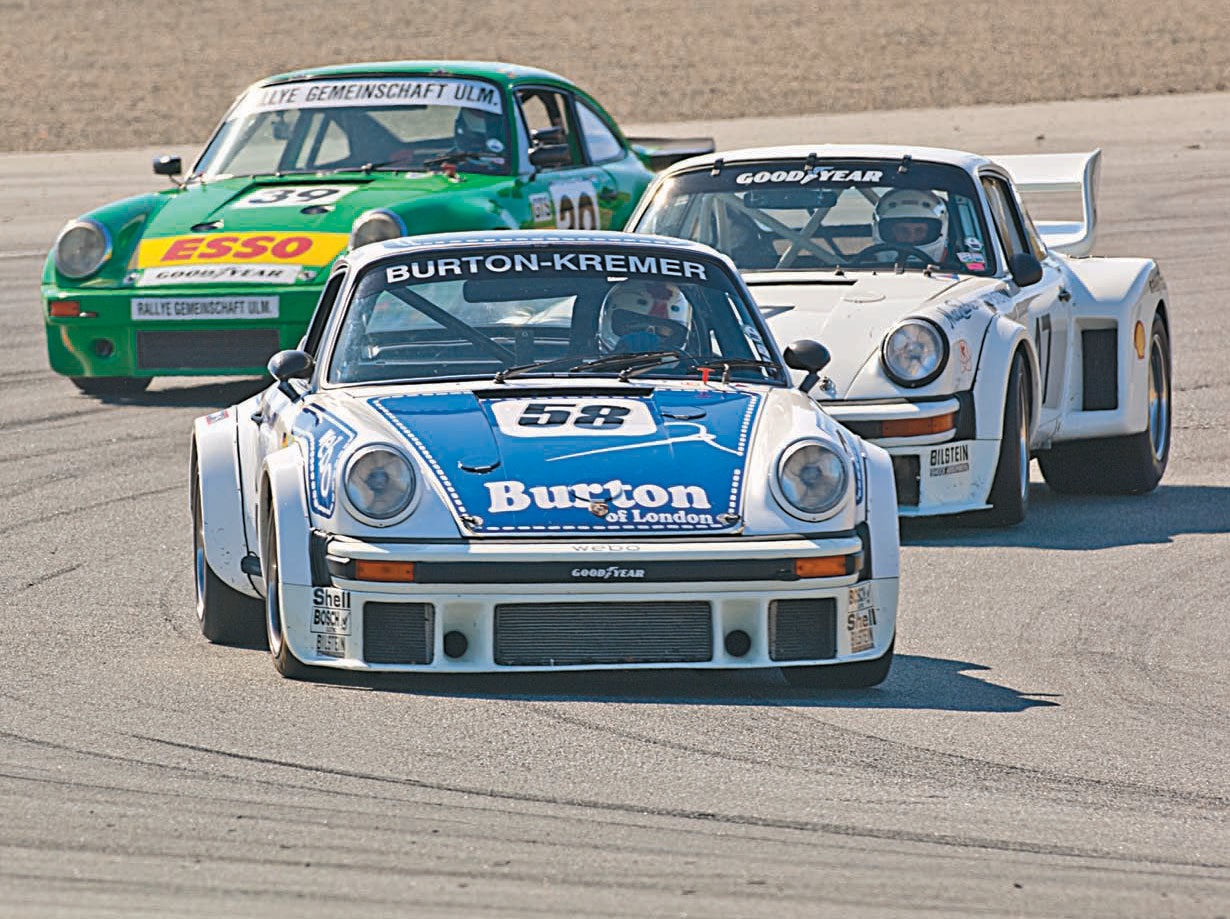
At Le Mans in June 1977, Bob Wollek and co-drivers J. P. Weilemans and Philippe Gurdjian drove the Kremer brothers 934 to seventh overall and first in Grand Touring class. Shown here during the 2011 Rennsport Reunion at Laguna Seca, Kees Nierop led Steve Lawrence’s 934.5 and Dennis Singleton’s Carrera RSR through the tight turn 2 hairpin. Randy Leffingwell
|
|
|
|
|
|
|
|
Image
|
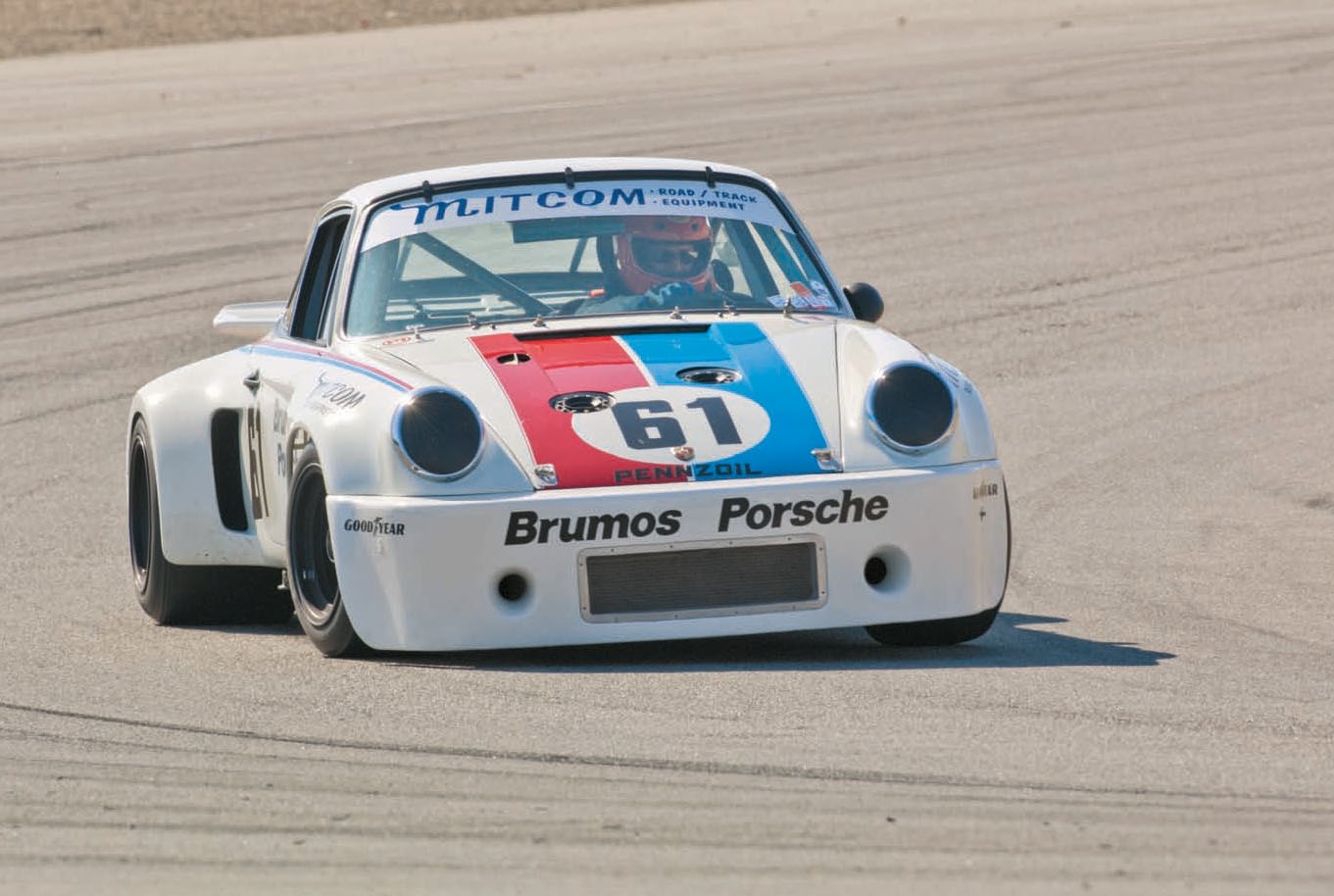
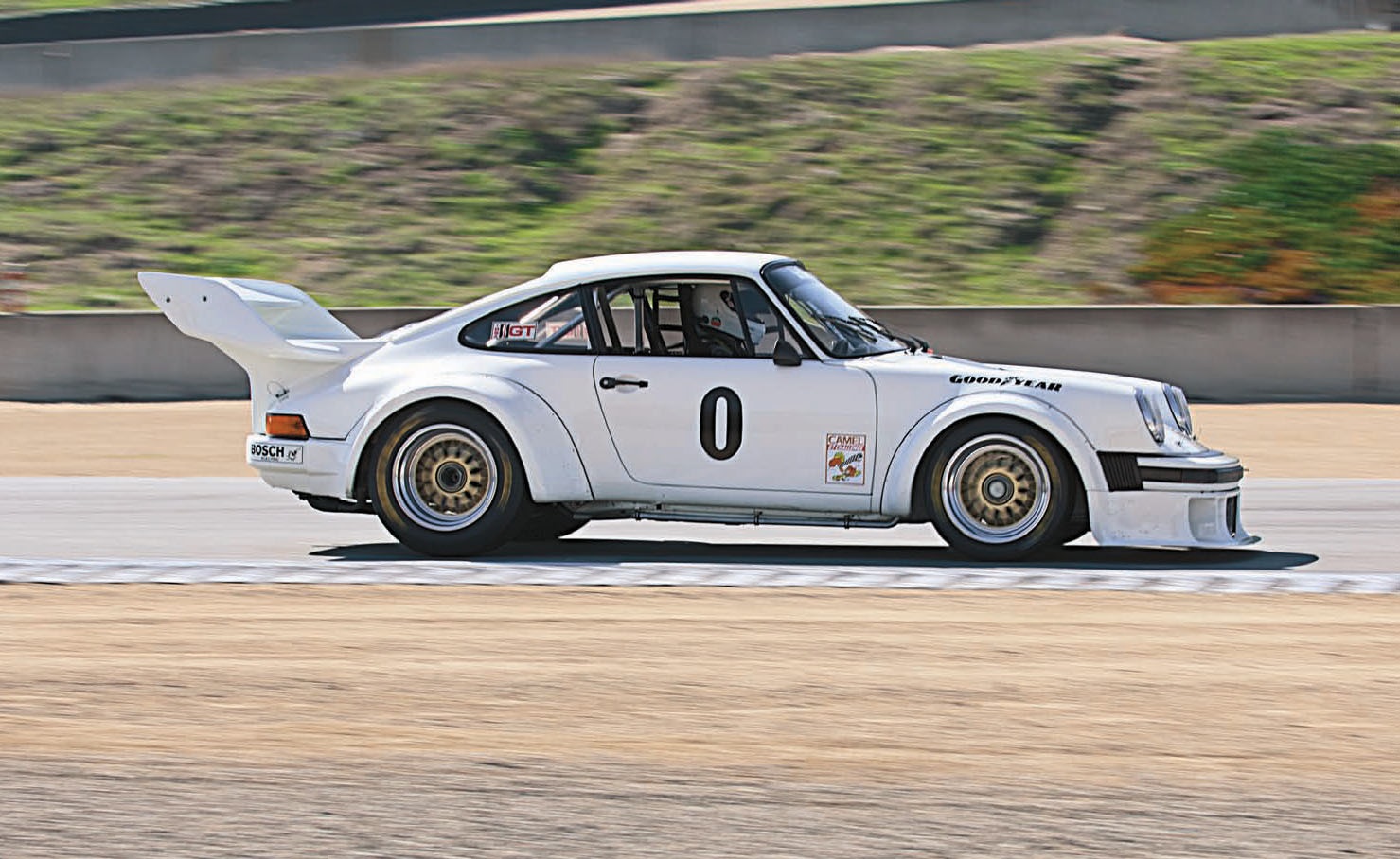
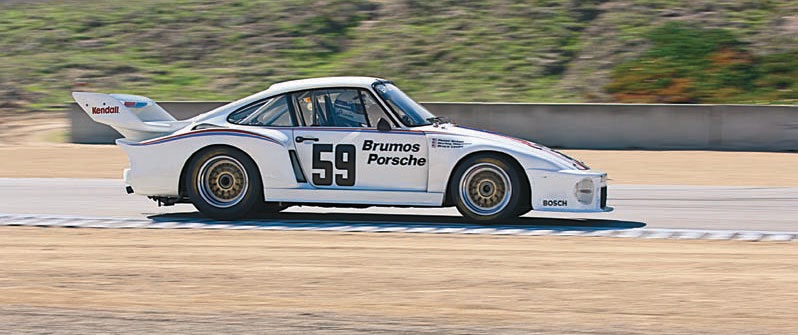
Peter Gregg ordered this RSR in 1975 and Weissach fitted it with a number of parts from the new 934 Turbo. Because Gregg was occupied racing a BMW CLS through 1976, Jim Busby drove the car for him, taking first overall in four races. Randy Leffingwell
|
|
|
|
|
|
|
|
Image
|
At the 2011 Porsche Rennsport Reunion owner Jeff Lewis drove his 1977 ex–Vasek Polak Interscope 934. In March 1977, original owner and driver Ted Field and co-drivers Danny Ongais and Hurley Haywood finished fifth overall in IMSA GT category. Randy Leffingwell
|
|
|
|
|
|
|
|
Image
|
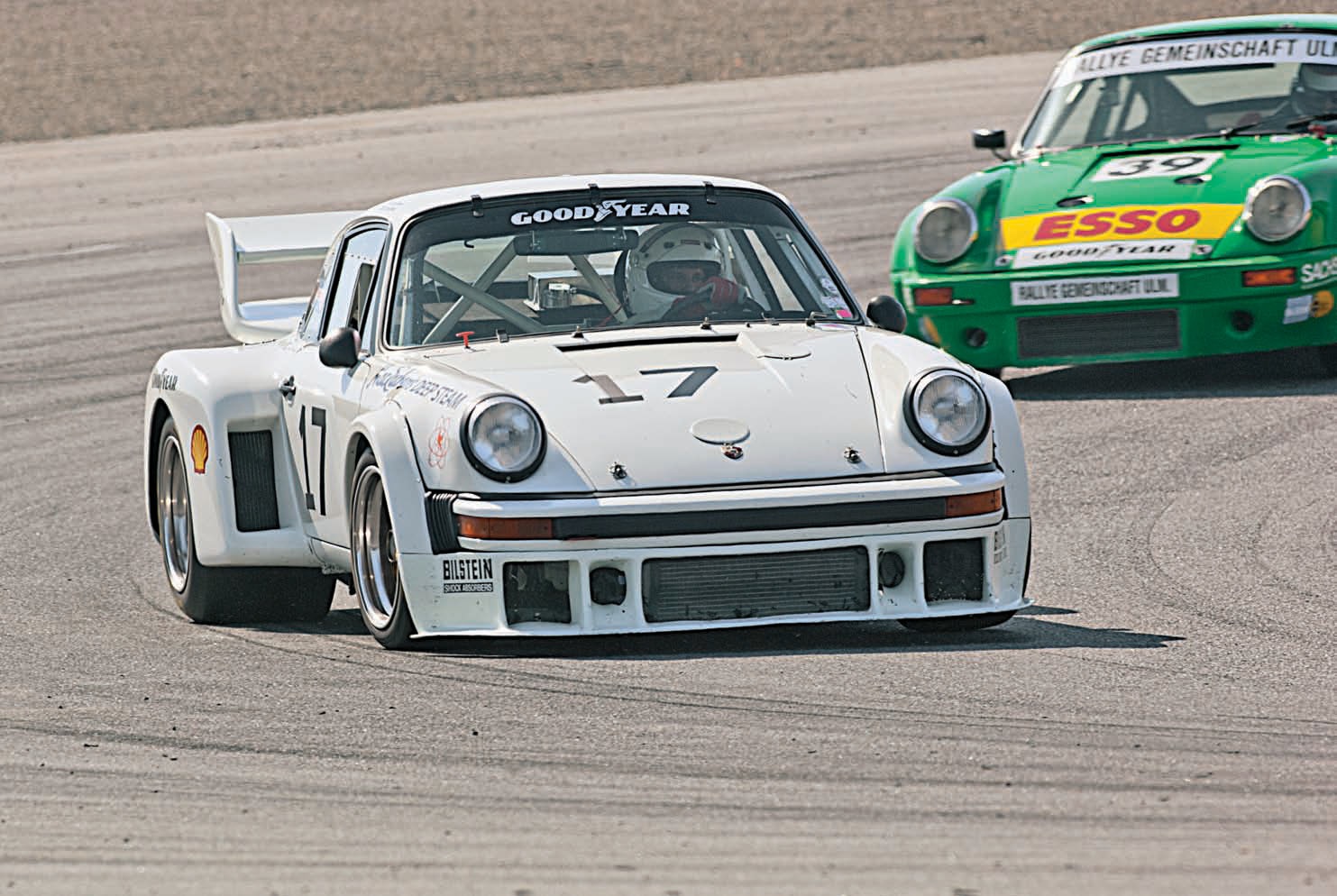
W. H. MacEachern’s Deep Steam Cleaning sponsored Ludwig Heimrath in the 1977 Trans-Am in this car that started life as a 934. A season later MacEachern added the 935 rear bodywork behind the 934 front end that characterized the 934/5 designations. Randy Leffingwell
|
|
|
|
|
|
|
|
Image
|
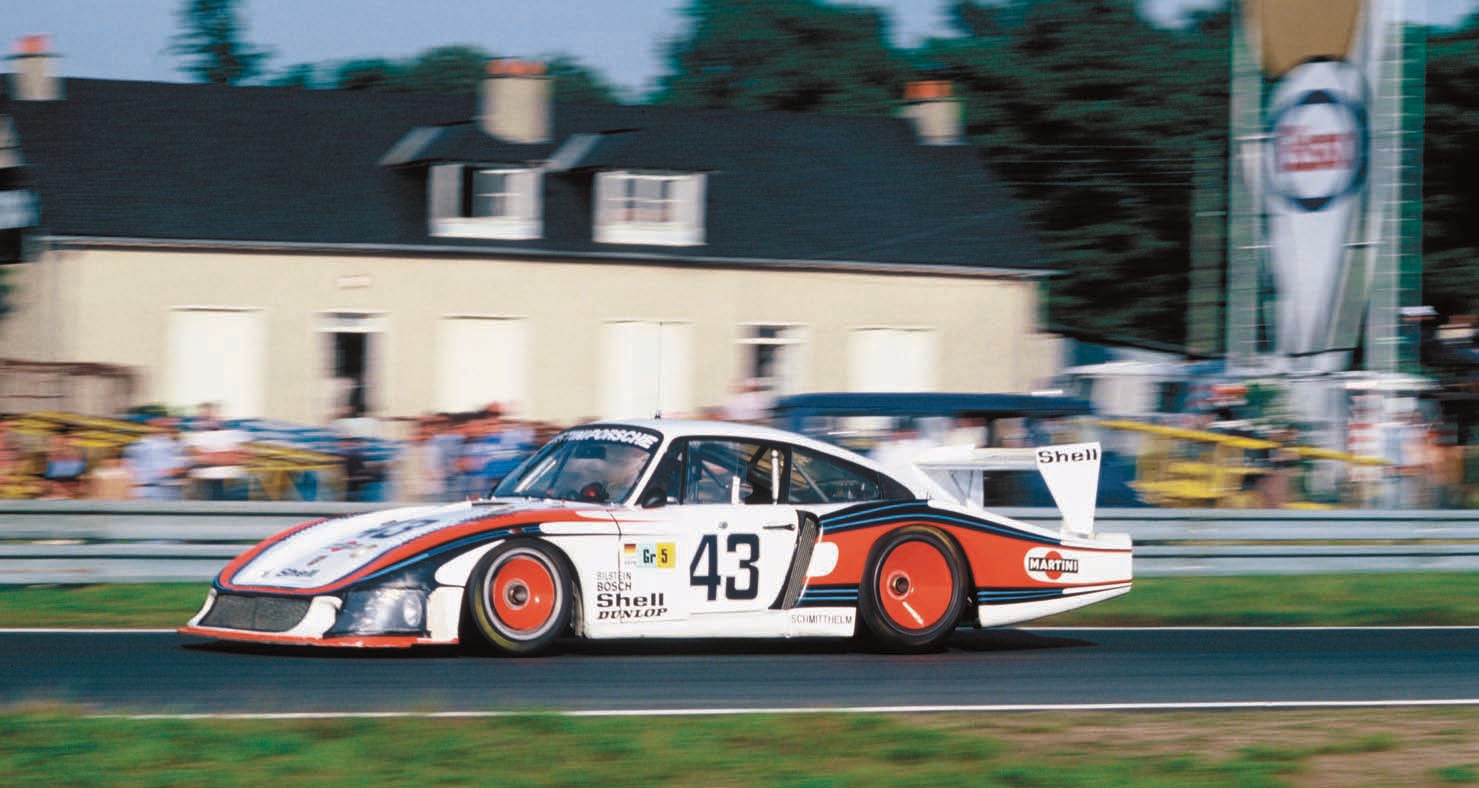
In his widest interpretation of FIA rules, Norbert Singer felt he could extend the widened rear fenders across the door openings as he created the 935/78 that, due to its size and color, resembled a great white whale. Neither Singer’s covered doors nor the low full-width rear wing passed the inspection. Porsche Archiv
|
|
|
|
|
|
|
|
Image
|
Singer invented the car and Eugen Kolb designed it specifically for Le Mans. With Ickx, Barth, and Bob Wollek sharing duties it finished second overall but it went on to inspire dozens of look-alikes from Kremer and Jöst racing shops. Porsche Archiv
|
|
|
|
|
|
|
|
Image
|
Throughout 1978, Peter Gregg campaigned this 935/78 through several North American events. At Talladega in early April he won with Brad Frisselle while here, during Rennsport Reunion IV, owner Rob Walton put it through its paces. Randy Leffingwell
|
|
|
|
|
|
|
|
Image
|
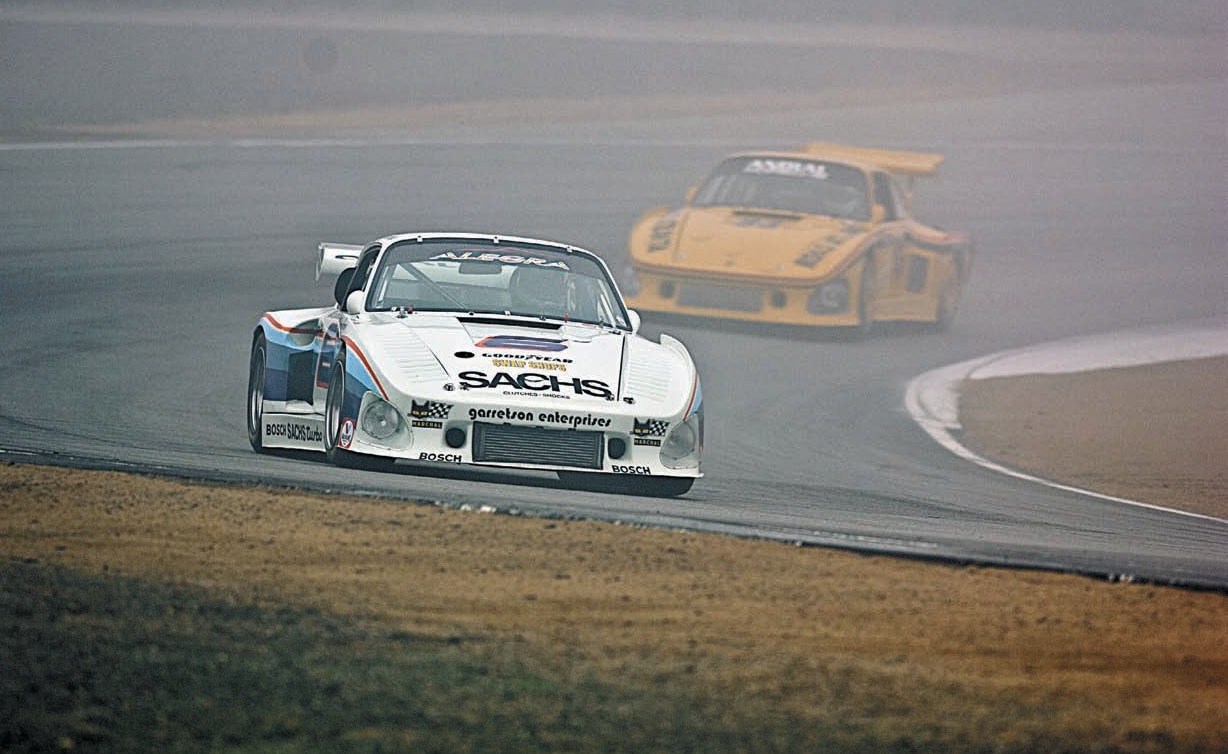
Dick Barbour’s 1980 Sebring-winning 935 Kremer K3 led Andial Racing’s own version of a K3 through Laguna Seca’s turn 5 in early morning fog. Mazda Laguna Seca Raceway hosted Rennsport Reunion IV in October 2011. Randy Leffingwel
|
|
|
|
|