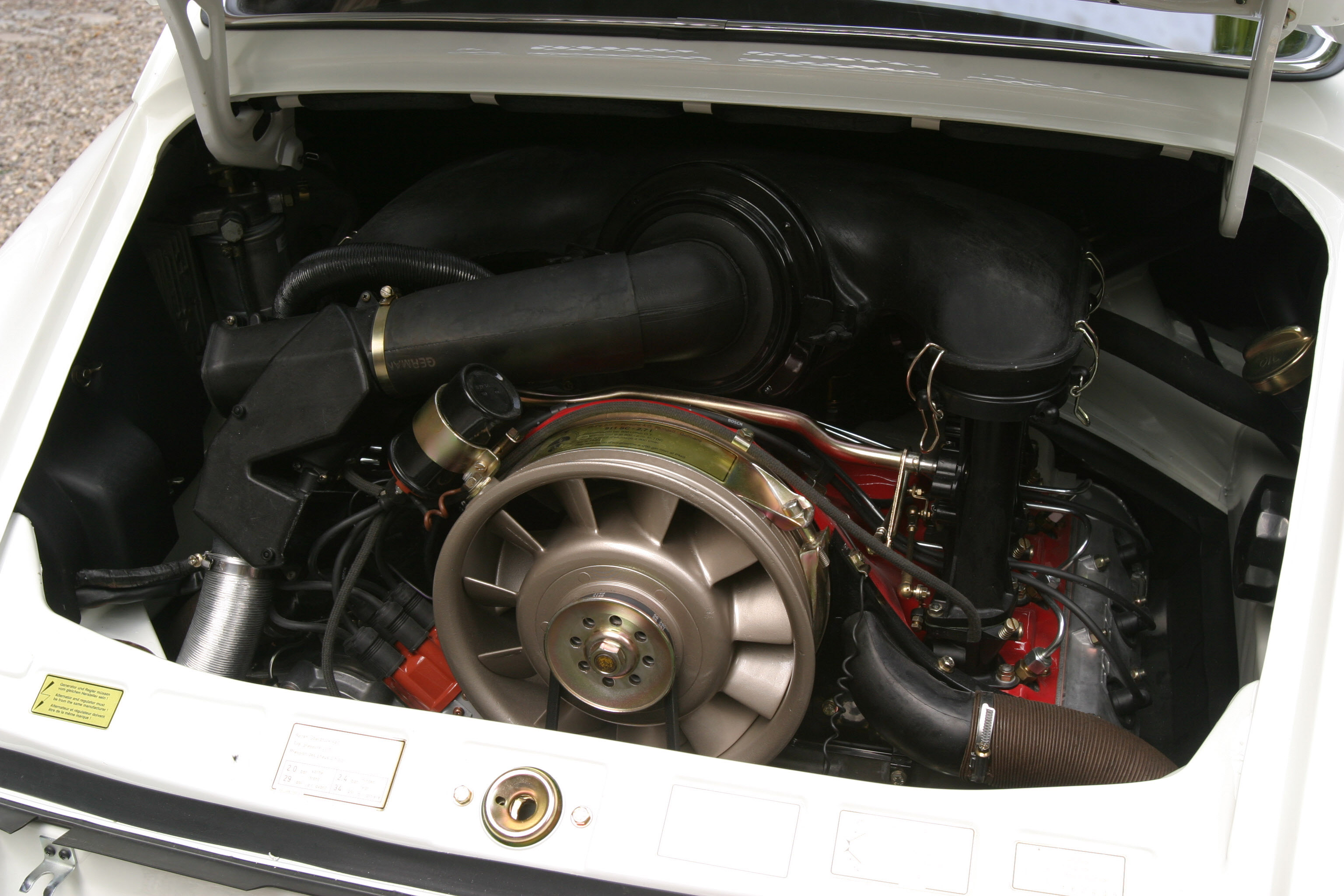
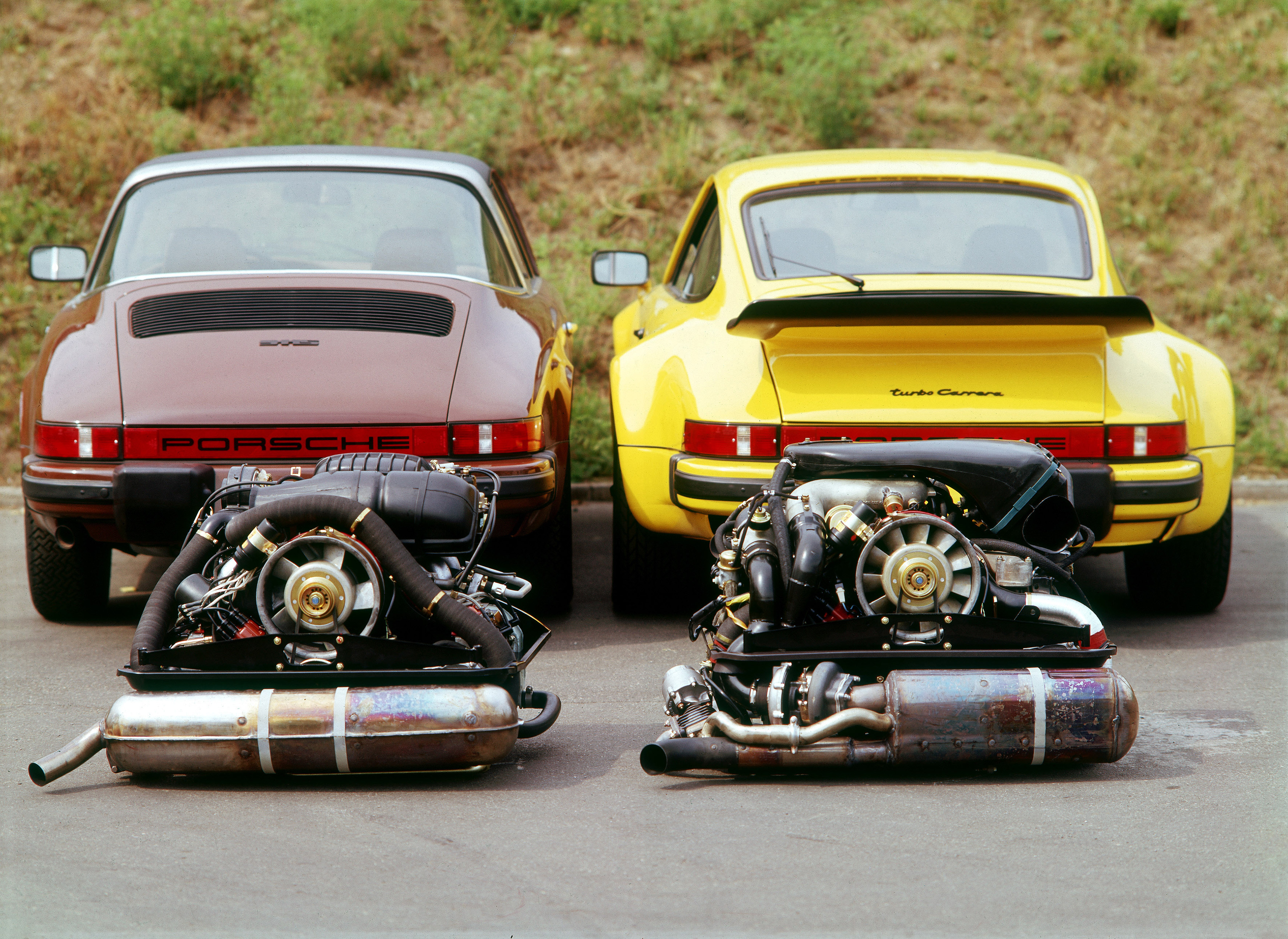
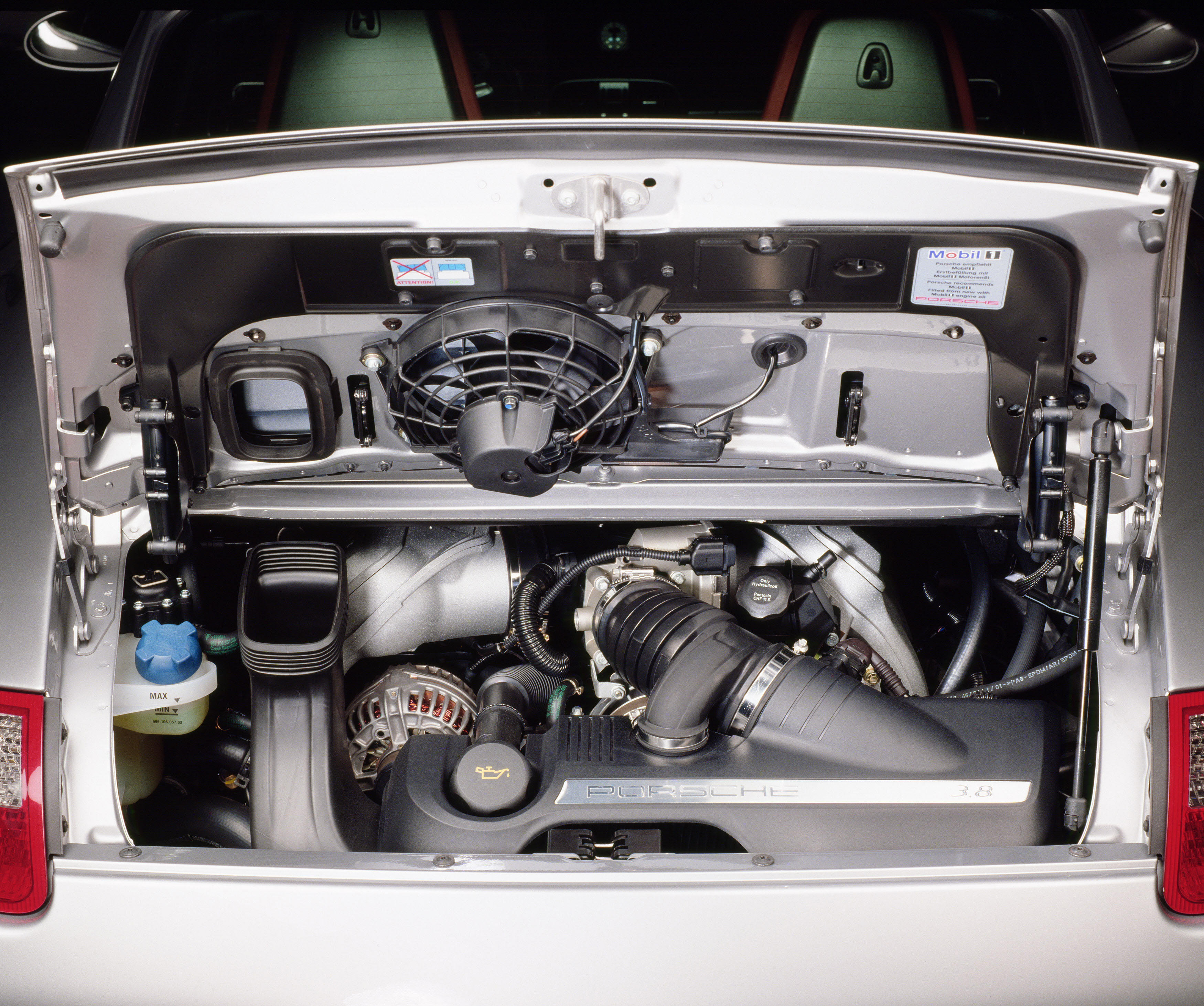
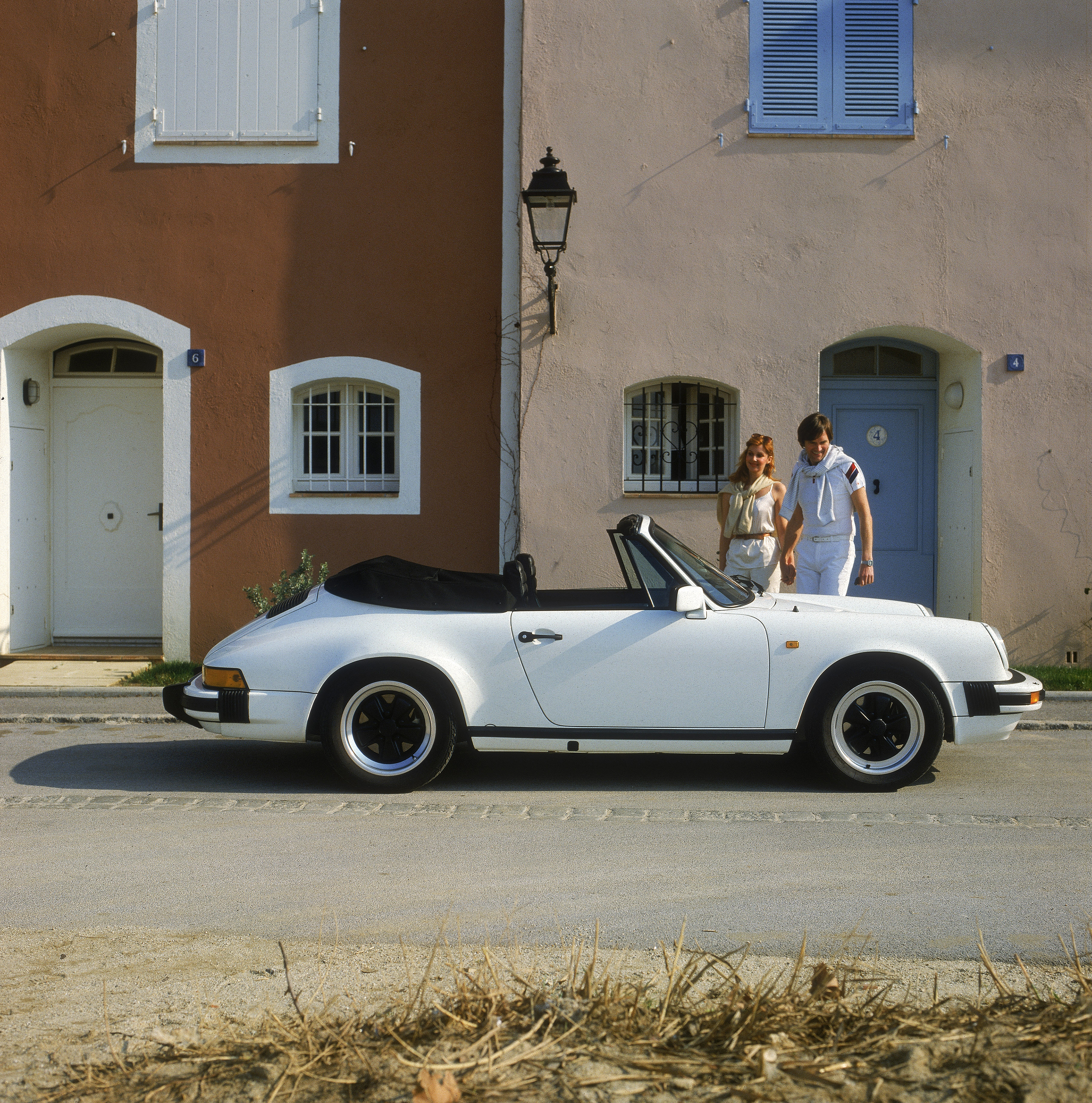
1983: Digital engine electronics Digital engine electronics (DEE) celebrated its debut in 1983 with the new naturally aspirated engine with 3.2-litre displacement. Its most important advantages were better fuel consumption, cleaner combustion and therefore maximum power output. The system worked with a shared control unit into which all the engineâÂÂs operating states were programmed. The correct injection quantity and the exact ignition point were assigned to each engine speed, each accelerator pedal position and temperature. (...)
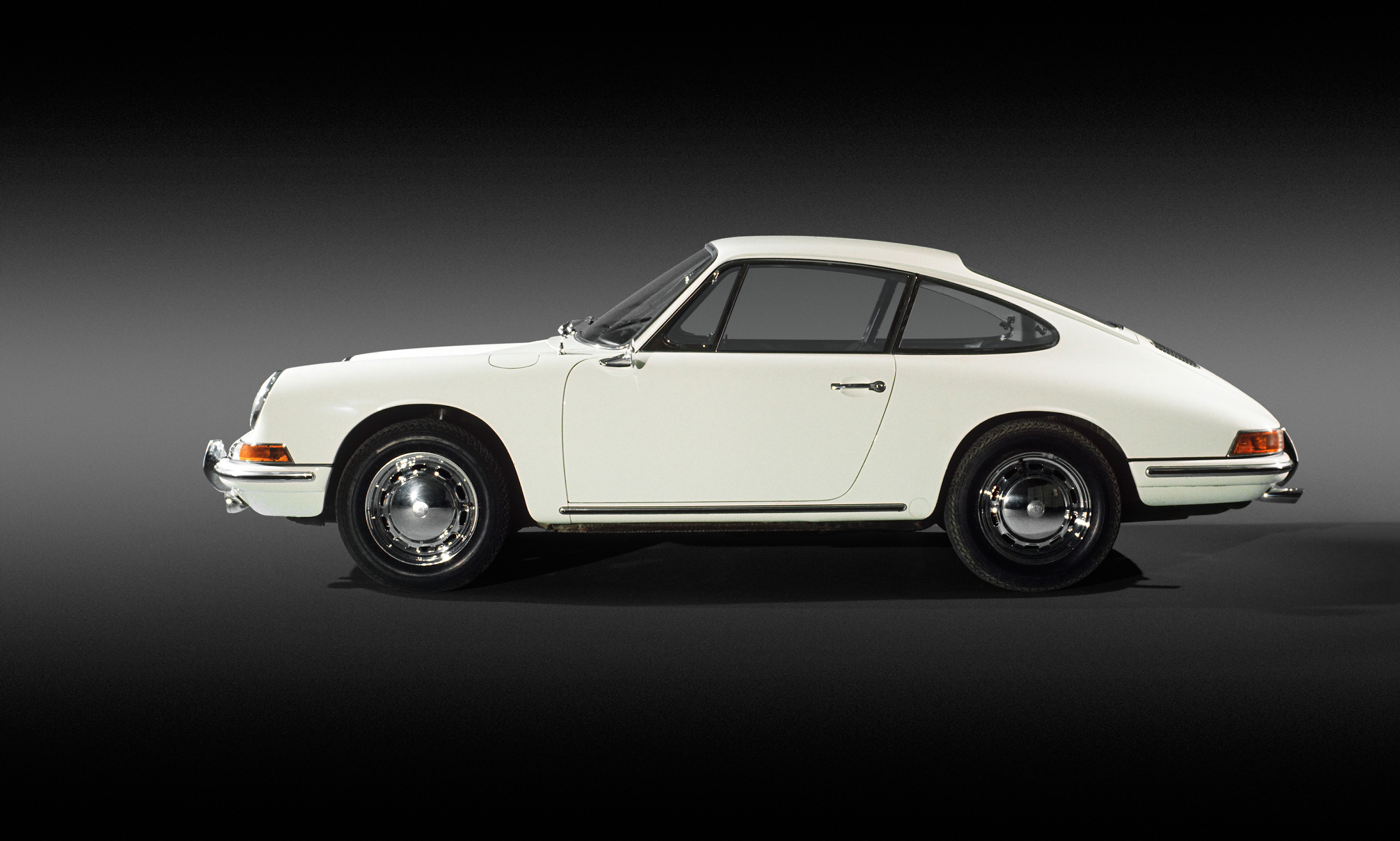
Original 911 (1963 - 1973)
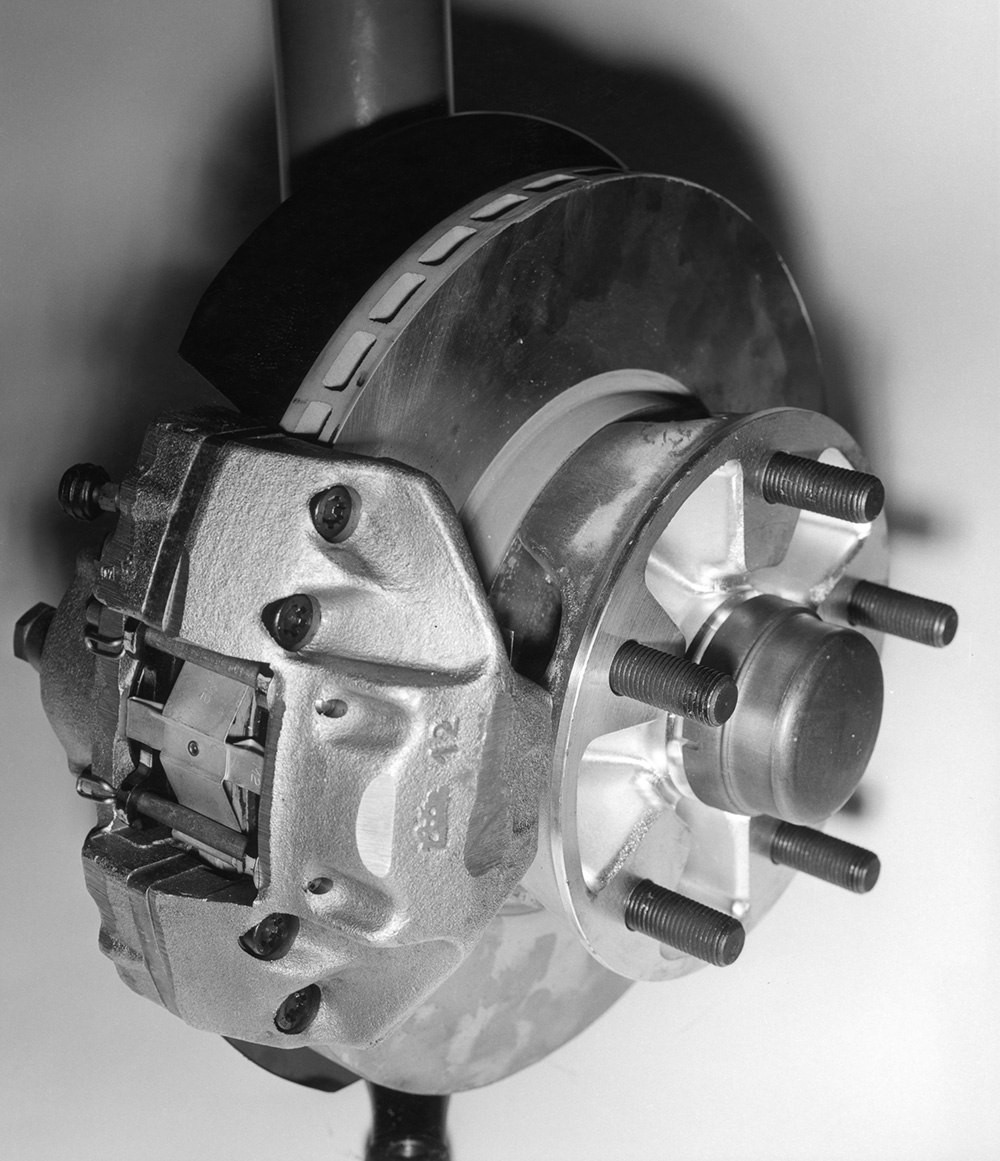
1966: Internally ventilated disc brakes
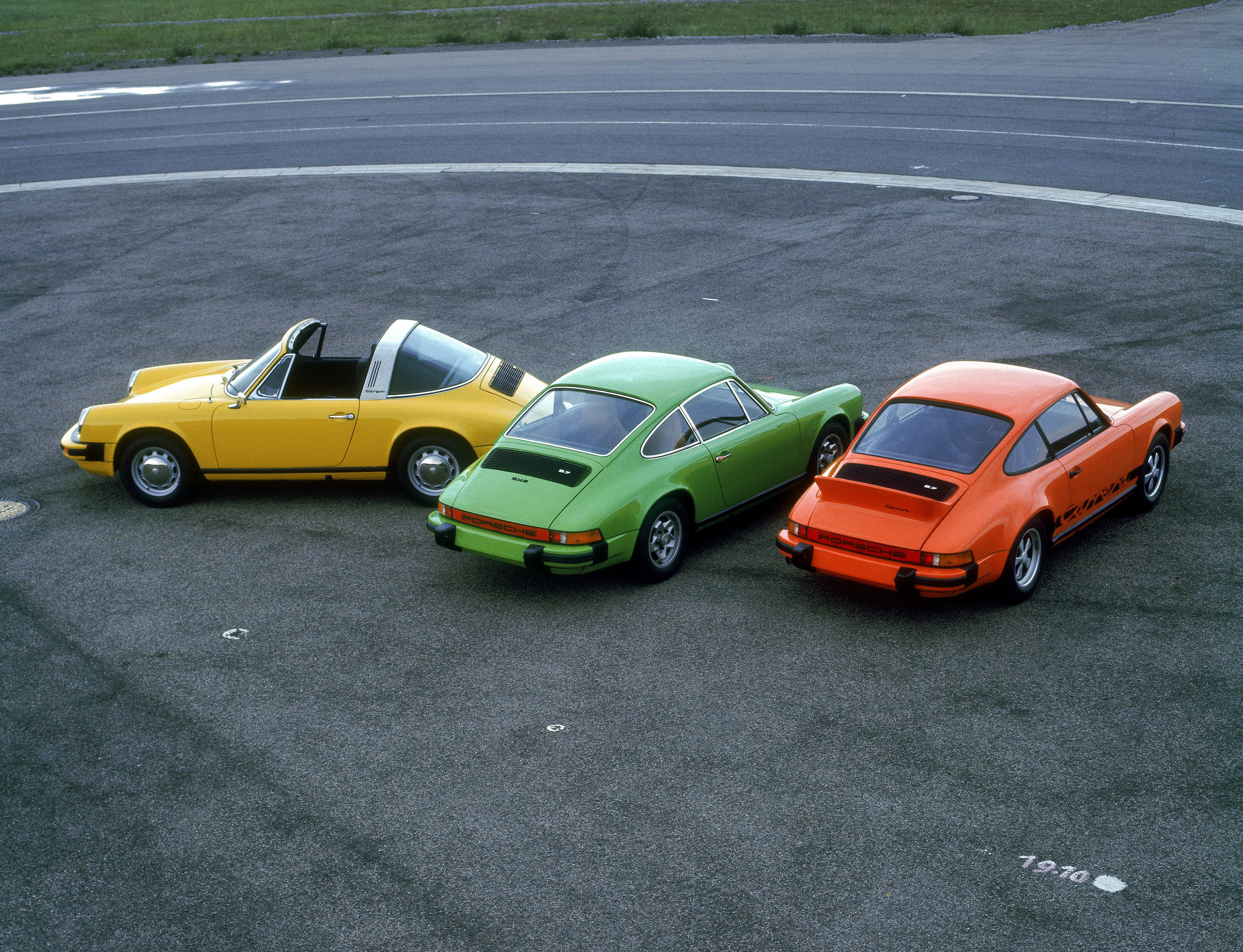
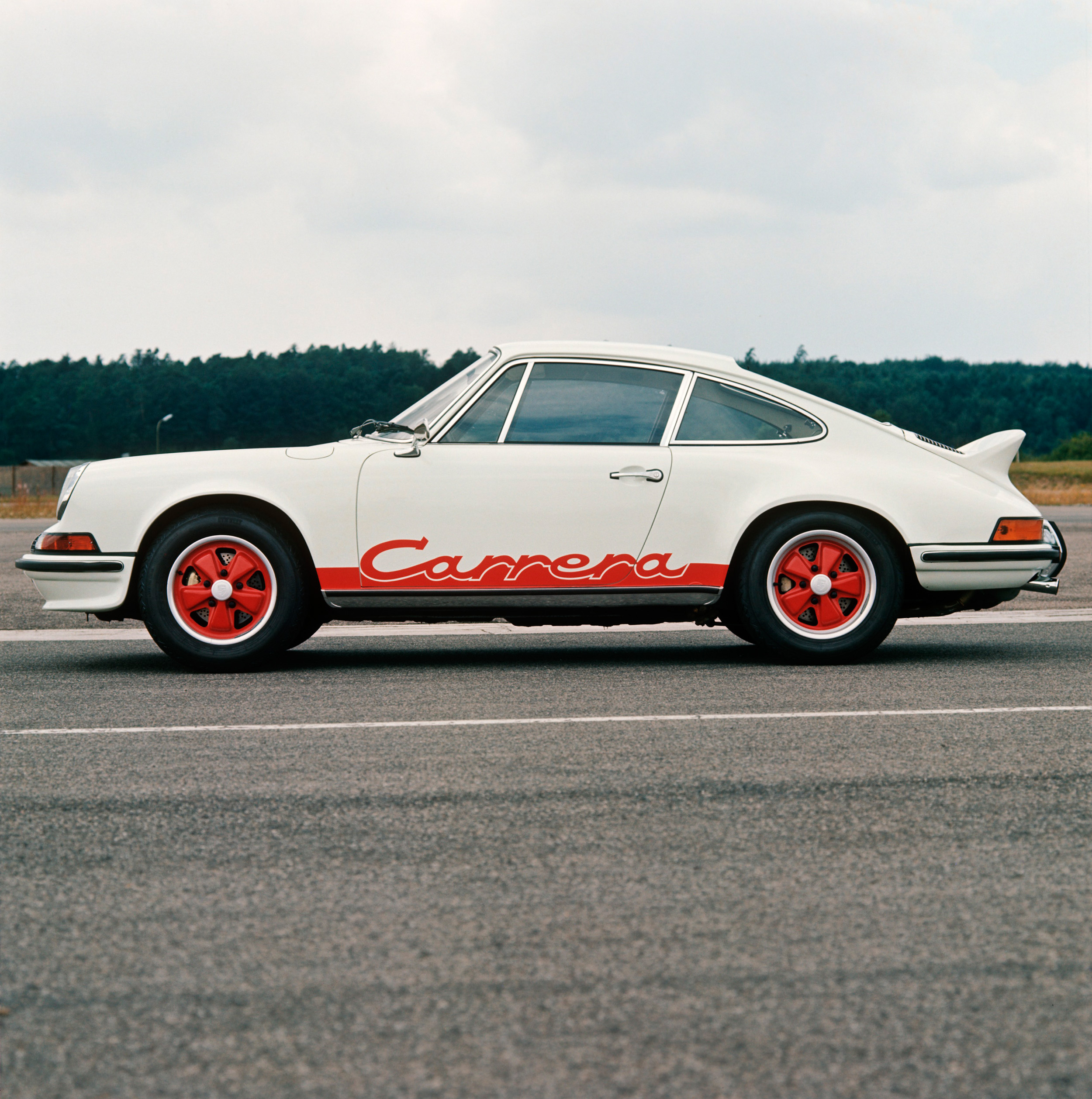
1972: Front and rear spoilers
1975: Hot-dip galvanised body In 1975, Porsche responded to the issue of corrosion with emphatic success. The 911 was the first series production car to be given a body that was hot-dip galvanised on both sides â allowing Porsche to offer a six-year corrosion guarantee, which was extended to seven years for the 1981 model year and then later to as much as ten years. (...)
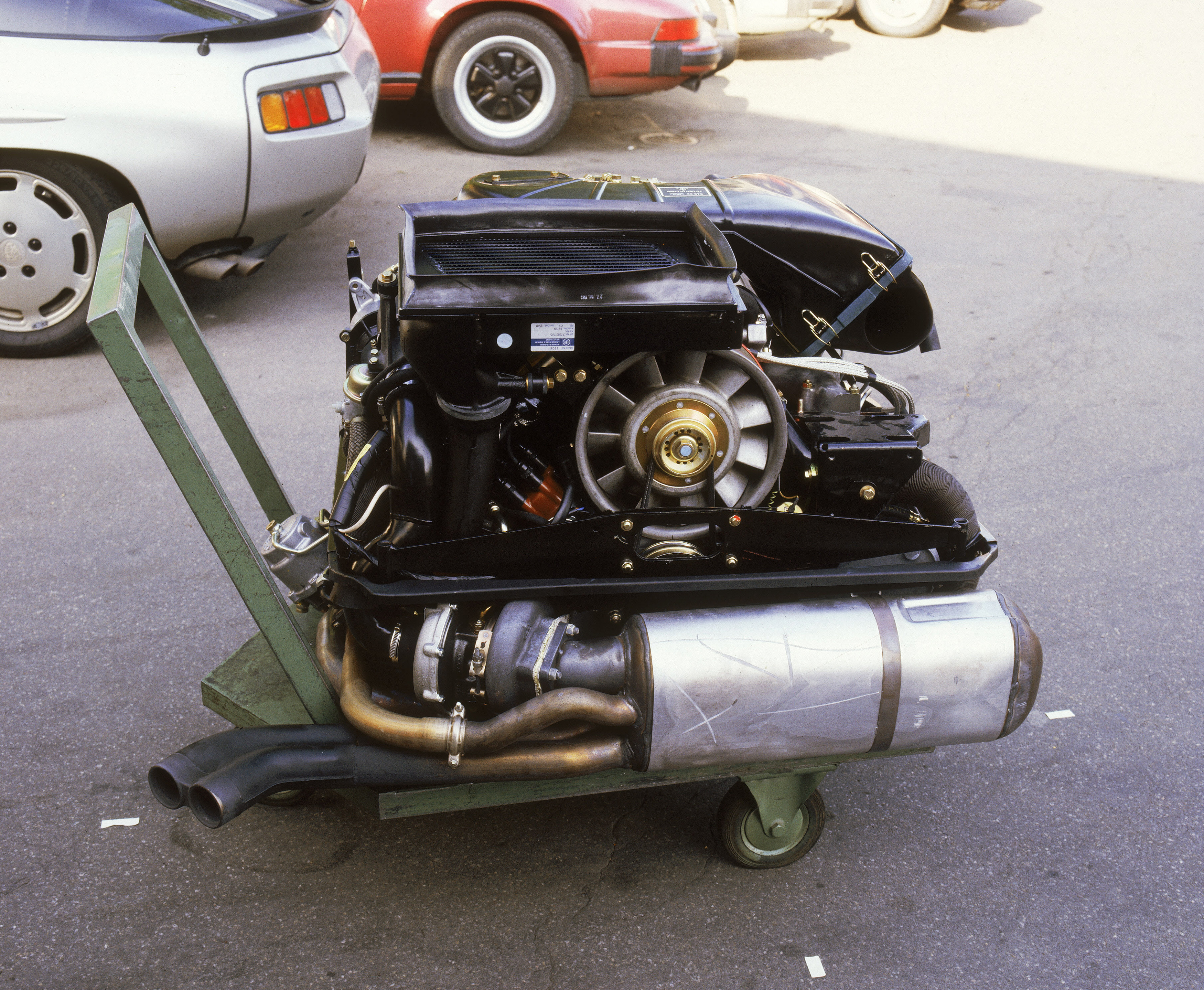
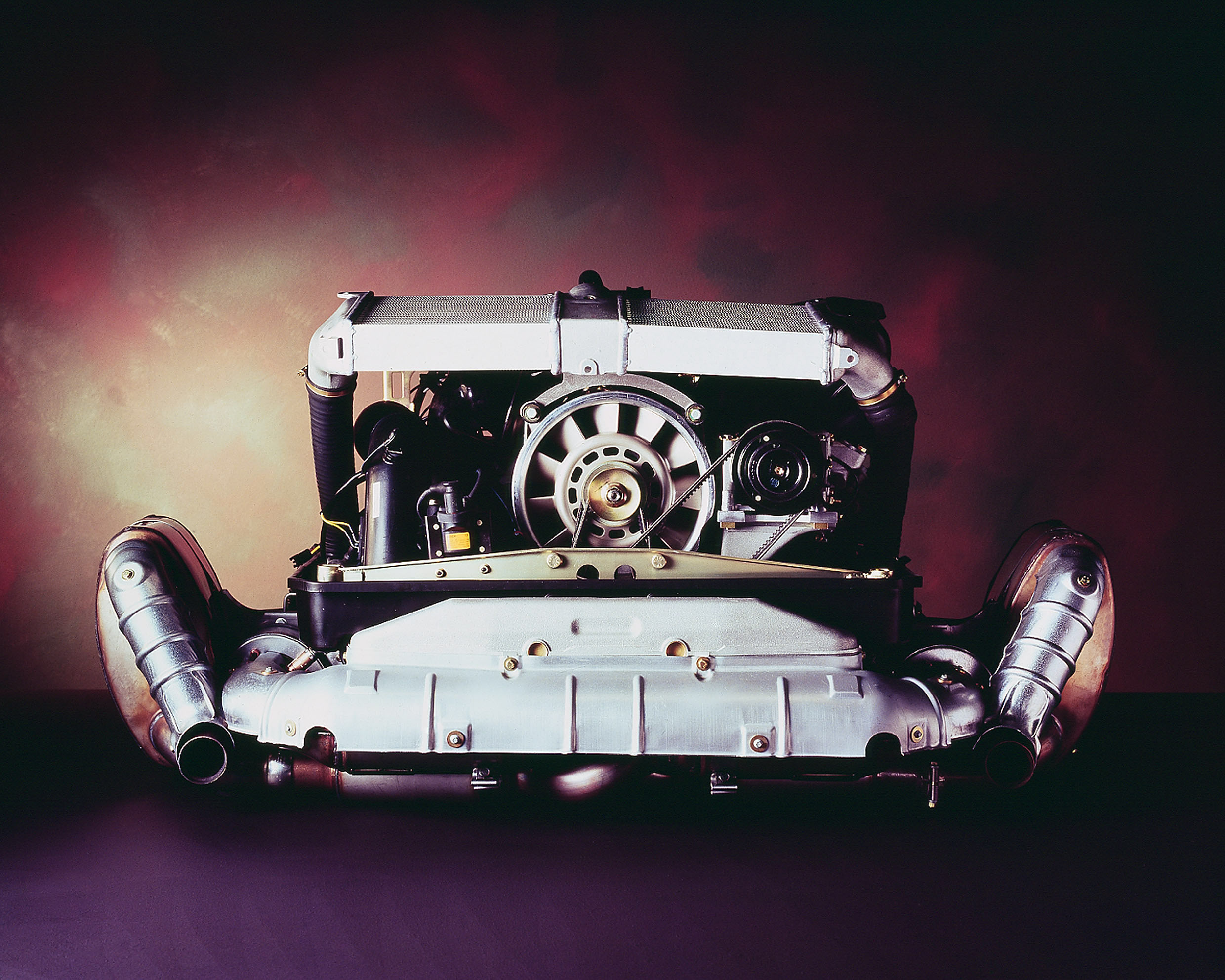
1977: Charge-air cooling he main features of the 911 Turbo, reworked in 1977, were an increased displacement of 3.3 litres and a charge-air cooler positioned underneath the rear spoiler. Derived from the field of motor racing, it was a world first in a series production car. The charge-air cooler reduces the intake air temperature by up to 100 degrees Celsius, thus enabling the engine to achieve higher output and torque in all engine speed ranges â cooler gases are denser and therefore charge the engine more effectively. (...)