|
|
Image
|
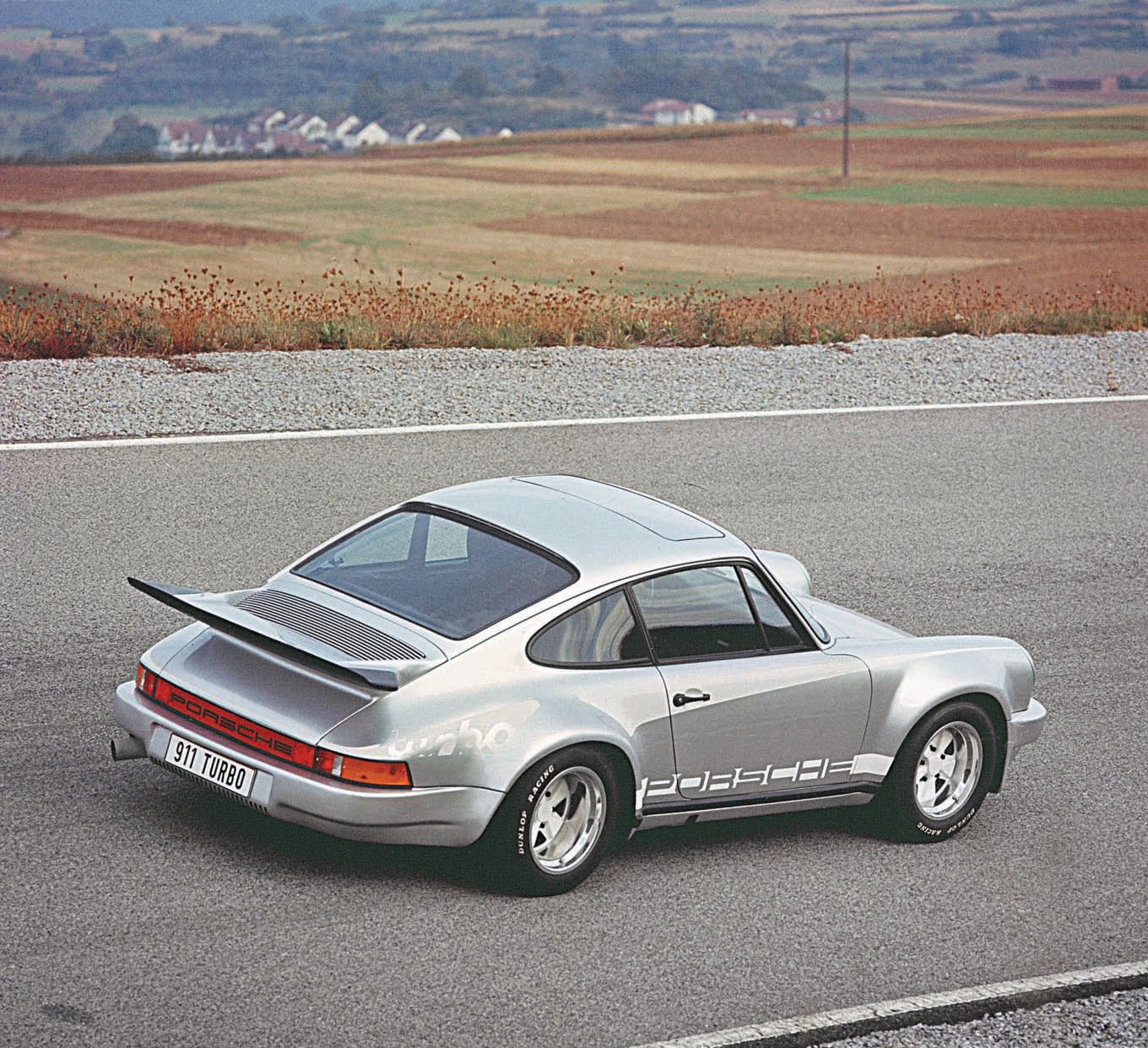
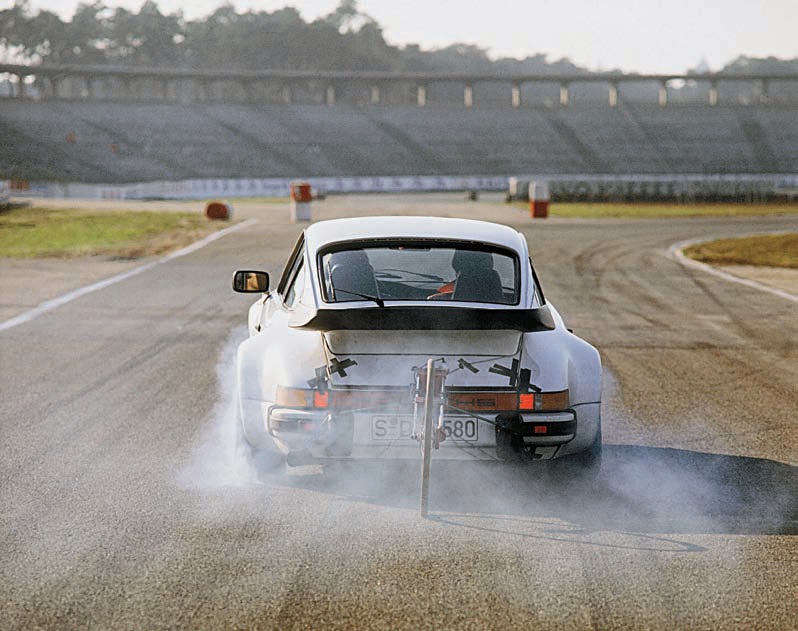
Weissach widened the 1975 Turbo’s rear track from standard 52.8 inches to 59.5 inches. This greatly improved handling and road holding. Porsche Archiv
|
|
|
|
|
|
|
|
Image
|
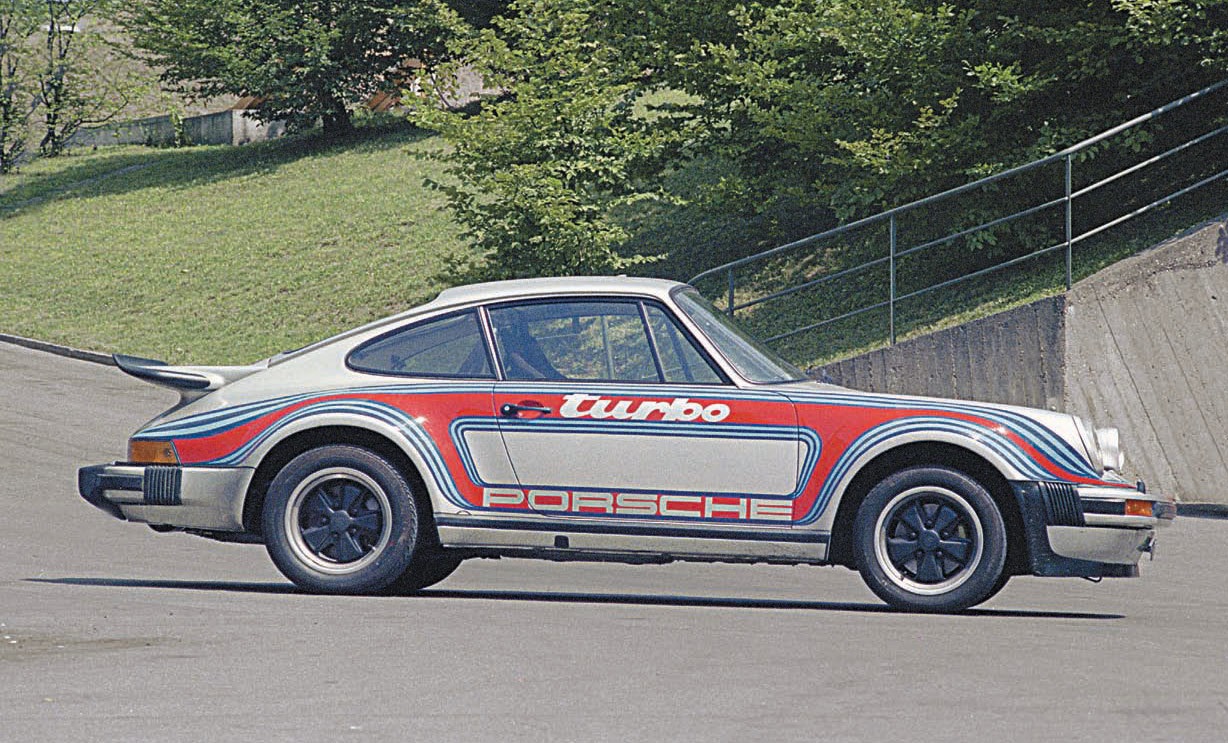
Berlin Philharmonic Orchestra conductor and music director Herbert von Karajan was a regular Zuffenhausen visitor and a good customer. Porsche created this custom-painted Martini Turbo for him in 1975. Porsche Archiv
|
|
|
|
|
|
|
|
Image
|
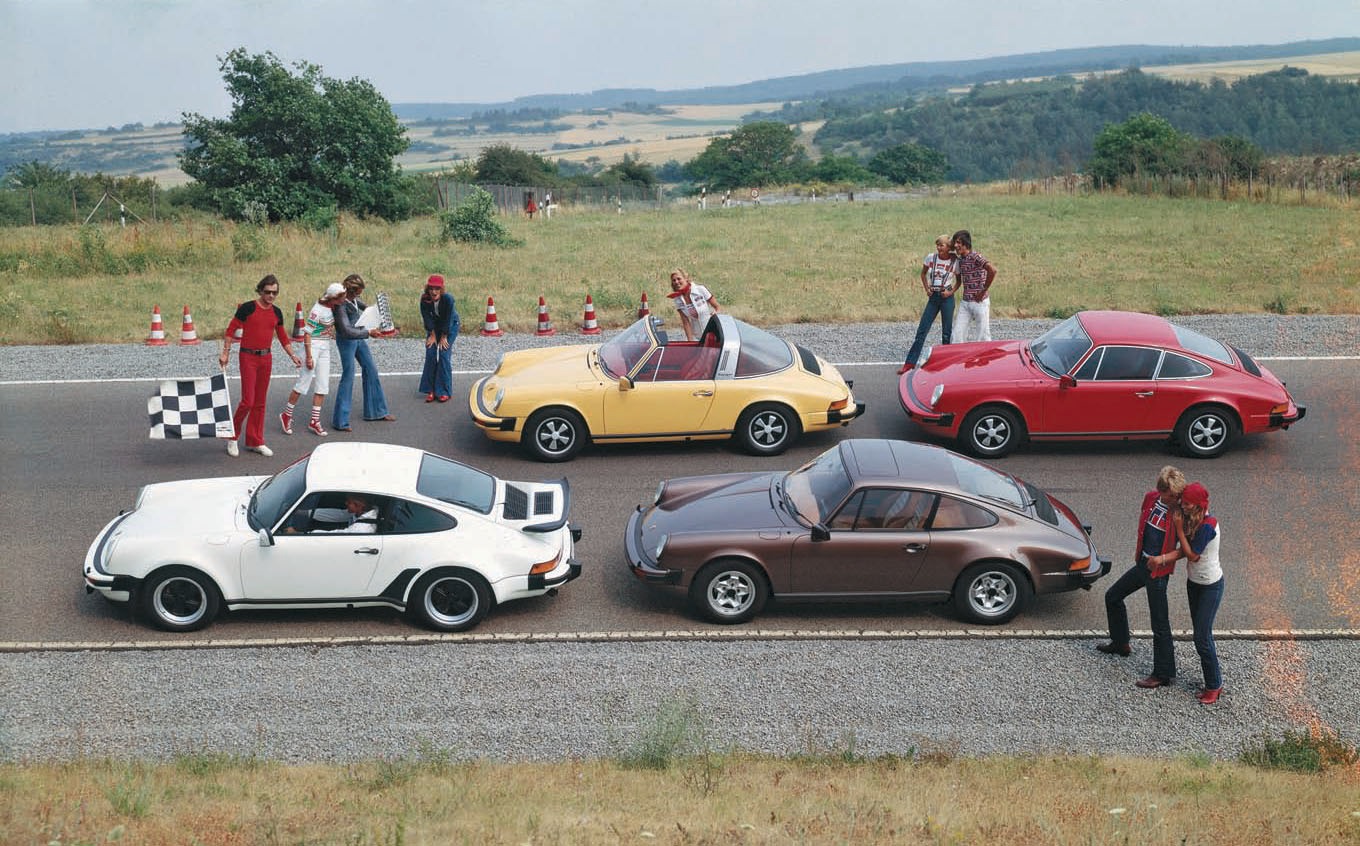
The 1977 model year 911 lineup posed on a Weissach test track curve for a photo. From left, a Turbo 3.0 coupe, a 911S Targa, a Carrera 3.0 coupe, and a base 2.7 coupe. Porsche Archiv
|
|
|
|
|
|
|
|
Image
|
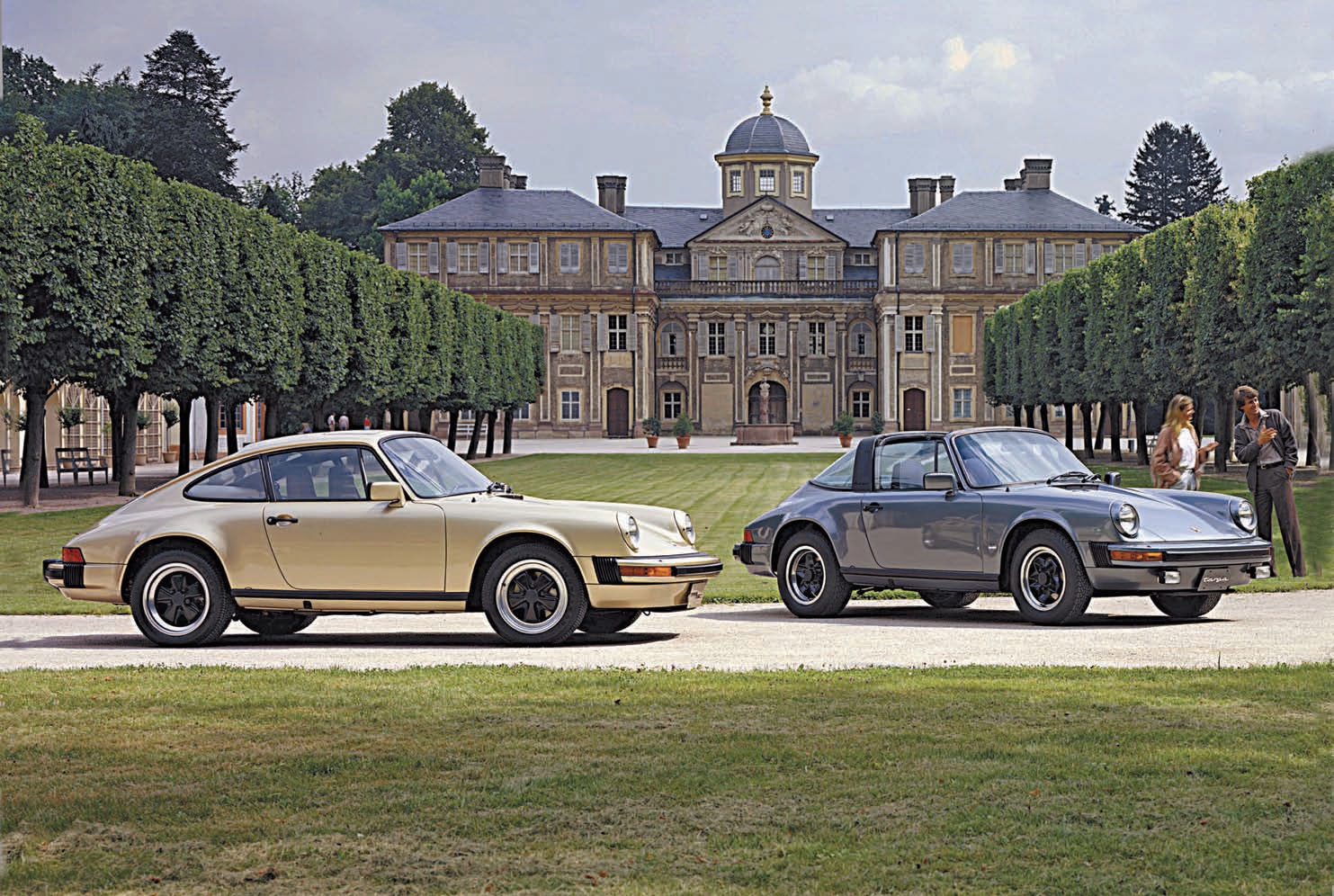
The 3.0 Carrera, left, delivered 200 horsepower at 6,000 rpm, while the base 911 provided buyers 165 horsepower at 5,800.
|
|
|
|
|
|
|
Dr. Ing. h.c. F. Porsche AG
|
Image
|
|
|
|
|
|
|
|
|
Image
|
Porsche originally created the designation SC, or Super Carrera, for what became the RS Carrera in 1973. The name reappeared on the 911 series beginning in 1978. Porsche Archiv
|
|
|
|
|
|
|
|
Image
|
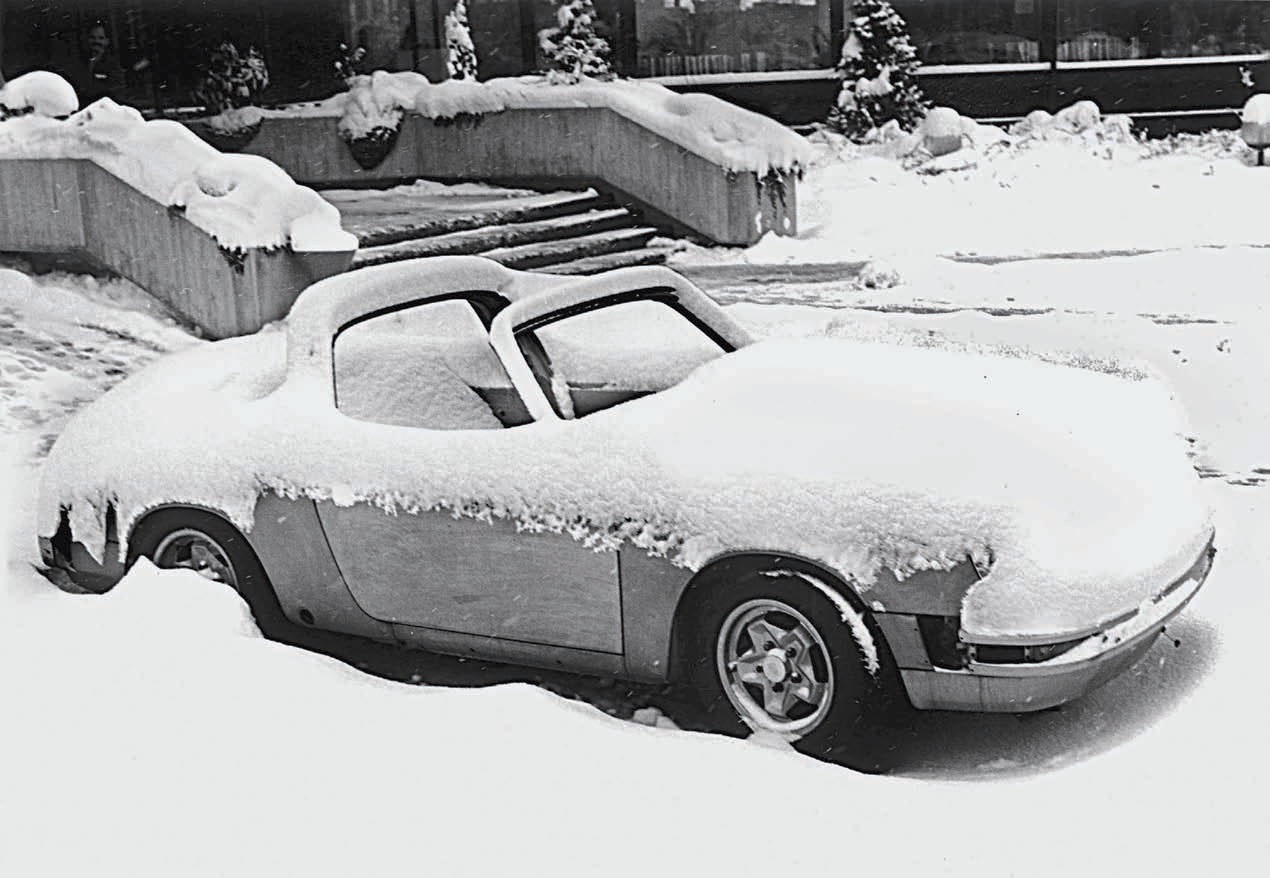
To inhibit body corrosion, Porsche began zinc galvanizing its car bodies in 1975 for the 1976 model year. To demonstrate its effectiveness, Weissach engineers parked an unpainted but galvanized body outside the engineering center for decades. Porsche Archiv
|
|
|
|
|
|
|
|
Image
|
For engineers at Weissach, writers at magazines, and Turbo owners everywhere, this was inspiring performance. Three hundred horsepower launched the 2,860-pound car from 0 to 100 kilometers per hour in 5.4 seconds. Porsche Archiv
|
|
|
|
|
|
|
|
Image
|
These U.S. specification models for 1980 had taller ride height regulations than those for Europe. American buyers not only had to accept 188 horsepower engines, but also speedometers that read to just 85 miles per hour. Porsche Archiv
|
|
|
|
|
|
|
|
Image
|
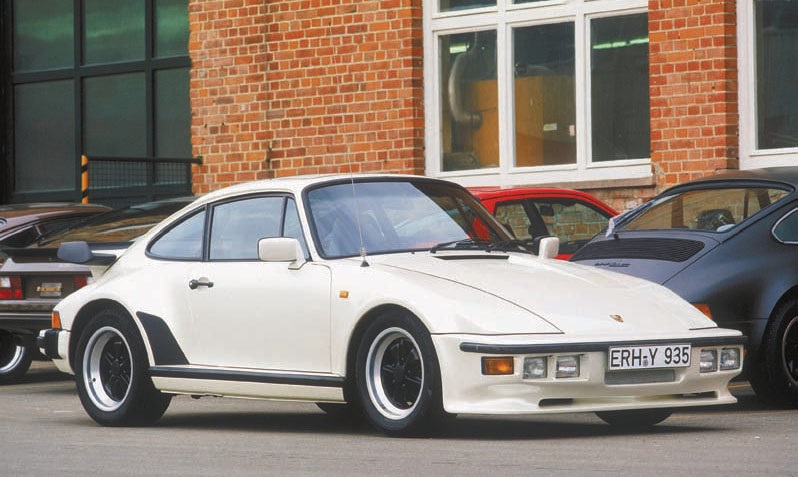
This was one of the first of the Flachtbau turbos, of which Sonderwunsch manufactured just seven or eight. These early versions appeared through 1982, when two round headlights replaced the four rectangular lamps. Porsche Archiv
|
|
|
|
|
|
|
|
Image
|
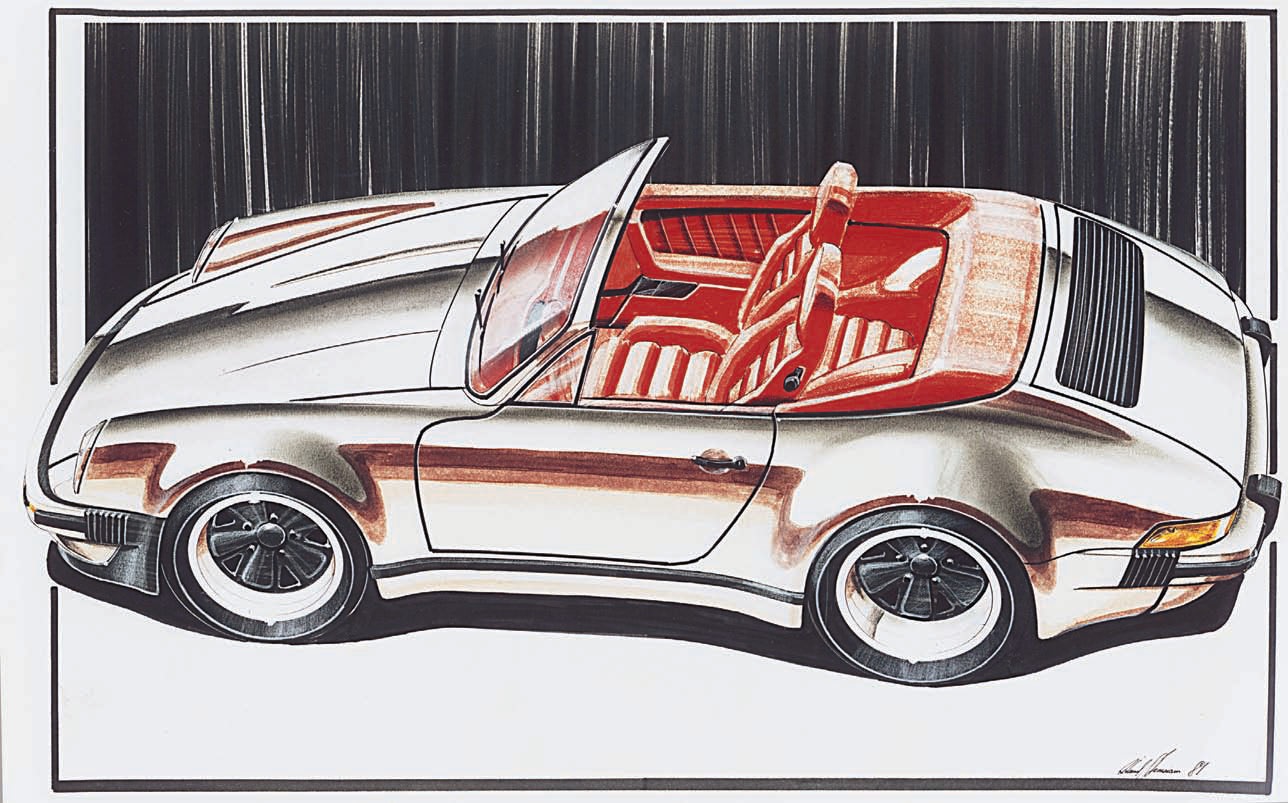
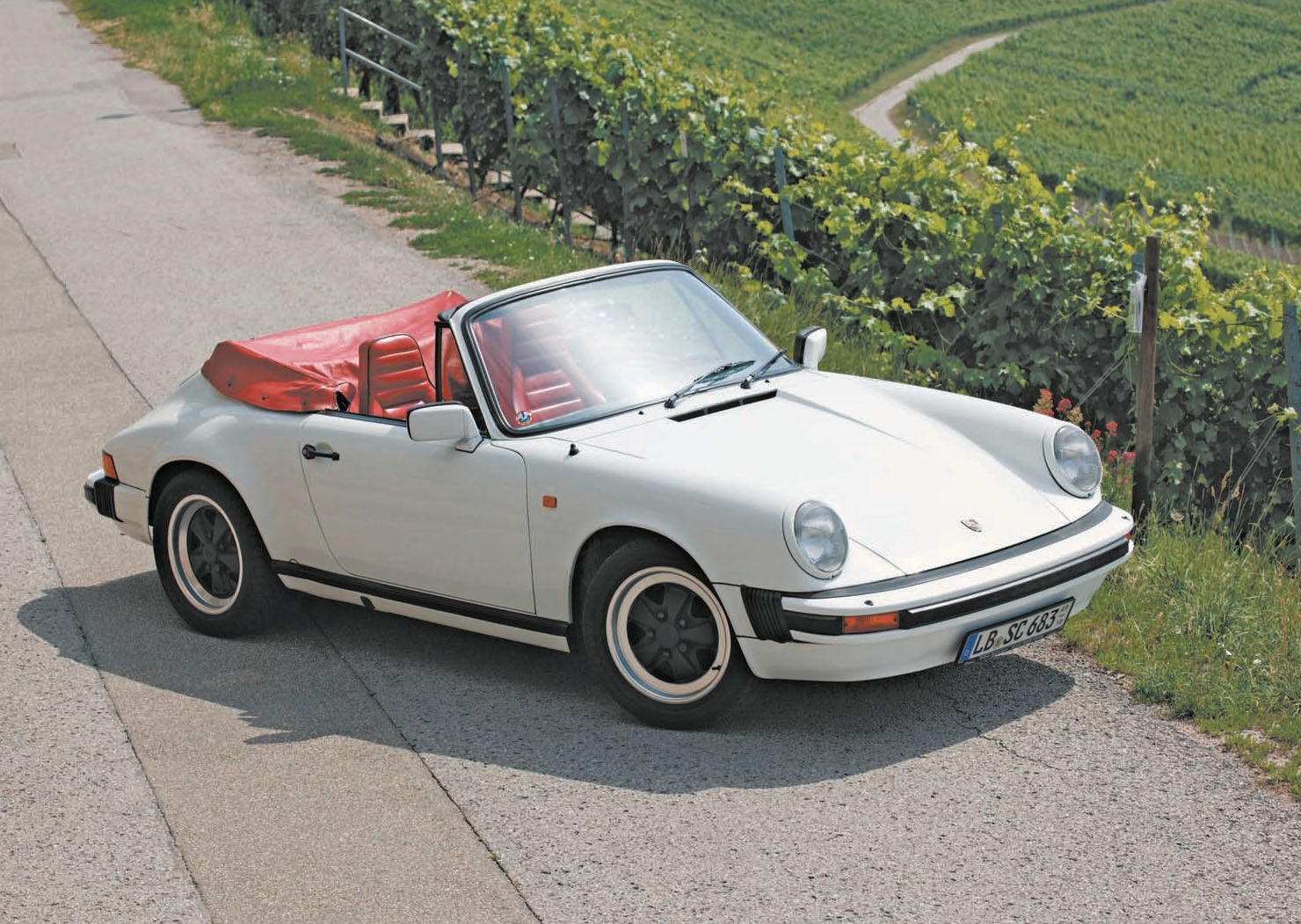
Porsche stylist Roland Stemmann began working on 911 cabriolet concepts soon after Peter Schutz and Helmuth Bott launched the project. This combination of white body with red interior carried through to at least one celebrity owner. Porsche Archiv
|
|
|
|
|
|
|
|
Image
|
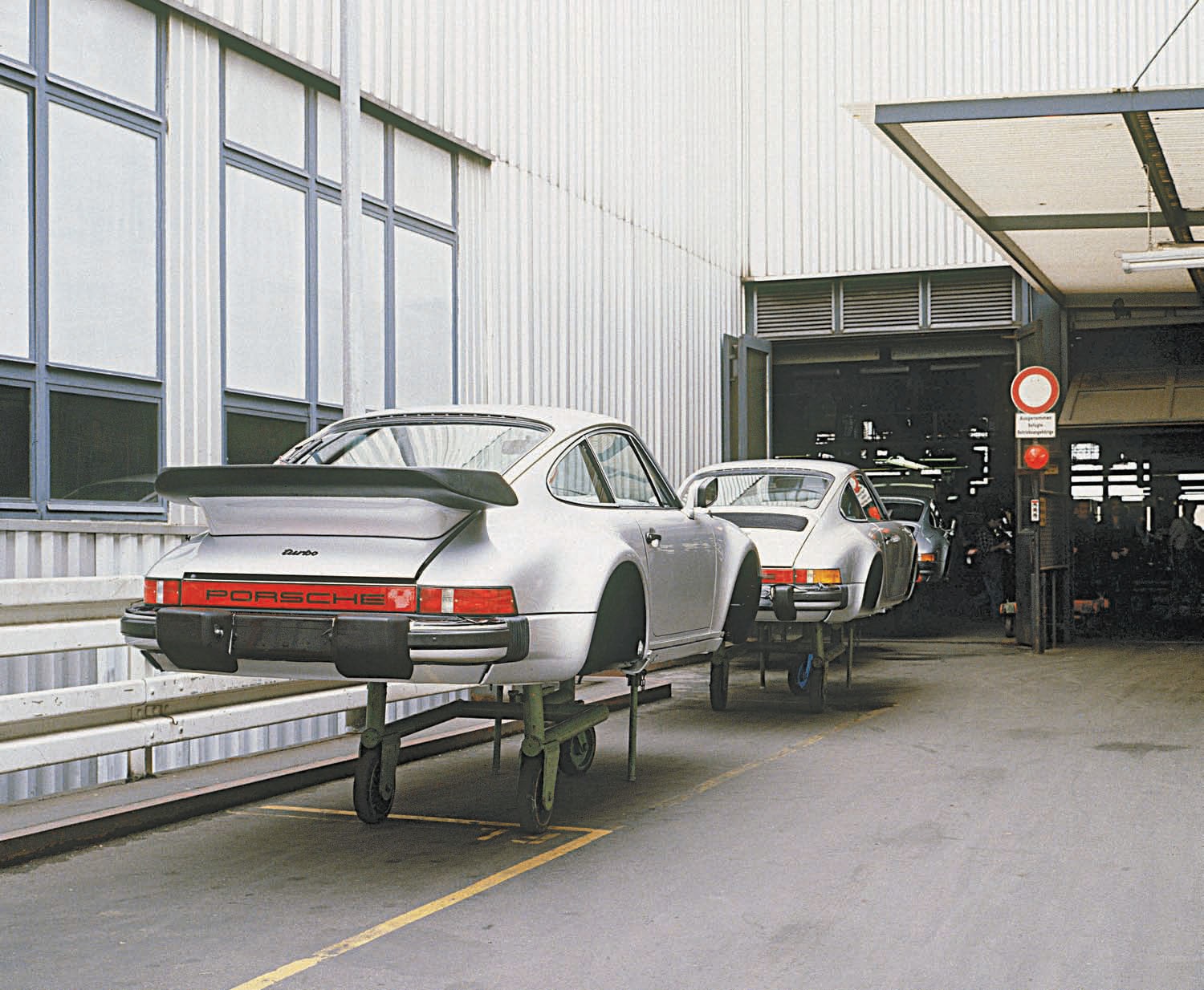
Perhaps this was an early form of just-in-time delivery as painted 930 Turbo bodies waited outside the factory. These cars were queued up for engine-and chassis marriage and for interior completion. Porsche Archiv
|
|
|
|
|
|
|
|
Image
|
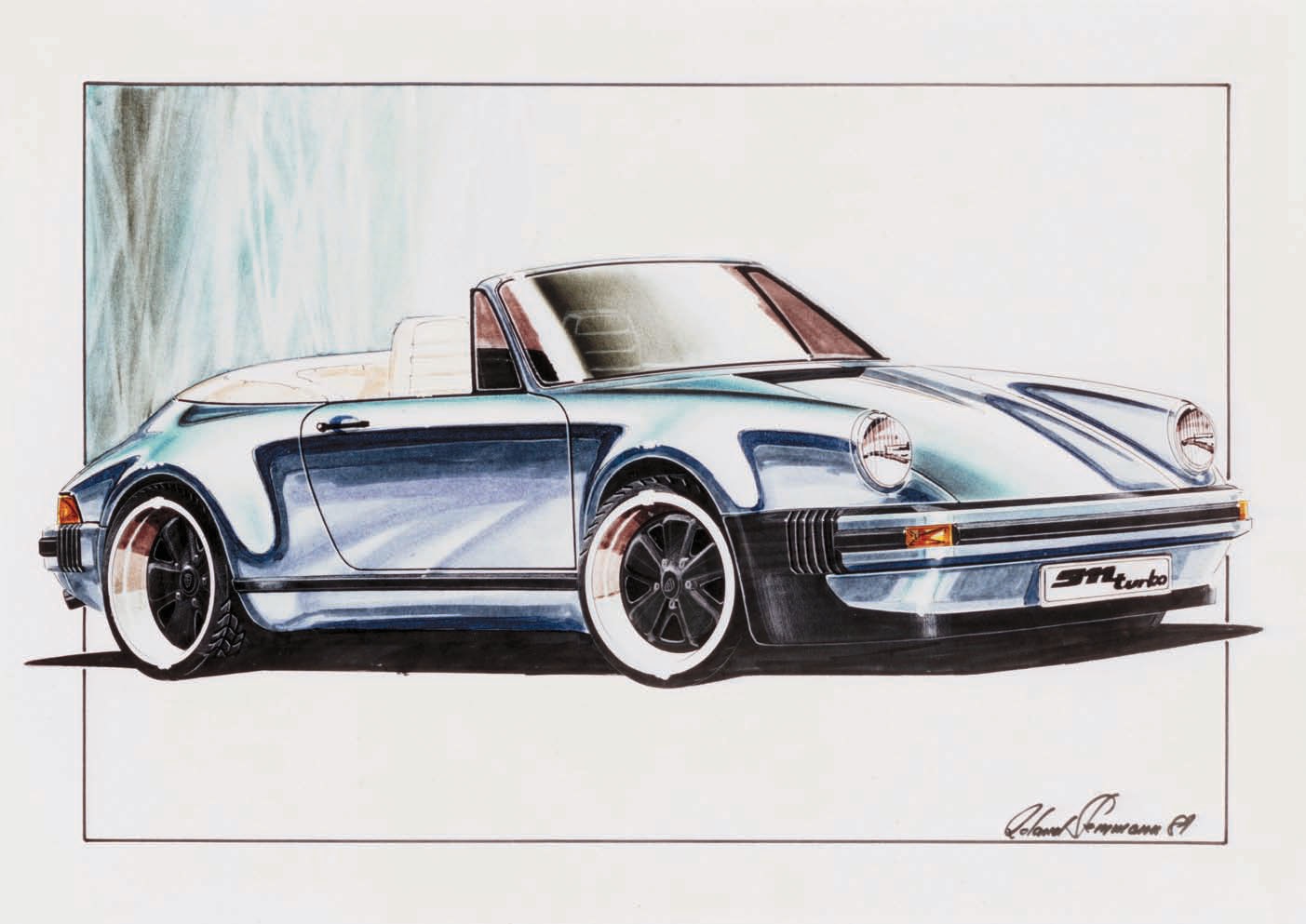
Another Stemmann sketch identified the concept as the 911 Turbo. The wide-body approach served well for auto show introductions. Porsche Archiv
|
|
|
|
|
|
|
Dr. Ing. h.c. F. Porsche AG
|
Image
|
1981: Study of 911 Turbo Cabriolet with all-wheel drive
|
|
|
|
|
|
|
|
Image
|
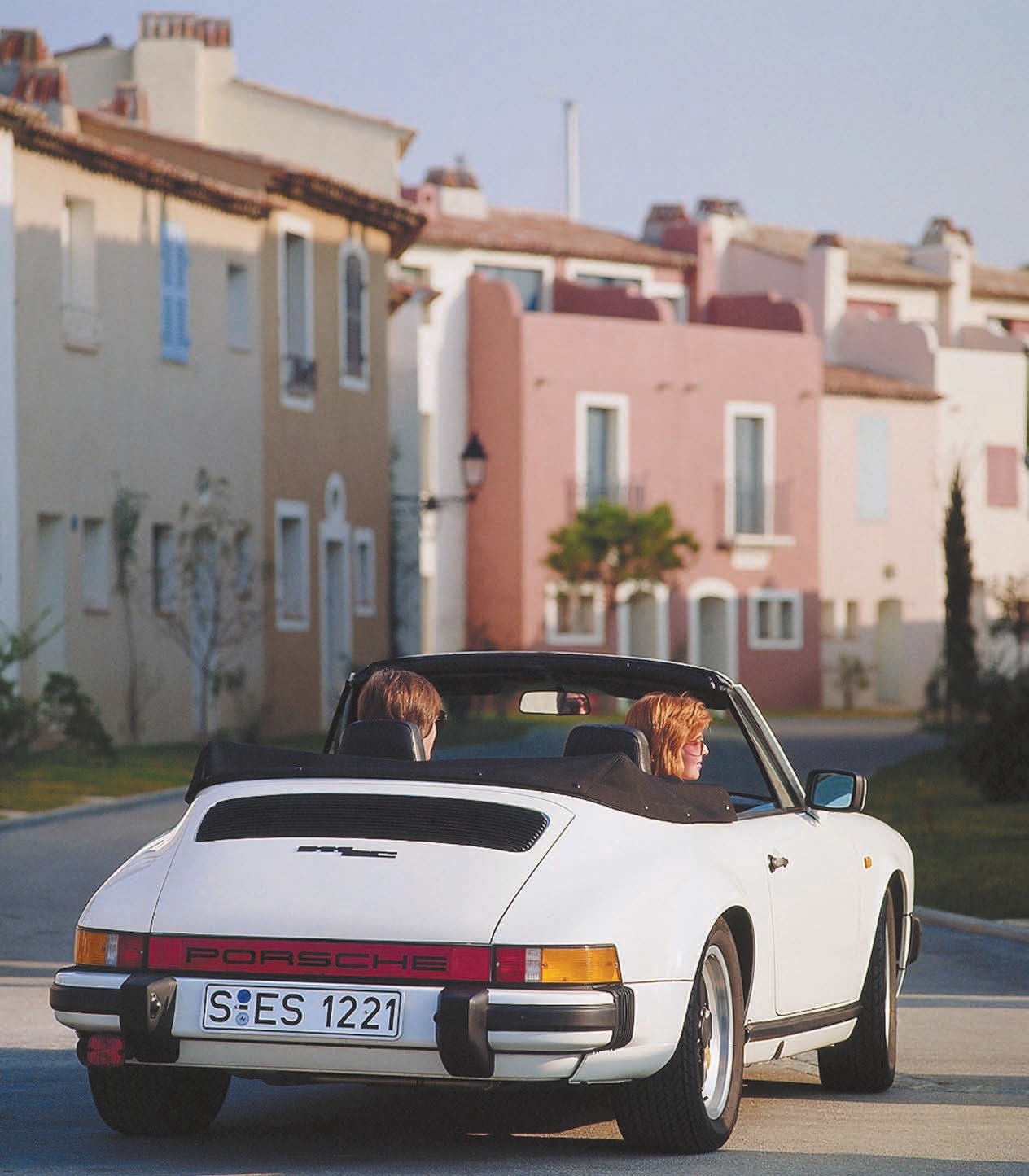
Following the Frankfurt IAA introduction, Porsche had 911 SC Cabriolets available for delivery as 1983 models in late 1982. Weissach invested huge effort into stiffening the chassis for the open car. Porsche Archiv
|
|
|
|
|
|
|
|
Image
|
Celebrities, especially musicians, have owned Porsches and, because of their celebrity, have gotten special options. Violinist Anne-Sophie Mutter ordered this 1983 SC Cabriolet with red leather interior and a red leather convertible boot. Dieter Landenberger/Porsche Archiv
|
|
|
|
|
|
|
|
Image
|
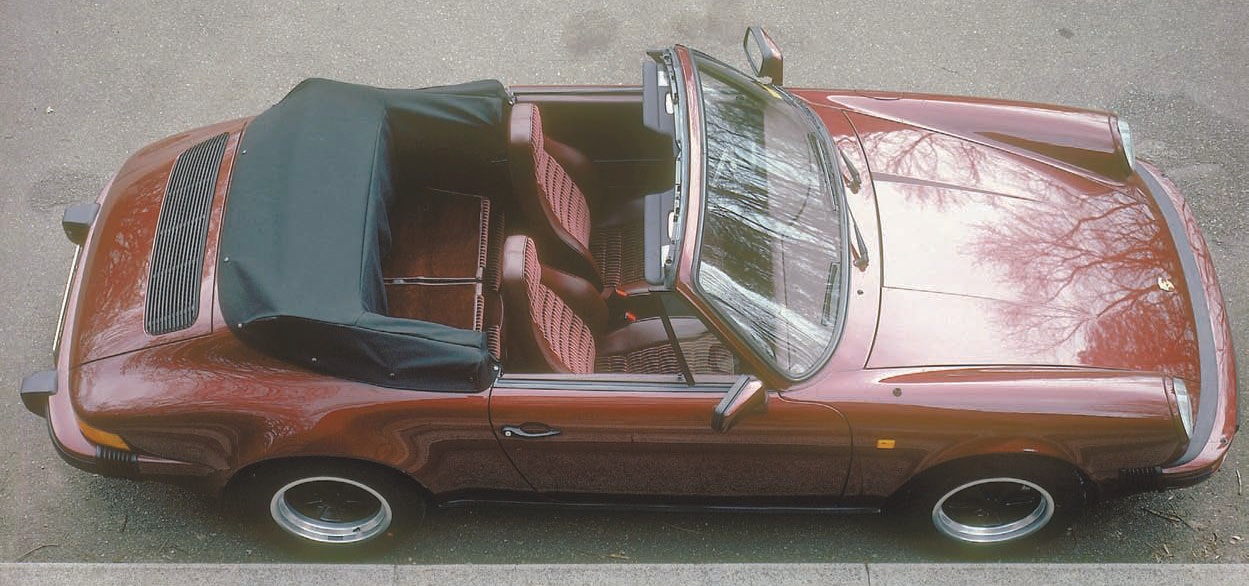
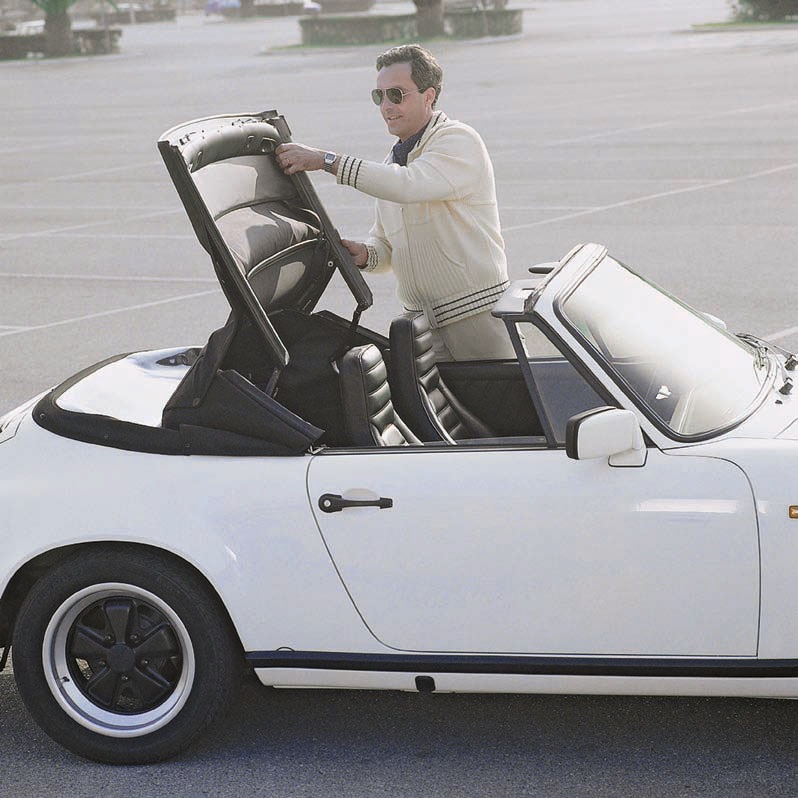
To fit a collapsible top into the 911 body, engineers Eugen Kolb and Gerhard Schröder moved the rear seatbacks forward nearly four inches. A complex structure of bows and straps restrained the top from tenting up while driving at high speeds. Porsche Archiv
|
|
|
|
|
|
|
|
Image
|
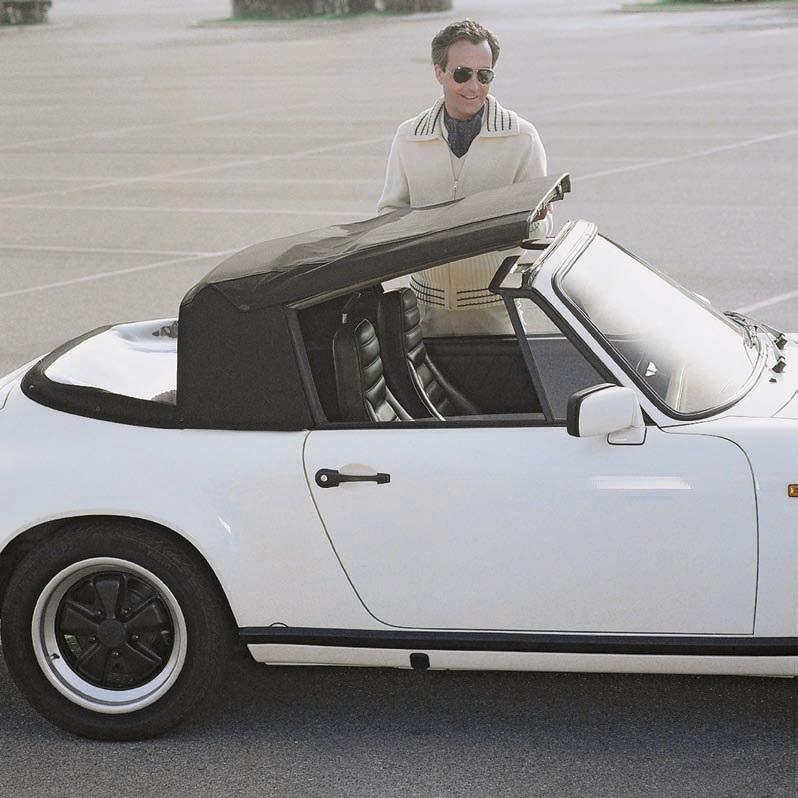
The first step was to release latches from each side of the windshield and then to unzip the rear window. From that point, lowering the top was an easy operation that anyone could do single-handedly. Porsche Archiv
|
|
|
|
|
|
|
|
Image
|
The top remained a manual operation until 1987. The wide front bow, to which factory assemblers glued the cloth top, was one secret to its stability at high speed. Porsche Archiv
|
|
|
|
|
|
|
|
Image
|
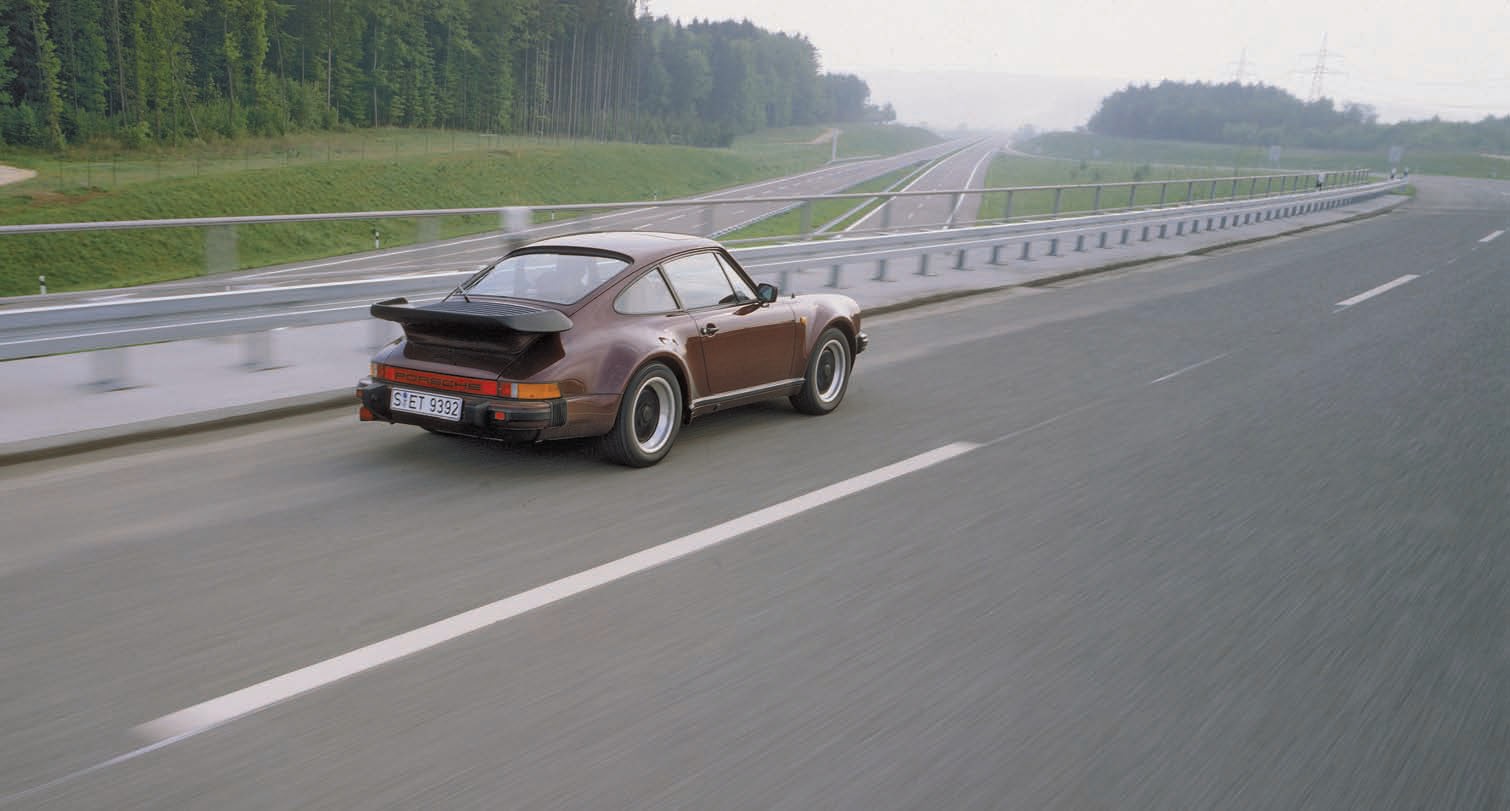
Despite introduction of the 1983 Cabrio, the Turbo remained a steady seller through its entire life as a G model. Specifications barely changed as engineers, with other assignments from Bott and Schutz, worked on the all-wheel-drive Turbo known as the 959. Porsche Archiv
|
|
|
|
|