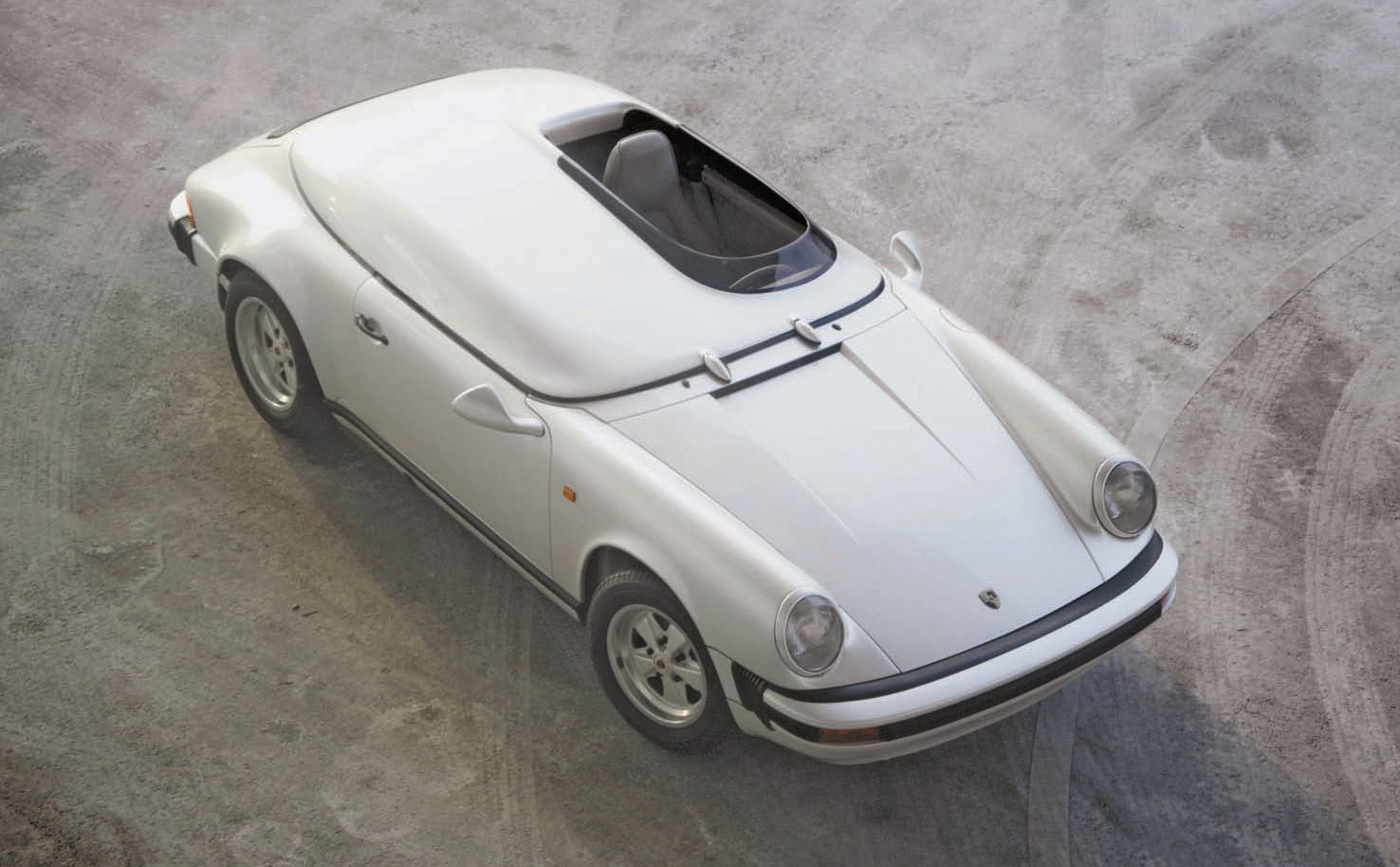
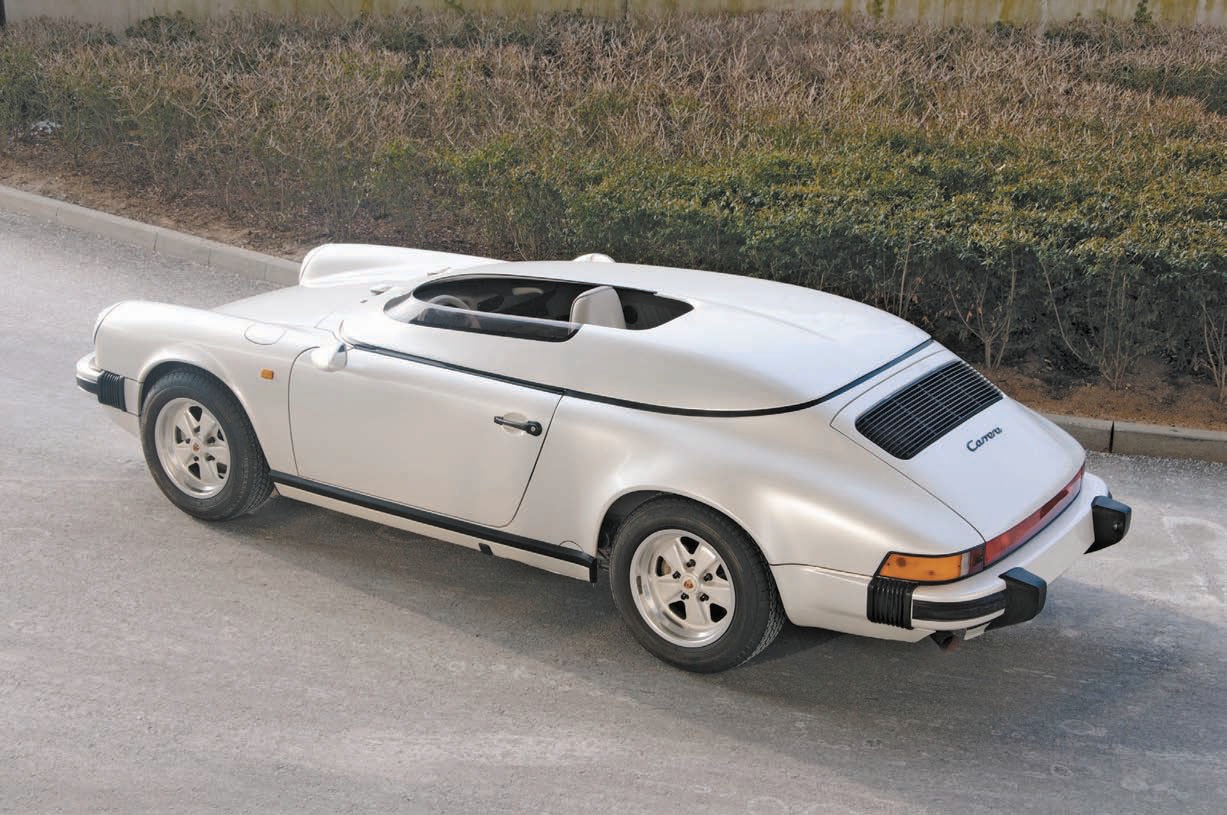
After displaying the Gruppe B concept car in 1985 and introducing the production model as the 959 in 1986, Porsche needed to keep visitors and journalists excited. This 3.2 Speedster studie, for Frankfurt 1987, did exactly that. Porsche Archiv–Photo by Jens Torner
This single-seater concept had tremendous appeal and many hoped the flip-up tonneau cover was an option when the production Speedster appeared in 1989. However, it was much easier for engineers to fabricate a top system for the two-seat version. Porsche Archiv–Photo by Jens Torner
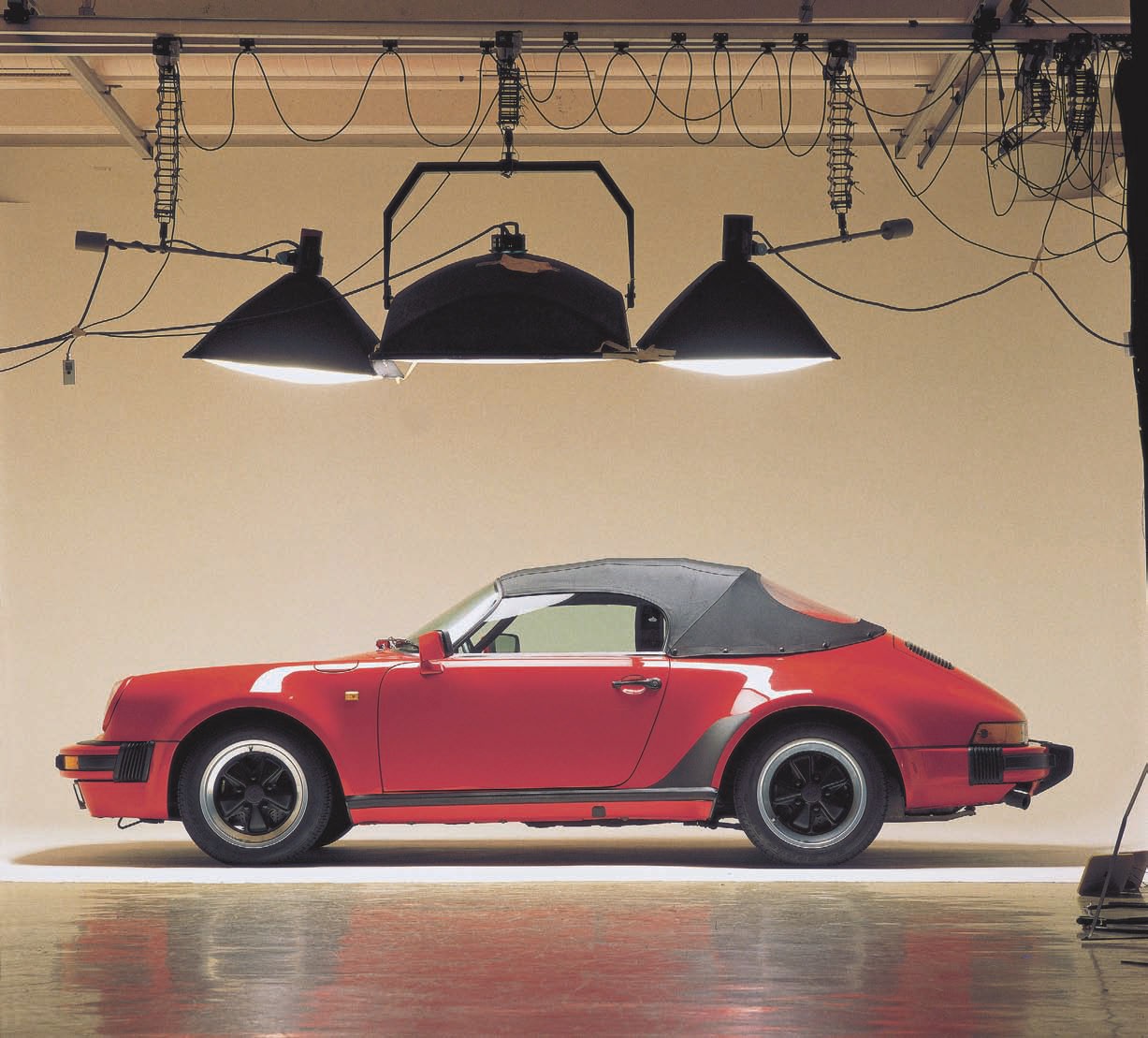
When Porsche put the 3.2 Carrera Speedster into production, Zuffenhausen offered the car in standard width body and Turbo Look. The manual cloth top folded underneath a rigid fiberglass tonneau cover that also covered the rear of the passenger compartment. Porsche Archiv
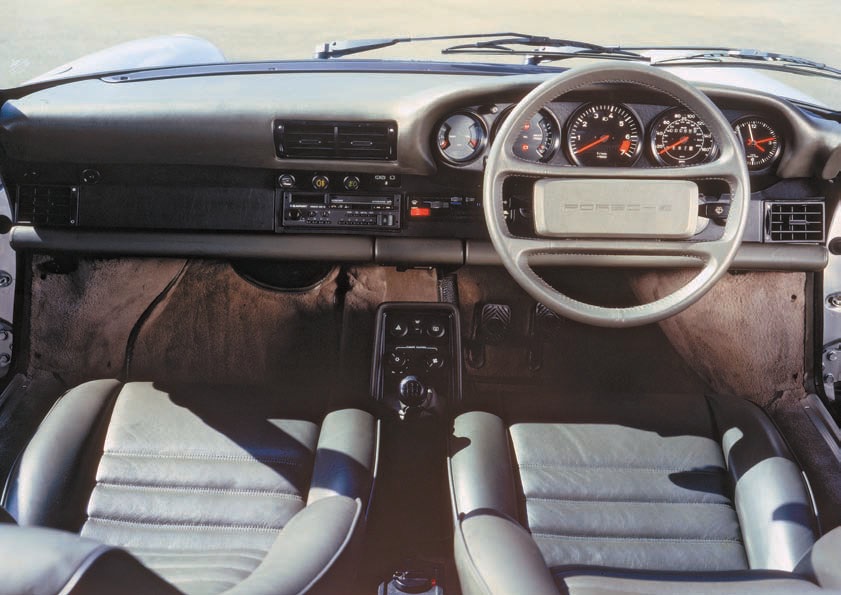
One of the great legacies of the early 911 development came with adapting the rack-and-pinion steering of the Formula 1 car. With its articulated steering column, it made manufacturing right-hand-drive 911s an easier proposition. Porsche Archiv
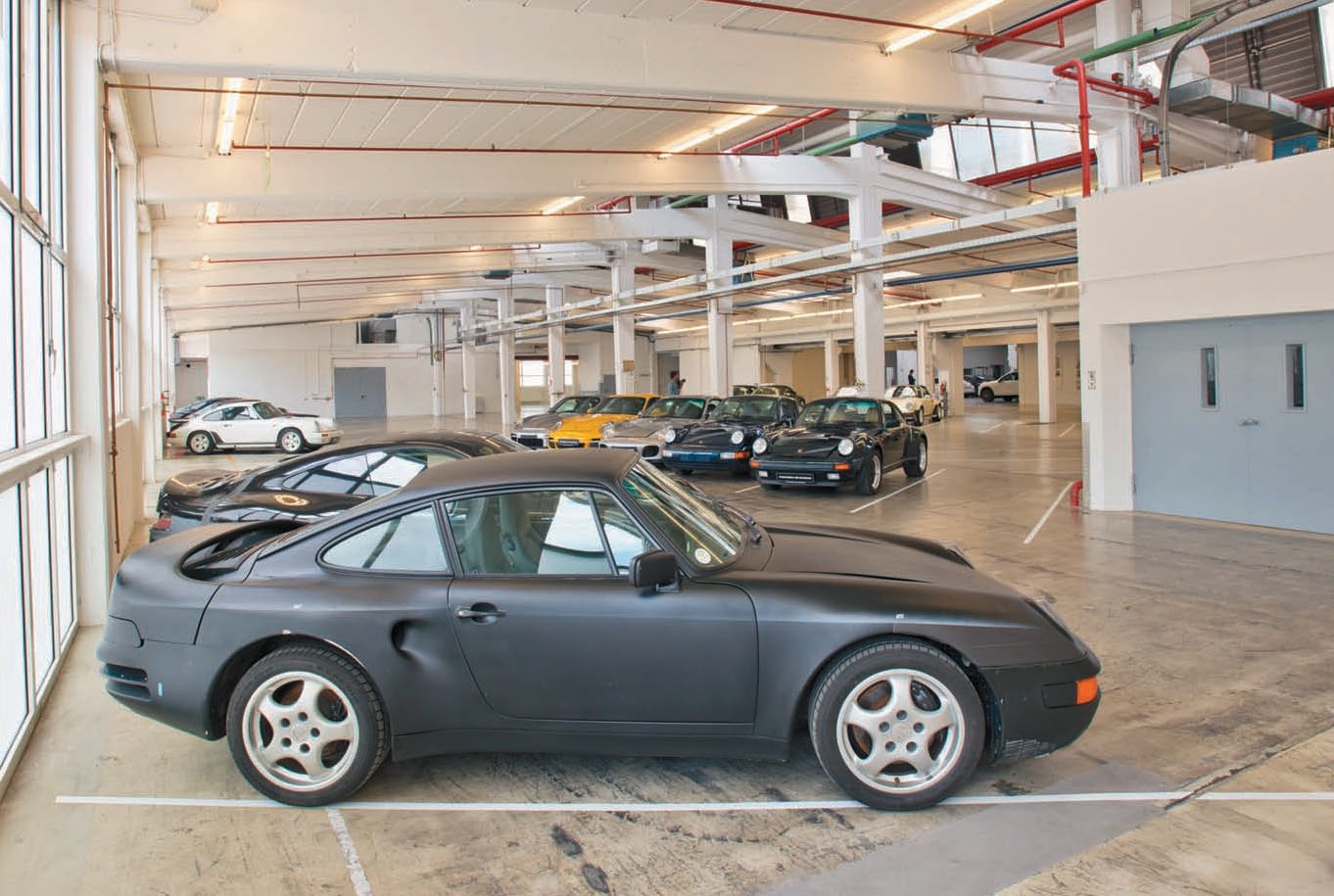
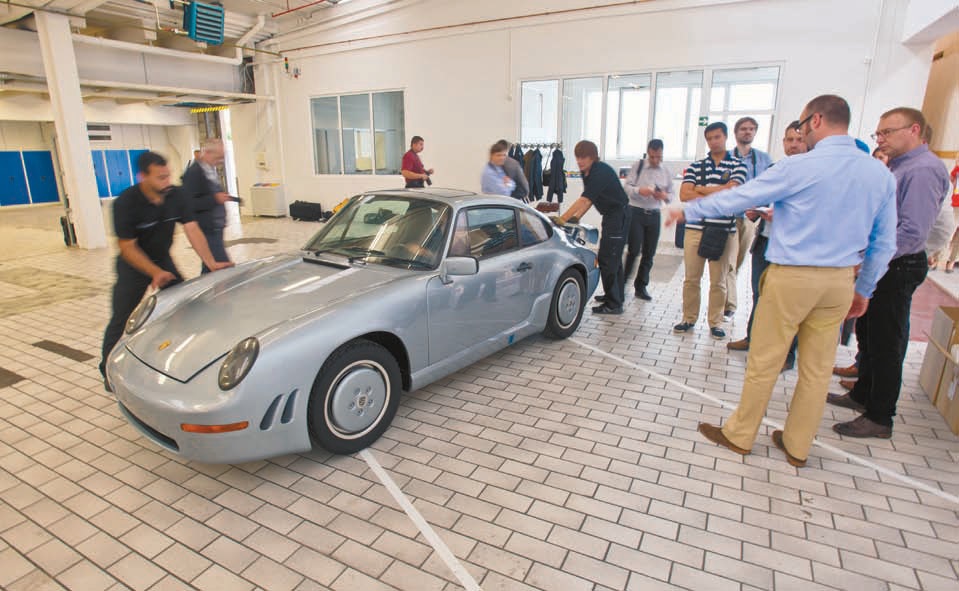
As Weissach managers imagined the G Series Turbo successor, they began to envision a technological and visual successor to the 959, known as the Typ 965. Tony Hatter created evolutionary new front fenders, and he carried over and evolved the 959’s bread basket handle rear wing. Randy Leffingwel
Each of the 965 mules became test beds for a variety of engine ideas as well. In one configuration, engineers installed a water-cooled 4.2-liter Audi V-8 into the engine compartment. Randy Leffingwell
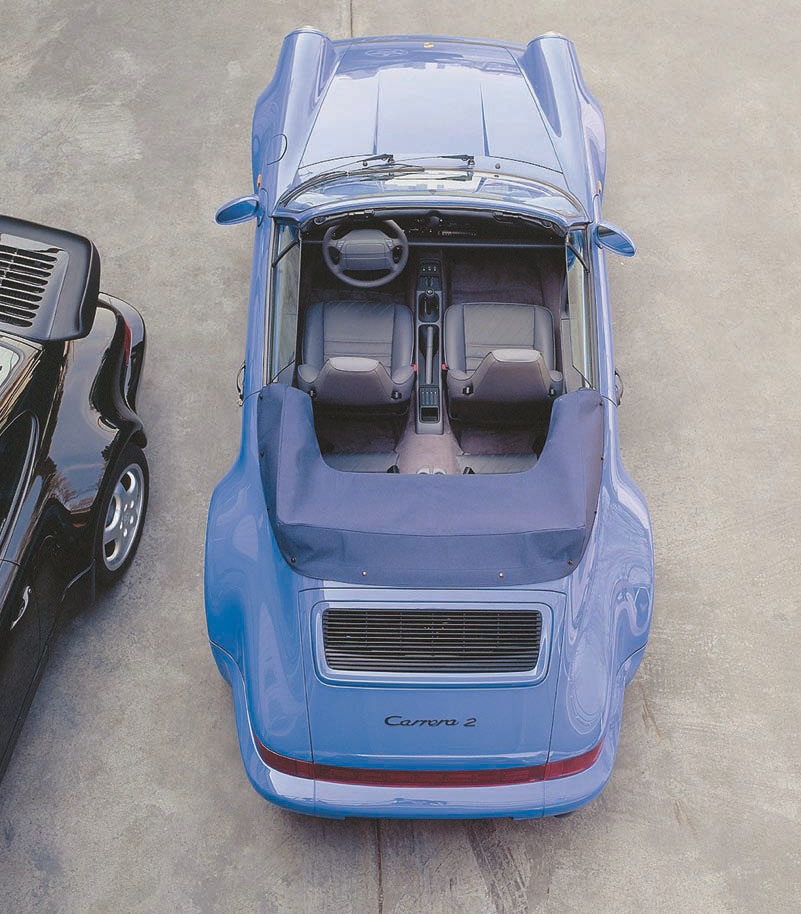
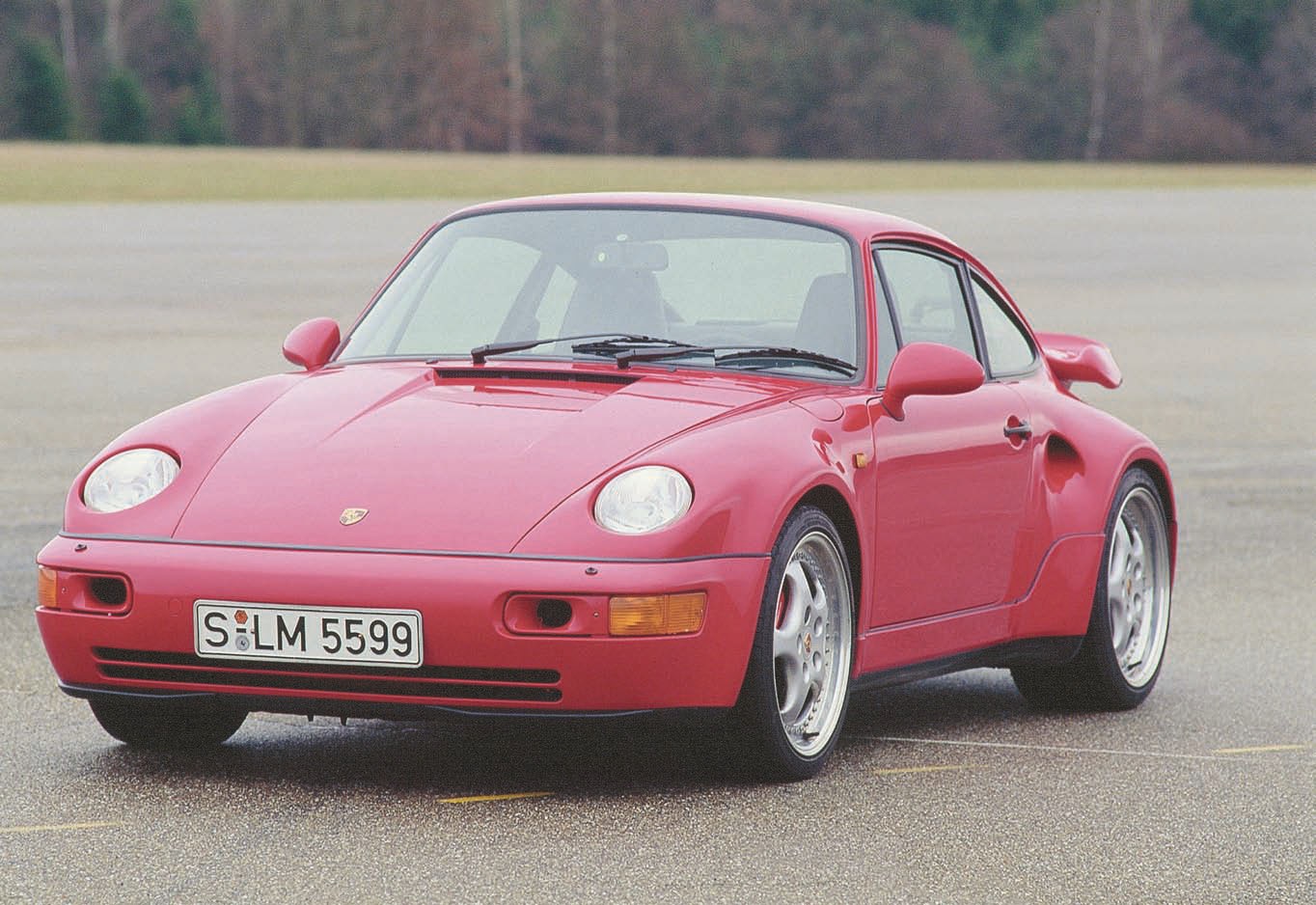
The 964 Carrera 2 Turbo Look Cabriolet for 1992 was available worldwide. For the U.S. markets, Porsche named the car the America Roadster. Porsche Archiv
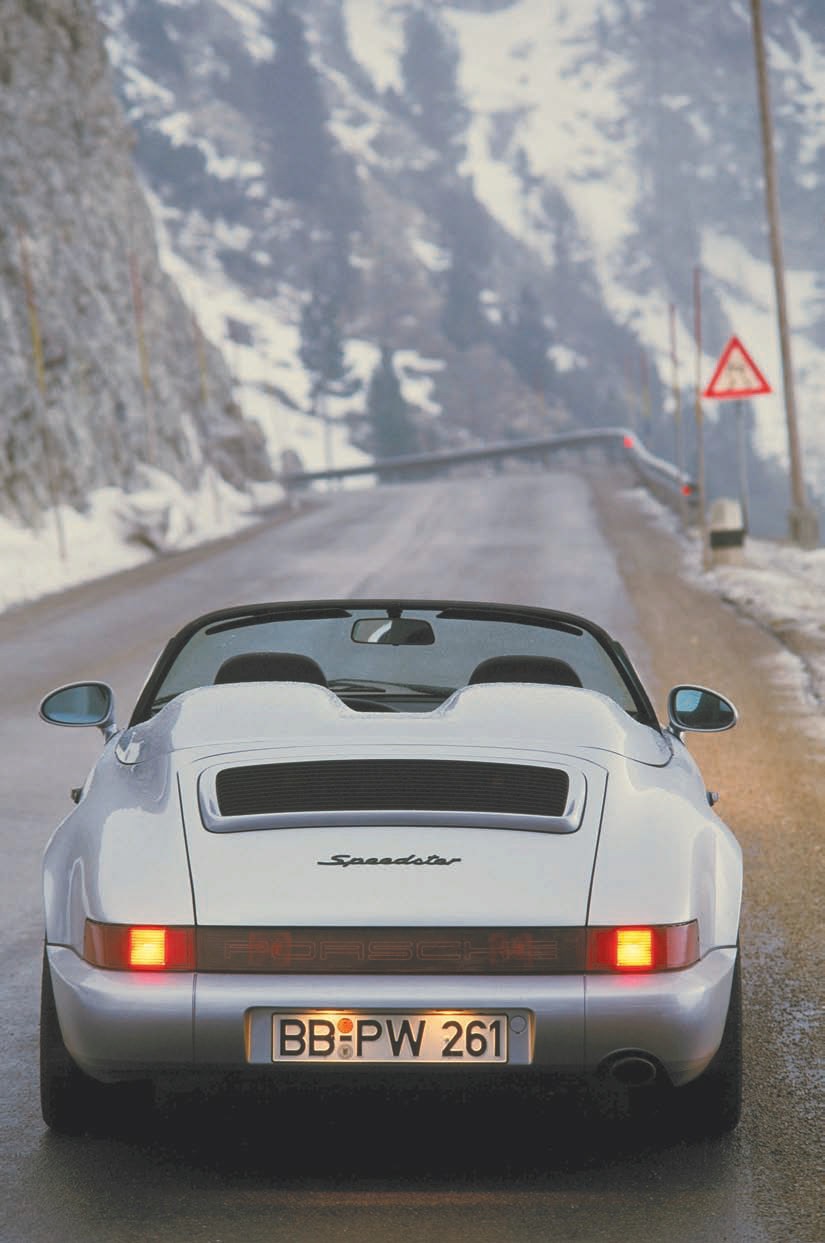
For the final year of the 964 Series, Porsche reintroduced the Speedster, mainly assembling the cars on the standard C2 platform. Zuffenhausen manufactured 930 narrow bodies, and Sonderwunsch converted another 15 to Turbo Look bodies. Porsche Archiv
When Porsche wound down production of the G Series, engineers at Weissach who knew that the 964 was coming believed that its body and platform could not support a Flachtbau configuration. By model year 1994, they had found a way to make it all work and they manufactured 76 of them. Porsche Archiv
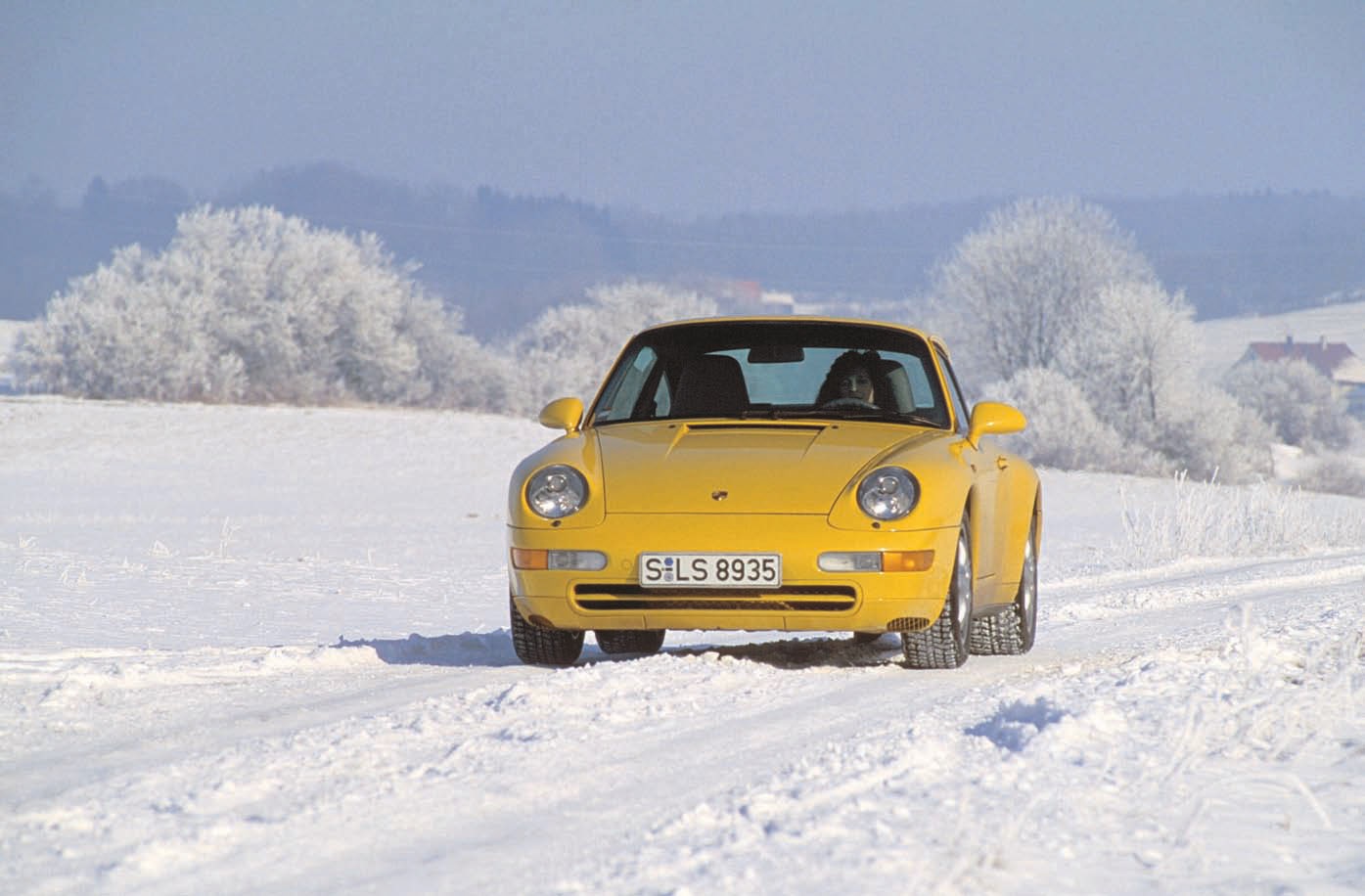
Tony Hatter, assigned to create the body for the 993, drew on what he had developed for the 965 as well as some of the work Steve Murkett did for Ferry Porsche’s birthday Panamericana. The 993 debuted as a rear-drive model for 1994. Porsche Archiv
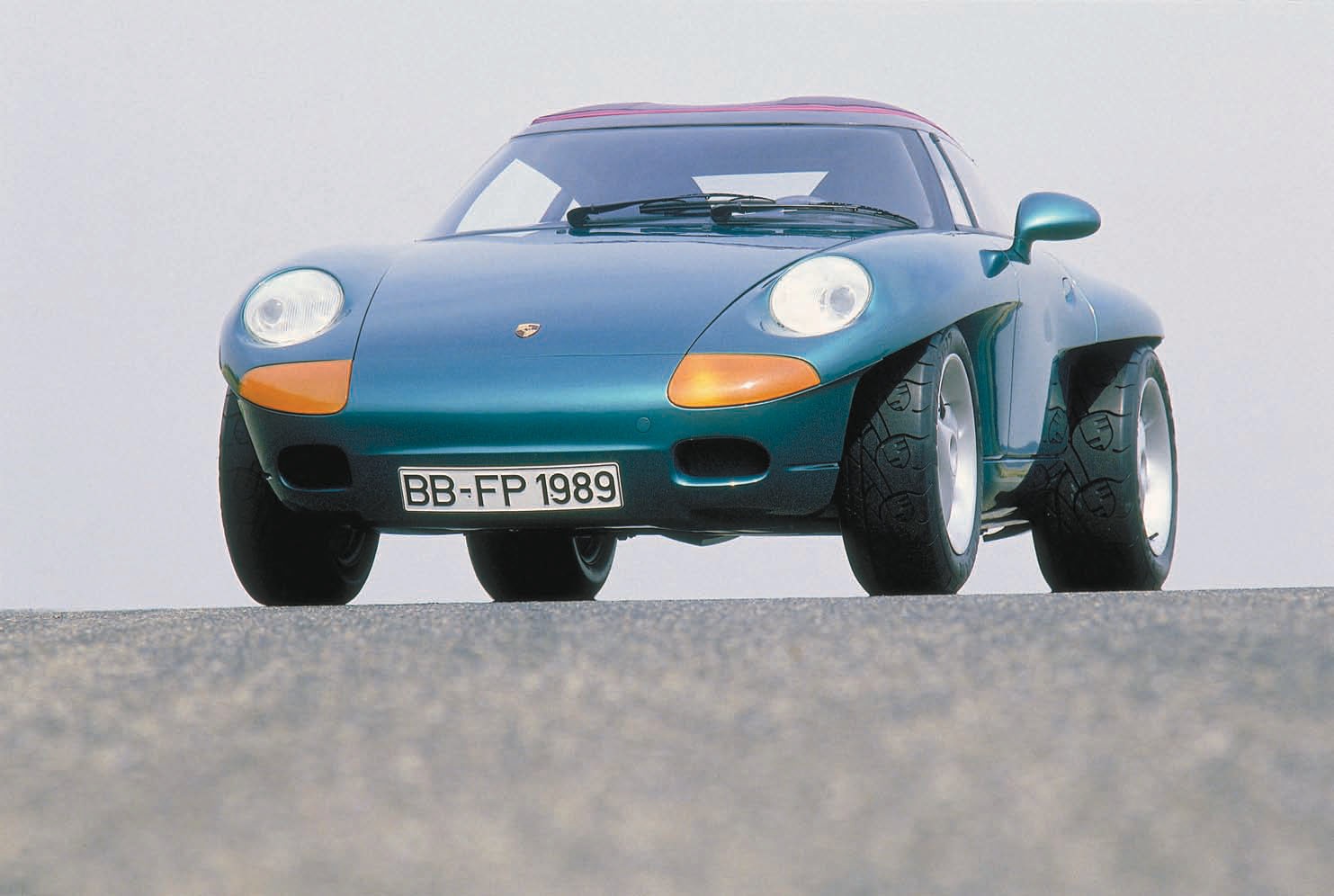
As the Frankfurt motor show approached in September of 1989, Harm Lagaay asked stylist Steve Murkett to create something to dramatize Porsche’s new all-wheel-drive capabilities. Murkett’s radical Panamericana, which went on to be Ferry Porsche’s 80th birthday gift, was experimenting with and developing body forms for 911s many years ahead. Porsche Archiv
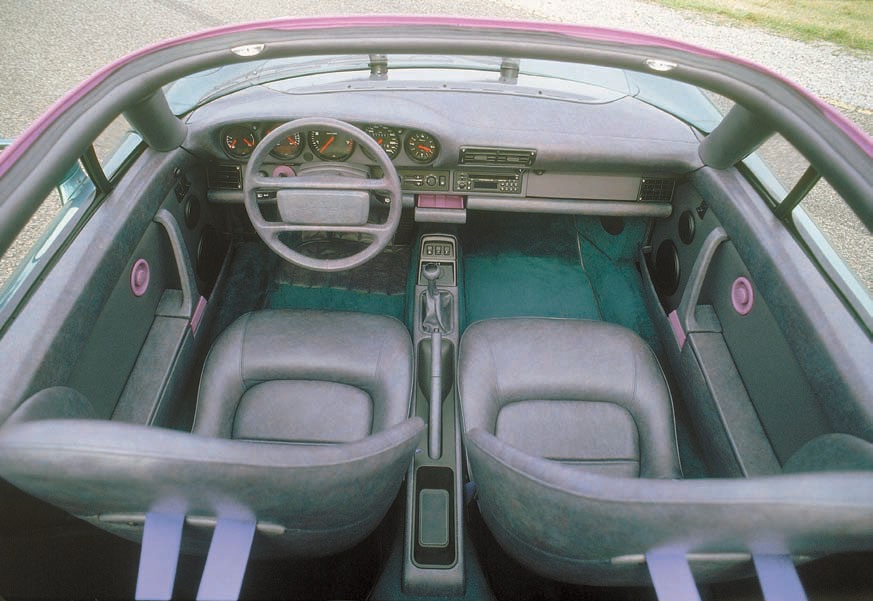
Dune buggies, off-roaders, and other multipurpose vehicles intrigued designer Murkett. His interior, with its speedboat-like zip-on-zip-off top, was almost traditional compared to the exterior shapes of the 1989 Panamericana. Porsche Archiv
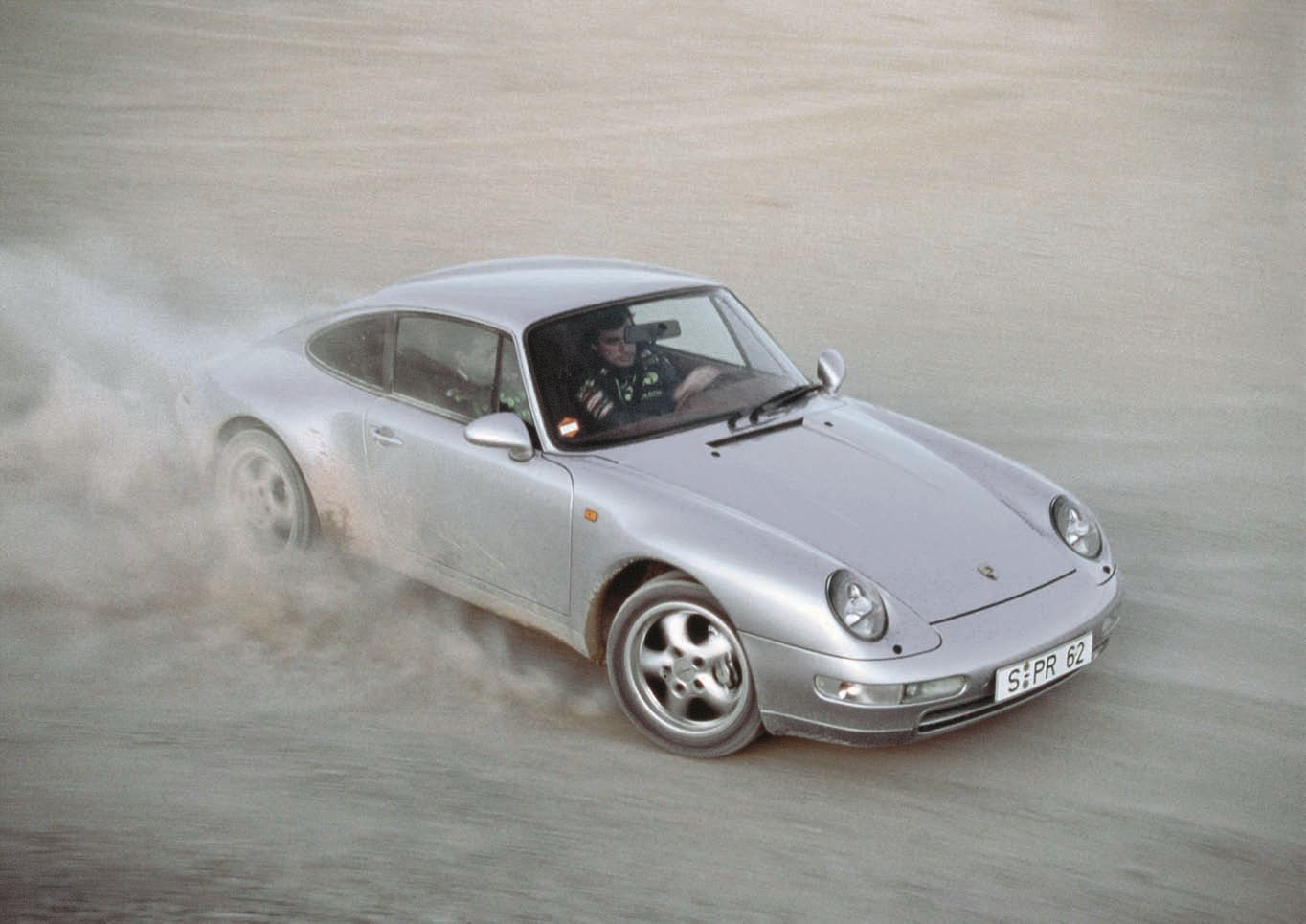
A chance to test drive the new Carrera 4 proved irresistible even to world rally champion Carlos Sainz. The 993 C4 appeared as a late 1994 model. Porsche Archiv
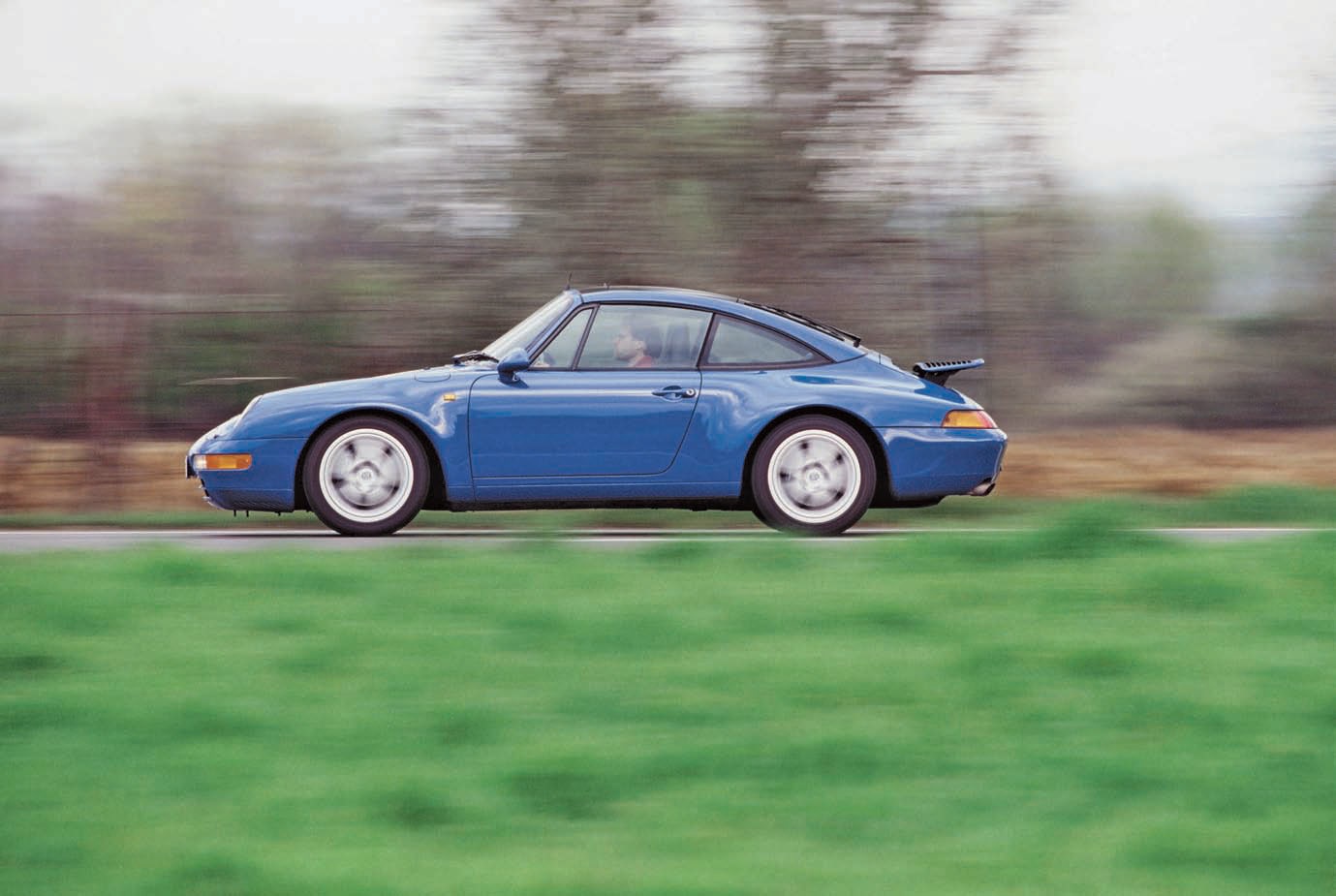
Some automobile stylists describe their work as managing reflections, and certainly automotive photographers agree the best car bodies can show their form even in a still photo. The 993 demonstrated what its designer Tony Hatter meant when he said, “At Porsche, we work the forms to perfection.” Porsche Archiv
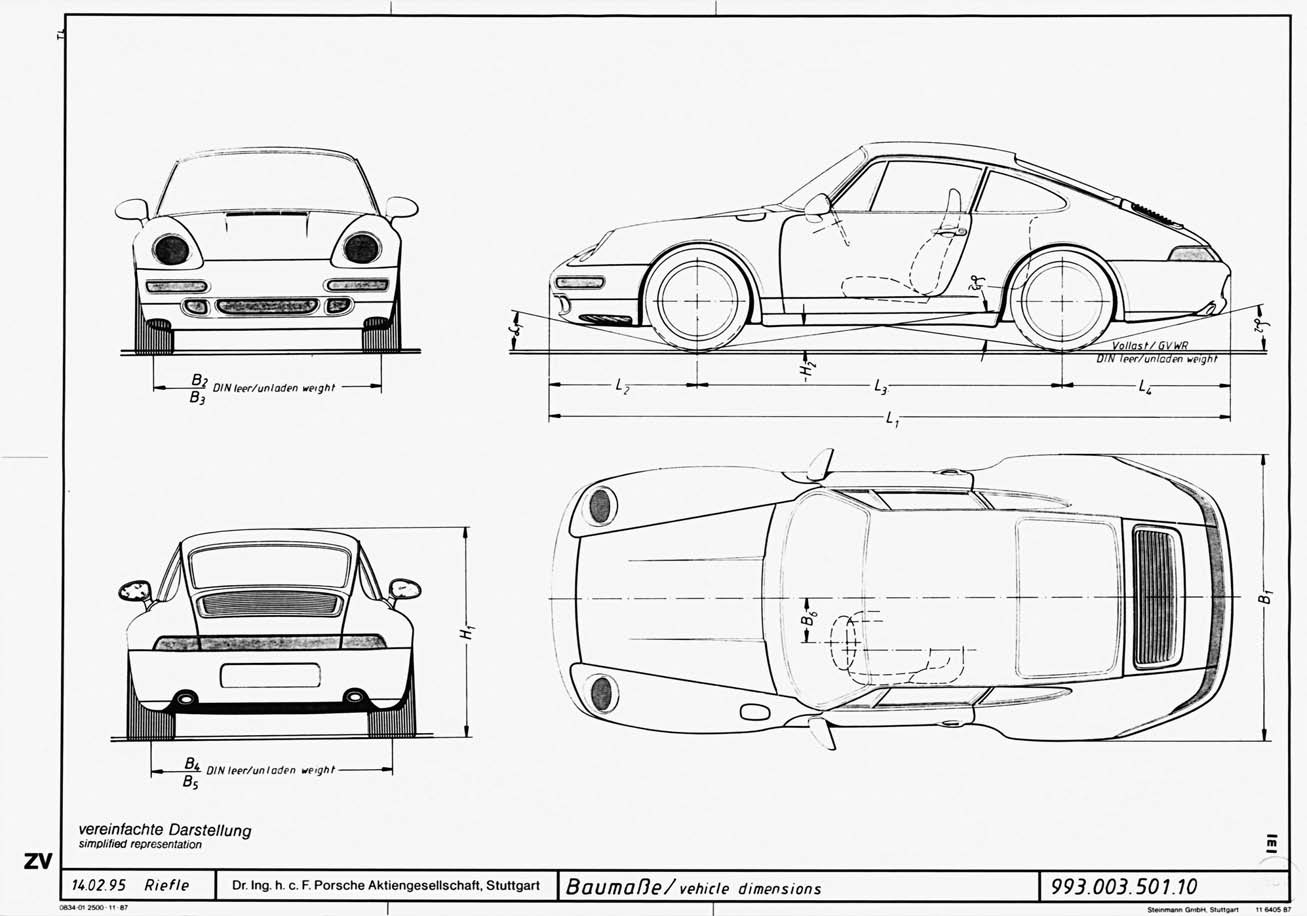
This drawing, completed February 14, 1995, was labeled “Simplified Representation.” It did very much simplify the labors of stylists and modelers and engineers who worked for years to create the Typ 993. Porsche Archiv
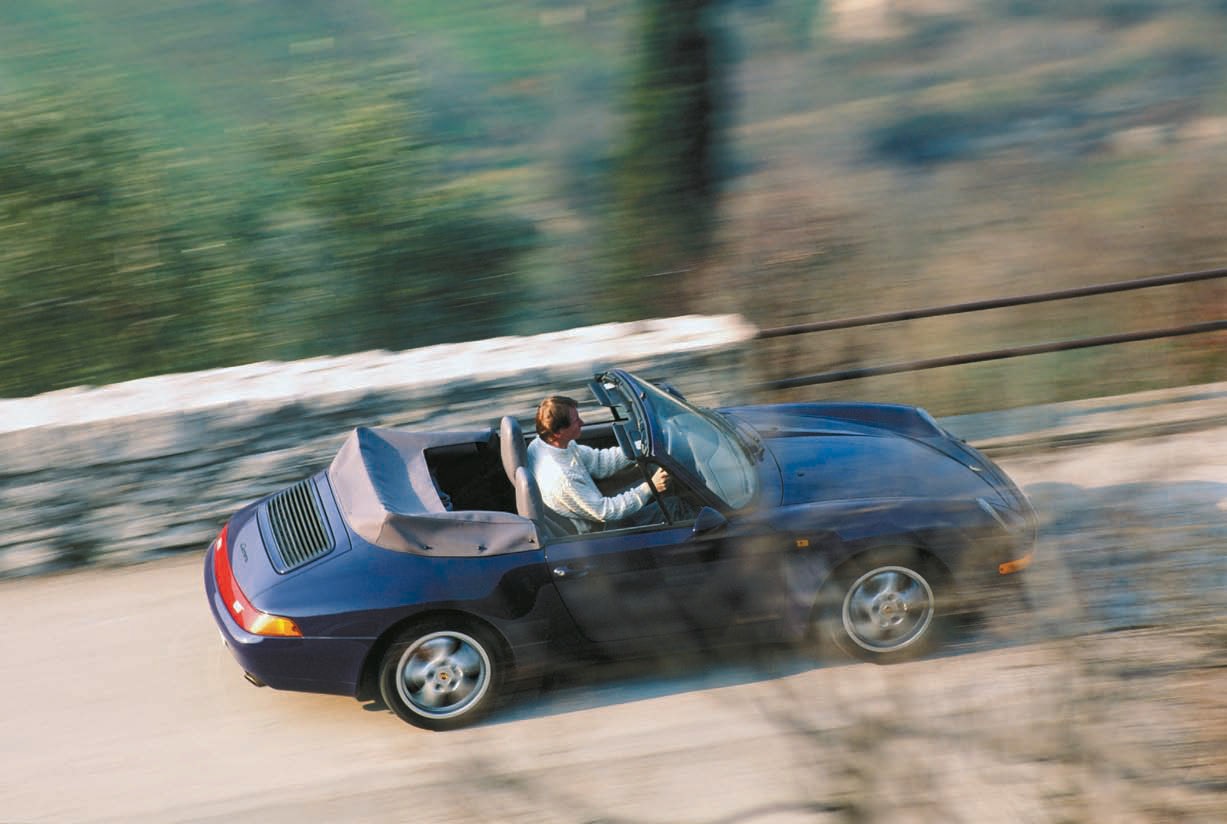
In spring 1994, Porsche unveiled the C2 cabriolet, followed a year later by the open C4 models. The 3.6-liter engine in the 993 developed 272 horsepower at 6,100 rpm. Porsche Archiv
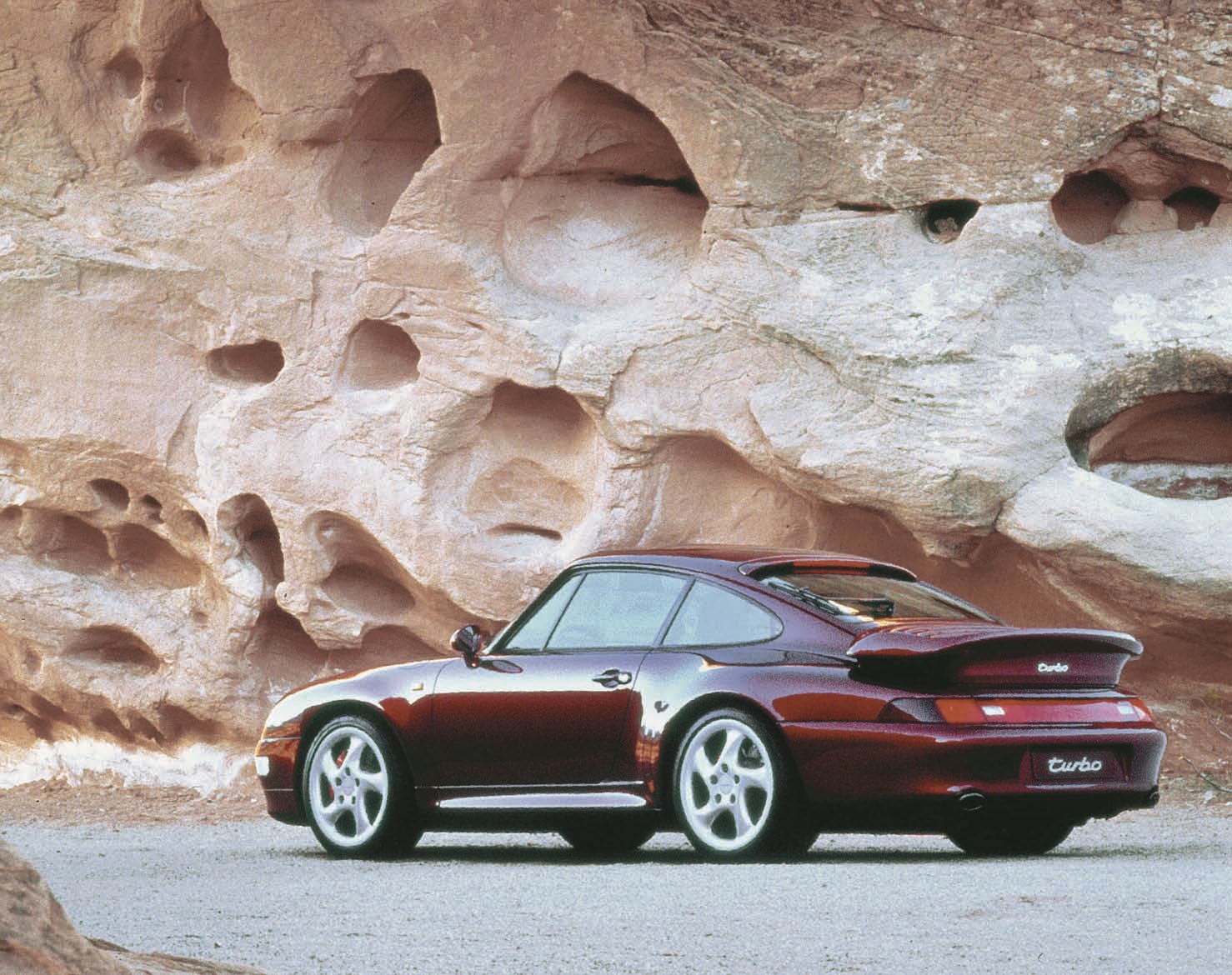
In March 1995, Porsche introduced the 993 Turbo at the Geneva Motor Show in Switzerland. It offered buyers 408 horsepower at 5,750 rpm. Porsche Archiv
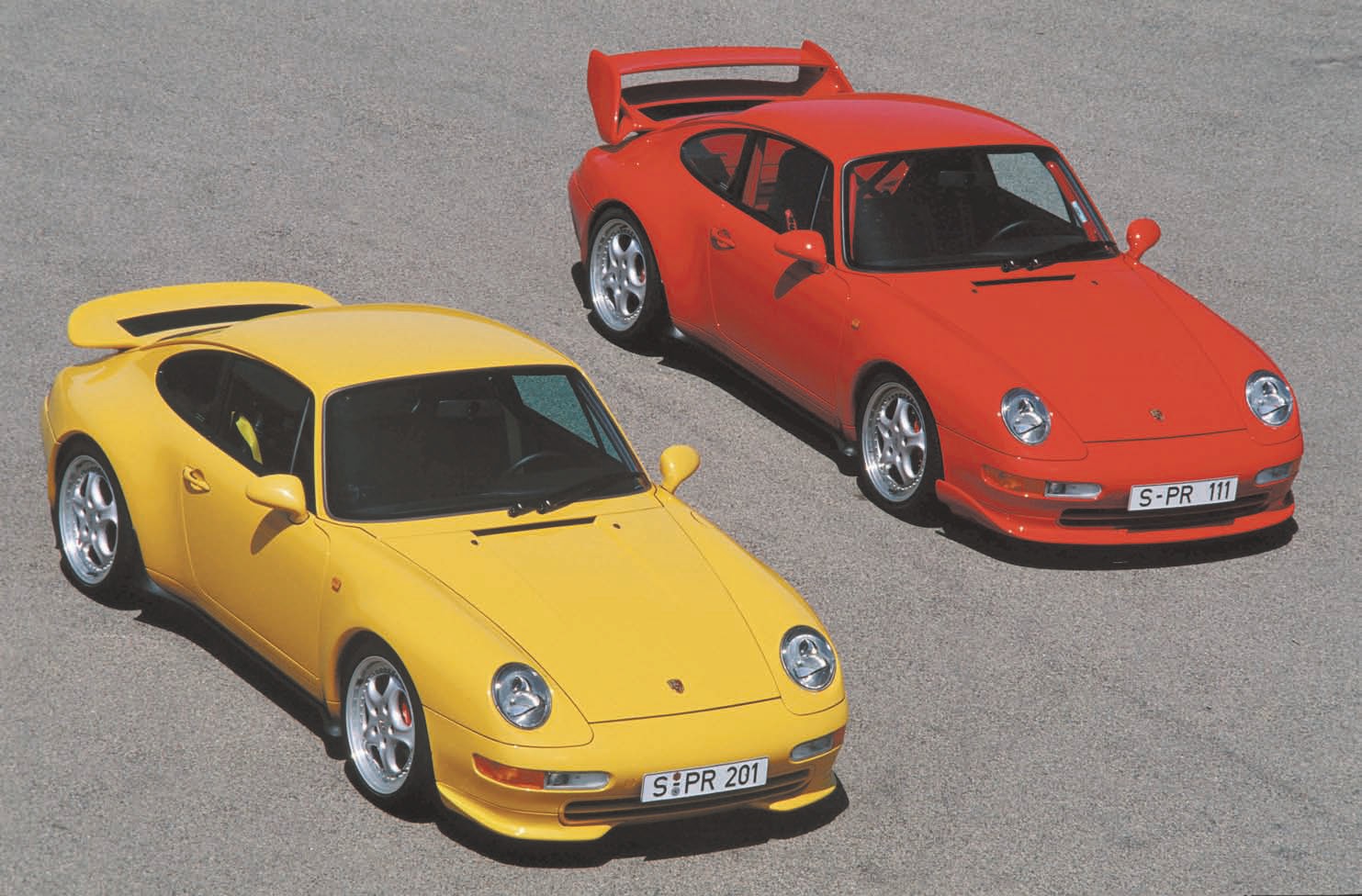
To homologate the 993 Carrera RSR 3.8 for racing, Zuffenhausen produced a run of 1,014 street-legal 300-horsepower RS 3.8 models in 1995, including this yellow coupe. On the right is the M003 RS 3.8 Club Sport, of which Porsche assembled 227. Porsche Archiv