|
Dr. Ing. h.c. F. Porsche AG
|
Image
|
Michael Mauer, head of Style Porsche
|
|
|
|
|
|
|
Dr. Ing. h.c. F. Porsche AG
|
Image
|
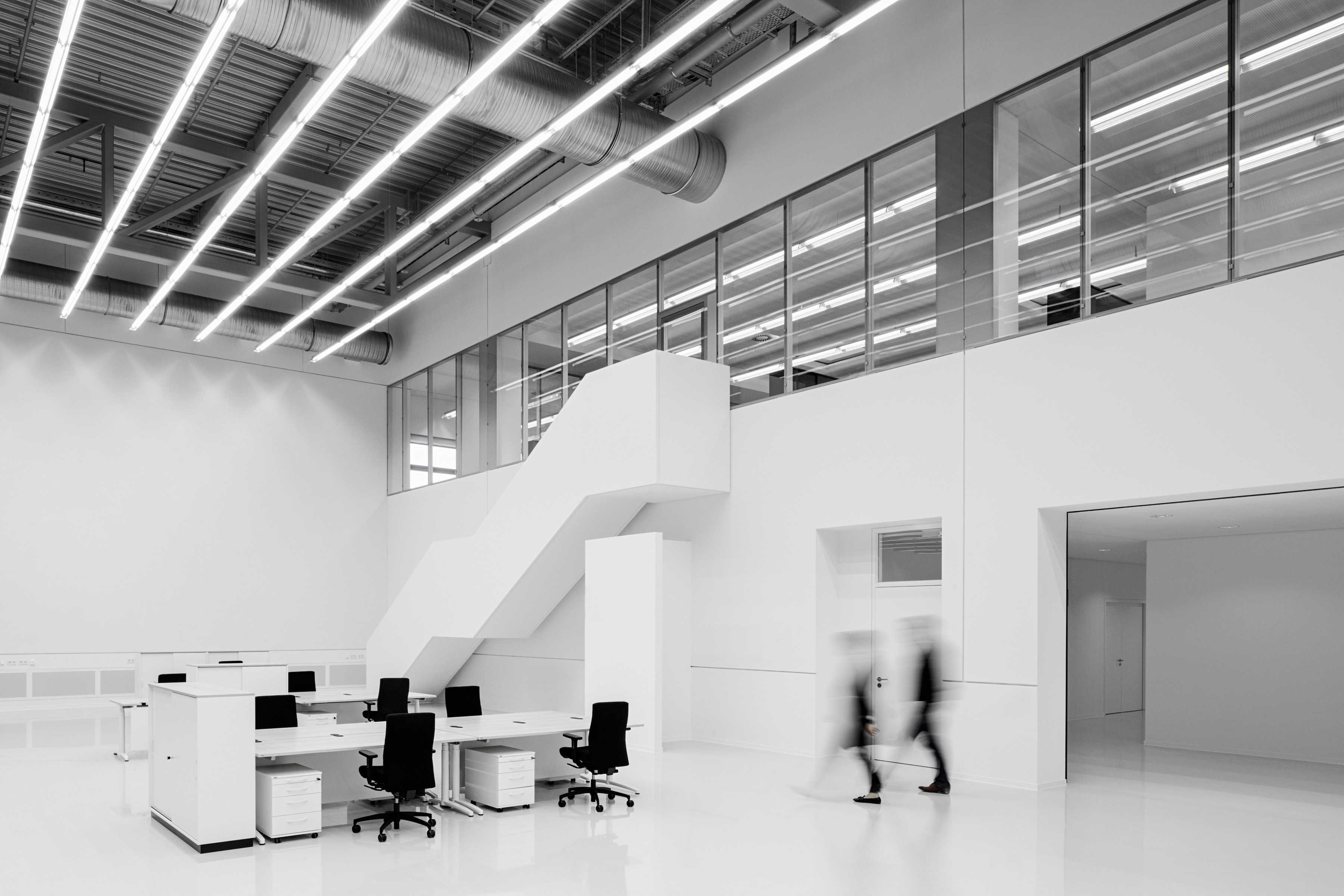
Offices, design studio
|
|
|
|
|
|
|
Dr. Ing. h.c. F. Porsche AG
|
Image
|
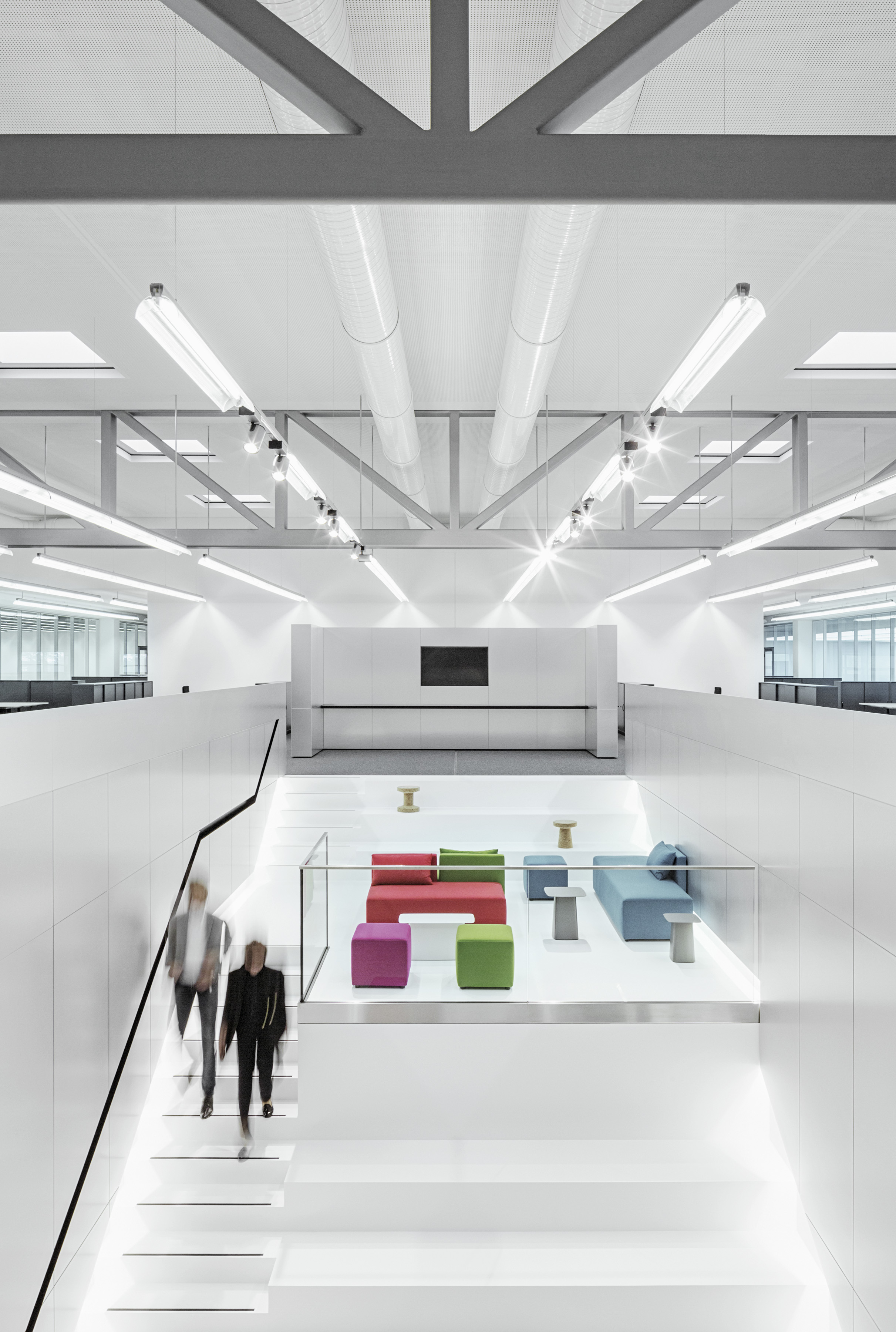
Staircase, design studio
|
|
|
|
|
|
|
Dr. Ing. h.c. F. Porsche AG
|
Image
|
Michael Mauer, head of Style Porsche
|
|
|
|
|
|
|
Dr. Ing. h.c. F. Porsche AG
|
Image
|
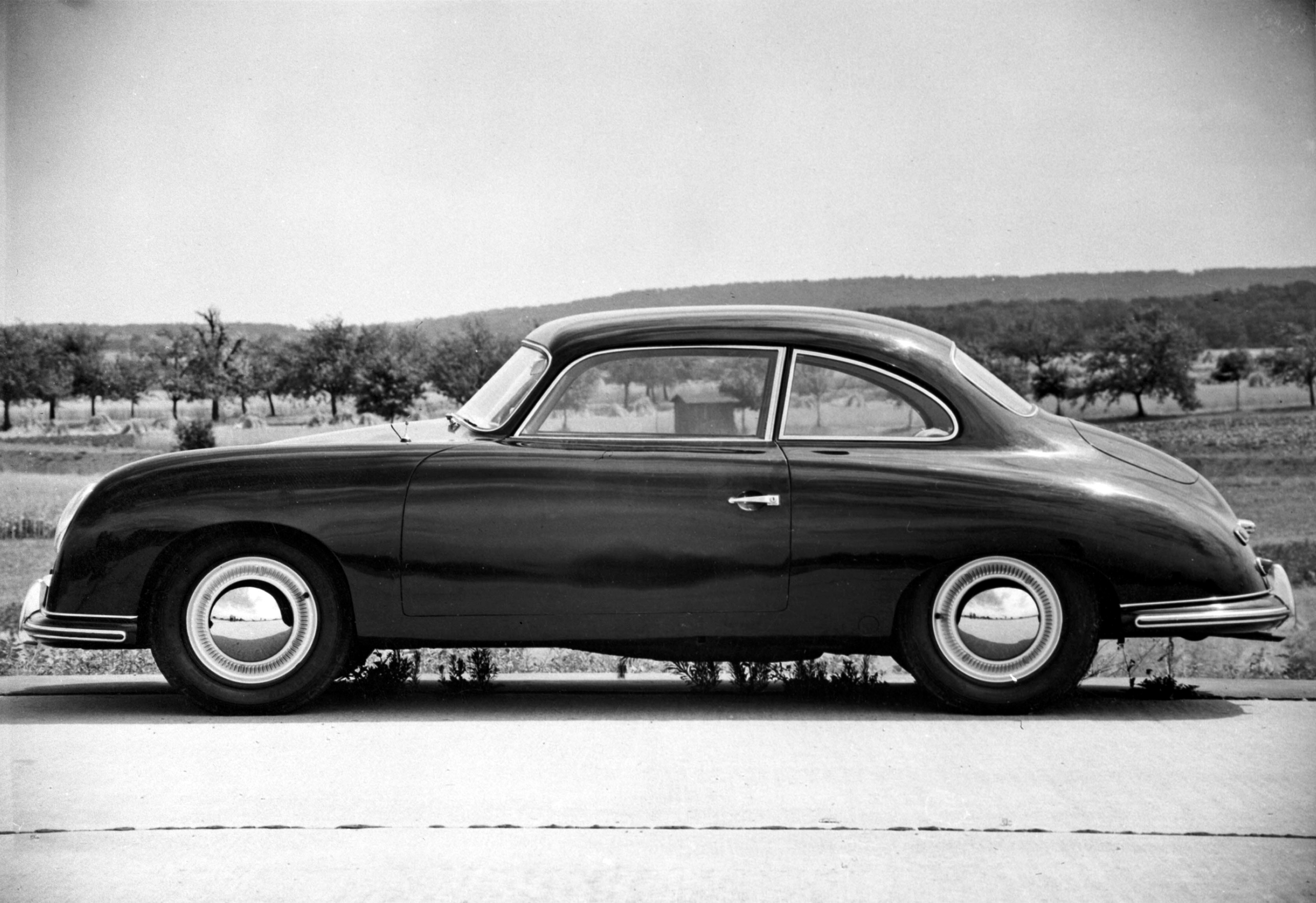
Was this the new Porsche or the next one? Erwin Komenda’s 1952 proposal for the Typ 530 started the conversations, discussions, and disagreements that led to the Typ 901 a decade later. Porsche Archiv
|
|
|
|
|
|
|
Dr. Ing. h.c. F. Porsche AG
|
Image
|
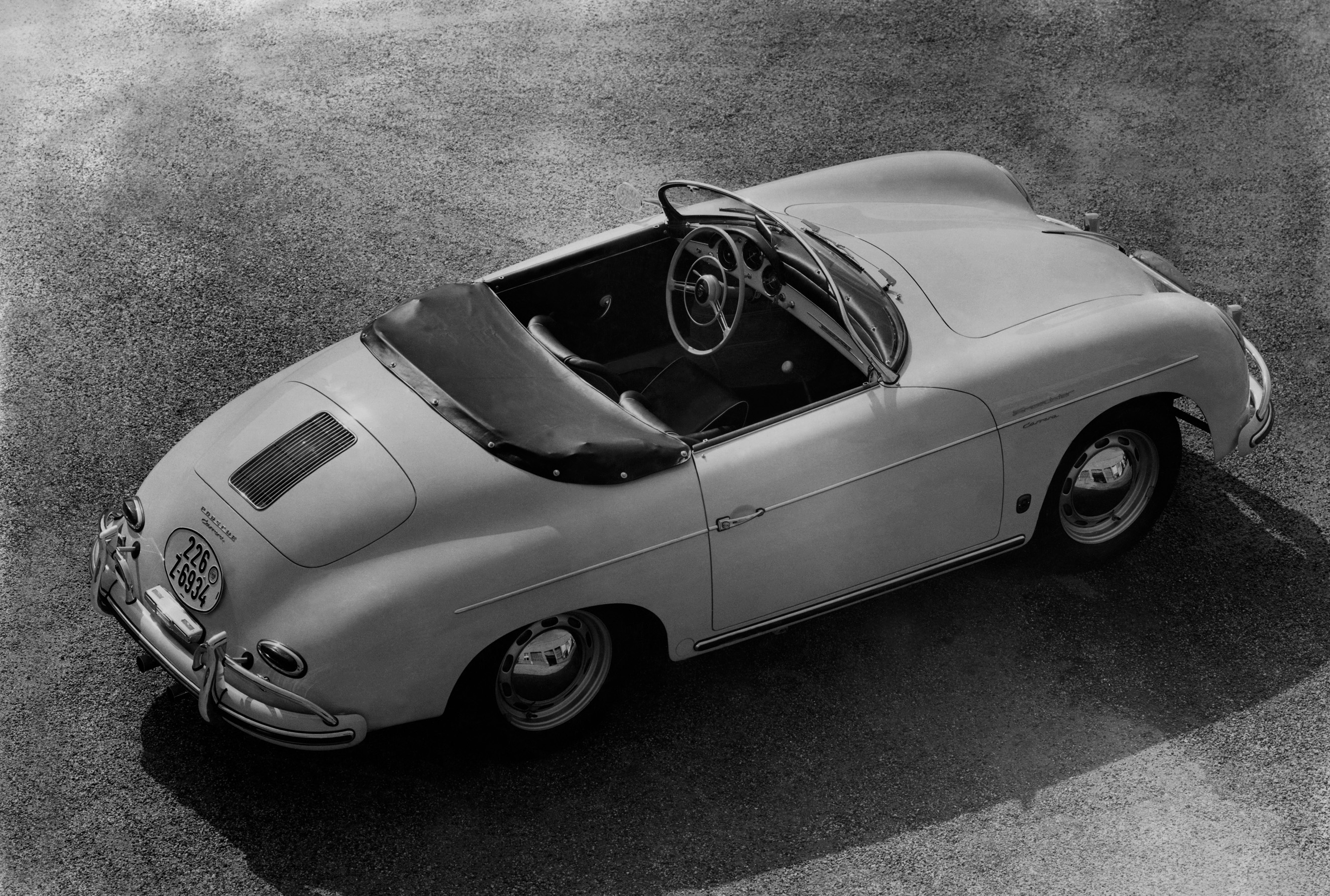
Porsche introduced the Typ 540 Speedster in 1954, carrying over the designation from the earlier America Roadster. This 1958 Carrera presented buyers the best combination of a lightweight and high-performance car. Porsche Archiv
|
|
|
|
|
|
|
Dr. Ing. h.c. F. Porsche AG
|
Image
|
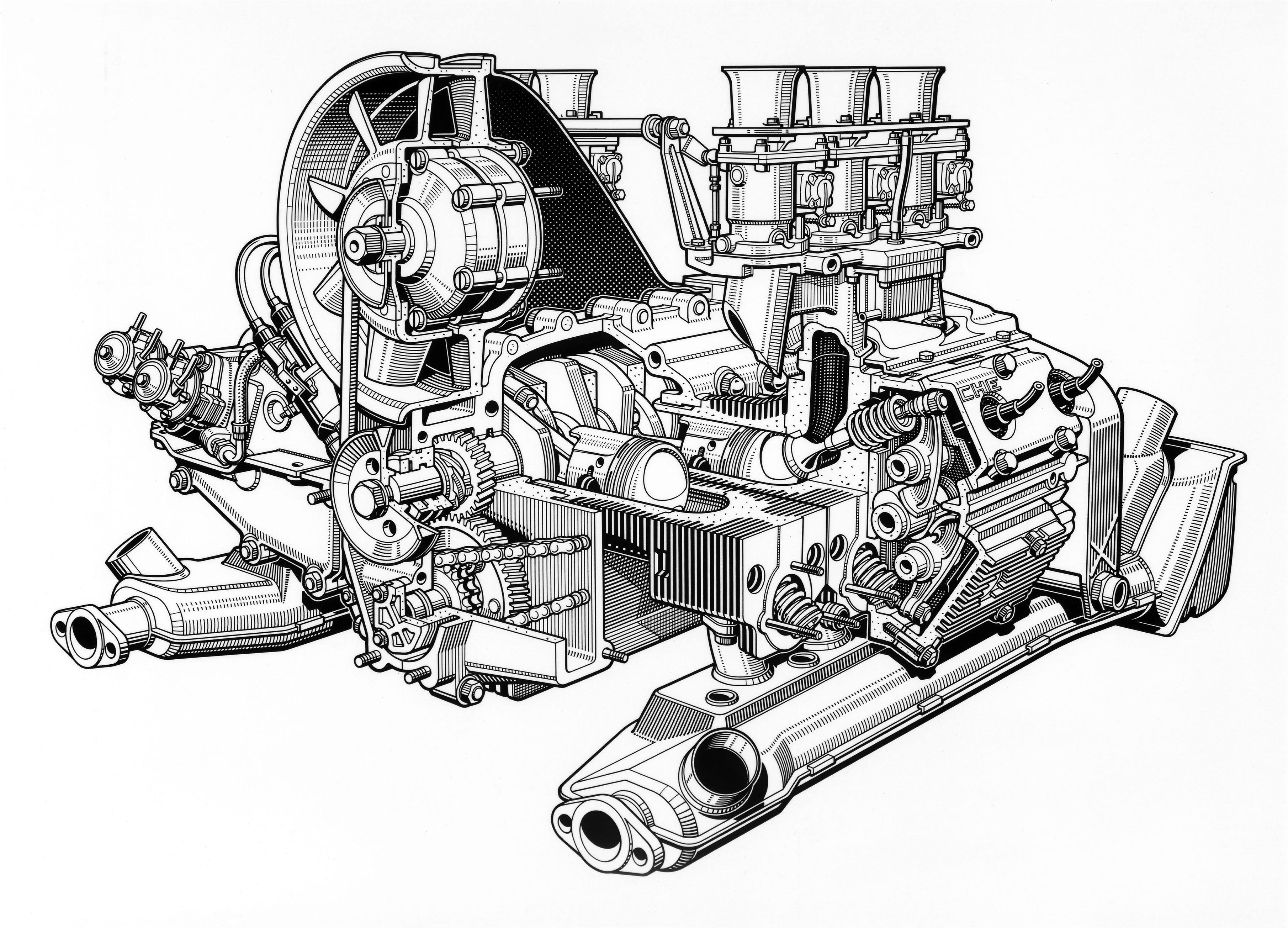
The 1,991cc Typ 901 engine incorporated chain operated overhead camshafts and one intake and exhaust valve per cylinder. The opposed six-cylinder engine developed 130 DIN (148 SAE) horsepower at 6,100 rpm. Porsche Archiv
|
|
|
|
|
|
|
|
Image
|
|
|
|
|
|
|
|
Dr. Ing. h.c. F. Porsche AG
|
Image
|
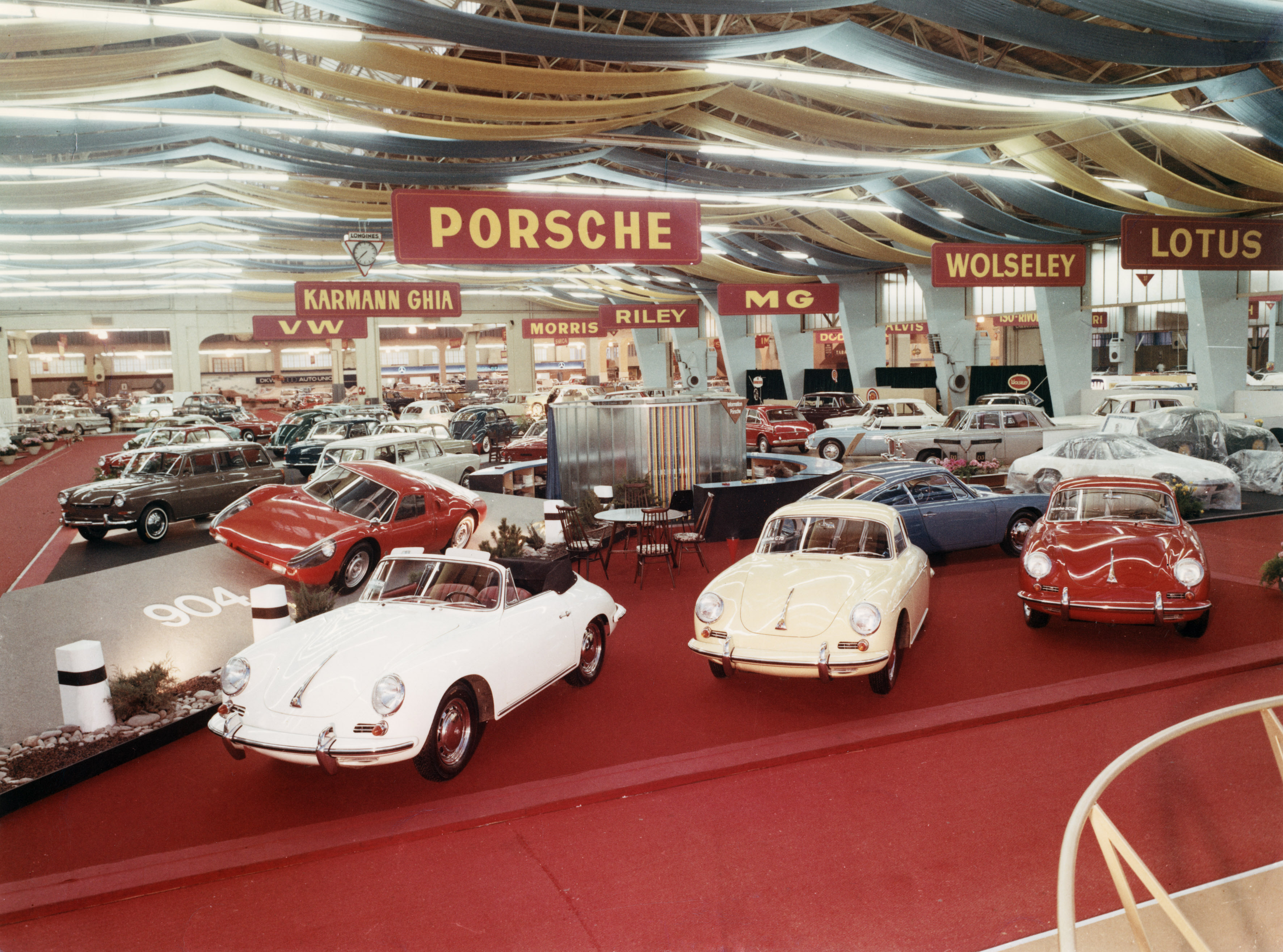
Six months after the Frankfurt debut, Porsche showed a Quick Blue–painted 911 prototype, chassis 13 326, along with a bright red 904 at the Geneva, Switzerland, auto show. Porsche shared show space with Volkswagen. Porsche Archiv
|
|
|
|
|
|
|
|
Image
|
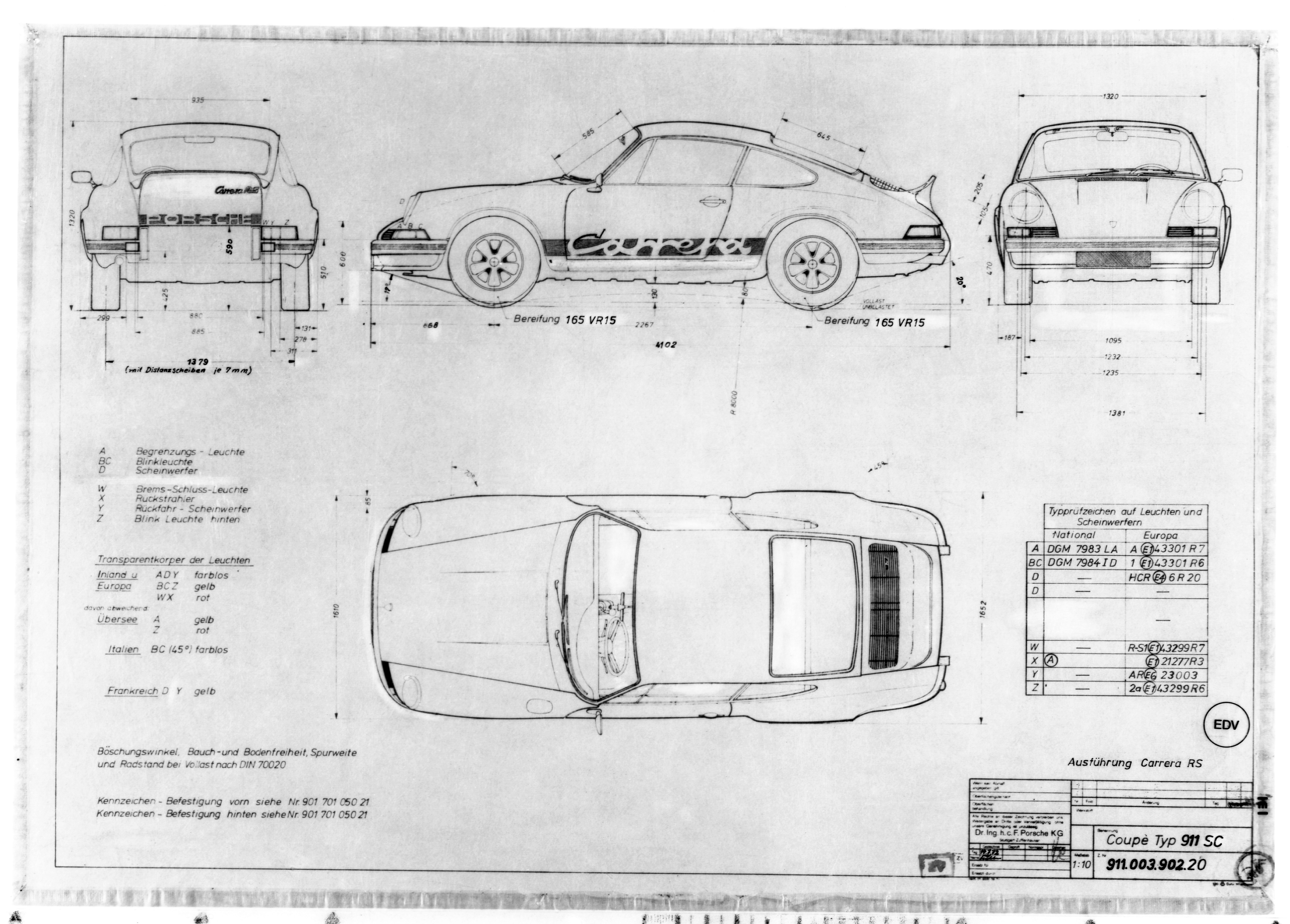
As of July 14, 1972, the date of this drawing, the Carrera graphics on this new car still referred to it as the 911 SC. This was the finished drawing for export purposes. Porsche Archiv
|
|
|
|
|
|
|
Dr. Ing. h.c. F. Porsche AG
|
Image
|
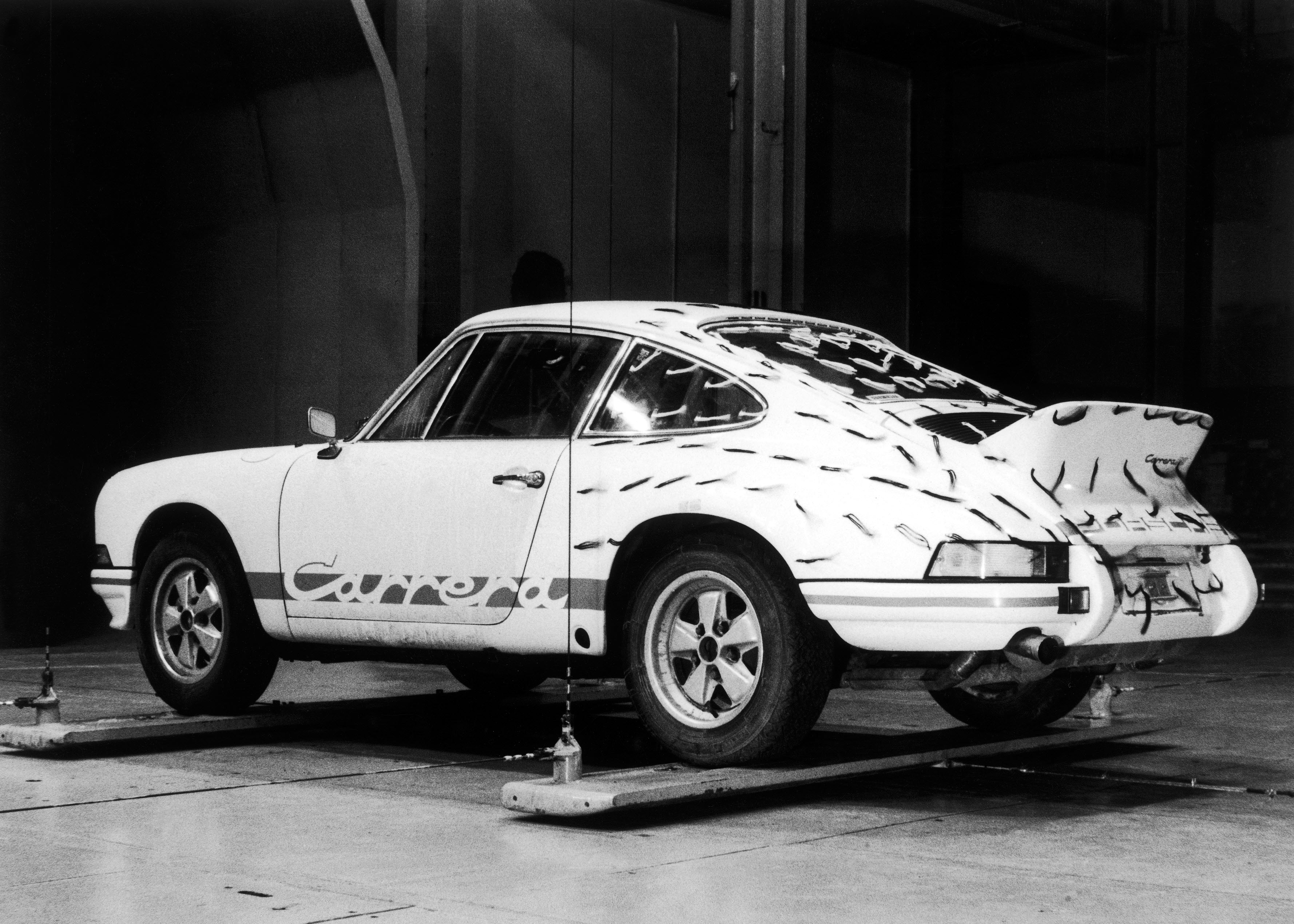
The wind tunnel team tried many variations before concluding that this shape and size offered great improvement and the fewest compromises. Styling chief Tony Lapine later trimmed it to improve its proportions. Porsche Archiv
|
|
|
|
|
|
|
Dr. Ing. h.c. F. Porsche AG
|
Image
|
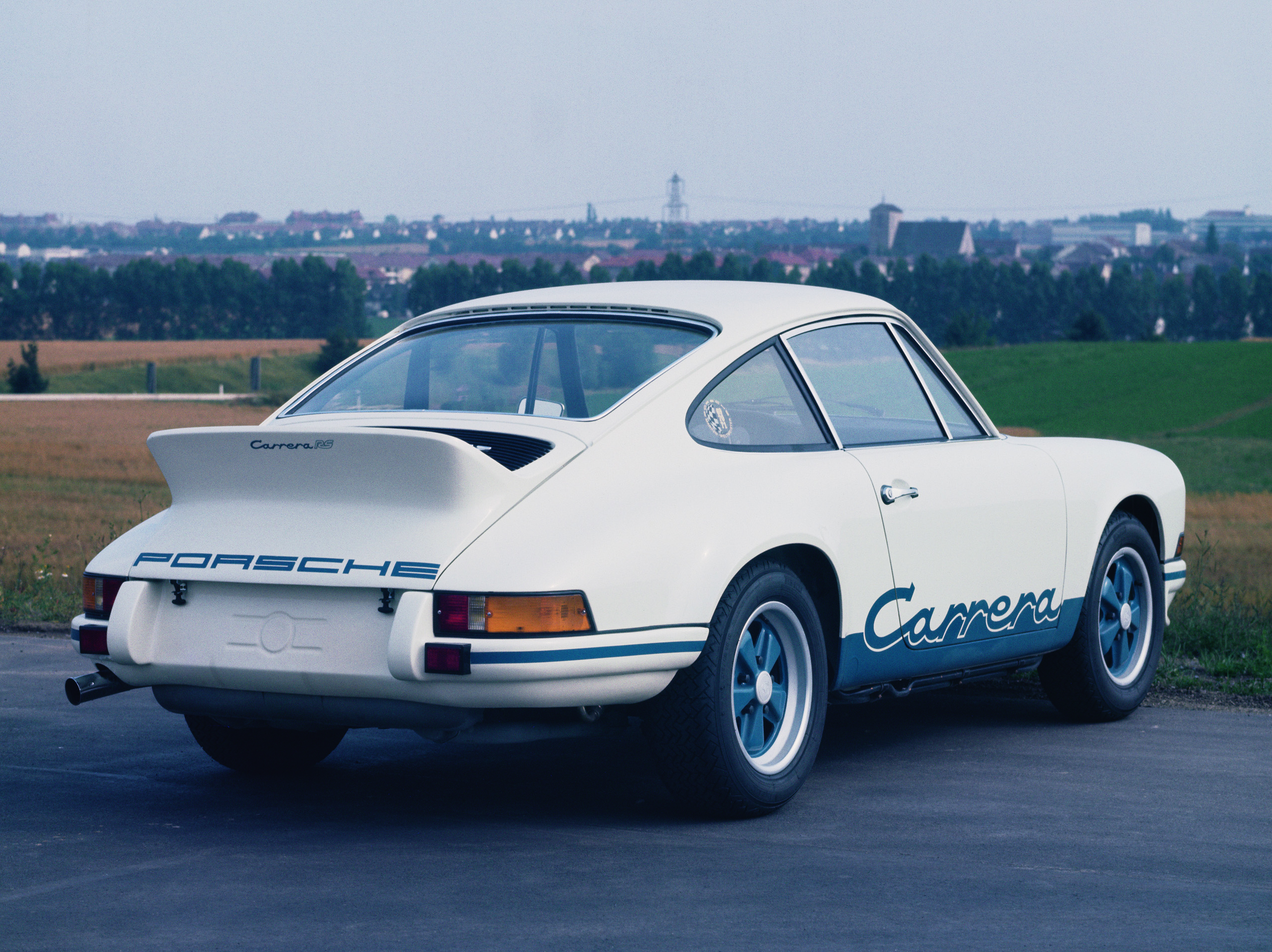
This prototype still showed short bumper guards, and the Carrera RS logo was in the center of the ducktail. On production cars, the guards grew longer, and the Typ moved down and to the far right. Porsche Archiv
|
|
|
|
|
|
|
Dr. Ing. h.c. F. Porsche AG
|
Image
|
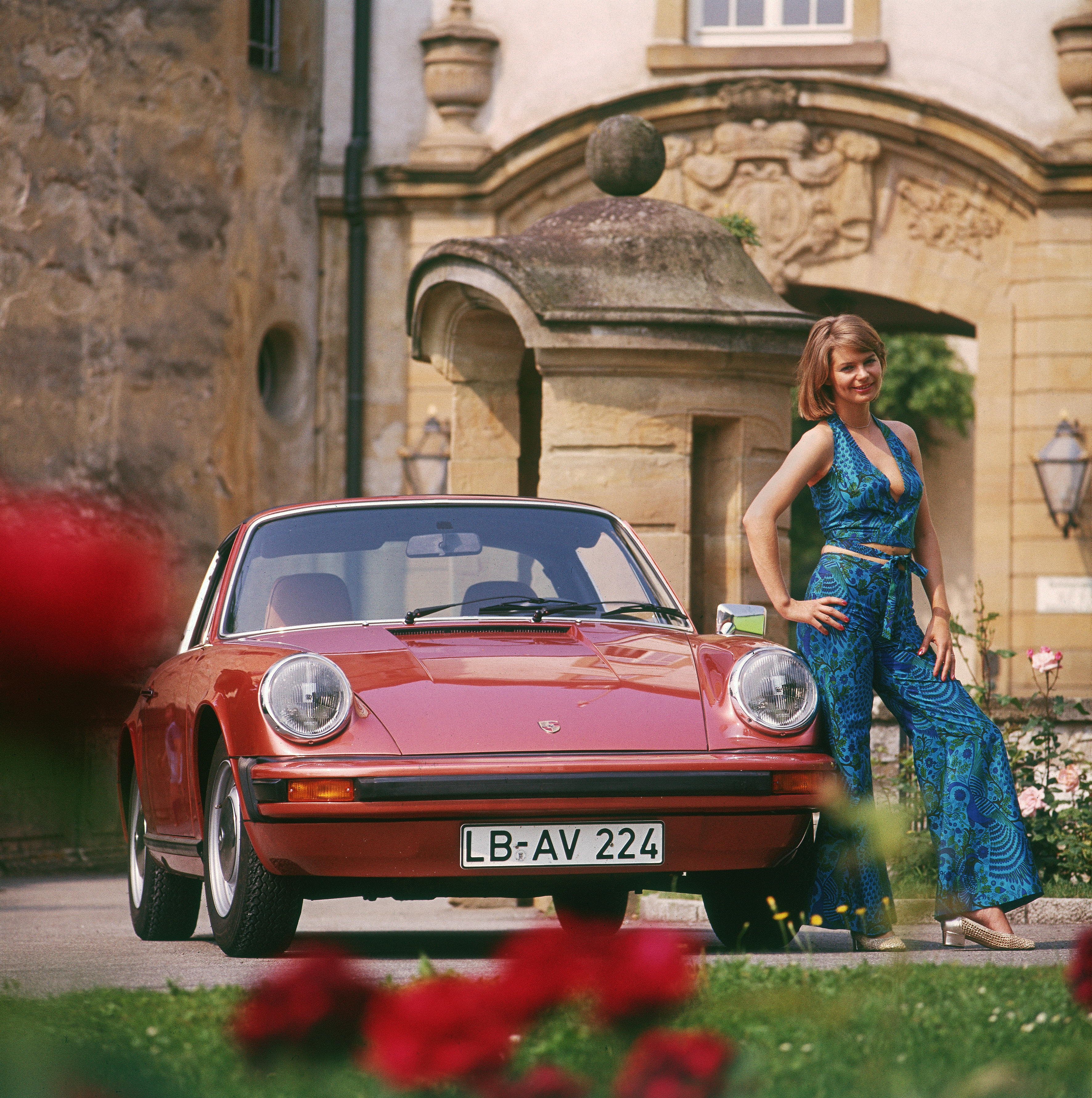
The 911 model range for 1974 included the base 911, shown here, as well as the S and the Carrera coupe, all using the 2.7-liter engine. They marked the birth of the successful and long-lived G Series. Porsche Archiv
|
|
|
|
|
|
|
Dr. Ing. h.c. F. Porsche AG
|
Image
|
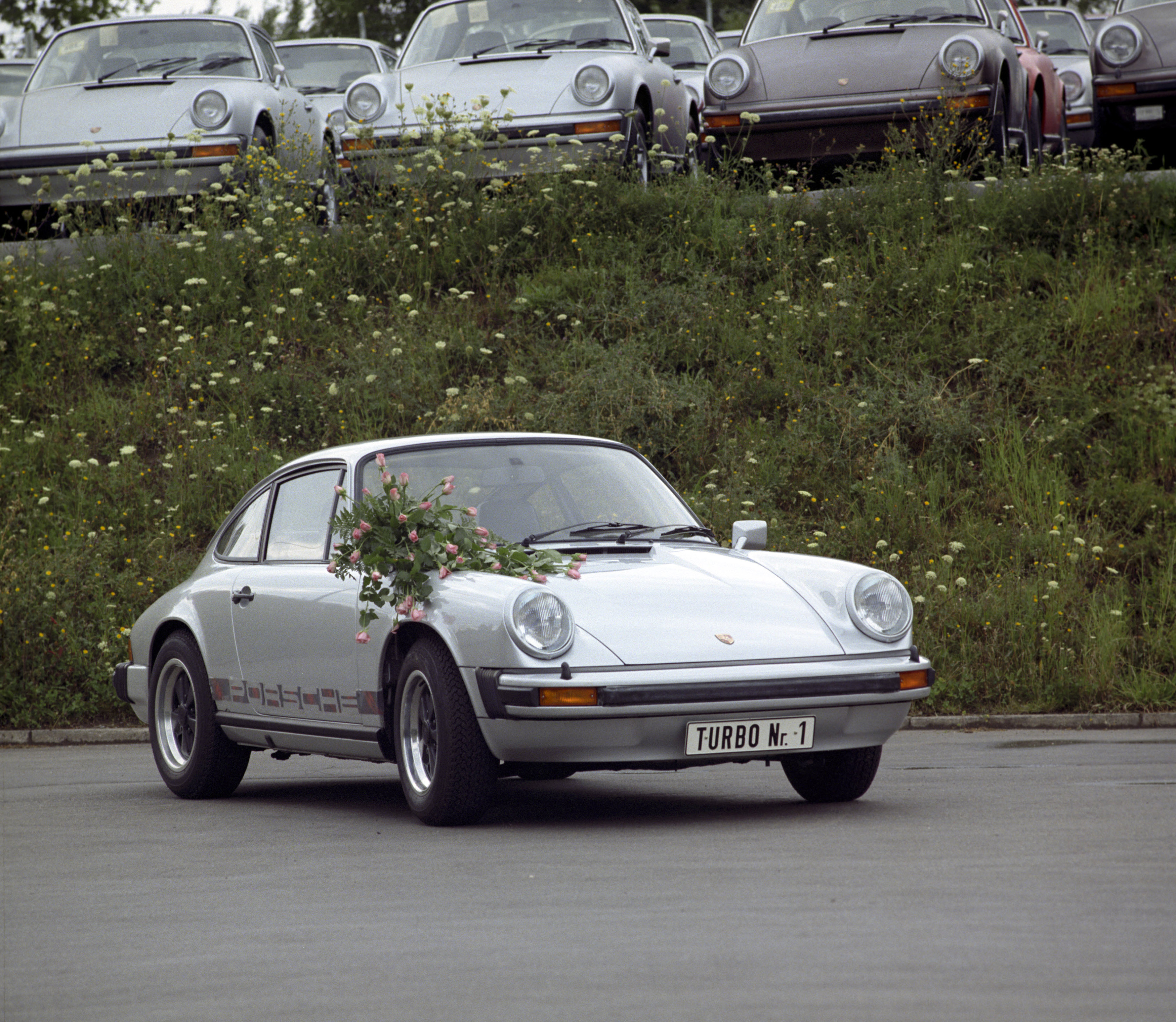
Ferry Porsche sent the first production 930 Turbo model, completed in late 1974, to his sister as a gift. Louise Piëch was a talented painter, and so she could see the world clearly, the factory assembled her car with an untinted windscreen. Porsche Archiv
|
|
|
|
|
|
|
Dr. Ing. h.c. F. Porsche AG
|
Image
|
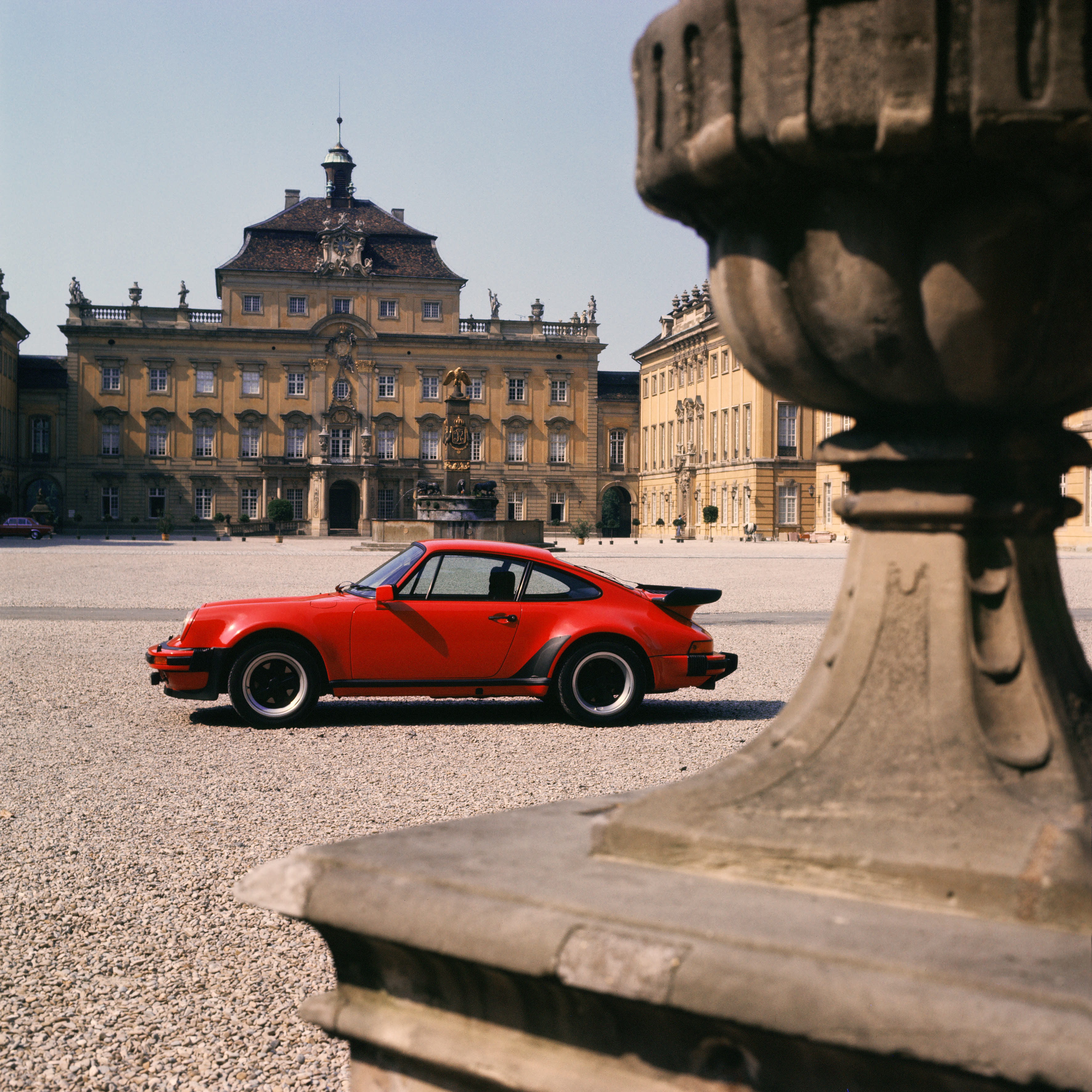
The 1978 Turbo 3.3 developed 300 horsepower at 5,500 rpm. Porsche introduced black matting on the leading edge of the rear fender flares to protect paint from rock chips. Porsche Archiv
|
|
|
|
|
|
|
Dr. Ing. h.c. F. Porsche AG
|
Image
|
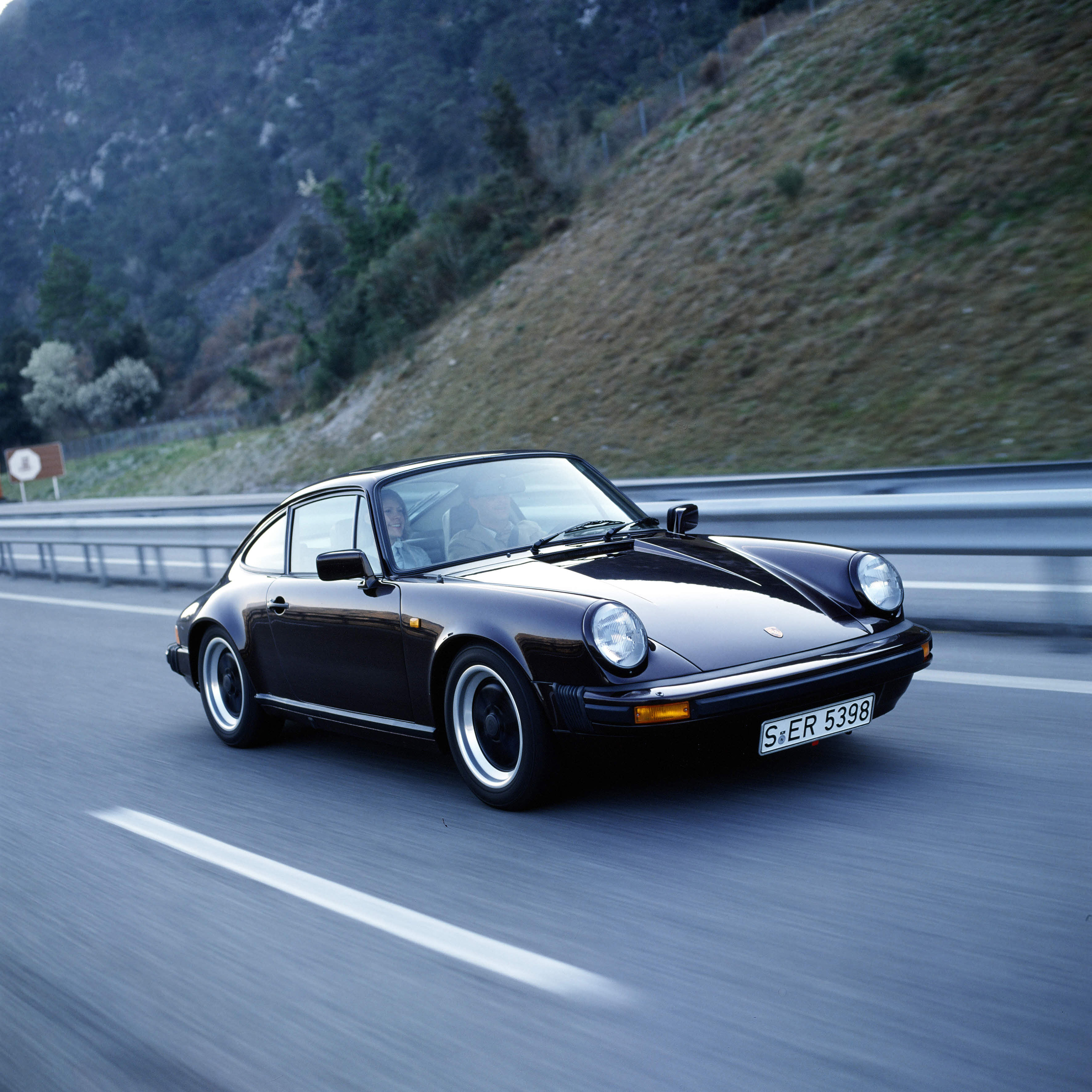
The 1982 SC coupe presented customers with the ninth version of the G model, its three-liter engine developing 204 horsepower at 5,900 rpm. Few outside the company knew this was meant to be the 911’s last year. Porsche Archiv
|
|
|
|
|
|
|
Dr. Ing. h.c. F. Porsche AG
|
Image
|
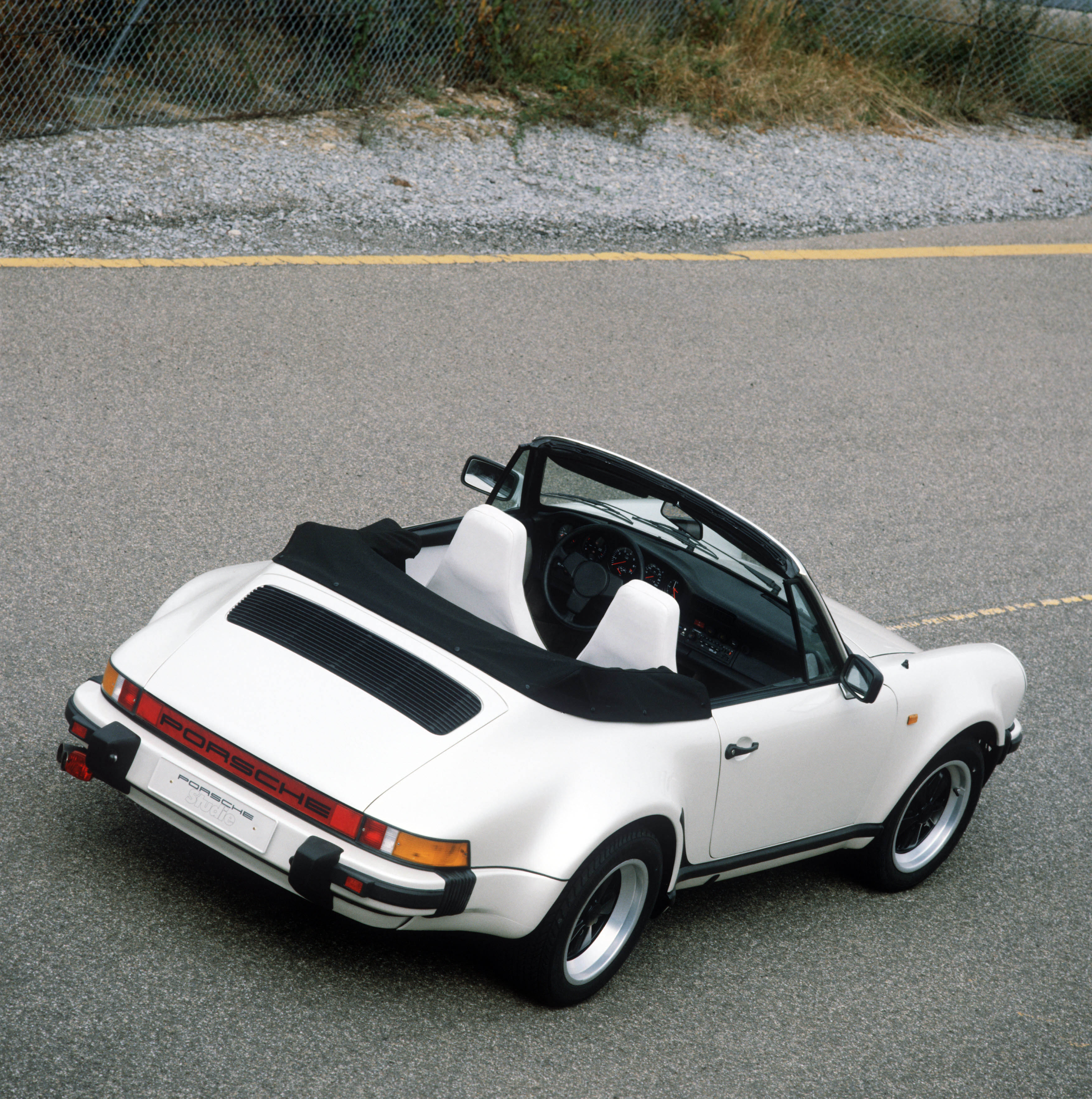
The 1981 Frankfurt IAA Cabrio studie used Porsche’s 3.3-liter turbo engine. At Frankfurt, Porsche displayed the car on mirrors to show off its high-tech all-wheel drivetrain. Porsche Archiv
|
|
|
|
|
|
|
Dr. Ing. h.c. F. Porsche AG
|
Image
|
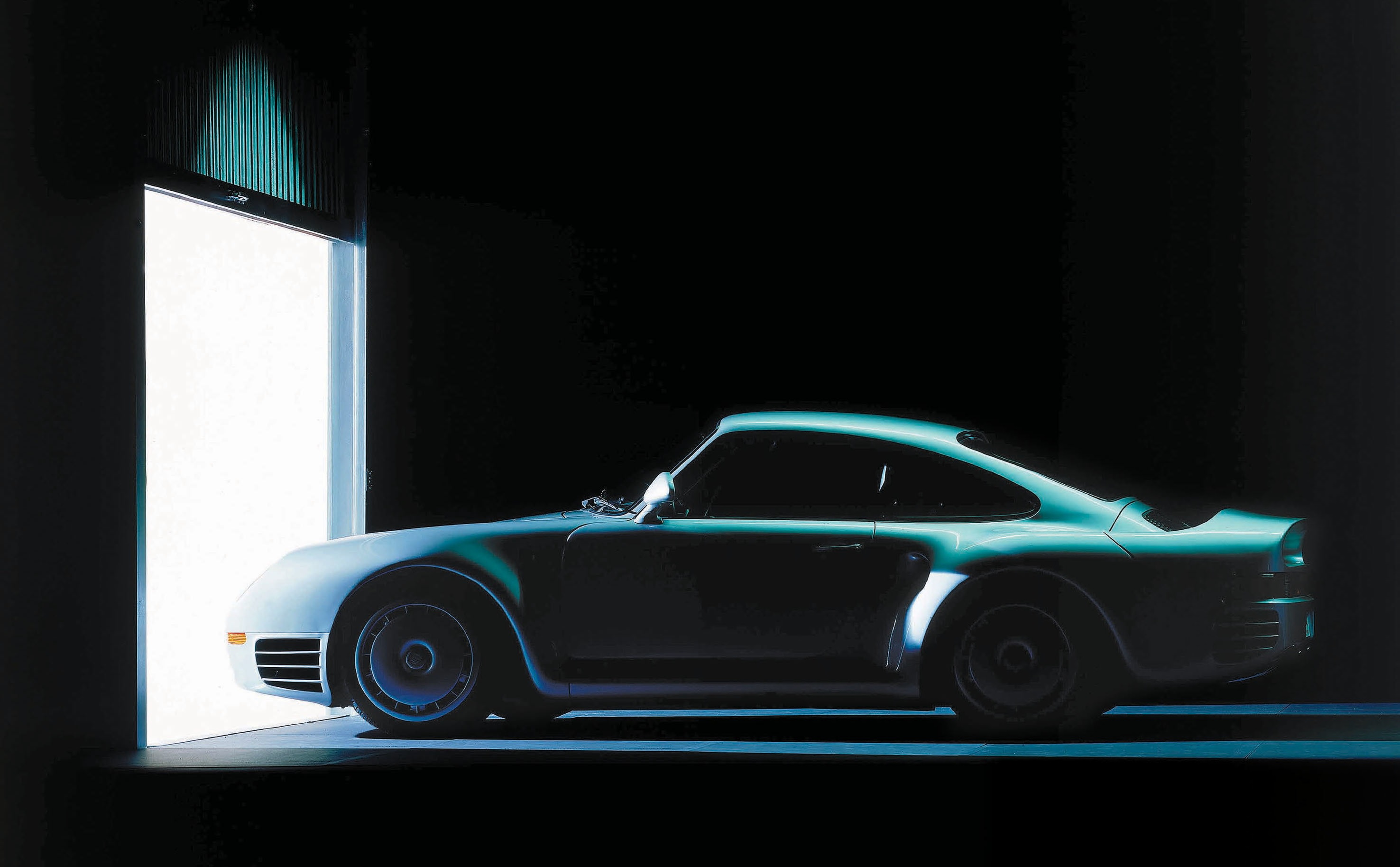
The Frankfurt IAA show Gruppe B prototype looked startling in any light. Its performance capabilities matched, if not exceeded, its futuristic appearance. Porsche Archiv
|
|
|
|
|
|
|
Dr. Ing. h.c. F. Porsche AG
|
Image
|
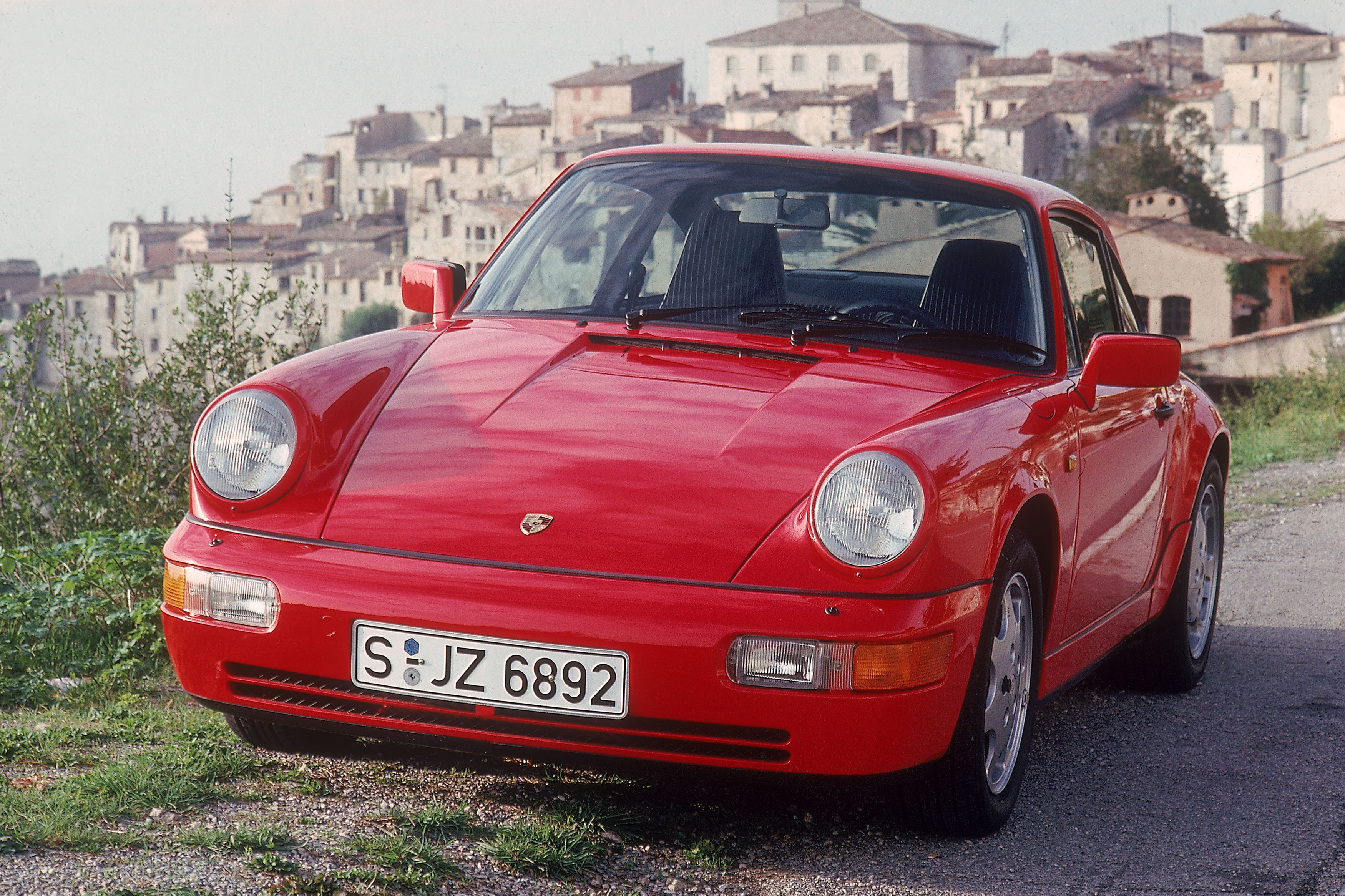
The long-lived G Series, from 1974 through 1989, ended with introduction of the 964 model, available in rear- and all-wheel drive. Except for badges in the rear, this all-wheel-drive C4 was impossible to differentiate from the rear-drive C2. Porsche Archiv
|
|
|
|
|
|
|
Dr. Ing. h.c. F. Porsche AG
|
Image
|
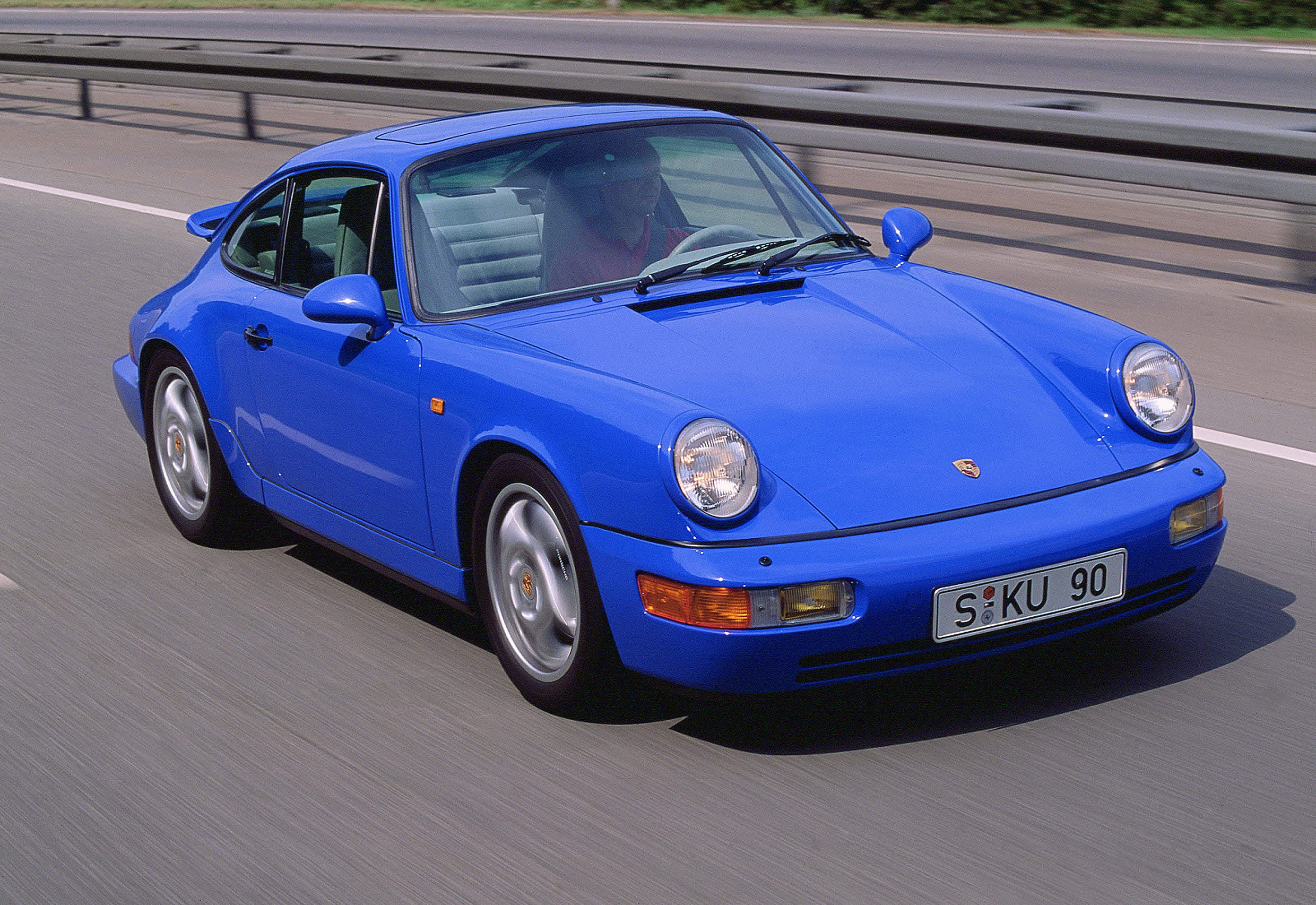
C2 and C4 running gear shared identical car bodies. Both took advantage of an automatic electrically operated small rear spoiler to reduce rear lift at speeds above 50 miles per hour. Porsche Archiv
|
|
|
|
|