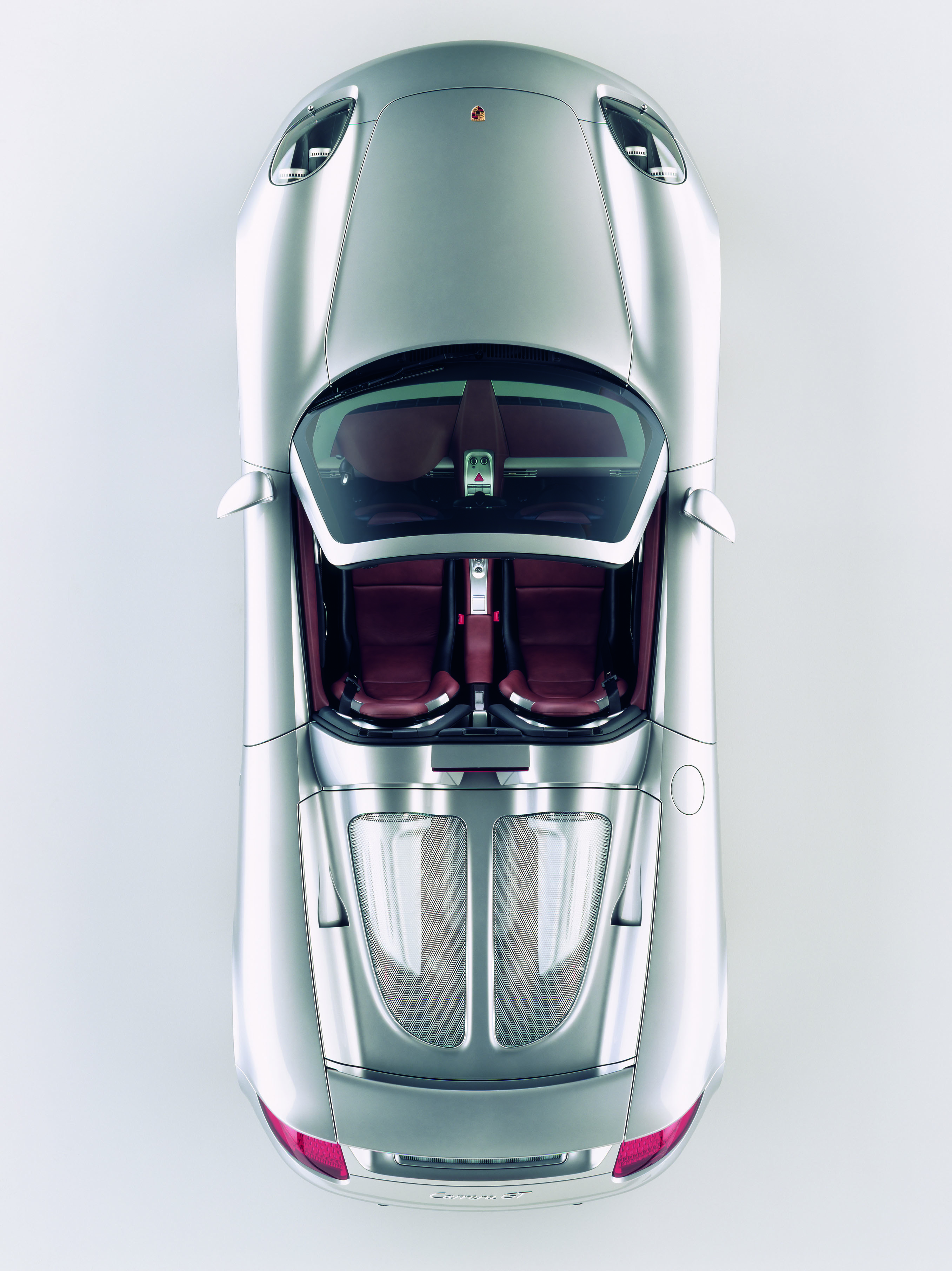
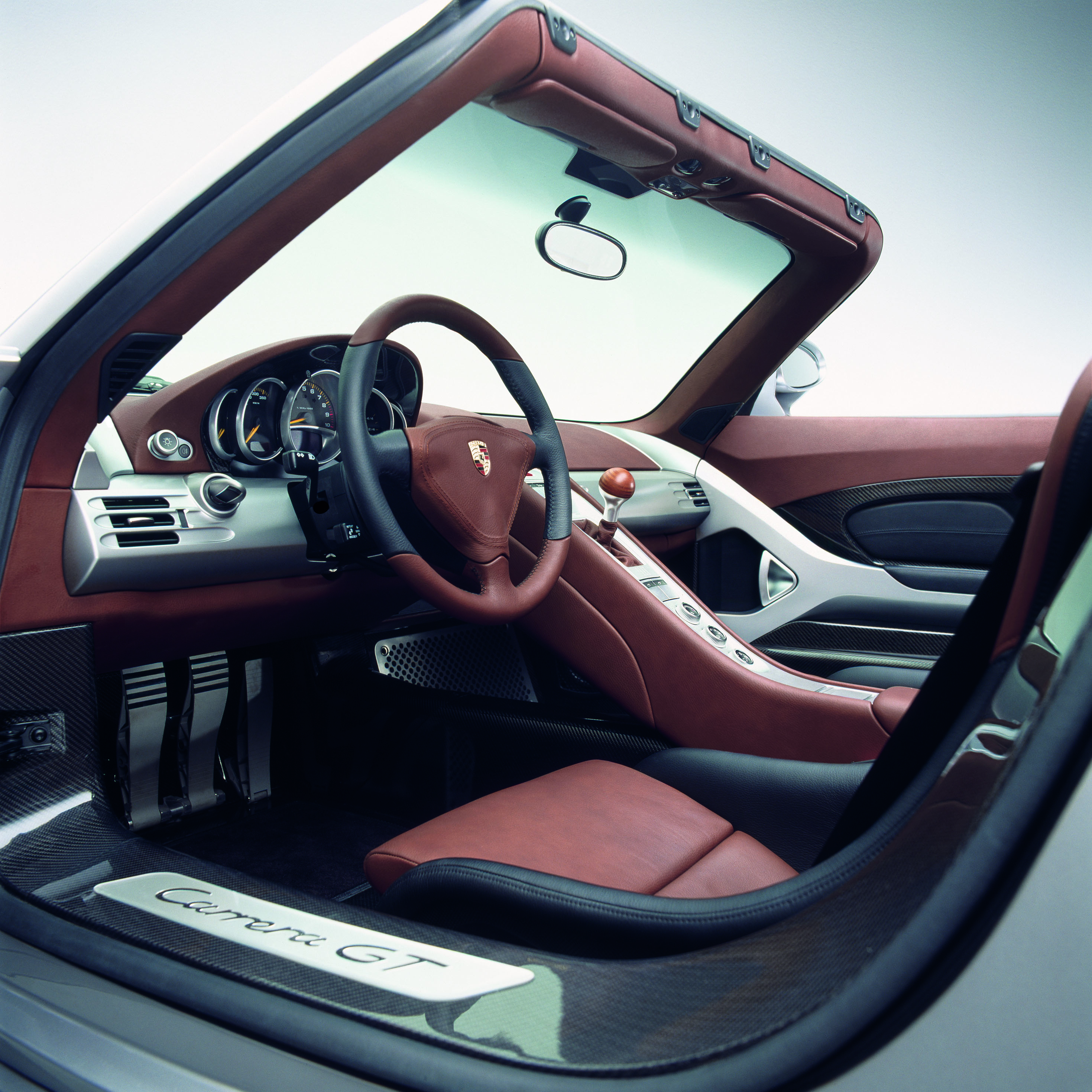
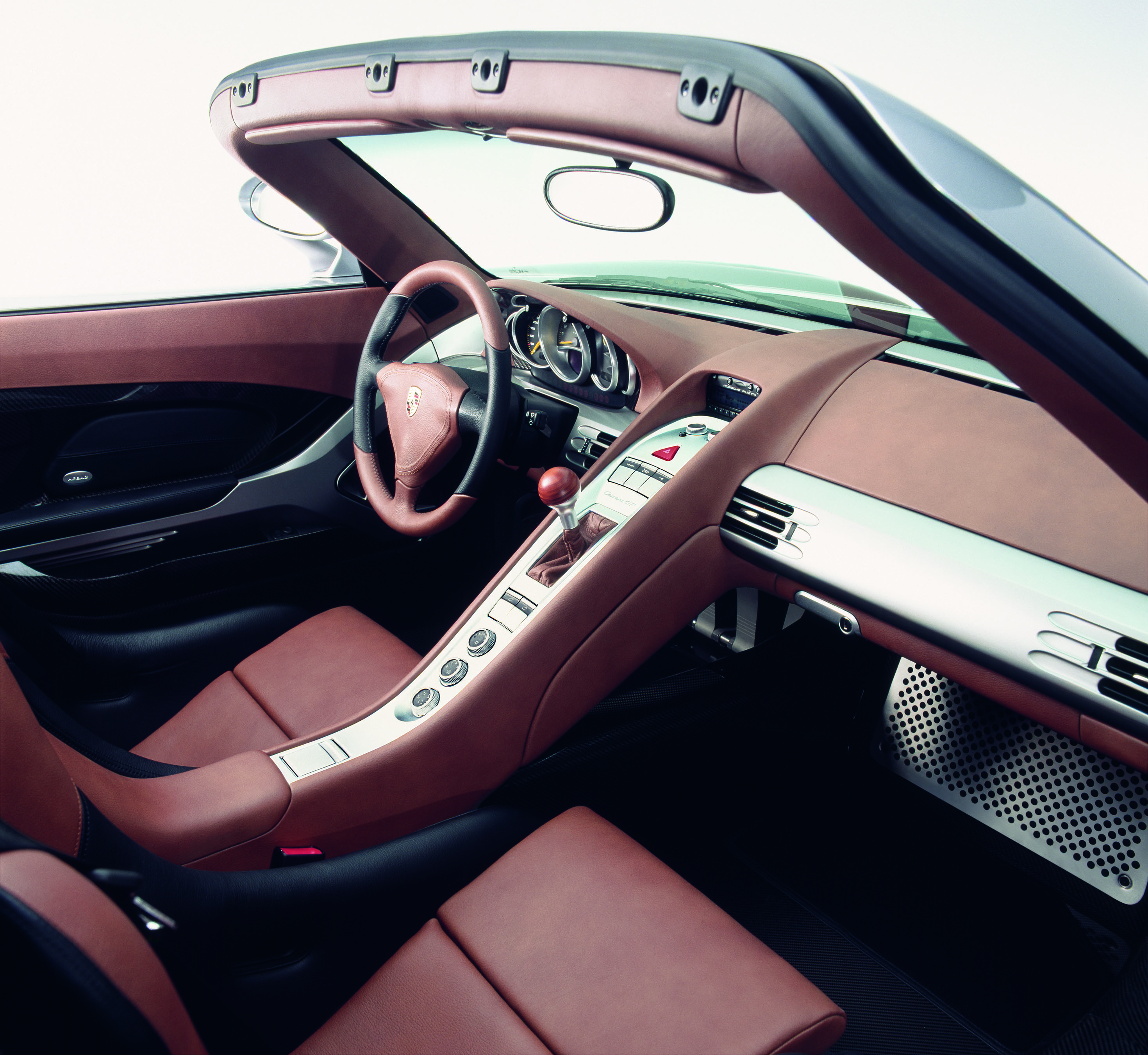
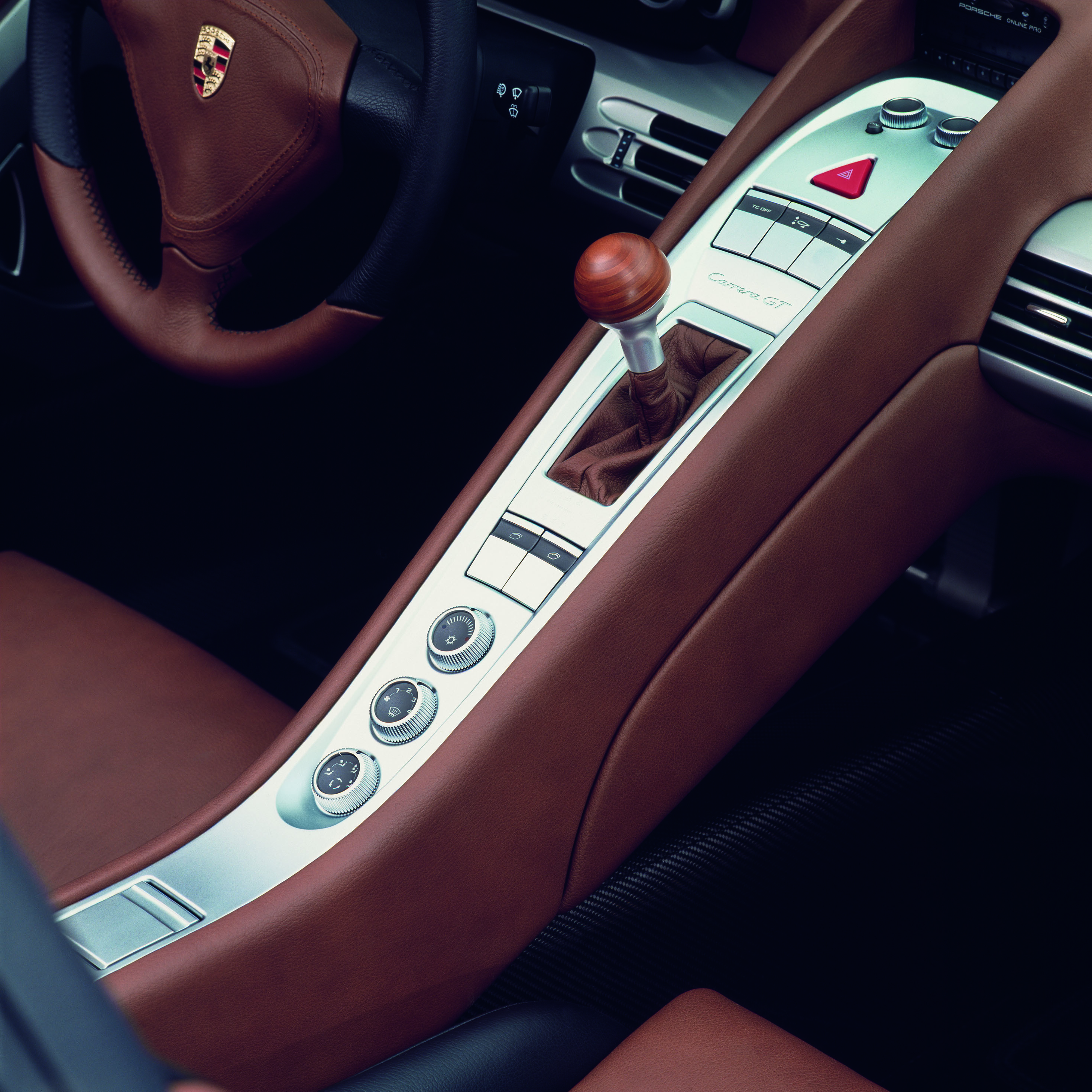
Functional atmosphere: leather, carbon and magnesium are the dominant elements in the passenger compartment
Apart from leather naturally the interior is dominated in particular by carbon and magnesium.
The centre console made of composite materials has a sweeping upward shape and is trimmed with a galvanized magnesium surface
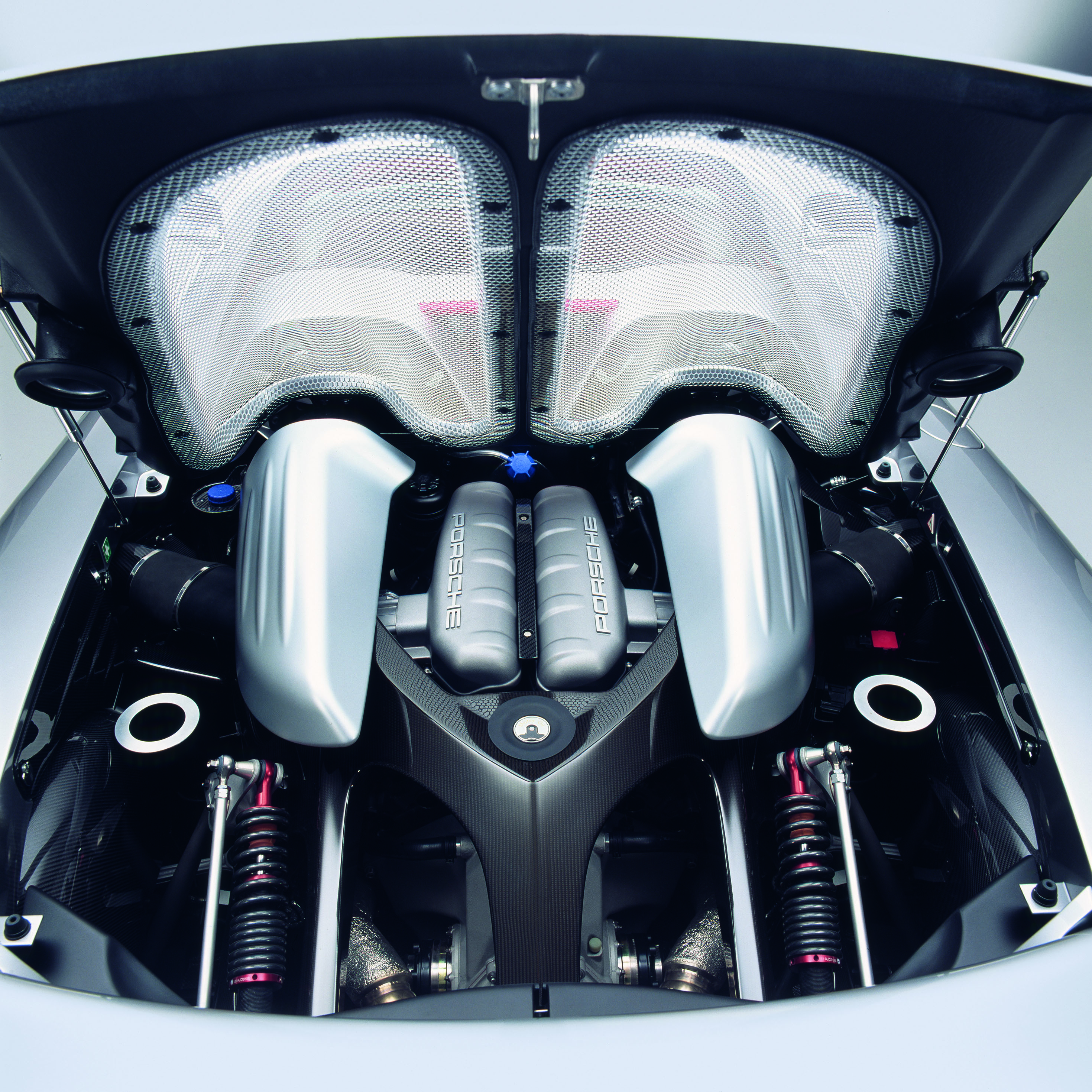
For the first time ever, the unit carrier is made of a carbon-fibre composite material
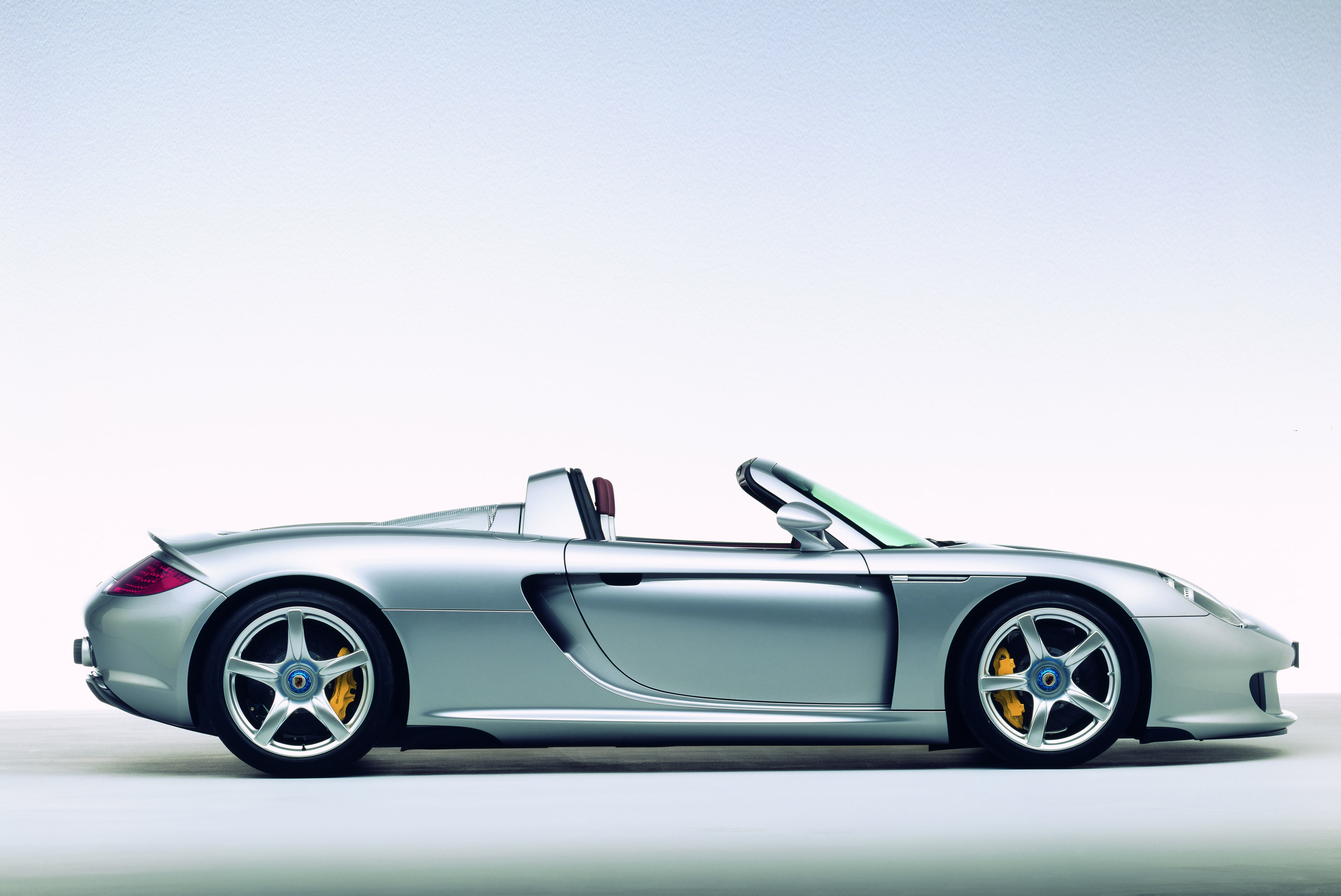
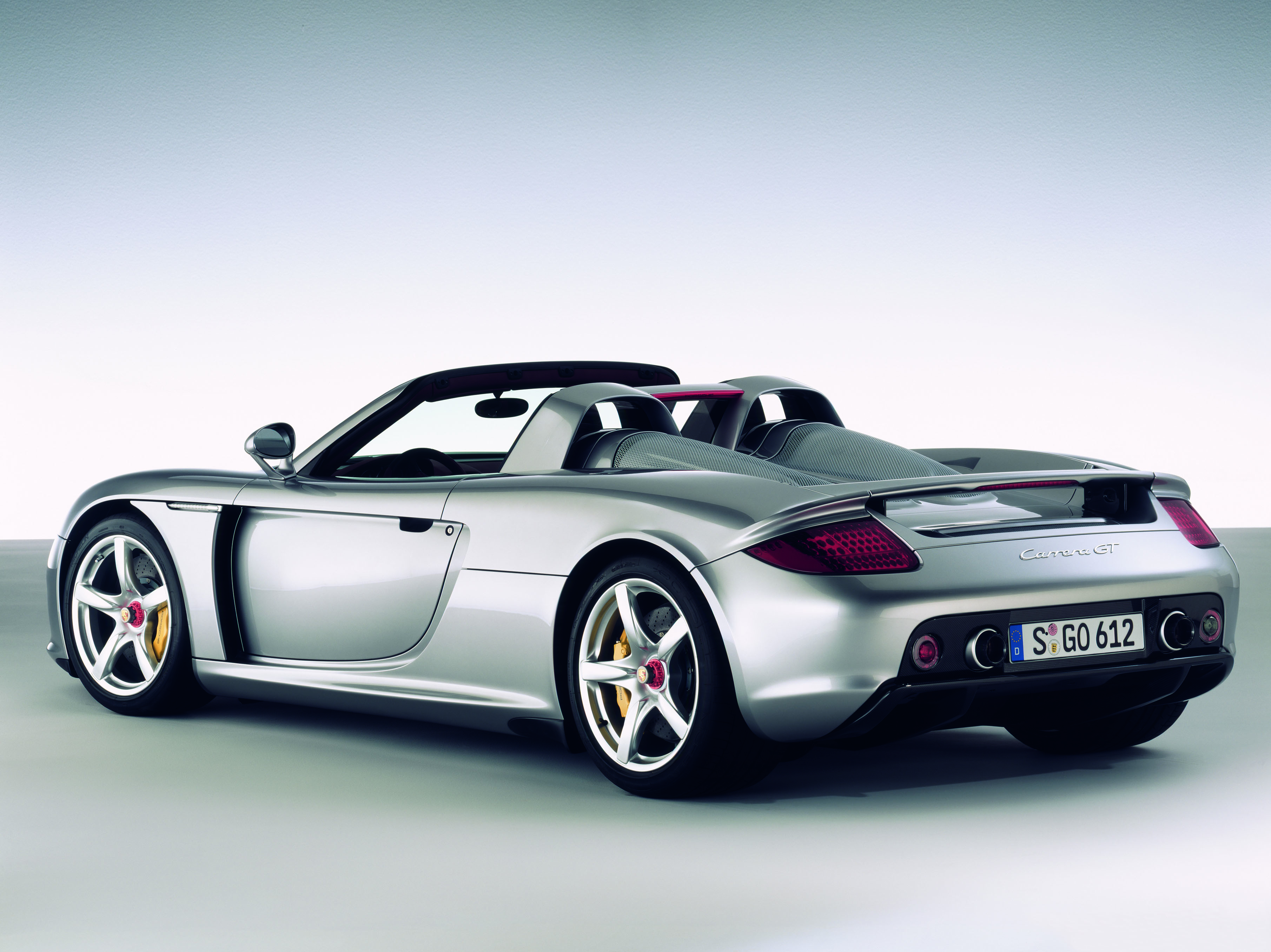
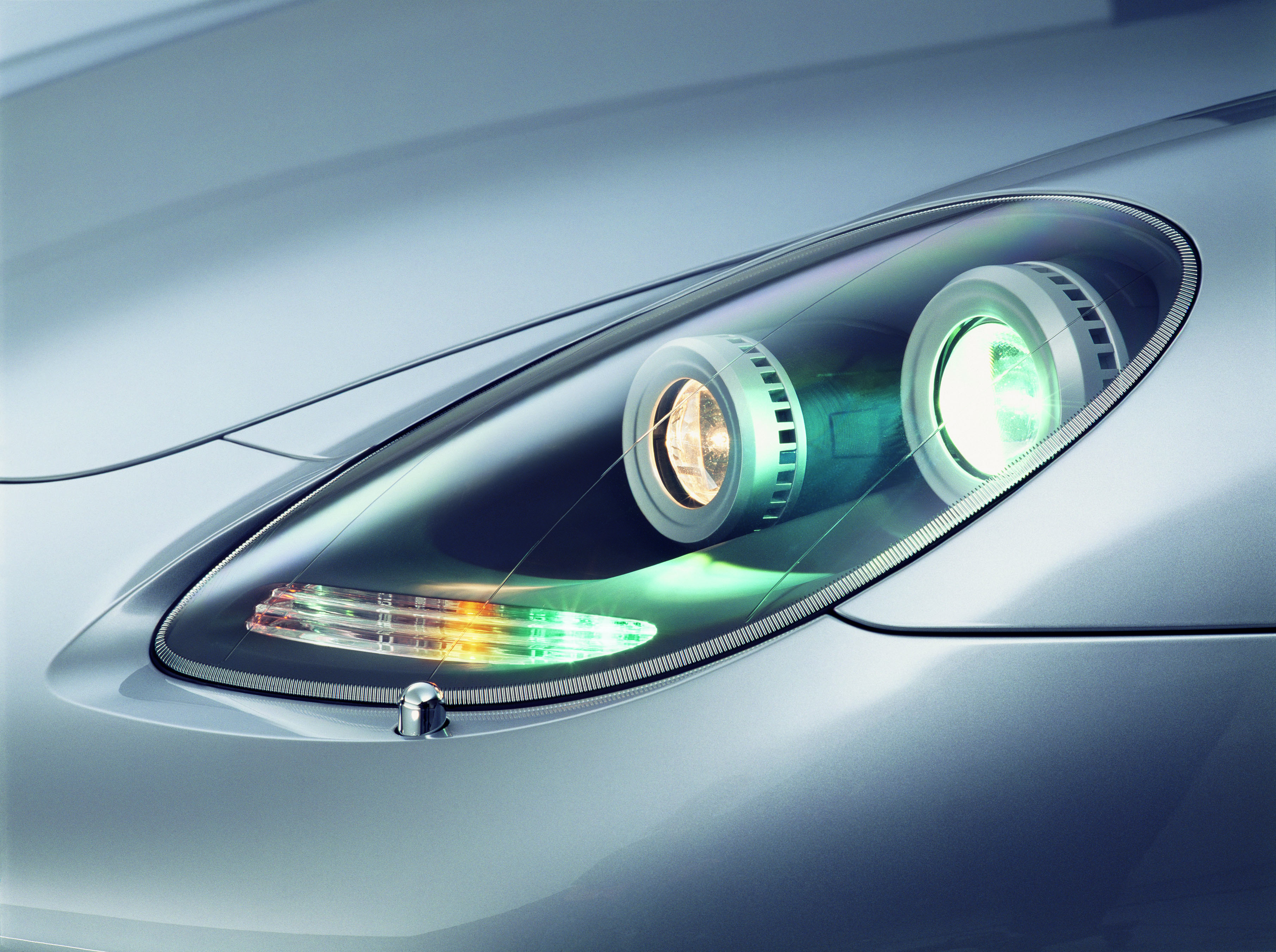
The two large projector-type headlights are housed under two flat covering lenses and feature state-of-the-art light technology with two V-shaped Xenon units
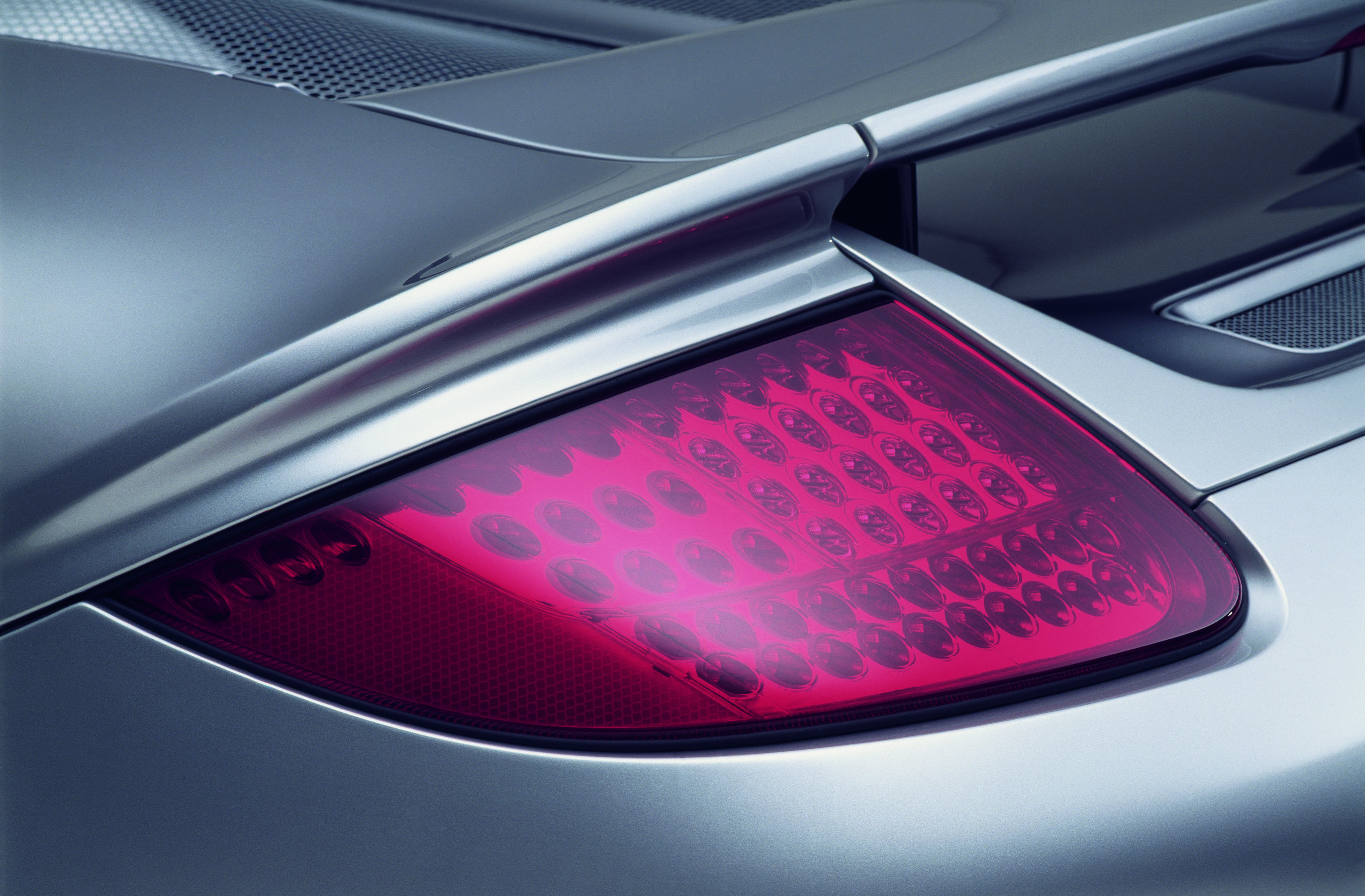
LCD technology is used for the tail lights
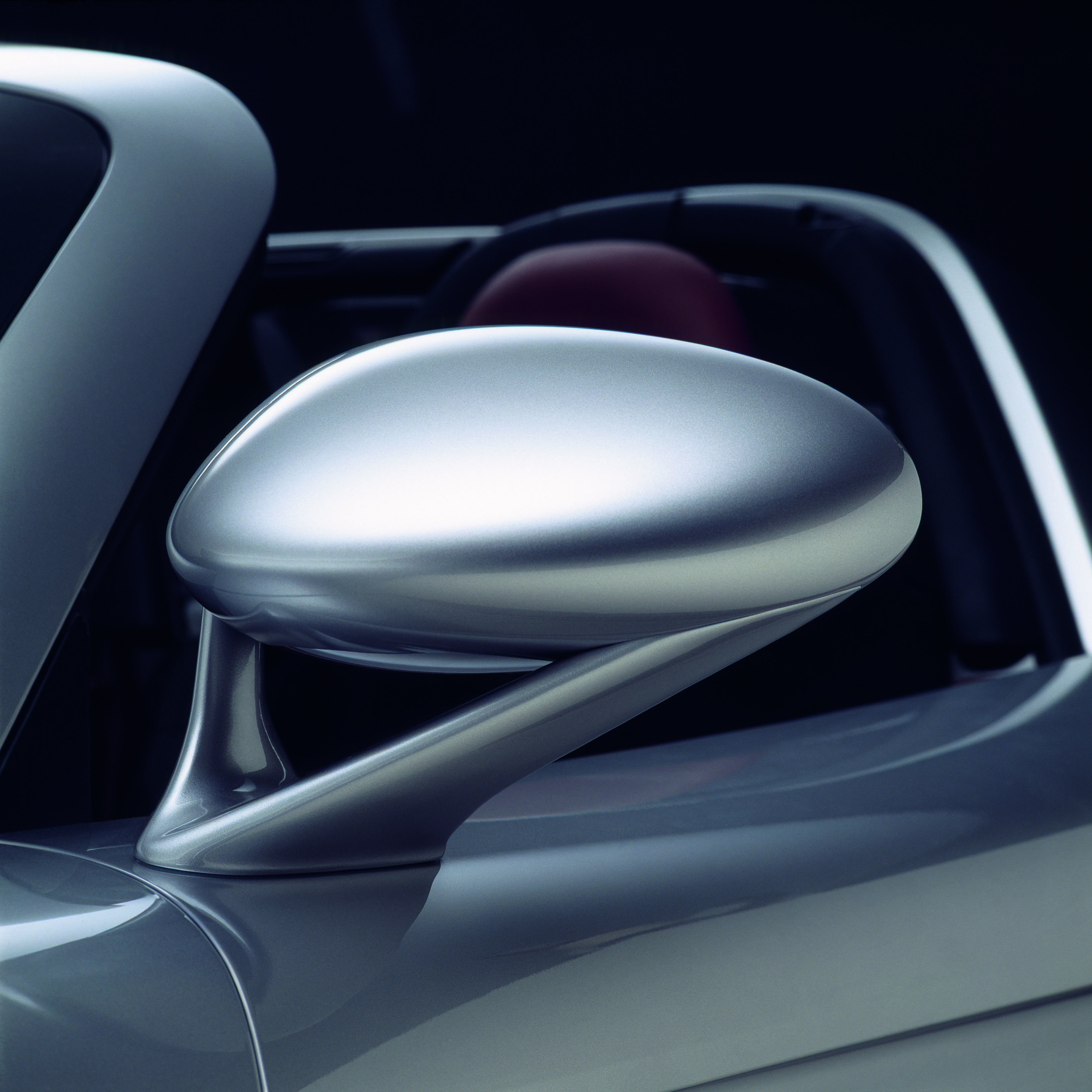
New Y-shaped door mirror design
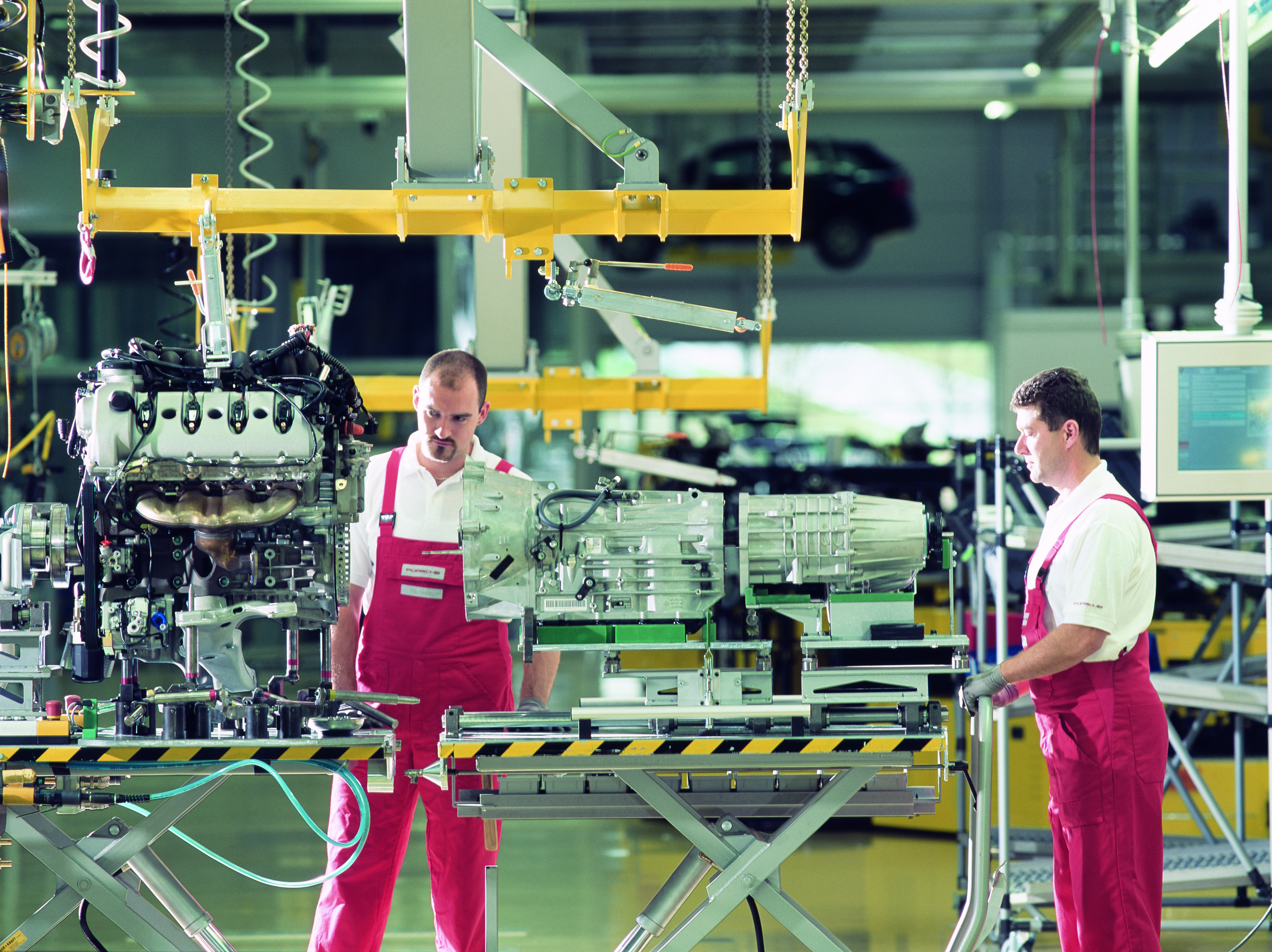
Engine pre-assembly: the Cayenne engine is bolted to the transmission.
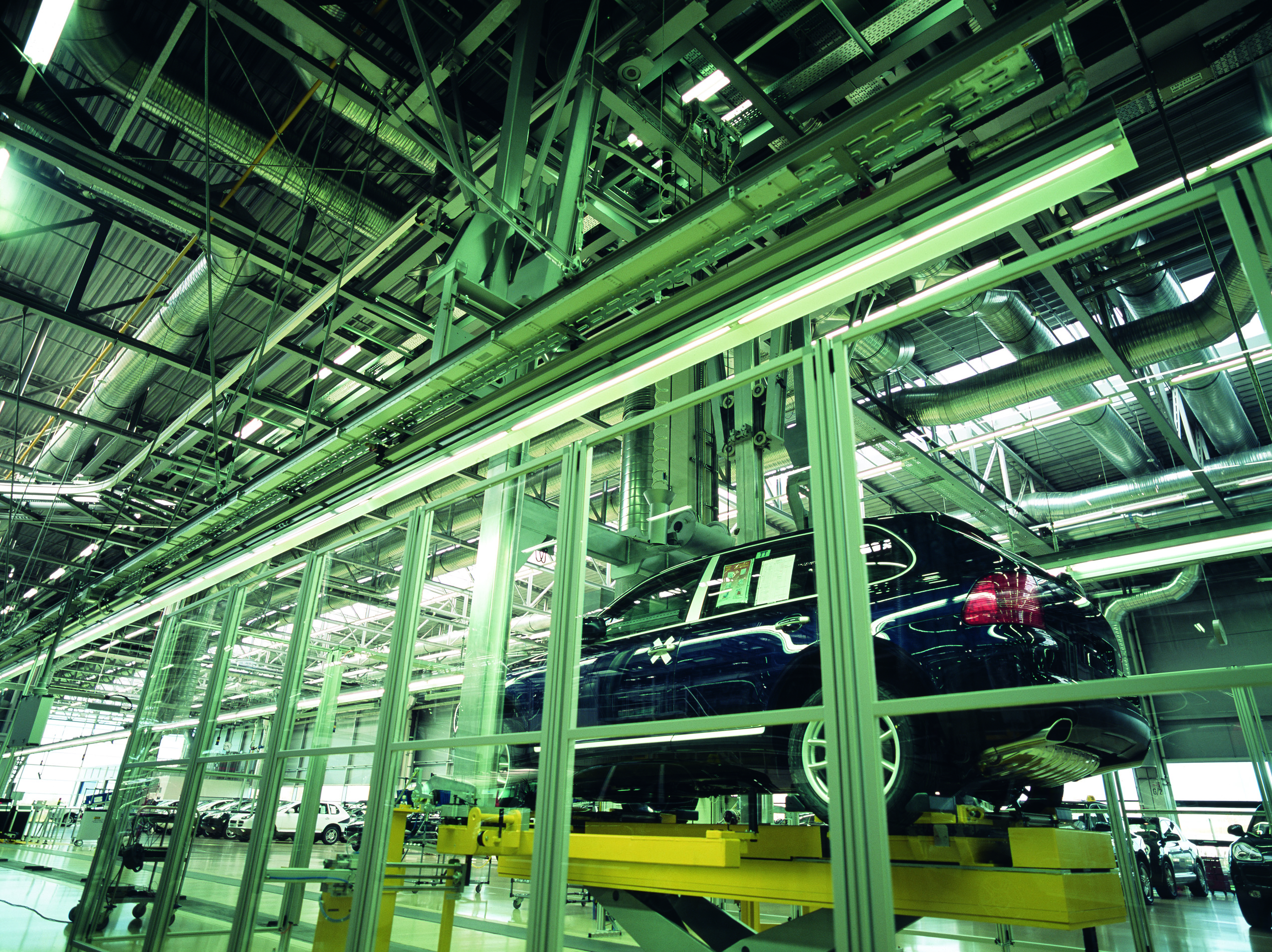
After assembly is completed, the vehicle is placed on its own four wheels for the first time and is ready for the testing field.
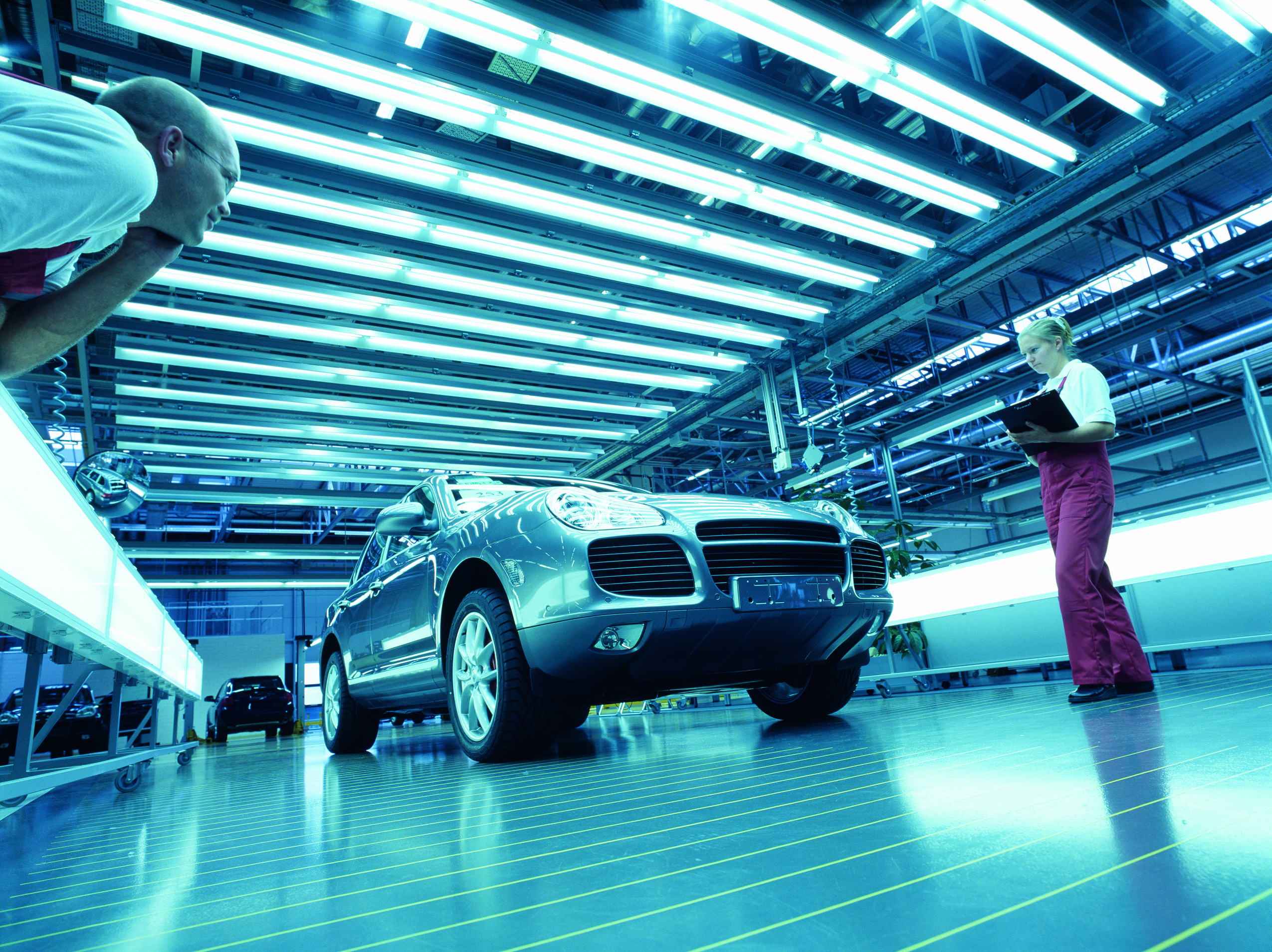
Final step: the body gap dimensions and the functionality of the Cayenne are examined closely in the Audit section.
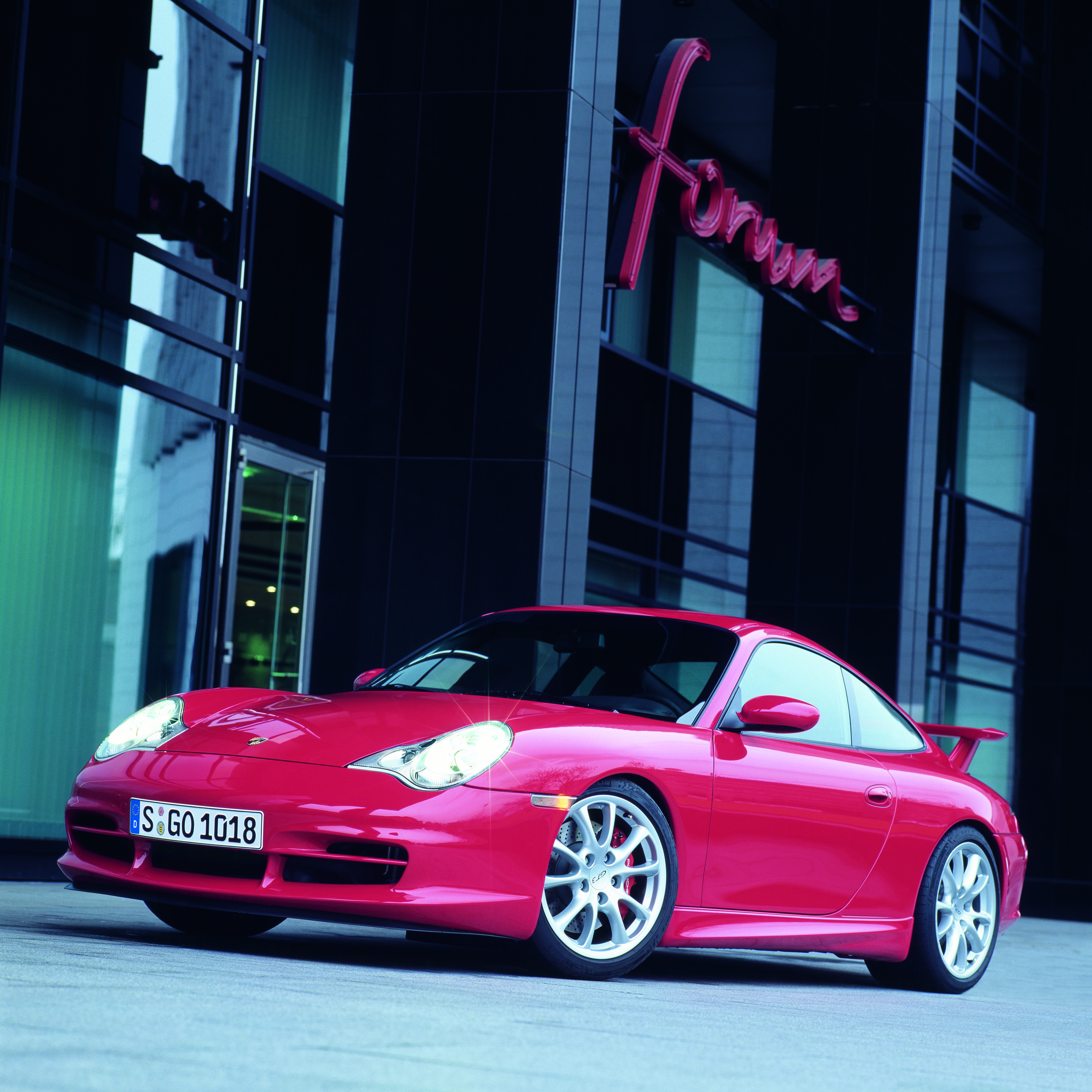
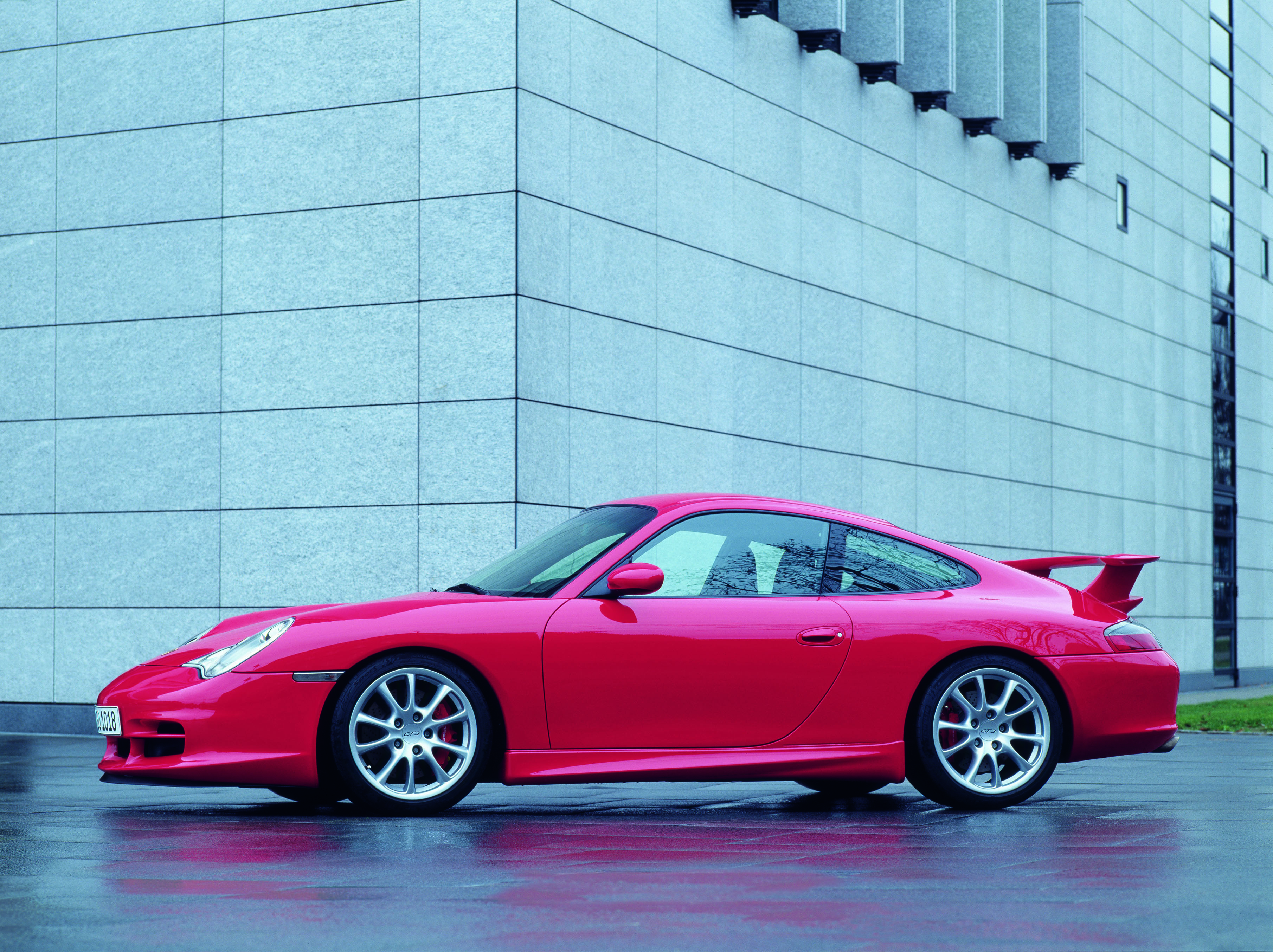
Porsche 911 GT3
Porsche 911 GT3
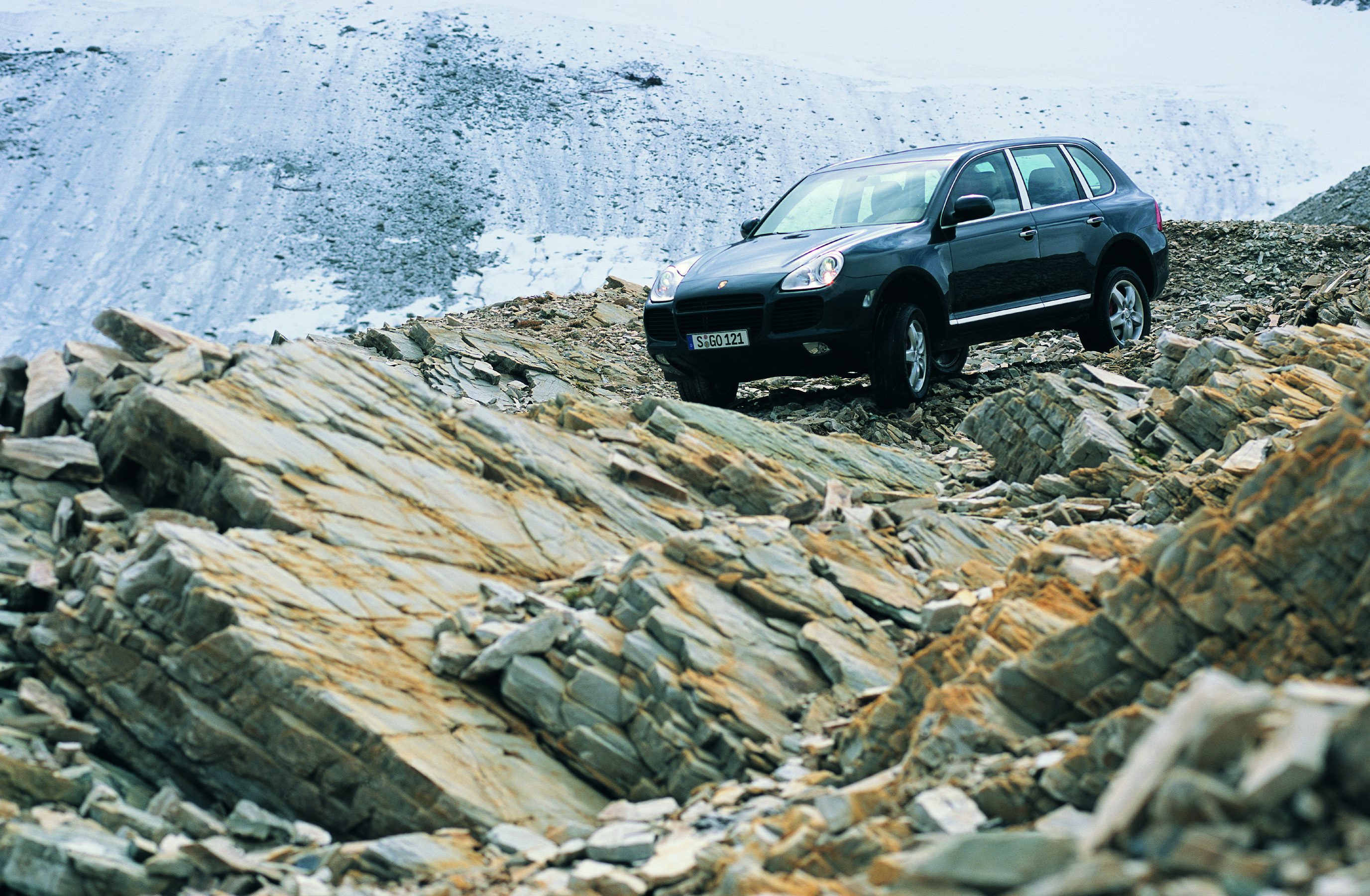
Cayenne Turbo
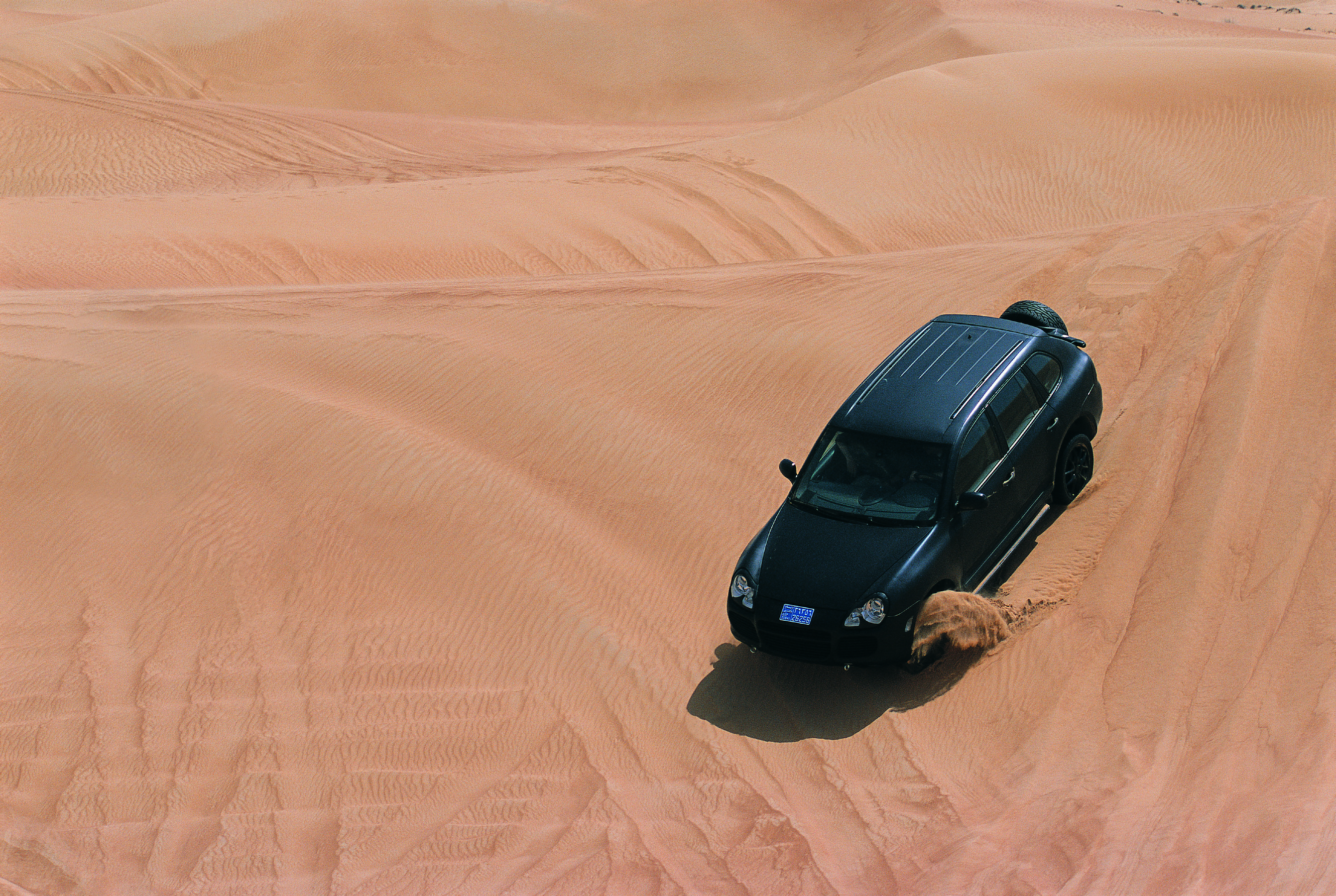
Test drive in the desert
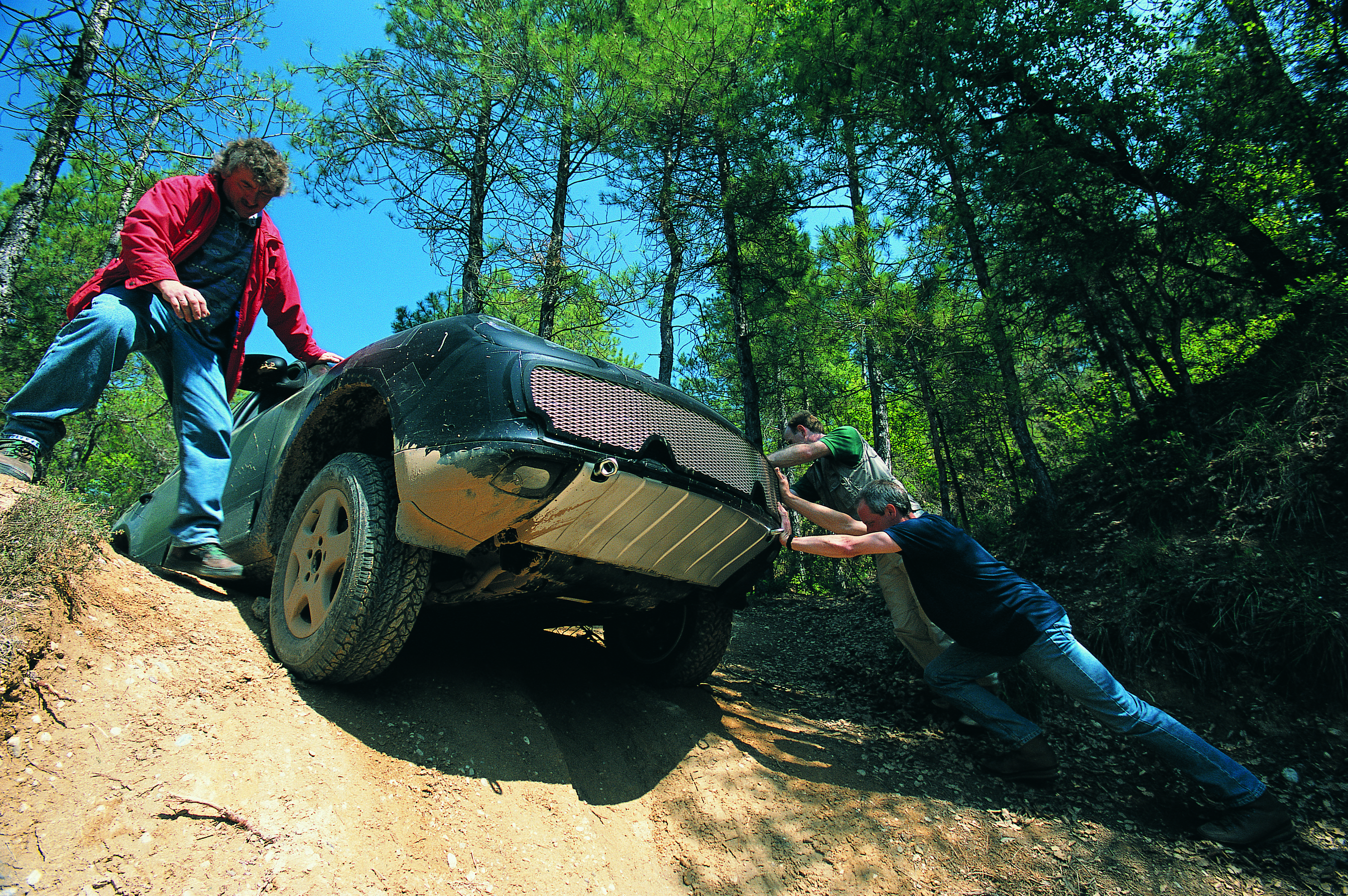
Test driver with some powerful backup during trial run
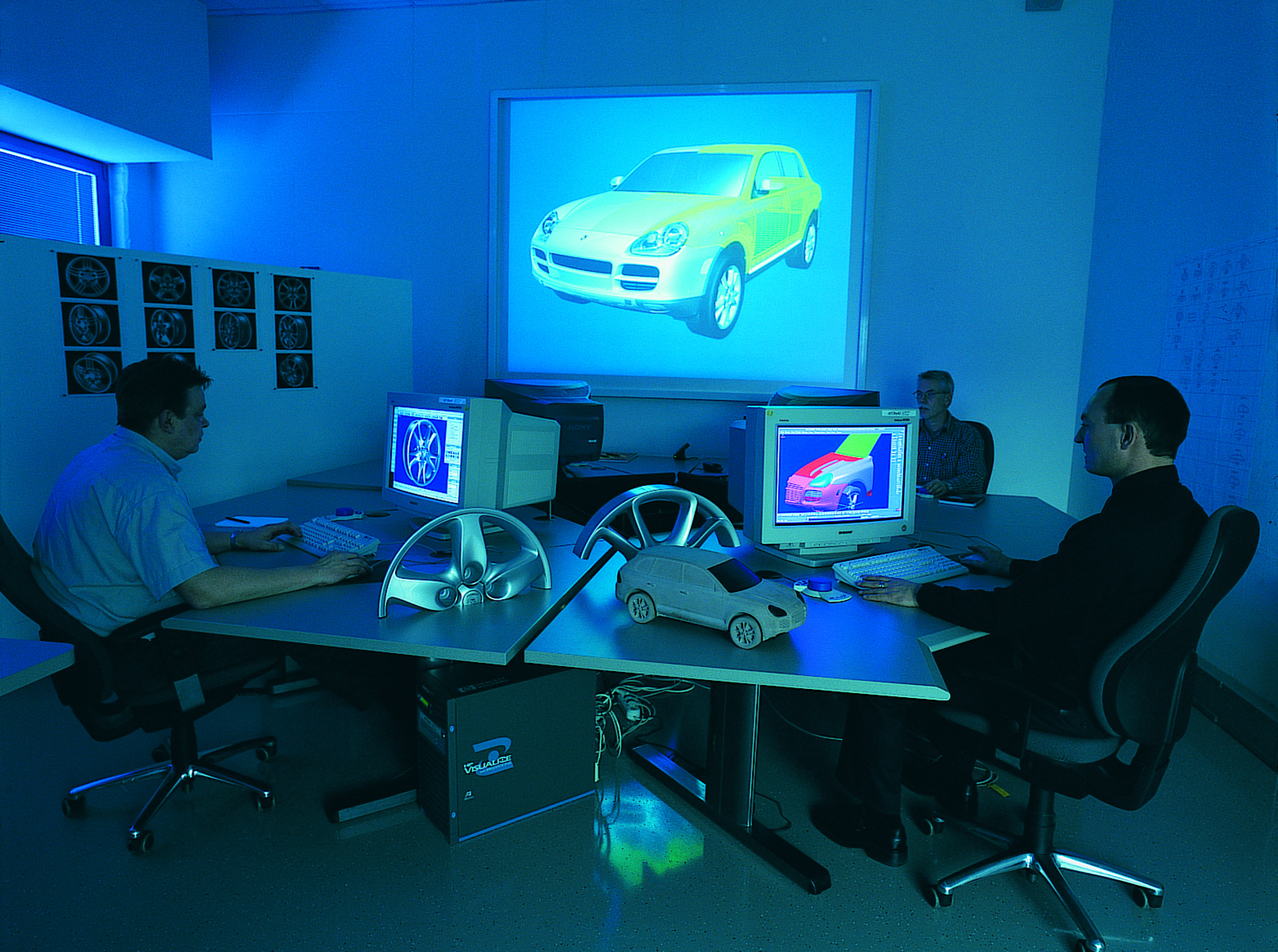
Before the first clay model the Cayenne has taken shape on the screen.
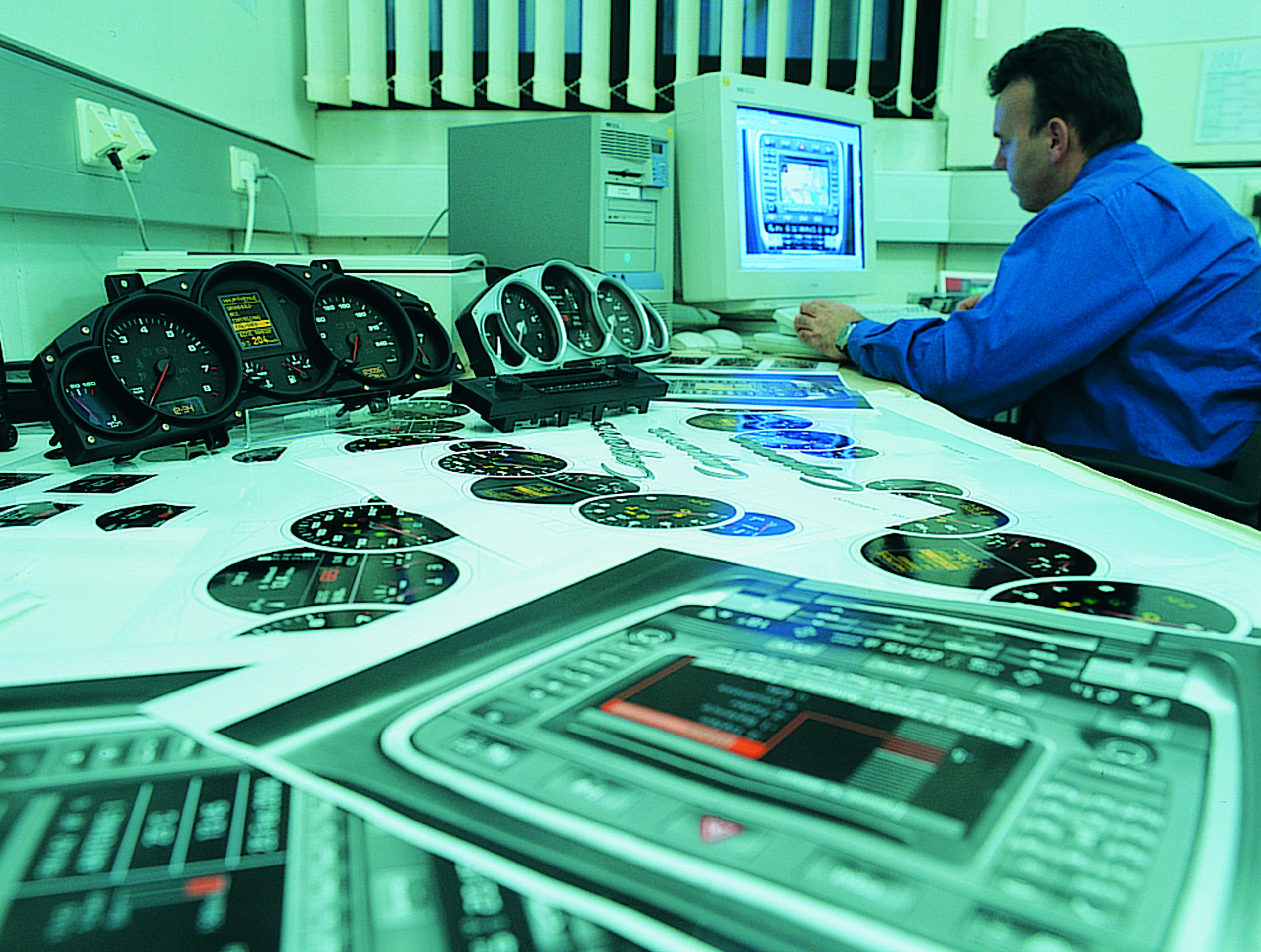
Detailed work in the design studio: the Cayenne instruments have to transmit more data than the ones in the Carrera.