|
|
|
|
|
|
|
|
|
|
|
|
1
|
|
|
|
Text
|
|
|
|
|
|
|
2
|
|
|
|
Text
|
|
|
|
|
|
|
3
|
|
|
|
Text
|
|
|
|
|
|
|
4
|
|
|
|
Text
|
|
|
|
|
|
|
5
|
|
|
|
Text
|
|
|
|
|
|
|
6
|
|
|
|
Text
|
|
|
|
|
|
|
7
|
|
|
|
Text
|
|
|
|
|
|
|
8
|
|
|
|
Text
|
|
|
|
|
|
|
9
|
|
|
|
Image
|
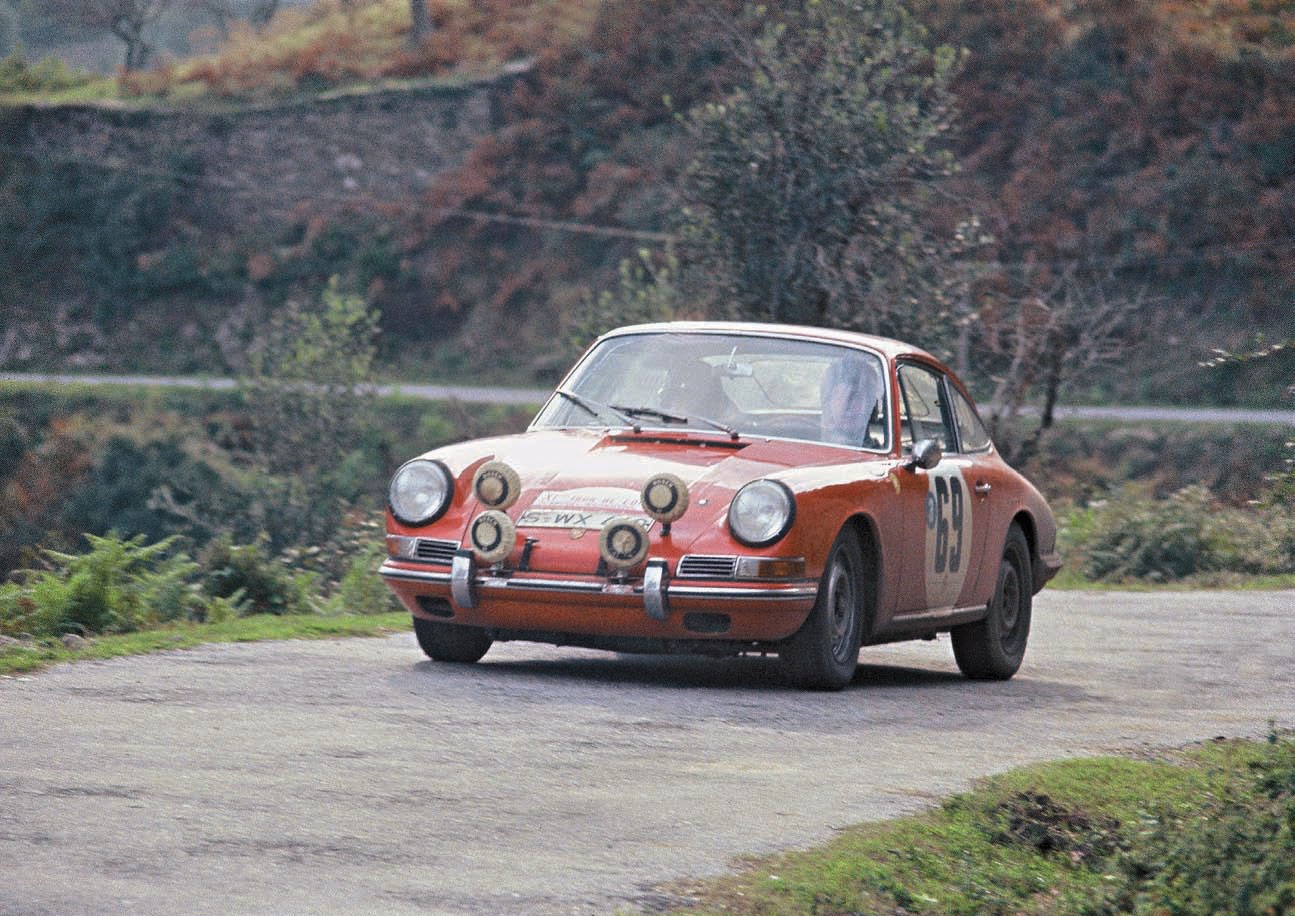
The Tour de Corse in November 1966 was Vic Elford and co-driver David Stone’s first experience rallying in a 911. They adapted well, winning the under 2.5-liter GT class. Porsche Archiv
|
|
|
|
|
|
10
|
|
|
|
Image
|
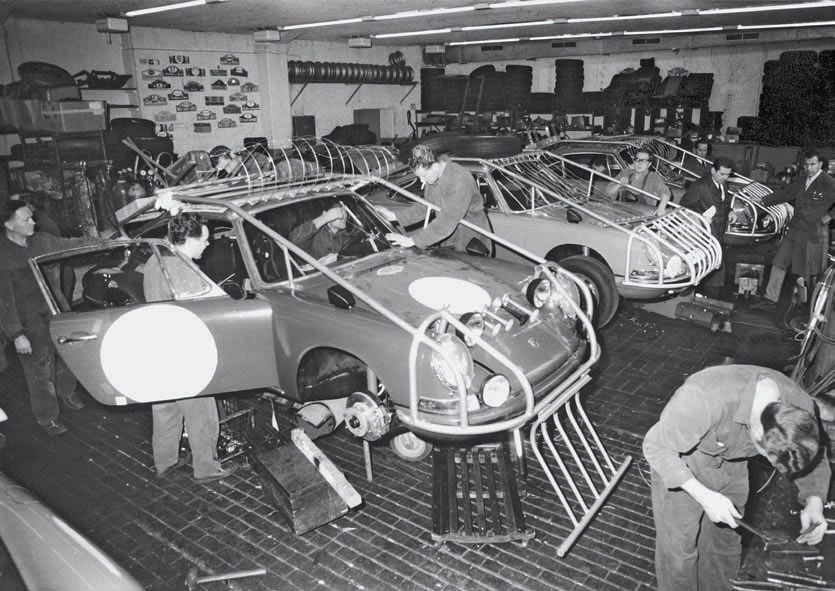
The 1968 London-to-Sydney Marathon was perhaps one of racing’s most ambitious and audacious events, spanning four continents and 10,000 miles. Polish rally veteran Sobieslaw Zasada, who headed a private Porsche effort in cars prepared for battle against kangaroos and other wildlife, finished fourth overall. Porsche Archiv
|
|
|
|
|
|
11
|
|
|
|
Image
|
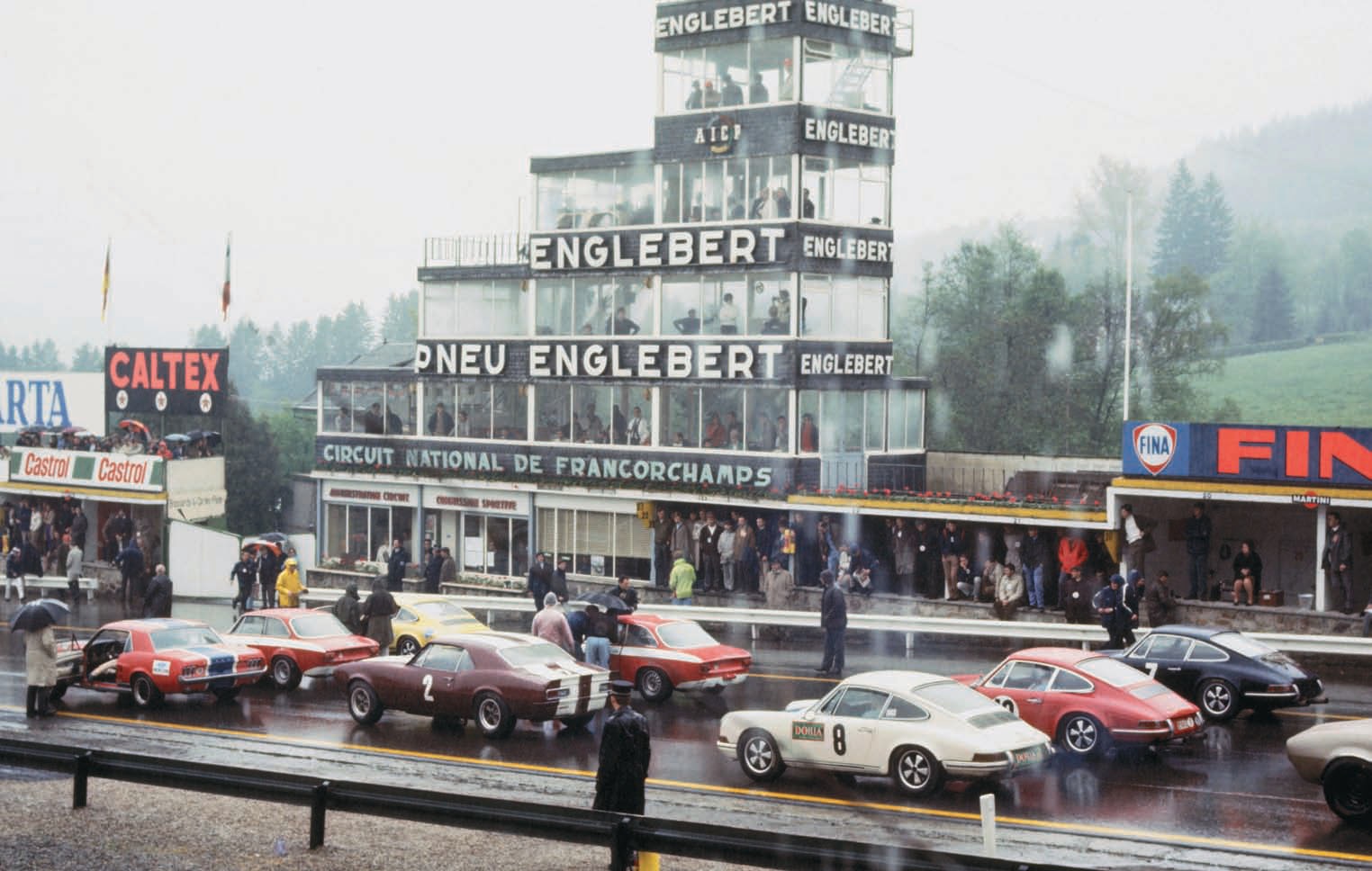
The starting line for the Spa European Touring Car race in July 1968 resembled a starting grid photo for Sports Car Club of America Trans-Am events. Erwin Kremer, Helmut Kelleners, and Willi Kauhsen won the race in a 911L. Porsche Archiv
|
|
|
|
|
|
12
|
|
|
|
Image
|
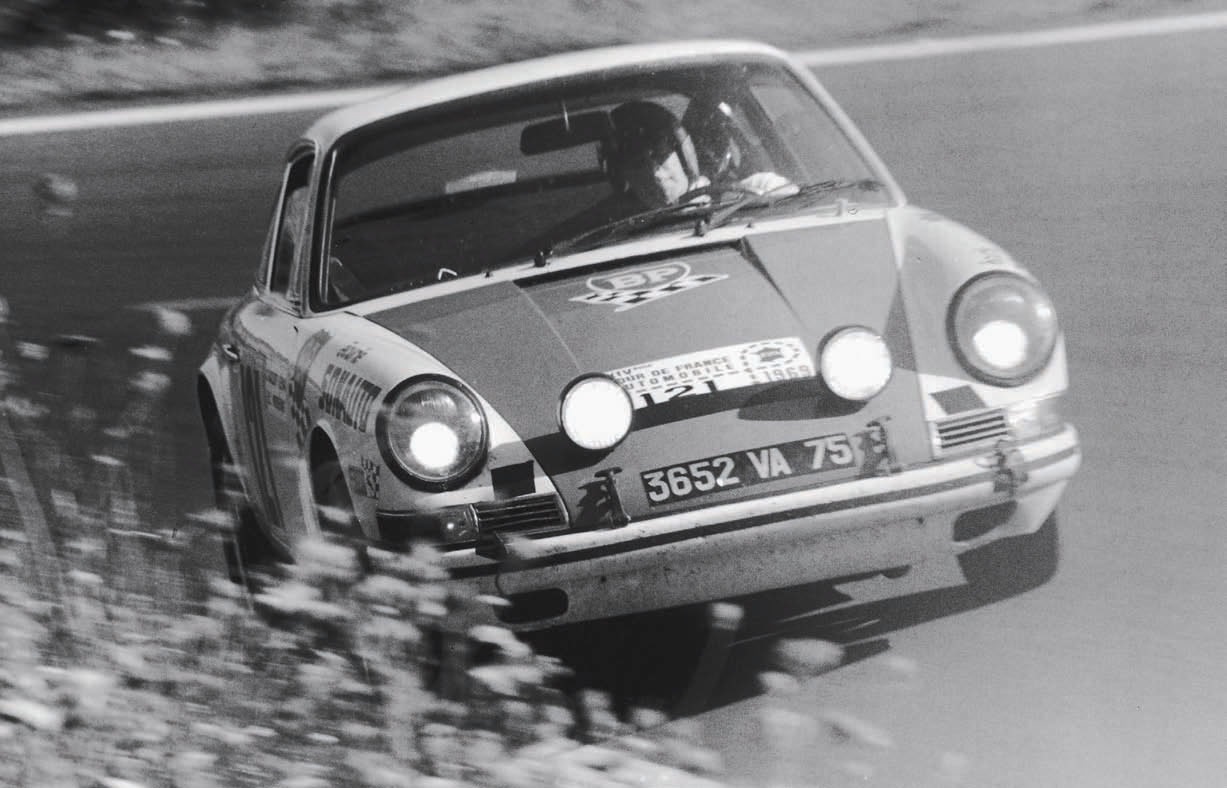
Claude Ballot-Léna and Jean-Claude Morénas took fourth overall and first in GT 2.0 in the 1969 Tour de France de l’Automobile. Paris distributor SonAuto entered this and a second 1969 911T that finished third overall and first in Special Touring 2.0. Porsche Archiv
|
|
|
|
|
|
13
|
|
|
|
Image
|
Porsche prepared several of these 1970 2.2-liter ST models for the Monte Carlo Rally and other events. Björn Waldegård had won the 1969 Monte and went on to win again in 1970 in one of these STs. Porsche Archiv
|
|
|
|
|
|
14
|
|
|
|
Image
|
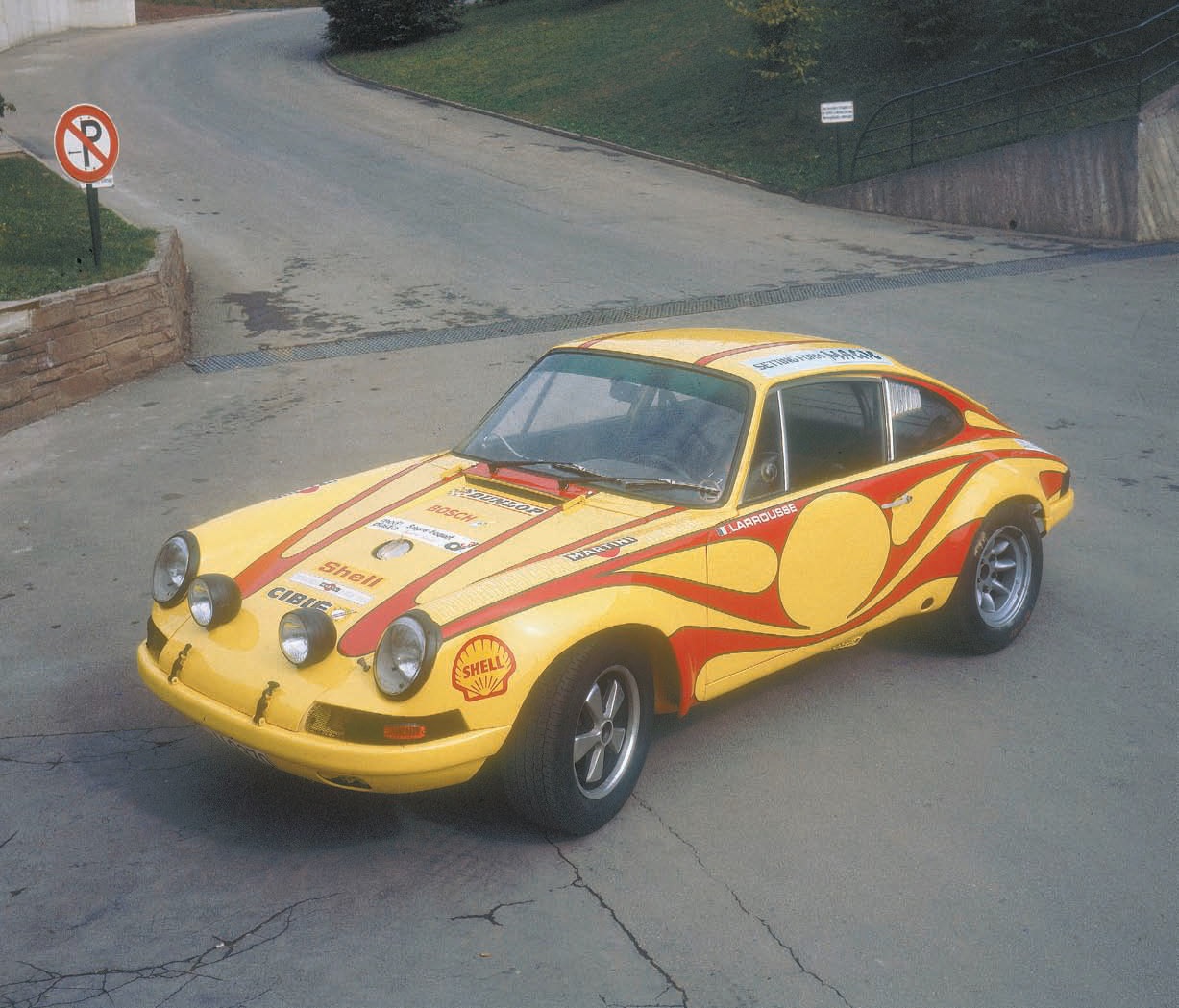
Weissach racing engineers prepared this 2.4-liter S for Gerard Larrousse to contest the 1970 Tour de France de l’Automobile. This potent ultra-light S, at 1,736 pounds with 245 horsepower, finished second overall behind a Matra prototype. Porsche Archiv
|
|
|
|
|
|
15
|
|
|
|
Image
|
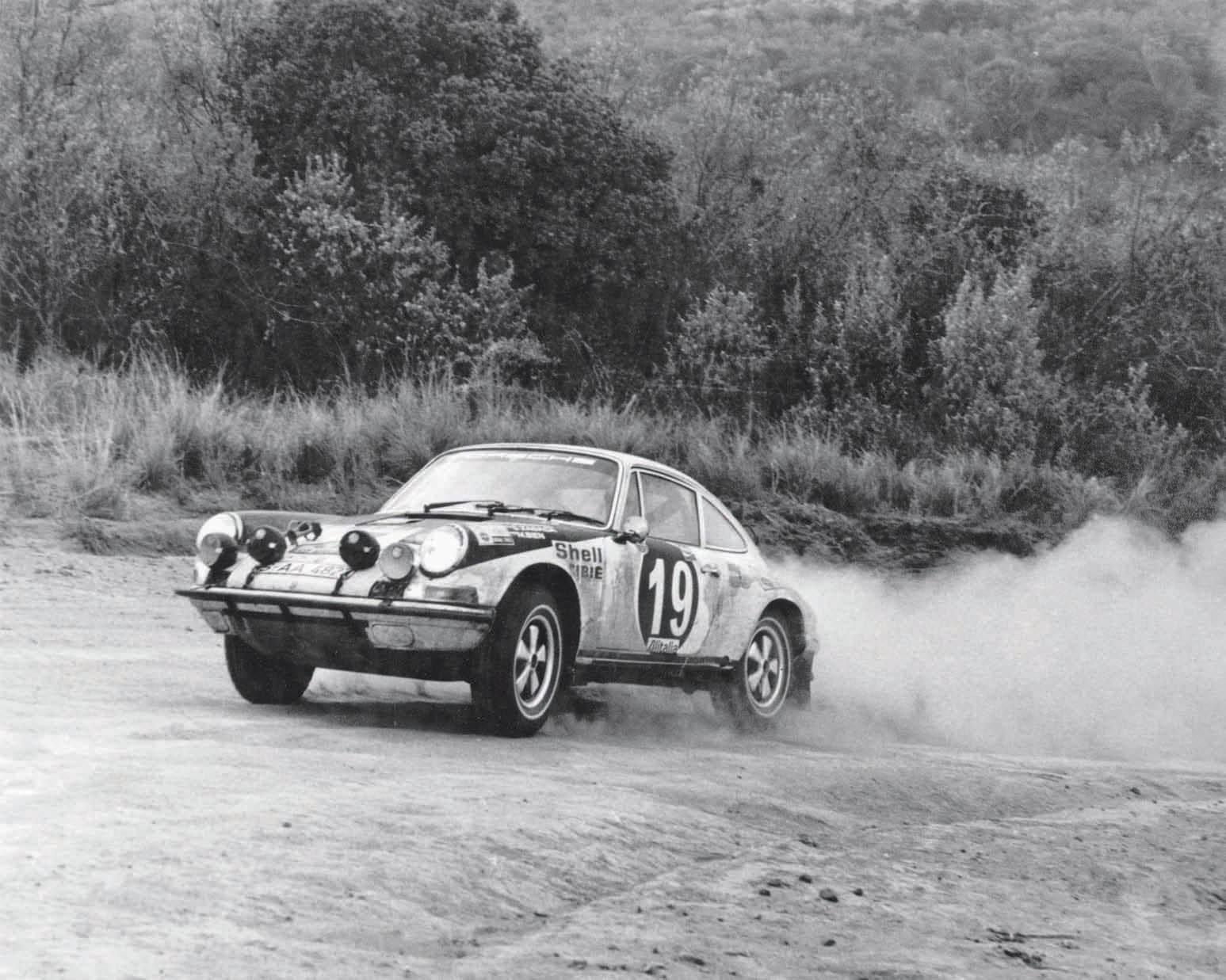
With fuel from Shell and whitewall tires from Sears, Zobieslaw Zasada attacked the 1971 Africa Safari Rally in this 2.2-liter S. Zasada and co-driver Marian Bien finished fifth overall in the highest-placed Porsche entry. Porsche Archiv
|
|
|
|
|
|
16
|
|
|
|
Image
|
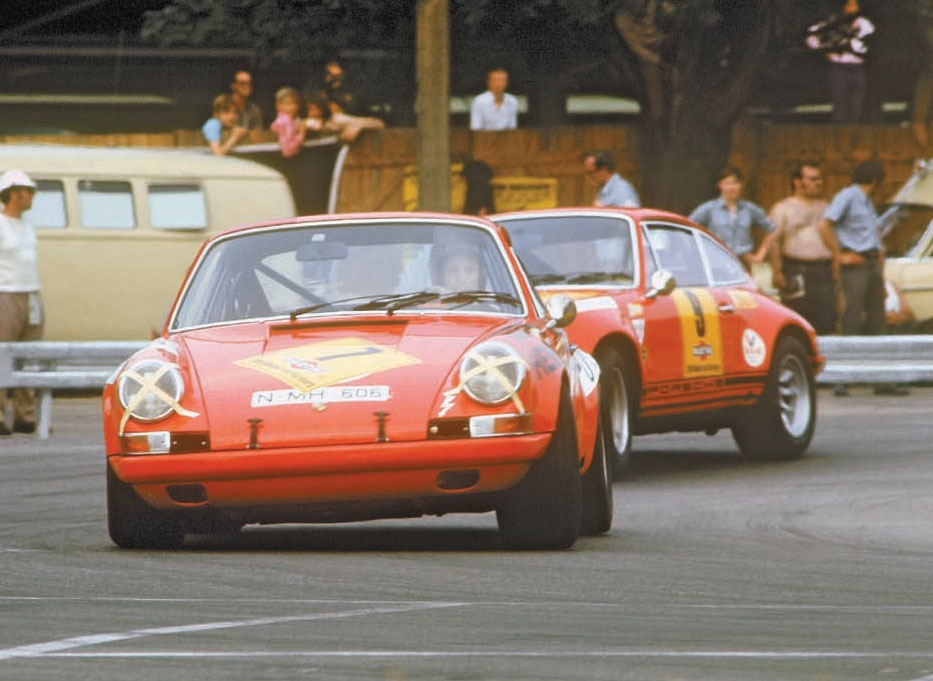
Clemens Schinkentanz, No. 1, led Jürgen Krzikalla, No. 9, around the Norisring 200-mile touring car race at Nuremberg in July 1971. Schinkentanz drove a 2.3-liter 911ST with prototype M471 equipment. Porsche Archiv
|
|
|
|
|
|
17
|
|
|
|
Image
|
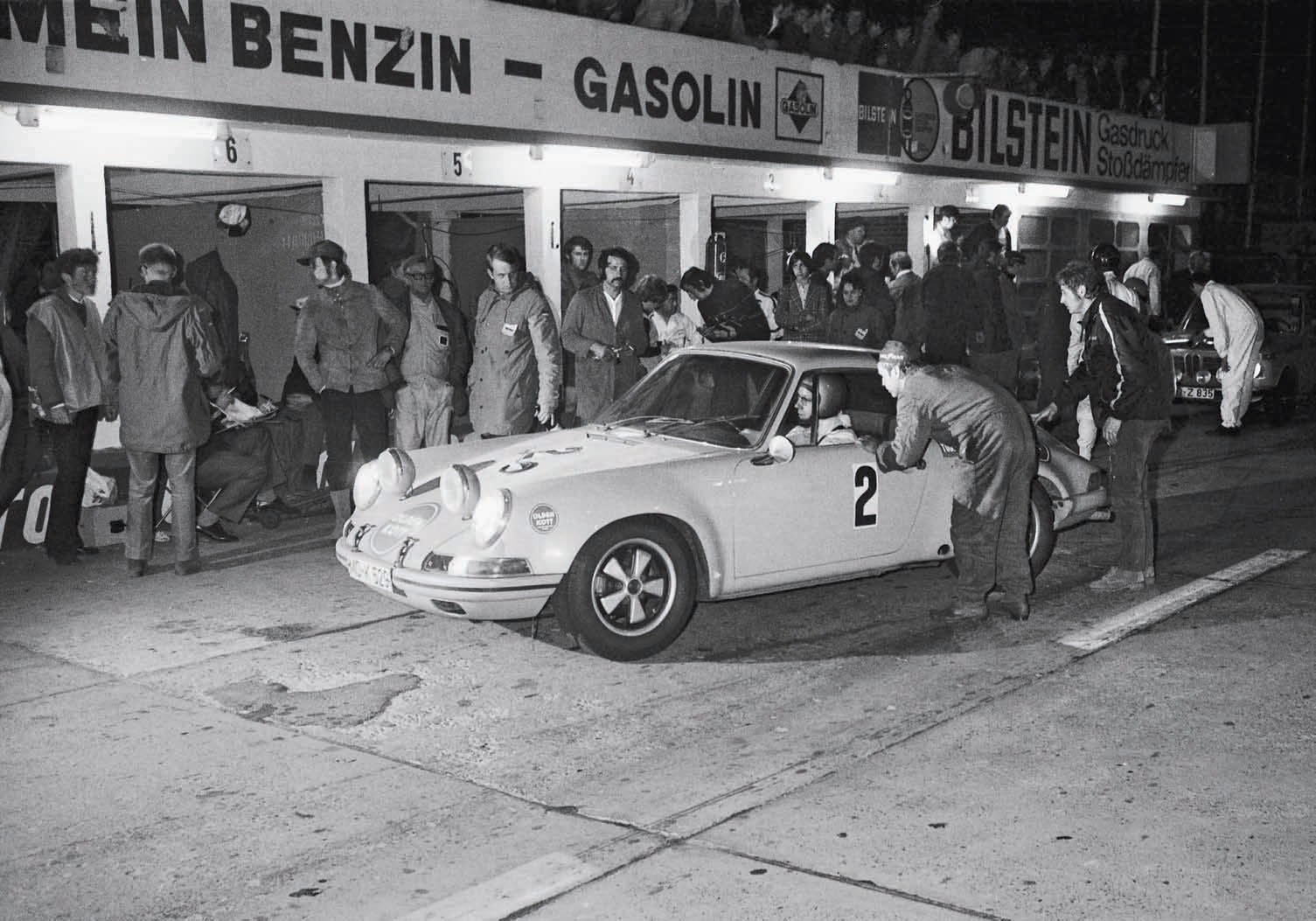
Nurburgring inaugurated a 24-hour race for touring cars in 1970 primarily for amateur drivers. Taking advantage of the long 15.5-mile North Loop circuit, the event allows 200 cars to start, including, in 1971, this 911S 2.5-liter coupe. Porsche Archiv
|
|
|
|
|
|
18
|
|
|
|
Image
|
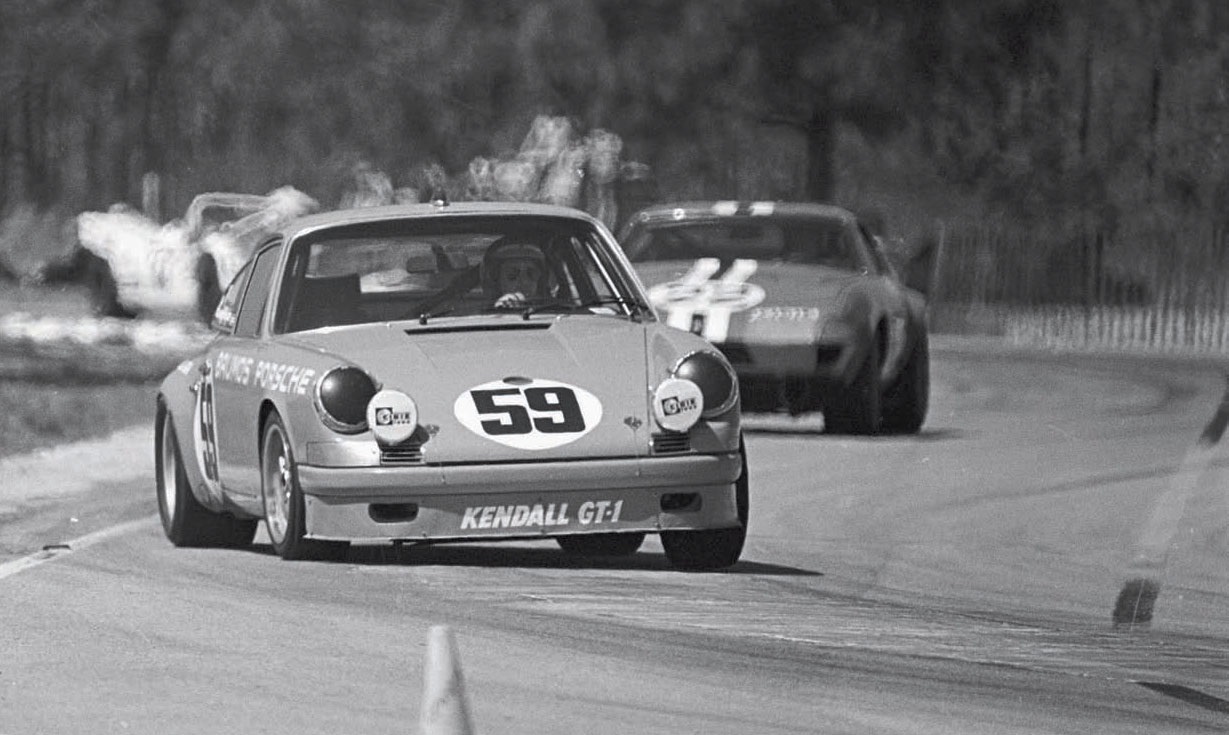
After starting 25th on the grid for the 12 Hours of Sebring in March 1972, Peter Gregg and Hurley Haywood headed to a second GT/2.5-class win in as many U.S. starts. The two won their category a month earlier at Daytona as well. Porsche Archiv
|
|
|
|
|
|
19
|
|
|
|
Image
|
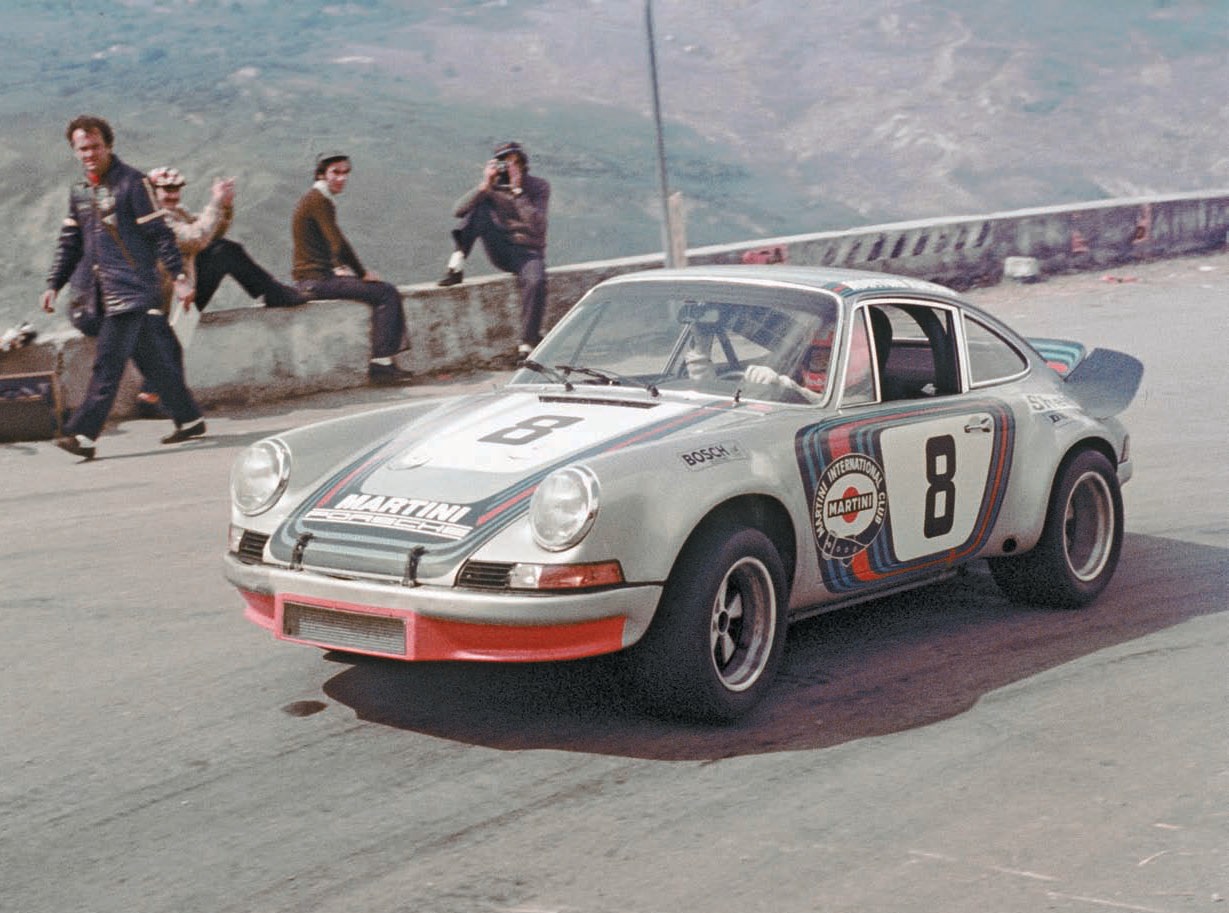
At the last-ever Targa, run on May 13, 1973, Porsche’s thoroughly developed Carrera RSR2.8 proved strongest of the day taking 1st overall with Gijs van Lennep and Herbert Müller sharing driving duties. The car wore a prototype “Mary Stuart collar” rear wing that widened the aerodynamic aid to full-body width. Porsche Archiv
|
|
|
|
|
|
20
|
|
|
|
Image
|
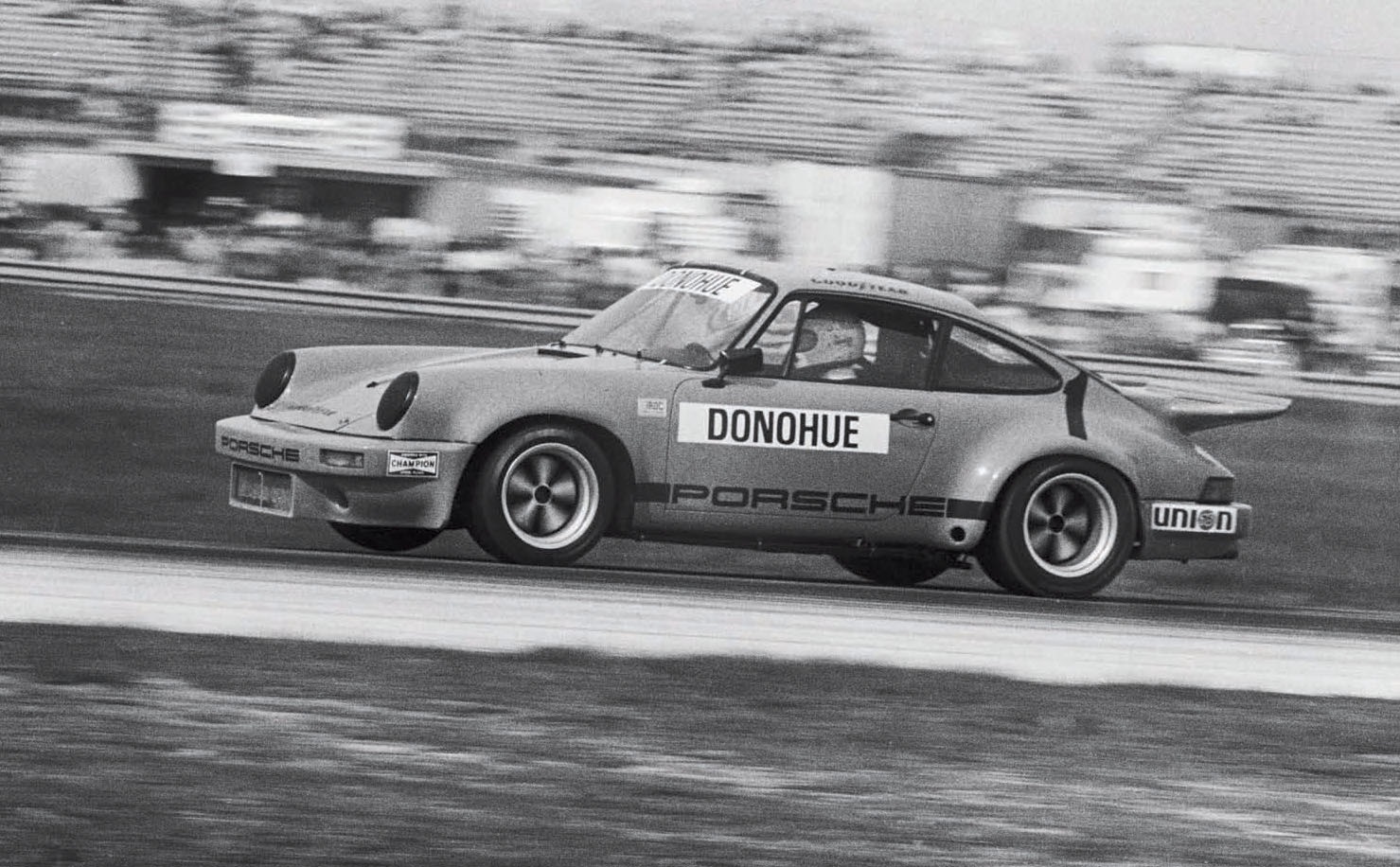
Working from his close relationship with Porsche racing and its 917/30 Can-Am cars, team owner Roger Penske helped devise a match race series using new Carrera RSRs. Mark Donohue won the four-event contest, called the International Race of Champions, starting with victory here at Daytona. Porsche Archiv
|
|
|
|
|
|
21
|
|
|
|
Image
|
At the Nurburgring 1,000-kilometer race two weeks after the Targa, van Lennep and Müller served notice on the Sports Racing community. In their RSR 2.8, fitted with a 3.0-liter prototype engine they finished fifth overall behind a pair of Ferraris, a Chevron and a Porsche 908. Porsche Archiv
|
|
|
|
|
|
22
|
|
|
|
Image
|
The 1974 version of the RSR used a 2.14-liter turbocharged engine to develop 500 horsepower. Installed in a race car weighing 1,764 pounds, performance was impressive. Porsche Archiv
|
|
|
|
|
|
23
|
|
|
|
Image
|
Porsche was first on the track with FIA rules–compliant Group 5 cars. Derived from the production 930, this first-generation 935 weighed 2,138 pounds and its 2,856cc turbocharged engine developed 590 horsepower. Porsche Archiv
|
|
|
|
|
|
24
|
|
|
|
Image
|
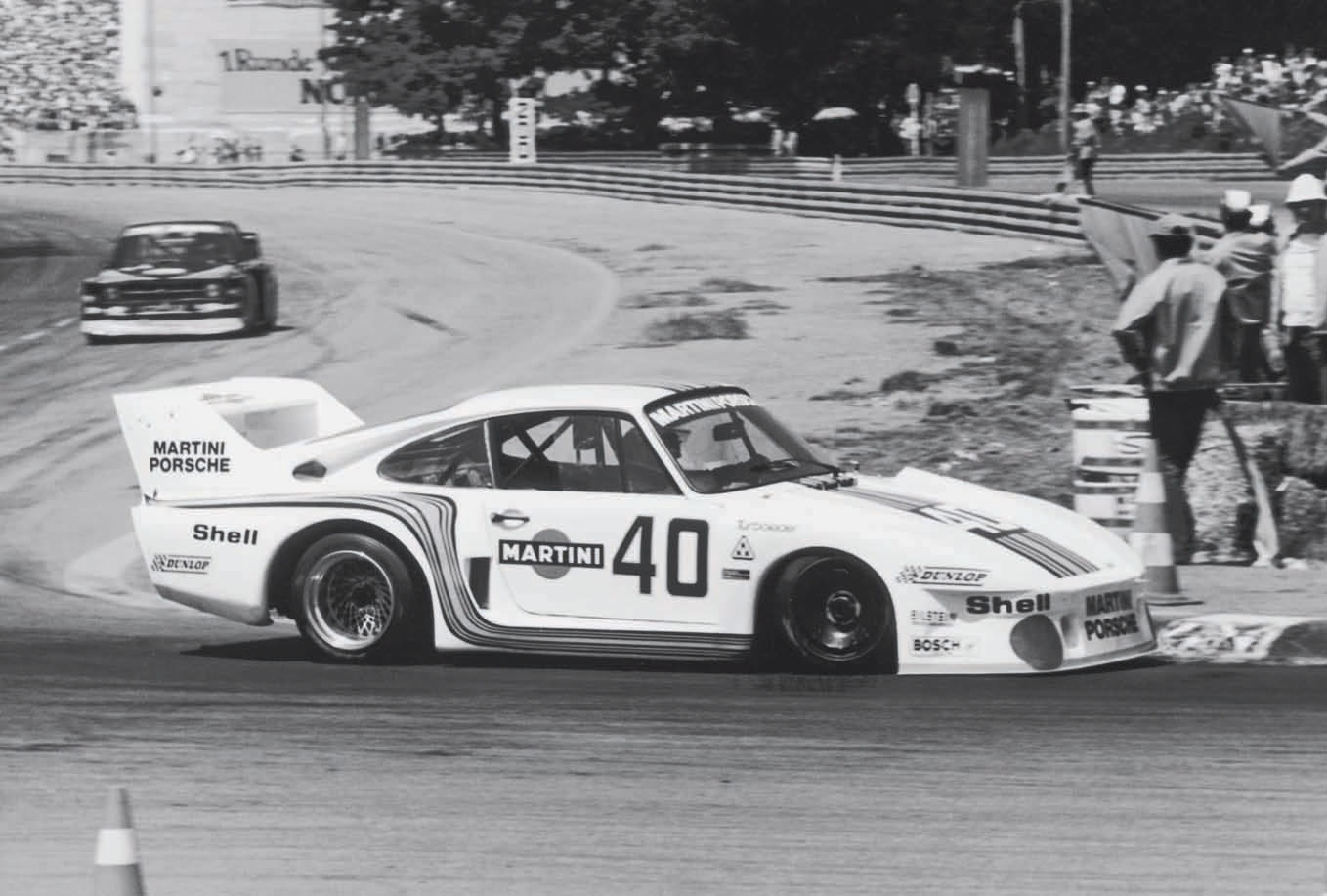
Porsche unveiled its new Group 5 contender at the 1,000-kilometer race at Nurburgring at the end of May 1976. While Rolf Stommelen and Manfred Schurti qualified on the pole, the car did not finish after a distributor rotor broke nine laps into the race. Porsche Archiv
|
|
|
|
|
|
25
|
|
Dr. Ing. h.c. F. Porsche AG
|
|
Image
|
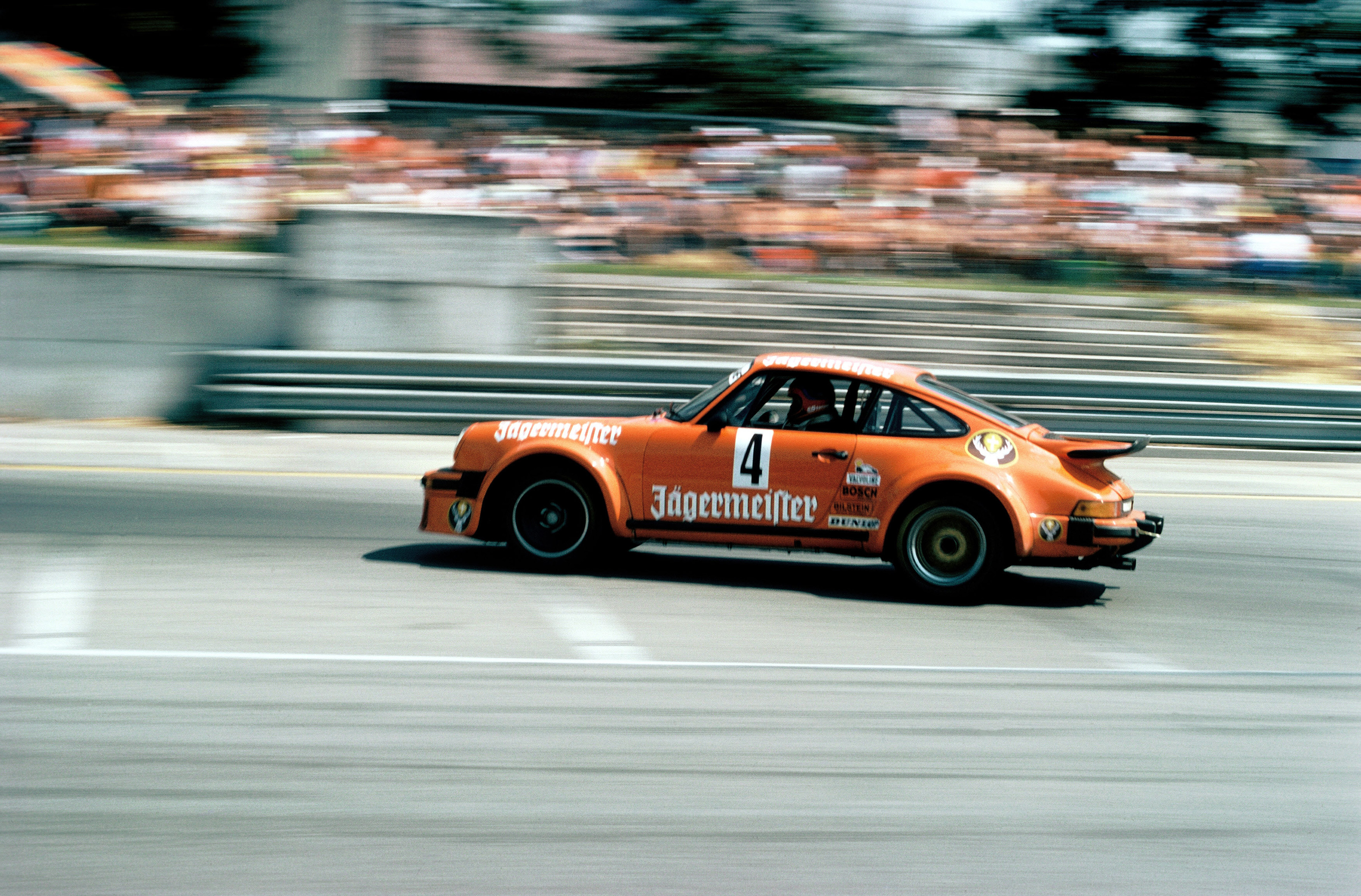
At Österreichring on June 27, 1976, Dieter Schmidt and Karl Oppitzhauser shared driving duties in Egon Evertz’s Jagermeister 934. Fellow driver Edgar Dören warned them the 934 behaved “like a wild animal.” Porsche Archiv
|
|
|
|
|
|
26
|
|
|
|
Image
|
At its Le Mans debut in June 1976, Porsche’s 935-002 #41 won Group 5 category with Manfred Schurti and Rolf Stommelen sharing driving duties. They finished fourth overall, covering 2,814 miles. Porsche Archiv
|
|
|
|
|
|
27
|
|
|
|
Image
|
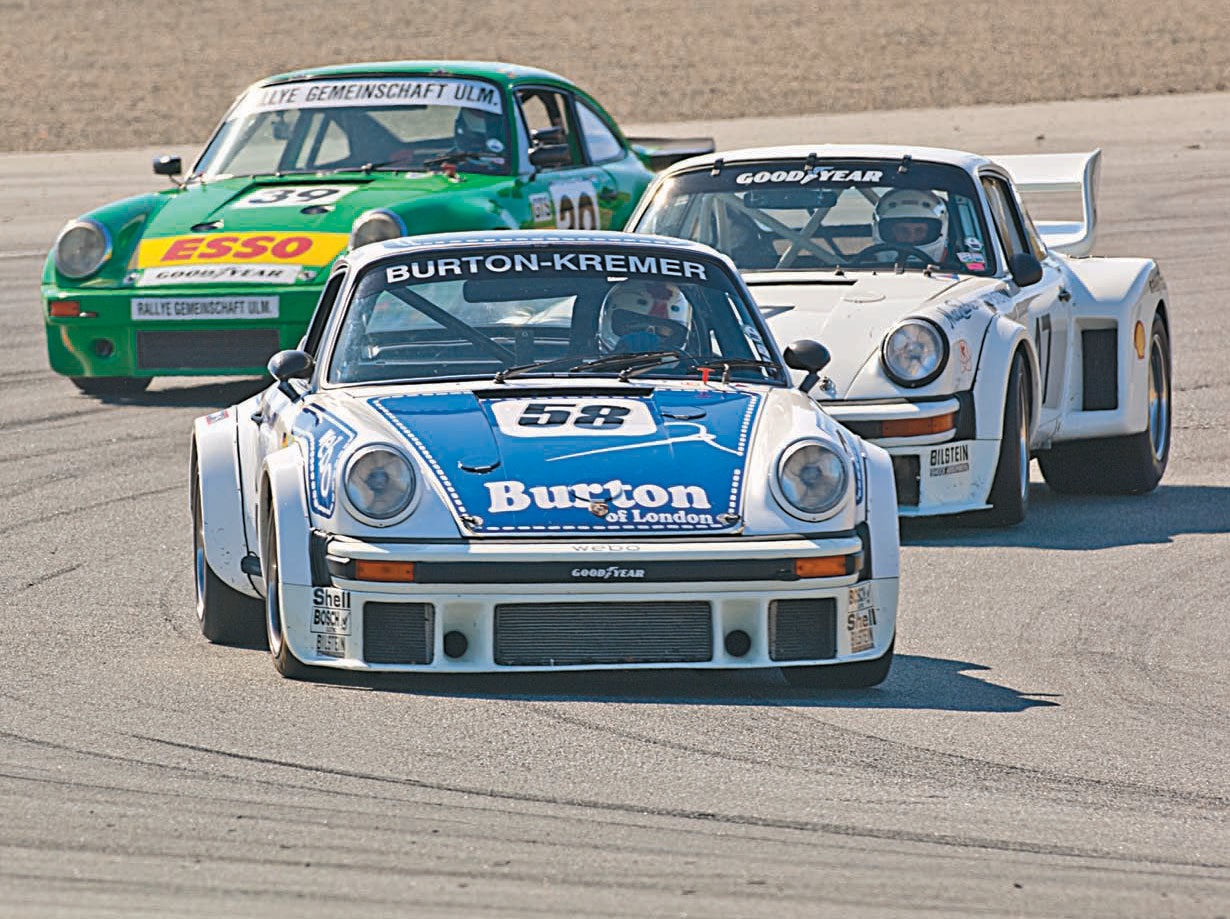
At Le Mans in June 1977, Bob Wollek and co-drivers J. P. Weilemans and Philippe Gurdjian drove the Kremer brothers 934 to seventh overall and first in Grand Touring class. Shown here during the 2011 Rennsport Reunion at Laguna Seca, Kees Nierop led Steve Lawrence’s 934.5 and Dennis Singleton’s Carrera RSR through the tight turn 2 hairpin. Randy Leffingwell
|
|
|
|
|
|
28
|
|
|
|
Image
|
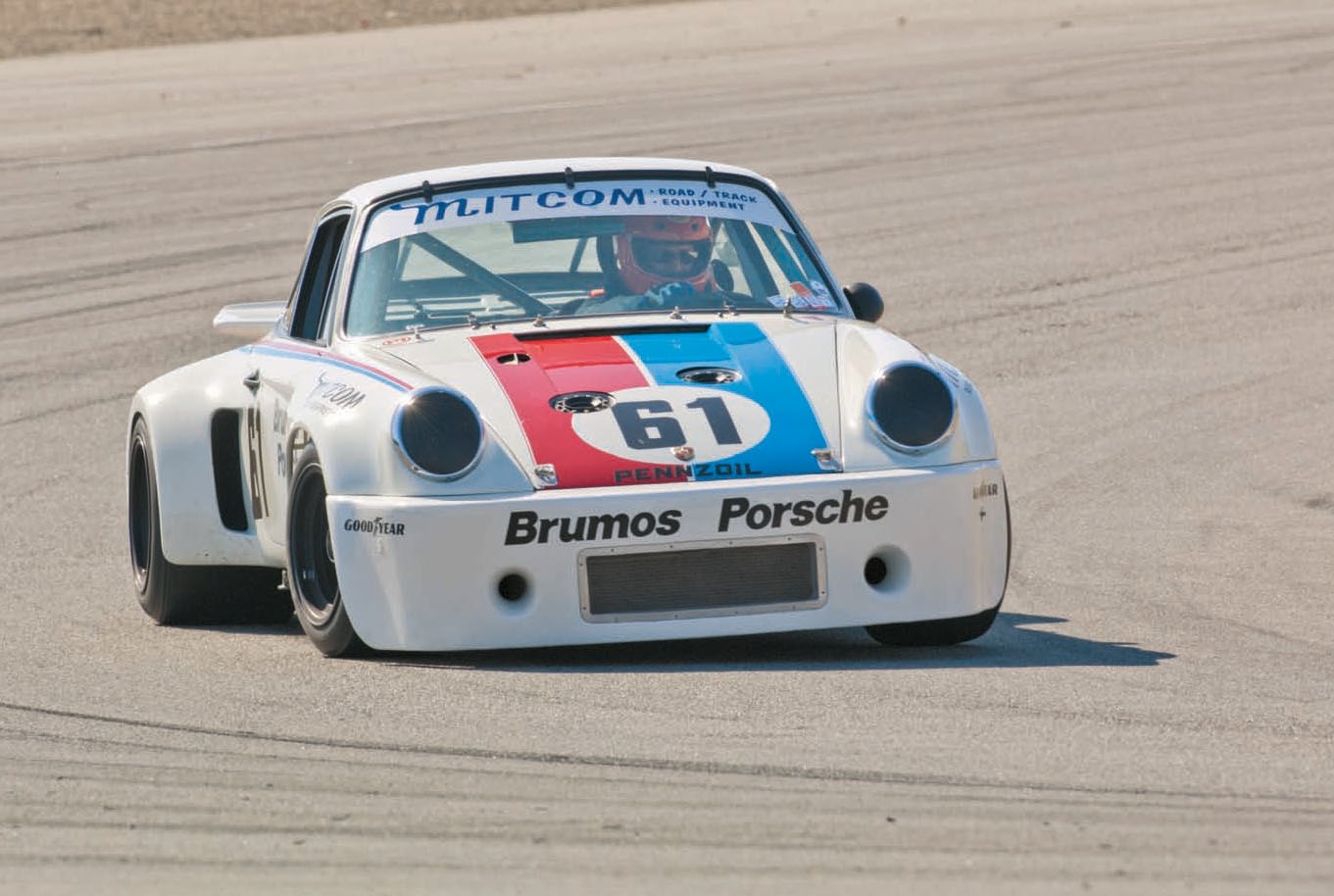
Peter Gregg ordered this RSR in 1975 and Weissach fitted it with a number of parts from the new 934 Turbo. Because Gregg was occupied racing a BMW CLS through 1976, Jim Busby drove the car for him, taking first overall in four races. Randy Leffingwell
|
|
|
|
|