Associated albums


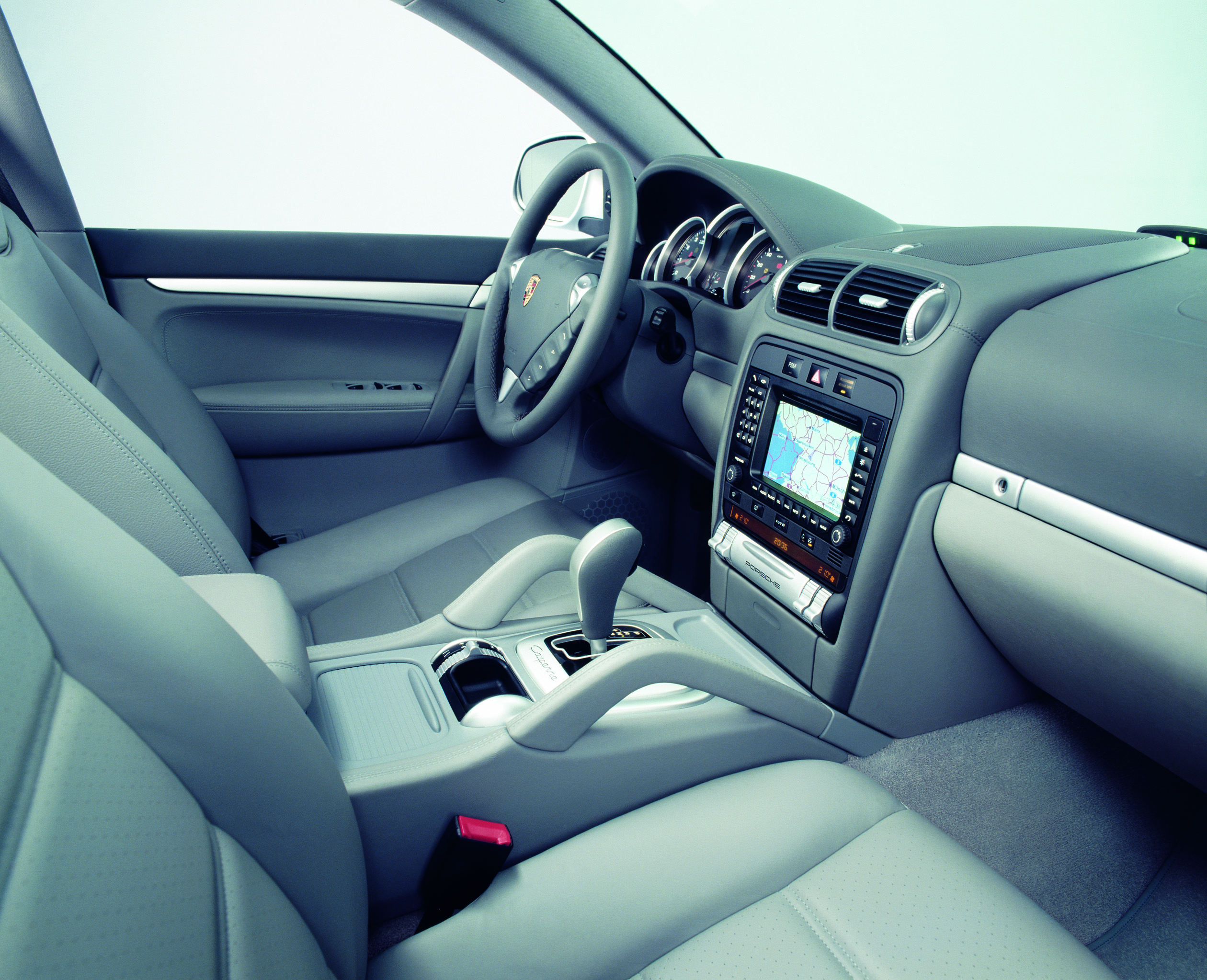
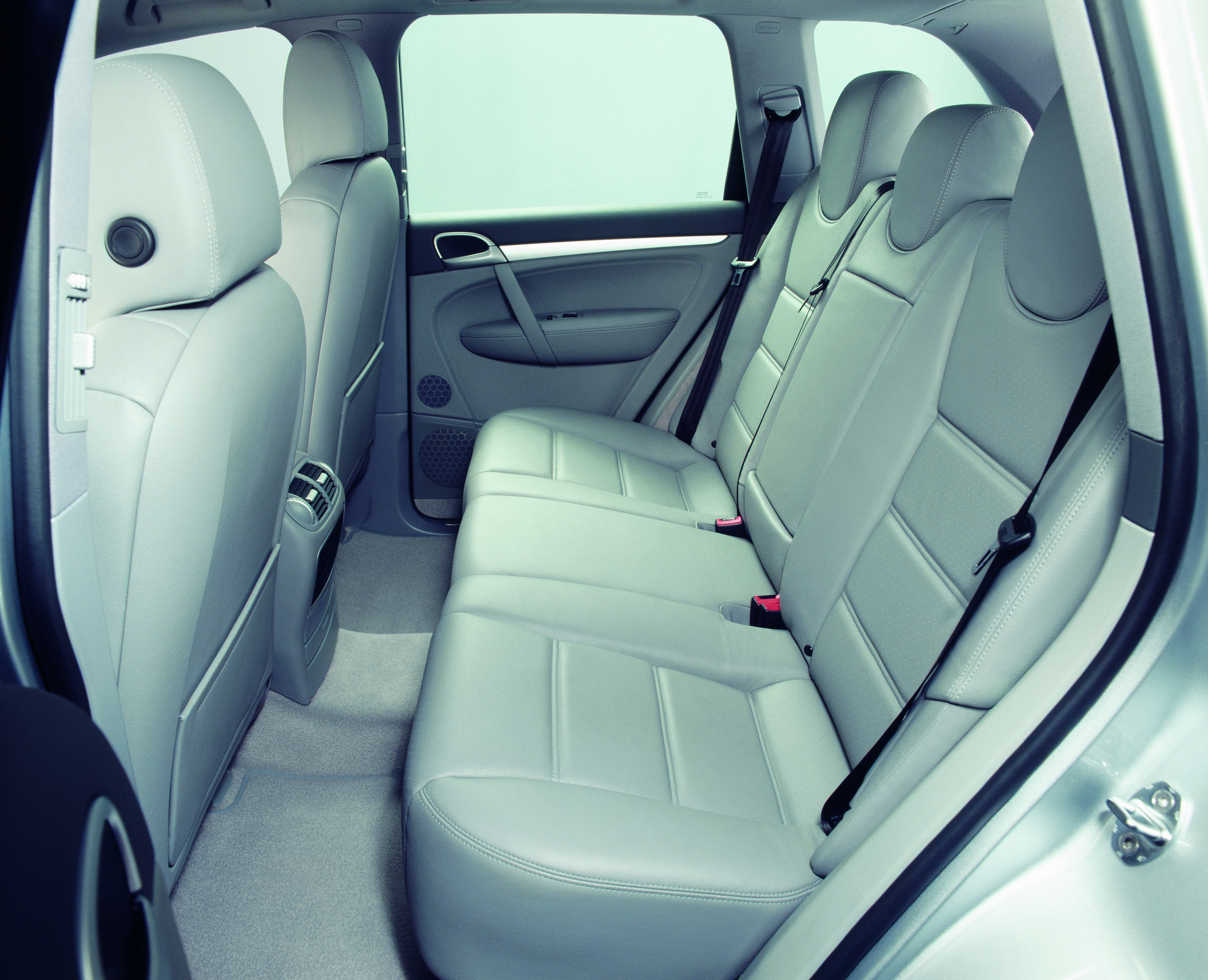
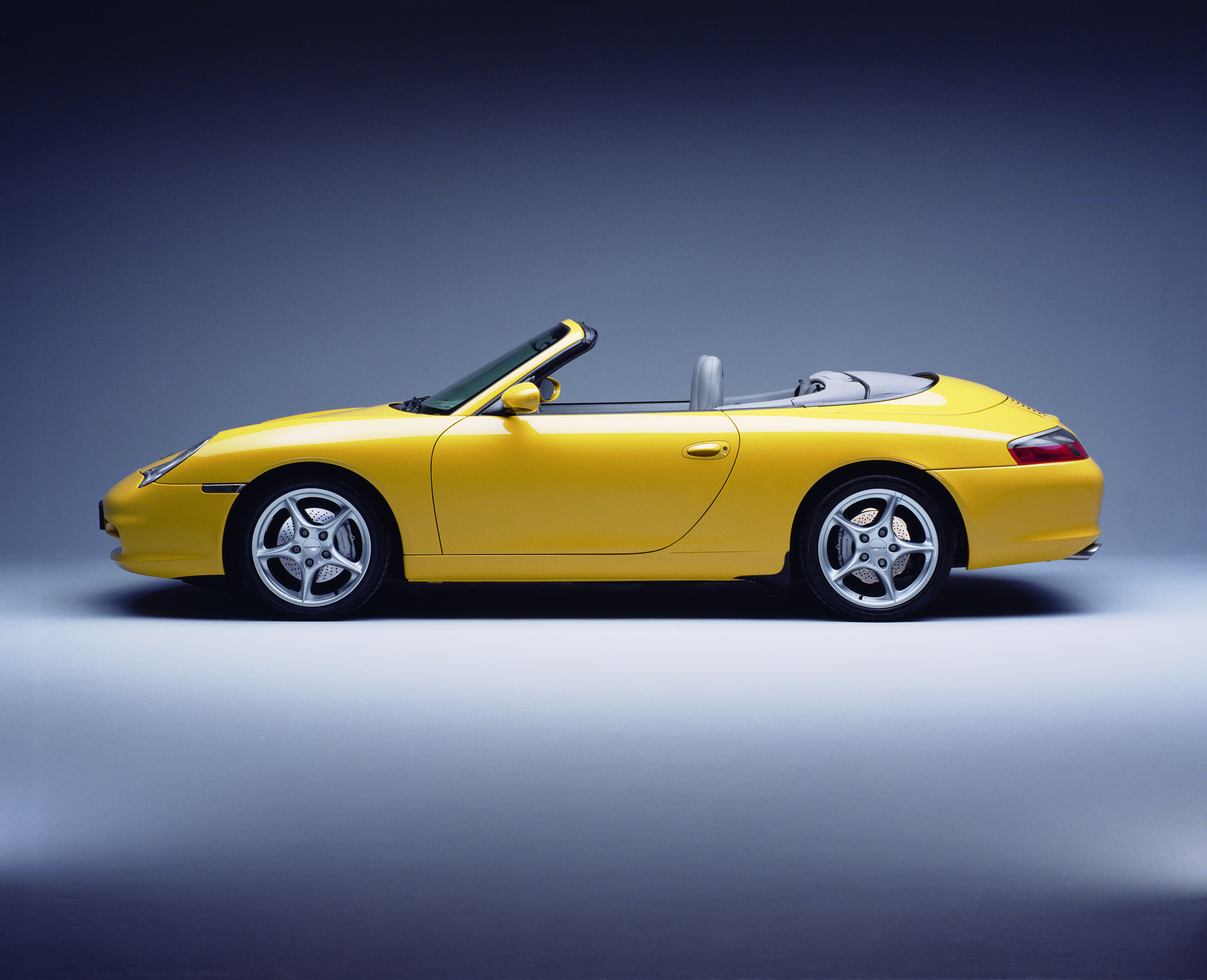
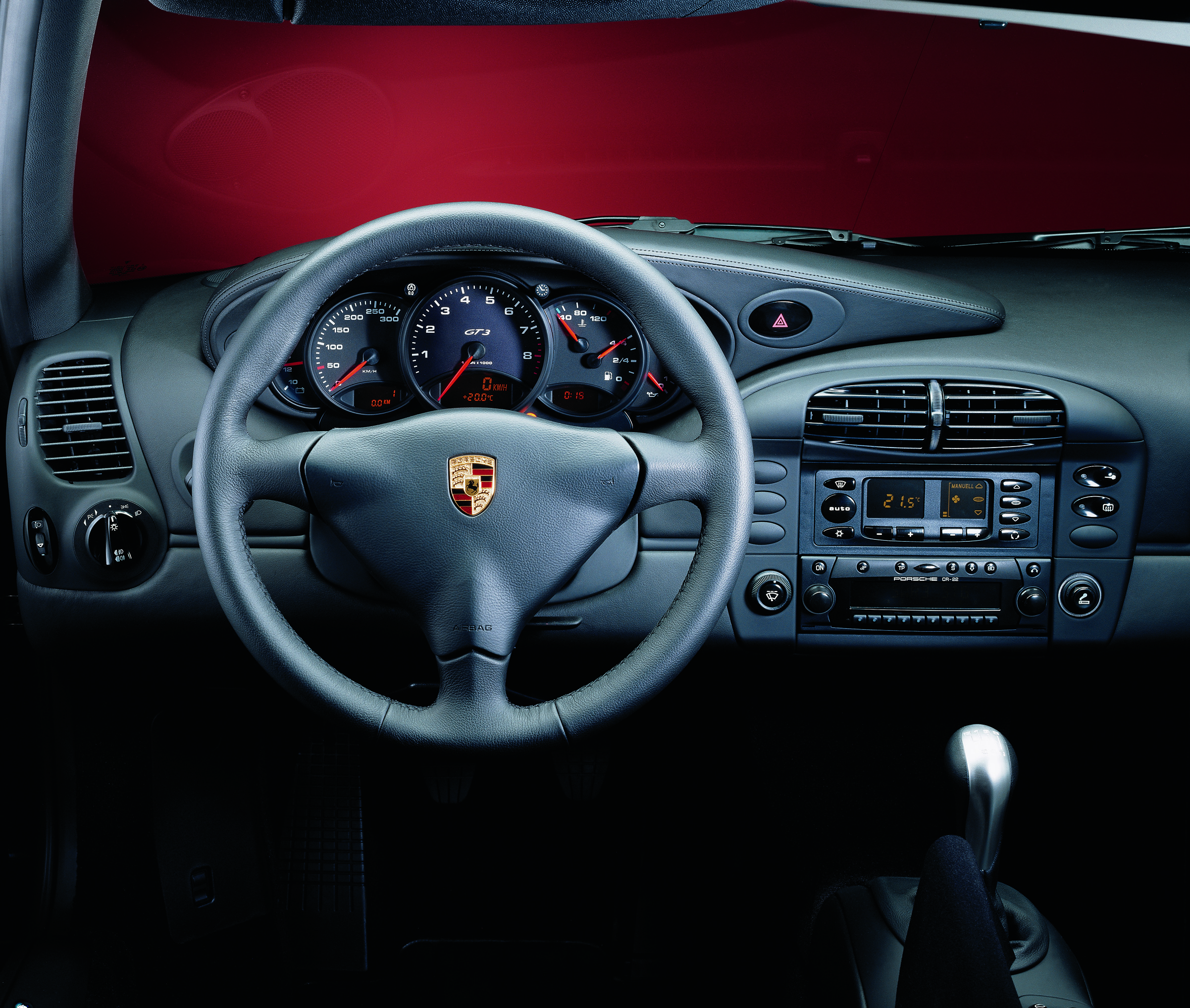
Inside the 997 cabin, nearly all of it was new except for the structure and shape of the rear seats. In the late 1990s, Harm Lagaay hired Franz-Josef Siegert away from Mercedes-Benz, and in typical fashion, Siegert brought with him a number of his favorite talents from the M-B interior studios. Porsche had a challenge ahead for the 997; the 996 regularly earned compliments as Porsche’s most comfortable and user-friendly interior of any in its history. While Weissach hoped to engineer performance and handling to appeal to a sportier enthusiast buyer, it was not about to push away its new enthusiasts who liked the way the car felt and operated from the inside. Work that Tony Hatter had accomplished to redesign the 993 convertible top went further with Grant Larson and Matthias Kulla on the 997 versions. While Schröder’s original version incorporated aluminum and alloy die castings, the 997 used magnesium and a Z-fold mechanism similar to but updated on the 996 system. Wolfgang Dürheimer and Bernd Kahnau had the sales figures and research data that led them to offer 40 percent of the 2005 997 output as convertibles, knowing that 50 percent of U.S. buyers purchased the open car. Porsche acquired full ownership of CTS (Car Top Systems) and this subsidiary delivered the fully assembled top and its mechanisms, like every other outsourced system, to the assembly line just in time for two assemblers to mount it onto the painted car body.

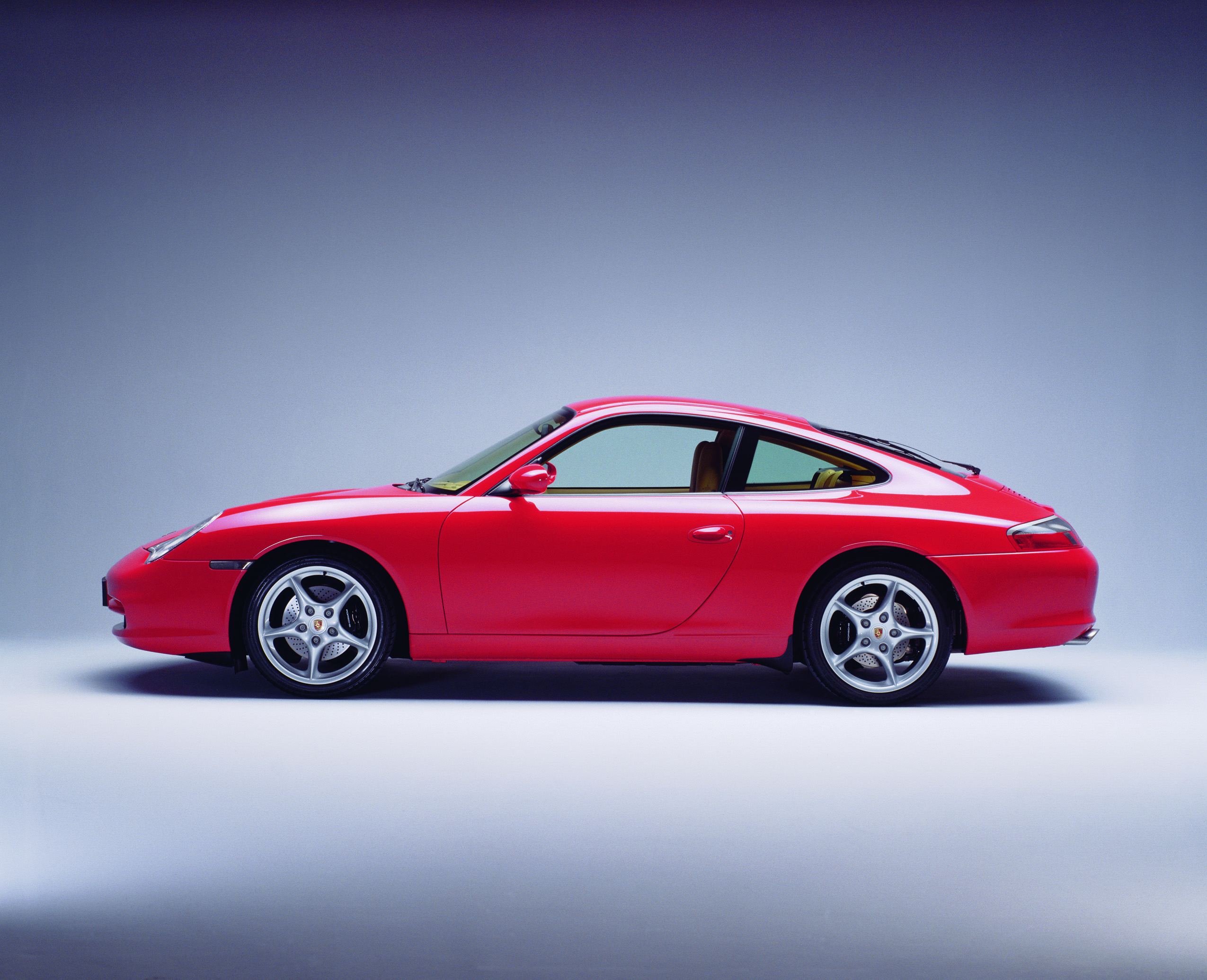
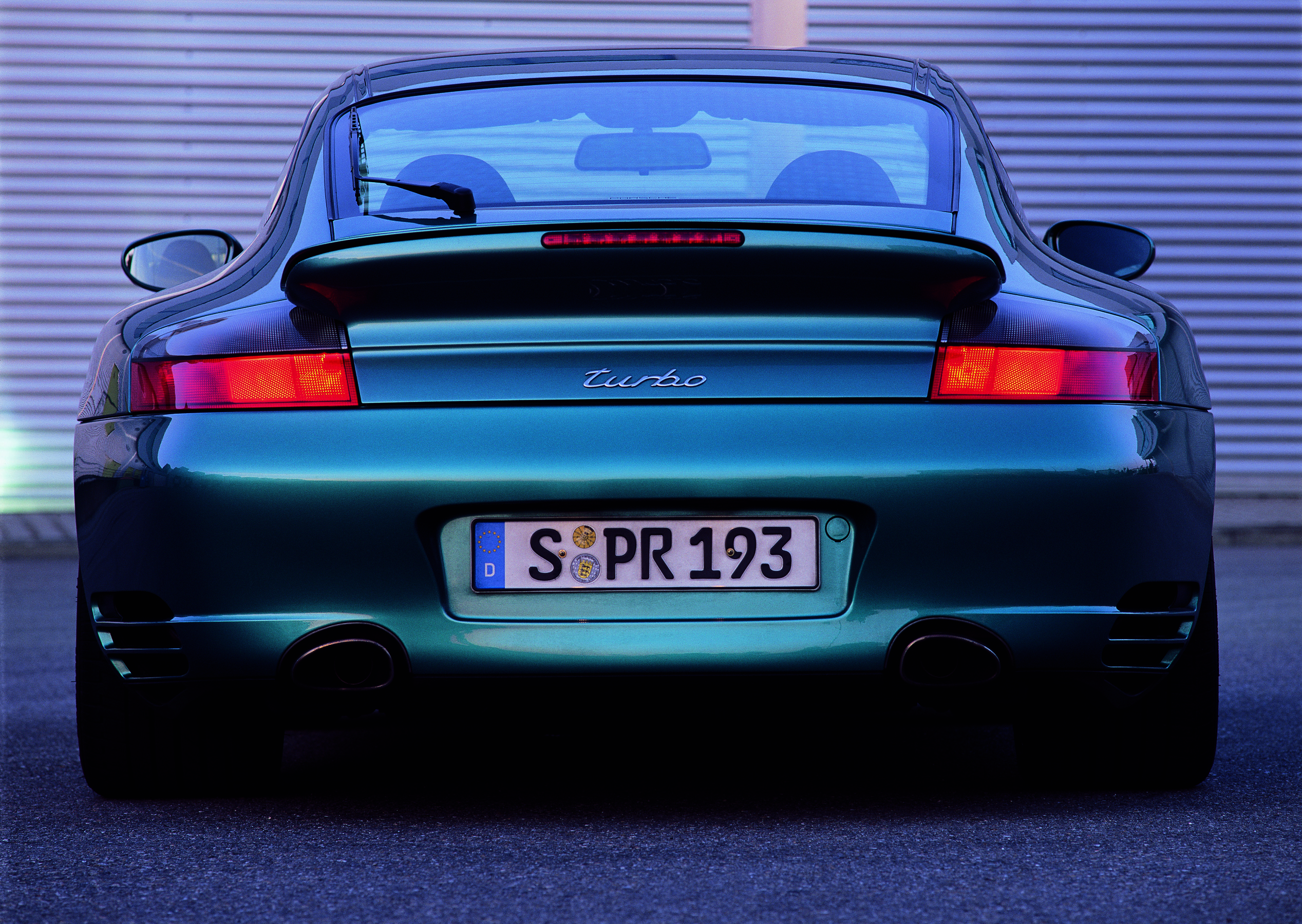
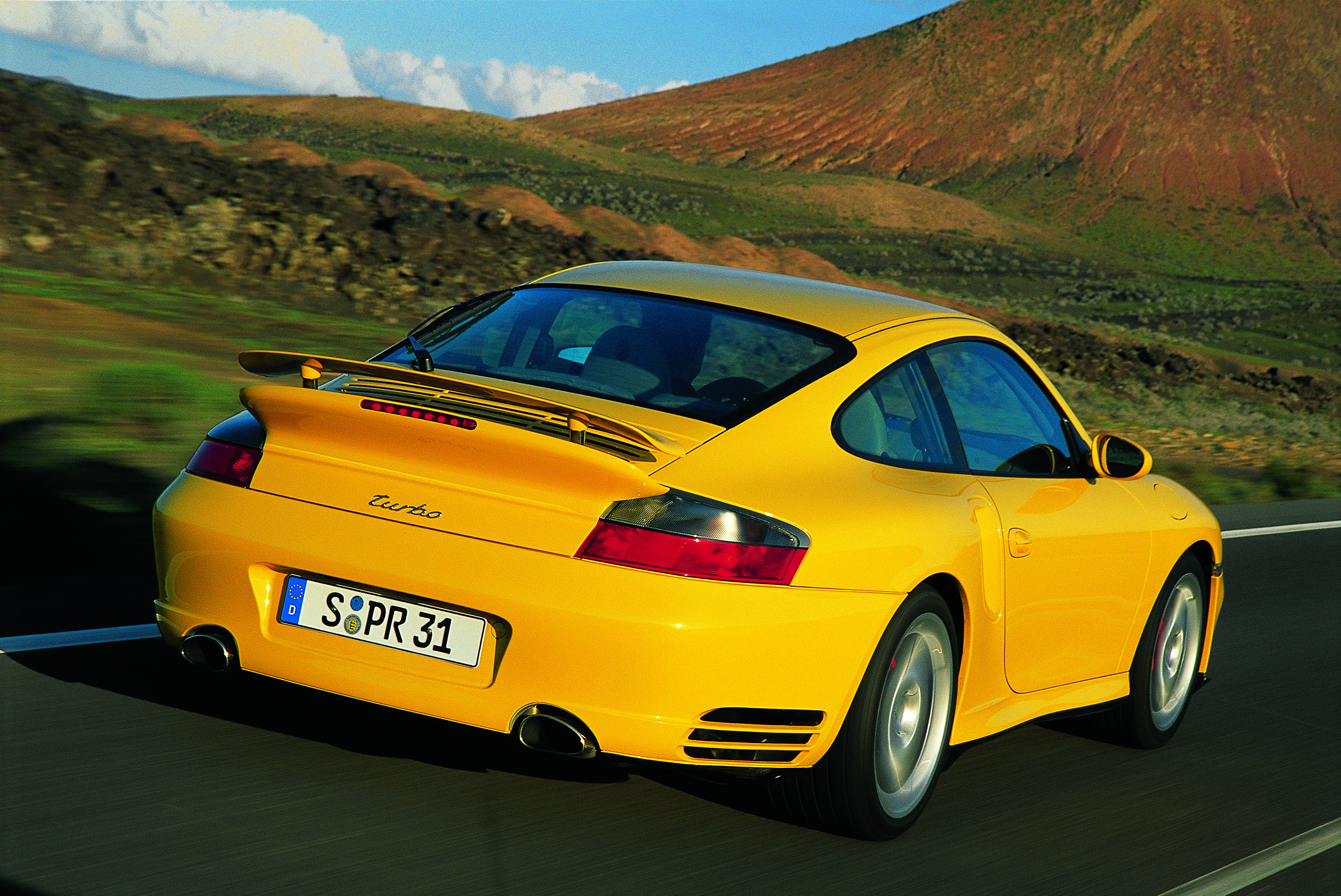
In its 997 configuration, the Targa evolved from only a rear-wheel-drive automobile to only a four-wheel-drive vehicle. Buyers tended to use their cars year-round, even to winter skiing outings. Fitting the glass roof to the 1.7-inch-wider rear end gave the car a slightly more aggressive look and better handling that its buyers appreciated. The 997 Turbo debuted at Geneva in February 2006 and the Turbo cabriolet arrived 18 months later. The Turbos provided buyers 480 horsepower, and with this package, Weissach engineers achieved a longtime goal, virtually identical performance between coupe and cabriolet versions. Acceleration from 0 to 100 kilometers an hour required just 3.9 seconds with the six-speed manual transmission. Incredibly, the only way to arrive there quicker was to order the Tiptronic S, which shaved off 0.2 seconds, making the launch take just 3.7 seconds. The GT3, introduced alongside the Turbo at Geneva, was instantly popular, with 415 horsepower providing 0 to 100 kilometers-per-hour acceleration in 4.1 seconds. “It’s as close as you can get to a race car with a license plate on it,” Andreas Preuninger explained. Preuninger was GT3 and GT3RS project leader, and the engineer/former magazine journalist/car tester was responsible for creating the car’s capabilities. “We wanted to translate the feeling a race car gives you, the emotion, the wish to drive to your destination in a circle, not in a straight line, because you don’t want to get out of the car.” A wilder-looking GT3RS, with bolder graphics and a larger fixed wing, appeared at the same time. A year later, Preuninger’s colleagues working at the racing shops in Flacht turned out Porsche’s most potent 911 to date, the GT2, with 530 horsepower. Porsche developed this car to homologate its racing versions for events such as Le Mans and the American Le Mans Series, and because the FIA ran events only on paved roads, it does not allow all-wheel-drive vehicles, so the GT2 was rear drive. Weighing only 3,175 pounds, the GT2 reached 204 miles per hour, making it Porsche’s fastest street-legal 911 ever. (Ironically, because of the capabilities of all-wheel drive and the quickshifting Tiptronic S gearbox, the Turbo S coupe remained faster, accelerating to 100 kilometers at 3.5 seconds while the GT2 reached the speed in 3.6 seconds.) For many people, the 997 facelift slipped in below their radar. But its changes were anything but subtle, despite a very understated appearance evolution. The first thing noticeable to most observers was the switch from 12-volt incandescent bulbs to LED fixtures for front marker and rear taillights. What was far more significant was what happened under the proverbial hood. The 996 engines suffered some reliability and durability issues, and while the company honored warranties, the fact that an engine might have failed catastrophically sent engineers back to their drawing boards. While they promised that the improvements built in to the 997 Carrera engines eliminated these risks, they took no further chances and when the time came to switch over to direct fuel injection (DFI), Horst Marchart authorized new blocks all around. Direct fuel injection blasts a succession of the gasoline-air mixture sprays right into the combustion chamber through injectors placed between the two intake valves. This eliminated the intake plenum or runners previously used to improve the mixture. The travel along the plenum allowed for microscopic amounts of wasted fuel. With DFI, under routine load, the fuel entered the cylinder at 1,740 psi, and even at idle, the pressure was 1,015 psi. To eradicate another historical problem, Porsche eliminated the secondary air injectors by creating a system that shot in a second blast of fuel late in the combustion cycle on cold starts. This added heat to the exhaust that raised catalysts to operating temperatures very quickly. The engine management system registered intake and exhaust temperature as well as hundreds of other inputs to vary the timing, duration, and quantity of first and subsequent sprays.

The new engines had new displacements with the Carrera using 1.0-millimeter larger bore at 97-millimeter bore and 1.3-millimeter greater stroke (for 81.5 millimeters) to displace a total of 3,614cc while the S engine shortened stroke from 82.8 millimeters to 77.5 and opened bore from 99 millimeters to 102, to create an exact 3,800cc engine. The 3.6 developed 20 more horsepower than its predecessor, taking base output to 345 while the S increased by 30 to 385 horsepower. Weissach carried over the six-speed manual with only minor modifications. However, the second engineering marvel on the 997/2 was the arrival of the long-awaited Porsche Doppelkupplungsgetriebe, the seven-speed PDK double-clutch transmission. Weissach invented this gearbox for racing purposes in 1980. Its development process was bedeviling, and the company did not win with it until 1986 at Monza in a 962. Its potential became apparent to all, but the production version introduced in late 2008 for the 2009 models was similar to the racing gearbox only in name and the fact that it used two clutches. Porsche worked with ZF and tested the system with drives in the hills of San Francisco and the traffic in Los Angeles. It shifted gears so rapidly that fuel economy improved 12 percent over the old Tiptronic. Buttons on a new and dedicated PDK steering wheel toggled up or down or drivers used the short shift lever on the center console. An entertainment feature available for buyers who included Sport Chrono Plus on their option list was Porsche’s launch control, a technology the company introduced on its dry-clutch manual transmission GT2. With the PDK, drivers depressed the brake and accelerator simultaneously. At 6,500, slipping a foot off the brake pedal shot the car forward. It apparently was an option of limitless enjoyment as the wet clutches were configured to take the abuse; the GT2 dry clutches were not so forgiving in their tolerance for such brutality.

Within another year, Porsche brought DFI to the Turbo, updating its variable turbine geometry in the process. Twenty more horsepower appeared as a result, elevating the 997/2 Turbo output to a nice round 500 horsepower at 6,000 rpm. More importantly, the handling of the first-generation 997 Turbo—with a tendency to understeer and to display noticeable weight transfer under acceleration, cornering, and braking (a function of the manner in which engineers set up torque split among the four driving wheels and axles) was eliminated. As chassis engineer Ulrich Morbitzer told EXCELLENCE magazine’s Ian Kuah, “We had a complete rethink of spring, damper, and anti-roll bar settings. The front springs are unchanged . . . but we made big changes at the rear.” These were sufficient for Porsche testing and development driver Walter Röhrl to lap the Nurburgring in 7:39 on road tires compared to a 7:32 time he accomplished on Cup tires that he claimed would have improved the Turbo times by five seconds. For operating the PDK-equipped Turbo, Porsche fitted true paddles behind the steering wheel.

ENDURANCE RACER FOR THE STREET Whether Porsche was looking to create a new legend or simply set a benchmark so far out there that competitors simply shook their heads, it met that goal with the GT2RS. This car looked subtly—and that is a word that Porsche takes seriously in its appearance lexicon—different from the updated GT3RS but its statistics set it far apart, and a bit beyond anything Porsche ever offered for the street before. This was one more adaptation of the strong steadfast Hans Mezger–designed 3.6-liter split case dry sump flat six. But with new intercoolers, new twin turbochargers, new pistons, a heavily revised engine control unit (ECU), and many other changes slight and mighty, this 223-cubic-inch engine developed 620 horsepower at 6,500 rpm. Only a manual six-speed could hold onto this performance, but its numbers left some targets to the imagination: time from 0 to 100 kilometers per hour was quoted as 3.5 seconds. Time from 0 to 100 miles per hour was quoted as 6.8 seconds. Top speed was listed at 205 miles per hour. Two of those numbers looked familiar. A Turbo with PDK and Sport Chrono Plus actually could beat this thinly disguised race car to 100 kilometers per hour. However, with 516 lb-ft of torque available steadily from 2,500 rpm to 5,500, and with gearshifts necessary on the way up the speedometer, perhaps only its design engineers knew the real potential of this automobile. A lap of Nurburgring in 7:18 turned out to be just one of its achievements. It was for sale worldwide— that was another. And its third accomplishment spoke volumes about where the automotive performance world sought audiences at the beginning of the second decade of the twenty-first century: Porsche unveiled the GT2RS at the Moscow auto show.

As the company wound down its 997/2 series, it released two special and limited production models meant, once again, to tug at the heartstrings from earlier generations. One model, the 911 Sport Classic, put the Carrera S rear-wheel-drive running gear, Porsche composite carbon brakes (PCCB), and the PASM system in a somewhat distinctive-looking body with a slightly lowered roofline (raised ever so slightly for driver and passenger heads in a double-bubble style reminiscent of Italian race cars from the 1950s and 1960s). An offspring of Porsche Exclusive, one of the Sport Classic’s most tantalizing visual treats was the 1973-style burzel fitted onto the rear deck lid. Restricted to a run of just 250 cars and not offered to American customers, the cars were painted Sport Classic Grey, set off with two slightly darker grey stripes and a coffee brown interior called Espresso Nature by the creative writers inside Exclusive. To propel the Sport Classic, engineers applied the SportKit that fitted the 3.8-liter engine with ported and polished cylinder heads, a variable resonance intake manifold, a unique exhaust system, and a rewritten ECU program, all of which helped the engine deliver 408 horsepower at 7,300 rpm. This car addressed the same motives that had inspired engineer Rolf Sprenger to establish Sonderwunsch in 1979; he hoped to bring that lucrative aftermarket/tuner/modification business in house. Exclusive had the same goals with this car and its sibling, the 2010 911 Speedster.
Previous Page Page 20 Next Page